Produits biochimiques et réactifs
Les biochimiques et réactifs sont des substances fondamentales pour la recherche et le développement dans des domaines tels que la biotechnologie, la biologie moléculaire, la pharmacologie et la médecine. Ces produits sont essentiels pour une variété d'applications, y compris la synthèse de composés, l'analyse d'échantillons biologiques, la recherche sur les processus métaboliques et la production de médicaments. Chez CymitQuimica, nous proposons une large sélection de biochimiques et réactifs de haute qualité et pureté, adaptés à divers besoins scientifiques et industriels. Notre catalogue comprend des enzymes, des anticorps, des acides nucléiques, des acides aminés et de nombreux autres produits, tous conçus pour soutenir les chercheurs et les professionnels dans leurs projets de recherche et développement, garantissant des résultats fiables et reproductibles.
Sous-catégories appartenant à la catégorie "Produits biochimiques et réactifs"
- Biomolécules(99.205 produits)
- Par Biological Target(99.900 produits)
- Par usage/effets pharmacologiques(6.790 produits)
- Cryoconservation et composés associés aux cryoconservateurs(21 produits)
- Désinfectants, additifs pour les fluides pour bains chauffants et composés apparentés(28 produits)
- Hormones(346 produits)
- Biologie végétale(6.835 produits)
- Métabolites secondaires(14.345 produits)
130607 produits trouvés pour "Produits biochimiques et réactifs"
Trier par
Degré de pureté (%)
0
100
|
0
|
50
|
90
|
95
|
100
Apratastat
CAS :<p>Apratastat is a drug that inhibits the production of TNF-α, one of the cytokines responsible for inflammation and tissue damage. Apratastat has been shown to be effective in reducing lung damage caused by exposure to smoke or ozone. It also reduces the inflammatory response in skin diseases such as atopic dermatitis and psoriasis. This drug is administered orally and is excreted unchanged in urine. Apratastat has been shown to have biocompatible properties with a long half-life, which makes it suitable for specific treatment of conditions such as chronic obstructive pulmonary disease (COPD).</p>Formule :C17H22N2O6S2Degré de pureté :Min. 95%Masse moléculaire :414.5 g/molAzoxydapsone
CAS :<p>Azoxydapsone is a peptide that belongs to the group of activators. It activates the immune system by activating T-cells and B-cells, as well as stimulating the production of antibodies. Azoxydapsone has been shown to inhibit ion channels and protein interactions.</p>Formule :C24H20N4O5S2Degré de pureté :Min. 95%Masse moléculaire :508.6 g/molVarenicline hydrochloride
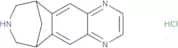
CAS :<p>Varenicline hydrochloride is a nicotinic receptor agonist that is used to treat bowel disease. It is available in the form of solid dispersions and orally as tablets. Varenicline hydrochloride prevents acetylcholine from binding to its receptors, which leads to relief of symptoms such as abdominal pain, constipation, and diarrhea. Varenicline hydrochloride has been shown to increase the level of dopamine in the striatum by acting on α7 nicotinic acetylcholine receptors. It also has been shown to have an effect on locomotor activity and inflammatory bowel disease in rats.</p>Formule :C13H14ClN3Degré de pureté :Min. 95%Masse moléculaire :247.72 g/molAcyl 06:0 NBD pg
CAS :<p>Acetyl 06:0 NBD-PE is a peptide that has been shown to inhibit the binding of an antibody to a receptor. Acetyl 06:0 NBD-PE can be used as a research tool for studying protein interactions, and it has been found to be an effective inhibitor of ion channels. Acetyl 06:0 NBD-PE is also a ligand for specific receptors and ion channels. This product is of high purity and has not been shown to have any adverse effects on cell biology or life sciences.</p>Formule :C34H60N5O11PDegré de pureté :Min. 95%Masse moléculaire :745.84 g/molZika Virus NS1 Antigen Mouse Monoclonal Antibody
<p>Purified by DEAE column chromatography and presented as a liquid in 0.015M potassium phosphate, 0.85% NaCl, pH 7.2, this mouse monoclonal antibody is complementary to the Zika NS1 protein. It is available in the IgG1k immunoglobulin subclass and is potentially suitable for used in the rapid lateral flow detection of Zika NS1 protein.<br>Despite causing mild symptoms in most cases, the mosquito transmitted Zika virus causes a global threat in that in adults it can lead to neurological complications and Guillain-Barré syndrome and during pregnancy it can cause fetal microcephaly and congenital malformations (Zika syndrome). NS1, the protein to which this antibody is complementary, is one of seven non-structural proteins and is involved in Zika virus replication and pathogenesis. For example studies have shown that it can increase the permeability of the umbilical vein, human placentas and brain endothelial cells. It also may be possible for antibodies targeting this Zika NS1 protein to reduce the pathogensis of NS1.</p>Degré de pureté :>90% By Sds-Page.TentaGel® MB RAM, particle size: 200 - 250 µm
<p>Please enquire for more information about TentaGel® MB RAM, particle size: 200 - 250 µm including the price, delivery time and more detailed product information at the technical inquiry form on this page</p>Degré de pureté :Min. 95%(Des-Asp1-Ile5)angiotensin I trifluoroacetate
CAS :<p>(Des-Asp1-Ile5)angiotensin I trifluoroacetate is an analog of angiotensin I that acts as an inhibitor of kinases. It has been shown to induce apoptosis in human cancer cells and may have potential as an anticancer agent. This compound is derived from Chinese urine and has been found to be effective against a variety of tumors, including those resistant to chloroquine or artesunate treatment. The mechanism by which (Des-Asp1-Ile5)angiotensin I trifluoroacetate exerts its anticancer effects is not fully understood, but it is believed to involve the inhibition of kinase activity and the induction of apoptosis in cancer cells. This compound may hold promise as a novel inhibitor for the treatment of various cancers.</p>Formule :C58H84N16O11•(C2HF3O2)xDegré de pureté :Min. 95%C-Reactive Protein Mouse Monoclonal Antibody
<p>Complementary to the human C-Reactive Protein (CRP), this mouse monoclonal antibody is of the immunoglobulin class IgG and has been purified by protein A chromatography and presented as a liquid in PBBS, pH 7.4.<br>CRP is an acute-phase inflammatory, pentameric plasma protein. Awarded its name after being first discovered reacting with the capsular (C)-polysaccharide of the Pneumococcus infection, the CRP has since been found to activate the classical complement pathway of innate immunity. Dependent on the presence of calcium ions on its ligand-binding face, CRP specifically stimulates C1q when binding to phosphocholine and other polysaccharides located on microorganisms. Expression of CRP is increased (primarily in the hepatocytes) when inflammatory cytokines such as interleukin-6 are elevated during infection and some conditions such as rheumatoid arthritis and cardiovascular diseases.<br>Two clones of this product are available clone 2102028 and clone 2002018 . Clone 2102028 is recommended for capture whereas clone 2002018 could be applied as a detection antibody in immunoassay development and clinically to monitor inflammation in diseases such as sepsis and autoimmune diseases.</p>Dengue Virus NS1 Antigen Mouse Monoclonal Antibody
<p>With specificity to all four serotypes (DEN-1, DEN-2, DEN-3 and DEN-4) of the Dengue virus NS1 protein, this mouse monoclonal antibody is protein A purified from ascites fluids and presented as a liquid in 0.01M PBS, pH 7.2. IgG1 immunoglobulin subclass clones are available and can be used in ELISA or later flow assays. Specifically Clone 0801036 can be used as a capture antibody with either clone 0801046 or 0801056 as the detection antibodies in ELISA. In lateral flow assays clone 1509107 can be used as the capture antibody along with clone 1609117 as the detection antibody. Therefore monoclonal antoibodies such as this product can be used in the detection and diagnosis of Dengue virus in human patients.<br>Classified as a Flavivirus and a member of the Flaviviridae family, the Dengue virus, through mosquito transition causes dengue fever in humans. Although this virus can inflict asymptomatic or mild symptoms in patients it can lead to severe infections such as dengue hemorrhagic fever, also known as dengue shock syndrome. The Dengue Virus non-structural protein 1 (NS1) to which this mouse monoclonal antibody is complementary, is an important glycoprotein antigen in Dengue viral replication and is secreted from infected host cells as a hexamer. As a secreted hexamer the NS1 protein contains a detergent-sensitive central cavity, hosting around 70 lipid molecules which may allow the NS1 through glycosaminoglycan interactions, to attach to the cell membranes of the host cells. Once the NS1 is anchored into the surface membrane of infected host cells it appears as a membrane associated homodimer. It is believed that NS1 may interact with complement proteins leading to protection of the Dengue virus from complement-dependent lysis and furthermore may be involved in systemic immunity and contribute to vascular leakage, coagulopathy and thromobocytopenia.</p>Degré de pureté :>90% By Immunoelectrophoresis Using Agarose.Campylobacter Jejuni Antigen
<p>Campylobacter Jejuni Antigen is an antibody for use in pharmaceutical and diagnostic applications. Please enquire for more information about Campylobacter Jejuni Antigen including the price, delivery time and more detailed product information at the technical inquiry form on this page.</p>OSU-HDAC 44
CAS :<p>OSU-HDAC 44 is a histone deacetylase inhibitor that binds to the catalytic site of HDAC enzymes in the cell and prevents them from removing acetyl groups from lysine residues on proteins. OSU-HDAC 44 has been shown to suppress tumor growth by suppressing genes that are responsible for cell division and proliferation. It also inhibits cancer cells by inhibiting cycle analysis, which is necessary for the production of DNA. In addition, OSU-HDAC 44 has been shown to be effective against xenograft tumors in mice and human tissues.<br>OSU-HDAC 44 has a basic structure that includes an octamer with 8 lysine residues and a hydroxamic acid group. This drug also interacts with histones, which are proteins found in eukaryotic cells that package DNA into chromosomes. Histones have regions called termini that are rich in lysine residues and may be targets for OSU-HDAC 44.</p>Formule :C19H22N2O3Degré de pureté :Min. 95%Masse moléculaire :326.39 g/molSrc kinase inhibitor II
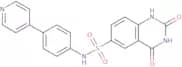
CAS :<p>Src kinase inhibitor II is a tyrosine kinase inhibitor that inhibits the activity of the Src family kinases. It has been shown to inhibit the proliferation of fibrosarcoma cells and inhibit the growth of Staphylococcus aureus, which is associated with cell-to-cell contact. The compound also inhibited IL-10 production in activated T cells from cancer patients and has shown efficacy in inhibiting the activation of PD-L1 on tumor cells. Src Kinase Inhibitor II binds to serine proteases such as trypsin and chymotrypsin, which are involved in protein degradation. This binding disrupts these enzymes, leading to reduced protein degradation.</p>Formule :C22H20N4O3SDegré de pureté :Min. 95%Masse moléculaire :420.48 g/molDr4004 hydrochloride
CAS :<p>Dr4004 is a monoclonal antibody that inhibits the interaction of the peptide PAMP with its receptor, thereby blocking the activation of ion channels. Dr4004 is an activator of G-protein coupled receptors (GPCRs). This antibody binds to the extracellular domain of the GPCR and prevents it from interacting with its ligand. Dr4004 has been shown to inhibit cell proliferation in human prostate cancer cells by blocking their ability to proliferate.</p>Formule :C26H30N2O·HClDegré de pureté :Min. 95%Masse moléculaire :422.99 g/molObinutuzumab - Buffer solution
CAS :<p>Activates B-cell apoptosis; treatment of B-cell malignancies</p>Degré de pureté :Min. 95%Couleur et forme :PowderYellow Fever Virus NS1 Antigen Mouse Monoclonal Antibody
<p>A mouse monoclonal antibody (Mab) purified by ion exchange chromatography, presented as a liquid in 0.015M potassium phosphate, 0.85% NaCl, pH 7.2, is a cell-culture derived lysate from strain 17D. Immunoglobulin subclasses IgG1k and IgG2a are available and are potentially suitable for ELISA, rapid lateral flow applications and other immunoassay formats for detection of the Yellow Fever NS1 protein.<br>The occurrence of the viral infection Yellow Fever is largely in Africa and South America where Mosquitoes infected with this Flaviviridae family virus bite humans and transmit the virus. Although symptoms can be mild, severe cases can lead to diseases such as hepatitis and renal failure. The NS1 glycoprotein, complementary to the mouse mab to the Yellow Fever Virus (YFV), is one of 7 non-structural proteins (NS1, NS2A, NS2B, NS3, NS4A, NS4B, and NS5) encoded for by the single stranded RNA of the YFV. Interestingly NS1 can be found within the viral cell as a monomer, on the cell surface as a hydrophobic dimer and as a hexameric species when secreted. NS1 plays a role in virus assembly and it's 12 invariant cysteine residues allow it to function within RNA replication and hence contribute to reducing the host's immune response. Monoclonal antibodies complementary to the NS1 protein bind and inhibit activity and hence can be used in vaccine to offer immunity against YF.</p>Degré de pureté :>90% By Sds-Page.GPBAR-A
CAS :<p>GPBAR-A is an active form of Glucose-dependent insulinotropic polypeptide (GIP) that has been shown to increase insulin sensitivity. GPBAR-A is a peptide hormone that belongs to the glucagon family and has been found to activate physiological responses in the pancreas, liver, and intestines. It is produced by pancreatic beta cells in response to glucose and increases insulin secretion from the pancreas. GPBAR-A also reduces hepatic steatosis in mice fed a high fat diet, which may be due to its ability to stimulate fatty acid oxidation by activating peroxisome proliferator-activated receptors (PPARs).</p>Formule :C23H15F7N2O2Degré de pureté :Min. 95%Masse moléculaire :484.37 g/mol7-Hydroxy ondansetron
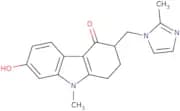
CAS :<p>7-Hydroxy ondansetron is an active form of ondansetron that is selectively extracted from human serum using a liquid-liquid extraction procedure. It has been shown to have the same activity as the racemic mixture of 7-hydroxy and (S)-7-hydroxy ondansetron in inhibiting the uptake of diazepam, and it can be used as a marker for human serum. The uptake rate of 7-hydroxy ondansetron was found to be statistically dependent on the concentration of caffeine in solution and can be measured by high performance liquid chromatography analysis. The chromatographic method used to measure this uptake rate is based on the use of acetonitrile as a mobile phase, which is applied to a C18 column with a gradient elution program.</p>Formule :C18H19N3O2Degré de pureté :Min. 95%Masse moléculaire :309.4 g/molCP-135807
CAS :<p>CP-135807 is a potent and selective serotonin reuptake inhibitor that is structurally related to benzodiazepines. CP-135807 has been shown to be a 5-HT1A receptor agonist with high affinity in animals. CP-135807 also has serotonergic properties and can inhibit the uptake of serotonin at synapses. CP-135807 has been shown to have potent antidepressant effects in animal models, as well as anxiolytic effects due to its interactions with benzodiazepine receptors.</p>Formule :C19H21N5O2Degré de pureté :Min. 95%Masse moléculaire :351.4 g/molCD 2314
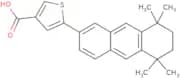
CAS :<p>CD 2314 is an innovative compound used as a neuromodulatory agent, derived from advanced synthetic pathways. This compound acts selectively on specific neural receptors through ligand-receptor interactions, making it a valuable tool for elucidating complex neurological pathways. By modulating synaptic transmission and influencing neurotransmitter release, CD 2314 offers potential insights into the synaptic mechanisms underpinning cognitive processes.</p>Formule :C23H24O2SDegré de pureté :Min. 95%Masse moléculaire :364.5 g/molTyr-Gly-Gly-Phe-Leu-Lys
CAS :Produit contrôlé<p>Tyr-Gly-Gly-Phe-Leu-Lys is a synthetic peptide that has been shown to act as an activator of ion channels and as an inhibitor of protein interactions. It is also capable of binding to the receptor, ligand, or pharmacology. Tyr-Gly-Gly-Phe-Leu-Lys has been tested on a variety of cell types including rat primary neurons, CHO cells, COS cells, and human embryonic kidney (HEK) 293 cells. This peptide has shown the ability to inhibit the activity of ion channels such as voltage sensitive sodium channels and calcium channels in rat primary neurons. In CHO cells, Tyr-Gly-Gly-Phe-Leu-Lys was found to inhibit the binding of acetylcholine receptors to their ligands. In HEK 293 cells, this peptide inhibited the binding of dopamine D2 receptors with their ligands.</p>Formule :C34H49N7O8Degré de pureté :Min. 95%Masse moléculaire :683.8 g/molTunicamycin A1
CAS :<p>Tunicamycin A1 is an analog of a natural product isolated from Chinese medicinal herbs. It is known for its potent anticancer activity, acting as a kinase inhibitor that induces apoptosis in cancer cells. Tunicamycin A1 has been shown to inhibit the growth of tumors and has potential as a therapeutic agent for cancer treatment. This compound is extracted from urine and has been extensively studied for its medicinal properties. Tunicamycin A1 targets specific kinases and proteins involved in cancer cell growth, making it a promising candidate for the development of new anticancer drugs. Its potent inhibitors have shown great promise in preclinical studies as a potential treatment option for various types of cancers.</p>Formule :C37H60N4O16Degré de pureté :Min. 95%Masse moléculaire :816.9 g/molAM 114
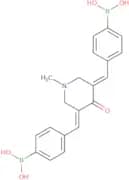
CAS :<p>AM 114 is a hydroxyl-containing compound that has been found to have antibacterial activity. The primary target of AM 114 is the informational molecule in bacteria, RNA polymerase. It binds to the catalytic site of RNA polymerase and inhibits bacterial growth. This binding leads to a decrease in bacterial cell size and a decrease in the production of proteins in the bacterial cells. AM 114 also inhibits penicillin-binding protein (PBP) from Staphylococcus aureus, which may be an additional mechanism for its antibacterial effects.</p>Formule :C20H21B2NO5Degré de pureté :Min. 95%Masse moléculaire :377.01 g/molrac-Cubebin
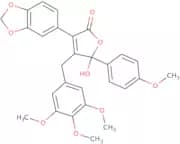
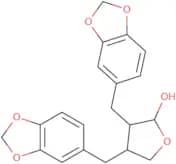
CAS :<p>Cubebin is a racemic mixture of two enantiomers, (-)-Cubebin and (+)-Cubebin. It is a potent activator of TRPV1 receptors and has been shown to inhibit the activity of the protein kinase C (PKC) in cells. Cubebin also binds to the beta-subunit of voltage-gated potassium channels, inhibiting its function as an inhibitor. Cubebin has been used as a research tool for studying protein interactions and as a pharmacological probe for understanding ion channel modulation.</p>Formule :C20H20O6Degré de pureté :Min. 95%Masse moléculaire :356.4 g/molMK 0752
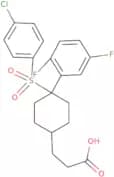
CAS :<p>γ-secretase inhibitor of Notch signalling pathway; anti-cancer agent</p>Formule :C21H21ClF2O4SDegré de pureté :Min. 95%Masse moléculaire :442.9 g/molPD 173074
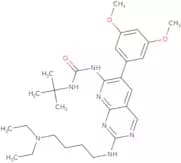
CAS :Inhibitor of FGFR1 receptor tyrosine kinaseFormule :C28H41N7O3Degré de pureté :Min. 95%Masse moléculaire :523.67 g/molPBOX-15
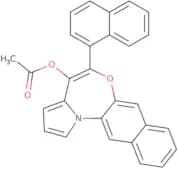
CAS :<p>PBOX-15 is a novel, small molecule that causes mitochondrial membrane depolarization. This leads to the release of cytochrome c and other pro-apoptotic proteins into the cytosol. It also inhibits the BCR-ABL kinase, which is associated with cancer cell proliferation. PBOX-15 has minimal toxicity in animal studies and has been shown to have little effect on drug metabolism. It has been shown to have a potent antiproliferative effect on squamous carcinoma cells and other solid tumours such as breast, prostate, lung, colon, and pancreatic cancers.</p>Formule :C28H19NO3Degré de pureté :Min. 95%Masse moléculaire :417.5 g/molOrotirelin
CAS :<p>Orotirelin is a peptide that is used as a research tool and in the study of protein interactions. Orotirelin binds to orexin receptors, which are found in neurons of the hypothalamus, and activates them. It has been shown to have a potent inhibitory effect on the release of pituitary hormones from the anterior lobe of the pituitary gland. It also acts as an inhibitor for certain ion channels and can be used as an antibody against other ligands that bind to orexin receptors.</p>Formule :C16H19N7O5Degré de pureté :Min. 95%Masse moléculaire :389.37 g/molRoscovitine
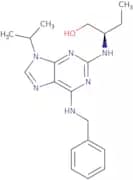
CAS :<p>Inhibitor of cyclin-dependend kinases CDC2, CDK2 and CDK5</p>Formule :C19H26N6ODegré de pureté :Min. 95%Masse moléculaire :354.45 g/molWYE-687
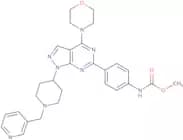
CAS :<p>WYE-687 is a novel small molecule that inhibits lipid kinase activity and is able to induce senescence in cells. It has potent antitumor activity against cancer cells and potently inhibits the growth of xenograft tumors in mice. WYE-687 also possesses potential as a drug target for autoimmune diseases, such as multiple sclerosis and rheumatoid arthritis. The drug has been shown to inhibit angiogenesis, which is the formation of new blood vessels from pre-existing ones, both in vitro and in vivo. WYE-687 has been shown to be well tolerated by animals after oral administration, with no observable side effects.</p>Formule :C28H32N8O3Degré de pureté :Min. 95%Masse moléculaire :528.61 g/mol1-Octadecanoyl-2-(15S-hydroxy-5Z,8Z,11Z,13E-eicosatetraenoyl)-sn-glycero-3-phosphoethanolamine
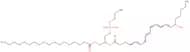
CAS :<p>1-Octadecanoyl-2-(15S-hydroxy-5Z,8Z,11Z,13E-eicosatetraenoyl)-sn-glycero-3-phosphoethanolamine is a bioactive lipid compound, which is derived from natural lipid sources such as cellular membranes. Its mode of action involves participation in complex lipid signaling pathways that play a crucial role in cellular processes. This compound acts as a mediator in signaling cascades associated with inflammation, cellular communication, and homeostasis. As such, it can be integral in studies focused on cell signaling and the physiological roles of lipids.</p>Formule :C43H78NO9PDegré de pureté :Min. 95%Masse moléculaire :784.1 g/molSlf-amido-C2-COOH
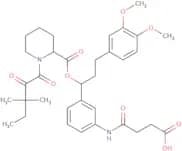
CAS :<p>Slf-amido-C2-COOH is a peptide that binds to and inhibits the activity of ion channels. It is used as a research tool in pharmacology and cell biology. Slf-amido-C2-COOH binds to voltage gated potassium channels, leading to inhibition of channel opening and preventing the flow of ions across the membrane. Slf-amido-C2-COOH is purified by HPLC and has a purity of > 98%.</p>Formule :C34H44N2O9Degré de pureté :Min. 95%Masse moléculaire :624.72 g/mol3-(1H-Imidazo[4,5-c]pyridin-2-yl)-6-methyl-2H-chromen-2-one
CAS :<p>3-(1H-Imidazo[4,5-c]pyridin-2-yl)-6-methyl-2H-chromen-2-one is a heterocyclic compound used in biochemical research, which is synthesized through methods involving complex organic reactions typically in a laboratory setting. This compound functions as an investigational agent that may interact with specific molecular targets such as enzymes or receptors. Its unique structural attributes allow it to engage in specific binding interactions, potentially modulating biological pathways that are relevant in disease contexts.</p>Formule :C16H11N3O2Degré de pureté :Min. 95%Masse moléculaire :277.28 g/molCCT-251921
CAS :<p>CCT-251921 is a molecule that inhibits the activity of cyclin-dependent kinases (CDKs) 4 and 6. It has been shown to inhibit inflammatory bowel disease in animal models, with no observed side effects. The compound also exhibits cytostatic activity against tumor cells by inhibiting β-catenin signaling. CCT-251921 has been shown to have no effect on healthy cells, but does cause cell death in cancer cells due to its ability to inhibit the transcriptional regulation of β-catenin. In addition, CCT-251921 has shown anti-inflammatory properties in clinical trials for autoimmune diseases such as rheumatoid arthritis and Crohn's disease.</p>Formule :C21H23ClN6ODegré de pureté :Min. 95%Masse moléculaire :410.9 g/molPM 102
CAS :<p>PM 102 is a drug that inhibits the activity of epidermal growth factor receptor (EGFR) and epidermal growth factor (EGF). It is used as a treatment for colorectal cancer in combination with 5-fluorouracil. It also has been shown to inhibit the growth of human colon carcinomas in vitro. PM 102 has subassemblies that are composed of an inhibitor, which blocks the binding site on the EGFR, and a biotinylated peptide, which binds to the EGFR. This drug has been shown to be non-toxic in rats and does not cause any significant side effects. PM 102 is a nonprofit organization that will provide regulatory guidance for devices used in treatment of diseases such as cancer. The company's goal is to increase translation and enhance transistor enhancements for use in medical devices.</p>Formule :C235H425N111O64Degré de pureté :Min. 95%Masse moléculaire :5,830 g/molSKF83822 hydrobromide
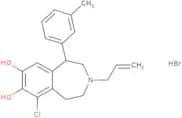
CAS :<p>SKF83822 hydrobromide is a selective dopamine receptor agonist, which is synthetically derived with a specific affinity for dopamine D1 receptors. Its mode of action involves the targeting and activation of these receptors, offering a unique tool for research into dopamine-related signaling pathways. Due to its specificity, SKF83822 hydrobromide is utilized extensively in neuroscientific research to investigate the roles of D1 receptors in various physiological and pathological contexts.</p>Formule :C20H22ClNO2·HBrDegré de pureté :Min. 95%Masse moléculaire :424.76 g/molHER-2 Heavy Tryptic Peptide Standard (4nmol)
<p>This HER-2 Heavy Tryptic Peptide standard can be applied to protein identification and quantitation studies. HER-2 is the human epidermal growth factor receptor 2, which has tyrosine kinase activity and is involved the control of epithelial cell growth and differentiation. The overexpression of HER2 has been implicated with adenocarcinomas such as cervix, lung, ovary and breast.</p>Degré de pureté :Min. 95%R 406
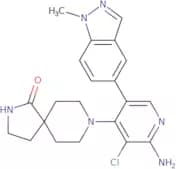
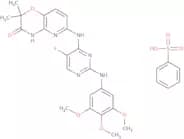
CAS :<p>Inhibitor of SYK kinase</p>Formule :C22H23FN6O5•C6H6O3SDegré de pureté :Min. 95%Masse moléculaire :628.63 g/molPF-3450074
CAS :<p>PF-3450074 is a novel molecule that has been shown to inhibit the replication of wild-type HIV. It targets the HIV capsid and inhibits the assembly of new virus particles by binding to the cyclic peptide (CP) domain of the viral protein. PF-3450074 has also been shown to be active against other viruses, including herpes simplex virus type 1, influenza A virus, hepatitis C virus, and vesicular stomatitis virus. PF-3450074 is a potent anthelmintic drug that has been shown to inhibit larval development in nematodes. The molecule binds to huRNP K and interferes with macrophage activation by inhibiting NFκB transcriptional activity.</p>Formule :C27H27N3O2Degré de pureté :Min. 95%Masse moléculaire :425.52 g/molC5 MS Calibrator-5 (25nmol)
<p>C5 MS Calibrator-5 is a tryptic peptide calibration standard for mass spectrometry. It contains a C5, CO5, and protein. The peptide calibrator is useful as a molecular weight marker in proteomics experiments.</p>Degré de pureté :Min. 95%T4 DNA Ligase (recombinant)
<p>T4 DNA Ligase is a recombinant protein that catalyzes the formation of DNA molecules from complementary single-stranded DNA. T4 DNA Ligase is used as a research tool in cell biology and biochemistry to study the interactions between proteins and peptides. It is also used to produce recombinant proteins, such as antibodies. T4 DNA Ligase binds to its substrate by an ionic interaction with adenosine triphosphate (ATP) and to the complementary strand by hydrogen bonding. The enzyme cleaves the phosphate backbone of both strands at the junction point, forming two new phosphodiester bonds. This enzyme has been shown to bind to other proteins and peptides, such as receptor tyrosine kinases, which are involved in signal transduction pathways that regulate cell growth and differentiation.</p>Degré de pureté :Min. 95%CD4 antibody (PE-CY7)
<p>CD4 antibody (PE-CY7) was raised in mouse using human CD4 as the immunoge.</p>Degré de pureté :Min. 95%AG-17724
CAS :AG-17724 is a small molecule that activates the transcription factor NF-κB. This activation leads to the production of proinflammatory cytokines and chemokines, which are associated with inflammation. AG-17724 has been shown to activate NF-κB in cells by inhibiting protein phosphatase 2A (PP2A). It also induces a number of molecular changes that are hallmarks of inflammatory signaling, including modifications to both DNA and protein. These changes activate gene transcription and translation as well as induce the activation of other key molecules involved in inflammation.Formule :C21H16FN3O3Degré de pureté :Min. 95%Masse moléculaire :377.4 g/molAmyloid β (42- 1) SCR
<p>Amyloid β (42- 1) SCR is a peptide that inhibits the interaction of amyloid β with its receptor, which may be useful for research purposes. Amyloid β (42- 1) SCR is an inhibitor that prevents the binding of amyloid β to its receptors. This peptide is a high purity product and has been shown to be effective in inhibiting the interaction between amyloid beta and its receptor.</p>Degré de pureté :Min. 95%CHIR-98023
CAS :<p>CHIR-98023 is a peptide that belongs to the group of activators. It is a cell-permeable and potent inhibitor of potassium channels, which are important in the regulation of neuronal excitability. CHIR-98023 has been shown to inhibit the activity of voltage-gated potassium channels, including Kv1.2, Kv1.3, and Kv1.4, in rat brain tissue. It also inhibits the activity of voltage-gated sodium channels in rat brain tissue. CHIR-98023 binds to the receptor site on neuronal ion channels and blocks their opening and closing, leading to a decrease in their activity. This inhibition leads to an increase in neuronal excitability due to an increase in calcium influx into cells as well as an increased availability of neurotransmitters at synapses.</p>Formule :C20H16Cl2N8O2Degré de pureté :Min. 95%Masse moléculaire :471.3 g/mol16:0-7 Doxyl pc
CAS :<p>16:0-7 Doxyl pc is a synthetic peptide that can be used as an activator or inhibitor of ion channels. It is a ligand for the potassium channel and has been shown to inhibit voltage-gated sodium channels. This compound binds to the receptor site of the ion channel, thereby preventing ions from passing through the channel. 16:0-7 Doxyl pc is also used in research as a pharmacological tool to study protein interactions, including antibody-antigen binding, calcium release from intracellular stores, and activation of phospholipase C.</p>Formule :C46H90N2O10PDegré de pureté :Min. 95%Masse moléculaire :862.19 g/molYM 26734
CAS :<p>YM 26734 is a fatty acid that has been shown to inhibit the activity of secretory phospholipase A2 (sPLA2). This enzyme is responsible for releasing arachidonic acid from membrane phospholipids, which can then be converted into pro-inflammatory molecules. YM 26734 inhibits sPLA2 by binding to its active site and preventing the conversion of arachidonic acid to inflammatory molecules. It also prevents the activation of inflammation-inducing enzymes, such as cyclooxygenase 2 and 5 lipoxygenase. YM 26734 has been shown to have a clinical relevance in the treatment of dental caries and periodontal disease. The effective dose for this drug has not yet been established.</p>Formule :C45H62O8Degré de pureté :Min. 95%Masse moléculaire :730.97 g/molCutamesine
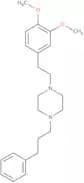
CAS :Produit contrôléCutamesine is a sigma-1 agonist that was shown to upregulate the transcription of neurotrophic factors in vitro. It has been shown to increase levels of dopamine and acetylcholine, as well as reducing locomotor activity in rodents. Cutamesine also inhibits the mitochondrial membrane potential, which can help prevent neurodegenerative diseases such as Parkinson's Disease. In addition, cutamesine has been shown to have anti-inflammatory properties and may be an effective treatment for infectious diseases. Low-dose cutamesine was found to have no effect on cognition or memory in mice, making it a promising therapeutic option for older adults with cognitive impairment.Formule :C23H32N2O2Degré de pureté :Min. 95%Masse moléculaire :368.51 g/mol2,2'-(Azanediylbis(ethane-2,1-diyl))bis(1H-benzo[de]isoquinoline-1,3(2H)-dione)
CAS :<p>2,2'-(Azanediylbis(ethane-2,1-diyl))bis(1H-benzo[de]isoquinoline-1,3(2H)-dione) is a ligand that can activate Ion channels and Ligands. It has been shown to bind to the receptor site of Protein interactions, Receptor proteins, Peptides and Antibodies. 2,2'-(Azanediylbis(ethane-2,1-diyl))bis(1H-benzo[de]isoquinoline-1,3(2H)-dione) is an inhibitor of Cell Biology. The CAS number for this compound is 281224-40-6.</p>Formule :C28H21N3O4Degré de pureté :Min. 95%Masse moléculaire :463.5 g/molBIO 5192
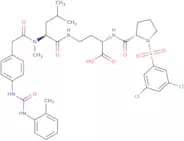
CAS :<p>BIO 5192 is a receptor-binding molecule that may be used to treat autoimmune diseases and blood disorders, such as hemolytic anemia. It binds to the CD81 receptor on cells, which prevents the binding of inhibitory molecules and blocks the activation of T cells. BIO 5192 has been shown to have no long-term toxicity in mice and does not cause any weight loss or organ damage in these animals. It has also been shown to stimulate hematopoietic cells (cells that produce blood) in vitro. BIO 5192 is currently being investigated for its potential use in treating inflammatory diseases such as rheumatoid arthritis.</p>Formule :C38H46Cl2N6O8SDegré de pureté :Min. 95%Masse moléculaire :817.78 g/mol673 A
CAS :<p>673A is a synthetic compound that has been shown to have anti-inflammatory, anti-proliferative, and anti-fibrotic properties. It also inhibits the expression of proteases such as collagenase and elastase, which are involved in the degradation of cartilage and other connective tissues. 673 A has been shown to inhibit the efflux pumps that expel many drugs from cells, thus preventing their removal from the body. This compound also interacts with multidrug resistance proteins (MRPs) to prevent the efflux of drugs from cells. 673 A is a potent inhibitor of monoclonal antibody binding to sulfatides, which may be due to its ability to reduce sulfatide transport across lipid bilayers.</p>Formule :C15H13NODegré de pureté :Min. 95%Masse moléculaire :223.28 g/molZD-4190
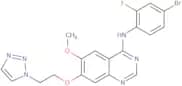
CAS :<p>ZD-4190 is a small molecule that blocks the function of angiogenic factors such as VEGF, PDGF, and FGF. It has been shown to have anti-angiogenic effects in animal models of solid tumours. ZD-4190 also inhibits the integrin receptor which mediates the uptake of these molecules by endothelial cells and promotes angiogenesis. This agent inhibits hydrogen bonding between the VEGF molecule and its receptor at the cell surface, thereby preventing activation of the angiogenic process. The microvessel density was significantly reduced in animals treated with ZD-4190, suggesting a reduction in tumor vascularization.</p>Formule :C19H16BrFN6O2Degré de pureté :Min. 95%Masse moléculaire :459.27 g/molPF 03716556
CAS :<p>Inhibitor of proton pump</p>Formule :C22H26N4O3Degré de pureté :Min. 95%Masse moléculaire :394.47 g/molCD45.2 antibody (PE-CY5.5)
<p>CD45.2 antibody (PE) was raised in mouse using CD45.2 as the immunogen.</p>Degré de pureté :Min. 95%Isrib
CAS :<p>Isrib is a sodium citrate that has been shown to inhibit the growth of an experimental bacterial strain in vitro. Isrib has also been shown to have inhibitory properties on neuronal death in vivo. This agent has pluripotent cells that are able to differentiate into any cell type, including neurons, and can be used for the treatment of neurodegenerative diseases such as Alzheimer’s, Parkinson’s, and diabetic neuropathy. Isrib has also been shown to have beneficial effects on the immune system by stimulating antibody production and regulating inflammatory responses. It is absorbed orally with high bioavailability and its pharmacokinetic properties are similar to those of other sodium citrates.</p>Formule :C22H24Cl2N2O4Degré de pureté :Min. 95%Masse moléculaire :451.34 g/molDiflapolin
CAS :<p>Diflapolin is a synthetic pharmaceutical compound, which is a non-steroidal anti-inflammatory drug (NSAID) derived from laboratory-synthesized chemical precursors. Its mode of action involves the inhibition of specific enzymes, particularly cyclooxygenase (COX) enzymes, which play a crucial role in the biosynthesis of pro-inflammatory mediators like prostaglandins. By impeding these enzymes, Diflapolin effectively reduces inflammation, alleviates pain, and decreases fever.</p>Formule :C22H17Cl2N3O2SDegré de pureté :Min. 95%Masse moléculaire :458.4 g/molCD20 antibody (PE-CY7)
<p>CD20 antibody (PE) was raised in mouse using human CD20 as the immunogen.</p>Degré de pureté :Min. 95%Ml204 hydrochloride
CAS :<p>ML204 hydrochloride is a selective TRPC4/5 ion channel inhibitor, which is a synthetic compound designed to modulate specific biological pathways. It is derived from a series of chemical modifications tailored to target the transient receptor potential canonical (TRPC) family of ion channels, particularly TRPC4 and 5.</p>Formule :C15H19ClN2Degré de pureté :Min. 95%Masse moléculaire :262.78 g/molSNIPER(ABL)-033
CAS :<p>SNIPER(ABL)-033 is an advanced biotechnological tool designed to facilitate targeted research interventions. It is sourced from a collaborative effort between molecular biology specialists and biochemical engineers, ensuring robustness in complex biological environments. The product operates via advanced Antibody-Based Ligand (ABL) technology, which allows for the precise targeting and modulation of specific cellular pathways. Its mode of action involves binding to distinct molecular markers, facilitating targeted interference or activation of biological processes with high specificity and minimized off-target effects.</p>Formule :C61H73F3N10O9S2Degré de pureté :Min. 95%Masse moléculaire :1,211.4 g/molEthyl 4-(1H-pyrrolo[2,3-b]pyridin-3-yl)piperidine-1-carboxylate
CAS :<p>Ethyl 4-(1H-pyrrolo[2,3-b]pyridin-3-yl)piperidine-1-carboxylate (EPPC) is a research tool that is an activator of the ligand receptor binding. EPPC binds to the receptor and activates it by opening ion channels in cells. It has been shown to bind to the NMDA receptor in neurons, leading to a decrease in calcium ion influx and an increase in potassium ion efflux. EPPC also binds to the GABA receptor and blocks chloride channel activity, which leads to neuronal hyperactivity. EPPC can be used as a pharmacological agent for studying protein interactions and peptide synthesis.</p>Formule :C15H19N3O2Degré de pureté :Min. 95%Masse moléculaire :273.33 g/molCD90.2 antibody (Allophycocyanin)
<p>CD90.2 antibody (Allophycocyanin) was raised in rat using CD90.2/`Thy-1.2 alloantigen as the immunogen.</p>Degré de pureté :Min. 95%Big-Endothelin-3 (Rat, 1-41 Amide)
<p>Big Endothelin-3 (Rat, 1-41 Amide) is a precursor molecule of the Endothelin-3 (ET-3) peptide, that belongs to the large family of endothelin peptides which activate the G-protein coupled receptors ETA and ETB. However ET-3 has lower affinity for the ETA receptors compared to Endothelin-1 (ET-1) and Endothelin-2 (ET-2), whereas all three endothelins have similar affinity for ETB receptors. As ETB receptors make up around 90% of the endothelin receptors found in the cerebral cortex in humans, ET-3 can be nicknamed the ‘brain endothelin’. Also through ET-3’s activation of ETB receptors, ET-3 is involved in the development of the enteric nervous system which controls within the gut, blood flow, secretion and intestinal motility. This product has disulfide bonds between Cys1-Cys15 and Cys3-Cys11 and is available as a 0.1mg vial.</p>Formule :C217H322N58O62S4Degré de pureté :Min. 95%Masse moléculaire :4,863.5 g/molNicomol
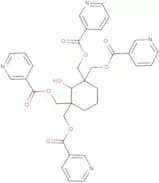
CAS :<p>Nicomol is a drug that belongs to the class of dextran sulfates. It is used in the treatment of cardiac disorders, including angina pectoris, congestive heart failure, and myocardial infarction. Nicomol also has hypoglycemic activity and can be useful for treating metabolic disorders. Nicomol is administered intravenously and has been shown to increase the uptake of glucose by the body, which may be due to its ability to inhibit potassium dichromate-induced protein gene expression in heart tissue. The drug also promotes mitochondrial function by increasing fatty acid oxidation and reducing fat cell size.</p>Degré de pureté :Min. 95%CD45R antibody (Spectral Red)
<p>CD45R antibody (PE-CY5.5) was raised in rat using abelson murine leukemia virus-induced pre-B tumor cells as the immunogen.</p>Degré de pureté :Min. 95%Nuvenzepine
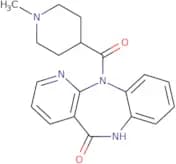
CAS :<p>Nuvenzepine is a potent and selective muscarinic antagonist, synthesized from intricate chemical processes involving non-peptidic structures. Its primary mode of action involves inhibiting muscarinic acetylcholine receptors, particularly those located in the gastrointestinal tract. By impeding these receptors, Nuvenzepine effectively reduces gastric secretions and modulates smooth muscle activity.</p>Formule :C19H20N4O2Degré de pureté :Min. 95%Masse moléculaire :336.4 g/molKU 0060648
CAS :<p>DNA-PK and PI 3-K inhibitor</p>Formule :C33H34N4O4SDegré de pureté :Min. 95%Masse moléculaire :582.71 g/molp-Methyl atomoxetine hydrochloride
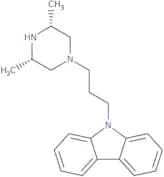
CAS :<p>p-Methyl atomoxetine hydrochloride is a selective norepinephrine reuptake inhibitor, which is synthesized from chemical precursors typically through a series of organic reactions proceeding under controlled conditions. It functions by inhibiting the reuptake of norepinephrine in the synaptic cleft, resulting in increased concentrations of this neurotransmitter in the central nervous system.</p>Formule :C17H22ClNODegré de pureté :Min. 95%Masse moléculaire :291.8 g/molRimcazole dihydrochloride
CAS :<p>Rimcazole dihydrochloride is a drug that is used in the treatment of chronic cough. It belongs to the class of drugs called anticholinergic drugs. The drug binds to receptors found on the surface of cells, including kappa-opioid receptors, and blocks the action of acetylcholine. This prevents the release of substances that cause inflammation and muscle contractions. Rimcazole also has minimal toxicity and does not have any significant interactions with other drugs when administered alone or in combination preparations. However, it should not be administered to patients who are taking active antiretroviral therapy or those with carcinoma cell lines because it may increase their risk for serious side effects.</p>Formule :C21H27N3·2HClDegré de pureté :Min. 95%Masse moléculaire :394.38 g/molCD62L antibody (Allophycocyanin-CY7)
<p>CD62L antibody (Allophycocyanin) was raised in rat using C3H/eb cloned murine B lymphoma 38C-13 as the immunogen.</p>Degré de pureté :Min. 95%ML 204
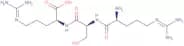
CAS :<p>Antagonist of TRPC4/C5 channels</p>Formule :C15H18N2Degré de pureté :Min. 95%Masse moléculaire :226.32 g/molR-S-R
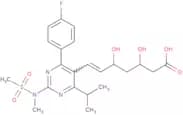
<p>Please enquire for more information about R-S-R including the price, delivery time and more detailed product information at the technical inquiry form on this page</p>Formule :C15H31N9O5Degré de pureté :Min. 95%Masse moléculaire :417.46 g/mol(3R,5R)-Rosuvastatin sodium salt
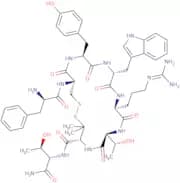
CAS :<p>Inhibitor of HMG-CoA reductase</p>Formule :C22H27FN3O6S·NaDegré de pureté :Min. 95%Masse moléculaire :503.52 g/molCTAP
CAS :<p>Please enquire for more information about CTAP including the price, delivery time and more detailed product information at the technical inquiry form on this page</p>Formule :C51H67N13O11SDegré de pureté :Min. 95%Masse moléculaire :1,070.22 g/molBio-013077-01
CAS :<p>Bio-013077-01 is a bioactive compound, which is a naturally derived product sourced from marine organisms. Its mode of action involves functioning as an enzyme inhibitor, capable of selectively binding to specific target enzymes and altering their activity. This mechanism allows it to modulate biochemical pathways that are crucial for various physiological and pathological processes.</p>Formule :C17H13N5Degré de pureté :Min. 95%Masse moléculaire :287.32 g/molLagosin
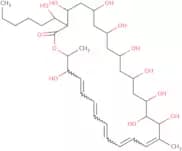
CAS :<p>Lagosin is a polyene antibiotic that has been shown to have antimicrobial activity against Gram-positive and Gram-negative bacteria. This drug has been used in the treatment of infectious diseases, such as septicemia or meningitis caused by bacterial infections. Lagosin is active against bacteria that are resistant to other antibiotics because it interacts with the cell wall and causes cell lysis. The mechanism of action for Lagosin is similar to that of amphotericin B and nystatin, which are also polyene antibiotics. The antibacterial activity of this drug may be due to its ability to interact with cells and cause cell lysis. Lagosin has also been shown to have anti-inflammatory properties, which may be due to its ability to inhibit prostaglandin synthesis.</p>Formule :C35H58O12Degré de pureté :Min. 95%Masse moléculaire :670.8 g/molRuboxistaurin hydrochloride
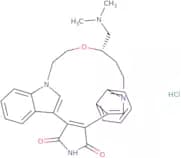
CAS :<p>Inhibitor of PKCβ kinase</p>Formule :C28H29ClN4O3Degré de pureté :Min. 95%Couleur et forme :Orange To Red SolidMasse moléculaire :505.01 g/molARN19874
CAS :<p>ARN19874 is a fluorescent analog of the endogenous fatty acid, arachidonic acid. It has been shown to bind to the endocannabinoid receptor and inhibit lipolysis in vitro. ARN19874 also inhibits the activity of various lipases, including pancreatic lipase, which may help in the treatment of obesity.</p>Formule :C19H14N4O4SDegré de pureté :Min. 95%Masse moléculaire :394.4 g/molSCH-1473759 hydrochloride
CAS :<p>SCH-1473759 is a peptide that is an inhibitor of the receptor tyrosine kinase, which binds to the extracellular domain of the receptor and blocks the activation of the receptor. SCH-1473759 has been shown to inhibit tumor growth in vitro and in vivo. This drug also inhibits the function of ion channels and may be used as a research tool for studying protein interactions. SCH-1473759 is not absorbed when taken orally, so it can be administered intravenously or intramuscularly. It is one of few antibodies that have shown no side effects in human clinical trials.</p>Formule :C20H27ClN8OSDegré de pureté :Min. 95%Masse moléculaire :463 g/molCD49b antibody (FITC)
<p>CD49b antibody (FITC) was raised in rat using RIL-2-propagated NK1.1+ cells from C57BL/6 mice as the immunogen.</p>Degré de pureté :Min. 95%CD80 antibody (Allophycocyanin)
<p>CD80 antibody (Allophycocyanin) was raised in rat using CD80/B7-1 as the immunogen.</p>Degré de pureté :Min. 95%R 892
CAS :<p>R 892 is a carboxy, dihydroisoquinoline that has been shown to have an antagonistic effect on the b2 receptor. It has been shown to be effective in humans with muscle disease who are undergoing posttransplantation therapy. R 892 may be used as part of a pre-operative regimen to reduce the risk of transplant rejection and improve renal function. R 892 also has properties that may allow for monitoring of cell cycle phase and bandwidth.</p>Formule :C58H83N13O12Degré de pureté :Min. 95%Masse moléculaire :1,154.4 g/molDWK-1339
CAS :<p>DWK-1339 is a benzofuran derivative with pharmacokinetic properties that resemble those of the benzodiazepine class of drugs. It has been shown to have a good oral absorption and low systemic clearance, which may make it suitable for use in patients with impaired or reduced kidney function. DWK-1339's duration of action is between 8 and 12 hours in animals, and its elimination half-life is approximately 10 hours. The drug also has a high affinity for red blood cells, tissues, and muscle tissue.</p>Formule :C20H22O4Degré de pureté :Min. 95%Masse moléculaire :326.39 g/molVU0359595
CAS :<p>VU0359595 is a selective negative allosteric modulator that targets the metabotropic glutamate receptor 5 (mGluR5), which is primarily sourced from synthetic chemical libraries. This compound acts by binding to a site distinct from the active site on mGluR5, effectively inhibiting the receptor's activity without directly competing with endogenous ligands. By altering the receptor's conformation, VU0359595 modulates downstream signaling pathways, which can be pivotal in understanding synaptic transmission and plasticity.</p>Formule :C25H29BrN4O2Degré de pureté :Min. 95%Masse moléculaire :497.43 g/molCD45R antibody (Spectral Red)
<p>CD45R antibody (PE) was raised in rat using abelson murine leukemia virus-induced pre-B tumor cells as the immunogen.</p>Degré de pureté :Min. 95%Trimetrexate trihydrochloride
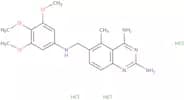
CAS :<p>Trimetrexate is a cytotoxic drug used to treat cancer and inflammatory bowel disease. It is an antimetabolite that inhibits the synthesis of DNA by competing with thymidine triphosphates for incorporation into DNA. Trimetrexate has been shown to have synergistic effects with other drugs, such as antibiotics, chemotherapeutic agents, or immunosuppressants, when administered together. This drug has minimal toxicity and low side-effects. Trimetrexate also targets intracellular targets and has been shown to be effective against metastatic colorectal cancer without affecting healthy cells in the gastrointestinal tract.</p>Formule :C19H26Cl3N5O3Degré de pureté :Min. 95%Masse moléculaire :478.8 g/mol6-Desacetyl-N-Boc palbociclib
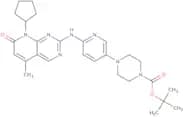
CAS :<p>6-Desacetyl-N-Boc palbociclib is an anticancer drug that belongs to the class of protein kinase inhibitors. It works by inhibiting the activity of cyclin-dependent kinases (CDKs), which are enzymes that regulate cell division and proliferation. This drug has been shown to induce apoptosis in human tumor cells, making it a promising candidate for cancer treatment. 6-Desacetyl-N-Boc palbociclib is a medicinal analog of Chinese urine, and it has been found to be effective against a variety of cancer types, including breast cancer, lung cancer, and melanoma. This inhibitor blocks the progression of cancer by targeting specific kinases involved in cell cycle regulation and growth. Overall, 6-Desacetyl-N-Boc palbociclib is a potent anticancer agent that holds great promise for future cancer therapies.</p>Formule :C27H35N7O3Degré de pureté :Min. 95%Masse moléculaire :505.6 g/molRr-11a analog
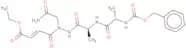
CAS :<p>Rr-11a analog is a medicament that has an endopeptidase inhibitor. It is used as a pharmaceutical agent to treat various diseases such as cancer, diabetes, and Alzheimer's disease. Rr-11a analog inhibits the activity of asparagine endopeptidase, thereby preventing the breakdown of proteins. This inhibition leads to the accumulation of proteins in cells, which in turn triggers cell death by apoptosis. Rr-11a analog has been shown to be effective in treating various cancers and diabetes through experiments on mice. The drug also inhibits the production of amyloid beta protein in Alzheimer's disease patients.</p>Formule :C22H29N5O8Degré de pureté :Min. 95%Masse moléculaire :491.49 g/molDecloxizine-d8 dihydrochloride
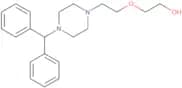
CAS :Please enquire for more information about Decloxizine-d8 dihydrochloride including the price, delivery time and more detailed product information at the technical inquiry form on this pageFormule :C21H28N2O2Degré de pureté :Min. 95%Masse moléculaire :348.5 g/molMTB-D1
CAS :<p>Please enquire for more information about MTB-D1 including the price, delivery time and more detailed product information at the technical inquiry form on this page</p>Degré de pureté :Min. 95%Benzomalvin C
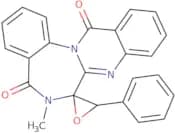
CAS :<p>Benzomalvin C is a medicinal compound that has shown promising anticancer activity. It is an analog of a protein kinase inhibitor found in Chinese urine and has been shown to inhibit the growth of cancer cells. Benzomalvin C induces apoptosis in human cancer cells by inhibiting kinases involved in tumor growth and progression. This compound has potential as a therapeutic agent for the treatment of various types of cancer. Its unique structure and mechanism of action make it a promising candidate for further research and development in the field of oncology.</p>Formule :C24H17N3O3Degré de pureté :Min. 95%Masse moléculaire :395.4 g/molAZD7594
CAS :<p>AZD7594 is a novel non-steroidal inhaled drug, developed as a derivative of a compound from AstraZeneca's diverse chemical library. This product functions as a selective modulator designed to impact the glucocorticoid receptor with high specificity. Its mode of action involves binding to the glucocorticoid receptor, which subsequently modulates the transcription of anti-inflammatory genes and represses pro-inflammatory cytokines. This selective binding is hypothesized to reduce local inflammation in the lungs with minimal systemic side effects.</p>Formule :C32H32F2N4O6Degré de pureté :Min. 95%Masse moléculaire :606.62 g/moltert-Butyl-d9-amine hydrobromide
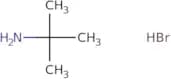
CAS :<p>Please enquire for more information about tert-Butyl-d9-amine hydrobromide including the price, delivery time and more detailed product information at the technical inquiry form on this page</p>Formule :C4H12BrNDegré de pureté :Min. 95%Masse moléculaire :163.1 g/mol5-Galloylquinic acid
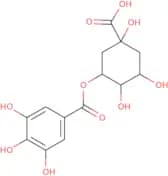
CAS :<p>5-Galloylquinic acid is a flavonol glycoside that is found in the plant cell wall. It has been shown to have anti-inflammatory properties and may be useful for the treatment of inflammatory diseases, such as arthritis. 5-Galloylquinic acid is also a dietary supplement that can be used to treat diabetes by increasing insulin sensitivity. This compound has been shown to inhibit the activity of interleukin-1β (IL-1β), which may contribute to its anti-inflammatory effects.</p>Formule :C14H16O10Degré de pureté :Min. 95%Masse moléculaire :344.27 g/molKYT 0353
CAS :<p>Please enquire for more information about KYT 0353 including the price, delivery time and more detailed product information at the technical inquiry form on this page</p>Formule :C23H21Cl4N3O4Degré de pureté :Min. 95%Masse moléculaire :545.2 g/molAutophinib
CAS :Autophinib is a mitochondria-targeted drug that inhibits the mitochondrial membrane potential. It has been shown to suppress tumor growth in human osteosarcoma cells and in carcinoma cell lines by inducing apoptosis, which is mediated by a pathway involving 17β-estradiol, toll-like receptor (TLR) signaling, and autophagy. Autophinib also induces epithelial mesenchymal transition and inhibits autophagy in 17β-estradiol resistant cells. Autophinib is designed to target mitochondria of cancer cells, which are dependent on increased energy metabolism for tumor growth. This drug inhibits the production of reactive oxygen species (ROS) from mitochondria and thus prevents oxidative stress.Formule :C14H11ClN6O3Degré de pureté :Min. 95%Masse moléculaire :346.73 g/molEthyl 2-(4-bromophenyl)-1-(2,4-dichlorophenyl)-1H-4-imidazolecarboxylate
CAS :<p>Ethyl 2-(4-bromophenyl)-1-(2,4-dichlorophenyl)-1H-4-imidazolecarboxylate is an experimental drug candidate that is a potent activator of the GABA receptor. It binds to the benzodiazepine site on the GABA receptor, which causes it to activate the chloride channel and increase chloride conductance into the cell. This drug has been shown to inhibit ion channels and has been shown to bind to antibodies and peptides.</p>Formule :C18H13BrCl2N2O2Degré de pureté :Min. 95%Masse moléculaire :440.1 g/molWAY-151932
CAS :<p>WAY-151932 is a high purity, potent and selective small molecule activator of the human calcitonin receptor. WAY-151932 binds to the calcitonin receptor with high affinity and selectivity, and has been shown to stimulate calcium release from intracellular stores in vitro. WAY-151932 also inhibits the binding of peptides that mimic calcitonin to the receptor. WAY-151932 is suitable for research use only; it has not been approved by the FDA for therapeutic use in humans.</p>Formule :C23H19ClN4ODegré de pureté :Min. 95%Masse moléculaire :402.9 g/molCHMFL-abl-039
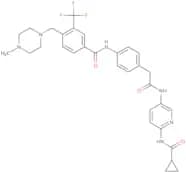
CAS :CHMFL-abl-039 is a potent inhibitor of kinases that has shown promising results in the treatment of cancer. This analog of nalbuphine has been tested extensively in Chinese hamster ovary cells and has been found to inhibit tumor cell growth through apoptosis induction. CHMFL-abl-039 specifically targets protein kinases, which are enzymes that play a crucial role in regulating cellular processes such as cell division and differentiation. Inhibitors of these kinases have emerged as a new class of anticancer agents due to their ability to selectively target cancer cells while sparing healthy cells. CHMFL-abl-039 is currently being investigated for its potential use in the treatment of various types of cancer in humans.Formule :C31H33F3N6O3Degré de pureté :Min. 95%Masse moléculaire :594.6 g/molINCB 3344
CAS :<p>Chemokine receptor 2 (CCR2) antagonist</p>Formule :C29H34F3N3O6Degré de pureté :Min. 95%Masse moléculaire :577.59 g/molCD154 antibody (Azide Free)
<p>CD154 antibody (Azide free) was raised in hamster using activated murine Th1 clone D1.6 as the immunogen.</p>Degré de pureté :Min. 95%CI 1020
CAS :<p>Endothelin A (ETA) antagonist; antihypertensive</p>Formule :C28H26O9Degré de pureté :Min. 95%Masse moléculaire :506.5 g/mol



![3-(1H-Imidazo[4,5-c]pyridin-2-yl)-6-methyl-2H-chromen-2-one](/_next/image/?url=https%3A%2Fstatic.cymitquimica.com%2Fproducts%2F3D%2Fthumb-webp%2FZKB54878.webp&w=3840&q=75)



![2,2'-(Azanediylbis(ethane-2,1-diyl))bis(1H-benzo[de]isoquinoline-1,3(2H)-dione)](/_next/image/?url=https%3A%2Fstatic.cymitquimica.com%2Fproducts%2F3D%2Fthumb-webp%2FGLA22440.webp&w=3840&q=75)

![Ethyl 4-(1H-pyrrolo[2,3-b]pyridin-3-yl)piperidine-1-carboxylate](/_next/image/?url=https%3A%2Fstatic.cymitquimica.com%2Fproducts%2F3D%2Fthumb-webp%2FMZA09774.webp&w=3840&q=75)