Antibiotiques
Les antibiotiques sont des composés conçus pour détruire ou inhiber la croissance de divers microorganismes, jouant un rôle crucial dans le traitement des infections et la prévention de la propagation des maladies. Cette catégorie offre une gamme diversifiée d'ingrédients actifs spécifiquement destinés à la recherche dans le domaine biochimique. Ces composés sont des outils essentiels pour étudier les mécanismes bactériens, les modèles de résistance et le développement de nouveaux agents thérapeutiques. Les chercheurs peuvent explorer une large variété d'antibiotiques pour comprendre leurs effets, optimiser leur utilisation et développer de nouveaux traitements pour combattre les menaces microbiennes émergentes. La disponibilité d'un spectre aussi large d'antibiotiques soutient la recherche avancée et l'innovation en microbiologie et en sciences pharmaceutiques.
Sous-catégories appartenant à la catégorie "Antibiotiques"
- Antibiotiques macrolides(26 produits)
- Antibiotiques stéroïdiens(31 produits)
- Antibiotiques de type tétracycline(20 produits)
- antibiotiques β-lactames(11 produits)
4085 produits trouvés pour "Antibiotiques"
Trier par
Degré de pureté (%)
0
100
|
0
|
50
|
90
|
95
|
100
Clindamycin-2,3-diphosphate
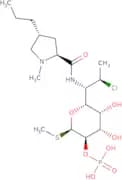
<p>Clindamycin-2,3-diphosphate is a biochemical compound, which is derived from the antibiotic clindamycin, sourced through chemical modification to include diphosphate groups. Its mode of action involves inhibiting bacterial protein synthesis by binding to the 50S ribosomal subunit, thus interfering with peptide chain initiation and elongation. This disruption effectively halts bacterial growth, particularly in Gram-positive bacteria, and is crucial in combatting infections resistant to other antibiotics.</p>Formule :C18H35ClN2O11P2SDegré de pureté :Min. 95%Masse moléculaire :584.94 g/molAphidicolin
CAS :<p>Aphidicolin is a tetracyclic diterpenoid that acts as a potent inhibitor of DNA polymerase. Derived from the fungus *Cephalosporium aphidicola*, it is primarily identified for its ability to impede DNA synthesis by targeting eukaryotic DNA polymerase α. This selective inhibition disrupts replication processes, making it a crucial tool for studying cell cycle dynamics.</p>Formule :C20H34O4Degré de pureté :Min. 95%Masse moléculaire :338.48 g/molFinafloxacin
CAS :<p>Finafloxacin is a fluoroquinolone antibacterial agent, which is a synthetic compound derived from the quinolone family. It functions through the inhibition of bacterial DNA gyrase and topoisomerase IV, crucial enzymes in the replication, transcription, and repair of bacterial DNA. This mechanism leads to the prevention of bacterial cell division and ultimately results in cell death.</p>Formule :C20H19FN4O4Degré de pureté :Min. 95%Masse moléculaire :398.39 g/mol6,11-Di-O-methyl erythromycin
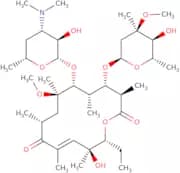
CAS :<p>6,11-Di-O-methyl erythromycin is a semi-synthetic derivative of erythromycin, which is a macrolide antibiotic originally sourced from the bacterium *Saccharopolyspora erythraea*. This compound is produced through chemical modification of the natural antibiotic to improve its pharmacokinetic properties, such as stability and absorption.</p>Formule :C39H71NO13Degré de pureté :Min. 95%Masse moléculaire :761.98 g/molNorvancomycin trifluoroacetate
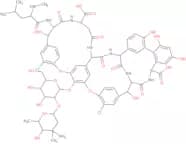
CAS :<p>Norvancomycin trifluoroacetate is an antibiotic compound, which is a glycopeptide derived from the bacterium Amycolatopsis orientalis. Its mode of action involves inhibiting bacterial cell wall synthesis. Specifically, Norvancomycin disrupts the cross-linking of peptidoglycan layers in the bacterial cell wall by binding to the D-alanyl-D-alanine terminus of cell wall precursors. This disruption weakens the bacterial cell wall, ultimately leading to cell lysis and death, thereby exerting a bactericidal effect.</p>Formule :C65H73Cl2N9O24•(C2HF3O2)xDegré de pureté :Min. 95%25-Desacetyl rifapentin
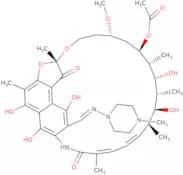
CAS :<p>25-Desacetyl rifapentin is a derivative of rifapentin, an antibiotic belonging to the rifamycin class, sourced from the bacterial species *Amycolatopsis rifamycinica*. This compound functions by inhibiting bacterial DNA-dependent RNA polymerase, which is crucial for transcription in susceptible bacterial strains. By inhibiting this enzyme, 25-Desacetyl rifapentin effectively hampers RNA synthesis, ultimately leading to bacterial cell death.</p>Formule :C45H62N4O11Degré de pureté :Min. 95%Couleur et forme :PowderMasse moléculaire :834.99 g/molTulathromycin B - 95%
CAS :<p>Inhibitor of protein synthesis; macrolide class</p>Formule :C41H79N3O12Degré de pureté :Min. 95%Masse moléculaire :806.08 g/molClarithromycin-13CD3
CAS :<p>Clarithromycin-13CD3 is an isotopically labeled macrolide antibiotic, which is synthesized to include deuterium (D) and carbon-13 (^13C) in its molecular structure. This modified compound serves as a stable isotope-labeled standard, primarily sourced from chemical synthesis. The incorporation of these isotopes differentiates it from the naturally occurring antibiotic, enabling its use in precise analytical studies.</p>Formule :C37CH66D3NO13Degré de pureté :Min. 95%Masse moléculaire :751.97 g/molImipenem Monohydrate, Antibiotic for Culture Media Use Only
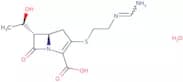
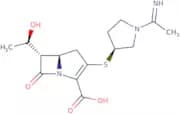
CAS :<p>Imipenem acts as an antimicrobial through inhibiting cell wall synthesis of various gram-positive and gram-negative bacteria. It remains very stable in the presence of beta-lactamase (both penicillinase andcephalosporinase) produced by some bacteria, and is a strong inhibitor of beta-lactamases from some gram-negative bacteria that are resistant to most beta-lactam antibiotics.</p>Formule :C12H19N3O5SDegré de pureté :Min. 98.0 Area-%Masse moléculaire :317.36 g/molCyclosporin L
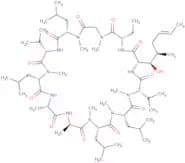
CAS :<p>Cyclosporin L is an immunosuppressive agent, which is a cyclic polypeptide derived from the soil fungus Tolypocladium inflatum. It primarily functions by inhibiting the activity of calcineurin, a key phosphatase involved in the activation of T-cells. This inhibition prevents the transcription of interleukin-2 and other cytokines critical for T-cell proliferation.</p>Formule :C61H109N11O12Degré de pureté :90%MinMasse moléculaire :1,188.59 g/molSulfadiazine
CAS :<p>Sulfadiazine is a sulfonamide antibiotic with action on bacterial folate synthesis inhibition and is used for treating toxoplasmosis and urinary tract infections.</p>Formule :C10H10N4O2SDegré de pureté :Min. 95%Couleur et forme :PowderMasse moléculaire :250.28 g/molDeacetylanisomycin
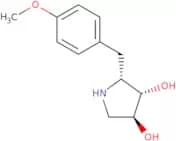
CAS :<p>Deacetylanisomycin is a bacterial metabolite, which is derived from the soil bacterium Streptomyces griseolus. It acts as an inhibitor of protein synthesis by binding to the 60S ribosomal subunit, thus interfering with peptide bond formation during translation. This mode of action is key to its effectiveness in studying the mechanisms of protein synthesis interruption.</p>Formule :C12H17NO3Degré de pureté :Min. 95%Couleur et forme :White To Off-White SolidMasse moléculaire :223.27 g/molRifampicin, Antibiotic for Culture Media Use Only
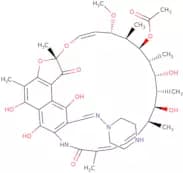
CAS :<p>Rifampicin is a drug that inhibits protein synthesis in bacteria and is used to treat tuberculosis. Rifampicin binds to the beta subunit of the bacterial RNA polymerase, inhibiting transcription and translation. It has been shown to inhibit the acetylcholine receptor function in rats, which may be related to its antituberculosis activity. Histopathological studies have shown that rifampicin inhibits the growth of human tumors in mice, including lung cancer, breast cancer, and leukemia. The drug is also being studied for its potential use in treating Alzheimer's disease. The pharmacokinetics and oral bioavailability of rifampicin have been studied and Rifampicin has been shown to be an effective anti-tuberculosis drug.</p>Formule :C43H58N4O12Degré de pureté :Min. 90.0 Area-%Masse moléculaire :822.94 g/molBiotinyl tobramycin amide
CAS :<p>Biotinyl tobramycin amide is a biotinylated form of the antibiotic tobramycin, which is derived from the actinobacterium Streptomyces tenebrarius. It features a tobramycin core, a potent aminoglycoside antibiotic, chemically linked to biotin. This modification allows for the specific attachment to avidin or streptavidin-labeled probes due to the strong biotin-streptavidin interaction, facilitating various labeling and detection techniques in research.</p>Formule :C28H51N7O11SDegré de pureté :Min. 95%Masse moléculaire :693.81 g/molDesmethyl doxorubicin oxalate
CAS :<p>Desmethyl doxorubicin oxalate is an anthracycline-type chemotherapeutic agent, which is derived from the naturally occurring antibiotic doxorubicin. This compound comprises a desmethylated form of doxorubicin combined with oxalate. Its mode of action involves intercalating DNA strands and inhibiting topoisomerase II, thereby disrupting DNA replication and transcription. This interference leads to the inhibition of cancer cell proliferation and induces apoptosis.</p>Formule :C26H27NO11Degré de pureté :Min. 95%Masse moléculaire :529.49 g/molCefonicid
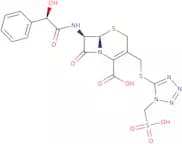
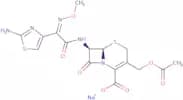
CAS :<p>Cefonicid is a semisynthetic cephalosporin antibiotic, which is derived from the naturally occurring compound cephalosporin C, obtained from the mold *Cephalosporium acremonium*. Its mode of action involves inhibiting bacterial cell wall synthesis by binding to penicillin-binding proteins, leading to cell lysis and death, thereby exhibiting bactericidal activity.</p>Formule :C18H16N6O8S3Degré de pureté :Min. 95%Masse moléculaire :540.55 g/molPNU 142300
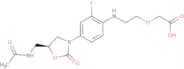
CAS :<p>PNU 142300 is a non-peptidyl anticoagulant, which is a synthetically derived small molecule. This compound is sourced from advanced chemical synthesis techniques that focus on mimicking biological activity through non-biological materials. PNU 142300 acts by specifically inhibiting factor Xa, a crucial enzyme in the coagulation cascade responsible for the conversion of prothrombin to thrombin. By targeting this enzyme, it effectively prevents the formation of blood clots, thereby exhibiting potent anticoagulant properties.</p>Formule :C16H20FN3O6Degré de pureté :Min. 95%Masse moléculaire :369.35 g/molCeftaroline fosamil acetate
CAS :<p>Cephalosporin antibiotic active against gram-positive bacteria including MRSA</p>Formule :C24H25N8O10PS4Degré de pureté :Min. 98 Area-%Masse moléculaire :744.74 g/molIonomycin
CAS :<p>Ionomycin is an ionophore compound with a mode of action that facilitates calcium ion transport across cell membranes. It is used in research to study calcium signaling and T-cell activation.</p>Formule :C41H72O9Degré de pureté :Min. 98 Area-%Couleur et forme :PowderMasse moléculaire :709.01 g/molVirginiamycin - Complex of M1+S1
CAS :<p>Virginiamycin - Complex of M1+S1 is an antibiotic compound, which is derived from the actinobacterium Streptomyces virginiae. It functions through the inhibition of bacterial protein synthesis by binding to the 50S ribosomal subunit, thereby obstructing peptide bond formation and impeding microbial growth. The complex is composed of two major components: Virginiamycin M1 and Virginiamycin S1, which synergistically enhance antimicrobial efficacy.</p>Formule :C71H84N10O17Degré de pureté :Min. 95%Masse moléculaire :1,349.48 g/molSitafloxacin
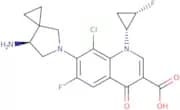
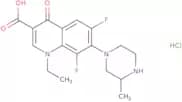
CAS :<p>Sitafloxacin is an antibacterial agent belonging to the fluoroquinolone class of antibiotics, which is synthetically derived from chemical processes involving fluorinated quinolones. Its mode of action involves the inhibition of bacterial DNA gyrase and topoisomerase IV, enzymes crucial for bacterial DNA replication and transcription. By interfering with these enzymes, Sitafloxacin effectively hampers bacterial DNA synthesis, leading to the eventual demise of the bacterial cell.</p>Formule :C19H18ClF2N3O3Degré de pureté :Min. 95%Couleur et forme :SolidMasse moléculaire :409.81 g/molKanamycin A Related Compound 1
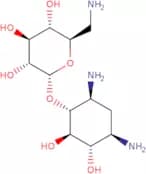
CAS :<p>Kanamycin A Related Compound 1 is an analytical reference standard, which is derived from aminoglycoside antibiotics. Its source stems from the chemical structures related to the aminoglycoside class, primarily used to ensure precise identification and quantification of kanamycin residues or impurities in pharmaceutical formulations. The mode of action of Kanamycin A Related Compound 1 involves serving as a comparator or reference point in chromatographic and spectroscopic methods, facilitating accurate analysis by providing a consistent baseline for research laboratories.</p>Formule :C12H25N3O7Degré de pureté :Min. 95%Masse moléculaire :323.34 g/mol6'-N-Cbz-kanamycin A
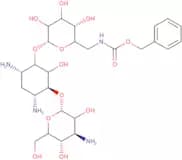
CAS :<p>6'-N-Cbz-kanamycin A is a semi-synthetic aminoglycoside antibiotic derivative, specifically a Cbz (carbobenzyloxy) protected form of kanamycin A. It is derived from the natural product kanamycin, which is an antibiotic obtained from the bacterium *Streptomyces kanamyceticus*. The modification involves the introduction of a protective Cbz group at the 6' position, which can improve solubility, stability, or enable further chemical modifications.</p>Formule :C26H42N4O13Degré de pureté :Min. 95%Masse moléculaire :618.63 g/molCamptothecin
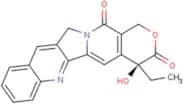
CAS :<p>Camptothecin (CPT) belongs to the alkaloid group of natural products and is a specific DNA topoisomerase I (Topo I) inhibitor (IC50=679 nM) with specificity.</p>Formule :C20H16N2O4Degré de pureté :99.52% - 99.88%Couleur et forme :Solid PowderMasse moléculaire :348.35Rifamdin
CAS :<p>Rifamdin is an antibiotic, which is a chemical substance derived from the source compound rifampicin. Its mode of action involves the inhibition of bacterial DNA-dependent RNA polymerase, which effectively suppresses bacterial RNA synthesis, leading to cell death. This mechanism primarily targets Mycobacterium tuberculosis, the causative agent of tuberculosis.</p>Formule :C46H64N4O12Degré de pureté :Min. 95%Masse moléculaire :865.02 g/molCefadroxil monohydrate, Antibiotic for Culture Media Use Only
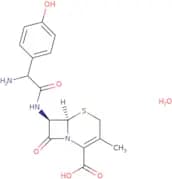
CAS :<p>Cefadroxil is a broad-spectrum bactericidal antibiotic that belongs to the cephalosporin family. It is a semi-synthetic penicillin and inhibits bacterial cell wall synthesis through binding to one or more of the penicillin-binding proteins (PBPs). Cefadroxil monohydrate is used as an antibiotic for culture media and has been proven to be effective against methicillin-resistant Staphylococcus aureus (MRSA). In addition, the drug has been shown to have no significant effect on blood tests or microscopic studies.</p>Formule :C16H19N3O6SDegré de pureté :Min. 97.0 Area-%Masse moléculaire :381.40 g/molDecoyinine
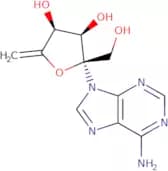
CAS :<p>Decoyinine is an antibiotic compound, which is derived from the bacterium *Streptomyces hygroscopicus*. Its mode of action involves the inhibition of guanine nucleotide synthesis. By targeting the biosynthesis pathway of nucleotides, Decoyinine effectively impedes the growth and proliferation of bacterial cells.</p>Formule :C11H13N5O4Degré de pureté :Min. 95%Masse moléculaire :279.25 g/molTridehydro pirlimycin
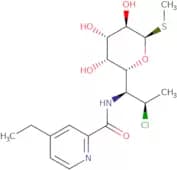
CAS :<p>Tridehydro pirlimycin is an antibiotic compound, which is a synthetic derivative with origins in the lincosamide family. It is characterized by its ability to inhibit bacterial protein synthesis by binding to the 50S ribosomal subunit, leading to a bacteriostatic effect. The compound is primarily developed for its use in veterinary medicine, particularly in the treatment and management of bacterial infections in animals.</p>Formule :C17H25ClN2O5SDegré de pureté :Min. 95%Masse moléculaire :404.91 g/molN-Biotinyl-12-aminododecanoyltobramycin amide
CAS :<p>N-Biotinyl-12-aminododecanoyltobramycin amide is a synthetic bioconjugate, which is derived from the aminoglycoside antibiotic tobramycin. This compound is chemically modified by the addition of a biotin moiety linked through a 12-aminododecanoyl spacer. The source of this product is rooted in the conjugation of biotin to tobramycin, allowing for targeted delivery and potential hybrid applications in both therapeutic and diagnostic fields.</p>Formule :C40H74N8O12SDegré de pureté :Min. 95%Masse moléculaire :891.13 g/molCefteram
CAS :<p>Cefteram is a third-generation cephalosporin antibiotic, which is synthesized through chemical processes starting from cephalosporin C, a compound derived from the fungus Acremonium. As a cephalosporin, it functions by inhibiting bacterial cell wall synthesis. This is achieved through the binding to penicillin-binding proteins (PBPs), which are critical in the formation of the bacterial cell wall. By disrupting this process, Cefteram leads to the lysis and death of the bacteria.</p>Formule :C16H17N9O5S2Degré de pureté :Min. 95%Couleur et forme :White To Off-White SolidMasse moléculaire :479.5 g/mol2'-O-Acetylspiramycin I
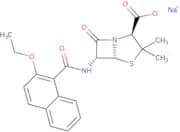
CAS :<p>2'-O-Acetylspiramycin I is a semi-synthetic derivative of spiramycin, which is a macrolide antibiotic originally sourced from the bacterium *Streptomyces ambofaciens*. The modification involves the acetylation at the 2'-hydroxyl group of spiramycin, enhancing certain pharmacokinetic properties.</p>Formule :C45H76N2O15Degré de pureté :Min. 95%Masse moléculaire :885.09 g/molNafcillin sodium
CAS :<p>Nafcillin sodium is a beta-lactam antibiotic, which is a semisynthetic derivative of the organic compound penicillin. It is specifically engineered to be resistant to the inactivation by penicillinase enzymes produced by certain bacteria. This feature allows it to remain effective against a range of penicillinase-producing staphylococcal infections.</p>Formule :C21H21N2NaO5SDegré de pureté :Min. 95%Couleur et forme :PowderMasse moléculaire :436.46 g/molSarecycline
CAS :<p>Sarecycline is a tetracycline-class antibiotic, which is derived from naturally occurring tetracycline antibiotics. Its mode of action involves inhibition of bacterial protein synthesis by binding to the 30S ribosomal subunit, thereby preventing the addition of amino acids to nascent peptide chains. This specific mechanism disrupts bacterial growth, making Sarecycline effective against certain strains of bacteria implicated in dermatological conditions.</p>Formule :C24H29N3O8Degré de pureté :Min. 95 Area-%Masse moléculaire :487.5 g/molCloxacillin benzathine
CAS :<p>Cloxacillin benzathine is a beta-lactam antibiotic, which is synthesized from Penicillium fungi-derived penicillins. It acts by inhibiting bacterial cell wall synthesis. The mechanism involves the irreversible inhibition of penicillin-binding proteins (PBPs). This disruption in the bacterial cell wall structure ultimately leads to cell lysis and death.</p>Formule :C54H56Cl2N8O10S2Degré de pureté :Min. 95 Area-%Couleur et forme :White PowderMasse moléculaire :1,112.11 g/molNeomycin B
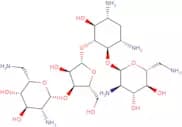
CAS :<p>Neomycin B is an aminoglycoside antibiotic, which is derived from the bacterium *Streptomyces fradiae*. It exerts its antibacterial effects by binding to the 30S subunit of bacterial ribosomes, leading to the inhibition of protein synthesis. This binding disrupts the translation process, thereby preventing the growth and proliferation of bacteria. Neomycin B is effective against a wide range of Gram-negative and some Gram-positive bacteria, making it a valuable tool in both medical and research settings.</p>Formule :C23H46N6O13Degré de pureté :Min. 95%Masse moléculaire :614.64 g/molSulbenicillin
CAS :<p>Sulbenicillin is a semi-synthetic penicillin antibiotic, which is derived from 6-aminopenicillanic acid, a natural precursor in the biosynthesis of penicillins. With its beta-lactam structure, Sulbenicillin disrupts bacterial cell wall synthesis by inhibiting penicillin-binding proteins, which are essential enzymes in the cross-linking of peptidoglycan layers. This disruption compromises the structural integrity of the bacterial cell wall, resulting in cell lysis and death, particularly in Gram-negative bacteria.</p>Formule :C16H18N2O7S2Degré de pureté :Min. 95%Masse moléculaire :414.46 g/molClindamycin
CAS :<p>Inhibitor of protein synthesis; lincosamide class</p>Formule :C18H33ClN2O5SDegré de pureté :Min. 95%Masse moléculaire :424.98 g/mol8-Fluoro erythromycin
CAS :<p>8-Fluoro erythromycin is a synthetic derivative of the macrolide antibiotic erythromycin. It is derived from the fermentation of *Streptomyces erythraeus*, a species known for producing erythromycin, which is chemically modified to include a fluorine atom at the eighth position. This modification enhances its pharmacokinetic properties, improving its stability and bioavailability compared to the parent compound.</p>Formule :C37H66FNO13Degré de pureté :Min. 95%Masse moléculaire :751.92 g/molPotassium clavulanate - 1:1 mixture with cellulose, Antibiotic for Culture Media Use Only
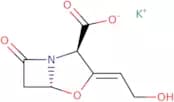
CAS :<p>Potassium clavulanate is a beta-lactamase inhibitor and an antibacterial agent. The presence of potassium clavulanate in culture media inhibits the activity of beta-lactamases, which are enzymes that confer resistance to penicillin and other beta-lactam antibiotics. It also has been shown to be active against bacterial infections such as tuberculosis, sepsis, and pneumonia, where it can inhibit the growth of bacteria by interfering with their ability to form cell walls.</p>Formule :C8H8KNO5Degré de pureté :Min. 95.0 Area-%Masse moléculaire :237.25 g/molLoracarbef monohydrate
CAS :<p>Loracarbef monohydrate is a synthetic antibiotic, which is derived from carbacephem compounds with a mode of action that involves inhibiting bacterial cell wall synthesis. This is achieved by binding to penicillin-binding proteins, thereby blocking the cross-linking of peptidoglycan chains which are crucial for bacterial cell wall structural integrity.</p>Formule :C16H16ClN3O4·H2ODegré de pureté :Min. 95%Masse moléculaire :367.78 g/molLysostaphin, from staphylococcus staphylolyticus
CAS :<p>Lysostaphin, from Staphylococcus staphylolyticus is a zinc metalloenzyme with action on bacterial cell walls by cleaving polyglycine cross-links and is used for treating staphylococcal infections and in research applications.</p>Degré de pureté :Min. 95%Couleur et forme :Powder25-O-Deacetyl rifabutin
CAS :<p>25-O-Deacetyl rifabutin is an antibiotic derivative, which is sourced from the semi-synthetic modification of rifabutin, a compound originally derived from the fermentation of the bacterium Amycolatopsis mediterranei. This derivative works by inhibiting bacterial RNA synthesis. It achieves this by specifically targeting the DNA-dependent RNA polymerase enzyme, which is essential for bacterial transcription. The mechanism involves binding to the beta-subunit of the polymerase, thereby blocking the elongation of the RNA chain, which ultimately leads to the death of the bacterial cell.</p>Formule :C44H60N4O10Degré de pureté :Min. 95%Couleur et forme :Purple PowderMasse moléculaire :804.97 g/molHypothemycin
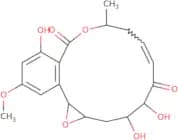
CAS :<p>Hypothemycin is a natural product that serves as a potent inhibitor of protein kinases. It is derived from the fungus Hypomyces subiculosus and belongs to the class of resorcylic acid lactones. Its mode of action involves binding covalently to the ATP-binding site of kinases, leading to the inhibition of their activity. This covalent modification is achieved through the formation of a Michael-type addition with a reactive ene-diene functionality within its structure. By targeting these critical enzymes, hypothemycin disrupts key signaling pathways that are essential for cell growth and proliferation.</p>Degré de pureté :Min. 95%Oxacillin sodium
CAS :<p>Oxacillin sodium is a beta-lactam antibiotic with action on bacterial cell wall synthesis and is used for treating infections caused by penicillin-resistant Staphylococcus aureus.</p>Formule :C19H18N3NaO5SDegré de pureté :Min. 95%Couleur et forme :PowderMasse moléculaire :423.42 g/molVancomycin CDP-1
CAS :<p>Vancomycin CDP-1 is a degradation product of vancomycin with no direct therapeutic action but used in research for analytical method development and validation.</p>Formule :C66H74Cl2N8O25Degré de pureté :Min. 95%Couleur et forme :PowderMasse moléculaire :1,450.24 g/molCeftizoxime alapivoxil
CAS :<p>Ceftizoxime alapivoxil is a prodrug antibiotic, which is derived from ceftizoxime, a third-generation cephalosporin. This semi-synthetic source enables the compound to effectively combat a wide range of bacterial infections by improving oral bioavailability compared to its parent compound. Once administered, ceftizoxime alapivoxil is metabolized in the body to release ceftizoxime, which exerts its antibacterial activity by binding to penicillin-binding proteins (PBPs) on bacterial cell walls. This binding action inhibits the transpeptidation step critical for cell wall synthesis, leading to cell lysis and bacterial death.</p>Degré de pureté :Min. 95%Erythromycylamine
CAS :<p>Erythromycylamine is a semisynthetic antibiotic, which is derived from the parent compound erythromycin. This compound is sourced from the fermentation product of the bacterium *Saccharopolyspora erythraea*. Erythromycylamine acts by inhibiting bacterial protein synthesis, specifically targeting the 50S ribosomal subunit, which ultimately leads to the disruption of bacterial cell growth and replication.</p>Formule :C37H70N2O12Degré de pureté :Min. 95%Masse moléculaire :734.96 g/molTrovafloxacin mesylate
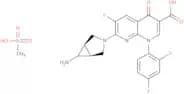
CAS :<p>Trovafloxacin mesylate is a synthetic antibiotic belonging to the fluoroquinolone class, which is derived from chemical synthesis processes rather than natural sources. The mode of action of trovafloxacin mesylate involves the inhibition of bacterial enzymes DNA gyrase and topoisomerase IV. These enzymes are essential for DNA replication, repair, and transcription within the bacterial cell. By inhibiting these enzymes, trovafloxacin mesylate disrupts bacterial DNA processes, leading to cell death and exerting its antibacterial effects.</p>Formule :C21H19F3N4O6SDegré de pureté :Min. 95%Masse moléculaire :512.46 g/molOligomycin
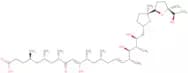
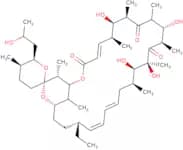
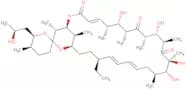
CAS :<p>Oligomycin is a macrolide antibiotic, which is derived from species of the bacterium Streptomyces. It acts as a potent inhibitor of the mitochondrial ATP synthase complex, specifically targeting the F₀ portion of the enzyme. This interference results in the blockage of proton translocation across the mitochondrial membrane, thereby preventing ATP synthesis. Due to this mode of action, Oligomycin is primarily utilized in biochemical research to study cellular respiration and energy metabolism. It serves as a valuable tool in elucidating the mechanisms of oxidative phosphorylation and the role of ATP in various cellular processes. In addition, its application extends to investigations on mitochondrial dysfunctions and the screening of mitochondrial-targeted drugs.</p>Formule :C45H74O11Degré de pureté :Min. 95%Masse moléculaire :791.06 g/mol(10E)-10,11-Didehydro-11-deoxy-6-O-methylerythromycin
CAS :<p>(E)-10,11-Didehydro-11-deoxy-6-O-methylerythromycin is a semisynthetic macrolide antibiotic, which is derived from erythromycin, a natural product obtained from the bacterium *Saccharopolyspora erythraea*. This compound functions as an inhibitor of protein synthesis by binding to the 50S ribosomal subunit of bacteria, thus preventing the growth and proliferation of susceptible bacterial strains. The alteration in its chemical structure, notably the methylation at the 6-O position, enhances its stability and improves its pharmacokinetic profile compared to the parent compound, erythromycin.</p>Formule :C38H67NO12Degré de pureté :Min. 95%Masse moléculaire :729.94 g/molKanamycin C
CAS :<p>Inhibitor of protein synthesis; aminoglycoside</p>Formule :C18H36N4O11Degré de pureté :Min. 95%Masse moléculaire :484.5 g/molN'-Desmethyl azithromycin
CAS :<p>N'-Desmethyl azithromycin is a semi-synthetic derivative antibiotic, which is derived from the chemical modification of azithromycin, a macrolide antibiotic sourced originally from the bacterium *Streptomyces erythreus*. It functions primarily by inhibiting bacterial protein synthesis, binding specifically to the 50S ribosomal subunit, which results in the prevention of transpeptidation and translocation processes during translation. This action effectively halts bacterial growth, rendering it bacteriostatic.</p>Formule :C37H70N2O12Degré de pureté :Min. 95%Masse moléculaire :734.96 g/molPolymyxin B nonapeptide hydrochloride
CAS :<p>Polymyxin B nonapeptide hydrochloride is a potent antibiotic compound derived from the bacterium *Bacillus polymyxa*. As a cationic polypeptide, it exhibits its antibacterial activity by interacting with the lipopolysaccharides and phospholipids in the bacterial cell membrane, leading to increased permeability and ultimately causing cell lysis. The compound is specifically effective against a broad range of Gram-negative bacteria, making it crucial in studying antibiotic resistance mechanisms.</p>Formule :C43H74N14O11•(HCl)xDegré de pureté :Min. 95%Masse moléculaire :963.14 g/molN-Demethyl rifampin
CAS :<p>N-Demethyl rifampin is a metabolite of rifampin, which is a natural product derivative. Rifampin itself is a well-known antibiotic derived from the bacterium *Amycolatopsis rifamycinica*. N-Demethyl rifampin is formed through the metabolic process where rifampin undergoes demethylation. This transformation occurs primarily in the liver, mediated by the cytochrome P450 enzyme system.</p>Formule :C42H56N4O12Degré de pureté :Min. 95%Masse moléculaire :808.91 g/molClindamycin 4-phosphate
CAS :<p>Clindamycin 4-phosphate is a semi-synthetic antibiotic, which is a derivative of the natural antibiotic lincomycin. It is specifically synthesized from Streptomyces lincolnensis cultures. The mode of action of Clindamycin 4-phosphate involves inhibiting bacterial protein synthesis by binding to the 50S subunit of the bacterial ribosome, thus preventing peptide chain elongation and subsequent bacterial growth.</p>Formule :C18H34ClN2O8PSDegré de pureté :Min. 95%Masse moléculaire :504.96 g/molN-Desisobutyl-N-propyl rifabutin
CAS :<p>N-Desisobutyl-N-propyl rifabutin is a synthetic derivative of rifabutin, which is an antibiotic belonging to the rifamycin class. This compound is sourced from modifications of the parent molecule rifabutin, itself derived from the rifamycin family produced by the bacterium Amycolatopsis, traditionally used for its antimicrobial properties. The mode of action involves the inhibition of bacterial RNA polymerase, effectively preventing the transcription process necessary for bacterial replication and protein synthesis. This disruption of RNA synthesis provides potent antimicrobial activity.</p>Formule :C45H60N4O11Degré de pureté :Min. 95%Masse moléculaire :832.98 g/molDihydrostreptomycin sesquisulfate
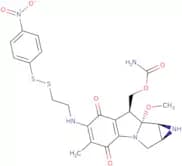
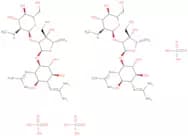
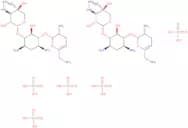
CAS :<p>Dihydrostreptomycin sesquisulfate is an aminoglycoside antibiotic, which is derived from the bacterium Streptomyces griseus. Its mode of action involves binding to the 30S subunit of the bacterial ribosome, leading to the disruption of protein synthesis. This binding interferes with the initiation complex formation, causing misreading of mRNA and ultimately inhibiting bacterial growth.</p>Formule :C21H41N7O12•(H2SO4)1Degré de pureté :Min. 95%Masse moléculaire :730.71 g/molMitomycin D
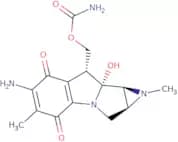
CAS :<p>Mitomycin D is an antibiotic and chemotherapeutic agent known for its ability to inhibit DNA synthesis, making it a potent antitumor agent. It is derived from the bacterium *Streptomyces caespitosus*. Mitomycin D functions as a DNA crosslinking agent by alkylating the DNA strands, which interferes with DNA replication and transcription. This mechanism leads to the cessation of cellular division and ultimately induces apoptosis in rapidly dividing cells.</p>Formule :C15H18N4O5Degré de pureté :Min. 95%Masse moléculaire :334.33 g/molCefoxitin EP impurity B
<p>Cefoxitin EP impurity B is a chemical reference standard, which is derived from the synthesis and purification processes involved in producing Cefoxitin. As an impurity standard, its primary role is to serve as a benchmark for quality control in pharmaceutical formulations. The mode of action of Cefoxitin EP impurity B involves the structural analysis and quantification of impurity levels, ensuring that the primary pharmaceutical products meet necessary safety and efficacy criteria.</p>Formule :C16H17N3O7S2Degré de pureté :Min. 95%Masse moléculaire :427.45 g/molOligomycin B
CAS :<p>Oligomycin B is an antibiotic compound, which is derived from Streptomyces species. It is an inhibitor of the mitochondrial ATP synthase complex, specifically targeting the F₀ subunit of ATP synthase. This action obstructs the proton channel, preventing the flow of protons across the mitochondrial membrane. As a result, Oligomycin B effectively halts ATP synthesis by oxidative phosphorylation, which is crucial for the survival of aerobic organisms.</p>Formule :C45H72O12Degré de pureté :Min. 95%Couleur et forme :PowderMasse moléculaire :805.05 g/molTetracycline hydrochloride, Antibiotic for Culture Media Use Only
CAS :<p>Tetracycline hydrochloride is a broad-spectrum antibiotic and is an electron transfer agent. It has been shown to be effective against bacterial infections in humans and has been used in cultures for the prevention of bacterial contamination. As an electron transfer agent, it is used in electron microscopy to study the surface of biological cells. Tetracycline hydrochloride enters bacterial cells by diffusion and interacts with the cytoplasmic membrane, where it induces a redox reaction that leads to cell death. The efficacy of tetracycline hydrochloride in treating candida albicans (yeast) was studied using in-vitro activity and showed that carboxymethyl chitosan nanoparticles were able to enhance the treatment efficiency.</p>Formule :C22H25ClN2O8Degré de pureté :Min. 88.0 Area-%Masse moléculaire :480.90 g/molRef: 3D-T-1961
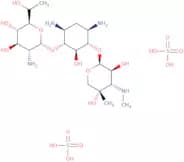
1kgÀ demander5kgÀ demander10kgÀ demander25kgÀ demander2500gÀ demander-Unit-kgkgÀ demanderPlazomicin sulfate
CAS :<p>An aminoglycoside antibiotic. Found applications in treatment of UTi's as it decreases the ability of bacteria to make protein.</p>Formule :C25H48N6O10·XH2SO4Degré de pureté :Min. 85%Couleur et forme :PowderMasse moléculaire :592.69 g/molColistin sulfate, Antibiotic for Culture Media Use Only
CAS :<p>Antibacterial agent with the ability to permeate bacterial membranes and cause cell death. Colistin is a cationic peptide also known as polymyxin E. Colistin is effective in multidrug resistant Gram-positive bacteria such as P. aeruginosa, A. baumannii and K. pneumoniae.</p>Formule :C53H102N16O17SMasse moléculaire :1,266.73 g/molRef: 3D-Q-200890
1kgÀ demander5kgÀ demander10kgÀ demander25kgÀ demander2500gÀ demander-Unit-kgkgÀ demanderKasugamycin
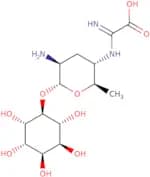
CAS :<p>Kasugamycin is an aminoglycoside antibiotic, which is derived from the actinomycete Streptomyces kasugaensis. Its mode of action involves the inhibition of protein synthesis by interfering with the function of the 30S ribosomal subunit, ultimately preventing the growth and proliferation of sensitive organisms. In agricultural contexts, Kasugamycin is primarily utilized to control bacterial and fungal diseases in a variety of crops, including rice and fruit trees. It is particularly effective against Xanthomonas oryzae, which causes bacterial leaf blight in rice, and other pathogenic organisms detrimental to plant health. The application of Kasugamycin has been an important tool for integrated pest management programs focusing on sustainable agricultural practices. As a compound with a specific mode of activity, it helps to reduce the environmental impact typically associated with broader-spectrum antibiotics, while offering target-specific disease control. Its careful application supports the minimization of resistance development, ensuring continued efficacy in protecting crop yields.</p>Formule :C14H25N3O9Degré de pureté :Min. 95%Masse moléculaire :379.36 g/mol7-epi-Clindamycin
CAS :<p>7-epi-Clindamycin is a clindamycin derivative, which is a semisynthetic antibiotic derived from the bacterium *Streptomyces lincolnensis*. Its mode of action involves binding to the 50S subunit of the bacterial ribosome, thereby inhibiting protein synthesis. This results in the suppression of bacterial growth, making it effective against certain Gram-positive bacteria and anaerobic species.</p>Formule :C18H34Cl2N2O5SDegré de pureté :Min. 95%Couleur et forme :White To Off-White SolidMasse moléculaire :461.44 g/mol26-Oxofusidic acid
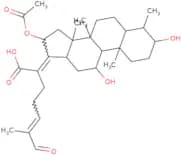
CAS :<p>26-Oxofusidic acid is a derivative of fusidic acid, which is a potent antibacterial compound originally isolated from the fungus Fusidium coccineum. This compound exhibits a unique mode of action by inhibiting bacterial protein synthesis through interference with the elongation factor G (EF-G), a critical component in the translocation step of translation. By targeting this specific aspect of bacterial metabolism, 26-Oxofusidic acid effectively disrupts the growth of gram-positive bacteria, making it an invaluable tool in combating resistant bacterial strains.</p>Formule :C31H46O7Degré de pureté :Min. 95%Masse moléculaire :530.69 g/molPeplomycin sulfate
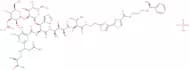
CAS :<p>Peplomycin sulfate is an anticancer antibiotic, which is a derivative of the bleomycin family of glycopeptide antibiotics produced by the bacterium *Streptomyces verticillus*. This antibiotic operates through a mode of action that involves the induction of DNA strand breaks by forming a complex with iron and oxygen, leading to the generation of free radicals. These radicals cleave DNA strands, thereby inhibiting DNA synthesis and inducing apoptosis in cancerous cells.</p>Formule :C61H90N18O25S3Degré de pureté :Min. 95%Masse moléculaire :1,571.67 g/molTigemonam
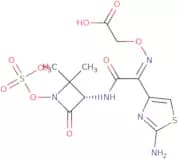
CAS :<p>Tigemonam is a synthetic beta-lactam antibiotic, which is derived from chemical synthesis processes. This compound operates by inhibiting bacterial cell wall synthesis, specifically targeting the penicillin-binding proteins (PBPs). The disruption of the cell wall synthesis ultimately leads to cell lysis and death of the bacteria, making it effective primarily against gram-negative bacterial infections.</p>Formule :C12H15N5O9S2Degré de pureté :Min. 95%Masse moléculaire :437.41 g/molTelavancin
CAS :<p>Telavancin is a lipoglycopeptide antibiotic, which is a semi-synthetic derivative of vancomycin. Its source is derived through modifications of the glycopeptide antibiotic, specifically aimed to enhance antibacterial activity. Telavancin functions by inhibiting cell wall synthesis in Gram-positive bacteria, including methicillin-resistant Staphylococcus aureus (MRSA). It does this by binding to the D-alanyl-D-alanine terminus of cell wall precursors, disrupting peptidoglycan polymerization and, consequently, cell wall integrity. Additionally, Telavancin increases membrane permeability and disrupts membrane potential, further enhancing its bactericidal activity.</p>Formule :C80H106Cl2N11O27PDegré de pureté :Min. 95%Masse moléculaire :1,755.64 g/mol1,3''-Di-HABA kanamycin A
CAS :<p>1,3''-Di-HABA kanamycin A is a chemically modified antibiotic derivative. It is derived from kanamycin A, a well-known aminoglycoside antibiotic that is originally sourced from the bacterium *Streptomyces kanamyceticus*. The modification with 1,3''-Di-HABA alters its pharmacodynamic properties, potentially influencing its specificity and interaction with biological targets.</p>Formule :C26H50N6O15Degré de pureté :Min. 95%Masse moléculaire :686.71 g/molPhleomycin
CAS :<p>Phleomycin is an antibiotic, which is derived from the bacterium *Streptomyces verticillus*. Its mode of action involves binding to DNA and inducing breaks by generating free radicals in the presence of oxygen and ferrous ions, leading to cell death. Phleomycin is prominently used in molecular biology applications as a selective agent in the generation of stable transfectants. It is particularly effective in selecting for cells that have integrated vectors conferring resistance, such as the Sh ble gene used in yeast, plant, and mammalian cell systems. Due to its potent DNA-cleaving ability, Phleomycin is valuable in studies requiring stringent selection pressure. Researchers commonly utilize it in experiments focusing on genetic modification and cellular resistance development.</p>Formule :C51H75N17O21S2Degré de pureté :Min. 95%Masse moléculaire :1,326.38 g/molIclaprim
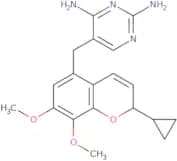
CAS :<p>Iclaprim is an antibiotic, which is a synthetic diaminopyrimidine antimicrobial agent with a specific mechanism of action. It works by selectively inhibiting bacterial dihydrofolate reductase, a crucial enzyme in the bacterial folate synthesis pathway. This inhibition prevents the production of tetrahydrofolate, ultimately disrupting DNA, RNA, and protein synthesis in susceptible bacterial cells.</p>Formule :C19H22N4O3Degré de pureté :Min. 95%Masse moléculaire :354.4 g/molErythromycin B
CAS :<p>Erythromycin B is a semisynthetic macrolide antibiotic, which is derived from the actinomycete *Saccharopolyspora erythraea*. Its mode of action involves inhibiting bacterial protein synthesis by binding to the 50S ribosomal subunit. This interference with protein synthesis effectively hampers bacterial growth, making it a potent bacteriostatic agent.</p>Formule :C37H67NO12Degré de pureté :90%NmrMasse moléculaire :717.93 g/molLincomycin 2-palmitate hydrochloride
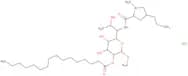
CAS :<p>Lincomycin 2-palmitate hydrochloride is a semi-synthetic antibiotic, derived from the natural antibiotic lincomycin through chemical modification. It is sourced from fermentative processes involving the bacterium *Streptomyces lincolnensis*. The compound exerts its action by inhibiting protein synthesis in susceptible bacteria. This occurs through its binding to the 50S subunit of the bacterial ribosome, thereby hindering peptide chain elongation and ultimately arresting bacterial growth.</p>Formule :C34H65ClN2O7SDegré de pureté :Min. 95%Masse moléculaire :681.41 g/molCefotaxime sodium - Sterile grade
CAS :<p>Cefotaxime sodium - Sterile grade is a cephalosporin antibiotic, which is derived from the beta-lactam class of antibacterial agents. It effectively disrupts bacterial cell wall synthesis by binding to and inhibiting penicillin-binding proteins, leading to cell lysis and death. This mechanism of action is potent against a variety of Gram-positive and Gram-negative bacteria, making it a valuable tool in clinical settings.</p>Formule :C16H17N5O7S2·NaDegré de pureté :Min. 95%Masse moléculaire :478.46 g/molVincristine
CAS :<p>Vincristine, a microtubule disruptor, inhibits mitosis in cancer cells, useful in leukemia research.</p>Formule :C46H56N4O10Degré de pureté :98.46% - >99.99%Couleur et forme :SolidMasse moléculaire :824.96Chaetoglobosin A - From chaetomium globosum
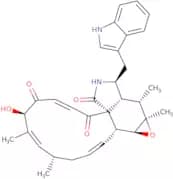
CAS :<p>Chaetoglobosin A is a mycotoxin, which is a secondary metabolite produced by the fungus Chaetomium globosum. This compound exhibits its mode of action by disrupting the cytoskeletal elements within cells, primarily affecting actin polymerization. This interference leads to alterations in cell morphology and can induce apoptosis in certain cell lines.</p>Formule :C32H36N2O5Degré de pureté :Min. 95%Masse moléculaire :528.64 g/molTyrothricin
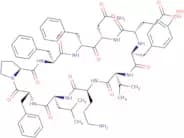
CAS :<p>Tyrothricin is a peptide antibiotic, which is derived from the bacterium Bacillus brevis. This compound comprises a mixture of polypeptides, primarily gramicidin and tyrocidine, both of which are instrumental in its antimicrobial activity. The mode of action of tyrothricin involves disrupting bacterial cell membranes, leading to cell lysis and death. Gramicidin increases the permeability of the bacterial membrane to ions, while tyrocidine promotes disruption of membrane integrity, which together exert bactericidal and bacteriostatic effects.</p>Formule :C65H85N11O13Degré de pureté :Min. 95%Masse moléculaire :1,228.44 g/molCefacetrile sodium
CAS :<p>Cefacetrile sodium is a broad-spectrum antibiotic belonging to the cephalosporin class. It is a semi-synthetic derivative sourced from cephalosporin C, a naturally occurring compound derived from the Acremonium fungus. Its mode of action involves the inhibition of bacterial cell wall synthesis. This occurs by binding to penicillin-binding proteins within the bacterial cell membrane, ultimately leading to cell lysis and death due to the inability to synthesize peptidoglycan, a critical component of the bacterial cell wall.</p>Formule :C13H13N3NaO6SDegré de pureté :Min. 95%Masse moléculaire :362.31 g/molGeneticin Disulfate (G418), Antibiotic for Culture Media Use Only
CAS :<p>Geneticin is very efficient against gram-negative bacteria, however it is not applied for treating infections due to high renal toxicity. Geneticin and its resistance genes found application in the selection of transgenic cell lines including yeasts such as P. pastoris and S. serevisiae, other eukaryotic cell lines such as CHO or HEK293, but also plant cells and bacterial cells.</p>Formule :C20H44N4O18S2Degré de pureté :Min. 97.0 Area-%Masse moléculaire :692.71 g/molClindamycin-d3 hydrochloride
CAS :Produit contrôlé<p>Clindamycin-d3 hydrochloride is an isotopically labeled pharmaceutical compound, specifically designed for use in the field of analytical chemistry and pharmacokinetics. It is derived from clindamycin, a known antibiotic sourced from modifications of the naturally occurring compound lincomycin, produced by the actinobacterium Streptomyces lincolnensis. The incorporation of deuterium atoms, replacing hydrogen, allows for its use in sophisticated analytical methods such as mass spectrometry, where it serves to trace the metabolic pathways and to quantify the bioavailability and distribution of clindamycin in biological systems with high precision.</p>Formule :C18H30ClD3N2O5S•HClDegré de pureté :Min. 95%Masse moléculaire :464.46 g/molPC 190723
CAS :<p>PC 190723 is a synthetic chemical compound, which is derived through targeted chemical synthesis processes involving precise organic reactions. Its mode of action involves disrupting cellular division by inhibiting specific protein functions essential for the mitotic process. This molecular interaction results in potent effects on cell division, making it a valuable tool for studying cellular mechanics and developing therapeutic strategies.</p>Formule :C14H8ClF2N3O2SDegré de pureté :Min. 95%Masse moléculaire :355.75 g/molCeftarolin fosamil
CAS :<p>Ceftaroline fosamil is an advanced antibiotic, which is a cephalosporin derived from synthetic sources with a broad spectrum of activity. It is a prodrug that, once metabolized, becomes active in the body, binding to penicillin-binding proteins (PBPs) of bacteria. This binding inhibits the proteins responsible for cell wall synthesis, leading to bacterial cell lysis and death.</p>Formule :C22H21N8O8PS4Degré de pureté :Min. 95%Masse moléculaire :684.69 g/mol(10E)-3-O-De(a-L-cladinose)-10-dehydro-11-dehydroxy-6-O-methyl-erythromycin 2'-acetate
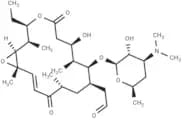
CAS :<p>Erythromycin derivative</p>Formule :C32H55NO10Degré de pureté :Min. 95%Masse moléculaire :613.78 g/molGentamicin C2 pentaacetate (2 : 1 Mixture of C2 and C2a)
CAS :Produit contrôlé<p>Gentamicin C2 pentaacetate (2 : 1 Mixture of C2 and C2a) is an aminoglycoside class antibiotic derivative, primarily derived from the fermentation of Micromonospora species. This product is a semi-synthetic compound, combining two closely related gentamicin components, C2 and C2a, in a specified ratio. Its mode of action involves binding to the 30S subunit of the bacterial ribosome, which disrupts protein synthesis resulting in bactericidal activity against a wide spectrum of Gram-negative and some Gram-positive bacteria.</p>Formule :C30H61N5O17Degré de pureté :Min. 95%Masse moléculaire :763.83 g/molChlortetracycline-13C-d3 hydrochloride
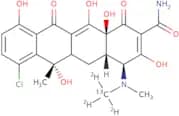
Produit contrôlé<p>Chlortetracycline-13C-d3 hydrochloride is a stable isotope-labeled antibiotic with action on bacterial protein synthesis inhibition and is used for research in bacterial resistance and analytical studies.</p>Formule :C2113CH21D3Cl2N2O8Couleur et forme :PowderMasse moléculaire :519.35 g/molStreptidine dihydrochloride
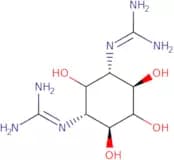
CAS :<p>Streptidine dihydrochloride is a biochemical compound, specifically a derivative of streptomycin, which is obtained through chemical modification of the aminoglycoside antibiotic streptomycin. It is composed of streptidine, a constituent sugar derivative, that is integral to the structure of streptomycin, rendered as a hydrochloride salt to enhance solubility and stability.</p>Formule :C8H18N6O4·2HClDegré de pureté :Min. 95%Dequalinium chloride
CAS :<p>Dequalinium chloride is a novel, broad spectrum antimicrobial agent with a mechanism of action that inhibits the mitochondria-dependent respiratory chain. Studies have shown that it inhibits the growth of resistant microorganisms in cell-based experiments and in bacterial infections. Dequalinium chloride also has cytopathic effects on thp-1 cells, which are specific for Mycobacterium tuberculosis. In addition to inhibiting mitochondria-dependent respiration, this compound also increases acetylcholine receptor sensitivity in A549 lung cancer cells. Dequalinium chloride is a quaternary ammonium cation and has been shown to be effective against clinical isolates and inhibitory concentrations of a variety of virus species, including human rhinovirus (HRV) and Coxsackie virus type B4 (CoxB4).</p>Formule :C30H40Cl2N4Degré de pureté :Min. 95.0 Area-%Masse moléculaire :527.57 g/molPanipenem
CAS :<p>Panipenem is a carbapenem antibiotic, which is a type of beta-lactam antibiotic derived from thienamycin. It functions by inhibiting penicillin-binding proteins (PBPs), which are essential for bacterial cell wall synthesis. This inhibition disrupts the cell wall construction, leading to cell lysis and death, thereby demonstrating strong bactericidal activity.</p>Formule :C15H21N3O4SDegré de pureté :Min. 95%Masse moléculaire :339.41 g/molCefquinome
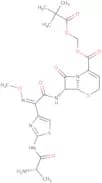
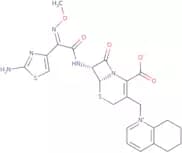
CAS :<p>Cefquinome is a broad-spectrum antibiotic, which is a fourth-generation cephalosporin. It is derived from the β-lactam class of antibiotics and is specifically designed for veterinary applications. Its mode of action involves the inhibition of bacterial cell wall synthesis, leading to cell lysis and death. This action is facilitated through the binding of cefquinome to penicillin-binding proteins, which undermines the structural integrity of bacterial cell walls, proving effective against both Gram-positive and Gram-negative bacteria.</p>Formule :C23H24N6O5S2Degré de pureté :Min. 95%Masse moléculaire :528.61 g/molFosmidomycin sodium
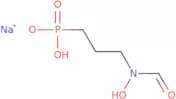
CAS :<p>Fosmidomycin sodium is an antibiotic compound, which is derived from phosphonic acid. It functions as an inhibitor of the enzyme 1-deoxy-D-xylulose 5-phosphate reductoisomerase (DXR), crucial in the non-mevalonate pathway of isoprenoid biosynthesis. By targeting this enzyme, fosmidomycin sodium disrupts the production of isoprenoids, essential components for the growth and survival of certain bacteria and parasites.</p>Formule :C4H9NNaO5PDegré de pureté :Min. 95%Masse moléculaire :205.08 g/mol3'-N-Desmethyl-3'-N-tosyl azithromycin
CAS :<p>3'-N-Desmethyl-3'-N-tosyl azithromycin is a semi-synthetic macrolide antibiotic analog, which is a derivative of azithromycin, a well-known member of the macrolide class of antibiotics. This compound is synthesized through chemical modifications of the parent molecule, azithromycin, to potentially enhance its pharmacokinetic and pharmacodynamic properties.</p>Formule :C44H76N2O14SDegré de pureté :Min. 95%Masse moléculaire :889.15 g/molPuromycin aminonucleoside
CAS :<p>Inducer of apoptosis; translational inhibitor; aminonucleoside antibiotic</p>Formule :C12H18N6O3Degré de pureté :Min. 95%Masse moléculaire :294.31 g/molOligomycin A
CAS :<p>Oligomycin A is a macrolide antibiotic, which is isolated from the Streptomyces species of bacteria. Its mode of action involves inhibiting ATP synthase by binding to the F_O subunit of the enzyme complex in the mitochondrial membrane. This binding effectively stops the flow of protons across the membrane, which is critical for ATP generation through oxidative phosphorylation.</p>Formule :C45H74O11Degré de pureté :Min. 95%Couleur et forme :PowderMasse moléculaire :791.06 g/mol10, 11-Dehydrocurvularin
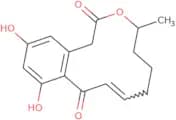
CAS :<p>10, 11-Dehydrocurvularin is a fungal phytotoxin with heat shock response and immune-modulatory activitie. Curvularins inhibit the expression of the inducible nitric oxide synthase (iNOS), thereby acting as anti-inflammatory agents and immune system modulators</p>Degré de pureté :Min. 95%Couleur et forme :PowderExeporfinium chloride
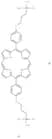
CAS :<p>Exeporfinium chloride(XF-73) is an antimicrobial agent that can weaken bacterial cell walls.</p>Formule :C44H50Cl2N6O2Couleur et forme :SolidMasse moléculaire :765.81Chitin synthase inhibitor 4
CAS :<p>Chitin synthase inhibitor 4: a CHS inhibitor with antimicrobial properties, potential fungicide.</p>Formule :C20H15FN4ODegré de pureté :99.74%Couleur et forme :SolidMasse moléculaire :346.36Albitiazolium bromide
CAS :<p>Albitiazolium bromide is an antimalarial compound disrupting phosphatidylcholine biosynthesis in Plasmodium, transported via NPP and cation carriers.</p>Formule :C24H42BrN2O2S2Degré de pureté :99.743%Couleur et forme :SolidMasse moléculaire :534.64Chitin synthase inhibitor 2
CAS :<p>Chitin synthase inhibitor 2 (2b) has an IC50 of 0.09 mM, K i 0.12 mM, shows in vitro antimicrobial activity and boosts fluconazole/polyoxin B.</p>Formule :C20H19N3O3Couleur et forme :SolidMasse moléculaire :349.38S 863390
CAS :<p>S 863390 is a renin inhibitor.</p>Formule :C37H52N6O4Degré de pureté :98%Couleur et forme :SolidMasse moléculaire :644.85Xenalamine
CAS :<p>Xenalamine is a synthetic compound of antiviral.</p>Formule :C23H21NO4Degré de pureté :98%Couleur et forme :SolidMasse moléculaire :375.42MptpB-IN-1
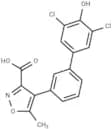
CAS :<p>MptpB-IN-1: orally active, potent MptpB inhibitor; reduces drug-resistant tuberculosis.</p>Formule :C17H11Cl2NO4Couleur et forme :SolidMasse moléculaire :364.18Basacv
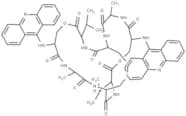
CAS :Basacv is a bisacridinyl peptidic analog of triostin A.Formule :C54H60N10O10S2Couleur et forme :SolidMasse moléculaire :1073.25Riodoxol
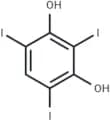
CAS :<p>Riodoxol is an antiviral agent that effectively affects the reproduction and maturation of viruses.</p>Formule :C6H3I3O2Couleur et forme :SolidMasse moléculaire :487.8RMI 10874
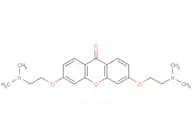
CAS :<p>RMI 10874 is a tilorone analogue. Tilorone is an orally bioavailable antiviral agent.</p>Formule :C21H26N2O4Degré de pureté :98%Couleur et forme :SolidMasse moléculaire :370.44Amcinafal
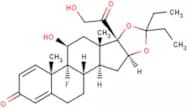
CAS :<p>Amcinafal is an active diol,and used against virus replication and interferon production.</p>Formule :C26H35FO6Degré de pureté :98%Couleur et forme :SolidMasse moléculaire :462.55Acyclovir monophosphate
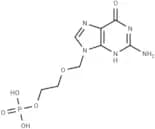
CAS :<p>Acyclovir monophosphate, a strong anti-HSV agent, inhibits viral DNA polymerase, blocking DNA synthesis and chain elongation.</p>Formule :C8H12N5O6PCouleur et forme :SolidMasse moléculaire :305.18Linogliride fumarate
CAS :<p>Linogliride fumarate, a guanidine derivative, stimulates insulin release by blocking ATP-sensitive K+ channels, enhancing glucose tolerance.</p>Formule :C20H26N4O5Degré de pureté :98%Couleur et forme :SolidMasse moléculaire :402.451Tunicamine
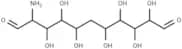
CAS :<p>Tunicamine is a reversible polyprenol-phosphate inhibitor.</p>Formule :C11H21NO9Degré de pureté :98%Couleur et forme :SolidMasse moléculaire :311.29Pafuramidine maleate
CAS :<p>Pafuramidine is an orally bioavailable prodrug of formamidine which was developed for the treatment of human African trypanosomiasis.</p>Formule :C24H24N4O7Degré de pureté :98%Couleur et forme :SolidMasse moléculaire :480.16LY 186826
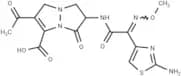
CAS :<p>LY 186826 is an antibacterial agent with bicyclic pyrazolidinone properties.</p>Formule :C15H16N6O6SDegré de pureté :98%Couleur et forme :SolidMasse moléculaire :408.39Epirubicin
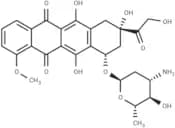
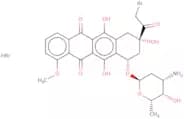
CAS :<p>Epirubicin, a doxorubicin derivative, is an antineoplastic, inhibits topoisomerase, DNA/RNA synthesis, and Foxp3, reducing T cell activity.</p>Formule :C27H29NO11Couleur et forme :SolidMasse moléculaire :543.52Ormetoprim
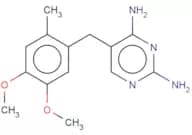
CAS :<p>Ormetoprim (Ro 5-9754), an antibiotic approved for use in the United States, is used to prevent the spread of disease in freshwater aquaculture.</p>Formule :C14H18N4O2Degré de pureté :99.92%Couleur et forme :SolidMasse moléculaire :274.32Linogliride
CAS :<p>Linogliride: a guanidine derivative, inhibits insulin release, and enhances glucose tolerance by blocking ATP-sensitive K+ channels in pancreatic beta cells.</p>Formule :C16H22N4ODegré de pureté :98%Couleur et forme :SolidMasse moléculaire :286.37Pyrazofurin
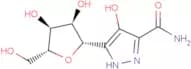
CAS :<p>Pyrazofurin, a pyrimidine analogue, blocks cell growth and DNA synthesis by targeting UMP synthase & orotate-phosphoribosyltransferase (IC50: 0.06-0.37 μM).</p>Formule :C9H13N3O6Degré de pureté :98%Couleur et forme :SolidMasse moléculaire :259.22Lipoxamycin hemisulfate
CAS :<p>Lipoxamycin hemisulfate (Lipoxamycin) is an inhibitor of serine palmitoyltransferase (IC50 = 21 nM) with antifungal activity.</p>Formule :C38H74N4O14SDegré de pureté :99.14% - 99.93%Couleur et forme :SolidMasse moléculaire :843.08SQ109
CAS :<p>SQ109 (NSC-722041) is an effective inhibitor of the trypomastigote form of the parasite (IC50 = 50 nM). SQ109 is an antitubercular agent and targets MmpL3.</p>Formule :C22H38N2Degré de pureté :99.70% - 99.91%Couleur et forme :SolidMasse moléculaire :330.55BRD-8000.3
CAS :<p>BRD-8000.3 is a narrow-spectrum antimycobacterial targeting EfpA, inhibiting lipid transport in drug-tolerant Mtb and useful in structural and functional.</p>Formule :C19H21BrN4ODegré de pureté :99.78% - 99.78%Couleur et forme :SolidMasse moléculaire :401.3FR900098 (sodium salt)
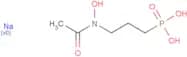
CAS :<p>FR900098, a fosmidomycin derivative, has potent antimalarial effects, targeting DOXP reductoisomerase and eradicating P. vinckei in mice at >10 mg/kg.</p>Formule :C5H12NNaO5PCouleur et forme :SolidMasse moléculaire :220.117CRK12-IN-1
CAS :<p>CRK12-IN-1: strong inhibitor of CRK12, kills T.b. brucei & T. congolense (EC50s: 1.3 & 18 nM).</p>Formule :C20H26F2N4O3S2Degré de pureté :99.72%Couleur et forme :SolidMasse moléculaire :472.57Pyrrofolic acid
CAS :<p>Pyrrofolic acid shows high anti-folate biological activity for S. faecalis.</p>Formule :C23H21N7O7Degré de pureté :98%Couleur et forme :SolidMasse moléculaire :507.46Vidarabine phosphate
CAS :<p>Vidarabine phosphate is an adenosine monophosphate analog.</p>Formule :C10H14N5O7PDegré de pureté :99.75%Couleur et forme :White Crystalline PowderMasse moléculaire :347.22Phenosulfazole
CAS :<p>Phenosulfazole is a potent antiviral agent which has the potential for the research of poliomyelitis virus [1].</p>Formule :C9H8N2O3S2Couleur et forme :SolidMasse moléculaire :256.3AFK-108
CAS :<p>AFK-108 is a fungicide agent.</p>Formule :C21H26Cl2N2ODegré de pureté :98%Couleur et forme :SolidMasse moléculaire :393.35Abimtrelvir
CAS :<p>Abimtrelvir exhibited antiviral activity.</p>Formule :C24H17ClF3N7O2Couleur et forme :SolidMasse moléculaire :527.89Alalevonadifloxacin HCl
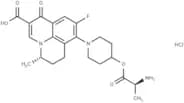
CAS :<p>Alalevonadifloxacin HCl is a novel l-alanine ester prodrug of levonadifloxacin.</p>Formule :C22H27ClFN3O5Degré de pureté :98%Couleur et forme :SolidMasse moléculaire :467.924-((4-((4-Aminophenyl)sulfonyl)phenyl)amino)-4-oxobutanoic acid
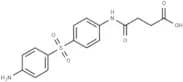
CAS :<p>4-((4-((4-Aminophenyl)sulfonyl)phenyl)amino)-4-oxobutanoic acid is a sulfonamide compound that can be used as an anti infective agent [1].</p>Formule :C16H16N2O5SCouleur et forme :SolidMasse moléculaire :348.37SSJ-183
CAS :<p>SSJ-183 is a low-toxicity and orally available and anti-malarial drug with an IC50 = 7.6 nM against P. falciparum and no lethality at doses up to 2000 mg/kg po.</p>Formule :C25H22N4ODegré de pureté :99.71% - 99.83%Couleur et forme :SolidMasse moléculaire :394.47Antiviral agent 18
CAS :<p>Compound 5, an antiviral agent, effectively targets murine norovirus, with potential in infectious disease and oncology research.</p>Formule :C11H13ClN4O4Couleur et forme :SolidMasse moléculaire :300.7Lincophenicol
CAS :<p>Lincophenicol is an Escherichia coli ribosomal peptidyltransferase-catalyzed puromycin reaction inhibitor.</p>Formule :C18H27N3O5Degré de pureté :98%Couleur et forme :SolidMasse moléculaire :365.42Verticillin A
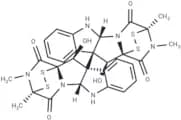
CAS :<p>Verticillin A, an apoptosis inducer, inhibits Leiomyosarcoma and Malignant peripheral nerve sheath tumor growth.</p>Formule :C30H28N6O6S4Degré de pureté :98%Couleur et forme :SolidMasse moléculaire :696.84Niclosamide monohydrate
CAS :<p>Niclosamide Monohydrate is used for the treatment of most tapeworm infections by inhibiting DNA replication.</p>Formule :C13H10Cl2N2O5Degré de pureté :98%Couleur et forme :SolidMasse moléculaire :345.14Rosaramicin
CAS :<p>Rosaramicin, a lipid-soluble basic macrolide, is an antibacterial substance similar to erythromycin but with a better activity against Gram-negative bacteria.</p>Formule :C31H51NO9Degré de pureté :98%Couleur et forme :SolidMasse moléculaire :581.74Ferric citrate
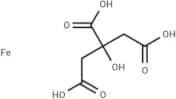
CAS :<p>Ferric citrate as a source of iron used in cell culture applications can provide iron with a less toxic form compared to free iron salts.</p>Formule :C6H8FeO7Couleur et forme :Limit Its Spread To The Environment It Is Used In Medicine In Making Blueprints And As A FeedMasse moléculaire :247.968DDD01035881
CAS :<p>DDD01035881 is a anti-malarial drug that blocks parasite-to-mosquito transmission by targeting the Plasmodium vesicle membrane protein Pfs16.</p>Formule :C14H14BrNO4S2Degré de pureté :99.78%Couleur et forme :SolidMasse moléculaire :404.3Pentachloropseudilin
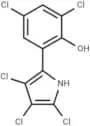
CAS :<p>Pentachloropseudilin inhibits Myosin-1 and speeds up TGF-β receptor turnover, suppressing TGF-β activity.</p>Formule :C10H4Cl5NODegré de pureté :98.14%Couleur et forme :SolidMasse moléculaire :331.41Saquayamycin B
CAS :<p>Saquayamycin B, a glycoside, targets Gram-positive bacteria and both adriamycin-sensitive and -resistant P388 leukemia cells.</p>Formule :C43H48O16Couleur et forme :SolidMasse moléculaire :820.83Azidamfenicol
CAS :<p>Azidamfenicol inhibits ribosomal peptidyltransferase with a Ki of 22 µM. Azidamfenicol is a broad-spectrum chloramphenicol-like antibiotic.</p>Formule :C11H13N5O5Degré de pureté :99.61%Couleur et forme :SolidMasse moléculaire :295.25Nocardamine
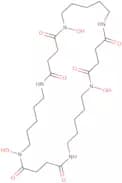
CAS :<p>Nocardamine is a siderophore-based antioxidant, which is naturally derived from the soil-dwelling actinobacteria known as Streptomyces. Its primary mode of action involves the chelation of metal ions, effectively sequestering them and preventing metal-catalyzed oxidation reactions. By binding to iron and other transition metals, Nocardamine mitigates oxidative stress at a cellular level, which could otherwise contribute to cellular damage and dysfunction.</p>Formule :C27H48N6O9Degré de pureté :Min. 95%Masse moléculaire :600.71 g/molSterigmatocystin
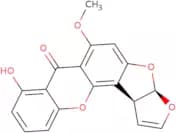
CAS :<p>Sterigmatocystin is a mycotoxin, which is a secondary metabolite primarily produced by certain species of the fungi Aspergillus and Bipolaris. This compound exhibits its mode of action by interfering with DNA, RNA, and protein synthesis, ultimately disrupting cellular processes. As a precursor to the well-known aflatoxins, sterigmatocystin shares a similar structure and exhibits carcinogenic properties.</p>Degré de pureté :Min. 95%Ceftibuten
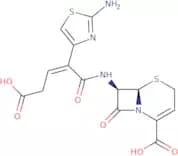
CAS :<p>Ceftibuten is a third-generation cephalosporin antibiotic, which is a beta-lactam class of antimicrobial agents derived from Acremonium, a genus of fungi. This product is synthesized to resist degradation by beta-lactamase enzymes, which are commonly produced by resistant bacteria, thereby maintaining its efficacy against a wide range of bacterial pathogens.</p>Formule :C15H14N4O6S2Degré de pureté :Min. 95%Masse moléculaire :410.43 g/molClindamycin 3-phosphate
CAS :<p>Clindamycin 3-phosphate is an antibiotic prodrug, which is a derivative of clindamycin. It is semisynthetic with a synthetic origin, derived by chemically modifying the natural compound lincomycin obtained from the bacterium *Streptomyces lincolnensis*. The mode of action of Clindamycin 3-phosphate involves the inhibition of bacterial protein synthesis. It binds to the 50S subunit of the bacterial ribosome, thereby interfering with the translocation step in protein elongation, ultimately leading to the suppression of bacterial growth.</p>Formule :C18H34ClN2O8PSDegré de pureté :Min. 95%Couleur et forme :White To Off-White SolidMasse moléculaire :504.96 g/molFaropenem sodium hydrate
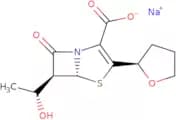
CAS :<p>Faropenem sodium hydrate is a hydrated form of faropenem sodium with similar action and applications as faropenem sodium hemipentahydrate.</p>Formule :C12H14NNaO5S·xH2ODegré de pureté :Min. 95%Couleur et forme :PowderMasse moléculaire :307.3 g/molCefazolin
CAS :<p>Cefazolin is a broad-spectrum antibiotic that inhibits the growth of Gram-positive and Gram-negative bacteria. It is an effective cephalosporin antibiotic against both aerobic and anaerobic bacteria. Cefazolin is used in clinical isolates to inhibit the growth of methicillin-resistant staphylococcus, resistant microorganisms, and systemic inflammation. Some studies has shown good results to inhibit tumor necrosis factor-α (TNFα) production in cell culture.</p>Formule :C14H14N8O4S3Degré de pureté :Min. 95%Masse moléculaire :454.51 g/molGentamicin C1 pentaacetate
CAS :<p>Gentamicin C1 pentaacetate is an aminoglycoside antibiotic with action on bacterial protein synthesis inhibition and is used for research and analytical applications.</p>Formule :C21H43N5O7•(C2H4O2)5Degré de pureté :Min. 90%Couleur et forme :Off-White PowderMasse moléculaire :777.86 g/molPefloxacin-d3
CAS :Produit contrôlé<p>Pefloxacin-d3 is a deuterated fluoroquinolone antibiotic, which is a synthetic derivative of pefloxacin utilized primarily for research purposes. This compound is chemically modified to include deuterium atoms, a stable isotope of hydrogen, thus offering unique properties essential for precise quantitative analysis in pharmacokinetic studies.</p>Formule :C17H17D3FN3O3Degré de pureté :Min. 95%Masse moléculaire :336.38 g/molQuinupristin
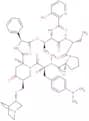
CAS :<p>Quinupristin, a macrolide-lincosamide-streptogramin antibiotic, inhibits protein synthesis in bacteria.</p>Formule :C53H67N9O10SDegré de pureté :98.05% - 98.16%Couleur et forme :SolidMasse moléculaire :1022.2214-Bromodaunorubicin HBr
CAS :<p>14-Bromodaunorubicin HBr is a synthetic antitumor antibiotic derivative, which is a modified version of daunorubicin, an anthracycline antibiotic originally isolated from Streptomyces peucetius. With the inclusion of a bromine atom at the 14th position, this compound is designed to enhance the antitumor efficacy and alter pharmacokinetic properties compared to its parent molecule.</p>Formule :C27H28BrNO10·BrHDegré de pureté :75%MinMasse moléculaire :687.33 g/molSpiramycin I
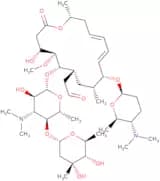
CAS :<p>Spiramycin I is a macrolide antibiotic with action on bacterial protein synthesis inhibition and is used for treating toxoplasmosis and bacterial infections.</p>Formule :C43H74N2O14Degré de pureté :Min. 95 Area-%Couleur et forme :White PowderMasse moléculaire :843.05 g/molFlucloxacillin
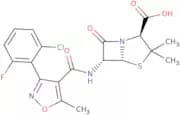
CAS :<p>Flucloxacillin is a beta-lactam antibiotic, which is derived from the penicillin family. It is synthetically produced through chemical modification to enhance its stability against beta-lactamase enzymes. The mode of action of flucloxacillin involves inhibiting bacterial cell wall synthesis. It binds to penicillin-binding proteins (PBPs) located inside the bacterial cell wall, which in turn inhibits the transpeptidation or cross-linking of peptidoglycan chains. This action leads to cell lysis and ultimately, bacterial death.</p>Formule :C19H17ClFN3O5SDegré de pureté :Min. 95%Masse moléculaire :453.87 g/mol7-epi-Clindamycin 2-phosphate
CAS :<p>7-epi-Clindamycin 2-phosphate is a semisynthetic antibiotic derivative, which is sourced from chemical modifications of the natural antibiotic lincomycin. This compound operates by inhibiting bacterial protein synthesis. It achieves this by binding to the 50S subunit of the bacterial ribosome, thereby obstructing the translocation steps in protein elongation.</p>Formule :C18H34ClN2O8PSDegré de pureté :Min. 95%Couleur et forme :White to off-white solid.Masse moléculaire :504.96 g/molSisomicin sulfate
CAS :<p>Sisomicin sulfate is a sulfate salt form of sisomicin with similar action and applications as sisomicin.</p>Formule :C19H37N5O7·5H2SO4Degré de pureté :Min. 95%Couleur et forme :PowderMasse moléculaire :1,385.45 g/molLaidlomycin
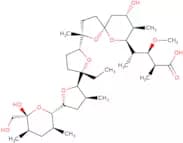
CAS :<p>Laidlomycin is an ionophore compound with a mode of action that disrupts ion gradients in bacterial cells. It is used as a feed additive to improve feed efficiency in cattle.</p>Formule :C37H62O12Degré de pureté :Min. 95%Masse moléculaire :698.88 g/molTrombodipine
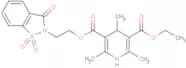
CAS :<p>Trombodipine (PCA-4230) is a platelet aggregation inhibitor with antithrombotic activity and protection against Listeria monocytogenes.</p>Formule :C21H24N2O7SDegré de pureté :98.73% - 99.14%Couleur et forme :SolidMasse moléculaire :448.49Leptomycin B
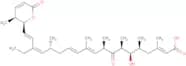
CAS :<p>Leptomycin B is a bacterial secondary metabolite, which is derived from the bacterium Streptomyces sp. This compound is a potent nuclear export inhibitor with a mechanism of action that targets and inhibits the export receptor CRM1 (Chromosomal Maintenance 1), also known as Exportin 1. By binding irreversibly to CRM1, Leptomycin B prevents the nuclear export of proteins and RNA, disrupting the nuclear-cytoplasmic transport essential for cell function.</p>Formule :C33H48O6Degré de pureté :Min. 95%Masse moléculaire :540.73 g/molLomefloxacin hydrochloride
CAS :<p>Lumefantrine is an antimalarial compound with a mode of action that inhibits heme detoxification in Plasmodium parasites. It is used in combination with artemether for treating malaria.</p>Formule :C17H19F2N3O3•HClDegré de pureté :Min. 95%Couleur et forme :PowderMasse moléculaire :387.81 g/molErythromycin C
CAS :<p>Erythromycin C is a macrolide antibiotic, which is a type of product derived from the bacterium *Saccharopolyspora erythraea*. It functions by binding to the 50S subunit of the bacterial ribosome, inhibiting protein synthesis through blocking translocation of peptidyl-tRNA. This mode of action effectively prevents bacterial growth and replication, making it a potent bacteriostatic agent.</p>Formule :C36H65NO13Degré de pureté :Min. 95%Masse moléculaire :719.9 g/molMonensin
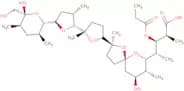
CAS :<p>Monensin is a polyether ionophore antibiotic, which is derived from the fermentation of the bacterium *Streptomyces cinnamonensis*. It operates by disrupting ion transport across biological membranes, primarily by facilitating the exchange of sodium and potassium ions. This ionophore action alters the osmotic balance in target cells, leading to their destabilization and death, particularly in Gram-positive bacteria and certain protozoa.</p>Formule :C36H62O11Degré de pureté :Min. 95%Masse moléculaire :670.87 g/molCyclosporin V
CAS :<p>Cyclosporin V is an immunosuppressant medication with action on calcineurin inhibition and is used for preventing organ rejection in transplants and treating autoimmune diseases.</p>Formule :C63H113N11O12Degré de pureté :Min. 95%Couleur et forme :PowderMasse moléculaire :1,216.64 g/molSancycline hydrochloride
CAS :<p>Sancycline hydrochloride is a tetracycline antibiotic, which is derived from the natural fermentation process of Streptomyces bacteria. The mechanism of action involves the inhibition of protein synthesis by bindin directly to the 30S ribosomal subunit, thereby preventing the attachment of aminoacyl-tRNA to the A site of the ribosome. This action effectively halts the growth of bacteria by impeding protein production, making it bacteriostatic rather than bactericidal.</p>Formule :C21H23ClN2O7Degré de pureté :Min. 95%Masse moléculaire :450.87 g/molSulfadimethoxine sodium
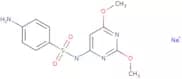
CAS :<p>Sulfadimethoxine sodium is a sulfonamide antibiotic with action on bacterial folate synthesis inhibition and is used for treating respiratory and urinary tract infections in veterinary medicine.</p>Formule :C12H13N4NaO4SDegré de pureté :Min. 95%Couleur et forme :White Off-White PowderMasse moléculaire :332.31 g/mol4-Demethyl daunomycinone
CAS :<p>4-Demethyl daunomycinone is an anthracycline derivative, which is a natural or semi-synthetic compound derived from the bacterium *Streptomyces*. It is primarily studied for its potential use in anticancer therapies, given its structural similarity to other well-known anthracyclines like daunorubicin and doxorubicin. These compounds are known to intercalate into DNA, thereby disrupting the function of DNA and RNA synthesis, leading to the inhibition of cell proliferation.</p>Formule :C20H16O8Degré de pureté :Min. 95%Masse moléculaire :384.34 g/molCeftriaxone sodium
CAS :<p>Ceftriaxone sodium is a third-generation cephalosporin antibiotic with action on bacterial cell wall synthesis and is used for treating severe bacterial infections like meningitis and pneumonia.</p>Formule :C18H18N8Na2O7S3Degré de pureté :Min. 84 Area-%Couleur et forme :White Yellow PowderMasse moléculaire :600.56 g/molNortopixantrone HCl
CAS :<p>Nortopixantrone HCl (BBR 3438) is a novel 9-azacyclonopyrazole that shows antitumor activity in a human prostate cancer model.</p>Formule :C20H26Cl2N6O2Degré de pureté :99.08% - 99.74%Couleur et forme :SolidMasse moléculaire :453.36Curvularin
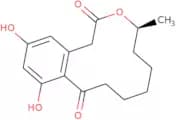
CAS :<p>Curvularin is a secondary metabolite, which is derived from the fungal genus *Curvularia*. This compound is produced through the natural biosynthetic pathways of filamentous fungi, specifically isolated from strains such as *Curvularia lunata*. Curvularin exerts its biological activity primarily through modulation of microtubule dynamics, making it a significant subject of study in cell biology. It disrupts the polymerization processes, impacting the assembly and stability of microtubules, which are critical components of the cytoskeleton involved in cell division, intracellular transport, and structural integrity.</p>Degré de pureté :Min. 95%Hygromycin A
CAS :<p>Hygromycin A is an antimicrobial compound isolated from the bacterium *Streptomyces hygroscopicus*. It functions by inhibiting protein synthesis within microbial cells. This compound disrupts the elongation phase of translation by binding to the ribosomal subunit, therefore impeding mRNA decoding during protein assembly.</p>Formule :C23H29NO12Degré de pureté :Min. 95%Masse moléculaire :511.5 g/molBleomycin A5 hydrochloride
CAS :<p>Bleomycin A5 hydrochloride is an antineoplastic antibiotic, which is derived from the bacterium Streptomyces verticillus. Its mode of action involves binding to DNA and inducing strand breaks through the generation of free radicals, specifically targeting deoxyribose units. This leads to the inhibition of DNA synthesis and cell division, ultimately resulting in cell death.</p>Formule :C57H89N19O21S2•HClDegré de pureté :Min. 95%Couleur et forme :PowderMasse moléculaire :1,177.03 g/molClofoctol
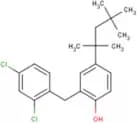
CAS :<p>Clofoctol is a bacteriostatic antibiotic with activity against Gram-positive bacteria, used in the treatment of upper and lower respiratory tract infections.</p>Formule :C21H26Cl2ODegré de pureté :98% - 99.87%Couleur et forme :SolidMasse moléculaire :365.34Cefmenoxime hydrochloride
CAS :<p>Cefmenoxime hydrochloride is a third-generation cephalosporin antibiotic with action on bacterial cell wall synthesis and is used for treating gynecological and obstetric infections.</p>Formule :C16H17N9O5S3HClDegré de pureté :Min. 95%Couleur et forme :White PowderMasse moléculaire :529.79 g/molCeftizoxime
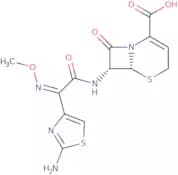
CAS :<p>Ceftizoxime is a third-generation cephalosporin antibiotic with action on bacterial cell wall synthesis and is used for treating respiratory tract infections, urinary tract infections, and gonorrhea.</p>Formule :C13H13N5O5S2Degré de pureté :Min. 95%Couleur et forme :PowderMasse moléculaire :383.41 g/molCeftobiprole medocaril sodium
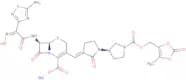
CAS :<p>Ceftobiprole medocaril sodium is a broad-spectrum cephalosporin antibiotic, which is a synthetically derived prodrug of ceftobiprole. Upon administration, ceftobiprole medocaril is rapidly converted into its active form, ceftobiprole, by the body's endogenous esterases. The mode of action involves binding to penicillin-binding proteins (PBPs) in the bacterial cell wall, leading to the inhibition of cell wall synthesis and ultimately the death of the bacteria. This action is effective against a wide range of gram-positive and gram-negative bacteria, including methicillin-resistant Staphylococcus aureus (MRSA) and penicillin-resistant Streptococcus pneumoniae.</p>Formule :C26H26N8O11S2NaDegré de pureté :Min. 95%Masse moléculaire :713.65 g/molCarnidazole
CAS :<p>Carnidazole (ME-108) shows antiprotozoal activity and can be used in studies about the treatment of Trichomonas infection.</p>Formule :C8H12N4O3SDegré de pureté :99.81%Couleur et forme :SolidMasse moléculaire :244.27Antiviral agent 17
CAS :<p>Antiviral agent 17, EC50 0.015 μM in human assay, effective against murine norovirus, may aid infectious/malignant disease research.</p>Formule :C11H14N4O4Degré de pureté :99.89%Couleur et forme :SolidMasse moléculaire :266.25Gentamicin C2 sulfate
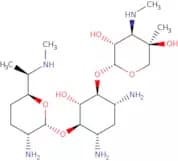
CAS :<p>Gentamicin C2 sulfate is an aminoglycoside antibiotic with action on bacterial protein synthesis inhibition and is used for treating severe bacterial infections.</p>Formule :C20H41N5O7Degré de pureté :(%) Min. 90%Couleur et forme :PowderMasse moléculaire :463.57 g/molDoripenem
CAS :<p>Doripenem is a carbapenem antibiotic with action on bacterial cell wall synthesis and is used for treating complicated bacterial infections like intra-abdominal infections and urinary tract infections.</p>Formule :C15H24N4O6S2Degré de pureté :Min. 95%Couleur et forme :White PowderMasse moléculaire :420.51 g/molDoxorubicin Impurity 2
CAS :<p>Doxorubicin Impurity 2 is a chemical impurity of doxorubicin with no direct therapeutic action but used in research and quality control.</p>Formule :C19H12O6Degré de pureté :Min. 95%Couleur et forme :PowderMasse moléculaire :336.29 g/molNilofabicin
CAS :<p>Nilofabicin (CG-400549) is a potent inhibitor of enoyl-(acyl-carrier-protein) reductase fall(FabI) and can be used in studies about the treatment of complicated</p>Formule :C19H20N2O2SDegré de pureté :98.66%Couleur et forme :SolidMasse moléculaire :340.44SDH-IN-3
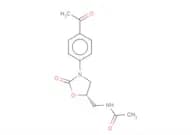
CAS :<p>SDH-IN-3 is a succinate dehydrogenase (SDH) inhibitor, demonstrating potent antifungal activity with an inhibition concentration (IC50) of 7.2 μg/mL and an</p>Formule :C15H11F2N3OSDegré de pureté :98%Couleur et forme :SolidMasse moléculaire :319.33Dup-721
CAS :<p>DuP-721: broad-spectrum, oral antibiotic targeting various bacteria, including M. tuberculosis.</p>Formule :C14H16N2O4Degré de pureté :99.84%Couleur et forme :SolidMasse moléculaire :276.29Pristinamycin IA
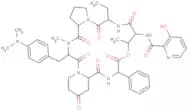
CAS :<p>Pristinamycin IA (Mikamycin B) is a substrate for the P-glycoprotein and a cyclo-peptidic macrolactone antibiotic.</p>Formule :C45H54N8O10Degré de pureté :97.44%Couleur et forme :SolidMasse moléculaire :866.96Myxopyronin A
CAS :<p>Myxopyronin A is an inhibitor of bacterial RNA polymerase.</p>Formule :C23H31NO6Degré de pureté :98%Couleur et forme :SolidMasse moléculaire :417.5Aranciamycin
CAS :<p>Aranciamycin (Compound 1), an anthracycline antibiotic, exhibits collagenase inhibitory activity (IC50 3.7*10^-7 M) and can inhibit DNA synthesis in tumor cells</p>Formule :C27H28O12Couleur et forme :SolidMasse moléculaire :544.5β-Lactamase-IN-2
CAS :<p>β-Lactamase-IN-2 is an inhibitor of β-Lactamase with anti-microbial and anti-bacterial effects.</p>Formule :C11H9FO3Degré de pureté :99.52%Couleur et forme :SolidMasse moléculaire :208.19Cladosporin
CAS :<p>Cladosporin, from Cladosporium cladosporioid fungus, halts dermatophyte growth on agar at 75 μg/mL.</p>Formule :C16H20O5Couleur et forme :SolidMasse moléculaire :292.33Oseltamivir acid methyl ester
CAS :<p>Oseltamivir acid methyl ester, a CES1-convertible neuraminidase inhibitor, serves as an antiviral prodrug.</p>Formule :C15H26N2O4Degré de pureté :98.78%Couleur et forme :SolidMasse moléculaire :298.38CcpA-IN-1
CAS :<p>CcpA-IN-1 is a Staphylococcus aureus antibiotic exhibiting significant bactericidal activity (MICs=460 nM) [1].</p>Formule :C77H82F12N8OP3RuDegré de pureté :98%Couleur et forme :SolidMasse moléculaire :1557.5Antibacterial agent 159
CAS :<p>Compound 6d (Antibacterial agent 159) is an antibiotic effective against impetigo and Clostridium difficile infection (CDI), with no observed recurrence for CDI</p>Formule :C51H50N16O10S6Degré de pureté :98%Couleur et forme :SolidMasse moléculaire :1239.43N-Acetylpurinomycin
CAS :<p>N-Acetylpurinomycin is a selective agonist of CB2 receptor.</p>Formule :C24H31N7O6Couleur et forme :SolidMasse moléculaire :513.55N-(3-Oxobutanoyl)-L-homoserine lactone
CAS :<p>N-(3-Oxobutanoyl)-L-homoserine lactone (3-oxo-C4-HSL) serves as an autoregulator for carbapenem antibiotic biosynthesis in Erwinia carotovora ATCC 39048 and induces the expression of rhiI in R. leguminosarum [1].</p>Formule :C8H11NO4Couleur et forme :SolidMasse moléculaire :185.18AS-2077715
CAS :<p>AS-2077715, an antifungal agent, exhibits inhibitory activity against Trichophyton species and is derived from the fermentation broth of Capnodium sp. 339855. It is utilized in the study of fungal infections [1].</p>Formule :C25H41NO7Couleur et forme :SolidMasse moléculaire :467.64'-Acetyl-chrysomycin B
CAS :<p>4'-Acetyl-chrysomycin B, a 4'-acetylated analog of chrysomycin B, exhibits anti-Gram-positive bacterial and antimicrobial activities [1].</p>Formule :C29H30O10Couleur et forme :SolidMasse moléculaire :538.54(-)-Neplanocin A
CAS :<p>S-Adenosylhomocysteine (SAH) hydrolase is responsible for the reversible hydrolysis of SAH into adenosine and homocysteine. Inhibition of this enzyme leads to the accumulation of SAH within cells, thereby increasing the SAH to S-adenosylmethionine (SAM) ratio and subsequently inhibiting SAM-dependent methyltransferases. (−)-Neplanocin A, a potent and irreversible inhibitor of SAH hydrolase (Ki= 8.39 nM), exhibits significant antitumor activity against mouse leukemia L1210 cells and holds broad-spectrum antiviral properties. Its efficacy notably surpasses that of the reversible inhibitor 3-deazaneplanocin, especially in combating vesicular stomatitis, evidencing a higher potency with ID50 values of 0.07 μg/ml for Neplanocin A versus 0.3 μg/ml for 3-deazaneplanocin.</p>Formule :C11H13N5O3Couleur et forme :SolidMasse moléculaire :263.3Alatrofloxacin
CAS :<p>Alatrofloxacin is a prodrug of trovafloxacin.</p>Formule :C26H25F3N6O5Couleur et forme :SolidMasse moléculaire :558.51Caerulomycin A
CAS :<p>Caerulomycin A (Caerulomycin) (Cerulomycin; Caerulomycin) is an antifungal compound.</p>Formule :C12H11N3O2Degré de pureté :99.28%Couleur et forme :SolidMasse moléculaire :229.23Rosoxacin
CAS :<p>Rosoxacin (Acrosoxacin) shows antibacterial activities against a broad spectrum of Gram-negative bacteria including Neisseria gonorrhoeae (MIC90 = 0.03mg/ml).</p>Formule :C17H14N2O3Degré de pureté :99.1%Couleur et forme :SolidMasse moléculaire :294.3OM173-αA
CAS :<p>OM173-αA is a quinone bacterial metabolite that inhibits the growth of the bacteria M.</p>Formule :C17H16O6Couleur et forme :SolidMasse moléculaire :316.31Berkeleylactone E
CAS :<p>Berkeleylactone E, a macrolide antibiotic [1], exhibits antimicrobial properties.</p>Formule :C20H32O7Couleur et forme :SolidMasse moléculaire :384.469Gusperimus trihydrochloride
CAS :<p>Gusperimus trihydrochloride is a derivative of the antitumor antibiotic spergualin with immunosuppressant activity.</p>Formule :C17H40Cl3N7O3Degré de pureté :98%Couleur et forme :SolidMasse moléculaire :496.9