Alcools
Les alcools sont une large gamme de molécules organiques dérivées des hydrocarbures et contenant un ou plusieurs groupes hydroxyle (groupe OH). Ces composés sont essentiels dans diverses réactions chimiques et sont largement utilisés en laboratoire pour la synthèse, comme solvants et en chimie analytique. Chez CymitQuimica, nous proposons des alcools de haute qualité préparés pour une utilisation en laboratoire, soutenant vos recherches et applications industrielles avec des produits fiables et efficaces. Notre sélection garantit que vous disposez des alcools adaptés à vos besoins spécifiques, que ce soit pour des travaux de laboratoire de routine ou des projets de recherche spécialisés.
Sous-catégories appartenant à la catégorie "Alcools"
5814 produits trouvés pour "Alcools"
Trier par
Degré de pureté (%)
0
100
|
0
|
50
|
90
|
95
|
100
4-(3’,6’-Dimethyl-3’-heptyl)phenol Diethoxylate
CAS :Produit contrôlé<p>Applications 4-(3’,6’-Dimethyl-3’-heptyl)phenol Diethoxylate (cas# 1119449-38-5) is a compound useful in organic synthesis.<br></p>Formule :C19H32O3Couleur et forme :NeatMasse moléculaire :308.46rac-Propanolol
CAS :<p>Applications β−Adrenergic blocker. Antihypertensive; antianginal; antiarrhythmic (class II).<br>References Blaes, A. H., et al.: Clin. Cancer Res., 26, 1781 (2020); Zaccara, G., et al.: Acta Neurol. Scand., 142, 37 (2020)<br></p>Formule :C16H21NO2Couleur et forme :White To Off-WhiteMasse moléculaire :259.34Lanolin (Technical Grade)
CAS :Produit contrôlé<p>Applications Lanolin (cas# 8006-54-0) is a useful research chemical.<br></p>Formule :C34H68O2Couleur et forme :NeatMasse moléculaire :508.91,6-Hexanediol diglycidylether
CAS :<p>1,6-Hexanediol diglycidylether is a reactive functional group that has been used in the production of polyurethane elastomers. It is also used as a cross-linking agent and polymerization initiator. The reactive functional group has been shown to form intramolecular hydrogen bonds, which are important for the formation of polyurethanes. 1,6-Hexanediol diglycidylether is an exothermic compound that reacts with deionized water, forming carbon dioxide and hydrogen gas. This product has been shown to cause allergic reactions in clinical studies.</p>Formule :C12H22O4Couleur et forme :Clear LiquidMasse moléculaire :230.3 g/mol2-Methoxy-4-vinylphenol
CAS :<p>2-Methoxy-4-vinylphenol is a chlorogenic acid that has been shown to inhibit the growth of Candida glabrata. It binds to ferulic acid and caffeic acids, which are natural compounds found in plants. The optimum concentration at which 2-methoxy-4-vinylphenol inhibits the growth of C. glabrata is between 0.5 and 1 mM. This compound can be readily analyzed using an analytical method with high selectivity for chlorogenic acids, such as liquid chromatography coupled with mass spectrometry (LC/MS). The binding of 2-methoxy-4-vinylphenol to ferulic acid and caffeic acid may also have implications for its use as an anti-inflammatory agent.</p>Formule :C9H10O2Degré de pureté :Min. 98%Couleur et forme :Clear LiquidMasse moléculaire :150.17 g/mol4-Methylthiophenol
CAS :4-Methylthiophenol is a colorless liquid that is soluble in water. It has a molecular weight of 98.12 and an empirical formula of C6H7O2S. 4-Methylthiophenol is used as an analytical reagent, solvent, and chemical intermediate. It exhibits hydrogen bonding interactions with sodium carbonate and trifluoroacetic acid and forms a salt with sodium carbonate. The molecule's stability increases when it interacts with amines and the presence of nucleophiles such as water or alcohols. 4-Methylthiophenol has been shown to be effective at enhancing the fluorescence signal emitted by amines, which makes it useful for laser ablation mass spectrometry (LA-MS). 4-Methylthiophenol can also be used for kinetic energy measurements using FTIR spectroscopy because it will absorb infrared light at 1680 cm−1 from the CO2 laser beam.Formule :C7H8SDegré de pureté :Min. 95%Couleur et forme :White PowderMasse moléculaire :124.2 g/mol4-Fluoroisoquinoline
CAS :<p>4-Fluoroisoquinoline is a synthetic compound that can be produced by the reduction of an acetonitrile-chlorinated isoquinoline compound. It is also possible to produce 4-fluoroisoquinoline by the reaction of chlorinating agents with an aldehyde, followed by the addition of phosphorus oxychloride and fluorine. The reductive sulfonation of 4-fluoroisoquinoline can be achieved by reacting it with sulfur trioxide, which is in turn generated from phosphorous oxychloride and sulfur dioxide. This process produces the desired product in good yields.</p>Formule :C9H6FNDegré de pureté :Min. 95%Couleur et forme :Brown PowderMasse moléculaire :147.15 g/mol4-Ethoxy-3-methoxybenzyl alcohol
CAS :4-Ethoxy-3-methoxybenzyl alcohol is a metabolite of the drug benzocaine. It is formed by hydrolysis of the ester linkages in benzocaine and is then further metabolized to form 4-hydroxy-3-methoxybenzyl alcohol. 4-Ethoxy-3-methoxybenzyl alcohol has been shown to have antinociceptive effects in rats, which may be due to its ability to inhibit pain signals from the peripheral nerves.Formule :C10H14O3Degré de pureté :Min. 95%Couleur et forme :PowderMasse moléculaire :182.22 g/mol4-Methyl-5-nonanol
CAS :<p>4-Methyl-5-nonanol is a synthetic pheromone that is used in the analytical methods of weevil traps. The odorant binding proteins on the surface of the weevil are attracted to this chemical, which binds to them through hydrophobic interactions. This trap is stereoselective, as it only attracts male weevils. 4-Methyl-5-nonanol has been shown to have a high specificity and sensitivity as an analytical tool for weevil traps, with no cross reactivity with other insects such as beetles or ants.</p>Formule :C10H22ODegré de pureté :Min. 95%Couleur et forme :Clear LiquidMasse moléculaire :158.28 g/mol5-Pyridin-4-yl-1,3,4-thiadiazole-2-thiol
CAS :<p>5-Pyridin-4-yl-1,3,4-thiadiazole-2-thiol is a molecule that is used as an immunosuppressant. It inhibits the production of cytokines and chemokines by inhibiting the activation of nuclear factor kappa B (NF-κB). This leads to less inflammation and a decrease in the ability of immune cells to proliferate. 5-Pyridin-4-yl-1,3,4-thiadiazole-2-thiol has been shown to have synergistic effects with other drugs, such as antifungal agents.</p>Formule :C7H5N3S2Degré de pureté :Min. 95%Couleur et forme :PowderMasse moléculaire :195.27 g/mol15,16-Bis-nor-LABD-11-En-13-on-8-ol
15,16-bis-nor-LABD-11-En-13-on-8-ol is a fine chemical that is useful as a building block for research chemicals and as a reagent in the synthesis of speciality chemicals. This compound has been found to be an intermediate for the synthesis of various other compounds, including complex compounds and versatile building blocks. 15,16-bis-nor-LABD-11-En-13-on-8--ol is also a versatile scaffold due to its ability to undergo reactions with various functional groups.Formule :C18H30O2Degré de pureté :Min. 95%Masse moléculaire :278.43 g/molrac-Terpinen-4-ol
CAS :<p>Terpinen-4-ol is a natural compound that is found in essential oils such as tea tree oil. It has been shown to have antimicrobial activity against Gram positive bacteria, such as Staphylococcus aureus and Streptococcus pneumoniae. Terpinen-4-ol has been shown to inhibit the production of proinflammatory cytokines and chemokines, which reduces inflammation and disease activity. The antimicrobial activity of terpinen-4-ol was evaluated by its ability to inhibit the growth of Hl-60 cells. This substance also inhibits the synthesis of DNA and protein by binding to penicillin-binding proteins (PBP) on the bacterial ribosome. Terpinen-4-ol has also been shown to be an effective inhibitor of cancer cell growth in a model system for squamous cell carcinoma.</p>Formule :C10H18ODegré de pureté :Min. 95 Area-%Couleur et forme :Colorless Clear LiquidMasse moléculaire :154.25 g/mol4,4-Dimethyl-1-[(3,4-methylenedioxy)phenyl]-1-penten-3-ol
CAS :<p>4,4-Dimethyl-1-[(3,4-methylenedioxy)phenyl]-1-penten-3-ol is a drug that has been used in the treatment of Dravet syndrome. This drug is also known as 3,4-methylenedioxyphenylacetone. It is a competitive inhibitor of the enzyme citrate synthase and inhibits the conversion of acetate to citrate. The effect of 4,4-dimethyl-1-[(3,4-methylenedioxy)phenyl]-1-penten-3-ol on sodium citrate concentrations is concentration dependent and results in an increase in plasma sodium concentrations with prolonged administration. Other drugs that are metabolized by the cytochrome P450 system may interact with 4,4-dimethyl-1-[(3,4 methylenedioxy)phenyl]-1 penten 3 ol and lead to increased levels of these drugs in the blood.</p>Formule :C14H18O3Degré de pureté :Min. 95%Couleur et forme :White PowderMasse moléculaire :234.29 g/mol3-Aminobutan-1-ol
CAS :<p>3-Aminobutan-1-ol is an amine that is synthesized industrially by the reduction of soybean trypsin with borohydride. This chemical has been used as a substrate in asymmetric synthesis and can be detected by high detection sensitivity. 3-Aminobutan-1-ol binds to the carbonyl group of amino acid residues and causes a reaction with chloride ions for detection. The product of this reaction is an enantiomer, which can be separated from other reaction products by purified chiral stationary phases. 3-Aminobutan-1-ol is also involved in the biosynthesis of proteins and enzymes. It reacts with hydrochloric acid to form a salt, which can then be used as an enzyme inhibitor.</p>Formule :C4H11NODegré de pureté :Min. 95%Couleur et forme :Clear LiquidMasse moléculaire :89.14 g/mol(S)-3-(4-Phenyl-1-piperazinyl)-1,2-propanediol
CAS :(S)-3-(4-Phenyl-1-piperazinyl)-1,2-propanediol is a synthetic compound that has been shown to have antiinflammatory activity in rat urine and human bronchial tissue. The antiinflammatory effect of (S)-3-(4-Phenyl-1-piperazinyl)-1,2-propanediol may be due to its ability to inhibit the release of leukotrienes and prostaglandins. The drug is currently being tested as a treatment for chronic cough in children. This drug has not been approved by the FDA for use in children under 12 years old.Formule :C13H20N2O2Degré de pureté :Min. 95%Couleur et forme :White To Off-White SolidMasse moléculaire :236.31 g/mol1,4-Cyclohexanedimethanol diglycidyl ether
CAS :<p>1,4-Cyclohexanedimethanol diglycidyl ether is a symmetrical molecule with cyclohexyl core and 2 terminal epoxide groups on ether linkers. 1,4-Cyclohexanedimethanol diglycidyl ether is an epoxy resin used with phenol or amine hardeners.</p>Formule :C14H24O4Couleur et forme :Clear LiquidMasse moléculaire :256.34 g/molDiethanololeamide
CAS :<p>Emulgator; stabilizing surfactant used in cosmetics, pharmaceuticals, textiles</p>Formule :C22H43NO3Couleur et forme :Yellow PowderMasse moléculaire :369.58 g/mol4,5-Dimethylresorcinol
CAS :<p>4,5-Dimethylresorcinol is a decarboxylated form of resorcinol that has been extracted from the acetate extract of an endophytic fungus. It has been shown to have anti-inflammatory properties and can be used for the treatment of symptoms such as diarrhea. 4,5-Dimethylresorcinol is produced by a series of enzymatic reactions in which resorcinol is first decarboxylated and then hydroxylated to produce 4,5-dimethylresorcinol. There are two isomers of this compound: the alpha-isomer and beta-isomer. The alpha-isomer has been shown to have more potent anti-inflammatory activity than the beta-isomer. 4,5-Dimethylresorcinol has also been found to be effective in treating intestinal disorders such as Crohn's disease and ulcerative colitis in clinical trials.</p>Formule :C8H10O2Degré de pureté :Min. 95%Couleur et forme :PowderMasse moléculaire :138.16 g/mol2-Methoxyresorcinol
CAS :<p>2-Methoxyresorcinol is a metabolite that is formed by the oxidation of resorcinol. It has two methoxy groups, which are functional groups that are usually found in organic compounds. 2-Methoxyresorcinol has been shown to inhibit the growth of tumour cells in vitro and in vivo. It also inhibits cell growth by decreasing protein synthesis and cell division. This compound is an analytical method for measuring hematocrit levels and can be used as a natural compound for the treatment of chronic kidney disease.</p>Formule :C7H8O3Degré de pureté :Min. 95%Couleur et forme :PowderMasse moléculaire :140.14 g/mol(17α)-6-Fluorocholest-5-en-3-ol
CAS :Produit contrôlé(17alpha)-6-Fluorocholest-5-en-3-ol is a fluorinated cholesterol derivative that inhibits the cholesterol acyltransferase enzyme, which is responsible for the enzymatic esterification of cholesterol to form cholesteryl esters. This product has been shown to inhibit cellular growth and may be useful in treating bacterial infections. (17alpha)-6-Fluorocholest-5-en-3-ol has also been shown to inhibit the growth of bacteria by binding to the hmg coa reductase enzyme, which is involved in cholesterol metabolism. This product has been found to increase membrane fluidity and promote cell growth. It also prevents the formation of foam cells by inhibiting cholesterol uptake from peripheral tissues into macrophages.Formule :C27H45FODegré de pureté :Min. 95%Masse moléculaire :404.64 g/mol4-Fluoro-1-piperidineethanol
CAS :<p>Please enquire for more information about 4-Fluoro-1-piperidineethanol including the price, delivery time and more detailed product information at the technical inquiry form on this page</p>Formule :C7H14FNODegré de pureté :Min. 95%Masse moléculaire :147.19 g/mol7-Octyn-1-ol
CAS :<p>7-Octyn-1-ol is a synthetic compound that is used for the synthesis of deuterated compounds. It has been shown to have neurotrophic effects and the ability to modulate carbon chains. In addition, 7-octyn-1-ol may be used as an intermediate in the synthesis of nicotine. 7-Octyn-1-ol is also an isomeric form of octyne, which is a natural product found in malonate and fatty acids.</p>Formule :C8H14ODegré de pureté :Min. 95%Couleur et forme :Colorless Clear LiquidMasse moléculaire :126.2 g/mol4-Bromoresorcinol
CAS :4-Bromoresorcinol is a synthetic compound that belongs to the group of sulfonamides. It is used in the production of dyes, pharmaceuticals, and agricultural chemicals. 4-Bromoresorcinol is synthesized by sulfonation with trifluoroacetic acid followed by hydrolysis with hydrochloric acid. The polymerization kinetics of this compound have been studied using azobenzene as a model substrate. The reaction products are vignafuran and an organic solvent (e.g., methanol). In addition, 4-bromoresorcinol has potent antibacterial activity against bacteria such as Staphylococcus aureus and Mycobacterium tuberculosis. This drug has minimal inhibitory concentrations (MICs) less than 0.01 ppm for most strains of bacteria tested, including those resistant to penicillin G or erythromycin. The drug also inhibits hydroxylase enzymesFormule :C6H5BrO2Degré de pureté :Min. 95%Couleur et forme :White PowderMasse moléculaire :189.01 g/molPhenol
CAS :Phenol is an aromatic organic compound and belongs to the class of compounds known as phenols. Phenol consists of a benzene ring (a six-membered carbon ring with alternating single and double bonds) with a hydroxyl (-OH) group attached to one of the carbon atoms. The chemical structure can be represented as: Phenol is a white crystalline solid at room temperature and has a distinct, sweet, and medicinal odor. It was initially isolated from coal tar, but it can also be produced through various chemical processes. Phenol has numerous applications in industry. It is used in the production of plastics, resins, dyes, detergents, pharmaceuticals, and various chemical intermediates. It also has antiseptic properties and was historically used as a disinfectant and topical anesthetic. However, its use for these purposes has diminished due to its potential toxicity. It's important to note that phenol can be corrosive and toxic, and exposure should be handled with care. Various derivatives and substitutes have been developed for specific applications to mitigate some of the drawbacks associated with phenol itself.Formule :C6H6ODegré de pureté :Min. 98 Area-%Couleur et forme :PowderMasse moléculaire :94.11 g/mol1-Chloro-3-[4-(2-methoxyethyl)phenoxy]-2-propanol
CAS :<p>1-Chloro-3-[4-(2-methoxyethyl)phenoxy]-2-propanol is a potent antihypertensive agent that is synthesized by the chemoenzymatic process. It differs from other antihypertensive drugs in that it incorporates an oxirane group, which makes it more hydrophobic than other drugs. 1-Chloro-3-[4-(2-methoxyethyl)phenoxy]-2-propanol is a crystalline solid with a melting point of 128°C and a density of 1.0 g/mL. The chemical name for this drug is 4-[(1E)-1-(chloromethoxy)propyl]phenol, which has potent antihypertensive activity and high enantioselectivity.</p>Formule :C12H17ClO3Degré de pureté :Min. 95%Masse moléculaire :244.71 g/molall-E-Heptaprenol
CAS :<p>All-E-Heptaprenol is a polyprenol compound, which is a key intermediate in the biosynthesis of terpenoids. It originates from bacterial sources, where it plays a crucial role in cellular processes. All-E-Heptaprenol functions primarily as a hydrophobic carrier molecule, facilitating the transport of sugar moieties across the lipid bilayer in the assembly of complex biopolymers.</p>Formule :C35H58ODegré de pureté :Min. 95%Masse moléculaire :494.83 g/molLABD-8(17),14-dien-13,19-diol
CAS :The active substances in LABD-8(17),14-dien-13,19-diol are hexane and diacetate. This product is analysed to be a decidua extract. Alcohols, coniferous extracts, oplodiol, epimanool and ozonization can also be found in this product. Structural analysis reveals that glycerides are the major component of this substance. A variety of other components were also detected in this substance such as methyl ester, aldehydes and diterpenes.Formule :C20H34O2Degré de pureté :Min. 95%Masse moléculaire :306.48 g/mol11-Oxo etiocholanolone
CAS :Produit contrôlé<p>11-Oxo etiocholanolone is a steroid hormone that is produced in the adrenal gland. It is a precursor of cortisol and has been shown to have an anti-inflammatory effect, which may be due to its ability to block pro-inflammatory cytokines. 11-Oxo etiocholanolone has also been shown to increase the concentration of cortisol in the blood, which can help treat stress and promote muscle growth. The measurement of 11-oxo etiocholanolone levels in urine and saliva samples may be used as an experimental infection or dietary supplement for women.</p>Formule :C19H28O3Degré de pureté :Min. 95%Couleur et forme :PowderMasse moléculaire :304.42 g/mol(R)-(+)-3,3'-Dibromo-5,5',6,6',7,7',8,8'-octahydro-1,1'-bi-2,2'-naphthalenediol
CAS :(R)-(+)-3,3'-Dibromo-5,5',6,6',7,7',8,8'-octahydro-1,1'-bi-2,2'-naphthalenediol is a synthetic compound that is used as a ligand for asymmetric catalysis. It is an optically active compound and can be used in catalytic reactions to produce compounds that are not available through other methods. (R)-(+)-3,3'-Dibromo-5,5',6,6',7,7',8,8'-octahydro-1,1'-bi-2,2'-naphthalenediol is a reactive compound and can be used as a ligand in Diels-Alder reactions. The synthesis of this product can be achieved with high yield by using the synthetic method described.Formule :C20H20Br2O2Degré de pureté :Min. 98 Area-%Couleur et forme :White PowderMasse moléculaire :452.18 g/mol2,2,2-Tribromoethanol
CAS :Produit contrôlé<p>2,2,2-tribromoethanol or TBE derives from ethanol, where the hydrogen atoms from one carbon are substituted by bromine. 2,2,2-tribromoethanol is frequently used as initiator for synthesising functionalised polymers with end hydroxyl groups. In addition, 2,2,2-tribromoethanol is also often used in a labroatory setting to anaethetise mice.</p>Formule :C2H3Br3ODegré de pureté :Min. 98 Area-%Couleur et forme :PowderMasse moléculaire :282.76 g/mol5-Aminoquinoline
CAS :<p>5-Aminoquinoline (5-AQ) is a chemical compound that was originally synthesized in the 1930s. 5-AQ is a trifluoroacetic acid derivative of quinoline, which has been used as a photographic developer and an agent for the removal of silver from photographic film. This molecule also has a fluorescence property, which can be seen when irradiated by light with a wavelength greater than 350 nm. A hydrogen bond exists between the hydroxyl group and the nitrogen atom of the amine group in 5-AQ. The reaction mechanism for 5-AQ is believed to involve the diazonium salt intermediate, which reacts with silver ions to form silver diazonide and free ammonia.<br>5-AQ is insoluble in water but soluble in organic solvents such as acetone or alcohol. It reacts with trifluoroacetic acid to form a precipitate, which may be removed by filt</p>Formule :C9H8N2Degré de pureté :Min. 95%Couleur et forme :PowderMasse moléculaire :144.17 g/mol3-(Dimethylamino)phenol
CAS :<p>3-(Dimethylamino)phenol is a chemical that is used as an additive in cosmetics. It has been shown to inhibit the production of epidermal growth factor and to have a growth-inhibiting effect on cells. 3-(Dimethylamino)phenol is found in many different types of products, including sunscreens, hair dyes, shampoos, and skin lotions. It has also been used as a preservative in food products, although it can be toxic at high doses. 3- (Dimethylamino)phenol has been shown to inhibit the production of fatty acids by inhibiting the activity of the enzyme lipoxygenase.</p>Formule :C8H11NODegré de pureté :Min. 98 Area-%Couleur et forme :PowderMasse moléculaire :137.18 g/mol(R)-(+)-3-Butyn-2-ol
CAS :<p>(R)-(+)-3-Butyn-2-ol is a chiral alcohol that can be used as a substrate for the synthesis of antibiotics. It has been shown to inhibit phosphatases in vivo and can be used as an inhibitor for phosphatases. (R)-(+)-3-Butyn-2-ol can also be used to synthesize glyoxylate, which is an intermediate for the production of antibiotics. This compound has been shown to have optical activity and stereoselectivity. The synthesis of (R)-(+)-3-butyn-2-ol starts with the alkylation reaction between acetylene and formaldehyde, followed by a cross-coupling reaction with bromoethane and lithium aluminum hydride. The final step is the hydrolysis of furfural using water or lipase, yielding (R)-(+)-3-butyn-2-ol.</p>Formule :C4H6ODegré de pureté :Min. 98 Area-%Couleur et forme :Clear LiquidMasse moléculaire :70.09 g/mol(1R,2R,3S,5R)-Pinanediol pyrrolidine-2S-boronate hydrochloride
CAS :(1R,2R,3S,5R)-Pinanediol pyrrolidine-2S-boronate hydrochloride is a reagent that can be used in the synthesis of complex compounds. It is a fine chemical with CAS No. 149716-73-4. (1R,2R,3S,5R)-Pinanediol pyrrolidine-2S-boronate hydrochloride has a number of uses including as an intermediate for the preparation of speciality chemicals and as a building block for reactions in research. This compound is also useful as a versatile building block for many reactions.Formule :C14H25BClNO2Degré de pureté :Min. 95%Couleur et forme :PowderMasse moléculaire :285.62 g/mol4-Bromo-2-fluorophenol
CAS :4-Bromo-2-fluorophenol is a mesomorphic substance that has a helical structure. It has been shown to have ferroelectric properties and light emission, as well as being spontaneously polar. 4-Bromo-2-fluorophenol is a dipole molecule with two hydrogen bonds on each side of the molecule. The fluorine atom in 4-bromo-2-fluorophenol interacts with chlorine atoms through an intramolecular hydrogen bond.Formule :C6H4BrFODegré de pureté :Min. 95%Couleur et forme :Clear LiquidMasse moléculaire :191 g/mol1-Benzylglycerol
CAS :<p>1-Benzylglycerol is a bifunctional reagent that can be used as an inorganic base or an organic solvent. It has been used to synthesize enantiopure compounds, such as fatty acids. 1-Benzylglycerol reacts with boron trifluoride etherate to form the corresponding ester, which is a reaction system for the synthesis of persulfates. The hydroxyl group on 1-benzylglycerol can be reacted with hydroxyl groups on fatty acids, catalyzed by lipase or chemoenzymes, to produce esters. 1-Benzylglycerol has been used in asymmetric synthesis and carbon tetrachloride immobilization reactions.</p>Formule :C10H14O3Degré de pureté :Min. 95%Couleur et forme :Clear LiquidMasse moléculaire :182.22 g/mol4-Iodo-3-nitrophenol
CAS :4-Iodo-3-nitrophenol is a chemical compound that is used in the synthesis of decanoic acid, an ester. It also has pharmacological properties and can be used as a cataleptic or neuroleptic agent. 4-Iodo-3-nitrophenol has been shown to have stimulant effects on the central nervous system, which may be due to its ability to inhibit the metabolism of acetylcholine by blocking cholinesterase enzymes. 4-Iodo-3-nitrophenol is also used in the preparation of analogues and it has been tested for use as a treatment for Parkinson's disease.Formule :C6H4INO3Degré de pureté :90%Couleur et forme :Brown Yellow PowderMasse moléculaire :265.01 g/mol3-(tert-Butoxy)benzyl alcohol
CAS :<p>3-(tert-Butoxy)benzyl alcohol is a high quality reagent that can be used as an intermediate in the synthesis of complex compounds. It is also a useful intermediate for the production of fine chemicals, pharmaceuticals, and speciality chemicals. 3-(tert-Butoxy)benzyl alcohol is a versatile building block that can be used as a reactant in many chemical reactions. This compound has been used as a research chemical to study its properties and has potential uses as a starting point for the synthesis of other compounds.</p>Formule :C11H16O2Degré de pureté :Min. 95%Masse moléculaire :180.24 g/mol2,3-Difluoro-4-bromo phenol
CAS :2,3-Difluoro-4-bromophenol (2,3-DFBP) is a phenolic compound that has been synthesized by a multistep process. It has been shown to have low birefringence, high optical anisotropy, and high yield of synthesis. 2,3-DFBP has also been shown to have mesomorphic properties and can be used in the development of devices such as microscopy.Formule :C6H3BrF2ODegré de pureté :Min. 95%Masse moléculaire :208.99 g/mol16-Methyl-16-dehydropregnenolone
CAS :Produit contrôlé16-Methyl-16-dehydropregnenolone is a steroid that is used as an intermediate in the synthesis of other steroids. It is synthesized by the oxidation of tetrahydropyran with an aldehyde, followed by the addition of chloride to give 16-methyl-16-dehydropregnenolone. The acetonedicarboxylate group of 16-methyl-16-dehydropregnenolone can be removed by treatment with tert-butyl or cyclopentanedione, which yields intermediates for elaboration into other biologically active compounds such as steroids.Formule :C22H32O2Degré de pureté :Min. 95%Couleur et forme :PowderMasse moléculaire :328.49 g/mol2-Bromo-4-tert-octylphenol
CAS :<p>2-Bromo-4-tert-octylphenol is a high quality chemical that can be used in research. It is an organic compound that reacts as a building block to create other complex compounds. 2-Bromo-4-tert-octylphenol is also a versatile building block, useful intermediate, and useful building block for the creation of speciality chemicals. This reagent has been shown to be effective as a reaction component in the synthesis of reagents, such as with the synthesis of 1,3-bis(2,4,6-trimethylbenzoyl)benzene.</p>Formule :C14H21BrODegré de pureté :Min. 95 Area-%Couleur et forme :Clear LiquidMasse moléculaire :285.22 g/mol4-Benzyloxybenzyl alcohol
CAS :4-Benzyloxybenzyl alcohol is a potent inhibitor of CXCR4, a receptor for chemokines that is involved in the trafficking of immune cells. It binds to CXCR4 and blocks its activation by HIV-1 gp120. 4-Benzyloxybenzyl alcohol inhibits both CXCR4-dependent and -independent chemotaxis. This compound also has a hydroxy group which can be used for the synthesis of β-amino acids or p-hydroxybenzoic acid. 4-Benzyloxybenzyl alcohol also has a monoclonal antibody that recognizes it, which can be used as an immunogen to raise antibodies against this molecule. The disulfide bond in 4-Benzyloxybenzyl alcohol prevents oxidation, which makes it stable at high temperatures.Formule :C14H14O2Degré de pureté :Min. 95%Couleur et forme :PowderMasse moléculaire :214.26 g/mol2-Chloroquinoline-8-carboxylic acid
CAS :<p>2-Chloroquinoline-8-carboxylic acid is a fine chemical that is useful as a scaffold for the synthesis of other compounds. It is a versatile building block and can be used in the production of the drug chloroquine. 2-Chloroquinoline-8-carboxylic acid has been used as an intermediate in research chemicals, reaction components in speciality chemical and complex compound. This compound has high quality and can be used as a reagent.</p>Formule :C10H6ClNO2Degré de pureté :Min. 95 Area-%Couleur et forme :White Off-White PowderMasse moléculaire :207.61 g/mol20a-Dihydro pregnenolone
CAS :Produit contrôléPregnenolone is a steroid hormone that is synthesized in the adrenal cortex. It has been used as a diagnostic agent for detecting low levels of human chorionic gonadotropin (hCG). Pregnenolone interacts with the 3β-hydroxysteroid dehydrogenase, which is an enzyme involved in the conversion of pregnenolone to progesterone. The gene encoding this enzyme has been found to be mutated in patients with hydroxylase deficiency. Pregnenolone can also be converted into other hormones such as cortisol and androstenedione by various hydroxylases. This process may be inhibited by 20a-dihydroprogesterone, leading to increased concentrations of pregnenolone in the plasma.Formule :C21H34O2Degré de pureté :Min. 95%Couleur et forme :White PowderMasse moléculaire :318.49 g/mol2-Amino-α,α-dimethylbenzyl alcohol
CAS :<p>2-Amino-α,α-dimethylbenzyl alcohol is a reagent that is useful in the synthesis of complex compounds. It is also a fine chemical and can be used as an intermediate for other compounds. 2-Amino-α,α-dimethylbenzyl alcohol has been shown to be reactive and can be used as a speciality chemical. This chemical is used as a reaction component for chemical reactions, such as Heck reactions, Suzuki couplings, and Sonogashira couplings. 2-Amino-α,α-dimethylbenzyl alcohol is versatile and can be used in many different reactions due to its high quality.</p>Formule :C9H13NODegré de pureté :Min. 95%Couleur et forme :Clear LiquidMasse moléculaire :151.21 g/mol8-Methoxy-2-methylquinolin-5-amine monohydrochloride
CAS :8-Methoxy-2-methylquinolin-5-amine monohydrochloride is a fine chemical that is used as a versatile building block in the synthesis of complex compounds. 8-Methoxy-2-methylquinolin-5-amine monohydrochloride is an intermediate for the production of research chemicals and pharmaceuticals. It can be used to synthesize speciality chemicals, useful scaffolds, and reagents. It also has a wide range of applications as a reaction component in synthetic organic chemistry. 8-Methoxy-2-methylquinolin-5-amine monohydrochloride has high purity and quality.Formule :C11H12N2O•HClDegré de pureté :Min. 95 Area-%Couleur et forme :PowderMasse moléculaire :224.73 g/mol2,6-Dimethoxy-4-methylphenol
CAS :<p>2,6-dimethoxy-4-methylphenol is a synthetic chemical with potential use as an insecticide. It is a cholinesterase inhibitor that inhibits the action of acetylcholinesterase, an enzyme that breaks down acetylcholine, which is a neurotransmitter important for cognitive function and muscle control. 2,6-dimethoxy-4-methylphenol has been shown to be toxic to insects in a sensitivity test and has also shown some toxicity to rats when administered orally at high doses. This chemical has been shown to inhibit the production of fatty acids in plants and can be used as a potential insecticide for human food crops.</p>Formule :C9H12O3Degré de pureté :Min. 97.0%Couleur et forme :White Yellow PowderMasse moléculaire :168.19 g/mol4-Chloro-3-nitrobenzyl alcohol
CAS :<p>4-Chloro-3-nitrobenzyl alcohol is a synthetic chemical that reacts with hydrochloric acid to form 4-chloro-3-nitrobenzyl chloride and hydrogen. It can be used in the preparation of other chemicals, such as divinylbenzene and chloride. This compound is insoluble in water and soluble in organic solvents, such as acetone and ether. 4-Chloro-3-nitrobenzyl alcohol has two stereoisomers, one of which is more reactive than the other.</p>Formule :C7H6ClNO3Degré de pureté :Min. 95%Masse moléculaire :187.58 g/molAndrostenediol diacetate
CAS :Produit contrôléAndrostenediol diacetate is a 3β-hydroxysteroid that is the product of the metabolism of androstenedione in the body. It has been observed in animal cells, human cells, and various tissues. Androstenediol diacetate is converted to testosterone by 3β-hydroxysteroid dehydrogenase, an enzyme that converts it to 5α-androstanediol. The conversion of androstenediol diacetate to testosterone may be responsible for the clinical chemistry test for testosterone levels. Testicular cells are known to produce androstenediol diacetate from cholesterol. This conversion may be related to the side-chain cleavage of cholesterol by cell enzymes.Formule :C23H34O4Degré de pureté :Min. 95%Couleur et forme :White PowderMasse moléculaire :374.51 g/mol4-tert-Butyl-2,6-dinitrophenol
CAS :<p>4-tert-Butyl-2,6-dinitrophenol is a yellowish solid that is soluble in organic solvents. It is used as an intermediate for the synthesis of dyes, pesticides and pharmaceuticals. 4-tert-Butyl-2,6-dinitrophenol has been shown to cause respiratory tract irritation and narcosis in animals. The toxic effects of 4-tert-Butyl-2,6-dinitrophenol are due to its high electrophilicity and nitro group (NO) which causes oxidative stress. The logistic regression analysis showed that the population growth of ciliates was negatively affected by the presence of halogens in the water.</p>Formule :C10H12N2O5Degré de pureté :Min. 98 Area-%Couleur et forme :White PowderMasse moléculaire :240.21 g/mol3,4-Dihydroxy-2-nitrobenzyl alcohol
CAS :3,4-Dihydroxy-2-nitrobenzyl alcohol is a fine chemical that is useful as a scaffold and building block for organic synthesis. It is also an intermediate in the preparation of other chemicals such as reaction components. 3,4-Dihydroxy-2-nitrobenzyl alcohol has CAS No. 1017060-58-0 and belongs to the speciality chemical category. This compound can be used as a reagent or research chemical in biochemical assays and other applications. 3,4-Dihydroxy-2-nitrobenzyl alcohol is soluble in methanol, ethanol, acetone, dichloromethane, ethyl acetate, and chloroform. It is insoluble in water and ether. It is stable at pH values between 2 and 10 but decomposes when heated to 80°C or above.Formule :C7H7NO5Degré de pureté :Min. 95%Masse moléculaire :185.13 g/mol2-Nitrobenzyl alcohol
CAS :2-Nitrobenzyl alcohol is a molecule with photochemical properties. It has been used as a solid catalyst and in genotoxic studies. 2-Nitrobenzyl alcohol is also toxic to liver cells, although the mechanism behind this toxicity is not yet clear. The chemical biology of this molecule is being studied, which includes its receptor binding and interactions with human liver cells.Formule :C7H7NO3Degré de pureté :Min. 97%Couleur et forme :PowderMasse moléculaire :153.14 g/mol1-((6,7-dimethoxy(3,4-dihydroisoquinolyl))methoxy)-2,4-dichlorobenzene
CAS :Please enquire for more information about 1-((6,7-dimethoxy(3,4-dihydroisoquinolyl))methoxy)-2,4-dichlorobenzene including the price, delivery time and more detailed product information at the technical inquiry form on this pageDegré de pureté :Min. 95%Phenolphthalein disulphate tripotassium salt trihydrate
CAS :Phenolphthalein disulphate tripotassium salt trihydrate is a high-quality reagent that is used for the synthesis of complex compounds. Phenolphthalein disulphate tripotassium salt trihydrate has been shown to be a useful intermediate in the synthesis of fine chemicals, research chemicals, and speciality chemicals. It is also a versatile building block and can be used in reactions as a reaction component.Formule :C20H13K3O11S2·3H2ODegré de pureté :Min. 95%Couleur et forme :PowderMasse moléculaire :664.81 g/mol(+/-)-Salsolinol hydrobromide
CAS :<p>(+/-)-Salsolinol hydrobromide is a chemical compound derived from the condensation of dopamine and acetaldehyde. This compound occurs naturally in the brain and certain fermented beverages, influencing neurological pathways. As a dopaminergic compound, it affects dopaminergic neurons by stimulating or inhibiting dopamine receptors, depending on the context of its application.The interest in (+/-)-Salsolinol hydrobromide centers around its potential involvement in neurodegenerative conditions such as Parkinson's disease. It is studied for its role in modulating dopamine metabolism and its impact on dopaminergic tone. The compound is also researched for its contribution to the addictive properties observed in alcohol consumption, given its formation during the metabolic processes initiated by alcohol intake.As a research tool, (+/-)-Salsolinol hydrobromide aids in understanding the interactions between neurotransmitter systems and their implications in neuropsychiatric disorders. Ongoing studies aim to elucidate its precise function, contributing to broader insights into the development of therapeutic targets for related pathological states.</p>Formule :C10H14BrNO2Degré de pureté :Min. 97 Area-%Couleur et forme :PowderMasse moléculaire :260.13 g/mol2-Cyclopropyl-4-(4-fluorophenyl)-quinolyl-3-methanol
CAS :2-Cyclopropyl-4-(4-fluorophenyl)-quinolyl-3-methanol is a crystalline compound that has been obtained by reacting 3-methoxyquinoline with cyclopropyl bromide. It has the dihedral angle of about 120 degrees and is stabilized by hydrogen bonds. The compound crystallizes in an asymmetric unit cell with two molecules in the asymmetric unit and space group P2/n. The target compound can be obtained in high yield, and it is soluble in organic solvents such as benzene and triphenylphosphine. 2-Cyclopropyl-4-(4-fluorophenyl)-quinolyl-3-methanol can be used to suppress wastewater containing halogenated aromatic compounds, such as quinoline.Formule :C19H16FNODegré de pureté :Min. 95%Masse moléculaire :293.33 g/mol4-(2-Hydroxyethylamino)-3-nitrophenol
CAS :<p>4-(2-Hydroxyethylamino)-3-nitrophenol is a nitrophenol that can cause toxicity in humans. It has been investigated for its potential use as a treatment for erectile dysfunction. The compound was found to have a long half-life of over 24 hours, which may be due to its slow metabolism by esterases and glucuronidases. 4-(2-Hydroxyethylamino)-3-nitrophenol has been shown to be an allergen and is toxic to the skin, lungs, and muscles. This chemical can cause cancer when it is irradiated or mixed with other chemicals such as 4-amino-2-nitrophenol (ANP).</p>Formule :C8H10N2O4Degré de pureté :Min. 95%Couleur et forme :PowderMasse moléculaire :198.18 g/molDeoxypyridinoline chloride 3HCl
CAS :<p>Deoxypyridinoline chloride 3HCl is a fine chemical that is used as a building block in the synthesis of organic compounds. Deoxypyridinoline chloride 3HCl can be used as a reagent and speciality chemical in research laboratories, as well as in the manufacture of pharmaceuticals and other organic molecules. Deoxypyridinoline chloride 3HCl is also versatile, serving as an intermediate to produce other chemicals, or as a reaction component to produce complex products with specialized properties. The compound has been registered by the Chemical Abstracts Service (CAS) under CAS No. 204074-56-6.</p>Formule :C18H32Cl4N4O7Degré de pureté :Min. 95%Couleur et forme :PowderMasse moléculaire :558.28 g/molFmoc-L-threoninol
CAS :Fmoc-L-threoninol is a conjugate of L-threoninol with a protecting group, Fmoc. It is synthesized by the solid-phase method on an activated resin and then cleaved from the resin to give the desired product. The linker used in this synthesis is succinic acid diacetate. This compound has been shown to have anti-inflammatory effects in human serum, which may be due to its ability to inhibit prostaglandin synthesis.Formule :C19H21NO4Degré de pureté :Min. 95%Couleur et forme :PowderMasse moléculaire :327.37 g/mol2-Chloro-1-methylquinolinium tetrafluoroborate
CAS :2-Chloro-1-methylquinolinium tetrafluoroborate (2CQBF) is a synthetic compound that inhibits protein synthesis. It has been used as an analytical reagent for the determination of proteins, including those in urine samples. 2CQBF has been shown to be effective in the treatment of cancer and other diseases, such as lupus erythematosus, arthritis, and psoriasis.Formule :C10H9ClN•BF4Degré de pureté :Min. 95%Couleur et forme :White PowderMasse moléculaire :265.44 g/mol2-(3-Methylphenyl)ethanol
CAS :<p>2-(3-Methylphenyl)ethanol is a benzene derivative that has been shown to be toxic at high doses. It is used as a solvent in dermatology and as an intermediate in the production of other chemicals. 2-(3-Methylphenyl)ethanol has been shown to have dermatologic effects such as erythema, scaling, and dryness. This compound also has a low degree of acute toxicity from ingestion or inhalation and is safe for use. The chemical structure consists of a benzene ring with two methyl groups on it, making it a primary alcohol.<br>2-(3-Methylphenyl)ethanol belongs to the class of alcohols. Alcohols are organic compounds containing one hydroxyl group attached to an alkyl or substituted alkyl radical. Alcohols can be classified according to their structure into primary, secondary, and tertiary alcohols, depending on how many carbon atoms are attached to the hydroxyl group</p>Formule :C9H12ODegré de pureté :Min. 95%Couleur et forme :Clear LiquidMasse moléculaire :136.19 g/mol3-Acetylamino-1-adamantanol
CAS :3-Acetylamino-1-adamantanol is a fluorescent, non-ionic dye that is used in the preparation of coatings and optical elements. It can also be used as an oxidation catalyst for alcohols. This compound has been shown to have excellent alkaline hydrolysis and high yield in the acetonitrile process. 3-Acetylamino-1-adamantanol has been shown to react with nitro groups to form a fluorescent product. This reaction is important because it allows for the identification of explosives. 3-Acetylamino-1-adamantanol has also been found to be useful as a hologram developer or photoresist for optical discs and lenses.Formule :C12H19NO2Degré de pureté :Min. 95%Couleur et forme :White/Off-White SolidMasse moléculaire :209.28 g/mol2-[[(4-Anilinophenyl)imino]methyl]-4,6-dichlorophenol
CAS :2-[[(4-Anilinophenyl)imino]methyl]-4,6-dichlorophenol is a chemical that has been used in the synthesis of pharmaceuticals and other organic compounds. It is a versatile building block for the preparation of complex compounds and fine chemicals. This product can be used as a reagent or reaction component for research purposes. It is also useful as an intermediate or building block in the synthesis of drugs and other organic compounds. CAS No. 303215-67-0Formule :C19H14Cl2N2ODegré de pureté :Min. 95%Couleur et forme :Red PowderMasse moléculaire :357.23 g/mol1-Linoleoyl-rac-glycerol
CAS :1-Linoleoyl-rac-glycerol is a lipid with a structure similar to that of linoleic acid. The compound is used as a substrate for the study of the effects of oxygenation on lipid metabolism. 1-Linoleoyl-rac-glycerol has been shown to have anti-inflammatory properties in chronic kidney disease and pancreatitis models, which may be due to its inhibition of pancreatic lipase. 1-Linoleoyl-rac-glycerol is also used as a reaction product in sample preparation techniques, such as thin layer chromatography and high performance liquid chromatography. A variety of reactions can be performed with this compound, including hydrolysis by thrombin or trypsin, esterification with methanol or chloroform, or oxidation by potassium permanganate. 1-Linoleoyl-rac-glycerol has been shown to inhibit the growth of human lung epithelial cells (thp1Formule :C21H38O4Degré de pureté :Min. 95 Area-%Couleur et forme :Clear LiquidMasse moléculaire :354.52 g/mol2-Bromo-4-methoxybenzyl alcohol
CAS :2-Bromo-4-methoxybenzyl alcohol is a fine chemical that can be used as a versatile building block, intermediate, or reaction component in research. It is also a useful building block for the synthesis of complex compounds. 2-Bromo-4-methoxybenzyl alcohol has been shown to be a reagent with high quality and can be used as a speciality chemical. This compound has been shown to react with ammonia to form an amide bond, which has led to the development of several new drugs.Formule :C8H9BrO2Degré de pureté :Min. 95%Couleur et forme :PowderMasse moléculaire :217.06 g/mol2-(4-Nitrophenoxy)ethanol
CAS :<p>2-(4-Nitrophenoxy)ethanol (NPEO) is a water soluble, synthetic compound that has been shown to have anti-tumor properties. NPEO was found to be toxic to tumor cells in vitro and inhibits the growth of tumor cells in vivo. NPEO also inhibits the synthesis of DNA and RNA, which are important for cell division. This inhibitory effect may lead to the death of cancer cells by interfering with their ability to grow and divide.</p>Formule :C8H9NO4Degré de pureté :Min. 95%Couleur et forme :PowderMasse moléculaire :183.16 g/mol3,5-Dinitrobenzenethiol
CAS :3,5-Dinitrobenzenethiol is a chemical that has been used as a building block for the synthesis of other fine chemicals. 3,5-Dinitrobenzenethiol is an intermediate used in the synthesis of research chemicals, such as pharmaceuticals and pesticides. It can also be used as a reaction component or reagent in organic synthesis. 3,5-Dinitrobenzenethiol is an excellent chemical with high quality because it has no impurities and is readily available.Formule :C6H4N2O4SDegré de pureté :Min. 95%Couleur et forme :PowderMasse moléculaire :200.17 g/molEthanolamine hydrochloride
CAS :Ethanolamine hydrochloride is an ethylene diamine salt of ethanolamine. It has been shown to have a receptor activity in amines, such as human serum and monoclonal antibodies. Ethanolamine hydrochloride is used in sample preparation for the detection of proteins by western blotting and immunohistochemistry. It is also used for the production of monoclonal antibodies, which are used to detect antigens on cells.Formule :C2H7NO·HClDegré de pureté :Min. 98%Couleur et forme :PowderMasse moléculaire :97.54 g/mol4-(Phenylthio)benzyl alcohol
CAS :<p>4-(Phenylthio)benzyl alcohol is a versatile building block used in the synthesis of complex compounds. It has been shown to be an effective reagent for the synthesis of polymers and other organic molecules. 4-(Phenylthio)benzyl alcohol is also a useful intermediate for the preparation of chemical compounds with high quality, such as fine chemicals, speciality chemicals, and research chemicals. This compound can be used as a reaction component in the synthesis of valuable scaffolds.</p>Formule :C13H12OSDegré de pureté :Min. 95%Couleur et forme :White To Yellow SolidMasse moléculaire :216.3 g/mol1-(Acryloyloxy)-3-(methacryloyloxy)-2-propanol (stabilized with MEHQ)
CAS :1-(Acryloyloxy)-3-(methacryloyloxy)-2-propanol (stabilized with MEHQ) is a polymer that is used as an antimicrobial agent. It is synthesized by the reaction of acrylates and methacrylates with a crosslinker, such as MEHQ. This polymer has shown to have strong activity against bacteria and fungi, but it does not have any effect on viruses. The compound has the ability to bind to the surface of cells and cause cell death through the disruption of protein synthesis or by causing membrane leakage. FT-IR spectroscopy has shown that this polymer contains hydroxyl groups, which may account for its antimicrobial properties. The use of multi-walled carbon nanotubes in this polymer may also be responsible for its antimicrobial properties because they are able to bind to organic compounds like chloride ions and hydrogen bonds. 1-(Acryloyloxy)-3Formule :C10H14O5Degré de pureté :Min. 95%Couleur et forme :Clear LiquidMasse moléculaire :214.22 g/mol2-(2,2-Dimethyl-1,3-dioxolan-4-yl)ethan-1-ol
CAS :2-(2,2-Dimethyl-1,3-dioxolan-4-yl)ethan-1-ol is a nucleoside analog that inhibits HIV replication by binding to the enzyme adenosine deaminase (ADA). This binding prevents the conversion of adenosine to inosine, which is required for the synthesis of DNA. 2-(2,2-Dimethyl-1,3-dioxolan-4-yl)ethan-1-ol has been shown to inhibit HIV replication in cell lines and human lymphocytes with IC50 values of 0.5–0.8 μM. It also inhibits the production of HIV proteins such as p24 and gp120. The drug has been shown to be more potent than other nucleoside analogues such as 3'-azido-, 3'-thio-, 3'-amino-, or 3'-fluoro-. The drug has been shown to have antiviral activity against a number of virusesFormule :C7H14O3Degré de pureté :Min. 95 Area-%Couleur et forme :Colorless Slightly Yellow Clear LiquidMasse moléculaire :146.18 g/mol1,7-Heptanediol
CAS :<p>1,7-Heptanediol is a fatty acid that is used as a solvent and coating agent. It has been shown to inhibit leukemia cells in vitro. 1,7-Heptanediol has been shown to bind to the dna binding domains of transcription factors in vitro and may act as an anticancer agent by inhibiting the synthesis of proteins involved in biochemical pathways. 1,7-Heptanediol also inhibits tumor xenografts in vivo and induces apoptosis through hydrogen bond formation with DNA. It has been demonstrated to have detergent properties and can be used for biochemical reactions, such as the synthesis of chemical substances.</p>Formule :C7H16O2Degré de pureté :min 98%Couleur et forme :Colorless Clear LiquidMasse moléculaire :132.2 g/molIsoquinoline-4-carbaldehyde
CAS :<p>Isoquinoline-4-carbaldehyde is an aldehyde chemical that has been synthesized in the laboratory. It is a chiral molecule with one asymmetric carbonyl group. Isoquinoline-4-carbaldehyde is a potential precursor to naphthyridine, which can be used as a building block for the synthesis of natural products. Isoquinoline-4-carbaldehyde has been shown to have phosphine properties, and it can be used as a ligand in transition metal complexes. The molecule has been shown to exist in two forms, which coexist in equilibrium and can undergo interconversion.</p>Formule :C10H7NODegré de pureté :Min. 95%Masse moléculaire :157.17 g/mol16-Dehydropregnenolone acetate
CAS :Produit contrôlé<p>16-Dehydropregnenolone acetate is a synthetic compound that can be used in wastewater treatment. It reacts with phosphorus pentoxide to form an insoluble solid product. 16-Dehydropregnenolone acetate has been shown to inhibit the growth of human prostate cancer cells and breast cancer cells in vitro and in vivo. 16-Dehydropregnenolone acetate is also a specific agonist for the progesterone receptor, which may be due to its ability to bind to the stereospecific (S) binding site on this receptor. The optimum concentration for 16-dehydropregnanediol is 10 mM and it requires the presence of phosphotungstic acid for maximum activity. This substance has biological properties that are similar to those of natural progesterones, but it does not have any estrogenic properties.</p>Formule :C23H32O3Degré de pureté :Min. 95%Couleur et forme :PowderMasse moléculaire :356.5 g/mol(3R,8S)-Falcarindiol
CAS :(3R,8S)-Falcarindiol is a glycol ether that is found in the bark of the Dichapetalum cymosum tree. It has been shown to have potent anti-infective properties and can be used as an adjuvant treatment for infectious diseases. (3R,8S)-Falcarindiol has been shown to exhibit significant cytotoxicity against HL-60 cells and dextran sulfate, which may be due to its ability to inhibit energy metabolism by blocking enzymes such as succinic dehydrogenase. The anti-inflammatory effects of (3R,8S)-falcarindiol are due to its inhibition of prostaglandin synthesis and production of nitric oxide. This compound also inhibits apoptosis in Hl-60 cells by acting as a substrate for abcg2, one of the proteins involved in apoptosis pathways. Analysis of this compound is done using preparative high performance liquid chromatography.Formule :C17H24O2Degré de pureté :Min. 98 Area-%Couleur et forme :Clear LiquidMasse moléculaire :260.37 g/molTrimethylolpropane trioleate
CAS :<p>Trimethylolpropane trioleate (TTOP) is a fatty acid that is derived from trimethylolpropane. It has a hydroxyl group and three oleate ester groups with one hydrochloric acid molecule. The optimal concentration of TTOP is 20%. The surface methodology for the synthesis of TTOP involves the reaction of sodium citrate with a cationic surfactant, which produces an intermediate. This intermediate can then react with an alcohol to form TTOP. The molecular weight of TTOP is 906.81 g/mol and its chemical formula is C18H36O6. The following are examples of high-quality product descriptions: "Rifapentine is an anti-tuberculosis drug that belongs to the class of rifamycins." "Tilmicosin is a macrolide antibiotic that inhibits the growth of bacteria by binding to the 50S ribosomal subunit</p>Formule :C60H110O6Degré de pureté :Min. 95%Couleur et forme :Colorless Clear LiquidMasse moléculaire :927.51 g/molXanthinol nicotinate
CAS :Produit contrôléXanthinol nicotinate is a fat-soluble compound that is found in the form of nicotinic acid. It has been shown to decrease inflammation, inhibit tumor growth and improve blood flow. Xanthinol nicotinate has been shown to be effective for the treatment of chronic pulmonary disease, cranial cavity disease, maternal blood clotting disorders, congestive heart failure, cancer, and tissue culture. This drug has also been shown to regulate transcriptional activity and coordinate complex formation. The use of this drug has also been shown to be beneficial for women with diabetes mellitus or pancreatitis.Formule :C13H21N5O4·C6H5NO2Degré de pureté :Min. 95%Couleur et forme :White Off-White PowderMasse moléculaire :434.45 g/mol4,4'-Ethylidenebisphenol
CAS :4,4'-Ethylidenebisphenol is a phenolic compound that has hydroxyl groups in its structure. It is used as a chemical intermediate in the production of resins and coatings. 4,4'-Ethylidenebisphenol is also used as an analytical reagent. It reacts with hydrogen peroxide to form a reactive radical intermediate that can be detected by electron spin resonance spectroscopy. The mechanism of this reaction involves the formation of an intermolecular hydrogen bond between the hydroxyl group on 4,4'-ethylidenebisphenol and the hydrogen peroxide molecule. The reaction solution contains 4-hydroxybenzaldehyde and 2,2-diphenyl-1-picrylhydrazyl radical as intermediates.Formule :C14H14O2Degré de pureté :Min. 95%Masse moléculaire :214.26 g/molBisphenol A ethoxylate dimethacrylate - Average Mn -1700, stabilized with MEHQ 200ppm
CAS :<p>Bisphenol A ethoxylate dimethacrylate is a polymer that is used as a hydrophilic binder in pharmaceutical preparations. It has been shown to have an affinity for the receptor molecule, which may be due to its ability to form hydrogen bonds with water molecules. The polymer is also able to form cross-links with other polymers. Bisphenol A ethoxylate dimethacrylate has been shown to have radiation-resistant properties and can be used in the production of coatings for x-ray films.<br>The chemical structure of this compound consists of two phenolic rings, one ester group, and one methacrylate group.</p>Degré de pureté :Min. 95%Couleur et forme :Clear LiquidMasse moléculaire :376.442-Phenyl-2-adamantanol
CAS :<p>2-Phenyl-2-adamantanol is a deuterated analog of 2-phenyl-2-adamantane (C 10 H 16 ) with an isotopic weight of 128. The FTIR spectra show the presence of a new peak at 1728 cm−1, which is attributed to C=O stretching vibrations in the hydroxyl group. The IR spectrum of 2-phenyl-2-adamantanol shows that it has an azide group and two hydrogen bonds. It also interacts competitively with carbachol, but does not interact with atropine. Preparative oriented crystallization was used to isolate this compound from benzene.</p>Formule :C16H20ODegré de pureté :Min. 95%Couleur et forme :PowderMasse moléculaire :228.33 g/molPiceatannol
CAS :<p>Piceatannol is a natural compound that is found in grapes, red wine, and grape seed extract. It has been shown to inhibit the injury-induced expression of proinflammatory cytokines and to protect against oxidative stress. Piceatannol has also been reported to bind DNA by competitive inhibition and to have inhibitory properties on 3T3-L1 preadipocytes. In addition, it has been shown to induce apoptosis in murine hepatoma cells and cancer tissues. Piceatannol may be an effective dietary antioxidant due to its ability to regulate gene expression by binding with response elements or through its antioxidant properties.</p>Formule :C14H12O4Degré de pureté :Min. 95%Couleur et forme :Slightly Yellow PowderMasse moléculaire :244.24 g/mol1-Acetyl-5-bromo-6-chloro-1H-indol-3-ol
CAS :Please enquire for more information about 1-Acetyl-5-bromo-6-chloro-1H-indol-3-ol including the price, delivery time and more detailed product information at the technical inquiry form on this pageFormule :C10H7BrClNO2Degré de pureté :Min. 95 Area-%Couleur et forme :PowderMasse moléculaire :288.52 g/mol6b-Hydroxy-7a-(thiomethyl) spironolactone
CAS :6b-Hydroxy-7a-(thiomethyl) spironolactone is a drug that is metabolized in the liver and excreted in the bile. It has been found to be safe and effective for the treatment of ascites due to cirrhosis. The pharmacokinetics of 6b-hydroxy-7a-(thiomethyl) spironolactone are linear, with a plasma elimination rate of 0.3 mg/kg/h. The elimination half-life for 6b-hydroxy-7a-(thiomethyl) spironolactone is about 3 hours. 6b-Hydroxy-7a-(thiomethyl) spironolactone has been found to be eliminated from the body at a constant rate, regardless of age, gender or weight. The population studied was healthy adult males who ingested 6b-hydroxy-7a-(thiomethFormule :C23H32O4SDegré de pureté :Min. 95%Couleur et forme :PowderMasse moléculaire :404.56 g/mol5-Nitroisoquinoline
CAS :<p>5-Nitroisoquinoline is a nitro compound that has been shown to be a potential biomarker for liver disease. 5-Nitroisoquinoline is synthesized from the reaction of hydroxylamine, sodium carbonate, and nitric acid. This chemical can also be found in human liver tissue. The titration calorimetry experiments performed on 5-nitroisoquinoline showed that the compound has a high heat of formation (194.1 kJ/mol) and low enthalpy of formation (-19.6 kJ/mol). Vibrational analysis revealed that there are four nitrogens in the molecule and two nitrogen atoms per molecule. X-ray crystal structures were obtained for 5-nitroisoquinoline with different solvents and hydrogen bonding was observed in all cases. Molecular modeling showed that there are five nitro groups, which would explain the name "5-nitro." The five nitrogen atoms coordinate to form a trigonal bip</p>Formule :C9H6N2O2Degré de pureté :Min. 95%Couleur et forme :PowderMasse moléculaire :174.16 g/mol3-Hydroxy-2,4,6-tribromobenzyl alcohol
CAS :<p>3-Hydroxy-2,4,6-tribromobenzyl alcohol is a chemoenzymatic reagent that is used in the production of phenols. It is prepared from acetone and sodium bromide and catalyzes the bromination of phenols. This product has high yield and can be used as a source for 3-hydroxy-2,4,6-tribromobenzyl alcohol. 3-Hydroxy-2,4,6-tribromobenzyl alcohol is also an important reagent in the synthesis of polymers that are used in the production of paints and coatings.</p>Formule :C7H5Br3O2Degré de pureté :Min. 95%Couleur et forme :PowderMasse moléculaire :360.83 g/mol17-Epiestriol
CAS :Produit contrôlé<p>17-Epiestriol is a weak estrogen that regulates the menstrual cycle, prevents pre-eclampsia, and decreases the risk of cardiovascular disease. 17-Epiestriol is sometimes used to treat menopausal symptoms. The concentration of 17-epiestriol in blood plasma is determined by body mass index (BMI). This hormone plays an important role in maintaining a woman's health during her reproductive years. It has been shown that there is a negative correlation between levels of 17-epiestriol and the use of nonsteroidal anti-inflammatory drugs (NSAIDs). Preterm birth may be due to lack of 17-epiestriol.</p>Formule :C18H24O3Degré de pureté :Min. 95%Couleur et forme :PowderMasse moléculaire :288.38 g/molQuinolin-4-ylboronic acid
CAS :<p>Quinolin-4-ylboronic acid is a heterocyclic compound with two nitrogen atoms that are attached to the ring by means of carbonyl groups. This compound is a precursor in the synthesis of the drug dorsomorphin, which is used for pain relief. It also has an important role in pharmacokinetics because it can be used as a marker for estimating blood levels of other drugs. Quinolin-4-ylboronic acid yields an active form, quinolin-4-yl boronic acid, when reacted with piperazine in basic conditions. The drug ldn-193189 is a derivative of this active form and has been evaluated as a potential drug for treating osteoporosis and cancer.</p>Formule :C9H8BNO2Degré de pureté :Min. 95 Area-%Couleur et forme :PowderMasse moléculaire :172.98 g/molAcetylcorynoline
CAS :Acetylcorynoline is a known metabolite of protopine, which is an alkaloid found in plants. Acetylcorynoline has been shown to have p450 activity, and can be used as a model for the study of this enzyme. Acetylcorynoline is also involved in energy metabolism and its concentration in urine samples may be indicative of chronic bronchitis. Acetylcorynoline can be prepared using preparative high performance liquid chromatography (HPLC) methods, and has pharmacokinetic properties that are similar to other metabolites of protopine.Formule :C23H23NO6Degré de pureté :Min. 95%Couleur et forme :PowderMasse moléculaire :409.44 g/mol2,6-Dichlorophenylmethyl carbinol
CAS :<p>2,6-Dichlorophenylmethyl carbinol is a synthetic oxidant that can be used in the oxidation of alcohols. It is used to convert alcohols into aldehydes and ketones with magnesium as a catalyst. 2,6-Dichlorophenylmethyl carbinol has been shown to be effective in the oxidation of cyclohexanone and styrene. It also has been shown to undergo homologation reactions, which are useful for the synthesis of natural products.<br>!--</p>Formule :C8H8Cl2ODegré de pureté :Min. 95%Couleur et forme :PowderMasse moléculaire :191.05 g/mol11b-Hydroxy etiocholanolone
CAS :Produit contrôlé<p>11b-Hydroxy etiocholanolone is a major metabolite of 11-ketotestosterone. It is formed from the reaction of 11-ketotestosterone with either carbon disulphide or plasma cortisol. The physiological levels of 11b-hydroxy etiocholanolone are not well known, but it has been observed that there are higher levels in women than in men. This metabolite is an active form of testosterone and can be detected in urine samples. 11b-hydroxy etiocholanolone has been shown to have a biphasic response to testosterone treatment, where it increases at low concentrations and decreases at high concentrations. This metabolite is also involved in the synthesis of estradiol through the side chain cleavage, which leads to a chromatographic peak during gas chromatography analysis.</p>Formule :C19H30O3Degré de pureté :Min. 95%Couleur et forme :White PowderMasse moléculaire :306.44 g/mol4-Hydroxy-5-iodo-3-methoxybenzyl alcohol
CAS :4-Hydroxy-5-iodo-3-methoxybenzyl alcohol is a polymer that has been synthesized as a model compound for lignin. It is a synthetic compound, which has not been found in nature. 4-Hydroxy-5-iodo-3-methoxybenzyl alcohol is toxic to bacteria and fungi, but not to mammalian cells. The metabolic products of this compound have not yet been identified.Formule :C8H9IO3Degré de pureté :Min. 95%Couleur et forme :PowderMasse moléculaire :280.06 g/mol3-Amino-1-adamantanol hydrochloride
CAS :3-Amino-1-adamantanol hydrochloride (3AAAH) is a versatile building block that can be used for the synthesis of complex compounds. It has been shown to have a high quality and is useful as a reagent, research chemical, speciality chemical, or useful scaffold in organic synthesis.Formule :C10H17NO·HClDegré de pureté :Min. 95%Masse moléculaire :203.71 g/mol1-(2,5-Dimethoxyphenyl)-2-nitroethanol
CAS :1-(2,5-Dimethoxyphenyl)-2-nitroethanol is a chiral, asymmetric catalyst that has been shown to be effective in the enantioselective reduction of ketones. This process is important because it allows for the synthesis of chiral amino alcohols, which are then used in a variety of chemical reactions. The reaction can also be carried out with methyl amine as an amine source. 1-(2,5-Dimethoxyphenyl)-2-nitroethanol is an example of a catalyst that participates in catalysis through the lone pair on oxygen and nitrogen atoms.Formule :C10H13NO5Degré de pureté :Min. 95%Couleur et forme :White PowderMasse moléculaire :227.21 g/molTriamcinolone
CAS :Produit contrôléTriamcinolone is a synthetic corticosteroid that reduces inflammation, suppresses the immune system, and relieves pain. It inhibits the production of cytokines and other inflammatory mediators by binding to specific receptors located in the cells of the immune system. Triamcinolone acetonide is an ester prodrug that is converted to triamcinolone in vivo. This drug has a long-term efficacy because it can be released slowly over time after intravitreal injection. The pharmacokinetic properties of triamcinolone are determined by its lipophilicity and water solubility. Triamcinolone acetonide has been shown to reduce inflammation in chronic arthritis, as well as reducing symptoms of eye disorders such as uveitis or glaucoma. This drug also prevents tumor growth by inhibiting protein synthesis and gene expression at the level of transcription, which leads to decreased cell proliferation or apoptosis.Formule :C21H27FO6Degré de pureté :Min. 97 Area-%Couleur et forme :White PowderMasse moléculaire :394.43 g/mol5β-Pregnane-3α,11α,20β-triol
CAS :Produit contrôlé5-b-Pregnan-3-a,11-a-,20-b-triol is a high quality research chemical with CAS No. 55647-22-8. It is a complex compound that can be used as an intermediate in the synthesis of other compounds. 5-b-Pregnan-3-a,11-a-,20-b-triol is a speciality chemical that has many uses and is also a versatile building block for synthesis. This reagent can be used to create new compounds or to react in different ways with other chemicals to produce useful scaffolds or building blocks for reactions. 5 b pregna 3 a, 11 a, 20 b triol has been shown to have the ability to react with other chemicals in order to form useful reaction components.Formule :C21H36O3Degré de pureté :Min. 95%Couleur et forme :PowderMasse moléculaire :336.51 g/mol3-Bromo-5-methylphenol
CAS :<p>3-Bromo-5-methylphenol is an enolate that can be used to synthesize methicillin-resistant dibenzofurans. The synthesis of these compounds is a multistep process, which includes the formation of an enolate from 3-bromo-5-methylphenol and subsequent displacement with a variety of electrophiles. The use of 3-bromo-5-methylphenol as an enolate allows for high yields in the synthesis of dibenzofurans. Further, this compound has antibacterial properties and is effective against both gram positive and negative bacteria. 3-Bromo-5-methylphenol also has chloride and sulfonation properties, which have been used to make advances in the development of antibacterial agents.</p>Formule :C7H7BrODegré de pureté :Min. 95%Couleur et forme :PowderMasse moléculaire :187.03 g/mol4-Oxo-1,4-dihydroquinoline-3-carboxylic acid
CAS :<p>4-Oxo-1,4-dihydroquinoline-3-carboxylic acid is a synthetic compound that belongs to the class of quinoline derivatives. It has been shown to inhibit HIV infection in vitro by binding to the receptor CD4 on the surface of T cells. 4-Oxo-1,4-dihydroquinoline-3-carboxylic acid has also been shown to be cytotoxic against cancer cells and other human cell lines. Powders of 4-oxo-1,4-dihydroquinoline 3 carboxylic acid have been synthesized by reacting ethyl esters with diphenyl ether in the presence of radiation or ndimethylformamide. This compound was also used as a molecular model for designing new drugs.</p>Formule :C10H7NO3Degré de pureté :Min. 98 Area-%Couleur et forme :Off-White PowderMasse moléculaire :189.17 g/mol4-Chlorodiphenylcarbinol
CAS :<p>The asymmetric synthesis of 4-chlorodiphenylcarbinol is an efficient method that uses a simple, inexpensive, and environmentally friendly reagent. The reaction proceeds in the presence of hydrochloric acid and sodium hydroxide solution. The reaction mechanism is the same as for the preparation of other chiral alcohols. The stereoselective preparation method is based on the use of glycol esters or trifluoroacetic acid to produce enantiomerically pure 4-chlorodiphenylcarbinol, which can be used as a precursor for pharmaceuticals, pesticides, and dyes.</p>Formule :C13H11ClODegré de pureté :Min. 95%Couleur et forme :PowderMasse moléculaire :218.68 g/mol4-Chlorobenzyl diphenyl carbinol
CAS :<p>4-Chlorobenzyl diphenyl carbinol is an organic compound that is used as a reagent, intermediate, and building block in the synthesis of other compounds. The product is a white, crystalline solid and has a molecular weight of 243.3 g/mol. It can be used as a scaffold for the synthesis of new chemical compounds or as a building block to create speciality chemicals. 4-Chlorobenzyl diphenyl carbinol has been shown to react with a variety of functional groups and can be used in both research and industrial contexts.</p>Formule :C20H17ClODegré de pureté :Min. 95%Couleur et forme :PowderMasse moléculaire :308.8 g/mol(4S)-2,2-Dimethyl-1,3-dioxane-4-methanol
CAS :(4S)-2,2-Dimethyl-1,3-dioxane-4-methanol is a chemical with the CAS number 85287-64-5. It is used as a building block in organic synthesis. This chemical can be used in reactions to create more complex compounds. (4S)-2,2-Dimethyl-1,3-dioxane-4-methanol is also useful as a scaffold for larger molecules and as an intermediate in the production of other chemicals.Formule :C7H14O3Degré de pureté :Min. 95%Couleur et forme :Colourless To Pale Yellow LiquidMasse moléculaire :146.18 g/molFepradinol
CAS :Fepradinol is a potent inhibitor of microbial infection. It is a coordination complex that inhibits the growth of bacteria, fungi, and viruses by interfering with the synthesis of proteins required for the cell-wall biosynthesis. The diameter of this particle is between 10 and 100 nanometers, with an average particle size of 20 nanometers. It has been shown to be effective against eye diseases such as choroidal neovascularization due to its anti-inflammatory activity. Fepradinol has also been shown to inhibit the production of prostaglandins in animal models, which may be responsible for its anti-inflammatory activity.Formule :C12H19NO2Degré de pureté :Min. 95%Couleur et forme :PowderMasse moléculaire :209.28 g/mol2-Phenoxybenzyl alcohol
CAS :<p>2-Phenoxybenzyl alcohol is an active compound that is a diarylamine with a phenoxy group. It has photochemistry activity, which can be used to form methanes and polyhalogenated phenoxy compounds. 2-Phenoxybenzyl alcohol has been found to react with amides and carbonyl groups in nature. This chemical also has the ability to undergo transfer and shift reactions.</p>Formule :C13H12O2Degré de pureté :Min. 95%Couleur et forme :Clear LiquidMasse moléculaire :200.23 g/mol3-Fluoro-4-methylphenol
CAS :3-Fluoro-4-methylphenol is a regiospecific, nature, activating, radiopharmaceutical, which is used in the synthesis of asymmetric formylation reagents. It can be synthesized from nitrobenzene and formaldehyde in the presence of sodium hydroxide. 3-Fluoro-4-methylphenol can be converted to 3-fluoroacetophenone by hydrogenation with palladium on charcoal. This compound has an electron withdrawing group and a nucleophilic group that are activated by a dihedral angle of 30° or less. The nitro group has the ability to accept electrons from other compounds or compounds such as ammonia or amines.Formule :C7H7FODegré de pureté :Min. 95%Couleur et forme :PowderMasse moléculaire :126.13 g/mol2-(2-(3(S)-(3-(2-(7-Chloro-2-quinolinyl)-ethenylphenyl)-3-hydroxypropyl)phenyl)-2-propanol
CAS :Covid-19 is a polymer that can be used as a coating for surfaces, such as plastics and metals. Covid-19 has been shown to have antibacterial properties against bacteria, including methicillin-resistant Staphylococcus aureus (MRSA) and Clostridium perfringens. Covid-19 also has functional groups that can be used in analytical methods to determine the concentration of drugs in biological samples. Covid-19 is soluble in polyvinyl alcohol and glycerol, which are both common additives in pharmaceuticals. Covid-19 has optical properties that make it suitable for use as a coating on contact lenses or other ophthalmic devices.Formule :C29H28ClNO2Degré de pureté :Min. 95%Couleur et forme :PowderMasse moléculaire :457.99 g/mol4,6-Diaminoresorcinol dihydrochloride
CAS :4,6-Diaminoresorcinol dihydrochloride is a white solid that has viscosity and hydrochloric acid as its structural formula. It is soluble in water and reacts with proton, monosodium salt to form a precipitate. 4,6-Diaminoresorcinol dihydrochloride reacts with phosphorus pentoxide to form the sulfonation product. The thermal expansion of this material is 2.8 x 10^-5/K and it has shown chemical stability at high temperatures up to 450°C. This compound has been found to be an element analysis for chloride (Cl), hydrogen chloride (HCl) and morphology.Formule :C6H10N2O2Cl2Degré de pureté :Min. 98 Area-%Masse moléculaire :213.06 g/molDarunavir Ethanolate
CAS :<p>Darunavir is a HIV-1 protease inhibitor used orally in the treatment of patients with multi-drug resistant HIV-1 infection (Ghosh, 2007). It has also been shown to be effective against other infectious diseases such as hepatitis C virus and SARS coronavirus. Metabolized by cytochrome P450 3A (CYP3A) isoenzymes, darunavir is often administered together with ritonavir that prolongs its bioavaiability, giving a terminal elimination half-life (t1/2) of 15 hours (Back, 2008). The effect of darunavir on natural compounds such as matrix proteins and toll-like receptor activity has also been studied via high performance liquid chromatography (HPLC) experiments.</p>Formule :C27H37N3O7S·C2H6ODegré de pureté :Min. 95%Couleur et forme :White PowderMasse moléculaire :593.73 g/mol2,5-Dimethyl-2,5-hexanediol
CAS :<p>2,5-Dimethyl-2,5-hexanediol is an organic compound that consists of a linear polymer. It can be found in natural gas and crude oil as well as in the atmosphere. 2,5-Dimethyl-2,5-hexanediol is used to make polyester resins and plasticizers. It can also be used as a solvent or a reactant in organic syntheses such as alkylation reactions. 2,5-Dimethyl-2,5-hexanediol has intramolecular hydrogen bonds which help it to have high transport properties. The molecule of 2,5-dimethyl-2,5 hexanediol consist of two ethane groups linked by a linear chain consisting of alternating methyl and hydroxyl groups. The molecular formula for this compound is CH(CH)CHOHCHOHCH(CH)OH. This compound has two sets of electron orbitals that are parallel to each other with one set being perpendicular to</p>Formule :C8H18O2Degré de pureté :Min. 95%Couleur et forme :PowderMasse moléculaire :146.23 g/mol17α-Hydroxypregnenolone 3,17-diacetate
CAS :Produit contrôlé17alpha-Hydroxypregnenolone 3,17-diacetate is a fine chemical that can be used as a versatile building block in the synthesis of complex compounds. It is typically used as a reagent or speciality chemical for research purposes, but it also has applications in the production of pharmaceuticals, cosmetics, and other products. This compound has been shown to have high purity and is an excellent reaction component for the synthesis of new scaffolds.Formule :C25H36O5Degré de pureté :Min. 95%Couleur et forme :PowderMasse moléculaire :416.55 g/mol4-Aminobenzyl alcohol
CAS :<p>4-Aminobenzyl alcohol is an ethylene diamine derivative that is insoluble in water. It has been shown to react with sodium carbonate in aqueous solution to form a polymer. The polymer has potential as a biomarker for the early detection of cancer and other diseases. 4-Aminobenzyl alcohol has low potency and is activated by caproic acid, which is used as an inhibitor of the enzyme epidermal growth factor (EGF). This compound also reacts with azobenzene to form a primary cell line.</p>Formule :C7H9NODegré de pureté :Min. 98 Area-%Couleur et forme :White PowderMasse moléculaire :123.15 g/mol(R)-(+)-Diphenyl-2-pyrrolidinemethanol
CAS :Produit contrôlé(R)-(+)-Diphenyl-2-pyrrolidinemethanol is a chiral reagent that is used to catalyze the hydrogenolysis of esters and amides. This reaction yields a mixture of the corresponding alcohol and acid. The reagent can also be used to deprotonate azides, yielding diphenylprolinol. The product can then be hydrolyzed with an alkaline solution to form a methyl ester or an ester hydrochloride. This process is useful for the preparation of chiral alcohols and amines.Formule :C17H19NODegré de pureté :Min. 95%Couleur et forme :White PowderMasse moléculaire :253.34 g/molTriglycerol
CAS :<p>Triglycerides are a type of lipid that is composed of glycerol and three fatty acids. They are the main component of animal fats, vegetable oils, and butter. Triglycerids can be made by the reaction of glycerol with three molecules of fatty acid in the presence or absence of a catalyst. Triglycerols are also found naturally in many foods such as milk, meat, and eggs. The toxicity studies on triglycerides have shown that they are not toxic when ingested orally or intravenously at doses up to 500 mg/kg body weight. The reaction mechanism for the production of monolaurate from triglycerides is not well understood but it may involve the addition of hydroxyl groups to the fatty acid chains. This reaction is catalyzed by enzymes such as lipase, esterase, and alcohol oxidase. Triglycerides serve as an important source of energy for humans because they contain more than twice as much energy per gram than carbohydrates or proteins</p>Formule :C9H20O7Degré de pureté :Min. 60 Area-%Couleur et forme :Clear LiquidMasse moléculaire :240.25 g/mol2-Hydroxyphenethylalcohol
CAS :2-Hydroxyphenethylalcohol is a chemical compound with the molecular formula C8H10O2. It has a hydroxyl group on its phenyl ring and one hydroxy group on the alcohol side chain. 2-Hydroxyphenethylalcohol is used as a reaction solution for chemical ionization in mass spectrometry to identify unknown compounds by their molecular weight or other properties. The compound is also used in magnetic resonance spectroscopy as a model system to study the reactions of organic molecules with water and acids.Formule :C8H10O2Degré de pureté :Min. 97 Area-%Couleur et forme :Colorless Clear LiquidMasse moléculaire :138.16 g/mol3-Mercapto-1-hexanol
CAS :3-Mercapto-1-hexanol is a chemical compound that belongs to the group of thiols. It has been shown to have high values for in vitro assays and analytical method, as well as a matrix effect. The transcriptional regulation is interactive with other compounds and natural compounds, like isovaleric acid. 3-Mercapto-1-hexanol can be used in sample preparation, type strain, and synthetic pathway.Formule :C6H14OSDegré de pureté :Min. 95%Couleur et forme :Clear LiquidMasse moléculaire :134.24 g/mol7-Chloro-4-hydroxyquinoline-3-carboxylic acid
CAS :<p>7-Chloro-4-hydroxyquinoline-3-carboxylic acid is a chemical compound that has antioxidative activity and is used in the production of various organic substances. It is synthesized by reacting ammonium nitrate with a hydroxy group, an organic solvent, and phenoxy. The resulting product can be heated to form 7-chloro-4-hydroxyquinoline, which undergoes a series of reactions to produce 7-chloro-4-(2,2,2,-trichloroethoxy)quinoline. This reaction system produces a quinoline derivative that has been shown to be expressed at high levels in phosphatidylcholine (PC) and alpha-tocopherol (a vitamin E derivative). The final product is then purified by triethyl orthoformate (TEO), which removes the sulfoxide group.</p>Formule :C10H6ClNO3Degré de pureté :Min. 95%Couleur et forme :PowderMasse moléculaire :223.61 g/mol6-Amino-2,4-dichlorophenol
CAS :<p>6-Amino-2,4-dichlorophenol is an organic solution that has been shown to inhibit the uptake of quinoline derivatives by lung fibroblasts. It also inhibits cellular targets such as flavin, blood pressure and v79 cells. 6-Amino-2,4-dichlorophenol has potent antibacterial activity and a reactive nucleophilic group that can form covalent bonds with proteins in the cell membrane. 6-Amino-2,4-dichlorophenol is a reactive agent that binds to DNA and RNA in the bacterial cell's cytoplasmic membrane and inhibits protein synthesis.</p>Formule :C6H5Cl2NODegré de pureté :Min. 95%Couleur et forme :PowderMasse moléculaire :178.02 g/molp-Menthane-3,8-diol - 95%
CAS :<p>p-Menthane-3,8-diol is a naturally occurring compound that exerts a repellent effect on insects such as mosquitos and fleas. It is a colourless solid that is extracted from Eucalyptus plants or synthesised commercially. It comes in the form a racemic mixture of cis- and trans- isomers, with the cis isomer being more active than the trans isomer as an insect repellent.</p>Formule :C10H20O2Degré de pureté :Min. 95%Couleur et forme :Solidified MassMasse moléculaire :172.26 g/mol2-(3-Hydroxyphenyl)ethyl alcohol
CAS :2-(3-Hydroxyphenyl)ethyl alcohol is a reactive compound that can form an adduct with the tyrosinase enzyme, which catalyzes the conversion of tyrosine to dopa and dopaquinone. 2-(3-Hydroxyphenyl)ethyl alcohol also has been shown to inhibit tyrosinase activity in vitro. This compound has been found in natural compounds such as catechins and flavones.Formule :C8H10O2Degré de pureté :Min. 95%Couleur et forme :Clear LiquidMasse moléculaire :138.16 g/mol4-Butoxybenzyl alcohol
CAS :<p>4-Butoxybenzyl alcohol is a primary alcohol that is used as a solvent and reagent. It has been shown to disrupt the architecture of bacterial cell walls by destabilizing the molybdenum cofactor, which is essential for the enzyme xylose reductase. The destabilization of this cofactor leads to inhibition of cell wall synthesis and subsequent death of bacteria. 4-Butoxybenzyl alcohol also has antibacterial properties and can be used to inhibit the growth of Gram-positive bacteria such as Staphylococcus aureus and Enterococcus faecalis. This compound may also act by inhibiting amide formation or by binding to magnesium, aluminium, or amides in the bacterial cell wall.</p>Formule :C11H16O2Degré de pureté :Min. 95%Couleur et forme :PowderMasse moléculaire :180.24 g/molDiglycerol
CAS :Diglycerol is a glyceride that has antimicrobial properties. It is a surface-active agent, which inhibits bacterial growth and biofilm formation by disrupting the lipid bilayer of the cell membrane. Diglycerol is also used in the production of glycerin and glycol esters, which are used in the manufacture of soaps, lotions, and other cosmetics. This compound shows anti-atherosclerotic effects at low doses in laboratory animals by inhibiting inflammation and breakdown of blood vessels. The reaction mechanism for this effect is not fully understood; however, it may be due to its ability to inhibit the release of reactive oxygen species from macrophages or cardiac muscle cells.Formule :C6H14O5Degré de pureté :Min. 80.0 Area-%Couleur et forme :Colorless Clear LiquidMasse moléculaire :166.17 g/mol4-n-Butylresorcinol
CAS :<p>Inhibitor of tyrosinase; skin whitener</p>Formule :C10H14O2Couleur et forme :PowderMasse moléculaire :166.22 g/molCrotonyl alcohol
CAS :Crotonyl alcohol is an isomerizing agent that can be used in the synthesis of hydroxyapatite. It is a colorless liquid with a pungent odor. Crotonyl alcohol has been shown to react with polycarboxylic acids such as oxalic acid to produce dihydrooxalic acid, which is an intermediate in the synthesis of hydroxyapatite. The reaction mechanism of crotonyl alcohol is unknown, but it has been proposed that this reaction proceeds through a dehydrative process whereby one water molecule is eliminated to form the carboxyl group and the other water molecule reacts with the hydroxyl group to form hydrogen peroxide. The kinetic data obtained from experiments on crotonyl alcohol demonstrate that its activation energies are lower than those for other types of reactions and that its rate-determining step occurs at a lower temperature than other reactions. This suggests that crotonyl alcohol may have an unusual reaction mechanism, which could be dueFormule :C4H8ODegré de pureté :Min. 95%Couleur et forme :Colourless To Yellow Clear LiquidMasse moléculaire :72.11 g/mol3,5-Di-tert-butyl-4-hydroxybenzyl alcohol
CAS :3,5-Di-tert-butyl-4-hydroxybenzyl alcohol is a fatty acid ester that is used as an analytical reagent and polymerization initiator. It produces a high yield of polymer in the presence of calcium carbonate. The polymerization reaction is initiated by the addition of 2,2'-azobis(2,4-dimethylvaleronitrile) (AADVN). The polymerization reaction has been shown to be pH dependent with a ph optimum at 8.3. 3,5-Di-tert-butyl-4-hydroxybenzyl alcohol has also been shown to have anticorrosive properties at high concentrations and inhibits coagulation factors that are involved in blood clotting.Formule :C15H24O2Degré de pureté :Min. 95%Couleur et forme :PowderMasse moléculaire :236.35 g/mol2-Phenyl-4-quinolinecarboxylic acid
CAS :<p>2-Phenyl-4-quinolinecarboxylic acid is a nonsteroidal anti-inflammatory drug that is commonly used to treat bronchoconstrictor response and inflammatory bowel disease. It is also an antimicrobial agent, which can be used to treat infectious diseases. The compound was found to have structural similarity to other nonsteroidal anti-inflammatory drugs, such as ibuprofen and naproxen. 2-Phenyl-4-quinolinecarboxylic acid has shown the ability to inhibit leukemia inhibitory factor (LIF) production by lymphocytes, which may have a role in the development of leukemia. This drug also possesses antioxidative properties and has been shown to have high values in group P2 polymerase chain reactions.</p>Formule :C16H11NO2Degré de pureté :Min. 98.5%Couleur et forme :PowderMasse moléculaire :249.26 g/mol6-Aminopyrimidin-4-ol
CAS :<p>6-Aminopyrimidin-4-ol is an intermediate in the synthesis of orotic acid. It is also a precursor to 6-chloropurine, which is used in the manufacture of orotic acid and 6-aminopurine. 6-Aminopyrimidin-4-ol can be prepared by benzannulation of phosphorus oxychloride with orotic acid or by hydrolysis of 6-chloropurine with thiourea. The latter method is preferred because it results in less waste.<br>6-Aminopyrimidin-4-ol is labile and must be stored under an inert gas at low temperature to prevent decomposition. It undergoes inactivating reactions with strong oxidizing agents, such as chlorine dioxide, peracetic acid, hydrogen peroxide, and potassium permanganate. <br>It also reacts with nucleophiles such as ammonia or amines to form stable taut</p>Formule :C4H5N3ODegré de pureté :Min. 95%Couleur et forme :PowderMasse moléculaire :111.1 g/mol4-Chloro-3-nitrobenzenethiol
CAS :<p>4-Chloro-3-nitrobenzenethiol (4CNBT) is a micropet that is used as a radiotracer to measure the uptake of serotonin in the brain. This compound has been shown to bind to the serotonin transporter, which is responsible for reuptake of serotonin from the synapse. The radiolabeled 4CNBT can be used for positron emission tomography (PET) scanning and postinjection autoradiography. 4CNBT has also been used as a ligand in pharmacological studies on serotonin transporters.</p>Formule :C6H4ClNO2SDegré de pureté :Min. 95%Couleur et forme :White PowderMasse moléculaire :189.62 g/molZinc ricinoleate
CAS :<p>Zinc ricinoleate is a metal compound that is an absorber of hydrogen. It is primarily used as a deodorant for cosmetics and is often found in deodorant creams, powders, gels, and sticks. Zinc ricinoleate has been shown to be effective against lipases and chloride-containing compounds. The metal ion zinc in this compound reacts with the fatty acid esters in the skin and forms a protective layer that prevents the skin from becoming dry or irritated. Zinc ricinoleate also inhibits bacterial growth by preventing the synthesis of proteins needed for cell division.</p>Formule :C36H66O6ZnDegré de pureté :Min. 95%Couleur et forme :PowderMasse moléculaire :660.29 g/molNonoxynol-8-carboxylic acid - Average Mn - 600
CAS :<p>Nonoxynol-8-carboxylic acid (NONOX) is a benzyl ester of octanoic acid. It has been extensively studied in micellar environment. NONOX has been found to be an effective surfactant with good environmental compatibility and chemical stability.</p>Formule :C17H26O3·(C2H4O)nCouleur et forme :Clear Liquid1-O-Hexadecyl-rac-glycerol
CAS :1-O-Hexadecyl-rac-glycerol (1OHR) is a synthetic compound that has been shown to inhibit the growth of leukemia and other cells in vitro. It inhibits the activity of enzymes involved in carbohydrate chemistry, such as benzalkonium chloride, surface glycoprotein, monoclonal antibody, and enzyme activities. It also causes cytosolic Ca2+ release from intracellular stores and decreases the concentration of intracellular calcium. 1OHR has a minimal toxicity for mammalian cells and does not inhibit protein synthesis.Formule :C19H40O3Degré de pureté :Min. 95%Masse moléculaire :316.52 g/mol(1R)-(1S,2S,3R,5S)-Pinanediol-N-(N-pyrazinylphenylalaninoyl)-1-amino-3-methyl-butane-1-boronate
CAS :(1R)-(1S,2S,3R,5S)-Pinanediol-N-(N-pyrazinylphenylalaninoyl)-1-amino-3-methyl-butane-1-boronate is a boronic acid derivative that has been shown to have an antiproliferative effect on cancer cells. It is a biodegradable, water soluble drug with a low toxicity profile. The maximum tolerated dose has been established in vivo studies and it can be used as an imaging agent for diagnosis. (1R)-(1S,2S,3R,5S)-Pinanediol-N-(N-pyrazinylphenylalaninoyl)-1-amino-3-methyl-butane-1-boronate may be used to treat cancers such as breast cancer or leukemia. This drug targets the proteasome and inhibits its activity by binding to the active site of the 20sFormule :C29H39BN4O4Degré de pureté :Min. 95%Couleur et forme :SolidMasse moléculaire :518.46 g/mol(4aS,6R,8aS)-4a,5,9,10,11,12-Hexahydro-3-methoxy-11-methyl-6H-benzofuro[3a,3,2-ef][2]benzazepin-6-ol
CAS :Produit contrôlé(4aS,6R,8aS)-4a,5,9,10,11,12-Hexahydro-3-methoxy-11-methyl-6H-benzofuro[3a,3,2-ef][2]benzazepin-6-ol is a natural compound that has been shown to be an effective treatment for oxidative injury. It has a cholinergic activity and is able to cross the blood brain barrier. (4aS,6R,8aS)-4a,5,9,10,11,12-Hexahydro-3-methoxy-11-methyl-6Hbenzofuro[3a. 3.2ef][2]benzazepin -6--ol was found to have protective effects in an experimental model of Alzheimer's disease where it significantly reduced neuronal death. The compound also has antiinflammatory properties which mayFormule :C17H21NO3Degré de pureté :Min. 95%Couleur et forme :PowderMasse moléculaire :287.35 g/mol1-Boc-4-piperidinol
CAS :<p>1-Boc-4-piperidinol is an inhibitor of serine proteases. It also has potent inhibitory activity against 5-HT2A receptors and inhibits the growth of cancer cells. 1-Boc-4-piperidinol is a molecule that contains a hydroxy group and a serine protease inhibitor. It reacts with hydrochloric acid to form 1-boc piperazine, which is then reacted with hydrogen chloride to form the final product. The pharmacokinetic properties of this drug are not known due to the lack of oral bioavailability in rats. However, it does show slow absorption by inhalation and subcutaneous administration, suggesting that it may be absorbed through these routes as well.</p>Formule :C10H19NO3Degré de pureté :Min. 95%Couleur et forme :Off-White PowderMasse moléculaire :201.26 g/moltrans-4-Aminocyclohexanol hydrochloride
CAS :Trans-4-aminocyclohexanol hydrochloride is a monomer that has been used in the synthesis of polymers, which are used in the production of medical devices. Trans-4-aminocyclohexanol hydrochloride has shown anticancer activity and is used to inhibit the growth of murine leukemia cells. It has also shown uptake in different tissues and amination reaction with amino acids. The melting point of trans-4-aminocyclohexanol hydrochloride is 198°C, constant at 1.0, and impurities are less than 0.2%. Trans-4-aminocyclohexanol hydrochloride has been found to be a colorless solid with a molecular weight of 154.2 g/mol, an amorphous morphology, and a particle size distribution between 5 nm and 10 μm.Formule :C6H13NO·HClCouleur et forme :White Off-White PowderMasse moléculaire :151.63 g/molIndole-3-propanol
CAS :Indole-3-propanol is a reversible inhibitor of the enzyme dihydrofolate reductase that blocks the synthesis of purine nucleotides. It has been shown to have a regulatory effect on bacterial growth and may be used as an antimicrobial agent. Indole-3-propanol is an inhibitor of the enzyme dihydrofolate reductase, which catalyzes the reduction of dihydrofolic acid to tetrahydrofolic acid. This conversion is essential for DNA synthesis and repair in bacteria. Indole-3-propanol inhibits this reaction reversibly by binding to the hydroxy group in the active site of the enzyme, thereby blocking access to substrate analogues such as phosphoribosyl pyrophosphate (PRPP). The compound also inhibits human serum proteins, such as albumin, which are involved in metabolizing drugs. Molecular modeling studies suggest that indole-3-propanol binds to two lFormule :C11H13NODegré de pureté :Min. 95%Couleur et forme :Clear LiquidMasse moléculaire :175.23 g/molIngenol
CAS :Ingenol is a natural product, which belongs to the group of ingenol esters. It has been shown to have significant cytotoxic effects on solid tumours in vitro and in vivo. Ingenol is metabolized by esterases and glucuronidases, or hydrolyzed by esterases or glucuronidases, leading to the release of methyl ethyl erythritol tetranitrate (MEETN). The MEETN molecule is then converted into a nitrate radical that causes cell death. Ingenol is also effective against skin cancers. Studies have shown that it inhibits the growth of skin cancer cells through mitochondrial membrane potential and cytosolic calcium levels. This drug has a chemical stability of less than one week at room temperature.Formule :C20H28O5Degré de pureté :Min. 95%Couleur et forme :SolidMasse moléculaire :348.43 g/mol1,2-Dimyristoyl-sn-glycerol
CAS :<p>Dimyristoyl-sn-glycerol is a lipid that has a phase transition temperature of 42.6°C and melts at 44.6°C. It is found in the membrane of cells, where it interacts with other lipids to form structures that are essential for cellular function. Dimyristoyl-sn-glycerol has been shown to be an inhibitor of cycloheximide and can bind to the surface glycoprotein on the surface of some gram-negative bacteria, such as Escherichia coli. These interactions may play a role in protein synthesis and growth factor activation.</p>Formule :C31H60O5Degré de pureté :Min. 98 Area-%Couleur et forme :PowderMasse moléculaire :512.81 g/mol2-Ethylhexanethiol
CAS :<p>2-Ethylhexanethiol is a thiol that has been used in the manufacture of polymeric matrices. 2-Ethylhexanethiol has been shown to have potentiodynamic polarization and hydroxyl group. It is also a multivariable molecule that can form hydrogen bonding interactions with sodium carbonate. This chemical has been used in the manufacture of films, membranes, and other devices for the separation of gases or liquids. Chronic kidney disease patients were found to have decreased levels of this chemical in their blood serum. The morphology of the kidney cells was also altered by this chemical due to its effects on glomerular filtration rate.</p>Formule :C8H18SDegré de pureté :Min. 96.5 Area-%Couleur et forme :Colorless Clear LiquidMasse moléculaire :146.29 g/mol4-[(7-Chloro-4-quinolinyl)amino]-1-pentanol
CAS :4-[(7-Chloro-4-quinolinyl)amino]-1-pentanol (QLT) is a drug that has been shown to be effective against both healthy volunteers and malaria patients. It is a prodrug that is metabolized by the liver into 7-chloroquinalone, which inhibits the growth of plasmodium falciparum. QLT has been shown to be safe and well tolerated in studies with healthy volunteers, and it does not appear to cause significant adverse effects. QLT also has an effect on T cells, which may be due to its ability to inhibit protein synthesis and cell division.Formule :C14H17ClN2ODegré de pureté :Min. 95%Couleur et forme :Yellow SolidMasse moléculaire :264.75 g/mol1-(4-Aminophenyl)propane-1,2,3-triol
CAS :1-(4-Aminophenyl)propane-1,2,3-triol is a fine chemical that is useful for research and development of pharmaceuticals. It has the CAS number 695191-72-1. This compound has been used as a building block in the synthesis of a wide range of complex molecules. It is also used as a reagent and speciality chemical in the production of pharmaceuticals and agrochemicals. 1-(4-Aminophenyl)propane-1,2,3-triol is a versatile building block that can be used to create new compounds with different properties. It also functions as a useful intermediate or scaffold for drug discovery programs.Formule :C9H13NO3Degré de pureté :Min. 95%Couleur et forme :Off-White To Brown SolidMasse moléculaire :183.2 g/mol4-Amino-3-chlorophenol hydrochloride
CAS :Intermediate in the synthesis of lenvatinibFormule :C6H7Cl2NODegré de pureté :Min. 95%Couleur et forme :PowderMasse moléculaire :180.03 g/mol4-(Methylnitrosamino)-1-(3-pyridyl)-1-butanol
CAS :4-(Methylnitrosamino)-1-(3-pyridyl)-1-butanol (NNAL) is a metabolite of nicotine that has been shown to be carcinogenic in vivo. It binds to DNA, forming adducts with guanine, and can cause mutations and chromosomal aberrations. 4-(Methylnitrosamino)-1-(3-pyridyl)-1-butanol is excreted in urine as a glucuronide conjugate. Its potential use as a biomarker for tobacco smoking has been demonstrated by the observation of increased levels following exposure to cigarette smoke. The urinary concentration of 4-(methylnitrosamino)-1-(3-pyridyl)-1-butanol has been correlated with the risk for lung cancer in humans, and it may be useful as an analytical method for determining tobacco consumption.Formule :C10H15N3O2Degré de pureté :Min. 95%Couleur et forme :PowderMasse moléculaire :209.25 g/molAlprenolol hydrochloride
CAS :Produit contrôlé<p>Alprenolol hydrochloride is a beta-adrenergic receptor blocker that is used to treat high blood pressure, angina pectoris, and myocardial infarcts. It binds to the β1-adrenergic receptor in the myocardium and blocks the stimulation of adenylate cyclase. This prevents cAMP production, which leads to decreased calcium influx into the myocardium and an inhibition of contractility. Alprenolol hydrochloride has been shown to be effective in treating congestive heart failure (CHF). Alprenolol is metabolized by esterases in the liver and gut wall. The drug has been shown to have a low potency because it is rapidly metabolized by esterases in humans. It also has potential for drug interactions with other drugs that are metabolized by these enzymes. Alprenolol hydrochloride has structural similarity to guanine nucleotide-binding proteins, which may</p>Formule :C15H23NO2·HClDegré de pureté :Min. 98 Area-%Couleur et forme :PowderMasse moléculaire :285.81 g/mol3,4-Dihydroisoquinolin-1(2H)-one
CAS :<p>3,4-Dihydroisoquinolin-1(2H)-one is a potent antagonist of the histamine H1 receptor and has been shown to be safe in animal studies. 3,4-Dihydroisoquinolin-1(2H)-one has also shown efficacy in treating inflammatory diseases, such as asthma and arthritis. This compound was recently tested for its potential to diagnose cancer by targeting the tumor microenvironment. The compound was found to bind to trifluoromethanesulfonic acid (TFMS) with high affinity and selectivity. TFMS is an emerging therapeutic target for cancer therapy because it is highly expressed in the tumor microenvironment and can act as a proton donor for drug delivery systems. 3,4-Dihydroisoquinolin-1(2H)-one has also been observed to have low toxicity profiles in preclinical models, but more research is needed before it can be used clinically.</p>Formule :C9H9NODegré de pureté :Min. 95%Couleur et forme :PowderMasse moléculaire :147.17 g/mol2-Amino-5-chlorothiophenol
CAS :2-Amino-5-chlorothiophenol is an aminothiophene derivative that has been shown to be an effective antibacterial agent. It is a substrate in the synthesis of polyesters and is used as a precursor in the synthesis of ciprofloxacin, a broad spectrum antibiotic. 2-Amino-5-chlorothiophenol has been shown to catalyze the reaction between phenyl groups and heterocycles, which is an important step in the synthesis of ciprofloxacin and fluconazole. The optimal reaction temperature for this process is between 150°C - 180°C. The irradiation time for this process varies depending on the intensity of light used, with optimal results obtained after 10 minutes at 25 kGy.Formule :C6H6ClNSDegré de pureté :Min. 95 Area-%Couleur et forme :PowderMasse moléculaire :159.64 g/mol4-Nitroquinoline-N-oxide
CAS :<p>4-Nitroquinoline-N-oxide is a polymerase chain reaction (PCR) inhibitor that blocks the activity of methyltransferases, which are enzymes involved in DNA replication and repair. The mechanism of action has been shown to be due to the inhibition of the activities of these enzymes in cancer tissues. The efficacy of 4-Nitroquinoline-N-oxide has been demonstrated using an experimental model system composed of cells from Candida glabrata and other cancers, as well as a model system for carcinogenesis in vitro. This compound also shows antiinflammatory activity and can be used as a natural compound for chemotherapy. Chromatographic analysis has revealed that 4-Nitroquinoline-N-oxide is not toxic to wild type strains, but it is toxic to cancer cells with mutations in their DNA repair mechanisms.</p>Formule :C9H6N2O3Degré de pureté :Min. 95%Couleur et forme :PowderMasse moléculaire :190.16 g/molb-Cholestanol
CAS :Produit contrôléb-Cholestanol is a fatty acid that is used as a test compound in molecular modeling. It has been shown to be metabolized by the enzyme soybean lipoxygenase, which converts it to hydroxycholestanol. Hydroxycholestanol has been shown to have an inhibitory effect on the lipid peroxidation of hydrophobic lipids in human feces, which may be due to its ability to scavenge reactive oxygen species. b-Cholestanol has also been shown to be effective in treating cerebrotendinous xanthomatosis, a metabolic disorder characterized by high levels of cholesterol and triglycerides in the blood and tissues.Formule :C27H48ODegré de pureté :Min. 95%Couleur et forme :Off-White PowderMasse moléculaire :388.67 g/mol3-(Diethylamino)-1-propanol
CAS :3-(Diethylamino)-1-propanol is a chemical species that has been shown to inhibit the growth of epidermal cells in a model system. 3-(Diethylamino)-1-propanol inhibits the production and release of epidermal growth factor, which is required for cell proliferation. The chemical binds to the receptor for epidermal growth factor, thereby inhibiting its activity. The low energy activation energies of this compound make it an excellent candidate for use in radiation therapy, as it can be easily activated by low levels of radiation and will not break down before reaching the target tissue. 3-(Diethylamino)-1-propanol also has inhibitory properties against other amines, such as histamine and acetylcholine.Formule :C7H17NODegré de pureté :Min. 95%Couleur et forme :Clear LiquidMasse moléculaire :131.22 g/mol8-Nitroquinoline
CAS :<p>8-Nitroquinoline is a nitrogenous compound that has been used as an inhibitor of Leishmania, a parasite that causes leishmaniasis. 8-Nitroquinoline inhibits the growth of Leishmania by inhibiting the enzyme hepg2, which is involved in the synthesis of lipids and cholesterol. The inhibition of this enzyme leads to the accumulation of malonic acid, which inhibits the production of ATP. This inhibition may lead to cell death or inhibitory effects on other enzyme activities. 8-Nitroquinoline has been shown to be effective against Leishmania parasites in vivo.</p>Formule :C9H6N2O2Degré de pureté :Min. 95%Couleur et forme :PowderMasse moléculaire :174.16 g/molcis-13-Docosenol
CAS :<p>cis-13-Docosenol is a fatty acid that is biodegradable and is used in the production of film-forming polymers. It has been shown to have disinfectant properties, which may be due to its ability to break down hydrogen chloride. The molecular formula for cis-13-docosenol is C18H38O2. cis-13-Docosenol has not been assigned an IUPAC name and has a viscosity of 0.3 mPa·s at 25°C.</p>Formule :C22H44ODegré de pureté :Min. 95%Couleur et forme :PowderMasse moléculaire :324.58 g/molTriolein - Technical grade (mixture with monoester and diester)
CAS :Triolein is a mixture of the monoester, diester and technical grade. It is a model system for studying the biochemical composition of triacylglycerols. Triolein has been shown to inhibit tumor growth in mice by binding to basic proteins. This effect was observed using caproic acid as a control. The contents of triolein were analyzed by chromatography and gas-liquid chromatography. This analysis showed that triolein is composed of approximately 50% caprylic acid, and about 40% each of oleic acid and linoleic acid. The analytical method used was p-nitrophenyl phosphate spectrophotometry, which can be used to measure the amount of fatty acids in triolein. Triolein has also been found to have a beneficial effect on wastewater treatment, where it can be used instead of phosphoric acid to remove water vapor from wastewater without removing other substances such as ammonia or sulfur dioxide.Formule :C57H104O6Couleur et forme :Colorless Clear LiquidMasse moléculaire :885.43 g/mol2-Iminothiolane hydrochloride
CAS :<p>2-Iminothiolane hydrochloride is an amine that reacts with free thiol groups in proteins. It can be used to generate models of protein structures, as well as to study the effects of disulfide bonds on protein stability and function. 2-Iminothiolane hydrochloride has been shown to inhibit HIV infection by blocking the uptake of all-trans retinoic acid into cells. This drug also has minimal toxicity and can be used for cancer therapy. The drug was shown to have minimal toxicity in vitro, but it has not yet been tested in vivo.</p>Formule :C4H8ClNSDegré de pureté :Min. 95%Couleur et forme :White Off-White PowderMasse moléculaire :137.63 g/mol2,5-Dimethoxybenzyl alcohol
CAS :<p>2,5-Dimethoxybenzyl alcohol is a monoterpene compound that is chemically related to menthol and thymol. It has been shown to have cytotoxic effects against cancer cells in culture. The mechanism of action is not fully understood, but it has been proposed that 2,5-dimethoxybenzyl alcohol may be an allelopathic compound. This means that it inhibits the growth of plants by releasing substances into the soil that inhibit the growth of other plants nearby. 2,5-Dimethoxybenzyl alcohol has also been shown to reduce blood pressure in rats. This effect is due to its ability to inhibit angiotensin I-converting enzyme (ACE) as well as increase vasodilation through nitric oxide release. A kinetic study on human urine showed that 2,5-dimethoxybenzyl alcohol undergoes a stepwise reaction with carbinols and methoxy groups. Further research is needed to determine</p>Formule :C9H12O3Degré de pureté :Min. 95%Couleur et forme :Clear LiquidMasse moléculaire :168.19 g/mol4-Fluorophenol
CAS :<p>4-Fluorophenol is the organic compound with the formula CHFOH. It is a phenolic compound and has been used in the manufacture of other chemicals such as trifluoroacetic acid, sodium carbonate and creatinine sulfate. The hydroxyl group of 4-Fluorophenol is capable of donating a proton to hydrogen fluoride to form the intramolecular hydrogen bond, which is an important factor in its chemical reactivity. This reaction mechanism can be seen using electrochemical impedance spectroscopy on bacterial strains.<br>4-Fluorophenol has been shown to be effective for wastewater treatment due to its ability to react with oxygen nucleophiles such as creatinine sulfate and p-hydroxybenzoic acid.</p>Formule :C6H5FODegré de pureté :Min. 95%Couleur et forme :White PowderMasse moléculaire :112.1 g/mol2-Boc-6-Chloro-3,4-dihydro-1H-isoquinoline-1-carboxylic acid
CAS :<p>2-Boc-6-Chloro-3,4-dihydro-1H-isoquinoline-1-carboxylic acid is a useful scaffold for the production of various chemical compounds. It is a versatile building block that can be used as an intermediate in various chemical reactions or as a speciality chemical. 2-Boc-6-Chloro-3,4-dihydro-1H-isoquinoline-1 carboxylic acid has been shown to be a high quality and reliable reagent for use in research and development.</p>Formule :C15H18ClNO4Degré de pureté :Min. 95%Couleur et forme :White PowderMasse moléculaire :311.76 g/mol2-(4-Methoxyphenoxy)ethanol
CAS :2-(4-Methoxyphenoxy)ethanol is a carboxylic acid. It has been used as a hydrogen peroxide donor in catalytic reactions, and as an ethylene glycol ether in the production of polyester resins. 2-(4-Methoxyphenoxy)ethanol has been shown to be useful in multilayer coatings with optimal reaction rates, and is a good oxidant for many organic compounds.Formule :C9H12O3Degré de pureté :Min. 95%Couleur et forme :PowderMasse moléculaire :168.19 g/mol9'-cis-Neoxanthin - solution in ethanol (sold by weight of solution)
CAS :<p>9'-cis-Neoxanthin is a carotenoid that belongs to the class of xanthophylls. It is found in high concentrations in the seeds of peas, spinach, and corn. 9'-cis-Neoxanthin has been shown to inhibit prostate cancer cells by targeting their transcriptional regulation. 9'-cis-Neoxanthin is a precursor for violaxanthin, which is a powerful antioxidant that can scavenge free radicals. This molecule also binds to DNA polymerase and inhibits its activity. The structural analysis of 9'-cis-Neoxanthin has revealed that it contains two chromophores: one with an oxygenated end (the neoxanthin side chain) and one with an unsaturated end (the other side chain).</p>Formule :C40H56O4Degré de pureté :Min. 97 Area-%Couleur et forme :Clear LiquidMasse moléculaire :600.87 g/mol(8S,9S,11R,13S,14S,17S)-11-(2-Fluoroethyl)-13-Methyl-6,7,8,9,11,12,14,15,16,17-Decahydrocyclopenta[a]Phenanthrene-3,17-Diol
CAS :Produit contrôlé(8S,9S,11R,13S,14S,17S)-11-(2-Fluoroethyl)-13-Methyl-6,7,8,9,11,12,14,15,16,17-Decahydrocyclopenta[a]Phenanthrene-3,17-Diol is a light emitting diode (LED) that emits light in the near infrared spectrum. This LED is composed of a single layer of CdTe nanowires and has an emission wavelength of 760 nm. It also has a high quantum efficiency and low energy requirements for fabrication. The lifetime of this device is also long and its optical properties are stable over time. This device can be used to replace traditional incandescent bulbs or to emit light in specific wavelengths for biomedical applications.Formule :C20H27FO2Degré de pureté :Min. 95%Masse moléculaire :318.43 g/mol4-(2-(Dimethylamino)-1-(1-hydroxycyclohexyl)ethyl)phenol
CAS :Produit contrôléVenlafaxine is a selective serotonin and norepinephrine reuptake inhibitor (SNRI) that is used to treat depression. Venlafaxine inhibits the reuptake of serotonin and norepinephrine into the presynaptic neuron, increasing their availability in the synaptic cleft. Venlafaxine has been shown to be effective in treating major depressive disorder and other depressive disorders, such as dysthymia and post-partum depression. The antidepressant effects of venlafaxine are believed to be due to its ability to block the uptake of serotonin and norepinephrine in the brain, resulting in an increased concentration of these neurotransmitters. Venlafaxine is metabolized by CYP2D6, CYP3A4, CYP1A2 and CYP2C19 enzymes, which may result in drug interactions with other drugs metabolized by these enzymes. To control for this effect, venlafaxine bloodFormule :C16H25NO2Degré de pureté :Min. 97 Area-%Couleur et forme :PowderMasse moléculaire :263.38 g/mol6-Bromo-4-chloroquinoline
CAS :<p>6-Bromo-4-chloroquinoline is a chemical compound with the molecular formula C8H6BrClN. It belongs to the class of heterocyclic compounds and has been used in the synthesis of other compounds, such as pharmaceuticals. 6-Bromo-4-chloroquinoline has been shown to be an effective anticancer drug, with measurable levels in the blood after oral administration. This drug interacts with hydrogen bonding interactions with thp-1 cells, which are erythrocytes derived from human peripheral blood lymphocytes. 6-Bromo-4-chloroquinoline also interacts with sodium sulfide, which is found in human liver and kidney cells. The pharmacokinetic properties of 6-bromo-4-chloroquine have been studied in rats and mice.</p>Formule :C9H5BrClNDegré de pureté :Min. 95%Couleur et forme :PowderMasse moléculaire :242.5 g/molL-Phenylalaninol
CAS :<p>L-Phenylalaninol is a β-amino acid with the molecular formula C9H11NO2. It is an organic compound that contains both a hydroxy methyl and a fatty acid group. L-Phenylalaninol has been shown to enhance the asymmetric synthesis of cycloleucine, which is an antibiotic with anti-inflammatory properties. The reaction mechanism for this process is not yet fully understood but it is hypothesized that the nitrogen atoms in l-phenylalaninol form intramolecular hydrogen bonds with the hydroxymethyl groups on the nitro group of cycloleucine, stabilizing it and allowing for more efficient reactions.</p>Formule :C9H13NOCouleur et forme :White PowderMasse moléculaire :151.21 g/mol11-cis-Retinol
CAS :11-cis-Retinol is a retinoid that has been synthesized in the laboratory. 11-cis-Retinol has been shown to inhibit the activity of bacterial enzymes such as signal peptide, which is involved in protein synthesis. It also inhibits the growth of bacteria by inhibiting energy metabolism and atp-binding cassette transporter. Retinoids are active against infectious diseases, including HIV, and have shown anti-inflammatory properties that may be due to their ability to suppress cytokine production. 11-cis-Retinol is used as a vitamin supplement and is applied topically to treat eye disorders.Formule :C20H30ODegré de pureté :Min. 85%Couleur et forme :Yellow PowderMasse moléculaire :286.45 g/molPotassium phloroglucinol carboxylate
CAS :<p>Potassium phloroglucinol carboxylate is a fine chemical that can be used as a versatile building block, complex compound, research chemical, reagent, speciality chemical and useful intermediate. It is also a useful scaffold for the synthesis of other compounds. Potassium phloroglucinol carboxylate has been shown to react with a wide variety of functional groups and has been used in the preparation of new compounds. The CAS number for potassium phloroglucinol carboxylate is 91313-55-2.</p>Formule :C7H5O5·KDegré de pureté :Min. 95%Couleur et forme :PowderMasse moléculaire :208.21 g/mol(S)-BoroLeu-(+)-pinanediol-trifluoroacetate
CAS :(S)-BoroLeu-(+)-pinanediol-trifluoroacetate is a useful scaffold, building block, and intermediate for the synthesis of complex compounds. It is a high quality reagent that can be used in research chemicals and speciality chemicals. (S)-BoroLeu-(+)-pinanediol-trifluoroacetate is a versatile building block because it can be used as a reaction component in the synthesis of fine chemicals and as an intermediate in the synthesis of other reagents. CAS No. 477254-69-6Formule :C15H28BNO2·C2HF3O2Degré de pureté :Min. 95%Couleur et forme :PowderMasse moléculaire :379.22 g/mol4-(tert-Butoxy)benzyl alcohol
CAS :4-(tert-Butoxy)benzyl alcohol is a high quality reagent and a complex compound that can be used as an intermediate for the synthesis of other compounds. It is also a useful building block for the synthesis of speciality chemicals. This chemical has been extensively used in the synthesis of research chemicals and versatile building blocks, with applications in pharmaceuticals, agrochemicals, and materials science. 4-(tert-Butoxy)benzyl alcohol is one of the most widely used reaction components in organic synthesis due to its versatility. It has CAS number 51503-08-3.Formule :C11H16O2Degré de pureté :Min. 95%Couleur et forme :Clear LiquidMasse moléculaire :180.24 g/molXylenol orange tetrasodium salt
CAS :<p>Xylenol orange tetrasodium salt is a fluorescent dye that can be used to measure the degree of mineralization in animal tissue. The dye is composed of xylenol, which is a fatty acid, and sodium chloride. Xylenol orange tetrasodium salt is used for measuring the rate of enzyme reactions by incubating it with the enzyme and measuring the formation rate. It has been shown to have damaging effects on mitochondria and tissues when exposed to an acidic environment. Xylenol orange tetrasodium salt binds to the membrane potential of cells in order to measure reactive oxygen species (ROS) production. This dye can also be used as a marker for autofluorescence of mitochondria and lipase activity.</p>Formule :C31H28Na4O13SN2Couleur et forme :PowderMasse moléculaire :760.58 g/mol(R)-(+)-3-Benzyloxy-1,2-propanediol
CAS :<p>(R)-(+)-3-Benzyloxy-1,2-propanediol is a biologically active compound. It has been shown to have the ability to inhibit tumor growth and enhance the activity of certain anticancer drugs. (R)-(+)-3-Benzyloxy-1,2-propanediol is an enantiomer that has been found to be more potent than its counterpart. The biological function of (R)-(+)-3-Benzyloxy-1,2-propanediol is not entirely clear, but it may be involved in the metabolism of fatty acids and fatty acid esters. This compound can also increase levels of ATP in cells.</p>Formule :C10H14O3Degré de pureté :Min. 98%Couleur et forme :PowderMasse moléculaire :182.22 g/mol3-Bromo-5-(trifluoromethyl)phenol
CAS :<p>3-Bromo-5-(trifluoromethyl)phenol is a versatile building block that is used as a scaffold for synthesis of complex compounds. It can be used as a reaction component in the synthesis of valuable chemical products, such as fine chemicals and research chemicals. 3-Bromo-5-(trifluoromethyl)phenol is also useful for the production of speciality chemicals. This chemical has been shown to have high quality and can be used as a reagent in organic synthesis.</p>Formule :C7H4BrF3ODegré de pureté :Min. 95%Couleur et forme :Colorless Clear LiquidMasse moléculaire :241.01 g/mol2,4,5-Trifluorophenol
CAS :<p>2,4,5-Trifluorophenol is a chemical compound that is used in the production of plastics and synthetic fibers. It is also found as an environmental pollutant when released into the environment from industrial waste. Trichloroacetic acid reacts with 2,4,5-trifluorophenol to produce dibenzodioxins that are toxic and mutagenic. Trifluorophenol has been shown to activate rat hepatocytes by increasing the rate of synthesis of messenger RNA (mRNA) for proteins involved in drug metabolism. This activation may be due to its ability to induce oxidative stress or because it can react with DNA bases to form covalent adducts. The photoelectron spectrum includes bands at 1210 and 1240 cm-1 that correspond to chlorine atoms attached to arene rings.<br>2,4,5-Trifluorophenol has been shown to inhibit the growth of primary cultures of rat hepatocytes</p>Formule :C6H3F3ODegré de pureté :Min. 95%Couleur et forme :PowderMasse moléculaire :148.08 g/mol(+)-Dehydrodiconiferyl alcohol
CAS :(+)-Dehydrodiconiferyl alcohol is a lignan, which is a type of phenolic compound naturally occurring in a variety of plant species, including those in the families Magnoliaceae, Lauraceae, and others. As a secondary metabolite derived from the oxidative coupling of coniferyl alcohol, it plays roles in plant defense and structural integrity.Formule :C20H22O6Degré de pureté :Min. 95%Masse moléculaire :358.39 g/molTriadimenol
CAS :<p>Triadimenol is a fungicide for cereals, beet and brassicas used to control a range of diseases including powdery mildew, rusts, bunts and smuts. It is a xenobiotic metabolite and an antifungal agrochemical.</p>Formule :C14H18ClN3O2Degré de pureté :Min. 95%Couleur et forme :White PowderMasse moléculaire :295.76 g/molXylene cyanol
CAS :<p>Xylene cyanol is a chemical compound that belongs to the group of phenols. It has been shown to be active in vitro against human skin cancer cells, and induces cell lysis. Xylene cyanol has also been found to bind to the BCR-ABL kinase domain, which is an enzyme that plays a crucial role in the development of leukemia and other autoimmune diseases. Xylene cyanol binds to dna binding domains on the protein surface and forms an adduct with bcr-abl kinase, which inhibits its activity. This inhibition prevents activation of this enzyme and leads to cell death by preventing DNA synthesis.</p>Formule :C25H27N2O7S2•NaDegré de pureté :Min. 90%Couleur et forme :PowderMasse moléculaire :554.61 g/molall-trans-Retinol
CAS :All-trans-retinol is a form of vitamin A that is an important component of the visual system and helps maintain healthy skin. Retinol is found in many animal products and can be taken as a dietary supplement. Retinol can react with other chemicals to form all-trans-retinoic acid, which has been shown to inhibit the growth of human carcinoma cells in culture by binding to the ATP binding cassette transporter. All-trans-retinol also inhibits the uptake of retinaldehyde and retinoic acid into cells, which may be due to its ability to bind to cell membranes or react with chemical inhibitors.Formule :C20H30ODegré de pureté :Min. 95 Area-%Couleur et forme :Yellow PowderMasse moléculaire :286.45 g/mol4-Methoxybenzyl alcohol
CAS :4-Methoxybenzyl alcohol is an inhibitor that inhibits the enzyme hydroxylase, which catalyzes the conversion of 4-methylphenol to 4-hydroxymandelic acid. The inhibition of this enzyme leads to a decrease in the production of pro-inflammatory factors, such as leukotrienes and prostaglandins. The inhibition of this enzyme also prevents the release of lysosomal enzymes, which may be a therapeutic target for degenerative diseases. Kinetic data has been collected by measuring the rate at which 4-methoxybenzyl alcohol reacts with hydroxylase in vitro and in vivo. This reaction was found to be second order with respect to substrate concentration, with a half-life of 2.8 hours at 37 degrees Celsius and pH 7.4.Formule :C8H10O2Degré de pureté :Min. 98%Couleur et forme :Clear LiquidMasse moléculaire :138.16 g/mol5-Chloro-7-iodo-8-hydroxyquinoline
CAS :5-Chloro-7-iodo-8-hydroxyquinoline is a metal chelate that has been shown to have pharmacological effects in experimental animals. It has antioxidative properties and can protect against oxidative injury. 5-Chloro-7-iodo-8-hydroxyquinoline was found to be toxic in various animal models, including the neuronal death and mitochondrial membrane potential. This toxicity may be due to its ability to inhibit the activity of DNA polymerase and protein synthesis. The compound also showed significant cytotoxicity at low concentrations, but had no significant cytotoxicity at higher concentrations. 5-Chloro-7-iodo-8-hydroxyquinoline is similar in structure to clioquinol, which has been shown to have neurotoxic effects in humans.Formule :C9H5ClINODegré de pureté :Min. 95 Area-%Couleur et forme :PowderMasse moléculaire :305.5 g/mol4-Azidobutanol
CAS :4-Azidobutanol is a nicotinic acetylcholine receptor antagonist that has been shown to inhibit tumor growth. It can be used as a cancer therapeutic and for the prevention of cancer. 4-Azidobutanol has been shown to inhibit the activity of growth factor receptors, such as insulin-like growth factor (IGF) or vascular endothelial growth factor (VEGF), which are involved in cell proliferation and angiogenesis. 4-Azidobutanol also inhibits glucose monitoring by interfering with the binding of glucose to monoclonal antibodies. The drug blocks the kinase domain of VEGFR2, thereby inhibiting the phosphorylation of VEGFR2 downstream signaling proteins that promote angiogenesis and cell migration. This can be used in treatments for leukemia cells or endothelial cells.Formule :C4H9N3ODegré de pureté :Min. 95%Couleur et forme :PowderMasse moléculaire :115.13 g/mol4-Amino-3-nitrophenol
CAS :<p>4-Amino-3-nitrophenol is a reactive aminophenol that can be synthesized from hydrogen sulfate and diethyl ester. It is used in the synthesis of amines and other chemicals, as well as in analytical methods for determining the concentration of nitrates, nitrites, and aminophenols. 4-Amino-3-nitrophenol has been shown to have photocatalytic activity.</p>Formule :C6H6N2O3Degré de pureté :Min. 95%Couleur et forme :PowderMasse moléculaire :154.12 g/mol20-Deoxo-23-deoxy-5-O-[3,6-dideoxy-3-(dimethylamino)-beta-D-glucopyranosyl]-20,23-di-1-piperidinyltylonolide
CAS :<p>20-Deoxo-23-deoxy-5-O-[3,6-dideoxy-3-(dimethylamino)-beta-D-glucopyranosyl]-20,23-di-1-piperidinyltylonolide is an antimicrobial agent that belongs to the group of chemotherapeutic agents. It is a fluorinated analog of tilmicosin. The low dose group was treated with this drug for five days, and the high dose group received 20 times the amount of drug. Fluorescence spectrometry showed that there was no significant difference in the fluorescence intensity between these two groups after 24 hours. This drug has been shown to have pharmacokinetic properties in rats and mice, but further optimization may be required to improve its process.</p>Formule :C41H71N3O8Degré de pureté :Min. 95%Couleur et forme :Off-White PowderMasse moléculaire :734.02 g/mol2,2,4-Trimethyl-1,2,3,4-tetrahydroquinoline-8-carboxylic acid
CAS :<p>2,2,4-Trimethyl-1,2,3,4-tetrahydroquinoline-8-carboxylic acid is a versatile building block that can be used as a reagent or speciality chemical in research and development. It is also an intermediate for the synthesis of complex compounds with various properties. This compound has been shown to be useful as a building block for the synthesis of new compounds with potential pharmaceutical applications.</p>Formule :C13H17NO2Degré de pureté :Min. 95%Couleur et forme :White Off-White PowderMasse moléculaire :219.28 g/mol1-Acetyl-1,2,3,4-tetrahydroquinolin-7-amine hydrochloride
CAS :<p>1-Acetyl-1,2,3,4-tetrahydroquinolin-7-amine hydrochloride is a versatile building block that can be used in the synthesis of complex compounds with high quality and as a speciality chemical. This compound is useful as a reagent and reaction component in organic synthesis. It has been shown to be useful in the synthesis of new scaffolds for drug discovery.</p>Formule :C11H14N2O·HClDegré de pureté :Min. 95%Couleur et forme :Off-White PowderMasse moléculaire :226.7 g/mol(1S)-3,3'-Bis(1,1-dimethylethyl)-5,5',6,6'-tetramethyl-[1,1'-biphenyl]-2,2'-diol
CAS :<p>(1S)-3,3'-Bis(1,1-dimethylethyl)-5,5',6,6'-tetramethyl-[1,1'-biphenyl]-2,2'-diol is a reaction component that is used in the synthesis of complex compounds. It has been shown to be useful as a reagent and as a scaffold for high quality research chemicals. This compound is also used in the synthesis of versatile building blocks and fine chemicals.</p>Formule :C24H34O2Degré de pureté :Min. 95%Couleur et forme :White PowderMasse moléculaire :354.53 g/mol2-Palmitoylglycerol
CAS :<p>2-Palmitoylglycerol is a monoacylglycerol that is synthesized from the breakdown of dietary fats. It is also synthesized in tissues through the action of phospholipase A2 and diacylglycerol acyltransferase. 2-Palmitoylglycerol has been shown to bind to the cannabinoid receptor type 1 (CB1), which leads to activation of peroxisome proliferator-activated receptor α (PPARα). This activation induces gene expression changes that lead to increased fatty acid oxidation and decreased triglyceride synthesis in liver cells. 2-Palmitoylglycerol has been shown to reduce body weight gain and increase insulin sensitivity in mice models on high fat diets.<br>2-Palmitoylglycerol has also been shown to increase butyrate, a short chain fatty acid, levels in rats with metabolic disorders.</p>Formule :C19H38O4Degré de pureté :Min. 95%Couleur et forme :PowderMasse moléculaire :330.5 g/mol1,3-Dipalmitoyl-glycero-2-phosphoethanolamine
CAS :<p>Please enquire for more information about 1,3-Dipalmitoyl-glycero-2-phosphoethanolamine including the price, delivery time and more detailed product information at the technical inquiry form on this page</p>Formule :C37H74NO8PDegré de pureté :ReportedCouleur et forme :White/Off-White SolidMasse moléculaire :691.96 g/molα,α,4-Trimethyl-3-cyclohexene-1-methanethiol
CAS :<p>alpha,alpha,4-Trimethyl-3-cyclohexene-1-methanethiol is a volatile organic compound that is used as a flavouring agent in the food industry. It has been shown to be an effective solvent for various types of materials and can be used in the removal of odours from food containers. Alpha, alpha, 4-trimethyl-3-cyclohexene-1-methanethiol has been shown to have organoleptic properties when it is added to foods, such as pulegone and α-pinene. This compound is also used in the detection of chloride ions.</p>Formule :C10H18SDegré de pureté :Min. 95%Couleur et forme :Clear LiquidMasse moléculaire :170.32 g/mol(R)-2-((4-Aminophenethyl)amino)-1-phenylethanol hydrochloride
CAS :Intermediate in the synthesis of mirabegronFormule :C16H20N2O·HClDegré de pureté :Min. 95%Couleur et forme :PowderMasse moléculaire :292.8 g/mol5-Methyl-2-nitrophenol
CAS :<p>5-Methyl-2-nitrophenol is a phytotoxic chemical that is used as a synthetic intermediate in organic chemistry. It has been shown to have a high bioconcentration factor and can be found in wastewater. The major use of 5-methyl-2-nitrophenol is the synthesis of 2,4,6-trinitrophenylhydrazine (TNP) which is used as an analytical reagent for the determination of nitrates. The reaction mechanism of 5-methyl-2-nitrophenol involves intramolecular hydrogen transfer from the methylene group to the nitro group and subsequent elimination of HCl. This reaction product can be found by using analytical methods such as gas chromatography, mass spectrometry, or nuclear magnetic resonance spectroscopy. Functional groups on the reactant include phenols and nitro groups with the following endpoints: hydrochloric acid (HCl), kinetic method, and vapor pressure</p>Formule :C7H7NO3Degré de pureté :Min. 95%Couleur et forme :PowderMasse moléculaire :153.14 g/molEstradiol 17-butyrate
CAS :<p>Estradiol 17-butyrate is a fine chemical that can be used as a versatile building block or in the synthesis of complex compounds. This product is a research chemical, but it can also be used as a reagent or a CAS No. 18069-79-9. It has many applications in the field of chemistry, including being useful as an intermediate in organic synthesis and as a reaction component. Estradiol 17-butyrate is also useful for use as a scaffold for the preparation of other chemicals with similar properties.</p>Formule :C22H30O3Degré de pureté :Min. 95%Couleur et forme :PowderMasse moléculaire :342.47 g/mol3-Hydroxy-4-iodobenzyl alcohol
CAS :<p>3-Hydroxy-4-iodobenzyl alcohol is a nucleophile that can be used as an affinity label for proteins and nucleic acids. 3-Hydoxy-4-iodobenzyl alcohol is capable of disrupting the linker between two molecules, which allows for analysis of protein/nucleic acid interactions. 3-Hydroxy-4-iodobenzyl alcohol can be used to label molecules, but it is not covalently bound to them. It has been shown to show tumor growth inhibition in glioma cells, which may be due to its ability to disrupt factor 1, a transcription factor that regulates cell proliferation and differentiation.</p>Formule :C7H7IO2Degré de pureté :Min. 95%Couleur et forme :PowderMasse moléculaire :250.03 g/mol3-Benzyloxybenzyl alcohol
CAS :<p>3-Benzyloxybenzyl alcohol is a condensation product of benzaldehyde and acetone. Hydration leads to the formation of an intramolecular hydrogen bond between the carbonyl group and the hydroxyl group. The ammonium salt is formed by reaction with ammonium chloride in water, which then undergoes a cyclization to form bicyclic ring system. 3-Benzyloxybenzyl alcohol has been shown to have antihistamine properties, as it inhibits histamine release from mast cells.</p>Formule :C14H14O2Degré de pureté :Min. 98 Area-%Couleur et forme :PowderMasse moléculaire :214.26 g/molMycophenolate mofetil
CAS :<p>Inhibitor of inosine monophosphate dehydrogenase; immunosuppressant</p>Formule :C23H31NO7Degré de pureté :Min. 95%Couleur et forme :White PowderMasse moléculaire :433.49 g/mol(S)-(+)-4-Methyl-1-hexanol
CAS :(S)-(+)-4-Methyl-1-hexanol is a synthetic compound that has been shown to have antibacterial activity against Staphylococcus aureus. The (R)-enantiomer of the compound, which has been synthesized in the past, has also shown activity against S. aureus. However, this enantiomer is not commercially available. The (S)-enantiomer is soluble in organic solvents and can be used as an attractant for S. aureus monitoring purposes. In addition, it has antioxidant potential and may be useful as a medicine for short-chain fatty acid production disorders.Formule :C7H16ODegré de pureté :Min. 95%Masse moléculaire :116.2 g/mol6-Amino-1-hexanethiol hydrochloride
CAS :6-Amino-1-hexanethiol hydrochloride is a monolayer with an affinity for basic proteins, such as theophylline. The binding of 6-aminohexanethiol hydrochloride to theophylline has been shown to be linear and specific in electrochemical methods. 6-Aminohexanethiol hydrochloride immobilized on a surface binds theophylline with high affinity. This compound was also found to bind phosphatidylcholine, which is a major component of biological membranes. It has been demonstrated that 6-aminohexanethiol hydrochloride can be used as a functional group for immobilizing biomolecules on surfaces.Formule :C6H15NS•HClDegré de pureté :Min. 95%Couleur et forme :PowderMasse moléculaire :169.72 g/mol(S)-(+)-1,2-Propanediol
CAS :(S)-(+)-1,2-Propanediol is a diol that is a chemical compound with the molecular formula HOCHCHOH. It has an asymmetric carbon atom and can exist as two enantiomers (S)-(+)-1,2-propanediol and (R)-(-)-1,2-propanediol. The compound is produced in the laboratory by oxidation of propylene with hydrogen peroxide in the presence of a metal catalyst. It undergoes dehydration reactions to form sugars such as erythritol and xylitol. This process also occurs naturally in some plants and bacteria where glucose is oxidized to form glycerol. The conversion of propane-1,2-diol to glycerol is catalyzed by alcohol dehydrogenase from yeast or fungi such as Candida boidinii or Candida kefyr. It also reacts with other molecules such as proteins via amide formation to form new compounds called aFormule :C3H8O2Degré de pureté :Min. 98%Couleur et forme :Colorless Slightly Yellow Clear LiquidMasse moléculaire :76.09 g/mol(1R,4aS,7S,7aR)-Hexahydro-4,7-dimethylcyclopenta[c]pyran-1-ol
CAS :<p>(1R,4aS,7S,7aR)-Hexahydro-4,7-dimethylcyclopenta[c]pyran-1-ol is a chemical compound that belongs to the group of speciality chemicals. It is an intermediate for a number of different reactions in the synthesis of complex molecules and can be used as a building block for new compounds. This compound has a number of industrial applications and can be used in research as well as in the production of pharmaceuticals. The CAS number for this compound is 109215-55-6.</p>Formule :C10H16O2Degré de pureté :Min. 95%Couleur et forme :Colorless PowderMasse moléculaire :168.23 g/mol4-Acetamidobenzyl alcohol
CAS :4-Acetamidobenzyl alcohol is a white crystalline solid that is soluble in water. It is used as a reagent in organic synthesis, and also as a chemical intermediate. 4-Acetamidobenzyl alcohol has been shown to catalyze the oxidation of potassium with liquid phase oxygen. The mechanism of this reaction may be due to an amidation followed by an oxidative deamination or an oxidative decarboxylation of the amide. 4-Acetamidobenzyl alcohol has been shown to oxidize primary alcohols in the presence of hydrogen peroxide, yielding an acetaldehyde and a ketone.Formule :C9H11NO2Degré de pureté :Min. 95%Couleur et forme :PowderMasse moléculaire :165.19 g/mol4-Methoxy-3-methylbenzyl alcohol
CAS :4-Methoxy-3-methylbenzyl alcohol is a high quality and versatile chemical reagent. It is a complex compound with the CAS number 114787-91-6. 4-Methoxy-3-methylbenzyl alcohol is useful as an intermediate in the synthesis of other fine chemicals, such as pesticides, dyes, and pharmaceuticals. It is also used as a speciality chemical for research purposes or as a building block for more complicated compounds. This compound can be used in reactions to produce new products, such as reaction components that are versatile building blocks.Formule :C9H12O2Degré de pureté :Min. 95%Couleur et forme :Clear LiquidMasse moléculaire :152.19 g/mol3-Nonanol
CAS :3-Nonanol is a chiral compound that is used as a catalyst in oil solutions. It has been shown to be effective at high concentrations, and the kinetic of this reaction has been studied under constant pressure. The catalytic activity of 3-nonanol is based on its ability to form an ion-pair with malonic acid and convert it into butanoic acid. 3-Nonanol can be detected in high concentrations by following the reaction with an infrared spectrophotometer, which detects the characteristic absorption bands for this compound. Symptoms of exposure to 3-nonanol include skin irritation, eye irritation, respiratory tract irritation, and central nervous system depression.Formule :C9H20ODegré de pureté :Min. 95%Couleur et forme :Clear LiquidMasse moléculaire :144.25 g/molN-Boc-L-prolinol
CAS :<p>N-Boc-L-prolinol is a chiral proline derivative that has been modified with an allyl group. It is a potent nicotinic acetylcholine antagonist, and it has been shown to have immune functions in vitro. The synthesis of N-Boc-L-prolinol occurs through a three-step process involving the use of organocatalysts, asymmetric synthesis, and stereoselective reactions. This molecule is also useful for the study of apoptotic signaling pathways in cells.</p>Formule :C10H19NO3Degré de pureté :Min. 95%Couleur et forme :White PowderMasse moléculaire :201.26 g/molTriolein
CAS :Triolein is a triacylglycerol that is present in fats and oils. It has been used as an experimental model for studying enzyme activities, model systems, cellular physiology, biochemical composition, and reaction mechanisms. Triolein has also been used as a model for studying water vapor absorption and wastewater treatment. The reaction mechanism of triolein is not well understood but it may involve the transfer of hydrogen atoms from the glycerol molecule to the fatty acid chains or the formation of esters from glycerol and fatty acids. Caproic acid can be found in triolein samples with high levels of unsaturation.Formule :C57H104O6Degré de pureté :Min. 80 Area-%Couleur et forme :Clear LiquidMasse moléculaire :885.43 g/mol3,5-Dimethylpyrazin-2-ol
CAS :3,5-Dimethylpyrazin-2-ol is a specific ligand that binds to the disulfide bond in the antimicrobial peptide. The 3,5-dimethylpyrazin-2-ol binds to an allosteric site on the protein, which is a region of the protein that is different from the active site. This binding causes an alteration in protein conformation and changes its activity. The 3,5-dimethylpyrazin-2-ol has been shown to bind to dna binding domains and transcriptional regulation architectures. It has also been shown to have biological function and a paradigm shift effect on cellular function and analytical methods.Formule :C6H8N2ODegré de pureté :Min. 95%Couleur et forme :PowderMasse moléculaire :124.14 g/molPolycaprolactone diol - MW 525-575
CAS :<p>Biodegradable polymer</p>Formule :C4H8O3(C6H10O2)nCouleur et forme :Clear Liquidα-Methylbenzyl alcohol
CAS :Alpha-methylbenzyl alcohol is a fatty acid that is used as a chemical intermediate in the synthesis of pharmaceutical agents. It has been shown to inhibit phosphotungstic acid (PTA) hydrolysis and surface methodology, as well as to have carcinogenic potential. Alpha-methylbenzyl alcohol has also been found to be an inhibitor of phospholipase A2, which catalyzes the hydrolysis of glycerophospholipids into free fatty acids and lysophospholipids. Alpha-methylbenzyl alcohol inhibits the reaction by binding reversibly with the hydroxyl group on enzyme active site. The kinetic mechanism studies of alpha-methylbenzyl alcohol have revealed that it is a competitive inhibitor for enzymes such as protein kinase C and leucine aminopeptidase.Formule :C8H10ODegré de pureté :Min. 95%Couleur et forme :Clear LiquidMasse moléculaire :122.16 g/mol



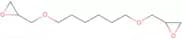

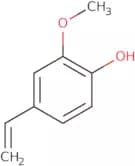

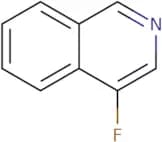
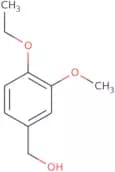
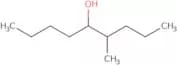
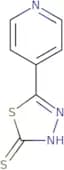
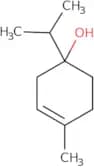
![4,4-Dimethyl-1-[(3,4-methylenedioxy)phenyl]-1-penten-3-ol](/_next/image/?url=https%3A%2Fstatic.cymitquimica.com%2Fproducts%2F3D%2Fthumb-webp%2FFS27881.webp&w=3840&q=75)
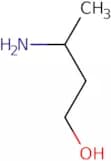
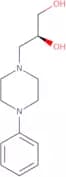

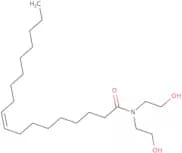
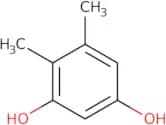

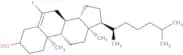
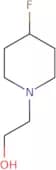

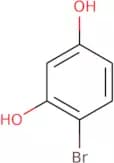
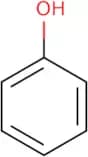
![1-Chloro-3-[4-(2-methoxyethyl)phenoxy]-2-propanol](/_next/image/?url=https%3A%2Fstatic.cymitquimica.com%2Fproducts%2F3D%2Fthumb-webp%2FFC27415.webp&w=3840&q=75)

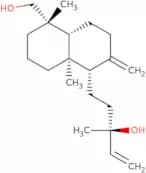
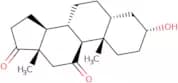

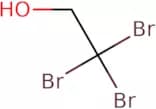
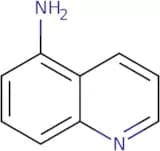
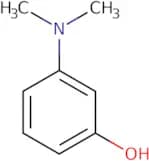
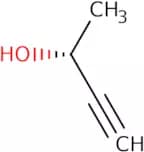

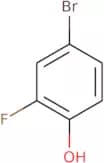
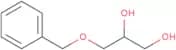
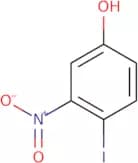
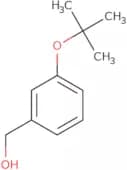
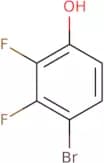
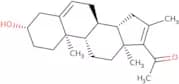
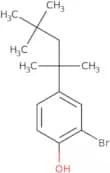
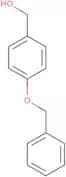
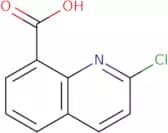
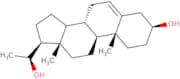
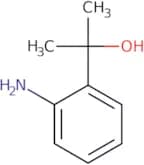
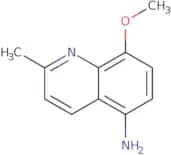
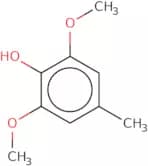
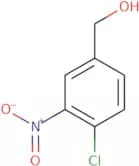
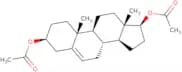
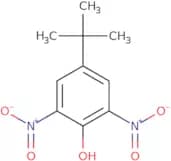
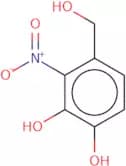
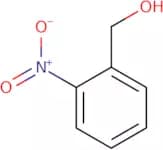
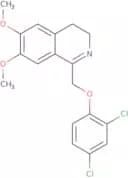
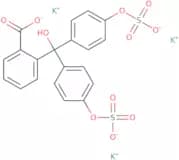
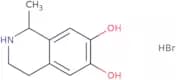
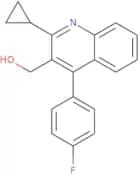
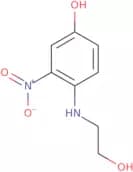
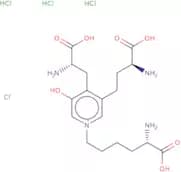
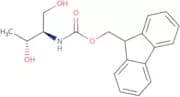

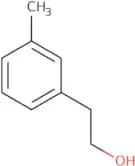
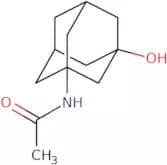
![2-[[(4-Anilinophenyl)imino]methyl]-4,6-dichlorophenol](/_next/image/?url=https%3A%2Fstatic.cymitquimica.com%2Fproducts%2F3D%2Fthumb-webp%2FFA71703.webp&w=3840&q=75)
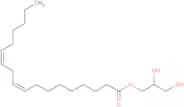

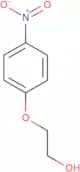
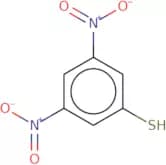
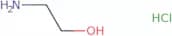
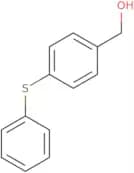
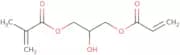
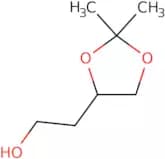

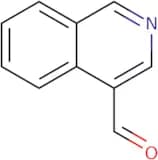
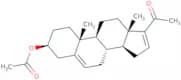
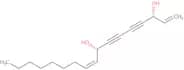

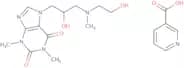
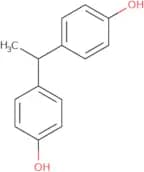
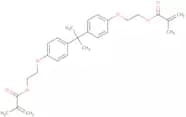
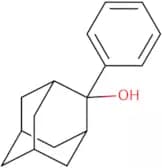
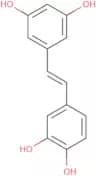
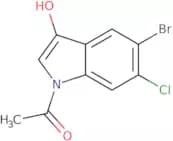
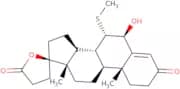

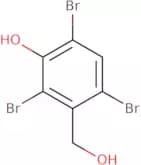
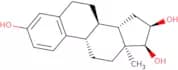
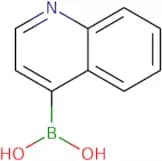
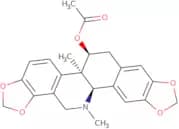
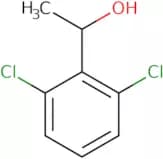

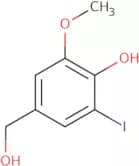
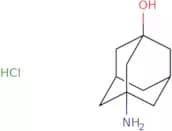
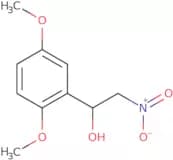
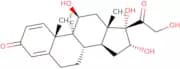
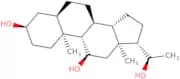

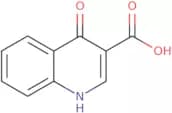
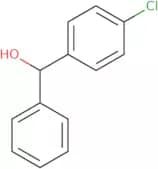
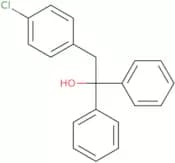
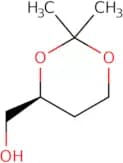
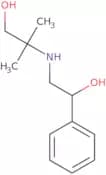
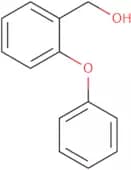
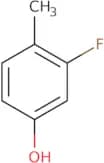
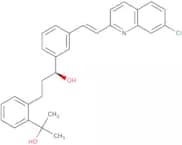

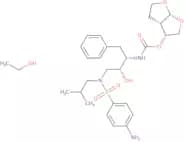
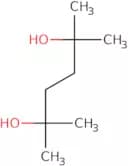
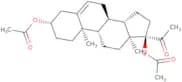
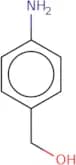


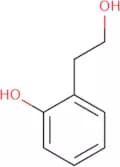
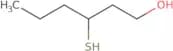
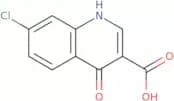
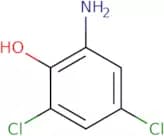
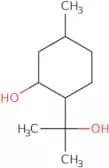

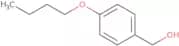
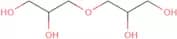
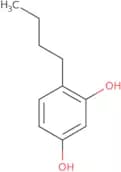
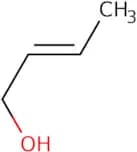
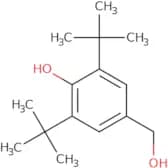

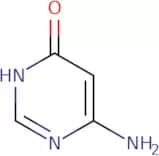
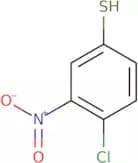

![(4aS,6R,8aS)-4a,5,9,10,11,12-Hexahydro-3-methoxy-11-methyl-6H-benzofuro[3a,3,2-ef][2]benzazepin-6-…](/_next/image/?url=https%3A%2Fstatic.cymitquimica.com%2Fproducts%2F3D%2Fthumb-webp%2FFH15703.webp&w=3840&q=75)

![4-[(7-Chloro-4-quinolinyl)amino]-1-pentanol](/_next/image/?url=https%3A%2Fstatic.cymitquimica.com%2Fproducts%2F3D%2Fthumb-webp%2FFC20107.webp&w=3840&q=75)
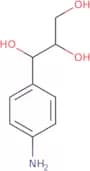
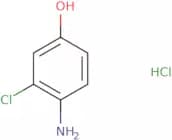
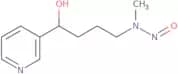
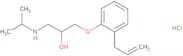
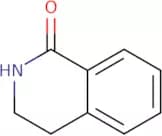

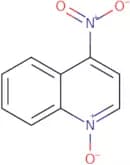
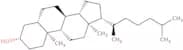
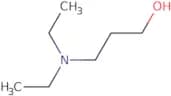
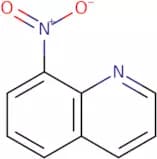
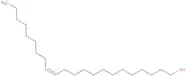
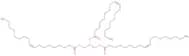
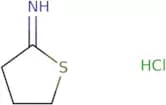
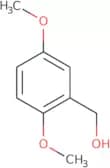
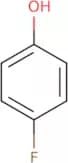
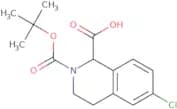
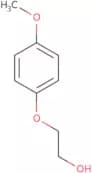
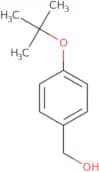
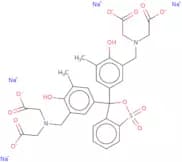
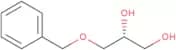
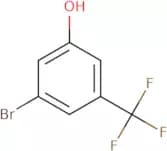
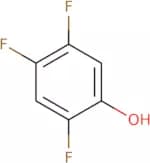

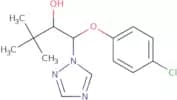
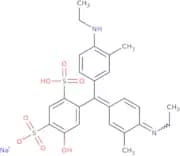
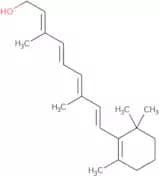
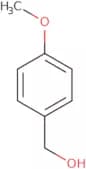
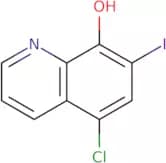
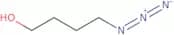
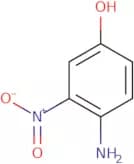
![20-Deoxo-23-deoxy-5-O-[3,6-dideoxy-3-(dimethylamino)-beta-D-glucopyranosyl]-20,23-di-1-piperidinyl…](/_next/image/?url=https%3A%2Fstatic.cymitquimica.com%2Fproducts%2F3D%2Fthumb-webp%2FFT137728.webp&w=3840&q=75)
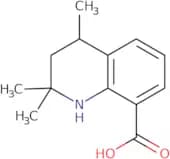
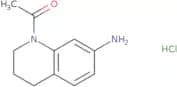
![(1S)-3,3'-Bis(1,1-dimethylethyl)-5,5',6,6'-tetramethyl-[1,1'-biphenyl]-2,2'-diol](/_next/image/?url=https%3A%2Fstatic.cymitquimica.com%2Fproducts%2F3D%2Fthumb-webp%2FFB167175.webp&w=3840&q=75)


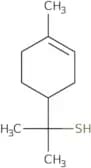

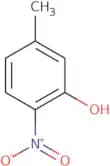
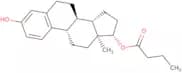
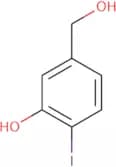
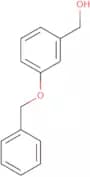
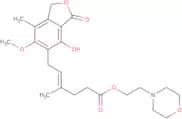

![(1R,4aS,7S,7aR)-Hexahydro-4,7-dimethylcyclopenta[c]pyran-1-ol](/_next/image/?url=https%3A%2Fstatic.cymitquimica.com%2Fproducts%2F3D%2Fthumb-webp%2FFH106458.webp&w=3840&q=75)