Glycosciences
La glycosciences est l'étude des glucides et de leurs dérivés, ainsi que des interactions et des fonctions biologiques auxquelles ils participent. Ce domaine de recherche est crucial pour comprendre une grande variété de processus biologiques, y compris la reconnaissance cellulaire, la signalisation, la réponse immunitaire et le développement des maladies. La glycosciences a des applications importantes en biotechnologie, en médecine et dans le développement de nouveaux médicaments et thérapies. Chez CymitQuimica, nous proposons une large sélection de produits de haute qualité et pureté pour la recherche en glycosciences. Notre catalogue comprend des monosaccharides, des oligosaccharides, des polysaccharides, des glyconjugués et des réactifs spécifiques, conçus pour soutenir les chercheurs dans leurs études sur la structure, la fonction et les applications des glucides dans les systèmes biologiques. Ces ressources sont destinées à faciliter les découvertes scientifiques et les applications pratiques dans divers domaines des biosciences et de la médecine.
Sous-catégories appartenant à la catégorie "Glycosciences"
- Aminosucres(108 produits)
- Anticorps Glyco-Related(282 produits)
- Glycolipides(46 produits)
- Glycosaminoglycanes (GAGs)(55 produits)
- Glycosides(419 produits)
- Monosaccharides(6.624 produits)
- Oligosaccharides(3.682 produits)
- Polysaccharides(503 produits)
11046 produits trouvés pour "Glycosciences"
Trier par
Degré de pureté (%)
0
100
|
0
|
50
|
90
|
95
|
100
Methyl 2,4-di-O-methyl-β-D-glucopyranoside
CAS :Methyl 2,4-di-O-methyl-b-D-glucopyranoside is a selectively protected glucose glycosideFormule :C9H18O6Degré de pureté :Min. 95%Masse moléculaire :222.24 g/mol6-O-(α-D-Galactopyranosyl)-β-D-thioglucopyranose
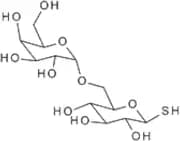
<p>6-O-(a-D-Galactopyranosyl)-b-D-thioglucopyranose is a complex carbohydrate that is used in the synthesis of oligosaccharides and polysaccharides. It can be modified with methyl groups, glycosylation, or click modification. This product has been fluorinated and is available in high purity.</p>Formule :C12H22O10SDegré de pureté :Min. 95%Couleur et forme :PowderMasse moléculaire :358.36 g/mol5-O-tert-Butyldimethylsilyl-2,3-O-isopropylidene-L-lyxono-1,4-lactone
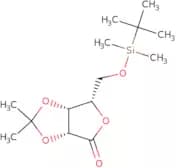
CAS :<p>5-O-tert-Butyldimethylsilyl-2,3-O-isopropylidene-L-lyxono-1,4-lactone is an oligosaccharide that is used as a building block for the synthesis of complex carbohydrates. It can be customized to suit your needs. 5-O-tert-Butyldimethylsilyl-2,3-O-isopropylidene-L-lyxono-1,4--lactone has been modified with fluorine atom and methyl group to form a glycosylation product. It is available in CAS No. 1044813 -00 -4 and can be synthesized in purity of > 95%.</p>Formule :C13H24O5SiDegré de pureté :Min. 95%Masse moléculaire :288.42 g/mol1,3,5-O-Methylidyne-myo-inositol
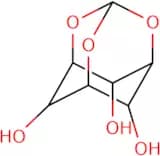
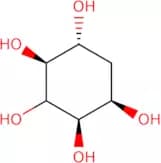
CAS :<p>1,3,5-O-Methylidyne-myo-inositol is a cyclic sugar alcohol, which is naturally derived from various plant sources, including certain fruits and grains. As a stereoisomer of inositol, it represents a specific structural form that contributes to its unique properties and potential biological activities. The compound operates through modulating cellular signaling pathways, particularly those related to phosphoinositide metabolism, influencing intracellular calcium levels, and affecting lipid signaling cascades.This compound is primarily explored for its potential role in neurological health and its capacity to influence insulin signaling pathways. It has been investigated for applications in managing conditions such as polycystic ovary syndrome (PCOS), mood disorders, and neurodegenerative diseases. Due to its intricate involvement in cellular signaling networks, 1,3,5-O-Methylidyne-myo-inositol holds promise in furthering understanding of complex biological processes and for therapeutic development in metabolic and neurological disorders. Research continues to explore its efficacy and mechanisms of action to better establish its role in health and disease.</p>Formule :C7H10O6Degré de pureté :Min. 95%Couleur et forme :PowderMasse moléculaire :190.15 g/molO-(2,2',3,3',4',6,6'-Hepta-O-acetyl-b-D-lactosyl)-N-hydroxysuccinimide
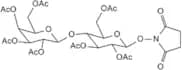
O-(2,2',3,3',4',6,6'-Hepta-O-acetyl-b-D-lactosyl)-N-hydroxysuccinimide is a modified oligosaccharide that is synthesized by the reaction of an acetylated succinimide with a glycosylase. This product is used as a chemical intermediate in the production of saccharides and polysaccharides. It can be used for fluorination reactions to produce fluorinated saccharides.Formule :C30H39NO20Degré de pureté :Min. 95%Masse moléculaire :733.64 g/molHeparin sodium salt
CAS :<p>Heparin is a glycosaminoglycan which occurs in many mammalian tissues and has important anticoagulant and thrombolytic properties. The chemical structure is composed mainly of two disaccharide repeating units A and B. A is L-iduronic acid 2-suplhate linked α-(1,4) to 2-deoxy-2-sulfamido-D-galactose 6-sulphate while B is D-glucuronic acid β-(1,4) linked to 2-deoxy-2-sulfamido-D-glucose 6-sulphate.</p>Couleur et forme :White PowderPhenyl b-D-thioglucuronide
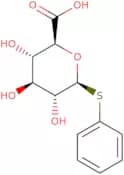
CAS :<p>Phenyl b-D-thioglucuronide is a synthetic molecule that has been used in studies of the carotid, abdominal and symmetric techniques. It can be used to study water absorption and squamous cell growth. Phenyl b-D-thioglucuronide has been used as a crosslinking agent for optical imaging techniques, such as fluorescence microscopy and confocal microscopy. The basic protein form of phenyl b-D-thioglucuronide is found in the human brain and spinal cord. There have been reports that phenyl b-D-thioglucuronide causes death and teratomas in mice when injected into the sigmoid colon or teratoma. Phenyl b-D-thioglucuronide also causes neuroinflammation, which may be due to its ability to induce matrix metalloproteinase production.</p>Formule :C12H14O6SDegré de pureté :(%) Min. 95%Masse moléculaire :286.3 g/molHexahydro- 1, 2, 8- tris-acetoxy- [1S- (1a, 2a, 8a, 8ab) ]-5(1H) -indolizinone
CAS :Hexahydro-1,2,8-tris-acetoxy-[1S-(1a,2a,8a, 8ab)]-5(1H)-indolizinone is a custom synthesis of a complex carbohydrate. It has been modified by fluorination and methylation. The CAS number for this chemical is 107741-72-0. Hexahydro-1,2,8-tris-acetoxy-[1S-(1a,2a,8a, 8ab)]-5(1H)-indolizinone is soluble in water and ethanol and insoluble in ether. This product can be used as an intermediate for the preparation of oligosaccharides and polysaccharides.Formule :C14H19NO7Degré de pureté :Min. 95%Masse moléculaire :313.3 g/molSodium alginate, low viscosity
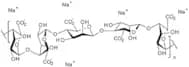
CAS :Sodium salt of a polysaccharide obtained from the brown seaweeds (e.g. Laminaria hyperborea, Fucus vesiculosus, Ascophyllum nodosum). The chemical structure consists of blocks of (1,4) linked-β-D-polymannuronic acid (poly M), (1,4) linked-α-L-polyguluronic acid (poly G) and alternating blocks of the two uronic acids (poly MG). Alginates form strong gels with divalent metal cations and the egg box model has been used to describe this form of gelation. The main use for alginate is in textile printing as a thickener in the printing of cottons with reactive dyes. In the food industry it is used as a thickener and gelling agent. Recently, it has been shown that ternary mixtures of Konjac glucomannan, Xanthan gum and Sodium alginate can form a non-covalently linked complex which exhibits enhanced rheological properties of value in, for example, functional foods. The image was kindly provided by Prof Mike Guiry from Cork who runs ‘The Seaweed Site’.Viscosity: min 50 mPa.sCouleur et forme :White PowderThiodiglucoside
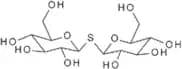
CAS :<p>Thiodiglucoside is a plant glycoside that is used as a preparative agent for the isolation of active substances from lymphocytes. It can be used in chromatographic and inhibition studies to determine the binding sites on lymphocytes. Thiodiglucoside has been shown to bind to lectins and inhibit protein synthesis in activated lymphocytes. This glycoside also inhibits the constriction of smooth muscle cells, which may be due to its inhibition of protein synthesis. The physiological function of thiodiglucoside is not yet fully understood; however, it is known that this compound binds to macropores and affects subunits within the cell membrane.</p>Formule :C12H22O10SDegré de pureté :Min. 95%Couleur et forme :PowderMasse moléculaire :358.36 g/molEstrone b-D-glucuronide sodium salt
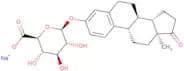
CAS :<p>Estrone b-D-glucuronide sodium salt (EBGG) is a steroid hormone that is synthesized in the ovaries. EBGG has been shown to be effective against bacterial vaginosis and polycystic ovarian syndrome. It is not active against other types of vaginal infections, such as yeast vaginitis or candida vulvovaginitis. EBGG has also been used to treat infertility in women, with promising results. The compound may work by increasing the metabolic rate and suppressing the production of progesterone and testosterone, which are important for fertility. EBGG binds to an estrogen receptor on cells in the uterus, stimulating the growth of uterine tissue and increasing blood flow to the uterus. EBGG binds to a specific site on the surface of cells called a monoclonal antibody, which can inhibit cell proliferation. This binding leads to an increase in progesterone receptor expression on uterine cells and inhibits the production of progesterone receptors on breast cancer</p>Formule :C24H29O8·NaDegré de pureté :Min. 95%Couleur et forme :PowderMasse moléculaire :468.47 g/mol2-(2,3,6-Tri-O-acetyl-4-O-[(2,3,4,6-tetra-O-acetyl-a-D-glucopyranosyl)]-b-D-glucopyranosyl) thiopseudourea
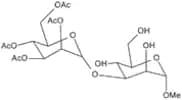
2-(2,3,6-Tri-O-acetyl-4-O-[(2,3,4,6-tetra-O-acetyl-a-D-glucopyranosyl)]-b-D-glucopyranosyl) thiopseudourea is a glycosylated oligosaccharide that has been modified using methylation and click chemistry. This compound has been used in the synthesis of various complex carbohydrates. The CAS number for this compound is 905835-79-8 and it can be custom synthesized to meet your needs.Formule :C27H38N2O17SDegré de pureté :Min. 95%Masse moléculaire :694.66 g/mol(3S,4S)-2,3-Dihydroxy-2-methylpentanoic acid-1.4-lactone (mix of diastereoisomers)
(3S,4S)-2,3-Dihydroxy-2-methylpentanoic acid-1.4-lactone (mix of diastereoisomers) is a synthetic carbohydrate that has been modified with a fluorine atom at the C2 position. It has a molecular weight of 184.277 g/mol and is soluble in water and methanol. This product can be used as a precursor to other chemicals or as an intermediate in the synthesis of saccharides, polysaccharides, or oligosaccharides.Degré de pureté :Min. 95%1,6:2,3-Dianhydro-b-D-mannopyranose
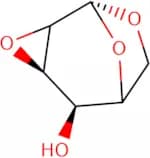
CAS :<p>1,6:2,3-Dianhydro-b-D-mannopyranose is a high purity sugar used in the synthesis of complex carbohydrates. This compound is an oligosaccharide that has been modified by methylation and glycosylation. It can be found in the CAS registry number 3868-03-9.</p>Formule :C6H8O4Degré de pureté :Min. 95%Couleur et forme :PowderMasse moléculaire :144.13 g/molMethyl b-D-ribofuranoside
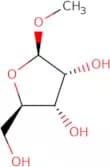
CAS :<p>Methyl b-D-ribofuranoside is a compound that has been found to be a substrate for the phosphodiesterase enzyme. This natural product can be used to study the function of this enzyme and its effect on cellular processes. The rate of hydrolysis at 25 degrees Celsius is about 0.03 min-1, which is about one order of magnitude faster than the rate at 37 degrees Celsius, which is about 0.003 min-1. In addition, methyl b-D-ribofuranoside hydrolyzes more rapidly in anaerobic conditions than in aerobic conditions. It also has a constant sedimentation coefficient of 1.10 ± 0.01 Svedbergs, which indicates that it consists of long unbranched chains with a high molecular weight (e.g., dodecyl). Methyl b-D-ribofuranoside has been found to inhibit intramolecular hydrogen transfer reactions, such as those catalyzed</p>Formule :C6H12O5Degré de pureté :Min. 95%Couleur et forme :White PowderMasse moléculaire :164.16 g/molMuramic acid hydrate
CAS :Muramic acid hydrate as an amino sugar with a carboxylic acid group. It occurs in nature as N-acetylmuramic acid which is typically found in cell wall of bacterial.Formule :C9H17NO7•(H2O)xDegré de pureté :Min. 95%Couleur et forme :White PowderMasse moléculaire :269.25 g/molHydroxypropyl cellulose - Average MW 370,000
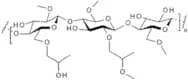
CAS :<p>In water, hydroxypropyl cellulose forms liquid crystals with many mesophases depending on concentration. These mesophases include isotropic, anisotropic, nematic and cholesteric, the latter resulting in many colors such as violet, green and red. Pharmaceutical applications include treatments for medical conditions such as dry eye syndrome (keratoconjunctivitis sicca), recurrent corneal erosions, decreased corneal sensitivity, exposure and neuroparalytic keratitis. It is also used as a binder in tablets. Hydroxypropylcellulose is also used as a thickener, a binder and emulsion stabiliser in foods with E number E463. HPC is used as a support matrix for DNA separations by capillary and microchip electrophoresis.</p>Degré de pureté :Min. 95%Couleur et forme :Powder(S)-3,5-O-Benzylidene-D-xylono-1.4-lactone
<p>(S)-3,5-O-Benzylidene-D-xylono-1.4-lactone is a Custom synthesis, Modification, Fluorination, Methylation, Monosaccharide, Synthetic, Click modification of the polysaccharide glucuronic acid and a carbonyl group. It is also known as 3-(2-benzyloxyethoxy)propanoic acid or 3-(2-benzyloxyethoxy)propionic acid. The CAS number for this chemical is 63912-71-0. This chemical has been used in the preparation of oligosaccharides and saccharides with glycosylations. <br>(S)-3,5-O-Benzylidene-D-xylono-1.4-lactone is an organic compound that belongs to the class of monosaccharides and polysaccharides. It has been shown</p>Degré de pureté :Min. 95%Kephir gum
CAS :‘Water kefir’ is a home-made beverage, which was thought to contain significant amounts of bacterial exopolysaccharides. It has now been reported that the exopolysaccharide fraction of this material contains dextrans with similar structures, having a number of (1,3) linkages, branched at positions O3 and position O2 and with a wide range of molecular weights. In addition, it was shown that a small amount of levan is also present.Degré de pureté :Min. 95%Couleur et forme :Powder3-(b-D-Glucopyranosyl)-D-mannose
<p>3-(b-D-Glucopyranosyl)-D-mannose is a sugar that is a component of the complex carbohydrate called glycosaminoglycan. It can be used in the synthesis of oligosaccharides and monosaccharides or as a modification to saccharides. 3-(b-D-Glucopyranosyl)-D-mannose is synthesized through Click modification with fluorination, glycosylation, and methylation. This sugar has CAS No. 27212-79-4 and molecular weight of 360.3 g/mol.</p>Degré de pureté :Min. 95%Isopropyl 2,3,4,6-tetra-O-acetyl-b-D-thiogalactopyranoside
CAS :Isopropyl 2,3,4,6-tetra-O-acetyl-b-D-thiogalactopyranoside is a carbohydrate that is a modification of the sugar galactose. It is a synthetic monosaccharide with a high purity and custom synthesis. The chemical modification includes fluorination and methylation. This compound has been shown to be effective in inhibiting bacterial growth and is used in the treatment of tuberculosis.Degré de pureté :Min. 95%2,5-Di-O-acetyl-3-deoxy-D-threo-pentono-1,4-lactone
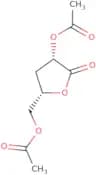
CAS :2,5-Di-O-acetyl-3-deoxy-D-threo-pentono-1,4-lactone is a monosaccharide with the molecular formula C5H8O4. It is a carbohydrate that can be found in natural products such as honey and sugar cane. 2,5-Di-O-acetyl-3,6,-dideoxyhexose can be custom synthesized to order. Carbohydrates are polymers of glycosidic bonds between monosaccharides. Glycosylation refers to the attachment of a sugar molecule (glycosyl donor) to another molecule (glycosyl acceptor). This process is often catalyzed by enzymes called glycosyltransferases. The modification of carbohydrates can be achieved through glycosylation, which results in the formation of an oligosaccharide or a complex carbohydrate. 2,5 Di-O acetyl 3,6 -Formule :C9H12O6Degré de pureté :Min. 95%Masse moléculaire :216.19 g/molMethyl 2,3-di-O-benzoyl-4,6-O-(4-methoxybenzylidene)-a-D-galactopyranoside
Methyl 2,3-di-O-benzoyl-4,6-O-(4-methoxybenzylidene)-a-D-galactopyranoside is a fluorinated and methylated synthetic carbohydrate. It is an oligosaccharide that is synthesized from galactose and glucose by glycosylation and click modification. Methyl 2,3-di-O-benzoyl-4,6-O-(4-methoxybenzylidene)-a-D-galactopyranoside has CAS number: 6079410.Formule :C29H28O9Degré de pureté :Min. 95%Masse moléculaire :520.54 g/molb-L-Arabinopyranose
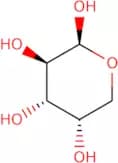
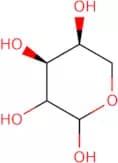
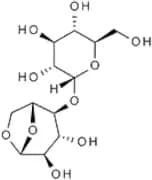
CAS :<p>b-L-Arabinopyranose is a monosaccharide that is found in exudates, melibiose, and radiation hydrolysate. It has been shown to be hydrolyzed by intestinal enzymes and to have an optimum pH of 5.5. b-L-Arabinopyranose also has a high degree of polymerization (DP) and can form five-membered rings with galactans as well as terminal residues that are resistant to hydrolysis by carbon tetrachloride.</p>Formule :C5H10O5Degré de pureté :Min. 95%Masse moléculaire :150.1 g/molNeoagarobiose
CAS :<p>Agarose is a polysaccharide found in red algae, typically Gelidium and Gracilaria. It is a strictly alternating polysaccharide of α-1,3 linked D-galactose and β-1,4 linked L-3,6 anhydrogalactose, with occasional sulfation at position 6 of the anhydrogalactose residue. Agaro-oligosaccharides result from cleavage at galactose residues and neoagaro-oligosaccharides from cleavage at 3,6-anhydro residues. Neoagarobiose is reported to exhibit skin moisturising and whitening properties.</p>Formule :C12H20O10Degré de pureté :Min. 98 Area-%Couleur et forme :PowderMasse moléculaire :324.28 g/molCyanomethyl 2,3-O-isopropylidene-5-O-trityl-D-ribofuranoside
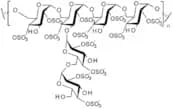
Cyanomethyl 2,3-O-isopropylidene-5-O-trityl-D-ribofuranoside is a carbohydrate that is used as a building block for the synthesis of oligosaccharides and polysaccharides. It is synthesized from D-ribose and methyl 2,3-O-(1,2,4)triazole by the reaction of the glycosyl donor 2,3,5-triacetoxybenzaldehyde with methyl iodide followed by reaction with sodium methoxide. This product has not been tested for microbial contamination or endotoxins.Formule :C29H29NO5Degré de pureté :Min. 95%Masse moléculaire :471.54 g/molDextran sulfate sodium, MW 100,000
CAS :<p>Dextran sulphate is a dextran derivative whose ulcer (colitis) -causing properties were first reported in hamsters and extrapolated a few years later to mice and rats. The exact mechanisms through which dextran sulphate induces intestinal inflammation are unclear but may be the result of direct damage of the monolayer of epithelial cells in the colon, leading to the crossing of intestinal contents (for e.g. commensal bacteria and their products) into underlying tissue and therefore induction of inflammation. The dextran sulphate sodium induced ulceration model in laboratory animals has some advantages, when compared to other animal models of colitis, due to its simplicity and similarities to human inflammatory bowel disease.</p>Couleur et forme :PowderFructosazine
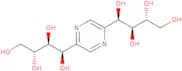
CAS :<p>Fructosazine is a natural compound that is found in the bark of the fructus quinquefoliae tree. It has been shown to have antimicrobial properties when it reacts with hydrochloric acid. Fructosazine inhibits the growth of bacteria by reacting with their cell walls and interfering with their metabolism. Fructosazine may also have physiological effects, such as reducing blood pressure and body weight gain, which are not fully understood. The reaction mechanism for fructosazine is not yet known, but it may be due to its reactive nature. More research needs to be done on this compound before we can understand its full potential.</p>Formule :C12H20N2O8Degré de pureté :Min. 96 Area-%Couleur et forme :PowderMasse moléculaire :320.3 g/mol6- Azido- 6- deoxy- 1, 2:3, 5- bis- isopropylidene-D- glycero- L- gulo- heptitol
CAS :<p>6-Azido-6-deoxy-1,2:3,5-bisisopropylidene-D-glycero-L-guloheptitol is a synthetic monosaccharide that can be used for the synthesis of oligosaccharides and complex carbohydrates. It is prepared by the fluorination of 6,6'-azido-1,2:3,5 bisisopropylidene D-glycero L guloheptitol. The chemical name of 6,6'-azido 1,2:3,5 bisisopropylidene D glycero L guloheptitol is 2-(6'-Amino)-2-(6'-deoxy)-1-(isopropylidene)ethanol. This compound has been shown to react with carbonyl groups in sugar molecules to form new compounds called glycosides. 6,6'-Amino 1,</p>Formule :C13H23N3O6Degré de pureté :Min. 95%Masse moléculaire :317.34 g/mol1,5-α-L-Arabinotriose
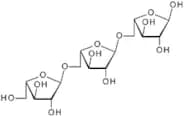
CAS :1,5-α-L-Arabinotriose is a sugar that is found in the cell walls of plants. It is a trisaccharide composed of three L-arabinose units linked by α-(1→5) bonds. 1,5-α-L-Arabinotriose has been shown to be adsorbed on cellulose acetate and can be used to measure the molecular weight of the adsorbate. This sugar also undergoes optical rotations when it interacts with some dyes such as germanium tetrachloride. 1,5-α-L-Arabinotriose has many uses including: as a solute in chloride ion chromatography; as an absorbent in filtration experiments; and as a parameter for calculating thermodynamics for reactions involving hydrogen transfer.Formule :C15H26O13Degré de pureté :Min. 95 Area-%Couleur et forme :Clear LiquidMasse moléculaire :414.36 g/mola-D-Glucose-1-phosphate disodium salt hydrate
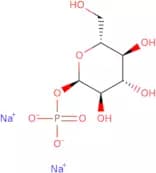
CAS :<p>a-D-Glucose-1-phosphate disodium salt hydrate (aGPD) is a bacterial strain that has been shown to produce fatty acids from glucose. The production of fatty acids has been shown to be dependent on transfer reactions involving tagatose, which is an intermediate product of the process optimization of aGPD. The final product of these reactions is lactic acid, which is formed in an acidic environment. This bacterial strain has also been used as a model system for studying kidney bean phosphatase and photosynthetic activity in monoclonal antibody production.</p>Formule :C6H11O9P·2Na·xH2ODegré de pureté :Min. 97%Couleur et forme :White PowderMasse moléculaire :304.1 g/molOligogalactosyllactose
<p>Oligogalactosyllactose is a polysaccharide made from galactose and glucose. Oligogalactosyllactose has been shown to have an inhibitory effect on the growth of Staphylococcus aureus strains. Oligogalactosyllactose also has anti-inflammatory properties, which may be due to its ability to bind to free fatty acids and reduce the production of pro-inflammatory cytokines. This dietary ingredient is found in inulin, which is a type of carbohydrate that can be found in some vegetables. Oligogalactosyllactose is composed of short chains of sugar molecules, making it easier for the body to absorb. It is also more readily metabolized by bacteria in the gut than other types of carbohydrates like celluloses or starches.</p>Degré de pureté :Min. 95%Couleur et forme :Powder2,3-O-Isopropylidene-hamamelono-1,4-lactone
<p>2,3-O-Isopropylidene-hamamelono-1,4-lactone is an Oligosaccharide with a Glycosylation that is Synthetic and Fluorinated. It has a Custom synthesis and Methylation. This product is Monosaccharide and Polysaccharide. It has a Click modification, a complex carbohydrate, and is High purity. The CAS number for this product is 62968-07-1.</p>Degré de pureté :Min. 95%Methyl 3-O-(2,3,4,6-tetra-O-acetyl-a-D-mannopyranosyl)-a-D-mannopyranoside
CAS :Methyl 3-O-(2,3,4,6-tetra-O-acetyl-a-D-mannopyranosyl)-a-D-mannopyranoside is a synthetic glycosylation product of methyl 3,4,6-triacetate and a mannose. It is an Oligosaccharide with the molecular formula (C12H25O14)n. Methyl 3-O-(2,3,4,6-tetra-O-acetyl-a-D-mannopyranosyl)-a-D -mannopyranoside is a white crystalline powder that can be used in the synthesis of complex carbohydrates. It has been shown to react with fluorine to produce a monofluorinated product and methylated products. This compound can be custom synthesized and modified for specific applications. Methyl 3 - O - ( 2 , 3 , 4 , 6 -Formule :C21H32O15Degré de pureté :Min. 95%Masse moléculaire :524.47 g/molCroscarmellose sodium
CAS :Superdisintegrant used in pharmaceutical formulationsCouleur et forme :White PowderMasse moléculaire :982.44Heparin disaccharide I-A trisodium salt
CAS :Heparin disaccharide I-A trisodium salt is an oligosaccharide that is a synthetic and modified form of heparin. It is used as a pharmaceutical agent to prevent coagulation, and in the treatment of thrombosis, deep vein thrombosis, pulmonary embolism, and other cardiovascular diseases. This product has been custom synthesized for the modification of sugar structures, fluorination, methylation, sugar modification and click chemistry.Formule :C14H21NO17S2·3NaDegré de pureté :Min. 95 Area-%Couleur et forme :White Off-White PowderMasse moléculaire :608.41 g/mol4-O-(β-D-Galactopyranosyl)-D-galactopyranose
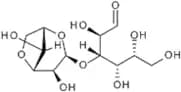
CAS :Used as enzyme substrates, analytical standards and for in vitro diagnosticsFormule :C12H22O11Degré de pureté :Min. 95%Couleur et forme :White Off-White PowderMasse moléculaire :342.29 g/mol3-O-Benzyl-1,2-O-isopropylidene-a-D-xylofuranose
3-O-Benzyl-1,2-O-isopropylidene-a-D-xylofuranose is a monosaccharide that is synthesized by methylation of the corresponding aldose. It has been used in the synthesis of oligosaccharides and polysaccharides. 3-O-Benzyl-1,2-O-isopropylidene-a-D-xylofuranose has also been shown to be useful in the fluorination of saccharide chains.Degré de pureté :Min. 95%1-D-3-Deoxy-myo-inositol
CAS :<p>Myoinositol is a cyclitol and a member of the group of hexahydroxycyclohexanes. It is found in many plants and animals, especially in brain tissue, and plays an important role as a component of cell membranes. Myoinositol has been shown to inhibit cellular glycosidases, which are enzymes that break down complex sugars. In addition, myoinositol has been shown to have anti-cancer properties. Myoinositol is used as an analytical reagent in phase chromatography to separate molecules based on their hydrophobicities. 1-D-3-Deoxy-myo-inositol also has corrosion inhibition properties and can be used as a pesticide or agrochemical.</p>Formule :C6H12O5Degré de pureté :Min. 95 Area-%Couleur et forme :White PowderMasse moléculaire :164.16 g/mol1,2,3,4,6-Penta-O-galloyl-β-D-glucopyranose
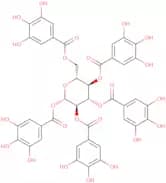
CAS :<p>A gallotannin found in plants, with various biological activities. Its anti-cancer effect has been demonstrated in several cancer cell lines, mediated by inhibition of DNA replication, proliferation and angiogenesis. Elicits anti-inflammatory, antioxidative and anti-diabetic effects. Recently, it has been identified as an inhibitor of c-Myc in hepatocellular carcinoma and multiple myeloma cells.</p>Formule :C41H32O26Degré de pureté :Min. 96 Area-%Couleur et forme :PowderMasse moléculaire :940.68 g/molMaltose syrup
<p>Used for making baked goods, soft drinks, sweets, alcoholic drinks, and infant food. It is also used to produce the sugar substitute maltitol.</p>Degré de pureté :Min. 95%Suberoylanilide-D5 hydroxamic acid b-D-glucuronide
Produit contrôléSuberoylanilide-D5 hydroxamic acid b-D-glucuronide is a modification of sucrose. It is a complex carbohydrate that has been modified with an Oligosaccharide and Carbohydrate. This compound is synthesized with Custom synthesis, Synthetic, High purity, CAS No., Monosaccharide, Methylation, Glycosylation, Polysaccharide, sugar and Fluorination. Suberoylanilide-D5 hydroxamic acid b-D-glucuronide is a fluorinated saccharide that can be used as a sugar for glycosylation or methylation.Formule :C20H23N2O9D5Degré de pureté :Min. 95%Couleur et forme :White to off-white solid.Masse moléculaire :445.47 g/mol1,6-Anhydro-2,3,4-tri-O-benzyl-b-D-glucopyranose
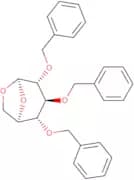
CAS :1,6-Anhydro-2,3,4-tri-O-benzyl-b-D-glucopyranose is a polymer that can be synthesized by copolymerizing the monomer with other reagents. The acetal linkage between the two glucose units allows for a cyclic structure, and this compound is soluble in water and methanol. 1,6-Anhydro-2,3,4-tri-O-benzyl-b-D-glucopyranose has been used to synthesize a variety of polymers such as polyacetals and polyesters.Formule :C27H28O5Degré de pureté :Min. 95%Couleur et forme :White PowderMasse moléculaire :432.51 g/mol1,3,4,6-Tetra-O-acetyl-b-D-glucosamine HCl
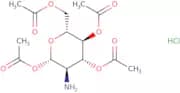
CAS :1,3,4,6-Tetra-O-acetyl-b-D-glucosamine HCl is a compound that can be used in the production of bacterial cellulose. It is a white powder with a molecular weight of 536.2. 1,3,4,6-Tetra-O-acetyl-b-D-glucosamine HCl has been shown to be effective in the cultivation of microorganisms such as bacteria and fungi. This product is also an additive for deionized water and deionized sucrose solutions. Tetraacetylated glucosamine hydrochloride is used to produce bacterial cellulose through the action of cellulase enzymes on sucrose solutions containing NaOH. In addition, this product has been shown to inhibit the proliferation of fibroblasts and epithelial cells when cultured in vitro.Formule :C14H21NO9·HClDegré de pureté :Min. 95.0 Area-%Couleur et forme :PowderMasse moléculaire :383.78 g/mol6-Amino-6-deoxy-D-lactose
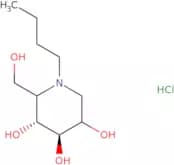
<p>6-Amino-6-deoxy-D-lactose is a high purity, custom synthesis sugar that has been fluorinated and glycosylated. It can be used in the synthesis of oligosaccharides, monosaccharides, saccharides or complex carbohydrates. 6-Amino-6-deoxy-D-lactose can be found under CAS No. 5892-84-7.</p>Degré de pureté :Min. 95%N-Butyldeoxymannojirimycin HCl
CAS :<p>N-Butyldeoxymannojirimycin HCl is a custom synthesis, complex carbohydrate that is synthesized from Oligosaccharides and Polysaccharides. This product is modified with Methylation, Glycosylation, and Carbohydrate. It has the CAS No. 155501-85-2 and it is high purity and fluorinated. The product can be used in Synthetic applications such as Click modification, sugar, or Fluorination.</p>Formule :C10H21NO4·HClDegré de pureté :Min. 95%Couleur et forme :SolidMasse moléculaire :255.74 g/mol(3r,4s)-3,4-Bis-benzyloxymethyl-oxetane-2-one 2-hydrate
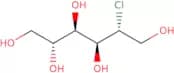
<p>A custom synthesis of (3r,4s)-3,4-Bis-benzyloxymethyl-oxetane-2-one 2-hydrate is a modification of a complex carbohydrate. This compound is synthesized from an oligosaccharide and has the molecular formula C14H15O2. The molecular weight for this compound is 256.24 g/mol. This compound is soluble in water and has a melting point of 80°C. It can be used as a sugar or a polysaccharide in glycosylation reactions. This compound also has fluorination and saccharide functionalities that can be used in methylation reactions to produce methylated sugars or monosaccharides.</p>Degré de pureté :Min. 95%2-Chloro-2-deoxy-D-mannitol
CAS :2-Chloro-2-deoxy-D-mannitol is a synthetic sugar that is used in the synthesis of oligosaccharides and complex carbohydrates. It is also used to fluorinate saccharides. 2-Chloro-2-deoxy-D-mannitol can be modified with methyl groups, which allows for the synthesis of monosaccharides and polysaccharides. This product has a CAS number of 127530-02-3 and is soluble in water. It has a melting point of 220°C, boiling point of 390°C, density of 1.8 g/mL at 20°C, and refractive index (n20 D) of 1.54792 at 20°C.Formule :C6H13ClO5Degré de pureté :Min. 95%Masse moléculaire :200.62 g/mol2,6-Anhydro-D-glycero-D-ido-heptonamide
CAS :<p>2,6-Anhydro-D-glycero-D-ido-heptonamide is a fluorinated carbohydrate that can be synthesized by the reaction of 2,6-anhydro-D-glycero-D-heptonic acid with N,N'-dicyclohexylcarbodiimide and ethyl bromoacetate. This compound is then modified with a methyl group at the C2 position or an acetyl group at the C3 position. The resulting product can be used in a wide variety of applications including biopharmaceuticals, diagnostic reagents, and inorganic chemicals.</p>Degré de pureté :Min. 95%2-Deoxy-3,4,6-tri-O-pivaloyl-D-glucopyranosyl amine
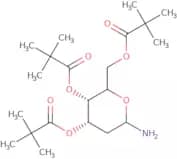
CAS :2-Deoxy-3,4,6-tri-O-pivaloyl-D-glucopyranosyl amine is a custom synthesis that has been fluorinated and modified. It has been synthesized for use in the production of oligosaccharides and polysaccharides. This compound is a monosaccharide with a CAS number of 1338226-07-5. It can be used to produce complex carbohydrates. 2DGPA can be used as an intermediate in the synthesis of saccharides or sugars.Formule :C21H37NO7Degré de pureté :Min. 95%Masse moléculaire :415.53 g/mol1,3,4,6-Tetra-O-acetyl-2-azido-2-deoxy-L-mannopyranose
<p>1,3,4,6-Tetra-O-acetyl-2-azido-2-deoxy-L-mannopyranose is a carbohydrate that is synthesized by the modification of the glycosylation process. It is a methylated and fluorinated oligosaccharide with a high purity. This product is available for custom synthesis in order to meet specific customer requirements.</p>Formule :C14H19N3O9Degré de pureté :Min. 95%Couleur et forme :White To Off-White SolidMasse moléculaire :373.32 g/mol1,2:3,4-Di-O-isopropylidene-a-L-galactopyranose
CAS :<p>1,2:3,4-Di-O-isopropylidene-a-L-galactopyranose is a synthetic sugar that is used for the saccharide modification of proteins. It has been shown to be an efficient and cost effective way to synthetically modify proteins with oligosaccharides or polysaccharides. 1,2:3,4-Di-O-isopropylidene-a-L-galactopyranose can be modified with fluorine atoms using a click chemistry reaction. This reaction is catalyzed by copper ions and generates a reactive thiol group on the sugar molecule that can then react with amino groups on protein molecules. The resulting product is a glycosylation site on the protein that can be further modified with other sugars or molecules. The fluorination step eliminates any possibility of adverse reactions being caused by the presence of reactive hydroxyl groups.</p>Formule :C12H20O6Degré de pureté :Min. 95%Couleur et forme :Colorless Clear LiquidMasse moléculaire :260.28 g/mol2-Acetamido-2-deoxy-4-O-([4-O-b-D-galactopyranosyl]-b-D-galactopyranosyl)-D-glucopyranose
CAS :<p>2-Acetamido-2-deoxy-4-O-[(4-O-[b-(D)-galactopyranosyl]-b-(D)-galactopyranosyl)-D-glucopyranosyl]-D-glucopyranose is a trisaccharide that has been shown to be an inhibitor of the bacterial enzyme UDP-N-acetylglucosamine pyrophosphorylase, which is involved in the synthesis of UDP-N-acetylglucosamine. This inhibition leads to a decrease in D-mannose production, which decreases the ability of bacteria to produce cell walls. 2ACPDG has also been shown to inhibit the growth of Mycobacterium tuberculosis and Mycobacterium avium complex.</p>Formule :C20H35NO16Degré de pureté :Min. 95%Masse moléculaire :545.5 g/mol1,2,3-Tri-O-acetyl-5-deoxy-b-D-ribofuranose
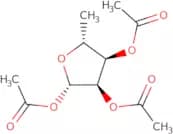
CAS :1,2,3-Tri-O-acetyl-5-deoxy-b-D-ribofuranose is a fluoropyrimidine prodrug. It can be converted to 5-fluorocytosine in vivo and has been shown to have antitumor properties. The positron emission from 1,2,3-triacetyl-5-deoxyribofuranose is used as a radiotracer for colorectal cancer.Formule :C11H16O7Degré de pureté :Min. 95%Couleur et forme :White PowderMasse moléculaire :260.24 g/mol1,2,3,4-Tetra-O-benzoyl-6-O-trityl-a-D-mannopyranose
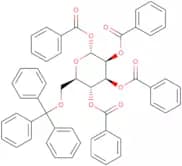
CAS :<p>1,2,3,4-Tetra-O-benzoyl-6-O-trityl-a-D-mannopyranose is a methylated saccharide. It is a synthetic product that can be used for the modification of oligosaccharides and polysaccharides. This product has been fluorinated and can be used in the synthesis of complex carbohydrates. It can also be used for the synthesis of monosaccharides or sugars.</p>Formule :C53H42O10Degré de pureté :Min. 95%Masse moléculaire :838.89 g/molβ-Cyclodextrin
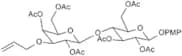
CAS :Beta-Cyclodextrin is a cyclic oligosaccharide with 7 D-glucose residues which are alpha-1,4-linked. beta-cyclodextrin is used in the food industry to encapsulate flavours and fragrances. Beta-cyclodextrin can increase the water solubility of compounds, such as curcumin; further, the cyclodextrin-curcumin complex also allows for a controlled, sustainable release in a wound healing study.Formule :C42H70O35Degré de pureté :Min. 98.0 Area-%Masse moléculaire :1,134.99 g/mol4-Methoxyphenyl 2,3,6-tri-O-acetyl-4-O-(2,4,6-tri-O-acetyl-3-O-allyl-β-D-galactopyranosyl)-β-D-glucopyranoside
4-Methoxyphenyl 2,3,6-tri-O-acetyl-4-O-(2,4,6-tri-O-acetyl-3-O-allyl bDgalactopyranosyl)-bDglucopyranoside is a modification of an oligosaccharide. It is a high purity and custom synthesis. This product can be found under CAS No. 807827-28-0.Formule :C34H44O18Degré de pureté :Min. 95%Masse moléculaire :740.7 g/mol2-Deoxy-2-fluoro-D-arabinofuranose
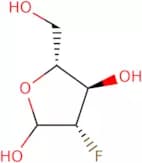
CAS :<p>2-Deoxy-2-fluoro-D-arabinofuranose is a purine nucleoside that is used in the diagnosis and treatment of herpes simplex virus infection. It inhibits viral replication by competitively inhibiting acycloguanosine, an enzyme that catalyzes the conversion of 2’-deoxyguanosine to deoxyadenosine. 2-Deoxy-2-fluoro-D-arabinofuranose has been shown to be active against cancer cells and can be used as chemotherapeutic agent. This drug may also be used for the diagnosis of cancer by detecting the presence of activated T cells in patients with tumor necrosis factor α (TNFα) receptor gene polymorphism.</p>Formule :C5H9FO4Degré de pureté :Min. 95%Couleur et forme :PowderMasse moléculaire :152.12 g/molEthyl 3-O-benzyl-4,6-O-benzylidene-2-O-levulinoyl-b-D-thioglucopyranoside
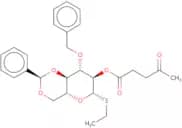
CAS :Ethyl 3-O-benzyl-4,6-O-benzylidene-2-O-levulinoyl-b-D-thioglucopyranoside is a custom synthesis that belongs to the group of carbohydrates. It is a complex carbohydrate with an oligosaccharide and polysaccharide side chain. The saccharide contains a methylated and glycosylated benzene ring attached to the oxygen atom of glucose at position C1, which then has an acetate group that is attached to it. The glycosylation of this molecule is methylated at the C2 position, which is a rare modification that has not been studied extensively. This molecule also has a fluorinated acetate group at the C3 position on the glucose ring. This product is high purity and synthetic in origin.Formule :C27H32O7SDegré de pureté :Min. 95%Couleur et forme :PowderMasse moléculaire :500.6 g/mol2-Allyloxycarbonylamino-2-deoxy-D-galactose
<p>2-Allyloxycarbonylamino-2-deoxy-D-galactose is a monosaccharide that is synthetically modified for use as a synthetic building block in the synthesis of complex carbohydrates and saccharides. This compound is fluorinated at the 2 position to increase its water solubility, which makes it useful for chemical modifications. It has been shown to be methylated and glycosylated.</p>Degré de pureté :Min. 95%L-Xylose
CAS :<p>Chiral-pool resource for organic synthesis</p>Formule :C5H10O5Degré de pureté :Min. 99 Area-%Couleur et forme :White PowderMasse moléculaire :150.13 g/mol2-Deoxy-D-ribonic acid-1,4-lactone
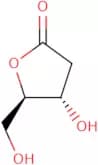
CAS :2-Deoxy-D-ribonic acid-1,4-lactone (2DRA) is a chemical compound with physiological effects. 2DRA is an irreversible inhibitor of DNA polymerase that has been shown to be a potent inhibitor of nuclear DNA synthesis in vitro and in vivo. The 2DRA inhibits the transfer reactions that are required for the replication of DNA. 2DRA binds to the nuclease domain of the enzyme and prevents it from cutting the phosphodiester bonds, leading to inhibition of DNA synthesis. This compound also has genotoxic effects and can cause mutation in cells through radiation or chemical treatment.Formule :C5H8O4Degré de pureté :Min. 95%Couleur et forme :Colorless Yellow PowderMasse moléculaire :132.12 g/mol1,2,3,4-Tetra-O-acetyl-6-O-(tert-butyldiphenylsilyl)-b-D-glucopyranose
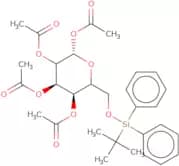
CAS :1,2,3,4-Tetra-O-acetyl-6-O-(tert-butyldiphenylsilyl)-b-D-glucopyranose is a synthetic oligosaccharide that has been modified by fluorination and methylation. It is used as a building block for the synthesis of complex carbohydrates. This product has a CAS number of 224778-57-8 and can be custom synthesized to meet your specifications.Formule :C30H38O10SiDegré de pureté :Min. 95%Masse moléculaire :586.72 g/molPropofol-4-Hydroxy-1-D-glucuronide
<p>Propofol-4-Hydroxy-1-D-glucuronide is a modification of propofol, which is commonly used as an intravenous anesthetic. It is a synthetic compound that can be custom synthesized by adding the sugar group to propofol. Propofol-4-Hydroxy-1-D-glucuronide has been shown to be a high purity and pure oligosaccharide with a CAS number. It also contains methylated and glycosylated saccharides.</p>Formule :C18H26O8Degré de pureté :Min. 95%Masse moléculaire :370.39 g/molAmylose
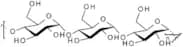
CAS :<p>Starch consists of two polysaccharides, amylose and amylopectin and represents approximately 20-25% of the total polysaccharide content in starch. Amylose molecules consist of single mostly unbranched chains of 500-20,000 α-(1->4)-D-glucose residues dependent on source (e.g. wheat, rice, potato, tapioca, etc). Amylose can form an extended shape (hydrodynamic radius 7-22 nm) but generally tends to wind up into a rather stiff left-handed single helix or form even stiffer parallel left-handed double helical junction zones. Hydrogen bonding between aligned chains causes retrogradation and releases some of the bound water (syneresis). The aligned chains may then form double stranded crystallites that are resistant to amylases. These possess extensive inter- and intra-strand hydrogen bonding, resulting in a fairly hydrophobic structure of low solubility. The amylose content of starches is thus the major cause of resistant starch formation.</p>Formule :(C6H10O5)nCouleur et forme :White Off-White PowderGDP-D-galactose
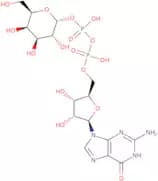
CAS :<p>GDP-D-galactose is a sugar nucleotide that is an intermediate in the synthesis of GDP-D-mannose. It is synthesized from D-galactose by the enzyme galactokinase, which converts D-galactose to D-galacturonate. GDP-D-galactose can then be converted to GDP-D-mannose by the enzyme GDP mannokinase. The incorporation of GDP into macromolecules is a process that can be used as a marker for biosynthesis and has been shown in Gracilaria sp.</p>Formule :C16H25N5O15P2Degré de pureté :Min. 95%Masse moléculaire :589.4 g/molMaltosan
CAS :<p>Anhydro maltose found in the pyrolysis products of cellulose</p>Formule :C12H20O10Degré de pureté :Min. 95%Couleur et forme :PowderMasse moléculaire :324.28 g/molLarch arabinogalactan
CAS :<p>Larch arabinogalactan is extracted from the heartwood of the western larch Larix occidentalis. This compound has a backbone of 1,3-linked β-D-galactopyranosyl units each of which contains a side chain at position C-6. Arabinogalactans are used as emulsifiers, stabilizers and binders in the food, pharmaceutical and cosmetic industries, as low viscosity dietary fibres and as a prebiotic fibres.</p>Degré de pureté :Min. 95%Couleur et forme :Off-White PowderN-Propanoyl mannosamine
CAS :<p>N-Propanoyl mannosamine is a biochemical that belongs to the group of glycoconjugates. It is an intracellular messenger that modulates the concentration of intracellular calcium and controls the release of gamma-aminobutyric acid (GABA). N-Propanoyl mannosamine has been shown to stimulate axonal growth in cell culture, which is mediated by the polysialic acid receptor. This molecule also has a role in human osteoblast differentiation and bone formation.<br>N-Propanoyl mannosamine can be synthesized from dopamine and erythrose via a series of reactions involving acidification, oxidation, reduction, and decarboxylation. The synthesis of this molecule requires blood group O as an acceptor.</p>Formule :C9H17NO6Degré de pureté :Min. 95%Couleur et forme :White To Off-White SolidMasse moléculaire :235.23 g/molUlvan - Ulva rotondata-Autumn
CAS :<p>Ulvans are structural polysaccharides present in the cell walls of green algae such as Ulva armoricana, Ulva rotondata, Ulva rigida, Ulva lacterca and Ulva pertusa. They are highly sulphated and contain rhamnose 3-sulphate, xylose, xylose 2-sulphate, glucuronic acid and iduronic acid residues. Ulvan has several potentially valuable functionalities such as gel formation for agricultural and food applications. It has also an anticoagulant, antioxidant, antihyperlipidemic and antitumor activities that are attractive for pharmaceutical applications.<br>The image was kindly provided by Prof Mike Guiry from Cork who runs ‘The Seaweed Site’.</p>Degré de pureté :Min. 95%6-Deoxy-6-thio-b-cyclodextrin
CAS :<p>This beta-cyclodextrin (β-CD) derivative is a functionalized cyclic oligosaccharide composed of seven glucose units, characterized by a hydrophilic exterior and a lipophilic cavity (bigger than α-CD and smaller than γ-CDs), which allows it to encapsulate various guest molecules. This structural feature facilitates its use in multiple applications, including pharmaceuticals, food enhancement, and cosmetics. In the pharmaceutical industry, it enhances the solubility and stability of poorly water-soluble drugs, improving their bioavailability and efficacy while also masking unpleasant tastes. The food sector utilizes it as a stabilizer for flavors, colors, and nutrients, extending shelf life by protecting sensitive ingredients from degradation. In cosmetics, it serves as a complexing agent for fragrances and active components, ensuring their stability and controlled release. Its use expands to many other fields, including nanotechnology for drug delivery systems, environmental remediation for extracting organic pollutants, textiles for slow-release fragrances, and analytical chemistry for chiral separation.</p>Formule :C42H70O28S7Degré de pureté :Min. 95%Couleur et forme :PowderMasse moléculaire :1,247.45 g/mol(2S, 3S, 4S, 5R) -3,4-Dihydroxy-2, 5- pyrrolidinedimethano l hydrochloride
CAS :<p>Glycosylation is a process that attaches a sugar molecule to an amino acid or protein in the form of a glycosidic linkage. The attachment of the sugar molecule can be accomplished by either an enzymatic or chemical process. The type of glycosylation determines the type of linkage, which can be alpha-N-glycosidic (α-N), beta-N-glycosidic (β-N), or N-acetyl--galactosamine (NAG). Methylation is a process that changes one or more hydroxyl groups on a compound into methyl groups. It is usually performed with compounds containing alcohol groups (-OH) on their molecules. Click modification is a chemical reaction used to attach two chemical compounds together. It usually involves the use of copper(I) chloride, copper(II) chloride, and other reagents such as tetrabutylammonium bromide and potassium bromide. Click modification has been</p>Degré de pureté :Min. 95%Exopolysaccharide - from Flavobacterium
Bacterial exopolysaccharide from gram negative Flavobacterium spp.Degré de pureté :Min. 95%Couleur et forme :White To Yellow Or Brown SolidGypsogenin-3-O-glucuronide
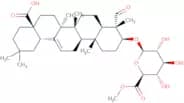
CAS :Gypsogenin-3-O-glucuronide is a saponin found in the roots of Gypsophila paniculata, a plant native to China. It has been shown to have anti-inflammatory and anti-tumor activities. Gypsogenin-3-O-glucuronide has been shown to inhibit tumor growth in mice by inhibiting protein synthesis. The pentasaccharides that make up gypsogenin are present in different proportions, which leads to differences in the biological activity of this compound. This is one of the reasons why saponins have not yet been fully explored for potential use in medicine.Formule :C37H56O10Degré de pureté :Min. 95%Couleur et forme :PowderMasse moléculaire :660.83 g/molTetra-guluronic acid sodium
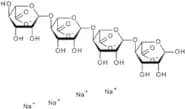
CAS :Tetra-guluronic acid sodium salt (1,4-linked α-L-sodium guluronotetraose) is one of a number of oligosaccharides obtained from alginate, a polysaccharide from brown seaweeds. It contains blocks of: repeating mannuronic acid sequences (M-M-M-M etc), repeating guluronic acid sequences (G-G-G-G etc), and alternating M-G-M-G sequences. This oligosaccharide can be released by acid hydrolysis and a number of biological activities have been discussed in a recent review.Formule :C24H30O25Na4Degré de pureté :Min. 98 Area-%Couleur et forme :White PowderMasse moléculaire :810.44 g/molMethyl 2,3-anhydro-4,6-O-benzylidene-α-D-allopyranose
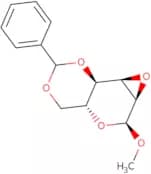
CAS :The device is a leafed, solid-state, responsive device that connects with the user's skin. It measures the user's skin conductance and then produces a signal corresponding to the degree of deliquescence based on a theory that links biophilia to evolutionary circuitry. The device has been shown to be effective in combination with other devices.Formule :C14H16O5Degré de pureté :Min. 95%Couleur et forme :PowderMasse moléculaire :264.27 g/mol2,3-Di-O-benzyl-b-cyclodextrin
<p>This beta-cyclodextrin (β-CD) derivative is a functionalized cyclic oligosaccharide composed of seven glucose units, characterized by a hydrophilic exterior and a lipophilic cavity (bigger than α-CD and smaller than γ-CDs), which allows it to encapsulate various guest molecules. This structural feature facilitates its use in multiple applications, including pharmaceuticals, food enhancement, and cosmetics. In the pharmaceutical industry, it enhances the solubility and stability of poorly water-soluble drugs, improving their bioavailability and efficacy while also masking unpleasant tastes. The food sector utilizes it as a stabilizer for flavors, colors, and nutrients, extending shelf life by protecting sensitive ingredients from degradation. In cosmetics, it serves as a complexing agent for fragrances and active components, ensuring their stability and controlled release. Its use expands to many other fields, including nanotechnology for drug delivery systems, environmental remediation for extracting organic pollutants, textiles for slow-release fragrances, and analytical chemistry for chiral separation.</p>Formule :C140H154O35Degré de pureté :Min. 95%Masse moléculaire :2,396.7 g/molMethyl 4,6-O-benzylidene-α-D-glucopyranoside
CAS :Methyl 4,6-O-benzylidene-α-D-glucopyranoside is a custom synthesis that can be used in the modification of complex carbohydrates. It is a high purity oligosaccharide with click modification and fluorination. The product is a monosaccharide sugar that has been synthesized by the process of glycosylation and hydrolysis. Methyl 4,6-O-benzylidene-α-D-glucopyranoside also has an Oligosaccharide, Polysaccharide, saccharide, Carbohydrate, Fluorination, complex carbohydrate, High purity, Modification, Monosaccharide, sugar, Synthetic.Formule :C14H18O6Degré de pureté :Min. 95%Couleur et forme :White Off-White PowderMasse moléculaire :282.29 g/mol(1R) -1- [(2S, 3R) - N-Benzyl-3- hydroxy- 1- azetidinyl] -1, 2- ethanediol
(1R) -1- [(2S, 3R) - N-Benzyl-3- hydroxy- 1- azetidinyl] -1, 2- ethanediol is a synthetic product that can be custom synthesized. It has been used in glycosylation reactions to produce oligosaccharides and monosaccharides. The chemical composition of the product is: C6H10O5 (CAS No. ).Degré de pureté :Min. 95%2-Acetamido-2-deoxy-3-O-(a-D-galactopyranosyl)-D-galactopyranose
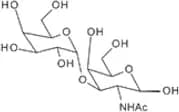
CAS :2-Acetamido-2-deoxy-3-O-(a-D-galactopyranosyl)-D-galactopyranose is a high purity, custom synthesis sugar that is modified with fluorination, glycosylation, and methylation. It has the CAS number 60283-31-0 and can be used in the modification of oligosaccharides and monosaccharides. This carbohydrate can be found in complex carbohydrates.Formule :C14H25NO11Degré de pureté :Min. 95%Couleur et forme :White PowderMasse moléculaire :383.35 g/mol2,3,4,6-Tetra-O-pivaloyl-D-mannopyranosyl fluoride
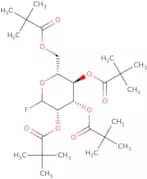
CAS :<p>2,3,4,6-Tetra-O-pivaloyl-D-mannopyranosyl fluoride is a carbohydrate that is synthesized by the modification of D-mannose with 4,6-dichlorohexanoic acid. It is a white powder with a melting point of 170°C. 2,3,4,6-Tetra-O-pivaloyl-D-mannopyranosyl fluoride can be used as a monosaccharide for glycosylation reactions or as an intermediate for custom synthesis. This product has been methylated and glycosylated before the final purification process. It has a high purity level and can be used in Click chemistry reactions.</p>Formule :C26H43FO9Degré de pureté :Min. 95%Couleur et forme :White PowderMasse moléculaire :518.61 g/mol2-(3,4-Dihydroxyphenyl)ethyl b-D-glucopyranoside
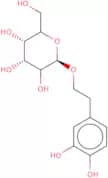
CAS :2-(3,4-Dihydroxyphenyl)ethyl b-D-glucopyranoside (2,3,4-DHPEB) is a naturally occurring phenolic acid. It has been shown to have antidepressant activity in mice and rats. 2,3,4-DHPEB inhibits the growth of Streptococcus faecalis by inhibiting fatty acid biosynthesis. This compound also has anti-inflammatory properties that may be due to its ability to inhibit prostaglandin synthesis. 2,3,4-DHPEB is a ligand for PPAR receptors and activates their transcriptional activity in cells. It has been shown to have chemopreventive effects against colon cancer cell lines and is able to induce apoptosis in tumor cells.Formule :C14H20O8Degré de pureté :Min. 95%Couleur et forme :PowderMasse moléculaire :316.3 g/mol2-Keto-D-glucose
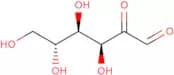
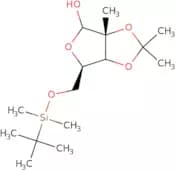
CAS :<p>2-Keto-D-glucose is a substrate molecule that is used in the study of plant physiology, enzyme kinetics, and metabolic regulation. It has been shown to be an important factor in redox potential and the activation of detoxification enzymes. 2-Keto-D-glucose has also been found to be an important factor in energy metabolism, as it can be converted into pyruvate and acetyl CoA. 2-Keto-D-glucose is a common substrate molecule for many enzymes, including glycolytic enzymes, hexokinase, alcohol dehydrogenase, lactate dehydrogenase, and phosphofructokinase. 2-Keto-D-glucose has also been found to play a role in human blood serum biochemistry by acting as a substrate for erythrocyte D glucose transporter protein and glycerol kinase.</p>Formule :C6H10O6Degré de pureté :Min. 98 Area-%Couleur et forme :White Beige Yellow PowderMasse moléculaire :178.14 g/mol5-O-tert-Butyldimethylsilyl-2,3-O-isopropylidene-2-C-methyl-D-ribofuranose
<p>5-O-tert-Butyldimethylsilyl-2,3-O-isopropylidene-2-C-methyl-D-ribofuranose is a 2'C methyl ribose derivative.</p>Formule :C15H30O5SiDegré de pureté :Min. 95%Masse moléculaire :318.49 g/molD-Gluconic acid zinc (II) salt
CAS :D-Gluconic acid zinc salt is an inorganic compound that is used to treat deficiencies of D-gluconate. It is a salt of zinc and D-gluconic acid, which is a natural metabolite found in the human body. This compound can be used to maintain healthy levels of D-gluconate in the tissues and help control symptoms related to deficiencies. The efficiency of this method has been demonstrated by an in vitro test on human femur cells. A profile analysis showed that D-gluconic acid zinc salt was able to minimize the severity of symptoms associated with deficiencies caused by gluconate deficiency, such as tissue sensitivity and bone degradation.Formule :C12H22O14ZnDegré de pureté :Min. 95%Couleur et forme :White PowderMasse moléculaire :455.68 g/molN-Acetyl-D-glucosamine-6-phosphate disodium
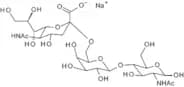
CAS :<p>Intracellular form of GlcNAc; substrate for GlcNAc-phosphate deacetylase</p>Formule :C8H16NO9P•Na2Degré de pureté :Min. 98 Area-%Couleur et forme :White Off-White PowderMasse moléculaire :347.17 g/mol6'-a-Sialyl-N-acetyllactosamine sodium salt
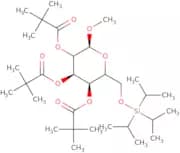
CAS :Sialylated trisaccharide found in human urineFormule :C25H41N2NaO19Degré de pureté :Min. 95%Couleur et forme :PowderMasse moléculaire :696.6 g/molMethyl 2,3,4-tri-O-pivaloyl-6-O-triisopropylsilyl-a-D-glucopyranoside
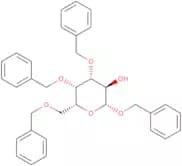
<p>Methyl 2,3,4-tri-O-pivaloyl-6-O-triisopropylsilyl-a-D-glucopyranoside is a synthetic, fluorinated monosaccharide that belongs to the group of oligosaccharides. It is used in the synthesis of complex carbohydrates. Methyl 2,3,4-tri-O-pivaloyl-6-O-triisopropylsilyl-a-D-glucopyranoside is a custom synthesis and can be modified with methylation or click chemistry. Methyl 2,3,4 - tri - O - pivaloyl - 6 - O - triisopropylsilyl - a - D - glucopyranoside has CAS number <br>Methyl 2,3,4 – tri – O – pivaloyl – 6 – O – triisopropylsily</p>Formule :C31H58O9SiDegré de pureté :Min. 95%Masse moléculaire :602.89 g/mol1,3,4,6-Tetra-O-benzyl-b-D-galactopyranoside
CAS :1,3,4,6-Tetra-O-benzyl-b-D-galactopyranoside is a custom synthesis that has been modified with methylation and fluorination. It is an oligosaccharide composed of saccharides linked by glycosidic bonds. Carbohydrates are polymers of monosaccharides, which can be classified as either simple sugars or complex carbohydrates. This product is a high purity, synthetic sugar that is suitable for use in the synthesis of complex carbohydrate polymers.Formule :C34H36O6Degré de pureté :Min. 95%Couleur et forme :PowderMasse moléculaire :540.65 g/molN-Azidoacetylglucosamine
CAS :Click reagent for metabolic labeling of GlcNAcFormule :C8H14N4O6Degré de pureté :Min. 95%Couleur et forme :PowderMasse moléculaire :262.22 g/molValiolamine
CAS :<p>Inhibitor of alpha-glucosidase</p>Formule :C7H15NO5Degré de pureté :Min. 95%Couleur et forme :White PowderMasse moléculaire :193.2 g/molHuman milk neutral di- to -tetrasaccharides
This mixture contains some of the lower oligosaccharides found in human milk. There are small amounts of lactose but the bulk of the mixture are tri- and tetrasaccharides. 3-Fucosyllactose, 3'-Sialyllactose, 6'-Sialyllactose, Lacto-N-tetraose, Sialyllacto-N-tetraose b, Sialyllacto-N-tetraose b and Blood Group A tetrasaccharide type V are the major components that have been found in the mixture by chromatography but there may be other minor components not mentioned here.Degré de pureté :Min. 95%Methyl 3-O-Benzyl-N-butyl-2,4-dideoxy-2,4-imino-a-L-ribopyranoside
<p>Methyl 3-O-Benzyl-N-butyl-2,4-dideoxy-2,4-imino-a-L-ribopyranoside is a high purity compound that is custom synthesized to order. It has been fluorinated and modified with methyl groups. Methyl 3-O-Benzyl-N-butyl can be used in glycosylation and click chemistry reactions. This product is a complex carbohydrate that can be used in the synthesis of oligosaccharides and saccharides.</p>Degré de pureté :Min. 95%D-Sedoheptulose-7-phosphate barium salt-2,3,4,5,6,7-13C6
<p>D-Sedoheptulose-7-phosphate barium salt-2,3,4,5,6,7-13C6 is a high purity synthetic sugar. It is a custom synthesis that has been modified with fluorination and glycosylation. This product can be used in the production of complex carbohydrates such as oligosaccharides and monosaccharides.</p>Degré de pureté :Min. 95%Methyl 2,3,4-tri-O-methyl-β-D-xylopyranoside
CAS :<p>Fully protected xylopyranoside</p>Formule :C9H18O5Degré de pureté :Min. 95%Couleur et forme :PowderMasse moléculaire :206.24 g/mol2,3,4,6-Tetra-O-benzyl-D-glucono-1,5-lactone
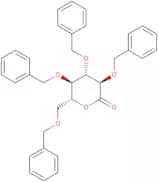
CAS :<p>Intermediate in the synthesis of tofogliflozin</p>Formule :C34H34O6Degré de pureté :Min. 95%Couleur et forme :PowderMasse moléculaire :538.63 g/molN-Methyl-D-glucamine HCl
CAS :N-Methyl-D-glucamine HCl is a salt of N-methylglucamine and hydrochloric acid. It is used as a buffer to maintain the pH of solutions at a desired level. N-Methyl-D-glucamine HCl has an inhibition constant (Ki) of 0.5 mM for glutamate, which can be used to measure the concentration of glutamate in tissue samples or reaction mixtures. This compound also inhibits locomotor activity, and its effect on blood pressure may be due to its ability to inhibit amines. The Ki for chloride is approximately 2 mM, and it can be used to measure the concentration of chloride in solution.Formule :C7H17NO5·HClCouleur et forme :PowderMasse moléculaire :231.67 g/mola,a-D-Trehalose dihydrate
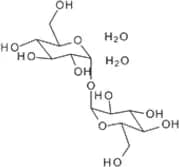
CAS :Trehalose is a naturally occurring disaccharide found in many organisms. Its role in nature is as versatile as its applications in the laboratory. Trehalose is synthesised by cells in response to stress and helps retaining the cellular integrity under tough conditions. An important function of trehalose is to stabilise protein structures and to prevent proteins from their degradation. Researchers use trehalose for instance as a carbon source in selective microbiological media, as desiccation protectant and for cryoprotection.Formule :C12H22O11·2H2ODegré de pureté :(%) Min. 98%Couleur et forme :White PowderMasse moléculaire :378.33 g/molAllyl α-D-galactopyranoside
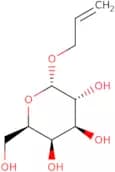
CAS :Allyl α-D-galactopyranoside is a colorimetric reagent that reacts with the polysaccharides to form a colored product. The reaction is based on the transfer of an allyl group from the reagent to the polysaccharide. This reaction can be performed using atomic force microscopy and microscopy techniques, as well as using light and UV-visible spectroscopy. The reaction can also be used to measure glycopolymer concentrations. A titration procedure has been developed for this purpose, in which an excess of allyl α-D-galactopyranoside is added to a solution containing galactose and ammonium sulfate. Allyl α-D-galactopyranoside reacts with galactose to produce an insoluble precipitate that can be measured by weighing or using optical density measurements at a certain wavelength.Formule :C9H16O6Degré de pureté :Min. 97 Area-%Couleur et forme :White Off-White PowderMasse moléculaire :220.22 g/mol(2S,3R,4S)-2-(Benzoyloxy)methyl-3,4,N-tri-O-benzoyl-5-methyl-pyrrolidine-3,4-diol
(2S,3R,4S)-2-(Benzoyloxy)methyl-3,4,N-tri-O-benzoyl-5-methyl-pyrrolidine-3,4-diol is a high purity synthetic carbohydrate that is custom synthesized to your specifications. It can be used for saccharide and oligosaccharide modification or glycosylation. (2S,3R,4S)-2-(Benzoyloxy)methyl-3,4,N-tri-O-benzoyl-5-methyl-pyrrolidine-3,4-diol is prepared from benzoyl chloride and 3'-chloroacetyl chloride in the presence of triethylamine. This product is available for methylation and click chemistry modification.Degré de pureté :Min. 95%


![Hexahydro- 1, 2, 8- tris-acetoxy- [1S- (1a, 2a, 8a, 8ab) ]-5(1H) -indolizinone](/_next/image/?url=https%3A%2Fstatic.cymitquimica.com%2Fproducts%2F3D%2Fthumb-webp%2FMH163921.webp&w=3840&q=75)
![2-(2,3,6-Tri-O-acetyl-4-O-[(2,3,4,6-tetra-O-acetyl-a-D-glucopyranosyl)]-b-D-glucopyranosyl) thiops…](/_next/image/?url=https%3A%2Fstatic.cymitquimica.com%2Fproducts%2F3D%2Fthumb-webp%2FOT10963.webp&w=3840&q=75)









![2-Acetamido-2-deoxy-4-O-([4-O-b-D-galactopyranosyl]-b-D-galactopyranosyl)-D-glucopyranose](/_next/image/?url=https%3A%2Fstatic.cymitquimica.com%2Fproducts%2F3D%2Fthumb-webp%2FOA07925.webp&w=3840&q=75)








![(1R) -1- [(2S, 3R) - N-Benzyl-3- hydroxy- 1- azetidinyl] -1, 2- ethanediol](/_next/image/?url=https%3A%2Fstatic.cymitquimica.com%2Fproducts%2F3D%2Fthumb-webp%2FMB163413.webp&w=3840&q=75)