Glycosciences
La glycosciences est l'étude des glucides et de leurs dérivés, ainsi que des interactions et des fonctions biologiques auxquelles ils participent. Ce domaine de recherche est crucial pour comprendre une grande variété de processus biologiques, y compris la reconnaissance cellulaire, la signalisation, la réponse immunitaire et le développement des maladies. La glycosciences a des applications importantes en biotechnologie, en médecine et dans le développement de nouveaux médicaments et thérapies. Chez CymitQuimica, nous proposons une large sélection de produits de haute qualité et pureté pour la recherche en glycosciences. Notre catalogue comprend des monosaccharides, des oligosaccharides, des polysaccharides, des glyconjugués et des réactifs spécifiques, conçus pour soutenir les chercheurs dans leurs études sur la structure, la fonction et les applications des glucides dans les systèmes biologiques. Ces ressources sont destinées à faciliter les découvertes scientifiques et les applications pratiques dans divers domaines des biosciences et de la médecine.
Sous-catégories appartenant à la catégorie "Glycosciences"
- Aminosucres(108 produits)
- Anticorps Glyco-Related(282 produits)
- Glycolipides(46 produits)
- Glycosaminoglycanes (GAGs)(55 produits)
- Glycosides(419 produits)
- Monosaccharides(6.624 produits)
- Oligosaccharides(3.682 produits)
- Polysaccharides(503 produits)
11046 produits trouvés pour "Glycosciences"
Trier par
Degré de pureté (%)
0
100
|
0
|
50
|
90
|
95
|
100
Propofol b-D-glucuronide sodium salt
CAS :<p>Propofol b-D-glucuronide sodium salt is a white crystalline powder that is soluble in water. It is not known whether or not this product contains any impurities. This product is custom synthesized and modified to contain a carbohydrate, which is a complex carbohydrate consisting of sugar molecules linked together by glycosidic bonds. This product also contains an oligosaccharide, which is composed of a saccharide and several other monosaccharides, polysaccharides, or both. The saccharides in this product are glycosylated and methylated with fluorine groups on the sugar molecule.</p>Formule :C18H25NaO7Degré de pureté :Min. 95%Masse moléculaire :376.38 g/mol(1S) -1- [(2R, 3S) -N-Benzyl-3-hydroxy- 1- azetidinyl] -1, 2- ethanediol
<p>This product is a custom-synthesized, complex carbohydrate with the CAS number of 12078-03-7. This product is an Oligosaccharide that has been modified with saccharides and methylated. It has been glycosylated and click modified. The product is a sugar that has been fluorinated and synthesized. It has high purity and is synthetic.</p>Degré de pureté :Min. 95%1-Bromo-2,3,4,6-tetra-O-acetyl-alpha-D-galactopyranoside
CAS :<p>Donor for Koenigs-Knorr type galactosylation and other anomeric substitutions</p>Formule :C14H19BrO9Degré de pureté :Min. 95%Couleur et forme :White PowderMasse moléculaire :411.2 g/mol3-Azido-3-deoxy-1,2-O-isopropylidene-a-D-xylofuranose
<p>3-Azido-3-deoxy-1,2-O-isopropylidene-a-D-xylofuranose is a synthetic sugar that can be used for glycosylation, methylation and modification. This product has CAS number 68438-65-6 and molecular weight of 229.33. The product has a purity of greater than 99%. It is a white powder that can be dissolved in water or ethanol. 3-Azido-3-deoxy-1,2-O-isopropylidene -a -D -xylofuranose is an oligosaccharide with the formula CHNO(CHOH)C(HO)(CHNH)CHO. 3AODXF is a monosaccharide with the formula CHNO(CHOH)C(HO)(CHNH)COOH. Monosaccharides are carbohydrates that contain only one sugar unit (mono</p>Degré de pureté :Min. 95%(1R) -1- [(2S, 3R,4S) -4-(Acetylamino)methyl-N-methyl-3- hydroxy- 1- azetidinyl] -1, 2- ethanediol
<p>(1R) -1- [(2S, 3R,4S) -4-(Acetylamino)methyl-N-methyl-3- hydroxy- 1- azetidinyl] -1, 2- ethanediol is a fluorinated monosaccharide that is synthetically designed to be an analog of glucose. It is a custom synthesis and can be glycosylated, polysaccharide modified, or methylated. This product has CAS number 184497-92-7 and purity of ≥98%.</p>Degré de pureté :Min. 95%2,3,4,6-Tetra-O-acetyl-b-D-thiogalactopyranose sodium salt
CAS :<p>2,3,4,6-Tetra-O-acetyl-β-D-thiogalactopyranose sodium salt is a high purity custom synthesis sugar with a click modification. The fluorination and glycosylation are carried out to give the desired product. It has CAS No. 73962-00-2 and is a synthetic carbohydrate that can be used in oligosaccharides, monosaccharides, saccharide and complex carbohydrates.</p>Formule :C14H19O9SNaDegré de pureté :Min. 95%Masse moléculaire :386.35 g/mol1,2,3,4-Tetra-O-benzoyl-6-O-tert-butyldimethylsilyl-b-D-glucopyranose
CAS :<p>1,2,3,4-Tetra-O-benzoyl-6-O-tert-butyldimethylsilyl-b-D-glucopyranose is a custom synthesis. It is an oligosaccharide that is glycosylated with methyl groups and fluorinated. This product has a purity of >99% and can be used as a substitute for natural glycosides in pharmaceuticals or other applications.</p>Formule :C40H42O10SiDegré de pureté :Min. 95%Masse moléculaire :710.86 g/molMaltodextrin - dextrose equivalent 13.0-17.0
CAS :<p>Produced from starch; white hygroscopic spray-dried powder; easily digestible</p>Degré de pureté :Min. 95%Couleur et forme :White Powder7-Deoxy-3,4:5,6-di-O-isopropylidene-L-glycero-L-gulo-heptitol
<p>7-Deoxy-3,4:5,6-di-O-isopropylidene-L-glycero-L-guloheptitol is a custom synthesis of a monosaccharide that is modified with fluorination, methylation, and click modification. It has been shown to be a polysaccharide and complex carbohydrate.</p>Degré de pureté :Min. 95%Tri-O-benzoyl-b-cyclodextrin
<p>This beta-cyclodextrin (β-CD) derivative is a functionalized cyclic oligosaccharide composed of seven glucose units, characterized by a hydrophilic exterior and a lipophilic cavity (bigger than α-CD and smaller than γ-CDs), which allows it to encapsulate various guest molecules. This structural feature facilitates its use in multiple applications, including pharmaceuticals, food enhancement, and cosmetics. In the pharmaceutical industry, it enhances the solubility and stability of poorly water-soluble drugs, improving their bioavailability and efficacy while also masking unpleasant tastes. The food sector utilizes it as a stabilizer for flavors, colors, and nutrients, extending shelf life by protecting sensitive ingredients from degradation. In cosmetics, it serves as a complexing agent for fragrances and active components, ensuring their stability and controlled release. Its use expands to many other fields, including nanotechnology for drug delivery systems, environmental remediation for extracting organic pollutants, textiles for slow-release fragrances, and analytical chemistry for chiral separation.</p>Formule :C189H154O56Degré de pureté :(%) Min. 95%Couleur et forme :PowderMasse moléculaire :3,321.20 g/molChitopentaose hydrochloride
CAS :<p>Pentasaccharide derived from chitin</p>Formule :C30H57N5O21·5HClDegré de pureté :Min. 95 Area-%Couleur et forme :White PowderMasse moléculaire :1,006.01 g/mol1-O-Acetyl-2,3,5-tri-O-benzoyl-b-L-ribofuranose
CAS :<p>1-O-Acetyl-2,3,5-tri-O-benzoyl-b-L-ribofuranose is a reactive proton that has been shown in kinetic studies to be able to react with chloride ions. It is a stereoselective molecule that can be used to produce xanthosine (X), guanosine (G), and 2-aminoadenosine (A) from the corresponding ribofuranosides. 1-O-Acetyl-2,3,5-tri-O-benzoyl ribofuranose has been shown to inhibit viral replication in the case of hepatitis B and C viruses. This compound also inhibits cross coupling reactions with anions such as chloride ions and can be used as a potential antiviral agent or drug candidate for treatment of chronic hepatitis C infections.</p>Formule :C28H24O9Degré de pureté :Min. 95%Couleur et forme :White PowderMasse moléculaire :504.48 g/mol1-Deoxy-2,3:4,5-Bis-O-(1-methylethylidene)- D-glycero-D-gulo-heptitol
CAS :<p>1-Deoxy-2,3:4,5-Bis-O-(1-methylethylidene)-D-glycero-D-guloheptitol is a fluorinated monosaccharide that is synthesized to have a specific glycosylation pattern. This product is used in the synthesis of complex carbohydrates, glycosylations and polysaccharides. 1-Deoxy-2,3:4,5-Bis-O-(1-methylethylidene)-D-glycero--D--guloheptitol has high purity and can be custom synthesized to order.</p>Degré de pureté :Min. 95%4-O-Benzyl-2-O-levulinoyl-3-O-para-methoxybenzyl-a-L-rhamnopyranosyl trichloroacetimidate
<p>4-O-Benzyl-2-O-levulinoyl-3-O-para-methoxybenzyl-a-L-rhamnopyranosyl trichloroacetimidate is a synthetic sugar that has been fluorinated and methylated. It has been custom synthesized for use in glycosylation and is also used as a reagent for click chemistry to modify complex carbohydrates. This compound is available with high purity, which is determined by its chemical composition, including the absence of impurities and the presence of only one type of atom. 4-O-Benzyl--2--O--levulinoyl--3--O--para--methoxybenzyl--a--L--rhamnopyranosyl trichloroacetimidate can be found on CAS registry number 10082282.</p>Formule :C28H32Cl3NO8Degré de pureté :Min. 98 Area-%Masse moléculaire :616.91 g/molPullulan
CAS :<p>Pullulan is a polysaccharide that is made up of D-glucose units linked in a beta-1,6 configuration. Pullulan has been used as a model system to study the molecular mechanisms of intramolecular hydrogen transfer reactions. The process optimization of pullulan production was studied using skin cells and structural analysis. This polymer is also used in food hydrocolloids, where it can be used to control the phase transition temperature. Pullulan has also been shown to have anti-angiogenic effects on liver cells and water vapor absorption properties.</p>Formule :(C6H12O5)nD-Mannoheptulose
CAS :<p>Inhibitor of glucokinases and hexokinases</p>Formule :C7H14O7Degré de pureté :Min. 98.0 Area-%Couleur et forme :White PowderMasse moléculaire :210.18 g/mol3,4,6-Tri-O-benzyl-1-deoxy-D-sorbofuranose
3,4,6-Tri-O-benzyl-1-deoxy-D-sorbofuranose is a custom synthesis of a monosaccharide that can be modified to include other sugars. It is an example of a complex carbohydrate, which are carbohydrates composed of multiple saccharides. Carbohydrates are vital for all living organisms as they provide the basic fuel for cellular respiration and serve as structural components of cells and tissues. 3,4,6-Tri-O-benzyl-1-deoxy-D-sorbofuranose is used in the synthesis of polysaccharides and glycosylations. This compound has been fluorinated to create an important chemical intermediate for synthesizing saccharides with a high purity.Degré de pureté :Min. 95%b-D-Galactosylceramide
CAS :<p>Inducer of cytochine and chemochine production in blood cells</p>Degré de pureté :Min. 95%3-Fucosyllactose
CAS :<p>3-Fucosyllactose (3-FL) is a small and neutral human milk oligosaccharide (HMO) that is metabolized by bacteria in the large intestine. It's a trisaccharide composed of L-fucose, D-galactose and D-glucose and like many other HMOs it offers great interest for the studies of baby milk formula.</p>Formule :C18H32O15Degré de pureté :Min. 95%Couleur et forme :White PowderMasse moléculaire :488.44 g/mol2,3,4-Tri-O-acetyl-b-L-arabinopyranosyl azide
<p>2,3,4-Tri-O-acetyl-b-L-arabinopyranosyl azide is a custom synthesis that is modified with fluorination, methylation, and monosaccharide. It can be synthesized using click modification and oligosaccharide. This compound is a carbohydrate that has saccharide as its main component. Carbohydrate is the most abundant organic molecule in the human body. Complex carbohydrates are polysaccharides made up of many monosaccharides linked together. Polysaccharides are also called glycans or glycosaminoglycans (GAGs). Glycosylation is the process by which sugars are attached to proteins or lipids.</p>Formule :C5H9N3O4Degré de pureté :Min. 95%Masse moléculaire :175.14 g/molMan-8D1D2 N-Glycan
<p>Man-8D1D2 N-glycan is a synthetic glycan that is used as a monosaccharide or polysaccharide. This product is produced through the modification of the natural Man-8D1D2 glycan by the addition of fluorine atoms and methyl groups to the sugar, making it a useful reagent for chemical synthesis. The purity of this product is high and its CAS number is 56612-59-6.</p>Degré de pureté :Min. 95%GD2-Oligosaccharide
<p>GD2 oligosaccharide is the core trisaccharide structure of the ganglioside GD2 (sodium salt) (GalNAcβ1,4Galβ1,4Glc) with its two sialic acids linked α2,3/α2,8 to the central galactose residue (Ledeen, 2009). GD2 ganglioside is expressed at a low concentration in the central nervous system, nerves, skin melanocytes and stem cells in healthy adults. On the other hand, GD2 ganglioside is overexpressed in a number of tumors, including: neuroblastoma, melanoma, small cell lung carcinoma and brain tumors. Recently, GD2 ganglioside has been found in low concentrations on breast cancer stem cells (CSC) that possess: self-renewal properties (division without disrupting the undifferentiated state) and tumor-initiating capabilities. It has been suggested that GD2 ganglioside may be developed as an effective target antigen for CSC immunotherapy (Fleurence, 2017).</p>Formule :C42H67N3O32Na2Degré de pureté :Min. 95%Couleur et forme :White PowderMasse moléculaire :1,171.96 g/molD-Xylo-Pentodialdose-5-hydrate
<p>D-Xylo-Pentodialdose-5-hydrate is a custom synthesis that is used for the preparation of oligosaccharides and polysaccharides. It is an active form that is synthesized by the fluorination of D-xylose. The monomeric sugar penta-D-xylo-D-galactopyranoside has a molecular weight of 259.28 g/mol and a purity of >99%. This compound has been modified in order to increase its activity.</p>Degré de pureté :Min. 95%1,1-Di-C-allyl-2-O-benzyl-3,4-di-O-isopropylidene-2,4-di-C-methyl-L-arabinopyranose
<p>1,1-Di-C-allyl-2-O-benzyl-3,4-di-O-isopropylidene-2,4-di-C-methyl arabinopyranose is a methylated saccharide that has been synthesized by Click chemistry. It is a custom synthesis with high purity and high yield. 1,1 Di C allyl 2 O benzyl 3 4 di O isopropylidene 2 4 di C methyl arabinopyranose can be used as an artificial sweetener or as a sugar substitute in food products. This product can be modified to suit the needs of the customer.</p>Degré de pureté :Min. 95%2-Amino-2-deoxy-D-talose
CAS :<p>2-Amino-2-deoxy-D-talose (2ADDT) is an intermediate in the synthesis of 2,3:4,5-di-O-acetylideneamino-2,3:4,5-di-O-methylideneamino D -talose. It is obtained by the hydrolysis of 2,3:4,5-di-O-acetylideneamino D -talose with hydrochloric acid and methanol. The product is a white solid that can be purified by recrystallization from water or ethanol.<br>2ADDT can be converted to 2,3:4,5-di - O - acetylideneamino D - talose by treatment with sodium methoxide in methanolic solution. 2ADDT also reacts with nitromethane in methanolic solution to produce d - lyxose and 1 deoxy 1 nitro</p>Degré de pureté :Min. 95%2,3-Di-O-benzoyl-L-threonic acid-1,4-lactone
<p>2,3-Di-O-benzoyl-L-threonic acid-1,4-lactone is a custom synthesis of a fluorinated monosaccharide methylated at the C2 position. It is an oligosaccharide with a saccharide and polysaccharide linkage. The glycosylation of this compound has been modified by the Click chemistry reaction to create new sugar moieties.</p>Degré de pureté :Min. 95%Maltohexaose
CAS :<p>Maltohexaose is a polysaccharide formed by 6 units of glucose and can be metabolised inside the cell to a substrate-based inhibitor of fucosyltransferases. It can also be converted to GDP-2-deoxy-2-fluoro-L-fucose, a competitive inhibitor of α-1,3-fucosyltransferase. Matohexaose is used as acceptor for measuring the activity of 4-Alpha-Glucanotransferase.</p>Formule :C36H62O31Degré de pureté :Min. 70 Area-%Couleur et forme :White PowderMasse moléculaire :990.86 g/molLipopolysaccharide - from Porphyromonas gingivalis
CAS :<p>Lipopolysaccharide (LPS) is a molecule that is produced by Porphyromonas gingivalis. This molecule is also found in the outer membranes of Gram-negative bacteria and has been shown to have many effects on animal tissues. LPS activates HIF-1α, which leads to the production of inflammatory cytokines such as necrosis factor (TNF), and interferon regulatory factors (IRFs). These molecules signal for the production of more LPS. LPS also causes tissue growth and development by activating growth factors such as insulin-like growth factor 1. LPS also activates immune cells through signaling with chemokine receptors, promoting inflammation.</p>Degré de pureté :Min. 95%Couleur et forme :Solid2,3,4,6-Tetra-O-benzyl-D-mannopyranose
CAS :<p>2,3,4,6-Tetra-O-benzyl-D-mannopyranose is a trisaccharide that consists of two covalently linked glycosyl acceptors and one galacto moiety. This molecule is synthesized by chemoenzymatic synthesis and can be found in the biosynthesis of trehalose. 2,3,4,6-Tetra-O-benzyl-D-mannopyranose is an anomeric form of D-glucopyranose. The anomeric form is determined by the orientation of the hydroxyl group at C1' with respect to the anomeric carbon atom at C2'. This molecule has been isotopically labelled with 13C and 15N for use in studies on carbohydrate metabolism.</p>Formule :C34H36O6Degré de pureté :90%Couleur et forme :Yellow PowderMasse moléculaire :540.65 g/molLaminaripentaose
CAS :<p>Ex algal/bacterial polysaccharides-value in b1-3 glucanase assays & diagnostics</p>Formule :C30H52O26Degré de pureté :Min. 85 Area-%Couleur et forme :PowderMasse moléculaire :828.72 g/molLacto-N-hexaose
CAS :<p>Neutral hexasasaccharide naturally present in human breast milk</p>Formule :C40H68N2O31Degré de pureté :Min. 95%Couleur et forme :White PowderMasse moléculaire :1,072.96 g/moliminosugar 2
<p>Iminosugar 2 is a custom synthesis that is modified with fluorination, methylation, and click modification. This product is a monosaccharide and an oligosaccharide that has glycosylation. It is a saccharide that has polysaccharides as complex carbohydrates. Iminosugar 2 can be used in the production of polymers and pharmaceuticals.</p>Degré de pureté :Min. 95%FA2B N-Glycan
CAS :<p>FA2B N-glycan also know as asialo, agalacto, core-fucosylated, bisected, bi-antennary N-linked glycan.</p>Degré de pureté :Min. 95%Masse moléculaire :1,667 g/molNGA3 Glycan, 2-AB labelled
<p>NGA3 Glycan, 2-AB labelled is an oligosaccharide that is a complex carbohydrate. It is a polysaccharide that contains saccharides, which are sugars. The saccharides in this compound are monosaccharides, which are single sugar units. This compound has been modified and can be used for the detection of methylation.</p>Degré de pureté :Min. 95%1,6-Anhydro-b-D-cellopentose
CAS :1,6-Anhydro-b-D-cellopentose is a synthetic cello-oligomerFormule :C30H50O25Degré de pureté :Min. 95%Couleur et forme :PowderMasse moléculaire :810.7 g/mol[UL-¹³C₁₂]Sucrose
CAS :<p>Sucrose is a sugar that is used as a food additive. It is the disaccharide of glucose and fructose, which are two monosaccharides. Sucrose can be synthesized by the glycosylation of glucose and fructose in an α-1,2 linkage. Sucrose can also be synthesized by the fluorination of sucrose followed by methylation with methylamine. The synthesis of sucrose starts with the reaction of acrylonitrile with formaldehyde to produce acrylonitrile trimer, which is then reacted with methanol to produce methyl 3-hydroxybutyrate. This product undergoes a series of reactions to form sucrose.</p>Formule :C12H22O11Degré de pureté :Min. 98 Area-%Couleur et forme :PowderMasse moléculaire :354.21 g/mol7-Deoxy-L-glycero-D-gluco-heptitol
<p>7-Deoxy-L-glycero-D-gluco-heptitol is a custom synthesis of an oligosaccharide that has been fluorinated and modified. This product is made up of seven sugar molecules, including three monosaccharides and four disaccharides. It is a complex carbohydrate with a high purity level. The modification process includes methylation, click modification, and fluorination.</p>Degré de pureté :Min. 95%4-Azido-4-deoxy-D-glucose
CAS :<p>4-Azido-4-deoxy-D-glucose (4A4DG) is a potential inhibitor of lactose synthase, which is an enzyme that catalyzes the synthesis of lactose from glucose. 4A4DG is an azide analogue of D-glucose and acts as an acceptor substrate for the enzyme. It has been found to be crystalline in nature and is composed of a monosaccharide. 4A4DG has been used in syntheses of several analogues of D-glucose and can be used as a potential inhibitor for lactose synthase.</p>Formule :C6H11N3O5Degré de pureté :Min. 95%Couleur et forme :White PowderMasse moléculaire :205.17 g/mol5-Ketomannose
CAS :<p>5-Ketomannose is a catalytic α-d-mannopyranoside that is used as a glycosidase inhibitor. It binds to the active site of glycosidases, blocking their activity and inhibiting the breakdown of carbohydrates. 5-Ketomannose has been shown to inhibit the action of a number of enzyme types, including glycosidases, glycoprocessing enzymes, and catalytic hydrogenation. This compound also inhibits deoxymannojirimycin, which is an inhibitor of glycosidase. 5-Ketomannose has anti-inflammatory effects and may be useful for treatment in inflammatory bowel disease (IBD) or ulcerative colitis.</p>Formule :C6H10O6Degré de pureté :Min. 95%Couleur et forme :PowderMasse moléculaire :178.14 g/mol4-Methoxyphenyl 2-azido-3,6-di-O-benzyl-2-deoxy-b-D-glucopyranoside
CAS :4-Methoxyphenyl 2-azido-3,6-di-O-benzyl-2-deoxy-b-D-glucopyranoside is a supramolecular compound that belongs to the group of curcumin analogs. It has shown anticancer activity against human papilloma virus and intestinal papilloma. 4-Methoxyphenyl 2-azido-3,6-di-O-benzyl-2-(2′,4′,6′)triphosphate is a hybridized compound with low bioavailability. This compound can be used for the treatment of cancers and other diseases as an anticancer agent.Formule :C27H29N3O6Degré de pureté :Min. 95%Couleur et forme :White PowderMasse moléculaire :491.54 g/mol1-Amino-1-deoxy-D-fructose hydrochloride
CAS :<p>1-Amino-1-deoxy-D-fructose hydrochloride is a chemical compound that has been used to study the effects of DNA damage on the rate of protein synthesis. 1-Amino-1-deoxy-D-fructose hydrochloride has been shown to be a strong inhibitor of DNA replication, particularly at sites where there is a high frequency of damaged bases. It also damages the DNA by cleaving it into fragments and inhibits protein synthesis by altering the sequences of DNA. The extent of damage caused by 1-amino-1-deoxy D fructose hydrochloride can be determined by analyzing the sequences in polyacrylamide gels after denaturing them. The reaction time for this chemical is short, so it can be used in studies with short reaction times.</p>Formule :C6H13NO5·HClDegré de pureté :Min. 95%Couleur et forme :White PowderMasse moléculaire :215.63 g/mol4-Hydroxy-L-isoleucine
CAS :<p>Insulinotropic; anti-diabetic</p>Formule :C6H13NO3Degré de pureté :Min. 98 Area-%Couleur et forme :White PowderMasse moléculaire :147.17 g/molPhenylethyl β-D-galactopyranoside
CAS :<p>Phenylethyl b-D-galactopyranoside is a galactose compound that can be hydrolyzed by esterases in the presence of water. It is toxic to organisms, such as E. coli and S. typhimurium, at high concentrations and can be used for the treatment of infections caused by these bacteria. Phenylethyl b-D-galactopyranoside has been shown to have a permeability effect on cells, which may be due to its ability to inhibit the production of ATP in the cell membrane by blocking specific enzymes that are responsible for ATP synthesis.</p>Formule :C14H20O6Degré de pureté :Min. 95%Couleur et forme :PowderMasse moléculaire :284.31 g/molDifucosyllacto-N-tetraose
<p>Difucosyllacto-N-tetraose is a lacto-n-fucopentaose that has been shown to be secreted by human milk. The index of this oligosaccharide is not significantly different between breastfed and formula-fed infants, which indicates that it is not influenced by the type of infant feed. Difucosyllacto-N-tetraose can be used as a marker for the frequency of infections in neonates and infants, because its levels are decreased in cases of infection. This oligosaccharide is also related to the diversity of oligosaccharides in colostrum, as it is one component of a subset found only in colostrum samples from healthy mothers.</p>Formule :C38H65NO29Degré de pureté :Min. 95%Masse moléculaire :999.92 g/mol2,3,5,6-Tetra-O-trimethylsilyl-D-glucono-1,4-lactone
2,3,5,6-Tetra-O-trimethylsilyl-D-glucono-1,4-lactone is a monosaccharide that has been modified with trimethylsilyl groups. This modification protects the molecule from undesired degradation and enables various chemical reactions to be performed. 2,3,5,6-Tetra-O-trimethylsilyl-D-glucono-1,4-lactone can be used as an intermediate in the synthesis of oligosaccharides and polysaccharides. It can also be used to modify saccharides by fluorination or methylation.Formule :C18H42O6Si4Degré de pureté :Min. 95%Masse moléculaire :466.86 g/mol2-Azido-((R)-3,6-O-benzylidene)-2,6-dideoxy- L-galacto(gluco)furanose
CAS :<p>2-Azido-((R)-3,6-O-benzylidene)-2,6-dideoxy- L-galacto(gluco)furanose is a synthetic sugar that is used as a substrate in glycosylation reactions. It is also used for click modification and fluorination reactions. The chemical structure of 2-azido-(R)-3,6-O-benzylidene)-2,6-dideoxy-- L--galacto(gluco)furanose is shown below:</p>Degré de pureté :Min. 95%Stachyose hydrate
CAS :Stachyose hydrate is a methylated, custom-synthesized, click-modified oligosaccharide that is used as a synthetic complex carbohydrate. It is synthesized from the saccharide stachyose by fluorination and modification with methyl groups. This product may be used in biological research or as a fluoropolymer precursor. Stachyose hydrate has been shown to have high purity and can be modified to contain monosaccharides and sugars.Formule :C24H42O21·xH2ODegré de pureté :Min. 98.0 Area-%Masse moléculaire :666.58 g/molFructosyl-lysine
CAS :<p>Fructosyl-lysine is a substituted lysine that is formed through the glycation of proteins by sugars. It can be detected by fluorescence spectrometry and has been shown to inhibit the activity of receptor tyrosine kinases, which are involved in physiological functions such as cell growth and differentiation. Fructosyl-lysine also inhibits collagen synthesis and reduces the amount of glucose in human serum. This compound may be used as a model system to study glycation reactions with lysine, fatty acids, and other amino acids. The concentration of fructosyl-lysine found in human serum is at physiological levels and may not have any effect on antibody response.</p>Formule :C12H24N2O7Degré de pureté :Min. 95%Couleur et forme :PowderMasse moléculaire :308.33 g/mol6-Deoxy-2,3:4,5-di-O-isopropylidene-L-glucose
<p>6-Deoxy-2,3:4,5-di-O-isopropylidene-L-glucose is a methylated sugar that is custom synthesized for research purposes. It is an oligosaccharide with a polysaccharide backbone. 6DG has been modified with fluorination and the Click reaction to produce novel compounds. The compound has been shown to have various biological activities, including anti-inflammatory effects. 6DG is a sugar with a complex carbohydrate structure that can be used in synthetic chemistry for modification and modification reactions.</p>Degré de pureté :Min. 95%UDP-α-L-rhamnose sodium
CAS :<p>UDP-α-L-rhamnose sodium is a non-invasive prenatal diagnosis (NIPD) technique that detects the chorionic villus sampling (CVS) or amniocentesis samples of women. It is an in vivo assay that can be performed on pregnant women at any gestational age. The test is based on the detection of the uptake of UDP-α-L-rhamnose by cells, and it accommodates a wide range of sample types. The procedure is rapid, inexpensive, and highly accurate. Furthermore, it can be used as a screening tool for certain genetic disorders such as Down syndrome and Klinefelter syndrome.</p>Formule :C15H22N2Na2O16P2Degré de pureté :Min. 95%Couleur et forme :PowderMasse moléculaire :594.27 g/mol6-O-(a-D-[6,6'-2H2]Glucopyranosyl)-D-glucopyranose
Produit contrôlé<p>6-O-(a-D-[6,6'-2H2]Glucopyranosyl)-D-glucopyranose is a synthetic glycosylation product of 6,6'-dihydroxy-[1,1'-biphenyl]-2H-glycine and D-glucose. The compound is used for the synthesis of oligosaccharides and complex carbohydrates. This product is custom synthesized to meet specific needs and can be modified with methyl groups and fluorination. It has a high purity (≥98%) and CAS number.</p>Formule :C12H20O11D2Degré de pureté :Min. 95%Masse moléculaire :344.31 g/mol1,1,1-Kestopentaose
CAS :<p>Non-reducing sucrose analog containing glucose and fructose; prebiotic fibre</p>Formule :C30H52O26Degré de pureté :Min. 95 Area-%Couleur et forme :White PowderMasse moléculaire :828.72 g/mol(4S,5R)-4,5-Dihydroxyhexanal
CAS :<p>(4S,5R)-4,5-Dihydroxyhexanal is a conjugate of 4-hydroxy-5-oxononanoic acid and phosphite. It is a hybridized molecule that has been synthesized using an asymmetric synthesis. (4S,5R)-4,5-Dihydroxyhexanal can be used as an analog for digitalis. The compound has the ability to activate cardiac glycoside receptors in the heart and increase the force of contraction of cardiac muscle cells. The effective dose for this drug is not yet known, although it has been shown to have cardiotonic steroid properties.</p>Formule :C6H12O3Degré de pureté :Min. 95%Masse moléculaire :132.16 g/mol1-(3'-Azidopropyl)-3,6-di-O-acetyl-2-deoxy-4-O-[2,4,6-tri-O-acetyl-3-O-(p-phenoxybenzyl)-b-D-galactopyranosyl]-2-phthalimido-b-D-glu copyranoside
<p>This is a synthetic, fluorinated, monosaccharide. It has been custom synthesized and is available in high purity. This compound can be modified with additional functional groups to provide glycosylation or polysaccharides. The CAS number for this product is 538-37-0.</p>Degré de pureté :Min. 95%2-Amino-2,6-dideoxy-L-mannose hydrochloride
<p>2-Amino-2,6-dideoxy-L-mannose hydrochloride is a high purity and custom synthesis sugar. It is synthesized from 2,6-Dideoxymannose with the use of Click chemistry. This modification allows for a variety of fluorinations, glycosylations, and methylations to be used in the synthesis process. The CAS number for this compound is 107625-00-3.</p>Degré de pureté :Min. 95%2-Azidomethyl-2-deoxy-5,6-O-isopropylidene-L-gulono-1.4-lactone
<p>2-Azidomethyl-2-deoxy-5,6-O-isopropylidene-L-gulono-1.4-lactone is a custom synthesis of a monosaccharide. This compound has been modified with fluorination, methylation, and click chemistry to create a glycosylated sugar. The CAS number for this compound is 628379-06-8. This synthetic carbohydrate can be used in the modification or synthesis of other carbohydrates.</p>Degré de pureté :Min. 95%D-Fructose-1,6-diphosphate magnesium
CAS :<p>D-Fructose-1,6-diphosphate magnesium (DFP) is a water soluble compound that inhibits hexokinases and aldolases. It has been shown to inhibit the activity of these enzymes in experimental models. DFP inhibits the synthesis of glyceraldehyde 3-phosphate and dihydroxyacetone phosphate, which are required for glycolysis, leading to cytosolic calcium ion concentrations increasing. This product also has an effect on energy metabolism by inhibiting mitochondrial oxidative phosphorylation and glutamate dehydrogenase activity. DFP also induces apoptosis in neuronal cells through activation of IL2 receptor and picolinic acid.</p>Formule :C6H12O12P2•MgDegré de pureté :Min. 95%Couleur et forme :PowderMasse moléculaire :362.4 g/molL-Glycero-D-manno heptose peracetate
<p>L-Glycero-D-manno heptose peracetate is a custom make to order saccharide.</p>Degré de pureté :Min. 95%GM1-Pentasaccharide labelled by biotin
<p>GM1 pentasaccharide biotin (sodium salt) has a core tetrasaccharide structure (Galβ1,3GalNAcβ1,4Galβ1,4Glc) with sialic acid linked α2,3 to the inner galactose residue and biotin linked β to position 1 on the reducing glucose moiety (Ledeen, 2009). The parent ganglioside GM1 is abundant in all mammalian brains, where it covers 10%-20% of the total ganglioside mixture. It is found in epithelial membranes and is a key element for bacterial toxicity and viral infection as it is the intestinal receptor for cholera toxin the B-subunits of heat-labile toxin, rotavirus, and simian virus 40. GM1 ganglioside functions as a neurotrophic and neuroprotective compound and has been used therapeutically for diabetic and peripheral neuropathies. GM1 ganglioside also has the ability to bind amyloid-β proteins and is involved in Alzheimerâs pathogenesis (Chiricozzi, 2020).</p>Formule :C50H83N5O31SDegré de pureté :Min. 95%Couleur et forme :White PowderMasse moléculaire :1,282.28 g/molD-[5-2H]Glucose
CAS :Produit contrôléD-[5-2H]Glucose is a deuterated form of glucose that is used in the study of lipid synthesis. This isotopically labeled compound can be incorporated into cellular lipids and their derivatives, such as glycerides and phospholipids. D-[5-2H]Glucose can be used to investigate the biosynthesis of lipids by measuring the incorporation rate and the number of 2H atoms found in each molecule. D-[5-2H]Glucose may also be used to study membrane lipid synthesis, which includes anomeric effects on lipid synthesis. The theory behind this is that when a molecule is incorporated into a lipid, it will have at least one hydrogen atom from deuterium instead of hydrogen. This isotopically labeled compound can be used to measure how anomeric effects influence lipid synthesis.Formule :C6H11DO6Degré de pureté :Min. 95%Couleur et forme :White PowderMasse moléculaire :181.16 g/mol5,6,7-Trideoxy-1,2-O-isopropylidene-a-D-xylo-hept-6-enofuranose
CAS :<p>5,6,7-Trideoxy-1,2-O-isopropylidene-a-D-xylohept-6enofuranose is a natural homologue of guanine. It is an analog that has been shown to be a mitogen activated protein (MAP) kinase activator in the presence of pyridine. This compound also activates guanosine triphosphatase and has repolarizing effects on cardiac muscle cells. 5,6,7-Trideoxy-1,2-O-isopropylidenea-[D]-xylohept-[6]enofuranose binds to the catalytic site of guanosine triphosphatase and causes a conformational change that results in increased enzyme activity. 5,6,7-Trideoxy-[1]2--isopropylidene--[A]-D--xylohept-[6</p>Formule :C10H16O4Degré de pureté :Min. 95%Masse moléculaire :200.23 g/mol5'-O-(2-Amino-2-deoxy-D-glucopyranosyl)-thymidine
CAS :<p>5'-O-(2-Amino-2-deoxy-D-glucopyranosyl)-thymidine is a custom synthesis of saccharide that is fluorinated, methylated, and monosaccharide. This compound has been modified with a click modification and an oligosaccharide. The saccharide is glycosylated with sugar and Carbohydrate. 5'-O-(2-Amino-2-deoxy-D-glucopyranosyl)-thymidine has CAS No. 631842-24-5</p>Formule :C16H25N3O9Degré de pureté :Min. 95%Masse moléculaire :403.38 g/molLacto-N-neohexaose
CAS :<p>Neutral hexasasaccharide naturally present in human breast milk</p>Formule :C40H68N2O31Degré de pureté :Min. 90 Area-%Couleur et forme :White PowderMasse moléculaire :1,072.96 g/molChitotriose undecaacetate
CAS :<p>Chitotriose undecaacetate is a synthetic substrate that is used in transfecting experiments. It has high sensitivity and can be used to introduce nucleic acid into cells. Chitotriose undecaacetate is used as a synthetic fluorometric assay for the determination of chitinase activity in vitro or as a substrate for cell-free synthesis of nucleic acids. It has been shown to possess moieties that are sensitive to hydrogen chloride and chloride ions, making it an effective probe for the determination of these ions. Chitotriose undecaacetate also reacts with sephadex G-200, which makes it useful for separating DNA fragments by electrophoresis.</p>Formule :C40H57N3O24Degré de pureté :Min. 95%Couleur et forme :White PowderMasse moléculaire :963.89 g/molKinetin-9-glucoside
CAS :<p>Kinetin-9-glucoside is a conjugate of kinetin and glucose. It has been shown to inhibit the growth of several types of bacteria, including Pseudomonas aeruginosa, Staphylococcus aureus, and Streptococcus pyogenes. Kinetin-9-glucoside also has anti-inflammatory properties that may be due to its ability to inhibit prostaglandin synthesis. Kinetin-9-glucoside is used in tissue culture for the induction of plant regeneration from callus tissue or from excised root tissues. Kinetin-9-glucoside has been shown to stimulate the formation of apical roots in plantlets and promote cell division in neuronal cells.</p>Formule :C16H19N5O6Degré de pureté :Min. 95 Area-%Couleur et forme :PowderMasse moléculaire :377.35 g/mol1-Deoxy-D-fructose
CAS :<p>1-Deoxy-D-fructose is a sugar that is found in plants. It has been shown to stimulate insulin release from the pancreas and regulate glucose levels. 1-Deoxy-D-fructose has been used as a pharmaceutical preparation for the treatment of diabetes mellitus. 1-Deoxy-D-fructose is not metabolized by cells, but is taken up by cells and reacts with reactive oxygen species (ROS) to produce hydrogen peroxide. This reaction may be responsible for the biological effects of 1-deoxy-d-fructose.</p>Formule :C6H12O5Degré de pureté :Min. 97%Couleur et forme :Colorless Clear LiquidMasse moléculaire :164.16 g/molMethyl 2,3-di-O-benzyl-a-D-galactopyranoside
<p>Methyl 2,3-di-O-benzyl-a-D-galactopyranoside is a fluorination reagent that can be used to introduce fluorine atoms in the sugar backbone of a carbohydrate. It has been used for the synthesis of complex carbohydrates and oligosaccharides. Methyl 2,3-di-O-benzyl-a-D-galactopyranoside can also be used to modify glycosylation or polysaccharide structures by methylating or chlorinating the sugar moiety. The chemical is available from various suppliers at different purity levels.</p>Degré de pureté :Min. 95%Chrysin-7-glucuronide
CAS :<p>Chrysin-7-glucuronide is a metabolite of chrysin, which is found in the roots of Oroxylum indicum. This compound has been shown to inhibit the enzyme activity for multidrug resistance (MDR) and cancer resistance (CDR). It has been found that chrysin-7-glucuronide inhibits MDR and CDR in vitro by binding to the ATP binding site on these enzymes. Chrysin-7-glucuronide also inhibits the production of acid in vivo and in vitro, which may be due to its ability to inhibit cellular proliferation. Chrysin-7-glucuronide may be an effective anti-cancer agent when used as a dietary supplement.</p>Formule :C21H18O10Degré de pureté :Min. 95%Couleur et forme :Off-White PowderMasse moléculaire :430.36 g/mol2,3-O-Isopropylidene-D-erythrofuranose
CAS :<p>2,3-O-Isopropylidene-D-erythrofuranose is a synthetic anticancer agent that inhibits the synthesis of proteins. It binds to the sulfhydryl group of cysteine, which is an amino acid that is essential for protein synthesis. 2,3-O-Isopropylidene-D-erythrofuranose has been shown to be potent in inhibiting cancer cells and has been used in the treatment of leukemia and other cancers. This drug can also be used as a means of treating lysosomal storage diseases such as Gaucher's disease. Its anticancer activity may be due to its ability to inhibit glutamate dehydrogenase and glutathione reductase enzymes, which are required for the synthesis of glutathione, an important antioxidant enzyme.<br>2,3-O-Isopropylidene-D-erythrofuranose has been synthesised from l -tartaric</p>Formule :C7H12O4Degré de pureté :Min. 95%Masse moléculaire :160.17 g/molChitobiose dihydrochloride
CAS :Chitobiose 2HCl is a synthetic sugar that has been modified using Click chemistry. It is a fluorescent sugar that can be used as an indicator for protein-sugar interactions. Chitobiose 2HCl is soluble in water and has a molecular weight of 258.078 g/mol.Formule :C12H24N2O9•(HCl)2Degré de pureté :Min. 95%Masse moléculaire :413.25 g/molN-Acetyl-D-lactosamine
CAS :N-Acetyl-D-lactosamine (LacNAc) is a natural structural element in a variety of glycoconjugates, found in milk, urine, meconium and glyciproteins. It’s a substrate for galactosidases, fucosyltransferases, and sialyltransferases. This LacNAc is also useful as a lectin inhibitory sugar and for characterizing lectins.Formule :C14H25NO11Degré de pureté :Min. 98 Area-%Couleur et forme :White PowderMasse moléculaire :383.35 g/molN-(2-Chlorobenzyliden)imino-2,3,4,6-tetra-O-pivaloyl-D-glucopyranoside
<p>N-(2-Chlorobenzyliden)imino-2,3,4,6-tetra-O-pivaloyl-D-glucopyranoside is an oligosaccharide that is synthesized by the reaction of benzaldehyde with 2,3,4,6-tetra-O-pivaloyl D-glucopyranose. This compound has been modified to include a fluorine atom at the 6 position of the glucose ring. N-(2-Chlorobenzyliden)imino-2,3,4,6-tetra-O-pivaloyl-D-glucopyranoside can be used as a synthetic sugar in glycosylation reactions and Click chemistry.</p>Formule :C33H48ClNO9Degré de pureté :Min. 95%Masse moléculaire :638.19 g/mol3,5-Dideoxy-3,5-imino-1,2-O-isopropylidene-N-benzyl-6-O-tert.butyldimethylsilyl-b-L-galactofuranose
<p>3,5-Dideoxy-3,5-imino-1,2-O-isopropylidene-N-benzyl-6-O-tert.butyldimethylsilyl-b-L-galactofuranose is a synthetic glycosylation agent that can be used in the synthesis of complex carbohydrate molecules. This compound is fluorinated and saccharide modified with methyl groups at the 3 and 5 positions. The final product has a purity of >99% and CAS No. 614734–05–0.</p>Degré de pureté :Min. 95%1,2,3,4-Tetra-O-pivaloyl-6-O-(tert-butyldiphenylsilyl)-b-D-galactopyranose
CAS :1,2,3,4-Tetra-O-pivaloyl-6-O-(tert-butyldiphenylsilyl)-b-D-galactopyranose is a high purity custom synthesis of a sugar. It is a fluorinated tetra saccharide with an unusual 1,2,3,4 linkage that has been modified with methyl groups at the 2 and 6 positions. The modification of this compound with silylation has made it resistant to enzymatic degradation. This compound has shown anti-inflammatory activities in animal models and can be used as an adjuvant therapy for inflammatory bowel disease.Formule :C42H62O10SiDegré de pureté :Min. 95%Masse moléculaire :755.04 g/molLacto-N-biose
CAS :<p>Neutral disaccharide naturally present in human breast milk and possible bifidus factor, acceptor for the Helicobacter pylori enzyme α1,2-fucosyltransferase and disaccharide involved in the expression of Lewis blood group antigens.</p>Formule :C14H25NO11Degré de pureté :Min. 90%Couleur et forme :White PowderMasse moléculaire :383.35 g/molGM1-Pentasaccharide
CAS :<p>GM1 pentasaccharide (sodium salt) has a core tetrasaccharide structure (Galβ1,3GalNAcβ1,4Galβ1,4Glc) with a single sialic acid residue linked α2,3 to the inner galactose residue (Ledeen, 2009). GM1 pentasaccahride is the carbohydrate moiety of GM1 ganglioside. GM1 ganglioside interacts and modulates tyrosine kinases, such a,s neural tropomyosin receptor kinase A (TrkA), by inducing the release of neurotrophins from fibroblast cells and the epidermal growth factor receptor (EGFR) (Higuero, 2009). GM1 ganglioside is also found in epithelial membranes; it is a key element for bacterial toxicity and viral infection as it acts as a receptor for the B-subunits of heat-labile toxin, cholera toxin, rotavirus, and simian virus 40. GM1 ganglioside also has the ability to bind amyloid-β proteins and is involved in Alzheimerâs pathogenesis (Chiricozzi, 2020).</p>Formule :C37H62N2O29Degré de pureté :Min. 95%Couleur et forme :PowderMasse moléculaire :998.88 g/mol4-Aminobutyl 1,3-a-1,6-a-D-mannotriose
<p>4-Aminobutyl 1,3-a-1,6-a-D-mannotriose is a custom synthesis that belongs to the category of oligosaccharides and polysaccharides. It is an aminotriose with a methyl group at the C4 position. The fluorinated glucose moiety and the 4-aminobutylic acid residue are in an alpha configuration. This oligosaccharide has been modified by click chemistry and features high purity. The modification was carried out by condensing the sugar with a boronic acid and then reacting this with an azide group. The resulting product is then reacted with a maleimide to create a conjugate that can be used in bioconjugation reactions.</p>Degré de pureté :Min. 95%Dodecyl a-D-thiomannopyranoside
Dodecyl a-D-thiomannopyranoside is a glycosylation reagent that has been used in the synthesis of complex carbohydrates, polysaccharides, and oligosaccharides. It is a methylated thioglycoside that can be used for click modification. Dodecyl a-D-thiomannopyranoside is an excellent fluorinating agent for saccharides and sugars, which can be accomplished using sodium hypofluorite. Dodecyl a-D-thiomannopyranoside is also an excellent monosaccharide synthesizer and custom synthesiser. This compound has CAS number 95734-05-1 and can be ordered at very high purity from various chemical suppliers.Formule :C18H36O5SDegré de pureté :Min. 95%Masse moléculaire :364.54 g/mol1,2,3,4-Tetra-O-benzyl-6-O-tert-butyldiphenylsilyl-a-D-mannopyranose
CAS :<p>1,2,3,4-Tetra-O-benzyl-6-O-tert-butyldiphenylsilyl-a-D-mannopyranose is a synthetic glycoside that can be used as a building block for the synthesis of complex carbohydrates. It is a fluorinated sugar that can be modified with methyl groups and other functional groups. This product is available in high purity and can be custom synthesized to meet your specific needs.</p>Formule :C50H54O6SiDegré de pureté :Min. 95%Masse moléculaire :779.07 g/molTrehalose hexaacetate
CAS :<p>Trehalose hexaacetate is a polysaccharide that is used as a food additive. It has been shown to be a potent inhibitor of methylation and fluorination, which are post-translational modifications that are important for the function of proteins. Trehalose hexaacetate also has a high degree of glycosylation, which makes it an excellent candidate for complex carbohydrate synthesis. The compound can be custom synthesized with high purity and at low cost.</p>Formule :C24H34O17Degré de pureté :Min. 95 Area-%Couleur et forme :PowderMasse moléculaire :594.52 g/mol1-Deoxy-L-fructose
<p>Deoxy-L-fructose is a sugar that is synthesized by the cleavage of sucrose, which is a disaccharide composed of glucose and fructose. Deoxy-L-fructose can be obtained from the hydrolysis of sucrose or it can be synthesized by the hydrogenation of d-talitol. This compound is used in various industrial processes as an intermediate in the production of other sugars and alcohols. 1-Deoxy-L-fructose has been found to have antimicrobial properties against Enterobacter aerogenes, Lactobacillus plantarum, and Lactobacillus acidophilus. It also inhibits the growth of Escherichia coli (E. coli) bacteria when tested in vitro at concentrations between 0.2 and 2mM. The antibiotic activity against E. coli may be due to its ability to inhibit ribosome synthesis and protein synthesis in these cells</p>Degré de pureté :Min. 95%3-Deoxy-D-glucose
CAS :<p>3-Deoxy-D-glucose (3DG) is a molecule that belongs to the class of carbohydrates. It is an analog of D-glucose, which is the key substrate for the production of energy in mammalian cells. 3DG has been shown to inhibit the uptake of glucose by trypanosomes and also inhibits glycolysis in mammalian cells. The inhibition of glycolysis may be due to its ability to prevent the phosphorylation of glucose by hexokinase, thus blocking the conversion of glucose into glucose 6-phosphate. 3DG is biosynthesized from d-xylose, which is a five carbon sugar that can be oxidized to form CO2 and H2O.</p>Formule :C6H12O5Degré de pureté :Min. 98 Area-%Couleur et forme :White Off-White PowderMasse moléculaire :164.16 g/molBenzocaine N-b-D-glucoside
CAS :<p>Benzocaine N-b-D-glucoside is an adjuvant that is used in pharmaceutical products. It has been shown to increase the stability of drugs and prolong their effects. Benzocaine N-b-D-glucoside also enhances the absorption, distribution, and elimination of drugs. This adjuvant has a number of functionalities including being a carbonyl scavenger and having mottling effects on drug particles. Benzocaine N-b-D-glucoside is often used as a pharmaceutical product adjuvant to stabilize formulations and extend the shelf life of medications.</p>Formule :C15H21NO7Degré de pureté :Min. 95%Couleur et forme :PowderMasse moléculaire :327.33 g/mol3-O-(b-D-Galactopyranosyl)-D-galactopyranose
CAS :<p>Used as enzyme substrates, analytical standards and for in vitro diagnostics</p>Formule :C12H22O11Degré de pureté :Min. 95%Couleur et forme :White PowderMasse moléculaire :342.3 g/mol3,6-Anhydro-D-glucose
CAS :<p>3,6-Anhydro-D-glucose is a compound that is produced by the dehydration of D-glucose. It has been synthesized in an acidic hydrolysis reaction involving mercaptoacetic acid and sodium carbonate. The synthesis of 3,6-Anhydro-D-glucose involves the use of chloride as a reactive agent and metal ion catalysis. This compound can be used to create isomers with other sugars. It also has supramolecular chemistry properties due to its ability to form complexes with other molecules.</p>Formule :C6H10O5Degré de pureté :Min. 97 Area-%Couleur et forme :White Off-White PowderMasse moléculaire :162.14 g/mol1,2,3,4-Tetra-O-acetyl-6-O-trityl-a-D-mannopyranose
CAS :<p>Tetra-O-acetyl-6-O-trityl-a-D-mannopyranose is a synthetic glycoside that is used as an intermediate in the synthesis of oligosaccharides. It has been modified with a fluorine atom at C1 to form 1,2,3,4-tetra-O-acetyl 6-(trifluoromethyl)-a-D mannopyranoside. This modification can be done through a click reaction. Tetra-O acetyl 6-(trifluoromethyl)-a D mannopyranoside is soluble in water and has a melting point of about 210°C.</p>Formule :C33H34O10Degré de pureté :Min. 95%Couleur et forme :White PowderMasse moléculaire :590.62 g/molPhenyl 2,3,4-tri-O-benzyl-b-L-thiofucopyranose
CAS :Phenyl 2,3,4-tri-O-benzyl-b-L-thiofucopyranose is a synthetic monosaccharide that is modified with fluorine. It is also known as 3,4,6-tri-O-benzyl-2,3,4,6-tetra-O-(trifluoromethyl) fucopyranose. This compound is a complex carbohydrate that belongs to the group of glycoconjugates and polysaccharides. Phenyl 2,3,4-tri-O-benzyl-b-L-thiofucopyranose has been shown to be useful in glycosylation reactions as well as in click chemistry reactions. This compound can be used for the synthesis of oligosaccharides and polysaccharides with custom modifications. Phenyl 2,3,4 tri O benzyl b L thiofFormule :C33H34O4SDegré de pureté :Min. 95%Couleur et forme :PowderMasse moléculaire :526.69 g/mol3,4,6-Tri-O-acetyl-2-deoxy-2-fluoro-D-glucopyranosyl fluoride
CAS :<p>3,4,6-Tri-O-acetyl-2-deoxy-2-fluoro-D-glucopyranosyl fluoride is a fluorine containing compound. It has been analyzed using spectroscopic techniques and found to be a white crystalline solid with an empirical formula of C12H14F3O11.</p>Formule :C12H16F2O7Degré de pureté :Min. 95%Masse moléculaire :310.25 g/molL-Arabinose
CAS :<p>The aldopentose L-arabinose (Ara) is, after xylose, the second most abundant pentose in nature. It is found in plant cell walls as a component of polysaccharides, including: hemicelluloses, pectin, arabinogalactan-protein complexes and in exudate plant gums, such as: Gum Arabic (Feher, 2018). L-Arabinopyranose is an important component of the mycobacterial cell wall and is involved in the synthesis of arabinogalactan and lipoarabinomannan, which suggests that it can modulate cell wall permeability and drug resistance. Mycobacterium smegmatis is a useful tool for research into Mycobacteria due to it being a "fast grower" and non-pathogenic (Zhou, 2019).</p>Formule :C5H10O5Degré de pureté :Min. 99 Area-%Couleur et forme :White PowderMasse moléculaire :150.13 g/mol1,2:5,6-Di-O-isopropylidene-D-mannitol
CAS :<p>1,2:5,6-Di-O-isopropylidene-D-mannitol is an organic compound that belongs to the group of mesoporous materials. It has a high surface area and is capable of absorbing large amounts of water. 1,2:5,6-Di-O-isopropylidene-D-mannitol has been shown to be able to absorb chloride ions in acidic environments due to its acidic hydrolysis properties. The water that is absorbed by this material can then be released when the solution becomes neutral again. This material can also act as a proton sponge and may have applications in the treatment of acid mine drainage or other industrial pollution. 1,2:5,6-Di-O-isopropylidene-D-mannitol may be used for chromatography techniques such as gas chromatography and liquid chromatography due to its functional groups that are sensitive to changes in pH levels.</p>Formule :C12H22O6Degré de pureté :Min. 97 Area-%Masse moléculaire :262.31 g/mol2-Acetamido-2,6-dideoxy-3,5-((R)-benzylidene-L-mannofuranose
<p>2-Acetamido-2,6-dideoxy-3,5-((R)-benzylidene-L-mannofuranose) is a custom synthetic glycosylation product that has been fluorinated. This product has been synthesized with methylation and click modification. The CAS number for this compound is 66572-01-0. It is a high purity custom synthesis that is an oligosaccharide sugar with a saccharide type of polysaccharide and monosaccharide type of saccharide.</p>Degré de pureté :Min. 95%1-Deoxygalactonojirimycin
CAS :<p>Specific and potent inhibitor of lysosomal α-galactosidase with IC50 in nanomolar range. It acts as pharmacological chaperone and assists folding of the wild type and mutant versions of the enzyme. It places itself in the instable active site and prevents the damage to the enzyme during the passage through Golgi apparatus, endoplasmatic reticulum and lysosome axis. The exposure to this compound leads to increased levels of functional α-galactosidase in models for lysosomal storage disorders and brings therapeutic benefits to patients with Fabry disease.</p>Formule :C6H13NO4Degré de pureté :Min. 95%Masse moléculaire :163.17 g/molD-Idose, Aqueous solution
CAS :<p>D-Idose is a single-enantiomer sugar with a pyranose ring and an enantiomeric configuration. It is used in the treatment of bacterial infections and has been shown to be effective at inhibiting the growth of bacteria that are resistant to beta-lactam antibiotics, such as methicillin-resistant Staphylococcus aureus (MRSA). D-Idose is active against bacteria that do not produce beta-lactamase enzymes, such as Mycobacterium tuberculosis or Mycobacterium avium complex.</p>Formule :C6H12O6Degré de pureté :Min. 99 Area-%Couleur et forme :Clear LiquidMasse moléculaire :180.16 g/mol1,4-Anhydro-6-chloro-6-deoxy-D-glucitol
<p>1,4-Anhydro-6-chloro-6-deoxy-D-glucitol is a complex carbohydrate that has been fluorinated and modified with methyl groups. It can be custom synthesized to produce high purity compounds. 1,4-Anhydro-6-chloro-6-deoxy-D-glucitol is used in synthesis of saccharides and oligosaccharides. The compound has been modified with Click chemistry to produce glycosylation products. It can also be used as an intermediate for the synthesis of sugar derivatives.<br>1,4-Anhydro-6-chloro-6-deoxy--D--glucitol has the following chemical structure:</p>Formule :C6H11ClO4Degré de pureté :Min. 95%Masse moléculaire :182.61 g/molidoBR1 HCl salt
CAS :<p>Important bioactive principle in established anti-inflammatory herbal medicines</p>Formule :C6H11NO5·HClDegré de pureté :Min. 95 Area-%Couleur et forme :White PowderMasse moléculaire :213.62 g/molL-Fucose
CAS :<p>Fucose (Fuc, 6-deoxy L-galactose) has a methyl group at C6 in place of a hydroxyl group and this gives the molecule a greater degree of hydrophobicity than galactose (Collins, 2006). L-fucose is found in fucoidan, a polysaccharide that occurs in the brown seaweeds (Phaeophyceae) (Percival, 1967). Fucose is also a key component in many mammalian N- and O-linked glycans, glycolipids, blood group substances and Lewis antigens (Becker, 2003). In human milk, neutral (fucosylated) oligosaccharides (HMO) contain fucose at the terminal position (e.g. 2â -fucosyllactose and lactodifucopentaose). They represent 35% to 50% of the total HMO content and many in vitro studies suggest that HMOs directly modulate immune responses, acting either locally on cells of the mucosa-associated lymphoid tissues or systemically to inhibit the expression of inflammatory genes, mainly cytokines (Plaza-Diaz, 2018).</p>Formule :C6H12O5Degré de pureté :Min. 98 Area-%Masse moléculaire :164.16 g/mol4-Penten-1-yl 2,3,4,6-tetra-O-acetyl-b-D-glucopyranoside
CAS :<p>4-Penten-1-yl 2,3,4,6-tetra-O-acetyl-b-D-glucopyranoside is a carbohydrate that is synthesized by the modification of an existing molecule. It is a custom synthesis and can be modified with click chemistry to create new compounds. This compound has a high purity and is soluble in water. It can be used for saccharide or polysaccharide synthesis as well as glycosylation reactions. This product's CAS number is 50256-33-2 and it has been assigned the chemical name Methylation, saccharide, Polysaccharide, Click modification, CAS No. 50256-33-2, Modification, Oligosaccharide, Custom synthesis, Glycosylation, High purity, Carbohydrate, sugar, Synthetic, Fluorination.</p>Formule :C19H28O10Degré de pureté :Min. 95%Masse moléculaire :416.42 g/mol7-Deoxy-1,2-O-isopropylidene-L-glycero-a-D-gluco-heptofuranose
<p>7-Deoxy-1,2-O-isopropylidene-L-glycero-a-D-glucoheptofuranose is a custom synthesis that is used in the modification of polysaccharides. It is fluorinated and methylated to make it more stable to hydrolysis. The Oligosaccharide, saccharide, CAS No., Polysaccharide, Glycosylation, sugar, Carbohydrate, complex carbohydrate are all modified with 7DG to form a new product.</p>Degré de pureté :Min. 95%b-D-Thioglucose sodium salt
CAS :<p>Keratin-reducing component in cosmetic applications; used in Glc conjugation</p>Formule :C6H11NaO5SDegré de pureté :Min. 95%Couleur et forme :White PowderMasse moléculaire :218.2 g/molMethyl a-D-xylopyranoside
CAS :<p>Methyl a-D-xylopyranoside is an iron chelator that can be used as a mycobacterial drug candidate. It binds to both ferric and ferrous iron, and has been shown to inhibit the uptake of ferric iron by Mycobacterium tuberculosis. It also inhibits the synthesis of siderophores, which are molecules produced by bacteria in order to acquire iron from their environment. Methyl a-D-xylopyranoside does not bind to the alpha-d-glucopyranoside moiety typically found in iron complexes. This is due to its hydroxamate group, which causes it to have an increased affinity for Fe3+. This compound is active against gram negative bacteria such as E. coli and Salmonella enterica serovar Typhimurium, but not against gram positive organisms such as Staphylococcus aureus or Streptococcus pneumoniae.</p>Formule :C6H12O5Degré de pureté :Min. 95%Couleur et forme :White Off-White PowderMasse moléculaire :164.16 g/mol1,,2-ene-glucose
<p>1,2-ene-glucose is a methylated glucose that can be custom synthesized. It has been modified with a click modification and fluorination. It is an Oligosaccharide and Polysaccharide that is used as a Carbohydrate in the synthesis of complex carbohydrates. The purity of 1,2-ene-glucose is high and it can be modified with Monosaccharides or sugar.</p>Formule :C6H10O5Degré de pureté :Min. 95%Masse moléculaire :162.14 g/mol5,6-O-Isopropylidene-3-C-methyl-D-mannono-1.4-lactone
<p>5,6-O-Isopropylidene-3-C-methyl-D-mannono-1.4-lactone is a fluorinated monosaccharide that can be modified with other chemicals to create a variety of products. This chemical is used in the synthesis of oligosaccharides and polysaccharides. 5,6-O-Isopropylidene-3-C-methyl-D-mannono-1.4-lactone has a CAS number of 105853-. It has been shown to be high purity and is also available for custom synthesis. 5,6--O--isopropylidene--3--C--methyl--D--mannono--1.4--lactone can be synthesized from methylation, click modification, and fluorination reactions on glycolaldehyde.</p>Degré de pureté :Min. 95%3-Amino-3-deoxy-D-mannose HCl
CAS :<p>3-Amino-3-deoxy-D-mannose HCl is a synthetic, fluorinated monosaccharide. It is a complex carbohydrate that can be found in glycosylations and polysaccharides. 3-Amino-3-deoxy-D-mannose HCl is synthesized through the use of Click chemistry and methylation methods. 3-Amino-3-deoxy-D-mannose HCl is used as a sugar modification for glycoconjugates and proteins, which are natural substances made up of sugars. This product has been purified to high purity standards and can be used in a variety of applications, including pharmaceuticals, biotechnology, diagnostics, and cell biology.</p>Formule :C6H13NO5·HClDegré de pureté :Min. 95%Couleur et forme :PowderMasse moléculaire :215.63 g/molL-Ribose-5-phosphate disodium salt hydrate
<p>L-Ribose-5-phosphate disodium salt hydrate is a carbohydrate that has been modified by the addition of fluorine. L-Ribose-5-phosphate disodium salt hydrate can be used in the synthesis of complex carbohydrates, oligosaccharides, and sugars. It is also used in the synthesis of glycoconjugates and glycoproteins. L-Ribose-5-phosphate disodium salt hydrate is available for custom synthesis to meet specific requirements. The purity level is high, with less than 0.1% impurities. The methylation, glycosylation, and click modification are all possible modifications for this product.</p>Formule :C5H9Na2O8PDegré de pureté :Min. 95%Couleur et forme :PowderMasse moléculaire :274.07 g/molSalicylic acid-acyl-b-D-glucuronide
CAS :<p>Salicylic acid-acyl-b-D-glucuronide is an anti-inflammatory compound that is found in the urine of diabetic patients. It has been shown to inhibit the production of a number of proinflammatory compounds, including prostaglandin E2 (PGE2), in human serum. Salicylic acid-acyl-b-D-glucuronide is formed by the reaction of salicylic acid with acetylsalicylic acid. The rate of formation is dependent on the concentration of salicylic acid and pH. The reactive product can form covalent adducts with tyrosinase and other proteins, leading to inhibition of tyrosinase activity and melanin synthesis.</p>Formule :C13H14O9Degré de pureté :Min. 95%Couleur et forme :White PowderMasse moléculaire :314.24 g/mol2,3-Di-O-benzyl-D-glucopyranose
CAS :<p>Taxol is a natural product that is isolated from the bark of the Pacific Yew tree. It has been found to have antitumor activity against human and murine sarcoma, as well as human cancer cell lines. Taxol has been shown to inhibit the growth of cancer cells by binding to the β-subunit of tubulin, preventing polymerization into microtubules and therefore affecting mitosis. Taxol also inhibits glucose uptake and utilization by cancer cells, which may in part account for its anti-tumor activity. Taxol also contains galloyl groups that are responsible for its antifungal activity.</p>Formule :C20H24O6Degré de pureté :Min. 95%Couleur et forme :Off-White PowderMasse moléculaire :360.4 g/mol2-Acetamido-3,4,6-tri-O-benzyl-2-deoxy-a-D-galactopyranosyl-(N-Fmoc)-L-serine
CAS :<p>2-Acetamido-3,4,6-tri-O-benzyl-2-deoxy-a-D-galactopyranosyl-(N-Fmoc)-L-serine is a custom synthesis chemical. It is a monosaccharide that can be modified with methylation, fluorination, and click chemistry. This chemical has been used in the synthesis of oligosaccharides and polysaccharides. 2-Acetamido-3,4,6-tri-O-benzyl-2-deoxy--a--D--galactopyranosyl-(N--Fmoc)--L--serine is also an important component of complex carbohydrates.</p>Formule :C47H48N2O10Degré de pureté :Min. 95%Masse moléculaire :800.89 g/molBenzyl 4-O-(β-D-galactopyranosyl)-β-D-glucopyranoside
CAS :Benzyl 4-O-(b-D-galactopyranosyl)-b-D-glucopyranoside is a Glycosylation product that is custom synthesized to order. It is an oligosaccharide, which is synthesized by the modification of monosaccharides with other saccharides. This product has been fluorinated and acetylated at its C4 position and methylated at its C6 position. This compound has CAS No. 18404-72-3 and can be used as a sugar in the synthesis of complex carbohydrates or as a component of polysaccharides.Formule :C19H28O11Degré de pureté :Min. 95%Couleur et forme :PowderMasse moléculaire :432.42 g/molAllyl a-D-glucopyranoside
CAS :<p>Allyl a-D-glucopyranoside is a trisaccharide with the chemical formula CHO. It is an important monomer in the synthesis of polymers that are used in, for example, textiles, construction materials, and plastics. Allyl a-D-glucopyranoside has been found to have optical properties that are similar to those of natural rubber. When irradiated with UV light, it undergoes photoinduced polymerization and has been shown to be hydrophilic. The hydrophilicity can be increased by adding alkali metal ions or metal cations such as polyphosphates or calcium ions. Allyl a-D-glucopyranoside also has immunoregulatory activities and can stimulate lymphocyte proliferation, antibody production, and macrophage activity.</p>Formule :C9H16O6Couleur et forme :White PowderMasse moléculaire :220.22 g/mol2-Acetyl-4-tetrahydroxybutyl imidazole
CAS :<p>Inhibitor of sphingosine-1-phosphate lyase; immunosuppressant</p>Formule :C9H14N2O5Degré de pureté :Min. 95%Couleur et forme :White PowderMasse moléculaire :230.22 g/molPentagalloylglucose - Bio-X ™
CAS :A gallotannin found in plants, with various biological activities. Its anti-cancer effect has been demonstrated in several cancer cell lines, mediated by inhibition of DNA replication, proliferation and angiogenesis. Elicits anti-inflammatory, antioxidative and anti-diabetic effects. Recently, it has been identified as an inhibitor of c-Myc in hepatocellular carcinoma and multiple myeloma cells.Formule :C41H32O26Degré de pureté :Min. 98 Area-%Couleur et forme :PowderMasse moléculaire :940.68 g/molEpilactose
CAS :<p>Epilactose is a monosaccharide with biological properties. It is the 2-epimer of lactulose, and can be synthesized from cellobiose by epimerase. Epilactose has been shown to have beneficial effects on bowel disease in mice, which may be related to its ability to stimulate intestinal motility and improve the intestinal microflora. Epilactose has also been shown to have anti-inflammatory activity in rats with colitis. Epilactose can be used as a structural probe for oligosaccharides, due to its ability to form hydrogen bonds with sugars. In addition, epilactose has been found in marine microalgae such as Chlorella pyrenoidosa, but not in higher plants or animals.</p>Formule :C12H22O11Degré de pureté :Min. 95%Couleur et forme :PowderMasse moléculaire :342.3 g/molD-Cellopentaose
CAS :<p>Cellotriose is a bifunctional sugar that can be chemically converted to cellobiose and D-cellopentaose. Cellotriose is a component of cellulose, which is the most abundant biopolymer on Earth. Cellotriose is a source of chitin, which is a major component of the exoskeleton of insects and crustaceans. The molecule has been observed using atomic force microscopy to have an amphiphilic nature, in that it has both hydrophobic and hydrophilic regions. Cellotriose has been synthesized in the laboratory for use as an artificial sweetener, but it does not taste as good as sucrose because it lacks the sweetness profile. When heated, cellotriose undergoes a color change from yellow to blue-green due to its ability to form hydrogen bonds with oxygen molecules. This property can be used as a colorimetric test for cellulase activity in solutions.</p>Formule :C30H52O26Degré de pureté :Min. 95%Couleur et forme :White Off-White PowderMasse moléculaire :828.72 g/molLewis A trisaccharide methyl glycoside
CAS :Lewis A trisaccharide methyl glycoside is a sugar that is synthesized by the chemical modification of an oligosaccharide. The methyl glycoside is then fluorinated and reacted with a complex carbohydrate to produce Lewis A trisaccharide methyl glycoside. It has CAS No. 186315-40-2, which identifies it as a synthetic compound. This product has high purity, and can be custom synthesized to meet your needs. It is also available in both a glycosylated and non-glycosylated form.Formule :C21H37NO15Degré de pureté :Min. 95%Couleur et forme :PowderMasse moléculaire :543.52 g/mol2-Amino-1,6-anhydro-2-deoxy-β-D-glucopyranose
CAS :Please enquire for more information about 2-Amino-1,6-anhydro-2-deoxy-β-D-glucopyranose including the price, delivery time and more detailed product information at the technical inquiry form on this pageFormule :C6H11NO4Degré de pureté :Min. 95%Masse moléculaire :161.16 g/molMethyl 3-O-(a-D-mannopyranosyl)-a-D-mannopyranoside
CAS :Used for structural and conformational studies and as enzyme substratesFormule :C13H24O11Degré de pureté :Min. 95%Couleur et forme :PowderMasse moléculaire :356.32 g/molDuloxetine-4-hydroxy-D-glucuronide
CAS :Duloxetine-4-hydroxy-D-glucuronide is a synthetic, fluorinated derivative of duloxetine. It is an active metabolite of the antidepressant drug duloxetine and has been shown to have similar pharmacological activity. Duloxetine-4-hydroxy-D-glucuronide is prepared by click chemistry from 4-(dihydroxymethyl)benzaldehyde and 2,3,4,6-tetrabromobenzene. The product can be purified by crystallization or recrystallization from methanol. Duloxetine-4-hydroxy-D-glucuronide is a white powder that can be modified with saccharides for glycosylation or with polysaccharides for complex carbohydrate synthesis.Formule :C24H27NO8SDegré de pureté :Min. 95%Couleur et forme :Off-white to yellow/brown solid.Masse moléculaire :489.54 g/molNGA4 Glycan, 2-AB labelled
<p>NGA4 Glycan, 2-AB labelled is a synthetic oligosaccharide that has been modified with Click chemistry. This modification has been shown to be useful for the detection of methylation. The NGA4 Glycan, 2-AB labelled has a purity of >99% and is available in quantities of 1 mg or more.</p>Degré de pureté :Min. 95%1,2-O-Isopropylidene-5-O-tert-butyldiphenylsilyl-b-D-arabinofuranose
CAS :<p>1,2-O-Isopropylidene-5-O-tert.butyldiphenylsilyl-b-D-arabinofuranose is a modified sugar that can be used in the synthesis of complex carbohydrates. It has been custom synthesized and is available in high purity with a CAS number. It is an oligosaccharide that can be methylated or glycosylated. The chemical name for 1,2-O-Isopropylidene-5-O-tert.butyldiphenylsilyl-b-D-arabinofuranose is 5-(1,1'-Biphenylethyl)-3'-hydroxybenzaldehyde O-(4,4'-dimethoxytrityl)ester. This product also has fluorination and saccharide properties.</p>Formule :C24H32O5SiDegré de pureté :Min. 95%Masse moléculaire :428.59 g/molMethyl 2,3,4-tri-O-acetyl-6-O-tert-butyldimethylsilyl-a-D-glucopyranoside
CAS :<p>Methyl 2,3,4-tri-O-acetyl-6-O-tert-butyldimethylsilyl-a-D-glucopyranoside is a glycosylation reagent and a synthetic monosaccharide that is custom synthesized and available in high purity. It is a saccharide with a molecular weight of 244.24 g/mol and chemical formula C12H21NO8Si. This product is often used as an intermediate for modified oligosaccharides and polysaccharides.<br>Methyl 2,3,4-tri-O-acetyl-6-O-tert-butyldimethylsilyl -a D glucopyranoside can be used for the synthesis of complex carbohydrate, methylation, click modification, fluorination saccharide, modification or other reactions.<br>This product has CAS No. 637341162 and can be found in</p>Formule :C19H34O9SiDegré de pureté :Min. 95%Masse moléculaire :434.56 g/mol2,3:5,6-Di-O-isopropylidene-2-C-(tert.butyldimethylsilyloxy)methyl-D-allono-1,4-lactone
<p>2,3:5,6-Di-O-isopropylidene-2-C-(tert.butyldimethylsilyloxy)methyl-D-allono-1,4-lactone is a sugar molecule. It is composed of two monosaccharides, D and L allose. The D allose is an alpha(1→2)-linked glucose with the terminal hydroxyl group on C2 and the L allose is a beta(1→4)-linked galactose with the terminal hydroxyl group on C4. The chemical formula for 2,3:5,6-Di-O-isopropylidene-2-C-(tert.butyldimethylsilyloxy)methyl-D-allono-1,4-lactone is C12H22O11.</p>Degré de pureté :Min. 95%Carboxymethyl-dextran sodium salt - Average MW 20,000
CAS :<p>Sodium carboxymethyl dextran is a white, odourless and tasteless powder, which is freely soluble in water or electrolyte solutions. Applications that have been described for carboxymethyl dextran include carriers of paramagnetic contrast agents, preparation of conjugates of pharmacologically active compounds and carboxymethyl dextrans in biosensors. A number of other uses in cosmetics, agriculture, foods, paints and textiles have been the subject of patent applications.</p>Couleur et forme :Powder2-O-(a-D-Galactopyranosyl)-b-D-fucopyranosyl propylamine
CAS :<p>2-O-(a-D-Galactopyranosyl)-b-D-fucopyranosyl propylamine is a glycosylated synthetic compound with a molecular weight of 726.2. It is an excellent substrate for the glycosylation of proteins and nucleic acids, as well as an excellent candidate for Click modification, fluorination, saccharide modification and custom synthesis. 2-O-(a-D-Galactopyranosyl)-b-D-fucopyranosyl propylamine is a high purity product available in bulk quantities.</p>Formule :C15H29NO10Degré de pureté :Min. 95%Masse moléculaire :383.39 g/molMethyl 2,3-di-O-acetyl-4,6-O-(4-methoxybenzylidene)-a-D-glucopyranoside
CAS :<p>Methyl 2,3-di-O-acetyl-4,6-O-(4-methoxybenzylidene)-a-D-glucopyranoside is a synthetic saccharide that has been modified with methylation and fluorination. It is an oligosaccharide derived from glucose that can be obtained through the custom synthesis of a polysaccharide. This product has CAS No. 52526-77-9 and is available in high purity. It can be used for the modification of monosaccharides or other carbohydrates.</p>Formule :C19H24O9Degré de pureté :Min. 95%Masse moléculaire :396.4 g/mol3,4,6-Trideoxy-3-(dimethylamino-b-D-xylo-hexopyranose)
CAS :<p>3,4,6-Trideoxy-3-(dimethylamino-b-D-xylo-hexopyranose) is a carbohydrate that belongs to the group of saccharides. It is a sugar that has been modified with fluorine groups. Fluorination increases the hydrophilicity of the sugar and makes it more soluble in water. 3,4,6-Trideoxy-3-(dimethylamino-b-D-xylo-hexopyranose) has been custom synthesized and can be ordered as a high purity material. The synthesis process includes methylation and glycosylation steps. 3,4,6-Trideoxy-3-(dimethylamino-b-D-xylo -hexopyranose) is used as a click modification for proteins.</p>Formule :C8H17NO3Degré de pureté :Min. 95%Masse moléculaire :175.23 g/mol1,2-Di-O-acetyl-3,5-di-O-benzoyl-3-b-C-methyl-D-ribofuranose
CAS :<p>1,2-Di-O-acetyl-3,5-di-O-benzoyl-3-b-C-methyl-D-ribofuranose is a fluorinated monosaccharide that is synthesized by the glycosylation of 2,6 anhydrofructose with benzaldehyde and acetone. It has a CAS number of 22672-43-1. This product can be used in the modification of polysaccharides or as a synthetic glycoside. It can also be used for click chemistry modification of sugars or as a high purity custom synthesis.</p>Degré de pureté :Min. 95%1,2,3,4-Tetra-O-benzoyl-6-O-tert-butyldiphenylsilyl-b-D-galactopyranose
CAS :<p>1,2,3,4-Tetra-O-benzoyl-6-O-tert-butyldiphenylsilyl-b-D-galactopyranose is a modified oligosaccharide that is synthesized and offered at high purity. The chemical name of this compound is 1,2,3,4 tetra O benzoyl 6 O tert butyldiphenylsilyl b D galactopyranose. This compound is fluorinated at the 2 position of the sugar molecule with a silyl group on the 3 position. It has CAS number 1222709-87 6.</p>Formule :C40H42O10SiDegré de pureté :Min. 95%Masse moléculaire :710.86 g/molMethyl 2,3,4-tri-O-benzyl-b-D-glucopyranoside
CAS :<p>Methyl 2,3,4-tri-O-benzyl-β-D-glucopyranoside is a modified sugar. It can be used in the synthesis of oligosaccharides and polysaccharides. This product is stable to organic solvents and has high purity. Methyl 2,3,4-tri-O-benzyl-β-D-glucopyranoside can be fluorinated by reacting with hydrogen fluoride gas to produce methyl 2,3,4-[tri(trifluoromethyl)oxy]benzyl β D glucopyranoside. The product is also available in the form of click modification (a type of chemical modification). Methyl 2,3,4-tri-O-benzyl-β D glucopyranoside is a custom synthesis that is CAS No. 435680 3.</p>Formule :C28H32O6Degré de pureté :Min. 95%Masse moléculaire :464.55 g/mol2-Deoxy-2-fluoro-D-glucose 6-phosphate barium salt
CAS :<p>2-Deoxy-2-fluoro-D-glucose 6-phosphate barium salt is a glucose analogue used in positron emission tomography (PET) imaging of cancer. It is an inhibitor of glycolysis and phosphofructokinase, which are enzymes that catalyze the conversion of glucose to pyruvate. 2-Deoxy-2-fluoro-D-glucose 6-phosphate barium salt is taken up by the cell by active transport, then metabolized into 2 deoxy 2 fluoro D mannose phosphate and finally converted to glucosylceramide. The PET scan detects the accumulation of this molecule in cells with high glycolytic activity, such as cancer cells. This compound has been shown to inhibit hepatocellular carcinoma (HCC) cell growth in vitro and in vivo.</p>Formule :C6H10FO8P·BaDegré de pureté :Min. 95%Couleur et forme :PowderMasse moléculaire :397.44 g/molL-Arabinose - Syrup
CAS :<p>L-arabinose is a monosaccharide that is found in many plants, but not in humans. It is metabolized by the liver to produce L-arabinose-1-phosphate and L-ribulose-1,5-bisphosphate. L-Arabinose syrup is used for the treatment of bacterial infections such as escherichia coli or listeria monocytogenes.</p>Formule :C5H10O5Degré de pureté :Min. 95%Masse moléculaire :150.13 g/molD-glycero-D-galacto-Heptose
CAS :<p>D-Glycero-D-galacto-heptose is a sugar that has been shown to have antimicrobial properties and inhibit the growth of oral pathogens. It inhibits the enzyme glycosyltransferase, which is responsible for synthesizing D-galactosyl sugars. This inhibition prevents the formation of a substrate for the enzyme β-1,4-N acetylglucosaminyltransferase, which is necessary for bacterial cell wall synthesis. This leads to cell death as a result of impaired membrane integrity. D-Glycero-D-galacto-heptose has been shown to have inhibitory properties against both Gram negative and Gram positive bacteria in vitro assays. The mechanism of action is through target enzymes such as glycosyltransferases, which are necessary for bacterial cell wall synthesis. Inhibition of these enzymes leads to cell death by impairing membrane integrity.</p>Formule :C7H14O7Degré de pureté :Min. 98 Area-%Couleur et forme :PowderMasse moléculaire :210.18 g/mol1,2,3,6-Tetra-O-acetyl-α-D-glucopyranose
CAS :<p>1,2,3,6-Tetra-O-acetyl-a-D-glucopyranose is a high purity chemical that can be custom synthesized. It is a sugar that has been fluorinated and glycosylated with a Click modification. It is a synthetic compound that contains methylation and modification. It has CAS No. 55286-97-0, which indicates its oligosaccharide and monosaccharide saccharide composition. This product can be used for complex carbohydrate synthesis in the laboratory or for research purposes.</p>Formule :C14H20O10Degré de pureté :Min. 98 Area-%Couleur et forme :PowderMasse moléculaire :348.3 g/mol1,4-Dideoxy-1,4-imino-D-ribitol
CAS :<p>1,4-Dideoxy-1,4-imino-D-ribitol is a polyhydroxylated pyrrolidine alkaloid isolated from the roots of mulberry trees (Morus alba) and from the bark of leguminous plants (Angylocalyx pynaertii). Due to its structure it has been looked at as enzyme inhibitors that mimic glycoside and nucleoside substrates. It was found to be a potent inhibitor of lysosomal β-mannosidase and eukaryotic DNA polymerases.</p>Formule :C5H11NO3Degré de pureté :Min. 95%Masse moléculaire :133.15 g/molGuar gum
CAS :<p>Guar gum is obtained from the seed of the legume Cyamopsis tetragonolobus, an annual plant that grows mainly in semi-arid regions of India. The structure of the polysaccharide consists of a main chain of (1,4)-linked β-D-mannopyranosyl units with single α-D-galactopyranosyl units linked (1,6) on average to every second main chain unit. Guar has a high viscosity in aqueous solution, shows marked pseudoplastic behaviour and forms synergistic gels in the presence of other gums such as carrageenan and xanthan gum.</p>Formule :C10H14N5Na2O12P3Couleur et forme :White PowderMasse moléculaire :535.15 g/mol1,2-O-Isopropylidene-3-deoxy-3-fluoro-a-D-ribofuranose
CAS :<p>1,2-O-Isopropylidene-3-deoxy-3-fluoro-a-D-ribofuranose is a custom synthesis. It is a complex carbohydrate that has been modified by methylation and glycosylation. This molecule has been fluorinated to produce a high purity product with the desired properties. The 1,2-O-isopropylidene group provides for increased stability and solubility of the product.</p>Formule :C8H13FO4Degré de pureté :Min. 95%Masse moléculaire :192.18 g/molN-Acetyl-L-lyxosamine
<p>N-Acetyl-L-lyxosamine is a glycosylation that is used in the synthesis of complex carbohydrates. It can be modified with methyl groups, fluorine atoms, and other substances to produce desired products. N-Acetyl-L-lyxosamine can be used in the synthesis of saccharides such as oligosaccharides and polysaccharides. It is also used in the modification of sugars and monosaccharides. This compound has been synthesized from various sources, including natural glycerol or plant oils. The purity of this chemical is greater than 99%.</p>Formule :C7H13NO5Degré de pureté :Min. 95%Masse moléculaire :191.18 g/molColchicoside
CAS :<p>Colchicoside is a natural compound that belongs to the chemical family of phenylpropanoids. It is used in the treatment of gout and pseudogout, and has been shown to be effective against demecolcine-induced hemolytic activity. Colchicoside has also shown to be an analog for other compounds with toxicological studies, such as hydrochloric acid and potassium dichromate. The toxicity studies performed on colchicoside have shown that it can cause damage to cells in culture by inhibiting DNA repair mechanisms.</p>Formule :C27H33NO11Degré de pureté :Min. 95%Couleur et forme :PowderMasse moléculaire :547.55 g/mol3,6-Di-O-methyl-D-glucose
CAS :3,6-Di-O-methyl-D-glucose is a glycopeptide sugar that is used as a terminal sugar in the cell wall of many gram-positive bacteria. It is found on the surface of most strains of Streptococcus pneumoniae and Staphylococcus aureus. 3,6-Di-O-methyl-D-glucose is an antigen for monoclonal antibodies against the streptococcal M protein and has been used to identify the carbohydrate chemistry of Streptococcus pneumoniae. 3,6-Di-O-methyl glucose may also be useful in the detection of cellulose derivatives by magnetic resonance spectroscopy or nitrocellulose membranes. The terminal sugars found on these membranes are hydrolyzed by acid and dry weight methods before being analyzed by gas chromatography or high performance liquid chromatography.Formule :C8H16O6Degré de pureté :Min. 95%Masse moléculaire :208.21 g/mol2,3-O-Isopropylidene-D-ribonic acid-1,4-lactone
CAS :<p>2,3-O-Isopropylidene-D-ribonic acid-1,4-lactone is an organic compound that belongs to the class of lactones. It is a chiral molecule with two asymmetric carbons and four stereogenic atoms. This compound can be used for the synthesis of optically active compounds. It is also a precursor for the synthesis of morpholines and phosphonates. 2,3-O-Isopropylidene-D-ribonic acid-1,4-lactone can be synthesized by reacting an enolate with an aldehyde in the presence of a base and acid catalyst. The acid catalyst causes elimination of water from the enolate to produce the desired product.</p>Formule :C8H12O5Degré de pureté :Min. 97 Area-%Couleur et forme :White PowderMasse moléculaire :188.18 g/molMethyl 4-C-Hydroxymethyl-2,3-O-isopropylidene-b-D-ribofuranoside
CAS :<p>Methyl 4-C-Hydroxymethyl-2,3-O-isopropylidene-b-D-ribofuranoside is a modification of the monosaccharide, D-ribose. It is synthesized by the selective methylation of the hydroxymethyl group at position C4. The synthesis of this compound starts with the oxidation of D-ribose to form 2,3'-diisopropylidene boronate ester (1). This compound is then reacted with methyl iodide in the presence of an acid to form 4-(methyloxy)benzaldehyde (2). The final step involves conversion of 2 to 4-(methyloxy)benzylidene boronate ester (3), which is then hydrolyzed to yield methyl 4-C-hydroxymethyl-2,3-O-isopropylidene ribofuranoside.</p>Degré de pureté :Min. 95%1-Deoxy- 3- O- tert.butyldimethylsilyl - 4, 5- O- isopropylidene -D- fructose
<p>1-Deoxy-3-O-tert.butyldimethylsilyl -4,5-O-isopropylidene -D-fructose is a glycosylation reagent used to modify the carbohydrate moieties of proteins and other molecules. It reacts with a protein to produce an alpha O-linked glycosylation at the N terminus of the protein. 1DOTBSDF can be prepared by reacting 1,3,5,7-tetraacetylbenzene with methyl methanolate in the presence of butyllithium. The product is purified by crystallization from hexane and diethylether and has a melting point range of 114°C – 117°C. This compound has been reported in the literature as being used for Click modification reactions that have been reported to have improved yields in comparison to other methods.</p>Degré de pureté :Min. 95%3-O-Benzyl-1,2-O-isopropylidene-6-O-trityl-a-D-glucofuranose
CAS :<p>3-O-Benzyl-1,2-O-isopropylidene-6-O-trityl-a-D-glucofuranose is a synthetic oligosaccharide. It is a glycosylation product of the 6′ position of β-(3,4-)dihydroxybenzoyl α-(1,6)-Dglucopyranosyl bromide with 3,5,-O-(tetraisopropyldisiloxanyl) benzyl alcohol. The molecular weight is 588.8 g/mol and it has the molecular formula C28H31NO14. 3BBIG is soluble in water and methanol, but insoluble in ethanol or ether. This compound can be used for methylation reactions or click chemistry modifications.</p>Formule :C35H36O6Degré de pureté :Min. 95%Masse moléculaire :552.66 g/mol3-Deoxy- 3- fluoro- 1, 2- O- isopropylidene - D- allofuranose
<p>3-Deoxy-3-fluoro-1,2-O-isopropylidene-D-allofuranose is an oligosaccharide that has been fluorinated at the 3 position and 3' position of the allofuranose moiety. It is a synthetic monosaccharide that belongs to a family of complex carbohydrates. The modification of this sugar with fluorine atoms is done by click chemistry, which entails the use of copper (II) ions. This sugar can be used for glycosylation and polysaccharide synthesis. Its high purity makes it ideal for use in laboratory settings.</p>Formule :C9H15FO5Degré de pureté :Min. 95%Masse moléculaire :222.21 g/mol3,6-Dideoxy-3,6-imino-1,2-O-isopropylidene-a-D-glucofuranose
<p>3,6-Dideoxy-3,6-imino-1,2-O-isopropylidene-a-D-glucofuranose is an oligosaccharide that has been modified to contain fluorine. This sugar is a complex carbohydrate that can be custom synthesized for use in glycosylation reactions. It can be used to modify polysaccharides and has been shown to have a high purity.</p>Degré de pureté :Min. 95%2,3,4,6-Tetra-O-benzoyl-D-galactopyranose
CAS :2,3,4,6-Tetra-O-benzoyl-D-galactopyranose is a glycoside. It is synthesized by the glycosylation of galactose with benzoic acid chloride in the presence of sodium carbonate. This compound is a natural product that can be found in plants and animals. 2,3,4,6-Tetra-O-benzoyl-D-galactopyranose has been shown to inhibit topoisomerase I and II activity in mammalian cells and induce the uptake of galactose into human adenocarcinoma cells. The yields of this compound are low and it has not been studied extensively due to its limited availability.Formule :C34H28O10Degré de pureté :Min. 95%Couleur et forme :White PowderMasse moléculaire :596.58 g/mol5-Azido-5-deoxy-2,3-O-isopropylidene-L-lyxofuranose
<p>5-Azido-5-deoxy-2,3-O-isopropylidene-L-lyxofuranose (AIL) is a synthetic molecule that belongs to the group of carbohydrates. It is synthesized by the glycosylation and methylation of 5-(azido)-5,6-dideoxyglucose. AIL has been shown to have anti-inflammatory effects in cell culture models and in mice with inflammatory bowel disease.</p>Degré de pureté :Min. 95%6-a-D-Maltotriosyl-maltotriose
CAS :<p>Derived from pullulan using pullulanase</p>Formule :C36H62O31Degré de pureté :Min. 95%Couleur et forme :PowderMasse moléculaire :990.86 g/molKonjac glucomannan
CAS :<p>Konjac glucomannan is an acetylated (1,4)-β-D-glucomannan obtained from the tubers of Amorphophallus konjac or Konnyaku root. It is widely used in foods, pharmaceuticals paints and explosives. It has been shown that ternary mixtures of konjac glucomannan, xanthan gum and sodium alginate can form a non-covalently linked complex which exhibits enhanced rheological properties of value in, for example, functional foods.</p>Degré de pureté :Min. 75%Couleur et forme :White Powder(2S, 3S, 4S) -3-Benzyloxy- 4- (hydroxymethyl) - 1- (phenylmethyl) -2- azetidinecarboxylic acid
<p>2-Amino-3,4-dihydroxybenzoic acid is an organic compound. It is a white solid that is soluble in water and polar organic solvents. 2-Amino-3,4-dihydroxybenzoic acid is used as an anti-inflammatory agent and for the treatment of arthritis.</p>Degré de pureté :Min. 95%Lactitol monohydrate
CAS :Lactitol is a sugar alcohol that is used in the food industry as a low-calorie sweetener and preservative. Lactitol has physiological effects such as increasing the glomerular filtration rate and decreasing serum cholesterol levels. It also inhibits inflammatory bowel disease by suppressing the production of proinflammatory cytokines, such as TNF-α, IL-1β, IL-6, and IL-8, which are associated with intestinal inflammation. Lactitol is used as an excipient for tablets or capsules to improve their dissolution properties and to provide bulk. Lactitol does not show any significant toxicity in animal studies and has been shown to be safe for human consumption at up to 15g/day.Formule :C12H24O11·H2ODegré de pureté :Min. 95%Couleur et forme :White PowderMasse moléculaire :362.33 g/molOsmaronin
CAS :<p>Leucine-âderived gamma-hydroxynitrile glucoside</p>Formule :C11H17NO6Degré de pureté :Min. 95%Masse moléculaire :259.26 g/mol2-O-Benzhydryloxybis(trimethylsilyloxy)silyl-3, 4- O- isopropylidene - L- arabinonic acid γ-lactone
<p>2-O-Benzhydryloxybis(trimethylsilyloxy)silyl-3,4-O-isopropylidene -L-arabinonic acid gamma-lactone (2BHOS) is an oligosaccharide that is synthesized from arabinose. It is a product of the Click modification and is used to synthesize a glycosylation with a monosaccharide or saccharide donor molecule. 2BHOS can be modified by fluorination, glycosylation, methylation, or other chemical modifications. 2BHOS has CAS number 47311-27-8.</p>Degré de pureté :Min. 95%(1R) -1- [(2S, 3R,4S) -4-Hydroxymethyl-3- hydroxy- 1- azetidinyl] -1, 2- ethanediol hydrochloride
<p>(1R) -1- [(2S, 3R,4S) -4-Hydroxymethyl-3- hydroxy- 1- azetidinyl] -1, 2- ethanediol hydrochloride is a synthetic modification of oligosaccharides and polysaccharides. It is an oligosaccharide with a high degree of polymerization (DP) and a high purity. The fluorination of saccharides can be used for the synthesis of this product.</p>Degré de pureté :Min. 95%Methyl 2,3,4-tri-O-benzyl-6-O-tert-butyldimethylsilyl-a-D-galactopyranoside
CAS :<p>Methyl 2,3,4-tri-O-benzyl-6-O-tert-butyldimethylsilyl-a-D-galactopyranoside is a fluorinated monosaccharide that is used as a building block for the synthesis of oligosaccharides and polysaccharides. This chemical has been modified with methylation and click chemistry to give it an interesting utility in glycosylation reactions. Methyl 2,3,4-tri-O-benzyl-6-O-tert butyldimethylsilyl -a D galactopyranoside has a CAS number of 862730 60 7. It is soluble in methanol and ethanol and can be purified by recrystallization or chromatography. It has been shown to be nonmutagenic and nontoxic.</p>Formule :C34H46O6SiDegré de pureté :Min. 95%Masse moléculaire :578.83 g/mol5-O-Tert.butyldimethylsilyl-2- C- methyl- D- arabinonic acid g- lactone
<p>5-O-Tert.butyldimethylsilyl-2- C-methyl-D-arabinonic acid g-lactone is a methylated arabinose derivative that has been synthesized from 2,6,8,10,12,14,16-hexadecanoyloxybenzyl alcohol and tert.butyldimethylchlorosilane in a two step process. It can be used as an intermediate for the synthesis of oligosaccharides and polysaccharides with various modifications. 5-O-Tert.butyldimethylsilyl-2- C-methyl-D-arabinonic acid g -lactone is available at a purity of > 98% and contains no other contaminants such as sugar or monosaccharide.</p>Degré de pureté :Min. 95%Propofol-4-Hydroxy-4-D-glucuronide
<p>Propofol-4-Hydroxy-4-D-glucuronide is a fluorinated monosaccharide that has been synthesized using the glycosylation, polysaccharide and modification methods. This compound is a custom synthesis that has been modified with methylation and click chemistry. The CAS number for this product is 54910-87-6. This product is a complex carbohydrate with high purity.</p>Formule :C18H26O8Degré de pureté :Min. 95%Masse moléculaire :370.39 g/mol4-Acetamidophenyl b-D-glucuronide sodium salt
CAS :<p>4-Acetamidophenyl b-D-glucuronide sodium salt is a pharmaceutical drug that is a metabolite of acetaminophen. It can be detected in the urine by biochips, which are microarrays that contain immobilized binding sites for specific analytes. The analysis of 4-acetamidophenyl b-D-glucuronide sodium salt in urine is used to screen for the use of acetaminophen and to identify cytochrome P450 2C19 (CYP2C19) activity. This drug can also be detected by spectrometric methods using biochemical assays on plates or hepatocytes and mass spectrometric detection methods using liquid chromatography/mass spectrometry (LC/MS). Acetaminophen has been shown to have toxic effects on the liver, kidneys, and lungs in humans, as well as on diode photoluminescence.</p>Formule :C14H16NNaO8Degré de pureté :Min. 95%Couleur et forme :PowderMasse moléculaire :349.27 g/mol4'-Sulfated Lewis X methyl glycoside sodium
CAS :4'-Sulfated Lewis X methyl glycoside sodium is a synthetic monosaccharide. It is used in the synthesis of oligosaccharides and polysaccharides. This compound can be fluorinated to produce 4'-fluoro-4'-sulfated Lewis X methyl glycoside sodium. The sulfate group on this compound can be replaced with other groups such as carboxyl, cyano, nitro, and acetyl.Formule :C21H36NO18SNaDegré de pureté :Min. 95%Couleur et forme :PowderMasse moléculaire :645.58 g/molMethyl 3-O-(a-D-mannopyranosyl)-b-D-mannopyranoside
Methyl 3-O-(a-D-mannopyranosyl)-b-D-mannopyranoside is a custom synthesized compound that belongs to the group of complex carbohydrates. It is used in the synthesis of oligosaccharides and polysaccharides. Methyl 3-O-(a-D-mannopyranosyl)-b-D-mannopyranoside can be modified through fluorination, which enhances its properties. This product is available in high purity and with a monosaccharide content of 99%. The CAS number for this compound is 4127757-76-4.Formule :C13H24O11Degré de pureté :Min. 95%Masse moléculaire :356.32 g/mol(3R, 4S, 5R, 6R, 7S) -1- Azabicyclo[4.2.0] octane- 3, 4, 5, 7- tetrol
CAS :<p>Fluorination, Monosaccharide, Synthetic, Oligosaccharide, complex carbohydrate, Custom synthesis, Glycosylation, Polysaccharide, Click modification, Methylation<br>Fluorination is a chemical reaction that introduces fluorine into organic compounds. The reactant is typically an alcohol or phenol and the product is a fluoroalcohol or fluoroether.<br>Monosaccharides are simple sugars that cannot be hydrolyzed to smaller carbohydrates. <br>Oligosaccharides are saccharides composed of two to ten monosaccharides. Complex carbohydrates are polymers of saccharides. <br>Click chemistry is a type of chemical reaction used in organic chemistry to create new molecules and modify existing ones with high selectivity and efficiency. <br>Methylation is the process by which methyl groups are introduced into organic compounds such as fats and oils. It can also refer to the addition of a methyl group at one specific</p>Degré de pureté :Min. 95%2,3,5-Tri-O-benzoyl-a-D-arabinofuranosyl bromide
CAS :2,3,5-Tri-O-benzoyl-a-D-arabinofuranosyl bromide is a glycosylation reagent that can be used in the synthesis of polysaccharides and oligosaccharides. It is also used to modify sugars with methyl and fluorination reagents. 2,3,5-Tri-O-benzoyl-a-D-arabinofuranosyl bromide has CAS number 434868 9.Formule :C26H21BrO7Degré de pureté :Min. 95%Couleur et forme :PowderMasse moléculaire :525.34 g/molHexa-guluronic acid sodium
CAS :<p>Hexa-guluronic acid sodium salt (1,4-linked α-L-sodium guluronohexaose) is one of a number of oligosaccharides obtained from alginate which is a polysaccharide in brown seaweeds containing: blocks of repeating mannuronic acid sequences (M-M-M-M etc), repeating guluronic acid sequences (G-G-G-G etc), and alternating M-G-M-G sequences. This oligosaccharide can be released by acid hydrolysis (Shimokawa, 1996) and a number of biological activities have been discussed in a recent review (Xing, 2020).</p>Formule :C36H44O37Na6Degré de pureté :Min. 95%Couleur et forme :White PowderMasse moléculaire :1,206.65 g/molGD1b-ganglioside sodium
CAS :<p>GD1b (shown as sodium salt) is one of the major gangliosides in neuronal and glial membranes. It has a core tetrasaccharide structure (Galβ1,3GalNAcβ1,4Galβ1,4Glc) with itâs two sialic acids linked α2,3/α2,8 to the inner galactose residue and ceramide linked β to position 1 on the reducing terminal glucose residue (Ledeen, 2009). GD1b acts as a receptor for BK virus as well as for heat-labile LTII-a toxin, produced by enteropathogenicâ¯E. coli. GD1b ganglioside also interacts with tetanus neurotoxin (TeNT) and is crucial for its entry into cells (Kolter, 2012).</p>Degré de pureté :Min. 95%Couleur et forme :PowderHyaluronic acid sodium, average MW 2.0 - 2.5 million Da
CAS :<p>Gycosaminoglycan in many organs; joint lubricant and shock absorber</p>Formule :(C14H20NO11Na)nDegré de pureté :Min. 95%Couleur et forme :Powder2-Acetamido-1,3,4-tri-O-butanoyl-2-deoxy-D-mannopyranose
CAS :<p>2-Acetamido-1,3,4-tri-O-butanoyl-2-deoxy-D-mannopyranose is a protected mannosamine carbohydrate.</p>Formule :C23H39NO9Degré de pureté :Min. 95%Masse moléculaire :473.56 g/mol2,3,4-Tri-O-benzyl-b-D-arabinopyranose
CAS :2,3,4-Tri-O-benzyl-b-D-arabinopyranose (TBA) is a sugar that is found in the skin of primates. It has been shown to promote epidermal growth factor (EGF) production and maturation of the epidermis. TBA has also been shown to have a gestational age effect on epidermal growth. This compound has been used as a synchronizing agent for animal studies in vitro and has been investigated as a treatment for cesarean sections, which may help to reduce the risk of infection and postoperative complications. TBA has also been used to treat skin diseases such as psoriasis and ichthyosis by stimulating keratinocyte proliferation and differentiation.Formule :C26H28O5Degré de pureté :Min. 95%Couleur et forme :PowderMasse moléculaire :420.5 g/molEthyl 2,3,4,6-tetra-O-acetyl-a-D-thioglucopyranoside
CAS :<p>Ethyl 2,3,4,6-tetra-O-acetyl-a-D-thioglucopyranoside is an orthorhombic sugar that is composed of a mannopyranoside and a thioglucopyranoside. The crystal structure has been determined to be space group P2(1)/c.</p>Formule :C16H24O9SDegré de pureté :Min. 98 Area-%Couleur et forme :White PowderMasse moléculaire :392.42 g/mol(2R, 3R) -3- [(3aR, 4R, 6aS) - 2, 2- Diethyltetrahydro- 5- (phenylmethyl) - 4H- 1, 3- dioxolo[4, 5- c] pyrrol- 4- yl] - 3- [[(1, 1- dimethylethyl) dimethylsilyl] oxy] - 1, 2- propanediol
<p>(2R, 3R) -3- [(3aR, 4R, 6aS) - 2, 2- Diethyltetrahydro- 5- (phenylmethyl) - 4H- 1, 3- dioxolo[4, 5- c] pyrrol- 4- yl] - 3-[(1, 1-dimethylethyl) dimethylsilyl]oxy]-1, 2- propanediol is a synthetic carbohydrate that is used as a building block for saccharide synthesis. It can be modified with Click chemistry to introduce reactive groups on its molecules. This compound has been shown to react with oligosaccharides and polysaccharides by glycosylation and methylation reactions. The high purity of this product makes it suitable for use in pharmaceuticals and other chemical applications.</p>Degré de pureté :Min. 95%3'-Sialyl-N-acetyllactosamine sodium salt
CAS :<p>Component of glycoproteins and glycolipids expressed in antigens and receptors of proteins, bacteria and viruses. Found in the free form in human biofluids, including urine and milk - preventing adhesion of bacteria to urinary epithelium and inhibiting enteric pathogens respectively. An efficient inhibitor of neutrophil-activating protein of H.pylori (HPNAP)-mediated neutrophil activation.</p>Formule :C25H42N2O19·NaDegré de pureté :Min. 95%Couleur et forme :White Off-White PowderMasse moléculaire :697.59 g/molN-(Phenyl-2-methyl-1-propenyl)imino-2,3,4,6-tetra-O-pivaloyl-D-glucopyranoside
<p>N-(Phenyl-2-methyl-1-propenyl)imino-2,3,4,6-tetra-O-pivaloyl-D-glucopyranoside is an Oligosaccharide that contains a sugar. It has been custom synthesized for the purpose of fluorination and methylation reactions. The purity of this product is high and it has been assigned the CAS number: 3642.</p>Formule :C36H53NO9Degré de pureté :Min. 95%Masse moléculaire :643.81 g/mol1-Bromo-2,3,4-tri-O-acetyl-a-D-glucuronide methyl ester
CAS :<p>1-Bromo-2,3,4-tri-O-acetyl-a-D-glucuronide methyl ester is a protected D-glucoronic acid with an alpha bromide at the anomeric position ready to undergo glycosylation reactions with suitable glycoside acceptors. Pharmaceutically active compounds have been used as acceptors to form β-linked D-glucuronide prodrugs which can be used to modify pharmacokinetics, improve solubility and lower the toxicity of the drug.</p>Formule :C13H17BrO9Degré de pureté :Min. 80%Masse moléculaire :397.17 g/mol1,2,3,4,6-Penta-O-benzyl-β-D-thiogalactopyranoside
CAS :<p>1,2,3,4,6-Penta-O-benzyl-b-D-thiogalactopyranoside is a custom synthesis that is a complex carbohydrate. It has a CAS number of 210358-01-3 and a molecular weight of 603. It is modified with saccharide, methylation, glycosylation, and carbonyl groups. This product is available in high purity and without fluorination or synthetic modification.</p>Formule :C41H42O5SDegré de pureté :Min. 95%Couleur et forme :PowderMasse moléculaire :646.84 g/mol2,3,4,6-Tetra-O-acetyl-b-D-galactopyranosyl ethylxanthate
<p>2,3,4,6-Tetra-O-acetyl-b-D-galactopyranosyl ethylxanthate is a carbohydrate that has been modified through the process of fluorination and methylation. It is a synthetic compound that has been custom synthesized to produce high purity. The CAS number for this compound is 56923-48-8. This compound is used in the modification of saccharides and oligosaccharides as well as other sugar compounds. 2,3,4,6-Tetra-O-acetyl-b-D-galactopyranosyl ethylxanthate is also glycosylated and click modified.</p>Formule :C17H24O10S2Degré de pureté :Min. 95%Masse moléculaire :452.5 g/molMethyl 2,3-di-O-benzyl-α-D-glucopyranoside
CAS :<p>Methyl 2,3-di-O-benzyl-a-D-glucopyranoside is a chiral sugar that can be synthesized by sulfidation of methyl 1,2,3,4-tetra-O-benzyloxycarbonyl-a-D-glucopyranoside. This sugar was used in the synthesis of oxathianes and sulfones as well as other synthetic methodology.</p>Formule :C21H26O6Degré de pureté :Min. 95%Couleur et forme :PowderMasse moléculaire :374.43 g/mol1,2:5,6-Di-O-isopropylidene-3-O-methanesulfonyl-α-D-glucofuranose
CAS :<p>A protected glucofuranose.</p>Formule :C13H22O8SDegré de pureté :Min. 95%Couleur et forme :White To Off-White SolidMasse moléculaire :338.37 g/mol5-Azepan-1-yl-5-deoxy-1,2-isopropylidene-a-D-xylofuranose
CAS :<p>5-Azepan-1-yl-5-deoxy-1,2-isopropylidene-a-(D)-xylofuranose (ADXF) is a synthetic glycoside that was synthesized in order to explore the potential of ADXF as a drug candidate. ADXF has shown promising antiinflammatory and anticancer activities. The synthesis of ADXF starts with the protection of the hydroxyl group at the anomeric center with acetate and then the glycosylation with azepane and 5-deoxy-1,2 isopropylidene erythronolide B. This synthesis also includes fluorination and methylation steps, which are necessary for modifying the sugar structure.</p>Formule :C14H25NO4Degré de pureté :Min. 95%Couleur et forme :Brown solid.Masse moléculaire :271.35 g/mol2-Methylphenyl 2-acetamido-2-deoxy-β-D-glucopyranoside
CAS :<p>2-Methylphenyl 2-acetamido-2-deoxy-b-D-glucopyranoside is a fluorinated glycosylation product that is synthesized by custom synthesis. It is a complex carbohydrate with high purity and modification.</p>Formule :C15H21NO6Degré de pureté :Min. 95%Couleur et forme :PowderMasse moléculaire :311.33 g/mol4,6-O-Ethylidene-D-glucopyranose
CAS :4, 6-O-Ethylidene-D-glucopyranose is a glucose analogue that inhibits sugar transport. It has been shown to inhibit glucose transport by binding to the hydroxyl group on the red cell membrane. This binding prevents the sugar from entering the cell and as a result, glucose accumulates in the blood. 4, 6-O-Ethylidene-D-glucopyranose also binds to tryptophan fluorescence and inhibits cytochalasin B binding to tryptophans that are located on the plasma membrane of eukaryotic cells.Formule :C8H14O6Degré de pureté :Min. 90 Area-%Couleur et forme :PowderMasse moléculaire :206.19 g/mol2-Acetamido-2-deoxy-b-D-glucopyranosyl azide
CAS :<p>2-Acetamido-2-deoxy-b-D-glucopyranosyl azide is a biodegradable, environmentally oriented compound that has been shown to be compatible with polylactic acid. This compound has shown unevenness in the hydroxy group and a functional group sensitive to hydrolysis. The molecular weight of 2-acetamido-2-deoxy-b-D-glucopyranosyl azide is 154.14 g/mol. It is soluble in water and has a natural environment frequency of 0.0005%.</p>Formule :C8H14N4O5Degré de pureté :Min. 95 Area-%Couleur et forme :White PowderMasse moléculaire :246.22 g/molMethyl 3-azido-3-deoxy-2,4-di-O-acetyl-b-D-xylopyranoside
<p>Methyl 3-azido-3-deoxy-2,4-di-O-acetyl-b-D-xylopyranoside is a synthetic compound that can be used in glycosylation reactions to introduce an azido group at the reducing end of a glycose. This product has been shown to react with the thiol group on cysteine residues and undergoes click chemistry with maleimide groups. It is also useful for the synthesis of polysaccharides and oligosaccharides. The purity of this product is over 99%.<br>Methyl 3-azido-3-deoxy-2,4,-di-(O)-acetyl -b-(D)-xylopyranoside</p>Degré de pureté :Min. 95%1-Chloro-2-deoxy-3,5-di-O-toluoyl-a-D-ribofuranose
CAS :<p>1-Chloro-2-deoxy-3,5-di-O-toluoyl-a-D-ribofuranose (also known as Hoffer’s chlorosugar) is a synthetic building block used in nucleic acid research to afford an array of both alpha and beta linked 2’-deoxyribose derivatives. Naturally occurring nucleosides are typically beta linked and the efficient synthesis of alpha linked analogues, which are often more stable, offers access to interesting variations in 3D structure and biochemical reactivity.</p>Formule :C21H21ClO5Degré de pureté :Min. 90 Area-%Couleur et forme :PowderMasse moléculaire :388.84 g/molMethyl 2-deoxy-2-phthalimido-β-D-glucopyranoside
CAS :<p>Methyl 2-deoxy-2-phthalimido-b-D-glucopyranoside is a synthetic sugar that has been modified with fluorine. It is an important building block for the synthesis of complex carbohydrates.<br>Methyl 2-deoxy-2-phthalimido-b-D-glucopyranoside can be used to modify saccharides and oligosaccharides, as well as to add fluorine atoms to glycosyl units. This modification can be done using a click chemistry reaction with azide functionalized molecules. The chemical structure of Methyl 2-deoxy-2-phthalimido-b-D-glucopyranoside is shown below:</p>Formule :C15H17NO7Degré de pureté :Min. 95%Couleur et forme :White to off-white solid.Masse moléculaire :323.3 g/mol1,2:3,5-Di-O-isopropylidene-D-glycero-L-gulo-heptitol
CAS :<p>Glycosylation is the process of adding glycosidic linkages to proteins or lipids. 1,2:3,5-Di-O-isopropylidene-D-glycero-L-guloheptitol is an oligosaccharide sugar with a fluorinated methyl group on the C1 position and a saccharide at the C3 position. It is synthesized by reacting a glycosylate of 1,2:3,5-di-O-isopropylidene-D-glycerohexose with sodium bisulfite in methanol. This chemical is used as a monomer for click chemistry modification and has been shown to be effective in complex carbohydrate synthesis.</p>Formule :C13H24O7Degré de pureté :Min. 95%Masse moléculaire :292.33 g/mol2-Azido- 2- deoxy- 2, 4- di- C- methyl- 3, 4- O- isopropylidene - L- ribonic acid d- lactone
<p>2-Azido-2-deoxy-2,4-di-C-methyl-3,4-O-isopropylidene -L-ribonic acid d -lactone is a synthetic carbohydrate. It is a monosaccharide that has been modified by the addition of fluorine atoms to the 2 and 4 positions of the ribose ring. The chemical name for this compound is 2-[(4S)-2,2'-azido]-2,4-[1S,3R,4R]dimethyl - 3,4-[1S,3R]oxirane - O-[(1Z)-1-(ethoxycarbonyl)propylidene]- L -ribonic acid d -lactone. This compound can be used in glycosylation reactions with saccharides and other carbohydrates that are not more than two carbons long. It can also be methylated at the 2 position on the rib</p>Degré de pureté :Min. 95%2-Fluoro-4-nitrophenyl 2-azido-2-deoxy-b-D-galactopyranoside
CAS :<p>2-Fluoro-4-nitrophenyl 2-azido-2-deoxy-b-D-galactopyranoside is a synthetic glycosylation agent that has been used in the synthesis of oligosaccharides and polysaccharides. This reagent is also used for click modification, which is a chemical reaction that produces an azide group on the saccharide. Click modification can be used to modify complex carbohydrates with fluorine or methyl groups. 2-Fluoro-4-nitrophenyl 2-azido-2-deoxy-b-D galactopyranoside has a CAS number of 2088233–73–0.</p>Formule :C12H13FN4O7Degré de pureté :Min. 95%Couleur et forme :Off-White To Yellow SolidMasse moléculaire :344.25 g/mol2,3-Anhydro-3,4-O-ispropylidene-7-O-triphenylmethyl-D-glycero-D-altro-heptonic acid diethylamide
<p>2,3-Anhydro-3,4-O-ispropylidene-7-O-triphenylmethyl-D-glycero-D-altroheptonic acid diethylamide is a custom synthesis that has been modified by fluorination and methylation. The compound is a monosaccharide with an Oligosaccharide chain. It is a synthetic molecule that can be found in the CAS No. 899072. This compound is a saccharide and a carbohydrate. It is complex carbohydrate that consists of glucose and galactose units.</p>Degré de pureté :Min. 95%GD1a-Ganglioside
CAS :<p>GD1a ganglioside is one of the major gangliosides in neuronal and glial membranes. It has a core tetrasaccharide structure (Galβ1,3GalNAcβ1,4Galβ1,4Glc) with sialic acids linked α2,3/α2,8 to the inner galactose residue, α2,3 to the outer galactose residue, and ceramide linked β to position 1 on the reducing terminal glucose residue (Ledeen, 2009). GD1a ganglioside interacts with myelin-associated glycoprotein (MAG) and is essential for long-term axon-myelin stability. GD1a ganglioside plays a role in viral infection as it is a receptor for viral glycoproteins in rotavirus and paramyxovirus 1. The hexasaccharide GD1a moiety was also found on a glycoprotein that acts as a receptor for adenovirus type 37. GD1a ganglioside also interacts with botulinum neurotoxin (BoNT) and is crucial for its entry into cells (Kolter, 2012). The functional significance of ammonia in the brain is not fully understood see: (Modi, 1994).</p>Formule :C84H148N4O39Degré de pureté :Min. 95%Couleur et forme :PowderMasse moléculaire :1,838.08 g/molIsolichenan
CAS :<p>Isolichenan is a cold-water soluble (1,3)-(1,4)-α-D-glucan isolated from lichen Cetraria islandica to have MW of about 6-8 kDa. Lichens produce isolichenan-type polysaccharides with considerable variation in linkage ratios as well as MW, even within the same species. Occasionally these α-glucans can be branched at O2, O3 or O6. The immunomodulating activity of isolichenan was tested in in vitro phagocytosis and anti-complementary assays, and proved to be active in both cases.<br>The image was kindly provided by Prof Mike Guiry from Cork who runs ‘The Seaweed Site’.</p>Degré de pureté :Min. 85%Couleur et forme :PowderPhenyl-beta-D-thioglucopyranoside
CAS :<p>Phenyl-beta-D-thioglucopyranoside is a heterocycloalkyl compound that contains a phenyl group and a beta-D-thioglucopyranoside. It is used as an intermediate in the production of pharmaceuticals, yellow dye, and cancer drugs. Phenyl-beta-D-thioglucopyranoside binds to the cell membrane of cancer cells and induces apoptosis by inhibiting the synthesis of proteins. This compound also has alkenyl and haloalkyl groups, which may be important for its biological activity. Phenyl-beta-D-thioglucopyranoside can be crystallized in two different forms: one with a crystalline form, which is yellow; the other with a crystalline form, which is colorless.</p>Formule :C12H16SO5Degré de pureté :Min. 95%Couleur et forme :PowderMasse moléculaire :272.32 g/molIsomaltopentaose
CAS :<p>Produced from high maltose syrup by treatment with transglucosidase</p>Formule :C30H52O26Degré de pureté :Min. 95%Couleur et forme :White PowderMasse moléculaire :828.7 g/mol4-Methylphenyl 4,6-O-[bis(1,1-dimethylethyl)silylene]-1-thio-β-D-galactopyranoside
CAS :<p>4-Methylphenyl 4,6-O-[bis(1,1-dimethylethyl)silylene]-1-thio-β-D-galactopyranoside is a synthetic sugar that is used in the glycosylation of proteins. It is synthesized from 4-methylphenol and 1,1'-dimethylethylsilylene in the presence of trichlorosilane, followed by silylation with trimethylchlorosilane. The fluorinated site can be modified to suit your needs by following a Click chemistry protocol. This product has CAS No. 1242144-05-3 and is available for custom synthesis upon request.</p>Formule :C21H34O5SSiDegré de pureté :Min. 95%Masse moléculaire :426.64 g/mol4-Methylphenyl 3-O-[(4-methoxyphenyl)methyl]-4,6-O-[(R)-phenylmethylene]-1-thio-α-D-mannopyranoside
CAS :<p>4-Methylphenyl 3-O-[(4-methoxyphenyl)methyl]-4,6-O-[(R)-phenylmethylene]-1-thio-α-D-mannopyranoside is a synthetic glycosaminoglycan. It is a complex carbohydrate that contains a saccharide and an oligosaccharide bound to each other by an aminosugar link. 4-Methylphenyl 3-O-[(4-methoxyphenyl)methyl]-4,6-O-[(R)-phenylmethylene]-1-thio-α-D mannopyranoside has been synthesized with the use of Click chemistry and fluorination. The CAS number for this compound is 1071226–24–8. This compound was custom synthesized in high purity.</p>Formule :C28H30O6SDegré de pureté :Min. 95%Masse moléculaire :494.6 g/mol2-C-Hydroxymethyl-2,3:5,6-di-O-isopropylidene-L-gulono-1.4-lactone
<p>2-C-Hydroxymethyl-2,3:5,6-di-O-isopropylidene-L-gulono-1.4-lactone is a Custom synthesis that is used in the production of polysaccharides and other carbohydrates. It is a polysaccharide that contains many glycosylated sugars; it can be modified with methyl groups or fluorine atoms. Carbohydrates are polymers of monosaccharides linked together by glycosidic bonds. The basic structure of a carbohydrate consists of a central carbon atom to which two hydroxyl (OH) groups are attached, and three on each side. This molecule also has an oxo group, which reduces the glycosidic bond to an ether linkage. 2CGHGL is used as an additive for food products and pharmaceuticals due to its high purity and low cost.</p>Degré de pureté :Min. 95%1,2,3,4-Tetra-O-benzyl-6-O-tert-butyldiphenylsilyl-b-D-galactopyranose
<p>1,2,3,4-Tetra-O-benzyl-6-O-tert-butyldiphenylsilyl-b-D-galactopyranose is a custom synthesis of an oligosaccharide. It is a complex carbohydrate that is composed of a glycosylated polysaccharide with a molecular weight of 676. It has been modified by methylation and fluorination (a click modification). The carbohydrate has been synthesized using high purity, fluoroquinolone resistant reagents.</p>Formule :C50H54O6SiDegré de pureté :Min. 95%Masse moléculaire :779.07 g/molDextrorphan O-β-D-glucuronide
CAS :Produit contrôléDextrorphan O-b-D-glucuronide is a glycosylated form of dextrorphan, an opioid analgesic. The synthesis of this compound is accomplished by the attachment of a glucose to dextrorphan via an ether bond. Dextrorphan O-b-D-glucuronide has been shown to be more potent than the parent drug. This product is available in custom synthesis and click modification. It can be used for a variety of purposes, including as a building block for other molecules, such as oligosaccharides, sugar, or synthetic compounds. It also may be used for fluorination or methylation reactions.Formule :C23H31NO7Degré de pureté :Min. 95%Couleur et forme :PowderMasse moléculaire :433.51 g/molMethyl 2-deoxy-2-sulfamino-a-D-glucopyranoside sodium salt
<p>Methyl 2-deoxy-2-sulfamino-a-D-glucopyranoside sodium salt is a modification of an oligosaccharide. It is a carbohydrate that has not been found in nature, but it can be synthesized by the introduction of methyl groups to the sugar. Methyl 2-deoxy-2-sulfamino-a-D-glucopyranoside sodium salt is used as a synthetic precursor for saccharides.</p>Degré de pureté :Min. 95%Methyl 2,3,4-tri-O-benzyl-6-O-trityl-a-D-mannopyranoside
CAS :Methyl 2,3,4-tri-O-benzyl-6-O-trityl-a-D-mannopyranoside is a complex carbohydrate that contains a glycosylation site. This compound has a CAS number of 40653-13-2, and is available for custom synthesis. Methyl 2,3,4-tri-O-benzyl-6-O-trityl-aD mannopyranoside is water soluble and has high purity. The chemical structure of this compound can be modified to include fluorination or Click modification. This compound is also an oligosaccharide containing sugar residues and monosaccharides with a molecular weight of approximately 1000 Da.Formule :C47H46O6Degré de pureté :Min. 95%Masse moléculaire :706.89 g/mol3,4,6-Tri-O-acetyl-2-O-trifluoromethanesulfonyl-b-D-mannopyranosyl azide
CAS :<p>3,4,6-Tri-O-acetyl-2-O-trifluoromethanesulfonyl-b-D-mannopyranosyl azide is a chemically synthesized compound that can be used for methylation reactions. It is an Oligosaccharide with a molecular weight of 597.5 and contains the following structural features: A saccharide composed of three monosaccharides (D-glucose, D-mannose, and D-galactose), which is bonded by alpha 1,6 linkages. The chemical formula is C12H14F3N3O8. The CAS number is 1159265-99-2.</p>Formule :C13H16F3N3O10SDegré de pureté :Min. 95%Couleur et forme :PowderMasse moléculaire :463.34 g/mol2-Deoxy-D-ribose
CAS :<p>High purity grade. Used in synthetic organic chemistry and natural product synthesis. Induces apoptosis by inhibiting the synthesis and increasing the efflux of glutathione. It is used for synthesis of optically active dipyrrolyl alkanols from pyrroles on the surface of montmorillonite KSF clay.Due to its integral role in the formation of DNA, 2-Deoxy-D-ribose is critical in studies of genetic expression, DNA repair mechanisms, and the synthesis of nucleotides. Researchers utilize it extensively in molecular biology and biochemistry to understand cell replication and gene function, and it serves as a standard in research pertaining to oxidative stress, where its degradation may indicate the presence of reactive oxygen species. Additionally, it is involved in the development of various pharmacological agents, particularly those targeting cancer and viral infections, where the synthesis and function of DNA are pivotal aspects of pathogenesis and treatment response.</p>Formule :C5H10O4Degré de pureté :Min. 99.0 Area-%Masse moléculaire :134.13 g/mol

![(1S) -1- [(2R, 3S) -N-Benzyl-3-hydroxy- 1- azetidinyl] -1, 2- ethanediol](/_next/image/?url=https%3A%2Fstatic.cymitquimica.com%2Fproducts%2F3D%2Fthumb-webp%2FMB163377.webp&w=3840&q=75)
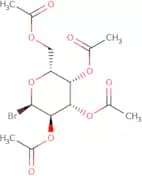
![(1R) -1- [(2S, 3R,4S) -4-(Acetylamino)methyl-N-methyl-3- hydroxy- 1- azetidinyl] -1, 2- ethanediol](/_next/image/?url=https%3A%2Fstatic.cymitquimica.com%2Fproducts%2F3D%2Fthumb-webp%2FMA163404.webp&w=3840&q=75)
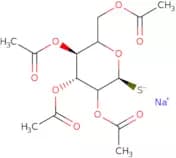
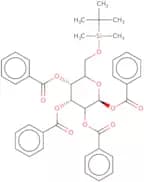



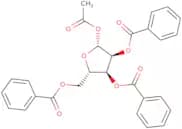

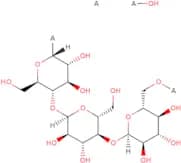
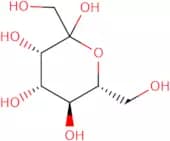
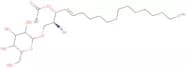

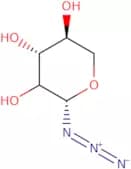


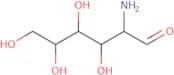
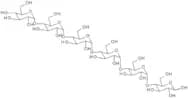
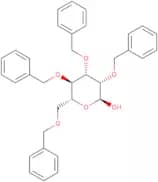
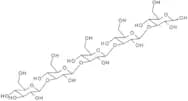


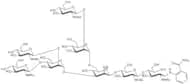
![[UL-¹³C₁₂]Sucrose](/_next/image/?url=https%3A%2Fstatic.cymitquimica.com%2Fproducts%2F3D%2Fthumb-webp%2FOS29120.webp&w=3840&q=75)


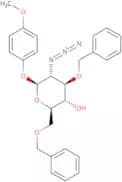

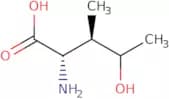
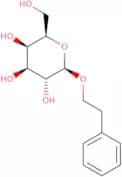


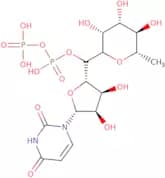
![6-O-(a-D-[6,6'-2H2]Glucopyranosyl)-D-glucopyranose](/_next/image/?url=https%3A%2Fstatic.cymitquimica.com%2Fproducts%2F3D%2Fthumb-webp%2FOG11200.webp&w=3840&q=75)
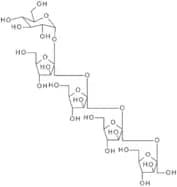
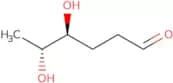

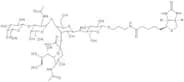
![D-[5-2H]Glucose](/_next/image/?url=https%3A%2Fstatic.cymitquimica.com%2Fproducts%2F3D%2Fthumb-webp%2FMG75100.webp&w=3840&q=75)
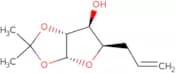
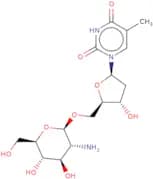
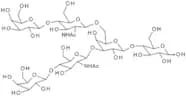

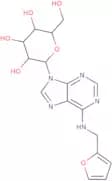

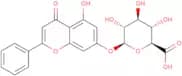
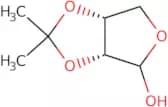
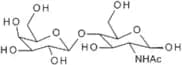
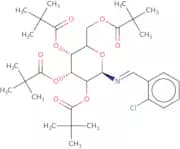
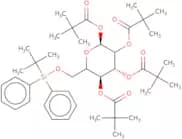


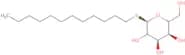
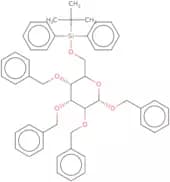
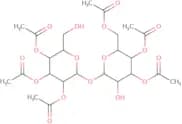

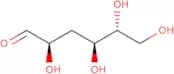
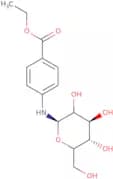
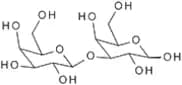
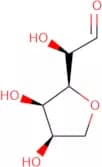
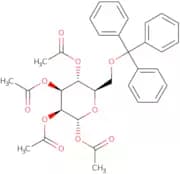

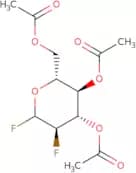
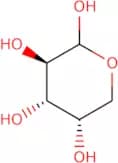

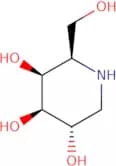
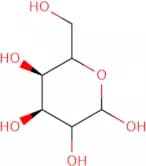
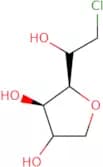
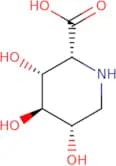
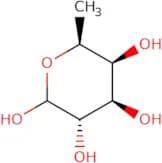
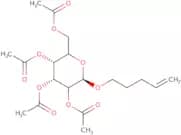
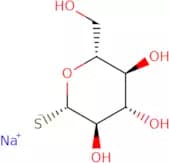
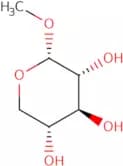
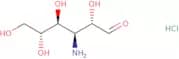
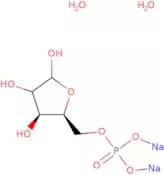
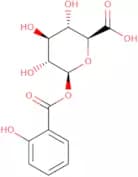
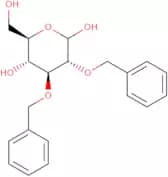


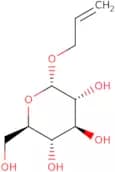
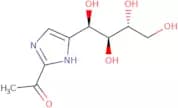

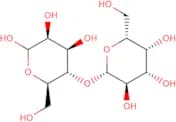


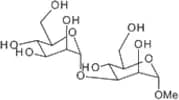
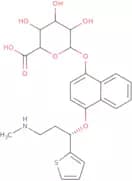
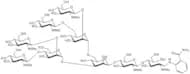



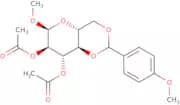

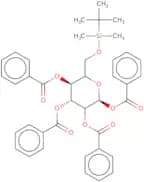
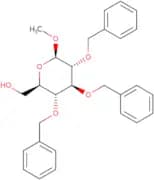

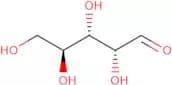

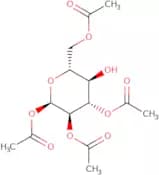
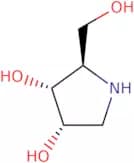


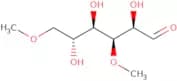
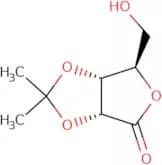
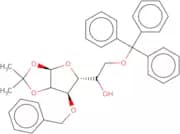




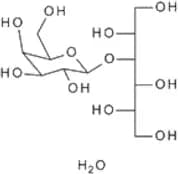
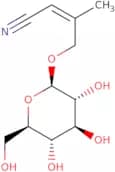
![(1R) -1- [(2S, 3R,4S) -4-Hydroxymethyl-3- hydroxy- 1- azetidinyl] -1, 2- ethanediol hydrochloride](/_next/image/?url=https%3A%2Fstatic.cymitquimica.com%2Fproducts%2F3D%2Fthumb-webp%2FMH163402.webp&w=3840&q=75)
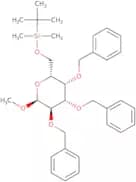
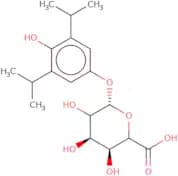

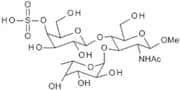

![(3R, 4S, 5R, 6R, 7S) -1- Azabicyclo[4.2.0] octane- 3, 4, 5, 7- tetrol](/_next/image/?url=https%3A%2Fstatic.cymitquimica.com%2Fproducts%2F3D%2Fthumb-webp%2FMA163391.webp&w=3840&q=75)
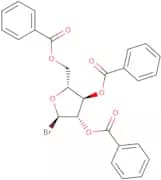


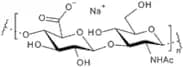
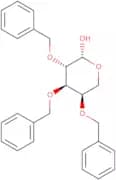
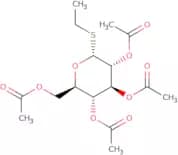
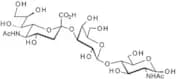

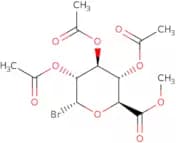

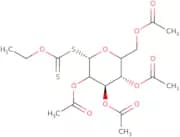
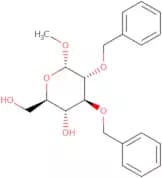
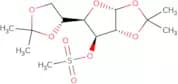

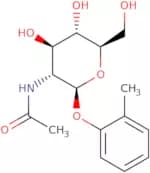
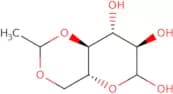
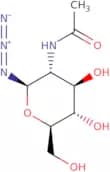
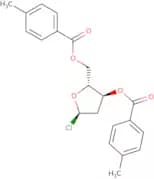
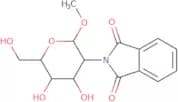

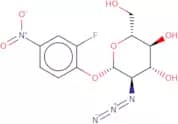


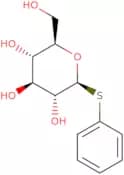

![4-Methylphenyl 4,6-O-[bis(1,1-dimethylethyl)silylene]-1-thio-β-D-galactopyranoside](/_next/image/?url=https%3A%2Fstatic.cymitquimica.com%2Fproducts%2F3D%2Fthumb-webp%2FMM182806.webp&w=3840&q=75)
![4-Methylphenyl 3-O-[(4-methoxyphenyl)methyl]-4,6-O-[(R)-phenylmethylene]-1-thio-α-D-mannopyranoside](/_next/image/?url=https%3A%2Fstatic.cymitquimica.com%2Fproducts%2F3D%2Fthumb-webp%2FMM182805.webp&w=3840&q=75)