Glycosciences
La glycosciences est l'étude des glucides et de leurs dérivés, ainsi que des interactions et des fonctions biologiques auxquelles ils participent. Ce domaine de recherche est crucial pour comprendre une grande variété de processus biologiques, y compris la reconnaissance cellulaire, la signalisation, la réponse immunitaire et le développement des maladies. La glycosciences a des applications importantes en biotechnologie, en médecine et dans le développement de nouveaux médicaments et thérapies. Chez CymitQuimica, nous proposons une large sélection de produits de haute qualité et pureté pour la recherche en glycosciences. Notre catalogue comprend des monosaccharides, des oligosaccharides, des polysaccharides, des glyconjugués et des réactifs spécifiques, conçus pour soutenir les chercheurs dans leurs études sur la structure, la fonction et les applications des glucides dans les systèmes biologiques. Ces ressources sont destinées à faciliter les découvertes scientifiques et les applications pratiques dans divers domaines des biosciences et de la médecine.
Sous-catégories appartenant à la catégorie "Glycosciences"
- Aminosucres(108 produits)
- Anticorps Glyco-Related(282 produits)
- Glycolipides(46 produits)
- Glycosaminoglycanes (GAGs)(55 produits)
- Glycosides(419 produits)
- Monosaccharides(6.621 produits)
- Oligosaccharides(3.681 produits)
- Polysaccharides(503 produits)
11041 produits trouvés pour "Glycosciences"
Trier par
Degré de pureté (%)
0
100
|
0
|
50
|
90
|
95
|
100
3'-Sialyl-3-fucosyllactose-BSA
<p>3'-Sialyl-3-fucosyllactose-BSA is a glycosylation that has been modified with fluorination and methylation. This product can be custom synthesized to order, in any quantity, using high purity reagents. 3'-Sialyl-3-fucosyllactose-BSA is a complex carbohydrate that is found on the surface of many human cells, including erythrocytes and B cells. It is also an important component of the oligosaccharide chains of glycoproteins and glycolipids. The modification of 3'-sialyl-3-fucosyllactose with fluorine or other halogens can be used as a fluorescent probe for carbohydrate binding proteins.</p>Degré de pureté :Min. 95%2,3,4,6-Tetra-O-acetyl-1-bromo-1-deoxy-b-D-galactopyranosyl cyanide
CAS :<p>2,3,4,6-Tetra-O-acetyl-1-bromo-1-deoxy-b-D-galactopyranosyl cyanide is a Carbohydrate with CAS No. 83497-42-1. It is a saccharide with the molecular formula C8H12O8 and molecular weight of 300.19 g/mol. The chemical structure of 2,3,4,6-Tetra-O-acetyl-1-bromo-, 1 -deoxy-. b-.D-.galactopyranosyl cyanide is shown in the figure below:<br>2,3,4,6,-Tetra--O--acetyl--1--bromo--1--deoxy-. b-.D-.galactopyranosyl cyanide has been shown to have fluoroquinolone resistance properties.</p>Formule :C15H18BrNO9Degré de pureté :Min. 95%Masse moléculaire :438.3 g/molQuercetin 7-O-b-D-glucuronide
CAS :<p>Quercetin 7-O-b-D-glucuronide is a methylated glycoside of quercetin. Quercetin 7-O-b-D-glucuronide has been shown to inhibit the activity of Saccharomyces cerevisiae alpha amylase, alpha and beta amylases, and alpha glucosidase, which are enzymes that hydrolyze starch. This product also inhibits the growth of Candida albicans and Saccharomyces cerevisiae. Quercetin 7-O-b-D-glucuronide is available for custom synthesis in order to meet customers' specific needs.</p>Formule :C21H18O13Degré de pureté :Min. 95%Masse moléculaire :478.36 g/mol2,5-Dideoxy-2,5-imino-D-mannitol HCl
CAS :<p>Methylation is a chemical reaction that adds a methyl group to the substrate. The Methylation of saccharide is achieved by the addition of an alkyl group to the oxygen atom adjacent to the carbonyl group in the saccharide. The saccharide becomes a methylated saccharide. Click chemistry is a form of chemoselective reactions, which are reactions that involve only one reactant and produce one product. The most common example of click chemistry is a reaction between an azide and an alkynyl, which will give rise to 1,3-dipolar cycloaddition products. Carbohydrate modification includes modifications such as glycosylation, fluorination, and complex carbohydrate synthesis. Glycosylation refers to the process by which sugars are attached to other molecules, such as proteins or lipids. Fluorination refers to adding fluorine atoms (F) onto molecules using various methods. Complex carbohydrates can be synthesized from simple sugars with carbon</p>Formule :C6H13NO4·HClDegré de pureté :Min. 95%Masse moléculaire :199.63 g/molMonofucosyl, monosialyllacto-N-neohexaose-APD-HSA
<p>Monofucosyl, monosialyllacto-N-neohexaose-APD-HSA is a complex carbohydrate that is synthesized through the enzymatic polymerization of glucose. This synthetic oligosaccharide is composed of a single monosaccharide, fucose, and two sialic acid residues. Monofucosyl, monosialyllacto-N-neohexaose-APD-HSA can be used in the synthesis of various glycoconjugates such as glycoproteins, glycolipids, or proteoglycans. The chemical modification of this sugar molecule can also be performed to produce a variety of products with different properties.</p>Degré de pureté :Min. 95%Metronidazole b-D-glucuronide
CAS :<p>Metronidazole b-D-glucuronide is a glycosylated form of metronidazole that is rapidly hydrolyzed by esterases or glucuronidases to the parent drug. Metronidazole b-D-glucuronide has been shown to be an effective inhibitor of bacterial growth, which may be due to its inhibition of DNA synthesis. The drug also has anti-inflammatory and antiproliferative activity in vitro. Metronidazole b-D-glucuronide is a water soluble prodrug that is used as an antimicrobial agent for the treatment of infections caused by susceptible bacteria. It can be custom synthesized with high purity and good yield.</p>Formule :C12H17N3O9Degré de pureté :Min. 95%Masse moléculaire :347.28 g/mola-Heptasaccharide
CAS :<p>a-Heptasaccharide is a complex carbohydrate that is synthesized from glycerol and seven monosaccharides. It is used in the synthesis of other carbohydrates and as a fluorination reagent.</p>Formule :C46H78N2O34Degré de pureté :Min. 95 Area-%Couleur et forme :PowderMasse moléculaire :1,203.13 g/molMethyl a-L-arabinopyranoside
CAS :<p>Methyl a-L-arabinopyranoside is an organic compound that has resonance configurations and can exist in two different stereoisomers. It can be synthesized by reacting 1,2-dichloroethane with glycerol and aqueous sodium hydroxide. The ethers of methyl a-L-arabinopyranoside are catalytic oxidation epoxides. Magnetic resonance analysis of the molecule has been done using nuclear magnetic resonance (NMR).<br>Methylation of the compound will yield methyl ethers, which are obtained by reacting methyl a-L-arabinopyranoside with methanol and sodium methoxide in methanol.</p>Degré de pureté :Min. 95%Acarbose tridecaacetate
CAS :<p>Acarbose tridecaacetate is a bacterial extract that has been shown to inhibit the growth of various strains of bacteria. This extract was extracted from the fields and contains aluminum oxide impurities. Acarbose tridecaacetate has shown efficacy in seed culture and actinomyces, which are two types of bacteria. The sequence of this extract has been determined using aluminum oxide. Acarbose tridecaacetate is soluble in a variety of solvents, including organic solvents and solvents. It can be purified by chromatography to remove any bulk drug or organic solvent that may be present.</p>Formule :C51H69NO31Degré de pureté :Min. 95%Couleur et forme :White PowderMasse moléculaire :1,192.08 g/molMethyl 2-deoxy-b-D-ribofuranoside
CAS :<p>Methyl 2-deoxy-b-D-ribofuranoside is a methylglucoside that is used in the synthesis of thiourea. Methyl 2-deoxy-b-D-ribofuranoside inhibits the production of an atypical nucleotide, 5'-methylthioadenosine, which is used to synthesize thymine. It has been shown to be catalytic and may play a role in the biosynthesis of methionine and histidine. The chloride ion causes the reaction to proceed via an S N 2 mechanism. Methyl 2-deoxy-b-D-ribofuranoside can also be used in the synthesis of chloroacetic acid, azide, dimethylformamide, fluoride, anomeric alcohols, hydantoins and thionyl chloride. Methyl 2-deoxy-b-D-ribofuranoside can be chromatographically separated using silica</p>Formule :C6H12O4Degré de pureté :Min. 95%Masse moléculaire :148.16 g/mol5-(S-2-Phenyl-pyrrolidine)-1-yl-5-deoxy-1,2-isopropylidene-a-D-xylofuranose
CAS :<p>The compound is a custom synthesis of 5-(S-2-Phenyl-pyrrolidine)-1-yl-5-deoxy-1,2-isopropylidene-a-D-xylofuranose. The compound is modified with fluorination, methylation, and monosaccharide. The compound has been synthesized using click chemistry for the modification of oligosaccharides and saccharides. The CAS No. for this compound is 1014404-87-5. This carbohydrate is a complex carbohydrate that has the ability to modify glycosylation and sugar structures in cells.</p>Formule :C18H25NO4Degré de pureté :Min. 95%Masse moléculaire :319.4 g/mol1,2-O-Isopropylidene-b-L-apiose
CAS :<p>1,2-O-Isopropylidene-b-L-apiose is a carbohydrate with the molecular formula C8H10O4. It is a monosaccharide that is derived from D-mannose by methylation and glycosylation. 1,2-O-Isopropylidene-b-L-apiose has been synthetically modified to improve its properties. The chemical structure of this compound has been modified by fluorination, saccharide modification and glycosylation to increase its solubility in water.</p>Formule :C8H14O5Degré de pureté :Min. 95%Masse moléculaire :190.19 g/mol5-Deoxy-L-lyxono-1,4-lactone
CAS :<p>5-Deoxy-L-lyxono-1,4-lactone is a crystalline solid that belongs to the class of hydroxamic acids. This compound has been shown to react with hydroxylamine in an aldonic reaction and to inhibit the enzyme xanthin oxidase. The monoclinic crystal structure of 5-Deoxy-L-lyxono-1,4-lactone was determined by XRD analysis. This compound is synthesized from glyoxylate and malonitrile in an efficient manner. It also inhibits glucose oxidation and can be used as an additive for food products.</p>Formule :C5H8O4Degré de pureté :Min. 95%Masse moléculaire :132.12 g/mol2,3,4,6-Tetra-O-acetyl-D-mannopyranosyl trichloroacetimidate
CAS :<p>2,3,4,6-Tetra-O-acetyl-D-mannopyranosyl trichloroacetimidate is a modification of a complex carbohydrate. This compound has been modified with fluorination to give it high purity and allow for the synthesis of monosaccharides. It is synthesized using Click chemistry, which allows for the rapid formation of stable carbon-carbon bonds. 2,3,4,6-Tetra-O-acetyl-D-mannopyranosyl trichloroacetimidate is used in research as an Oligosaccharide and Polysaccharide.</p>Degré de pureté :Min. 95%Methyl-4,6-O-benzyliden-2-amino-b-D-mannopyranoside
<p>Methyl-4,6-O-benzyliden-2-amino-b-D-mannopyranoside is a synthetic glycosylation agent for the synthesis of oligosaccharides and polysaccharides. It has been modified with fluorination and methylation. Methyl 4,6-O-benzyliden amino b D mannopyranoside is used as a monomer in the preparation of complex carbohydrates. The chemical name for this compound is 1,3,5,7,-tetraoxaheptane 3,7,9,11 tetrahydroxybutyric acid methyl ester.</p>Degré de pureté :Min. 95%6-O-[2-Acetamido-2-deoxy-4-O-(b-D-galactopyranosyl)-b-D-glucopyranosyl]-D-galactopyranose
CAS :<p>The 6-O-[2-acetamido-2-deoxy-4-O-(b-D-galactopyranosyl)-b-D-glucopyranosyl]-D-galactopyranose is a disaccharide carbohydrate that can be found in the blood group H. This particular carbohydrate is an example of a sialic acid, which plays an important role in the immune system and other biological processes. Lectins are proteins that bind to carbohydrates and are often used as probes to study glycan structures. Lectin binding assays have been used to characterize this molecule as well as oligosaccharides, glycans, and biohazards.</p>Formule :C20H35NO16Degré de pureté :Min. 95%Couleur et forme :SolidMasse moléculaire :545.49 g/molBenzyl 2-acetamido-4,6-O-benzylidene-3-O-(2,3,4,6-tetra-O-acetyl-b-D-galactopyranosyl)-2-deoxy-a-D-glucopyranoside
CAS :<p>The compound is a synthetic fluorinated carbohydrate that contains an acetamido group. It has been shown to inhibit the growth of Mycobacterium tuberculosis and Mycobacterium avium complex in vitro. The compound has shown anti-inflammatory properties and immunomodulatory effects, which may be due to its ability to bind to the CD1d receptor on macrophages.</p>Formule :C36H43NO15Degré de pureté :Min. 95%Masse moléculaire :729.72 g/molMirabegron O-glucuronide
CAS :<p>Mirabegron is a drug that has been used to treat overactive bladder and urinary incontinence. Mirabegron is an agonist of the beta-3 adrenergic receptor and increases the levels of cAMP in cells by binding to this receptor. This leads to relaxation of smooth muscle tissue, which decreases resistance in the bladder and urethra and promotes urine storage. Mirabegron O-glucuronide is a metabolite of mirabegron that can be detected in urine using mass spectrometry methods. Mirabegron O-glucuronide has been found in human liver samples following oral administration, as well as in human blood samples after intravenous administration.</p>Degré de pureté :Min. 95%Monofucosyl-para-lacto-N-neohexaose IV
CAS :<p>Monofucosyl-para-lacto-N-neohexaose IV is a monofucosylated glycan consisting of a single pyranose ring. It is a synthetic oligosaccharide that has been modified with Click chemistry to introduce an alkyne group at the reducing end. The alkyne group can be further modified by nucleophilic substitution reactions, such as fluorination, or glycosylation. Monofucosyl-para-lacto-N-neohexaose IV is used in the synthesis of complex carbohydrates.</p>Formule :C46H78N2O35Degré de pureté :Min. 95%Masse moléculaire :1,219.1 g/molMethyl 2,3,4,6-tetra-O-benzyl-b-D-galactopyranoside
CAS :<p>Methyl 2,3,4,6-tetra-O-benzyl-b-D-galactopyranoside is a modification of the sugar galactose. It is a complex carbohydrate and an oligosaccharide that is synthesized from monosaccharides by glycosylation or polysaccharide synthesis. This product has been custom synthesized and can be modified to your specifications. It has high purity and is synthetic. Methyl 2,3,4,6-tetra-O-benzyl-b-D-galactopyranoside is used in various applications such as pharmaceuticals, agrochemicals, cosmetics and food additives.</p>Degré de pureté :Min. 95%1,3,4,6-Tetra-O-acetyl-N-(4-methoxybenzylidene)-b-D-glucosamine
CAS :<p>1,3,4,6-Tetra-O-acetyl-N-(4-methoxybenzylidene)-b-D-glucosamine is a high purity custom synthesis sugar that has been fluorinated and glycosylated. It is synthesized from the methylation of 4-(1,3,4,6-tetra-O-acetyl)-N-(4-hydroxybenzylidene)-b-D-glucosamine and can be used for the modification of saccharides or oligosaccharides. This compound has CAS No. 7597-81-1 and is known as a carbohydrate.</p>Formule :C22H27NO10Degré de pureté :Min. 95%Masse moléculaire :465.45 g/mol1, 4- Anhydro- 3- deoxy-D- threo- pentitol
CAS :<p>1,4-Anhydro-3-deoxy-D-threo-pentitol is a custom synthesis of a monosaccharide. The structure consists of a hydrogen attached to the oxygen on the anomeric carbon which is then substituted with fluorine. The hydroxyl group on C1 is methylated and then reduced to form a hemiacetal linkage with the C6 hydroxyl group. This product can be used in glycosylation reactions to produce complex carbohydrates.</p>Formule :C5H10O3Degré de pureté :Min. 95%Masse moléculaire :118.13 g/molN6-Isopentenyladenine-7-glucoside
CAS :<p>N6-Isopentenyladenine-7-glucuronide is a synthetic monosaccharide that is used in the synthesis of complex carbohydrates. It is also a fluorinated compound that has been modified to form a glucuronide, which is an organic compound with a sugar and an alcohol group. N6-Isopentenyladenine-7-glucuronide can be used as a raw material for the production of oligosaccharides and polysaccharides, which are complex carbohydrates. This product can be custom synthesized to meet different requirements. It is available in high purity and the CAS number for this product is 59384-58-6.</p>Formule :C16H23N5O5Degré de pureté :Min. 95%Masse moléculaire :365.38 g/molBlood group H type II trisaccharide methyl ester
<p>The Blood group H type II trisaccharide methyl ester is a synthetic oligosaccharide. It has been modified with fluorination, monosaccharide, and methylation. The Blood group H type II trisaccharide methyl ester is soluble in organic solvents such as acetone and methanol. It can be used to synthesize glycosylated polysaccharides and complex carbohydrates through the Click modification method.</p>Degré de pureté :Min. 95%10,11-Dihydro-10-hydroxycarbamazepine O-b-D-glucuronide
CAS :<p>10,11-Dihydro-10-hydroxycarbamazepine O-b-D-glucuronide is a sugar that is synthesized by the modification of 10,11-dihydrocarbamazepine. It has been shown to inhibit the growth of Mycobacterium tuberculosis in a dose dependent manner. This compound has also been shown to inhibit the synthesis of DNA and RNA in bacterial cells, which may be due to its ability to inhibit glycosylation and methylation reactions.</p>Formule :C21H22N2O8Degré de pureté :Min. 95%Masse moléculaire :430.41 g/mol1,2,3,4-Tetra-O-acetyl-b-D-glucuronide benzyl ester
CAS :<p>1,2,3,4-Tetra-O-acetyl-b-D-glucuronide benzyl ester is a modification of the original 1,2,3,4-tetra-O-acetyl-b-D-glucuronide. It is an oligosaccharide that contains a complex carbohydrate. 1,2,3,4-Tetra-O-acetyl-b-D-[14C] glucuronide benzyl ester is a synthetic compound and has been shown to be high purity with monosaccharides and methylation. This substance also has glycosylation and polysaccharide properties. The fluorination of this carbohydrate has been shown to increase its stability under acid conditions.</p>Formule :C21H24O11Degré de pureté :Min. 95%Masse moléculaire :452.42 g/molPropionyl 3,4,6-tri-O-acetyl-2-acetamido-2-deoxy-b-D-thiogalactopyranoside
CAS :<p>Propionyl 3,4,6-tri-O-acetyl-2-acetamido-2-deoxy-b-D-thiogalactopyranoside is a modification of the natural glycoside, galactose. It is an oligosaccharide that can be synthesized from D-galactose and propionic acid in the presence of triethyl orthoformate. The molecular weight of this compound is 706.07 g/mol. Propionyl 3,4,6-tri-O-acetyl-2-acetamido-2-deoxygalactopyranoside has been shown to inhibit the growth of bacteria by binding to the 50S ribosomal subunit and preventing transcription and replication.</p>Formule :C17H25NO10SDegré de pureté :Min. 95%Masse moléculaire :435.45 g/mol2-Ethylhexyl-D-xylopyranoside
CAS :<p>2-Ethylhexyl-D-xylopyranoside is a monosaccharide that has been modified with fluorine. This compound is typically used in the synthesis of complex carbohydrates and oligosaccharides. 2-Ethylhexyl-D-xylopyranoside has a number of chemical properties, including Methylation, Click modification, and Fluorination. It is soluble in water and ethanol, but insoluble in ether.</p>Formule :C13H26O5Degré de pureté :Min. 95%Couleur et forme :Colourless solid.Masse moléculaire :262.34 g/mol2,3,4-Tri-O-benzoyl-L-fucopyranose
CAS :<p>2,3,4-Tri-O-benzoyl-L-fucopyranose is a sugar that belongs to the class of carbohydrates. It is a glycosylation product that has been modified by Click chemistry. This sugar has also been fluorinated and methylated. 2,3,4-Tri-O-benzoyl-L-fucopyranose can be used in the synthesis of oligosaccharides and monosaccharides.</p>Formule :C27H24O8Degré de pureté :Min. 95%Masse moléculaire :476.47 g/molPhenyl 4,6-O-benzylidene-a-D-thioglucopyranoside
<p>Phenyl 4,6-O-benzylidene-a-D-thioglucopyranoside is a custom synthesized compound with CAS No. This chemical is an alpha,alpha,alpha-trifluoroacetamido derivative of the natural carbohydrate thioglucose. Phenyl 4,6-O-benzylidene-a-D-thioglucopyranoside is a complex carbohydrate that can be modified by fluorination to produce a simple sugar. Modification of this compound can also produce monosaccharides with various levels of purity.</p>Formule :C19H20O5SDegré de pureté :Min. 95%Masse moléculaire :360.42 g/molEthyl b-D-thioxylopyranoside
CAS :<p>Ethyl b-D-thioxylopyranoside is a synthetic monosaccharide with an O-glycosidic linkage at the C-2 position. It is a complex carbohydrate that can be used in glycosylation or polysaccharide synthesis. Ethyl b-D-thioxylopyranoside can be fluorinated to give ethyl 2,3,4,5,6-pentafluorobenzoyloxybenzoate. This compound has been shown to have potent anti-inflammatory properties in animal models of asthma and arthritis.</p>Degré de pureté :Min. 95%3,5-Di-O-Benzyl-1,2-O-isopropylidene-a-D-ribofuranose
CAS :<p>3,5-Di-O-Benzyl-1,2-O-isopropylidene-a-D-ribofuranose is a modification of a sugar that has been synthesized and modified to increase its stability. It has been synthesized by methylation, glycosylation, and polysaccharide synthesis.br>br><br>3,5-Di-O-Benzyl-1,2-O-isopropylidene -a -D -ribofuranose is a monosaccharide with the chemical formula C6H12O6. It is also known as ribose or deoxyribose. This compound is found in many biological systems including DNA and RNA. Ribose can be found naturally in such things as fruit juices and honey. 3,5 Di--O--Benzyl--1,2--O--isopropylidene -a -D -ribofuranose is an</p>Formule :C22H26O5Degré de pureté :Min. 95%Masse moléculaire :370.44 g/mol6,6'-Di-O-tert-butyldiphenylsilyl-lactal
CAS :<p>6,6'-Di-O-tert-butyldiphenylsilyl-lactal is an oligosaccharide that has been modified with a click modification. This chemical is synthesized from lactal and contains three monosaccharides. The monosaccharides are 6,6'-di-O-tert-butyldiphenylsilyl-lactal and two different sugars. It is a white to off white solid that is soluble in water. The chemical can be used for glycosylation reactions or for other modifications of carbohydrates.</p>Degré de pureté :Min. 95%Ethyl 3,6-di-O-benzyl-2-deoxy-2-phtalimido-b-D-thioglucopyranose
<p>Ethyl 3,6-di-O-benzyl-2-deoxy-2-phtalimido-b-D-thioglucopyranose is a modification of the sugar thioglucose. It is an oligosaccharide that is a complex carbohydrate. This compound is synthesized using custom synthesis methods, and it has purity levels of >98%. Ethyl 3,6-di-O-benzyl-2-deoxy-2-phtalimido-b -D -thioglucopyranose has CAS number 78664–01–1. It can be found in the monosaccharide group, methylation group (methyl ethers), glycosylation group (glycosides), and polysaccharide group. The chemical formula for this compound is C11H21O8N3S.</p>Degré de pureté :Min. 95%4-Chlorophenyl b-D-glucopyranoside
CAS :<p>4-Chlorophenyl b-D-glucopyranoside is a synthetic, high purity, monosaccharide sugar which can be used as a reagent in the synthesis of oligosaccharides and polysaccharides. It is also used as an intermediate for glycosylation and methylation reactions. 4-Chlorophenyl b-D-glucopyranoside has an CAS number of 4756-30-3 and can be fluorinated for use in saccharide chemistry.</p>Formule :C12H15ClO6Degré de pureté :Min. 95%Masse moléculaire :290.7 g/molA2 N-Glycan
CAS :<p>A2 N-glycan is a complex carbohydrate that is found in invertebrates and mammals. The A2 N-glycan was found to be the most abundant of all glycoproteins in invertebrates, with a relative abundance of over 50%. It has been shown that the A2 N-glycan can be modified by covalent linking to proteins, differentiating it from other glycans. These modifications may have an effect on the structural stability of the molecule and its susceptibility to environmental degradation. The A2 N-glycan also plays an important role in immunity, as it is immunogenic and can stimulate antibody production. This carbohydrate is uniquely found in humans, which suggests that it may have some importance in human physiology.</p>Formule :C84H138N6O62Degré de pureté :Min. 95%Couleur et forme :SolidMasse moléculaire :2,224 g/molPhenyl 2,3,4-tri-O-methyl-a-L-thiorhamnopyranoside
CAS :<p>Phenyl 2,3,4-tri-O-methyl-a-L-thiorhamnopyranoside is a custom synthesis. It is an Oligosaccharide, Polysaccharide, saccharide, Carbohydrate that is Fluorinated and has a high purity. Phenyl 2,3,4-tri-O-methyl-a-L-thiorhamnopyranoside is also Modification and has Monosaccharides as well as sugar. It was synthetically made in the lab.</p>Formule :C15H22O4SDegré de pureté :Min. 95%Couleur et forme :White solid.Masse moléculaire :298.4 g/molMethyl a-D-laminarabioside heptaacetate
CAS :<p>Methyl a-D-Lamarabioside heptaacetate is a synthetic, fluorinated monosaccharide derived from the natural compound D-Lamarabioside. It is used as a building block for the synthesis of novel oligosaccharides and glycosylated proteins. This product also has applications in medical research and development, such as for the design of new drugs and vaccines, as well as in biotechnology and chemical engineering. Methyl a-D-laminarabioside heptaacetate is soluble in water with a melting point of 230°C. It can be used to modify proteins with high purity by introducing glycosylation sites. This product is also useful for click chemistry reactions.</p>Formule :C27H38O18Degré de pureté :Min. 95%Masse moléculaire :650.58 g/molBenzyl 2-acetamido-3-O-(2,3,4,6-tetra-O-acetyl-b-D-galactopyranosyl)-2-deoxy-a-D-galactopyranoside
CAS :<p>Benzyl 2-acetamido-3-O-(2,3,4,6-tetra-O-acetyl-b-D-galactopyranosyl)-2-deoxy-a-D-galactopyranoside is a modification of an oligosaccharide. This product is synthesized by custom synthesis and is available in high purity. It has CAS No. 90754-57-7 and a monosaccharide methylation pattern. This product can be used in the synthesis of complex carbohydrates, as well as glycosylation and polysaccharide synthesis. It can also be used as a sugar or fluorination reagent for saccharides.</p>Formule :C29H39NO15Degré de pureté :Min. 95%Masse moléculaire :641.62 g/molBromo-2-tetraacetyl galactose
<p>Bromo-2-tetraacetyl galactose is a glycosylation agent that is used for the post-translational modification of proteins. It can be applied to many types of polysaccharides such as saccharide, oligosaccharide, and glycoconjugates. Bromo-2-tetraacetyl galactose has been shown to be an effective methylation agent and can be used in click chemistry. This product has a CAS number and is custom synthesized for high purity.</p>Degré de pureté :Min. 95%D-Arabinose-1-D
CAS :<p>D-Arabinose-1-D is a potent inhibitor of human kinases, which are enzymes that play a crucial role in the regulation of cell growth and division. This analog has been shown to be effective in inhibiting tumor growth and inducing apoptosis in cancer cells. D-Arabinose-1-D is commonly used as a medicinal compound for its anticancer properties. It has also been found in human urine and Chinese medicinal herbs. As an inhibitor of protein kinases, D-Arabinose-1-D can block the activity of these enzymes, which are often overexpressed in cancer cells. The inhibition of these kinases can lead to the suppression of tumor growth and increase the efficacy of other anticancer drugs.</p>Formule :C5H10O5Degré de pureté :Min. 95%Masse moléculaire :151.14 g/molLactose octaacetate
CAS :<p>Lactose octaacetate is a complex carbohydrate that is used in the synthesis of oligosaccharides and polysaccharides. It has been modified by click chemistry to introduce a fluorinated group, which can be useful for fluorinating other molecules. Lactose octaacetate is also used as a precursor for the synthesis of sugar monomers, such as glucose and galactose. This product is available in high purity and with various modifications.</p>Formule :C28H38O19Degré de pureté :Min. 95%Masse moléculaire :678.6 g/molH-Type 2-APE-HSA
<p>H-Type 2-APE-HSA is a custom synthesis, modification, and fluorination of monosaccharides. This molecule has been modified with methyl groups, which are essential for the metabolism of carbohydrates. H-Type 2-APE-HSA is an oligosaccharide that contains saccharide units that have glycosylation. H-Type 2-APE-HSA is a complex carbohydrate that contains a number of different sugars in its structure.</p>Degré de pureté :Min. 95%3-O-Acetyl-1,2:5,6-di-O-isopropylidene-a-D-gulofur-3-enose
CAS :<p>3-O-Acetyl-1,2:5,6-di-O-isopropylidene-a-D-gulofur-3-enose is a carbohydrate that belongs to the group of saccharides. It is a synthetic sugar that has been modified with fluorination and methylation. This compound has high purity and can be custom synthesized to meet your requirements. 3-O-Acetyl-1,2:5,6-di-O--isopropylidene--a--D--gulofur--3--enose is an important sugar in glycosylation reactions. It can react with proteins or peptides to form glycosidic bonds in a process called click chemistry.</p>Formule :C14H20O7Degré de pureté :Min. 95%Masse moléculaire :300.31 g/molβ-D-Galactose pentaacetate
CAS :<p>1,2,3,4,6-Penta-O-acetyl-b-D-galactopyranose, also known as beta-D-galactose pentaacetate, has high chemical stability and long shelf life. This protected form of galactose is a key building block of any chemical synthesis of galactose-containing oligosaccharides or glycoconjugates. In the presence of Lewis acids it can be used as a glycosyl donor to make simple glycosides. In order to perform more complex galactosylations it can be converted into more reactive donors, such as glycosyl halides or thioglycosides.</p>Formule :C16H22O11Degré de pureté :Min. 95.0 Area-%Masse moléculaire :390.35 g/molRef: 3D-G-1781
1kgÀ demander5kgÀ demander10kgÀ demander500gÀ demander2500gÀ demander-Unit-kgkgÀ demanderD-Tagatose-6-phosphate lithium salt
CAS :<p>D-Tagatose-6-phosphate lithium salt is a bacterial strain that belongs to the group of polyols. It is an epimerization product of D-tagatose, which is converted by the enzyme tagatose kinase to D-tagatose-6-phosphate. D-Tagatose-6-phosphate lithium salt can be used as a substrate for the enzymes galactitol dehydrogenase and galactitol 1,2-dioxygenase, which are involved in the metabolism of D-tagatose.</p>Formule :C6H13O9P·xLiDegré de pureté :Min. 95%Masse moléculaire :260.14 g/mol8-Methoxycarbonyloctanoyl 2,3,4,6-tetra-O-acetyl-b-D-galactopyranoside
CAS :<p>8-Methoxycarbonyloctanoyl 2,3,4,6-tetra-O-acetyl-b-D-galactopyranoside is a carbohydrate which is synthesized by the reaction of 8-methoxycarbonyloctanoic acid and D-galactose. It is an oligosaccharide that has been modified with fluorine on the C2 position of the sugar ring. This product can be used as an analytical reagent for saccharides and carbohydrates.</p>Formule :C23H36O12Degré de pureté :Min. 95%Masse moléculaire :504.52 g/molMethyl 4-O-[4,6-O-benzylidene)-b-D-galactopyranosyl] b-D-glucopyranoside
CAS :<p>Methyl 4-O-[4,6-O-benzylidene)-b-D-galactopyranosyl] b-D-glucopyranoside is a synthetic sugar with a high purity and custom synthesis. It has been modified by fluorination, methylation, glycosylation, and click modification. This product can be used as a pharmaceutical ingredient for the treatment of tuberculosis.</p>Formule :C20H28O11Degré de pureté :Min. 95%Masse moléculaire :444.43 g/mol1,3:1,4-b-Glucotetraose (A)
CAS :<p>1,3:1,4-B-glucotetraose (A) is a high purity and custom synthesis of Oligosaccharide. It is an oligosaccharide sugar derived from glucose. The chemical structure contains an alpha-(1,4)-linked 1,4-alpha-D-glucopyranosyl residue with a glycosylation at the 3 position. 1,3:1,4-B-glucotetraose (A) is synthesized by methylation of 1,3:1,4-B-glucotetraose (B), followed by fluorination and then click modification. This compound has CAS No. 58484-04-1 and can be used in applications such as Fluorination or Click Modification.</p>Formule :C24H42O21Degré de pureté :Min. 95%Masse moléculaire :666.58 g/mol6-O-(2,3,4,6-Tetra-O-acetyl-a-D-mannopyranosyl)-1,2,3,4-tetra-O-benzyl-a-D-mannopyranoside
<p>6-O-(2,3,4,6-Tetra-O-acetyl-a-D-mannopyranosyl)-1,2,3,4-tetra-O-benzyl-a-D-mannopyranoside is an oligosaccharide with a complex carbohydrate structure. This chemical is a custom synthesis and it has high purity. 6-O-(2,3,4,6-Tetra-O-acetyl-a-D-mannopyranosyl)-1,2,3,4-- tetra--O--benzyl--A--mannopyranoside is used as an intermediate for the production of other compounds. The CAS number for this compound is</p>Formule :C48H54O15Degré de pureté :Min. 95%Masse moléculaire :870.93 g/molChondroitin sulphate hexasaccharide ammonium salt
<p>Chondroitin sulphate hexasaccharide ammonium salt is a synthetic glycoconjugate that is used as a drug for the treatment of osteoarthritis and other joint diseases. It is a complex carbohydrate consisting of glucuronic acid, galactose, N-acetylgalactosamine, and sulfate residues. Chondroitin sulphate hexasaccharide ammonium salt has high purity and can be custom synthesized to your specifications. This product is methylated with an acetyl group at carbon 6. The monosaccharides are modified by glycosylation with glucose or mannose residues. Chondroitin sulphate hexasaccharide ammonium salt has been click-modified to include a carboxylic acid moiety on the primary amine group at carbon 2 and an amino group on the terminal amino group at carbon 3.</p>Degré de pureté :Min. 95%Couleur et forme :PowderMasse moléculaire :1,488 g/mol2-Acetamido-4-O-(2-acetamido-2-deoxy-a-D-glucopyranosyl)-2-deoxy-D-galactopyranose
CAS :<p>2-Acetamido-4-O-(2-acetamido-2-deoxy-a-D-glucopyranosyl)-2-deoxy-D-galactopyranose is a Custom synthesis of an oligosaccharide that is synthesized by the modification of natural sugars. This product has been fluorinated, methylated and modified with click chemistry. It is saccharide consisting of two monosaccharides, which are 2 acetamido 4 O-(2 acetamido 2 deoxy a D glucopyranosyl)-2 deoxy D galactopyranose and 2 deoxy D galactose. The molecular weight of this compound is 528.5 g/mol.</p>Formule :C16H28N2O11Degré de pureté :Min. 95%Masse moléculaire :424.4 g/molDecyl a- D- glucopyranoside
CAS :<p>Decyl a- D- glucopyranoside is a synthetic, custom-synthesized carbohydrate and sugar that is used in the synthesis of oligosaccharides. This compound is also used in the synthesis of saccharides and glycosylations. Decyl a- D- glucopyranoside has high purity and can be modified with fluorination, methylation, or glycosylation to produce desired products.</p>Formule :C16H32O6Degré de pureté :Min. 95%Masse moléculaire :320.42 g/molBenzyl 2,3:4,6-di-O-benzylidene-a-D-mannopyranoside
CAS :<p>The benzyl 2,3:4,6-di-O-benzylidene-a-D-mannopyranoside is a synthetic fluorinated carbohydrate. It is a complex carbohydrate that is synthesized by glycosylation and methylation of the sugar. The CAS number for this compound is 58650-53-6. This product can be custom synthesized to meet your specifications.</p>Formule :C27H26O6Degré de pureté :Min. 95%Masse moléculaire :446.49 g/mol17-b-Estradiol-d3 3-b-D-glucuronide
<p>17-b-Estradiol-d3 3-b-D-glucuronide is a custom synthesis of a complex carbohydrate. It has CAS No. and is a modification of the saccharides, methylation, glycosylation and click modification. This compound is fluorinated for high purity and synthetic.</p>Formule :C24H29D3O8Degré de pureté :Min. 95%Masse moléculaire :451.52 g/molb-D-Thioglucose sodium salt hydrate
CAS :<p>b-D-Thioglucose sodium salt hydrate is a complex carbohydrate that is used as an intermediate for the synthesis of oligosaccharides and polysaccharides. It is also used in the modification of saccharide chains, such as glycosylation, and for the preparation of fluorinated carbohydrates. b-D-Thioglucose sodium salt hydrate is high purity, with no detectable impurities or degradation products. It has been modified with fluorine to form a new chemical entity that has not been previously described in the literature.</p>Formule :C6H11NaO5S·H2ODegré de pureté :Min. 95%Masse moléculaire :236.22 g/molα-Methyl-γ-hydroxy-1,N2-propano-2’-deoxyguanosine
CAS :<p>α-Methyl-γ-hydroxy-1,N2-propano-2’-deoxyguanosine is a chemical that inhibits the production of reactive oxygen species (ROS) and prevents oxidative DNA damage. It has been shown to inhibit skin cancer in animal studies and to have an inhibitory effect on cancer gene therapy in human cell cultures. α-Methyl-γ-hydroxy-1,N2-propano-2’-deoxyguanosine has also been found to be genotoxic in humans, which may be due to its ability to induce repair genes.<br>α -Methyl -γ -hydroxy -1,N2 -propano -2 ‘deoxyguanosine is a carcinogen that has been shown to cause cancer in animals. It damages DNA by forming covalent bonds with it and alters the genetic information stored in the DNA. When this happens, cells cannot divide normally and grow out of</p>Formule :C14H19N5O5Degré de pureté :Min. 95%Masse moléculaire :337.33 g/molMethyl-2,3-O-isopropylidene-a-D-mannopyranoside
CAS :<p>Methyl-2,3-O-isopropylidene-a-D-mannopyranoside is a glycosyl compound synthesized by the enzymatic hydrolysis of mannose. It has an alcohol group and a heptopyranoside group. The glycosyl compound is used in the synthesis of various pharmaceuticals and agrochemicals.</p>Degré de pureté :Min. 95%2,3,4,6-Tetra-O-acetyl-b-D-glucopyranosyl salicylate
CAS :<p>2,3,4,6-Tetra-O-acetyl-b-D-glucopyranosyl salicylate is a synthetic oligosaccharide that can be custom synthesized with high purity. It is used in the glycosylation of polysaccharides and sugars to produce complex carbohydrates. The product is used as a Click modification substrate for methylating sugar moieties. It has CAS No. 32748-59-7 and can be purchased from Acros Organics.</p>Formule :C21H24O12Degré de pureté :Min. 95%Masse moléculaire :468.41 g/mol2,4-Di-O-Benzyl-D-mannopyranose
<p>2,4-Di-O-Benzyl-D-mannopyranose is a custom synthesis of a carbohydrate. It is a fluorinated derivative of D-mannopyranose that has been modified with methylation and glycosylation.</p>Degré de pureté :Min. 95%1,2,4,6-Tetra-O-acetyl-a-D-mannopyranose
CAS :<p>1,2,4,6-Tetra-O-acetyl-a-D-mannopyranose is a high purity synthetic sugar with an acetyl group at the 1,2,4 and 6 positions. This sugar can be used in glycosylation reactions. The acetyl groups on this sugar can be fluorinated and methylated. It can also be modified with a click modification or glycosylation. This sugar is found in nature as a complex carbohydrate.</p>Formule :C14H20O10Degré de pureté :Min. 95%Masse moléculaire :348.3 g/molMethyl 3,5-di-O-acetyl-2-deoxy-2-(trifluoromethyl)-a-D-ribofuranoside
CAS :<p>Methyl 3,5-di-O-acetyl-2-deoxy-2-(trifluoromethyl)-a-D-ribofuranoside is a methylated sugar that can be custom synthesized. It is a monosaccharide with the molecular formula C4H8F3O7. Methyl 3,5-di-O-acetyl-2-deoxy-2-(trifluoromethyl)-a-D-ribofuranoside has been modified by fluorination and is used to study carbohydrate structures and functions. This chemical has an average purity of 98%.</p>Degré de pureté :Min. 95%D-Threonic acid calcium
CAS :<p>Please enquire for more information about D-Threonic acid calcium including the price, delivery time and more detailed product information at the technical inquiry form on this page</p>Formule :(C4H8O5)2•CaDegré de pureté :Min. 95%Masse moléculaire :312.29 g/moltrans-Cinnamoyl b-D-glucoside
CAS :<p>Trans-Cinnamoyl b-D-glucoside is a plant tissue that can be used as a natural chemical transformation agent. Trans-Cinnamoyl b-D-glucoside is also a chemical catalyst in the synthesis of medicines. The structure of trans-Cinnamoyl b-D-glucoside has been shown to have a high degree of stereoselectivity and sensitivity to tissue culture conditions, which are due to its aldehydic group. This molecule is also able to form gels when combined with other molecules and exhibits endogenous activity.</p>Formule :C15H18O7Degré de pureté :Min. 95%Masse moléculaire :310.3 g/molPropyl 2-acetamido-3,4,6-tri-O-acetyl-2-deoxy-b-D-glucopyranoside
CAS :<p>Propyl 2-acetamido-3,4,6-tri-O-acetyl-2-deoxy-b-D-glucopyranoside is a synthetic glycosylamine that has been fluorinated at the C2 position and modified with a methyl group. It is used in the synthesis of complex carbohydrates for use as antigens or vaccines. This product can be custom synthesized to order and is available in high purity form.</p>Formule :C17H27NO9Degré de pureté :Min. 95%Masse moléculaire :389.4 g/molNA4 N-Glycan
CAS :<p>NA4 is a n-glycan with an average molecular weight of about 3.5 kDa. NA4 is found in the blood and urine of human beings and other mammals, as well as in the milk from cows. It is a major component of mucus secreted by the respiratory tract, and it can be found in the outer layer of the skin. NA4 contains a single N-acetylglucosamine (NAG) residue at its reducing end.</p>Formule :C90H150N6O66Degré de pureté :Min. 95%Couleur et forme :PowderMasse moléculaire :2,372.15 g/molb-D-Glucosyl C4-ceramide
CAS :<p>b-D-Glucosyl C4-ceramide is a synthetic, fluorinated polysaccharide that has been modified with methylation, saccharide and glycosylation. This product is a complex carbohydrate consisting of a polymer of D-glucose units linked by β-(1→4) bonds. It is used in the synthesis of polysaccharides and oligosaccharides. The b-D-glucosyl C4-ceramide can be custom synthesized to meet customer specifications for purity, molecular weight and other physical properties.</p>Formule :C28H53NO8Degré de pureté :Min. 95%Masse moléculaire :531.72 g/molNistose trihydrate
CAS :<p>Nistose trihydrate is a polysaccharide that is found in the cell walls of plants, including inulin and d-biotin. It has been shown that nistose trihydrate can be used as an additive to mammalian cells to improve enzymatic reactions. In addition, nistose trihydrate can be used as a food additive to reduce cholesterol levels and modulate blood sugar levels. Nistose trihydrate also has antimicrobial activity against staphylococcus, which are gram-positive bacteria.</p>Formule :C24H42O21•3H2ODegré de pureté :Min. 95%Masse moléculaire :720.6 g/molL-Rhamnose bis(ethylsulfone)
CAS :<p>L-Rhamnose bis(ethylsulfone) is a custom synthesis that belongs to the class of saccharides. L-Rhamnose bis(ethylsulfone) is often used in the production of complex carbohydrates, such as polysaccharides and glycosylation. It has been modified with fluorination, methylation, and click modification. L-Rhamnose bis(ethylsulfone) can be used for the synthesis of oligosaccharides or saccharides by glycosylation.</p>Formule :C10H22O8S2Degré de pureté :Min. 95%Masse moléculaire :334.41 g/mol2,3,4-Tri-O-acetyl-b-D-xylopyranosyl-Fmoc-L-serine
<p>2,3,4-Tri-O-acetyl-b-D-xylopyranosyl-Fmoc-L-serine is a carbohydrate which is modified by fluorination and methylation. It is a complex carbohydrate that can be custom synthesized to include saccharide or oligosaccharide. 2,3,4-Tri-O-acetyl-b-D-xylopyranosyl Fmoc L serine has CAS No. 1807631–35–0 and molecular weight of 703. It also has high purity and custom synthesis capabilities.</p>Formule :C29H31NO12Degré de pureté :Min. 95%Masse moléculaire :585.56 g/molMethyl (methyl 3-deoxy-D-arabino-hept-2-ulopyranosid)onate
CAS :<p>Methyl 3-deoxy-D-arabino-hept-2-ulopyranosid)onate is a custom synthesis of methylation, click modification, and oligosaccharide. It is an oligosaccharide that contains a saccharide linked to a monosaccharide. Methyl 3-deoxy-D-arabino-hept-2-ulopyranosid)onate is used in the synthesis of polysaccharides and complex carbohydrates. This product is characterized by high purity and low cost, making it ideal for research purposes.</p>Formule :C9H16O7Degré de pureté :Min. 95%Masse moléculaire :236.22 g/molMethyl 6-O-benzyl-2,3-di-O-methyl-a-D-glucopyranoside
CAS :<p>Methyl 6-O-benzyl-2,3-di-O-methyl-a-D-glucopyranoside is a custom synthesis that is fluorinated and modified. This product is an oligosaccharide with a molecular weight of 906. It has CAS No. 106220-89-7 and can be used in the modification of saccharides, carbohydrates, and polysaccharides. Methyl 6-O-benzyl-2,3-di-O-methyl -a -D -glucopyranoside has a purity greater than 99%. It is composed of a single monosaccharide sugar that has been synthesized and modified.</p>Formule :C16H24O6Degré de pureté :Min. 95%Masse moléculaire :312.37 g/molSulpho Lewisx Na
<p>Sulpho Lewisx Na is a high purity, custom synthesized sugar that has been modified using a click chemistry reaction. It has been fluorinated and glycosylated to produce a complex carbohydrate. Sulpho Lewisx Na is a synthetic oligosaccharide produced with the intention of mimicking the structure of Lewisx in order to study its properties. The CAS number for this compound is 2641-19-2 and it can be found under the name Oligosaccharide, Monosaccharide, saccharide, Carbohydrate on Pubchem CID 1039264.</p>Formule :C20H34NNaO18SDegré de pureté :Min. 95%Masse moléculaire :631.54 g/molβ-Cyclodextrin polymer crosslinked with epichlorohydrin
<p>β-Cyclodextrin polymer crosslinked with epichlorohydrin (β-CD-EP) is a high molecular weight, water-insoluble compound that combines the advantageous properties of cyclodextrins and polymers. It is synthesized by crosslinking β-cyclodextrin molecules with epichlorohydrin (either the R- or S-isomer, although is normally a racemic mixture) under strongly alkaline conditions. This material retains the host-guest complex formation ability of cyclodextrins while offering enhanced stability and physicochemical properties. In pharmaceuticals, β-CD-EP serves as an effective drug carrier, improving the solubility and bioavailability of poorly water-soluble drugs, masking unpleasant tastes, and enabling controlled release of active ingredients. Its insoluble nature makes it particularly useful in environmental applications for removing organic pollutants and heavy metals from water. In analytical chemistry, β-CD-EP is employed for the extraction and concentration of target substances, such as mycotoxins from beverages. The polymer's unique structure, featuring a dense, hydrophobic cross-linked core and a more hydrophilic surface, contributes to its dual adsorption mechanism through the inclusion of complex formation and physical adsorption. Recent advancements have led to β-CD-EP variants with ionic functional groups, expanding its potential in water treatment and pharmaceutical formulations.</p>Couleur et forme :Powder3-(Hepta-O-acetyl-b-lactopyranosyl)thio-propanoic acid
CAS :<p>3-(Hepta-O-acetyl-b-lactopyranosyl)thio-propanoic acid is a synthetic glycosylate that has been subjected to a click reaction with 4-iodo-1,1,3,3,-tetramethyluronium tetrafluoroborate. This glycoside has a purity of >98% and is offered at a price of $6.00/g.</p>Formule :C29H40O19SDegré de pureté :Min. 95%Masse moléculaire :724.69 g/mol2'-(N-Butylcarboamido)phenyl-2-acetamido-3,4,6-tri-O-acetyl-2-deoxy-b-D-glucopyranoside
<p>2'-(N-Butylcarboamido)phenyl-2-acetamido-3,4,6-tri-O-acetyl-2-deoxy-b-D-glucopyranoside is a glycosylation product that is custom synthesized for use in fluoroquinolone drug development. It is an acetamido derivative of 2'-phenylglycosides that undergoes fluorination and methylation to produce the desired compound. This product has been shown to be a potent inhibitor of bacterial cell wall synthesis by glycosylation of the peptidoglycan strands.</p>Formule :C25H34N2O10Degré de pureté :Min. 95%Masse moléculaire :522.54 g/molp -Coumaroyl L-arabinofuranoside
<p>Coumaroyl L-arabinofuranoside is a glycosylation agent that has been used in the synthesis of complex carbohydrates, polysaccharides, and oligosaccharides. The compound can be fluorinated to give p-coumaroylfluoride. It is also possible to methylate the compound with methanol and methyl iodide. The compound can be modified by Click chemistry reactions to form a reactive ester or an amine. Coumaroyl L-arabinofuranoside is available as a CAS number and can be custom synthesized. It is available at high purity.<br>!--</p>Degré de pureté :Min. 95%D-Lyxose-1-C-D
CAS :<p>Please enquire for more information about D-Lyxose-1-C-D including the price, delivery time and more detailed product information at the technical inquiry form on this page</p>Formule :C5H10O5Degré de pureté :Min. 95%Masse moléculaire :151.14 g/moltrans-Zeatin-9-glucuronide
<p>trans-Zeatin-9-glucuronide is a cytokinin derivative, which is synthesized from the conjugation of trans-zeatin with glucuronic acid. It is sourced from plant metabolic processes where cytokinins play a pivotal role in promoting cell division and growth regulation. The mode of action of trans-Zeatin-9-glucuronide involves its capacity to modulate signal transduction pathways linked to cytokinin activity. This regulation influences various physiological processes such as cell proliferation, differentiation, and morphogenesis in plants.</p>Formule :C16H21N5O7Degré de pureté :Min. 95%Masse moléculaire :395.37 g/molO-(2-Acetamido-3,4,6-tri-O-acetyl-D-glucopyranosylidene)amino N-phenyl carbamate
CAS :<p>O-(2-Acetamido-3,4,6-tri-O-acetyl-D-glucopyranosylidene)amino N-phenyl carbamate (3,4,6-OAAC) is a custom synthesis that can be modified with fluorination and methylation. 3,4,6OAAC is an oligosaccharide that contains a saccharide with glycosylation. The saccharides in the oligosaccharide are polysaccharides and complex carbohydrates.</p>Formule :C21H25N3O10Degré de pureté :Min. 95%Masse moléculaire :479.44 g/mol2,3,4,6-Tetra-O-acetyl-1-deoxy-1-fluoro-a-D-galactopyranosyl cyanide
CAS :<p>2,3,4,6-Tetra-O-acetyl-1-deoxy-1-fluoro-a-D-galactopyranosyl cyanide is a glycosylation product that is used in synthetic chemistry research. It has been shown to be useful for the Click modification of proteins and polysaccharides. The sugar is obtained by custom synthesis and can be modified with fluorination or saccharide modificaitons. 2,3,4,6-Tetra-O-acetyl-1-deoxy-1-fluoro galactopyranosyl cyanide is also a complex carbohydrate that can be synthesized using monosaccharides or oligosaccharides. This compound can be purified to high purity and is available in different sizes.</p>Formule :C15H18FNO9Degré de pureté :Min. 95%Masse moléculaire :375.3 g/mol3,5-Di-O-benzyl-4-C-hydroxymethyl-1,2-O-isopropylidene-a-D-ribofuranose
<p>3,5-Di-O-benzyl-4-C-hydroxymethyl-1,2-O-isopropylidene-a-D-ribofuranose is a modification of D(+)-ribofuranose. It is a white to off white solid that is soluble in water and ethanol. 3,5-Di-O--benzyl--4--C--hydroxymethyl--1,2--O--isopropylidene--a-(D)--ribofuranose has an odorless taste and is used as a carbohydrate for use in pharmaceuticals. This oligosaccharide has been shown to be synthesized using the following methods: Custom synthesis, Synthetic, and High purity. 3,5-Di--O---benzyl---4---C---hydroxymethyl-----1,2----O-----isopropylidene----a-(D)----ribofuran</p>Degré de pureté :Min. 95%Methyl b-D-glucuronide
CAS :<p>Methyl b-D-glucuronide is a glucuronide compound, which is a derivative of D-glucuronic acid. It is typically sourced from the oxidation of glucose, which naturally occurs in plants and the human body. As a derivative, Methyl b-D-glucuronide is involved in the conjugation processes that aid in the detoxification and elimination of various compounds.The mode of action for Methyl b-D-glucuronide centers around its conversion by UDP-glucuronosyltransferases in the conjugation pathway, rendering xenobiotics and endogenous substances more water-soluble for excretion. This ability to facilitate glucuronidation makes it a valuable model compound in biochemical research and pharmacology, particularly in studying metabolism and pharmacokinetics of drugs.In terms of applications, Methyl b-D-glucuronide finds significant use in analytical chemistry and molecular biology. It serves as a reference or control compound in enzyme assays and studies investigating drug metabolism and transport. Additionally, its role in detoxification pathways offers insights into liver function and disease mechanisms, providing a foundation for developing therapeutic interventions. Such versatile uses make it an integral component in physiological and pharmacological research.</p>Degré de pureté :Min. 95%Couleur et forme :PowderCalcium α-D-isosaccharinate
CAS :<p>Please enquire for more information about Calcium α-D-isosaccharinate including the price, delivery time and more detailed product information at the technical inquiry form on this page</p>Formule :C12H24O12•CaDegré de pureté :Min. 95%Masse moléculaire :400.39 g/mol(-)-Emtricitabine O-b-D-glucuronide
CAS :<p>(-)-Emtricitabine O-b-D-glucuronide is a carbohydrate that is used as a building block for the synthesis of complex carbohydrates. It has been synthesized by methylation, glycosylation and click chemistry. The chemical name of this compound is 2'-fluoro-2'-deoxy-alpha-L-ribofuranosyl-(1→4)-O-[(2R,3S)-2,3-dihydroxybutanedioate]. The molecular formula is C12H14FNO5 and the molecular weight is 352.24 g/mol. This compound can be found in CAS registry number 152128-78-4.</p>Formule :C14H18FN3O9SDegré de pureté :Min. 95%Masse moléculaire :423.37 g/molL-Daunosamine
CAS :<p>L-Daunosamine is a natural amino sugar that is synthesized from D-glucose by the enzyme daunosamine synthetase. L-Daunosamine is a nucleophilic compound that can form an enolate intermediate as well as an amide, which are reactive intermediates in organic synthesis. This compound is also able to undergo stereoselective reactions. The product of this reaction can be used to produce methyl glycosides, which have been shown to have anticancer properties. L-Daunosamine has been shown to be a substrate for the formation of enolates and amides, which are reactive compounds in organic synthesis. This compound has also been shown to undergo stereoselective reactions. The product of this reaction can be used to produce methyl glycosides, which have been shown to have anticancer properties.</p>Formule :C6H11NO3Degré de pureté :Min. 95%Masse moléculaire :145.16 g/mol1,2,3-Tri-O-acetyl-4,6-O-(4-methoxybenzylidene)-b-D-galactopyranose
<p>1,2,3-Tri-O-acetyl-4,6-O-(4-methoxybenzylidene)-b-D-galactopyranose is a methylated sugar. It is also known as 4,6-O-(4-methoxybenzylidene)-beta-D-galactopyranoside. The chemical formula of this compound is C23H34O13 and it has a molecular weight of 432.5 g/mol. This product is soluble in water and insoluble in ethanol. The CAS number for 1,2,3-Tri-O-acetyl-4,6--O-(4--methoxybenzylidene)-b--D--galactopyranose is 587991–44–5.</p>Formule :C20H24O10Degré de pureté :Min. 95%Masse moléculaire :424.4 g/molBenzyl 2-acetamido-2,4-dideoxy-4-fluoro-a-D-glucopyranose
CAS :<p>This high-purity custom synthesis is a sugar that is modified with Click chemistry. It is fluorinated, glycosylated, and has been synthesized using methylation and polysaccharide modification. In addition to being an oligosaccharide and monosaccharide, this carbohydrate is also a complex carbohydrate.</p>Formule :C15H20FNO5Degré de pureté :Min. 95%Masse moléculaire :313.32 g/mol1,2-Dideoxy-2'-dimethylamino-a-D-glucopyranoso-[2,1-d]-2'-thiazoline
CAS :<p>1,2-Dideoxy-2'-dimethylamino-a-D-glucopyranoso-[2,1-d]-2'-thiazoline is a synthetic sugar that is used in the synthesis of complex carbohydrates. It can be used to modify polysaccharides and glycosyls with methyl groups. This product has high purity and custom synthesis.</p>Formule :C9H16N2O4SDegré de pureté :Min. 95%Masse moléculaire :248.3 g/molAllyl 3-O-benzyl-a-L-rhamnopyranoside
CAS :<p>Allyl 3-O-benzyl-a-L-rhamnopyranoside is an oligosaccharide that is a modification of the disaccharide, allyl 3-O-benzyl-a-D-galactopyranoside. Allyl 3-O-benzyl-a-L-rhamnopyranoside has been synthesized from D-(+)-glucose and L-(+)-rhamnose. The compound has a molecular weight of 756.40 g/mol. It is a white to off white powder that is soluble in water, but insoluble in ethanol at low concentrations. It can be used as a carbohydrate or sugar for research purposes.</p>Formule :C16H22O5Degré de pureté :Min. 95%Masse moléculaire :294.35 g/mol1,2,3,6-Tetra-O-benzoyl-5-thio-D-glucopyranose
<p>1,2,3,6-Tetra-O-benzoyl-5-thio-D-glucopyranose is a monosaccharide that can be synthesized by the methylation of 1,2,3,6-tetra-O-(benzoyl) D-glucopyranose. The synthesis of this compound is accomplished by a click modification and the use of a fluoroquinolone to modify the sugar at C1. This compound has been shown to be an excellent substrate for polysaccharide and saccharide synthesis as well as fluorination. Purity levels are high with this product.</p>Degré de pureté :Min. 95%2-(4-Methoxybenzyl)phenyl6-O-(ethoxycarbonyl)-β-D-glucopyranoside
CAS :<p>Canagliflozin is a type of antidiabetic agent that is used to treat patients with type 2 diabetes. This drug works by decreasing the reabsorption of glucose in the kidneys, which increases the excretion of glucose, and thus reduces blood sugar levels. Canagliflozin also lowers blood pressure and has been shown to reduce cholesterol levels. It is an inhibitor of SGLT-1, a transporter protein in the kidney that is responsible for renal glucose reabsorption. The use of canagliflozin has been studied in animal models, where it was found to significantly increase glomerular filtration rate (GFR) and decrease blood pressure. It is recommended that canagliflozin be taken together with other anti-diabetic medications, such as insulin or metformin, due to its potential side effects on GFR and blood pressure.</p>Formule :C23H28O9Degré de pureté :Min. 95%Masse moléculaire :448.46 g/molL-Xylose-BSA
<p>L-Xylose-BSA is a glycosylation product that has been modified with methylation, click modification, and fluorination. The compound is a complex carbohydrate that is classified as a polysaccharide. L-Xylose-BSA is a monosaccharide that has been synthesized using the Custom synthesis and high purity techniques. This saccharide is used in various types of research including glycosylation, methylation, click modification, and fluorination. L-Xylose-BSA can also be found under CAS No. 6525-83-8 or EC No. E 1451/1.</p>Degré de pureté :Min. 95%Lewis X trisaccharide methyl glycoside
CAS :<p>Lewis X is a glycoprotein found on the surface of red blood cells and is composed of a trisaccharide that is covalently attached to the protein. It is expressed in the cells of all individuals, but at different levels depending on their blood group. Lewis X is an antigen for monoclonal antibody, which recognizes it by binding to its sugar residues. The antibody can be used to detect Lewis X-expressing cells in the blood and for cancer diagnosis. Antibodies against Lewis X can also be used to inhibit tumor growth by enhancing natural killer cell activity and killing tumor cells.</p>Formule :C21H37NO15Degré de pureté :Min. 95%Couleur et forme :PowderMasse moléculaire :543.52 g/mol6-O-tert-Butyldiphenylsilyl-D-galactal
CAS :<p>6-O-tert-Butyldiphenylsilyl-D-galactal is a glycosylated compound that is used as a starting material for the synthesis of various natural products. It is prepared by glycosylation of 6-bromo-1,2,3,4,5,6-hexahydroxydiphenylsulfide with D-galactose in the presence of potassium carbonate and triethylamine. The product was purified by recrystallization from ethyl acetate and n-butanol.</p>Degré de pureté :Min. 95%6-O-Benzyl-2,3:4,5-di-O-cyclohexylidene-D-myo-inositol
CAS :<p>6-O-Benzyl-2,3:4,5-di-O-cyclohexylidene-D-myo-inositol is a complex carbohydrate that is synthesized from 6-O-benzyl-2,3:4,5-di-O-(cyclohexylidene)-D-myo-[1]-inositol. It can be used in the synthesis of glycosylations and other modifications. This product has been custom synthesized to high purity and is available for purchase.</p>Formule :C26H34O6Degré de pureté :Min. 95%Masse moléculaire :442.54 g/mol6-Deoxy-L-altrose
CAS :<p>6-Deoxy-L-altrose is a type of sugar that is found in human pathogens. It can be used as a biomarker for the identification of these types of bacteria. 6-Deoxy-L-altrose has been shown to have physiological activities against some bacterial strains, such as pseudotuberculosis and enterocolitica. 6-Deoxy-L-altrose is used as an extracellular metabolite by some bacteria, and has been shown to inhibit the growth of Mycobacterium tuberculosis through its ability to inhibit protein synthesis at the ribosomal level.</p>Formule :C6H12O5Degré de pureté :Min. 95%Masse moléculaire :164.16 g/mol1,3,6-Tri-O-acetyl-2,4-dideoxy-2-phthalimido-b-D-glucopyranose
CAS :<p>1,3,6-Tri-O-acetyl-2,4-dideoxy-2-phthalimido-b-D-glucopyranose is a modification of the sugar molecule. This product is a custom synthesis and can be used in research to synthesize complex carbohydrates. It is also a synthetic carbohydrate that has been fluorinated and saccharides have been methylated and glycosylated. It has CAS No. 1260591-45-4 and can be used as a monosaccharide or polysaccharide.</p>Formule :C20H21NO9Degré de pureté :Min. 95%Masse moléculaire :419.38 g/molMethyl salicylate b-D-O-glucuronide methyl ester
CAS :<p>Methyl salicylate b-D-O-glucuronide methyl ester is a glycosylated and fluorinated compound that is structurally similar to natural monosaccharides. It can be synthesized with high purity and custom modifications, such as Click chemistry. Methyl salicylate b-D-O-glucuronide methyl ester has been used in the synthesis of oligosaccharides, saccharides, and polysaccharides.</p>Formule :C15H18O9Degré de pureté :Min. 95%Masse moléculaire :342.3 g/molMethyl 2,6-anhydro-3-deoxy-D-lyxo-hept-2-enonimidate
CAS :<p>Methyl 2,6-anhydro-3-deoxy-D-lyxo-hept-2-enonimidate is a sugar molecule. It is an example of a complex carbohydrate and consists of saccharide units that are linked together in a glycosylation reaction. Methyl 2,6-anhydro-3-deoxy-D-lyxo-hept-2-enonimidate can be synthesized by the methylation of monosaccharides or by the glycosylation of polysaccharides. This compound can be custom synthesized to meet your specifications.</p>Formule :C8H13NO5Degré de pureté :Min. 95%Masse moléculaire :203.19 g/mol1,2:5,6-Di-O-isopropylidene-D-glucofuranosulose enolacetate
<p>1,2:5,6-Di-O-isopropylidene-D-glucofuranosulose enolacetate is a synthetic sugar that is used as a click modification to carbohydrates. It has been shown to have activity against methicillin resistant Staphylococcus aureus (MRSA) and Mycobacterium tuberculosis. This compound has been synthesized for the first time in 2018 by using a new approach of glycosylation. In this process, 1,2:5,6-Di-O-isopropylidene-D-glucofuranosulose enolacetate is modified with methyl groups at the C1 position and then fluorinated. The final product was obtained by reacting this sugar with glycine ethyl ester hydrochloride in the presence of sodium azide in refluxing ethanol.</p>Degré de pureté :Min. 95%3,5:6,7-Di-O-isopropylidene-D-glycero-D-gulo-heptonic acid-γ-lactone
CAS :<p>3,5:6,7-Di-O-isopropylidene-D-glycero-D-gulo-heptonic acid-gamma-lactone is a synthetic sugar that has been modified with methyl groups. The chemical can be used in the synthesis of saccharides and polysaccharides. It is also possible to use this chemical as a click modification agent for proteins or other biomaterials. This product has a CAS number of 6605-22-7 and can be synthesized in high purity. The product is fluorinated and complex carbohydrates.</p>Formule :C13H20O7Degré de pureté :Min. 95%Masse moléculaire :288.29 g/mol6-O-Sulphated Lewisa-BSA
<p>Lewisa-BSA is a modified form of BSA that contains 6-O sulfated sugars. This carbohydrate is used in the treatment of diabetes and other metabolic disorders. Lewisa-BSA is synthesized by the modification of BSA with a series of oligosaccharide residues. The carbohydrate chains are then methylated, glycosylated, and finally sulfated. This process provides Lewisa-BSA with high purity and high stability.</p>Degré de pureté :Min. 95%2-Deoxy-2-fluoro-b-D-galactopyranosyl azide
CAS :<p>2-Deoxy-2-fluoro-b-D-galactopyranosyl azide is a synthetic modification of the sugar 2,3,4,6-tetraacetamido-2,3,4,6-tetraazido-b-D-galactopyranose. It is used as a chemical probe for the study of glycosylation reactions and carbohydrate synthesis. 2-Deoxy-2-fluoro b D galactopyranosyl azide has been shown to be an efficient reagent for the methylation of saccharides. This compound is also used in the modification of polysaccharides.<br>Methylation reactions are often used to prepare modified carbohydrates that are difficult to synthesize by other methods. These compounds can be used as chemical probes for studying glycosylation reactions and carbohydrate synthesis.</p>Formule :C6H10FN3O4Degré de pureté :Min. 95%Masse moléculaire :207.16 g/mola-L-Rhamnopyranosyl bromide tribenzoate
CAS :<p>a-L-Rhamnopyranosyl bromide tribenzoate is a methylated saccharide that can be used in the synthesis of oligosaccharides and polysaccharides. It is a fluorinated compound, which can be used in click chemistry and has been shown to have anti-inflammatory properties. a-L-Rhamnopyranosyl bromide tribenzoate has been shown to inhibit the growth of cancer cells by inhibiting protein synthesis. This methylation product is water soluble and is available as a white powder at high purity. It can also be used in glycosylation reactions as well as custom syntheses.</p>Degré de pureté :Min. 95%R,S-Flurbiprofen-acyl-b-D-glucuronide
CAS :<p>R,S-Flurbiprofen-acyl-b-D-glucuronide is a custom synthesis of an oligosaccharide that has been modified by fluorination and methylation. This saccharide is synthesized from R,S-flurbiprofen using the click modification. It is a polysaccharide with glycosylation at the sugar level. The carbohydrate chain also contains monosaccharides and complex carbohydrates.</p>Formule :C21H21FO8Degré de pureté :Min. 95%Masse moléculaire :420.39 g/molPseudoginsenoside Rh2
CAS :<p>Pseudoginsenoside Rh2 is a bioactive compound, which is a derivative of ginsenosides found in Panax ginseng. It is specifically extracted from the plant's root, known for its rich saponin content. Pseudoginsenoside Rh2 functions by interacting with various cellular pathways, influencing apoptosis, and cell cycle regulation. The mechanism of action involves modulation of signaling pathways, including PI3K/Akt and MAPK, which are crucial in controlling cell growth and survival.</p>Formule :C36H62O8Degré de pureté :Min. 95%Masse moléculaire :622.87 g/mol2-Acetamido-3-O-benzoyl-2-deoxy-a-D-galactopyranosyl Fmoc serine phenacyl ester
CAS :<p>2-Acetamido-3-O-benzoyl-2-deoxy-a-D-galactopyranosyl Fmoc serine phenacyl ester is a complex carbohydrate. It is an oligosaccharide with a molecular weight of 902 Da that is synthesized from 2,4,6,-trihydroxybenzoic acid and 2,3,4,6,-tetraacetylphenylserine. The carbohydrate has been modified by methylation, glycosylation and fluorination. The synthesis of this compound has been carried out using the click chemistry reaction. This product has a purity of 99+% and can be used in the modification of other carbohydrates.</p>Formule :C41H40N2O12Degré de pureté :Min. 95%Masse moléculaire :752.78 g/mol1,2,4,6-Tetra-O-acetyl-3-O-benzyl-b-D-glucopyranose
CAS :<p>Hypromellose is a polymer that is made from cellulose. It is used as an excipient in pharmaceutical formulations, such as tablets and capsules. Hypromellose can also be used as a food additive for thickening, stabilizing, and suspending. It has a molecular weight of about 20000 Daltons and may have the following side effects: mild gastrointestinal discomfort, diarrhea, nausea, or vomiting.</p>Formule :C21H26O10Degré de pureté :Min. 95%Couleur et forme :PowderMasse moléculaire :438.43 g/mol3-Azido-5-O-benzoyl-3-deoxy-1,2-O-isopropylidene-a-D-ribofuranose
<p>3-Azido-5-O-benzoyl-3-deoxy-1,2-O-isopropylidene a D-ribofuranose (3ABI) is a synthetic monosaccharide that can be synthesized via a custom synthesis. 3ABI is an oligosaccharide that has the ability to modify glycosylation and polysaccharide synthesis. The fluorination of this sugar provides it with high purity and stability. 3ABI has been shown to have a CAS number of 44793-23-2.</p>Formule :C15H17N3O5Degré de pureté :Min. 95%Masse moléculaire :319.31 g/molAllyl 2-acetamido-3,6-di-O-benzyl-2-deoxy-b-D-glucopyranoside
CAS :<p>Allyl 2-acetamido-3,6-di-O-benzyl-2-deoxy-b-D-glucopyranoside is a synthetic sugar that is used in the modification of complex carbohydrates. It is an Oligosaccharide that has a Glycosylation and fluorination. Allyl 2-acetamido-3,6-di-O-benzyl-2-deoxy-b--D--glucopyranoside contains a methyl group on the C1 position, which can be modified at the C1 position to produce various derivatives. Click chemistry reactions are also possible with this compound. The chemical name for this compound is 65730–02–1 and it has CAS number 65730–02–1.</p>Formule :C25H31NO6Degré de pureté :Min. 95%Masse moléculaire :441.53 g/mol2-Hydroxybenzylbeta-D-glucopyranoside
CAS :<p>2-Hydroxybenzylbeta-D-glucopyranoside is a fluorinated monosaccharide that has been custom synthesized for the glycosylation of complex carbohydrate. It is a synthetic compound that features a click modification and methylation. This product is offered in high purity and is available for custom synthesis.</p>Formule :C13H18O7Degré de pureté :Min. 95%Masse moléculaire :286.28 g/molD-Glucitol-2-13C
CAS :<p>D-Glucitol-2-13C is a stable isotope-labeled analog of mannitol, which is a sugar alcohol used as an osmotic diuretic. It has been shown to have anticancer properties by inducing apoptosis in cancer cells. D-Glucitol-2-13C has been used as a metabolic tracer in studies investigating tumor metabolism and the effects of kinase inhibitors on cancer cell proliferation. This compound can be detected using luciferase-based assays and has potential as a diagnostic tool for cancer detection. Additionally, D-Glucitol-2-13C has been found in Chinese urine samples and may have a role in protein metabolism. Overall, this compound shows promise as an important tool in cancer research and diagnosis.</p>Formule :C6H14O6Degré de pureté :Min. 95%Masse moléculaire :182.17 g/molα-D-Glucosamine 1-phosphate
CAS :<p>α-D-Glucosamine 1-phosphate is a methylated and glycosylated carbohydrate that is synthesized from glucose. It can be used as a building block for the synthesis of polysaccharides, such as chitin and cellulose. α-D-Glucosamine 1-phosphate can also be modified by fluorination to produce an active form with potent anticancer activity.</p>Formule :C6H14NO8PDegré de pureté :Min. 95%Masse moléculaire :259.15 g/molMethyl 3-O-benzyl-6-O-(2,3,4-tri-O-benzyl-a-L-fucopyranosyl)-2-deoxy-2-phthalimido-b-D-glucopyranoside
CAS :<p>Methyl 3-O-benzyl-6-O-(2,3,4-tri-O-benzyl-a-L-fucopyranosyl)-2,3,4,6-tetra-O-(2,3,4,6,-tetra-O-(2′,3′,4′,-triacetyl)benzoyl) -2′ deoxy -2′ phthalimido -bD glucopyranoside is a synthetic carbohydrate. It is a modification of the natural product Dioscorea polysaccharides that has been modified by an acetylation reaction with 2,3,4 triacetylbenzoic acid and then further modified by a benzoylation reaction with methyl 3 tosylate. Methyl 3 O benzyl 6 O (2 3 4 tri O benzyl a L fucopyranosyl) 2 deoxy 2 phthalimido b</p>Formule :C49H51NO11Degré de pureté :Min. 95%Masse moléculaire :829.93 g/molMethyl 1-(5-fluoro-1H-2-oxopyrimidin-4-yl)-b-D-glucopyranuronate
CAS :<p>Methyl 1-(5-fluoro-1H-2-oxopyrimidin-4-yl)-b-D-glucopyranuronate is an anticancer drug that inhibits β-glucuronidase. Methyl 1-(5-fluoro-1H-2-oxopyrimidin-4-yl)-b-D-glucopyranuronate is a colorless solid that has been recrystallized, purified, and analyzed for its chloride content. The function of this compound has been tested in vitro using tissue cultures and animal models. The reaction vessel used for the test was an acetonitrile solution with a pH between 7 and 8. The methylester form of methyl 1-(5-fluoro-1H--2--oxopyrimidin 4--yl)-b--D--glucopyranuronate reacts with sulphite to produce a green product with a colorimetric method</p>Formule :C11H13FN2O8Degré de pureté :Min. 95%Masse moléculaire :320.23 g/molPinitol diacetonide
CAS :<p>Pinitol diacetonide is an acceptor substrate for β-galactosidase, a glycosyl hydrolase that catalyzes the hydrolysis of terminal galactose residues from the non-reducing end of certain glycolipids. Pinitol diacetonide has been shown to be enzymatically active in both aerobic and anaerobic conditions. This product can also be used as a substrate for 1,4-β-D-galactosyltransferase, which catalyzes the transfer of D-galactose from 1,4-β-D-glucose to the nonreducing end of certain glycolipids. Pinitol diacetonide is not a suitable substrate for p-nitrophenyl galactosyltransferase, an enzyme that catalyzes the transfer of p-nitrophenol from L -pyranosides to the nonreducing end of certain glycolipids.<br>Pin</p>Formule :C13H22O6Degré de pureté :Min. 95%Masse moléculaire :274.31 g/mol2-Amino-1-methyl-6-phenylimidazo[4,5-b]pyridine N-b-D-glucuronide
CAS :<p>2-Amino-1-methyl-6-phenylimidazo[4,5-b]pyridine N-b-D-glucuronide is a synthetic glycosylate that contains an aminomethyl group at the C2 position. It is used as a precursor to generate saccharides bearing the 1,5-anhydro sugar moiety. 2-Amino-1-methyl-6-phenylimidazo[4,5-b]pyridine N-b-D-glucuronide has been shown to react with glucose and other sugars in vivo to form oligosaccharides and polysaccharides respectively. This modified sugar can be used for click chemistry reactions such as labeling proteins, detecting protein modifications, or studying protein interactions. 2AMPI has been shown to have high purity (>99%) and is available for custom synthesis. CAS No.: 133084 - 70 - 5</p>Formule :C19H20N4O6Degré de pureté :Min. 95%Masse moléculaire :400.39 g/molGM1a-Oligosaccharide
<p>GM1a pentasaccharide (ammonium salt) has a core tetrasaccharide structure (Galβ1,3GalNAcβ1,4Galβ1,4Glc) with a single sialic acid residue linked α2,3 to the inner galactose residue (Ledeen, 2009). GM1a pentasaccharide is the carbohydrate moiety in GM1a ganglioside which interacts and modulates tyrosine kinases, such as, neural tropomyosin receptor kinase A (TrkA), by inducing the release of neurotrophins from fibroblast cells and the epidermal growth factor receptor (EGFR) (Higuero, 2009). Oligosaccharide domain of monosialylated glycosphingolipid GM1 of a-series that specifically interacts with cholera toxin B subunit (CBT) fromâ¯V. cholerae, heat-labile toxin B subunit (LTB) fromâ¯E. coliâ¯and alpha toxin fromâ¯C. perfrigens. This ganglioside is abundant in nervous system as well as in other peripheral tissues (Chiricozzi, 2020).</p>Formule :C37H61N2O29NaDegré de pureté :Min. 95%Couleur et forme :PowderMasse moléculaire :1,020.87 g/molRaltegravir b-D-glucuronide methyl ester
<p>Raltegravir is an HIV protease inhibitor that belongs to the class of glycosylated polymers. This compound is synthesized by a click modification of d-glucose with a methyl group and then fluorinated. The sugar moiety is attached to the backbone through a glycosyl linkage, which results in the formation of a complex carbohydrate. Raltegravir b-D-glucuronide methyl ester is soluble in water, alcohols, and organic solvents. It has been shown to be active against HIV type 1 strains resistant to other drugs. The synthesis of this compound was custom designed for high purity and high yield.</p>Formule :C27H31FN6O11Degré de pureté :Min. 95%Masse moléculaire :634.57 g/mol1,4,5,6-Tetra-O-benzyl-myo-inositol
CAS :<p>1,4,5,6-Tetra-O-benzyl-myo-inositol is a benzylated derivative of myo-inositol. It is a pharmacological agent that has been shown to inhibit the growth of human colon adenocarcinoma cells and human glioblastoma cells in vitro. 1,4,5,6-Tetra-O-benzyl-myo-inositol also binds to cell membrane receptors and inhibits the activity of enzymes involved in the synthesis of phosphatidylcholine. The compound has been shown to be selective for axial glioblastoma tumors in animal models. The compound can be conjugated with different molecules and used as an assay for cytotoxicity studies on tumor cells. 1,4,5,6-Tetra-O-benzyl-myo-inositol has hydroxyl groups that are easily oxidized</p>Formule :C34H36O6Degré de pureté :Min. 95%Masse moléculaire :540.65 g/mol5-Fluorouracil N-b-D-glucuronide
CAS :<p>5-Fluorouracil N-b-D-glucuronide is the major metabolite of 5-fluorouracil. It is mainly excreted in urine and bile, and has a high blood level. The glucuronide conjugate of 5-fluorouracin is hydrolyzed by beta-glucuronidase to generate 5-fluorouridine, which can be reabsorbed into the cell to form cytotoxic 5-fluoro uridine triphosphate. This process inhibits protein synthesis, leading to cell death. The half life of 5FU glucuronide is short and it needs to be constantly replaced with new doses. It has also been shown that levels of 5FU glucuronide are higher in tissues than in plasma, which may explain its inhibitory effect on tumors.</p>Formule :C10H11FN2O8Degré de pureté :Min. 95%Masse moléculaire :306.2 g/molNeu5Acα(2-6)GalNAc-α-PNP
CAS :<p>Neu5Acα(2-6)GalNAc-α-PNP is a modification of the oligosaccharide, carbohydrate, complex carbohydrate. It is synthesized by custom synthesis and has CAS No. 1858224-04-0. Neu5Acα(2-6)GalNAc-α-PNP is a monosaccharide that is methylated and glycosylated with polysaccharides. The product can be fluorinated or saccharided, and it has high purity.</p>Formule :C25H35N3O16Degré de pureté :Min. 95%Masse moléculaire :633.6 g/molPhenylephrine-D-glucuronide
CAS :<p>Phenylephrine-D-glucuronide is a modified form of phenylephrine that is synthesized from the natural product glycosylate. It has been shown to have a high degree of purity and is custom synthesized for customers. This compound can be modified in many ways, including fluorination, glycosylation, methylation, and saccharide modification. Phenylephrine-D-glucuronide has the ability to bind to sugar molecules and form complex carbohydrates. Phenylephrine-D-glucuronide is also an oligosaccharide or monosaccharide with a saccharide backbone.</p>Formule :C15H21NO8Degré de pureté :Min. 95%Masse moléculaire :343.33 g/mol3-O-(2,3,4,6-Tetra-O-benzyl-a-D-glucopyranosyl)-1,2,4,6-tetra-O-acetyl-b-D-glucopyranose
CAS :<p>3-O-(2,3,4,6-Tetra-O-benzyl-a-D-glucopyranosyl)-1,2,4,6-tetra-O-acetyl-b-D-glucopyranose is an oligosaccharide that has been modified with a click modification. This compound is a complex carbohydrate and it is synthesized from a monosaccharide. 3-O-(2,3,4,6-Tetra-O-benzyl-a-D--glucopyranosyl)-1,2,4,6-- tetra--O--acetyl--b--D--glucopyranose is used in methylation reactions.</p>Formule :C48H54O15Degré de pureté :Min. 95%Masse moléculaire :870.93 g/molBenzyl 5-amino-5-deoxy-2,3-O-isopropylidene-6-O-trityl-a-L-gulofuranoside
<p>Benzyl 5-amino-5-deoxy-2,3-O-isopropylidene-6-O-trityl-a-L-gulofuranoside is a custom synthesis of an Oligosaccharide. It is a complex carbohydrate that has been modified by methylation and glycosylation. The saccharide in this compound is a sugar and it has been fluorinated. This product is of high purity and has been synthesized using click chemistry.</p>Formule :C35H37NO5Degré de pureté :Min. 95%Couleur et forme :SolidMasse moléculaire :551.67 g/mol4-Methoxyphenyl 2,3,4,6-tetra-O-benzyl-β-D-galactopyranoside
CAS :<p>4-Methoxyphenyl 2,3,4,6-tetra-O-benzyl-b-D-galactopyranoside is a matrix assisted laser desorption/ionization (MALDI) probe that is used for the detection of esophageal cancer. This probe has been shown to be resistant to non-Hodgkin's lymphoma and dna–dna hybridization. The type strain of this agent was found in a clinical sample from an esophagus biopsy. 4MPBGP has also been shown to have coagulation and waveform properties.</p>Formule :C41H42O7Degré de pureté :Min. 95%Masse moléculaire :646.77 g/molSulpho Lewisa Na
<p>Sulpho Lewisa Na is a complex carbohydrate that has been modified with fluorination and methylation. This product is custom synthesized, high purity, and has a CAS number. It is available for synthesis in various lengths of saccharides with a variety of modifications. Sulpho Lewisa Na can be used in the following applications: glycosylations, click modification, and methylation.</p>Formule :C20H34NNaO18SDegré de pureté :Min. 95%Masse moléculaire :631.54 g/mol1-O-Acetyl-3,5-di-O-benzoyl-2-deoxy-D-ribofuranose
CAS :<p>1-O-Acetyl-3,5-di-O-benzoyl-2-deoxy-D-ribofuranose is a custom synthesis product. When fully synthesized and modified, it is a complex carbohydrate with glycosylation, methylation, click modification, fluorination and saccharide modifications. It has CAS No. 2155800-38-5 and Mw of 486.8 g/mol. 1-O-Acetyl-3,5-di-O-benzoyl--2--deoxy--D--ribofuranose can be used as an intermediate for the synthesis of oligosaccharides or monosaccharides or custom synthesis products. This product is available in high purity with >99% purity by HPLC analysis.</p>Formule :C21H20O7Degré de pureté :Min. 95%Masse moléculaire :384.38 g/molPentaric acid
CAS :<p>Pentaric acid is a crystalline, monocarboxylic acid with a hydroxyl group. It is used as an inhibitor of corrosion in metal and as a disinfectant. Pentaric acid can be found in urine samples and has been shown to be an effective inhibitor of the enzymatic reaction that produces azobenzene, which is associated with the development of bladder cancer. This compound also inhibits the growth of bacteria. Pentaric acid is used as an additive in some detergents and soaps because it can inhibit the growth of bacteria on surfaces. <br>Pentaric acid was first synthesized by German chemist Otto Wohlert in 1834. Hydrogen ions are released when pentaric acid dissolves in water, lowering the pH level and causing corrosion to metal surfaces. The corrosion inhibition properties of pentaric acid have been known since its discovery, but its anti-bacterial properties were not discovered until recently when researchers found that pentar</p>Formule :C5H8O7Degré de pureté :Min. 95%Masse moléculaire :180.11 g/molMethyl L-rhamnopyranoside
CAS :<p>Methyl L-rhamnopyranoside is a sugar that is the product of the reaction between l-rhamnose and acetone. This compound has been used as a chiral building block for the synthesis of other sugars, such as D-arabinose and D-lyxose. The yield of this reaction depends on the concentration of potassium thioacetate and temperature. This compound can be obtained in two forms: (1) anomeric form, which is an intermediate in the synthesis of carbohydrates and (2) crystalline form, which is a white solid with melting point at 157.3°C. The anomeric form has a stereogenic center at carbon atom 3, whereas the crystalline form does not have any stereogenic centers. Methyl L-rhamnopyranoside also reacts with chlorination reagents to produce chlorinated derivatives, such as 2-chloro-3-(3′,4′-dimeth</p>Formule :C7H14O5Degré de pureté :Min. 95%Couleur et forme :PowderMasse moléculaire :178.18 g/mol4-Methylumbelliferyl α-L-idopyranosiduronic acid methyl ester
CAS :<p>Please enquire for more information about 4-Methylumbelliferyl α-L-idopyranosiduronic acid methyl ester including the price, delivery time and more detailed product information at the technical inquiry form on this page</p>Formule :C17H18O9Degré de pureté :Min. 95%Masse moléculaire :366.3 g/molTri-b-GalNAc-b-alanine-PEG3-biotin
<p>Tri-b-GalNAc-b-alanine-PEG3-biotin comprises a trivalent β-GalNAc ligand, a beta-alanine-PEG3 spacer, and a biotin tag in its structure. The ligand specifically targets ASGPRs (asialoglycoprotein receptors) on hepatocyte cells due to its multivalent GalNAc residues. The flexible linker (beta-alanine-PEG3) connects the GalNAc segment to biotin, allowing researchers to attach it to streptavidin-coated surfaces. Applications include lysosomal targeting, hepatocyte studies, and drug delivery.</p>Formule :C83H146N14O34SDegré de pureté :Min. 95%Masse moléculaire :1,916.19 g/molAmyl 2-acetamido-3,4,6-tri-O-acetyl-2-deoxy-b-D-glucopyranoside
CAS :<p>Amyl 2-acetamido-3,4,6-tri-O-acetyl-2-deoxy-b-D-glucopyranoside is a fluorinated carbohydrate that has been synthesized by glycosylation. This compound is a complex carbohydrate with a high purity and custom synthesis. It is an oligosaccharide that has undergone the click modification and methylation of the sugar. The carbonyl group on the sugar was modified to produce methyl ester or methoxymethyl ether of the sugar in order to provide stability against degradation.</p>Formule :C19H31NO9Degré de pureté :Min. 95%Masse moléculaire :417.45 g/mol1,2,3,6-Tetra-O-pivaloyl-a-D-galactofuranoside
CAS :<p>Tetra-O-pivaloyl-a-D-galactofuranoside is a carbohydrate that belongs to the group of saccharides and oligosaccharides. It is a synthetic sugar that can be custom synthesized and modified through fluorination, methylation, glycosylation, or click chemistry. Tetra-O-pivaloyl-a-D-galactofuranoside has been shown to inhibit the growth of bacteria in vitro.</p>Formule :C26H44O10Degré de pureté :Min. 95%Masse moléculaire :516.62 g/mol1,3-Di-O-acetyl-2-deoxy-5-O-benzoyl-L-erythro-pentofuranose
CAS :<p>1,3-Di-O-acetyl-2-deoxy-5-O-benzoyl-L-erythro-pentofuranose is a sugar with a complex carbohydrate structure. It is synthesized by the reaction of 1,3:2,4:5,6:7,8:9,10:11,12:13,14:15,16:17,18:19,20:21 and 22 O acetyl groups with 2 deoxyribose moieties. This product can be used in Click chemistry and glycosylization reactions. The CAS number for this product is 327027-21-4.</p>Formule :C16H18O7Degré de pureté :Min. 95%Masse moléculaire :322.31 g/molHeparin derived dp16 saccharide ammonium salt
<p>Heparin derived dp16 saccharide ammonium salt is a synthetic oligosaccharide with a molecular weight of approximately 16,000 Da. The compound is an amine-modified heparin sulfate fragment containing 16 saccharides linked in a linear fashion. It has been used for the click modification of proteins, and as a carbohydrate receptor in glycosylation studies. Heparin derived dp16 saccharide ammonium salt can also be custom synthesized to meet specific needs. Click modification and fluorination are two modifications that have been applied to the compound for various purposes.</p>Degré de pureté :Min. 95%Couleur et forme :PowderTri-b-GalNAc-b-alanine-PEG3-maleimide
<p>Tri-b-GalNAc-b-Ala-PEG3-MAL contains three terminal beta-N-acetylgalactosamine (GalNAc) sugars arranged in a trivalent configuration, facilitating high-affinity binding to the asialoglycoprotein receptor (ASGPR) expressed on hepatocyte surfaces. The crucial functional group is a terminal maleimide (MAL) moiety, enabling chemoselective bioconjugation with biomolecules harboring thiol (-SH) groups. This strategy allows for site-specific conjugation under mild conditions, valuable for developing targeted conjugates in disciplines like targeted drug delivery and antibody-drug conjugate (ADC) development for hepatocellular carcinoma.</p>Formule :C80H137N13O35Degré de pureté :Min. 95%Masse moléculaire :1,841.01 g/molTri-b-GalNAc-b-alanine-PEG3-DBCO
<p>Very similar to tri-b-GalNAc-b-alanine-PEG4-DBCO (which contains a PEG4 instead of PEG3 as a spacer), this cluster, tri-b-galnac-b-alanine-peg3-DBCO, contains also three terminal beta-N-acetylgalactosamine (GalNAc) sugars for efficient ASGPR binding. The beta-alanine linker separates the GalNAc unit from a PEG3 spacer, improving water solubility and potentially influencing pharmacokinetics. The terminal amine group serves as a reactive handle for conjugation to various biomolecules via amide bond formation. This multifunctional combination makes tri-b-GalNAc-b-alanine-PEG3-amine a versatile tool for researchers developing targeted therapies and diagnostics exploiting the ASGPR pathway.</p>Formule :C92H145N13O34Degré de pureté :Min. 95%Masse moléculaire :1,977.2 g/molFosinoprilat acyl-b-D-glucuronide
CAS :<p>Fosinoprilat acyl-b-D-glucuronide is a modified fosinoprilat which is an orally active, potent and long lasting inhibitor of angiotensin-converting enzyme (ACE) with a high degree of selectivity for ACE. It has been shown to be effective in the treatment of hypertension, congestive heart failure, and diabetic nephropathy. Fosinoprilat acyl-b-D-glucuronide has been synthesized by click modification from L-fosinoprilat. The carbohydrate moiety is attached to the methyl group of the amine group on the saccharide backbone. This drug exhibits low toxicity and good stability in vivo.</p>Formule :C29H42NO11PDegré de pureté :Min. 95%Masse moléculaire :611.62 g/molTrifluoroacetamidopropyl b-D-lactose
<p>Trifluoroacetamidopropyl b-D-lactose is a modification of the sugar, b-D-lactose. It is synthesized by methylation and glycosylation. Trifluoroacetamidopropyl b-D-lactose has high purity and can be used as a monosaccharide or polysaccharide to make other carbohydrates. Trifluoroacetamidopropyl b-D-lactose can be modified by fluorination or saccharide modifications to produce other products. The CAS number for trifluoroacetamidopropyl b-D-lactose is 87890-36-6.</p>Degré de pureté :Min. 95%D-myo-Inositol-1,3,4,5-tetraphosphate sodium salt
CAS :<p>D-Myo-Inositol-1,3,4,5-tetraphosphate sodium salt (DMIPS) is a naturally occurring form of inositol that has been shown to lower the glycaemic index of foods and increase the absorption of carbohydrates. DMIPS is a chromatographic method for quantifying phytate in food. Phytate is an anion that binds to dietary minerals such as iron and zinc and prevents their absorption. DMIPS can be used to reduce the level of phytate in food by adding it to the meal before cooking or boiling. The use of DMIPS in combination with phytase has been shown to be beneficial for those who are suffering from diabetes and nutrient deficiencies, such as those who have undergone gastric bypass surgery.</p>Formule :C6H8O18P4·8NaDegré de pureté :Min. 95%Masse moléculaire :675.93 g/molMethyl 2,3:4,6-di-O-benzylidene-α-D-mannopyranoside
CAS :<p>Methyl 2,3:4,6-di-O-benzylidene-a-D-mannopyranoside is a cyclic peptide that was developed for the treatment of tropical diseases. It has been shown to be a potent inhibitor of protein synthesis and an absorber of amino acids in experimental infections. Comparative studies have shown that this drug inhibits protein synthesis more than other cyclic peptides. Methyl 2,3:4,6-di-O-benzylidene-a-D-mannopyranoside has also been shown to have antiinflammatory properties in inflammatory bowel disease and may be useful as a therapeutic agent for Alzheimer’s disease or cancer.</p>Formule :C21H22O6Degré de pureté :Min. 95%Masse moléculaire :370.4 g/mol4-Aminobutyl β-D-galactopyranoside
CAS :<p>4-Aminobutyl b-D-galactopyranoside is a methylated saccharide that is also a glycosylation reaction product of 4-aminobutyl b-D-galactopyranoside. It has been modified with Click chemistry and fluorinated for use in carbohydrate research, including glycoprotein synthesis, carbohydrate modification, and oligosaccharide synthesis. 4-Aminobutyl b-D-galactopyranoside has been shown to be a potent inhibitor of the enzyme aminoglycoside adenyltransferase 1 (AGT1), which is involved in the synthesis of bacterial cell wall peptidoglycan. This compound has been used as a model for glycosylation reactions as it contains both an amino and sugar moiety.</p>Formule :C10H21NO6Degré de pureté :Min. 95%Masse moléculaire :251.28 g/molThyroxine acyl-b-D-glucuronide
CAS :<p>Thyroxine acyl-b-D-glucuronide is a synthetic, modified thyroxine that has been modified with a saccharide moiety. The saccharide moiety is an oligosaccharide containing glucose, mannose and galactose residues. This product is a sugar with the molecular formula C24H40O14. Thyroxine acyl-b-D-glucuronide is soluble in water and alcohol. It has a molecular weight of 562.5 g/mol and a melting point of 230°C.</p>Formule :C21H19I4NO10Degré de pureté :Min. 95%Masse moléculaire :952.99 g/mol2-Acetamido-3,4,6-tri-O-acetyl-2-deoxy-D-glucopyranosyl chloride - Stabilised with 2% CaCO3
CAS :<p>2-Acetamido-3,4,6-tri-O-acetyl-2-deoxy-D-glucopyranosyl chloride - Stabilised with 2% CaCO3 is a complex carbohydrate. It is synthesized by the reaction of 2 Acetamido-3,4,6 triacetyl-2 deoxy D glucose and Chloromethyl chloroformate in presence of sodium carbonate at pH 8.5 for 3 hours. The product is purified using column chromatography and recrystallized with water to give white crystalline powder. It has been used as an inhibitor of glycosidases and methyltransferases as well as a glycoprotein crosslinking agent.</p>Formule :C14H20ClNO8Degré de pureté :Min. 95%Couleur et forme :Off-White PowderMasse moléculaire :365.76 g/molp-Coumaroyl-b-D-glucose
CAS :<p>P-Coumaroyl-b-D-glucose is a flavanone that belongs to the class of flavonoids. It is an intermediate in the synthesis of many other flavonoids, such as apigenin, labiatae, and rhamnetin. P-Coumaroyl-b-D-glucose has been shown to downregulate the expression of genes encoding proteins involved in the biosynthesis of proanthocyanidins and anthocyanins. This compound also induces apoptosis by binding to the mitochondria membrane and increasing reactive oxygen species production. P-Coumaroyl-b-D-glucose can be used as a marker for phenylpropanoid metabolism in plants.</p>Formule :C15H18O8Degré de pureté :Min. 95%Couleur et forme :White PowderMasse moléculaire :326.3 g/mol4-Methylphenyl 2,3,4,6-tetra-O-benzyl-b-D-thiogalactopyranoside
CAS :<p>4-Methylphenyl 2,3,4,6-tetra-O-benzyl-b-D-thiogalactopyranoside is a synthetic saccharide set up to be an oligo-saccharide building block.</p>Formule :C41H42O5SDegré de pureté :Min. 95%Masse moléculaire :646.84 g/mol1,2,3,4-Tri-O-acetyl-b-D-glucuronide benzyl ester
CAS :<p>1,2,3,4-Tri-O-acetyl-b-D-glucuronide benzyl ester is a synthetic compound that belongs to the group of high purity custom synthesis. It has been shown to be a useful reagent for glycosylation and methylation reactions. This product is also used in the synthesis of oligosaccharides and monosaccharides. 1,2,3,4-Tri-O-acetyl-b-D-glucuronide benzyl ester can also be used as a sugar or complex carbohydrate in biological studies.</p>Formule :C21H24O11Degré de pureté :Min. 95%Masse moléculaire :452.41 g/mol2,3,4,6-Tetra-O-acetyl-D-galactopyranose
CAS :<p>2,3,4,6-Tetra-O-acetyl-D-galactopyranose is a glycoside that has been used as an antigen in immunological studies and to study the role of fatty acids in cancer. This compound is phosphorylated to form 2,3,4,6-tetra-O-phospho-D-galactopyranose and reacts with primary alcohols to form transglycosylation products. 2,3,4,6-Tetra-O-acetylgalactopyranose also reacts with chloride ions to form disaccharides. As a result of these reactions 2,3,4,6-tetraacetylgalactopyranose has shown anticancer activity.</p>Formule :C14H20O10Degré de pureté :Min. 95%Couleur et forme :White PowderMasse moléculaire :348.3 g/molb-Maltosyl azide
CAS :<p>b-Maltosyl azide is a glycosylation reagent that is used in the synthesis of complex carbohydrates, saccharides, and oligosaccharides. It has been shown to be an efficient methylation agent for alcohols and phenols, as well as a good fluorinating agent for alcohols. b-Maltosyl azide can be used to modify sugars with Click chemistry and polysaccharides with fluorination. This compound is also commonly used for custom synthesis of saccharides, oligosaccharides, and monosaccharides.</p>Formule :C12H21N3O10Degré de pureté :Min. 95%Masse moléculaire :367.3 g/mol4-Aminophenyl b-D-thiomannopyranoside HCl
CAS :<p>4-Aminophenyl b-D-thiomannopyranoside HCl is a synthetic glycosylation agent that has been modified with fluorination, saccharide modification, and methylation. It can be used in the synthesis of complex carbohydrates, such as oligosaccharides and polysaccharides. This compound also has applications in click chemistry and fluoroquinolone resistance. 4-Aminophenyl b-D-thiomannopyranoside HCl is soluble in organic solvents such as dichloromethane or chloroform. The purity level of this product is high and the CAS number is 1174234-26-4.</p>Formule :C12H17NO5S·HClDegré de pureté :Min. 95%Masse moléculaire :323.79 g/mol6-O-Benzyl-2,3:4,5-di-O-cyclohexylidene-L-myo-inositol
CAS :<p>6-O-Benzyl-2,3:4,5-di-O-cyclohexylidene-L-myo-inositol is a methylated derivative of 2,3:4,5-di--O--cyclohexylidene--L--myo--inositol. It can be used as a building block for glycosylation or modification reactions for the synthesis of oligosaccharides or polysaccharides. 6-O-Benzyl-2,3:4,5-di--O--cyclohexylidene--L--myo--inositol is also an excellent substrate for click chemistry and fluorination reactions.</p>Formule :C25H34O6Degré de pureté :Min. 95%Masse moléculaire :430.53 g/mol1-O-Acetyl-2-deoxy-5-O-p-methoxybenzoyl-3-O-(N,N-diethylthiocarbamoyl)-D-ribofuranose
<p>1-O-Acetyl-2-deoxy-5-O-p-methoxybenzoyl-3-O-(N,N-diethylthiocarbamoyl)-Dribofuranose (1) is a fluorinated monosaccharide that is synthesized from 1,2:5,6:7,8:3',4'-hexamethyleneglucopyranosyl bromide and diethylthiocarbamic acid. This product has been shown to be an efficient glycosylation agent for complex carbohydrates and can be used in the synthesis of oligosaccharides and polysaccharides. It has also been modified by methylation and click chemistry.</p>Formule :C20H27NO7SDegré de pureté :Min. 95%Masse moléculaire :425.5 g/molGM1-Ganglioside labelled by biotin
<p>GM1-biotin ganglioside (sodium salt) has a core tetrasaccharide structure (Galβ1,3GalNAcβ1,4Galβ1,4Glc) with sialic acid linked α2,3 to the inner galactose residue, ceramide linked β to position 1 on the reducing terminal glucose residue, and biotin to position 5 on sialic acid (Ledeen, 2009). GM1 ganglioside is abundant in all mammalian brains where it covers 10%-20% of the total ganglioside mixture. It is found in epithelial membranes and is a key element for bacterial toxicity and viral infection as it is the intestinal receptor for the cholera toxin, the B-subunits of heat-labile toxin, rotavirus, and simian virus 40. GM1 ganglioside functions as a neurotrophic and neuroprotective compound, and has been used therapeutically for diabetic and peripheral neuropathies. GM1 ganglioside also has the ability to bind amyloid-β proteins and is involved in Alzheimerâs pathogenesis (Chiricozzi, 2020).</p>Formule :C71H122N6O33SDegré de pureté :Min. 95%Masse moléculaire :1,619.82 g/molGlobo-H hexasaccharide-sp-biotin
<p>Globo-H is a high purity, custom-synthesized hexasaccharide with a spacer arm and biotin at the non-reducing end. Globo-H is synthesized by reacting glycosylation reagents with an oligosaccharide on a solid support. The reaction generates an activated glycosylant, which is then reacted with the spacer arm and biotin to form the desired product. Globo-H has been modified for use in click chemistry reactions.</p>Formule :C61H102N8O35SDegré de pureté :Min. 90 Area-%Couleur et forme :PowderMasse moléculaire :1,539.56 g/molp-Tolyl 2,3,4-tri-O-acetyl-a-L-rhamnopyranoside
CAS :<p>P-Tolyl 2,3,4-tri-O-acetyl-a-L-rhamnopyranoside is a glycosylation agent that is used in the synthesis of complex carbohydrates and polysaccharides. It has been shown to be useful in click chemistry reactions. P-Tolyl 2,3,4-tri-O-acetyl-a-L-rhamnopyranoside can be used to produce a variety of sugars including monosaccharides, oligosaccharides, and polysaccharides. This compound can also be fluorinated or saccharified with other chemical groups.</p>Formule :C19H24O7SDegré de pureté :Min. 95%Masse moléculaire :396.46 g/molMethyl 3,4-O-isopropylidene-b-L-erythro-pentopyranosid-2-ulose
CAS :<p>Methyl 3,4-O-isopropylidene-b-L-erythro-pentopyranosid-2-ulose is a monosaccharide that has been synthesized using the Click chemistry. This compound is a fluorinated sugar and has been custom synthesized for the purpose of glycosylation. The synthesis of this compound was accomplished by first protecting the hydroxyl group with an acetate ester, followed by methylation of the hydroxyl group with dimethylchloromethylphosphonate. The resulting product was then subjected to acidolysis in order to cleave off the acetate ester and liberate free 3,4-O-isopropylidene b-L-erythro pentopyranosid 2 (1) as shown below:</p>Formule :C9H14O5Degré de pureté :Min. 95%Masse moléculaire :202.2 g/molMizoribine 5'-monophosphate
CAS :<p>Mizoribine 5'-monophosphate is a novel molecule that has been shown to have anti-inflammatory and immunosuppressive properties. It has been observed that Mizoribine 5'-monophosphate inhibits the activity of a number of enzymes, including neutral endopeptidases, aminopeptidases, and esterases, which may be involved in the pathogenesis of inflammatory bowel disease. Mizoribine 5'-monophosphate also blocks the production of autoantibodies and suppresses the immune response by inhibiting T cells. The therapeutic potential for Mizoribine 5'-monophosphate is currently being investigated in clinical trials for treatment of inflammatory bowel disease.</p>Formule :C9H14N3O9PDegré de pureté :Min. 95%Masse moléculaire :339.2 g/mol6-Chloro-6-deoxy-D-allitol
<p>6-Chloro-6-deoxy-D-allitol is a custom synthesis, complex carbohydrate that belongs to the group of oligosaccharides. It is an Oligosaccharide, which is a type of polymer containing a small number of monomer units. This product can be found in CAS No., Polysaccharide, Modification, saccharide, Methylation, Glycosylation, Click modification and Carbohydrate. This product has been modified using fluorination and it’s high purity with a purity greater than 95%.</p>Formule :C6H13ClO5Degré de pureté :Min. 95%Masse moléculaire :200.62 g/molEthynyl estradiol 17-acetate-3-(2',3',4'-tri-O-acetyl-b-D-glucuronide) methyl ester
CAS :<p>Ethynyl estradiol 17-acetate-3-(2',3',4'-tri-O-acetyl-b-D-glucuronide) methyl ester is a glycosylated, fluorinated, Oligosaccharide, custom synthesized, high purity product. Ethynyl estradiol is a synthetic hormone used in oral contraceptives and estrogen replacement therapy. It is an estrogen that has been modified to have the chemical structure of a C17β unsaturated A ring. This modification prevents the breakdown of ethynyl estradiol by first pass metabolism and its subsequent transformation into estrone. Ethynyl estradiol 17-acetate 3-(2',3',4'-tri-O-acetyl-b-D-glucuronide) methyl ester is an acetate ester of ethinyl estradiol with a glucuronic acid conjugate at the C3 position.</p>Formule :C35H42O12Degré de pureté :Min. 95%Masse moléculaire :654.7 g/molIsorhamnetin 3-sophoroside-7-rhamnoside
CAS :<p>Isorhamnetin 3-sophoroside-7-rhamnoside is a homogeneous catalyst that has been used in the synthesis of nanoparticles. The catalytic activity of this compound was found to be high, with a reported turnover frequency of up to 5 million turnovers per minute. The Suzuki coupling reaction was used to synthesize nanoparticles by reacting an organic acid with an aryl halide or metal salt. Isorhamnetin 3-sophoroside-7-rhamnoside was one of the catalysts in this process and was shown to have a high yield when combined with palladium. This synthetic method also eliminates the need for organic solvents, which can be toxic and expensive.>>END>></p>Degré de pureté :Min. 95%Phenyl 2,3,4,6-tetra-O-acetyl-a-L-thioglucopyranoside
CAS :<p>Please enquire for more information about Phenyl 2,3,4,6-tetra-O-acetyl-a-L-thioglucopyranoside including the price, delivery time and more detailed product information at the technical inquiry form on this page</p>Formule :C20H24O9SDegré de pureté :Min. 95%Masse moléculaire :440.46 g/molMan5GlcNAc
CAS :<p>Man5GlcNAc is a glycoprotein that is expressed in the Golgi apparatus of mammalian cells. It is cleaved by alpha-mannosidase II and alpha-mannosidase I, which are enzymes located in the golgi apparatus. Man5GlcNAc has been shown to be an effective glp-1 analogue, which is a hormone that stimulates insulin secretion. This protein has also been shown to have structural similarities to high mannose type oligosaccharides, which are found on the surface of some bacteria. The protein may also act as a signal peptide for proteins that are exported from the golgi to the cell membrane.</p>Formule :C38H65NO31Degré de pureté :Min. 95%Couleur et forme :PowderMasse moléculaire :1,031.91 g/molMan-8 N-Glycan
CAS :<p>Man-8 N-glycan is a modification of the carbohydrate Man-8. It is a complex carbohydrate that is synthesized from monosaccharides and polysaccharides. This product has been custom synthesized for high purity and high quality. It has been fluorinated to increase its stability, and it can be used in glycosylation reactions.</p>Formule :C64H108N2O51Degré de pureté :Min. 90%Couleur et forme :PowderMasse moléculaire :1,721.53 g/mol4-Isothiocyanatophenyl-b-D-glucopyranoside
CAS :<p>4-Isothiocyanatophenyl-b-D-glucopyranoside is an electrophilic compound that can be used as a reagent in organic synthesis. It reacts with nucleophiles and is used for nitro reduction, sulfoxide formation, and phenoxy formation. The structure of the molecule is characterized by two chiral centers. The reactivity of this molecule depends on the orientation of the substituents on the two chiral centers. 4-Isothiocyanatophenyl-b-D-glucopyranoside can also be used to form esters. The ethoxycarbonyl group (C=O) on one end of the molecule reacts with carboxylic acids to form esters, while at the other end of the molecule, hydroxy groups (OH) react with alcohols to form ethers.</p>Formule :C13H15NO6SDegré de pureté :Min. 95%Masse moléculaire :313.33 g/molBlood Group H-BSA - 15 atom spacer
<p>The H-BSA-15-atom spacer is a synthetic polymer that can be modified to create a glycolipid or glycopeptide. The H-BSA-15-atom spacer is an oligosaccharide with a molecular weight of 3,500 daltons and has been custom synthesized for this use. This product is highly purified and does not contain any other substances, such as proteins. It has been fluorinated to increase its resistance to degradation by enzymes. Glycosylation and click modification have also been performed on the H-BSA-15 atom spacer.</p>Degré de pureté :Min. 95%Couleur et forme :Powder2,3,4,6-Tetra-O-acetyl-b-D-glucopyranosyl ethylxanthate
CAS :<p>2,3,4,6-Tetra-O-acetyl-b-D-glucopyranosyl ethylxanthate is a synthetic carbohydrate that has been modified with acetyl groups. This modification is used to produce a carbohydrate that is more resistant to hydrolysis by enzymes. 2,3,4,6-Tetra-O-acetyl-b-D-glucopyranosyl ethylxanthate is one of many glycosides that have been modified with acetyl groups and fluorinated. This modification can be used for the synthesis of high purity carbohydrates.</p>Formule :C17H24O10S2Degré de pureté :Min. 95%Couleur et forme :White To Off-White SolidMasse moléculaire :452.5 g/molD-Mannitol - EP
CAS :<p>Mannitol is a sugar alcohol occurring widely in plants and they are exudates, for example, in olive and plane trees (Collins, 2006). It is produced commercially by the catalytic hydrogenation of fructose (Zelin, 2019). Mannitol is used extensively in food and pharmaceutical industries because of its unique functional properties. It is about 50% as sweet as sucrose and has a desirable cooling effect often used to mask bitter tastes. Mannitol is non-cariogenic and has a low caloric content. Mannitol is an osmotic diuretic that is metabolically inert in humans and is used for: the promotion of diuresis before irreversible renal failure becomes established, the promotion of urinary excretion of toxic substances, as an Antiglaucoma agent, and as a renal function diagnostic aid (OâNeil, 2013). Additonally, in 2020, mannitol was approved by the FDA as add-on maintenance therapy for the control of pulmonary symptoms associated with cystic fibrosis in adult patients (McKenna, 2020).</p>Formule :C6H14O6Degré de pureté :Min. 97 Area-%Couleur et forme :White PowderMasse moléculaire :182.17 g/molNGA2FB N-Glycan
CAS :<p>NGA2FB N-Glycan is a monosaccharide that is synthetically fluorinated on the 2-position of the sugar. It is an oligosaccharide that contains a complex carbohydrate, which is a glycosylation of a polysaccharide with a click modification at the methyl group on the sugar. This product can be custom synthesized to order and offers high purity.</p>Formule :C64H107N5O45Degré de pureté :Min. 95%Masse moléculaire :1,666.54 g/mol2,3:4,5-Di-O-isopropylidene-b-D-fructopyranose-D12
Produit contrôlé<p>2,3:4,5-Di-O-isopropylidene-b-D-fructopyranose (2,3:4,5-di-OIPF) is a synthetic sugar that has been fluorinated and methylated. 2,3:4,5-Di-OIPF can be used as a building block for the synthesis of oligosaccharides or polysaccharides. It can also be modified with an acetal group to form an acetal sugar.</p>Formule :C12H8D12O6Degré de pureté :Min. 95%Masse moléculaire :272.35 g/molMethyl β-D-glucuronide sodium
CAS :<p>Methyl β-D-glucuronide sodium is a synthetic sugar that is used as a building block for the synthesis of glycoconjugates. This compound has been shown to be an efficient reagent for the introduction of click modifications into saccharides and oligosaccharides in order to produce glycosylations. Methyl β-D-glucuronide sodium is also used in the modification of polysaccharides, such as starch, cellulose, and chitin.</p>Formule :C7H11NaO7Degré de pureté :Min. 95%Couleur et forme :PowderMasse moléculaire :230.15 g/molCyclobenzaprine b-D-glucuronide
CAS :<p>Cyclobenzaprine b-D-glucuronide is a synthetic compound that has been modified to increase its solubility in water. The modification of the sugar moiety with glycosylation and fluorination increases the bioavailability of cyclobenzaprine, which is an important factor for drugs that are intended for oral administration. Cyclobenzaprine b-D-glucuronide is a complex carbohydrate that has been modified with methylation and monosaccharide. This modification helps to protect the drug from degradation by enzymes in the stomach and intestines, increasing its half-life in the body.</p>Formule :C26H31NO6Degré de pureté :Min. 95%Masse moléculaire :453.53 g/mol2-Amino-2-deoxy-D-idose
CAS :<p>2-Amino-2-deoxy-D-idose is a sugar that is found in the cell walls of bacteria. It has been shown to be an inhibitor of the enzymes that catalyze the acetylation and methylenecyclopropanes reactions, which are necessary for bacterial growth. 2-Amino-2-deoxy-D-idose binds to copper ions, preventing them from binding with the enzymes. This drug also chelates metals such as zinc, iron, and manganese to prevent their use by bacteria.</p>Formule :C6H13NO5Degré de pureté :Min. 95%Masse moléculaire :179.17 g/molPhosphatidyl 1-(3-deoxy-2-O-methyl-D-myo-inositol)
CAS :<p>Phosphatidyl 1-(3-deoxy-2-O-methyl-D-myo-inositol), also known as phosphatidylinositol (PI) is a lipid molecule that is the main component of cell membranes. PI is synthesized from glucose in the cytosol and then transported to the Golgi where it is converted into its final form, phosphatidylcholine. PI has been shown to inhibit chitinase activity in human HL60 cells and leukemia cells and may be an effective treatment for cancer.</p>Formule :C29H59O10PDegré de pureté :Min. 95%Masse moléculaire :598.75 g/mol6-(4-Azido-2-hydroxybenzamido)-6-deoxy-D-glucopyranose
CAS :<p>6-(4-Azido-2-hydroxybenzamido)-6-deoxy-D-glucopyranose (AGB) is a potential photoaffinity label that can be used to identify and characterize the transporter. The photoaffinity label is synthesized by reacting 2,4-dinitrophenylhydrazine with 6-(4-azido-2-hydroxybenzamido)-6-deoxy-D-glucopyranose in the presence of sodium bicarbonate or potassium carbonate. The photolysis of AGB produces an azide radical cation that reacts with amino acid residues on the protein surface, forming a covalent bond. This labeling process is irreversible.</p>Formule :C13H16N4O7Degré de pureté :Min. 95%Masse moléculaire :340.29 g/molTri-b-GalNAc-C12-amido-C3-azide
<p>Tri-b-GalNAc-C12-amido-C3-azide is a unique bifunctional ligand for ASGPR-targeted applications. The three terminal GalNAc sugars can bind to ASGPR receptors that permit hepatocyte uptake, the C12-amide linker offers a stable spacer and the C3-azide moiety enables tailored bioconjugation via CuAAC click chemistry. This design has the potential for targeted delivery of therapeutic cargo (drugs, siRNA, nanoparticles) to hepatocytes, development of LYTACs for selective protein degradation, and creation of in vivo ASGPR imaging probes.</p>Formule :C76H136N14O29Degré de pureté :Min. 95%Masse moléculaire :1,709.97 g/molCYMAL-5 neopentyl glycol
CAS :<p>CyMAL-5 neopentyl glycol is a membrane protein that is n-glycosylated. Its deglycosylation has been shown to be inhibited by light exposure, which may lead to an increase in the population of this protein. CyMAL-5 neopentyl glycol is a ligand for the G protein coupled receptor and can be used as a fluorescent probe for labeling and staining. It has been shown that the binding of this ligand to the receptor alters its conformation, causing it to activate downstream signaling pathways. The crystal structure of CyMAL-5 neopentyl glycol has also been determined, revealing its large size and shape.</p>Formule :C45H80O22Degré de pureté :Min. 95%Masse moléculaire :973.1 g/molTri-b-GalNAc-triazolyl-C5-amine
CAS :<p>Tri-b-GalNAc-triazolyl-C5-amine is used for ASGPR-targeted delivery research. This molecule features three ASGPR-binding groups connected by a five-carbon alkyl (C5-alkyl) linker and a reactive amine group for attaching other molecules. When tri-b-GalNAc-triazolyl-C5-amine binds to ASGPR on cells, the entire complex is efficiently taken up into the cell and allows easy conjugation to various cargos such as RNA or Cas9 complexes, specifically to liver cells (hepatocytes). Additionally, tri-GalNAc-C5-amine can be used to create targeted chimeric molecules (LYTACs) or be attached to dyes for cellular imaging.</p>Formule :C67H118N14O31Degré de pureté :Min. 95%Masse moléculaire :1,615.73 g/molTri-b-GalNAc-PEG5-sulfo-NHS ester
<p>Tri-b-GalNAc-PEG5-sulfo-NHS ester is similar to tri-b-GalNAc-PEG5-NHS ester with the difference of the presence of a sulfo group introducing a negative charge to this molecule, potentially influencing its stability and interaction with biological systems. This negatively charged group can improve water solubility further compared to uncharged PEG linkers and potentially influence the biodistribution of the conjugate. The NHS ester, which permits further conjugation, and the unique properties of the sulfo group, permit the development of unique targeted drug-GalNAc conjugates for new therapies.</p>Formule :C79H136N11NaO40SDegré de pureté :Min. 95%Masse moléculaire :1,935.03 g/mol3,4-Di-O-benzyl-L-rhamnal
CAS :<p>3,4-Di-O-benzyl-L-rhamnal is a high purity Glycosylation Oligosaccharide with a CAS No. 117249-17-9 that is synthesized by Click modification and methylation. It can be used as a raw material in the synthesis of complex carbohydrate. 3,4-Di-O-benzyl-L-rhamnal is water soluble and has an excellent stability in acidic conditions.</p>Degré de pureté :Min. 95%2,3,4,6-Tetra-O-acetyl-N-(b-D-galactopyranosyl)-N'-[(2-methanethiosulfonyl)ethyl]urea
CAS :<p>2,3,4,6-Tetra-O-acetyl-N-(b-D-galactopyranosyl)-N'-[(2-methanethiosulfonyl)ethyl]urea is a glycoside that has been custom synthesized for a sugar. This product is fluorinated and has a purity of 99%. It can be used as an intermediate in the Click modification reaction. It is available in bulk quantities and can be customized to meet customer needs.</p>Formule :C17H26N2O12S2Degré de pureté :Min. 95%Masse moléculaire :514.53 g/mol2,6-Di-O-Carboxymethyl-D-glucose
CAS :<p>2,6-di-O-carboxymethyl-D-glucose (2,6-CMG) is a modification of D-glucose. 2,6-CMG is a complex carbohydrate with CAS No. 95350-37-1 and has the molecular formula C8H14O9. It is an oligosaccharide that can be custom synthesized to meet customer specifications. 2,6-CMG has high purity and can be used as a sugar or polysaccharide. It also has been fluorinated to meet customer requirements. The glycosylation of 2,6-CMG is methylated and saccharides are then added to it in order to produce a monosaccharide or polysaccharide. This product can be used in the synthesis of glycoproteins and other biomolecules.</p>Formule :C10H16O10Degré de pureté :Min. 95%Couleur et forme :Colourless LiquidMasse moléculaire :296.23 g/molMethyl 5-Acetamido-7,8,9-tri-O-acetyl-5-N,4-O-carbonyl-3,5-dideoxy-2-S-phenyl-2-thio-D-glycero-b-D-galacto-2-nonulopyranosylonate
CAS :<p>Methyl 5-Acetamido-7,8,9-tri-O-acetyl-5-N,4-O-carbonyl-3,5-dideoxy-2-S-phenyl-2 -thio--D--glycero--b--D--galacto--2--nonulopyranosylonate is a methylated oligosaccharide that has been modified with the click reaction. This compound is a fluorinated saccharide and it is used for the synthesis of polysaccharides. The product has been custom synthesized and has a purity of >98%. It's an Oligosaccharide that is also a Carbohydrate. Methyl 5 Acetamido 7 8 9 Tri O Acetyl 5 N 4 O Carbonyl 3 5 Dideoxy 2 S Phenyl 2 Thio D Glycero B D Galacto 2 Nonulopyranosylonate can</p>Formule :C25H29NO12SDegré de pureté :Min. 95%Masse moléculaire :567.56 g/molPhenyl 2,3,4-tri-O-benzoyl-b-D-thiogalactopyranoside
CAS :<p>Phenyl 2,3,4-tri-O-benzoyl-b-D-thiogalactopyranoside is a methylation product of b-D-thiogalactopyranoside. It has CAS No. 139608-11-0 and a molecular weight of 536.2. This compound is an Oligosaccharide with a molecular formula of C8H8O7 and a molecular weight of 432.1. Phenyl 2,3,4-tri-O-benzoyl-b-D-thiogalactopyranoside is also known as Methyl 3,4-(Benzoyloxy)galactoside or Methyl 3,4-(Benzoic acid)galactoside. This compound is soluble in water and ethanol and has the appearance of a white to off white powder at room temperature.</p>Degré de pureté :Min. 95%4-Methylphenyl 2-azido-3,4,6-tri-O-(4-chlorobenzyl)-2-deoxy-b-D-thiogalactopyranoside
CAS :<p>4-Methylphenyl 2-azido-3,4,6-tri-O-(4-chlorobenzyl)-2-deoxy-b-D-thiogalactopyranoside is a synthetic glycosylation agent that has been shown to be a potent inhibitor of the synthesis of bacterial polysaccharides. It is also used in the modification of saccharides and oligosaccharides. 4MPAPG is an azide sugar that can be modified with chlorobenzyl groups by click chemistry. The resulting product is a potent inhibitor of bacterial polysaccharide production. This product has been shown to have high purity and is synthesized in custom quantities on request.</p>Formule :C34H32Cl3N3O4SDegré de pureté :Min. 95%Masse moléculaire :685.06 g/mol2-Acetamido-3-O-allyl-4,6-O-benzylidene-2-deoxy-b-D-glucopyranosyl azide
CAS :<p>2-Acetamido-3-O-allyl-4,6-O-benzylidene-2,3-deoxy-bDglucopyranosyl azide is a sugar that can be synthesized from an acetamido group and an allyl group. It is used in the synthesis of complex carbohydrates. 2A3BPGA is a monosaccharide with a glycosylation pattern of alpha 1,2. The methylation of the hydroxyl groups on the glucose rings leads to the formation of 2A3BPGAM. This modification has been shown to alter the solubility and reactivity of this sugar.</p>Formule :C18H22N4O5Degré de pureté :Min. 95%Masse moléculaire :374.4 g/mol3,4,6-Tri-O-acetyl-a-D-glucopyranose 1,2-(methyl orthoacetate)
CAS :<p>3,4,6-Tri-O-acetyl-a-D-glucopyranose 1,2-(methyl orthoacetate) is an iridoid glucoside. It has been shown to have a protective effect against eye disorders in rats and was found to have low toxicity in the eye. 3,4,6-Tri-O-acetyl-a-D-glucopyranose 1,2-(methyl orthoacetate) can be used for treatment of cardiac diseases such as heart disease. The compound may also be able to provide protection against neurologic impairment by inhibiting the production of free radicals due to its antioxidant properties.</p>Formule :C15H22O10Degré de pureté :Min. 95%Couleur et forme :PowderMasse moléculaire :362.33 g/molCyanomethyl-2,3,4,6-tetra-O-acetyl-a-D-thiomannopyranoside
CAS :<p>Cyanomethyl-2,3,4,6-tetra-O-acetyl-a-D-thiomannopyranoside is a glycosylated thioglycoside that contains sulfur. It is used as an intermediate in the synthesis of 2′,3′,5′-trihydroxybenzaldehyde and 2′,3′,5′-trihydroxybenzoic acid.</p>Degré de pureté :Min. 95%Phenyl 2,3,4,6-tetra-O-acetyl-a-D-glucopyranoside
CAS :<p>Phenyl 2,3,4,6-tetra-O-acetyl-a-D-glucopyranoside is a custom synthesis of a monosaccharide. Phenyl 2,3,4,6-tetra-O-acetyl-a-D-glucopyranoside can be fluorinated and methylated to produce other compounds. It is also used in the modification of saccharides and oligosaccharides to produce polysaccharides. Phenyl 2,3,4,6-tetra-O-acetyl-a -D -glucopyranoside is soluble in water and has CAS No. 34274500.</p>Formule :C20H24O10Degré de pureté :Min. 95%Masse moléculaire :424.4 g/mol1-O-Benzoyl-2,3:5,6-di-O-isopropylidene-D-talofuranose
CAS :<p>1-O-Benzoyl-2,3:5,6-di-O-isopropylidene-D-talofuranose is a synthetic carbohydrate that has the same structure as pyranose. It can be modified and used in click chemistry and glycosylation reactions. The compound has been shown to have good stability, high purity, and good solubility in organic solvents. It is a complex carbohydrate that can be custom synthesized to meet customer specifications. 1-O-Benzoyl-2,3:5,6-di-O-isopropylidene-D-talofuranose is an oligosaccharide with the molecular formula C10H14O4 and a molecular weight of 200.24 g/mol.</p>Formule :C19H24O7Degré de pureté :Min. 95%Masse moléculaire :364.39 g/molBenzyl 2,3-O-[(1S,2S)-1,2-dimethoxy-1,2-dimethyl-1,2-ethanediyl]-b-D-arabinopyranoside
CAS :<p>Benzyl 2,3-O-[(1S,2S)-1,2-dimethoxy-1,2-dimethyl-1,2-ethanediyl]-b-D-arabinopyranoside is a modification of an oligosaccharide. It is a carbohydrate that is synthesized through the methylation and glycosylation of a monosaccharide. This product has high purity and CAS No. 887370-09-4. It is also fluorinated and saccharide.</p>Formule :C18H26O7Degré de pureté :Min. 95%Masse moléculaire :354.39 g/mol2,4-O-Benzylidene-1-O-tosyl-D-threitol
CAS :<p>2,4-O-Benzylidene-1-O-tosyl-D-threitol is a synthetic sugar that has been modified. It can be used in the synthesis of oligosaccharides and monosaccharides as well as complex carbohydrates. 2,4-O-Benzylidene-1-O-tosyl-D-threitol is a high purity product with a purity level of 99%. This product can be custom synthesized to meet your needs.</p>Formule :C18H20O6SDegré de pureté :Min. 95%Masse moléculaire :364.41 g/molHepta-O-acetyl-b-Lactosyl-N-Fmoc-L-threonine
CAS :<p>Hepta-O-acetyl-b-Lactosyl-N-Fmoc-L-threonine is a substance that can be used for the diagnosis of radiation exposure. It is a liquid that is injected into the body, where it accumulates in tissues such as bone marrow. The presence of Hepta-O-acetyl-b-Lactosyl-N-Fmoc-L-threonine in bone marrow cells can be detected using an imaging technique called balloon injury. This liquid also has synergistic effects with radiation and may be useful for the treatment of diseases such as thrombolysis.</p>Formule :C45H53NO22Degré de pureté :Min. 95%Masse moléculaire :959.9 g/molDL-Arabitol
CAS :<p>DL-Arabitol is the D-isomer of xylitol. It is a sugar alcohol that can be found in the form of a white crystalline powder. DL-Arabitol is an important ingredient in many foods and in some pharmaceuticals. This product has been shown to react with ribitol dehydrogenase, which is an enzyme that catalyzes the conversion of ribose-5-phosphate to ribulose 5-phosphate, and c. glabrata, which is a fungus that causes infection in humans. The analytical method for DL-Arabitol consists of measuring the amount of arabinitol in human serum or urine by gas chromatography with mass spectrometry detection (GCMS).</p>Formule :C5H12O5Degré de pureté :Min. 95%Couleur et forme :White PowderMasse moléculaire :152.15 g/mol1,2,3-Tri-O-benzyl-b-D-galactopyranoside
CAS :<p>1,2,3-Tri-O-benzyl-b-D-galactopyranoside is a benzoylated galactoside that is used as a chemical intermediate in the synthesis of other compounds. This compound reacts with benzoyl chloride to form benzoyl benzyl b-D-galactopyranoside. The reactivity of this compound can be seen in its reaction with dibutyltin, which leads to the formation of 1,2,3-tri-O-(benzyl)-b-D-(benzoyl)benzoin. This product has been shown to be effective in inhibiting enzyme activity and bacterial growth at equimolar concentrations.</p>Formule :C27H30O6Degré de pureté :Min. 95%Masse moléculaire :450.52 g/molBenzyl 2-acetamido-4,6-O-benzylidene-3-O-(carboxymethyl)-2-deoxy-a-D-glucopyranoside
CAS :<p>Benzyl 2-acetamido-4,6-O-benzylidene-3-O-(carboxymethyl)-2-deoxy-a-D-glucopyranoside is a custom synthesized, complex carbohydrate. It is a polysaccharide that has been modified with methylation and glycosylation. This product can be used for research purposes only and cannot be used in diagnostic procedures.</p>Formule :C24H27NO8Degré de pureté :Min. 95%Masse moléculaire :457.47 g/mol5-Deoxy-1,2-O-isopropylidene-5-[(2S-phenylpyrrolidine)-1-yl]-a-D-xylofuranose
CAS :<p>5-Deoxy-1,2-O-isopropylidene-5-[(2S-phenylpyrrolidine)-1-yl]-a-D-xylofuranose is a monosaccharide that was synthesized by the fluorination of D-xylose in the presence of a catalytic amount of boron trifluoride. The methylation of the hydroxyl group at C5 with dimethyl sulfate followed by a click modification to introduce a terminal alkyne moiety, which can be reacted with amines, alcohols, or thiols to produce glycosides. This compound is an oligosaccharide that is classified as a complex carbohydrate. It has been used as a substrate for glycosylation reactions and has shown potential for use in polysaccharide synthesis.</p>Formule :C18H25NO4Degré de pureté :Min. 95%Masse moléculaire :319.4 g/mol(S,S)-(-)-1,4-Dimethoxy-2,3-butanediol
CAS :<p>(S,S)-(-)-1,4-Dimethoxy-2,3-butanediol is an organic compound with the chemical formula CH(OCH)CHOH. This colorless liquid is a chiral molecule that can exist in two enantiomeric forms. The asymmetric carbon atom (C-1) is of high stereoselectivity and has been shown to undergo nucleophilic attack by a wide variety of nucleophiles. The reaction product can be either the corresponding enolate or enolates depending on whether the nucleophile is a base or acid. In addition, this compound yields a stereoselective synthesis of chiral products when reacted with carbonyls.</p>Formule :C6H14O4Degré de pureté :Min. 95%Masse moléculaire :150.17 g/mol


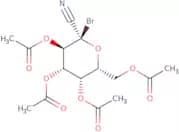
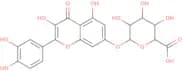
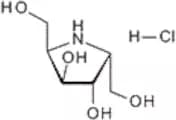

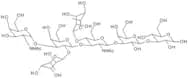
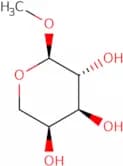
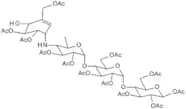
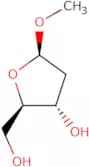
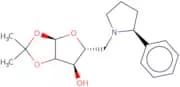
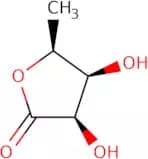

![6-O-[2-Acetamido-2-deoxy-4-O-(b-D-galactopyranosyl)-b-D-glucopyranosyl]-D-galactopyranose](/_next/image/?url=https%3A%2Fstatic.cymitquimica.com%2Fproducts%2F3D%2Fthumb-webp%2FOA06816.webp&w=3840&q=75)
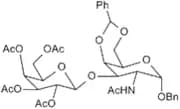
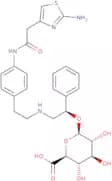

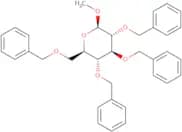


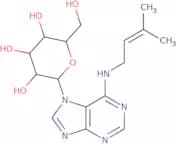
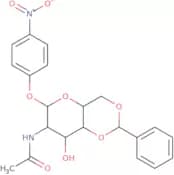
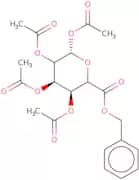
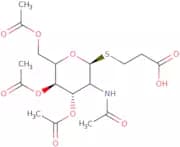

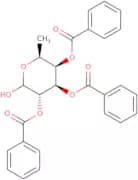
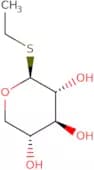

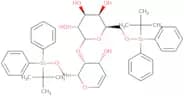

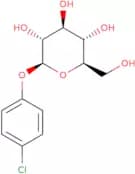
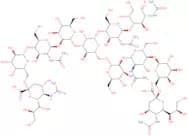
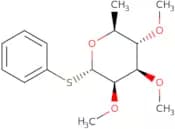
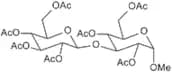
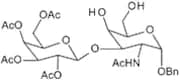


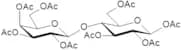
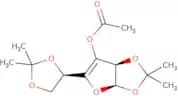

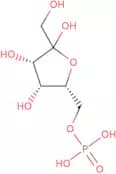
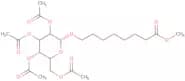
![Methyl 4-O-[4,6-O-benzylidene)-b-D-galactopyranosyl] b-D-glucopyranoside](/_next/image/?url=https%3A%2Fstatic.cymitquimica.com%2Fproducts%2F3D%2Fthumb-webp%2FOM30780.webp&w=3840&q=75)

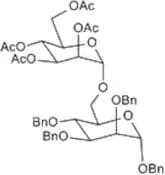
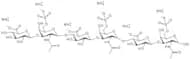
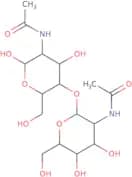

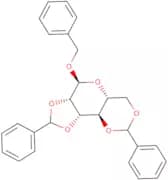
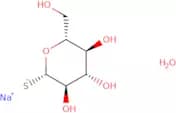

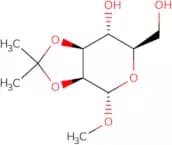


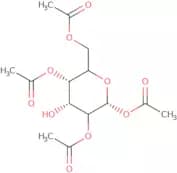

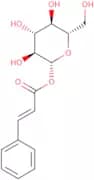
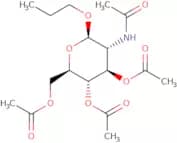


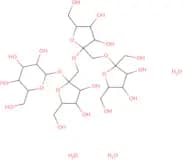
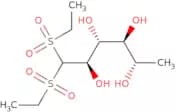


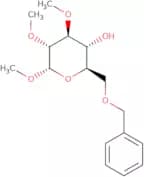
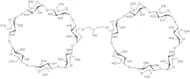
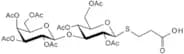
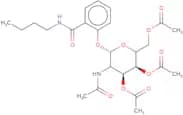



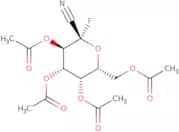


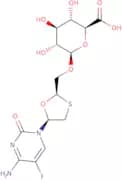

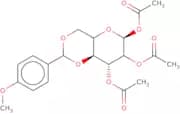

![1,2-Dideoxy-2'-dimethylamino-a-D-glucopyranoso-[2,1-d]-2'-thiazoline](/_next/image/?url=https%3A%2Fstatic.cymitquimica.com%2Fproducts%2F3D%2Fthumb-webp%2FMD15731.webp&w=3840&q=75)
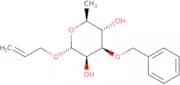
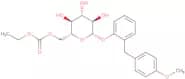
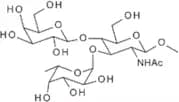

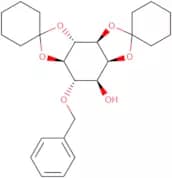
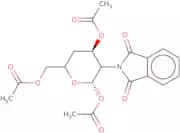


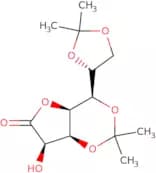

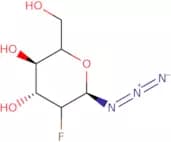
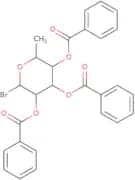
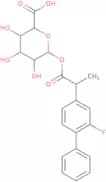
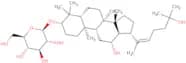
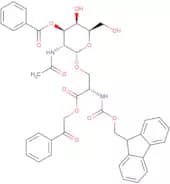

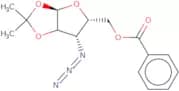
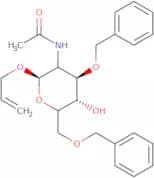
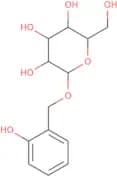
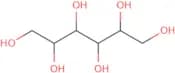

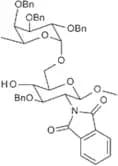

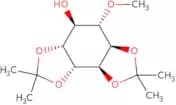
![2-Amino-1-methyl-6-phenylimidazo[4,5-b]pyridine N-b-D-glucuronide](/_next/image/?url=https%3A%2Fstatic.cymitquimica.com%2Fproducts%2F3D%2Fthumb-webp%2FMA16593.webp&w=3840&q=75)

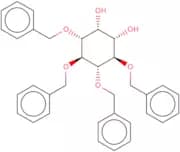
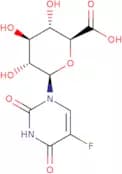

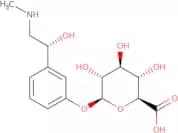
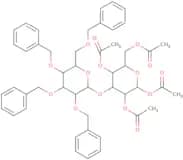
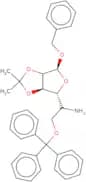
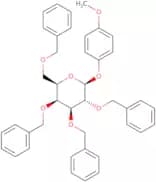
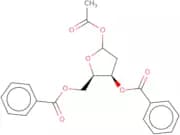
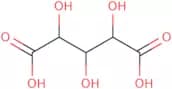

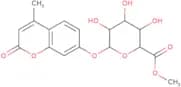
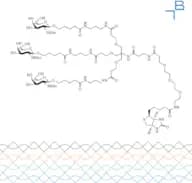


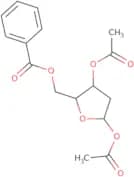
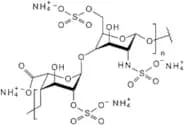
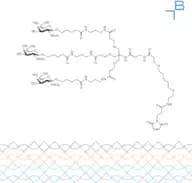
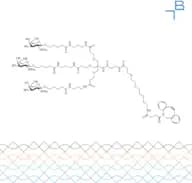
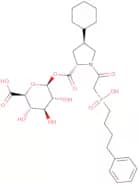

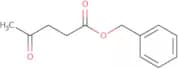
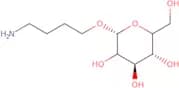
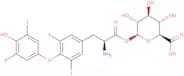

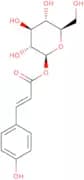
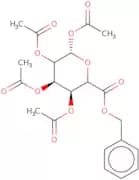
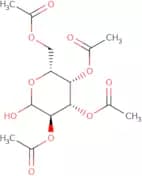
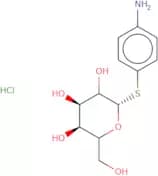
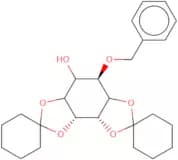
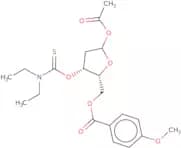


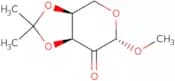
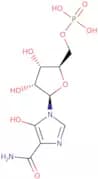

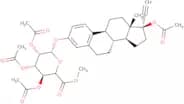

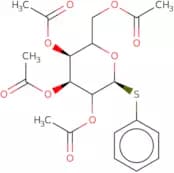
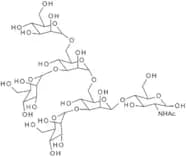
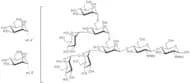


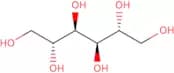

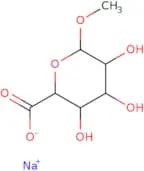


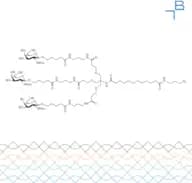

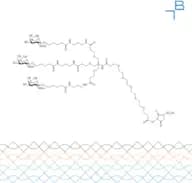
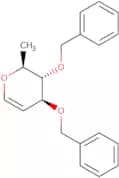
![2,3,4,6-Tetra-O-acetyl-N-(b-D-galactopyranosyl)-N'-[(2-methanethiosulfonyl)ethyl]urea](/_next/image/?url=https%3A%2Fstatic.cymitquimica.com%2Fproducts%2F3D%2Fthumb-webp%2FMT01191.webp&w=3840&q=75)
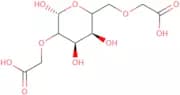
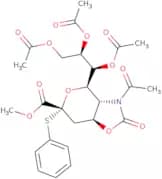
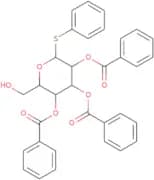
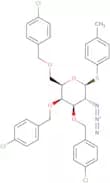
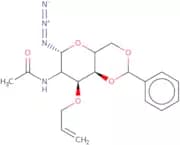


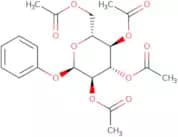
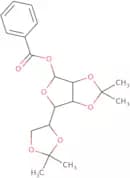
![Benzyl 2,3-O-[(1S,2S)-1,2-dimethoxy-1,2-dimethyl-1,2-ethanediyl]-b-D-arabinopyranoside](/_next/image/?url=https%3A%2Fstatic.cymitquimica.com%2Fproducts%2F3D%2Fthumb-webp%2FMB16615.webp&w=3840&q=75)


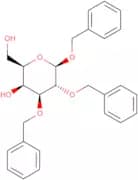
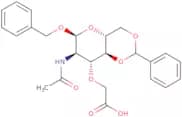
![5-Deoxy-1,2-O-isopropylidene-5-[(2S-phenylpyrrolidine)-1-yl]-a-D-xylofuranose](/_next/image/?url=https%3A%2Fstatic.cymitquimica.com%2Fproducts%2F3D%2Fthumb-webp%2FMD07491.webp&w=3840&q=75)