Glycosciences
Sous-catégories appartenant à la catégorie "Glycosciences"
- Aminosucres(108 produits)
- Anticorps Glyco-Related(284 produits)
- Glycolipides(46 produits)
- Glycosaminoglycanes (GAGs)(55 produits)
- Glycosides(422 produits)
- Monosaccharides(6.674 produits)
- Oligosaccharides(4.042 produits)
- Polysaccharides(517 produits)
11404 produits trouvés pour "Glycosciences"
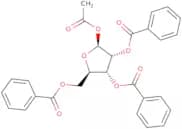
1-O-Acetyl-2,3,5-tri-O-benzoyl-b-D-ribofuranose
CAS :1-O-Acetyl-2,3,5-tri-O-benzoyl-b-D-ribofuranose is an intermediate used to access a variety of ribonucleoside analogues. The ribosylation of substituted purines and pyrimidines with 1-O-Acetyl-2,3,5-tri-O-benzoyl-b-D-ribofuranose affords ribonucleoside analogues with the potential for biological and medicinal activity. Ribosylation requires the use of a catalyst such as trimethylsilyl trifluoromethane sulfonate and N,O-Bis(trimethylsilyl)trifluoroacetamide.Formule :C28H24O9Degré de pureté :Min. 98 Area-%Couleur et forme :White PowderMasse moléculaire :504.48 g/molMethyl protodioscin
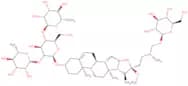
CAS :Methyl protodioscin is a natural compound that has been shown to have a promising therapeutic effect on autoimmune diseases. Methyl protodioscin is derived from soybean extract and it is known to inhibit the translocation of bacteria across the gut wall, which could be due to its ability to regulate mucin gene expression. In vitro assays show that methyl protodioscin has an effect on mitochondrial membrane potential, which may be related to its anti-inflammatory properties. The effects of methyl protodioscin on mitochondrial functions were studied in C. glabrata, and it was shown that this compound can be used as a therapeutic agent for balloon injury. Methyl protodioscin also inhibits the growth of Candida albicans and other fungi in vivo, suggesting that this compound might have antifungal activity.Formule :C52H86O22Degré de pureté :Min. 95%Masse moléculaire :1,063.23 g/molUDP-GlcNAc disodium salt
CAS :Substrate for N-acetylglucosaminyltransferases
Formule :C17H25N3O17P2Na2Degré de pureté :Min. 98 Area-%Couleur et forme :White PowderMasse moléculaire :651.32 g/molMethyl 2,3-di-O-benzyl-4,6-O-(4-methoxybenzylidene)-a-D-mannopyranoside
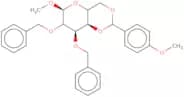
CAS :Methyl 2,3-di-O-benzyl-4,6-O-(4-methoxybenzylidene)-a-D-mannopyranoside is a custom synthesis of a complex carbohydrate. It has been modified to include an Oligosaccharide and Polysaccharide, which are saccharides. This product can be used for the synthesis of glycosylation and carbonylation reactions. Methyl 2,3-di-O-benzyl-4,6-O-(4-methoxybenzylidene)-a-D-mannopyranoside is high purity with a fluorination process that ensures the highest quality.Formule :C29H32O7Degré de pureté :Min. 95%Masse moléculaire :492.57 g/molCorn starch
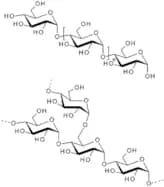
CAS :Starch is a two component polysaccharide mixture of amylose and amylopectin. Amylose is a linear polysaccharide of α (1,4)-linked glucose residues and averages 20 to 30% of the total in most native starches. Amylopectin is a highly branced glucan containing both a (1,4) and a (1,6) linkages. The number of glucose residues in a single starch molecule can vary from five hundred to several hundred thousand, depending on the type of starch. Starch is the major storage form of energy in plants, just as glycogen is the storage form of energy for animals. The plant directs the starch molecules to the amyloplasts, where they are deposited to form granules. Thus, both in plants and in the extracted concentrate, starch exists as granules varying in diameter from 2 to 130 μm.Degré de pureté :Min. 95%Couleur et forme :PowderMyristoyl-DL-carnitine chloride
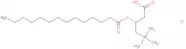
CAS :Myristoyl-DL-carnitine chloride (MC) is a prodrug that is hydrolyzed to form L-carnitine and myristic acid. The drug has been shown to be absorbed intranasally, and its absorption kinetics are enhanced by the presence of lipids. MC was found to increase the level of human growth hormone in Sprague-Dawley rats. It also decreased the amount of chloride excreted in the urine by inhibiting intestinal epithelial cells from absorbing chloride ions. This drug may be used as a nasal spray for treatment of gastrointestinal disorders such as chronic constipation.
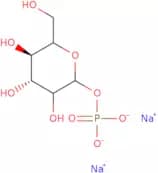
Formule :C21H42ClNO4Degré de pureté :Min. 95%Couleur et forme :PowderMasse moléculaire :408.02 g/molD-Galactose-1-phosphate disodium
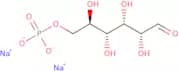
CAS :D-Galactose-1-phosphate disodium is an organic compound that is used as a methylation and glycosylation reagent. It can be used in the synthesis of oligosaccharides, polysaccharides, and other complex carbohydrates. D-Galactose-1-phosphate disodium is a fluorinated saccharide that can be custom synthesized to order. It is also available in high purity and has CAS No. 147072-63-7.Formule :C6H13O9P•(Na)2Degré de pureté :(31P-Nmr) Min. 98%Couleur et forme :PowderMasse moléculaire :304.1 g/mol(5R, 6R, 7R, 8S) -8- (HydroxymHthyl) - 1- azabicyclo[4.2.0] octane- 5, 7- diol
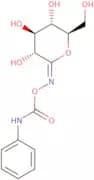
CAS :(5R, 6R, 7R, 8S) -8- (Hydroxymethyl) - 1- azabicyclo[4.2.0] octane- 5,7-diol is a synthetic compound that belongs to the group of sugar derivatives and is used in the synthesis of oligosaccharides. It is a white solid with an mp of 153°C and a molecular weight of 226.3 g/mol. This compound is soluble in water and ethanol but insoluble in ether or hexane. It has been shown to have high purity and can be modified with fluorination, glycosylation, methylation, or saccharide modification.Degré de pureté :Min. 95%O-(D-Glucopyranosylidene)amino N-phenylcarbamate
CAS :O-(D-glucopyranosylidene)amino N-phenylcarbamate is a synthetic monosaccharide that is used in our laboratory as an intermediate for the synthesis of complex carbohydrates. It is also used in the modification of polysaccharides and glycosylations. This compound has been shown to be stable to hydrolysis, methylation, and oxidation. O-(D-glucopyranosylidene)amino N-phenylcarbamate has been shown to be a high purity product with a CAS number of 104012-84-2.
Formule :C13H16N2O7Degré de pureté :Min. 95%Masse moléculaire :312.28 g/molD-Fructose
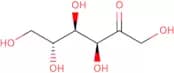
CAS :D-Fructose (Fru) is the most common reducing keto-hexose and is often known as levulose, arabino-hexulose, fruit sugar (Collins, 2006). In an aqueous solution, fructose exhibits mutarotation (approx., 70-75% β-pyranose, 20-23% β-furanose, 5% α-furanose, 2% α-pyranose, 0.7% open chain) (Angyal, 1984). Sucrose from sugar cane and sugar beet is made up of 50% fructose and is found in many fruits and vegetables; it is the predominant sugar in apples, grapes, oranges and watermelon, as well as comprising of up to half of the total sugars in honey. High fructose corn syrup (HFCS) containing around 50% fructose is an important food ingredient produced from glucose syrup by the action of the enzyme glucose isomerase (Hanover, 1993). However, dietary sugars including fructose, have long been implicated in the epidemic of obesity. Evidence to link the relation of foods and beverages containing fructose with overweight or obesity has recently been obtained (Zurbau, 2020).Formule :C6H12O6Degré de pureté :Min. 99 Area-%Couleur et forme :White PowderMasse moléculaire :180.16 g/molMan-6 Glycan, 2-AB labelled
Man-6 Glycan, 2-AB labelled is a custom synthesis of mannose-6-phosphate, a monosaccharide. The molecule contains six carbons and one phosphate group. It can be modified with fluorination, methylation, or click modification. This glycan is synthesized by the addition of an oligosaccharide to a polysaccharide. Mannose-6-phosphate is an Oligosaccharide that carries out glycosylation reactions in the body. It is used as a precursor for other glycans such as N-Acetylglucosamine and N-Acetylgalactosamine.
Degré de pureté :Min. 95%2,3:4,5-Di-O-isopropylidene-D-gulonic acid methyl ester
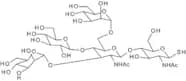
2,3:4,5-Di-O-isopropylidene-D-gulonic acid methyl ester is a custom synthesis that has been modified with fluorination and methylation. It is a monosaccharide, which is synthesized by the click modification of an oligosaccharide. The CAS number for this compound is 7791-54-2. This chemical can be used to produce polysaccharides and complex carbohydrates.Degré de pureté :Min. 95%2-Acetamido-4-O-[2-acetamido-4-O-(β-D-glucopyranosyl)-3,6-di-O-(α-D-mannopyranosyl)-2-deoxy-β-D-glucopyranosyl]-2-deoxy-β-D-thiogluc opyranoside
2-Acetamido-4-O-[2-acetamido-4-O-(b-D-glucopyranosyl)-3,6-di-O-(a-D-mannopyranosyl)-2,6-di-O-(a,b,c,d)-D mannopyranosyl]-2,6-di-O-(a,b,c,d)-D mannopyranosyl]-2 deoxy -b D thioglucopyranose is a carbohydrate that belongs to the class of saccharides. This compound is modified with fluorination and methylation and can be custom synthesized. It has high purity and can be glycosylated or click modified.Formule :C34H58N2O25SDegré de pureté :Min. 95%Couleur et forme :SolidMasse moléculaire :926.89 g/mol2,6-Anhydro-D-glycero-D-gluo-heptonic acid amide
2,6-Anhydro-D-glycero-D-gluo-heptonic acid amide is a synthetic glycoside that is used as an intermediate in the synthesis of oligosaccharides and polysaccharides. The compound is a fluorinated sugar with a methoxy group at the 2 position. This modification provides for increased stability to oxidation reactions and improved solubility in organic solvents. The compound can be modified to include other functional groups, such as methyl or click modifications. 2,6-Anhydro-D-glycero-D-gluo-heptonic acid amide has CAS number 8881–41–8 and can be purchased from various chemical suppliers.Degré de pureté :Min. 95%1,3,5-Tri-O-benzoyl-2-deoxy-2-fluoro-α-L-arabinofuranose
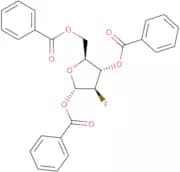
CAS :Intermediate in synthesis of clevudineFormule :C26H21FO7Degré de pureté :Min. 98 Area-%Couleur et forme :PowderMasse moléculaire :464.44 g/mol2,6-di-n-pentyl-γ-cyclodextrin
2,6-di-n-pentyl-gamma-cyclodextrin is a glycosylation reagent that is used in the synthesis of oligosaccharides and polysaccharides. It has been used to synthesize an anti-inflammatory agent for the treatment of inflammatory bowel disease. This compound can be modified by Click chemistry, which allows for the attachment of different molecules to its surface. 2,6-di-n-pentyl-gamma-cyclodextrin is also a fluorinated compound with CAS number 689069-46-2.Formule :C128H240O40Degré de pureté :Min. 95%Masse moléculaire :2,419.25 g/molAllyl 6-O-benzyl 2-deoxy-3-O-((R)-1'-ethoxycarbonylethyl)-2-(2,2,2-trichloroethoxycarbonylamino)-a-D-glucopyranoside
Allyl 6-O-benzyl 2-deoxy-3-O-(R)-1'-ethoxycarbonylethyl)-2-(2,2,2-trichloroethoxycarbonylamino)-a-D-glucopyranoside is a synthetic carbohydrate that can be custom synthesized. It is a saccharide, an oligosaccharide, and a sugar. This product has been fluorinated and methylated. The CAS number for Allyl 6-O-benzyl 2-deoxy-3-O-(R)-1'-ethoxycarbonylethyl)-2-(2,2,2-trichloroethoxycarbonylamino)-a-D-glucopyranoside is 589791.Degré de pureté :Min. 95%Tri-b-GalNAcAc3-6-aminohexyl-NHCbz
CAS :Tri-b-GalNAc-6-aminohexyl-NHCbz is the peracetylated form with a protected terminal amino group (NHCbz). It is a synthetic ligand designed to target the asialoglycoprotein receptor (ASGPR) on hepatocytes. The three terminal beta-N-acetylgalactosamine (GalNAc) sugars provide an efficient ASGPR binding. It serves as a platform for lysosomal targeting chimera (LYTAC) development, allowing for the creation of chimeras that specifically target unwanted proteins for degradation within hepatocytes. In addition, tri-b-GalNAc-6-aminohexanoate facilitates the delivery of therapeutic cargo, such as RNA or Cas9 complexes, directly to hepatocytes via ASGPR-mediated endocytosis. This approach is promising for gene therapy and RNAi applications in the liver due to the specificity of ASGPR targeting and the versatility of the conjugation moiety.Formule :C93H145N11O39Degré de pureté :Min. 95 Area-%Masse moléculaire :2,041.2 g/molD-Galacturonic acid monohydrate
CAS :D-Galacturonic acid (GalA) is a hexuronic acid with the CH2OH at C5 of galactose replaced by a carboxyl group (Collins, 2006). D-galacturonic acid is abundant in pectic polysaccharides which are characterized by a high α-1,4 linked galacturonic acid content and include pectic acid (polygalacturonic acid), rhamnogalacturonan I (Oomen, 2002), rhamnogalacturonan (RG) II (Vidal, 2000), xylogalacturonan, and homogalacturonan. These polymers play roles in strengthening cell walls, cell adhesion and are established as part of signaling cascades that detect cell wall degradation upon pathogen attack.Formule :C6H10O7·H2ODegré de pureté :(Titration) Min. 97%Couleur et forme :White Off-White PowderMasse moléculaire :212.15 g/molArabinoxylan
CAS :Arabinoxylans consist of α-L-arabinofuranose residues attached as branch-points to β-(1,4)-linked D-xylopyranose main chains. These may be 2- or 3-substituted or 2- and 3- di-substituted. The arabinose residues may also be linked to other groups attached such as glucuronic acid residues, ferulic acid cross links and acetyl groups. Arabinoxylans generally consist of between 1500 - 5000 residues.
Degré de pureté :Min. 95%Couleur et forme :PowderD-Glucose-6-phosphate disodium salt dihydrate
CAS :Glucose 6-phosphatase substrateFormule :C6H11Na2O9P·2H2ODegré de pureté :Min. 98%Couleur et forme :White PowderMasse moléculaire :340.13 g/mol2, 5- Anhydro- 3- azido- 3- deoxy- D- altronic acid methyl ester
CAS :2, 5-Anhydro-3-azido-3-deoxy-D-altronic acid methyl ester is a Carbohydrate that belongs to the saccharide class. It is an Oligosaccharide containing 2 Monosaccharides and 1 Disaccharide. This product is custom synthesized, high purity, and has been Fluorinated and Methylated. The modification of this product includes Click chemistry.Formule :C7H11N3O5Degré de pureté :Min. 95%Masse moléculaire :217.18 g/mol3-O-Benzyl-1-O-tert-butyldimethylsilyl- D- glucitol cyclic 5, 6- carbonate
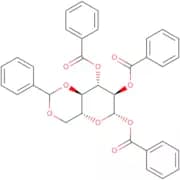
3-O-Benzyl-1-O-tert-butyldimethylsilyl- D- glucitol cyclic 5, 6- carbonate (3BTBDMS) is an organic compound that is used as a synthetic intermediate. It can be used for the synthesis of oligosaccharides and saccharides. 3BTBDMS can also be fluorinated, glycosylated, or methylated to create other compounds. This product has a molecular weight of 288.36 g/mol and a CAS number of 106929–04–8.Degré de pureté :Min. 95%1,2,3-Tri-O-benzoyl-4,6-O-benzylidene-b-D-glucopyranose
CAS :1,2,3-Tri-O-benzyl-4,6-O-benzylidene-b-D-glucopyranose is a synthetic compound that is used for glycosylation and modification of complex carbohydrates. It is a sugar that can be custom synthesized by coupling benzoyl chloride with 1,2,3,4,5,6-hexamethoxybenzene. The product is a white to off white solid in crystalline form. This compound has CAS No. 113544-56-2 and molecular weight of 533.Formule :C34H28O9Degré de pureté :Min. 95%Masse moléculaire :580.58 g/molN-Acetyl-D-glucosamine
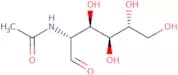
CAS :N-acetyl D-glucosamine (GlcNAc) is an aldohexose (2-acetamido-2-deoxyglucose) in which the hydroxyl group at position 2 is replaced by NHAc (Collins, 2006). N-acetyl D-glucosamine forms the exoskeletons of molluscs and insects as the building block of the polysaccharide chitin (Rudrapatnam, 2003). N-acetyl D-glucosamine is a key component of N- and O-linked glycans, present in glycolipids and the glycosaminoglycan hyaluronic acid (Fallacara, 2018). A recent study has suggested that N-acetyl D-glucosamine may have therapeutic potential for COVID-19 as it affects the spike protein-ACE2 receptor interaction during the infection with SARS-CoV-2 virus (Baysal, 2021).Formule :C8H15NO6Degré de pureté :Min. 98 Area-%Couleur et forme :PowderMasse moléculaire :221.21 g/mol6-Amino-6-deoxy-b-cyclodextrin hydrochloride
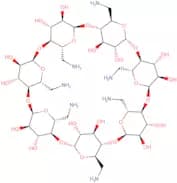
CAS :This beta-cyclodextrin (β-CD) derivative is a functionalized cyclic oligosaccharide composed of seven glucose units, characterized by a hydrophilic exterior and a lipophilic cavity (bigger than α-CD and smaller than γ-CDs), which allows it to encapsulate various guest molecules. This structural feature facilitates its use in multiple applications, including pharmaceuticals, food enhancement, and cosmetics. In the pharmaceutical industry, it enhances the solubility and stability of poorly water-soluble drugs, improving their bioavailability and efficacy while also masking unpleasant tastes. The food sector utilizes it as a stabilizer for flavors, colors, and nutrients, extending shelf life by protecting sensitive ingredients from degradation. In cosmetics, it serves as a complexing agent for fragrances and active components, ensuring their stability and controlled release. Its use expands to many other fields, including nanotechnology for drug delivery systems, environmental remediation for extracting organic pollutants, textiles for slow-release fragrances, and analytical chemistry for chiral separation.Formule :C42H77N7O28·7HClDegré de pureté :Min. 95%Couleur et forme :White Slightly Yellow PowderMasse moléculaire :1,383.32 g/mol6-Chloro-6-deoxy-a-cyclodextrin
Alpha-cyclodextrin (α-CD) derivative with a hydrophilic exterior and lipophilic cavity (smaller than β-CDs and γ-CDs) to allocate certain guest molecules. This structural characteristic enables applications in molecular encapsulation, solubility enhancement, and stabilization across multiple industries. In pharmaceuticals, it serves as a drug delivery vehicle, enhancing the bioavailability and stability of active ingredients. The food industry utilizes it as a stabilizer for flavors, colors, and nutrients, as well as a functional ingredient for its effects on lipid metabolism. In cosmetics, it acts as a complex agent for fragrances and active components. Its applications extend to analytical chemistry for chiral separation and to materials science for developing smart materials and nanosystems.Formule :C36H54Cl6O24Degré de pureté :Min. 95%Masse moléculaire :1,083.52 g/molStachyose hydrate - 98%
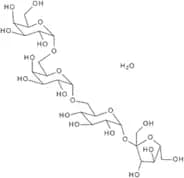
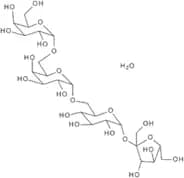
CAS :Non-reducing storage and transport sugar in woody plants; used as a sweetener
Formule :C24H42O21·xH2ODegré de pureté :Min. 98 Area-%Couleur et forme :White Off-White PowderMasse moléculaire :666.58 g/mol2,3,4,6-Tetra-O-acetyl-5-thio-D-galactopyranosyl trichloroacetimidate
2,3,4,6-Tetra-O-acetyl-5-thio-D-galactopyranosyl trichloroacetimidate is a carbohydrate that is modified with acetylation at the 2' and 3' positions of the 5'-hydroxyl group of the sugar. This modification can be used for oligosaccharides, complex carbohydrates, and synthetic carbohydrates. The CAS number for this product is 4862-90-8.Formule :C16H20Cl3NO9SDegré de pureté :Min. 95%Couleur et forme :PowderMasse moléculaire :508.76 g/molN-Acetyl-D-mannosamine
CAS :N-Acetyl D-mannosamine (ManNAc) is an aldohexose (2-acetamido-2-deoxymannose) in which the axial hydroxyl group at position 2 is replaced by a N-acetyl group (Collins, 2006). It has been reported that N-acetyl D-mannosamine supplementation, may provide novel means to break the link between obesity and hypertension (Peng, 2019). N-Acetyl-D-mannosamine and N-acetyl-D-glucosamine are the essential precursors of sialic acid, the specific monomer of polysialic acid, a bacterial pathogenic determinant, for example, Escherichia coli K1 uses both amino sugars as carbon sources. Glycoproteins normally have some level of glycan sialylation, but incomplete sialylation can reduce their therapeutic effect when produced recombinantly. To improve performance, cell lines and culture media can be adjusted. The GNE enzyme controls the efficiency of sialylation in human cell lines, making it crucial for producing effective recombinant glycoprotein drugs. Adding ManNAc and other supplements to culture media improves sialylation, which boosts drug yield, increases stability and half-life, and lowers immune reactions by reducing antibody formation.It has also been reported that ManNAc can be used as a treatment for hereditary inclusion body myopathy, an adult-onset, progressive neuromuscular disorder and also for renal disorders involving proteinuria and hematuria due to podocytopathy and/or segmental splitting of the glomerular basement membrane (Galeano, 2007).Formule :C8H15NO6Degré de pureté :Min. 97.5 Area-%Masse moléculaire :221.21 g/mol(2R, 3S, 4S) -4- (Azidomethyl) - 3- fluoro- 1- (phenylmethyl) -2- azetidinecarboxylic acid methyl ester
CAS :(2R, 3S, 4S) -4- (Azidomethyl) - 3- fluoro- 1- (phenylmethyl) -2- azetidinecarboxylic acid methyl ester is a synthetic saccharide which is used in the synthesis of oligosaccharides and monosaccharides. It has been shown to be useful for glycosylation reactions and click chemistry. This compound is also fluorinated and has a purity of 98%.Formule :C13H15FN4O2Degré de pureté :Min. 95%Masse moléculaire :278.28 g/mol5-O-Decanoyl-D-xylose
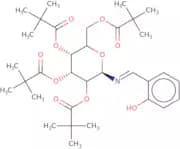
CAS :5-O-Decanoyl-D-xylose is a synthetic sugar that is used in the synthesis of oligosaccharides and polysaccharides. 5-O-Decanoyl-D-xylose is a modification of D-xylose that can be synthesized from D-xylose by adding a decanoic acid group to the C5 position. This modification increases the susceptibility of the sugar to reactions with other molecules, such as fluorination or methylation. Click modification reactions have been shown to be particularly useful for this purpose, since they are highly selective and can be carried out under mild conditions.Formule :C15H28O6Degré de pureté :Min. 95%Couleur et forme :PowderMasse moléculaire :304.38 g/molN-(2-Hydroxybenzyliden)imino-2,3,4,6-tetra-O-pivaloyl-b-D-glucopyranoside
The 2-hydroxybenzylidenimino-2,3,4,6-tetra-O-pivaloyl-b-D-glucopyranoside is a modification of the carbohydrates. It is an oligosaccharide that has been synthesized and it is a complex carbohydrate. This compound has a CAS No. and it is a monosaccharide. It is methylated and glycosylated and it can be used as a sugar or as a polysaccharide. This compound also has fluorination and saccharide modifications.Formule :C33H49NO10Degré de pureté :Min. 95%Masse moléculaire :619.74 g/molPhenylmethyl 2,3-O-(1-methylethylidene)- a-D-lyxofuranoside
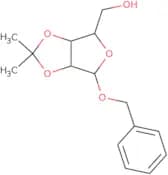
CAS :Phenylmethyl 2,3-O-(1-methylethylidene)- a-D-lyxofuranoside is a Custom synthesis that has been modified with fluorination and methylation. It is a monosaccharide that is part of an oligosaccharide, which is the saccharide unit in complex carbohydrates. The CAS number for this compound is 20786-73-6.Degré de pureté :Min. 95%(2R, 3S, 4S) - 1- Butyl-3-fluoro-4- (hydroxymethyl) - 2- azetidinecarboxylic acid N-methylamide
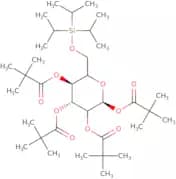
(2R, 3S, 4S) - 1- Butyl-3-fluoro-4- (hydroxymethyl) - 2- azetidinecarboxylic acid N-methylamide is a fluorinated monosaccharide that is synthesized from the reaction of methyl acetoacetate and formaldehyde. The compound is used in glycosylation reactions to produce oligosaccharides or polysaccharides. This product has been modified with a click chemistry reaction to produce a new sugar that can be used in the synthesis of complex carbohydrates. The purity of this product is > 98%.Degré de pureté :Min. 95%1,2,3,4-Tetra-O-pivaloyl-6-O-triisopropylsilyl-b-D-galactopyranose
One of the most important properties of this product is that it has a high degree of purity. It is a custom synthesis, complex carbohydrate and an oligosaccharide. This product is a CAS No., Polysaccharide, Modification, saccharide, Methylation, Glycosylation, Click modification, Carbohydrate and sugar. The molecular weight of this product is 1,2,3,4-Tetra-O-pivaloyl-6-O-triisopropylsilyl-b-D-galactopyranose. It also has a fluorination and synthetic modification.
Formule :C35H64O10SiDegré de pureté :Min. 95%Masse moléculaire :672.98 g/mol2-C-Methyl- 2, 3- O- isopropylidene - D- lyxonic acid g- lactone
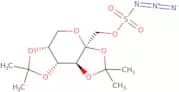
2-C-Methyl- 2,3-O-isopropylidene -D-lyxonic acid g-lactone is a synthetic monosaccharide that is used as a building block in the synthesis of complex carbohydrates. It can be fluorinated and glycosylated to form saccharides. This product has been custom synthesized and is offered at high purity levels.Degré de pureté :Min. 95%2,3:4,5-Di-O-isopropylidene-b-D-fructopyranose azide sulphate
CAS :2,3:4,5-Di-O-isopropylidene-b-D-fructopyranose azide sulphate is a custom synthesis. It has been fluorinated and methylated by the click chemistry method. The compound is a complex carbohydrate with a high purity and modification level. 2,3:4,5-Di-O-isopropylidene-b-D-fructopyranose azide sulphate can be used for glycosylation or oligosaccharide synthesis. CAS No. 106881-35-0Formule :C12H19N3O8SDegré de pureté :Min. 95%Masse moléculaire :365.36 g/mol1,2,3,4,6-Penta-O-acetyl-D-mannopyranose
CAS :1,2,3,4,6-Penta-O-acetyl-D-mannopyranose is an organic chemical compound that belongs to the group of sugars. It is a synthetic compound that can be used as an analytical reagent in hepg2 cells and chloride. 1,2,3,4,6-Penta-O-acetyl-D-mannopyranose has been shown to have a protective effect against adenosine receptors and phosphotungstic acid in brain cells. This sugar also has a strong affinity for lectins and can be used to study the binding of sugars to proteins by titration calorimetry.Formule :C16H22O11Degré de pureté :Min. 98 Area-%Couleur et forme :White PowderMasse moléculaire :390.34 g/mol3'-Sialyl Lewis X 4-sp - biotin
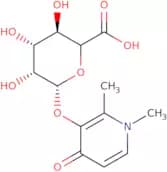
3'-Sialyl Lewis X 4-sp - biotin is an oligosaccharide that is synthesized by methylation of the terminal hydroxyl group of 3'-sialyllactose with a bivalent metal ion. This product has been used in the synthesis of glycosylated proteins and as a carrier for small molecules such as drugs.Formule :C42H71N7O26SDegré de pureté :Min. 95%Masse moléculaire :1,122.11 g/molDeferiprone 3-O-β-D-glucuronide
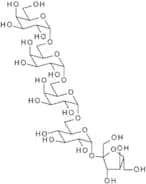
CAS :Deferiprone 3-O-b-D-glucuronide is a modification of deferiprone. It is synthesized by methylation, glycosylation, and polysaccharide modification with fluorine. Deferiprone 3-O-b-D-glucuronide is monosaccharide in nature and has high purity and custom synthesis.Formule :C13H17NO8Degré de pureté :Min. 95%Couleur et forme :Light (Or Pale) Yellow SolidMasse moléculaire :315.28 g/molVerbascose
CAS :Immunomodulatory pentasaccharide; prebioticFormule :C30H52O26Degré de pureté :Min. 95 Area-%Couleur et forme :White PowderMasse moléculaire :828.72 g/mol4,6-O-Isopropylidene-D-mannopyranose
4,6-O-Isopropylidene-D-mannopyranose is a custom synthesis of a polysaccharide that has been modified with fluorination, methylation, and click modification. This product can be used in the synthesis of oligosaccharides or saccharides. It may also be used in glycosylation reactions to produce complex carbohydrates.Degré de pureté :Min. 95%Phenyl 3,4,6-tri-O-acetyl-2-deoxy-2-phthalimido-β-D-selenoglucopyranoside
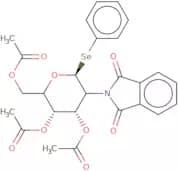
CAS :Phenyl 3,4,6-tri-O-acetyl-2-deoxy-2-phthalimido b-D-selenoglucopyranoside is a chemical compound that is used in the synthesis of saccharides and oligosaccharides. It has been modified with the Click reaction to give it a reactive group. This modification can be used for glycosylation or for incorporation into polysaccharides such as starch. Phenyl 3,4,6-tri-O-acetyl-2-deoxy b -D selenoglucopyranoside is a high purity synthetic compound that is available in custom synthesis quantities.Formule :C26H25NO9SeDegré de pureté :Min. 95%Masse moléculaire :574.44 g/molN1-β-D-Arabinopyranosylamino-guanidine hydrochloride
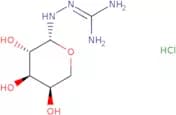
CAS :N1-b-D-arabinopyranosylamino-guanidine HCl is a modified carbohydrate. It is a synthetic monosaccharide that is custom synthesized by methylation and glycosylation. This product has high purity and can be used for modification of saccharides or oligosaccharides to create new carbohydrates with desired properties.Formule :C6H14N4O4•HClDegré de pureté :Min. 95%Couleur et forme :White to light beige solid.Masse moléculaire :242.66 g/molStachyose hydrate - 80%
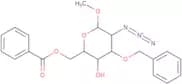
CAS :Non-reducing storage and transport sugar in woody plants; used as a sweetenerFormule :C24H42O21•(H2O)xDegré de pureté :Min. 80 Area-%Couleur et forme :PowderMasse moléculaire :684.59 g/molMethyl 2-azido-2-deoxy-3-O-benzyl-6-O-benzoyl-a-D-glucopyranoside
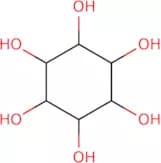
CAS :Methyl 2-azido-2-deoxy-3-O-benzyl-6-O-benzoyl-a-D-glucopyranoside is a synthetic carbohydrate that can be used as a fluorescent probe. It has been used to study the glycosylation of proteins and saccharides, and also as an intermediate in the synthesis of oligosaccharides. The chemical structure of Methyl 2-azido-2-deoxy-3 -O -benzyl -6 -O -benzoyl -a -D -glucopyranoside is shown below:Formule :C21H22N3O6Degré de pureté :Min. 95%Masse moléculaire :412.42 g/molneo-Inositol
CAS :Neo-inositol is a type of inositol that is not found naturally in the body, but can be synthesized. It has been shown to inhibit the growth of cancer cells and have a physiological effect on ovarian cells. Neo-inositol has also been shown to inhibit certain types of cancer cells by interfering with their ability to produce energy. Neo-inositol was also shown to increase levels of cytosolic Ca2+ in a model system, which may contribute to its cytotoxic effects.Formule :C6H12O6Degré de pureté :Min. 95 Area-%Couleur et forme :White PowderMasse moléculaire :180.16 g/mol6-Deoxy-D-lactose
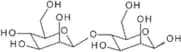
CAS :6-Deoxy-D-lactose is a custom synthesized, complex carbohydrate that is an Oligosaccharide. It is a polysaccharide with a CAS number of 52689-62-0. 6-Deoxy-D-lactose has been modified by methylation and glycosylation and can be used as a Modification of saccharides. 6-Deoxy-D-lactose has been fluorinated and it can be synthesized by Click modification of sugar or high purity. 6-Deoxy-D-lactose is a white, crystalline powder that is soluble in water, ethanol, and acetone.br> 6 Deoxy Lactose (6DL) is an oligosaccharide that consists of one glucose molecule linked to one galactose molecule via alpha 1-->4 glycosidic linkage. The chemical formula for 6DL is C 12 H 22 O 11 . 6DLFormule :C12H22O10Degré de pureté :Min. 95%Couleur et forme :Off-White PowderMasse moléculaire :326.3 g/mol4-O-(β-D-Mannopyranosyl)-D-mannose
CAS :One of the disaccharides produced during the acid reversion of D-mannose. This mannobiose is the major repeating unit in the mannose chains of plant mannans, galacto- and gluco-mannans. It has been isolated from partial acid hydrolysates of ivory-nut (Phytelephas, macrocarpa) mannan, guaran (Cyamopsis sp.), palmyra palm (Borassus flabelliferer), fenugreek (Trigonella foenum-graecum) and lucerne (Medicago saliva) galactomannans.Formule :C12H22O11Degré de pureté :Min. 95%Couleur et forme :White PowderMasse moléculaire :342.3 g/mol


![(5R, 6R, 7R, 8S) -8- (HydroxymHthyl) - 1- azabicyclo[4.2.0] octane- 5, 7- diol](/_next/image/?url=https%3A%2Fstatic.cymitquimica.com%2Fproducts%2F3D%2Fthumb-webp%2FMH163378.webp&w=3840&q=75)