Antimicrobiens
Les antimicrobiens sont des agents qui détruisent ou inhibent la croissance des microorganismes, y compris les bactéries, les virus, les champignons et les parasites. Ces composés sont essentiels dans la prévention et le traitement des infections, jouant un rôle crucial en médecine, en agriculture et dans l'industrie alimentaire. Chez CymitQuimica, nous proposons une vaste gamme d'antimicrobiens de haute qualité et pureté, adaptés à diverses applications scientifiques et industrielles. Notre catalogue comprend des antibiotiques, des antifongiques, des antiviraux et des désinfectants, tous conçus pour répondre aux besoins de la recherche et du développement, ainsi qu'aux applications cliniques et de production. Avec nos produits, les professionnels peuvent garantir l'efficacité et la sécurité dans le contrôle des infections et la protection de la santé publique.
Sous-catégories appartenant à la catégorie "Antimicrobiens"
- Antibiotiques(4.111 produits)
- Antifongiques(835 produits)
- Antiparasitaires(704 produits)
- Antiviraux(762 produits)
2422 produits trouvés pour "Antimicrobiens"
Trier par
Degré de pureté (%)
0
100
|
0
|
50
|
90
|
95
|
100
Ampicillin amino-benzeneacetaldehyde
CAS :<p>Ampicillin amino-benzeneacetaldehyde is a specialized biochemical compound, which is a derivative of the well-known antibiotic ampicillin. This compound serves as an advanced progenitor in the synthesis of tailored antibiotics, stemming from both natural and semi-synthetic sources. The primary mode of action for this derivative involves its transformation into active ampicillin forms, which then inhibit bacterial cell wall synthesis by binding to penicillin-binding proteins. This mechanism effectively compromises the structural integrity of bacterial cells, leading to their eventual lysis.</p>Formule :C24H26N4O5SDegré de pureté :Min. 95%Masse moléculaire :482.6 g/mol(10E)-3-O-De(a-L-cladinose)-10-dehydro-11-dehydroxy-6-O-methyl-erythromycin 2'-acetate
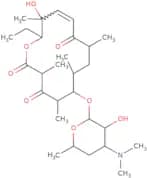
CAS :<p>Erythromycin derivative</p>Formule :C32H55NO10Degré de pureté :Min. 95%Masse moléculaire :613.78 g/molCauloside A
CAS :<p>Cauloside A is a steroidal saponin, a type of glycoside compound, which is primarily isolated from the plant Caulophyllum robustum or related species. Saponins are known for their diverse biological activities and the ability to interact with cell membranes due to their amphipathic nature, allowing them to disrupt lipid bilayers.</p>Formule :C35H56O8Degré de pureté :Min. 95%Masse moléculaire :604.8 g/molAldicarb d3
CAS :<p>Aldicarb d3 is an isotopically labeled compound, categorized as a carbamate pesticide, which is derived from chemical synthesis using deuterium labeling. Its mode of action involves the inhibition of acetylcholinesterase, an enzyme essential for nerve function, leading to the disruption of neurological processes in pest organisms.</p>Formule :C7H14N2O2SDegré de pureté :Min. 95%Masse moléculaire :193.28 g/molLTAS-IN-1
CAS :<p>LTAS-IN-1 is a synthetic chemical compound designed as an advanced inhibitor, which is developed through a series of intricate chemical synthesis processes. The mode of action of LTAS-IN-1 involves the selective inhibition of specific enzyme targets, effectively modulating their biological pathways. This selective inhibition allows researchers to investigate the compound's effects on various cellular and molecular processes.</p>Formule :C24H17N3O5Degré de pureté :Min. 95%Masse moléculaire :427.4 g/molNocardicin G
CAS :<p>Nocardicin G is a monocyclic β-lactam antibiotic, which is sourced from certain strains of the soil-dwelling actinobacterium *Nocardia*. This organism is known for its ability to synthesize various bioactive compounds. The mode of action of Nocardicin G involves inhibiting bacterial cell wall synthesis by targeting penicillin-binding proteins, resulting in the bactericidal effect against susceptible bacterial strains. This compound specifically disrupts the formation of the peptidoglycan layer, which is essential for bacterial integrity and survival.</p>Formule :C19H19N3O6Degré de pureté :Min. 95%Masse moléculaire :385.4 g/mol(E)-Ceftriaxone disodium
CAS :<p>(E)-Ceftriaxone disodium is a broad-spectrum cephalosporin antibiotic, which is derived from the fermentation of the fungus Acremonium. This semi-synthetic antibiotic works by inhibiting bacterial cell wall synthesis. It achieves this by binding to the penicillin-binding proteins (PBPs) in the bacterial cell membrane, which ultimately interferes with peptidoglycan cross-linking, leading to cell lysis and death.</p>Formule :C18H16N8Na2O7S3Degré de pureté :Min. 95 Area-%Masse moléculaire :598.54 g/molCAP 3
CAS :<p>CAP 3 is an enzymatic product, derived from genetically engineered microorganisms, known for its specificity and efficiency in catalyzing biochemical reactions. This enzyme functions via the hydrolysis of specific chemical bonds, promoting reaction pathways that enhance productivity in various industrial and laboratory settings.</p>Formule :C52H82N6O11Degré de pureté :Min. 95%Masse moléculaire :967.20 g/mol4-Epianhydrotetracycline hydrochloride
CAS :<p>4-Epianhydrotetracycline hydrochloride is a chemically modified antibiotic derivative, originating from the structural transformation of tetracycline. It is derived through epimerization and dehydration processes, which alter the parent compound's structure.</p>Formule :C22H23ClN2O7Degré de pureté :Min. 95%Masse moléculaire :462.9 g/molStreptidine
CAS :<p>Streptidine is an amino cyclitol, which is a component of certain aminoglycoside antibiotics. This compound originates from the actinomycete *Streptomyces griseus*, a soil bacterium known for its ability to produce a variety of antibiotics. Streptidine plays a crucial role in the mechanism of aminoglycosides by contributing to the binding affinity of these antibiotics to the bacterial ribosome.</p>Formule :C8H18N6O4Degré de pureté :Min. 95%Masse moléculaire :262.13895Lipoxamycin (hemisulfate)
CAS :<p>Lipoxamycin (hemisulfate) is a complex polyketide acting as an antimicrobial and antitumor agent, derived from a specific strain of soil-derived Actinomycetes. Its mode of action centers on the disruption of protein synthesis, specifically targeting tumor cells by inhibiting key enzymes required for cell growth and replication. The compound's structure, featuring multiple heterocyclic rings and functional groups, allows it to effectively bind to its molecular targets, inducing apoptosis in malignant cells.</p>Formule :C38H74N4O14SDegré de pureté :Min. 95%Masse moléculaire :843.1 g/molClindamycin 3,4-isopropylidene
CAS :<p>Clindamycin 3,4-isopropylidene is a semi-synthetic antibiotic derivative of clindamycin, which is derived from the bacterial species Streptomyces lincolnensis. This compound is synthesized through chemical modification, specifically forming an isopropylidene group at positions 3 and 4 of the clindamycin molecule. The inclusion of the isopropylidene moiety alters its physicochemical properties, potentially enhancing its stability or spectrum of activity.</p>Formule :C21H37ClN2O5SDegré de pureté :Min. 95%Masse moléculaire :465 g/molCefmetazole lactone
CAS :<p>Cefmetazole lactone is an antibiotic, classified as a cephalosporin, which is a type of β-lactam antimicrobial compound. It is derived from the Cephalosporium fungus, known for its progenitor antimicrobial properties. As a second-generation cephalosporin, cefmetazole lactone operates by inhibiting bacterial cell wall synthesis, essentially interfering with the transpeptidation process of peptidoglycan, a critical component of the bacterial cell wall. This disruption leads to cell lysis and eventual bacterial death, mainly affecting Gram-positive and some Gram-negative bacteria.</p>Formule :C13H13N3O5S2Degré de pureté :Min. 95%Masse moléculaire :355.40 g/molTCMDC-135051
CAS :<p>TCMDC-135051 is a synthetic ligand, which is derived from advanced combinatorial chemistry techniques. It operates as a potent modulator of specific receptor sites by selectively binding and altering their physiological activity. The source of TCMDC-135051's activity is its molecular architecture, designed to target epitopes with high affinity and precision. This targeted action makes TCMDC-135051 a valuable tool for probing cellular pathways and mechanisms, providing insights into complex biological processes.</p>Formule :C29H33N3O3Degré de pureté :Min. 95%Masse moléculaire :471.6 g/mol8-epiAtazanavir
CAS :<p>8-epiAtazanavir is a stereoisomer of the antiretroviral drug Atazanavir, which is derived from synthetic sources. It acts as an HIV-1 protease inhibitor, where it binds to the active site of the viral protease enzyme, thereby preventing the cleavage of precursor proteins required for the maturation of infectious viral particles. This interference with viral replication is achieved by the structural mimicry of the natural substrate of the protease, allowing it to competitively inhibit the enzyme's activity.</p>Formule :C38H52N6O7Degré de pureté :Min. 95%Masse moléculaire :704.38975Hexazinone metabolite A
CAS :<p>Hexazinone metabolite A is a chemical compound derived from the degradation of the parent herbicide hexazinone, which is commonly used in agriculture and forestry for broad-spectrum weed control. This metabolite is a result of microbial and environmental processes that modify the original chemical structure, altering its behavior and ecological interactions. With a mode of action involving the disruption of photosynthetic processes, Hexazinone metabolite A impacts plant growth by inhibiting photosystem II, thereby impeding electron transfer required for photosynthesis.</p>Formule :C12H20N4O3Degré de pureté :Min. 95%Masse moléculaire :268.31 g/molMagainin 2
CAS :<p>Magainin 2 is an antimicrobial peptide, which is derived from the skin of the African clawed frog, *Xenopus laevis*. This peptide is renowned for its membrane-disrupting mode of action, where it integrates into lipid bilayers of microbial cell membranes, ultimately leading to disruption and cell lysis. The mode of action is primarily through the formation of pores in the membrane, causing a loss of cellular contents and death of the microbial cell.</p>Formule :C114H180N30O29SDegré de pureté :Min. 95%Masse moléculaire :2,466.9 g/mol1-Anthroylnitrile
CAS :<p>1-Anthroylnitrile is a chemical compound, specifically an organic aromatic compound known as a polycyclic aromatic nitrile, which is synthesized from anthracene via nitrile substitution at the 1-position. With its aromatic structure, 1-Anthroylnitrile exhibits unique photophysical properties, functioning as a significant fluorescent probe due to its strong absorption and emission in the UV-visible spectrum.</p>Formule :C16H9NODegré de pureté :Min. 95%Masse moléculaire :231.25 g/molSofosbuvir impurity N
CAS :<p>Sofosbuvir impurity N is a chemical impurity found as a byproduct in the synthesis of sofosbuvir, a nucleotide analog used as an antiviral drug. Its origin is directly linked to the complex chemical processes involved in producing the active pharmaceutical ingredient. This impurity is specifically identified and analyzed to ensure the purity and efficacy of the sofosbuvir drug. Impurities like these are of significant interest in pharmaceutical development, as they provide insights into the synthetic pathways and potential degradation products.</p>Formule :C20H25FN3O9PDegré de pureté :Min. 95%Masse moléculaire :501.4 g/molNalidixic acid ethyl ester
CAS :<p>Nalidixic acid ethyl ester is a chemical compound that functions as a pro-drug antibacterial agent, specifically belonging to the quinolone class of antibiotics. It is synthesized from nalidixic acid, which is derived from the older synthetic derivative class of naphthyridines. Nalidixic acid ethyl ester exhibits its antibacterial properties through the inhibition of DNA gyrase and topoisomerase IV. These are essential enzymes for bacterial DNA replication, transcription, and repair, leading to the disruption of DNA synthesis in susceptible bacterial cells.</p>Formule :C14H16N2O3Degré de pureté :Min. 95%Masse moléculaire :260.29 g/molMagnoloside A
CAS :<p>Magnoloside A is a bioactive compound, which is a natural product derived from the bark of the Magnolia plant. This compound is part of a group of phenolic glycosides that is extracted using advanced phytochemical techniques. Its mode of action primarily involves the inhibition of pro-inflammatory cytokines and modulation of various signaling pathways involved in inflammation and oxidative stress.</p>Formule :C29H36O15Degré de pureté :Min. 95%Masse moléculaire :624.6 g/mol(R)-Ambrisentan
CAS :<p>(R)-Ambrisentan is an endothelin receptor antagonist, which is a pharmacological agent derived synthetically to target and inhibit specific cellular pathways. It is primarily utilized in the treatment of pulmonary arterial hypertension (PAH), where it plays a crucial role in modulating vascular function. The mode of action of (R)-Ambrisentan involves selective antagonism of the endothelin type A (ETA) receptors, which are responsible for vasoconstriction and proliferation of vascular smooth muscle cells. By blocking these receptors, it mitigates the effects of endothelin, a potent vasoconstrictor, thus reducing blood pressure and improving blood flow in pulmonary arteries.</p>Formule :C22H22N2O4Degré de pureté :Min. 95%Masse moléculaire :378.40 g/molKanamycin A
CAS :<p>Inhibitor of protein synthesis; aminoglycoside</p>Formule :C18H36N4O11Degré de pureté :Min. 95%Couleur et forme :White Clear LiquidMasse moléculaire :484.5 g/molLincomycin B hydrochloride
CAS :<p>Inhibitor of protein synthesis; lincosamide</p>Formule :C17H33ClN2O6SDegré de pureté :Min. 95%Masse moléculaire :428.97 g/molDesethyl chloroquine (diphosphate)
CAS :<p>Desethyl chloroquine (diphosphate) is a pharmacological compound, which is a derivative and metabolite of chloroquine. Chloroquine itself is a synthetic drug originally derived from quinoline. The mode of action of Desethyl chloroquine involves the interference with heme polymerization in malaria parasites. This process disrupts the detoxification of heme, a byproduct of hemoglobin digestion, thereby exhibiting antimalarial effects.</p>Formule :C16H28ClN3O8P2Degré de pureté :Min. 95%Masse moléculaire :487.8 g/molSSAA09E2
CAS :<p>SSAA09E2 is a specialized chemical compound, which is a synthetic product used extensively in various industrial and research applications. This compound is derived from petrochemical sources, ensuring a high degree of purity and consistency. Its mode of action involves acting as a catalyst in chemical reactions, facilitating the transformation and modification of molecular structures without being consumed in the process.</p>Formule :C16H20N4O2Degré de pureté :Min. 95%Masse moléculaire :300.36 g/mol6-Fluoro-1-(4-fluorophenyl)-4-oxo-7-piperazin-1-yl-1,8-naphthyridine-3-carboxylic acid
CAS :<p>6-Fluoro-1-(4-fluorophenyl)-4-oxo-7-piperazin-1-yl-1,8-naphthyridine-3-carboxylic acid is a fluoroquinolone antibiotic, which is a synthetic product derived from naphthyridine. Its mode of action involves inhibiting bacterial DNA gyrase and topoisomerase IV, enzymes critical for DNA replication, transcription, and repair. This action results in the prevention of DNA supercoiling and introduces breaks within bacterial DNA, thereby leading to the death of the microorganism.</p>Formule :C19H16F2N4O3Degré de pureté :Min. 95%Masse moléculaire :386.4 g/molAphidicolin
CAS :<p>Aphidicolin is a tetracyclic diterpenoid that acts as a potent inhibitor of DNA polymerase. Derived from the fungus *Cephalosporium aphidicola*, it is primarily identified for its ability to impede DNA synthesis by targeting eukaryotic DNA polymerase α. This selective inhibition disrupts replication processes, making it a crucial tool for studying cell cycle dynamics.</p>Formule :C20H34O4Degré de pureté :Min. 95%Masse moléculaire :338.48 g/molArylpyrazol
CAS :<p>Arylpyrazol is an advanced class of pesticide, originating from meticulous chemical synthesis. These compounds are primarily derived from pyrazole and aryl substituents, forming a class of sophisticated chemical agents. The mode of action of arylpyrazols involves interfering with nervous system functions of pests, specifically targeting their gamma-aminobutyric acid (GABA) receptor sites. This disruption in GABA neurotransmission leads to hyperexcitation of the pests' nervous system, eventually resulting in paralysis and death.</p>Formule :C13H9Cl3F2N4O3Degré de pureté :Min. 95%Masse moléculaire :413.6 g/molColistin A
CAS :<p>Colistin A is an antimicrobial peptide, which is a type of polymyxin antibiotic derived from the bacterium *Paenibacillus polymyxa*. It exerts its bactericidal effect by interacting electrostatically with the lipopolysaccharides and phospholipids in the outer membrane of Gram-negative bacteria. This action disrupts the bacterial cell membrane, leading to increased permeability and cell death.</p>Formule :C53H100N16O13Degré de pureté :Min. 95%Masse moléculaire :1,169.5 g/molFlufenacet-methylsulfone
CAS :<p>Flufenacet-methylsulfone is an herbicidal derivative, which is sourced from the modification of flufenacet metabolites. It operates by inhibiting the biosynthesis of very-long-chain fatty acids, which are crucial components in the formation of cell membranes within target plant species. This biochemical intervention disrupts normal cell division and elongation in weeds, ultimately inhibiting their growth and establishment.</p>Formule :C12H16FNO3SDegré de pureté :Min. 95%Masse moléculaire :273.33 g/molChevalone E
CAS :<p>Chevalone E is a specialized nematicide, which is derived from natural plant sources. Its mode of action is based on disrupting the normal physiological processes of nematodes, thereby inhibiting their ability to infect and damage host plants. Chevalone E is particularly valued for its ability to target a broad range of nematode species, making it an effective tool in integrated pest management strategies.</p>Formule :C26H38O4Degré de pureté :Min. 95%Masse moléculaire :414.6 g/mol9,11β-Dichloro-17,21-dihydroxy-16β-methyl-pregna-1,4-diene-3,20-dione dipropionate
CAS :<p>9,11Beta-Dichloro-17,21-dihydroxy-16beta-methyl-pregna-1,4-diene-3,20-dione dipropionate is a synthetic corticosteroid, which is derived from chemical synthesis in laboratories. It functions by mimicking the actions of naturally occurring corticosteroids in the body, modulating immune responses and suppressing inflammatory mediators at the cellular level.</p>Formule :C28H36Cl2O6Degré de pureté :Min. 95%Masse moléculaire :539.50 g/molTris(4'-carboxy-1,1'-biphenyl)amine
CAS :<p>Tris(4'-carboxy-1,1'-biphenyl)amine is an organic compound commonly employed as a building block in the development of advanced materials. It is synthesized through a series of chemical reactions involving biphenyl and aniline derivatives, ultimately producing a triphenylamine core with carboxylic acid functional groups. The unique molecular architecture allows this compound to participate in various chemical interactions, including π-π stacking and hydrogen bonding, which are pivotal in its applications.</p>Formule :C39H27NO6Degré de pureté :Min. 95%Masse moléculaire :605.6 g/molGatifloxacin hydrochloride
CAS :<p>Gatifloxacin hydrochloride is a fluoroquinolone antibiotic, which is synthesized chemically from quinolone compounds. It exhibits its mode of action by inhibiting bacterial DNA gyrase and topoisomerase IV, essential enzymes responsible for DNA replication and transcription processes in bacteria. This disruption of DNA processes leads to bacterial cell death, making it effective against a wide range of Gram-positive and Gram-negative bacteria.</p>Formule :C19H23ClFN3O4Degré de pureté :Min. 95%Masse moléculaire :411.86 g/molCefepime dihydrochloride monohydrate, Antibiotic for Culture Media Use Only
CAS :<p>Cefepime dihydrochloride monohydrate is a fourth-generation cephalosporin antibiotic utilized in scientific research, specifically formulated for culture media applications. It is derived from semi-synthetic processes, showcasing a broad spectrum of activity predominantly against Gram-positive and Gram-negative bacteria. The mode of action of cefepime involves the inhibition of bacterial cell wall synthesis by binding to penicillin-binding proteins, which interferes with peptidoglycan cross-linking, ultimately leading to cell lysis and death.</p>Formule :C19H28Cl2N6O6S2Degré de pureté :Min. 98 Area-%Masse moléculaire :571.5 g/molErythromycin iactobionate
CAS :<p>Erythromycin lactobionate is a macrolide antibiotic, which is derived from the bacterium *Saccharopolyspora erythraea*. Its mode of action involves binding to the 50S subunit of the bacterial ribosome, thereby inhibiting protein synthesis and leading to the suppression of bacterial growth. This mechanism effectively targets gram-positive bacteria and some gram-negative bacteria, making it a crucial agent in the fight against various bacterial infections.</p>Formule :C49H87NO24Degré de pureté :Min. 95%Couleur et forme :White To Off-White SolidMasse moléculaire :1,074.21 g/molDidesethyl chloroquine hydroxyacetamide-d4
CAS :<p>Didesethyl chloroquine hydroxyacetamide-d4 is a deuterated pharmaceutical compound, which serves as a stable isotope-labeled analog. Such compounds are often synthesized in specialized laboratories for research purposes, providing insightful data on pharmacokinetics and metabolic pathways. The deuteration, involving the replacement of hydrogen atoms with deuterium, offers enhanced accuracy in mass spectrometry analysis due to its unique isotopic signature.</p>Formule :C16H20ClN3O2Degré de pureté :Min. 95%Masse moléculaire :325.82 g/molDL-chloramphenicol
CAS :<p>DL-chloramphenicol is a broad-spectrum antibiotic, which is a synthetic compound derived from natural chloramphenicol originally isolated from the bacterium Streptomyces venezuelae. This compound exerts its effects by inhibiting bacterial protein synthesis. It binds to the 50S subunit of the bacterial ribosome, preventing peptide bond formation and consequently halting the growth of susceptible bacteria. The optical isomer, DL-chloramphenicol, contains equal parts of both D- and L- isomers, with the L-form being responsible for its antibiotic activity.</p>Formule :C11H12Cl2N2O5Degré de pureté :Min. 95%Masse moléculaire :323.13 g/molAtramycin A
CAS :<p>Atramycin A is an antibiotic, which is derived from the Streptomyces genus, a prolific source of bioactive compounds. Streptomyces species are renowned for their ability to produce a vast array of secondary metabolites with diverse pharmacological activities. Atramycin A operates primarily through the inhibition of bacterial protein synthesis. It achieves this by binding to bacterial ribosomal subunits, thus interfering with peptide chain elongation and effectively halting bacterial growth.</p>Formule :C25H24O9Degré de pureté :Min. 95%Masse moléculaire :468.50 g/molSteffimycin B
CAS :<p>Steffimycin B is an anthracycline antibiotic, which is a metabolite produced by certain Streptomyces species. This compound functions by intercalating into DNA, thereby inhibiting the synthesis of nucleic acids and disrupting essential cellular processes. Its mode of action involves preventing the replication and transcription of bacterial DNA, leading to cell death. Steffimycin B has been primarily explored for its antibiotic properties, particularly in research settings for its potential to combat specific bacterial infections. Additionally, its structural similarities to other anthracyclines suggest potential use in studying mechanisms of drug resistance and interactions with DNA. Further investigation may reveal additional therapeutic applications or synergistic effects in combination with other antimicrobial agents.</p>Formule :C29H32O13Degré de pureté :Min. 95%Masse moléculaire :588.6 g/molAzddmec
CAS :<p>Please enquire for more information about Azddmec including the price, delivery time and more detailed product information at the technical inquiry form on this page</p>Formule :C10H14N6O3Degré de pureté :Min. 95%Masse moléculaire :266.26 g/molImazamox-o-desmethyl
CAS :<p>Imazamox-o-desmethyl is a herbicide metabolite, which is derived from the biotransformation of the imazamox compound, typically occurring during degradation processes. Its mode of action involves targeting the acetohydroxyacid synthase (AHAS) enzyme—a critical component in the biosynthesis of branched-chain amino acids in plants. This inhibition disrupts plant growth, leading to effective weed control.</p>Formule :C14H17N3O4Degré de pureté :Min. 95%Masse moléculaire :291.3 g/molClindamycin palmitate hydrochloride
CAS :<p>Clindamycin palmitate hydrochloride is a semisynthetic antibiotic prodrug, which is derived from the lincomycin family, originally sourced from the bacterium *Streptomyces lincolnensis*. This compound functions through its conversion into the active form, clindamycin, once inside the body. Clindamycin acts by inhibiting bacterial protein synthesis, binding to the 50S subunit of the bacterial ribosome, thereby impeding peptide chain initiation and elongation.</p>Formule :C34H63ClN2O6SDegré de pureté :Min. 95%Masse moléculaire :663.4 g/molSideroxylin
CAS :<p>Sideroxylin is a C-methylated flavone with action as an antimicrobial agent against Staphylococcus aureus and is used for research on antimicrobial and anticancer properties.</p>Formule :C18H16O5Degré de pureté :Min. 95%Masse moléculaire :312.3 g/molSartorypyrone B
CAS :<p>Sartorypyrone B is a secondary metabolite, which is isolated from certain fungal species, including those in the genus **Aspergillus**. This compound is part of a class of natural products known as polyketides, characterized by their diverse structural complexity and bioactivity. The mode of action of Sartorypyrone B involves the inhibition of microbial growth and disruption of cellular processes, making it a compound of interest in antibacterial and anticancer research.</p>Formule :C30H42O7Degré de pureté :Min. 95%Masse moléculaire :514.6 g/molPicloxidina
CAS :<p>Picloxidina is a chlorhexidine-based antiseptic, which is a synthetic compound with broad-spectrum antimicrobial activity. Its mode of action involves disrupting microbial cell membranes, leading to leakage of cellular contents and subsequent cell death. Picloxidina has been utilized extensively in ophthalmology due to its effectiveness in controlling ocular infections.</p>Formule :C20H24Cl2N10Degré de pureté :Min. 95%Masse moléculaire :475.4 g/molParecoxib sodium
CAS :Produit contrôlé<p>Parecoxib sodium is a nonsteroidal anti-inflammatory drug (NSAID) prodrug, which is synthesized pharmaceutically. It exerts its therapeutic effects through the selective inhibition of cyclooxygenase-2 (COX-2) enzymes. This inhibition reduces the synthesis of prostaglandins, compounds involved in the mediation of inflammation and pain, thereby providing analgesic and anti-inflammatory effects.</p>Formule :C19H17N2NaO4SDegré de pureté :Min. 95%Masse moléculaire :392.4 g/molCefotiam
CAS :<p>Cefotiam is a broad-spectrum cephalosporin antibiotic, which is a beta-lactam compound derived from the mold Acremonium. It functions by inhibiting bacterial cell wall synthesis, particularly by targeting penicillin-binding proteins, which leads to cell lysis and death in susceptible bacteria. This mechanism of action makes it effective against various Gram-positive and Gram-negative bacteria.</p>Formule :C18H23N9O4S3Degré de pureté :Min. 95%Couleur et forme :PowderMasse moléculaire :525.62 g/molHaloxyfop-phenol
CAS :<p>Haloxyfop-phenol is a selective herbicide, which is a synthetic chemical compound derived from aryloxyphenoxypropionate. It acts as an acetyl-CoA carboxylase (ACCase) inhibitor, targeting the enzyme critical for fatty acid synthesis in grasses. This mode of action disrupts lipid production in susceptible grass species, leading to cessation of growth and eventual plant death.</p>Formule :C12H7ClF3NO2Degré de pureté :Min. 95%Masse moléculaire :289.64 g/molAurantimycin A
CAS :<p>Aurantimycin A is an antibiotic compound, which is a polypeptide derived from the bacterium genus *Streptomyces*, a type of Actinobacteria. This compound exhibits its mode of action through inhibition of bacterial protein synthesis, specifically by interfering with the ribosomal function, thereby preventing the growth and proliferation of susceptible bacterial strains. The potent activity of Aurantimycin A against Gram-positive bacteria makes it a crucial tool in microbial and biochemical research.</p>Formule :C38H64N8O14Degré de pureté :Min. 95%Masse moléculaire :857 g/mol2-Ethylhexyl 4-(4-chloro-2-methylphenoxy)butyrate
CAS :<p>2-Ethylhexyl 4-(4-chloro-2-methylphenoxy)butyrate is a pre-emergent herbicide, which is synthesized from phenoxyalkanoic acid derivatives. Its mode of action involves inhibiting essential plant lipid synthesis pathways, specifically targeting the acetyl-coenzyme A carboxylase (ACCase) enzyme. This enzyme is pivotal for fatty acid synthesis, which is critical for the development of cellular lipids necessary for plant growth and survival.</p>Formule :C19H29ClO3Degré de pureté :Min. 95%Masse moléculaire :340.9 g/molAvermectin a1a
CAS :<p>Avermectin A1a is a macrocyclic lactone used primarily as an anthelmintic and insecticide. It is derived from the fermentation of the soil bacterium *Streptomyces avermitilis*. The compound works through a neurotoxic mode of action, binding to glutamate-gated chloride channels in nerve and muscle cells of invertebrates, leading to paralysis and subsequent death of the parasites. This mechanism is highly specific, primarily affecting nematodes and arthropods.</p>Formule :C49H74O14Degré de pureté :90%Masse moléculaire :887.1 g/molAspartocin D
CAS :<p>Aspartocin D is a peptide antibiotic, which is derived from microbial fermentation of certain actinomycetes. Its mode of action involves disrupting the integrity of fungal cell membranes, leading to increased permeability and eventual cell death. Aspartocin D is specifically effective against a range of fungal pathogens, making it a useful tool in the study and potential treatment of fungal infections.</p>Formule :C57H89N13O20Degré de pureté :Min. 95%Masse moléculaire :1,276.40 g/molTetracycline hydrochloride, Antibiotic for Culture Media Use Only
CAS :<p>Tetracycline hydrochloride is a broad-spectrum antibiotic and is an electron transfer agent. It has been shown to be effective against bacterial infections in humans and has been used in cultures for the prevention of bacterial contamination. As an electron transfer agent, it is used in electron microscopy to study the surface of biological cells. Tetracycline hydrochloride enters bacterial cells by diffusion and interacts with the cytoplasmic membrane, where it induces a redox reaction that leads to cell death. The efficacy of tetracycline hydrochloride in treating candida albicans (yeast) was studied using in-vitro activity and showed that carboxymethyl chitosan nanoparticles were able to enhance the treatment efficiency.</p>Formule :C22H25ClN2O8Degré de pureté :Min. 88.0 Area-%Masse moléculaire :480.90 g/molRef: 3D-T-1961
1kgÀ demander5kgÀ demander10kgÀ demander25kgÀ demander2500gÀ demander-Unit-kgkgÀ demanderNybomycin
CAS :<p>Nybomycin is a quinolone-based antibiotic, which is a synthetic derivative originally derived from actinomycetes, a type of filamentous bacteria known for producing numerous bioactive compounds. Its mode of action involves targeting and inhibiting bacterial DNA gyrase and topoisomerase IV, enzymes critical for DNA replication and transcription. This mechanism disrupts DNA synthesis, thereby exerting bactericidal effects on susceptible bacterial populations.</p>Formule :C16H14N2O4Degré de pureté :Min. 95%Masse moléculaire :298.29 g/molDequalinium chloride
CAS :<p>Dequalinium chloride is a novel, broad spectrum antimicrobial agent with a mechanism of action that inhibits the mitochondria-dependent respiratory chain. Studies have shown that it inhibits the growth of resistant microorganisms in cell-based experiments and in bacterial infections. Dequalinium chloride also has cytopathic effects on thp-1 cells, which are specific for Mycobacterium tuberculosis. In addition to inhibiting mitochondria-dependent respiration, this compound also increases acetylcholine receptor sensitivity in A549 lung cancer cells. Dequalinium chloride is a quaternary ammonium cation and has been shown to be effective against clinical isolates and inhibitory concentrations of a variety of virus species, including human rhinovirus (HRV) and Coxsackie virus type B4 (CoxB4).</p>Formule :C30H40Cl2N4Degré de pureté :Min. 95.0 Area-%Masse moléculaire :527.57 g/molValtrate hydrine B4
CAS :<p>Valtrate hydrine B4 is a valepotriate derivative, which is a naturally occurring compound extracted from the roots of Valeriana species. It operates through its interaction with the central nervous system, primarily by modulating gamma-aminobutyric acid (GABA) receptors. This mode of action results in sedative and anxiolytic effects, making it a compound of interest in the research of natural tranquilizers and sleep aids.</p>Formule :C27H40O10Degré de pureté :Min. 95%Masse moléculaire :524.6 g/mol(S)-N-Phenyl-1-((4-(3-(4-(trifluoromethyl)phenyl)ureido)phenyl)sulfonyl)pyrrolidine-2-carboxamide
CAS :<p>(S)-N-Phenyl-1-((4-(3-(4-(trifluoromethyl)phenyl)ureido)phenyl)sulfonyl)pyrrolidine-2-carboxamide is a specialized inhibitor used in biochemical research, which is synthesized through advanced organic chemistry techniques. The compound acts by selectively binding to specific enzymatic or protein targets, disrupting their normal function and allowing scientists to study pathways and interactions at a molecular level.</p>Formule :C25H23F3N4O4SDegré de pureté :Min. 95%Masse moléculaire :532.5 g/molBentaluron
CAS :<p>Bentaluron is a synthetic fungicide, which is a chemical compound developed to combat fungal pathogens in agriculture. Its source originates from rigorous industrial chemical synthesis, ensuring efficacy and stability. The mode of action of Bentaluron involves disrupting essential biochemical pathways within fungal cells, specifically targeting and inhibiting enzymes critical for fungal growth and metabolism. This precise interference prevents the synthesis of vital cellular components, ultimately halting the proliferation of the fungus.</p>Formule :C11H13N3OSDegré de pureté :Min. 95%Masse moléculaire :235.31 g/molColistin sulfate, Antibiotic for Culture Media Use Only
CAS :<p>Antibacterial agent with the ability to permeate bacterial membranes and cause cell death. Colistin is a cationic peptide also known as polymyxin E. Colistin is effective in multidrug resistant Gram-positive bacteria such as P. aeruginosa, A. baumannii and K. pneumoniae.</p>Formule :C53H102N16O17SMasse moléculaire :1,266.73 g/molRef: 3D-Q-200890
1kgÀ demander5kgÀ demander10kgÀ demander25kgÀ demander2500gÀ demander-Unit-kgkgÀ demander(S,S)-Valifenalate
CAS :<p>(S,S)-Valifenalate is a chemical compound that serves as a systemic fungicide, a class of products designed to prevent or eliminate fungal diseases in plants. It is synthetically derived, indicating that its molecular structure is chemically engineered rather than extracted from natural sources. The compound operates by disrupting the fungal life cycle, specifically interfering with cell wall biosynthesis, ultimately inhibiting the growth and reproduction of fungal pathogens.</p>Formule :C19H27ClN2O5Degré de pureté :Min. 95%Masse moléculaire :398.9 g/mol21-Norrapamycin
CAS :<p>21-Norrapamycin is a macrocyclic lactone antibiotic, which is derived from the bacterium Streptomyces hygroscopicus. Its chemical structure is closely related to that of rapamycin, a well-known immunosuppressant. The mode of action of 21-Norrapamycin involves the inhibition of the mechanistic target of rapamycin (mTOR) signaling pathway. By binding to the FK506-binding protein 12 (FKBP12), it forms a complex that then inhibits mTOR, a crucial regulator of cell growth, proliferation, and survival.</p>Formule :C50H77NO13Degré de pureté :Min. 95%Masse moléculaire :900.1 g/molIbafloxacin
CAS :<p>Ibafloxacin is an antibacterial agent, which is a synthetic fluoroquinolone derived from quinolone compounds. It functions by inhibiting bacterial DNA gyrase and topoisomerase IV, enzymes crucial for DNA replication and transcription in bacteria. By preventing the supercoiling and uncoiling of bacterial DNA, ibafloxacin disrupts essential DNA processes, leading to bacterial cell death.</p>Formule :C15H14FNO3Degré de pureté :Min. 95%Masse moléculaire :275.27 g/molDoxycycline hydrochloride hemiethanolate hemihydrate, Antibiotic for Culture Media Use Only
CAS :<p>Doxycycline is an antibiotic that inhibits bacterial growth by inhibiting protein synthesis, respiratory chain, DNA gyrase, DNA topoisomerase IV. Doxycycline inhibits papaverine by blocking the expression of both cytochrome P450 and epoxide hydrolase. Doxycycline is commonly found in studies for bacterial infections, drug therapy, histopathological studies, cell culture and chemometric analysis.</p>Formule :C22H24N2O8·HClH2OC2H6ODegré de pureté :Min. 97.0 Area-%Masse moléculaire :512.90 g/molClindamycin 2-palmitate sulfoxide
CAS :<p>Clindamycin 2-palmitate sulfoxide is a semisynthetic antibiotic, which is a derivative of clindamycin. It originates from lincomycin, a natural antibiotic produced by the bacterium *Streptomyces lincolnensis*. This compound functions as a prodrug, which is converted into its active form in the body. Its mode of action involves inhibiting bacterial protein synthesis by binding to the 50S subunit of the ribosome, thereby preventing the growth and replication of susceptible bacteria.</p>Formule :C34H64Cl2N2O7SDegré de pureté :Min. 95%Masse moléculaire :715.9 g/mol10, 11-Dehydrocurvularin
CAS :<p>10, 11-Dehydrocurvularin is a fungal phytotoxin with heat shock response and immune-modulatory activitie. Curvularins inhibit the expression of the inducible nitric oxide synthase (iNOS), thereby acting as anti-inflammatory agents and immune system modulators</p>Degré de pureté :Min. 95%Couleur et forme :Powder1-(4-Pentyloxy-3-trifluoromethylphenyl)-3-(pyridine-3-carbonyl)thiourea
CAS :<p>1-(4-Pentyloxy-3-trifluoromethylphenyl)-3-(pyridine-3-carbonyl)thiourea is a synthetic compound employed largely in biochemical research and potential medicinal applications. As a small molecule derivative, it is synthesized through meticulous organic chemistry protocols designed to yield compounds with specific biophysical properties. The compound acts primarily by modulating distinct biochemical pathways, interacting with molecular targets such as enzymes or receptors, thereby influencing biological processes at the cellular level.</p>Formule :C19H20F3N3O2SDegré de pureté :Min. 95%Masse moléculaire :411.4 g/molN-Desisobutyl-N-propyl rifabutin
CAS :<p>N-Desisobutyl-N-propyl rifabutin is a synthetic derivative of rifabutin, which is an antibiotic belonging to the rifamycin class. This compound is sourced from modifications of the parent molecule rifabutin, itself derived from the rifamycin family produced by the bacterium Amycolatopsis, traditionally used for its antimicrobial properties. The mode of action involves the inhibition of bacterial RNA polymerase, effectively preventing the transcription process necessary for bacterial replication and protein synthesis. This disruption of RNA synthesis provides potent antimicrobial activity.</p>Formule :C45H60N4O11Degré de pureté :Min. 95%Masse moléculaire :832.98 g/molCarbazomycin B
CAS :<p>Carbazomycin B is a bioactive compound which is an antibiotic derived from the soil bacterium Streptomyces. This compound exhibits its mode of action by interfering with the synthesis of bacterial cell walls, which ultimately restricts the growth and proliferation of bacterial cells. The unique chemical structure of Carbazomycin B allows it to target specific pathways within bacterial organisms, making it an important tool in combating resistant strains.</p>Formule :C15H15NO2Degré de pureté :Min. 95%Masse moléculaire :241.28 g/molMeldonium
CAS :Produit contrôlé<p>Meldonium is a cardiovascular drug, which is a synthetic compound originating from Latvia. It functions by modulating carnitine metabolism, leading to decreased fatty acid oxidation and augmented glucose oxidation. This shift in energy substrate helps to improve energy efficiency, particularly under conditions of ischemia, which can prevent ischemic damage by balancing oxygen supply and demand.</p>Formule :C6H14N2O2Degré de pureté :Min. 95 Area-%Masse moléculaire :146.19 g/molVicriviroc
CAS :<p>Vicriviroc is an investigational pharmaceutical compound, specifically classified as an HIV entry inhibitor. It originates from a synthetic source, designed to target the CCR5 co-receptor on human immune cells. The mode of action involves blocking this co-receptor, thereby preventing the HIV virus from binding and fusing with the host cell membrane. This inhibition effectively obstructs the virus's ability to enter and infect the host cells, particularly those within the chemokine receptor family.</p>Formule :C28H38F3N5O2Degré de pureté :Min. 95%Masse moléculaire :533.63 g/molDioxohongdenafil
CAS :<p>Dioxohongdenafil is a synthetic compound, which is a type of pharmaceutical analog. It is derived from sildenafil, a well-known phosphodiesterase type 5 (PDE5) inhibitor, originally conceptualized through chemical modification of the parent compound. The mode of action of Dioxohongdenafil involves competitive inhibition of the PDE5 enzyme, leading to an increase in cyclic guanosine monophosphate (cGMP) levels. This biochemical alteration results in vasodilation and increased blood flow, mimicking the therapeutic mechanism observed in sildenafil.</p>Formule :C25H30N6O5Degré de pureté :Min. 95%Masse moléculaire :494.5 g/molVineomycin B2
CAS :<p>Vineomycin B2 is an antitumor antibiotic, which is derived from the fermentation of Streptomyces bacteria. The compound functions through a DNA-binding mode of action, specifically intercalating into the DNA double helix, thus disrupting essential replication and transcription processes. This interference with DNA dynamics inhibits the proliferation of cancerous cells, making it a potent compound in oncology research.</p>Formule :C49H58O18Degré de pureté :Min. 95%Masse moléculaire :935.00 g/mol3-(Dichloroacetyl)-2,2,5-trimethyloxazolidine
CAS :<p>3-(Dichloroacetyl)-2,2,5-trimethyloxazolidine is an oxazolidine derivative, which is a synthetic compound primarily used in the agricultural industry. It is derived through a chemical synthesis process involving the condensation of dichloroacetic acid with trimethyloxazolidine under controlled conditions. This compound functions as a pre-emergent herbicide by inhibiting the biosynthesis of essential enzymes in target plant species.</p>Formule :C8H13Cl2NO2Degré de pureté :Min. 95%Masse moléculaire :226.1 g/molSymetine
CAS :<p>Symetine is a synthetic peptide-based compound, which is a highly selective agonist of the adenosine A2A receptor. This receptor is coupled to G-proteins mainly associated with activating adenylate cyclase, leading to an increase in cyclic adenosine monophosphate (cAMP) levels within the cell. Symetine binds with high affinity to these receptors, inducing a conformational change that facilitates the downstream signaling pathways associated with this receptor family.</p>Formule :C30H48N2O2Degré de pureté :Min. 95%Masse moléculaire :468.7 g/mol9-(Tetrahydro-5-methyl-2-furyl)adenine
CAS :<p>9-(Tetrahydro-5-methyl-2-furyl)adenine is a synthetic cytokinin, which is a type of plant growth regulator. This compound is derived from chemical synthesis, rather than extraction from natural sources. The mode of action involves promoting cell division and differentiation in plant tissues, primarily by enhancing the synthesis of proteins crucial for growth and development.</p>Formule :C10H13N5ODegré de pureté :Min. 95%Masse moléculaire :219.24 g/mol7-(3-Aminopyrrolidin-1-yl)-1-(2,4-difluorophenyl)-6-fluoro-4-oxo-1,8-naphthyridine-3-carboxylic acid,hydrate,hydrochloride
CAS :<p>7-(3-Aminopyrrolidin-1-yl)-1-(2,4-difluorophenyl)-6-fluoro-4-oxo-1,8-naphthyridine-3-carboxylic acid, hydrate, hydrochloride is a fluoroquinolone antibiotic, which is a synthetic antimicrobial compound. It operates by inhibiting bacterial DNA gyrase and topoisomerase IV, enzymes critical for the replication, transcription, and repair processes of bacterial DNA. This disruption in DNA activity leads to cell death, providing its bactericidal effect.</p>Formule :C19H16ClF3N4O3Degré de pureté :Min. 95%Masse moléculaire :440.8 g/molSofosbuvir impurity J
CAS :<p>Sofosbuvir impurity J is a chemical impurity that arises during the synthesis of Sofosbuvir, an antiviral medication primarily used in the treatment of hepatitis C. This impurity is a byproduct produced during the manufacturing process of Sofosbuvir, originating from its chemical synthesis pathway.</p>Formule :C22H30FN4O8PDegré de pureté :Min. 95%Masse moléculaire :528.5 g/molThiadiazin
CAS :<p>Thiadiazin is a synthetic compound, belonging to the class of heterocyclic chemical substances, which is primarily derived from chemical synthesis processes involving sulfur, nitrogen, and carbon atoms. It is characterized by a five-membered ring structure containing both sulfur and nitrogen atoms, which contributes to its diverse chemical properties.</p>Formule :C12H22N4S4Degré de pureté :Min. 95%Masse moléculaire :350.6 g/molClindamycin-2,3-diphosphate
<p>Clindamycin-2,3-diphosphate is a biochemical compound, which is derived from the antibiotic clindamycin, sourced through chemical modification to include diphosphate groups. Its mode of action involves inhibiting bacterial protein synthesis by binding to the 50S ribosomal subunit, thus interfering with peptide chain initiation and elongation. This disruption effectively halts bacterial growth, particularly in Gram-positive bacteria, and is crucial in combatting infections resistant to other antibiotics.</p>Formule :C18H35ClN2O11P2SDegré de pureté :Min. 95%Masse moléculaire :584.94 g/molRSV-IN-1
CAS :<p>RSV-IN-1 is a small molecule inhibitor, which is a synthetic compound with potent antiviral activity against Respiratory Syncytial Virus (RSV). Its primary source is chemical synthesis, designed to specifically target and inhibit the function of RSV’s viral polymerase complex. The mode of action involves the interruption of viral RNA synthesis, thereby preventing the replication and proliferation of RSV within host cells.</p>Formule :C20H21N5O4SDegré de pureté :Min. 95%Masse moléculaire :427.5 g/molMMV008138
CAS :<p>MMV008138 is an antimalarial compound, which is a synthetic chemical entity derived from medicinal chemistry efforts aimed at targeting malaria. The source of MMV008138 is the pharmaceutical research pipeline focused on identifying new antimalarial agents. It operates by inhibiting the Plasmodium falciparum enzyme PfNDH2, an essential component in the parasite’s respiratory chain, disrupting its energy production capabilities and ultimately leading to parasite death.</p>Formule :C18H14Cl2N2O2Degré de pureté :Min. 95%Masse moléculaire :361.2 g/molAzabon
CAS :<p>Azabon is a synthetic terpenoid compound, which is derived from renewable natural sources through a series of hydrogenation and isomerization processes. Its mode of action involves inhibiting specific enzymatic pathways, potentially interfering with cellular processes that are dependent on those enzymes. Primarily, Azabon is investigated for its applications in biochemical research, particularly for its effects on metabolic pathways that involve terpenoid interactions.</p>Formule :C14H20N2O2SDegré de pureté :Min. 95%Masse moléculaire :280.39 g/molFilipin III
CAS :<p>Filipin III is a polyene macrolide antibiotic, which is extracted from Streptomyces filipinensis. Known for its unique mode of action, Filipin III interferes with cholesterol-rich membranes by binding to ergosterol and cholesterol. This interaction disrupts the membrane structure, altering membrane permeability and ultimately affecting cell viability.</p>Degré de pureté :Min. 95%Iohexol
CAS :<p>Iohexol is a non-ionic, water-soluble radiopaque contrast agent, which is synthesized from iodinated organic compounds. With its high iodine content, Iohexol acts as an excellent medium for absorbing X-rays, thereby enhancing the contrast in radiographic images. The compound’s mode of action involves the attenuation of X-ray beams, with its iodine atoms providing the requisite density to create a contrast between different structures and fluids within the body.</p>Formule :C19H26I3N3O9Degré de pureté :Min. 98 Area-%Masse moléculaire :821.14 g/molN-Demethyl rifampin
CAS :<p>N-Demethyl rifampin is a metabolite of rifampin, which is a natural product derivative. Rifampin itself is a well-known antibiotic derived from the bacterium *Amycolatopsis rifamycinica*. N-Demethyl rifampin is formed through the metabolic process where rifampin undergoes demethylation. This transformation occurs primarily in the liver, mediated by the cytochrome P450 enzyme system.</p>Formule :C42H56N4O12Degré de pureté :Min. 95%Masse moléculaire :808.91 g/molValidamycin C
CAS :<p>Validamycin C is an aminoglycoside antifungal antibiotic, which is derived from the soil bacterium Streptomyces hygroscopicus. It functions primarily by inhibiting the synthesis of trehalase, an enzyme crucial for the breakdown of trehalose into glucose monomers. This inhibition disrupts the cellular function of fungi, particularly affecting their osmotic balance and cellular integrity, ultimately leading to the control of fungal growth.</p>Formule :C26H45NO18Degré de pureté :Min. 95%Masse moléculaire :659.6 g/molVancomycin CDP-1
CAS :<p>Vancomycin CDP-1 is a degradation product of vancomycin with no direct therapeutic action but used in research for analytical method development and validation.</p>Formule :C66H74Cl2N8O25Degré de pureté :Min. 95%Couleur et forme :PowderMasse moléculaire :1,450.24 g/molPyrasulfotole-desmethyl
CAS :<p>Pyrasulfotole-desmethyl is a metabolite of pyrasulfotole, which is an herbicidal compound derived synthetically. It operates as a 4-hydroxyphenylpyruvate dioxygenase (HPPD) inhibitor, effectively disrupting the biosynthesis of carotenoids. This disruption leads to a depletion in essential pigments necessary for plant growth, ultimately causing chlorosis and plant death.</p>Formule :C13H11F3N2O4SDegré de pureté :Min. 95%Masse moléculaire :348.3 g/mol6-[[(2R)-3,3-Dimethyl-2-oxiranyl]methyl]-7-methoxy-2H-1-benzopyran-2-one
CAS :<p>6-[[(2R)-3,3-Dimethyl-2-oxiranyl]methyl]-7-methoxy-2H-1-benzopyran-2-one is a synthetic anticoagulant compound, which is a derivative of naturally occurring plant metabolites known as coumarins. Coumarins are prevalent in various plant species and are recognized for their diverse biological activities, including anticoagulant properties. Structurally modified to enhance efficacy and specificity, this compound acts by inhibiting vitamin K epoxide reductase, a critical enzyme in the blood coagulation pathway. This results in reduced synthesis of active clotting factors, ultimately decreasing the tendency for blood clot formation.</p>Formule :C15H16O4Degré de pureté :Min. 95%Masse moléculaire :260.28 g/molRestanza
CAS :<p>Restanza is an antibiotic, which is derived from novel sources to combat resistant bacterial strains. It functions through the inhibition of bacterial protein synthesis by binding to the 50S ribosomal subunit, effectively halting the translation process. This mechanism of action is designed to disrupt the proliferation of bacteria, making it a powerful tool in the fight against various infections.</p>Formule :C42H59N3O10Degré de pureté :Min. 95%Masse moléculaire :765.9 g/molCarbovir triphosphate triethylamine
CAS :<p>Carbovir triphosphate triethylamine is a nucleotide analog, which is a derivative of nucleoside analogs designed for antiviral applications. It is synthesized through chemical modification of guanosine analogs, resulting in its active triphosphate form. This compound functions as a potent antiretroviral agent by mimicking natural nucleotides and interfering with viral DNA synthesis. The active triphosphate impedes the action of viral reverse transcriptase by incorporating itself into the viral DNA chain, causing premature termination and effectively halting viral replication.</p>Degré de pureté :Min. 95%Macranthoside B
CAS :<p>Macranthoside B is a natural iridoid glycoside, which is derived primarily from the roots of certain plants, such as Rehmannia species. This compound is known for its biological activity, which includes potential anti-inflammatory and antioxidant effects. The mode of action of macranthoside B involves modulation of various cellular pathways, possibly through the inhibition of inflammatory mediators and free radical scavenging.</p>Formule :C53H86O22Degré de pureté :Min. 95%Masse moléculaire :1,075.24 g/molChlortetracycline
CAS :<p>Chlortetracycline is a tetracycline antibiotic, which is derived from the bacterium *Streptomyces aureofaciens*. It functions by inhibiting protein synthesis through binding to the 30S ribosomal subunit, thereby preventing the attachment of aminoacyl-tRNA to the mRNA-ribosome complex. This mechanism effectively impedes the growth and replication of both gram-positive and gram-negative bacteria.</p>Formule :C22H23ClN2O8Degré de pureté :Min. 95%Masse moléculaire :478.88 g/molSilthiofam-des(trimethylsilyl)
CAS :<p>Silthiofam-des(trimethylsilyl) is a synthetic fungicidal compound, serving as a crucial component in the agricultural sector. It originates as a derivative from organic chemistry processes, designed to enhance the fungicide silthiofam by modifying its chemical structure to improve its stability and activity.</p>Formule :C10H13NOSDegré de pureté :Min. 95%Masse moléculaire :195.28 g/molAscomycin
CAS :<p>Ascomycin is an immunosuppressive macrolide, which is a product derived from the fermentation of the bacterium *Streptomyces hygroscopicus*. Its mode of action involves binding to the intracellular protein FK506-binding protein (FKBP), inhibiting the calcium-dependent signal transduction pathway that is crucial for T-cell activation. This interference with the immune response is achieved through the inhibition of calcineurin, thus preventing the dephosphorylation and nuclear translocation of nuclear factor of activated T-cells (NF-AT), a necessary step in the activation of genes required for T-cell proliferation.</p>Formule :C43H69NO12Degré de pureté :Min. 95%Masse moléculaire :792.01 g/molN-Hexylsilane
CAS :<p>N-Hexylsilane is a silane compound, which is an organosilicon chemical with a hexyl group attached to silicon. This type of product is synthesized through hydroalkoxysilanes in the presence of catalysts. Its mode of action involves acting as a hydrophobic agent, reacting with hydroxyl groups on surfaces to create a silicon-oxygen-silicon link that confers water-resistance properties.</p>Formule :C6H13SiDegré de pureté :Min. 95%Masse moléculaire :113.25 g/molent NAP 226-90
CAS :<p>ent NAP 226-90 is an organic compound functioning as an antibacterial agent, which is derived from a biologically active natural product. Its mode of action involves the inhibition of essential bacterial enzymes, leading to the disruption of cellular processes within susceptible microorganisms. This compound is particularly effective against a broad spectrum of gram-positive bacteria, making it valuable in medical microbiology research for understanding bacterial resistance mechanisms.</p>Formule :C10H15NODegré de pureté :Min. 95%Masse moléculaire :165.23 g/molQuilseconazole
CAS :<p>Please enquire for more information about Quilseconazole including the price, delivery time and more detailed product information at the technical inquiry form on this page</p>Formule :C22H14F7N5O2Degré de pureté :Min. 95%Masse moléculaire :513.4 g/molCefsulodin Sodium Salt Hydrate
CAS :<p>Cefsulodin Sodium Salt Hydrate is an antibiotic compound, which is derived from synthetic chemical processes, specifically designed as a third-generation cephalosporin. It exhibits a mode of action by inhibiting bacterial cell wall synthesis, effectively targeting certain Gram-negative bacteria, particularly Pseudomonas aeruginosa, through the binding of penicillin-binding proteins. This binding disrupts the transpeptidation process essential for peptidoglycan cross-linking, compromising bacterial cell wall integrity and leading to cell lysis.</p>Formule :C22H19N4NaO8S2·xH2ODegré de pureté :Min. 95%Masse moléculaire :554.52 g/mol41-Oxo-rapamycin
CAS :<p>41-Oxo-rapamycin is a synthetic derivative of rapamycin, which is a macrocyclic lactone. It is derived from Streptomyces hygroscopicus, a gram-positive bacterium known for producing various bioactive compounds. The mode of action of 41-Oxo-rapamycin involves binding to the FK506-binding protein (FKBP12), forming a complex that subsequently inhibits the mammalian target of rapamycin (mTOR) pathway. This inhibition results in the suppression of T-cell proliferation and modulation of immune responses.</p>Formule :C51H77NO13Degré de pureté :Min. 95%Masse moléculaire :912.2 g/molAureothin
CAS :<p>Aureothin is a bioactive compound, classified as a polyketide antibiotic, which is derived from the culture of the bacterium Streptomyces thioluteus. This compound operates primarily through the inhibition of protein synthesis by interfering with the aminoacylation of tRNA with specific amino acids. Its mode of action disrupts cellular protein synthesis, which is essential for cell growth and function, leading to its potent antibacterial and antifungal activities.</p>Formule :C22H23NO6Degré de pureté :Min. 95%Couleur et forme :PowderMasse moléculaire :397.42 g/molManumycin B
CAS :<p>Manumycin B is a polyketide antibiotic, which is a secondary metabolite isolated from certain Streptomyces species. This compound is known for its complex biosynthetic origin involving iterative cycles of polyketide synthesis, leading to its characteristic structure. The mode of action of Manumycin B primarily involves the inhibition of farnesyltransferase, an enzyme critical for the post-translational modification of various proteins, including the Ras family of GTPases. By hindering this enzyme, Manumycin B disrupts the signaling pathways that are essential for tumor cell growth and proliferation.</p>Formule :C28H34N2O7Degré de pureté :Min. 95%Masse moléculaire :510.6 g/molPentabromopseudilin
CAS :<p>Pentabromopseudilin is a brominated natural product, which is isolated from marine bacteria, specifically the genus *Pseudomonas*. It operates by inhibiting the enoyl-acyl carrier protein reductase enzyme, interrupting fatty acid biosynthesis essential for bacterial and fungal cell membrane construction. As a halogenated phenol derivative, its unique mechanism of action makes it an interesting candidate for antimicrobial research.</p>Formule :C10H4Br5NODegré de pureté :Min. 95%Masse moléculaire :553.7 g/molNeomycin B
CAS :<p>Neomycin B is an aminoglycoside antibiotic, which is derived from the bacterium *Streptomyces fradiae*. It exerts its antibacterial effects by binding to the 30S subunit of bacterial ribosomes, leading to the inhibition of protein synthesis. This binding disrupts the translation process, thereby preventing the growth and proliferation of bacteria. Neomycin B is effective against a wide range of Gram-negative and some Gram-positive bacteria, making it a valuable tool in both medical and research settings.</p>Formule :C23H46N6O13Degré de pureté :Min. 95%Masse moléculaire :614.64 g/molGSK 3532795
CAS :<p>GSK 3532795 is an investigational antiretroviral compound, which is a synthetic small molecule designed to inhibit HIV-1 capsid function. The source of this compound is GlaxoSmithKline, a pharmaceutical company actively engaged in the development of novel therapeutic agents. GSK 3532795 functions by disrupting the HIV-1 capsid, an essential protein shell that encases the viral RNA and associated enzymes. By targeting this structure, the compound interferes with numerous stages of the viral replication cycle, including disassembly, nuclear import, and encapsidation—thereby effectively inhibiting viral replication.</p>Formule :C42H62N2O4SDegré de pureté :Min. 95%Masse moléculaire :691 g/mol(3aR,4R,5R,7S,8S,9R,9aS,12R)-8-Hydroxy-4,7,9,12-tetramethyl-3-oxo-7-vinyldecahydro-4,9a-propanocyclopenta[8]annulen-5-yl 2-((7-fluor o-1-hydroxy-1,3-dihydrobenzo[C][1,2]-oxaborol-6-yl)oxy)acetate
CAS :<p>(3aR,4R,5R,7S,8S,9R,9aS,12R)-8-Hydroxy-4,7,9,12-tetramethyl-3-oxo-7-vinyldecahydro-4,9a-propanocyclopenta[8]annulen-5-yl 2-((7-fluoro-1-hydroxy-1,3-dihydrobenzo[C][1,2]-oxaborol-6-yl)oxy)acetate is a novel antifungal compound derived from boron chemistry, representing a new class of therapeutic agents in the field of antifungal treatments. The compound primarily originates from the synthesis and refinement of boron-based molecular scaffolds, yielding a structure capable of disrupting fungal growth through a unique mode of action. It functions by inhibiting the fungal enzyme leucyl-tRNA synthetase, which is crucial in protein synthesis and thus vital for fungal cell survival and proliferation. By targeting this specific enzyme, the compound effectively halts the production of essential proteins, leading to the cessation of fungal growth and eventual cell death. The primary application of this compound is in the treatment of a range of fungal infections, particularly those that are resistant to conventional antifungal drugs, offering a potent alternative in clinical settings. The application of this compound spans both topical and systemic treatments, addressing a critical need for more effective antifungal therapies.</p>Formule :C29H38BFO7Degré de pureté :Min. 95%Masse moléculaire :528.4 g/mol1,3,5-Triazine-2,4-diamine
CAS :<p>1,3,5-Triazine-2,4-diamine is a selective herbicide, which is synthesized from chemical feedstocks via a process involving triazine ring formation and chlorination. This compound operates by inhibiting photosynthesis in susceptible plants, specifically targeting the photosystem II complex. When absorbed through the roots and leaves, it disrupts the electron transport chain, leading to chlorophyll loss and subsequent plant death.</p>Formule :C5H6F3N5ODegré de pureté :Min. 95%Masse moléculaire :209.13 g/molPanipenem
CAS :<p>Panipenem is a carbapenem antibiotic, which is a type of beta-lactam antibiotic derived from thienamycin. It functions by inhibiting penicillin-binding proteins (PBPs), which are essential for bacterial cell wall synthesis. This inhibition disrupts the cell wall construction, leading to cell lysis and death, thereby demonstrating strong bactericidal activity.</p>Formule :C15H21N3O4SDegré de pureté :Min. 95%Masse moléculaire :339.41 g/molElsulfavirine
CAS :<p>Elsulfavirine is a non-nucleoside reverse transcriptase inhibitor (NNRTI), which is derived from advanced medicinal chemistry efforts targeting specific interactions with the HIV-1 reverse transcriptase enzyme. The mode of action of Elsulfavirine involves the inhibition of reverse transcriptase activity by binding to an allosteric site on the enzyme, thereby preventing the transcription of viral RNA into DNA, a critical step in the HIV replication process.</p>Formule :C24H17BrCl2FN3O5SDegré de pureté :Min. 95%Masse moléculaire :629.3 g/molBeauvericin
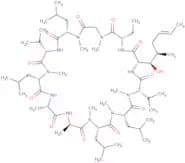
CAS :<p>Beauvericin is a cyclic peptide that is isolated from the fungus Fusarium. It has been shown to have antimicrobial activity against bacteria, as well as a variety of other biological properties. Beauvericin has been shown to inhibit mitochondrial membrane potential and induce toxicity in some animal models. Beauvericin also inhibits protein synthesis and causes cell death by inhibiting DNA polymerase activity. This compound is active against cancer cells, including HL-60 cells, which are derived from human lymphocytes and are used as a model for leukemia. Beauvericin can be extracted from an ETOA extract of the fungus Fusarium oxysporum; this extract has shown anti-cancer effects in vitro assays.</p>Formule :C45H57N3O9Degré de pureté :Min. 95%Masse moléculaire :783.95 g/molFenaminostrobin
CAS :<p>Fenaminostrobin is a broad-spectrum fungicide, which is synthesized chemically. It operates primarily through inhibition of mitochondrial respiration in fungal cells, targeting the bc1 complex, which disrupts ATP production and leads to the inhibition of spore germination and fungal growth. This mode of action makes Fenaminostrobin effective against a wide range of pathogenic fungi that affect various crops.</p>Formule :C21H21Cl2N3O3Degré de pureté :Min. 95%Masse moléculaire :434.3 g/molZelkovamycin
CAS :<p>Zelkovamycin is a novel antibacterial compound isolated from endophytic microorganisms, specifically Streptomyces sp. Endophytes are bacteria or fungi that reside within plant tissues, forming symbiotic relationships and often producing bioactive metabolites. The mode of action of Zelkovamycin involves the inhibition of bacterial cell wall synthesis, interfering with the biosynthesis pathways essential for maintaining the structural integrity and function of bacterial cell walls, particularly in Gram-positive strains.</p>Formule :C36H45N9O9SDegré de pureté :Min. 95%Couleur et forme :PowderMasse moléculaire :779.86 g/mol(3R,4R)-A2-32-01
CAS :<p>(3R,4R)-A2-32-01 is an innovative insecticide, which is a synthetic product derived from intensive research in entomology and organic chemistry. It operates by targeting the neurological pathways of specific insect pests, leading to rapid cessation of feeding and, ultimately, death. This mode of action is highly selective, affecting only targeted pest species while minimizing impact on non-target organisms such as beneficial pollinators.</p>Formule :C19H27NO2Degré de pureté :Min. 95%Masse moléculaire :301.4 g/molPicoxystrobin metabolite M8
CAS :<p>Picoxystrobin metabolite M8 is a chemical metabolite, which is a derivative specifically originating from the degradation of the fungicide Picoxystrobin. It is generated through the metabolic pathways that occur after the application of Picoxystrobin on crops. As a strobilurin derivative, its mode of action is primarily related to its ability to disrupt mitochondrial respiration in fungi by inhibiting the electron transport chain at the cytochrome bc1 complex. This interruption leads to energy depletion and subsequent cell death in pathogenic fungi.</p>Formule :C14H10F3NO3Degré de pureté :Min. 95%Masse moléculaire :297.23 g/molPNU 142300
CAS :<p>PNU 142300 is a non-peptidyl anticoagulant, which is a synthetically derived small molecule. This compound is sourced from advanced chemical synthesis techniques that focus on mimicking biological activity through non-biological materials. PNU 142300 acts by specifically inhibiting factor Xa, a crucial enzyme in the coagulation cascade responsible for the conversion of prothrombin to thrombin. By targeting this enzyme, it effectively prevents the formation of blood clots, thereby exhibiting potent anticoagulant properties.</p>Formule :C16H20FN3O6Degré de pureté :Min. 95%Masse moléculaire :369.35 g/molMarbofloxacin hydrochloride
CAS :<p>Marbofloxacin hydrochloride is a synthetic, broad-spectrum antibacterial agent. It is derived from the fluoroquinolone class, which is known for its potent activity against a variety of bacterial pathogens. The mode of action of marbofloxacin hydrochloride involves the inhibition of bacterial DNA gyrase and topoisomerase IV, enzymes critical for DNA replication, transcription, and repair processes. This inhibition disrupts bacterial cell division and ultimately leads to cell death.</p>Formule :C17H20ClFN4O4Degré de pureté :Min. 95%Masse moléculaire :398.8 g/molHeronapyrrole B
CAS :<p>Heronapyrrole B is a naturally occurring marine-derived antibiotic, which is isolated from a species of marine-derived Streptomyces. This compound is a member of the pyrrole-2-aminoimidazole family, which is characterized by its unique structural framework that contributes to its biological activity. The mode of action of Heronapyrrole B involves disrupting bacterial cell membranes, thereby hindering cell growth and survival. This mechanism is particularly effective against a range of Gram-positive bacteria.</p>Formule :C19H32N2O6Degré de pureté :Min. 95%Masse moléculaire :384.5 g/molSolithromycin
CAS :<p>Solithromycin is a novel macrolide antibiotic, which is derived from the compound ketolide. It functions by binding to the bacterial 50S ribosomal subunit, effectively inhibiting protein synthesis. This mechanism of action enables Solithromycin to exert its effects against a wide range of bacterial pathogens, including strains resistant to traditional macrolides. The unique binding capability to multiple sites on the ribosome enhances its potency and reduces the likelihood of resistance development.</p>Formule :C43H65FN6O10Degré de pureté :Min. 95%Masse moléculaire :845.01 g/molNortadalafil-N-(2-hydroxy)propyl
CAS :<p>Nortadalafil-N-(2-hydroxy)propyl is a chemotherapeutic agent, which is synthesized through the chemical modification of tadalafil. It is characterized as a small-molecule inhibitor, derived from the structural alteration of the well-known phosphodiesterase type 5 (PDE5) inhibitor. The mechanism of action involves the attenuation of PDE5 activity, leading to increased levels of cyclic guanosine monophosphate (cGMP) within targeted cellular pathways. This elevation in cGMP concentration results in vasodilation and increased blood flow, primarily investigated within the context of vascular and erectile tissue.</p>Formule :C24H23N3O5Degré de pureté :Min. 95%Masse moléculaire :433.5 g/molDecoyinine
CAS :<p>Decoyinine is an antibiotic compound, which is derived from the bacterium *Streptomyces hygroscopicus*. Its mode of action involves the inhibition of guanine nucleotide synthesis. By targeting the biosynthesis pathway of nucleotides, Decoyinine effectively impedes the growth and proliferation of bacterial cells.</p>Formule :C11H13N5O4Degré de pureté :Min. 95%Masse moléculaire :279.25 g/molSarecycline Hydrochloride
CAS :<p>Sarecycline Hydrochloride is a narrow-spectrum tetracycline antibiotic with action on bacterial protein synthesis inhibition and is used for treating moderate to severe acne vulgaris.</p>Formule :C24H30ClN3O8Degré de pureté :Min. 95%Couleur et forme :PowderMasse moléculaire :523.96 g/mol2,6-Bis(2-ethylhexyl)-7a-methylhexahydro-1H-imidazo[1,5-c]imidazole (hexedine)
CAS :<p>2,6-Bis(2-ethylhexyl)-7a-methylhexahydro-1H-imidazo[1,5-c]imidazole, known as hexedine, is a synthetic compound, which is primarily utilized in industrial applications. It is derived from a chemical synthesis process involving imidazo-imidazole structures, allowing for specific modifications to yield its characteristic properties. Hexedine operates through a mechanism that enhances surface adhesion and stability when applied to various substrates. The compound’s molecular architecture enables it to form a durable, resistant layer, thereby improving the surface’s integrity and lifespan.</p>Formule :C22H45N3Degré de pureté :Min. 95%Masse moléculaire :351.6 g/molDeacetoxycephalothin
CAS :<p>Deacetoxycephalothin is a cephalosporin antibiotic, which is derived from the fungus Acremonium. It functions by inhibiting bacterial cell wall synthesis. This bactericidal activity is primarily focused on gram-positive bacteria, where it interferes with the final transpeptidation step of peptidoglycan synthesis, an essential component of the bacterial cell wall structure. By doing so, deacetoxycephalothin compromises cell wall integrity, leading to the lysis and death of bacterial cells.</p>Formule :C14H14N2O4S2Degré de pureté :Min. 95%Masse moléculaire :338.4 g/molSofosbuvir - Bio-X ™
CAS :<p>Sofosbuvir is an antiviral agent that is used for the treatment of hepatitis C infections and is used in combination with other antiviral agents. This drug is an inhibitor of viral RNA polymerase called non-structural protein 5B (NS5B). As a result, it inhibits viral RNA replication.</p>Formule :C22H29FN3O9PDegré de pureté :Min. 95%Couleur et forme :PowderMasse moléculaire :529.45 g/molStavudine sodium
CAS :<p>Stavudine sodium is an antiretroviral medication, which is a synthetic nucleoside analogue. It is primarily sourced from chemical synthesis processes, enabling precise control over its molecular structure to ensure efficacy in its intended application. The mode of action for stavudine sodium involves its incorporation into viral DNA through reverse transcription. Once integrated, it acts as a chain terminator, inhibiting the elongation of the viral DNA and thus effectively halting the replication of the human immunodeficiency virus type 1 (HIV-1).</p>Formule :C10H11N2NaO4Degré de pureté :Min. 95%Masse moléculaire :246.19 g/molPristinamycin IA
CAS :<p>Pristinamycin IA is a streptogramin antibiotic, which is a natural product derived from the bacterium *Streptomyces pristinaespiralis*. It operates by inhibiting bacterial protein synthesis through the disruption of ribosomal function, specifically targeting the 50S ribosomal subunit. This mode of action is effective in halting bacterial growth, making it particularly significant in combating resistant strains.</p>Formule :C45H54N8O10Degré de pureté :Min. 95%Masse moléculaire :866.96 g/molParitaprevir
CAS :<p>Paritaprevir is an antiviral medication, which is derived from chemical synthesis with its action targeting the hepatitis C virus (HCV). It operates primarily as a protease inhibitor, specifically targeting the NS3/4A protease, an essential enzyme for HCV replication. By inhibiting this protease, Paritaprevir effectively disrupts the viral life cycle, preventing the virus from maturing and proliferating within the host cells.</p>Degré de pureté :Min. 95%Isoflucypram
CAS :<p>Please enquire for more information about Isoflucypram including the price, delivery time and more detailed product information at the technical inquiry form on this page</p>Formule :C19H21ClF3N3ODegré de pureté :Min. 95%Masse moléculaire :399.8 g/molN-((3-(4-(1,1-Dioxidothiomorpholin-4-yl)-3,5-difluorophenyl)-2-oxo-1,3-oxazolidin-5-yl)methyl)acetamide
CAS :<p>N-((3-(4-(1,1-Dioxidothiomorpholin-4-yl)-3,5-difluorophenyl)-2-oxo-1,3-oxazolidin-5-yl)methyl)acetamide is a synthetic compound, often considered within the realm of small-molecule pharmacology. This compound is derived through complex organic synthesis, involving the incorporation of dioxidothiomorpholine and oxazolidinone rings, as well as fluorination, which are critical for its biochemical properties.</p>Formule :C16H19F2N3O5SDegré de pureté :Min. 95%Masse moléculaire :403.4 g/molRibocil B
CAS :<p>Ribocil B is an analog of riboflavin, functioning as a synthetic antibiotic. It is derived from chemical synthesis, designed to mimic the structure of natural riboflavin analogs which are crucial for bacterial growth. Ribocil B acts by specifically inhibiting riboswitches, a type of non-coding RNA that regulates gene expression in response to small molecules. This inhibition disrupts RNA synthesis in bacteria by targeting the flavin mononucleotide (FMN) riboswitch.</p>Formule :C19H22N6OSDegré de pureté :Min. 95%Masse moléculaire :382.5 g/molClofoctol
CAS :<p>Clofoctol is an antibacterial agent, which is derived from synthetic origins, specifically designed for therapeutic applications in bacterial infections. Its mode of action involves inhibiting bacterial protein synthesis, thereby preventing the growth and proliferation of harmful bacteria. This compound is particularly effective against Gram-positive bacteria.</p>Formule :C21H26Cl2ODegré de pureté :Min. 95%Masse moléculaire :365.34 g/molNeoaureothin
CAS :<p>Neoaureothin is a natural antibiotic product, which is derived from marine actinomycetes with a complex polyketide structure. Its mode of action involves the inhibition of bacterial protein synthesis by binding selectively to the ribosomal subunits, thereby obstructing the translation process in susceptible microbial strains. The specificity of its action allows it to target a broad spectrum of Gram-positive bacteria while presenting a lower risk of resistance development compared to traditional antibiotics.</p>Formule :C28H31NO6Degré de pureté :Min. 95%Masse moléculaire :477.5 g/molFinafloxacin
CAS :<p>Finafloxacin is a fluoroquinolone antibacterial agent, which is a synthetic compound derived from the quinolone family. It functions through the inhibition of bacterial DNA gyrase and topoisomerase IV, crucial enzymes in the replication, transcription, and repair of bacterial DNA. This mechanism leads to the prevention of bacterial cell division and ultimately results in cell death.</p>Formule :C20H19FN4O4Degré de pureté :Min. 95%Masse moléculaire :398.39 g/molPentosan polysulfate
CAS :<p>Pentosan polysulfate is a semi-synthetic polysaccharide, which is derived from xylan, sourced from beechwood hemicellulose. It functions as a heparin-like compound with anticoagulant and fibrinolytic properties. Its sulfated polysaccharide form allows it to adhere to the urothelium of the bladder, forming a protective layer that can prevent irritating solutes in urine from reaching bladder cells. Through this mechanism, it mitigates the pain and discomfort associated with interstitial cystitis (IC), a chronic condition characterized by bladder pain and urinary urgency.</p>Formule :C10H18O21S4Degré de pureté :Min. 95%Masse moléculaire :602.5 g/molDimidazon
CAS :<p>Dimidazon is a synthetic herbicide, which is derived from chemical synthesis processes involving aromatic and heterocyclic compounds. It possesses a mode of action that primarily inhibits specific enzymatic pathways required for plant growth, targeting essential biosynthesis mechanisms within the plant's cellular structure. This disruption leads to the cessation of vital processes, eventually causing plant death.</p>Formule :C12H12N2O3Degré de pureté :Min. 95%Masse moléculaire :232.23 g/molBesifloxacin hydrochloride
CAS :<p>Besifloxacin hydrochloride is a fourth-generation fluoroquinolone antibiotic, which is a synthetic derivative of the broad-spectrum quinolone class. Its origin can be traced to laboratory chemical synthesis, tailored specifically to target bacterial infections in ocular applications. The mode of action of besifloxacin involves the inhibition of bacterial enzymes DNA gyrase and topoisomerase IV. These enzymes play crucial roles in bacterial DNA replication, transcription, repair, and recombination. By disrupting these processes, besifloxacin effectively impedes bacterial cell division, leading to the death of the bacterial cells.</p>Formule :C19H21ClFN3O3·HClDegré de pureté :Min. 95%Masse moléculaire :430.3 g/molCefluprenam
CAS :<p>Cefluprenam is a cephalosporin antibiotic, which is a synthetic derivative of the fungus Cephalosporium. It functions by inhibiting bacterial cell wall synthesis, effectively disrupting the peptidoglycan cross-linking process essential for bacterial structural integrity. This inhibition leads to cell lysis and ultimately bacterial death.</p>Formule :C20H25FN8O6S2Degré de pureté :Min. 95%Masse moléculaire :556.60 g/molCefoxitin EP impurity B
<p>Cefoxitin EP impurity B is a chemical reference standard, which is derived from the synthesis and purification processes involved in producing Cefoxitin. As an impurity standard, its primary role is to serve as a benchmark for quality control in pharmaceutical formulations. The mode of action of Cefoxitin EP impurity B involves the structural analysis and quantification of impurity levels, ensuring that the primary pharmaceutical products meet necessary safety and efficacy criteria.</p>Formule :C16H17N3O7S2Degré de pureté :Min. 95%Masse moléculaire :427.45 g/molSpiro-oxanthromicin A
CAS :<p>Spiro-oxanthromicin A is a novel antibiotic compound, which is derived from a rare species of actinomycete bacteria. The unique structure of Spiro-oxanthromicin A integrates spiroketal and oxanthrone moieties, facilitating its distinctive antimicrobial properties. It operates by selectively binding to bacterial ribosomal subunits, inhibiting protein synthesis and effectively curbing pathogenic proliferation.</p>Formule :C36H26O10Degré de pureté :Min. 95%Masse moléculaire :618.6 g/molPolymyxin B nonapeptide hydrochloride
CAS :<p>Polymyxin B nonapeptide hydrochloride is a potent antibiotic compound derived from the bacterium *Bacillus polymyxa*. As a cationic polypeptide, it exhibits its antibacterial activity by interacting with the lipopolysaccharides and phospholipids in the bacterial cell membrane, leading to increased permeability and ultimately causing cell lysis. The compound is specifically effective against a broad range of Gram-negative bacteria, making it crucial in studying antibiotic resistance mechanisms.</p>Formule :C43H74N14O11•(HCl)xDegré de pureté :Min. 95%Masse moléculaire :963.14 g/molNigericin sodium
CAS :<p>Nigericin transports cations across the membrane of the cell and it is used to study anion transport. It can be used as a buffer to control pH value inside of the cell.</p>Formule :C40H67NaO11Degré de pureté :Min. 95%Masse moléculaire :746.94 g/molButirosin disulfate
CAS :<p>Butirosin disulfate is an aminoglycoside antibiotic, which is derived from a strain of *Bacillus circulans*. Its primary mode of action involves binding to the 30S subunit of the bacterial ribosome, leading to the inhibition of protein synthesis. This interaction results in the misreading of mRNA, ultimately causing bactericidal effects.</p>Formule :C21H45N5O20S2Degré de pureté :Min. 95%Masse moléculaire :751.7 g/molSulfamethazine Sodium Salt
CAS :<p>Sulfamethazine Sodium Salt is a synthetic sulfonamide antibacterial agent derived from sulfanilamide compounds, characterized by its broad-spectrum efficacy against various bacterial pathogens. It operates by interfering with bacterial folic acid synthesis, specifically inhibiting the enzyme dihydropteroate synthase. This action results in the incapacitation of bacterial growth and replication, as folic acid is essential for nucleic acid formation and cell division.</p>Formule :C12H13N4O2S·NaDegré de pureté :Min. 95%Masse moléculaire :300.31 g/molQuinocarcin
CAS :<p>Quinocarcin is an antitumor antibiotic, which is a potent chemical compound derived from the bacterium Streptomyces. This compound exhibits its mode of action through interaction with DNA, where it induces DNA cross-linking and inhibits DNA replication, ultimately leading to cell death. The mechanism makes it particularly effective as a cytotoxic agent against rapidly dividing cancer cells.</p>Formule :C18H22N2O4Degré de pureté :Min. 95%Masse moléculaire :330.4 g/molInteriotherinA
CAS :<p>InteriotherinA is a bioactive compound, which is derived from specific strains of bacteria. It operates through a sophisticated mode of action that involves modulating the activity of nerve cells by binding to particular receptors on their membranes. This interaction can alter ion channel function, thereby influencing the electrochemical signaling within these cells.</p>Formule :C29H28O8Degré de pureté :Min. 95%Masse moléculaire :504.5 g/molCefquinome
CAS :<p>Cefquinome is a broad-spectrum antibiotic, which is a fourth-generation cephalosporin. It is derived from the β-lactam class of antibiotics and is specifically designed for veterinary applications. Its mode of action involves the inhibition of bacterial cell wall synthesis, leading to cell lysis and death. This action is facilitated through the binding of cefquinome to penicillin-binding proteins, which undermines the structural integrity of bacterial cell walls, proving effective against both Gram-positive and Gram-negative bacteria.</p>Formule :C23H24N6O5S2Degré de pureté :Min. 95%Masse moléculaire :528.61 g/molACX-362E
CAS :<p>ACX-362E is a novel antibacterial agent, which is a synthetic compound derived from small-molecule chemical libraries with selective action on bacterial pathogens. The mode of action of ACX-362E involves the inhibition of bacterial cell wall synthesis, specifically targeting essential enzymes involved in the peptidoglycan biosynthesis pathway. This interference disrupts cell wall integrity, leading to bacterial lysis and cell death.</p>Formule :C18H20Cl2N6O2Degré de pureté :Min. 95%Masse moléculaire :423.3 g/molDesmethyl doxorubicin oxalate
CAS :<p>Desmethyl doxorubicin oxalate is an anthracycline-type chemotherapeutic agent, which is derived from the naturally occurring antibiotic doxorubicin. This compound comprises a desmethylated form of doxorubicin combined with oxalate. Its mode of action involves intercalating DNA strands and inhibiting topoisomerase II, thereby disrupting DNA replication and transcription. This interference leads to the inhibition of cancer cell proliferation and induces apoptosis.</p>Formule :C26H27NO11Degré de pureté :Min. 95%Masse moléculaire :529.49 g/molNicotinamide
CAS :<p>Nicotinamide is an amide form of vitamin B3, which is a water-soluble vitamin derived from dietary sources such as meat, fish, and yeast. In cellular biology, it functions as a precursor to nicotinamide adenine dinucleotide (NAD+), a critical coenzyme in redox reactions and energy production within the cells. Nicotinamide facilitates the transfer of electrons in metabolic processes, contributing to ATP production and cellular respiration. Moreover, it plays a pivotal role in DNA repair and cellular signaling through the regulation of sirtuins and poly(ADP-ribose) polymerases (PARPs).</p>Formule :C6H6N2ODegré de pureté :Min. 97.0 Area-%Masse moléculaire :122.12 g/molN'-Desmethyl azithromycin
CAS :<p>N'-Desmethyl azithromycin is a semi-synthetic derivative antibiotic, which is derived from the chemical modification of azithromycin, a macrolide antibiotic sourced originally from the bacterium *Streptomyces erythreus*. It functions primarily by inhibiting bacterial protein synthesis, binding specifically to the 50S ribosomal subunit, which results in the prevention of transpeptidation and translocation processes during translation. This action effectively halts bacterial growth, rendering it bacteriostatic.</p>Formule :C37H70N2O12Degré de pureté :Min. 95%Masse moléculaire :734.96 g/molSulfasymazine
CAS :<p>Sulfasymazine is a synthetic antibacterial agent, which is derived from sulfonamide compounds. These compounds originate from chemical synthesis processes involving the introduction of sulfonamide groups to aromatic amines, creating potent inhibitors of bacterial growth. Sulfasymazine functions by interfering with the synthesis of folic acid within bacterial cells. It inhibits the enzyme dihydropteroate synthase, which is crucial for the production of dihydrofolate, a precursor of folic acid. This disruption hampers nucleic acid synthesis, impeding bacterial proliferation.</p>Formule :C13H17N5O2SDegré de pureté :Min. 95%Masse moléculaire :307.37 g/molCeftarolin fosamil
CAS :<p>Ceftaroline fosamil is an advanced antibiotic, which is a cephalosporin derived from synthetic sources with a broad spectrum of activity. It is a prodrug that, once metabolized, becomes active in the body, binding to penicillin-binding proteins (PBPs) of bacteria. This binding inhibits the proteins responsible for cell wall synthesis, leading to bacterial cell lysis and death.</p>Formule :C22H21N8O8PS4Degré de pureté :Min. 95%Masse moléculaire :684.69 g/molBaumycin C1
CAS :<p>Baumycin C1 is an anthracycline-type antibiotic, which is derived from the bacterium *Streptomyces coeruleorubidus*. The mode of action of Baumycin C1 involves intercalating into DNA strands, thereby disrupting the process of DNA synthesis and replication. This intercalation results in the inhibition of topoisomerase II, an enzyme crucial for DNA unwinding, leading to the generation of double-strand breaks and subsequent interruption of cellular proliferation.</p>Formule :C28H29NO11Degré de pureté :Min. 95%Masse moléculaire :555.5 g/mol(2S)-2-[N-(Furan-2-carbonyl)-2,6-dimethylanilino]propanoic acid
CAS :<p>(2S)-2-[N-(Furan-2-carbonyl)-2,6-dimethylanilino]propanoic acid is a synthetic compound classified as a potentially bioactive molecule. It is derived through a series of organic synthesis steps that involve the coupling of furan-2-carbonyl chloride with 2,6-dimethylaniline, followed by modification with a chiral propanoic acid moiety.</p>Formule :C16H17NO4Degré de pureté :Min. 95%Masse moléculaire :287.31 g/mol1-Chloro-2,2-bis(4'-chlorophenyl)ethane
CAS :<p>1-Chloro-2,2-bis(4'-chlorophenyl)ethane is an organochlorine pesticide known for its agricultural applications. It is a synthetic product derived from chlorinated hydrocarbons. It functions primarily through its mode of action as an insecticide by interfering with the nervous system of insects. It disrupts normal nerve function by causing prolonged opening of sodium channels in nerve cells, leading to hyperexcitation and eventual paralysis of the target pests.</p>Formule :C14H11Cl3Degré de pureté :Min. 95%Masse moléculaire :285.6 g/molBalapiravir
CAS :<p>Balapiravir is an antiviral agent, which is a synthetic derivative based on natural compounds, specifically designed to inhibit the replication of various viral pathogens. The source of Balapiravir integrates bio-based elements with modifications to enhance its therapeutic efficacy.</p>Formule :C21H30N6O8Degré de pureté :Min. 95%Masse moléculaire :494.5 g/molChlorsulfuron-5-hydroxy
CAS :<p>Chlorsulfuron-5-hydroxy is a herbicide derivative, specifically an active metabolite of chlorsulfuron, which is a sulfonylurea herbicide. This compound is derived from synthetic chemistry processes that focus on altering the molecular structure of chlorsulfuron to enhance its properties or study its breakdown. The mode of action of Chlorsulfuron-5-hydroxy involves the inhibition of the enzyme acetolactate synthase (ALS), which plays a crucial role in the biosynthesis of branched-chain amino acids in plants such as valine, leucine, and isoleucine. This inhibition disrupts protein synthesis, leading to halted cell division and plant growth.</p>Formule :C12H12ClN5O5SDegré de pureté :Min. 95%Masse moléculaire :373.77 g/molKanzonol C
CAS :<p>Please enquire for more information about Kanzonol C including the price, delivery time and more detailed product information at the technical inquiry form on this page</p>Formule :C25H28O4Degré de pureté :Min. 95%Masse moléculaire :392.5 g/molPK150
CAS :<p>PK150 is a soil amendment product, which is derived from natural mineral sources with a specific focus on enhancing plant growth through optimized nutrient uptake efficiency. This product works by modifying the soil's physical and chemical properties, thereby improving the availability and mobility of essential nutrients like phosphorus (P) and potassium (K), which are crucial for the development and yield of plants.</p>Formule :C15H8ClF5N2O3Degré de pureté :Min. 95%Masse moléculaire :394.68 g/mol2'-O-Acetylspiramycin I
CAS :<p>2'-O-Acetylspiramycin I is a semi-synthetic derivative of spiramycin, which is a macrolide antibiotic originally sourced from the bacterium *Streptomyces ambofaciens*. The modification involves the acetylation at the 2'-hydroxyl group of spiramycin, enhancing certain pharmacokinetic properties.</p>Formule :C45H76N2O15Degré de pureté :Min. 95%Masse moléculaire :885.09 g/molFomidacillin
CAS :<p>Please enquire for more information about Fomidacillin including the price, delivery time and more detailed product information at the technical inquiry form on this page</p>Formule :C24H28N6O10SDegré de pureté :Min. 95%Masse moléculaire :592.60 g/molSultasin
CAS :<p>Sultasin is a combination antibiotic product, which is derived from the synthesis of sulbactam, a β-lactamase inhibitor, and ampicillin, a β-lactam antibiotic. The mode of action of Sultasin involves the inhibition of bacterial cell wall synthesis. Ampicillin works by attaching to penicillin-binding proteins (PBPs) inside the bacterial cell wall, disrupting the final transpeptidation step of peptidoglycan synthesis, which leads to cell lysis. Sulbactam enhances the efficacy of ampicillin by inhibiting β-lactamase enzymes produced by resistant bacterial strains, thereby preventing the degradation of the antibiotic.</p>Formule :C25H29N3Na2O9S2Degré de pureté :Min. 95%Masse moléculaire :625.6 g/molMitomycin D
CAS :<p>Mitomycin D is an antibiotic and chemotherapeutic agent known for its ability to inhibit DNA synthesis, making it a potent antitumor agent. It is derived from the bacterium *Streptomyces caespitosus*. Mitomycin D functions as a DNA crosslinking agent by alkylating the DNA strands, which interferes with DNA replication and transcription. This mechanism leads to the cessation of cellular division and ultimately induces apoptosis in rapidly dividing cells.</p>Formule :C15H18N4O5Degré de pureté :Min. 95%Masse moléculaire :334.33 g/molBPH715
CAS :<p>Please enquire for more information about BPH715 including the price, delivery time and more detailed product information at the technical inquiry form on this page</p>Formule :C17H31NO7P2Degré de pureté :Min. 95%Masse moléculaire :423.4 g/molAclacinomycin HCl
CAS :<p>Aclacinomycin HCl is a cytotoxic antibiotic that inhibits the growth of tumor cells. It has been shown to induce apoptosis in human leukemia cells by altering the transmembrane potential and inhibiting cell proliferation. Aclacinomycin HCl also induces DNA damage response, which leads to caspase activities and cell death. This drug is highly selective for tumor cells, with no effect on normal cells. It has been shown to be effective against primary liver cancer in animal models, as well as developmental disorders such as autism spectrum disorder (ASD).</p>Formule :C42H53NO15·HClDegré de pureté :Min. 95%Couleur et forme :Orange PowderMasse moléculaire :848.33 g/molSarecycline
CAS :<p>Sarecycline is a tetracycline-class antibiotic, which is derived from naturally occurring tetracycline antibiotics. Its mode of action involves inhibition of bacterial protein synthesis by binding to the 30S ribosomal subunit, thereby preventing the addition of amino acids to nascent peptide chains. This specific mechanism disrupts bacterial growth, making Sarecycline effective against certain strains of bacteria implicated in dermatological conditions.</p>Formule :C24H29N3O8Degré de pureté :Min. 95 Area-%Masse moléculaire :487.5 g/molViolacein
CAS :<p>Violacein is a model system for studying the effects of hydroxyl groups on cell lysis. It is a fatty acid that contains nitrogen atoms and has antimicrobial properties. Violacein has been shown to cause the loss of mitochondrial membrane potential in HL-60 cells, which may be due to its ability to act as a multidrug efflux pump inhibitor. Violacein also exhibits antimicrobial activity against several bacterial strains, including MRSA and methicillin-sensitive Staphylococcus aureus (MSSA). In addition, violacein has been shown to induce cell lysis in vitro via the degradation of proteins and lipids in the cytoplasm.</p>Formule :C20H13N3O3Degré de pureté :Min. 95%Couleur et forme :PowderMasse moléculaire :343.3 g/molGatifloxacin hydrate
CAS :<p>Gatifloxacin hydrate is a fluoroquinolone antibiotic, which is synthesized chemically. It exerts its bactericidal effects primarily by inhibiting bacterial DNA gyrase and topoisomerase IV. These enzymes are crucial for bacterial DNA replication, transcription, and repair. By preventing these processes, gatifloxacin effectively halts bacterial cell division, ultimately leading to cell death.</p>Formule :C19H24FN3O5Degré de pureté :Min. 95%Masse moléculaire :393.4 g/molCEF3
CAS :<p>CEF3 is a cephalosporin-based antibacterial agent, which is derived from the fermentation of Streptomyces species. This compound functions by inhibiting bacterial cell wall synthesis, specifically targeting the transpeptidase enzyme involved in the cross-linking of peptidoglycan layers. The disruption of this process results in weakened bacterial cell walls, leading to cell lysis and death, particularly affecting Gram-positive and some Gram-negative bacteria.</p>Formule :C42H74N10O12Degré de pureté :Min. 95%Masse moléculaire :911.1 g/molTebufenozide-hydroxymethyl
CAS :<p>Tebufenozide-hydroxymethyl is an insect growth regulator, which is synthesized chemically to function as an agonist of the molting hormone, ecdysone, in target pest species. It operates by mimicking the effects of ecdysone, leading to premature and lethal molting in lepidopteran larvae. This disruption in the developmental cycle of the insects effectively suppresses their population by preventing them from reaching maturity and reproducing.</p>Formule :C22H28N2O3Degré de pureté :Min. 95%Masse moléculaire :368.5 g/molBleomycin HCl
CAS :<p>Inducer of DNA strand breaks; glycopeptide antibiotic, anti-neoplastic</p>Formule :C50H71N16O21S2R•(HCl)xDegré de pureté :Min. 95%Couleur et forme :White To Off-White SolidAtazanavir-d5
CAS :<p>Atazanavir-d5 is an isotopically labeled variant of the antiretroviral drug Atazanavir, a non-peptidic HIV-1 protease inhibitor. It is synthesized using stable isotope labeling, specifically deuterium, which replaces five hydrogen atoms. The mechanism of action involves binding to the active site of the HIV-1 protease enzyme, a critical enzyme in the replication cycle of HIV, thereby preventing the cleavage of the viral gag-pol polyprotein precursors into the mature protein components of an infectious viral particle.</p>Formule :C38H52N6O7Degré de pureté :Min. 95%Masse moléculaire :709.9 g/molL-689502
CAS :<p>L-689502 is a synthetic compound that functions as a selective antagonist for neuropeptide Y1 receptors. It is derived from chemical synthesis processes specifically designed to target and modulate these receptors. As an antagonist, its primary mode of action involves binding to the neuropeptide Y1 receptors and inhibiting their activity, thereby blocking the effects of the naturally occurring ligand, neuropeptide Y (NPY).</p>Formule :C39H51N3O7Degré de pureté :Min. 95%Masse moléculaire :673.8 g/molN-Acetyl glyphosate-13C2,15N
CAS :<p>N-Acetyl glyphosate-13C2,15N is a stable isotope-labeled analog of the well-known herbicide glyphosate. This product is synthesized using isotopically enriched carbon and nitrogen sources. Its mode of action involves inhibiting the shikimate pathway by targeting the enzyme 5-enolpyruvylshikimate-3-phosphate synthase (EPSPS), crucial for aromatic amino acid biosynthesis in plants. This pathway is not present in animals, making it a valuable target for selective herbicidal action.</p>Formule :C5H10NO6PDegré de pureté :Min. 95%Masse moléculaire :214.09 g/molMethyl N-[2-[[[1-(4-chlorophenyl)-1H-pyrazol-3-yl]oxy]methyl]phenyl]carbamate
CAS :<p>Methyl N-[2-[[[1-(4-chlorophenyl)-1H-pyrazol-3-yl]oxy]methyl]phenyl]carbamate is a selective insecticide, which is primarily pyrazole-based in nature. It is synthetically derived, allowing for precise structural control over its active components. The compound functions through a specific mode of action targeting the skeletal muscle function of insects by interfering with calcium ion channels. This disruption leads to impaired muscle contractions and eventual paralysis of the target pests.</p>Formule :C18H16ClN3O3Degré de pureté :Min. 95%Masse moléculaire :357.8 g/molPikromycin
CAS :<p>Pikromycin is an antibiotic, which is derived from the bacterium *Streptomyces venezuelae*. It functions by specifically binding to the 50S ribosomal subunit, thereby inhibiting bacterial protein synthesis. This action effectively blocks peptide chain elongation, leading to the cessation of bacterial growth and proliferation. Pikromycin serves as an important model compound in antibiotic research, particularly in the study of macrolides and polyketides, due to its unique structure and biosynthetic pathway.</p>Formule :C28H47NO8Degré de pureté :Min. 95%Masse moléculaire :525.7 g/molCycloxaprid
CAS :<p>Cycloxaprid is an insecticide, which is a chemical derived from natural compounds designed to manage pest populations. Its primary source is based on a modification of the neonicotinoids, a class of neuro-active insecticides modeled after nicotine. Cycloxaprid functions by acting on nicotinic acetylcholine receptors (nAChRs) within the insect’s nervous system. This mode of action involves binding to these receptors, leading to uncontrolled nerve firing and eventually, the insect’s death due to nervous system failure.</p>Formule :C14H15ClN4O3Degré de pureté :Min. 95%Masse moléculaire :322.75 g/molCyclosporin L
CAS :<p>Cyclosporin L is an immunosuppressive agent, which is a cyclic polypeptide derived from the soil fungus Tolypocladium inflatum. It primarily functions by inhibiting the activity of calcineurin, a key phosphatase involved in the activation of T-cells. This inhibition prevents the transcription of interleukin-2 and other cytokines critical for T-cell proliferation.</p>Formule :C61H109N11O12Degré de pureté :90%MinMasse moléculaire :1,188.59 g/mol1H-Indene-2-carboxylic acid
CAS :<p>1H-Indene-2-carboxylic acid is an organic compound, which is primarily utilized in synthetic organic chemistry. This compound is a derivative of indene, a bicyclic hydrocarbon derived from the fusion of benzene and cyclopentene rings. It is most commonly sourced from petrochemical processes involving the polymerization or catalytic conversion of hydrocarbons.</p>Formule :C21H17ClF3N3O7Degré de pureté :Min. 95%Masse moléculaire :515.8 g/molPapyracillic acid
CAS :<p>Papyracillic acid is a bioactive compound, classified as a secondary metabolite, which is isolated from certain species of fungi. This compound originates from the natural metabolic processes of these microorganisms, often cultured on specific media to optimize production levels. Its mode of action involves disrupting essential bacterial cellular functions, primarily by inhibiting the synthesis of key structural components, leading to compromised integrity and function of bacterial cells.</p>Formule :C11H14O5Degré de pureté :Min. 95%Masse moléculaire :226.23 g/mol4''-(p-Fluorobenzyl)tylosin A
CAS :<p>4''-(p-Fluorobenzyl)tylosin A is a semi-synthetic derivative of tylosin, which is a macrolide antibiotic produced by fermentation of the bacterium *Streptomyces fradiae*. This compound demonstrates a modified structure by incorporating a p-Fluorobenzyl group at the 4'' position of tylosin, enhancing its pharmaceutical properties. The mode of action involves binding to the 50S subunit of the bacterial ribosome, thereby inhibiting protein synthesis and exerting its bacteriostatic effects against Gram-positive bacteria.</p>Formule :C53H82FNO17Degré de pureté :Min. 95%Masse moléculaire :1,024.2 g/molIkarugamycin
CAS :<p>Ikarugamycin is a polycyclic nitrogenous antibiotic, which is derived from the fermentation of Streptomyces species, a genus of gram-positive bacteria. It acts primarily by inhibiting clathrin-mediated endocytosis, a cellular process involving the internalization of various macromolecules. This inhibition disrupts cellular uptake mechanisms, which has significant implications for its utility in biological research and therapeutic applications.</p>Formule :C29H38N2O4Degré de pureté :Min. 95%Masse moléculaire :478.62 g/molTromantadine hydrochloride
CAS :Produit contrôlé<p>Tromantadine hydrochloride is a synthetic antiviral compound, which is a derivative of adamantane. It originates from chemical synthesis, tailored specifically to target viral processes. Tromantadine hydrochloride primarily exerts its effects by inhibiting the penetration of virus particles into host cells and impeding the subsequent stages of viral replication. This mode of action effectively reduces the viral load and hinders the progression of the infection.</p>Formule :C16H28N2O2•HClDegré de pureté :Min. 95%Masse moléculaire :316.87 g/molAzaconazole
CAS :<p>Azaconazole is a systemic fungicide, which is derived from synthetic chemical processes, specifically within the class of triazoles. This compound functions by interfering with the biosynthesis of ergosterol, a critical component of fungal cell membranes. By inhibiting the cytochrome P450 enzyme 14α-demethylase, azaconazole disrupts the production of ergosterol, thereby compromising membrane integrity and inhibiting fungal growth.</p>Formule :C12H11Cl2N3O2Degré de pureté :Min. 95%Masse moléculaire :300.14 g/molAqabamycin D
CAS :<p>Aqabamycin D is a novel antibiotic compound, which is derived from marine bacteria, particularly from the genus Streptomyces collected from unique marine environments. This compound functions by interfering with bacterial cell wall synthesis, leading to the disruption of essential cellular processes. Aqabamycin D exhibits a broad spectrum of antibacterial activity, particularly against gram-positive bacteria, making it a valuable tool for tackling resistant bacterial strains.</p>Formule :C16H9N3O8Degré de pureté :Min. 95%Masse moléculaire :371.26 g/molCarbophenothion-methyl-sulfoxide
CAS :<p>Carbophenothion-methyl-sulfoxide is an organophosphate sulfoxide compound, which is synthesized as a sulfoxide derivative from other organophosphate precursors. It acts as an acetylcholinesterase inhibitor, disrupting the normal function of the enzyme acetylcholinesterase, which is critical for nerve signal transmission in insects. This disruption leads to an accumulation of acetylcholine and subsequent insect paralysis and death. Carbophenothion-methyl-sulfoxide is primarily used in agricultural settings to target a broad spectrum of insect pests that affect crops. Its application can significantly reduce pest populations, ensuring crop protection and yield preservation. Being a sulfoxide variant, it may possess distinctive physicochemical properties that confer specific environmental behavior and degradation pathways compared to its non-sulfoxide counterparts. Proper handling and application are essential to minimize potential ecological impacts, including non-target species effects and resistance development.</p>Formule :C9H12ClO3PS3Degré de pureté :Min. 95%Masse moléculaire :330.8 g/mol26-Oxofusidic acid
CAS :<p>26-Oxofusidic acid is a derivative of fusidic acid, which is a potent antibacterial compound originally isolated from the fungus Fusidium coccineum. This compound exhibits a unique mode of action by inhibiting bacterial protein synthesis through interference with the elongation factor G (EF-G), a critical component in the translocation step of translation. By targeting this specific aspect of bacterial metabolism, 26-Oxofusidic acid effectively disrupts the growth of gram-positive bacteria, making it an invaluable tool in combating resistant bacterial strains.</p>Formule :C31H46O7Degré de pureté :Min. 95%Masse moléculaire :530.69 g/molIvermectin
CAS :<p>Naturally produced by the soil bacterium Streptomyces avermitili, it is clinically used in the treatment of parasitosis in both humans and animals. Ivermectin is commercially available as a mixture of 80% 22, 23-dihydroavermectin B1a and 20% 22, 23-dihydroavermectin B1b. In 2020, Ivermectin indicated that it was a good antiviral agent in the treatment of SARS-CoV-2 and a new mechanism of action has been suggested. Ivermectin would act on importin α/β heterodimer and affect nuclear transport and the translocation of viral proteins.</p>Formule :C48H74O14Degré de pureté :85%MinMasse moléculaire :875.1 g/molChlorhexidine acetate hydrate(1:2:X)
CAS :Produit contrôlé<p>Chlorhexidine acetate hydrate (1:2:X) is a chemical compound used as a disinfectant and antiseptic. It is derived from chlorhexidine, a well-known antimicrobial agent frequently used in both medical and laboratory settings. The compound functions by disrupting microbial cell membranes, resulting in leakage of cellular components and subsequent cell death. This action makes it particularly effective against a wide range of bacteria, fungi, and some viruses.</p>Formule :C26H38Cl2N10O4Degré de pureté :Min. 95%Masse moléculaire :625.5 g/molErythromycin F
CAS :<p>Erythromycin F is an antibiotic, which is a naturally derived product obtained from the bacterium *Streptomyces erythreus*. It operates by inhibiting bacterial protein synthesis through binding to the 50S ribosomal subunit. This binding effectively blocks the translocation steps in protein elongation, thus preventing the growth and multiplication of susceptible bacteria.</p>Formule :C37H67NO14Degré de pureté :Min. 95%Masse moléculaire :749.93 g/molCeftaroline fosamil acetate
CAS :<p>Cephalosporin antibiotic active against gram-positive bacteria including MRSA</p>Formule :C24H25N8O10PS4Degré de pureté :Min. 98 Area-%Masse moléculaire :744.74 g/mol(E)-Coniferin
CAS :<p>(E)-Coniferin is a plant-derived glucoside, which is primarily associated with the lignification process in gymnosperms and angiosperms. It is biosynthesized from the phenylpropanoid pathway, specifically from coniferyl alcohol conjugated with glucose. This conjugation serves as a storage form and transport mechanism for coniferyl alcohol in plants.</p>Formule :C16H22O8Degré de pureté :Min. 95%Masse moléculaire :342.34 g/molBenastatin A
CAS :<p>Benastatin A is an antifungal compound, which is derived from marine-derived Streptomyces species. This bacterial genus, known for its prolific production of bioactive secondary metabolites, serves as a rich source for drug discovery and biosynthesis of unique compounds like Benastatin A. The mode of action of Benastatin A involves the disruption of fungal cell membranes, leading to leakage of vital cellular components and subsequent cell death. This interaction is crucial for understanding its efficacy and specificity against fungal pathogens.</p>Formule :C30H28O7Degré de pureté :Min. 95%Masse moléculaire :500.50 g/mol3-(Methylsulfonyl)-2,5-dioxopyrrolidin-1-yl 4-((5-nitropyridin-2-yl)disulfanyl)butanoate
CAS :<p>3-(Methylsulfonyl)-2,5-dioxopyrrolidin-1-yl 4-((5-nitropyridin-2-yl)disulfanyl)butanoate is a sophisticated biochemical compound used primarily in research settings. This compound, derived from synthetic sources, functions through its reactive disulfide linkage, enabling the modification of thiol groups in proteins or other biomolecules. This reactivity is crucial for applications involving targeted chemical modifications, serving as a useful tool in the investigation of biochemical pathways and interactions.</p>Formule :C14H15N3O8S3Degré de pureté :Min. 95%Masse moléculaire :449.5 g/molNorvancomycin trifluoroacetate
CAS :<p>Norvancomycin trifluoroacetate is an antibiotic compound, which is a glycopeptide derived from the bacterium Amycolatopsis orientalis. Its mode of action involves inhibiting bacterial cell wall synthesis. Specifically, Norvancomycin disrupts the cross-linking of peptidoglycan layers in the bacterial cell wall by binding to the D-alanyl-D-alanine terminus of cell wall precursors. This disruption weakens the bacterial cell wall, ultimately leading to cell lysis and death, thereby exerting a bactericidal effect.</p>Formule :C65H73Cl2N9O24•(C2HF3O2)xDegré de pureté :Min. 95%Imibenconazole
CAS :<p>Imibenconazole is a systemic fungicide, which is a synthetic chemical compound known for its efficacy in controlling a wide spectrum of fungal pathogens. This fungicide operates by inhibiting the biosynthesis of ergosterol, a crucial component of fungal cell membranes, effectively disrupting the growth and spread of fungi. Its action involves the inhibition of the demethylation process in sterol biosynthesis, specifically targeting the cytochrome P450 14α-demethylase enzyme.</p>Formule :C17H13Cl3N4SDegré de pureté :Min. 95%Masse moléculaire :411.7 g/molAvermectin b1a aglycone
CAS :<p>Avermectin B1a aglycone is a potent antiparasitic agent, which is a semi-synthetic derivative of avermectins. Avermectins are naturally sourced from the microorganism *Streptomyces avermitilis*, known for producing macrolide compounds. The mode of action of Avermectin B1a aglycone involves binding to glutamate-gated chloride channels in nerve and muscle cells of invertebrates, leading to increased permeability and disruption of neurotransmission. This action ultimately results in paralysis and death of the targeted parasites.</p>Formule :C34H48O8Degré de pureté :Min. 95%Masse moléculaire :584.7 g/mol


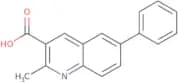
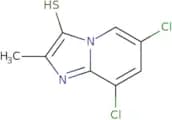


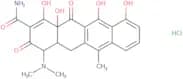
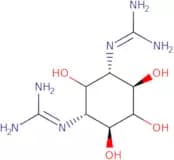

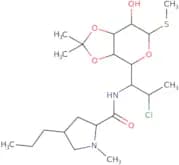





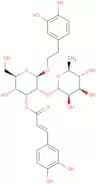
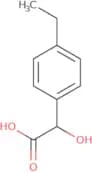
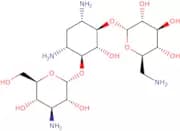

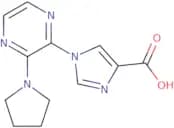

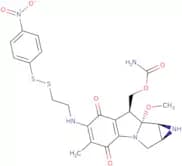
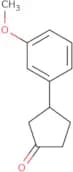


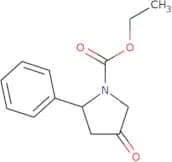

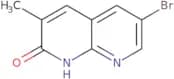
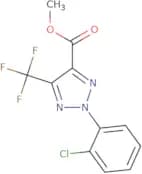
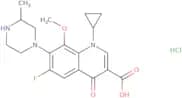

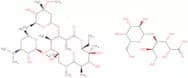


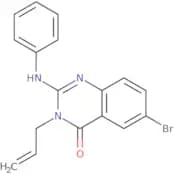
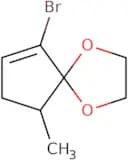

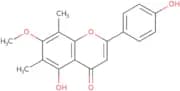

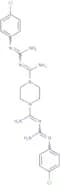


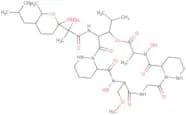

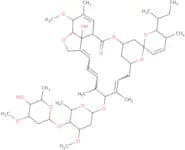
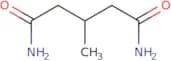

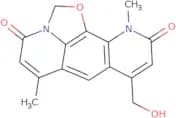


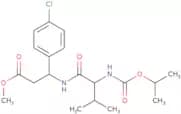
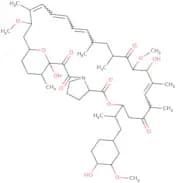
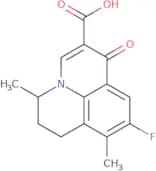


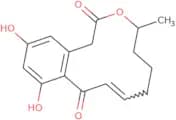





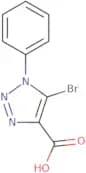


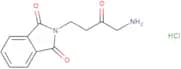
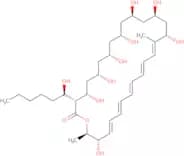

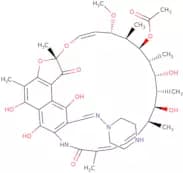

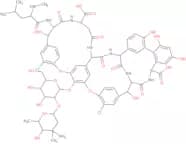

![6-[[(2R)-3,3-Dimethyl-2-oxiranyl]methyl]-7-methoxy-2H-1-benzopyran-2-one](/_next/image/?url=https%3A%2Fstatic.cymitquimica.com%2Fproducts%2F3D%2Fthumb-webp%2FFDA36868.webp&w=3840&q=75)
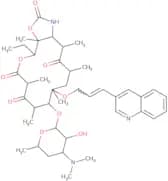



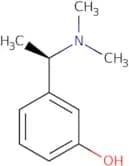

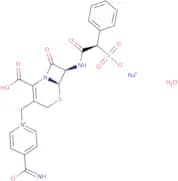

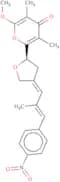
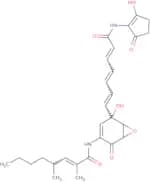

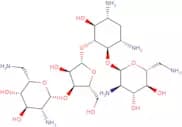

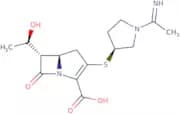

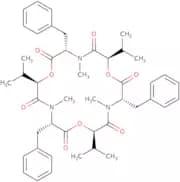
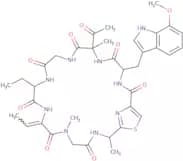

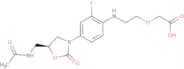
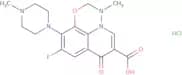
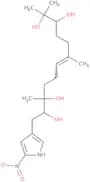
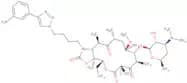
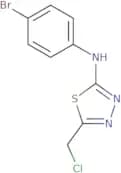
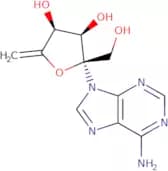
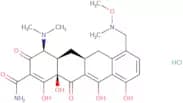
![2,6-Bis(2-ethylhexyl)-7a-methylhexahydro-1H-imidazo[1,5-c]imidazole (hexedine)](/_next/image/?url=https%3A%2Fstatic.cymitquimica.com%2Fproducts%2F3D%2Fthumb-webp%2FFAA98031.webp&w=3840&q=75)


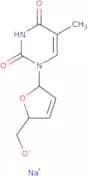
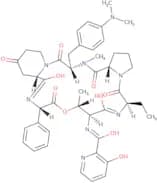
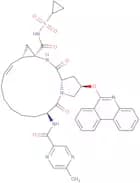
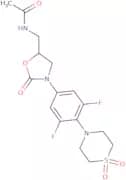
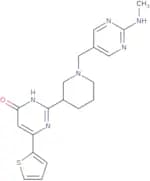
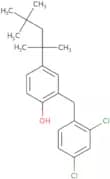
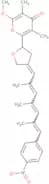


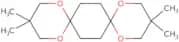

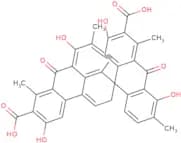

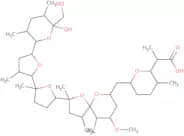

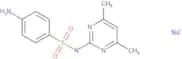

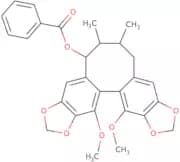
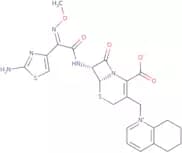
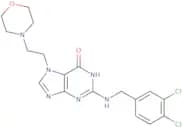


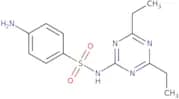


![(2S)-2-[N-(Furan-2-carbonyl)-2,6-dimethylanilino]propanoic acid](/_next/image/?url=https%3A%2Fstatic.cymitquimica.com%2Fproducts%2F3D%2Fthumb-webp%2FTEA59719.webp&w=3840&q=75)


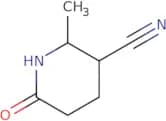

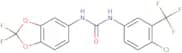
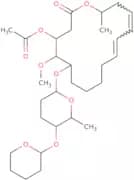


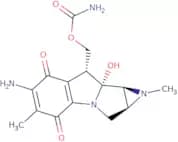
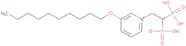
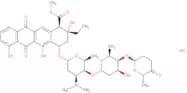
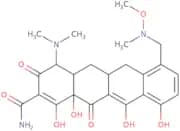


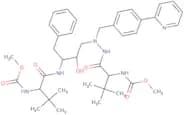
![Methyl N-[2-[[[1-(4-chlorophenyl)-1H-pyrazol-3-yl]oxy]methyl]phenyl]carbamate](/_next/image/?url=https%3A%2Fstatic.cymitquimica.com%2Fproducts%2F3D%2Fthumb-webp%2FMVA16596.webp&w=3840&q=75)