Glicoscienza
La glicosienza è lo studio dei carboidrati e dei loro derivati, nonché delle interazioni e delle funzioni biologiche a cui partecipano. Questo campo di ricerca è cruciale per comprendere una vasta gamma di processi biologici, tra cui il riconoscimento cellulare, la segnalazione, la risposta immunitaria e lo sviluppo delle malattie. La glicosienza ha importanti applicazioni nella biotecnologia, nella medicina e nello sviluppo di nuovi farmaci e terapie. Presso CymitQuimica, offriamo un'ampia selezione di prodotti di alta qualità e purezza per la ricerca in glicosienza. Il nostro catalogo comprende monosaccaridi, oligosaccaridi, polisaccaridi, glicoconiugati e reagenti specifici, progettati per supportare i ricercatori nei loro studi sulla struttura, funzione e applicazioni dei carboidrati nei sistemi biologici. Queste risorse sono destinate a facilitare scoperte scientifiche e applicazioni pratiche in vari ambiti delle bioscienze e della medicina.
Sottocategorie di "Glicoscienza"
- Amminozucchero(108 prodotti)
- Glico-anticorpi(282 prodotti)
- Glicolipidi(46 prodotti)
- Glicosaminoglicani (GAGs)(55 prodotti)
- Glicosidi(419 prodotti)
- Monosaccaridi(6.624 prodotti)
- Oligosaccaridi(3.682 prodotti)
- Polisaccaridi(503 prodotti)
Trovati 11046 prodotti di "Glicoscienza"
Ordinare per
Purezza (%)
0
100
|
0
|
50
|
90
|
95
|
100
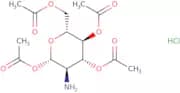
1,3,4,6-Tetra-O-acetyl-b-D-glucosamine HCl
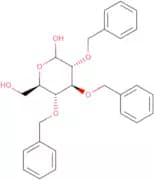
CAS:<p>1,3,4,6-Tetra-O-acetyl-b-D-glucosamine HCl is a compound that can be used in the production of bacterial cellulose. It is a white powder with a molecular weight of 536.2. 1,3,4,6-Tetra-O-acetyl-b-D-glucosamine HCl has been shown to be effective in the cultivation of microorganisms such as bacteria and fungi. This product is also an additive for deionized water and deionized sucrose solutions. Tetraacetylated glucosamine hydrochloride is used to produce bacterial cellulose through the action of cellulase enzymes on sucrose solutions containing NaOH. In addition, this product has been shown to inhibit the proliferation of fibroblasts and epithelial cells when cultured in vitro.</p>Formula:C14H21NO9·HClPurezza:Min. 95.0 Area-%Colore e forma:PowderPeso molecolare:383.78 g/mol2,3,4-Tri-O-benzyl-D-glucopyranose
CAS:<p>2,3,4-Tri-O-benzyl-D-glucopyranose is a thioglucoside that can be synthesized from D-glucose and benzyl bromide. This compound is a protonated nucleophile with a hydroxyl group that can interact with the sulfur of a thiol or disulfide group. The interaction between 2,3,4-tri-O-benzyl-D-glucopyranose and S. aureus has been shown to be dependent on the concentration of 2,3,4 tri O benzyl glucopyranose. The reaction between this compound and oligosaccharides led to the formation of dioxane ring structures that were hydrophobic.</p>Formula:C27H30O6Purezza:Min. 95%Colore e forma:PowderPeso molecolare:450.52 g/mol1,2:5,6-Di-O-isopropylidene-a-D-allofuranose
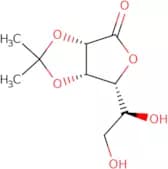
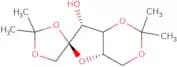
CAS:<p>Synthetic building block</p>Formula:C12H20O6Purezza:Min. 95%Colore e forma:White PowderPeso molecolare:260.28 g/mol2,3-O-Isopropylidene-L-gulonic acid-1,4-lactone
CAS:<p>2,3-O-Isopropylidene-L-gulonic acid-1,4-lactone is a synthetic sugar that has been fluorinated. The methyl group at the C2 position of this compound can be modified by various methods to give different derivatives. 2,3-O-Isopropylidene-L-gulonic acid-1,4-lactone is an oligosaccharide that is found in natural glycosides and saccharides. It is also used for click chemistry modifications in complex carbohydrate chemistry. This compound is CAS number 94840-08-1.</p>Formula:C9H14O6Purezza:Min. 95%Colore e forma:White To Off-White SolidPeso molecolare:218.21 g/mol2,4,7,8-Tetra-O-acetyl-9-azido-9-deoxy-N-acetylneuraminic acid methyl ester
CAS:<p>2,4,7,8-Tetra-O-acetyl-9-azido-9-deoxy-N-acetylneuraminic acid methyl ester is a high purity synthetic compound that has been modified for use in Click chemistry. It is a monosaccharide with an acetyl group on the 2' position and an azido group on the 9' position of the sugar. This compound is used in fluoroination reactions to modify sugars and oligosaccharides. It can also be used in glycosylation reactions to attach monosaccharides and saccharides to proteins or other molecules.</p>Formula:C20H28N4O12Purezza:One SpotColore e forma:White PowderPeso molecolare:516.46 g/molD-Panose
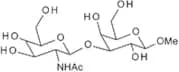
CAS:<p>Used to determine composition and sequence of glucan-containing mixed linkages</p>Formula:C18H32O16Purezza:(%) Min. 95%Colore e forma:White PowderPeso molecolare:504.44 g/molMethyl 2-acetamido-2-deoxy-3-O-(a-L-fucopyranosyl)-b-D-glucopyranoside
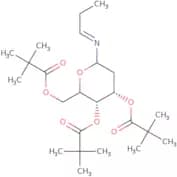
CAS:<p>Methyl 2-acetamido-2-deoxy-3-O-(a-L-fucopyranosyl)-b-D-glucopyranoside is a glycosylation product of the natural sugar, galactose. It is a synthetic compound that has been modified with methyl groups and fluorine to form an active pharmaceutical ingredient. Methyl 2-acetamido-2-deoxy-3-O-(a-L-fucopyranosyl)-b-D-glucopyranoside can be used as a monosaccharide or oligosaccharide in the synthesis of complex carbohydrates.</p>Formula:C15H27NO10Purezza:Min. 95%Colore e forma:PowderPeso molecolare:381.38 g/molN-(Propylidenimino)-2-deoxy-3,4,6-tri-O-pivaloyl-D-glucopyranoside
CAS:<p>N-(Propylidenimino)-2-deoxy-3,4,6-tri-O-pivaloyl-D-glucopyranoside is a custom synthesis that is modified with fluorine and methyl groups. It has been shown to be an effective inhibitor of glycosylation in the synthesis of oligosaccharides and polysaccharides. N-(Propylidenimino)-2-deoxy-3,4,6-tri-O-pivaloyl-D-glucopyranoside also has the ability to prevent glycosylation by binding to carbohydrate substrates.</p>Formula:C24H41NO7Purezza:Min. 95%Peso molecolare:455.58 g/molNeocarrabiose
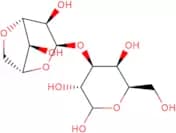
CAS:<p>Neocarrabiose is a low-energy, hydrogen-bonded sugar that has an optimum concentration of 0.5 M. It is found in the basic structure of oligosaccharides and belongs to group p2. Structural analysis has revealed that Neocarrabiose has a denaturation temperature of 98 °C. Clinical studies have shown that Neocarrabiose may be effective in treating influenza virus, although it is not currently approved for this use. Neocarrabiose can be used as a molecule to form intramolecular hydrogen bonds in organic synthesis and magnetic resonance spectroscopy.</p>Formula:C12H20O10Purezza:Min. 95%Colore e forma:White Off-White PowderPeso molecolare:324.28 g/molD-Fructose-1,6-diphosphate tetra(cyclohexylammonium) salt
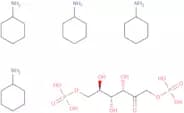
CAS:<p>D-Fructose-1,6-diphosphate tetra(cyclohexylammonium) salt is a white to off-white crystalline powder. It is soluble in water and ethanol and insoluble in ether, chloroform, and benzene. D-Fructose-1,6-diphosphate tetra(cyclohexylammonium) salt is used as a raw material for the production of mono and oligosaccharides by click chemistry or glycosylation. The chemical formula for this substance is CHNO4.H2O4C8H11N.</p>Formula:C6H14O12P2·4C6H13NPurezza:Min. 95%Peso molecolare:736.81 g/molDe-N-sulfated heparin sodium
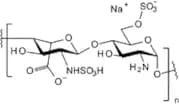
CAS:<p>Porcine mucosal heparin derivative; no anti-coagulant activity</p>Colore e forma:PowderMonoacetyl-b-cyclodextrin
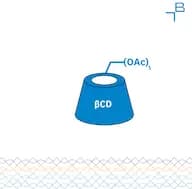
<p>This beta-cyclodextrin (β-CD) derivative is a functionalized cyclic oligosaccharide composed of seven glucose units, characterized by a hydrophilic exterior and a lipophilic cavity (bigger than α-CD and smaller than γ-CDs), which allows it to encapsulate various guest molecules. This structural feature facilitates its use in multiple applications, including pharmaceuticals, food enhancement, and cosmetics. In the pharmaceutical industry, it enhances the solubility and stability of poorly water-soluble drugs, improving their bioavailability and efficacy while also masking unpleasant tastes. The food sector utilizes it as a stabilizer for flavors, colors, and nutrients, extending shelf life by protecting sensitive ingredients from degradation. In cosmetics, it serves as a complexing agent for fragrances and active components, ensuring their stability and controlled release. Its use expands to many other fields, including nanotechnology for drug delivery systems, environmental remediation for extracting organic pollutants, textiles for slow-release fragrances, and analytical chemistry for chiral separation.</p>Purezza:(%) Min. 95%Colore e forma:Powder2-Chloro-2-deoxy-D-mannitol
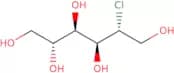
CAS:<p>2-Chloro-2-deoxy-D-mannitol is a synthetic sugar that is used in the synthesis of oligosaccharides and complex carbohydrates. It is also used to fluorinate saccharides. 2-Chloro-2-deoxy-D-mannitol can be modified with methyl groups, which allows for the synthesis of monosaccharides and polysaccharides. This product has a CAS number of 127530-02-3 and is soluble in water. It has a melting point of 220°C, boiling point of 390°C, density of 1.8 g/mL at 20°C, and refractive index (n20 D) of 1.54792 at 20°C.</p>Formula:C6H13ClO5Purezza:Min. 95%Peso molecolare:200.62 g/molBenzyl hepta-O-acetyl-b-D-lactoside
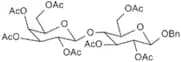
CAS:<p>Useful starting point and intermediate in the synthesis of lacto-oligosaccharides</p>Formula:C33H42O18Purezza:Min. 95%Colore e forma:White to off-white solid.Peso molecolare:726.69 g/molChitobiose-6'-phosphate
Chitobiose-6'-phosphate is a carbohydrate that is used in the synthesis of oligosaccharides. It can be modified to produce different types of saccharides, such as methylation, saccharide click modification, and modification. Chitobiose-6'-phosphate is available in high purity and offers a custom synthesis service for specific requirements.Purezza:Min. 95%Methyl 2-acetamido-2-deoxy-b-D-glucopyranoside
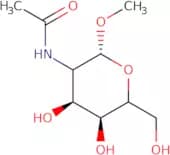
CAS:<p>Methyl 2-acetamido-2-deoxy-b-D-glucopyranoside is a xylose sugar that is found in the leaves of Nepeta cataria. It has shown to inhibit bacterial growth by binding to DNA and RNA, as well as inhibit transcription, translation, and replication. Methyl 2-acetamido-2-deoxy-b-D-glucopyranoside also binds to cardiac channels and inhibits their activity. This compound has been shown to have anti cancer effects on prostate cancer cells in mice. Furthermore, it inhibits microbial metabolism in vitro by inhibiting the enzyme acetolactate synthase. Methyl 2-acetamido-2-deoxy-b-D -glucopyranoside has also been shown to be an effective treatment for autoimmune diseases such as multiple sclerosis and rheumatoid arthritis in mice.</p>Formula:C9H17NO6Purezza:Min. 95%Colore e forma:White Off-White PowderPeso molecolare:235.24 g/mol2-Acetamido-1,3,4,6-tetra-O-acetyl-2-deoxy-b-D-galactopyranose
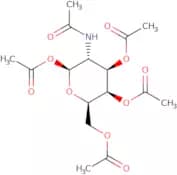
CAS:<p>2-Acetamido-1,3,4,6-tetra-O-acetyl-2-deoxy-b-D-galactopyranose is fully acetylated D-galactosamine (C4 epimer of D-glucosamine). 2-Acetamido-1,3,4,6-tetra-O-acetyl-2-deoxy-b-D-galactopyranose is used in the synthesis of α- and β-linked acetamido pyranosides, which have anti-inflammatory properties as inhibitors of TLR4.</p>Formula:C16H23NO10Purezza:Min. 95%Colore e forma:PowderPeso molecolare:389.35 g/moliota-Carrageenan
CAS:<p>Iota-Carageenan is a gelling sulphated galactan extracted from red seaweed (typically Euchuma cottonii and Euchuma spinosum). The structure of all carrageenans consists of a strictly alternating masked repeating unit of (1,3) linked α-D-galactose and (1,4) linked β-D-galactose. The α-linked galactose occurs as a 3,6-anhydro-2-sulphate unit and the β-linked sugar occurs as the 4-sulphate.<br>The image was kindly provided by Prof Mike Guiry from Cork who runs ‘The Seaweed Site’.</p>Colore e forma:Powder1-Amino-2,5-anhydro-D-glucitol
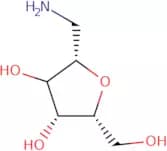
CAS:1-Amino-2,5-anhydro-D-glucitol is a synthetic monosaccharide with the chemical formula C6H12O6. It is often used in custom synthesis and click modification of polysaccharides and oligosaccharides. The fluorination of this compound can be done to obtain a fluorinated 1-amino-2,5-anhydro-D-glucitol. 1AADG can also be modified at its methyl group to produce N,N'-diacetylmethylenecyclohexane carboxamide (CAS No. 2166517-07). This product has been shown to inhibit the growth of bacteria such as Clostridium perfringens and Mycobacterium tuberculosis.Formula:C6H13NO4Purezza:Min. 95%Peso molecolare:163.17 g/mol2,3:4,6-Di-O-isopropylidene-2-keto-L-gulonic acid
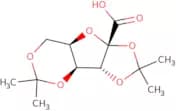
CAS:<p>2,3:4,6-Di-O-isopropylidene-2-keto-L-gulonic acid is a mediator that is used in the synthesis of epoxides. It is obtained by the reaction of hydrogen peroxide with 2,3:4,6-di-o-isopropylidene-2-keto-l-gulonic acid monohydrate. This product can be used as an intermediate in organic synthesis to produce chiral epoxides. The stereochemistry of the epoxides depends on the chirality of the substrate and the stereoselectivity for this process is high. The epoxides are then recycled and reused to make more 2,3:4,6--di--isopropylidene--2--keto--l--gulonic acid monohydrate.</p>Purezza:Min. 95%2-Acetamido-2,6-dideoxy-D-galactose
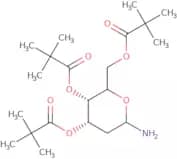
CAS:<p>2-Acetamido-2,6-dideoxy-D-galactose (2ADG) is a structural analogue of the natural monosaccharide 2,6-dideoxy-D-galactose. It has been shown to have an antimicrobial effect against aerobacter aerogenes in vitro. 2ADG is metabolized by glycosidases and methyl glycosides to form 1,4-anhydro-2,3,4,6 tetraacetamido-2,4,6 dideoxy D galactose. This compound inhibits the growth of bacterial strains that are resistant to polymyxin b., such as Pseudomonas aeruginosa. The inhibition of these bacteria is due to the inhibition of the synthesis of their outer membrane lipopolysaccharides by 2ADG. The antibacterial activity is also attributed to its ability to inhibit the metabolism of glycan molecules in some bacteria</p>Formula:C8H15NO5Purezza:Min. 95%Colore e forma:White PowderPeso molecolare:205.21 g/mol2-Deoxy-3,4,6-tri-O-pivaloyl-D-glucopyranosyl amine
CAS:<p>2-Deoxy-3,4,6-tri-O-pivaloyl-D-glucopyranosyl amine is a custom synthesis that has been fluorinated and modified. It has been synthesized for use in the production of oligosaccharides and polysaccharides. This compound is a monosaccharide with a CAS number of 1338226-07-5. It can be used to produce complex carbohydrates. 2DGPA can be used as an intermediate in the synthesis of saccharides or sugars.</p>Formula:C21H37NO7Purezza:Min. 95%Peso molecolare:415.53 g/mol3,6-Dideoxy-3,6-imino-4,5-O-isopropylidene-D-mannitol
<p>3,6-Dideoxy-3,6-imino-4,5-O-isopropylidene-D-mannitol is a complex carbohydrate that is a sugar. It is an oligosaccharide and has CAS No. 123725-27-8. 3,6-Dideoxy-3,6-imino-4,5-O-isopropylidene D mannitol is a saccharide and it can be modified with methylation or glycosylation. 3,6-Dideoxy D mannitol can be fluorinated in the presence of elemental fluorine to produce 3,6 difluoro 2,5 dihydroxyhexanoic acid. 3,6 Dideoxy D mannitol is synthesized from 2 acetylacetone and tetrachloroethanol as starting materials.</p>Purezza:Min. 95%3-O-Methanesulfonyl-D-glucopyranose
CAS:<p>3-O-Methanesulfonyl-D-glucopyranose is a high purity, custom synthesis sugar that can be modified with fluorination, glycosylation, methylation and modification. It is also synthesized from glycoaldehyde and methanesulfonic acid in the presence of sodium hydroxide and sodium acetate. 3-O-Methanesulfonyl-D-glucopyranose can be used to synthesize saccharides and oligosaccharides. This compound is soluble in water and has a boiling point of 218°C at 760 mmHg. It is slightly soluble in methanol, ethanol and acetone. 3-O-Methanesulfonyl-D-glucopyranose has a CAS number of 40631-95-6.</p>Formula:C7H14O8SPurezza:Min. 95%Colore e forma:PowderPeso molecolare:258.25 g/molNGA2F Glycan, 2-AB labelled
<p>NGA2F Glycan is a complex carbohydrate that is synthesized by the enzymatic transfer of an N-acetylgalactosamine (GalNAc) residue to a serine or threonine residue on protein. It is modified with methylation, Click modification, and fluorination. NGA2F Glycan has two binding sites for 2-AB labelled monosaccharides. The glycosylation site is located at the non-reducing end of the molecule, while the oligosaccharide site is located at the reducing end of the molecule.</p>Purezza:Min. 95%Blood group A trisaccharide-APE-[biotin]-HSA
<p>ABO trisaccharide conjugated to HSA via Biotin & an aminophenyl ethyl spacer</p>Purezza:Min. 95%Maltooctaose
CAS:<p>α 1,4-glucooctasaccharide derived from starch by hydrolysis and chromatography</p>Formula:C48H82O41Purezza:Min. 80 Area-%Colore e forma:White PowderPeso molecolare:1,315.16 g/mol2-C-Azidomethyl-2,3-di-O-benzhydryloxybis(trimethylsilyloxy)silyl-1-O-tert-butyldimethylsilyl-D-erythritol
<p>2-C-Azidomethyl-2,3-di-O-benzhydryloxybis(trimethylsilyloxy)silyl-1-O-tert-butyldimethylsilyl-D-erythritol is a synthetic compound that can be used as a methylating agent and sugar donor in the glycosylation of oligosaccharides. This compound has been shown to methylate saccharides with high purity and can be used for the preparation of complex carbohydrates.</p>Purezza:Min. 95%2,5-Anhydro-1-O-trityl-D-mannitol
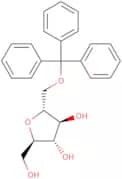
CAS:<p>2,5-Anhydro-1-O-trityl-D-mannitol is a complex carbohydrate with the molecular formula C6H14O6 that has been modified for use in glycosylation reactions. It is a type of sugar that can be modified to create desired properties and can be used as an alternative to other sugars such as glucose. 2,5-Anhydro-1-O-trityl-D-mannitol can be used in the synthesis of oligosaccharides and monosaccharides. This product is available in high purity and has a CAS number of 68774-48-1.</p>Formula:C25H26O5Purezza:Min. 95%Peso molecolare:406.48 g/mol5-Deoxy-5-fluoro-1,2-O-isopropylidene-D-iduronic acid-3,6 lactone
<p>5-Deoxy-5-fluoro-1,2-O-isopropylidene-D-iduronic acid is a custom synthesis of oligosaccharide. It is a glycosylation that has been modified with fluorination, methylation, and click modification. This complex carbohydrate has an CAS number. The molecular weight of this polysaccharide is not determined. 5D5FIA3L is a saccharide sugar that has the ability to form glycosidic bonds with other saccharides and proteins in the body. This property makes it an important component in the human diet as well as in biochemistry and structural biology research.</p>Purezza:Min. 95%2,4-O-Benzylidene-D-threitol
<p>2,4-O-Benzylidene-D-threitol is a sugar that can be custom synthesized according to the specific requirements of our customers. It has been used in the synthesis of oligosaccharides and monosaccharides. 2,4-O-Benzylidene-D-threitol is also used as a building block for glycosylation and methylation reactions. This product comes with CAS No. 129330-36-2, 98% purity, and can be purchased from our company at competitive prices.</p>Purezza:Min. 95%2-Acetamido-2-deoxy-4-O-([4-O-b-D-galactopyranosyl]-b-D-galactopyranosyl)-D-glucopyranose
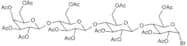
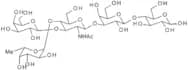
CAS:<p>2-Acetamido-2-deoxy-4-O-[(4-O-[b-(D)-galactopyranosyl]-b-(D)-galactopyranosyl)-D-glucopyranosyl]-D-glucopyranose is a trisaccharide that has been shown to be an inhibitor of the bacterial enzyme UDP-N-acetylglucosamine pyrophosphorylase, which is involved in the synthesis of UDP-N-acetylglucosamine. This inhibition leads to a decrease in D-mannose production, which decreases the ability of bacteria to produce cell walls. 2ACPDG has also been shown to inhibit the growth of Mycobacterium tuberculosis and Mycobacterium avium complex.</p>Formula:C20H35NO16Purezza:Min. 95%Peso molecolare:545.5 g/mol2,3,6-Tri-O-acetyl-4-O-[2,3,6-tri-O-acetyl-4-O-(2,3,6-tri-O-acetyl-4-O-(2,3,4,6-tetra-O-acetyl-b-D-galactopyranosyl)-b-D-glucopyrano syl)-b-D-glucopyranosyl]-a-D-glucopyranosyl bromide
<p>2,3,6-Tri-O-acetyl-4-O-[2,3,6-tri-O-acetyl-4-O-(2,3,6-tri-O-acetyl-4-O-(2,3,4,6-tetra-O-acetyl bDgalactopyranosyl)-bDglucopyranosyl]-aDglucopyranosyl bromide (TTA) is an acetylated oligosaccharide with a degree of polymerization of 5. It has a molecular weight of 1312. The compound is a methylated saccharide which is synthesized from 2,3,6 tri O acetyl 4 O methyl 2 3 6 tetra O acetyl b D galactopyranosy 1</p>Formula:C50H67BrO33Purezza:Min. 95%Peso molecolare:1,275.95 g/mol1-Methyl-2,3-O-isopropylidene-1,4-dideoxy-1,4-imino-1-N-dehydro-D-ribitol
CAS:1-Methyl-2,3-O-isopropylidene-1,4-dideoxy-1,4-imino-1-N-dehydroDribitol (LMDDR) is an oligosaccharide that can be synthesized by the modification of dideoxyribitol. LMDDR is a complex carbohydrate with a sugar chain and has a CAS number of 909703-52-2. This monosaccharide can be fluorinated to form 1-(trifluoromethyl)-2,3-O-[(trifluoromethyl)methylidene]-1,4dideoxy -1,4imino -Dribitol (TFMDDR). TFMDDR has been shown to have higher purity and better stability than LMDDR.Formula:C9H15NO3Purezza:Min. 95%Peso molecolare:185.22 g/mol6-Deoxy-L-tallitol
<p>6-Deoxy-L-tallitol is a sugar that is synthesized from the natural sugar, L-taloheptulose. This product is custom synthesized and can be modified to suit the needs of the customer. It can be fluorinated, glycosylated, or methylated as required. 6-Deoxy-L-tallitol can be used in a variety of applications such as pharmaceuticals, agrochemicals, and food products. This product has a CAS number, Oligosaccharide, Monosaccharide, saccharide Carbohydrate, complex carbohydrate.</p>Purezza:Min. 95%β-Cyclodextrin
CAS:<p>Beta-Cyclodextrin is a cyclic oligosaccharide with 7 D-glucose residues which are alpha-1,4-linked. beta-cyclodextrin is used in the food industry to encapsulate flavours and fragrances. Beta-cyclodextrin can increase the water solubility of compounds, such as curcumin; further, the cyclodextrin-curcumin complex also allows for a controlled, sustainable release in a wound healing study.</p>Formula:C42H70O35Purezza:Min. 98.0 Area-%Peso molecolare:1,134.99 g/molMethyl 3-O-(2-acetamido-2-deoxy-b-D-glucopyranosyl)-b-D-galactopyranoside
CAS:<p>Substrate for b-6-GlcNAc-transferase</p>Formula:C15H27NO11Purezza:Min. 97 Area-%Colore e forma:White PowderPeso molecolare:397.38 g/molGalacturonan DP5 sodium salt
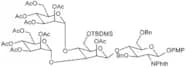
<p>Sodium Pentagalacturonate, (β-1,4 sodium Pentagalacturonate) is derived from pectin or pectic acid, by enzymatic or partial acid hydrolysis (Combo, 2012). It is used inâ¯galacturonic acidâ¯metabolism research as a substrate to identify, differentiate, and characterize endo- and exopolygalacturonase(s), and gluconase(s) (Jayani, 2005). The addition of very short fragments of homogalacturonan, tri-galacturonate, tetra-galacturonate, and penta-galacturonate oligosaccharides, restore development in dark-grown, de-etiolated seedling mutants, suggesting that they are unable to generate de-methylesterified pectin fragments. A model of spatiotemporally separated photoreceptive and signal-responsive cell types has been proposed, that contains overlapping subsets of the regulatory network of light-dependent seedling development (Sinclair, 2017).</p>Purezza:(Hpaec-Pad) Min. 65%Colore e forma:Powder4-Methoxyphenyl 4-O-[2-O-acetyl-3,4-di-O-(2,3,4,6-tetra-O-acetyl-α-D-mannopyranosyl)-6-O-tert-butyldimethylsilyl-β-D-mannopyranosyl] -3,6-di-O-benzyl-2-deoxy-2-phthalimido-β-D-glucopyranoside
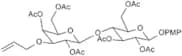
<p>This is a modification of the monosaccharide, methylation, glycosylation and polysaccharide. This product has been custom synthesized and is available in high purity with CAS No. The molecular weight of this compound is 476.19 g/mol. The chemical formula is C28H39NO8.</p>Formula:C77H95NO32SiPurezza:Min. 95%Peso molecolare:1,574.65 g/mol4-Methoxyphenyl 2,3,6-tri-O-acetyl-4-O-(2,4,6-tri-O-acetyl-3-O-allyl-β-D-galactopyranosyl)-β-D-glucopyranoside
<p>4-Methoxyphenyl 2,3,6-tri-O-acetyl-4-O-(2,4,6-tri-O-acetyl-3-O-allyl bDgalactopyranosyl)-bDglucopyranoside is a modification of an oligosaccharide. It is a high purity and custom synthesis. This product can be found under CAS No. 807827-28-0.</p>Formula:C34H44O18Purezza:Min. 95%Peso molecolare:740.7 g/mol1-Deoxy-3,4-O-isopropylidene-6-O-tert.butyldimethylsilyl-D-tagatose
<p>1-Deoxy-3,4-O-isopropylidene-6-O-tert.butyldimethylsilyl-D-tagatose (1DOP) is a carbohydrate that can be used in the synthesis of oligosaccharides and polysaccharides. It is a synthetic monosaccharide that has been modified with fluorine and methyl groups to increase its stability. 1DOP can be reacted with other sugars like glucose or mannose to form glycosidic linkages. The resulting product is called an oligosaccharide, which can then be further modified by adding more sugar residues to form a polysaccharide.</p>Purezza:Min. 95%Hyaluronic acid sodium salt - Extra low molecular weight 8,000-15,000
CAS:<p>Gycosaminoglycan in many organs; joint lubricant and shock absorber</p>Formula:(C14H20NO11Na)nPurezza:Min. 91 Area-%Colore e forma:Powder[UL-2H7glc]Lactose monohydrate
<p>Custom synthesis, Modification, Fluorination, Methylation, Monosaccharide, Synthetic, Click modification.<br>Oligosaccharide. Saccharide. CAS No. Polysaccharide. Glycosylation. Sugar. Carbohydrate complex carbohydrate<br>Custom synthesis, Modification, Fluorination, Methylation, Monosaccharide Synthetic Click modification Oligosaccharide saccharide CAS No Polysaccharide Glycosylation sugar Carbohydrate complex carbohydrate</p>Purezza:Min. 95%Medicagenic acid 3,28-di-O-glucoside
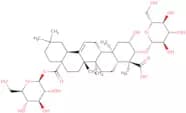
CAS:<p>Medicagenic acid 3,28-di-O-glucoside is a synthetic compound that is the product of a custom synthesis. It is a sugar with 1,2-linked glucose units. Medicagenic acid 3,28-di-O-glucoside is an intermediate in the synthesis of glycoconjugates. Medicagenic acid 3,28-di-O-glucoside can be modified to produce saccharides with various properties and functions. This compound has been modified by fluorination, methylation and click chemistry to produce medicagenic acid 3,28-di-O-[(2-(4′-[N′-(3′,5′'-dimethoxytrityl)-3H]thiophenyl)carbonyl]-6′-(4′-[N′-(3',5'-dimethoxytrityl)-3H]thiophenyl)methyl] glucopyranoside.</p>Formula:C42H66O16Purezza:Min. 95%Peso molecolare:826.96 g/molEthyl b-D-thiogalactopyranoside
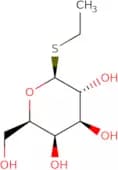
CAS:<p>Synthetic building block</p>Formula:C8H16O5SPurezza:Min. 95%Colore e forma:White PowderPeso molecolare:224.28 g/mol2-Allyloxycarbonylamino-2-deoxy-D-galactose
<p>2-Allyloxycarbonylamino-2-deoxy-D-galactose is a monosaccharide that is synthetically modified for use as a synthetic building block in the synthesis of complex carbohydrates and saccharides. This compound is fluorinated at the 2 position to increase its water solubility, which makes it useful for chemical modifications. It has been shown to be methylated and glycosylated.</p>Purezza:Min. 95%1,4-β-D-Xylohexaose
CAS:<p>1,4-beta-D-xylohexaose is a sugar that belongs to the group of xylooligosaccharides. It is an enzymatic inactivator that binds to the enzyme hydrolase family. Xylooligosaccharides are found in plant cell walls, where they can be used as a carbon source by termites. 1,4-beta-D-xylohexaose has been shown to be most active against neutral ph, but it is not active against acidic ph. The enzyme hydrolase family is inhibited by binding with 1,4-beta-D-xylohexaose and this prevents hydrolysis of carbohydrates, which includes glycosidic bonds.br>br><br>1,4-beta-D-xylohexaose has also been shown to be beneficial for sustainable agriculture practices as it inhibits enzymes that break down xylooligosaccharides</p>Formula:C30H50O25Purezza:Min. 95%Colore e forma:PowderPeso molecolare:810.7 g/mol3-O-Methyl-α-D-glucopyranose
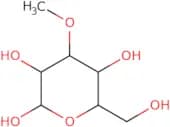
CAS:<p>3-O-Methyl-α-D-glucopyranose is a synthetic, fluorinated monosaccharide. This compound is a custom synthesis, and it can be used as an intermediate in glycosylation reactions. 3-O-Methyl-α-D-glucopyranose is typically used for the modification of polysaccharides by methylation or fluorination. It also has potential applications in the production of high purity sugar compounds.</p>Formula:C7H14O6Purezza:Min. 95%Peso molecolare:194.18 g/molN, N- Bis(2, 2- Dimethyl- 1, 3- dioxan- 5- yl) - 4- nitro-benzamide
CAS:<p>N,N-Bis(2,2-dimethyl-1,3-dioxan-5-yl)-4-nitrobenzamide is a synthetic compound that has been modified with Click chemistry. It contains a 2,2'-dithiodiethanol moiety and is glycosylated with glucose. This compound has been used in the synthesis of complex carbohydrates such as oligosaccharides and monosaccharides.</p>Purezza:Min. 95%L-Xylose
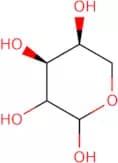
CAS:<p>Chiral-pool resource for organic synthesis</p>Formula:C5H10O5Purezza:Min. 99 Area-%Colore e forma:White PowderPeso molecolare:150.13 g/mol2-Deoxy-D-ribonic acid-1,4-lactone
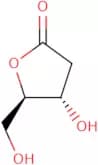
CAS:<p>2-Deoxy-D-ribonic acid-1,4-lactone (2DRA) is a chemical compound with physiological effects. 2DRA is an irreversible inhibitor of DNA polymerase that has been shown to be a potent inhibitor of nuclear DNA synthesis in vitro and in vivo. The 2DRA inhibits the transfer reactions that are required for the replication of DNA. 2DRA binds to the nuclease domain of the enzyme and prevents it from cutting the phosphodiester bonds, leading to inhibition of DNA synthesis. This compound also has genotoxic effects and can cause mutation in cells through radiation or chemical treatment.</p>Formula:C5H8O4Purezza:Min. 95%Colore e forma:Colorless Yellow PowderPeso molecolare:132.12 g/molHeparin disaccharide IV-S disodium salt
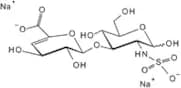
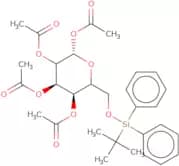
CAS:<p>Heparin is a complex carbohydrate that has been modified by the addition of a sugar and a sulfate group. It is used in the treatment of thrombosis, deep vein thrombosis, pulmonary embolism, and other blood clots. Heparin disaccharide IV-S disodium salt (HDS) is an intravenous form of heparin that consists of sodium salts of two saccharides: heparin disaccharide and sodium disulfate. HDS has been shown to be more potent than unfractionated heparin in animal models, as well as being more effective in preventing clot formation in humans. This drug also exhibits less frequent side effects such as skin rash, itching, or hives.</p>Formula:C12H17NO13S·2NaPurezza:Min. 95%Colore e forma:White PowderPeso molecolare:461.31 g/mol1,2,3,4-Tetra-O-acetyl-6-O-(tert-butyldiphenylsilyl)-b-D-glucopyranose
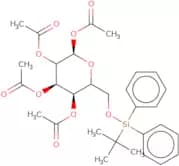
CAS:<p>1,2,3,4-Tetra-O-acetyl-6-O-(tert-butyldiphenylsilyl)-b-D-glucopyranose is a synthetic oligosaccharide that has been modified by fluorination and methylation. It is used as a building block for the synthesis of complex carbohydrates. This product has a CAS number of 224778-57-8 and can be custom synthesized to meet your specifications.</p>Formula:C30H38O10SiPurezza:Min. 95%Peso molecolare:586.72 g/molMethyl 4,6-O-benzylidene-2-deoxy-a-D-allopyranoside
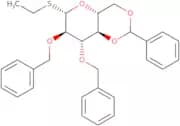
Methyl 4,6-O-benzylidene-2-deoxy-a-D-allopyranoside is an oligosaccharide that has a complex carbohydrate structure with a fluorination modification. It is synthesized by the methylation of 4,6-O-benzylidene-2,3,4,6 tetra deoxy aldopyranose and the glycosylation with methylated glucose. Methyl 4,6-O-benzylidene-2-deoxy-a -D allopyranoside is used in research to study the synthesis of saccharides and glycoconjugates. Its CAS number is 6891–51–8. This product is available for custom synthesis.Formula:C14H18O5Purezza:Min. 95%Peso molecolare:266.29 g/molEthyl 2,3-di-O-benzyl-4,6-O-benzylidene-b-D-thioglucopyranoside
CAS:<p>Ethyl 2,3-di-O-benzyl-4,6-O-benzylidene-b-D-thioglucopyranoside is a glycosylated monosaccharide. It is synthesized by the reaction of 1,2,3,4,6-pentaacetyl bromohexose with benzaldehyde and thioglycolic acid. The product is purified by recrystallization. This compound has a CAS number of 141263-01-6 and can be custom synthesized to meet your needs.</p>Formula:C29H32O5SPurezza:Min. 95%Colore e forma:PowderPeso molecolare:492.63 g/mol3-O-(a-L-Fucopyranosyl)-4-O-(3-sialyl-b-D-galactopyranosyl)-D-glucose
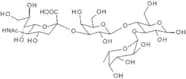
<p>3-O-(a-L-Fucopyranosyl)-4-O-(3-sialyl-b-D-galactopyranosyl)-D-glucose is a modification of the complex carbohydrate, oligosaccharide, monosaccharide, and polysaccharide. It is synthesized by methylation of glucose and glycosylation with sialic acid. The product has a CAS number and a high purity level. This product is an example of a synthetic oligosaccharide that has been fluorinated. The product can be used as an additive or preservative in food products.</p>Formula:C29H49NO23Purezza:Min. 95%Peso molecolare:779.71 g/molGDP-D-galactose
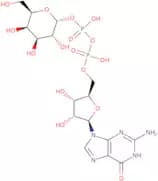
CAS:<p>GDP-D-galactose is a sugar nucleotide that is an intermediate in the synthesis of GDP-D-mannose. It is synthesized from D-galactose by the enzyme galactokinase, which converts D-galactose to D-galacturonate. GDP-D-galactose can then be converted to GDP-D-mannose by the enzyme GDP mannokinase. The incorporation of GDP into macromolecules is a process that can be used as a marker for biosynthesis and has been shown in Gracilaria sp.</p>Formula:C16H25N5O15P2Purezza:Min. 95%Peso molecolare:589.4 g/molD-Talitol
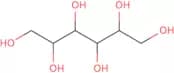
CAS:<p>D-Talitol is a drug that is used to treat eye disorders and chronic pulmonary diseases. It belongs to the class of drugs called xylitol dehydrogenase inhibitors. D-Talitol inhibits the enzyme xylitol dehydrogenase, which converts xylitol into a different sugar called sorbitol. Sorbitol accumulates in certain parts of cells, such as the mitochondria, and can disrupt cellular processes by inhibiting oxidative phosphorylation and glycolysis. In addition, there are other effects of sorbitol accumulation that may lead to mitochondrial dysfunction, including inhibition of protein synthesis, induction of apoptosis (cell death), and inhibition of cell proliferation. D-Talitol has been shown to inhibit the growth of chronic kidney cells in culture by interfering with cellular metabolism in mitochondria.<br>A kinetic study has also shown that D-Talitol inhibits b-raf activity at concentrations that are not cytotoxic. This suggests that D-Talitol may be useful for</p>Formula:C6H14O6Purezza:Min. 98 Area-%Colore e forma:White PowderPeso molecolare:182.17 g/mol2-Deoxy-2-fluoro-D-galactose
CAS:<p>Please enquire for more information about 2-Deoxy-2-fluoro-D-galactose including the price, delivery time and more detailed product information at the technical inquiry form on this page</p>Formula:C6H11FO5Purezza:Min. 97 Area-%Peso molecolare:182.15 g/mol1L-Epi-2-inosose
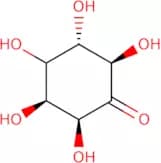
CAS:<p>1-L-Epi-2-inosose is a natural compound that has been found to have broad-spectrum antimicrobial activity. This substance is a product of the hemocyte's enzymatic conversion of L-epinephrine into 1,2,3,4,5,6-hexahydroxyisoquinoline (1L-Epi). 1L-Epi is also synthesized in vitro from epinephrine by the enzyme dehydrogenase. In addition to its antimicrobial activity, 1L-Epi has been shown to be a potent proliferation inhibitor for human cells and to be effective against gram negative bacteria.</p>Formula:C6H10O6Purezza:Min. 95%Colore e forma:PowderPeso molecolare:178.14 g/molMaltotriose - Technical
CAS:<p>Starch breakdown product</p>Formula:C18H32O16Purezza:Min. 90.0 Area-%Colore e forma:PowderPeso molecolare:504.44 g/molGlycyl-Oligosaccharidesmannose 5
Glycyl-Oligosaccharidesmannose 5 is a high purity, custom synthesis sugar that is fluorinated and glycosylated. It is an oligosaccharide with a mannose backbone and a glycyl group attached to the first mannose. The methylation of the glycyl group on Glycyl-Oligosaccharidesmannose 5 can be modified to produce different derivatives. This carbohydrate has been synthesized and has CAS Number: 68149-46-1.Formula:C48H82N4O36Purezza:Min. 95%Peso molecolare:1,291.17 g/mol5-Azido-5-deoxy-2,3-O-isopropylidene-D-gulono-1,4-lactone
<p>5-Azido-5-deoxy-2,3-O-isopropylidene-D-gulono-1,4-lactone is a carbohydrate that has been modified by the addition of an azide group. Carbohydrates are complex carbohydrates that consist of monosaccharides linked together to form polysaccharides. They are sugar molecules that act as a source of energy for living organisms. 5-Azido-5-deoxy-2,3-O-isopropylidene -D gulono 1,4 lactone is a monosaccharide which can be methylated and glycosylated with other sugars to form a polysaccharide. It is also fluorinated and saccharide. This compound belongs to CAS No. 144948–71–8 and has the molecular formula C6H8N2O7F9O6.</p>Purezza:Min. 95%(2R, 3S, 4S, 5S) -3-O-Benzoyl-4-O-tert.butyl-2- ((tert butylsilyloxy)methyl) - 5- methyl-3, 4- pyrrolidinediol
<p>(2R, 3S, 4S, 5S) -3-O-Benzoyl-4-O-tert.butyl-2- ((tert butylsilyloxy)methyl) - 5- methyl-3, 4- pyrrolidinediol is a synthetic sugar that is used in the modification of saccharide and polysaccharides. It has been used to synthesize oligosaccharides with high purity and good yield. This compound has a CAS number of 179119-92-7 and can be used for fluorination reactions.</p>Purezza:Min. 95%N-Propanoyl mannosamine
CAS:<p>N-Propanoyl mannosamine is a biochemical that belongs to the group of glycoconjugates. It is an intracellular messenger that modulates the concentration of intracellular calcium and controls the release of gamma-aminobutyric acid (GABA). N-Propanoyl mannosamine has been shown to stimulate axonal growth in cell culture, which is mediated by the polysialic acid receptor. This molecule also has a role in human osteoblast differentiation and bone formation.<br>N-Propanoyl mannosamine can be synthesized from dopamine and erythrose via a series of reactions involving acidification, oxidation, reduction, and decarboxylation. The synthesis of this molecule requires blood group O as an acceptor.</p>Formula:C9H17NO6Purezza:Min. 95%Colore e forma:White To Off-White SolidPeso molecolare:235.23 g/molα-D-Glucose-1-phosphate dipotassium hydrate
CAS:a-D-Glucose-1-phosphate dipotassium salt hydrate (aDG1P) is a glycogen synthesis inhibitor that inhibits the phosphorylases in the breakdown of glycogen. It also inhibits the synthesis of glycogen by inhibiting ATPase activity, which is required for the conversion of glucose to glucose 6-phosphate. The inhibition of phosphorylases and ATPase activity prevents the phosphorylation of glucose and leads to a decrease in glycogen synthesis. aDG1P has been shown to be effective in both animal models and human subjects for treating muscle disease such as Duchenne muscular dystrophy.Formula:C6H13O9P•K2•(H2O)xPurezza:(%) Min. 95%Colore e forma:PowderPeso molecolare:336.32 g/molUlvan - Ulva rotondata-Autumn
CAS:<p>Ulvans are structural polysaccharides present in the cell walls of green algae such as Ulva armoricana, Ulva rotondata, Ulva rigida, Ulva lacterca and Ulva pertusa. They are highly sulphated and contain rhamnose 3-sulphate, xylose, xylose 2-sulphate, glucuronic acid and iduronic acid residues. Ulvan has several potentially valuable functionalities such as gel formation for agricultural and food applications. It has also an anticoagulant, antioxidant, antihyperlipidemic and antitumor activities that are attractive for pharmaceutical applications.<br>The image was kindly provided by Prof Mike Guiry from Cork who runs ‘The Seaweed Site’.</p>Purezza:Min. 95%1,2,3,4-Tetra-O-acetyl-6-O-(tert-butyldiphenylsilyl)-a-D-mannopyranose
CAS:<p>1,2,3,4-Tetra-O-acetyl-6-O-(tert-butyldiphenylsilyl)-a-D-mannopyranose is a custom synthesis that is a complex carbohydrate. It is an Oligosaccharide that is Polysaccharide and can be modified with Methylation and Glycosylation. It has a saccharide with a CAS No. 815589-29-8 and has been fluorinated. This product has high purity and can be synthesized to order.</p>Formula:C30H38O10SiPurezza:Min. 95%Peso molecolare:586.72 g/molD-Sorbose
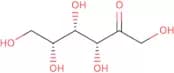
CAS:<p>D-Sorbose is a monosaccharide that belongs to the group of sugar alcohols. It is a reducing sugar that can be used as an alternative for sugar in food and pharmaceutical industries. D-Sorbose has been shown to have potential industrial applications due to its high solubility, low melting point, and resistance to crystallization. The enzyme ribitol dehydrogenase from Escherichia coli was found to be active with D-sorbitol, but not with l-sorbitol. This indicates that D-sorbitol is a better substrate for this enzyme than L-sorbitol.</p>Formula:C6H12O6Purezza:Min. 95%Colore e forma:White PowderPeso molecolare:180.16 g/mol2-Methylphenyl 4-O-benzyl-a-L-thiorhamnopyranoside
<p>2-Methylphenyl 4-O-benzyl-a-L-thiorhamnopyranoside is a custom synthesis that can be modified to suit the needs of the customer. It is a fluorinated oligosaccharide with a complex carbohydrate structure. The product has been shown to have high purity and will be synthesized according to customer specifications. 2-Methylphenyl 4-O-benzyl-a-L-thiorhamnopyranoside is an oligosaccharide that contains a saccharide and monosaccharide unit, which are linked together by glycosidic bonds. This product is also known as methylated thioretinamide or MTT.</p>Purezza:Min. 95%(2R,3R,4R)-N-Benzyloxycarbonyl-2-hydroxymethyl-3,4-pyrrolidinediol
<p>(2R,3R,4R)-N-Benzyloxycarbonyl-2-hydroxymethyl-3,4-pyrrolidinediol is a custom synthesis of polysaccharide that is modified with methylation and glycosylation. It is a complex carbohydrate that has been synthesized using Click chemistry. The product is fluorinated and has high purity.</p>Purezza:Min. 95%6-Deoxy-6-thio-b-cyclodextrin
CAS:<p>This beta-cyclodextrin (β-CD) derivative is a functionalized cyclic oligosaccharide composed of seven glucose units, characterized by a hydrophilic exterior and a lipophilic cavity (bigger than α-CD and smaller than γ-CDs), which allows it to encapsulate various guest molecules. This structural feature facilitates its use in multiple applications, including pharmaceuticals, food enhancement, and cosmetics. In the pharmaceutical industry, it enhances the solubility and stability of poorly water-soluble drugs, improving their bioavailability and efficacy while also masking unpleasant tastes. The food sector utilizes it as a stabilizer for flavors, colors, and nutrients, extending shelf life by protecting sensitive ingredients from degradation. In cosmetics, it serves as a complexing agent for fragrances and active components, ensuring their stability and controlled release. Its use expands to many other fields, including nanotechnology for drug delivery systems, environmental remediation for extracting organic pollutants, textiles for slow-release fragrances, and analytical chemistry for chiral separation.</p>Formula:C42H70O28S7Purezza:Min. 95%Colore e forma:PowderPeso molecolare:1,247.45 g/molGinsenoside Ft1
<p>Ginsenoside Ft1 is a saponin and bioactive compound, which is derived from the roots of Panax notoginseng, a plant known for its traditional medicinal uses. The mode of action of Ginsenoside Ft1 involves multiple biochemical pathways, including the modulation of signaling pathways related to inflammation, apoptosis, and angiogenesis. Its ability to influence these pathways underpins its potential therapeutic applications.</p>Purezza:Min. 95%(2S, 3S, 4S, 5R) -3,4-Dihydroxy-2, 5- pyrrolidinedimethano l hydrochloride
CAS:<p>Glycosylation is a process that attaches a sugar molecule to an amino acid or protein in the form of a glycosidic linkage. The attachment of the sugar molecule can be accomplished by either an enzymatic or chemical process. The type of glycosylation determines the type of linkage, which can be alpha-N-glycosidic (α-N), beta-N-glycosidic (β-N), or N-acetyl--galactosamine (NAG). Methylation is a process that changes one or more hydroxyl groups on a compound into methyl groups. It is usually performed with compounds containing alcohol groups (-OH) on their molecules. Click modification is a chemical reaction used to attach two chemical compounds together. It usually involves the use of copper(I) chloride, copper(II) chloride, and other reagents such as tetrabutylammonium bromide and potassium bromide. Click modification has been</p>Purezza:Min. 95%2-C-( tert.Butyldimethylsilyloxy)methyl-2,3:5,6-di-O-isopropylidene-L-gulono-1.4-lactone
<p>2-C-(tert-Butyldimethylsilyloxy)methyl-2,3:5,6-di-O-isopropylidene-L-gulono-1.4-lactone is a synthetic monosaccharide that is a modification of L-Gulono Oligosaccharide, which is a polysaccharide. 2C-(tert-Butyldimethylsilyloxy)methyl -2,3:5,6-di--O--isopropylidene--L--gulono 1.4 lactone is also known as 2C-(tert butyldimethylsilyloxy) methyl -2,3:5,6--di--O--isopropylidene--L--gulono 1.4 lactone and is used in the manufacture of saccharides and carbohydrates. It can be found in the</p>Purezza:Min. 95%Gypsogenin-3-O-glucuronide
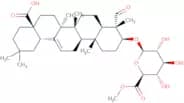
CAS:<p>Gypsogenin-3-O-glucuronide is a saponin found in the roots of Gypsophila paniculata, a plant native to China. It has been shown to have anti-inflammatory and anti-tumor activities. Gypsogenin-3-O-glucuronide has been shown to inhibit tumor growth in mice by inhibiting protein synthesis. The pentasaccharides that make up gypsogenin are present in different proportions, which leads to differences in the biological activity of this compound. This is one of the reasons why saponins have not yet been fully explored for potential use in medicine.</p>Formula:C37H56O10Purezza:Min. 95%Colore e forma:PowderPeso molecolare:660.83 g/molTetra-guluronic acid sodium
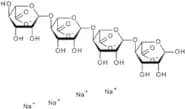
CAS:Tetra-guluronic acid sodium salt (1,4-linked α-L-sodium guluronotetraose) is one of a number of oligosaccharides obtained from alginate, a polysaccharide from brown seaweeds. It contains blocks of: repeating mannuronic acid sequences (M-M-M-M etc), repeating guluronic acid sequences (G-G-G-G etc), and alternating M-G-M-G sequences. This oligosaccharide can be released by acid hydrolysis and a number of biological activities have been discussed in a recent review.Formula:C24H30O25Na4Purezza:Min. 98 Area-%Colore e forma:White PowderPeso molecolare:810.44 g/molHeparin disaccharide IV-A, sodium
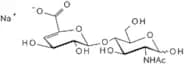
CAS:<p>Heparin disaccharide IV-A, sodium (HDS) is a complex carbohydrate. It is an oligosaccharide that consists of a number of sugar molecules linked together to form a polysaccharide. HDS can be modified by methylation and glycosylation as well as fluorination and click modification. HDS has high purity and is synthetic.</p>Formula:C14H20NO11•NaPurezza:Min. 95%Colore e forma:PowderPeso molecolare:401.3 g/mol2-Azido-2-deoxy-2,4-di-C-methyl-L-lyxono-1.4-lactone
<p>2-Azido-2-deoxy-2,4-di-C-methyl-L-lyxono-1.4-lactone is a synthetic sugar that belongs to the group of carbohydrates. It is a monosaccharide that has been modified with fluorination and glycosylation. This carbohydrate has also been methylated, which makes it useful for click chemistry reactions. 2-Azido-2-deoxy-2,4-diCmethyl L -lyxono 1,4 -lactone is used in the synthesis of complex carbohydrates and oligosaccharides.<br>!--END--></p>Purezza:Min. 95%D-Gulose
CAS:<p>D-Gulose is a sugar that has been shown to have inhibitory properties on blood glucose levels. It also has insulin-like effects and can be used as an alternative to insulin injections in patients with Type 1 diabetes. D-Gulose is metabolized by the liver into 5-deoxy-D-gluconic acid and then into glucose, which can then be used for cellular energy production. The rate constant for this process was determined in experiments using rat liver slices. D-Gulose may also have potent angiogenic effects, as it increased the proliferation of pluripotent cells and caused significant increases in growth factor β1 expression. D-Gulose may also have potential anti-cancer effects, as it inhibited nitrate reductase activity in tumor cells and decreased xanthine oxidase activity.</p>Formula:C6H12O6Purezza:Min. 99 Area-%Colore e forma:White PowderPeso molecolare:180.16 g/mol4,6-Di-O-(3,4,6-tri-O-acetyl-2-deoxy-2-phthalimido β-D-glucopyranosyl)-3-6-di-O-benzyl-α-D-mannopyranose
<p>This is a custom synthesis of a complex carbohydrate. The CAS number is not available and the polysaccharide has been modified. It has been glycosylated, methylated, and fluorinated. It is high purity and the sugar sequence is a custom synthesis.</p>Formula:C60H62N2O24Purezza:Min. 95%Peso molecolare:1,195.13 g/mola,a-D-Trehalose dihydrate endotoxin free
CAS:Trehalose is a non-reducing sugar that is naturally found in some plants and animals. It is a disaccharide formed by two glucose molecules linked together with an alpha,alpha glycosidic bond. Trehalose has been shown to inhibit the growth of bacteria through the inhibition of fatty acid biosynthesis and the production of lactic acid. Trehalose has also been shown to have excipients that are used as lubricants or suspending agents in pharmaceuticals, cosmetics, food products, and animal feed. Trehalose can be used as a substitute for propionate in order to create endotoxin-free aqueous solutions.Formula:C12H22O11·2H2OPurezza:Min. 98 Area-%Colore e forma:White PowderPeso molecolare:378.33 g/molGellan gum
CAS:<p>Gellan is a microbial polysaccharide produced by Pseudomonas elodea and generates gels with similar properties to agar. Gellan gum is a linear tetrasaccharide of (1,4)-β-L-rhamnopyranosyl, (1,3)-α-D-glucopyranosyl, (1,4)-β-D-glucuronopyranosyl, (1,4)-β-D-glucopyranosyl- with O(2) L-glyceryl and O(6) acetyl substituents on the 3-linked glucose. Both substituents are located on the same glucose residue, and on average, there is one glycerate per repeat and one acetate per every two repeats. In low acyl gellan gum, the acyl groups are removed completely. The high acyl form produces soft, elastic, non-brittle gels, whereas the low acyl form produces firm, non-elastic, brittle gels.</p>Purezza:(Carbon Dioxide) 3.3 To 6.8%Colore e forma:White Off-White Powder1,2:4,6-Di-O-isopropylidene-L-sorbofuranose
CAS:<p>1,2:4,6-Di-O-isopropylidene-L-sorbofuranose is a synthetic carbohydrate with a fluorinated methyl group at the C6 position. It is a monosaccharide that can be used to produce oligosaccharides and saccharides through glycosylation and methylation. The product is available in high purity and custom synthesis. This product has been modified by the click chemistry reaction.</p>Formula:C12H20O6Purezza:Min. 95%Peso molecolare:260.28 g/molLacto-N-fucopentaose II
CAS:Major milk pentasaccharide; reduces respiratory and gastrointestinal pathologiesFormula:C32H55NO25Purezza:Min. 95 Area-%Colore e forma:White PowderPeso molecolare:853.77 g/molL-Gluconic acid calcium
CAS:<p>L-Gluconic acid calcium salt is a white crystalline powder. It is soluble in water and slightly soluble in alcohol. The structure of this compound has not been fully elucidated, but it is known to be a modification of L-gluconic acid, which is a monosaccharide. This product can be used as a biochemical reagent for the synthesis of oligosaccharides and polysaccharides.</p>Formula:(C6H12O7)2•CaPurezza:Min. 95%Colore e forma:PowderPeso molecolare:432.39 g/mol2-O-Benzoyl-3,4-O-benzylidene-D-ribono-1,5-lactone
<p>2-O-Benzoyl-3,4-O-benzylidene-D-ribono-1,5-lactone (2BBL) is a glycosylation agent that can be used for the synthesis of complex carbohydrates. It is also an effective methylating agent for glycosides and saccharides. 2BBL is fluorinated to yield 2FBL, which has been shown to be a powerful click reagent. The CAS number for 2BBL is 53478-55-0. This product is custom synthesized in high purity and can also be used as a monosaccharide in oligosaccharide synthesis.</p>Purezza:Min. 95%Chitobiose octaacetate
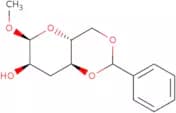
CAS:<p>Octacetylated chitobiose derivative</p>Formula:C28H40N2O17Purezza:Min. 95%Colore e forma:White PowderPeso molecolare:676.62 g/molMethyl 4,6-O-benzylidene-α-D-glucopyranoside
CAS:<p>Methyl 4,6-O-benzylidene-α-D-glucopyranoside is a custom synthesis that can be used in the modification of complex carbohydrates. It is a high purity oligosaccharide with click modification and fluorination. The product is a monosaccharide sugar that has been synthesized by the process of glycosylation and hydrolysis. Methyl 4,6-O-benzylidene-α-D-glucopyranoside also has an Oligosaccharide, Polysaccharide, saccharide, Carbohydrate, Fluorination, complex carbohydrate, High purity, Modification, Monosaccharide, sugar, Synthetic.</p>Formula:C14H18O6Purezza:Min. 95%Colore e forma:White Off-White PowderPeso molecolare:282.29 g/mol3,4-Di-O-benzyl-1,2-O-(1-methoxyethylidene)-b-L-rhamnopyranose
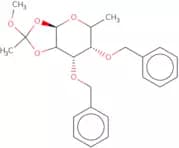
<p>3,4-Di-O-benzyl-1,2-O-(1-methoxyethylidene)-b-L-rhamnopyranose is a custom synthesis of high purity. It is a sugar with click modification and fluorination. 3,4-Di-O-benzyl-1,2-O-(1-methoxyethylidene)-b-L-rhamnopyranose has been synthesized by glycosylation, methylation, and modification of the carbohydrate moiety. This product is an oligosaccharide or monosaccharide that belongs to the group of carbohydrates. 3,4-Di-O-benzyl 1,2 O-(1 methoxyethylidene) b L rhamnopyranose is also known as CAS No., which is a number assigned to chemicals for identification purposes.</p>Formula:C23H28O6Purezza:Min. 95%Peso molecolare:400.48 g/mol(-)-isolariciresinol-2a-O-b-D-xylopyranoside
<p>(-)-isolariciresinol-2a-O-b-D-xylopyranoside is a methylated saccharide that is used in the synthesis of complex carbohydrates. It is synthesized by reacting an aldehyde with an alcohol, and it has been modified using click chemistry. The product is purified to be at least 98% pure, and it can be custom synthesized to order. (-)-isolariciresinol-2a-O-b-D-xylopyranoside can be fluorinated for use as a fluorescent probe for various applications. It has a CAS number of 564964-92-1.</p>Purezza:Min. 95%N- [[(2S, 3S, 4R) - 4- [(Acetyloxy) methyl] - 3- (phenylmethoxy) - 1-acetamide
<p>N- [[(2S, 3S, 4R) - 4- [(Acetyloxy) methyl] - 3- (phenylmethoxy) - 1-acetamide is a synthetic glycoside. It has been modified for fluorination and methylation. The complex carbohydrate has been synthesized with high purity and it has a CAS No..</p>Purezza:Min. 95%(1R) -1- [(2S, 3R) - 3- Hydroxy- 1- methyl - 2- azetidinyl] -1, 2- ethanediol
<p>(1R) -1- [(2S, 3R) - 3- Hydroxy- 1- methyl - 2- azetidinyl] -1, 2- ethanediol is a fluorinated sugar that is used in the synthesis of oligosaccharides and polysaccharides. This synthetic monosaccharide can be modified by glycosylation, methylation, and click chemistry. It has an CAS number and a high purity.</p>Purezza:Min. 95%(1R) -1- [(2S, 3R) - N-Benzyl-3- hydroxy- 1- azetidinyl] -1, 2- ethanediol
<p>(1R) -1- [(2S, 3R) - N-Benzyl-3- hydroxy- 1- azetidinyl] -1, 2- ethanediol is a synthetic product that can be custom synthesized. It has been used in glycosylation reactions to produce oligosaccharides and monosaccharides. The chemical composition of the product is: C6H10O5 (CAS No. ).</p>Purezza:Min. 95%Cerebrosides - Kerasin
CAS:<p>Cerebrosides are a group of complex carbohydrates that have been modified by glycosylation, methylation, and/or fluorination. These modifications can be used to produce saccharides with different properties. Cerebrosides are found in the brain, central nervous system, and spinal cord. They are also found in the connective tissue of skin and hair follicles.<br>The CAS number for cerebrosides is 85116-74-1.</p>Formula:C48H91NO8Purezza:Min. 95%Colore e forma:PowderPeso molecolare:810.24 g/molQuercetin-3-O-a-L-arabinoside
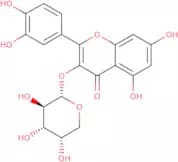
CAS:<p>Quercetin-3-O-a-L-arabinoside is a flavonoid that has been shown to be active against human colorectal adenocarcinoma cells. Quercetin 3-O-a-L-arabinoside inhibits the proliferation of hl60 cells by inducing apoptosis and inhibiting protein synthesis. The biological properties of quercetin 3-O-a-L-arabinoside are not well understood, but it may work as an antioxidant due to its ability to scavenge free radicals. Quercetin 3-O-a-L-arabinoside has also been found to have antimicrobial activity against bacteria, fungi, and viruses. Quercetin 3 O a L arabinoside is able to inhibit the growth of various strains of Mycobacterium tuberculosis, including drug resistant strains. This compound is also shown to be effective in the treatment of platinum resistant</p>Formula:C20H18O11Purezza:Min. 98 Area-%Colore e forma:Yellow PowderPeso molecolare:434.35 g/mol1,2,3,6-Tetra-O-acetyl-4-O-{2,3,6-tri-O-acetyl-4-O-[2,3,6-tri-O-acetyl-4-O-(2,3,4,6-tetra-O-acetyl b-D-glucopyranosyl)-b-D-glucopyra nosyl]-b-D-glucopyranosyl}-b-D-thioglucopyranose
<p>1,2,3,6-Tetra-O-acetyl-4-O-[2,3,6-tri-O-acetyl-4-O-(2,3,4,6 tetra-O-acetyl bDglucopyranosyl)-bDglucopyra nosyl]-bDthioglucopyranose (1) is a sugar with the chemical formula C36H62N8O24. It was first synthesized by the group of L. W. F. Heckel in 1956 and its structure was elucidated by X. Miettinen in 1957. 1 is a complex carbohydrate with a glycosidic linkage to 4 as well as an acetate ester at position 6. The compound has been modified with methyl groups at positions 2 and 3 to form 1,2,3,6 tetra O acetyl 4 O methyl 2 O methyl 3 O methyl 6 O eth</p>Formula:C52H70O34SPurezza:Min. 95%Peso molecolare:1,271.16 g/mol2-Keto-D-glucose
CAS:<p>2-Keto-D-glucose is a substrate molecule that is used in the study of plant physiology, enzyme kinetics, and metabolic regulation. It has been shown to be an important factor in redox potential and the activation of detoxification enzymes. 2-Keto-D-glucose has also been found to be an important factor in energy metabolism, as it can be converted into pyruvate and acetyl CoA. 2-Keto-D-glucose is a common substrate molecule for many enzymes, including glycolytic enzymes, hexokinase, alcohol dehydrogenase, lactate dehydrogenase, and phosphofructokinase. 2-Keto-D-glucose has also been found to play a role in human blood serum biochemistry by acting as a substrate for erythrocyte D glucose transporter protein and glycerol kinase.</p>Formula:C6H10O6Purezza:Min. 98 Area-%Colore e forma:White Beige Yellow PowderPeso molecolare:178.14 g/mol1-Amino-1-deoxy-D-galactitol hydrochloride
CAS:<p>1-Amino-1-deoxy-D-galactitol hydrochloride is a natural polymer that is found in many organisms, including bacteria and fungi. It can be obtained by enzymatic conversion of galactose, which is an epimer of glucose. 1-Amino-1-deoxy-D-galactitol hydrochloride has been shown to have viscosity properties that are similar to those of natural polymers. This compound also has the ability to form hydrogen bonds with other molecules. 1-Amino-1-deoxy-D-galactitol hydrochloride is produced by chemoenzymatic reactions and can be used as a substitute for natural polymers in certain applications (e.g., food industry).</p>Formula:C6H15NO5·HClPurezza:Min. 95%Colore e forma:PowderPeso molecolare:217.65 g/molMethyl 4,6-O-benzylidene-3-deoxy-α-D-glucopyranoside
CAS:<p>Methyl 4,6-O-benzylidene-3-deoxy-a-D-glucopyranoside is a synthetically modified high purity carbohydrate. It is an oligosaccharide that can be custom synthesized to meet your requirements. This product can be used as a complex carbohydrate in the food industry.</p>Formula:C14H18O5Purezza:Min. 95%Colore e forma:PowderPeso molecolare:266.29 g/mol








![Blood group A trisaccharide-APE-[biotin]-HSA](/_next/image/?url=https%3A%2Fstatic.cymitquimica.com%2Fproducts%2F3D%2Fthumb-webp%2FOB01687.webp&w=3840&q=75)

![2-Acetamido-2-deoxy-4-O-([4-O-b-D-galactopyranosyl]-b-D-galactopyranosyl)-D-glucopyranose](/_next/image/?url=https%3A%2Fstatic.cymitquimica.com%2Fproducts%2F3D%2Fthumb-webp%2FOA07925.webp&w=3840&q=75)



![[UL-2H7glc]Lactose monohydrate](/_next/image/?url=https%3A%2Fstatic.cymitquimica.com%2Fproducts%2F3D%2Fthumb-webp%2FOL16276.webp&w=3840&q=75)












![N- [[(2S, 3S, 4R) - 4- [(Acetyloxy) methyl] - 3- (phenylmethoxy) - 1-acetamide](/_next/image/?url=https%3A%2Fstatic.cymitquimica.com%2Fproducts%2F3D%2Fthumb-webp%2FMA163434.webp&w=3840&q=75)
![(1R) -1- [(2S, 3R) - 3- Hydroxy- 1- methyl - 2- azetidinyl] -1, 2- ethanediol](/_next/image/?url=https%3A%2Fstatic.cymitquimica.com%2Fproducts%2F3D%2Fthumb-webp%2FMH163529.webp&w=3840&q=75)
![(1R) -1- [(2S, 3R) - N-Benzyl-3- hydroxy- 1- azetidinyl] -1, 2- ethanediol](/_next/image/?url=https%3A%2Fstatic.cymitquimica.com%2Fproducts%2F3D%2Fthumb-webp%2FMB163413.webp&w=3840&q=75)