Glicoscienza
La glicosienza è lo studio dei carboidrati e dei loro derivati, nonché delle interazioni e delle funzioni biologiche a cui partecipano. Questo campo di ricerca è cruciale per comprendere una vasta gamma di processi biologici, tra cui il riconoscimento cellulare, la segnalazione, la risposta immunitaria e lo sviluppo delle malattie. La glicosienza ha importanti applicazioni nella biotecnologia, nella medicina e nello sviluppo di nuovi farmaci e terapie. Presso CymitQuimica, offriamo un'ampia selezione di prodotti di alta qualità e purezza per la ricerca in glicosienza. Il nostro catalogo comprende monosaccaridi, oligosaccaridi, polisaccaridi, glicoconiugati e reagenti specifici, progettati per supportare i ricercatori nei loro studi sulla struttura, funzione e applicazioni dei carboidrati nei sistemi biologici. Queste risorse sono destinate a facilitare scoperte scientifiche e applicazioni pratiche in vari ambiti delle bioscienze e della medicina.
Sottocategorie di "Glicoscienza"
- Amminozucchero(108 prodotti)
- Glico-anticorpi(282 prodotti)
- Glicolipidi(46 prodotti)
- Glicosaminoglicani (GAGs)(55 prodotti)
- Glicosidi(419 prodotti)
- Monosaccaridi(6.624 prodotti)
- Oligosaccaridi(3.682 prodotti)
- Polisaccaridi(503 prodotti)
Trovati 11046 prodotti di "Glicoscienza"
Ordinare per
Purezza (%)
0
100
|
0
|
50
|
90
|
95
|
100
Galacturonan DP7/DP8 sodium
Mixed DP 7/8 Na galacturonans (α-1,4 galacturonoheptoses and octaoses), are derived from pectin or pectic acid, by enzymatic or partial acid hydrolysis. They are used in galacturonic acid metabolism research as a substrate to identify, differentiate, and characterized endo- and exopolygalacturonase(s), and gluconase(s). The addition of very short fragments of homogalacturonan oligosaccharides, restores development in dark-grown, de-etiolated seedling mutants, suggesting that they are unable to generate de-methylesterified pectin fragments. A model of spatiotemporally separated photoreceptive and signal-responsive cell types has been proposed, that contains overlapping subsets of the regulatory network of light-dependent seedling development.Purezza:Min. 95%Colore e forma:Powder2-(2,3,6-Tri-O-acetyl-4-O-[(2,3,4,6-tetra-O-acetyl-a-D-glucopyranosyl)]-b-D-glucopyranosyl) thiopseudourea
2-(2,3,6-Tri-O-acetyl-4-O-[(2,3,4,6-tetra-O-acetyl-a-D-glucopyranosyl)]-b-D-glucopyranosyl) thiopseudourea is a glycosylated oligosaccharide that has been modified using methylation and click chemistry. This compound has been used in the synthesis of various complex carbohydrates. The CAS number for this compound is 905835-79-8 and it can be custom synthesized to meet your needs.Formula:C27H38N2O17SPurezza:Min. 95%Peso molecolare:694.66 g/molMethyl b-D-ribofuranoside
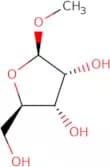
CAS:<p>Methyl b-D-ribofuranoside is a compound that has been found to be a substrate for the phosphodiesterase enzyme. This natural product can be used to study the function of this enzyme and its effect on cellular processes. The rate of hydrolysis at 25 degrees Celsius is about 0.03 min-1, which is about one order of magnitude faster than the rate at 37 degrees Celsius, which is about 0.003 min-1. In addition, methyl b-D-ribofuranoside hydrolyzes more rapidly in anaerobic conditions than in aerobic conditions. It also has a constant sedimentation coefficient of 1.10 ± 0.01 Svedbergs, which indicates that it consists of long unbranched chains with a high molecular weight (e.g., dodecyl). Methyl b-D-ribofuranoside has been found to inhibit intramolecular hydrogen transfer reactions, such as those catalyzed</p>Formula:C6H12O5Purezza:Min. 95%Colore e forma:White PowderPeso molecolare:164.16 g/mol(S)-3,5-O-Benzylidene-D-xylono-1.4-lactone
<p>(S)-3,5-O-Benzylidene-D-xylono-1.4-lactone is a Custom synthesis, Modification, Fluorination, Methylation, Monosaccharide, Synthetic, Click modification of the polysaccharide glucuronic acid and a carbonyl group. It is also known as 3-(2-benzyloxyethoxy)propanoic acid or 3-(2-benzyloxyethoxy)propionic acid. The CAS number for this chemical is 63912-71-0. This chemical has been used in the preparation of oligosaccharides and saccharides with glycosylations. <br>(S)-3,5-O-Benzylidene-D-xylono-1.4-lactone is an organic compound that belongs to the class of monosaccharides and polysaccharides. It has been shown</p>Purezza:Min. 95%3,4,6-Tri-O-acetyl-2-deoxy-D-glucopyranose
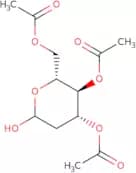
CAS:3,4,6-Tri-O-acetyl-2-deoxy-D-glucopyranose is a naturally occurring carbohydrate that is found in many plants. It can be used as a chiral building block for the synthesis of other compounds, such as atropisomers. The compound has two different stereoisomers that are related by rotation around the central C2' carbon. This stereoisomerism can be explained by the structural features of the molecule, including a phenyl ring and an atropisomeric relationship between the three hydroxyl groups on the glucose moiety. 3,4,6-Tri-O-acetyl-2-deoxyglucopyranose is stable to heat and acid treatment, but is hydrolyzed by esterases.Formula:C12H18O8Purezza:Min. 95%Colore e forma:White PowderPeso molecolare:290.27 g/molXylitol
CAS:<p>Xylitol is a sugar alcohol that has been shown to have antimicrobial properties. It is also used as a sweetener in chewing gum and toothpaste. Xylitol inhibits the growth of bacteria by binding to the enzyme adenosine triphosphate (ATP) synthase, which is required for energy metabolism. The binding of xylitol to ATP synthase prevents the formation of ATP and blocks bacterial growth, leading to cell death. Xylitol can be produced from xylose, a sugar found in plants and animals, through biochemical reactions that are catalyzed by enzymes such as xylitol dehydrogenase and xylulokinase. This process is anaerobic and does not require oxygen or organic nutrients. Xylitol has been shown to have physiological effects on wild-type strain bacteria such as Aerobacter aerogenes.</p>Formula:C5H12O5Purezza:Min. 95%Colore e forma:White PowderPeso molecolare:152.15 g/mol4,6-Di-O-methyl-D-glucose
CAS:<p>A partially methylated glucose with the anomeric position free</p>Formula:C8H16O6Purezza:Min. 95%Colore e forma:PowderPeso molecolare:208.21 g/molN-(3-Nitrobenzyliden)imino-2,3,4,6-tetra-O-pivaloyl-D-glucopyranoside
<p>3-Nitrobenzylidenimino-2,3,4,6-tetra-O-pivaloyl-D-glucopyranoside is a fluorinated carbohydrate that is synthesized from 2,3,4,6-tetra-O-pivaloyl-D-glucopyranose. It has been modified with a nitrobenzylidene group. This compound can be used in the synthesis of glycosides and polysaccharides.</p>Formula:C33H48N2O11Purezza:Min. 95%Peso molecolare:648.74 g/molMethyl 2,3-di-O-benzoyl-4,6-O-(4-methoxybenzylidene)-a-D-galactopyranoside
Methyl 2,3-di-O-benzoyl-4,6-O-(4-methoxybenzylidene)-a-D-galactopyranoside is a fluorinated and methylated synthetic carbohydrate. It is an oligosaccharide that is synthesized from galactose and glucose by glycosylation and click modification. Methyl 2,3-di-O-benzoyl-4,6-O-(4-methoxybenzylidene)-a-D-galactopyranoside has CAS number: 6079410.Formula:C29H28O9Purezza:Min. 95%Peso molecolare:520.54 g/mol2-Azido-2-deoxy-L-glucopyranose
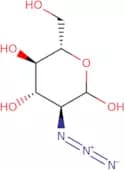
<p>2-Azido-2-deoxy-L-glucopyranose is a Custom synthesis, modification and fluorination of methylated glucopyranosides. This compound has been shown to be effective in the synthesis of mono-, oligo-, and polysaccharides. 2-Azido-2-deoxy-L-glucopyranose is used for the preparation of glycosylation reagents. It can also be used to modify saccharide chains with azide or alkyne functionalities. 2-Azido-2-deoxy-L-glucopyranose is an important building block for the synthesis of complex carbohydrates, such as polysaccharides, glycosylation reagents, and click chemistry compounds.</p>Formula:C6H11N3O5Purezza:Min. 95%Colore e forma:White to off-white solid.Peso molecolare:205.17 g/molRosuvastatin acyl-b-D-glucuronide
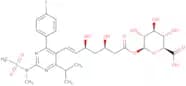
CAS:Rosuvastatin Acyl-B-D-Glucuronide is a synthetic compound that is used to treat high cholesterol levels. It belongs to the class of drugs called statins, which work by blocking an enzyme in the liver that produces cholesterol. Rosuvastatin Acyl-B-D-Glucuronide is a modified form of rosuvastatin, which has been modified with an acyl group and glucuronic acid. This product can be custom synthesized for your needs and has a CAS No. 503610-44-4. It can also be used for glycosylation and saccharide modifications.Formula:C28H36FN3O12SPurezza:Min. 95%Colore e forma:PowderPeso molecolare:657.66 g/molβ-D-Glucose pentaacetate
CAS:<p>1,2,3,4,6-Penta-O-acetyl-b-D-glucopyranose, also known as beta-D-glucose pentaacetate, has high chemical stability and long shelf life. This protected form of glucose is a key building block of any chemical synthesis of glucose-containing oligosaccharides or glycoconjugates. In the presence of Lewis acids it can be used as a glycosyl donor to make simple glycosides. In order to perform more complex glycosylations, it can be converted into more reactive donors, such as glycosyl halides or thioglycosides. Beta-D-glucose pentaacetate is also used as a food additive and flavouring agent.</p>Formula:C16H22O11Peso molecolare:390.35 g/molRef: 3D-G-3000
1kgPrezzo su richiesta5kgPrezzo su richiesta10kgPrezzo su richiesta500gPrezzo su richiesta2500gPrezzo su richiesta-Unit-kgkgPrezzo su richiestaFructosazine
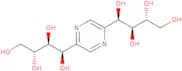
CAS:<p>Fructosazine is a natural compound that is found in the bark of the fructus quinquefoliae tree. It has been shown to have antimicrobial properties when it reacts with hydrochloric acid. Fructosazine inhibits the growth of bacteria by reacting with their cell walls and interfering with their metabolism. Fructosazine may also have physiological effects, such as reducing blood pressure and body weight gain, which are not fully understood. The reaction mechanism for fructosazine is not yet known, but it may be due to its reactive nature. More research needs to be done on this compound before we can understand its full potential.</p>Formula:C12H20N2O8Purezza:Min. 96 Area-%Colore e forma:PowderPeso molecolare:320.3 g/mol3,5-Dideoxy-3,5-imino-1,2-O-isopropylidene-N-butyl-6-O-tert.butyldimethylsilyl-b-L-galactofuranose
3,5-Dideoxy-3,5-imino-1,2-O-isopropylidene-N-butyl-6-O-tert.butyldimethylsilyl-b-L-galactofuranose is a synthetic sugar that can be used as an intermediate for the synthesis of glycosides. This compound has been fluorinated with trifluoromethanesulfonic acid to increase its stability and resistance to hydrolysis. The carbonyl group of the 3,5 position has been converted into an isopropylidene group by reacting with tert.butyldimethylsilyl chloride (TBSCl) in order to increase the reactivity of this functional group. This sugar can be modified at any position on its carbohydrate chain in order to produce desired products. It can also be methylated or acetylated at any position on the carbohydrate chain using reagents such asPurezza:Min. 95%N-[2-(4'-Methylphenylacetonitrile)]-2,3,4,6-tetra-O-pivaloyl-D-glucopyranoside
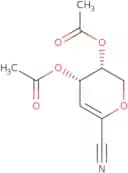
CAS:<p>Ramipril is a drug used for the treatment of high blood pressure and congestive heart failure. It belongs to the group of ACE inhibitors, which inhibit the enzyme angiotensin-converting enzyme (ACE). Ramipril is not active in its prodrug form, but is converted in vivo to enalaprilat, its active metabolite. This conversion takes place mainly in the liver. Enalaprilat prevents the conversion of angiotensin I to angiotensin II, reducing vasoconstriction. Ramipril also improves mental function by enhancing memory and cognition and may have an effect on improving learning ability. The effective dose for ramipril is 5-20 mg/kg per day, with captopril being an alternative medication that has similar effects.</p>Formula:C35H52N2O9Purezza:Min. 95%Peso molecolare:644.8 g/mol4,5-Di-O-acetyl-2,6-anhydro-3-deoxy-D-erythro-hex-2-enononitrile
CAS:4,5-Di-O-acetyl-2,6-anhydro-3-deoxy-D-erythro-hex-2-enononitrile is a custom synthesis carbohydrate. It has been modified with methyl and glycosylation groups. This product can be used as an intermediate in the synthesis of other compounds. 4,5 Di O acetyl -2,6 anhydro 3 deoxy D erythro hex 2 enononitrile is a white crystalline solid that is soluble in water and ethanol. It has a melting point of 74°C and it is stable up to 168°C.Formula:C10H11NO5Purezza:Min. 95%Peso molecolare:225.2 g/molA2F N-Glycan
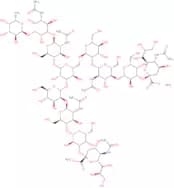
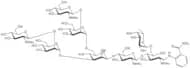
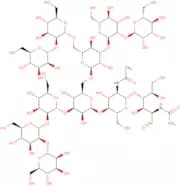
CAS:<p>A2F N-Glycan is an oligosaccharide that is found in the human body. It is a glycan that has been shown to be involved in a number of biological processes, including effector functions, site specific recognition, diagnosis, and biopharmaceutical production. A2F N-glycan has also been shown to have potential as a biomarker for autoimmune diseases and cancer. The A2F N-glycan profile may differ between patients with different cancers or autoimmune disorders. This difference in the A2F N-glycan profile may contribute to the development of personalized medicine by helping to diagnose these conditions and predict their prognosis.</p>Formula:C90H148N6O66Purezza:Min. 90 Area-%Colore e forma:PowderPeso molecolare:2,370.14 g/molN-Butyldeoxygalactonojirimycin
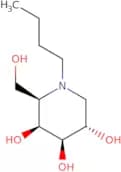
CAS:<p>Competitive inhibitor of glucosylceramidase (GlcCer), which catalyses the first step in glycosphingolipid (GSL) synthesis. This compound is a promising candidate for substrate reduction therapy in Sandhoff disease, where it decreases the rate of GSL biosynthesis and counterbalances the impaired rate of ganglioside catabolism.</p>Formula:C10H21NO4Purezza:Min. 95%Colore e forma:PowderPeso molecolare:219.28 g/mol6-O-Sulfated Lewis A
6-O-sulfated Lewis A is a high purity oligosaccharide with a custom synthesis and click modification. This product has been shown to be useful in glycosylation, methylation, and saccharide modification. It is a versatile carbohydrate that can be used in the synthesis of complex carbohydrates. 6-O-Sulfated Lewis A has CAS number 70520-34-5 and an Oligo/Mono Saccharide content of >95%.Formula:C20H35NO18SPurezza:Min. 95%Colore e forma:PowderPeso molecolare:609.55 g/molMaltodecaose - min 90%
CAS:<p>α 1,4-glucodecasaccharide derived from starch by hydrolysis and chromatography</p>Formula:C60H102O51Colore e forma:White PowderPeso molecolare:1,639.42 g/molα-D-Mannose-1-phosphate sodium
CAS:<p>α-D-Mannose-1-phosphate sodium is a synthetically made mannose phosphate. This compound is used in the synthesis of oligosaccharides and glycoproteins.</p>Formula:C6H11Na2O9PPurezza:Min. 98 Area-%Colore e forma:White PowderPeso molecolare:304.1 g/molIsorhamnetin 3-O-galactoside
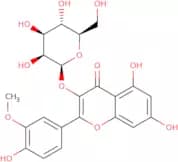
CAS:<p>Isorhamnetin 3-O-galactoside is a flavonoid derivative that is found in plant tissue. It has antioxidant properties and has been shown to inhibit leucaena seed germination, growth, and the production of reactive oxygen species (ROS). Isorhamnetin 3-O-galactoside can be extracted from fruit by using an aqueous solution of potassium hydroxide. It is also used as a dietary supplement for its potent inhibitory activity on ROS. Isorhamnetin 3-O-galactoside is found in plants with other flavonoids such as quercetin and kaempferol. The chemical structure of this compound consists of a hydroxyl group at the C3 position and an O-glycosidic linkage to galactose at the C2 position. This compound can be detected by mass spectrometric methods such as electron ionization or electrospray ionization because it</p>Formula:C22H22O12Purezza:Min. 95%Peso molecolare:478.4 g/mol3-(2,3,5-Tri-O-benzyl-1-b-D-ribofuranosyl)benzamide
CAS:<p>3-(2,3,5-Tri-O-benzyl-1-b-D-ribofuranosyl)benzamide is a sugar derivative with the chemical formula C14H19N5O6. This compound belongs to the group of saccharides and is a synthetic glycoside. 3-(2,3,5-Tri-O-benzyl-1-b-D-ribofuranosyl)benzamide is used in the synthesis of oligosaccharides and polysaccharides for use in medical applications. It can be custom synthesized and has a purity level of >99%.</p>Formula:C33H33NO5Purezza:Min. 95%Peso molecolare:523.62 g/mol(1S) -1- [(2S, 3R) - N-Butyl-3- hydroxy- 1- azetidinyl] -1, 2- ethanediol
<p>(1S) -1- [(2S, 3R) - N-Butyl-3- hydroxy- 1- azetidinyl] -1, 2- ethanediol is a synthetic carbamate which is a modification of the sugar D-glucose. It has been fluorinated at the C4 position and glycosylated at the C2 position. This compound is also methylated at the C3 position. (1S) -1- [(2S, 3R) - N-Butyl-3- hydroxy- 1- azetidinyl] -1, 2- ethanediol has CAS number 7145636 and has been custom synthesized to be high purity and with custom synthesis modifications.</p>Purezza:Min. 95%(2S, 3S, 4R) -1Benzyl-2- [(1S) - 1, 2- dihydroxyethyl] - 3, 4- pyrrolidinediol
(2S, 3S, 4R) -1Benzyl-2- [(1S) - 1, 2- dihydroxyethyl] - 3, 4- pyrrolidinediol is a synthetic sugar that has been fluorinated on the C4 position. It can be custom synthesized to suit any specification and can be glycosylated or polysaccharided. This compound has a CAS number and is available in high purity.Purezza:Min. 95%2,3,4-Tri-O-benzyl-D-glucopyranose
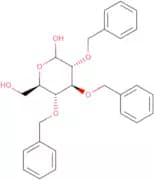
CAS:2,3,4-Tri-O-benzyl-D-glucopyranose is a thioglucoside that can be synthesized from D-glucose and benzyl bromide. This compound is a protonated nucleophile with a hydroxyl group that can interact with the sulfur of a thiol or disulfide group. The interaction between 2,3,4-tri-O-benzyl-D-glucopyranose and S. aureus has been shown to be dependent on the concentration of 2,3,4 tri O benzyl glucopyranose. The reaction between this compound and oligosaccharides led to the formation of dioxane ring structures that were hydrophobic.Formula:C27H30O6Purezza:Min. 95%Colore e forma:PowderPeso molecolare:450.52 g/mol1,2:5,6-Di-O-isopropylidene-a-D-allofuranose
CAS:<p>Synthetic building block</p>Formula:C12H20O6Purezza:Min. 95%Colore e forma:White PowderPeso molecolare:260.28 g/mol2,4,7,8-Tetra-O-acetyl-9-azido-9-deoxy-N-acetylneuraminic acid methyl ester
CAS:2,4,7,8-Tetra-O-acetyl-9-azido-9-deoxy-N-acetylneuraminic acid methyl ester is a high purity synthetic compound that has been modified for use in Click chemistry. It is a monosaccharide with an acetyl group on the 2' position and an azido group on the 9' position of the sugar. This compound is used in fluoroination reactions to modify sugars and oligosaccharides. It can also be used in glycosylation reactions to attach monosaccharides and saccharides to proteins or other molecules.Formula:C20H28N4O12Purezza:One SpotColore e forma:White PowderPeso molecolare:516.46 g/molD-Panose
CAS:<p>Used to determine composition and sequence of glucan-containing mixed linkages</p>Formula:C18H32O16Purezza:(%) Min. 95%Colore e forma:White PowderPeso molecolare:504.44 g/molDe-N-sulfated heparin sodium
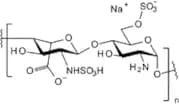
CAS:Porcine mucosal heparin derivative; no anti-coagulant activityColore e forma:Powder2-Acetamido-2,6-dideoxy-D-galactose
CAS:<p>2-Acetamido-2,6-dideoxy-D-galactose (2ADG) is a structural analogue of the natural monosaccharide 2,6-dideoxy-D-galactose. It has been shown to have an antimicrobial effect against aerobacter aerogenes in vitro. 2ADG is metabolized by glycosidases and methyl glycosides to form 1,4-anhydro-2,3,4,6 tetraacetamido-2,4,6 dideoxy D galactose. This compound inhibits the growth of bacterial strains that are resistant to polymyxin b., such as Pseudomonas aeruginosa. The inhibition of these bacteria is due to the inhibition of the synthesis of their outer membrane lipopolysaccharides by 2ADG. The antibacterial activity is also attributed to its ability to inhibit the metabolism of glycan molecules in some bacteria</p>Formula:C8H15NO5Purezza:Min. 95%Colore e forma:White PowderPeso molecolare:205.21 g/mol3-O-Methanesulfonyl-D-glucopyranose
CAS:<p>3-O-Methanesulfonyl-D-glucopyranose is a high purity, custom synthesis sugar that can be modified with fluorination, glycosylation, methylation and modification. It is also synthesized from glycoaldehyde and methanesulfonic acid in the presence of sodium hydroxide and sodium acetate. 3-O-Methanesulfonyl-D-glucopyranose can be used to synthesize saccharides and oligosaccharides. This compound is soluble in water and has a boiling point of 218°C at 760 mmHg. It is slightly soluble in methanol, ethanol and acetone. 3-O-Methanesulfonyl-D-glucopyranose has a CAS number of 40631-95-6.</p>Formula:C7H14O8SPurezza:Min. 95%Colore e forma:PowderPeso molecolare:258.25 g/molNGA2F Glycan, 2-AB labelled
<p>NGA2F Glycan is a complex carbohydrate that is synthesized by the enzymatic transfer of an N-acetylgalactosamine (GalNAc) residue to a serine or threonine residue on protein. It is modified with methylation, Click modification, and fluorination. NGA2F Glycan has two binding sites for 2-AB labelled monosaccharides. The glycosylation site is located at the non-reducing end of the molecule, while the oligosaccharide site is located at the reducing end of the molecule.</p>Purezza:Min. 95%2-C-Azidomethyl-2,3-di-O-benzhydryloxybis(trimethylsilyloxy)silyl-1-O-tert-butyldimethylsilyl-D-erythritol
2-C-Azidomethyl-2,3-di-O-benzhydryloxybis(trimethylsilyloxy)silyl-1-O-tert-butyldimethylsilyl-D-erythritol is a synthetic compound that can be used as a methylating agent and sugar donor in the glycosylation of oligosaccharides. This compound has been shown to methylate saccharides with high purity and can be used for the preparation of complex carbohydrates.Purezza:Min. 95%2,5-Anhydro-1-O-trityl-D-mannitol
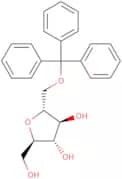
CAS:<p>2,5-Anhydro-1-O-trityl-D-mannitol is a complex carbohydrate with the molecular formula C6H14O6 that has been modified for use in glycosylation reactions. It is a type of sugar that can be modified to create desired properties and can be used as an alternative to other sugars such as glucose. 2,5-Anhydro-1-O-trityl-D-mannitol can be used in the synthesis of oligosaccharides and monosaccharides. This product is available in high purity and has a CAS number of 68774-48-1.</p>Formula:C25H26O5Purezza:Min. 95%Peso molecolare:406.48 g/mol1,2,4,6-Tetra-O-acetyl-β-D-glucopyranose
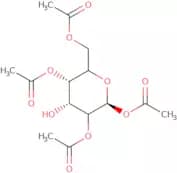
CAS:1,2,4,6-Tetra-O-acetyl-b-D-glucopyranose is a synthetic sugar that can be used in the synthesis of oligosaccharides and polysaccharides. It is a high purity product with a purity of >99% by weight. This product is also available as a custom synthesis.Formula:C14H20O10Purezza:Min. 95%Colore e forma:White PowderPeso molecolare:348.3 g/molD-Rhamnose
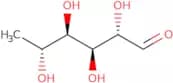
CAS:<p>Chiral-pool sugar used to mirror syntheses based on natural L-Rha</p>Formula:C6H12O5Purezza:Min. 97 Area-%Colore e forma:White PowderPeso molecolare:164.16 g/molDermatan sulphate sodium
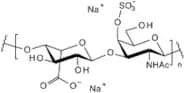
CAS:<p>Dermatan sulphate is a glycosaminoglycan found in skin, blood vessels, heart valves, tendons, aorta, spleen and brain and is usually isolated from pig skin or beef lung tissue. The disaccharide repeat unit is composed of L-iduronic acid and N-acetyl-galactosamine-4-sulphate linked β-(1,3) and β-(1,4). There are also small amounts of D-glucuronic acid.</p>Colore e forma:PowderPeso molecolare:1,526.03 g/molHyaluronic acid sodium salt - Extra low molecular weight 8,000-15,000
CAS:Gycosaminoglycan in many organs; joint lubricant and shock absorberFormula:(C14H20NO11Na)nPurezza:Min. 91 Area-%Colore e forma:Powder1,4-β-D-Mannopentaose
CAS:<p>Isolated from ivory-nut mannan hydrolysates</p>Formula:C30O26H52Purezza:Min. 95%Colore e forma:PowderPeso molecolare:828.72 g/mol1,4-β-D-Xylohexaose
CAS:1,4-beta-D-xylohexaose is a sugar that belongs to the group of xylooligosaccharides. It is an enzymatic inactivator that binds to the enzyme hydrolase family. Xylooligosaccharides are found in plant cell walls, where they can be used as a carbon source by termites. 1,4-beta-D-xylohexaose has been shown to be most active against neutral ph, but it is not active against acidic ph. The enzyme hydrolase family is inhibited by binding with 1,4-beta-D-xylohexaose and this prevents hydrolysis of carbohydrates, which includes glycosidic bonds.br>br> 1,4-beta-D-xylohexaose has also been shown to be beneficial for sustainable agriculture practices as it inhibits enzymes that break down xylooligosaccharidesFormula:C30H50O25Purezza:Min. 95%Colore e forma:PowderPeso molecolare:810.7 g/molL-Xylose
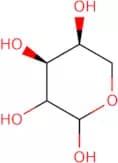
CAS:<p>Chiral-pool resource for organic synthesis</p>Formula:C5H10O5Purezza:Min. 99 Area-%Colore e forma:White PowderPeso molecolare:150.13 g/mol2-Deoxy-D-ribonic acid-1,4-lactone
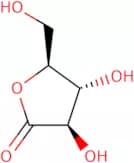
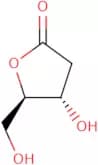
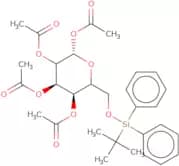
CAS:2-Deoxy-D-ribonic acid-1,4-lactone (2DRA) is a chemical compound with physiological effects. 2DRA is an irreversible inhibitor of DNA polymerase that has been shown to be a potent inhibitor of nuclear DNA synthesis in vitro and in vivo. The 2DRA inhibits the transfer reactions that are required for the replication of DNA. 2DRA binds to the nuclease domain of the enzyme and prevents it from cutting the phosphodiester bonds, leading to inhibition of DNA synthesis. This compound also has genotoxic effects and can cause mutation in cells through radiation or chemical treatment.Formula:C5H8O4Purezza:Min. 95%Colore e forma:Colorless Yellow PowderPeso molecolare:132.12 g/mol1,2,3,4-Tetra-O-acetyl-6-O-(tert-butyldiphenylsilyl)-b-D-glucopyranose
CAS:1,2,3,4-Tetra-O-acetyl-6-O-(tert-butyldiphenylsilyl)-b-D-glucopyranose is a synthetic oligosaccharide that has been modified by fluorination and methylation. It is used as a building block for the synthesis of complex carbohydrates. This product has a CAS number of 224778-57-8 and can be custom synthesized to meet your specifications.Formula:C30H38O10SiPurezza:Min. 95%Peso molecolare:586.72 g/molPropofol-4-Hydroxy-1-D-glucuronide
<p>Propofol-4-Hydroxy-1-D-glucuronide is a modification of propofol, which is commonly used as an intravenous anesthetic. It is a synthetic compound that can be custom synthesized by adding the sugar group to propofol. Propofol-4-Hydroxy-1-D-glucuronide has been shown to be a high purity and pure oligosaccharide with a CAS number. It also contains methylated and glycosylated saccharides.</p>Formula:C18H26O8Purezza:Min. 95%Peso molecolare:370.39 g/molAmylose
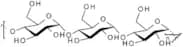
CAS:<p>Starch consists of two polysaccharides, amylose and amylopectin and represents approximately 20-25% of the total polysaccharide content in starch. Amylose molecules consist of single mostly unbranched chains of 500-20,000 α-(1->4)-D-glucose residues dependent on source (e.g. wheat, rice, potato, tapioca, etc). Amylose can form an extended shape (hydrodynamic radius 7-22 nm) but generally tends to wind up into a rather stiff left-handed single helix or form even stiffer parallel left-handed double helical junction zones. Hydrogen bonding between aligned chains causes retrogradation and releases some of the bound water (syneresis). The aligned chains may then form double stranded crystallites that are resistant to amylases. These possess extensive inter- and intra-strand hydrogen bonding, resulting in a fairly hydrophobic structure of low solubility. The amylose content of starches is thus the major cause of resistant starch formation.</p>Formula:(C6H10O5)nColore e forma:White Off-White PowderGDP-D-galactose
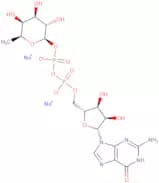
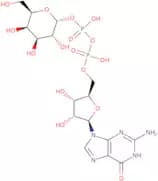
CAS:<p>GDP-D-galactose is a sugar nucleotide that is an intermediate in the synthesis of GDP-D-mannose. It is synthesized from D-galactose by the enzyme galactokinase, which converts D-galactose to D-galacturonate. GDP-D-galactose can then be converted to GDP-D-mannose by the enzyme GDP mannokinase. The incorporation of GDP into macromolecules is a process that can be used as a marker for biosynthesis and has been shown in Gracilaria sp.</p>Formula:C16H25N5O15P2Purezza:Min. 95%Peso molecolare:589.4 g/molMaltosan
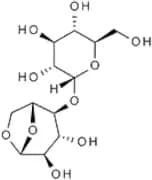
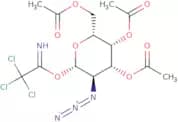
CAS:<p>Anhydro maltose found in the pyrolysis products of cellulose</p>Formula:C12H20O10Purezza:Min. 95%Colore e forma:PowderPeso molecolare:324.28 g/mol3,4,6-Tri-O-acetyl-2-azido-2-deoxy-b-D-galactopyranosyl trichloroacetimidate
CAS:Glycosyl-donor for syntheses of N-acetylgalactosamine-glycoconjugatesFormula:C14H17Cl3N4O8Purezza:(%) Min. 80%Colore e forma:White PowderPeso molecolare:475.67 g/mol2-Azido- 2- deoxy- 3, 4- O-benzylidene-D- ribonic acid d- lactone
<p>2-Azido-2-deoxy-3,4-O-benzylidene-D-ribonic acid d-lactone is a glycosylation product of 2,4,6 azido 2,3,4 O benzylidene D -ribose. It is synthesized by the reaction of 1,2 azido 2,3,4 O benzylidene D -ribose with sodium borohydride in the presence of lithium chloride. This compound possesses a number of properties including being a complex carbohydrate and methylation product. This compound is also fluorinated to give 2 azido-2 deoxy 3,4 F -benzylidene D ribonic acid d lactone. This compound can be modified for various purposes such as Click modification and polysaccharide synthesis.</p>Purezza:Min. 95%D-Sorbose
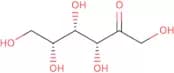
CAS:<p>D-Sorbose is a monosaccharide that belongs to the group of sugar alcohols. It is a reducing sugar that can be used as an alternative for sugar in food and pharmaceutical industries. D-Sorbose has been shown to have potential industrial applications due to its high solubility, low melting point, and resistance to crystallization. The enzyme ribitol dehydrogenase from Escherichia coli was found to be active with D-sorbitol, but not with l-sorbitol. This indicates that D-sorbitol is a better substrate for this enzyme than L-sorbitol.</p>Formula:C6H12O6Purezza:Min. 95%Colore e forma:White PowderPeso molecolare:180.16 g/mol1,2,3,5,6-Penta-O-benzoyl-D-galactofuranose
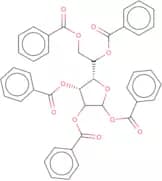
CAS:1,2,3,5,6-Penta-O-benzoyl-D-galactofuranose is a sugar that is custom synthesized and can be modified with fluorination. This product has a CAS number of 138811-45-7 and is high purity. It can be used in glycosylation, oligosaccharide synthesis, methylation, monosaccharide synthesis and polysaccharide synthesis. It is an important building block for the modification of complex carbohydrates.Formula:C41H32O11Purezza:Min. 95%Colore e forma:White PowderPeso molecolare:700.69 g/molMannan (ex Ivory nut)
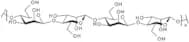
CAS:Ivory nut mannan occurs in members of the custard apple, ebony and palm families - Ivory nut. The polysaccharide contains more than 95% mannose units linked β-(1,4) with a few a-D-galactopyranosyl units linked (1,6). It is widely used in foods, pharmaceuticals paints and explosives.Purezza:Min. 95%Colore e forma:White Powdera,a-D-Trehalose dihydrate endotoxin free
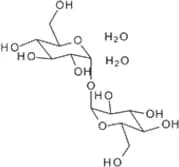
CAS:Trehalose is a non-reducing sugar that is naturally found in some plants and animals. It is a disaccharide formed by two glucose molecules linked together with an alpha,alpha glycosidic bond. Trehalose has been shown to inhibit the growth of bacteria through the inhibition of fatty acid biosynthesis and the production of lactic acid. Trehalose has also been shown to have excipients that are used as lubricants or suspending agents in pharmaceuticals, cosmetics, food products, and animal feed. Trehalose can be used as a substitute for propionate in order to create endotoxin-free aqueous solutions.Formula:C12H22O11·2H2OPurezza:Min. 98 Area-%Colore e forma:White PowderPeso molecolare:378.33 g/mol2,3-Di-O-benzyl-b-cyclodextrin
<p>This beta-cyclodextrin (β-CD) derivative is a functionalized cyclic oligosaccharide composed of seven glucose units, characterized by a hydrophilic exterior and a lipophilic cavity (bigger than α-CD and smaller than γ-CDs), which allows it to encapsulate various guest molecules. This structural feature facilitates its use in multiple applications, including pharmaceuticals, food enhancement, and cosmetics. In the pharmaceutical industry, it enhances the solubility and stability of poorly water-soluble drugs, improving their bioavailability and efficacy while also masking unpleasant tastes. The food sector utilizes it as a stabilizer for flavors, colors, and nutrients, extending shelf life by protecting sensitive ingredients from degradation. In cosmetics, it serves as a complexing agent for fragrances and active components, ensuring their stability and controlled release. Its use expands to many other fields, including nanotechnology for drug delivery systems, environmental remediation for extracting organic pollutants, textiles for slow-release fragrances, and analytical chemistry for chiral separation.</p>Formula:C140H154O35Purezza:Min. 95%Peso molecolare:2,396.7 g/molD-Arabonic acid-1,4-lactone
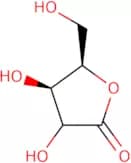
CAS:<p>D-Arabonic acid-1,4-lactone is a synthetic sugar that is modified to produce a variety of carbohydrates. This product can be used in the synthesis of oligosaccharides and monosaccharides. It is also used as a carbohydrate in the production of saccharide-based polymers, such as polysaccharides or polyols. This product has CAS number 2782-09-4 and a purity level of ≥99%.</p>Formula:C5H8O5Purezza:Min. 95 Area-%Colore e forma:PowderPeso molecolare:148.11 g/mol(1R) -1- [(2S, 3R) - N-Benzyl-3- hydroxy- 1- azetidinyl] -1, 2- ethanediol
(1R) -1- [(2S, 3R) - N-Benzyl-3- hydroxy- 1- azetidinyl] -1, 2- ethanediol is a synthetic product that can be custom synthesized. It has been used in glycosylation reactions to produce oligosaccharides and monosaccharides. The chemical composition of the product is: C6H10O5 (CAS No. ).Purezza:Min. 95%2-Keto-D-glucose
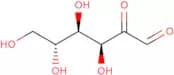
CAS:<p>2-Keto-D-glucose is a substrate molecule that is used in the study of plant physiology, enzyme kinetics, and metabolic regulation. It has been shown to be an important factor in redox potential and the activation of detoxification enzymes. 2-Keto-D-glucose has also been found to be an important factor in energy metabolism, as it can be converted into pyruvate and acetyl CoA. 2-Keto-D-glucose is a common substrate molecule for many enzymes, including glycolytic enzymes, hexokinase, alcohol dehydrogenase, lactate dehydrogenase, and phosphofructokinase. 2-Keto-D-glucose has also been found to play a role in human blood serum biochemistry by acting as a substrate for erythrocyte D glucose transporter protein and glycerol kinase.</p>Formula:C6H10O6Purezza:Min. 98 Area-%Colore e forma:White Beige Yellow PowderPeso molecolare:178.14 g/molD-Gluconic acid zinc (II) salt
CAS:D-Gluconic acid zinc salt is an inorganic compound that is used to treat deficiencies of D-gluconate. It is a salt of zinc and D-gluconic acid, which is a natural metabolite found in the human body. This compound can be used to maintain healthy levels of D-gluconate in the tissues and help control symptoms related to deficiencies. The efficiency of this method has been demonstrated by an in vitro test on human femur cells. A profile analysis showed that D-gluconic acid zinc salt was able to minimize the severity of symptoms associated with deficiencies caused by gluconate deficiency, such as tissue sensitivity and bone degradation.Formula:C12H22O14ZnPurezza:Min. 95%Colore e forma:White PowderPeso molecolare:455.68 g/mol1,2,3,4-Tetra-O-pivaloyl-6-O-triisopropylsilyl-b-D-glucopyranose
1,2,3,4-Tetra-O-pivaloyl-6-O-triisopropylsilyl-b-D-glucopyranose is a high purity custom synthesis sugar. It has been modified with fluorination and glycosylation. The CAS number for this product is 8071-79-8. Synthetic modification of the sugar to form an oligosaccharide or monosaccharide can also be performed. This product is a complex carbohydrate that contains saccharides in the form of a sugar molecule linked together by glycosidic bonds.Formula:C35H64O10SiPurezza:Min. 95%Peso molecolare:672.98 g/molMethyl 3,5-di-O-benzyl-D-xylofuranoside
CAS:Methyl 3,5-di-O-benzyl-D-xylofuranoside can also be used as an intermediate in the synthesis of other xylo or oligo related compounds.Formula:C20H24O5Purezza:Min. 95%Colore e forma:PowderPeso molecolare:344.4 g/molN-Acetyl-D-glucosamine-6-phosphate disodium
CAS:<p>Intracellular form of GlcNAc; substrate for GlcNAc-phosphate deacetylase</p>Formula:C8H16NO9P•Na2Purezza:Min. 98 Area-%Colore e forma:White Off-White PowderPeso molecolare:347.17 g/molMan-9 N-Glycan
CAS:<p>Man-9 N-glycan is a glycoprotein that is found on the surface of many viruses. It has an oligosaccharide structure, which consists of a mannose and a glucose molecule linked by an alpha-1,3-glycosidic bond. The Man-9 N-glycan can be found in human serum and is involved in lectin binding to cells. It also has antiviral activity and may be used as a model system for studying glycosidic bonds. This glycan can be broken down into smaller components by methyl glycosides or titration calorimetry, which is a technique for determining the molecular weight of substances. The Man-9 N-Glycan binds to toll-like receptor 2 (TLR2) on the surface of human cells, which activates an antibody response.</p>Formula:C70H118N2O56Purezza:Min. 95%Colore e forma:PowderPeso molecolare:1,883.67 g/molN-Azidoacetylglucosamine
CAS:Click reagent for metabolic labeling of GlcNAcFormula:C8H14N4O6Purezza:Min. 95%Colore e forma:PowderPeso molecolare:262.22 g/molValiolamine
CAS:<p>Inhibitor of alpha-glucosidase</p>Formula:C7H15NO5Purezza:Min. 95%Colore e forma:White PowderPeso molecolare:193.2 g/molBlood Group B type III/IV linear trisaccharide
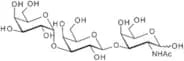
<p>The blood group B type III/IV linear trisaccharide is a synthetic oligosaccharide. The methylation of the saccharide and click modification of the polysaccharide molecule allow for fast, efficient synthesis. This product has been custom synthesized to be free of impurities, high in purity, and available in glycosylation form. It can be modified with fluorination or other modifications to meet your needs.</p>Formula:C20H35NO16Purezza:Min. 95%Peso molecolare:545.49 g/molHuman milk neutral di- to -tetrasaccharides
This mixture contains some of the lower oligosaccharides found in human milk. There are small amounts of lactose but the bulk of the mixture are tri- and tetrasaccharides. 3-Fucosyllactose, 3'-Sialyllactose, 6'-Sialyllactose, Lacto-N-tetraose, Sialyllacto-N-tetraose b, Sialyllacto-N-tetraose b and Blood Group A tetrasaccharide type V are the major components that have been found in the mixture by chromatography but there may be other minor components not mentioned here.Purezza:Min. 95%Phenyl 2-acetamido-3,4,6-tri-O-acetyl-2-deoxy-β-D-glucopyranoside
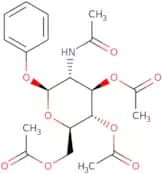
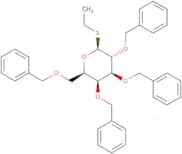
CAS:<p>Phenyl 2-acetamido-3,4,6-tri-O-acetyl-2-deoxy-b-D-glucopyranoside is a custom synthesis of the sugar phenyl 2-acetamido-3,4,6-tri-O-acetyl--2 deoxy--b D glucopyranoside. It is a modification of the monosaccharide and glycosylation. This synthetic compound has a CAS number of 1308921 9 and is used as an intermediate in the production of saccharides. Phenyl 2 acetamido 3,4,6 tri O acetyl 2 deoxy b D glucopyranoside is also classified as an oligosaccharide or complex carbohydrate.</p>Formula:C20H25NO9Purezza:Min. 95%Colore e forma:White solid.Peso molecolare:423.41 g/molEthyl 2,3,4,6-tetra-O-benzyl-β-D-thiogalactopyranoside
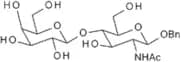
CAS:<p>Synthetic building block</p>Formula:C36H40O5SPurezza:Min. 95%Colore e forma:White PowderPeso molecolare:584.77 g/molBenzyl 2-acetamido-2-deoxy-4-O-(b-D-galactopyranosyl)-b-D-glucopyranoside
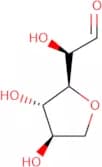
CAS:Benzyl 2-acetamido-2-deoxy-4-O-(b-D-galactopyranosyl)-b-D-glucopyranoside is an oligosaccharide that is synthesized from D-(+)-galactose, D-(+)-glucose and benzyl alcohol. This product can be used for the modification of saccharides and has been shown to have a high purity. It has been fluorinated at the alpha position and glycosylated with acetamidobenzoyl group. The molecular weight of this product is 378.12 g/mol. CAS No.: 53167-38-7Formula:C21H31NO11Purezza:Min. 95%Colore e forma:White PowderPeso molecolare:473.47 g/mol(2S, 3S, 4R) -2- [(1R) - 1, 2-Dihydroxyethyl] -3, 4- pyrrolidinediol
CAS:(2S, 3S, 4R) -2- [(1R) - 1, 2-Dihydroxyethyl] -3, 4- pyrrolidinediol is a benzyl-containing compound that is used as a glycoside hydrolase inhibitor. It has been shown to be an effective treatment for inflammatory bowel disease. This drug binds to the active site of glycosidases and blocks the hydrolysis of c-glycosides in the intestine. (2S, 3S, 4R) -2- [(1R) - 1, 2-Dihydroxyethyl] -3, 4- pyrrolidinediol also inhibits chloride channels and has been shown to have antiinflammatory properties.Formula:C6H13NO4Purezza:Min. 95%Peso molecolare:163.17 g/molD-Sedoheptulose-7-phosphate barium salt-2,3,4,5,6,7-13C6
<p>D-Sedoheptulose-7-phosphate barium salt-2,3,4,5,6,7-13C6 is a high purity synthetic sugar. It is a custom synthesis that has been modified with fluorination and glycosylation. This product can be used in the production of complex carbohydrates such as oligosaccharides and monosaccharides.</p>Purezza:Min. 95%Methyl 2,3,4-tri-O-methyl-β-D-xylopyranoside
CAS:<p>Fully protected xylopyranoside</p>Formula:C9H18O5Purezza:Min. 95%Colore e forma:PowderPeso molecolare:206.24 g/molChitosan
CAS:<p>Chitosan is the deacetylated form of chitin. The polysaccharide is deacetylated in order to render it soluble, which is then possible at pH values of less than 7 (normally in dilute acid). This then allows the material to be used in a number of industrial applications as a binder and film former.</p>Formula:C56H103N9O39Purezza:Min. 95%Colore e forma:White Powder3,6-Anhydro-D-galactose - 10% aqueous solution
CAS:<p>3,6-Anhydro-D-galactose is a monosaccharide of D-galactose where the 3 and 6 positions are cyclised in an ether link. 3,6-Anhydro-D-galactose is found naturally occurring in Rhodophyta (Red Algae) and is a constituent of the sulphated polysaccharide PLS, which has shown anti-inflammation activity and anti-nociceptive effects. In addition, sulphated polysaccharide is capable of inhibiting the in vitro replication of Herpes simplex virus type 1 (HSV-1) and HIV-1.<br>Our 10% aqueous solution is a 10% wt/wt solution of 3,6-Anhydro-D-galactose in water. 10 mg MA07897 contains 1 mg 3,6-Anhydro-D-galactose.<br>We also offer the same product in a non-aqueous solution, MA05223.</p>Formula:C6H10O5Purezza:Min. 95%Colore e forma:Colorless Clear LiquidPeso molecolare:162.14 g/molNGA1F N-Glycan
<p>NGA1F N-Glycan is a custom synthesis, modification, fluorination, methylation, monosaccharide, synthetic glycan with a CAS No. that has been modified by the click chemistry reaction. It is an oligosaccharide that is saccharide and polysaccharide that has been glycosylated with sugar and carbohydrate.</p>Purezza:Min. 95%N-[2-(4'-Fluorobenzylacetonitrile)]-2,3,4,6-tetra-O-pivaloyl-b-D-glucopyranoside
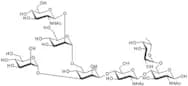
This product is a custom synthesis. It is a complex carbohydrate with a CAS No., Polysaccharide, Modification, saccharide, Methylation, Glycosylation, Click modification and Carbohydrate. It is a sugar with high purity and Fluorination. The product has been synthetically made.Formula:C34H49FN2O9Purezza:Min. 95%Peso molecolare:648.76 g/molGDP-L-fucose disodium salt
CAS:GDP-L-fucose is a natural fucosyl donor and substrate for fucosyltransferases (FUT) that catalyses the fucosylation of, for example, human milk oligosaccharides or glycoproteins. GDP-L-fucose is widely used in (chemo)enzymatic synthesis of glycans. Cymit Quimicaesis of GDP-L-fucose, a nucleotide sugar consisting of an L-fucose that is β-glycosidically linked to the nucleotide guanosine diphosphate (GDP), is achieved either through de novo synthesis via GDP-mannose or through a salvage pathway from free fucose. Fucosylation is catalysed by fucosyltransferases (~ 13 FUT genes have been identified in the human genome to date) to generate α-1,2, α-1,3, α-1-4 and α-1-6 linkages of fucose to other sugars, as well as direct linkages to peptides, with release of GDP (Lairson, 2008).Formula:C16H23N5O15P2Na2Purezza:Min. 90 Area-%Colore e forma:White Off-White PowderPeso molecolare:633.31 g/mol(3R, 5R) -1-Benzyl-3, 4, 5- piperidinetriol hydrochloride
(3R, 5R) -1-Benzyl-3, 4, 5- piperidinetriol hydrochloride is a synthetic compound that is used for the production of oligosaccharides and saccharides. This molecule is a part of the glycosylation reaction and has been modified to produce a variety of carbohydrate products. The CAS number for this compound is 6078-73-5 and it can be synthesized in various lengths. The chemical name for this compound is (3R, 5R)-1-(benzyloxycarbonyl)-3,4,5-piperidinetriol hydrochloride.Purezza:Min. 95%5-O-Benzyl-D-ribose
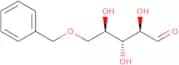
CAS:<p>5-O-Benzyl-D-ribose is an enantiomer of D-ribose. It has been used as an antiperspirant, although it does not stop the formation of sweat, but rather reduces the amount of perspiration. 5-O-Benzyl-D-ribose is also used in the synthesis of deodorants and enantiomers for optically active pharmaceuticals. The configurations are determined by the configuration of the substituents on the benzene ring and can be either R or S. The configurations can be separated into two groups:</p>Formula:C12H16O5Purezza:Min. 95%Colore e forma:PowderPeso molecolare:240.25 g/molHyaluronate rhodamine - Molecular Weight - 50kDa
<p>Hyaluronate Rhodamine is a molecule that has been modified with a fluorescent dye. Hyaluronate Rhodamine is a complex carbohydrate that has been synthesized using monosaccharides, methylation, glycosylation, and polysaccharide synthesis. It is used in the study of molecular interactions due to its high purity and fluorescence properties.</p>Purezza:Min. 95%4,6-O-Benzylidene-D-maltose
CAS:<p>4,6-O-Benzylidene-D-maltose is an oligosaccharide that is a high purity custom synthesis. It has a Click modification and can be synthesized using the Fluorination and Glycosylation reaction. 4,6-O-Benzylidene-D-maltose is soluble in water and ethanol, but insoluble in ether. This product is listed as CAS No. 93417-41-5 and has a Methylation modification. 4,6-O-Benzylidene-D-maltose is also found in saccharides, carbohydrates, and complex carbohydrates.</p>Formula:C19H26O11Purezza:Min. 95%Colore e forma:PowderPeso molecolare:430.4 g/mol1-Deoxy-1-nitro-D-galactitol
CAS:1-Deoxy-1-nitro-D-galactitol is a methoxide that exhibits mutagenic activity. It reacts with nitromethane to form an intermediate, which then reacts with sodium methoxide to produce the final product. This product can be used as a precursor for other compounds.Formula:C6H13NO7Purezza:Min. 95%Peso molecolare:211.17 g/molL-Arabonic acid-1,4-lactone
CAS:<p>L-Arabonic acid-1,4-lactone (LL) is the product of the reaction between L-arabinose and trifluoroacetic acid. LL is an enantiomer of D-arabinose and has a pK a of 6.5, which makes it a weak base. This compound has been shown to be a hydroxyl group donor in human liver and is also used as a chaperone for protein folding.</p>Formula:C5H8O5Purezza:Min. 95%Colore e forma:White PowderPeso molecolare:148.11 g/mol1,2,3,4-Tetra-O-acetyl-6-O-trityl-b-D-galactopyranose
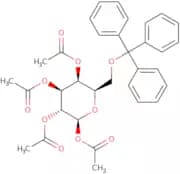
CAS:1,2,3,4-Tetra-O-acetyl-6-O-trityl-b-D-galactopyranose is a high purity glycosylation product. It has been custom synthesized and modified with Methylation, Click modification, Polysaccharide and Fluorination. The CAS number of this compound is 124648-92-6.Formula:C33H34O10Purezza:Min. 95%Peso molecolare:590.62 g/molBlood Group A pentasaccharide
CAS:<p>Core antigen fragment in ABO blood group system</p>Formula:C32H55NO24Purezza:Min. 95%Colore e forma:White PowderPeso molecolare:837.77 g/mol1,2,3,4,6-Penta-O-acetyl-5-thio-D-galactopyranose
<p>1,2,3,4,6-Penta-O-acetyl-5-thio-D-galactopyranose is an oligosaccharide that is synthesized by the fluorination of a 5-thiogalactopyranosyl fluoride and subsequent glycosylation. It can also be made by methylation of a 3,4,6 pentaacetylgalactosamine with formaldehyde and sodium cyanoborohydride. It is a complex carbohydrate that has been shown to have antiviral activity against HIV.</p>Purezza:Min. 95%(2S,3R,4S)-3-O-Benzoyl-2-(Tert.butyldimethylsilyloxy)methyl-5-methyl-4-O-tert.butyldimethylsilyl-pyrrolidine-3,4-diol
<p>Custom synthesis, Modification, Fluorination, Methylation, Monosaccharide, Synthetic, Click modification, Oligosaccharide, saccharide, CAS No., Polysaccharide. Glycosylation. Sugar. Carbohydrate. Complex carbohydrate.</p>Purezza:Min. 95%DL-Arabinose
CAS:<p>Arabinose is a pentose sugar that has been shown to have antimicrobial properties. It inhibits the growth of bacteria by binding to their ribosomes and interfering with protein synthesis. Arabinose has also been shown to inhibit the growth of bone cancer cells in mice, which may be due to its ability to stimulate the production of growth factor-β1. The biochemical properties of arabinose are similar to those of d-arabinose, an active analogue that is used as a water vapor pump inhibitor. X-ray crystal structures have been obtained for both compounds, and they show that they differ in the position of one hydrogen atom on the sugar ring.</p>Formula:C5H10O5Purezza:Min. 95%Colore e forma:White Off-White PowderPeso molecolare:150.1 g/molGlycyl-Oligosaccharidesmannose 6
Glycyl-Oligosaccharidesmannose 6 are custom synthesized and modified to contain fluorine atoms. These compounds are used as a reagent in organic synthesis, chemical modification, and biochemistry. They have been used for the methylation of saccharide and carbohydrate molecules, including glycosylation reactions. Glycyl-Oligosaccharidesmannose 6 can be used for the preparation of polysaccharides, which are complex carbohydrates.Formula:C54H92N4O41Purezza:Min. 95%Peso molecolare:1,453.31 g/mol2,4-Dideoxy-2,4-difluoro-D-glucose
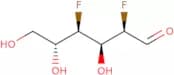
CAS:<p>2,4-Dideoxy-2,4-difluoro-D-glucose is a fluorinated glucose analog that has been synthesized to be used as an imaging agent for positron emission tomography (PET) and single photon emission computed tomography (SPECT). It is labeled with fluorine-18 and can be metabolically incorporated into the cellular glycolytic pathway. 2,4-Dideoxy-2,4-difluoro-D-glucose emits positrons that are detected by PET or SPECT cameras. The incorporation of 2,4-dideoxy-2,4-difluoro--D--glucose into the glycolytic pathway allows it to be used as a marker for positron emission tomography.</p>Formula:C6H10F2O4Purezza:Min. 95%Colore e forma:PowderPeso molecolare:184.14 g/molHyaluronic acid tetrasaccharide ammonium
CAS:Hyaluronic acid is a polysaccharide containing repeating disaccharide units of β-1,3-N-acetyl glucosamine and β-1, 4-glucuronicâ¯acid. A series of unsaturated oligosaccharides (oligouronic acids) are released from hyaluronic acid by the action of hyaluronidase on the umbilical cord (Weissman, 1954). This tetrasaccharide ammonium salt and other enzymatically produced polymer homologs have been of value in the study of hyaluronic acid metabolism in both healthy and diseased tissues (Hascall, 2019).Formula:C28H42N2O22·xNH3Purezza:Min. 95%Colore e forma:PowderPeso molecolare:758.63 g/mol(2R, 3R, 4R, 5S) -3, 4, 5- Trihydroxy- 2- (hydroxymethyl) - 1- piperidinepropanoic acid
CAS:<p>Glycosylation, complex carbohydrate, Methylation, Click modification, Polysaccharide, Fluorination, saccharide and Modification of sugars are some of the reactions that can be performed on this compound. It is a synthetic monosaccharide with CAS No. 78013-18-0. This product is available for custom synthesis and has been shown to have high purity.</p>Formula:C9H17NO6Purezza:Min. 95%Peso molecolare:235.23 g/molCarboxymethyl-dextran sodium salt - Average MW 40,000
CAS:Sodium carboxymethyl dextran is a white, odourless and tasteless powder, which is freely soluble in water or electrolyte solutions. Applications that have been described for carboxymethyl dextran include carriers of paramagnetic contrast agents, preparation of conjugates of pharmacologically active compounds and carboxymethyl dextrans in biosensors. A number of other uses in cosmetics, agriculture, foods, paints and textiles have been the subject of patent applications.Colore e forma:Powder1,2,3,6-Tetra-O-methyl-D-glucopyranoside
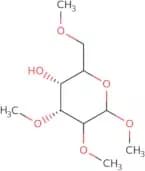
Tetra-O-methylglucose is a sugar that has four methyl groups at the 1,2,3,6 positions. It is a custom synthesis for research purposes and it has not been found in nature. Tetra-O-methylglucose can be synthesized by the fluorination of glucose followed by glycosylation with an acetylating agent and finally methylation with an alkylating agent. Tetra-O-methylglucose has not been used as a food additive or pharmaceutical product.Formula:C10H20O6Purezza:Min. 95%Peso molecolare:236.26 g/mol2,3-O-IIsopropylidene-D-allono-1.4-lactone
2,3-O-Isopropylidene-D-allono-1.4-lactone is a methylated saccharide that has been modified by the click reaction with a phosphonate group and an isopropylidene group. The synthesis of this product can be customized to suit your needs. This product is offered in high purity, and it is an excellent source of carbohydrates or sugars. 2,3-O-Isopropylidene-D-allono-1.4-lactone also has a fluorinated group on its molecule. It is a complex carbohydrate that can be used for glycosylation or as a click modification substrate.Purezza:Min. 95%Ezetimibe-D-glucuronide D4
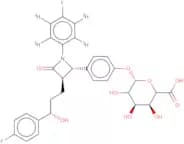
CAS:Prodotto controllatoEzetimibe-D-glucuronide D4 is a deuterated version of the active molecule, ezetimibe. It is a white to off-white crystalline powder with a molecular weight of 592.1 Da and an empirical formula of C31H41NO7F2·C6H8O7. It is soluble in ethanol and water, and insoluble in ether or chloroform.Formula:C30H25D4F2NO9Purezza:Min. 85 Area-%Colore e forma:White Off-White PowderPeso molecolare:589.57 g/molChitosan - Molecular weight 50,000-190,000
CAS:Chitosan is the deacetylated form of chitin. The polysaccharide is deacetylated in order to render it soluble, which is then possible at pH values of less than 7 (normally in dilute acid). This then allows the material to be used in a number of industrial applications as a binder and film former.Colore e forma:Powder2-C-tert.Butyldiphenylsilyloxy)methyl-2,3-O-isopropylidene-D-lyxono-1.4-lactone
<p>2-C-tert.Butyldiphenylsilyloxy)methyl-2,3-O-isopropylidene-D-lyxono-1.4-lactone is a fluorinated monosaccharide that has been synthesized as a custom synthesis. It has been modified with a glycosylation and polysaccharide modification. The CAS number is 56943-02-8. This compound is not found in nature and is available in high purity.</p>Purezza:Min. 95%2-Acetamido-2,6-dideoxy-L-mannose
<p>2-Acetamido-2,6-dideoxy-L-mannose is a deoxyhexose that is found in lipopolysaccharides from Gram-negative bacteria. 2-Acetamido-2,6-dideoxy-L-mannose is the only hexose that can be used for O antigen synthesis, which makes it an important component of LPS and O antigens. It has been sequenced in many organisms including animals, plants, and bacteria. 2-Acetamido-2,6-dideoxy-L-mannose may be involved in the translocation of bacteria across the gut epithelium into the bloodstream. The monosaccharide also plays a role in serogrouping and serotyping of bacteria.</p>Purezza:Min. 95%


![2-(2,3,6-Tri-O-acetyl-4-O-[(2,3,4,6-tetra-O-acetyl-a-D-glucopyranosyl)]-b-D-glucopyranosyl) thiops…](/_next/image/?url=https%3A%2Fstatic.cymitquimica.com%2Fproducts%2F3D%2Fthumb-webp%2FOT10963.webp&w=3840&q=75)




![N-[2-(4'-Methylphenylacetonitrile)]-2,3,4,6-tetra-O-pivaloyl-D-glucopyranoside](/_next/image/?url=https%3A%2Fstatic.cymitquimica.com%2Fproducts%2F3D%2Fthumb-webp%2FMM08499.webp&w=3840&q=75)


![(1S) -1- [(2S, 3R) - N-Butyl-3- hydroxy- 1- azetidinyl] -1, 2- ethanediol](/_next/image/?url=https%3A%2Fstatic.cymitquimica.com%2Fproducts%2F3D%2Fthumb-webp%2FMB163416.webp&w=3840&q=75)
![(2S, 3S, 4R) -1Benzyl-2- [(1S) - 1, 2- dihydroxyethyl] - 3, 4- pyrrolidinediol](/_next/image/?url=https%3A%2Fstatic.cymitquimica.com%2Fproducts%2F3D%2Fthumb-webp%2FMB168718.webp&w=3840&q=75)










![(1R) -1- [(2S, 3R) - N-Benzyl-3- hydroxy- 1- azetidinyl] -1, 2- ethanediol](/_next/image/?url=https%3A%2Fstatic.cymitquimica.com%2Fproducts%2F3D%2Fthumb-webp%2FMB163413.webp&w=3840&q=75)




![(2S, 3S, 4R) -2- [(1R) - 1, 2-Dihydroxyethyl] -3, 4- pyrrolidinediol](/_next/image/?url=https%3A%2Fstatic.cymitquimica.com%2Fproducts%2F3D%2Fthumb-webp%2FMD163930.webp&w=3840&q=75)


![N-[2-(4'-Fluorobenzylacetonitrile)]-2,3,4,6-tetra-O-pivaloyl-b-D-glucopyranoside](/_next/image/?url=https%3A%2Fstatic.cymitquimica.com%2Fproducts%2F3D%2Fthumb-webp%2FMF08491.webp&w=3840&q=75)