Acidi grassi
Sottocategorie di "Acidi grassi"
- Acilgliceroli/Gliceridi(42 prodotti)
- Eicosanoidi(6 prodotti)
- Esteri di acidi grassi(950 prodotti)
- Acidi grassi alogenati(32 prodotti)
Trovati 2461 prodotti di "Acidi grassi"
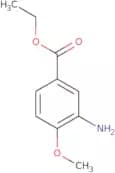
3-Amino-4-methoxybenzoic acid ethyl ester
CAS:3-Amino-4-methoxybenzoic acid ethyl ester is a chemical building block that can be used in the synthesis of various organic compounds. It is an important reaction component, and can also be used as a reagent or useful scaffold. 3-Amino-4-methoxybenzoic acid ethyl ester is soluble in organic solvents and has a high quality. This chemical has been shown to be useful for research purposes.Formula:C10H13NO3Purezza:Min. 95%Colore e forma:PowderPeso molecolare:195.22 g/mol3-Chloro-4-methoxybenzoic acid ethyl ester
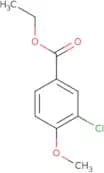
CAS:3-Chloro-4-methoxybenzoic acid ethyl ester is a chemical compound that is used as a reactant in organic synthesis. It has shown high quality and can be used for research. 3-Chloro-4-methoxybenzoic acid ethyl ester can be used as a scaffold to make fine chemicals, pharmaceuticals, and other products. It has been shown to be useful in the synthesis of many complex compounds and as an intermediate or building block for chemical reactions.Formula:C10H11ClO3Purezza:Min. 95%Colore e forma:PowderPeso molecolare:214.65 g/mol8-Chloro-6-oxo-octanoic acid ethyl ester
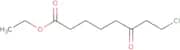
CAS:8-Chloro-6-oxo-octanoic acid ethyl ester is a chiral, thermostable and oxidizing agent that is used as an intermediate in organic synthesis. It is used to produce 8-chloro-6-oxo-octanoic acid ethyl ester, a reactive carbonyl reagent that can be used in the synthesis of amines and amides. This compound has been shown to be effective against wild type strains of E. coli as well as recombinant strains of E. coli. It also has been found to have fungicidal activity against Candida parapsilosis and Paracoccidioides brasiliensis at concentrations of 0.1 mg/mL or less.Formula:C10H17ClO3Purezza:Min. 95%Colore e forma:PowderPeso molecolare:220.69 g/molPyridoxine dipalmitate
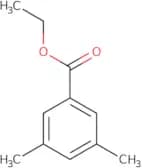
CAS:Pyridoxine dipalmitate is a polycarboxylic acid that is used as an antioxidant. It can be found in fruit extracts and has been shown to have antimicrobial properties. Pyridoxine dipalmitate also possesses antioxidant properties, which may be due to its ability to react with reactive oxygen species (ROS) and other free radicals. The compound has been shown to improve skin conditions and prevent damage caused by ROS. Pyridoxine dipalmitate is also used in the treatment of metabolic disorders, such as damaged cell membranes and fatty acid metabolism disorders. This compound may act as a cationic surfactant or phosphorus pentachloride.Formula:C40H71NO5Purezza:Min. 95%Colore e forma:PowderPeso molecolare:646 g/mol3,5-Dimethylbenzoic acid ethyl ester
CAS:3,5-Dimethylbenzoic acid ethyl ester is a quinoline derivative that can be synthesised from the reaction of isobutyraldehyde with benzoic acid. This compound yields terminal alkynes and polynuclear compounds in reactions with metals. It can also be prepared by cross-coupling reactions of substituted benzoates with aminobenzoates as ligands. 3,5-Dimethylbenzoic acid ethyl ester is used in preparative chemistry to synthesise other organic compounds.Formula:C11H14O2Purezza:Min. 95%Colore e forma:Clear LiquidPeso molecolare:178.23 g/mol2,6-Dimethylbenzoic acid ethyl ester
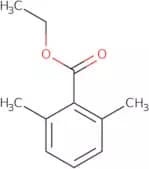
CAS:2,6-Dimethylbenzoic acid ethyl ester (DBE) is an organic compound that is used as a starting material for the synthesis of other chemicals. It is produced by reacting chlorobenzene with magnesium in the presence of a suitable catalyst such as copper(II) chloride. The reaction can be carried out in bulk or in liquid phase, and yields are optimized by using activated carbon as a support. DBE is one of the most commonly used dialkyl benzoates for chemical syntheses due to its high reactivity. DBE has a particle size of about 10 micrometres and a bulk density close to 1 g/cm3.Formula:C11H14O2Purezza:Min. 95%Colore e forma:PowderPeso molecolare:178.23 g/molL-Propargylglycine
CAS:L-Propargylglycine is a novel, synthetic compound that has been shown to inhibit bacterial growth. It is a strong inhibitor of the polymerase chain reaction (PCR) and nuclear DNA replication. L-Propargylglycine has also been shown to inhibit mitochondrial membrane potential and human serum which may lead to its anti-inflammatory properties. L-Propargylglycine has antioxidative properties, antimicrobial peptide activity, and ATP channel inhibition. This drug also has a number of other pharmacological effects including modulation of intestinal inflammation in models of inflammatory bowel disease and improvement of atherosclerotic lesions in animal models.Formula:C5H7NO2Purezza:(%) Min. 98%Colore e forma:PowderPeso molecolare:113.11 g/mol1,2-Dipalmitoyl-sn-glycero-3-phosphatidic acid sodium
CAS:1,2-Dipalmitoyl-sn-glycero-3-phosphatidic acid sodium (DPPA) is a drug substance that has been used in primary culture to study the cell membrane of hepatocytes. This compound is a phospholipid with a cavity at one end and contains two hydroxy groups that can be conjugated to other molecules. It has been shown to be effective against Hepatitis B virus and mesenchymal stromal cells. DPPA has also been used as an adjuvant for gadolinium contrast agents for magnetic resonance imaging. Gadolinium may bind to the hydroxy groups on DPPA, which increases its birefringence and brightness on MRI scans.Formula:C35H69Na2O8PPurezza:Min. 98 Area-%Colore e forma:White PowderPeso molecolare:694.87 g/mol2-Cyano-5-fluorobenzoic acid ethyl ester
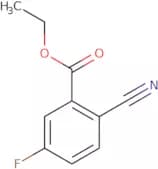
CAS:2-Cyano-5-fluorobenzoic acid ethyl ester is a chemical compound with the formula C6H4(COOCH2)2FO. The compound is an intermediate in the synthesis of other chemicals, such as pharmaceuticals. It is also used as a building block in other syntheses. 2-Cyano-5-fluorobenzoic acid ethyl ester has been assigned CAS No. 1260751-65-2 and is useful in organic synthesis because it is a versatile building block, complex compound, and fine chemical.Formula:C10H8FNO2Purezza:Min. 95%Peso molecolare:193.17 g/mol3-Bromocinnamic acid ethyl ester
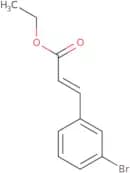
CAS:3-Bromocinnamic acid ethyl ester is a chemical that is useful as a building block for the synthesis of more complex compounds. It is an intermediate in the synthesis of organic compounds and can be used as a reaction component. 3-Bromocinnamic acid ethyl ester has CAS No. 24398-80-9 and is a reagent that can be used to synthesize other chemicals. 3-Bromocinnamic acid ethyl ester is also useful as a scaffold in the development of new drugs, because it has an amide bond, which may lead to new types of drug molecules with different properties.Formula:C11H11BrO2Purezza:Min. 95%Peso molecolare:255.11 g/mol4-Hydroxy-3-methoxybenzoic acid ethyl ester
CAS:4-Hydroxy-3-methoxybenzoic acid ethyl ester is a synthetic compound that is converted to protocatechuic acid, an antioxidant found in wine. It has been shown to have antioxidative properties in inflammatory bowel disease by inhibiting the formation of reactive oxygen species. Protocatechuic acid also inhibits the growth of bacterial strains such as Listeria monocytogenes and Bacillus cereus, which are often resistant to antibiotics. The mechanism of action is not well understood, but it may be due to its ability to inhibit the production of p-hydroxybenzoic acid, a precursor for bacterial cell wall synthesis. Protocatechuic acid also has anti-inflammatory properties and can be used as a bioactive phenolic in topical preparations such as creams or ointments.
Formula:C10H12O4Purezza:Min. 95%Colore e forma:PowderPeso molecolare:196.2 g/molGlycerol tripalmitate
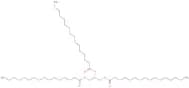
CAS:Glycerol tripalmitate is a triglyceride that is composed of three molecules of glycerol and one molecule of palmitic acid. It is used in the manufacture of sephadex g-100, a chromatographic material that separates proteins based on their size. Glycerol tripalmitate has been shown to have high chemical stability, which is important for its use as a pharmaceutical excipient. This substance also has a physiological function in the human body, including the production of lipids, such as fatty acids and triglycerides. Glycerol tripalmitate can be used to study phase transition temperature by using surface methodology. Carbonyl oxygens are present on the surface of this substance, which may have neurotrophic effects.Formula:C51H98O6Purezza:Min. 85 Area-%Colore e forma:PowderPeso molecolare:807.32 g/mol2,4-Difluorobenzoic acid ethyl ester
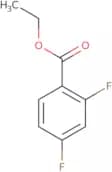
CAS:C9H8F2O2 2,4-Difluorobenzoic acid ethyl ester is a drug that inhibits the growth of protozoan parasites in the intestine. It has been shown to be effective against coccidiosis and grignard reagent, an antifungal drug. C9H8F2O2 2,4-Difluorobenzoic acid ethyl ester is a fungicide that inhibits the synthesis of RNA by binding to the cgmp-dependent protein (cyclic guanosine monophosphate) in protozoa, preventing protein synthesis and causing cell death. Magnesium chloride and chloride ions are required for this reaction to take place.Formula:C9H8F2O2Purezza:Min. 95%Colore e forma:Clear LiquidPeso molecolare:186.16 g/mol3,5-Dihydroxybenzoic acid ethyl ester
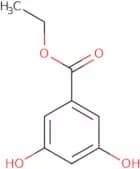
CAS:3,5-Dihydroxybenzoic acid ethyl ester (3,5-DHBA) is a compound that inhibits the growth of cancer cells by binding to the active site of serine protease. It has been shown to inhibit the activity of two enzymes that are involved in phosphatase and hydroxylation reactions. 3,5-DHBA is also a photophysical reagent for palladium complexes which have been used for the treatment of cancers. This compound also binds to oxadiazole, a substance found in plants that may have anticancer properties. The synthesis of 3,5-DHBA has been studied extensively and it has been shown to be synthesized from hydroxybenzoic acid and carbinols.Formula:C9H10O4Purezza:90%Colore e forma:PowderPeso molecolare:182.17 g/molPalmitoyl pentapeptide trifluoroacetic acid
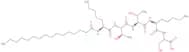
CAS:Palmitoyl pentapeptide trifluoroacetic acid is a synthetic molecule that has been shown to have antimicrobial and anti-inflammatory properties. It has been shown to reduce the activity of gsh-px, which is an enzyme involved in the metabolism of glutathione. This compound also inhibits the production of ATP in cells, which may be responsible for its cancer-inhibiting effects. Palmitoyl pentapeptide trifluoroacetic acid has been shown to inhibit skin cancer cell growth by interfering with fatty acid synthesis and increasing epidermal growth factor levels.Formula:C41H76N7O12Purezza:Min. 95%Colore e forma:PowderPeso molecolare:802.05 g/mol7-Ethylindole-3-glyoxylic acid ethyl ester
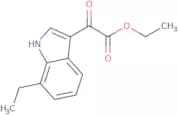
CAS:7-Ethylindole-3-glyoxylic acid ethyl ester is a versatile building block that can be used in the synthesis of complex compounds. It is a useful intermediate in the synthesis of pharmaceuticals, which can also be used as a reagent and speciality chemical. The compound has been shown to have high quality and is a useful scaffold for the synthesis of new compounds.Formula:C14H15NO3Purezza:Min. 95%Peso molecolare:245.27 g/mol3-Bromo-4-methoxyphenylacetic acid ethyl ester
CAS:3-Bromo-4-methoxyphenylacetic acid ethyl ester is a versatile building block that can be used to synthesize a variety of compounds. It is also a useful intermediate for research chemicals and pharmaceuticals. 3-Bromo-4-methoxyphenylacetic acid ethyl ester is a fine chemical with high quality and can be used as a reagent or speciality chemical. As a reaction component, this product makes an excellent scaffold for complex compounds.Formula:C11H13BrO3Purezza:Min. 95%Colore e forma:Clear LiquidPeso molecolare:273.12 g/mol4-Bromophenylacetic acid ethyl ester
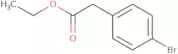
CAS:4-Bromophenylacetic acid ethyl ester is a synthetic compound that binds to the cytochrome P450 enzyme and inhibits its activity. This inhibition prevents the production of estrogen, which may be useful in the treatment of breast cancer. 4-Bromophenylacetic acid ethyl ester has also been shown to inhibit aromatase, an enzyme that catalyzes the conversion of androgens into estrogens. Inhibition of this enzyme by 4-bromophenylacetic acid ethyl ester may be useful in the treatment of prostate cancer. The chemical has also been shown to inhibit glycoprotein synthesis in herpes simplex virus and human plasma proteins involved in drug metabolism. This inhibition may be useful for treating patients with HIV.Formula:C10H11BrO2Purezza:Min. 95%Colore e forma:PowderPeso molecolare:243.1 g/molEicosapentaenoic acid ethyl ester
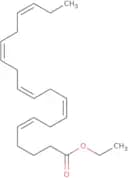
CAS:Eicosapentaenoic acid ethyl ester (EPA-E) is a natural compound that belongs to the group of polyunsaturated fatty acids. EPA-E has been shown to be an antioxidant, which prevents oxidative damage and reduces inflammation. It has been found to lower LDL cholesterol and triglycerides in clinical trials. EPA-E also decreases body mass index, hepatic steatosis, and symptoms of metabolic syndrome. The mechanism of action for these effects is not fully understood but may be due to increased activity of the enzyme spal2. EPA-E has been shown to have favorable biochemical properties in animal models of atherosclerosis.Formula:C22H34O2Purezza:Min. 96 Area-%Colore e forma:Clear LiquidPeso molecolare:330.5 g/molAscorbyl palmitate
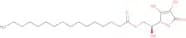
CAS:Ascorbyl palmitate is an ester of ascorbic acid and palmitic acid. It is a water-soluble antioxidant that has been shown to be safe for oral ingestion at doses of up to 3 grams per day. Ascorbyl palmitate is used in topical formulations to provide protection against sun damage, and also has been shown to have anti-inflammatory properties, which may be due to its inhibitory effect on the mcl-1 protein. Ascorbyl palmitate has a phase transition temperature at about 41°C. This compound can be used in pharmaceuticals for the treatment of infectious diseases caused by bacteria such as tuberculosis or herpes simplex virus type 1 (HSV-1). This chemical also has been shown to have physiological effects on bowel disease and toxicity studies show that it does not cause any adverse reactions in rats or rabbits when given orally.
Formula:C22H38O7Purezza:Min 98%Colore e forma:White PowderPeso molecolare:414.53 g/mol4-(1-Hydroxy-1-methylethyl)-2-propyl-1H-imidazole-5-carboxylic acid ethyl ester
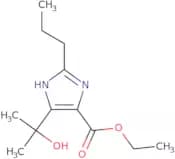
CAS:4-(1-Hydroxy-1-methylethyl)-2-propyl-1H-imidazole-5-carboxylic acid ethyl ester is a synthetic drug with pharmacological properties that are similar to those of the natural product medoxomil. It has been shown to be a potent blocker of the GABA receptor and is used for the treatment of epilepsy. 4-(1-Hydroxy-1-methylethyl)-2-propyl-1H-imidazole-5-carboxylic acid ethyl ester has been shown to be an inhibitor of rat liver microsomes and also has a high affinity for the enzyme cilexetil, which is responsible for the conversion of cilexetil into its active form.Formula:C12H20N2O3Purezza:Min. 95%Colore e forma:PowderPeso molecolare:240.3 g/mol1,1,3,3,4,4,4a,5,5,6,6,7,7,8,8,8a-Hexadecafluoro-2-(trifluoromethyl)decahydroisoquinoline
CAS:Prodotto controllato1,1,3,3,4,4,4a,5,5,6,6,7,7,8,8,8a-Hexadecafluoro-2-(trifluoromethyl)decahydroisoquinoline is an organic solvent that has a very low boiling point and high volatility. It can be used in dry powder inhalers or as a component of hydrogel compositions for oxygen delivery to the lungs. The uptake of 1HF-2TFI into human colon carcinoma cells was found to be significantly higher than uptake by mammary carcinomas. This may be due to the difference in cell types and/or the phosphate group on the molecule. The binding constants of this molecule are also higher than those of other organic solvents such as acetone and ethanol. The results from a questionnaire study also indicated that 1HF-2TFI can be used for perfusion with oxygenated gas mixtures forFormula:C10F19NPurezza:Min. 95%Peso molecolare:495.08 g/mol4-Fluoro-2-nitrobenzoic acid ethyl ester
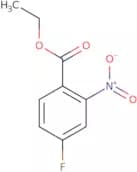
CAS:4-Fluoro-2-nitrobenzoic acid ethyl ester is a fine chemical that can be used as a reagent, intermediate compound, building block, scaffold and building block for speciality chemicals. It has been shown to be an effective chemical in the synthesis of 4-fluoro-2-nitrobenzoic acid, which is a versatile building block with many potential applications. 4-Fluoro-2-nitrobenzoic acid ethyl ester is also useful in reactions involving amines and alcohols as well as metal catalyzed reactions. This product has CAS No. 1072207-10-3.Formula:C9H8FNO4Purezza:(%) Min. 85%Colore e forma:Clear LiquidPeso molecolare:213.16 g/mol3-Fluoro-2-nitrobenzoic acid ethyl ester
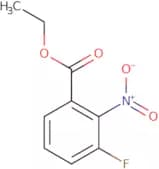
CAS:3-Fluoro-2-nitrobenzoic acid ethyl ester is a fine chemical that is useful as a versatile building block in the synthesis of complex compounds. It can be used as an intermediate in the preparation of research chemicals and has been shown to react with amines to form nitrosoamines, which are useful reaction components. 3-Fluoro-2-nitrobenzoic acid ethyl ester has CAS number 163077-89-2 and is available at high quality.Formula:C9H8FNO4Purezza:Min. 95%Colore e forma:PowderPeso molecolare:213.16 g/mol(2-Iodocyclohexyl)carbamic acid ethyl ester
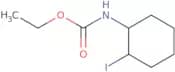
CAS:(2-Iodocyclohexyl)carbamic acid ethyl ester is a fine chemical that can be used as a building block, reagent, or speciality chemical in research. It is soluble in organic solvents and can be used as a reaction component, useful intermediate, or useful scaffold. This compound has been shown to react with various groups including amines, alcohols, phenols and thiols.Formula:C9H16INO2Purezza:Min. 95%Colore e forma:PowderPeso molecolare:297.13 g/mol(2S,3R)-3-((4R)-2,2-Dimethyldioxolan-4-yl)-2-methyl-2,3-dihydroxypropanoic acid ethyl ester
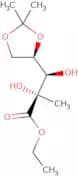
CAS:(2S,3R)-3-((4R)-2,2-Dimethyldioxolan-4-yl)-2-methyl-2,3-dihydroxypropanoic acid ethyl ester is a high quality reagent that is used as an intermediate for the synthesis of complex compounds. It is also a useful building block for the synthesis of speciality chemicals and research chemicals. The versatility of this compound makes it a useful scaffold and building block for reaction components.Formula:C11H20O6Purezza:Min. 95%Colore e forma:PowderPeso molecolare:248.27 g/mol4-Phenyl-2-pyrrolidone-3-carboxylic acid ethyl ester
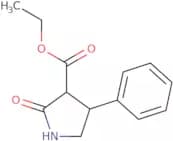
CAS:4-Phenyl-2-pyrrolidone-3-carboxylic acid ethyl ester is an organic compound. It is an intermediate in the synthesis of 2,4,6-trichloroisonicotinic acid and 2,4,6-trichloropyrimidine. The compound has a variety of uses as a reagent and building block for organic synthesis. 4-Phenyl-2-pyrrolidone-3-carboxylic acid ethyl ester is soluble in many solvents such as acetone, ethers and chloroform. It has a CAS number of 5245032. This chemical can be used as a speciality chemical or fine chemical to produce drugs.
Formula:C13H15NO3Purezza:Min. 95%Colore e forma:PowderPeso molecolare:233.26 g/mol3,7-Dimethyl-1-propargylxanthine
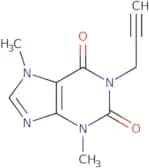
CAS:Prodotto controllato3,7-Dimethyl-1-propargylxanthine is a cyclase inhibitor that has been shown to have pharmacological effects. It has been shown to be effective in vivo models of Parkinson's disease and has reduced locomotor activity. This drug also inhibits the production of adenosine and dopamine, leading to neuronal death. The 3,7-dimethyl-1-propargylxanthine shows high selectivity for adenosine A3 receptors and is an antagonist at these receptors. It prevents mitochondrial membrane potential from decreasing, which may be due to inhibition of the production of reactive oxygen species by mitochondria. 3,7-Dimethyl-1-propargylxanthine also inhibits platelet aggregation by blocking the activation of phospholipase C and enhances platelet aggregation by inhibiting phosphodiesterase activity.Formula:C10H10N4O2Purezza:Min. 95%Colore e forma:PowderPeso molecolare:218.21 g/molHexadecanal
CAS:Hexadecanal is a chemical compound that belongs to the group of basic proteins. It is an intermediate in the synthesis of hexanol and hexadecanoic acid. Hexadecanal has been shown to have receptor activity on rat liver microsomes, as well as p450 activity. The physiological functions of this molecule are unknown, but it has been shown to have synergic effects with other bioactive phytochemicals such as sodium citrate.Formula:C16H32OPurezza:Min. 95 Area-%Colore e forma:White Off-White PowderPeso molecolare:240.42 g/mol2-Bromo-6-fluorobenzoic acid ethyl ester
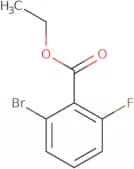
CAS:2-Bromo-6-fluorobenzoic acid ethyl ester is a chemical that reacts with other chemicals to form new substances. It is a useful scaffold for complex compounds and can be used as a building block for fine chemicals, pharmaceuticals, agrochemicals, and other organic compounds. 2-Bromo-6-fluorobenzoic acid ethyl ester is also a versatile building block or intermediate in the synthesis of many different substances.Formula:C9H8BrFO2Purezza:Min. 90%Colore e forma:PowderPeso molecolare:247.06 g/mol2'-Hydroxy-5'-nitrohexadecanamide
CAS:2'-Hydroxy-5'-nitrohexadecanamide is a synthetic fatty acid derivative that inhibits lysosomal hydrolase, which is an enzyme that breaks down cellular lipids. This compound can be used as a diagnostic agent for the detection of certain types of cancer. 2'-Hydroxy-5'-nitrohexadecanamide reacts with the magnesium ion in the lysosome to form an insoluble precipitate, which then settles to the bottom of the test tube, allowing for easy detection of cells with high levels of lysosomal hydrolase.Formula:C22H36N2O4Purezza:Min. 95%Colore e forma:PowderPeso molecolare:392.53 g/molDL-alpha-Hydroxypalmitic acid
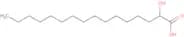
CAS:Palmitic acid is a fatty acid that is found in animal and vegetable fats. It is also an important component of the cell membrane. Palmitic acid has been shown to inhibit the growth of bacteria by interfering with the synthesis of cell membranes, which are largely composed of lipids. Palmitic acid has been shown to be active against Gram-positive bacteria, including Bacillus subtilis and Staphylococcus epidermidis, as well as Gram-negative bacteria such as Salmonella enterica Serovar Typhi and Escherichia coli O157:H7. Palmitic acid can be used to produce monolayers for use in magnetic resonance spectroscopy. These monolayers have been shown to have an effect on the rate at which glucose is transported across the surface of the membrane. Palmitic acid also inhibits glucosylceramide production in ganoderma lucidum, a type of fungus that causes plant diseases, by blockingFormula:C16H32O3Purezza:Min. 98 Area-%Colore e forma:PowderPeso molecolare:272.42 g/mol4-Bromo-2-methylbenzoic acid ethyl ester
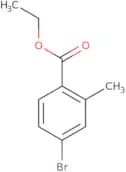
CAS:4-Bromo-2-methylbenzoic acid ethyl ester is a high quality and versatile building block. It is a useful intermediate in the synthesis of organic compounds, and can be used as a reaction component in the synthesis of complex compounds. 4-Bromo-2-methylbenzoic acid ethyl ester is also a useful scaffold for the construction of new chemical entities. It has been shown to react with potassium tert-butoxide to produce 4-(2,6-dimethylphenyl)piperidine (CAS No. 220389-34-4).Formula:C10H11BrO2Purezza:Min. 95%Colore e forma:Clear LiquidPeso molecolare:243.1 g/molN-Benzyl Hexadecanamide
CAS:N-Benzyl Hexadecanamide is a long-chain amide that is used in analytical chemistry as a sample preparation agent and to extract fatty acids from biological samples. It has been shown to have neuroprotective properties by reducing the uptake of glutamate and preventing neuronal cell death. N-Benzyl Hexadecanamide has also been found to prevent tumor growth and induce apoptosis in human cancer cells, which may be due to its ability to inhibit creatine kinase activity. This compound has also been shown to have anti-inflammatory effects, which are mediated through the inhibition of the activation of nuclear factor kappa B (NF-κB).
Formula:C23H39NOPurezza:Min. 98 Area-%Colore e forma:PowderPeso molecolare:345.56 g/molPalmitoyl-DL-carnitine chloride
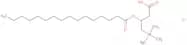
CAS:Palmitoyl-DL-carnitine chloride is a fatty acid that is an important component of cellular membranes. It has been shown to inhibit the growth of cancer cells in rats and mice by increasing the concentration of diacylglycerol in the cell membrane, which leads to increased formation of procyanidins. Palmitoyl-DL-carnitine chloride can also be used as an absorption enhancer for drugs and other compounds. The compound can be used to deliver drugs or other substances into cells, such as Caco-2 cells, for therapeutic purposes. Palmitoyl-DL-carnitine chloride has been shown to increase the production of ornithine in cultured mouse fibroblasts, which may be due to its ability to enhance cellular carnitine levels.
Formula:C23H46ClNO4Purezza:Min. 95%Colore e forma:PowderPeso molecolare:436.07 g/mol4-Cyanobenzoic acid ethyl ester
CAS:4-Cyanobenzoic acid ethyl ester is a hydrogen-bonding acceptor that is also able to form exciplexes with styrene. It has a conformation that is similar to that of aminobenzoate, which is a hydrogen-bonding donor. 4-Cyanobenzoic acid ethyl ester reacts with solvents such as benzene and chloroform, undergoing hydration reactions to form the corresponding 4-cyanophenol derivatives. It undergoes cyclization when heated in the presence of ruthenium(II) chloride to produce 1,4-dihydropyridine derivatives. The reaction mechanism for this reaction consists of two steps: an intramolecular nucleophilic attack followed by an intramolecular electrophilic substitution. The deionized water used in this synthetic process eliminates the need for drying agents and stabilizers, making it easier to carry out the synthesis.Formula:C10H9NO2Purezza:Min. 95%Colore e forma:PowderPeso molecolare:175.18 g/molβ-Naphthoic acid ethyl ester
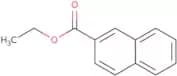
CAS:β-Naphthoic acid ethyl ester (BNAE) is a synthetic compound that has been used as an intermediate in the synthesis of organic compounds. It is also used to prepare hydroxamic acids, which are active methylene compounds. BNAE reacts with nucleophiles and is susceptible to nucleophilic attack. The reaction mechanism for this type of compound involves a cavity with a constant volume, which increases the reactivity of the molecule. This type of reaction can be explained using the functional theory and the use of organic solvents. BNAE is stable when exposed to carbon tetrachloride and hydroxamic acids, but not when exposed to diethyl succinate or chemical agents such as sodium nitrite.Formula:C13H12O2Purezza:Min. 95%Colore e forma:PowderPeso molecolare:200.23 g/mol(all-Z)-6,9,12,15,18-Heneicosapentaenoic acid ethyl ester 98%, 10mg/ml ethanol solution
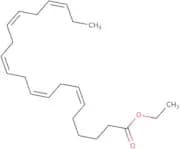
CAS:(all-Z)-6,9,12,15,18-Heneicosapentaenoic acid ethyl ester 98% is a quaternary ammonium salt that is useful as a reaction component or reagent. It has been shown to be a useful scaffold for the synthesis of complex compounds with high quality. This chemical can also be used as a building block for the synthesis of speciality chemicals and versatile building blocks. This compound is highly reactive and can be used in reactions with other chemicals to form more complex compounds. (all-Z)-6,9,12,15,18-Heneicosapentaenoic acid ethyl ester 98% has CAS No. 131775-86-5 and is soluble in ethanol solution at 10mg/ml.Formula:C23H36O2Purezza:Min. 98 Area-%Colore e forma:Clear LiquidPeso molecolare:344.53 g/mol3,5-Dimethoxy-4-hydroxycinnamic acid ethyl ester
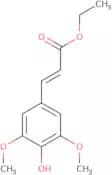
CAS:3,5-Dimethoxy-4-hydroxycinnamic acid ethyl ester is a redox potential with an acidic character. It can be synthesized from p-hydroxybenzoic acid and acetate extract of the plant Carthamus tinctorius. The synthesis starts with an asymmetric synthesis of protocatechuic acid and its derivatives. This compound is also found in the surface methodology of fatty acids and radiation that has been studied by nmr spectroscopic data. 3,5-Dimethoxy-4-hydroxycinnamic acid ethyl ester has bioactive phenolic properties and can be used for the treatment of various diseases such as cancer or diabetes.Formula:C13H16O5Purezza:Min. 95%Colore e forma:PowderPeso molecolare:252.26 g/molPropargyl chloride
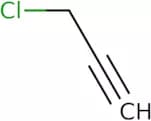
CAS:Propargyl chloride is a chemical that is used as an inhibitor in organic synthesis. It can be used to synthesize compounds with reactive groups such as alkenes, ketones, and amines. Propargyl chloride reacts with the hydroxyl group of an alcohol to form a propargyl alcohol. The reaction mechanism involves intramolecular hydrogen bonding between the hydroxyl group of the propargyl chloride and the carbon atom adjacent to it. Kinetic energy is required for this reaction to occur. The product of this reaction can then react with other molecules in order to form new compounds. Propargyl chloride has been shown to have therapeutic effects on chronic coughs due its ability to reduce the amount of kinetic energy needed for respiratory tract cells, which may have reduced coughing frequency. END>>Formula:C3H3ClPurezza:Min. 95%Colore e forma:Colorless Yellow Clear LiquidPeso molecolare:74.51 g/mol2-Chloro-3-nitrobenzoic acid ethyl ester
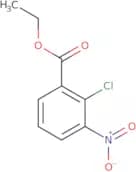
CAS:2-Chloro-3-nitrobenzoic acid ethyl ester is a reactive chemical intermediate that can be used as a building block in organic synthesis. It is a versatile reagent that can be used in many reactions, such as condensation, cyclization, amination, and oxidation. The compound has been shown to be useful in the synthesis of polymers, pharmaceuticals, and natural products. 2-Chloro-3-nitrobenzoic acid ethyl ester is an environmentally friendly compound with a low toxicity profile. It has been classified as a high quality fine chemical with CAS number 3979-45-1.Formula:C9H8ClNO4Purezza:Min. 95%Colore e forma:PowderPeso molecolare:229.62 g/mol2-Fluoro-4-methylbenzoic acid ethyl ester
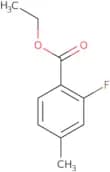
CAS:2-Fluoro-4-methylbenzoic acid ethyl ester is a versatile building block that is used in the synthesis of complex compounds with a wide variety of biological and chemical properties. This compound has been used as a reagent for research, as well as in the production of pharmaceuticals and other speciality chemicals. It has also been found to be useful in the synthesis of compounds with high quality. 2-Fluoro-4-methylbenzoic acid ethyl ester can be used as an intermediate in reactions, or as a scaffold for further synthesis. The CAS number for this compound is 500579-61-3.
Formula:C10H11FO2Purezza:Min. 95%Colore e forma:Colourless LiquidPeso molecolare:182.19 g/mol2-Fluoro-3-nitrobenzoic acid ethyl ester
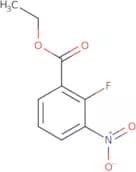
CAS:2-Fluoro-3-nitrobenzoic acid ethyl ester is a versatile, high quality building block with a number of uses in research and industry. It is an intermediate in the synthesis of a range of compounds, including pharmaceuticals and other fine chemicals. 2-Fluoro-3-nitrobenzoic acid ethyl ester is also used as a reagent for the synthesis of complex compounds, such as pharmaceuticals. This compound can be synthesized from readily available starting materials and has been shown to be useful for the preparation of scaffolds for organic synthesis. 2-Fluoro-3-nitrobenzoic acid ethyl ester is not listed on the Chemical Abstract Service (CAS) registry, but it does have an IUPAC name (2-(2,6-difluorophenyl)-5-(1,1,2,2 tetrafluoropropoxy)-3H-[1]py
Formula:C9H8FNO4Purezza:Min. 95%Colore e forma:Off-White PowderPeso molecolare:213.16 g/mol3-Aminocinnamic acid ethyl ester
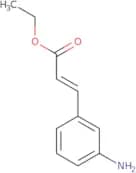
CAS:3-Aminocinnamic acid ethyl ester is a synthetic compound that is derived from pyridine and has a liriodenine ring. The synthesis of this compound starts with an olefinic coupling reaction, which yields an imine intermediate. The imine is hydrolyzed to yield the desired product. 3-Aminocinnamic acid ethyl ester can be found in plants such as liriodenine and liriodendronine, as well as in animal tissues. It also acts as a neurotransmitter and activates the nitrate receptor on nerves, which leads to increased blood pressure or heart rate. 3-Aminocinnamic acid ethyl ester also binds to the cation channel of benzoquinoline drugs and mediates their effects on the central nervous system.Formula:C11H13NO2Purezza:Min. 95%Colore e forma:PowderPeso molecolare:191.23 g/mol1-palmitoyl-2-(10-(4-((trifluoromethyl)diazirinyl)phenyl)-8-oxadecanoyl)-sn-glycero-3-phosphocholine
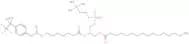
CAS:1-palmitoyl-2-(10-(4-((trifluoromethyl)diazirinyl)phenyl)-8-oxadecanoyl)-sn-glycero-3-phosphocholine (PPC) is a liposome that induces necrotic cell death. It binds to the mitochondria and inhibits adenine nucleotide translocation, leading to the loss of mitochondrial membrane potential and the release of cytosolic calcium. This leads to activation of proapoptotic proteins, such as Bax and Bak, which initiates caspase-independent apoptosis. PPC also induces light emission from phospholipid hydroperoxide decomposition, which can be used as a biomarker for cellular physiology.Formula:C41H68TF3N3O9PPurezza:Min. 95%Peso molecolare:837.98 g/molAzidopalmitic acid
CAS:Azidopalmitic acid is a synthetic fatty acid that is used in the detection of cellular DNA. It can be detected using methods such as tritiated, expressed, or myristic azide. Azidopalmitic acid has also been shown to be compatible with polymerase chain reaction (PCR) and immobilized metal ion affinity chromatography (IMAC). This molecule is useful for conjugates that are radiolabeled with [3H]azidoacetyl palmitate and [14C]azidoacetyl palmitate. Azidopalmitic acid has been synthetically produced by reacting malonic acid with sodium azide. This compound is also reusable, which makes it an ideal way to label nucleotides during PCR reactions.
Formula:C16H31N3O2Purezza:Min. 95%Colore e forma:White PowderPeso molecolare:297.44 g/mol5-Methoxyisoxazole-4-carboxylic acid ethyl ester
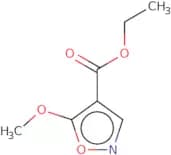
CAS:5-Methoxyisoxazole-4-carboxylic acid ethyl ester is a fine chemical that has been used as a reagent, speciality chemical, and complex building block. It is also useful as a versatile intermediate for the synthesis of other organic compounds. 5-Methoxyisoxazole-4-carboxylic acid ethyl ester has been shown to react with alcohols and amines to form ethers and amides respectively. The compound can be used in the synthesis of polymers and pharmaceutical intermediates. 5-Methoxyisoxazole-4-carboxylic acid ethyl ester has a molecular weight of 210.24 g/mol and CAS No. 1314983-30-6.
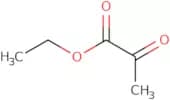
Formula:C7H9NO4Purezza:Min. 95%Peso molecolare:171.15 g/molPyruvic acid ethyl ester
CAS:Ethyl pyruvate, also known as 2-oxo-propionic acid ethyl ester, is a colourless transparent liquid at room temperature with a fresh, sweet, floral aroma. Ethyl pyruvate is a novel anti-inflammatory agent for the treatment of critical inflammatory conditions as it has potent anti-inflammatory properties and tissue protection activity, in multiple animal models of disease including: pancreatitis, ischemia-reperfusion injury, sepsis, renal injury, and endotoxemia.Formula:C5H8O3Purezza:Min. 95%Colore e forma:Colorless Clear LiquidPeso molecolare:116.12 g/mol2-Bromo-2-propylpentanoic Acid Ethyl Ester
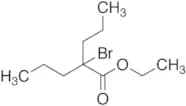
CAS:Prodotto controllatoApplications 2-Bromo-2-propylpentanoic Acid Ethyl Ester (cas# 99174-91-1) is a compound useful in organic synthesis.
Formula:C10H19BrO2Colore e forma:NeatPeso molecolare:251.166,7-Dichloro-1,4-dihydro-4-oxo-3-quinolinecarboxylic Acid Ethyl Ester
CAS:Prodotto controllatoApplications 6,7-Dichloro-1,4-dihydro-4-oxo-3-quinolinecarboxylic Acid Ethyl Ester is an intermediate in synthesizing 6-Chloro-6-defluoro Ciprofloxacin (C368035). It is an impurity of Ciprofloxacin (C482500), which is a fluorinated quinolone antibacterial.
References Hoffken, G., et al.: Antimicrob. Ag. Chemother., 27, 375 (1985), Scully, B.E., et al.: Lancet, 1, 819 (1986)Formula:C12H9Cl2NO3Colore e forma:NeatPeso molecolare:286.11