Flavonoidi
I flavonoidi sono un gruppo di metaboliti vegetali con proprietà antiossidanti che contribuiscono al colore di frutti e fiori. Svolgono un ruolo significativo nella protezione delle piante dai raggi UV e dai patogeni. I flavonoidi sono studiati per i loro potenziali benefici per la salute, tra cui proprietà antinfiammatorie, antivirali e anticancro. Sono ampiamente studiati nei campi della farmacologia, della nutrizione e della biologia molecolare.
Sottocategorie di "Flavonoidi"
- Antocianidine(46 prodotti)
- Antocianina(46 prodotti)
- Catechina(88 prodotti)
- Chalcones(237 prodotti)
- Pterocarpani(28 prodotti)
Trovati 2408 prodotti di "Flavonoidi"
Ordinare per
Purezza (%)
0
100
|
0
|
50
|
90
|
95
|
100
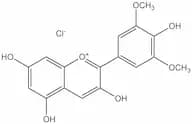
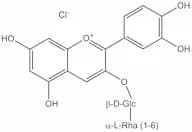
Cyanidin chloride
CAS:Oxygen-heterocyclic compoundFormula:C15H11O6ClPurezza:≥ 90.0 % (HPLC)Colore e forma:PowderPeso molecolare:322.7Dihydrokaempferol
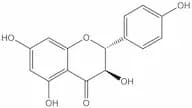
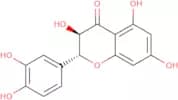
CAS:Oxygen-heterocyclic compoundFormula:C15H12O6Purezza:≥ 95.0 % (HPLC)Colore e forma:PowderPeso molecolare:288.26Cinchonain ib
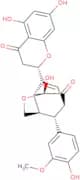
CAS:Oxygen-heterocyclic compoundFormula:C24H20O9Purezza:≥ 90.0 % (HPLC)Colore e forma:PowderPeso molecolare:452.41Diosmin
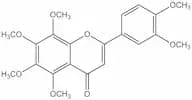
CAS:Natural glycosideFormula:C28H32O15Purezza:≥ 90.0 % (HPLC)Colore e forma:PowderPeso molecolare:608.55Nobiletin
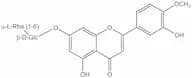
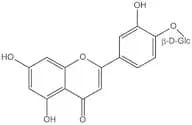
CAS:Oxygen-heterocyclic compoundFormula:C21H22O8Purezza:≥ 98.0 % (HPLC)Colore e forma:PowderPeso molecolare:402.4Luteolin 7-glucoside
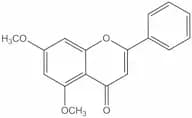
CAS:Natural glycosideFormula:C21H20O11Purezza:≥ 95.0 % (HPLC)Colore e forma:PowderPeso molecolare:448.385,7-dimethoxyflavone
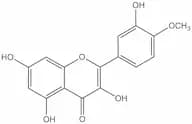
CAS:Oxygen-heterocyclic compoundFormula:C17H14O4Purezza:≥ 95.0 % (HPLC)Peso molecolare:282.29Tamarixetin
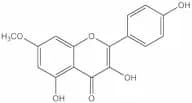
CAS:Oxygen-heterocyclic compoundFormula:C16H12O7Purezza:≥ 90.0 % (HPLC)Peso molecolare:316.26Rhamnocitrin
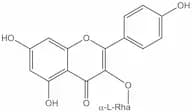
CAS:Oxygen-heterocyclic compoundFormula:C16H12O6Purezza:≥ 95.0 % (HPLC)Colore e forma:PowderPeso molecolare:300.26Kaempferol 3-rhamnoside
CAS:Natural glycosideFormula:C21H20O10Purezza:≥ 98.0 % (HPLC)Colore e forma:PowderPeso molecolare:432.38Vicenin ii
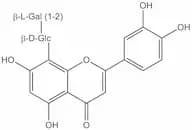
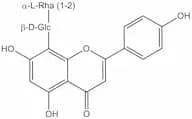
CAS:Natural glycosideFormula:C27H30O15Purezza:≥ 95.0 % (HPLC)Colore e forma:PowderPeso molecolare:594.53Orientin 2''-galactoside
CAS:Natural glycosideFormula:C27H30O16Purezza:≥ 98.0 % (HPLC)Colore e forma:PowderPeso molecolare:610.53Bracteoside
CAS:Natural glycosideFormula:C22H20O12Purezza:≥ 90.0 % (HPLC)Colore e forma:PowderPeso molecolare:476.39Corylifol a
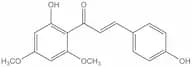
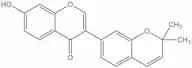
CAS:Oxygen-heterocyclic compoundFormula:C25H26O4Purezza:≥ 95.0 % (HPLC)Colore e forma:PowderPeso molecolare:390.482',6'-dihydroxy 4'-methoxychalcone
CAS:Ketone with other oxygen functionsFormula:C16H14O4Purezza:≥ 90.0 % (HPLC)Colore e forma:PowderPeso molecolare:270.29Vitexin 2''-rhamnoside
CAS:Natural glycosideFormula:C27H30O14Purezza:≥ 95.0 % (HPLC)Colore e forma:PowderPeso molecolare:578.53Acacetin
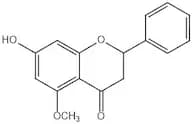
CAS:Oxygen-heterocyclic compoundFormula:C16H12O5Purezza:≥ 95.0 % (HPLC)Colore e forma:PowderPeso molecolare:284.27Alpinetin
CAS:Oxygen-heterocyclic compoundFormula:C16H14O4Purezza:≥ 95.0 % (HPLC)Colore e forma:PowderPeso molecolare:270.29Nepetin 7-glucoside
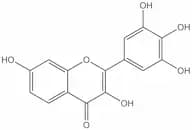
CAS:Natural glycosideFormula:C22H22O12Purezza:≥ 95.0 % (HPLC)Colore e forma:PowderPeso molecolare:478.41Fisetin
CAS:Oxygen-heterocyclic compoundFormula:C15H10O6Purezza:≥ 90.0 % (HPLC)Colore e forma:PowderPeso molecolare:286.24Myricetin 3-galactoside
CAS:Natural glycosideFormula:C21H20O13Purezza:≥ 98.0 % (HPLC)Peso molecolare:480.38Icariin
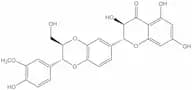
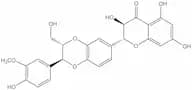
CAS:Natural glycosideFormula:C33H40O15Purezza:≥ 90.0 % (HPLC)Colore e forma:PowderPeso molecolare:676.67Isosilybin a
CAS:Oxygen-heterocyclic compoundFormula:C25H22O10Purezza:≥ 95.0 % (HPLC)Colore e forma:PowderPeso molecolare:482.44Typhaneoside
CAS:Natural glycosideFormula:C34H42O20Purezza:≥ 95.0 % (HPLC)Colore e forma:PowderPeso molecolare:770.692',4'-dihydroxydihydrochalcone
CAS:Ketone phenolFormula:C15H14O3Purezza:≥ 95.0 % (HPLC)Colore e forma:PowderPeso molecolare:242.28Deguelin
CAS:Oxygen-heterocyclic compoundFormula:C23H22O6Purezza:≥ 95.0 % (HPLC)Colore e forma:PowderPeso molecolare:394.42Rotenone
CAS:Oxygen-heterocyclic compoundFormula:C23H22O6Purezza:≥ 95.0 % (HPLC)Colore e forma:PowderPeso molecolare:394.427-o-methylwogonin
CAS:Oxygen-heterocyclic compoundFormula:C17H14O5Purezza:≥ 90.0 % (HPLC)Colore e forma:PowderPeso molecolare:298.3Gossypin
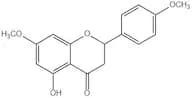
CAS:Natural glycosideFormula:C21H20O13Purezza:≥ 90.0 % (HPLC)Colore e forma:PowderPeso molecolare:480.38Naringenin 4',7-dimethylether
CAS:Oxygen-heterocyclic compoundFormula:C17H16O5Purezza:≥ 95.0 % (HPLC)Colore e forma:PowderPeso molecolare:300.31Malvidin chloride
CAS:Oxygen-heterocyclic compoundFormula:C17H15O7ClPurezza:≥ 95.0 % (HPLC)Colore e forma:PowderPeso molecolare:366.76Luteolin 4'-glucoside
CAS:Natural glycosideFormula:C21H20O11Purezza:≥ 95.0 % (HPLC)Colore e forma:PowderPeso molecolare:448.38Chrysin 7-glucuronide
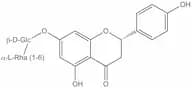
CAS:Natural glycosideFormula:C21H18O10Purezza:≥ 90.0 % (HPLC)Peso molecolare:430.36Narirutin
CAS:Natural glycosideFormula:C27H32O14Purezza:≥ 95.0 % (HPLC)Colore e forma:PowderPeso molecolare:580.54Icariside ii
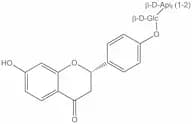
CAS:Natural glycosideFormula:C27H30O10Purezza:≥ 95.0 % (HPLC)Colore e forma:PowderPeso molecolare:514.53Liquiritin apioside
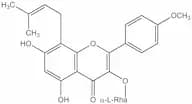
CAS:Natural glycosideFormula:C26H30O13Purezza:≥ 85.0 % (HPLC)Peso molecolare:550.518-prenylnaringenin
CAS:Oxygen-heterocyclic compoundFormula:C20H20O5Purezza:≥ 95.0 % (HPLC)Colore e forma:PowderPeso molecolare:340.38Theaflavin 3'-gallate
CAS:Oxygen-heterocyclic compoundFormula:C36H28O16Purezza:≥ 90.0 % (HPLC)Colore e forma:PowderPeso molecolare:716.61Cyanidin 3-rutinoside chloride
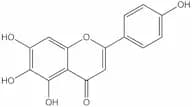
CAS:Natural glycosideFormula:C27H31O15ClPurezza:≥ 90.0 % (HPLC)Colore e forma:PowderPeso molecolare:630.99Scutellarein
CAS:Oxygen-heterocyclic compoundFormula:C15H10O6Purezza:≥ 95.0 % (HPLC)Colore e forma:PowderPeso molecolare:286.24Artemetin
CAS:Oxygen-heterocyclic compoundFormula:C20H20O8Purezza:≥ 95.0 % (HPLC)Colore e forma:PowderPeso molecolare:388.373',4',5,7-tetrahydroxy 3,6,8-trimethoxyflavone
CAS:Oxygen-heterocyclic compoundFormula:C18H16O9Purezza:≥ 95.0 % (HPLC)Colore e forma:PowderPeso molecolare:376.32Cyanidin 3-sophoroside chloride
CAS:Natural glycosideFormula:C27H31O16ClPurezza:≥ 95.0 % (HPLC)Colore e forma:PowderPeso molecolare:646.99Cyanidin 3-glucoside chloride
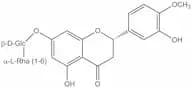
CAS:Natural glycosideFormula:C21H21O11ClPurezza:≥ 98.0 % (HPLC)Colore e forma:PowderPeso molecolare:484.84Hesperidin
CAS:Natural glycosideFormula:C28H34O15Purezza:≥ 90.0 % (HPLC)Colore e forma:PowderPeso molecolare:610.57Flavokawain c
CAS:Ketone phenolFormula:C17H16O5Purezza:≥ 90.0 % (HPLC)Colore e forma:PowderPeso molecolare:300.316-methoxytricin
CAS:Oxygen-heterocyclic compoundFormula:C18H16O8Purezza:≥ 90.0 % (HPLC)Peso molecolare:360.31Kaempferol 3-sambubioside
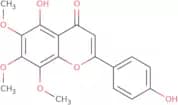
CAS:Natural glycosideFormula:C26H28O15Purezza:≥ 90.0 % (HPLC)Colore e forma:PowderPeso molecolare:580.54',5,7-trihydroxy 3,6,8-trimethoxyflavone
CAS:Oxygen-heterocyclic compoundFormula:C18H16O8Purezza:≥ 95.0 % (HPLC)Colore e forma:PowderPeso molecolare:360.32Malvidin 3-glucoside chloride
CAS:Natural glycosideFormula:C23H25O12ClPurezza:≥ 95.0 % (HPLC)Colore e forma:PowderPeso molecolare:528.9Silybin a
CAS:Oxygen-heterocyclic compoundFormula:C25H22O10Purezza:≥ 95.0 % (HPLC)Colore e forma:PowderPeso molecolare:482.44Bavachalcone
CAS:Ketone phenolFormula:C20H20O4Purezza:≥ 98.0 % (HPLC)Colore e forma:PowderPeso molecolare:324.38Quercetin 3-robinoside 7-glucoside
CAS:Natural glycosideFormula:C33H40O21Purezza:≥ 95.0 % (HPLC)Colore e forma:PowderPeso molecolare:772.67Corylin
CAS:Oxygen-heterocyclic compoundFormula:C20H16O4Purezza:≥ 95.0 % (HPLC)Colore e forma:PowderPeso molecolare:320.35Quercetin 3-glucuronide
CAS:Natural glycosideFormula:C21H18O13Purezza:≥ 95.0 % (HPLC)Colore e forma:PowderPeso molecolare:478.37Hibifolin
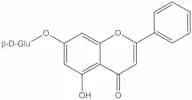
CAS:Natural glycosideFormula:C21H18O14Purezza:≥ 90.0 % (HPLC)Colore e forma:PowderPeso molecolare:494.36Baicalein 7-glucoside
CAS:Natural glycosideFormula:C21H20O10Purezza:≥ 98.0 % (HPLC)Colore e forma:PowderPeso molecolare:432.38Isosilybin b
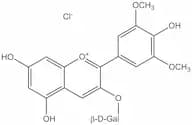
CAS:Oxygen-heterocyclic compoundFormula:C25H22O10Purezza:≥ 80.0 % (HPLC)Colore e forma:PowderPeso molecolare:482.44Malvidin 3-galactoside chloride
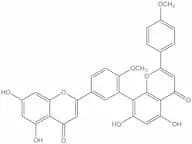
CAS:Natural glycosideFormula:C23H25O12ClPurezza:≥ 90.0 % (HPLC)Colore e forma:PowderPeso molecolare:528.9Isoginkgetin
CAS:Oxygen-heterocyclic compoundFormula:C32H22O10Purezza:≥ 90.0 % (HPLC)Colore e forma:PowderPeso molecolare:566.52Robinetin
CAS:Oxygen-heterocyclic compoundFormula:C15H10O7Purezza:≥ 95.0 % (HPLC)Colore e forma:PowderPeso molecolare:302.24Naringin dihydrochalcone
CAS:Natural glycosideFormula:C27H34O14Purezza:≥ 98.0 % (HPLC)Colore e forma:PowderPeso molecolare:582.56Eupatorin
CAS:Oxygen-heterocyclic compoundFormula:C18H16O7Purezza:≥ 90.0 % (HPLC)Colore e forma:PowderPeso molecolare:344.32Cirsiliol
CAS:Cirsiliol is a 5-LOX inhibitor that inhibits cell proliferation and promotes apoptosis in OS cells.Formula:C17H14O7Purezza:97.33% - 99.24%Colore e forma:SolidPeso molecolare:330.294-O-b-D-Glucosyl-5-O-methyllvisamminol
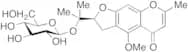
CAS:Prodotto controllato<p>Applications 4-O-β-D-Glucosyl-5-O-methyllvisamminol is a novel epigenetic suppressor of histone H3 phosphorylation. Potent anti-inflammatory and anti-carcinogenic agent.<br>References Kang, J. et al.: Bioorg. Med. Chem. Lett., 24, 4763 (2014); Kong, X. et al.: J. Ethnopharm., 148, 842 (2013);<br></p>Formula:C22H28O10Colore e forma:NeatPeso molecolare:452.45Casanthranol (A mixture of Casanthranol A, Casanthranol B, Cascaroside A and Cascaroside B) (Technical Grade)
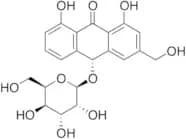
CAS:<p>Applications Casanthranol (cas# 8024-48-4) is a useful research chemical.<br></p>Formula:C21H22O10Colore e forma:NeatPeso molecolare:434.4Limetol
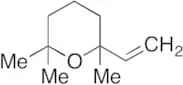
CAS:Prodotto controllato<p>Applications Limetol, is the cyclized derivative of linalool (L465950), melanol, and other unsaturated alcohols, that was shown to give a product mixture that can be used in fragrance and perfumery industry.<br>References Klimánková, E., et al.: Food Chem., 107, 464 (2008); Nakamura, A., et al.: J. Agric. Food Chem., 57, 5480 (2009); Soni, A. et al.: Synth. Comm., 40, 74 (2010);<br></p>Formula:C10H18OColore e forma:NeatPeso molecolare:154.25Diosmetin 7-O-β-D-Glucuronide Sodium Salt
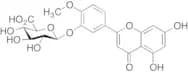
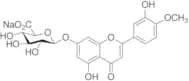
CAS:Prodotto controllato<p>Applications A metabolite of Diosmetin (D485000) isolated and identified from Chrysanthemum morifolium L. v. Ramat leaves.<br>References Porra, R., et al.: Biochem. Biophys Acta, 975, 384 (1989), Watanabe, M., et al.: J. Agric. Food Chem., 47, 4500 (1999),<br></p>Formula:C22H19NaO12Purezza:>85%Colore e forma:NeatPeso molecolare:498.37Spinosin
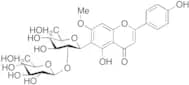
CAS:Prodotto controllato<p>Applications Spinosin is a C-glycoside flavonoid extracted from Zizhiphi Spinozae, improved pentobarbital-induced sleep.<br>References Wang, Li. et al.: Pharm. Biochem. Behav., 90, 399 (2008);<br></p>Formula:C28H32O15Colore e forma:NeatPeso molecolare:608.54Biochanin A
CAS:Prodotto controllato<p>Applications An isoflavone with anticancer proliferation, differentiation and chemopreventitive properties. Inhibits metabolic activation of benzo[a]pyrene.<br>References Chae, Y.H., et al.: Chem. Biol. Interactions, 82, 181 (1992), Jing, Y. and Waxman, S.: Anticancer Res., 15(4), 1147 (1995)<br></p>Formula:C16H12O5Colore e forma:Off-WhitePeso molecolare:284.263-O-Methylfisetin
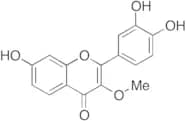
CAS:Prodotto controllato<p>Applications 3-O-Methylfisetin is a flavonoid with antimalarial activity.<br>References Abdalla, M.A., Laatsch, H.: Afr. J. Traditional Complementary Alternative Med., 9, 56 (2012)<br></p>Formula:C16H12O6Colore e forma:Light YellowPeso molecolare:300.263Hegoflavon B
CAS:<p>Please enquire for more information about Hegoflavon B including the price, delivery time and more detailed product information at the technical inquiry form on this page</p>Formula:C30H20O12Purezza:Min. 95%Peso molecolare:572.47 g/molAmpelopsin-3'-O-glucoside
CAS:<p>Ampelopsin-3'-O-glucoside is a flavonoid glycoside, which is a compound derived from various plant sources, including members of the Vitaceae family. This compound is characterized by the attachment of a glucose molecule to the flavonoid ampelopsin, altering its solubility and bioavailability properties. Its mode of action is primarily through its antioxidant activity, involving the scavenging of free radicals and inhibition of oxidative stress pathways. These properties are of significant interest due to their potential in modulating the oxidative status in biological systems.</p>Formula:C21H22O13Purezza:Min. 95%Colore e forma:PowderPeso molecolare:482.39 g/molDaidzein
CAS:<p>Daidzein is an isoflavone compound, which is a type of phytoestrogen primarily sourced from soybeans and other legumes. It exhibits estrogenic activity through its ability to bind to estrogen receptors, albeit with less potency than endogenous estrogens. This selective estrogen receptor modulator (SERM) can mimic or modulate natural estrogen effects in the body, depending on the physiological context.</p>Formula:C15H12O4Purezza:Min. 95%Colore e forma:White PowderPeso molecolare:256.25 g/molEquol-7,4'-dimethyl ether
CAS:Equol-7,4'-dimethyl ether is a bioactive compound, which is an isoflavone derivative. It is primarily sourced from certain plant-based materials through natural biosynthesis or fermentation processes. Its mode of action involves mimicking estrogenic activity, where it exhibits selective affinity for estrogen receptors, particularly ER-beta. This interaction can modulate various biological responses linked to estrogen, which are crucial for understanding its potential therapeutic effects.Formula:C17H18O3Purezza:Min. 95%Peso molecolare:270.32 g/molPodocarpusflavone A
CAS:<p>Podocarpusflavone A is a flavonoid compound, which is a type of polyphenolic molecule. It is isolated from the Podocarpus genus, a source known for yielding bioactive phytochemicals. The mode of action of Podocarpusflavone A involves modulation of various cellular signaling pathways, including antioxidative and anti-inflammatory mechanisms, which can influence cell proliferation and apoptosis.</p>Formula:C31H20O10Purezza:Min. 95%Colore e forma:PowderPeso molecolare:552.48 g/mol3,6,2',4',5'-Pentamethoxyflavone
CAS:<p>3,6,2',4',5'-Pentamethoxyflavone is a flavonoid compound, which is a type of polyphenolic secondary metabolite found in various plants. It is isolated from certain plant species known for their medicinal properties, such as Orthosiphon stamineus. This compound is characterized by the presence of five methoxy groups attached to the flavone backbone, which is thought to significantly influence its biological activity.</p>Formula:C20H20O7Purezza:Min. 95%Peso molecolare:372.37 g/molAlfalone
CAS:Please enquire for more information about Alfalone including the price, delivery time and more detailed product information at the technical inquiry form on this pageFormula:C17H14O5Purezza:Min. 95%Colore e forma:PowderPeso molecolare:298.29 g/molSilymonin
CAS:<p>Silymonin is a herbal supplement, which is derived from the seeds of the milk thistle plant, Silybum marianum. The active components of Silymonin are flavonolignans, collectively known as silymarin. These compounds exhibit potent antioxidant activity by scavenging free radicals and interfering with lipid peroxidation, thereby protecting cellular membranes from oxidative damage. Additionally, Silymonin modulates the expression of genes associated with inflammation and apoptosis, contributing further to its hepatoprotective effects.</p>Formula:C25H22O9Purezza:Min. 95%Colore e forma:PowderPeso molecolare:466.44 g/molDiosmin - 90%
CAS:<p>Phlebotropic drug used in the treatment of venous disease</p>Formula:C28H32O15Purezza:Min. 95%Colore e forma:Yellow PowderPeso molecolare:608.54 g/molKaempferol
CAS:<p>Kaempferol is a naturally occurring flavonoid, which is a type of plant secondary metabolite, prevalent in a variety of fruits, vegetables, and plants such as kale, beans, tea, broccoli, apples, and grapes. It belongs to the class of flavonols, which are compounds that contribute to the pigments of plants. Kaempferol is typically sourced through plant extraction processes and is often found in significant amounts in dietary sources.</p>Formula:C15H10O6Purezza:Min. 95%Colore e forma:Yellow PowderPeso molecolare:286.24 g/mol5,4'-Dihydroxy-6,7,8-trimethoxyflavone
CAS:<p>5,4'-Dihydroxy-6,7,8-trimethoxyflavone is a flavonoid compound, which is derived from various plant sources known for their bioactive properties. This compound is a type of polyphenolic molecule typically found in certain medicinal herbs and plants. Its mode of action involves the modulation of cellular signaling pathways due to its antioxidant properties. It exhibits the ability to scavenge free radicals, thereby protecting cells from oxidative stress. Additionally, it may influence enzyme activity that is crucial for maintaining cellular homeostasis.</p>Formula:C18H16O7Purezza:Min. 95%Peso molecolare:344.32 g/molLupinisoflavone D
CAS:<p>Lupinisoflavone D is a bioactive isoflavone compound, which is derived from natural plant sources, specifically belonging to the lupin species. This compound is meticulously extracted and characterized through advanced chromatographic and spectroscopic techniques, commonly sourced from Lupinus albus or other related legumes, where it is naturally present in small quantities.</p>Formula:C20H18O7Purezza:Min. 95%Peso molecolare:370.35 g/mol(+/-)-Taxifolin
CAS:<p>(+/-)-Taxifolin is a flavonoid compound, which is a type of polyphenolic antioxidant. It is derived primarily from natural sources such as the Siberian larch tree (Larix sibirica), among other plant species. Its mode of action involves the scavenging of free radicals and inhibition of oxidative stress pathways, contributing to reduced cellular damage caused by reactive oxygen species (ROS). Furthermore, taxifolin modulates the activity of various enzymes and receptors involved in inflammatory pathways, thereby exerting anti-inflammatory effects.</p>Formula:C15H12O7Purezza:Min. 95%Colore e forma:PowderPeso molecolare:304.25 g/mol3,6,2'-Trimethoxyflavone
CAS:3,6,2'-Trimethoxyflavone is a synthetic flavonoid compound, which is derived from structural modifications of naturally occurring flavones found in various plants. Flavonoids are a class of polyphenolic compounds known for their diverse biological activities. The synthetic derivation of this compound allows researchers to explore modifications that can enhance or diversify its biological properties.Formula:C18H16O5Purezza:Min. 95%Colore e forma:PowderPeso molecolare:312.32 g/molMyricetin methylether
CAS:<p>Myricetin methylether is a flavonoid derivative, which is a naturally occurring compound structurally related to the primary flavonoid, myricetin. This compound is typically derived from plant sources, where myricetin and its derivatives are commonly found in various fruits, vegetables, and herbs. The primary mode of action of myricetin methylether involves its interaction with cellular oxidative processes and enzyme modulation, which can lead to a variety of biological effects, including antioxidant properties and enzyme inhibition.</p>Formula:C19H18O8Purezza:Min. 95%Colore e forma:Yellow PowderPeso molecolare:374.34 g/mol3,7,8,3'-Tetramethoxyflavone
CAS:<p>3,7,8,3'-Tetramethoxyflavone is a naturally occurring flavonoid compound, which is derived from various plant sources, particularly those in the genus Kaempferia and others known for their rich phytochemical profiles. As a secondary metabolite, it has been studied for its potential pharmacological benefits and biological activities. The mode of action of 3,7,8,3'-Tetramethoxyflavone includes modulation of signaling pathways and interaction with specific enzymes and receptors, contributing to its anti-inflammatory, antioxidant, and potential anticancer properties. Researchers have explored its effects on cellular processes such as apoptosis and cell cycle regulation, making it a compound of interest in drug discovery and development. Additionally, 3,7,8,3'-Tetramethoxyflavone has been investigated for its role in neuroprotection and its capacity to interact with biochemical pathways involved in neurodegenerative diseases. This compound continues to be a focal point in studies aimed at understanding its contributions to health and disease prevention at the molecular level.</p>Formula:C19H18O6Purezza:Min. 95%Colore e forma:PowderPeso molecolare:342.34 g/molIsoglabrone
CAS:<p>Isoglabrone is a flavonoid compound, which is derived primarily from certain plant species known for their medicinal properties. As a plant-derived compound, isoglabrone is part of a broader class of natural products that are the focus of extensive research due to their diverse biological activities. The mode of action of isoglabrone involves the modulation of various signaling pathways, which may include antioxidant, anti-inflammatory, and anticancer activities. These actions are mediated through interactions with cellular receptors and enzyme systems, altering gene expression and cellular responses.</p>Formula:C20H16O5Purezza:Min. 95%Peso molecolare:336.34 g/mol3',4'-Dimethoxyflavone
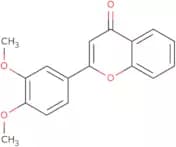
CAS:<p>3',4'-Dimethoxyflavone is a synthetic flavone derivative, which is a type of polyphenolic compound structurally characterized by two methoxy groups attached to the flavone core. This compound is typically sourced through chemical synthesis, as flavones are widespread in nature but often require modification for specific scientific uses. The mode of action of 3',4'-Dimethoxyflavone involves modulation of various biochemical pathways, including potential interactions with cellular enzymes and receptors. This modulation can influence antioxidant and inflammatory responses, among other effects.</p>Formula:C17H14O4Purezza:Min. 95%Colore e forma:PowderPeso molecolare:282.29 g/mol3,7,2'-Trihydroxyflavone
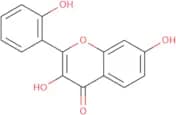
CAS:3,7,2'-Trihydroxyflavone is a naturally occurring flavonoid, which is derived from various plant sources, including fruits, vegetables, and certain herbs. This compound exhibits a significant bioactive profile attributed to its structural characteristics, which include multiple hydroxyl groups. The mode of action of 3,7,2'-Trihydroxyflavone primarily involves its ability to act as a potent antioxidant. This activity is due to its capacity to neutralize free radicals, thereby reducing oxidative stress and contributing to cellular protection.Formula:C15H10O5Purezza:Min. 95%Colore e forma:PowderPeso molecolare:270.24 g/molPicoxystrobin
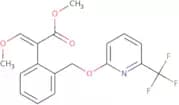
CAS:<p>Picoxystrobin is a strobilurin fungicide, which is derived from natural fungal compounds. This compound is synthesized to mimic the mode of action found in fungi of the Strobilurus species. Picoxystrobin acts by inhibiting mitochondrial respiration in fungal cells. Specifically, it disrupts the electron transport chain by competitively binding to the Qo site of cytochrome b, effectively halting ATP production and leading to cell death.</p>Formula:C18H16F3NO4Purezza:Min. 95%Colore e forma:PowderPeso molecolare:367.32 g/mol4'-Methoxyisoflavone
CAS:<p>4'-Methoxyisoflavone is a synthetic isoflavone derivative, which is typically sourced from laboratory synthesis processes. Its mode of action is primarily believed to involve modulating signaling pathways associated with protein synthesis and muscle tissue enhancement. Chemically distinct from naturally occurring isoflavones found in plants like soy, 4'-Methoxyisoflavone has been the subject of scientific investigation due to its potential effects on muscle growth and athletic performance.</p>Formula:C16H12O3Purezza:Min. 95%Peso molecolare:252.26 g/molCampylosaurone
CAS:Campylosaurone is a synthetic antimicrobial compound, which is derived from chemical synthesis. Its mode of action involves the disruption of bacterial cell wall synthesis, ultimately leading to cell lysis and death. This compound exhibits broad-spectrum activity against a variety of gram-positive and gram-negative bacteria, making it versatile in combating resistant strains.Formula:C30H20O12Purezza:Min. 95%Peso molecolare:572.47 g/mol5,4'-Dimethoxyflavone
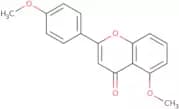
CAS:<p>5,4'-Dimethoxyflavone is a synthetic flavone, which is derived from modifications to the natural flavonoid backbone found in various plant sources, particularly within the family of citrus fruits. This compound acts primarily by modulating multiple cellular pathways, including those involved in oxidative stress and signal transduction, thereby influencing apoptotic and cell proliferation processes.</p>Formula:C17H14O4Purezza:Min. 95%Colore e forma:PowderPeso molecolare:282.29 g/mol