Prodotti naturali e sostanze fitochimiche per origine botanica
I prodotti naturali e i fitochimici derivati dalle piante sono preziosi per le loro proprietà terapeutiche e attività biologiche. Questi composti sono essenziali per la ricerca in farmacologia, biochimica e chimica dei prodotti naturali. Forniscono informazioni sui benefici medicinali delle piante e supportano lo sviluppo di nuovi farmaci e integratori alimentari. Presso CymitQuimica, offriamo una vasta gamma di prodotti naturali e fitochimici per sostenere la vostra ricerca.
Sottocategorie di "Prodotti naturali e sostanze fitochimiche per origine botanica"
- Acacia catechu (L.f.) Willci.(1 prodotti)
- Aconitum(49 prodotti)
- Aconitum carmichaelii Debx.(27 prodotti)
- Acorus tatarinowii Schott(5 prodotti)
- Sperma di Esculi(11 prodotti)
- Agave sisalana Perr. ex Engelm.(1 prodotti)
- Ajuga decumbens Thunb.(1 prodotti)
- Aloe(19 prodotti)
- Alpinia katsumadai Hayata(2 prodotti)
- Alpinia officinarum Hance(3 prodotti)
- Alpinia oxyphylla Miq.(1 prodotti)
- Ampelopsis grossedentata (Hand.-Mazz.) W.T.Wang(2 prodotti)
- Anemarrhena asphodeloides Bge.(12 prodotti)
- Anemcme raddeana Regel(2 prodotti)
- Angelicae sinensis Radix(5 prodotti)
- Apium graveolens L.(5 prodotti)
- Aralia chinensis L(5 prodotti)
- Arctium lappa L.(3 prodotti)
- Ardisia crispa(1 prodotti)
- Aristolochia manshuriensis(8 prodotti)
- Arnebiae radix(10 prodotti)
- Artemisia annua L.(5 prodotti)
- Artemisia argyi Levl.et Vant.(2 prodotti)
- Artemisia scoparia Waldst.et Kit.(1 prodotti)
- Ashwagandha(4 prodotti)
- Astragali radix(18 prodotti)
- Atractylodes Lancea (Thunb.) DC.(5 prodotti)
- Aucklandia lappa Decne.(2 prodotti)
- Aurantii fructus immaturus(20 prodotti)
- Azadirachta indica(1 prodotti)
- Bacopa monnieri (L.) Wettst.(6 prodotti)
- Berberidis radix(1 prodotti)
- Berberis thunbergii DC.(1 prodotti)
- Betula platyphylla Suk.(7 prodotti)
- Riso nero(2 prodotti)
- Tè nero(7 prodotti)
- Fonte botanica(1.459 prodotti)
- Bupleuri Radix(45 prodotti)
- Fitochimici CP(91 prodotti)
- Callicarpa formosana Rolfe(2 prodotti)
- Camellia oleifera Abel.(3 prodotti)
- Camptotheca acuminata.(9 prodotti)
- Capsicum annuum L.(6 prodotti)
- Carpesium abrotanoides(1 prodotti)
- Carthamus tinctorius L.(2 prodotti)
- Catharanthus roseus (L.) G. Don(14 prodotti)
- Centipedae herba(5 prodotti)
- Cephalotaxus fortunei Hook. f.(2 prodotti)
- Chebulae Fructus(1 prodotti)
- Chelidonium majus(5 prodotti)
- Cimicifuga rizoma(11 prodotti)
- Cinnamomum cassia Presl(3 prodotti)
- Cirsium japonicum Fisch.ex DC.(2 prodotti)
- Cistanches herba(9 prodotti)
- Citri grandis exocarpium(1 prodotti)
- Citrus limon (L.) Burm. f.(2 prodotti)
- Citrus reticulata Blanco(7 prodotti)
- Clinopodium chinense(1 prodotti)
- Radice di Glehnia costiera(2 prodotti)
- Caffè Ciliegia(2 prodotti)
- Coicis semen(1 prodotti)
- Coptidis rhizoma(7 prodotti)
- Cornus officinalis Sieb.et Zucc.(1 prodotti)
- Corydalis edulis Maxim.(4 prodotti)
- Corydalis yanhusuo W.T.Wang(6 prodotti)
- Peptidi cosmetici(17 prodotti)
- Crataegi fructus(3 prodotti)
- Crocus sativus L.(2 prodotti)
- Crotalaria pallida Ait.(5 prodotti)
- Cucumis melo L.(12 prodotti)
- Curcuma Longa L.(1 prodotti)
- Curcumae Rhizoma(7 prodotti)
- Curcumae radix(1 prodotti)
- Cyanotis arachnoides C.B.Clarke(2 prodotti)
- Radice di Cyathulae(6 prodotti)
- Cyclocarya paliurus(1 prodotti)
- Cynanchum otophyllum Schneid.(5 prodotti)
- Cynara scolymus foglia(1 prodotti)
- Daphne genkwa Sieb. et Zucc.(2 prodotti)
- Dafne odora(1 prodotti)
- Dendranthema indicum(3 prodotti)
- Dendrobii caulis(1 prodotti)
- Cortex Dictamni(5 prodotti)
- Derris trifoliata(3 prodotti)
- Desmodii styracifolii herba(3 prodotti)
- Dichroae Radix(2 prodotti)
- Dioscorea bulbifera L.(1 prodotti)
- Dioscorea zingiberensis C.H.Wright(1 prodotti)
- Dipsacus asper Wall. ex Henry(2 prodotti)
- Dysosma versipellis(5 prodotti)
- Echinacea purpurea (Linn.) Moench(2 prodotti)
- EcliptaprostrataL.(8 prodotti)
- Edgeworthia chrysantha Lindl.(1 prodotti)
- Eleuterococco senticosus(7 prodotti)
- Engelhardtia roxburghiana Wall.leaf(4 prodotti)
- Epimedii folium(19 prodotti)
- Erigerontis herba(3 prodotti)
- Foglia di eucalipto(2 prodotti)
- Eucommia ulmoides Oliv.(1 prodotti)
- Euodiae fructus(11 prodotti)
- Flavononi(33 prodotti)
- Fordia cauliflora Hemsl.(1 prodotti)
- Forsythia suspensa (Thunb.) Vahl(9 prodotti)
- Ganoderma(7 prodotti)
- Garcinia hanburyi Hook.f.(5 prodotti)
- Garcinia mangostana L.(13 prodotti)
- Gardenia jasminoides Ellis(1 prodotti)
- Gastrodia elata Bl.(2 prodotti)
- Gelsemium elegans(8 prodotti)
- Gentianae radix et rhizoma(2 prodotti)
- Ginkgo biloba L.(2 prodotti)
- Ingredienti del ginkgo(5 prodotti)
- Ingredienti del ginseng(47 prodotti)
- Glicina max(15 prodotti)
- Glycyrrhiza Radix Et Rhizoma(36 prodotti)
- Tè verde(12 prodotti)
- Gymnema sylvestre (Retz.) Schult.(5 prodotti)
- Gypsophila paniculata Linn .(2 prodotti)
- Hedera helix(2 prodotti)
- Hedyotis Diffusae Herba(1 prodotti)
- Helicia nilagirica Bedd.(2 prodotti)
- Erba Acroptili Repentis(1 prodotti)
- Hippophae rhamnoides L.(2 prodotti)
- Houttuynia cordata Thunb.(1 prodotti)
- Humulus lupulus Linn.(6 prodotti)
- Hyoscyamus niger L.(1 prodotti)
- Hypericum japonicum Thunb.(4 prodotti)
- Hypericum perforatum(3 prodotti)
- Ilex cornuta Lindl.ex Paxt.(1 prodotti)
- Ilex rotunda Thunb.(1 prodotti)
- Indaco naturalis(2 prodotti)
- Inula helenium L.(2 prodotti)
- Inulae flos(13 prodotti)
- Radice di Isatis indigotica(2 prodotti)
- Ixeris sonchifolia (Bunge) Hance(4 prodotti)
- Jatropha carcas L.(1 prodotti)
- Kaempferia galanga L.(1 prodotti)
- Kochiae Fructus(1 prodotti)
- Laggerae herba(1 prodotti)
- Laminariae tallo eckloniae tallo(2 prodotti)
- Lamiophlomis herba(1 prodotti)
- Foglia di agrifoglio cinese, foglia di agrifoglio a foglia larga(1 prodotti)
- Leonurus ja ponicus Houtt.(3 prodotti)
- Lepidium meyenii Walp(8 prodotti)
- Lignum Aquilariae Agallochae Resinatum(1 prodotti)
- Ligustrum lucidum Ait.(8 prodotti)
- Ligustrum purpurascens(2 prodotti)
- Lilii Bulbus(7 prodotti)
- Liquidambar formosana Hance(2 prodotti)
- Liriopes radix(4 prodotti)
- Lonicera japonica Thunb.(11 prodotti)
- Lycopi Herba(1 prodotti)
- Macleaya cordata (Willd.) R. Br.(1 prodotti)
- Magnolia liliflora Desr(1 prodotti)
- Magnoliae flos(5 prodotti)
- Magnoliae officinalis cortex(6 prodotti)
- Mahoniae Caulis(5 prodotti)
- Malus Mill.(3 prodotti)
- Medicago Sativa Linn(2 prodotti)
- Menispermum dauricum DC.(10 prodotti)
- Foglia di microcos paniculata(3 prodotti)
- Momordica charantia L(1 prodotti)
- Monascus(6 prodotti)
- Mori radix(5 prodotti)
- Morindae Officinalis Radix(14 prodotti)
- Murraya exotica L.(2 prodotti)
- Myristicae Semen(10 prodotti)
- Nardostachys jatamansi DC.(1 prodotti)
- Nelumbo nucifera Gaertn.(5 prodotti)
- Notopterygii rhizoma et radix(1 prodotti)
- Ophiopogonis Radix(18 prodotti)
- Oroxylum indicum (L.) Vent.(6 prodotti)
- Panax notoginseng(19 prodotti)
- Paridis rhizoma(9 prodotti)
- Guscio di arachide(1 prodotti)
- Peganum harmala L.Seeds(5 prodotti)
- Penthorum chinense Pursh(4 prodotti)
- Perilla frutescem (L.) Britt.(2 prodotti)
- Periploca sepium Bge.(7 prodotti)
- Peucedanum praeruptorum(7 prodotti)
- Phellodendri chinensis cortex(13 prodotti)
- Phyllanthus emblica L.(1 prodotti)
- Phyllanthus niruri Linn.(1 prodotti)
- Phyllanthus urinaria L.(2 prodotti)
- Fitochimici(3.392 prodotti)
- Phytolaccae radix(11 prodotti)
- Piper methysticum Forst(5 prodotti)
- Plantaginis Herba(3 prodotti)
- Platycodon grandiflorus (Jacq.) A.DC.(8 prodotti)
- Pogostemonis herba(1 prodotti)
- Poligala radix(29 prodotti)
- Poria cocos(10 prodotti)
- Potentilla chinensis Ser.(2 prodotti)
- Prunella vulgaris L.(1 prodotti)
- Puerariae lobatae radix(11 prodotti)
- Pulsatilla chinensis (Bunge) Regel(10 prodotti)
- Pyrola calliantha H. Andr.(1 prodotti)
- Quisqualis indica Linn.(1 prodotti)
- Rabdosia amethystoides (Benth.) Hara(2 prodotti)
- Rabdosia japonica (Burm. f.) Hara(1 prodotti)
- Rabdosia rubescens(2 prodotti)
- Farina di semi di colza(8 prodotti)
- Raphanus sativus L.(1 prodotti)
- Rauvolfia verticillata(4 prodotti)
- Rheum tanguticum(3 prodotti)
- Rhodiolae Crenulatae Radixet Rhizoma(7 prodotti)
- Rhododendron dauricum L.(3 prodotti)
- Rhododendron molle G. Don(3 prodotti)
- Radice di Clematis stans(2 prodotti)
- Rosa laevigata Michx.(1 prodotti)
- Pappa reale(1 prodotti)
- Rubus saxatilis L.(1 prodotti)
- Ruscus aculeatus(1 prodotti)
- Saccaridi(18 prodotti)
- Salvia plebeia R. Br.(4 prodotti)
- Salviae Miltiorrhizae Radix et Rhizoma(12 prodotti)
- Sanguisorbae Radix(3 prodotti)
- Santalum album L.(1 prodotti)
- Sarcandra glabra (Thunb.) Nakai(2 prodotti)
- Sargentodoxa cuneata(1 prodotti)
- Sauropus spatulifolius Beille(3 prodotti)
- Scrophularia ningpoensis Hemsl.(8 prodotti)
- Scutellaria barbata D. Don(2 prodotti)
- Scutellariae radix(10 prodotti)
- Selaginellae herba(3 prodotti)
- Senecio scandens Buch.-Ham.(6 prodotti)
- Sesamum indicum L.(2 prodotti)
- Radice di Stemona Sessile(4 prodotti)
- Fructus Xanthii(1 prodotti)
- Siegesbeckia orientalis L.(4 prodotti)
- Sinomenii caulis(3 prodotti)
- Siraitiae fructus(2 prodotti)
- Smilax glabra(2 prodotti)
- Solidago decurrens Lour.(1 prodotti)
- Sophora alopecuroides L(2 prodotti)
- Sophora flavescens Ait.(13 prodotti)
- Sophora japonica L.(6 prodotti)
- Spinacio(2 prodotti)
- Stevia rebaudiana (Bertoni) Hemsl.(2 prodotti)
- Glucosidi di Stibene(8 prodotti)
- Swertia bimaculata(1 prodotti)
- Biblioteca dei composti TCM(507 prodotti)
- Tagetes erecta L(4 prodotti)
- Tagetes patula L.(1 prodotti)
- Taxus chinensis(17 prodotti)
- Thalictrum foliolosum DC.T.cultratum Wall.T. deciternatum Boiv,(2 prodotti)
- Thermopsis lanceolata R.Br.(2 prodotti)
- Tinosporae Radix(1 prodotti)
- Toosendan Fructus(2 prodotti)
- Trachelospermum jasminoides (Lindl.) Lem.(7 prodotti)
- Tribulus terrestris L.(8 prodotti)
- Trigonella foenum-graecum L.(2 prodotti)
- Trillium tschonoskii Maxim.(11 prodotti)
- Tripterygium wilfordii Hook.f.(7 prodotti)
- Trollius chinensis(1 prodotti)
- Turpinia arguta Seem.(1 prodotti)
- Typhae Pollen(7 prodotti)
- Typhonium giganteum Engl.(1 prodotti)
- Usnea diffracta Vain.(2 prodotti)
- Uvaria grandifloraRoxb.(5 prodotti)
- Veratrum nigrum L.(6 prodotti)
- Verbena Officinalis L.(1 prodotti)
- Voacanga africana Staph.(1 prodotti)
- Wikstroemia indica (Linn.) C. A. Mey(1 prodotti)
- Zanthoxyli pericarpium(8 prodotti)
- Zingiber officinale Rose.(1 prodotti)
- Ziziphispinosae semen(5 prodotti)
Mostrare 259 più sottocategorie
Trovati 3750 prodotti di "Prodotti naturali e sostanze fitochimiche per origine botanica"
Ordinare per
Purezza (%)
0
100
|
0
|
50
|
90
|
95
|
100
Rosarin
CAS:Formula:C20H28O10Purezza:≥ 98.0%Colore e forma:White to off-white powderPeso molecolare:428.43Chrysin 7-glucuronide
CAS:Formula:C21H18O10Purezza:≥ 97.5%Colore e forma:Off-white powderPeso molecolare:430.37Narciclasine
CAS:Formula:C14H13NO7Purezza:(HPLC) ≥ 98.0%Colore e forma:White to off-white powderPeso molecolare:307.26Dihydroartemisinin
CAS:Formula:C15H24O5Purezza:(HPLC) ≥ 98.0%Colore e forma:White to off-white powderPeso molecolare:284.35Maslinic acid
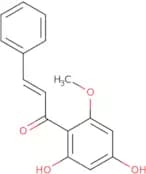
CAS:Formula:C30H48O4Purezza:≥ 98.0%Colore e forma:Off-white powderPeso molecolare:472.70Licochalcone A
CAS:Formula:C21H22O4Purezza:(HPLC) ≥ 98.0%Colore e forma:Conflicting attributes definedPeso molecolare:338.40Rebaudioside A
CAS:Formula:C44H70O23Purezza:≥ 98.0%Colore e forma:White to off-white powderPeso molecolare:967.02Asiatic acid
CAS:Formula:C30H48O5Purezza:≥ 98.0%Colore e forma:White to off-white crystalline powderPeso molecolare:488.70Catechin
CAS:Formula:C15H14O6·xH2OPurezza:≥ 96.0%Colore e forma:White to off-white or faint brown powderPeso molecolare:290.27 (anhydrous)Pellitorine
CAS:Formula:C14H25NOPurezza:≥ 97.0%Colore e forma:Yellow to beige solidPeso molecolare:223.4Carmine (C.I. 75470)
CAS:Purezza:≥ 42.0% (Carminic acid)Colore e forma:Red to dark purple powderPeso molecolare:-Chrysophanol
CAS:Formula:C15H10O4Purezza:≥ 98.0%Colore e forma:Orange to yellow or yellow-brown powder or crystalsPeso molecolare:254.24Nobiletin, 98%
CAS:Formula:C21H22O8Purezza:≥ 98.0%Colore e forma:White, off-white or light-yellow powderPeso molecolare:402.39Asiaticoside
CAS:Formula:C48H78O19Purezza:(NMR) ≥ 95.0%Colore e forma:White to off-white powderPeso molecolare:959.12Wogonin
CAS:Formula:C16H12O5·xH2OPurezza:≥ 98.0%Colore e forma:Yellow powderPeso molecolare:284.26 (anhydrous)Gracillin
CAS:Formula:C45H72O17Purezza:(HPLC) ≥ 98.0%Colore e forma:White to off-white powder or solidPeso molecolare:885.05Glabridin
CAS:Formula:C20H20O4Purezza:≥ 98.0%Colore e forma:White, off-white or pale yellow-brown powderPeso molecolare:324.37Bornyl acetate
CAS:Formula:C12H20O2Purezza:≥ 90.0%Colore e forma:Clear, colourless to pale yellow liquidPeso molecolare:196.29Arctiin
CAS:Formula:C27H34O11Purezza:≥ 98.0%Colore e forma:White to off-white powderPeso molecolare:534.55Hypericin
CAS:Formula:C30H16O8Purezza:≥ 98.0%Colore e forma:Blue or black powderPeso molecolare:504.44Corticosterone
CAS:Formula:C21H30O4Purezza:≥ 97.0%Colore e forma:White to off-white powderPeso molecolare:346.46Gambogic acid
CAS:Formula:C38H44O8Purezza:≥ 98.0%Colore e forma:Yellow to orange powderPeso molecolare:628.75Capsaicin, natural
CAS:Formula:C18H27NO3Purezza:≥ 55.0%Colore e forma:White, off-white or pale beige crystalline powderPeso molecolare:305.41Withaferin A
CAS:Formula:C28H38O6Purezza:≥ 95.0%Colore e forma:White to light yellow powderPeso molecolare:470.61L-Carnitine, USP grade
CAS:Formula:C7H15NO3Purezza:D-carnitine: ≤ 0.2%Colore e forma:White crystalline powderPeso molecolare:161.20Ajmalicine
CAS:Formula:C21H24N2O3Purezza:≥ 98.0%Colore e forma:White to off-white solidPeso molecolare:352.43Cynaropicrin
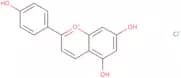
CAS:Formula:C19H22O6Purezza:≥ 97.0%Colore e forma:White to beige powderPeso molecolare:346.38Cyanidin 3-O-Rutinoside (75%)
CAS:Prodotto controllato<p>Applications Cyanidin 3-O-Rutinoside retards absorption of carbohydrates by inhibition of α-glucosidase which may be useful as a potential inhibitor for prevention and treatment of diabetes mellitus.<br>References Raptis, S., et al.: Exp Clin Endocrinol Diabetes 2001, 109, S265,,Ceriello, A; Diabetes 2005, 54, 1,,Chiasson, J; Endocr Pract 2006, 12, 25,,,Misra, A; J Clin Endocrinol Metab 2008, 93, S9<br></p>Formula:C27H31O15·ClPurezza:75%Colore e forma:NeatPeso molecolare:630.98Xanthotoxol
CAS:Prodotto controllato<p>Applications A hydroxylated psoralen that inhibits neutrophil infiltration and brain edema induced by focal cerebral ischemia-reperfusion injury in rats. A potentially useful antiarrhythmic agent. It has been shown to be effective in the prevention of ventricular fibrillation of mice induced by chloroform, of rats induced by calcium chloride, and in treatment of rat arrhythmia induced by aconitine. Recent studies show that it may also have antioxidant and anticancer activities.<br>References Lian, Q. et al.: Zhongcaoyao, 27, 347 (1996); He, W. et al.: Zhong. Yao. Tong., 25, 668 (2009); Prasad, K.N. et al.: Food Chem., 118, 62 (2009);<br></p>Formula:C11H6O4Colore e forma:NeatPeso molecolare:202.164-O-b-D-Glucosyl-5-O-methyllvisamminol
CAS:Prodotto controllato<p>Applications 4-O-β-D-Glucosyl-5-O-methyllvisamminol is a novel epigenetic suppressor of histone H3 phosphorylation. Potent anti-inflammatory and anti-carcinogenic agent.<br>References Kang, J. et al.: Bioorg. Med. Chem. Lett., 24, 4763 (2014); Kong, X. et al.: J. Ethnopharm., 148, 842 (2013);<br></p>Formula:C22H28O10Colore e forma:NeatPeso molecolare:452.454-O-β-Glucopyranosyl-cis-coumaric alphacid (>80%)
CAS:Prodotto controllatoFormula:C15H18O8Purezza:>80%Colore e forma:BeigePeso molecolare:326.3Morusin
CAS:Prodotto controllato<p>Stability Light Sensitive<br>Applications Morusin is an inhibitor of human cervical cancer stem cell growth, attenuating NF-kB activity, and initiating apoptosis.<br>References Wang, L. et al.: Mol. Cell. Biochem., 379, 7 (2013);<br></p>Formula:C25H24O6Colore e forma:NeatPeso molecolare:420.45Limetol
CAS:Prodotto controllato<p>Applications Limetol, is the cyclized derivative of linalool (L465950), melanol, and other unsaturated alcohols, that was shown to give a product mixture that can be used in fragrance and perfumery industry.<br>References Klimánková, E., et al.: Food Chem., 107, 464 (2008); Nakamura, A., et al.: J. Agric. Food Chem., 57, 5480 (2009); Soni, A. et al.: Synth. Comm., 40, 74 (2010);<br></p>Formula:C10H18OColore e forma:NeatPeso molecolare:154.25Squalene 2,3:22,23-Dioxide
CAS:Prodotto controllato<p>Applications Squalene 2,3:22,23-Dioxide is formed from the epoxidation of 2,3-oxidosqualene, by squalene epoxidase. Squalene 2,3:22,23-Dioxide is accumulated intracellularly during the inhibition of cholesterol biosynthesis in Chinese hamster ovary cells.<br>References Bai, M.: et al: Biochem. Biophys. Res. Commun., 185, 323 (1992); Chang, T. et al.: J. Biol. Chem., 254, 11258 (1979)<br></p>Formula:C30H50O2Colore e forma:NeatPeso molecolare:442.72Mono-2-ethyl-5-carboxypentyl Terephthalate (MECPTP)
CAS:Formula:C16H20O6Colore e forma:White To Off-WhitePeso molecolare:308.3264Lanosterol (Technical Grade)
CAS:Prodotto controllato<p>Applications Lanosterol is a sterol cholesterol precursor that maintains a stable concentration in the cortex of rats during aging however concentrations of Lanosterol increases in the liver during aging. Lanosterol is found in Mushroom Inonotus obliquus (I.obliquus) which is known to have anti-inflammatory and anticancer properties.<br>References Smiljanic, K., et. al.: Lipids, 48, 1069 (2013); Ma, L., et. al.: Food Chem., 139, 503 (2013)<br></p>Formula:C30H50OColore e forma:NeatPeso molecolare:426.72Palmatine Chloride
CAS:Prodotto controllato<p>Applications Palmatine Chloride is a protoberberine alkaloid, as a potential anti-inflammatory and anti-hypertensive agent.<br>References Bhadra, K. et al.: Med. Res. Rev., 31, 821 (2011)<br></p>Formula:C21H22NO4·ClColore e forma:NeatPeso molecolare:387.86Chelerythrine Chloride
CAS:<p>Stability Hygroscopic<br>Applications Chelerythrine Chloride is a cell permeable protein kinase C (PKC) inhibitor.<br>References Song, L., et. al.: Brain Res., 1564, 52 (2014)<br></p>Formula:C21H18NO4·ClColore e forma:YellowPeso molecolare:383.82Withanolide A
CAS:Prodotto controllato<p>Applications Withanolide A, is a neuritogenic steroid. It may act as deterrent for feeding insect larva and other herbivores. Withaferin A, causes activation of Notch2 and Notch4 in human breast cancer cells, and thus used as novel anticancer agents.<br>References Liffert, R., et al.: Chemical Science, 4, 2851 (2013); Lee. J., et al.: Breast Cancer, Res. treat., 136, 45 (2012);<br></p>Formula:C28H38O6Colore e forma:NeatPeso molecolare:470.60Madecassic Acid
CAS:Prodotto controllato<p>Applications Madecassic Acid is a terpenoid with an ursane skeleton isolated from Centella asiatica. Madecassic Acid displays anti-inflammatory properties as a result of iNOS, COX-2, TNF-alpha, IL-1beta, and IL-6 inhibition via the downregulation of NF-kappaB activation in RAW 264.7 macrophage cells. Madecassic Acid is found in cosmetic products due to its skin-protective activities.<br>References Wonh, J.H. et al.: Planta Med., 76, 251 (2010); Kwon, M.C. et al.: J. Biotechnol., 157, 100 (2012); Loiseau, A. et al.: Cosm. Toil., 115, 63 (2000);<br></p>Formula:C30H48O6Purezza:97%Colore e forma:NeatPeso molecolare:504.702-(Hydroxymethyl)butanoic Acid
CAS:Prodotto controllato<p>Applications 2-(Hydroxymethyl)butanoic Acid was used as a substrate to study the activity of 2-methyl-3hydroxybutyryl-CoA dehydrogenase deficiency in patients and carriers.<br>References Garcia-Villoria., J., et al.: Clin. Biochem., 42, 27 (2009);<br></p>Formula:C5H10O3Colore e forma:NeatPeso molecolare:118.13Levopimaric Acid
CAS:Prodotto controllato<p>Stability Air Sensitive<br>Applications Levopimaric Acid is a major component of pine oleoresin. It is an abietane-type of diterpene resin acid and has antibacterial, cardiovascular, and antioxidant properties.<br>References Kersten, P. J., et al.: J. Chem. Ecol., 32(12), 2679-85 (2006)<br></p>Formula:C20H30O2Colore e forma:White To Off-WhitePeso molecolare:302.45Stachydrine Chloride
CAS:Prodotto controllato<p>Stability Hygroscopic<br>Applications Stachydrine Chloride is a constituent of the Chinese herb leonurus heterophyllus sweet. its used in clinics to support blood circulation and dispel blood stasis.<br>References Yin, J. et al.: Am. J. Chin. Med., 38, 157 (2010); Servillo, L. et al.: J. Cell. Biochem., 114, 2522 (2013);<br></p>Formula:C7H14NO2·ClColore e forma:Off-WhitePeso molecolare:179.64JHSB3 , approximately 80%
CAS:Prodotto controllato<p>Applications JHSB3 is an acyclic sesquiterpenoid that regulates many aspects of insect physiology. Juvenile Hormone regulate development, reproduction, diapause, and polyphenisms.<br>References Kotaki, T., et al.: Org. Let., 11, 5234 (2009); Riddiford, L.: Adv. Insect Physiol., 24, 213 (1994); Wyatt, G., Davey, K.: Adv. Insect Physiol., 26, 1 (1996); Nijhout, H.: Insect Hormones (Princeton Univ. Press, Princeton) (1994)<br></p>Formula:C16H26O4Purezza:80%Colore e forma:NeatPeso molecolare:282.38Isopimaric Acid
CAS:Prodotto controllato<p>Applications A potent novel activators of large-conductance Ca2+-activated K+ channel.<br> Not a dangerous good if item is equal to or less than 1g/ml and there is less than 100g/ml in the package<br>References Imaizumei, Y. et al.: Mol. Pharmacol., 62, 836 (2002); Chang, S. et al.: AM. J. Physiol., 298, F1416 (2010);<br></p>Formula:C20H30O2Purezza:>90%Colore e forma:Off-WhitePeso molecolare:302.453-Acetyl-11-keto-β-boswellic Acid
CAS:Prodotto controllatoFormula:C32H48O5Colore e forma:WhitePeso molecolare:512.724-(4-Hydroxybutyl)benzoic Acid Methyl Ester
CAS:Prodotto controllato<p>Applications 4-(4-Hydroxybutyl)benzoic Acid Methyl Ester is a benzoic acid derivative used in the preparation of yrrolo[2,3-d]pyrimidine-based antitumor agents as well as other biologically active compounds.<br>References Barnett, C.J. et al.: Org. Proc. Res. Dev., 3, 184 (1999); Zhao, D. et al.: Zhong. Yao. Huax. Zaz., 18, 445 (2008);<br></p>Formula:C12H16O3Colore e forma:NeatPeso molecolare:208.25Sinapine Chloride
CAS:Prodotto controllato<p>Applications Sinapine, is an alkaloidal amine found in black mustard seeds. It is the choline ester of Sinapic Acid (S486800).It is also a phenolic-chloine conjugates, acting as anti-oxidants and acetylcholinesterase inhibitors, that can be used for the treatment of Alzheimer’s disease (AD).<br>References Tzagoloff, A., et al.: plant Physiology, 38, 202 (1963); Karvela, E., et al.: Food Chem., 110, 263 (2008),<br></p>Formula:C16H24ClNO5Colore e forma:NeatPeso molecolare:345.82Spinosin
CAS:Prodotto controllato<p>Applications Spinosin is a C-glycoside flavonoid extracted from Zizhiphi Spinozae, improved pentobarbital-induced sleep.<br>References Wang, Li. et al.: Pharm. Biochem. Behav., 90, 399 (2008);<br></p>Formula:C28H32O15Colore e forma:NeatPeso molecolare:608.545-δ-Hydroxybutylhydantoin
CAS:<p>5-delta-Hydroxybutylhydantoin is a specialized chemical compound, classified within the category of hydantoins. Derived synthetically, it is designed to interact at a molecular level, offering unique properties through its hydroxy functionality, which can participate in hydrogen bonding and alter physical properties in complex systems.</p>Formula:C7H12N2O3Purezza:Min. 95%Peso molecolare:172.18 g/molRotenonone
CAS:<p>Rotenone is an insecticide and piscicide, which is derived from the roots of several plant species, specifically those belonging to the genera *Derris* and *Lonchocarpus*. It functions by inhibiting the electron transport chain in mitochondria, specifically targeting complex I (NADH:ubiquinone oxidoreductase). This disruption of cellular respiration halts ATP production, which ultimately leads to cell death.</p>Formula:C23H18O7Purezza:Min. 95%Colore e forma:PowderPeso molecolare:406.38 g/molJaceosidin
CAS:<p>Jaceosidin is a flavonoid compound, which is derived from various plant species, notably those belonging to the genus Artemisia. This naturally occurring product is known for its diverse pharmacological effects, primarily due to its polyphenolic structure, which allows it to scavenge free radicals and modulate cell signaling pathways. The mode of action of jaceosidin involves inhibition of pro-inflammatory cytokine production and modulation of key signaling pathways such as NF-κB and MAPK. Additionally, it exhibits cytoprotective effects by enhancing the activity of antioxidant enzymes.</p>Formula:C17H14O7Purezza:Min. 98 Area-%Colore e forma:PowderPeso molecolare:330.29 g/mol[(1aR, 2S, 2aR, 6aS, 7aR) - Decahydro- 1a, 2a, 6, 6- tetramethyl- 7- oxonaphth[2, 3- b] oxiren- 2- yl] -hexadecanoic acid methyl est er
CAS:<p>Please enquire for more information about [(1aR, 2S, 2aR, 6aS, 7aR) - Decahydro- 1a, 2a, 6, 6- tetramethyl- 7- oxonaphth[2, 3- b] oxiren- 2- yl] -hexadecanoic acid methyl est er including the price, delivery time and more detailed product information at the technical inquiry form on this page</p>Formula:C31H54O4Purezza:Min. 95%Peso molecolare:490.76 g/molL-(+)-Cystathionine
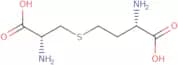
CAS:<p>L-(+)-Cystathionine is a naturally occurring amino acid derivative, which is an intermediate in the metabolic pathway of homocysteine to cysteine. It is primarily found in various metabolic processes within the human body and other organisms, indicating its endogenous origin.</p>Formula:C7H14N2O4SPurezza:Min. 98 Area-%Colore e forma:White PowderPeso molecolare:222.26 g/molAnemonin
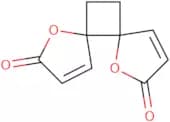
CAS:<p>Dimerization product of the toxin protoanemonin; antispasmodic properties</p>Formula:C10H8O4Purezza:Min. 95%Colore e forma:White PowderPeso molecolare:192.17 g/molDehydrocavidine
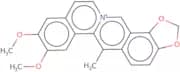
CAS:<p>Dehydrocavidine is an alkaloid compound, which is a naturally occurring organic molecule isolated from the root of the Corydalis plant, particularly found in Corydalis turtschaninovii and related species. Its mode of action primarily involves a variety of pharmacological pathways, including modulation of neurotransmitter systems and inhibition of specific enzyme activities. Dehydrocavidine has shown significant activity in influencing central nervous system processes, as well as exhibiting anti-inflammatory and anti-cancer properties.</p>Formula:C21H20NO4Purezza:Min. 95%Colore e forma:PowderPeso molecolare:348.37 g/molAscorbigen
CAS:<p>Ascorbigen is a bioactive compound, which is a naturally occurring glucosinolate breakdown product found in cruciferous vegetables such as broccoli, Brussels sprouts, and cabbage. It is formed through the enzymatic interaction of vitamin C and glucobrassicin during food processing or digestion. Ascorbigen’s mode of action involves its potential to modulate biochemical pathways related to antioxidative stress and cellular detoxification. This compound is believed to influence the expression of various detoxifying and antioxidant enzymes, contributing to its beneficial effects on cellular health.</p>Formula:C15H15NO6Purezza:Min. 95%Colore e forma:White PowderPeso molecolare:305.28 g/molDehydromillettone
CAS:<p>Dehydromillettone is a naturally occurring rotenoid, which is a type of isoflavonoid compound. It is primarily sourced from the roots or stems of plants within the legume family, specifically from Millettia species. The mode of action of dehydromillettone involves its interaction with neurotransmitter pathways, where it exhibits inhibitory effects on certain neurotransmitter receptors, leading to potential neuromodulatory outcomes.</p>Formula:C22H16O6Purezza:Min. 95%Peso molecolare:376.36 g/molb-D-Galactosylsphingosine - Synthetic
CAS:<p>Krabbe disease marker</p>Formula:C24H47NO7Purezza:Min. 98 Area-%Colore e forma:PowderPeso molecolare:461.63 g/molFalcarindiol
CAS:<p>Falcarindiol is a naturally occurring polyacetylene, which is predominantly found in several species of the Apiaceae family, including carrots and related plants. As a secondary metabolite, it is primarily extracted from these plant sources where it serves as a natural defense compound against pathogens.</p>Formula:C17H24O2Purezza:Min. 98 Area-%Colore e forma:Brown Clear LiquidPeso molecolare:260.37 g/mol2,4,6-Trihydroxy-3',4'-methylenedioxydesoxybenzoin
CAS:<p>2,4,6-Trihydroxy-3',4'-methylenedioxydesoxybenzoin is a naturally occurring benzoin derivative, typically found in certain plant species. This compound is primarily derived from plants known for their rich phenolic content, such as Rhododendron species and other related taxa. Its molecular structure is characterized by multiple hydroxyl groups and a methylenedioxy bridge, contributing to its biochemical activity.</p>Formula:C15H12O6Purezza:Min. 95%Peso molecolare:288.25 g/molCalystegine B3
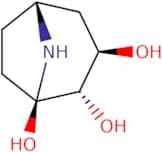
CAS:<p>Calystegine B3 is a potent glycosidase inhibitor, which is a naturally occurring alkaloid isolated primarily from certain plant species within the Solanaceae family. As an iminosugar, it mimics the structure of monosaccharides, allowing it to interfere effectively with glycosidase enzymes. This mode of action involves binding to the active sites of glycosidases, competitively inhibiting the cleavage of glycosidic bonds in carbohydrates.</p>Formula:C7H13NO4Purezza:Min. 95%Colore e forma:PowderPeso molecolare:175.19 g/molThevetoside
CAS:<p>Thevetoside is a pharmaceutical dosage form of the cardiac glycoside ouabain. It is an inhibitor of fatty acid synthesis and hydrolysis in the liver, which may contribute to its anti-inflammatory properties. Thevetoside has also been shown to bind to protocatechuic acid and inflammatory diseases. This drug has been found to have biological properties that inhibit the growth of cancer cells, including cervical cancer and cancers of the heart and other organs. Thevetoside binds with high affinity to cell membranes, which may be due to its ability to inhibit potassium channels.</p>Purezza:Min. 95%Oleoside dimethylester
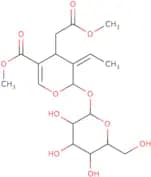
CAS:<p>Oleoside dimethylester is a natural compound derived from oleuropein, a prominent secoiridoid glycoside found in olive leaves and other parts of the olive tree. This compound is a result of the biotransformation processes that occur in the complex metabolism of oleuropein. It is characterized by its potential bioactive properties, which are of interest for various scientific research endeavors.</p>Formula:C18H26O11Purezza:Min. 95%Peso molecolare:418.39 g/molMelicopicene
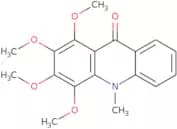
CAS:<p>Melicopicene is a bioactive compound, specifically a natural substance, which is derived from the secretions or metabolic processes of honeybees. This compound exhibits potent antimicrobial properties, acting primarily by disrupting microbial cell walls and interfering with essential enzymatic processes within pathogenic microorganisms. Its mode of action is characterized by the ability to inhibit the growth and proliferation of various bacterial and fungal species effectively.</p>Formula:C18H19NO5Purezza:Min. 95%Peso molecolare:329.35 g/molDimethylmatairesinol
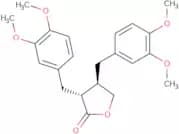
CAS:<p>Dimethylmatairesinol is a naturally occurring lignan derivative, which is predominantly sourced from plant materials such as the bark and heartwood of trees. It serves as a precursor to enterolignans, which are phytoestrogens. These compounds are metabolized by gut microbiota into enterodiol and enterolactone, exerting estrogen-like activity in the human body.</p>Formula:C22H26O6Purezza:(Hplc-Ms) Min. 95 Area-%Colore e forma:White PowderPeso molecolare:386.44 g/molDianellidin
CAS:<p>Dianellidin is an alkaloid compound, which is a bioactive metabolite isolated from a marine sponge. This source is known for producing a wide diversity of unique chemical structures with potential pharmacological activities. Dianellidin's mode of action involves disrupting cellular growth pathways and inducing apoptosis in cancer cells, which may suggest its potential utility in anticancer therapies. This mechanism is still being explored but indicates a promising interaction with critical molecular targets within the cell. Researchers are particularly interested in its application in cancer treatment, due to its selective cytotoxicity against malignant cells while sparing healthy ones. Although still in the investigational stage, dianellidin's unique structure and mode of action provide valuable insights into developing new therapeutic strategies against cancer. Ongoing studies aim to further elucidate these mechanisms and assess the potential for clinical development.</p>Formula:C13H12O3Purezza:Min. 95%Colore e forma:PowderPeso molecolare:216.23 g/molCynisin
CAS:<p>Cynisin is a botanical extract, which is derived from specific plant species known for their antimicrobial compounds. This extract functions by disrupting bacterial cell walls and interfering with microbial DNA replication, leading to the inhibition of bacterial growth and eventual cell death. The mode of action is primarily based on the presence of bioactive compounds such as flavonoids and terpenoids, which are renowned for their ability to compromise microbial integrity through oxidative stress mechanisms.</p>Formula:C20H26O7Purezza:Min. 90 Area-%Colore e forma:White PowderPeso molecolare:378.42 g/molZ-Ligustilide, in acetonitrile
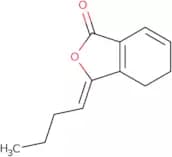
CAS:<p>Z-Ligustilide in acetonitrile is a naturally occurring phytochemical, which is primarily derived from the roots of plants such as Angelica sinensis and Ligusticum chuanxiong. It is an organic compound classified as a volatile phthalide. Its mode of action involves modulating various biochemical pathways, including anti-inflammatory and neuroprotective activities, through mechanisms such as the inhibition of nitric oxide production and the modulation of calcium and reactive oxygen species signaling.</p>Formula:C12H14O2Purezza:Min. 95%Colore e forma:Clear LiquidPeso molecolare:190.24 g/molPipercide
CAS:<p>Pipercide is a synergistic chemical compound, which is a derivative sourced from naturally occurring piperonyl butoxide. It acts by inhibiting the mixed-function oxidase enzymes in target organisms, specifically impacting the metabolic pathways that normally detoxify and deactivate insecticidal compounds. By inhibiting these enzymes, Pipercide enhances the efficacy of various insecticides, allowing for a more potent and prolonged pesticidal action against resistant insect populations.</p>Formula:C22H29NO3Purezza:Min. 95%Peso molecolare:355.47 g/molCurculigoside D
CAS:<p>Natural phenol with activity against β-amyloid aggregation</p>Formula:C22H26O11Purezza:Min. 95%Peso molecolare:466.44 g/molL-Cysteic acid monohydrate
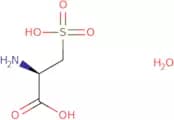
CAS:<p>L-Cysteic acid monohydrate is an amino acid derivative, which is a modified form of L-cysteine. It is formed via the oxidation of the thiol group in cysteine to a sulfonic acid group. This chemical modification influences its biochemical properties and interactions. The compound is synthesized through controlled oxidation processes in the laboratory, offering a pure form for research purposes.</p>Formula:C3H7NO5S·H2OColore e forma:White Off-White PowderPeso molecolare:187.17 g/molSolanesol
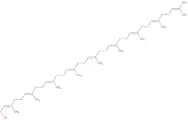
CAS:<p>Solanesol is a naturally occurring polyisoprenoid alcohol, which is derived from the leaves of tobacco plants. As a key intermediate, it has significant importance due to its chemical structure, which consists of numerous isoprene units that confer distinct properties valuable in various biochemical processes.</p>Formula:C45H74OPurezza:Min. 95%Colore e forma:White PowderPeso molecolare:631.07 g/molTanshinone I
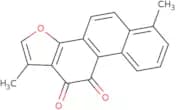
CAS:<p>Tanshinone I is a diterpenoid compound, which is derived from the roots of the traditional Chinese herb Salvia miltiorrhiza, commonly known as Danshen. This bioactive compound exhibits pharmacological actions primarily through its modulatory effects on various biological pathways, including its ability to inhibit the transcription factor NF-κB, resulting in decreased expression of pro-inflammatory cytokines. Additionally, it influences the ROS-mediated pathways, providing protective effects against oxidative stress.</p>Formula:C18H12O3Purezza:Min. 95%Colore e forma:Red PowderPeso molecolare:276.29 g/molIridal
CAS:<p>Iridal is an advanced chromogenic substrate, which is derived from a synthetic organic compound designed specifically for biochemical analysis. It operates through a colorimetric reaction, where it undergoes a visible color change upon interaction with specific enzymes or other biochemical agents. This property makes it particularly useful in a variety of scientific assays.</p>Formula:C30H50O3Purezza:Min. 95%Peso molecolare:458.72 g/molStevioside - min 98%
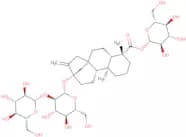
CAS:<p>Stevia glycoside is a natural sweetener found in the medicinal herb Stevia rebaudiana Bertoni. Stevia glycoside is a low calorie, high-intensity sweetener and is up to three hundred times sweeter than sucrose. Due to the sweet taste of Stevia glycoside, it has a high commercial value throughout the world as sugar substitute in medicine, foods products and beverages. The Stevia plant contains also other steviosides, which include: rebaudioside A, rebaudioside D and dulcoside D, all of which are known as Stevia sweeteners (Mathur, 2017).</p>Formula:C38H60O18Purezza:Min. 95%Colore e forma:White Off-White PowderPeso molecolare:804.87 g/molIndirubin
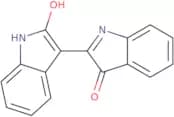
CAS:<p>Phosphorylase kinase inhibitor</p>Formula:C16H10N2O2Purezza:Min. 95%Colore e forma:Purple PowderPeso molecolare:262.26 g/molWedelolactone
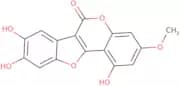
CAS:<p>Wedelolactone is a naturally occurring bioactive compound, classified as a coumestan, which is derived from the plant Eclipta alba, commonly referred to as false daisy. This polyphenolic compound exerts its effects through various modes of action, including inhibition of 5-lipoxygenase and modulation of NF-κB signaling pathways. The inhibition of these pathways suggests its potential role in the regulation of inflammation and cell proliferation.</p>Formula:C16H10O7Purezza:Min. 98 Area-%Colore e forma:PowderPeso molecolare:314.25 g/molPopulin
CAS:<p>Populin or populoside is a derivative of salicin. It is a glycoside that can be found in plant extracts of species such as Populus tremula, Populus nigra or Prunus grayana. This bark extract might have some inhibitory properties on aldose reductase, an enzyme involved in the diabetes. This type of populoside and similar derivatives seems to have antioxidant properties that could to alleviate oxidative stress.</p>Formula:C20H22O8Purezza:Min. 95%Colore e forma:PowderPeso molecolare:390.38 g/molGerambullin
CAS:<p>Gerambullin is a specialized compound, which is isolated from a natural source through advanced extraction techniques. This compound functions primarily by interacting with specific biochemical pathways, modulating enzyme activities, or binding to particular receptors with a high degree of specificity.</p>Formula:C22H31NO4SPurezza:Min. 95%Peso molecolare:405.55 g/molAll-rac-alfa-Tocopherol EP Impurity A - (Mixture of Diastereomers)
CAS:<p>All-rac-alfa-Tocopherol EP Impurity A - (Mixture of Diastereomers) is a reference standard impurity. This product is typically sourced from synthetic processes that aim to replicate minor components potentially found in commercial tocopherol preparations. As a diastereomeric mixture, it serves to represent structural variations that occur during the manufacturing and formulation phases of vitamin E (alfa-tocopherol) products.</p>Formula:C29H50O2Purezza:Min. 95%Peso molecolare:430.71 g/molJasmolin II
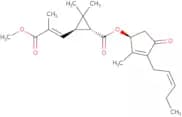
CAS:<p>Jasmolin II is a naturally occurring insecticidal compound extracted from the pyrethrum flowers of Chrysanthemum cinerariifolium. It is classified under the pyrethroid category of insecticides, originating from natural sources known for their potent insecticidal properties. Jasmolin II acts by targeting the nervous system of insects, prolonging the opening of sodium channels, leading to paralysis and eventual death of the pest. This mode of action makes it particularly effective against a wide range of insect pests.</p>Formula:C22H30O5Purezza:Min. 95%Peso molecolare:374.47 g/molMaoecrystal A
CAS:<p>Maoecrystal A is a natural diterpenoid, which is derived from the plant Isodon eriocalyx. It exhibits a complex mode of action, involving disruption of microtubule dynamics and inhibition of cell division, ultimately leading to apoptosis in cancer cells. This mechanism indicates its potential as a novel anticancer compound, particularly in targeting resistant tumor cells.</p>Formula:C22H28O6Purezza:Min. 95%Peso molecolare:388.45 g/molAtranorin
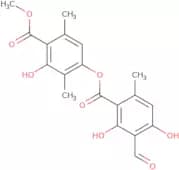
CAS:<p>A secondary lichen metabolite (lichen acid) with depside structure. Present in many lichen families including Cladoniacae, Lecanoraceae, Parmeliaceae and Streocaulacae and extensively studied due to multi-directional biological properties. Found to have significant anti-bacterial activity as well as anti-inflammatory, analgesic and wound healing properties with a good safety profile.</p>Formula:C19H18O8Purezza:Min. 98.00 Area-%Colore e forma:White PowderPeso molecolare:374.34 g/molColumbin
CAS:<p>Please enquire for more information about Columbin including the price, delivery time and more detailed product information at the technical inquiry form on this page</p>Formula:C20H22O6Purezza:Min. 95%Colore e forma:PowderPeso molecolare:358.39 g/molAmethystoidin A
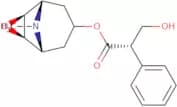
CAS:<p>Amethystoidin A is a natural compound, discovered as a novel secondary metabolite originating from marine sponges. It is derived predominantly from the marine environment, which is a rich source of bioactive compounds known for their unique chemical structures. Amethystoidin A exhibits its mode of action primarily through the modulation of specific cellular pathways, potentially influencing apoptotic and anti-inflammatory processes.</p>Formula:C20H28O5Purezza:Min. 95%Peso molecolare:348.43 g/molScopolamine
CAS:<p>Scopolamine is an anticholinergic medication, which is a tropane alkaloid originating from plant sources, notably species within the Solanaceae family such as Datura and Hyoscyamus. It exerts its effects by competitively inhibiting the binding of acetylcholine to muscarinic receptors in the central and peripheral nervous system. This antagonism reduces the transmission of parasympathetic nerve impulses, leading to decreased peristalsis in the gastrointestinal tract and reduced secretion of bodily fluids.</p>Formula:C17H21NO4Purezza:Min. 95%Colore e forma:White PowderPeso molecolare:303.35 g/molRebaudioside C
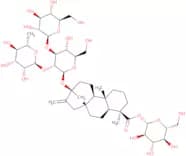
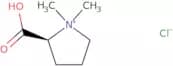
CAS:<p>Rebaudioside C is a steviol glycoside, which is a naturally occurring compound derived from the leaves of the Stevia rebaudiana plant. It functions as a non-nutritive sweetener and is part of a group of similar compounds that are known for their intense sweetness relative to sucrose. The mode of action of Rebaudioside C involves binding to taste receptors on the tongue, mimicking the taste of sugar without providing calories, which makes it an attractive option for low-calorie and sugar-free formulations.</p>Formula:C44H70O22Purezza:Min. 95%Colore e forma:White PowderPeso molecolare:951.01 g/molStachydrine hydrochloride
CAS:<p>Stachydrine hydrochloride is a plant-derived alkaloid, which is primarily extracted from species belonging to the Stachys genus. This compound is known for its varied biological activities and is often investigated for its potential therapeutic applications. The mode of action of stachydrine hydrochloride involves influencing cardiovascular and metabolic pathways, as well as exhibiting anti-inflammatory and antioxidant properties. Its mechanism may include modulation of enzyme activities and signaling pathways linked to cell metabolism.</p>Formula:C7H13NO2•HClPurezza:Min. 95%Colore e forma:White PowderPeso molecolare:179.64 g/molMillettosin
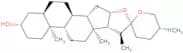
CAS:<p>Millettosin is a flavonoid compound, which is derived from the plant Millettia pachycarpa. This plant source is known for its rich composition of bioactive compounds used in traditional medicine. The mode of action of Millettosin involves modulation of various biological pathways, notably oxidative stress and inflammation, by interfering with certain enzyme activities and signaling pathways, which in turn may influence cellular responses.</p>Formula:C22H18O7Purezza:Min. 95%Peso molecolare:394.37 g/molSmilagenin
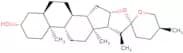
CAS:<p>Smilagenin is a steroidal saponin, which is a naturally occurring compound found in certain plant species, particularly those belonging to the genus Smilax. It acts by interacting with cellular membranes and proteins, modulating biological pathways involved in cellular function and regulation.</p>Formula:C27H44O3Purezza:Min. 95%Colore e forma:White Off-White PowderPeso molecolare:416.64 g/molIsosilybin (isomeric mixture of isosilybin A&B)
CAS:<p>Anti-oxidant; hepatoprotective; anti-cancer; hypocholesterolemic</p>Formula:C25H22O10Purezza:Min. 98 Area-%Colore e forma:White PowderPeso molecolare:482.44 g/molNordihydroguaiaretic acid - mixture of diastereomers
CAS:<p>Nordihydroguaiaretic acid - mixture of diastereomers is a potent antioxidant compound, regarded as a lignan. This compound is primarily sourced from the creosote bush, known scientifically as *Larrea tridentata*. The mode of action of nordihydroguaiaretic acid involves its ability to scavenge free radicals, effectively neutralizing them and thus protecting cellular components from oxidative damage.</p>Formula:C18H22O4Colore e forma:PowderPeso molecolare:302.36 g/molAristolochic acid - Mixture of I and II
CAS:<p>Used in herbal products for gout, arthritis and inflammation; mutagen</p>Formula:C17H11NO7Purezza:Min. 95%Colore e forma:Yellow PowderPeso molecolare:341.27 g/molIsofraxoside
CAS:<p>Isofraxoside is a bioactive compound, which is a natural glycoside derived from the root of certain plant species, particularly those in the Oleaceae family. It exhibits a unique mode of action by interacting with various enzymatic pathways and exhibiting potential anti-inflammatory and antioxidant effects. This interaction is crucial for its role in modulating cellular processes and influencing biological responses.</p>Formula:C16H18O10Purezza:Min. 95%Peso molecolare:370.31 g/molTrifoliol
CAS:<p>Please enquire for more information about Trifoliol including the price, delivery time and more detailed product information at the technical inquiry form on this page</p>Formula:C16H10O6Purezza:Min. 95%Peso molecolare:298.25 g/molPhyllanthin
CAS:<p>Phyllanthin is a bioactive lignan compound derived from the plant Phyllanthus amarus, a member of the Phyllanthaceae family. This plant is widely distributed in tropical and subtropical regions and is traditionally used in herbal medicine. Phyllanthin functions primarily as a hepatoprotective agent, meaning it contributes to liver health by mitigating oxidative stress and promoting the regeneration of liver cells.</p>Formula:C24H34O6Purezza:Min. 95%Colore e forma:PowderPeso molecolare:418.52 g/molTubeimoside
CAS:<p>Tubeimoside is a saponin-based compound, which is derived from the tuber of the Bolbostemma paniculatum plant, a member of the Cucurbitaceae family. Known for its unique mode of action, Tubeimoside exerts its effects by disrupting cellular membranes and inducing apoptosis in cancer cells. This mechanism makes it a potent agent in targeting malignant cells, primarily by activating caspase pathways and generating reactive oxygen species (ROS) that lead to programmed cell death.</p>Formula:C63H98O29Purezza:Min. 95%Colore e forma:PowderPeso molecolare:1,319.48 g/molOleandrin
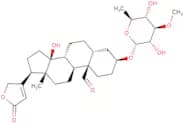
CAS:<p>Oleandrin is a naturally occurring toxic cardiac glycoside, which is a chemical compound extracted from the leaves and stems of the Nerium oleander plant. Its mode of action involves inhibiting the Na+/K+-ATPase pump, leading to an increase in intracellular sodium concentration and a secondary increase in intracellular calcium levels. This cascade of ion movements enhances cardiac contractility and can disrupt regular cardiac rhythm, which is a hallmark of cardiac glycosides.</p>Formula:C32H48O9Purezza:Min. 98 Area-%Colore e forma:PowderPeso molecolare:576.72 g/molApigeninidin chloride
CAS:<p>Apigeninidin chloride is an anthocyanidin compound, which is derived from plant sources such as sorghum and certain flowers. It possesses a distinct reddish-orange hue and is involved in various biological processes due to its polyphenolic structure. The mode of action of apigeninidin chloride includes its capacity to act as an antioxidant, effectively scavenging free radicals and reducing oxidative stress in cellular environments. This activity can mitigate damage to proteins, lipids, and nucleic acids, potentially playing a role in disease prevention and health maintenance.</p>Formula:C15H11ClO4Purezza:Min. 95%Colore e forma:PowderPeso molecolare:290.7 g/molEpigoitrin
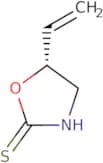
CAS:<p>Epigoitrin is an organic compound, classified as a goitrogen, which is a naturally occurring substance found in certain plants, particularly in the Cruciferae family, including Brassica species like cabbage and turnips. It exerts its biological effects through interference with thyroid hormone synthesis. The mode of action involves the inhibition of iodine uptake by the thyroid gland, which is crucial for the synthesis of thyroid hormones.</p>Formula:C5H7NOSPurezza:Min 98%Colore e forma:PowderPeso molecolare:129.18 g/molCalystegine A3
CAS:<p>Calystegine A3 is a potent polyhydroxylated alkaloid that is primarily isolated from plants belonging to the Convolvulaceae and Solanaceae families. It acts as an inhibitor of glycosidases, which are enzymes involved in the hydrolysis of glycosidic bonds in carbohydrates. By inhibiting these enzymes, Calystegine A3 interferes with the breakdown of complex sugars into simpler forms, impacting various biological processes.</p>Formula:C7H13NO3Purezza:Min. 95%Colore e forma:PowderPeso molecolare:159.18 g/molFrangulin A
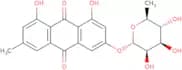
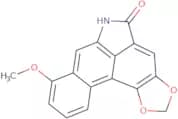
CAS:<p>Frangulin A is an anthraquinone glycoside, which is a naturally occurring compound isolated from the bark of Rhamnus species, such as Rhamnus frangula and Rhamnus purshiana. It is primarily known for its role in the metabolism of anthraquinone derivatives, which are absorbed in the intestine and subsequently converted into active aglycones that exert a laxative effect.</p>Formula:C21H20O9Purezza:Min. 95%Colore e forma:SolidPeso molecolare:416.38 g/molSennoside E
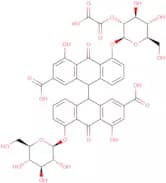
CAS:<p>Sennoside E is a natural laxative, which is a hydroxyanthracene glycoside derived from the Senna plant, primarily found in species like *Senna alexandrina*. It acts as a stimulant laxative through its influence on the colon. The mode of action involves the conversion of sennosides by intestinal bacteria into active metabolites, primarily rhein anthrone, which stimulates colonic motility and decreases fluid absorption, leading to increased movement of stool through the bowels.</p>Formula:C44H38O23Purezza:Min. 95%Peso molecolare:934.76 g/molLeukotriene A4 methyl ester
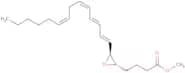
CAS:<p>Leukotriene A4 methyl ester is a specialized biochemical compound, which is a leukotriene derivative, synthesized from arachidonic acid. Leukotrienes are lipid mediators predominantly produced by leukocytes. This compound serves as a stable, methylated analog of Leukotriene A4, facilitating studies related to leukotriene pathways due to its increased stability compared to its non-esterified counterpart.</p>Formula:C21H32O3Purezza:Min. 95%Peso molecolare:332.48 g/molNervonic acid
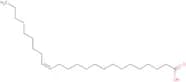
CAS:<p>Nervonic acid is a monounsaturated fatty acid, which is predominantly sourced from natural materials such as plant oils and animal tissues. It serves a critical role in the biosynthesis of nerve cell membranes and is particularly abundant in the white matter of the human brain. Its presence is essential for the formation and maintenance of myelin, the protective covering around nerves, due to its incorporation into sphingolipids, which are integral components of myelin.</p>Formula:C24H46O2Purezza:Min. 95%Colore e forma:White PowderPeso molecolare:366.62 g/molPicroside 2
CAS:<p>Picroside 2 is a natural iridoid glycoside, which is derived from the medicinal plant Picrorhiza kurroa. This bioactive compound is primarily extracted from the roots and rhizomes of the plant, known for its significant therapeutic properties. Picroside 2 functions mainly through its antioxidative and anti-inflammatory mechanisms, offering protection against oxidative stress and mitigating liver damage. By inhibiting various inflammatory mediators and pathways, it contributes to cellular protection and promotes regeneration.</p>Formula:C23H28O13Purezza:Min. 95%Peso molecolare:512.47 g/molSphaerobioside
CAS:<p>Sphaerobioside is a bioactive compound, which is derived from marine microorganisms. These organisms are known for producing a diverse range of novel secondary metabolites with unique structural features and biological activities. The mode of action of Sphaerobioside involves its potent antioxidant properties, achieved through scavenging free radicals and other reactive oxygen species, thereby mitigating oxidative stress at the cellular level.</p>Formula:C27H30O14Purezza:Min. 95%Peso molecolare:578.52 g/molβ-Asarone
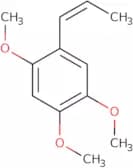
CAS:<p>Beta-Asarone is an organic compound that is a constituent of essential oils found in Acorus species, particularly Acorus calamus. This compound is sourced from the rhizomes of these aquatic plants, which have a long history of use in traditional medicine. Beta-Asarone acts primarily on the central nervous system, exhibiting neuropharmacological effects. Its mode of action involves modulation of neurotransmitter systems, potentially influencing pathways related to cognition and mood.</p>Formula:C12H16O3Colore e forma:PowderPeso molecolare:208.25 g/molGermacrone
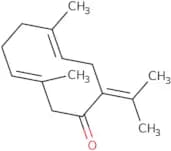
CAS:<p>Germacrone is a bioactive sesquiterpene compound, which is primarily derived from the essential oils of plants belonging to the genus *Curcuma*, such as *Curcuma zedoaria*. It is known for its diverse pharmacological activities. The mode of action of Germacrone involves the modulation of various signaling pathways, including anti-inflammatory and apoptotic pathways. It exhibits effects by inhibiting NF-κB activity, inducing apoptosis, and exerting anti-tumor properties.</p>Formula:C15H22OPurezza:Min. 95%Colore e forma:PowderPeso molecolare:218.33 g/molNotoginsenoside Fc
CAS:<p>Notoginsenoside Fc is a bioactive compound, which is a saponin derived from the roots of Panax notoginseng. This compound is part of the ginsenoside family, known for its diverse pharmacological activities. The mode of action of Notoginsenoside Fc involves modulation of various cellular pathways, including anti-inflammatory and antioxidative mechanisms. It interacts with signaling proteins and enzymes, influencing cellular responses and homeostasis.</p>Formula:C58H98O26Purezza:Min. 95%Colore e forma:PowderPeso molecolare:1,211.38 g/molSerotonin bimaleate
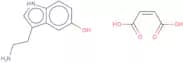
CAS:Prodotto controllato<p>Serotonin bimaleate is a synthetic compound, which is a serotonin salt form. It is derived from the neurotransmitter serotonin, a naturally occurring biochemical in the central nervous system and the gastrointestinal tract. This compound primarily serves as a tool in scientific research rather than a therapeutic agent or supplement.</p>Formula:C14H16N2O5Purezza:Min. 95%Peso molecolare:292.29 g/molPseudobaptisin
CAS:<p>Pseudobaptisin is a natural organic compound that belongs to the class of isoflavones, which is primarily derived from plants, particularly the genus Baptisia. This compound is extracted from the roots and other parts of these plants and is recognized for its intricate chemical structure that exhibits diverse pharmacological activities. The mode of action of pseudobaptisin involves its ability to interact with various enzymatic and cellular pathways, often influencing signal transduction mechanisms and modulating the activity of specific proteins involved in cellular processes.</p>Formula:C28H30O14Purezza:Min. 95%Peso molecolare:590.53 g/molPeruvoside
CAS:<p>Peruvoside is a cardiac glycoside, which is a bioactive compound derived from the plant source Nerium oleander. This compound functions by specifically inhibiting the Na+/K+-ATPase pump, a critical membrane-bound enzyme responsible for maintaining the electrochemical gradient across the cell membrane. By disrupting the function of this pump, peruvoside leads to an increase in intracellular sodium concentration, which indirectly affects calcium ions via the sodium-calcium exchanger mechanism. This results in enhanced cardiac contractility, making peruvoside useful for certain therapeutic applications.</p>Formula:C30H44O9Purezza:Min. 95%Colore e forma:PowderPeso molecolare:548.66 g/mol(+/-)- Enterolactone
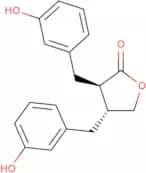
CAS:<p>(+/-)-Enterolactone is a plant-derived lignan metabolite, which is produced by the microbial metabolism of dietary lignans found in seeds, whole grains, vegetables, and fruits. It is a polyphenolic compound that undergoes bioconversion in the human gut, where microbiota transform precursor lignans into this biologically active form.</p>Formula:C18H18O4Purezza:Min. 95%Colore e forma:PowderPeso molecolare:298.33 g/molRetene
CAS:<p>Retene is a naturally occurring aromatic hydrocarbon, which is derived primarily from the degradation of diterpenoids found in conifer resins. Its molecular structure consists of a resin acid framework that undergoes transformation through geological processes and combustion, leading to this stable compound. Retene exhibits unique chemical properties that make it relevant for various analytical and industrial purposes.</p>Formula:C18H18Purezza:Min. 95%Colore e forma:Slightly Yellow PowderPeso molecolare:234.34 g/molShikonin
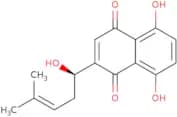
CAS:<p>Shikonin is a natural product from the roots of Lithospermum erythroryzon, used in the Chinese herbal medicine under the name Zicao. Shikonin has a broad spectrum of pharmacological activities with antioxidant, anti-inflammatory, antimicrobial, antithrombotic and anti-tumoral properties. Shikonin also has the ability to inhibit the main protease Mpro from coronaviruses, and inhibit the Mpro protease from SARS-CoV-2 with an IC50 of 15.75 μM.</p>Formula:C16H16O5Purezza:Min. 98 Area-%Colore e forma:PowderPeso molecolare:288.3 g/molHypericin
CAS:<p>Component of medicinal plant Hypericum perforatum (St John's wort). It has multifunctional pharmacological properties such as anti-depressive, anti-neoplastic, anti-tumoral activity. The compound is active against viral infections of herpes simplex virus (HSV-1 and HSV-2), murine cytomegalovirus (CMV) and human immunodeficiency virus (HIV-1). Hypericin is inhibitor of monoaminoxidase enzyme (MAO), protein kinase C (PKC), dopamine-beta-hydroxylase, reverse transcriptase, telomerase and cytochrome P450 (CYP).</p>Formula:C30H16O8Purezza:Min. 98.0 Area-%Colore e forma:PowderPeso molecolare:504.44 g/molCratoxylone
CAS:<p>Cratoxylone is a bioactive compound, which is derived from specific plant sources predominantly found in certain tropical regions. The compound exhibits a complex molecular structure that acts primarily via modulating specific biological pathways associated with inflammation and cellular stress response. Its mode of action involves the inhibition of particular enzyme activities and signaling pathways, which play a critical role in various physiological processes and pathological conditions.</p>Formula:C24H28O7Purezza:Min. 95%Colore e forma:SolidPeso molecolare:428.47 g/molScopoline
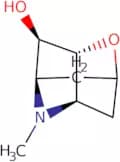
CAS:<p>Scopoline is a natural alkaloid, which is derived from plants of the Solanaceae family, such as henbane and nightshade. This compound is known for its anticholinergic properties, primarily acting as a competitive antagonist at muscarinic acetylcholine receptors. This action leads to the inhibition of the parasympathetic nervous system, resulting in effects such as decreased glandular secretions, relaxation of smooth muscles, and dilation of the pupils.</p>Formula:C8H13NO2Purezza:Min. 95 Area-%Colore e forma:PowderPeso molecolare:155.19 g/mol9,10-Dimethoxycoumestan
<p>9,10-Dimethoxycoumestan is a chemical compound classified as a coumarin derivative, which is a type of aromatic organic compound. Coumarins are found in a variety of plants, where they often serve as secondary metabolites. This particular compound is typically sourced from natural plant extracts, where it can occur either in free form or as glycosidic derivatives.</p>Formula:C17H12O5Purezza:Min. 95%Peso molecolare:296.27 g/molLecanoric acid
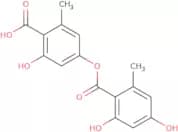
CAS:<p>Lecanoric acid is a naturally occurring compound, classified as a depside, which is derived from lichens. This compound is predominantly found in various lichen species, acting as a secondary metabolite. The mode of action of lecanoric acid involves biochemical interactions at the molecular level, contributing to its potential antimicrobial and antioxidant properties.</p>Formula:C16H14O7Purezza:Min. 95%Colore e forma:PowderPeso molecolare:318.28 g/molDaurisoline
CAS:<p>Daurisoline is an isoquinoline alkaloid, which is a natural compound derived from plants, particularly from the root of Menispermaceae family plants such as Menispermum dauricum. Its mode of action involves interacting with ion channels and receptors, particularly impacting calcium channels, which plays a significant role in its pharmaceutical activity. Daurisoline has been explored for its potential anti-arrhythmic properties, as it affects cardiac conduction by modulating these ion channels. Additionally, it exhibits antioxidant and anti-inflammatory properties, making it a candidate for further exploration in treating cardiovascular diseases.</p>Formula:C37H42N2O6Purezza:Min. 95%Peso molecolare:610.74 g/molSarsapogenin
CAS:<p>Sarsapogenin is a steroidal sapogenin, which is an important aglycone component used in steroid chemistry. It is primarily derived from the roots of certain species of the plant genera Smilax and Anemarrhena. The compound is characterized by its steroidal structure, which serves as a precursor in the synthesis of steroid hormones and pharmacologically active compounds.</p>Formula:C27H44O3Purezza:Min. 95%Colore e forma:PowderPeso molecolare:416.64 g/mol25-O-Acetylcimigenol xyloside
CAS:<p>25-O-Acetylcimigenol xyloside is a triterpenoid glycoside, which is a specialized compound derived from the Cimicifuga species, commonly known as black cohosh. These plants are part of the Ranunculaceae family, renowned for their bioactive constituents used in various traditional and modern applications. Triterpenoid glycosides are known for interacting with biological membranes and influencing signaling pathways due to their complex structures. The compound's mode of action primarily involves modulation of cellular pathways potentially linked to anti-inflammatory, anticancer, or neuroprotective activities. It holds significance in pharmacological research, particularly in elucidating mechanisms underlying immune response modulation, hormonal regulation, and cellular protection. 25-O-Acetylcimigenol xyloside is therefore of considerable interest in the design of therapeutic agents and understanding plant-derived bioactives' structure-activity relationships. Its potential utility spans various scientific disciplines, focusing on the discovery of novel treatment avenues in medicine.</p>Formula:C37H58O10Purezza:Min. 95%Colore e forma:PowderPeso molecolare:662.85 g/molForsythoside B
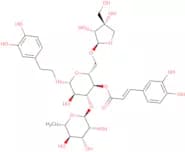
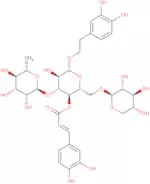
CAS:<p>Forsythoside B is a phenylethanoid glycoside, which is a naturally occurring compound primarily sourced from the Forsythia plant, particularly Forsythia suspensa. This compound is known for its biological activity, including antioxidant and antimicrobial properties. Forsythoside B exerts its effects by scavenging free radicals and inhibiting microbial growth through disruption of cell wall integrity or interference with microbial metabolism.</p>Formula:C34H44O19Purezza:Min. 98 Area-%Colore e forma:White Off-White PowderPeso molecolare:756.7 g/molIsoalantolactone
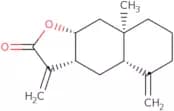
CAS:<p>Isoalantolactone is a sesquiterpene lactone, which is a naturally occurring organic compound. It is derived primarily from the roots of the plant *Inula helenium*, also known as elecampane. The mode of action of isoalantolactone involves its capability to interfere with various biological pathways due to its reactive lactone moiety. This structural feature allows it to engage in Michael reactions with biological nucleophiles, potentially modulating intracellular signaling pathways associated with inflammation, oxidative stress, and apoptosis.</p>Formula:C15H20O2Purezza:Min. 97 Area-%Colore e forma:White PowderPeso molecolare:232.32 g/molResibufogenin
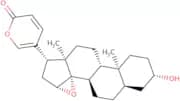
CAS:<p>Resibufogenin is a cardiotonic steroid, which is a natural compound derived from the skin of toads, particularly from the genus Bufo. It is a member of the bufadienolide class of compounds, known for their potent inotropic activities due to their ability to inhibit Na⁺/K⁺-ATPase. This inhibition leads to an increase in intracellular sodium concentrations, which indirectly causes an increase in intracellular calcium through the sodium-calcium exchanger, ultimately enhancing cardiac contractility.</p>Formula:C24H32O4Purezza:Min. 95%Colore e forma:White PowderPeso molecolare:384.51 g/molBruceine D
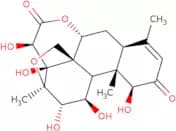
CAS:<p>Bruceine D is a quassinoid compound, which is derived from the seeds of the Brucea javanica plant, known for its medicinal properties. It is predominantly sourced from traditional Chinese medicine where the plant is celebrated for its therapeutic benefits. The mode of action of Bruceine D involves the induction of apoptosis in cancer cells, through the disruption of mitochondrial function and the modulation of multiple cellular signaling pathways.</p>Formula:C20H26O9Purezza:Min. 95%Peso molecolare:410.42 g/molVerproside - 97%
CAS:<p>Suppresses TNF-α/NF-κB pathway in human epithelial cells</p>Formula:C22H26O13Purezza:Min. 97 Area-%Colore e forma:PowderPeso molecolare:498.43 g/molSinalbin
CAS:<p>Sinalbin is a glucosinolate, which is a type of secondary metabolite found in the seeds of the white mustard plant, *Sinapis alba*. It is a naturally occurring compound that, upon being hydrolyzed by the enzyme myrosinase, produces a range of bioactive compounds. These products include isothiocyanates, thiocyanates, and nitriles, which exhibit diverse biological activities.</p>Formula:C16H24NO5·C14H18NO10S2Purezza:Min. 95%Colore e forma:SolidPeso molecolare:734.79 g/molForsythoside F
CAS:<p>Forsythoside F is a natural phenylethanoid glycoside, which is primarily derived from various plant species such as Forsythia suspensa. This compound is a secondary metabolite formed through plant biosynthetic pathways. Its mode of action involves the inhibition of free radical formation, modulation of inflammatory pathways, and the protection of cellular components from oxidative damage.</p>Formula:C34H44O19Purezza:Min. 95%Colore e forma:SolidPeso molecolare:756.7 g/molFumarprotocetraric acid
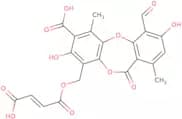
CAS:<p>Fumarprotocetraric acid is a depsidone compound, which is a type of secondary metabolite. This compound is derived primarily from lichen species, where it serves various ecological functions, such as deterring herbivory and microbial attacks due to its bioactive properties. The mode of action of fumarprotocetraric acid includes the ability to interact with biological membranes, potentially disrupting microbial cell walls or modulating enzymatic activities within cells. Its molecular structure allows it to engage in hydrogen bonding and hydrophobic interactions, contributing to its biological efficacy.</p>Formula:C22H16O12Purezza:Min. 95%Colore e forma:PowderPeso molecolare:472.36 g/molMiltirone
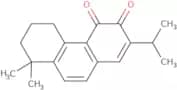
CAS:<p>Miltirone is a diterpenoid quinone compound, which is primarily derived from the root of Salvia miltiorrhiza, a plant traditionally used in Chinese medicine. This compound operates through multiple modes of action, including modulation of signaling pathways and induction of apoptosis in cancer cells. Miltirone's ability to interfere with these cellular processes suggests potential therapeutic applications in oncology, particularly through its interactions with cell cycle regulators and apoptosis-related proteins.</p>Formula:C19H22O2Purezza:Min. 95 Area-%Colore e forma:PowderPeso molecolare:282.38 g/mol8-Gingerol
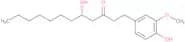
CAS:<p>8-Gingerol is a bioactive compound, which is a phenolic compound primarily found in the rhizome of Zingiber officinale, commonly known as ginger. This compound is a significant constituent of ginger, contributing to its distinct aroma and therapeutic properties.</p>Formula:C19H30O4Purezza:Min. 98 Area-%Colore e forma:Off-White PowderPeso molecolare:322.44 g/molIsodesoxypodophyllotoxin
CAS:<p>Isodesoxypodophyllotoxin is a semisynthetic lignan, which is derived from the natural compound podophyllotoxin. Podophyllotoxin is primarily sourced from the roots and rhizomes of the plant species Podophyllum. Isodesoxypodophyllotoxin’s mode of action involves the inhibition of microtubule formation, which is crucial for cell division processes such as mitosis. By interfering with the microtubule dynamics, it effectively halts the proliferation of rapidly dividing cells.</p>Formula:C22H22O7Purezza:Min. 95%Peso molecolare:398.41 g/molPicroside I
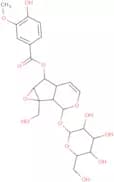
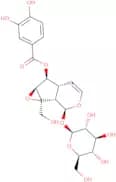
CAS:<p>Picroside I is a naturally occurring iridoid glycoside, which is extracted from the plant Picrorhiza kurroa, commonly found in the Himalayan region. This compound acts primarily through its hepatoprotective and antioxidant properties, intervening in cellular pathways to reduce oxidative stress and inhibit inflammatory mediators. It effectively modulates liver enzymes and stabilizes cell membranes, thus supporting liver health.</p>Formula:C24H28O11Purezza:Min. 95%Colore e forma:PowderPeso molecolare:492.48 g/molCrocetindial
CAS:<p>Crocetindial is a natural compound extracted from the stigmas of the saffron crocus (Crocus sativus). It is derived as an apocarotenoid, a class of organic pigments that play a significant role in various biochemical processes. This compound is characterized by its unique structure, which allows it to potentially act as an antioxidant. Crocetindial's mode of action involves the scavenging of free radicals, thereby mitigating oxidative stress at a cellular level.</p>Formula:C20H24O2Purezza:Min. 95%Colore e forma:Red PowderPeso molecolare:296.4 g/mol(E)-10-Hydroxy-2-decenoic acid
CAS:<p>(E)-10-Hydroxy-2-decenoic acid is a mono-unsaturated fatty acid, which is a key component in royal jelly, a secretion produced by honeybees. It is synthesized within the hypopharyngeal and mandibular glands of worker bees and constitutes a significant portion of the bioactive compounds present in the jelly. The mode of action of (E)-10-Hydroxy-2-decenoic acid involves modulation of gene expression and signaling pathways related to cellular proliferation and differentiation. It exhibits a range of biological activities, including antioxidative, anti-inflammatory, and antimicrobial effects. These properties result from its ability to interact with cellular oxidative states and microbial cell walls, hindering pathogenic growth.</p>Formula:C10H18O3Purezza:Min. 95%Peso molecolare:186.25 g/mol2,4-(1H,3H)-Pteridinedione
CAS:<p>2,4-(1H,3H)-Pteridinedione is a heterocyclic organic compound, which is a synthetic derivative of pteridine found in various natural biochemical pathways. This compound acts primarily by participating in redox reactions due to its unique structural properties that allow electron transfer. Its structure consists of a fused-ring system capable of interconverting between oxidized and reduced states, making it valuable for studying electron transport systems.</p>Formula:C6H4N4O2Purezza:Min. 95%Colore e forma:White PowderPeso molecolare:164.12 g/molIsoxanthopterin
CAS:<p>Isoxanthopterin is a pteridine derivative, which is a type of heterocyclic compound with a bicyclic core structure. It is primarily sourced from biological organisms where it often plays a role in pigmentation and other biochemical processes. As a metabolite, isoxanthopterin participates in the pteridine metabolism pathway, contributing to the biosynthesis and catabolism of folate derivatives.</p>Formula:C6H5N5O2Purezza:Min. 95%Colore e forma:Off-White PowderPeso molecolare:179.14 g/molPolygalic acid
CAS:<p>Polygalic acid is a saponin compound, which is derived from certain plant species, notably from the roots of Polygala. It is a naturally occurring surfactant, known for its ability to interact with cell membranes due to its amphiphilic nature. The mode of action of polygalic acid involves its integration into lipid bilayers, leading to increased membrane permeability. This characteristic impacts the movement of ions and molecules across cellular membranes, facilitating various biochemical processes.</p>Formula:C29H44O6Purezza:Min. 95%Colore e forma:PowderPeso molecolare:488.66 g/mol10-Hydroxycamptothecin
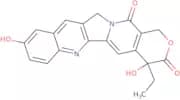
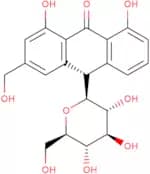
CAS:<p>10-Hydroxycamptothecin is an alkaloid, which is derived from the bark and stem of the Camptotheca acuminata tree, commonly known as the "Happy Tree." This compound is a potent topoisomerase I inhibitor. Its mode of action involves binding to the topoisomerase I-DNA complex, stabilizing it and thus preventing the re-ligation of DNA single-strand breaks. This interruption in the DNA replication process leads to DNA damage, ultimately triggering apoptosis in rapidly dividing cells.</p>Formula:C20H16N2O5Purezza:Min. 95%Colore e forma:PowderPeso molecolare:364.35 g/molAloin, mixture of Aloin A and Aloin B
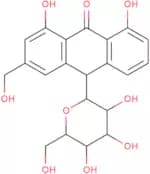
CAS:<p>Aloin is a natural bioactive compound, which is a mixture of two diastereomeric compounds: Aloin A and Aloin B. This substance is derived from the latex of the Aloe plant, primarily Aloe vera and Aloe ferox. Aloin functions by irritating the mucosa of the colon, promoting an increase in peristaltic activity. This enhanced colonic movement facilitates bowel movements, making Aloin a potent anthraquinone laxative.</p>Formula:C21H22O9Purezza:Min. 95%Colore e forma:Yellow PowderPeso molecolare:418.39 g/molAnkaflavin
CAS:<p>Monascus secondary metabolite; a natural novel PPARgamma agonist</p>Formula:C23H30O5Purezza:Min. 98 Area-%Colore e forma:Brown Slightly Yellow Yellow PowderPeso molecolare:386.48 g/molPallasone C
CAS:<p>Pallasone C is a synthetic glucocorticoid, which is chemically derived from naturally occurring corticosteroids. It is designed to mimic the action of cortisol, a hormone produced by the adrenal glands. Pallasone C functions by interacting with the glucocorticoid receptor, modulating gene expression to reduce inflammation and adjust immune responses. By inhibiting pro-inflammatory cytokines and enhancing anti-inflammatory protein synthesis, it effectively mitigates inflammatory processes.</p>Formula:C26H42O4Purezza:Min. 95%Colore e forma:PowderPeso molecolare:418.61 g/molOxyberberin
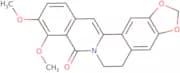
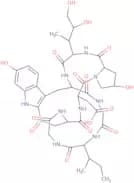
CAS:<p>Oxyberberin is an alkaloid compound, which is isolated from the plant source Berberis species. It exhibits a range of biological activities through its ability to modulate various cellular pathways. Oxyberberin primarily functions by influencing metabolic pathways, showing potential for regulating glucose metabolism and insulin sensitivity. Furthermore, it exhibits antimicrobial activity by disrupting the integrity of bacterial cell walls and inhibiting DNA replication.</p>Formula:C20H17NO5Purezza:Min. 98 Area-%Colore e forma:PowderPeso molecolare:351.35 g/molb-Amanitin
CAS:<p>Cyclic peptide; inhibitor of eukaryotic RNA polymerase II and III</p>Formula:C39H53N9O15SPurezza:Min. 90 Area-%Colore e forma:PowderPeso molecolare:919.96 g/molDaphnin
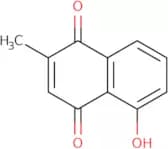
CAS:<p>Daphnin is a naturally occurring compound, specifically a coumarin glycoside, which is derived from several plant sources, including species in the genus Daphne. It exhibits diverse biological activities through its ability to modulate multiple biochemical pathways, including those involved in oxidative stress and inflammation.</p>Formula:C15H16O9Purezza:Min. 95%Colore e forma:PowderPeso molecolare:340.28 g/molPlumbagin
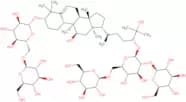
CAS:<p>Plumbagin is a quinonoid compound, which is a secondary metabolite found in the roots of Plumbago species. This compound is characterized by its naphthoquinone structure, which is responsible for its diverse biological activities. Plumbagin exerts its effects primarily through the generation of reactive oxygen species (ROS), modulation of cellular signaling pathways, and inhibition of specific enzyme functions, such as topoisomerases. These actions result in the modulation of cell proliferation, apoptosis, and inflammation, making Plumbagin a compound of interest for various biomedical applications.</p>Formula:C11H8O3Purezza:Min. 95%Colore e forma:Orange PowderPeso molecolare:188.18 g/molMogroside V
CAS:<p>Natural cucurbitane glycoside; low calorie sweetener, tumor growth inhibitor</p>Formula:C60H102O29Purezza:Min. 98 Area-%Colore e forma:White PowderPeso molecolare:1,287.43 g/mol(3R,4R,5R,6R)-3,4,5,6-Tetrahydroxyazepane Hydrochloride
CAS:<p>(3R,4R,5R,6R)-3,4,5,6-Tetrahydroxyazepane Hydrochloride is an azepane derivative compound, often utilized in biochemical and pharmacological research. This compound is synthesized through chemical processes to produce its distinct chirality and structural features. It functions primarily as an inhibitor of glycosidases, a class of enzymes that catalyze the hydrolysis of glycosidic bonds in carbohydrates. By inhibiting these enzymes, the compound disrupts carbohydrate metabolism and processing.</p>Formula:C6H13NO4•HClPurezza:Min. 95%Colore e forma:PowderPeso molecolare:199.63 g/molLysionotin
CAS:<p>Lysionatin is an antimicrobial compound, which is derived from bacterial sources with an inhibitory mode of action. This compound functions by disrupting various cellular processes that can impede the proliferation of pathogenic organisms. Lysionatin exhibits its activity by targeting specific enzymes involved in cell wall synthesis, ultimately leading to cell lysis and death in susceptible bacterial species.</p>Purezza:Min. 95%Peso molecolare:344.32 g/molConcanavalin A
CAS:Prodotto controllato<p>Agglutinates animal cells; activates T lymphocytes</p>Purezza:Min. 95%Colore e forma:White PowderGossypol
CAS:<p>Gossypol is a polyphenolic compound, which is extracted from the seeds, stems, and roots of the cotton plant (Gossypium species). It is a natural phenolic aldehyde that acts by inhibiting several dehydrogenase enzymes, disrupting cellular metabolism. Gossypol forms complexes with free amines, impacting protein functions and cellular integrity.</p>Formula:C30H30O8Purezza:Min. 95%Colore e forma:Brown PowderPeso molecolare:518.55 g/molYamogenin - 70%
CAS:<p>Yamogenin - 70% is a concentrated extract of the steroidal saponin known as yamogenin. It is derived primarily from species of the Dioscorea genus, commonly referred to as wild yams. The extraction process involves isolating the saponin component to achieve a purity level of 70%, making it suitable for specialized applications in scientific research and pharmaceutical development.</p>Formula:C27H42O3Purezza:Min. 70%Colore e forma:PowderPeso molecolare:414.62 g/molDL-Eleagnin
CAS:<p>DL-Eleagnin is a bioactive compound, which is derived from natural plant sources, specifically the Elaeagnus genus known for its medicinal properties. It exhibits significant antioxidant activity, working through mechanisms that involve scavenging free radicals and inhibiting oxidative stress pathways. This compound plays a crucial role in neutralizing reactive oxygen species (ROS), thereby protecting cellular structures from damage and reducing the risk of chronic diseases associated with oxidative stress.</p>Formula:C12H14N2Purezza:Min. 95 Area-%Colore e forma:PowderPeso molecolare:186.25 g/molAloin A
CAS:<p>Aloin A is a natural anthraquinone glycoside compound, which is derived from the latex of Aloe species plants, particularly Aloe vera. This compound exhibits its mode of action primarily through the modulation of enzymatic pathways and cellular receptors, ultimately influencing various biological processes. Aloin A operates by interacting with the gastrointestinal tract, where it impacts bowel motility and fluid secretion, exerting its potent laxative effects.</p>Formula:C21H22O9Purezza:Min. 95%Colore e forma:PowderPeso molecolare:418.39 g/molSyringin
CAS:<p>Syringin is a naturally occurring lignan glycoside, which is predominantly isolated from the bark of the Acanthopanax senticosus, commonly known as Siberian ginseng. This compound is characterized by its glycosidic linkage, where a sugars molecule is attached to a non-sugar moiety.</p>Formula:C17H24O9Purezza:Min. 95%Colore e forma:PowderPeso molecolare:372.37 g/molBelamcandaphenol P
CAS:<p>Belamcandaphenol P is a chemical compound extracted from the plant Belamcanda chinensis, also known as the leopard lily. This product is categorized as a botanical phenolic compound, which is derived from the rhizomes of the plant. Its mode of action is thought to involve the modulation of inflammatory pathways, potentially through the inhibition of specific enzymes and cytokines involved in the inflammatory response.</p>Formula:C25H42O3Purezza:Min. 95%Peso molecolare:390.6 g/molL-Pinitol
CAS:<p>L-Pinitol is a naturally occurring compound categorized as a cyclitol, which is primarily sourced from various plants, especially legumes such as carob and soy. Its action mechanism involves the modulation of insulin signaling pathways, where it functions as an insulin sensitizer. It enhances glucose transport and utilization by mimicking insulin activity in tissues and stimulating the translocation of glucose transporter proteins to the cell membrane.</p>Purezza:Min. 95%Rebaudioside D
CAS:<p>Rebaudioside D is a high-purity steviol glycoside, which is a type of natural sweetener derived from the leaves of the Stevia rebaudiana plant. This compound is part of a family of steviol glycosides, which are responsible for the sweet taste of the Stevia plant. The source of Rebaudioside D is the leaf of the Stevia plant, where it is present in small quantities and extracted using water or alcohol-based methods to isolate the sweet glycosides.</p>Formula:C50H80O28Purezza:Min. 90%Colore e forma:PowderPeso molecolare:1,129.15 g/molAvermectin B1
CAS:<p>Avermectin B1 is an anti-parasitic compound, which is an avermectin naturally derived from the fermentation of the soil-dwelling actinomycete, *Streptomyces avermitilis*. It works primarily through binding to glutamate-gated chloride ion channels in invertebrate nerve and muscle cells, leading to increased permeability to chloride ions. This causes hyperpolarization of the cell membrane, resulting in paralysis and death of the parasite.</p>Formula:C49H74O14Purezza:Min. 90 Area-%Colore e forma:PowderPeso molecolare:887.1 g/molAtractylon
CAS:<p>Atractylon is a water-soluble extract of Cimicifuga foetida that has been shown to induce apoptosis in HL-60 cells. It also inhibits the production of growth factor-β1 and caproic acid, which are important for tumor cell proliferation. Atractylon has synergistic effects with curcuma aromatica and chromatographic analysis, natural compounds, analytical method, toll-like receptor. The active ingredient in atractylon is atractylodes lancea rhizome extract.</p>Formula:C15H20OPurezza:Min. 90 Area-%Colore e forma:White Off-White PowderPeso molecolare:216.32 g/molStylophorin
CAS:<p>Stylophorin is a biochemical agent, which is derived from marine organisms, specifically from the symbiotic bacteria associated with certain marine invertebrates. This compound exhibits its effects through the disruption of bacterial cell walls or inhibition of vital microbial enzymatic pathways, leading to antimicrobial activity.</p>Formula:C20H19NO5Purezza:Min. 95%Colore e forma:PowderPeso molecolare:353.37 g/molCardamonin
CAS:<p>Cardamonin is a natural chalcone, which is a type of aromatic ketone and an unsaturated polyphenolic compound. It is primarily sourced from various plants, particularly from the seeds of Alpinia katsumadai, a member of the Zingiberaceae family. Its mode of action involves modulation of multiple cellular pathways, including inhibition of NF-κB activation, which plays a critical role in inflammatory responses and cancer cell proliferation. Additionally, cardamonin has been shown to interfere with other signaling pathways like MAPK and PI3K/Akt, which are key in regulating cell growth and survival.</p>Formula:C16H14O4Purezza:Min. 95%Colore e forma:Yellow PowderPeso molecolare:270.28 g/molElaidic acid
CAS:<p>Elaidic acid is a trans fatty acid, which is commonly derived from the partial hydrogenation of vegetable oils. Its molecular structure is characterized by a trans double bond, distinguishing it from its cis counterpart, oleic acid. This structural configuration endows elaidic acid with distinctive physicochemical properties, impacting its integration into biological systems.</p>Formula:C18H34O2Purezza:Min. 98 Area-%Colore e forma:PowderPeso molecolare:282.46 g/molAristolactam
CAS:<p>Aristolactam is a naturally occurring alkaloid, which is derived from the Aristolochia genus of plants. This compound belongs to a class of heterocyclic aromatic compounds known for their intricate structures and biological activities. The biosynthesis of aristolactam occurs within plants primarily as a defense mechanism against herbivores and pathogens.</p>Formula:C17H11NO4Purezza:Min. 95%Colore e forma:Yellow SolidPeso molecolare:293.27 g/molBergenin
CAS:<p>Bergenin is a bioactive compound, which is a C-glycoside of 4-O-methyl gallic acid, derived from the medicinal plants of the Saxifragaceae family, such as Bergenia species. This phytochemical is extracted through various chemical and analytical techniques, including solvent extraction and chromatography, to obtain its pure form. Bergenin exhibits a range of biological activities due to its ability to modulate several biochemical pathways.</p>Formula:C14H16O9Purezza:Min. 98 Area-%Colore e forma:PowderPeso molecolare:328.27 g/molSciadopitysin
CAS:<p>Sciadopitysin is a flavonoid compound, which is a bioactive substance, derived from the Japanese umbrella pine, Sciadopitys verticillata. This compound is characterized by its complex chemical structure with multiple potential pharmacological actions. As a natural product isolated from a unique conifer species, Sciadopitysin exhibits various biological activities predominantly through its interaction with cellular systems and pathways.</p>Formula:C33H24O10Purezza:Min. 95%Colore e forma:PowderPeso molecolare:580.54 g/molNeoruscogenin
CAS:<p>Neoruscogenin is a steroidal sapogenin, which is primarily derived from the roots of Ruscus aculeatus, commonly known as butcher's broom. This natural compound is characterized by its complex structure, which is composed of a sapogenin backbone, contributing to its biological activities.</p>Formula:C27H40O4Purezza:Min. 95%Colore e forma:White PowderPeso molecolare:428.62 g/molGastrodin
CAS:<p>Gastrodin is a biochemical compound, classified as a glucoside, derived primarily from the root of Gastrodia elata, an orchid native to East Asia. It is typically obtained through extraction and purification processes from this natural plant source.</p>Formula:C13H18O7Purezza:Min. 95%Colore e forma:White PowderPeso molecolare:286.28 g/molChetocin
CAS:<p>Chetocin is a fungal secondary metabolite, which is a small molecule derived from sources such as Aspergillus and Chaetomium species. With a notable epigenetic mode of action, Chetocin functions as an inhibitor of histone demethylase enzymes, specifically targeting the Jumonji C (JmjC) domain-containing histone demethylases. This inhibition leads to the accumulation of methylated histones, thereby affecting chromatin structure and gene expression.</p>Formula:C30H28N6O6S4Purezza:Min. 95 Area-%Colore e forma:Yellow PowderPeso molecolare:696.84 g/molAnhydropisatin
CAS:<p>Anhydropisatin is a synthetic compound, which acts as a derivative of pisatin, a phytoalexin originally isolated from plants such as garden peas (Pisum sativum). The mode of action of Anhydropisatin involves disrupting the cell wall integrity of fungi, inhibiting their growth and spread. Its antifungal properties are primarily attributed to its ability to interfere with the synthesis of key structural components within fungal cells.</p>Formula:C17H12O5Purezza:Min. 95%Peso molecolare:296.27 g/molRebaudioside A
CAS:<p>Rebaudioside A is a steviol glycoside, which is a type of natural sweetener. It is derived from the leaves of the Stevia rebaudiana plant, a shrub native to South America. The mode of action of Rebaudioside A involves binding to taste receptors on the tongue, where it elicits a sweet taste without contributing calories, as it is not metabolized by the human body.</p>Formula:C44H70O23Purezza:Min. 95%Colore e forma:White Off-White PowderPeso molecolare:967.01 g/molHaematoporphyrin
CAS:<p>Haematoporphyrin is a photosensitizing compound derived from heme, which has been modified to enhance its photophysical properties. It interacts with biological tissues through a mechanism involving the production of reactive oxygen species when activated by light of a specific wavelength. This property makes haematoporphyrin particularly effective in photodynamic therapy (PDT).</p>Formula:C34H38N4O6Purezza:Min. 30 Area-%Colore e forma:PowderPeso molecolare:598.69 g/molAngoroside C
CAS:<p>Angoroside C is a natural bioactive compound, specifically an iridoid glycoside, which is derived from the plant Cynanchum auriculatum, a member of the Apocynaceae family. This compound has attracted scientific interest due to its diverse biological activities and potential therapeutic applications.</p>Formula:C36H48O19Purezza:Min. 95%Colore e forma:White PowderPeso molecolare:784.75 g/mol(E,E)-Bisdemethoxycurcumin
CAS:<p>(E,E)-Bisdemethoxycurcumin is a natural curcuminoid, which is a type of polyphenolic compound. This compound is sourced primarily from the rhizomes of the turmeric plant, Curcuma longa. Its molecular structure is characterized by the absence of methoxy groups, distinguishing it from other curcuminoids.</p>Formula:C19H16O4Purezza:Min. 98 Area-%Colore e forma:PowderPeso molecolare:308.33 g/molTenuifoliside A
CAS:<p>Tenuifoliside A is a triterpenoid saponin, which is derived from the plant Bacopa monnieri, commonly known as Brahmi. This compound acts primarily by modulating neurotransmitter systems and enhancing synaptic plasticity in the brain, potentially influencing cognitive processes. Tenuifoliside A has been studied for its neuroprotective effects, which are believed to arise from its ability to balance oxidative stress and inflammation in neuronal tissues.</p>Formula:C31H38O17Purezza:Min. 95%Colore e forma:Yellow PowderPeso molecolare:682.62 g/molGossypol acetate
CAS:Prodotto controllato<p>Gossypol acetate is a polyphenolic aldehyde, which is a derivative of the natural compound gossypol found in cotton plants (Gossypium species). It is sourced predominantly from cottonseed oil, where gossypol acts as a natural defense mechanism against pests. The mode of action of gossypol acetate involves the inhibition of several dehydrogenase enzymes, which are crucial in energy metabolism. Additionally, it disrupts the function of Bcl-2 family proteins, leading to apoptotic cell death.</p>Formula:C30H30O8•C2H4O2Purezza:Min. 98 Area-%Colore e forma:PowderPeso molecolare:578.61 g/molGenipin
CAS:<p>Aglycone derived from Geniposide</p>Formula:C11H14O5Purezza:Min. 95%Colore e forma:White PowderPeso molecolare:226.23 g/molNeohesperidose heptaacetate
CAS:<p>Neohesperidose heptaacetate is a carbohydrate derivative, which is synthesized from neohesperidose through the process of acetylation. Neohesperidose is a disaccharide naturally occurring in citrus flavonoids. The heptaacetate form is achieved by introducing acetyl groups to the hydroxyl functionalities of neohesperidose, enhancing its stability and altering its physical properties.</p>Formula:C26H36O17Purezza:Min. 95%Colore e forma:PowderPeso molecolare:620.57 g/molHyperforin - solution in methanol
CAS:<p>Lipophilic component of medicinal plant Hypericum perforatum (St John's wort) with anti-depressant activity. Uptake inhibitor of 5-HT, norephinephrine, dopamine, glutamate and GABA neurotransmitters. Also found to have anxiolytic, anti-proliferative and apoptosis-inducing properties.</p>Formula:C35H52O4Purezza:Min. 80 Area-%Colore e forma:Colorless Clear LiquidPeso molecolare:536.78 g/molHemin
CAS:<p>Hemin is an iron-containing porphyrin (Fe(III) complex of protoporphyrin IX) and is present in human blood. It plays an important role in immune response by facilitating hemoglobin release, increasing the production of reactive oxygen species (ROS) and promoting bacterial lysis. Hemin is also found in Porphyromonas gingivalis and hemophilus influenza bacteria and it may play a role in their virulence since it serves as an iron source for growing cultures. However, hemin has shown antibacterial properties when it binds to serum albumin and some modified porphyrins, and has been reported to trigger cell death in Porphyromonas gingivalis (an oral pathogen) by reducing the iron uptake. This might affect the levels of free hemin that actively affect the peroxidation of low-density lipoproteins (LDL). To prevent the peroxidation, hemopexin captures these globin-free hemin by binding to it and transporting it to the liver, where it is internalized and degraded.</p>Formula:C34H32ClFeN4O4Purezza:Min. 97 Area-%Colore e forma:PowderPeso molecolare:651.94 g/molAtractylenolideI
CAS:<p>Atractylenolide I is a natural sesquiterpenoid lactone, which is isolated from the rhizomes of Atractylodes macrocephala, a traditional medicinal herb widely used in Asian medicine. Its mode of action involves modulation of various signaling pathways, notably anti-inflammatory and immunoregulatory mechanisms. It functions by inhibiting pro-inflammatory cytokines and oxidative stress markers, suggesting a potent role in managing inflammatory responses.</p>Formula:C15H18O2Purezza:Min. 95%Colore e forma:White PowderPeso molecolare:230.3 g/mol


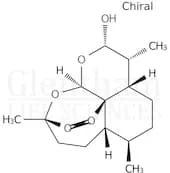

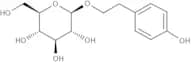
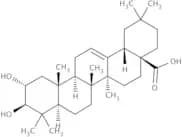
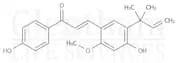
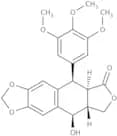
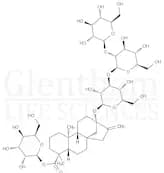

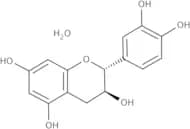
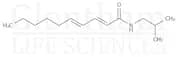
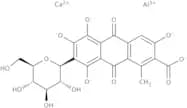
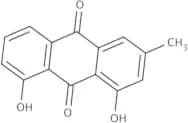
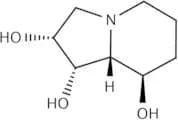
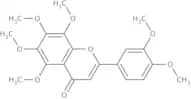
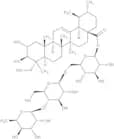
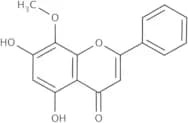
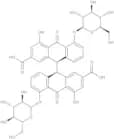
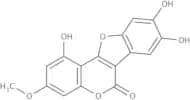

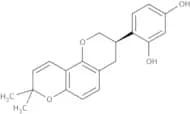
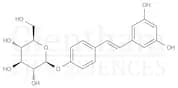
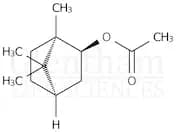
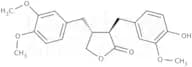
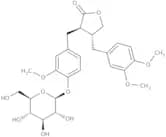
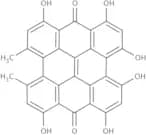

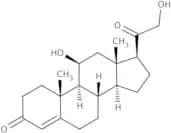

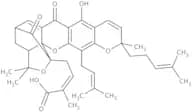

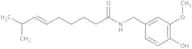
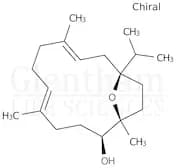
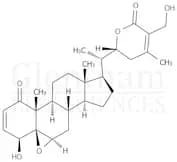
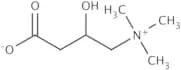
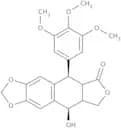
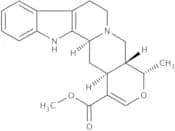

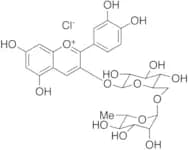

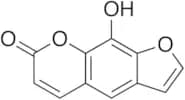
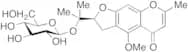
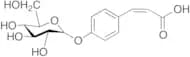
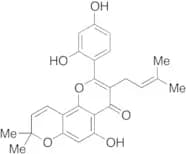
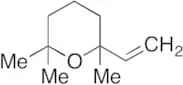

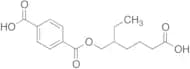
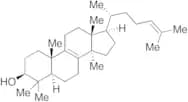
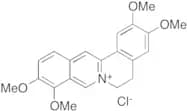
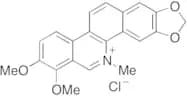
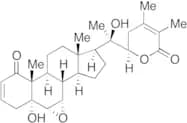
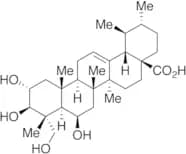
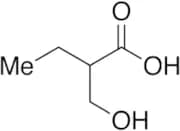
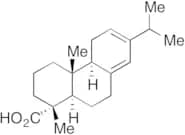
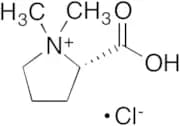
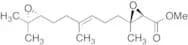
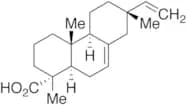
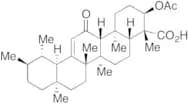
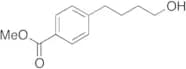
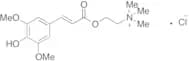
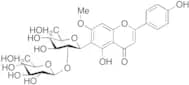
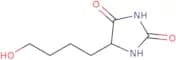

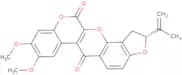
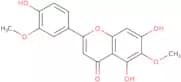
![[(1aR, 2S, 2aR, 6aS, 7aR) - Decahydro- 1a, 2a, 6, 6- tetramethyl- 7- oxonaphth[2, 3- b] oxiren- 2-…](/_next/image/?url=https%3A%2Fstatic.cymitquimica.com%2Fproducts%2F3D%2Fthumb-webp%2FXD162537.webp&w=3840&q=75)