3D-BXC73959 - 2-amino-2-3-fluorophenylacetamide-hydrochloride
Sorry, no product with reference 3D-BXC73959 been found, but please check out the following similar products:
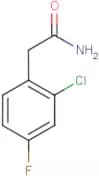
2-(2-Chloro-4-fluorophenyl)acetamide
CAS:2-(2-Chloro-4-fluorophenyl)acetamidePurity:97%Color and Shape:SolidMolecular weight:187.60g/mol2'-Bromo-4'-fluoroacetanilide
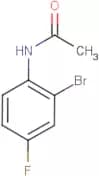
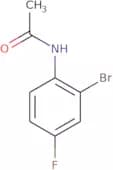
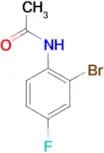
CAS:Formula:C8H7BrFNOPurity:>98.0%(GC)Color and Shape:White to Almost white powder to crystalMolecular weight:232.054'-Fluoroacetanilide
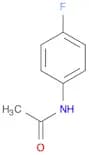
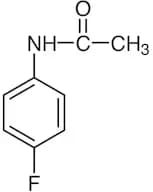
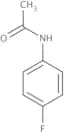
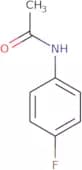
CAS:Formula:C8H8FNOPurity:>98.0%(GC)Color and Shape:White to Almost white powder to crystalMolecular weight:153.16N-Acetyl 2-bromo-4-fluoroaniline
CAS:Formula:C8H7BrFNOPurity:98%Color and Shape:SolidMolecular weight:232.04972'-Bromo-4'-fluoroacetanilide
CAS:2'-Bromo-4'-fluoroacetanilidePurity:98%Molecular weight:232.05g/mol4'-Fluoroacetanilide
CAS:4'-FluoroacetanilideFormula:C8H8FNOPurity:98%Color and Shape: white to off-white solidMolecular weight:153.15g/molN-(4-Fluorophenyl)acetamide
CAS:4-Fluorophenylacetic acid is a synthetic organic compound that has been used as a model system for the study of the reaction between hydrogen sulfate and hydrogen. 4-Fluorophenylacetic acid is a fluorinated analog of acetamide, which can be synthesized from sodium borohydride and hydrogen fluoride. It has been shown to inhibit the growth of Mycobacterium tuberculosis in an on-line assay and is also active against Mycobacterium avium complex. 4-Fluorophenylacetic acid also inhibits rat liver microsomes with a second order rate constant of 0.0006 M−1 s−1 at pH 7.4 and 37 °C (pH and temperature not specified). The biological properties of 4-fluorophenylacetic acid are not well understood, but it may bind to hydrophobic regions on proteins or DNA through hydrogen bonding interactions.Formula:C8H8FNOPurity:Min. 95%Color and Shape:PowderMolecular weight:153.15 g/mol2'-Bromo-4'-fluoroacetanilide
CAS:2'-Bromo-4'-fluoroacetanilide is a synthetic derivative of acetanilide that is used in the treatment of diabetes mellitus. It has been shown to have antidiabetic properties as well as to inhibit the formation of nitrosamines, which are carcinogenic compounds. The synthesis of 2'-bromo-4'-fluoroacetanilide involves the addition of bromine and sodium hydrogen to acetylated acetanilide. This reaction occurs in a reaction vessel at an elevated temperature, with the solvent being an organic solvent. The final product is isolated by distillation and purified by recrystallization or column chromatography. Molecular docking analysis has shown that 2'-bromo-4'-fluoroacetanilide binds to ATP synthase, which is involved in gluconeogenesis and glycolysis, leading to its ability to inhibit glucose production in cells.Formula:C8H7BrFNOPurity:Min. 95%Molecular weight:232.05 g/mol