Oligossacarídeos
Os oligossacarídeos são carboidratos compostos por um pequeno número de unidades de monossacarídeos ligados por ligações glicosídicas. Essas moléculas desempenham papéis significativos em vários processos biológicos, incluindo reconhecimento celular, sinalização e respostas imunológicas. Nesta seção, você encontrará uma ampla seleção de oligossacarídeos essenciais para pesquisas em glicosciência, bioquímica e biologia molecular. Esses compostos são vitais para estudar estruturas complexas de carboidratos, suas funções e suas interações com outras biomoléculas. Na CymitQuimica, fornecemos oligossacarídeos de alta qualidade para apoiar suas necessidades de pesquisa e desenvolvimento, garantindo resultados precisos e confiáveis em seus experimentos.
Subcategorias de "Oligossacarídeos"
- Glicosídeos Aminoetil , Glicosídeos de aminopropil(14 produtos)
- Glicanos de ligação Asn(33 produtos)
- Oligossacarídeos de biotinados(13 produtos)
- Grupos sanguíneos e antígenos de Lewis(11 produtos)
- Oligossacarídeos do tipo sanguíneo(13 produtos)
- Celooligossacarídeo(1 produtos)
- Ciclodextrinas(183 produtos)
- Dissacarídeos(192 produtos)
- Epítopos Oligossacarídeos(19 produtos)
- Frutooligossacarídeos(2 produtos)
- Oligossacarídeos funcionais(554 produtos)
- Oligossacarídeos funcionalizados(1 produtos)
- Galactosamina(41 produtos)
- Galactoses(261 produtos)
- Galb (1-3) GalNAc(21 produtos)
- Gânglio - série(11 produtos)
- Globo-/isoglobo-séries(17 produtos)
- Glucosamina(128 produtos)
- Ácidos Glucurónicos(51 produtos)
- Glicoproteínas, Glicopeptídeos(59 produtos)
- Glicosaminoglicanos(26 produtos)
- Oligossacarídeos do leite humano(22 produtos)
- O-Glicanos marcados(9 produtos)
- Oligossacarídeos etiquetados(36 produtos)
- LacNAc(53 produtos)
- Lacto- e Neolacto-séries(14 produtos)
- Lacto-N-biose(10 produtos)
- Lactooligossacarídeos(7 produtos)
- Oligosaccharides anexados Linker(19 produtos)
- Maltooligossacarídeos(6 produtos)
- Oligossacarídeos de leite(31 produtos)
- N-Glicanos(149 produtos)
- Glicósidos naturais(177 produtos)
- Oligossacarídeos naturais(103 produtos)
- O-Glicano(18 produtos)
- Building Blocks de Oligossacarídeos(7 produtos)
- Substituição de oligossacarídeo(2 produtos)
- Oligossacarídeos por Componente de Açúcar(225 produtos)
- Oligoses(24 produtos)
- Outros Oligossacarídeos(14 produtos)
- Oligómeros de PEG(33 produtos)
- Açúcares Fosfatados(17 produtos)
- Açúcares Protegidos(526 produtos)
- Reagentes para Síntese de Oligossacarídeos(254 produtos)
- Ser, Glicanos de ligação Thr(9 produtos)
- Oligossacarídeos sialilados(3 produtos)
- Esfingoglicolipides(42 produtos)
- Aminoácidos de açúcar, Peptídeos de açúcar(20 produtos)
- Antígenos de açúcar(31 produtos)
- Building Blocks de Açúcares por Oligossacarídeos-Alvo(225 produtos)
- Conjugados de açúcar(100 produtos)
- Açúcares sulfatados(16 produtos)
- Tetrassacarídeos(34 produtos)
- Trissacarídeos e Acima(95 produtos)
- Xilooligossacarídeos(5 produtos)
Exibir 47 mais subcategorias
Foram encontrados 2278 produtos de "Oligossacarídeos"
Ordenar por
Pureza (%)
0
100
|
0
|
50
|
90
|
95
|
100
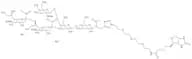
GD2-Oligosaccharide-sp-biotin
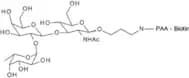
<p>The structure of GD2-oligosaccharide-sp-biotin (sodium salt) comprises (GalNAcβ1,4Galβ1,4Glc) with two sialic acids linked (β-2,3/β-2,8) to the central galactose residue and biotin attached to position 1 of the reducing glucose moiety. GD2 ganglioside is expressed at a low concentration in the central nervous system, nerves, skin melanocytes and stem cells in healthy adults. On the other hand, GD2 ganglioside is overexpressed in a number of tumors, including: neuroblastoma, melanoma, small cell lung carcinoma and brain tumors. Recently, it has been found in low concentrations on breast cancer stem cells (CSC) that possess: self-renewal properties (division without disrupting the undifferentiated state) and tumor-initiating capabilities. It has been suggested that GD2 ganglioside may be developed as an effective target antigen for CSC immunotherapy.</p>Fórmula:C65H104N10O37S·2NaPureza:One SpotCor e Forma:White PowderPeso molecular:1,695.61 g/molBlood Group H type I trisaccharide-PAA-biotin
Blood group antigen conjugated to spacer and biotinPureza:Min. 95 Area-%Cor e Forma:PowderPeso molecular:586.6 g/molFleetamine
<p>Fleetamine is a piperidine compound that has been shown to be an inhibitor of the enzyme glycosylation. Inhibitors of glycosylation are useful for treating diseases such as diabetes and Alzheimer's disease. It is thought that Fleetamine may inhibit human glycosylating enzymes, such as glucosyl transferase, which catalyzes the addition of a glucose molecule to a protein. This inhibition prevents the formation of oligosaccharides and glycoconjugates, which are necessary for proper functioning of cells.</p>Pureza:Min. 95%a,a-D-Trehalose dihydrate - high purity
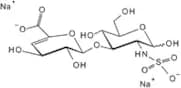
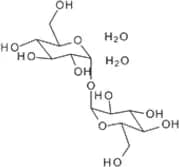
CAS:Non-reducing disaccharide; mildly sweet energy source; protein stabilizerFórmula:C12H22O11·2H2OPureza:Min. 99 Area-%Cor e Forma:PowderPeso molecular:378.33 g/molHeparin disaccharide IV-S disodium salt
CAS:Heparin is a complex carbohydrate that has been modified by the addition of a sugar and a sulfate group. It is used in the treatment of thrombosis, deep vein thrombosis, pulmonary embolism, and other blood clots. Heparin disaccharide IV-S disodium salt (HDS) is an intravenous form of heparin that consists of sodium salts of two saccharides: heparin disaccharide and sodium disulfate. HDS has been shown to be more potent than unfractionated heparin in animal models, as well as being more effective in preventing clot formation in humans. This drug also exhibits less frequent side effects such as skin rash, itching, or hives.Fórmula:C12H17NO13S·2NaPureza:Min. 95%Cor e Forma:White PowderPeso molecular:461.31 g/molSialyllacto-N-fucopentaose VI
Sialyllacto-N-fucopentaose VI is a synthetic, high-purity, complex carbohydrate that has been modified with methylation and fluorination. It is a glycosylate oligosaccharide with a molecular weight of about 4500. Sialyllacto-N-fucopentaose VI can be custom synthesized to order and is available in both powder and solid forms.Fórmula:C43H72N2O33Pureza:Min. 95%Peso molecular:1,145.03 g/molGlycyl-monosialyllacto-N-neohexose I
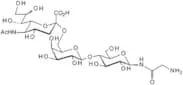
<p>Glycyl-monosialyllacto-N-neohexose I is a monosaccharide that is used as a building block in the synthesis of complex carbohydrates. It is custom synthesized and purified to high purity. This product can be fluorinated and methylated, which allows for the attachment of glycosyl groups. Glycyl-monosialyllacto-N-neohexose I is also a sugar with a CAS number. It has an average molecular weight of 137.14 g/mol and is made up of three atoms: carbon, hydrogen, and oxygen.</p>Fórmula:C53H89N5O39Pureza:Min. 95%Peso molecular:1,420.28 g/molNGA2F Glycan, 2-AB labelled
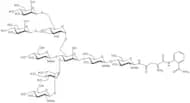
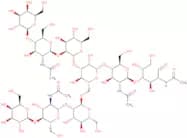
<p>NGA2F Glycan is a complex carbohydrate that is synthesized by the enzymatic transfer of an N-acetylgalactosamine (GalNAc) residue to a serine or threonine residue on protein. It is modified with methylation, Click modification, and fluorination. NGA2F Glycan has two binding sites for 2-AB labelled monosaccharides. The glycosylation site is located at the non-reducing end of the molecule, while the oligosaccharide site is located at the reducing end of the molecule.</p>Pureza:Min. 95%A3 Glycan, 2-AB labelled
A3 Glycan, 2-AB labelled is a complex carbohydrate. It is synthesized by the methylation and glycosylation of the A3 sugar, which is a monosaccharide. The A3 Glycan, 2-AB labelled has a CAS No. of 711-81-2 and is a synthetic oligosaccharide with high purity. Its chemical formula is C6H8O5N2O2 and its molecular weight is 192.19 g/mol. The A3 Glycan, 2-AB labelled has an MW of 192.19 g/mol and an MW of 643 Da (1). It also contains one saccharide unit that consists of two bonded monosaccharides: fructose and glucose. A3 Glycan, 2-AB labelled CAS No.: 711-81-2 Molecular Formula: C6H8O5N2O2 MolePureza:Min. 95%Globo H pentenyl glycoside
CAS:<p>GloboH-pentanyl backbone for incorporation onto peptide or conjugated to protein</p>Pureza:Min. 95%Glucomannan oligosaccharides - from Konjac MW <10KDa
<p>Glucomannan oligosaccharides are modified polysaccharides of plant origin. They are not digested in the small intestine and are instead fermented by the large intestine to produce short-chain fatty acids. This is a novel approach to weight control. The modified monosaccharide backbone provides for a more complex carbohydrate than found in other dietary fibers, and this complex carbohydrate is resistant to digestion by mammalian enzymes. Glucomannan oligosaccharides can be used as a replacement for high-calorie sweeteners in many food applications and as a bulk laxative.</p>Pureza:Min. 95%Cor e Forma:PowderCarboxymethyl cellulose sodium - Viscosity 700-1500 mPa·s
CAS:Food additive; soil suspension polymer in detergents; thickening agentPureza:Min. 95%1,4-β-D-Xylohexaose
CAS:1,4-beta-D-xylohexaose is a sugar that belongs to the group of xylooligosaccharides. It is an enzymatic inactivator that binds to the enzyme hydrolase family. Xylooligosaccharides are found in plant cell walls, where they can be used as a carbon source by termites. 1,4-beta-D-xylohexaose has been shown to be most active against neutral ph, but it is not active against acidic ph. The enzyme hydrolase family is inhibited by binding with 1,4-beta-D-xylohexaose and this prevents hydrolysis of carbohydrates, which includes glycosidic bonds.br>br> 1,4-beta-D-xylohexaose has also been shown to be beneficial for sustainable agriculture practices as it inhibits enzymes that break down xylooligosaccharidesFórmula:C30H50O25Pureza:Min. 95%Cor e Forma:PowderPeso molecular:810.7 g/molD-Lactose monohydrate
CAS:<p>Lactose is the principal sugar in human and most other mammalian milks, ( 4-O-(β-d-galactopyranosyl)-d-glucopyranose) (Collins, 2006). Lactose undergoes mutarotation; it is a reducing sugar and is significantly less soluble in water than sucrose. Lactose is much less sweet than sucrose (at ~1% about 0.15 (sucrose=1). The enzyme lactase (β-galactosidase), which is present in the small intestine, catalyzes hydrolysis of lactose to form glucose and galactose. Anhydrous lactose is an excipient, filler, diluent, and bulking agent in a wide variety of pharmaceutical tablets, capsules, powders and other preparations. Lactose also has applications as a nutrient and multi-functional ingredient in infant formulae, geriatric, dietetic and health foods (Linko, 1982).</p>Fórmula:C12H22O11·H2OPureza:Min. 96 Area-%Cor e Forma:White Off-White PowderPeso molecular:360.31 g/molLacto-N-fucopentaose V
CAS:Human milk oligosaccharide; binds cholera toxin TcdAFórmula:C32H55NO25Pureza:Min. 80%Cor e Forma:PowderPeso molecular:853.77 g/mol2-Acetamido-2-deoxy-4-O-(β-D-mannopyranosyl)-D-glucopyranose
CAS:2-Acetamido-2-deoxy-4-O-(b-D-mannopyranosyl)-D-glucopyranose (MDP) is a complex carbohydrate that has been modified by methylation, glycosylation, and carbocation. MDP is a saccharide that can be used in the synthesis of polysaccharides or as an intermediate for other chemical syntheses. It is also possible to modify MDP with fluorination, which may be useful in the synthesis of new types of pharmaceuticals.Fórmula:C14H25NO11Pureza:Min. 95 Area-%Cor e Forma:PowderPeso molecular:383.35 g/mol2'-O-Fucosyllactulose
CAS:<p>2'-O-Fucosyllactulose is a modified carbohydrate that has been synthesized from a natural source. It is an oligosaccharide that contains the monosaccharide, fucose. This product can be used in the synthesis of polysaccharides and glycosylation reactions. 2'-O-Fucosyllactulose has been methylated, fluorinated, and glycosylated, which makes it suitable for use as a sugar in biotechnology applications.</p>Fórmula:C18H32O15Pureza:Min. 90 Area-%Cor e Forma:PowderPeso molecular:488.44 g/mol4-O-(b-D-Ribofuranosyl)-L-rhamnopyranose
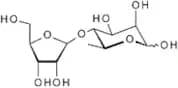
<p>4-O-(b-D-Ribofuranosyl)-L-rhamnopyranose is a custom synthesized monosaccharide that can be modified with fluorination and methylation. This sugar can be used for glycosylation reactions to form oligosaccharides or polysaccharides. The number of sugar molecules that are attached to the sugar determines the complexity of the carbohydrate. 4-O-(b-D-Ribofuranosyl)-L-rhamnopyranose is an example of a complex carbohydrate because it has four sugars attached to it.</p>Fórmula:C11H20O9Pureza:Min. 95%Peso molecular:296.27 g/molChitotetraose tetrahydrochloride
CAS:Tetraose composed of four glucosamine residuesFórmula:C24H46N4O17•(HCl)4Pureza:Min. 95%Cor e Forma:White PowderPeso molecular:808.48 g/molHybrid Glycan, 2-AB labelled
<p>Hybrid Glycan, 2-AB labelled is a custom synthesis of a high purity glycosylation product. This synthetic oligosaccharide includes saccharides that are labelled with 2-AB. The modification is Click chemistry and provides a method for attaching the label to the sugar molecule. This product is not found in nature or existing in cells or organisms. It is used as a research tool in immunology, cell biology, and structural biology applications.</p>Pureza:Min. 95%1,4-β-D-Xylopentaose
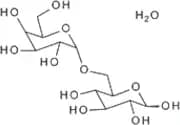
CAS:Xylopentaose is a pentose sugar that belongs to the group of polyols. It has been shown to be a dietary supplement that improves the lipid profile in mice and humans, which may be due to its ability to inhibit diacylglycerol acyltransferase, thereby preventing the synthesis of triglycerides. Xylopentaose is also able to increase serum glucose levels by stimulating insulin secretion through the activation of pancreatic β-cells. Xylopentaose can be used as a sweetener because it has some sweetness but does not cause tooth decay like sugar does.Fórmula:C25H42O21Pureza:Min. 95%Cor e Forma:PowderPeso molecular:678.59 g/molD-Melibiose monohydrate
CAS:<p>D-Melibiose monohydrate is a type of sugar that can be found in the extracellular space. It is also a component of fatty acids and has been shown to act as a growth factor for some cell types. D-Melibiose monohydrate has been characterized using tissue culture, growth factor profiles, and fluorescence detector. This sugar can be used as an alternative to trehalose in vitro assays, where it has been shown to have similar biological properties. D-Melibiose monohydrate may also be used for the manufacture of solid dispersions due to its solubility in organic solvents.</p>Fórmula:C12H24O12Pureza:Min. 98 Area-%Cor e Forma:White PowderPeso molecular:360.31 g/molMannotetraose squarate
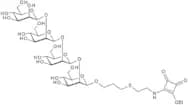
CAS:Mannotetraose squarate is a modified oligosaccharide that is synthesized from mannose and tetraose. It has high purity, which is an advantage over natural oligosaccharides, and can be used in the synthesis of other carbohydrates. Mannotetraose squarate has a CAS number of 385842-90-0, which can be found on the ChemSpider database.Fórmula:C35H57NO24SPureza:Min. 95%Peso molecular:907.89 g/mol1,1,1,1-Kestohexose
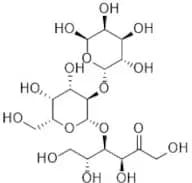
CAS:<p>Non-reducing sucrose analog containing glucose and fructose</p>Fórmula:C36H62O31Pureza:Min. 90%Cor e Forma:White PowderPeso molecular:990.86 g/molBlood Group A trisaccharide, N-aminoethyl nonanamide
CAS:Blood group antigen derivative for biochemical researchFórmula:C31H57N3O16Pureza:Min. 95 Area-%Cor e Forma:PowderPeso molecular:727.79 g/molMan6GlcNAc(II)
High mannose oligosaccharide found in urine of mannosidosis patientsFórmula:C44H75NO36Pureza:Min. 95%Cor e Forma:PowderPeso molecular:1,194.05 g/mol8-Methoxycarbonyloctyl 2-acetamido-2-deoxy-4-(a-L-fucopyranosyl)-3-O-(b-D-galactopyranosyl)-b-D-glucopyranoside
CAS:8-Methoxycarbonyloctyl 2-acetamido-2-deoxy-4-(a-L-fucopyranosyl)-3-O-(b-D-galactopyranosyl)-b-D-glucopyranoside is a custom synthetic compound that was created using click chemistry. It is an oligosaccharide, polysaccharide, saccharide, and carbohydrate. It is fluorinated and has been modified with methyl groups.Pureza:Min. 95%Trifucosyl-p-lacto-N-hexaose
CAS:Trifucosyl-p-lacto-N-hexaose is a complex carbohydrate that has been modified by methylation and glycosylation. It is a synthesized sugar that may be used as a pharmaceutical agent or as an additive in food products. Trifucosyl-p-lacto-N-hexaose has been modified using Click chemistry and fluorination, which have been shown to increase the purity of this compound. This product has a high degree of purity, as it is synthesized from pure materials.Fórmula:C58H98N2O43Pureza:Min. 90 Area-%Cor e Forma:SolidPeso molecular:1,511.39 g/molN,N',N''-Triacetylchitotriose
CAS:N,N',N''-Triacetylchitotriose is a chiral compound that is formed from the acetylation of chitin. It has been shown to be an antigen for monoclonal antibodies and a model system for exploring the enzymatic hydrolysis of chitin. N,N',N''-Triacetylchitotriose can be used to investigate the catalytic mechanism of chitinase enzymes, which are involved in breaking down the polysaccharide chitin. It has also been shown to have bioactive properties, such as inhibiting lectins and binding with mannose receptors.Fórmula:C24H41N3O16Pureza:Min. 95 Area-%Cor e Forma:White PowderPeso molecular:627.59 g/mola,a-D-Trehalose dihydrate
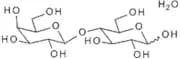
CAS:Trehalose is a naturally occurring disaccharide found in many organisms. Its role in nature is as versatile as its applications in the laboratory. Trehalose is synthesised by cells in response to stress and helps retaining the cellular integrity under tough conditions. An important function of trehalose is to stabilise protein structures and to prevent proteins from their degradation. Researchers use trehalose for instance as a carbon source in selective microbiological media, as desiccation protectant and for cryoprotection.Fórmula:C12H22O11·2H2OPureza:(%) Min. 98%Cor e Forma:White PowderPeso molecular:378.33 g/molDextran 2000 - MW: 1,500,000 to 3,500,000
CAS:<p>Dextran 2000 is a high molecular weight biocompatible polymer with transport properties. It is used in a variety of medical applications, such as red blood cell transfusions and the prevention of post-surgical adhesions. Dextran 2000 has been shown to be a safe and effective means of preventing hemolysis during red blood cell transfusion. This agent binds to amine groups on the surface of erythrocytes, which prevents complement activation and subsequent lysis. Additionally, dextran 2000 has been shown to exhibit low cytotoxicity against neuronal cells in vitro.</p>Pureza:Min. 95%Cor e Forma:White Off-White PowderD-Cellobiose
CAS:<p>Cellobiose is a reducing disaccharide consisting of two β(1-4)-linked glucopyranose units. It is produced by the hydrolysis of cellulose, a homopolysaccharide of glucose with β(1-4)-linkages. Cellobiose constitutes the polar part of cellobiose lipids (CLs) that are secreted by yeasts and mycelia fungi. Their various biological activities have led to a range of applications in the food industry, pharmaceutical industry and in medicine. Cellobiose itself has been used as an indicator carbohydrate for Crohns disease and malabsorption syndrome. In biotechnology, cellobiose is one of the sugars explored for the synthesis of biotensides.</p>Fórmula:C12H22O11Pureza:Min. 98.0 Area-%Peso molecular:342.30 g/molO-(2,2',3,3',4',6,6'-Hepta-O-acetyl-b-D-lactosyl)-N-hydroxysuccinimide
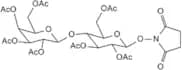
O-(2,2',3,3',4',6,6'-Hepta-O-acetyl-b-D-lactosyl)-N-hydroxysuccinimide is a modified oligosaccharide that is synthesized by the reaction of an acetylated succinimide with a glycosylase. This product is used as a chemical intermediate in the production of saccharides and polysaccharides. It can be used for fluorination reactions to produce fluorinated saccharides.Fórmula:C30H39NO20Pureza:Min. 95%Peso molecular:733.64 g/mol3-O-(2,3,4,6-Tetra-O-acetyl-b-D-galactopyranosyl)-2-azido-4,6-O-benzylidene-2-deoxy-a-D-galactopyranosyl-Fmoc threonine tert-butyl e ster
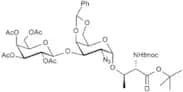
CAS:3-O-(2,3,4,6-Tetra-O-acetyl-b-D-galactopyranosyl)-2-azido-4,6-O-benzylidene-2-deoxy-a-D--galactopyranosyl (TBS) is a synthetic carbohydrate that has been modified with fluorine and methyl groups. It is a complex carbohydrate that can be used as an intermediate in the synthesis of oligosaccharides and other saccharides. TBS is a monosaccharide that can be glycosylated or methylated to form many different products. This product can be custom synthesized to meet specific customer needs.Fórmula:C50H58N4O18Pureza:Min. 95%Peso molecular:1,003.01 g/molGlycyl-6'-sialyllactose
Glycyl-6'-sialyllactose is a custom synthesis that modifies glycyl 6'-sialyllactose. It has been fluorinated, methylated and then monosaccharide and synthetic. This product has been Click modified, which is an oligosaccharide. The CAS number for this product is 1040391-14-8. Glycyl-6'-sialyllactose is a saccharide with a complex carbohydrate structure. It is a sugar that contains the carbohydrates glucose, galactose and sialic acid.Fórmula:C25H43N3O19Pureza:Min. 95%Peso molecular:689.62 g/mol6-o-a-D-Glucosyl-maltose
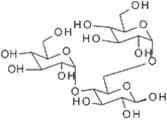
CAS:<p>Minor trisaccharide component of honey</p>Fórmula:C18H32O16Pureza:Min. 95%Cor e Forma:White Off-White PowderPeso molecular:504.44 g/mol6'-Sialylgalactose sodium salt
CAS:Sialylated oligosaccharide with the ability to inhibit angiogenesis and tumour development by binding to the vascular endothelial growth factor receptor VEGFR-2. Moreover, sialylated N-glycans in intestinal epithelium of chickens were found to carry terminal sialylgalactose, which interacts with influenza viruses during early stages of infection.Fórmula:C17H28NO14·NaPureza:Min. 95%Cor e Forma:PowderPeso molecular:493.39 g/molL-Rhamnose monohydrate
CAS:Used to differentiate microorganisms based on their metabolic properties.Fórmula:C6H14O6Pureza:Min. 98.0 Area-%Peso molecular:182.17 g/molRef: 3D-R-3000
1kgA consultar5kgA consultar10kgA consultar500gA consultar2500gA consultar-Unit-kgkgA consultarDextran 750 - MW: 500,000 to 1,000,000
CAS:<p>Dextran is a polysaccharide that is used as an antimicrobial agent and as a volume expander in the treatment of bowel disease, myocardial infarct, and other diseases. Dextran sulfate is a linear polymer with a molecular weight of 500,000 to 1,000,000. It has minimal toxicity and does not interfere with iron homeostasis or cause fluid overload. Dextran sulfate can be used for the treatment of bowel disease because it has been shown to have anti-inflammatory effects in experimental models. The mechanism by which dextran sulfate inhibits inflammation is unknown, but may involve its ability to bind to macrophages and neutrophils in the gut wall. Dextran sulfate also binds to bacteria and prevents their growth. This binding may prevent bacterial penetration into epithelial cells or block bacterial attachment to cell surfaces. The efficacy of dextran sulfate against pathogenic mechanisms such as inflammation has been demonstrated in experimental models.</p>Pureza:Min. 95%Cor e Forma:White PowderTridecyl β-D-maltopyranoside
CAS:<p>Tridecyl beta-D-maltopyranoside is a synthetic saccharide that has been modified with fluorination and methylation. The carbohydrate can be used in the synthesis of glycosylated proteins. The product is available for custom synthesis, and it is offered in high purity form.</p>Fórmula:C25H48O11Pureza:Min. 97 Area-%Peso molecular:524.64 g/mol4-O-(α-D-Mannopyranosyl)-D-mannose
CAS:Isolated from partial acetolysate of ivory-nut (Phytelephas macrocarpa) mannanFórmula:C12H22O11Pureza:Min. 95 Area-%Cor e Forma:PowderPeso molecular:342.3 g/molD-Cellotetraose tetradecaacetate
CAS:<p>D-Cellotetraose tetradecaacetate is a complex carbohydrate that consists of a single sugar, D-cellotetraose. It is made up of four glucose molecules attached to each other by glycosidic bonds. The modification of this carbohydrate can be done by methylation and glycosylation. The synthesis of this molecule can be custom-made, as it is not found in nature. This product is high purity and has a CAS number: 83058-25-7.</p>Fórmula:C52H70O35Pureza:Min. 98 Area-%Cor e Forma:PowderPeso molecular:1,255.09 g/molHyaluronic acid tetrasaccharide ammonium
CAS:Hyaluronic acid is a polysaccharide containing repeating disaccharide units of β-1,3-N-acetyl glucosamine and β-1, 4-glucuronicâ¯acid. A series of unsaturated oligosaccharides (oligouronic acids) are released from hyaluronic acid by the action of hyaluronidase on the umbilical cord (Weissman, 1954). This tetrasaccharide ammonium salt and other enzymatically produced polymer homologs have been of value in the study of hyaluronic acid metabolism in both healthy and diseased tissues (Hascall, 2019).Fórmula:C28H42N2O22·xNH3Pureza:Min. 95%Cor e Forma:PowderPeso molecular:758.63 g/molBlood Group H type III trisaccharide-PAA-biotin
Blood group antigen conjugated to spacer and biotinPureza:Min. 95%Cor e Forma:White Off-White PowderPeso molecular:586.6 g/mol1,4-b-Galactotetraose
CAS:1,4-b-Galactotetraose is a galactose containing tetrasaccharideFórmula:C24H42O21Pureza:Min. 95%Cor e Forma:PowderPeso molecular:666.58 g/molMethyl 3,6-di-O-(a-D-mannopyranosyl)-b-D-mannopyranoside
Methyl 3,6-di-O-(a-D-mannopyranosyl)-b-D-mannopyranoside is a glycosylation product of the sugar, mannose. It can be used in the synthesis of oligosaccharides and polysaccharides with modifications such as fluorination and methylation. Methyl 3,6-di-O-(a-D-mannopyranosyl)-b-D-mannopyranoside is also known by its CAS number, which is 57424-92-5.Fórmula:C19H34O16Pureza:Min. 95%Peso molecular:518.46 g/molNA2 N-Glycan
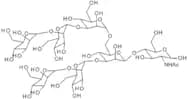
CAS:NA2 is a glycan that is a specific antigen binding molecule. It binds to the CD20 receptor on the surface of human B lymphocytes, which are involved in the development of cancer and inflammatory diseases. NA2 can be used for the treatment of these diseases, as well as cancers that express CD20 receptors. NA2 is generated from endogenous molecules that have been modified by introducing galactose into the carbohydrate backbone. These molecules also form a linker with bendamustine, which is an anticancer drug.Fórmula:C62H104N4O46Pureza:Min. 90%Cor e Forma:PowderPeso molecular:1,641.49 g/mol3-O-(a-L-Fucopyranosyl)-4-O-(3-sialyl-b-D-galactopyranosyl)-D-glucose
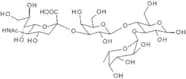
3-O-(a-L-Fucopyranosyl)-4-O-(3-sialyl-b-D-galactopyranosyl)-D-glucose is a modification of the complex carbohydrate, oligosaccharide, monosaccharide, and polysaccharide. It is synthesized by methylation of glucose and glycosylation with sialic acid. The product has a CAS number and a high purity level. This product is an example of a synthetic oligosaccharide that has been fluorinated. The product can be used as an additive or preservative in food products.Fórmula:C29H49NO23Pureza:Min. 95%Peso molecular:779.71 g/mol1,4-β-D-Xylotriitol
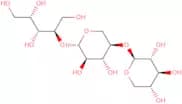
CAS:<p>1,4-B-D-Xylotriitol is a synthetic carbohydrate that has been modified with fluorine. The use of the methylation reaction enables the synthesis of oligosaccharides with up to six glucose units. This product is available in high purity and can be custom synthesized to meet specific needs. 1,4-B-D-Xylotriitol is used for glycosylation reactions and may be useful for modifying carbohydrates and saccharides.</p>Fórmula:C15H28O13Pureza:Min. 95%Peso molecular:416.38 g/molStachyose hydrate - 80%
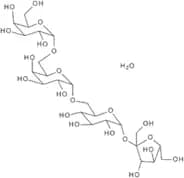
CAS:Non-reducing storage and transport sugar in woody plants; used as a sweetenerFórmula:C24H42O21•(H2O)xPureza:Min. 80 Area-%Cor e Forma:PowderPeso molecular:684.59 g/mol