Ligas Organometálicas
Nesta categoria, você encontrará um grande número de moléculas organometálicas usadas como ligantes em biomoléculas. Esses ligantes organometálicos podem ser usados em química orgânica e síntese no laboratório. Eles desempenham um papel crucial na formação de complexos de coordenação e na catálise de várias reações químicas. Na CymitQuimica, oferecemos uma seleção diversificada de ligantes organometálicos de alta qualidade para apoiar suas pesquisas e necessidades industriais.
Subcategorias de "Ligas Organometálicas"
- Ligantes de Buchwald(22 produtos)
- DPEN(4 produtos)
- DPHEN(4 produtos)
- JOSIPHOS(4 produtos)
- Fosfina(497 produtos)
- Porfirinas(75 produtos)
Foram encontrados 2887 produtos de "Ligas Organometálicas"
Ordenar por
Pureza (%)
0
100
|
0
|
50
|
90
|
95
|
100
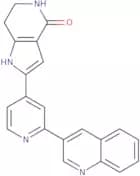
Mk2 inhibitor III
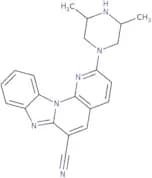
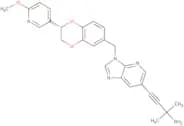
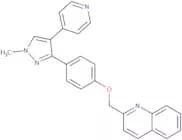
CAS:<p>MK2 Inhibitor III is a pharmacological agent, specifically a selective inhibitor, that intervenes in the MAPKAPK2 (MK2) signaling pathway. It is derived through chemical synthesis, designed to obstruct the activity of the mitogen-activated protein kinase-activated protein kinase 2 (MK2). This inhibition occurs through competitive binding at the ATP-binding site of MK2, effectively reducing the activity of this kinase involved in the stress response pathway.</p>Fórmula:C21H16N4OPureza:Min. 95%Peso molecular:340.4 g/molBay 41-4109 racemate
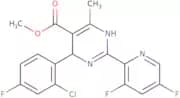
CAS:<p>Bay 41-4109 racemate is a small molecule inhibitor, which is synthetically derived, with a specific mode of action that involves the modulation of cGMP-dependent protein kinase (PKG) pathways. This modulation affects various cellular processes, particularly those related to viral replication and protein expression.</p>Fórmula:C18H13ClF3N3O2Pureza:Min. 95%Peso molecular:395.76 g/molPF-06649283
CAS:<p>PF-06649283 is an antibody-drug conjugate (ADC), which is a targeted biopharmaceutical agent designed to deliver cytotoxic agents specifically to cancer cells. This innovative product is derived from a combination of a monoclonal antibody, which is utilized for its ability to bind selectively to specific antigens on tumor cells, and a potent cytotoxic drug, which is linked to the antibody. The mode of action involves the ADC binding to its target antigen on the cancer cell surface, followed by internalization of the ADC-antigen complex. Once inside the cell, the cytotoxic drug is released, leading to disruption of critical cellular functions and subsequent cancer cell death.</p>Fórmula:C18H19F2N3O2SPureza:Min. 95%Peso molecular:379.4 g/molTCS-OX2-29
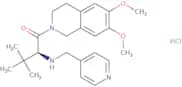
CAS:<p>TCS-OX2-29 is an oxygen permeability analyzer, which is a scientific instrument designed to accurately measure the rate at which oxygen gas passes through barrier materials. It leverages precise electrochemical or coulometric sensors, which serve as the core technology for detecting and quantifying oxygen transmission rates under controlled conditions.</p>Fórmula:C23H31N3O3Pureza:Min. 95%Peso molecular:397.51 g/molCholestenoic acid-d5
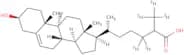
CAS:Produto Controlado<p>Cholestenoic acid-d5 is an isotopically labeled product, which is a derivative of cholestenoic acid used primarily in scientific research. This compound is sourced from synthetic processes specifically designed to incorporate deuterium atoms, resulting in the stable isotope labeling with five deuterium (d5) atoms. The stable isotopic labeling of such compounds is crucial in tracing metabolic pathways, studying cholesterol metabolism, and understanding lipid profiles in biological systems.</p>Fórmula:C27H39D5O3Pureza:Min. 95%Peso molecular:421.67 g/molA-192621
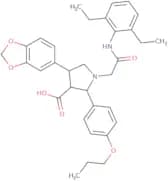
CAS:<p>A-192621 is a selective blocker of T-type calcium channels, which is a synthetic compound. It specifically interacts with the alpha-1G subtype of calcium channels, thereby inhibiting calcium ion influx through these channels. This blockade allows researchers to study the physiological and pathological roles of T-type calcium channels in the central nervous system and peripheral tissues.</p>Fórmula:C33H38N2O6Pureza:Min. 95%Peso molecular:558.7 g/molTC-P 262
CAS:<p>TC-P 262 is a synthetic chemical reagent, classified as an organic compound, which is derived from a series of controlled laboratory processes ensuring high purity and stability. This product exhibits its function primarily through catalytic properties, enabling the acceleration of specific chemical reactions without itself being consumed. Its mode of action involves facilitating the transition state of a reaction, thereby lowering the activation energy and increasing reaction efficiency.</p>Fórmula:C14H18N4OPureza:Min. 95%Peso molecular:258.32 g/molPKC-IN-1
CAS:<p>PKC-IN-1 is a highly specific protein kinase C (PKC) inhibitor, which is synthetically derived to target PKC isoforms selectively. Its mode of action involves the inhibition of PKC activity through competitive binding at the ATP-binding site, effectively modulating the phosphorylation of downstream substrates. This regulatory effect on PKC activity makes it an essential tool for elucidating the role of PKC in various signaling pathways.</p>Fórmula:C25H37FN8O2Pureza:Min. 95%Peso molecular:500.61 g/molCompound 3a
CAS:<p>Compound 3a is a synthetic herbicide, which is a laboratory-engineered chemical agent with a unique mode of action. It is derived through an intricate process involving chemical synthesis techniques that target specific biochemical pathways in plants. The mode of action of Compound 3a involves the inhibition of a critical enzyme in the photosynthetic pathway, leading to disrupted energy production and ultimately plant death.</p>Fórmula:C21H20N6Pureza:Min. 95%Peso molecular:356.4 g/molHS-10296
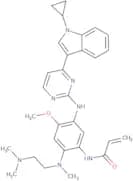
CAS:<p>HS-10296 is a novel pharmaceutical compound that functions as a specific inhibitor of EGFR (epidermal growth factor receptor), which is a key therapeutic target in certain cancer pathways. This compound is derived from a synthetic source, meticulously designed to target and interrupt the signaling pathways involved in tumor proliferation and survival. The mode of action of HS-10296 involves the competitive inhibition of the ATP-binding domain of EGFR tyrosine kinase, thereby preventing phosphorylation and subsequent activation of downstream signaling proteins involved in cell division and survival.</p>Fórmula:C30H35N7O2Pureza:Min. 95%Peso molecular:525.64 g/molCU-115
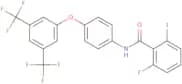
CAS:<p>CU-115 is an advanced anti-corrosion compound, which is a chemical formulation designed to protect metal surfaces. It is sourced from specialized synthesis processes involving corrosion inhibitors and binders that offer high efficacy in harsh environments. The mode of action involves forming a protective layer over metal surfaces, preventing exposure to moisture and corrosive agents, thus inhibiting oxidation and degradation.</p>Fórmula:C21H11F7INO2Pureza:Min. 95%Peso molecular:569.2 g/molXMD16-5
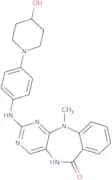
CAS:<p>XMD16-5 is a small molecule kinase inhibitor, which is a synthetic chemical compound specifically designed to target and inhibit kinase enzymes. These enzymes are crucial for various signaling cascades that regulate cellular functions such as growth and differentiation. The source of XMD16-5 involves meticulous chemical synthesis, often derived from high-throughput screening of chemical libraries or rational drug design.</p>Fórmula:C23H24N6O2Pureza:Min. 95%Peso molecular:416.48 g/molOPC 3930
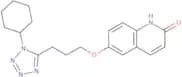
CAS:<p>OPC 3930 is a polymer-based coating, which is synthesized from advanced polymer composites. It functions through a mechanism of thermal insulation, where the composite structure significantly reduces thermal conductivity. This is achieved by incorporating a microscale porous architecture that traps air and minimizes heat transfer.</p>Fórmula:C19H23N5O2Pureza:Min. 95%Peso molecular:353.4 g/molGENZ-882706
CAS:<p>GENZ-882706 is a synthetic chemical compound designed as a modulator of glycosylation processes, which is a crucial biochemical reaction mediated by enzymatic interactions that attach glycans to proteins and lipids. These processes are fundamental in cell recognition, signaling, and protein stability. This compound functions as a potent inhibitor that alters specific glycosyltransferase activities. By modulating these enzymes, GENZ-882706 facilitates precise control over glycan structures, which is essential in studying glycoprotein functions and developing novel therapeutics for various diseases, including cancer and genetic disorders.</p>Fórmula:C26H25N5O3Pureza:Min. 95%Peso molecular:455.51 g/molJasplakinolide
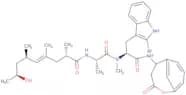
CAS:<p>Jasplakinolide is a cyclodepsipeptide, which is isolated from marine sponge species, particularly of the genus Jaspis. It functions by binding to actin, a critical component of cellular cytoskeletons, where it induces polymerization and stabilization of actin filaments. This action results in the disruption of normal actin dynamics, impeding processes such as cell motility and division.</p>Fórmula:C36H45BrN4O6Pureza:Min. 95%Cor e Forma:PowderPeso molecular:709.67 g/molTC-T 6000
CAS:<p>TC-T 6000 is an advanced chemical compound synthesized from sustainable raw materials, designed to enhance industrial processes. As a high-performance additive, TC-T 6000 acts through its unique molecular structure, facilitating efficient catalysis and improving reaction kinetics in various chemical processes. This product is known for its stability and effectiveness under diverse conditions, making it a versatile tool for researchers and engineers.</p>Fórmula:C26H48N8O2Pureza:Min. 95%Peso molecular:504.7 g/molLY 334370 Hydrochloride
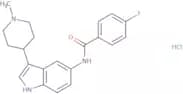
CAS:<p>LY 334370 Hydrochloride is a selective 5-HT1F receptor agonist, which is a chemical compound derived from advanced synthetic processes. As an agonist, it specifically targets the 5-HT1F receptor, a subtype of serotonin receptor that is implicated in neurovascular modulation. The selective activation of this receptor is thought to inhibit pro-inflammatory neuropeptide release and modulate pain pathways within the central nervous system.</p>Fórmula:C21H22FN3O·HClPureza:Min. 95%Peso molecular:211.69 g/mol17:0(2R-OH) ceramide
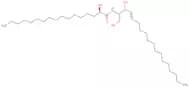
CAS:<p>17:0(2R-OH) ceramide is a synthetic type of ceramide, which is a subclass of sphingolipids. It is typically derived from bioengineered sources and manufactured through sophisticated chemical synthesis techniques to ensure high purity and specific stereochemistry. This compound is characterized by a saturated 17-carbon acyl chain with a hydroxyl group at the second carbon, which plays a crucial role in its biochemical behavior.</p>Fórmula:C35H69NO4Pureza:Min. 95%Peso molecular:567.93 g/molL-750,667 Trihydrochloride
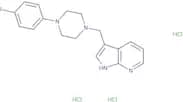
CAS:<p>L-750,667 Trihydrochloride is a potent HIV-1 protease inhibitor, which is a compound derived through synthetic chemical processes. It functions by specifically binding to the active site of the HIV-1 protease enzyme, thereby inhibiting its ability to cleave the viral polyprotein precursors into functional proteins. This blockade prevents the maturation of infectious viral particles, impairing viral replication within the host cell.</p>Fórmula:C18H22Cl3IN4Pureza:Min. 95%Peso molecular:527.7 g/molRibociclib succinate hydrate
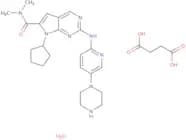
CAS:<p>Ribociclib succinate hydrate is a selective cyclin-dependent kinase (CDK) inhibitor, which is synthesized through chemical processes. Its primary mode of action involves the selective inhibition of CDK4 and CDK6, pivotal proteins in regulating the cell cycle. By hindering the phosphorylation of the retinoblastoma protein (Rb), Ribociclib effectively causes cell cycle arrest at the G1 phase, thereby preventing cancer cell proliferation.</p>Fórmula:C27H38N8O6Pureza:Min. 95%Peso molecular:570.6 g/molKYP 2047
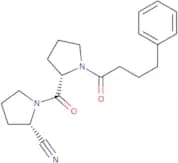
CAS:<p>KYP 2047 is an irreversible enzyme inhibitor, which is derived synthesized by chemists involved in epigenetic research. It functions primarily as an inhibitor of histone deacetylases (HDACs), enzymes that play a critical role in the modulation of chromatin structure and gene expression by removing acetyl groups from lysine residues on histone proteins.</p>Fórmula:C20H25N3O2Pureza:Min. 95%Peso molecular:339.44 g/molKv3 modulator 4
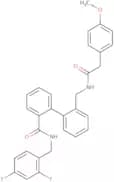
CAS:<p>Kv3 modulator 4 is a small molecule compound, which is a synthetic product used in neuropharmacology research to selectively modulate Kv3 potassium channels. Kv3 channels, belonging to the voltage-gated potassium channel family, are proteins critical for rapid neuronal firing and precise timing of action potentials. The mode of action of Kv3 modulator 4 involves binding to specific sites on the Kv3 channel, enhancing its open probability, and increasing the current flow through these channels. This modulation provides a unique opportunity to study the role of Kv3 currents in neuronal excitability and has potential implications for understanding the mechanisms underlying neurological diseases.</p>Fórmula:C20H24N2O4Pureza:Min. 95%Peso molecular:356.4 g/mol(R)-MIK665
CAS:<p>(R)-MIK665 is a small molecule inhibitor, classified as an investigational anticancer compound, which is derived from extensive pharmacological research targeting specific cancer cell pathways. Its mode of action involves the selective inhibition of the myeloid cell leukemia 1 (MCL-1) protein, a member of the BCL-2 family known for its role in promoting cell survival and resisting apoptosis. By binding to MCL-1, (R)-MIK665 disrupts its function, enabling the induction of apoptosis in cancer cells that overexpress MCL-1, thus offering a new avenue for therapeutic intervention.</p>Fórmula:C47H44ClFN6O6SPureza:Min. 95%Peso molecular:875.4 g/molTopfluor lyso pa
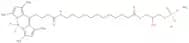
CAS:<p>TopFluor Lyso PA is a fluorescently labeled lipid analog, derived from a lysophosphatidic acid (LPA) source, designed to facilitate the study of lipid-protein and lipid-lipid interactions. Its mode of action involves the integration of a fluorescent moiety onto the LPA backbone, enabling visualization and tracking within biological systems.</p>Fórmula:C32H54BF2N4O8PPureza:Min. 95%Peso molecular:702.57 g/molMardepodect
CAS:<p>Mardepodect is an investigative pharmaceutical compound, which is derived synthetically through a series of complex chemical reactions involving multiple steps of organic synthesis. This compound operates primarily as a selective phosphodiesterase-9 (PDE9) inhibitor, modulating intracellular signaling pathways by preventing the degradation of cyclic guanosine monophosphate (cGMP). The resulting elevated levels of cGMP lead to various downstream biological effects that can be explored for therapeutic benefits.</p>Fórmula:C25H20N4OPureza:Min. 95%Peso molecular:392.45 g/molVER-50589
CAS:<p>VER-50589 is a broad-spectrum antibiotic, which is synthesized via a semi-synthetic process derived from natural penicillin compounds. This antibiotic exerts its effects predominantly through inhibiting the transpeptidation enzyme essential for bacterial cell wall synthesis. By binding to specific penicillin-binding proteins (PBPs) within the bacterial cell, it disrupts the formation of peptidoglycan cross-links, compromising cell wall integrity and leading to cell lysis.</p>Fórmula:C19H17ClN2O5Pureza:Min. 95%Peso molecular:388.8 g/molPemetrexed - Bio-X ™
CAS:<p>Pemetrexed is a chemotherapy drug that belongs to the class of drugs called folate antimetabolites. It is used for the treatment of various cancers such as non-small cell lung cancer and pleural mesothelioma. Pemetrexed targets the enzymes thymidylate synthase, dihydrofolate reductase and glycinamide ribonucleotide formyltransferase. The drug works by inhibiting those enzymes so that the formation of DNA and RNA is prevented.</p>Fórmula:C20H21N5O6Pureza:Min. 95%Cor e Forma:PowderPeso molecular:427.41 g/molA 1899
CAS:<p>A 1899 is a highly specialized insecticide, derived from synthetic chemical compounds, with a mode of action that involves disrupting the nervous system of insects, leading to paralysis and eventual death. This product functions by targeting specific neural receptors that are critical for the transmission of nerve impulses, thereby ensuring rapid and effective pest control.</p>Fórmula:C30H26F2N2O3Pureza:Min. 95%Peso molecular:500.5 g/moliGRD peptide
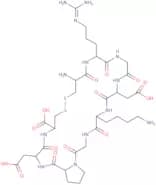
CAS:<p>a 9-amino acid cyclic peptide that triggers tissue penetration of drugs through binding to av integrins. Water solubility greater then 50mg/ml</p>Fórmula:C35H57N13O14S2Pureza:Min. 95%Peso molecular:948 g/molAc-Gly-BoroPro
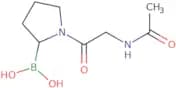
CAS:<p>Ac-Gly-BoroPro is a synthetic peptide-based inhibitor, which is derived from a chemical synthesis process involving peptide bond formation and incorporation of a boronic acid moiety. Its mode of action involves the reversible inhibition of prolyl oligopeptidase (POP), an enzyme that plays a crucial role in cleaving proline-containing peptides smaller than 30 amino acids in length. The boronic acid group in Ac-Gly-BoroPro interacts with the active site of POP, forming a transient covalent bond with the serine nucleophile, thereby blocking substrate access.</p>Fórmula:C8H15BN2O4Pureza:Min. 95%Peso molecular:214.03 g/molBRD9539
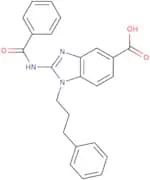
CAS:<p>BRD9539 is a small molecule modulator, which is a synthetic compound developed to interact with specific biological pathways. It is designed using advanced organic synthesis techniques and computational modeling, aimed at targeting specific molecular functions within cell signaling pathways. The mode of action of BRD9539 involves the inhibition of particular enzymes or protein interactions that are crucial in the regulation of cellular proliferation and survival.</p>Fórmula:C24H21N3O3Pureza:Min. 95%Peso molecular:399.44 g/molNK-1 antagonist 1
CAS:<p>NK-1 antagonist 1 is a synthetic pharmaceutical compound, which is derived from targeted chemical synthesis aimed at disrupting specific receptor interactions in the human body. This antagonist specifically targets the neurokinin-1 (NK-1) receptor, which is a critical receptor for the neuropeptide substance P. By binding to and inhibiting this receptor, NK-1 antagonist 1 effectively blocks the physiological effects mediated by substance P.</p>Fórmula:C25H23F6N5O2Pureza:Min. 95%Peso molecular:539.5 g/mol(S)-ZINC 3573
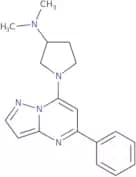
CAS:<p>(S)-ZINC 3573 is a chiral amine compound, which is a part of a group of enantiomerically pure substances used extensively in stereoselective synthesis. It is derived synthetically, typically involving asymmetric synthesis or resolution techniques to ensure high enantiomeric purity. The mode of action of (S)-ZINC 3573 involves its role as a building block or intermediate in chemical reactions, especially in the production of pharmaceuticals where chirality is crucial. The presence of the chiral center in (S)-ZINC 3573 allows it to contribute significantly to the synthesis of optically active compounds, which is essential in drug development to ensure effective biological activity.</p>Fórmula:C18H21N5Pureza:Min. 95%Peso molecular:307.4 g/molLeptomerine
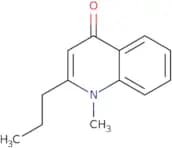
CAS:<p>Leptomerine is a bioactive natural compound, which is an alkaloid derived from plant sources, specifically from species in the Amaryllidaceae family. Its mode of action involves the inhibition of cholinesterase enzymes, rendering it a potential candidate for neuroprotective applications. By interfering with these enzymes, Leptomerine can modulate neurotransmitter levels, making it of significant interest in the study of neurodegenerative diseases such as Alzheimer's.</p>Fórmula:C13H15NOPureza:Min. 95%Peso molecular:201.26 g/molDelcasertib
CAS:<p>Delcasertib is a synthetic peptide inhibitor that is derived from biochemical research on protein kinase C (PKC) signaling pathways. This compound specifically targets the delta isoform of protein kinase C (PKCδ), playing a crucial role in modulating signaling pathways involved in cellular responses to stress and injury.</p>Fórmula:C120H199N45O34S2Pureza:Min. 95%Peso molecular:2,880.3 g/molD-JNKI-1
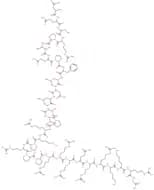
CAS:<p>D-JNKI-1 is a synthetic peptide inhibitor, specifically targeting the c-Jun N-terminal kinase (JNK) pathway. It is developed from a human-derived sequence, incorporating a D-enantiomer configuration to enhance stability and resistance to proteolytic degradation. The mode of action involves the competitive inhibition of JNK's interaction with its substrates, effectively blocking the phosphorylation and subsequent activation of downstream targets. This inhibitory mechanism is achieved by binding directly to the JNK protein, preventing it from executing its usual signaling responsibilities.</p>Fórmula:C164H286N66O40Pureza:Min. 95%Peso molecular:3,822.4 g/mol2-Methyl-N-(4-piperidin-1-ylsulfonylphenyl)-5-(trifluoromethyl)pyrazole-3-carboxamide
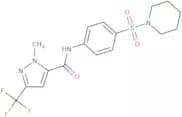
CAS:<p>2-Methyl-N-(4-piperidin-1-ylsulfonylphenyl)-5-(trifluoromethyl)pyrazole-3-carboxamide is a highly specific type of biochemical inhibitor, which is synthetically derived. With its unique chemical structure, it serves as an inhibitor for specific enzymes or proteins, often targeting key pathways in cellular processes. Its mode of action involves binding to the active site of the enzyme, thereby preventing the enzyme from catalyzing its substrate, which allows researchers to study the downstream effects of enzyme inhibition.</p>Fórmula:C17H19F3N4O3SPureza:Min. 95%Peso molecular:416.4 g/molBAY 58-2667 Hydrochloride
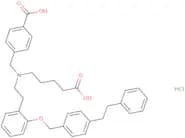
CAS:<p>BAY 58-2667 Hydrochloride is a soluble guanylate cyclase (sGC) activator, which is a synthetic small molecule derived from chemical synthesis. Its primary mode of action involves directly stimulating the enzyme sGC to increase the production of cyclic guanosine monophosphate (cGMP), an essential cellular messenger that regulates vascular tone, platelet aggregation, and neurotransmission.</p>Fórmula:C36H39NO5·HClPureza:Min. 95%Peso molecular:565.7 g/molBudralazine
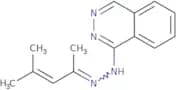
CAS:<p>Budralazine is a synthetic vasodilator, which is derived from a series of hydrazine analogs, known for their ability to modulate vascular tone. Its mode of action involves the direct relaxation of vascular smooth muscle. This relaxation leads to a decrease in peripheral vascular resistance and, consequently, a reduction in blood pressure. Intriguingly, Budralazine is thought to selectively target arterioles over veins, making it of particular interest in the study of vascular dynamics and hypertension.</p>Fórmula:C14H16N4Pureza:Min. 95%Peso molecular:240.3 g/molIptacopan
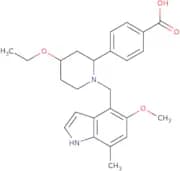
CAS:<p>Iptacopan is an oral, small-molecule therapeutic, which is a complement factor B inhibitor that targets the alternative pathway of the complement system. This pathway is a component of the immune system's innate response and, when dysregulated, can contribute to the pathogenesis of various complement-mediated diseases.</p>Fórmula:C25H30N2O4Pureza:Min. 95%Peso molecular:422.5 g/molCa-4948
CAS:<p>CA-4948 is a potent small molecule inhibitor, specifically targeting interleukin-1 receptor-associated kinase 4 (IRAK4), which plays a critical role in the Toll-like receptor (TLR) and interleukin-1 receptor (IL-1R) signaling pathways. This compound originates from targeted drug discovery efforts aimed at modulating immune-mediated pathways crucial for inflammatory responses.</p>Fórmula:C24H25N7O5Pureza:Min. 95%Peso molecular:491.5 g/molBIBF 1202
CAS:<p>BIBF 1202 is a potent inhibitor of phospholipase A2, prostaglandin synthase and cyclooxygenase-2. It inhibits the production of arachidonic acid from membrane phospholipids and is used in cancer research. BIBF 1202 has been shown to have anti-tumour activity in a number of animal models, including human liver cancer cells. This molecule has also been shown to inhibit the activation of nuclear factor kappa B (NF-κB), which is involved in carcinogenesis.</p>Fórmula:C30H31N5O4Pureza:Min. 95%Peso molecular:525.6 g/molWM 1119
CAS:<p>Selective and potent inhibitor of lysine acetyltransferases KAT6A and KAT6B with IC50 values in low nanomolar range. The compound is a reversible competitor of acetyl coenzyme A domain of KAT6A/B enzymes. It inhibits MYST-catalysed histone acetylation and was shown to arrest lymphoma progression in mice models. The compound opened the door to a new class of cancer therapeutics that could potentially direct the cancer cells in senescence or permanent dormancy.</p>Fórmula:C18H13F2N3O3SPureza:Min. 95%Cor e Forma:White/Off-White SolidPeso molecular:389.38 g/mol(S)-Luliconazole
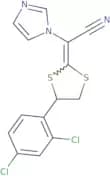
CAS:<p>(S)-Luliconazole is an antifungal agent that is synthesized from an imidazole compound. This compound is biphenyl in structure and is often derived through chiral synthesis techniques to isolate the (S)-enantiomer, which is the active form that enhances pharmacological effects. Its mode of action involves inhibiting the enzyme lanosterol 14α-demethylase, an essential component in fungal cell membrane synthesis. This inhibition disrupts the production of ergosterol, a critical sterol in fungal membranes, ultimately leading to increased membrane permeability and cell death.</p>Fórmula:C14H9Cl2N3S2Pureza:Min. 95%Peso molecular:354.3 g/molAzilsartan medoxomil
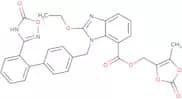
CAS:<p>Azilsartan medoxomil is an antihypertensive drug, which is a prodrug of the angiotensin II receptor blocker azilsartan. It is synthesized through a chemical process involving the modification of the medoxomil ester, converting it into its active form upon absorption in the gastrointestinal tract. The primary mode of action of azilsartan medoxomil involves selective antagonism of the angiotensin II type 1 (AT1) receptor. By blocking the effects of angiotensin II—a potent vasoconstrictor—azilsartan medoxomil effectively reduces vascular resistance, leading to decreased blood pressure.</p>Fórmula:C30H24N4O8Pureza:Min. 95%Cor e Forma:White PowderPeso molecular:568.53 g/molrac Enterolactone -13C3
CAS:<p>rac Enterolactone -13C3 is a stable isotope-labelled lignan, which is a type of compound derived from plant sources. It is biosynthesized through the conversion of dietary lignans by intestinal microbiota. The -13C3 label indicates that three carbon atoms in the compound have been replaced with the carbon-13 isotope, facilitating precise analytical tracking. This product acts as a tracer, allowing scientists to study metabolic pathways and the bioavailability of lignans in biological systems.</p>Fórmula:C18H18O4Pureza:Min. 95%Peso molecular:298.3 g/molBifluranolum
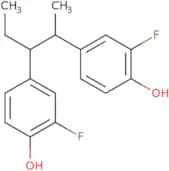
CAS:<p>Bifluranolum is a synthetic nonsteroidal antiandrogen, which is synthesized in laboratory settings and not derived from natural sources. Its mode of action involves competitive inhibition of androgen receptors. By occupying these receptor sites, Bifluranolum inhibits the binding of endogenous androgens, effectively blocking their physiological actions. This property makes it a valuable tool in studies related to androgen-dependent biological processes.</p>Fórmula:C17H18F2O2Pureza:Min. 95%Peso molecular:292.32 g/molSR8278
CAS:<p>SR8278 is a synthetic, chemical compound that functions as a highly selective inverse agonist of the Rev-Erb nuclear receptors, which is derived from extensive biochemical research. It operates by binding to these orphan nuclear receptors, Rev-Erbα and Rev-Erbβ, inhibiting their activity. This antagonistic action disrupts the regulation of circadian rhythms, metabolism, and inflammatory responses that these receptors typically control. This modulation occurs at the transcriptional level, where SR8278 interferes with gene expression governed by Rev-Erb receptors.</p>Fórmula:C18H19NO3S2Pureza:Min. 95%Peso molecular:361.48 g/molGanetespib
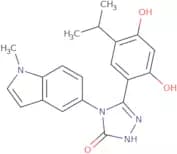
CAS:<p>Heat shock protein 90 (HSP90) inhibitor</p>Fórmula:C20H20N4O3Pureza:Min. 95%Cor e Forma:White PowderPeso molecular:364.4 g/molJDQ-443
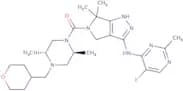
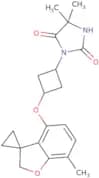
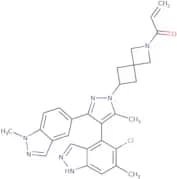
CAS:<p>JDQ-443 is a synthetic chemical compound, which is a product of organic synthesis, with a precise mode of action targeting specific cellular enzymes. This compound functions as an enzymatic inhibitor, designed to interfere with the activity of a specific class of enzymes critical to cellular proliferation pathways. JDQ-443 exerts its effects by binding to the active sites of these enzymes, thereby preventing substrate access and subsequent catalysis.</p>Fórmula:C29H28ClN7OPureza:Min. 98%Peso molecular:526.03 g/mol