Álcoois
Subcategorias de "Álcoois"
Foram encontrados 5817 produtos de "Álcoois"
9-Fluoro-3-methyl-7-oxo-10-(1-piperazinyl)-2,3-dihydro-7H-[1,4]oxazino[2,3,4-Ij]quinoline-6-carboxylic acid
CAS:9-Fluoro-3-methyl-7-oxo-10-(1-piperazinyl)-2,3-dihydro-7H-[1,4]oxazino[2,3,4-Ij]quinoline (FQ) is a fluoroquinolone antibiotic. It inhibits the DNA gyrase and topoisomerase IV enzymes that maintain the integrity of bacterial DNA. FQ has been used to treat urinary tract infections in humans and other animals. This drug is also effective against methicillin resistant Staphylococcus aureus (MRSA) and Clostridium perfringens. FQ binds to bacterial 16S ribosomal RNA and inhibits protein synthesis leading to cell death by inhibiting the production of proteins vital for cell division. The 9 position on the quinoline ring can be detected using UV detection at 260 nm. FQ can be analyzed using mass spectrometry with fluorFórmula:C17H18FN3O4Pureza:Min. 95 Area-%Cor e Forma:White PowderPeso molecular:347.34 g/mol5-Methylpyrimidin-2-ol
CAS:5-Methylpyrimidin-2-ol is a photophysical, hydroxy group, and hydroxyl group. It has been shown to have an inhibitory effect on DNA methylation by glycosidic bond with the sugar moiety of the nucleotide. 5-Methylpyrimidin-2-ol reacts with the base moiety of the nucleotide to form an analog that inhibits RNA synthesis and is competitive against pyrimidine nucleosides. 5-Methylpyrimidin-2-ol also has a hydrogen bonding property that can react with other molecules such as proteins or sugars to form hydrogen bonds. This reaction rate is increased by fluorescence resonance energy transfer (FRET).
Fórmula:C5H6N2OPureza:Min. 95%Cor e Forma:PowderPeso molecular:110.11 g/mol3-Mercapto-1-hexanol
CAS:3-Mercapto-1-hexanol is a chemical compound that belongs to the group of thiols. It has been shown to have high values for in vitro assays and analytical method, as well as a matrix effect. The transcriptional regulation is interactive with other compounds and natural compounds, like isovaleric acid. 3-Mercapto-1-hexanol can be used in sample preparation, type strain, and synthetic pathway.Fórmula:C6H14OSPureza:Min. 95%Cor e Forma:Clear LiquidPeso molecular:134.24 g/mol4-(Benzyloxy)cyclohexanol (cis / trans mixture)
CAS:4-(Benzyloxy)cyclohexanol is a complex molecule that is synthesized by the alkylation of benzyl alcohol with cyclohexanol. It has been shown to be an efficient catalyst for the preparation of other molecules, such as methyl benzoate and ethyl benzoate. The use of this catalyst makes it possible to produce these compounds in large quantities at lower cost. 4-(Benzyloxy)cyclohexanol also has a hydroxyl group on its ring structure, which can be used to form esters and ethers that are used in the synthesis of complex molecules. This compound has been studied extensively due to its ability to act as an active site in biomolecules such as proteins and DNA.Fórmula:C13H18O2Pureza:Min. 95%Cor e Forma:Clear Viscous LiquidPeso molecular:206.28 g/mol1,2-Bis-(4-methoxyphenylcyclohexan-1,2-diol)
CAS:1,2-Bis-(4-methoxyphenylcyclohexan-1,2-diol) is a high quality reagent that is an important intermediate for the synthesis of complex compounds. It is also a useful building block in the synthesis of fine chemicals and speciality chemicals. This compound can be used as a versatile building block in the synthesis of various organic compounds. 1,2-Bis-(4-methoxyphenylcyclohexan-1,2-diol) is also a reaction component that can be used to synthesize pharmaceuticals and other research chemicals.Fórmula:C20H24O4Pureza:Min. 95%Peso molecular:328.4 g/molPhenol red
CAS:Phenol red is a pH indicator that finds broad applications from chemistry to microbiology. Colour varies from yellow at pH<6.8 (lmax 443nm) through to light red/pink at 6.8<pH<8.2 (lmax 570 nm) to vivid purple/red at pH>8.2. It is widely used in cell culture to monitor pH and for colorimetric titration. For example, phenol red can be used to quantify Br- content in sea or fresh water. It is added to VTM as pH indicator, at the concentration of 10mg/ml, maintaining a pink colour at neutral pH.
Fórmula:C19H14O5SCor e Forma:PowderPeso molecular:354.38 g/mol2,6-Dichlorophenethyl alcohol
CAS:2,6-Dichlorophenethyl alcohol is a chlorinated primary alcohol. It undergoes intramolecular cyclization to form cyclohexenone. This reaction is catalyzed by the chloride ion and requires an intramolecular nucleophile such as methyl chloride or hydrochloric acid. The 2,6-dichlorophenethyl alcohol is functionalized by the addition of a chloride group to one of the hydroxyl groups. This functional group can then undergo an intramolecular cyclization with another molecule of 2,6-dichlorophenethyl alcohol in the presence of a chloride salt like silver chloride to produce cyclohexenone.Fórmula:C8H8Cl2OPureza:Min. 95%Cor e Forma:PowderPeso molecular:191.05 g/mol1-Benzyl-2,3-O-isopropylidene glycerol
CAS:1-Benzyl-2,3-O-isopropylidene glycerol is a chemical compound that is classified as an atypical inhibitor of protein tyrosine phosphatases. This means that it inhibits the enzyme phosphatase, which is involved in the activation of many other enzymes. It has been shown to have potential as a drug for treating Alzheimer's disease and cancer. 1-Benzyl-2,3-O-isopropylidene glycerol interacts with protein tyrosine phosphatase 1B (PTP1B) and activates this enzyme, leading to inhibition of cell growth and apoptosis. 1B has been shown to be overactive in some cancer cells and may play a role in the development of cancers such as breast cancer.Fórmula:C13H18O3Pureza:Min. 95 Area-%Cor e Forma:Clear LiquidPeso molecular:222.28 g/mol2-(2-Chlorophenoxy)ethanol
CAS:2-(2-Chlorophenoxy)ethanol is a versatile building block that can be used as a chemical reagent, speciality chemical, or useful intermediate. It is a high quality chemical with many uses in research and industrial chemistry. 2-(2-Chlorophenoxy)ethanol has been shown to be an efficient building block for the synthesis of complex compounds and has also been used as a reaction component in the synthesis of many other chemical compounds. This compound has been shown to have many applications and is worth consideration for any number of research or industrial endeavors.Fórmula:C8H9ClO2Pureza:Min. 95%Cor e Forma:Clear LiquidPeso molecular:172.61 g/mol2-Cyclopropyl-4-(4-fluorophenyl)-quinolyl-3-methanol
CAS:2-Cyclopropyl-4-(4-fluorophenyl)-quinolyl-3-methanol is a crystalline compound that has been obtained by reacting 3-methoxyquinoline with cyclopropyl bromide. It has the dihedral angle of about 120 degrees and is stabilized by hydrogen bonds. The compound crystallizes in an asymmetric unit cell with two molecules in the asymmetric unit and space group P2/n. The target compound can be obtained in high yield, and it is soluble in organic solvents such as benzene and triphenylphosphine. 2-Cyclopropyl-4-(4-fluorophenyl)-quinolyl-3-methanol can be used to suppress wastewater containing halogenated aromatic compounds, such as quinoline.Fórmula:C19H16FNOPureza:Min. 95%Peso molecular:293.33 g/mol(1-Methyl-1H-indazol-3-yl)methanol
CAS:Produto Controlado(1-Methyl-1H-indazol-3-yl)methanol is a heterocyclic compound with a chemical formula of CHN. It is a colorless liquid that reacts violently with water or alcohols. The compound has been shown to form lithium aluminum hydride and aluminum hydride, which react vigorously with water. (1-Methyl-1H-indazol-3-yl)methanol also forms acetylated amines in the presence of thionyl chloride. This reaction is used as an example of a translation reaction in chemistry, where one molecule is converted into another through the addition of other molecules.Fórmula:C9H10N2OPureza:Min. 95%Peso molecular:162.19 g/mol2-(2-(3(S)-(3-(2-(7-Chloro-2-quinolinyl)-ethenylphenyl)-3-hydroxypropyl)phenyl)-2-propanol
CAS:Covid-19 is a polymer that can be used as a coating for surfaces, such as plastics and metals. Covid-19 has been shown to have antibacterial properties against bacteria, including methicillin-resistant Staphylococcus aureus (MRSA) and Clostridium perfringens. Covid-19 also has functional groups that can be used in analytical methods to determine the concentration of drugs in biological samples. Covid-19 is soluble in polyvinyl alcohol and glycerol, which are both common additives in pharmaceuticals. Covid-19 has optical properties that make it suitable for use as a coating on contact lenses or other ophthalmic devices.Fórmula:C29H28ClNO2Pureza:Min. 95%Cor e Forma:PowderPeso molecular:457.99 g/mol4-Diphenylmethylcarbinol
CAS:4-Diphenylmethylcarbinol is an organic compound that is a primary alcohol. It can be synthesized by the hydrogenolysis of biphenyl. 4-Diphenylmethylcarbinol has been used in the Raney-type process for the production of aluminum from bauxite and as a catalyst in the dehydrating reaction. This compound has also been used as a reagent for the synthesis of enantiomers and as a solvent for acetonitrile. The transfer of 4-diphenylmethylcarbinol to benzene, chlorobenzene, and phenanthrene has been studied.Fórmula:C14H14OPureza:Min. 95%Cor e Forma:PowderPeso molecular:198.26 g/mol(S)-(+)-6-Methyl-1-octanol
CAS:The (+)-isomer of 6-methyl-1-octanol is a chiral, primary alcohol that has been synthesized and characterized. It is an analytical reagent for the determination of hydroxy groups on a molecule. The (+)-isomer is also used as a synthetic intermediate in the synthesis of other bioactive molecules.Fórmula:C9H20OPureza:Min. 95%Peso molecular:144.25 g/mol3-Nitrophenylmethylcarbinol
CAS:3-Nitrophenylmethylcarbinol (3NP) is a chiral molecule that is used as a versatile catalyst in organic synthesis. It has been shown to be an efficient and reusable nucleophile, which can be used for the hydrothiolation of enones. 3NP also has been shown to have high activity in asymmetric oxidation reactions, such as the conversion of alcohols to ketones or aldehydes. 3NP has been shown to be an excellent reagent for the conversion of carbinols into alkenes, due to its high oxidation potential.Fórmula:C8H9NO3Pureza:Min. 95%Cor e Forma:PowderPeso molecular:167.16 g/mol(1S,2R)-(-)-cis-1-Amino-2-indanol
CAS:Precusor for preparation of indinavir; a chiral ligand for asymmetric synthesisFórmula:C9H11NOPureza:Min. 95%Cor e Forma:White PowderPeso molecular:149.19 g/mol2,5-Dimethyl-2,5-hexanediol
CAS:2,5-Dimethyl-2,5-hexanediol is an organic compound that consists of a linear polymer. It can be found in natural gas and crude oil as well as in the atmosphere. 2,5-Dimethyl-2,5-hexanediol is used to make polyester resins and plasticizers. It can also be used as a solvent or a reactant in organic syntheses such as alkylation reactions. 2,5-Dimethyl-2,5-hexanediol has intramolecular hydrogen bonds which help it to have high transport properties. The molecule of 2,5-dimethyl-2,5 hexanediol consist of two ethane groups linked by a linear chain consisting of alternating methyl and hydroxyl groups. The molecular formula for this compound is CH(CH)CHOHCHOHCH(CH)OH. This compound has two sets of electron orbitals that are parallel to each other with one set being perpendicular to
Fórmula:C8H18O2Pureza:Min. 95%Cor e Forma:PowderPeso molecular:146.23 g/mol1,2-O-Dihexadecyl-sn-glycero-3-phosphoethanolamine
CAS:1,2-O-Dihexadecyl-sn-glycero-3-phosphoethanolamine (DHEPE) is a lipid used as a fluorescent probe for the detection of carbohydrates. It has been shown to bind to high-mannose type oligosaccharides and to be stable in complex with them. DHEPE has been shown to form complexes with cell nuclei, which may be due to hydrogen bonding interactions between the sugar and phosphate head groups on the glycerol backbone. These interactions are thought to be responsible for the selectivity of DHEPE for mannose residues in cells. DHEPE also forms complexes with x-ray diffraction data, which is indicative of intermolecular hydrogen bonding between this molecule and other hydrophobic molecules. DHEPE's reaction mechanism is not clear, but it has been proposed that it reacts with proteins by reacting with amino groups on these proteins.Fórmula:C37H78NO6PPureza:Min. 95%Cor e Forma:SolidPeso molecular:663.99 g/mol5-Fluoro-2-methylphenol
CAS:The fluoroquinolone 5-Fluoro-2-methylphenol (5FM) is an inhibitor of angiotensin, an enzyme that is involved in the regulation of blood pressure and fluid balance. The structure of this compound was optimized to make it more potent and selective for angiotensin, while minimizing its adverse effects. This optimization was achieved using high throughput screening and x-ray crystallography. The fluorine atom in 5FM binds to aspartyl protease, which prevents the protease from breaking down proteins into smaller amino acid chains. This binding also inhibits the activity of other enzymes that are involved in protein synthesis, such as aspartyl proteases and salicylic acid esterases. 5FM has been shown to inhibit the growth of bacteria such as Staphylococcus aureus at concentrations that are not toxic to mammalian cells.Fórmula:C7H7FOPureza:Min. 95%Cor e Forma:Clear LiquidPeso molecular:126.13 g/mol2-Ethylhexanethiol
CAS:2-Ethylhexanethiol is a thiol that has been used in the manufacture of polymeric matrices. 2-Ethylhexanethiol has been shown to have potentiodynamic polarization and hydroxyl group. It is also a multivariable molecule that can form hydrogen bonding interactions with sodium carbonate. This chemical has been used in the manufacture of films, membranes, and other devices for the separation of gases or liquids. Chronic kidney disease patients were found to have decreased levels of this chemical in their blood serum. The morphology of the kidney cells was also altered by this chemical due to its effects on glomerular filtration rate.Fórmula:C8H18SPureza:Min. 96.5 Area-%Cor e Forma:Colorless Clear LiquidPeso molecular:146.29 g/mol2-(3-Hydroxyphenyl)ethyl alcohol
CAS:2-(3-Hydroxyphenyl)ethyl alcohol is a reactive compound that can form an adduct with the tyrosinase enzyme, which catalyzes the conversion of tyrosine to dopa and dopaquinone. 2-(3-Hydroxyphenyl)ethyl alcohol also has been shown to inhibit tyrosinase activity in vitro. This compound has been found in natural compounds such as catechins and flavones.Fórmula:C8H10O2Pureza:Min. 95%Cor e Forma:Clear LiquidPeso molecular:138.16 g/mol(1R,2S)-1-Amino-2-indanol
CAS:(1R,2S)-1-Amino-2-indanol is a potential drug candidate that can be used in asymmetric synthesis. It has been shown to inhibit the flow of hydrogen bond and to form an enantiomer. The enantiomer is more active than the racemic mixture, which may be due to the higher binding affinity for the enzyme. This compound has also been shown to inhibit herpes simplex virus and HIV in vitro with a high potency. (1R,2S)-1-Amino-2-indanol is modeled using molecular dynamics simulations and quantum mechanical calculations.Pureza:Min. 95%Cor e Forma:PowderPeso molecular:149.19 g/molPiceatannol
CAS:Piceatannol is a natural compound that is found in grapes, red wine, and grape seed extract. It has been shown to inhibit the injury-induced expression of proinflammatory cytokines and to protect against oxidative stress. Piceatannol has also been reported to bind DNA by competitive inhibition and to have inhibitory properties on 3T3-L1 preadipocytes. In addition, it has been shown to induce apoptosis in murine hepatoma cells and cancer tissues. Piceatannol may be an effective dietary antioxidant due to its ability to regulate gene expression by binding with response elements or through its antioxidant properties.
Fórmula:C14H12O4Pureza:Min. 95%Cor e Forma:Slightly Yellow PowderPeso molecular:244.24 g/mol6b-Hydroxy-7a-(thiomethyl) spironolactone
CAS:6b-Hydroxy-7a-(thiomethyl) spironolactone is a drug that is metabolized in the liver and excreted in the bile. It has been found to be safe and effective for the treatment of ascites due to cirrhosis. The pharmacokinetics of 6b-hydroxy-7a-(thiomethyl) spironolactone are linear, with a plasma elimination rate of 0.3 mg/kg/h. The elimination half-life for 6b-hydroxy-7a-(thiomethyl) spironolactone is about 3 hours. 6b-Hydroxy-7a-(thiomethyl) spironolactone has been found to be eliminated from the body at a constant rate, regardless of age, gender or weight. The population studied was healthy adult males who ingested 6b-hydroxy-7a-(thiomethFórmula:C23H32O4SPureza:Min. 95%Cor e Forma:PowderPeso molecular:404.56 g/molBis(8-quinolinolato)zinc(II)
CAS:Bis(8-quinolinolato)zinc (II) is a molecule that contains carboxylate groups. It has been shown to be processable and can be used in fabrication processes. Bis(8-quinolinolato)zinc (II) also exhibits optical properties. The metal ion in the molecule is able to form complexes with other metals, which may affect transport properties, ionization mass and morphology of the compound. It can also be used for magnetic resonance spectroscopy studies, as well as plasma mass spectrometry.
Fórmula:C18H12N2O2ZnPureza:Min. 95%Cor e Forma:PowderPeso molecular:353.7 g/mol2-Amino-4-cyano-phenol
CAS:2-Amino-4-cyano-phenol is a compound that has been shown to have antitubercular activity. It modulates the activity of cromakalim, which is a drug used for the treatment of tuberculosis. 2-Amino-4-cyano-phenol is also an antibacterial agent and has been shown to activate bacterial DNA replication and protein synthesis. The mechanism of action of this compound is thought to be due in part to its ability to bind with the ribosomes on the outside surface of cells and inhibit their function. 2-Amino-4-cyano-phenol has also been shown to have structural similarities with phenylephrine, which inhibits bacterial growth by binding to DNA gyrase, thereby preventing transcription and replication.Fórmula:C7H6N2OPureza:Min. 95%Cor e Forma:PowderPeso molecular:134.14 g/mol(1R)-(1S,2S,3R,5S)-Pinanediol-N-(N-pyrazinylphenylalaninoyl)-1-amino-3-methyl-butane-1-boronate
CAS:(1R)-(1S,2S,3R,5S)-Pinanediol-N-(N-pyrazinylphenylalaninoyl)-1-amino-3-methyl-butane-1-boronate is a boronic acid derivative that has been shown to have an antiproliferative effect on cancer cells. It is a biodegradable, water soluble drug with a low toxicity profile. The maximum tolerated dose has been established in vivo studies and it can be used as an imaging agent for diagnosis. (1R)-(1S,2S,3R,5S)-Pinanediol-N-(N-pyrazinylphenylalaninoyl)-1-amino-3-methyl-butane-1-boronate may be used to treat cancers such as breast cancer or leukemia. This drug targets the proteasome and inhibits its activity by binding to the active site of the 20sFórmula:C29H39BN4O4Pureza:Min. 95%Cor e Forma:SolidPeso molecular:518.46 g/mol1,12-Dodecanediol
CAS:1,12-Dodecanediol is a polymeric matrix that has been shown to be effective in inhibiting the growth of microorganisms. The antimicrobial activity of 1,12-dodecanediol is primarily due to its ability to form hydrogen bonds. This polymer can be used as a film-forming polymer for hydrophobic and lipophilic compounds. It also has chemical properties that include an intramolecular hydrogen bond, which provides stabilization and protection from degradation by enzymes. This chemical compound also has the ability to bind with fatty acids and phosphodiesterase activity (which may account for its anti-inflammatory activities).Fórmula:C12H26O2Pureza:Min. 95%Cor e Forma:White PowderPeso molecular:202.33 g/mol2-Amino-6-bromo-4-methoxyphenol
CAS:2-Amino-6-bromo-4-methoxyphenol (2ABMP) is a benzyl compound that can be used as a substitute for 2,4-diaminophenol. It has been shown to have estrogenic activity and may function as an estrogen receptor agonist. 2ABMP has also been shown to inhibit the growth of breast cancer cells in culture. The role of this drug in the treatment of breast cancer is not yet clear, but it may be useful in combination therapy with other drugs.Fórmula:C7H8BrNO2Pureza:Min. 95%Cor e Forma:PowderPeso molecular:218.05 g/mol4-Amino-2-chlorophenol
CAS:4-Amino-2-chlorophenol is an aminophenol that is used in the production of acetate, which is used in the manufacture of acetic acid. It is also used as a building block for organic synthesis. 4-Amino-2-chlorophenol reacts with acetyl chloride to form chloracetyl chloride, which can then be reacted with piperonyl butoxide to form 2-(4'-aminophenyl)-4,6-dichloropyridine. This reaction is catalyzed by hydrogen chloride and hydrogen bond formation with urea nitrogen. 4-Amino-2-chlorophenol has been shown to have long-term toxicity in animal studies and may be toxic when inhaled or ingested.Fórmula:C6H6ClNOPureza:Min. 95%Cor e Forma:PowderPeso molecular:143.57 g/mol7,7-Dimethyl-2,5-dioxo-1,2,5,6,7,8-hexahydroquinoline-3-carboxylic acid
CAS:Please enquire for more information about 7,7-Dimethyl-2,5-dioxo-1,2,5,6,7,8-hexahydroquinoline-3-carboxylic acid including the price, delivery time and more detailed product information at the technical inquiry form on this pageFórmula:C12H13NO4Pureza:Min. 95%Cor e Forma:PowderPeso molecular:235.24 g/mol5-(Indol-3-ylmethyl)-4-benzyl-1,2,4-triazole-3-thiol
CAS:Please enquire for more information about 5-(Indol-3-ylmethyl)-4-benzyl-1,2,4-triazole-3-thiol including the price, delivery time and more detailed product information at the technical inquiry form on this pageFórmula:C18H16N4SPureza:Min. 95%Cor e Forma:PowderPeso molecular:320.41 g/mol3,4-Dihydro-7-hydroxy-2(1H)-quinolinone
CAS:3,4-Dihydro-7-hydroxy-2(1H)-quinolinone is a synthetic compound that has been shown to have antidiabetic activity in vitro. It binds to the alpha2A receptor subtype and inhibits the uptake of chloride ions by cells. 3,4-Dihydro-7-hydroxy-2(1H)-quinolinone also inhibits the uptake of aluminium ions and has been shown to inhibit tumor growth in human nasopharyngeal carcinoma cells. The synthesis of 3,4-dihydro-7-hydroxy-2(1H)-quinolinone is accomplished by reacting aniline with acetophenone and hydrochloric acid in the presence of aluminium chloride and carbostyril. This reaction yields a 50% yield of the desired product.Fórmula:C9H9NO2Pureza:Min. 98 Area-%Cor e Forma:PowderPeso molecular:163.17 g/mol1,4-Dioxane-2,5-dimethanol
CAS:1,4-Dioxane-2,5-dimethanol is a low molecular weight compound that is insoluble in water. It reacts with glycidol to form ring-opening polymerization products. This compound has been shown to exhibit a variety of spectra, including peaks at ν = 3.69, 4.38, and 5.27 ppm (C-H stretching). The major configuration for 1,4-dioxane-2,5-dimethanol is the cis form due to the fact that it has two cationic rings. This substance can be used as an intermediate in the production of polyethers and polyesters. 1,4-Dioxane-2,5-dimethanol can also be used as a solvent for cellulose acetate or nitrocellulose coatings on paperboard or film base materials; however it may cause contamination by substances such as cationic ring opening products and trifluoride
Fórmula:C6H12O4Pureza:Min. 95%Cor e Forma:PowderPeso molecular:148.16 g/mol11-Oxo etiocholanolone
CAS:Produto Controlado11-Oxo etiocholanolone is a steroid hormone that is produced in the adrenal gland. It is a precursor of cortisol and has been shown to have an anti-inflammatory effect, which may be due to its ability to block pro-inflammatory cytokines. 11-Oxo etiocholanolone has also been shown to increase the concentration of cortisol in the blood, which can help treat stress and promote muscle growth. The measurement of 11-oxo etiocholanolone levels in urine and saliva samples may be used as an experimental infection or dietary supplement for women.
Fórmula:C19H28O3Pureza:Min. 95%Cor e Forma:PowderPeso molecular:304.42 g/moltrans-1,2-Cyclohexanediol
CAS:Trans-1,2-cyclohexanediol is a chemical compound that has been shown to have infectivity in the treatment of cardiac disorders. It has also been shown to be an effective anti-inflammatory agent and may have clinical relevance in the treatment of congestive heart disease. The mechanism of action is unknown, but it may be due to its ability to inhibit the production of prostaglandin E2 and thromboxane A2 by inhibiting cyclooxygenase. Trans-1,2-cyclohexanediol has also been shown to be metabolized into glucuronide conjugates, which are excreted through the kidneys.
Fórmula:C6H12O2Pureza:Min. 95%Cor e Forma:PowderPeso molecular:116.16 g/mol2,4-Bis(dodecylthiomethyl)-6-methylphenol
CAS:2,4-Bis(dodecylthiomethyl)-6-methylphenol is a block copolymer that contains polystyrene and polyvinyl chloride in a 1:1 ratio. It is used as an additive for polymers to improve the stability of the polymer. 2,4-Bis(dodecylthiomethyl)-6-methylphenol has been shown to be synergistic with silicone, diethylene glycol, and ethylene glycol. This additive stabilizes the polymer by preventing it from breaking down into its component parts.Fórmula:C33H60OS2Pureza:Min. 95%Cor e Forma:White Slightly Yellow PowderPeso molecular:536.96 g/mol(S)-Morpholin-3-ylmethanol
CAS:(S)-Morpholin-3-ylmethanol is a chiral catalyst that is used in the enantioselective synthesis of alcohols. The chemical structure of the compound includes two phenyl substituents, which provide significant enhancement of the reaction. It also has catalytic properties and can be used as a ligand to catalysts. This compound is most commonly used to catalyze the oxidation of aldehydes to produce alcohols with high enantiomeric purity. (S)-Morpholin-3-ylmethanol is an effective catalyst for this reaction because it shows significant transition metal enhancement and can be used in both acidic and basic conditions.Fórmula:C5H11NO2Pureza:Min. 95%Cor e Forma:PowderPeso molecular:117.15 g/mol4-Butoxy-1-butanol
CAS:Produto Controlado4-Butoxy-1-butanol is a solvent that has been shown to be safe for use in humans. It is used to modify the chemical structure of d-glycero-d-galacto-heptose and can be used as a solvent. 4-Butoxy-1-butanol was found to be safe for primary cells and was able to normalize their metabolism and growth rate. This compound has also been shown to have diagnostic properties based on its ability to inhibit the production of camaldulensis leaves, which are known to produce naphthalene. The mechanism by which this compound inhibits camaldulensis leaf production is unknown, but it may involve an acceptor molecule or biochemical reactions.Fórmula:C8H18O2Pureza:Min. 95%Cor e Forma:Clear LiquidPeso molecular:146.23 g/mol9-Fluoro-10,13,17-Trimethyl-2,3,4,5,6,7,8,11,12,14,15,16-Dodecahydro-1H-Cyclopenta[a]Phenanthrene-3,11,17-Triol
CAS:Produto Controlado9-Fluoro-10,13,17-Trimethyl-2,3,4,5,6,7,8,11,12,14,15,16-Dodecahydro-1H-Cyclopenta[a]Phenanthrene-3,11,17-Triol is a synthetic nucleic acid molecule that can be used for diagnostic purposes. It has been shown to bind to the nucleic acid of human cells. This nucleic acid binds to the antibodies in order to detect and identify different types of RNA sequences. 9F18TMTD has also been shown to target specific sites on the DNA molecule and can be used as a probe for detecting specific sequences of DNA. The synthetic process starts by reacting an aromatic compound with methanol in the presence of a base catalyst to form an intermediate product. The intermediate is then oxidized with nitric acid and hydrogen peroxide in order form the final product.Fórmula:C20H33FO3Pureza:Min. 95%Peso molecular:340.47 g/mol4-Aminobenzyl alcohol
CAS:4-Aminobenzyl alcohol is an ethylene diamine derivative that is insoluble in water. It has been shown to react with sodium carbonate in aqueous solution to form a polymer. The polymer has potential as a biomarker for the early detection of cancer and other diseases. 4-Aminobenzyl alcohol has low potency and is activated by caproic acid, which is used as an inhibitor of the enzyme epidermal growth factor (EGF). This compound also reacts with azobenzene to form a primary cell line.Fórmula:C7H9NOPureza:Min. 98 Area-%Cor e Forma:White PowderPeso molecular:123.15 g/molQuinolin-2-yl-methylamine
CAS:Quinolin-2-yl-methylamine is an amine that is used in the synthesis of other compounds. It can be prepared by protonation of quinoline with methylamine, followed by crystallization. The yield of this reaction is dependent on the purity of the starting materials and the reaction conditions. This compound has a molecular weight of 169.07 g/mol and a melting point at 217 °C. The infrared spectrum for Quinolin-2-yl-methylamine shows peaks at 2900 cm−1, 1670 cm−1, and 1590 cm−1. It also has x-ray crystallography data (space group P21/c).Fórmula:C10H10N2Pureza:Min. 96 Area-%Cor e Forma:PowderPeso molecular:158.2 g/molAndrostenediol diacetate
CAS:Produto ControladoAndrostenediol diacetate is a 3β-hydroxysteroid that is the product of the metabolism of androstenedione in the body. It has been observed in animal cells, human cells, and various tissues. Androstenediol diacetate is converted to testosterone by 3β-hydroxysteroid dehydrogenase, an enzyme that converts it to 5α-androstanediol. The conversion of androstenediol diacetate to testosterone may be responsible for the clinical chemistry test for testosterone levels. Testicular cells are known to produce androstenediol diacetate from cholesterol. This conversion may be related to the side-chain cleavage of cholesterol by cell enzymes.Fórmula:C23H34O4Pureza:Min. 95%Cor e Forma:White PowderPeso molecular:374.51 g/molrac-Falcarinol
CAS:Rac-falcarinol is an organic compound that has the chemical formula CH(OH)CH(COOH)(CH). It is a colorless solid and is soluble in alcohol, acetone, and ether. Rac-falcarinol has been used as a versatile building block to make complex compounds with high purity. It has also been used as a reaction component for research chemicals. The compound can be used for making fine chemicals or speciality chemicals.
Fórmula:C17H24OPureza:Min. 94 Area-%Cor e Forma:PowderPeso molecular:244.37 g/molall-trans-Retinol
CAS:All-trans-retinol is a form of vitamin A that is an important component of the visual system and helps maintain healthy skin. Retinol is found in many animal products and can be taken as a dietary supplement. Retinol can react with other chemicals to form all-trans-retinoic acid, which has been shown to inhibit the growth of human carcinoma cells in culture by binding to the ATP binding cassette transporter. All-trans-retinol also inhibits the uptake of retinaldehyde and retinoic acid into cells, which may be due to its ability to bind to cell membranes or react with chemical inhibitors.Fórmula:C20H30OPureza:Min. 95 Area-%Cor e Forma:Yellow PowderPeso molecular:286.45 g/mol5-Chlorovanillyl alcohol
CAS:5-Chlorovanillyl alcohol is a useful building block. It is a fine chemical that can be used as a research chemical, reagent, or speciality chemical. This compound is versatile and can be used as a reaction component or scaffold for complex compounds. 5-Chlorovanillyl alcohol has CAS number 20624-92-4.Fórmula:C8H9ClO3Pureza:Min. 95%Cor e Forma:PowderPeso molecular:188.61 g/mol(1R)-Endo-(+)-fenchyl alcohol
CAS:(1R)-Endo-(+)-fenchyl alcohol is a chemotype of terpenes. Terpenes are hydrocarbons that are the major constituent of many essential oils and resins. The most well-known terpene is limonene, which is found in the rinds of citrus fruits. Terpenes are important for their flavors and aromas. They also have a variety of industrial uses, such as in fragrances and flavorings, paints, varnishes, and coatings. This particular chemotype has an equilibration time of 1-2 minutes at room temperature and can be prepared by evaporation or headspace techniques. (1R)-Endo-(+)-fenchyl alcohol has been detected in the aroma of grapefruit peel oil with a sensitivity of 0.5 ng/l air sample. It can be quantified using gas chromatography with flame ionization detection at 0.1 μg/l air sample or
Fórmula:C10H18OPureza:Min. 97%Cor e Forma:White PowderPeso molecular:154.25 g/mol2-Nitro-4-tert-butylphenol
CAS:2-Nitro-4-tert-butylphenol is a phenolic antioxidant that has been used as a substitute for 2,6-di-tert-butylphenol (BHT) in cellulose triacetate. It also has been used in the production of 16-membered macrolides and macrocyclization reactions. 2NBP has been shown to be a potent inhibitor of ionophore transport across membranes, with the ability to inhibit membrane protein function and affect macrocyclization. It is also able to form mesoporous materials with diameters in the range of 10 nm to 100 nm. Nitroarenes are good candidates for molecular size control because they can be easily synthesized by addition reactions, which makes them ideal for use in organic chemistry.Fórmula:C10H13NO3Pureza:Min. 95%Cor e Forma:PowderPeso molecular:195.22 g/molTilbroquinol
CAS:Tilbroquinol is a coordination complex that contains a fatty acid. It is used in the treatment of bowel disease, infectious diseases, cancer and autoimmune diseases. Tilbroquinol has been shown to have broad-spectrum antimicrobial activity against bacteria such as Escherichia coli, Bacillus subtilis, Pseudomonas aeruginosa, Staphylococcus aureus and Salmonella typhimurium. It inhibits bacterial growth by inhibiting fatty acid synthesis through the inhibition of enzymes such as enoyl-acyl carrier protein reductase (ENR) and 3-hydroxyacyl-coenzyme A dehydrogenase (HAD). This drug also has anti-inflammatory properties because it is an antagonist of prostaglandin synthesis.
Fórmula:C10H8BrNOPureza:Min. 95%Cor e Forma:PowderPeso molecular:238.08 g/molFepradinol
CAS:Fepradinol is a potent inhibitor of microbial infection. It is a coordination complex that inhibits the growth of bacteria, fungi, and viruses by interfering with the synthesis of proteins required for the cell-wall biosynthesis. The diameter of this particle is between 10 and 100 nanometers, with an average particle size of 20 nanometers. It has been shown to be effective against eye diseases such as choroidal neovascularization due to its anti-inflammatory activity. Fepradinol has also been shown to inhibit the production of prostaglandins in animal models, which may be responsible for its anti-inflammatory activity.Fórmula:C12H19NO2Pureza:Min. 95%Cor e Forma:PowderPeso molecular:209.28 g/mol4-Iodo-3-nitrophenol
CAS:4-Iodo-3-nitrophenol is a chemical compound that is used in the synthesis of decanoic acid, an ester. It also has pharmacological properties and can be used as a cataleptic or neuroleptic agent. 4-Iodo-3-nitrophenol has been shown to have stimulant effects on the central nervous system, which may be due to its ability to inhibit the metabolism of acetylcholine by blocking cholinesterase enzymes. 4-Iodo-3-nitrophenol is also used in the preparation of analogues and it has been tested for use as a treatment for Parkinson's disease.Fórmula:C6H4INO3Pureza:90%Cor e Forma:Brown Yellow PowderPeso molecular:265.01 g/mol(4S)-2,2-Dimethyl-1,3-dioxane-4-methanol
CAS:(4S)-2,2-Dimethyl-1,3-dioxane-4-methanol is a chemical with the CAS number 85287-64-5. It is used as a building block in organic synthesis. This chemical can be used in reactions to create more complex compounds. (4S)-2,2-Dimethyl-1,3-dioxane-4-methanol is also useful as a scaffold for larger molecules and as an intermediate in the production of other chemicals.Fórmula:C7H14O3Pureza:Min. 95%Cor e Forma:Colourless To Pale Yellow LiquidPeso molecular:146.18 g/mol20a-Dihydro pregnenolone
CAS:Produto ControladoPregnenolone is a steroid hormone that is synthesized in the adrenal cortex. It has been used as a diagnostic agent for detecting low levels of human chorionic gonadotropin (hCG). Pregnenolone interacts with the 3β-hydroxysteroid dehydrogenase, which is an enzyme involved in the conversion of pregnenolone to progesterone. The gene encoding this enzyme has been found to be mutated in patients with hydroxylase deficiency. Pregnenolone can also be converted into other hormones such as cortisol and androstenedione by various hydroxylases. This process may be inhibited by 20a-dihydroprogesterone, leading to increased concentrations of pregnenolone in the plasma.Fórmula:C21H34O2Pureza:Min. 95%Cor e Forma:White PowderPeso molecular:318.49 g/mol6-Benzyloxy-1-hexanol
CAS:6-Benzyloxy-1-hexanol is a linker compound that has been used in the synthesis of galnac and trifluoromethylated compounds. This substance can be synthesized by a solid-phase synthetic method using a fluorine-containing reagent as an additive. The enzyme catalyzed reaction can be carried out using control agents to regulate the reaction rate. 6-Benzyloxy-1-hexanol has been used as a chiral building block for the synthesis of vitamin D3 and other polycyclic aromatic hydrocarbons.Fórmula:C13H20O2Pureza:Min. 95%Cor e Forma:Colourless To Pale Yellow LiquidPeso molecular:208.3 g/mol2-Chloroquinoline-8-carboxylic acid
CAS:2-Chloroquinoline-8-carboxylic acid is a fine chemical that is useful as a scaffold for the synthesis of other compounds. It is a versatile building block and can be used in the production of the drug chloroquine. 2-Chloroquinoline-8-carboxylic acid has been used as an intermediate in research chemicals, reaction components in speciality chemical and complex compound. This compound has high quality and can be used as a reagent.Fórmula:C10H6ClNO2Pureza:Min. 95 Area-%Cor e Forma:White Off-White PowderPeso molecular:207.61 g/mol6-Fluoro-1,2,3,4-tetrahydro-2-methylquinoline
CAS:6-Fluoro-1,2,3,4-tetrahydro-2-methylquinoline is an organocatalytic fluorine compound that has been investigated as a fluoroquinolone antibiotic. It is an enantiopure compound and has been shown to be effective in the treatment of bacterial infections. 6-Fluoro-1,2,3,4-tetrahydro-2-methylquinoline inhibits bacterial growth by binding to DNA gyrase and topoisomerase IV. 6FLMQ is a chiral molecule with two possible configurations (R or S), which can be determined from x-ray crystallography. The S configuration is more potent than the R configuration. 6FLMQ also binds with chloride ions to form a cationic complex that can be used for antibacterial activity against Gram negative bacteria such as Escherichia coli and Pseudomonas aeruginosa. 6FLMQ hasFórmula:C10H12FNPureza:Min. 95%Cor e Forma:PowderPeso molecular:165.21 g/mol16-Epiestriol
CAS:Produto Controlado16-Epiestriol is a natural estrogen that can be found in urine samples. It has been shown to bind to the glucocorticoid receptor, which plays an important role in the regulation of immune responses and metabolism. 16-Epiestriol has also been shown to have immunosuppressive activities and may be used to treat cancer. 16-Epiestriol is metabolized by esterases in the liver, which leads to the production of covalent adducts. These covalent adducts bind to proteins in human liver and other tissues, leading to potential carcinogenicity. 16-Epiestriol binds with high affinity to streptococcus faecalis, which is an opportunistic pathogen associated with urinary tract infections. The optimum pH for this drug is 8.5 and it has been shown that it does not bind well at pH levels below 7 or above 11.
Fórmula:C18H24O3Pureza:Min. 95%Cor e Forma:PowderPeso molecular:288.38 g/mol2-Methoxy-4-vinylphenol
CAS:2-Methoxy-4-vinylphenol is a chlorogenic acid that has been shown to inhibit the growth of Candida glabrata. It binds to ferulic acid and caffeic acids, which are natural compounds found in plants. The optimum concentration at which 2-methoxy-4-vinylphenol inhibits the growth of C. glabrata is between 0.5 and 1 mM. This compound can be readily analyzed using an analytical method with high selectivity for chlorogenic acids, such as liquid chromatography coupled with mass spectrometry (LC/MS). The binding of 2-methoxy-4-vinylphenol to ferulic acid and caffeic acid may also have implications for its use as an anti-inflammatory agent.Fórmula:C9H10O2Pureza:Min. 98%Cor e Forma:Clear LiquidPeso molecular:150.17 g/mol(S)-Propranolol hydrochloride
CAS:Produto ControladoPropranolol hydrochloride is a prodrug that is converted to the active form, (S)-propranolol, by deesterification in vivo. Propranolol hydrochloride has been used for more than 50 years as a beta-blocker for the treatment of hypertension and angina pectoris. It is also used to treat other cardiovascular diseases such as arrhythmias and myocardial infarction. Propranolol hydrochloride inhibits the activity of human estrogen receptor (ER) and blocks the synthesis of proteins that are necessary for tumor growth. This drug has been shown to be effective against metastable polymorphs in urine samples and can be used as an analytical method to differentiate enantiomers.
Fórmula:C16H21NO2•HClPureza:Min. 95%Peso molecular:295.8 g/mol(4aS,6R,8aS)-4a,5,9,10,11,12-Hexahydro-3-methoxy-11-methyl-6H-benzofuro[3a,3,2-ef][2]benzazepin-6-ol
CAS:Produto Controlado(4aS,6R,8aS)-4a,5,9,10,11,12-Hexahydro-3-methoxy-11-methyl-6H-benzofuro[3a,3,2-ef][2]benzazepin-6-ol is a natural compound that has been shown to be an effective treatment for oxidative injury. It has a cholinergic activity and is able to cross the blood brain barrier. (4aS,6R,8aS)-4a,5,9,10,11,12-Hexahydro-3-methoxy-11-methyl-6Hbenzofuro[3a. 3.2ef][2]benzazepin -6--ol was found to have protective effects in an experimental model of Alzheimer's disease where it significantly reduced neuronal death. The compound also has antiinflammatory properties which mayFórmula:C17H21NO3Pureza:Min. 95%Cor e Forma:PowderPeso molecular:287.35 g/mol1-Hexadecanethiol
CAS:1-Hexadecanethiol (1-HDT) is a chemical substance that is used in the synthesis of polymers and as a reagent for surface modification. It has been shown to be an effective cationic surfactant with antimicrobial properties. 1-HDT has also been used to pattern surfaces and is found in water vapor, where it can react with oxygen to form 3-mercaptopropionic acid. 1-HDT reacts with thiols, alcohols, amines, and amino acids to form sulfides. In vitro assays have shown that 1-HDT can inhibit the growth of carboxy terminal protein polymer films. Chemical stability is dependent on the chemical species, which can be predicted by examining chemical structure and reactivity.Fórmula:C16H34SPureza:Min. 95%Cor e Forma:PowderPeso molecular:258.5 g/molPotassium phloroglucinol carboxylate
CAS:Potassium phloroglucinol carboxylate is a fine chemical that can be used as a versatile building block, complex compound, research chemical, reagent, speciality chemical and useful intermediate. It is also a useful scaffold for the synthesis of other compounds. Potassium phloroglucinol carboxylate has been shown to react with a wide variety of functional groups and has been used in the preparation of new compounds. The CAS number for potassium phloroglucinol carboxylate is 91313-55-2.
Fórmula:C7H5O5·KPureza:Min. 95%Cor e Forma:PowderPeso molecular:208.21 g/mol4-Ethoxy-3-methoxybenzyl alcohol
CAS:4-Ethoxy-3-methoxybenzyl alcohol is a metabolite of the drug benzocaine. It is formed by hydrolysis of the ester linkages in benzocaine and is then further metabolized to form 4-hydroxy-3-methoxybenzyl alcohol. 4-Ethoxy-3-methoxybenzyl alcohol has been shown to have antinociceptive effects in rats, which may be due to its ability to inhibit pain signals from the peripheral nerves.Fórmula:C10H14O3Pureza:Min. 95%Cor e Forma:PowderPeso molecular:182.22 g/mol2-[[(4-Anilinophenyl)imino]methyl]-4,6-dichlorophenol
CAS:2-[[(4-Anilinophenyl)imino]methyl]-4,6-dichlorophenol is a chemical that has been used in the synthesis of pharmaceuticals and other organic compounds. It is a versatile building block for the preparation of complex compounds and fine chemicals. This product can be used as a reagent or reaction component for research purposes. It is also useful as an intermediate or building block in the synthesis of drugs and other organic compounds. CAS No. 303215-67-0Fórmula:C19H14Cl2N2OPureza:Min. 95%Cor e Forma:Red PowderPeso molecular:357.23 g/mol2,3,4-Trimethoxy-6-methylphenol
CAS:2,3,4-Trimethoxy-6-methylphenol is a prenylated phenol with an acidic character. It is synthesised from 5-nitrovanillin and methoxyphenol in dioxane by reaction with hydrogen peroxide and hydrochloric acid. This acid catalyst initiates the reactions that produce 2,3,4-trimethoxy-6-methylphenol. The reaction time is 10 hours at pH 3 to 4. 2,3,4-Trimethoxy-6-methylphenol has been used for the synthesis of phosphotungstate, which is used as a reagent in analytical chemistry for the determination of metal ions. 2,3,4-Trimethoxy-6 methylphenol also provides a route to manufacture peracid and peroxide, which are oxidants with antimicrobial properties.Fórmula:C10H14O4Pureza:Min. 95%Cor e Forma:PowderPeso molecular:198.22 g/moltrans-4-Aminocyclohexanol hydrochloride
CAS:Trans-4-aminocyclohexanol hydrochloride is a monomer that has been used in the synthesis of polymers, which are used in the production of medical devices. Trans-4-aminocyclohexanol hydrochloride has shown anticancer activity and is used to inhibit the growth of murine leukemia cells. It has also shown uptake in different tissues and amination reaction with amino acids. The melting point of trans-4-aminocyclohexanol hydrochloride is 198°C, constant at 1.0, and impurities are less than 0.2%. Trans-4-aminocyclohexanol hydrochloride has been found to be a colorless solid with a molecular weight of 154.2 g/mol, an amorphous morphology, and a particle size distribution between 5 nm and 10 μm.Fórmula:C6H13NO·HClCor e Forma:White Off-White PowderPeso molecular:151.63 g/mol5-(Indol-3-ylmethyl)-4-(4-methoxyphenyl)-1,2,4-triazole-3-thiol
CAS:Please enquire for more information about 5-(Indol-3-ylmethyl)-4-(4-methoxyphenyl)-1,2,4-triazole-3-thiol including the price, delivery time and more detailed product information at the technical inquiry form on this pageFórmula:C18H16N4OSPureza:Min. 95%Cor e Forma:PowderPeso molecular:336.41 g/mol3-(3-(3-(Benzyloxy)propoxy)propoxy)propan-1-ol
Produto ControladoApplications 3-(3-(3-(Benzyloxy)propoxy)propoxy)propan-1-ol is an intermediate in the synthesis of 3,3'-[Oxybis(3,1-propanediyloxy)]bis[1-propanol] (O870290). 3,3'-[Oxybis(3,1-propanediyloxy)]bis[1-propanol] is derived from 3-(Benzyloxy)propyl 4-Toluenesulfonate (B288830), which is used as a reagent in the synthesis of Silodosin (S465000); an antidysuria drug. 3-(Benzyloxy)propyl 4-Toluenesulfonate is also used as a reagent in the preparation of aryloxyalkyl derivatives of adenine which have antiviral activity.
References Calogero, F., et al.: Eur. J. Org. Chem., 2015, 6011 (2015); Petrov, V.I., et al.: Chem. Heterocyc. Compd., 39, 1218 (2003)Fórmula:C16H26O4Cor e Forma:NeatPeso molecular:282.3751-(Phenylmethoxy)-3-(2-propen-1-yloxy)-2-propanol
CAS:Produto ControladoApplications 1-(Phenylmethoxy)-3-(2-propen-1-yloxy)-2-propanol (cas# 83016-75-5) is a compound useful in organic synthesis.
Fórmula:C13H18O3Cor e Forma:NeatPeso molecular:222.281-Butanol-d
CAS:Produto ControladoApplications Labelled form of 1-Butanol, which is used for the production of dimethylfuran for liquid fuels.
References Roman-Leshkov, Y. et al.: Nature, 447, 982 (2007);Fórmula:C4DH9OCor e Forma:NeatPeso molecular:75.13Hexen-5-ol
CAS:Produto ControladoApplications Hexen-5-ol is an intermediate in he synthesis of 5-Chloro-1-hexene which is a reagent with difluoroacetic acid that results in the formation of 5-chloro-2-hexyl-2-d trifluoro-acetate and 1,4-chlorine shift.
References Peterson, P. E., et al.: J. Am. Chem. Soc., 86, 4503-4 (1964)Fórmula:C7H4ClF3O2Cor e Forma:NeatPeso molecular:212.5543-Hexyn-1-ol
CAS:Produto ControladoApplications 3-Hexyn-1-ol is an unsaturated alcohol that, when subjected to stereoselective hydrogenation, produces cis-3-Hexen-1-ol (H295005), a compound that is important in the fragrance industry. 3-Hexyn-1-ol also exhibits antifungal properties against Aspergillus oryzae, a fungus that is used to produce fermented foods and beverages in Japan.
References Machida, M., et al.: Nature, 438, 1157 (2005); Sachse, A., et al.: Dalt. Trans., 42, 1378 (2013); Witte, P., et al.: Stud. Surf. Sci. Catal., 175, 135 (2010)Fórmula:C6H10OCor e Forma:NeatPeso molecular:98.14(S)-3-(Allyl(methyl)amino)-1-(thiophen-2-yl)propan-1-ol
Produto ControladoApplications (S)-3-(Allyl(methyl)amino)-1-(thiophen-2-yl)propan-1-ol is an intermediate in the syntehsis of 4-Hydroxy Duloxetine β-D-Glucuronide Sodium Salt (H941805), which is a metabolite of Duloxetine.
References Lantz, R.J., et al.: Drug Dispos. Metab., 31, 1142 (2003); Detke, M., et al.: J. Clin Psy., 63, 308 (2002); Bymaster, F.P., et al.: Bioorg. Med., Chem. Lett., 13, 4477 (2003);Fórmula:C11H17NOSCor e Forma:NeatPeso molecular:211.324(Z)-retro-α-Ionol
CAS:Produto ControladoApplications Intermediate for preparation of optically active theaspirane and β-Damascenone.
References Gertraut, S., et al.: J. Agric. Food Chem., 40, 1188 (1992), Campagnole, M., et al.: Syn. Comm., 37, 1077 (2007).Fórmula:C13H22OCor e Forma:NeatPeso molecular:194.312,4,4-Trimethyl-2-pentanol
CAS:Produto ControladoApplications 2,4,4-Trimethyl-2-pentanol is an intermediate formed from incubation of Sphingomonas sp. strain with xeno-estrogenic octylphenol. It was used in study comparing the relative binding affinities of low-molecular-weight proteins from humans versus male rats.
References Tanghe, Tom., et al.: Biodegradation, 11, 11 (2000); Borghoff, S., et al.: Toxicol. Appl. Pharm., 119, 228 (1993);Fórmula:C8H18OCor e Forma:NeatPeso molecular:130.232-(4-Octylphenyl)ethanol
CAS:Produto ControladoApplications 2-(4-Octylphenyl)ethanol (cas# 162358-05-6) is a compound useful in organic synthesis.
Fórmula:C16H26OCor e Forma:NeatPeso molecular:234.383,4-Dimethoxyphenol
CAS:Produto ControladoApplications A substituted alkynyl phenoxy compound as new synergists in pesticidal compositions.
References Hefner,T., et al.: Bioorg. Med. Chem., 10, 1731 (2002),Fórmula:C8H10O3Cor e Forma:NeatPeso molecular:154.165-(4-Hydroxypentyl)-1,3-benzenediol
CAS:Produto ControladoApplications 5-(4-Hydroxypentyl)-1,3-benzenediol is an intermediate used in the synthesis of 4''-Hydroxycannabidiol (H824830), which is a metabolite of Canabidiol (C175300), a major constituents in marijuana. 4''-Hydroxycannabidiol be used to investigate canabidiol metabolism and human liver microsomes that metabolize Canabidiol into 6α-Hydroxycannabidiol.
References Jiang, R., et al.: Life Sci. 89, 165 (2011); Lander, N., et al.: Science 169, 611 (1970)Fórmula:C11H16O3Cor e Forma:NeatPeso molecular:196.242-Phenyl-4-nitrosophenol
CAS:Produto ControladoApplications 2-Phenyl-4-nitrosophenol is an intermediate in the synthesis of (E)-2-((6-Hydroxy-[1,1'-biphenyl]-3-yl)((6-hydroxy-[1,1'-biphenyl]-3-yl)imino)methyl)benzoic Acid which is an impurity of (S)-Cloperastine (C587195); a drug used in the treatment of chronic non-productive cough. Also antitussive.
References Aliprandi, P. et al.: Drugs Exp. Clin. Res., 30, 133 (2004); Aliprandi, P. et al.: Clin. Drug Invest. 22, 209 (2002)Fórmula:C8H14OCor e Forma:YellowPeso molecular:126.196(1R,2R)-1,2-Cyclopentanedimethanol
CAS:Produto ControladoApplications (1R,2R)-1,2-Cyclopentanedimethanol is an intermediate in the synthesis of trans-1,2-Dimethylcyclopentane (D464925). trans-1,2-Dimethylcyclopentane was found in sedimentary rocks and was one of the hydrocarbons used to determine its maturation history.
References Schaefer, R.G., Littke, R.: Org. Geochem., 13, 887 (1988)Fórmula:C7H14O2Cor e Forma:NeatPeso molecular:130.18(4-(tert-Butyl)-1,2-phenylene)dimethanol
CAS:Produto ControladoApplications (4-(tert-Butyl)-1,2-phenylene)dimethanol is an intermediate in the synthesis of 4-tert-Butyl-1,2-bis(chloromethyl)benzene (B807070). 4-tert-Butyl-1,2-bis(chloromethyl)benzene is used as a reactant in the preparation of dihydronaphthalenes/naphthalenes via cobalt-catalyzed formal [4+2] cycloaddition of α,α'-dichloro-ortho-xylenes with alkynes.
References Komeyama, K., et al.: Angew. Chem. Int. Ed., 53, 11325 (2014)Fórmula:C12H18O2Cor e Forma:NeatPeso molecular:194.273-Hexyne-2,5-diol
CAS:Produto ControladoApplications 3-Hexyne-2,5-diol is used in the synthesis of hyperbrancehed poly([1,2,3]-triazoles. Also used in the synthesis of pyrazoles and thiopyrazoles.
References Scheel, A. et al.: Macro. Rapid Comm., 25, 1175 (2004); Payne, A. et al.: Tetrahedron, 69, 9316 (2013);Fórmula:C6H10O2Cor e Forma:NeatPeso molecular:114.14(E)-2-Hexadecen-1-ol
CAS:Produto ControladoApplications (E)-2-Hexadecen-1-ol (cas# 26993-32-8) is a compound useful in organic synthesis.
Fórmula:C16H32OCor e Forma:NeatPeso molecular:240.4210-Amino-1-decanol
CAS:Produto ControladoApplications 10-Amino-1-decanol (cas# 23160-46-5) is a compound useful in organic synthesis.
References Lee, T., et al.: J. Biol. Chem., 270, 5375 (1995),Fórmula:C10H23NOCor e Forma:NeatPeso molecular:173.33-[[(1,1-Dimethylethyl)diphenylsilyl]oxy]-1,2-propanediol
CAS:Produto ControladoApplications 3-[[(1,1-Dimethylethyl)diphenylsilyl]oxy]-1,2-propanediol is an intermediate in the synthesis of 1,2-Dioleoyl-rac-glycerol (D482175), which is an analog of 1,3-Dioleoylglycerol (D484210) which is used in the synthesis of amphiphilic gadolinium complexes as MRI contrast agents.
References Accardo, A., et. al.: J. Mater. Chem. B., 1, 617 (2013)Fórmula:C19H26O3SiCor e Forma:NeatPeso molecular:330.498-Bromooctan-1-ol
CAS:Produto ControladoApplications 8-Bromooctan-1-ol (cas# 50816-19-8) is a useful research chemical.
Fórmula:C8H17BrOCor e Forma:NeatPeso molecular:209.12rac 1-O-Trimethylsilyl 3-Chloro-1,2-propanediol
CAS:Produto ControladoApplications rac 1-O-Trimethylsilyl 3-Chloro-1,2-propanediol (cas# 1246820-26-7) is a compound useful in organic synthesis.
Fórmula:C6H15ClO2SiCor e Forma:NeatPeso molecular:182.721,4-Cyclohexanediol (Cis/Trans Mixture)
CAS:Produto ControladoApplications 1,4-Cyclohexanediol is used as a reagent in the development of noviomimetics as C-terminal Hsp90 inhibitors.
References Anyika, M., et al.: ACS Med. Chem. Lett., 7, 67 (2016)Fórmula:C6H12O2Cor e Forma:NeatPeso molecular:116.162-Heptyn-1-ol
CAS:Produto ControladoApplications 2-HEPTYN-1-OL (cas# 1002-36-4) is a useful research chemical.
Fórmula:C7H12OCor e Forma:NeatPeso molecular:112.172-sec-Butylphenol
CAS:Produto ControladoApplications 2-sec-Butylphenol is a substance used in checking the effect of different enhancers on transdermal permation of insulin. It also acts as one of the substances used as models, which are helpful for aiding screening and development of androgenic compounds.
Not a dangerous good if item is equal to or less than 1g/ml and there is less than 100g/ml in the package
References Yerramsetty, K. M., et al.: Int. J. Pharm., 398, 83 (2010); Jia, Y., et al.: isuanji Yu Yingyong Huaxue, 24, 1469 (2007)Fórmula:C10H14OCor e Forma:NeatPeso molecular:150.221-Butanol (n-Butyl Alcohol)
CAS:Produto ControladoApplications 1-Butanol is a common chemical reagent used in biodiesel production. Also it has been used in the study the polarization of vapor-deposited 1-butanol films (1) as well as in the preparation of bioavailable CB1 antagonists (2) . Drinking water contaminant candidate list 3 (CCL 3) compound as per United States Environmental Protection Agency (EPA), environmental, and food contaminants.
Not a dangerous good if item is equal to or less than 1g/ml and there is less than 100g/ml in the package
References 1. Gavra, I. et al.: J. Chem. Phys. 2017 Mar 14;146(10):104701.2. Röver, S. et al.: J. Med. Chem. 2013 Dec 27;56(24):9874-96.Fórmula:C4H10OCor e Forma:ColourlessPeso molecular:74.122,2-Diethoxyethanol
CAS:Produto ControladoApplications 2,2-Diethoxyethanol is used in the synthesis of neooxazolomycin, part of the oxazolomycin family of antibiotics. Also used in the synthesis of pyrimidine based inhibitors of phosphodiesterase 7 (PDE7).
References Onyango, E. et al.: Angew. Chem. Int. Ed., 46, 6703 (2007); Kempson, J. et al.: Bioorg. Med. Chem. Lett., 15, 1829 (2005);Fórmula:C6H14O3Cor e Forma:NeatPeso molecular:134.171-Ethynylcyclohexanol
CAS:Produto ControladoApplications 1-Ethynylcyclohexanol is used in the preparation of 9-methyladenines used as adenosine receptor antagonists. Also used in the cycloadition of alkynes to organic azides.
Not a dangerous good if item is equal to or less than 1g/ml and there is less than 100g/ml in the package
References Harada, H. et al.: J. Med. Chem. 44, 170 (2001); Zhang, L. et al.: J. Am. Chem. Soc., 127, 15998 (2005);Fórmula:C8H12OCor e Forma:NeatPeso molecular:124.18cis-3-Dodecen-1-ol
CAS:Produto ControladoApplications cis-3-Dodecen-1-ol is an intermediate for the synthesis of Z-3-Dodecenyl E-Crotonate, which can be used to develop insecticides and sex pheromone trap against Sweetpotato weevil.
References Reddy, G. V., et al.: Environ Entomol 43, 767 (2014); McQuate, G. T.: Sci Rep 4, 4499 (2014)Fórmula:C12H24OCor e Forma:NeatPeso molecular:184.32(S)-2-(Benzylamino)propan-1-ol
CAS:Produto ControladoApplications (S)-2-(Benzylamino)propan-1-ol is a useful research chemical for the preparation of cross-benzoin products of heteroaromatic aldehydes and amino aldehydes.
References Haghshenas, P., et al.: J. Org. Chem., 81, 12075-83 (2016);Fórmula:C10H15NOCor e Forma:NeatPeso molecular:165.233-(Diethylamino)-2,2-dimethylpropanol
CAS:Produto ControladoApplications 3-(Diethylamino)-2,2-dimethylpropanol is a reactant used in the preparation of herbicides, several local anesthetics and histamine H3 receptor antagonists.
Fórmula:C9H21NOCor e Forma:NeatPeso molecular:159.27rac-1-(3-Benzyloxyphenyl)-1-propanol
CAS:Produto ControladoApplications An intermediate used in the production of various ectoparasiticides, drug metabolites and analgesic agents.
References Rastogi, S., et al.: J. Med. Chem., 16, 797 (1973), Maguire, J., et al.: Drug Metab. Disposition, 9, 393 (1981),Fórmula:C16H18O2Cor e Forma:NeatPeso molecular:242.313-[(tert-Butyldimethylsilyl)oxy]-1-propanol
CAS:Produto ControladoApplications 3-[(tert-Butyldimethylsilyl)oxy]-1-propanol (cas# 73842-99-6) is a compound useful in organic synthesis.
Fórmula:C9H22O2SiCor e Forma:NeatPeso molecular:190.363-(2-Pentyl)phenol
CAS:Produto ControladoApplications 3-(2-Pentyl)phenol is an intermediate in the synthesis of Bufencarb (B689385), a carbamate pesticide used mainly as an insecticide.
References Nesterova, T.N., et al.: J. Chem. Thermodyn., 21, 385 (1989);Fórmula:C11H16OCor e Forma:NeatPeso molecular:164.24N,N'-Dicyclohexylcarbodiimide Pentachlorophenol Complex
CAS:Produto ControladoStability -20°C Freezer
Applications Useful reagent for preparing amino acid pentachlorophenol active esters.
References Kovacs, J., et al.: J. Am. Chem. Soc., 89, 183 (1967)Fórmula:C19H23Cl5N2O·2C6HCl5OCor e Forma:NeatPeso molecular:1005.349-(Benzyloxy)-3,7-dimethylnona-1,7-dien-4-ol
Produto ControladoApplications 9-(Benzyloxy)-3,7-dimethylnona-1,7-dien-4-ol is an intermediate in the synthesis of Menaquinone 6 (M218590). Menaquinones are isoprenoid quinones of the naphthalene series and belongs to the K2 Vitamin homologs. Menaquinones were originally discovered as the anti-hemorrhagic factor and now encompasses a variety of physiological processes. Menaquinone-6 were the major isoprenoid quinones found in membrane preparations of Campylobacter jejuni and Campylobacter fetus.
References Kiesel, B., et al.: Biodegradation, 19, 435 (2008), Suhara, Y., et al.: Bioorg. Med. Chem., 16, 3108 (2008), Gast, G., et al.: Nut., Metab., Cardiovas., Diseases, 19, 504 (2009); Carlone G.M., et al.: J. Gen. Microbiol., 129, 3385 (1983);Fórmula:C18H26O2Cor e Forma:NeatPeso molecular:274.4cis-3-(2-Chloro-3,3,3-trifluoro-1-propen-1-yl)-2,2-dimethyl-cyclopropanemethanol
CAS:Produto ControladoApplications cis-3-(2-Chloro-3,3,3-trifluoro-1-propen-1-yl)-2,2-dimethyl-cyclopropanemethanol is a reactant used in the preparation of pyrethroid compounds as pesticides.
Fórmula:C9H12ClF3OCor e Forma:NeatPeso molecular:228.639Hydroxyethylthio Propanol
CAS:Produto ControladoApplications Hydroxyethylthio Propanol (cas# 6713-03-7) is a compound useful in organic synthesis.
Fórmula:C5H12O2SCor e Forma:NeatPeso molecular:136.211-Adamantanemethanol
CAS:Produto ControladoApplications 1-Adamantanemethanol is used as a reagent in the synthesis of adamantane and noradamantane based histone deacetylase (HDAC) inhibitors for the treatment of cancer. It is also used as a reagent in the synthesis of (1-adamantyl)methyl glycidyl ether, a versatile building block for living polymerization.
References Gopalan, B., et al.: Bioorg. Med. Chem. Lett., 23, 2532 (2013); Suzuki, T., et al.: J. Med. Chem., 55, 9562 (2012); Moers, C., et al.: Macromol. Rapid Comm., 35, 1075 (2014)Fórmula:C11H18OCor e Forma:NeatPeso molecular:166.266-Chloro-1-hexanol
CAS:Produto ControladoApplications 6-Chloro-1-hexanol is used as a reagent in the synthesis of 3-(4-Chloro butyl)-1H-indole-5-carbonitrile; a key intermediate of the antidepressant drug Vilazodone (V265000).
References Anitha, N., et al.: Synthetic Commun., 44, 3563 (2014)Fórmula:C6H13ClOCor e Forma:NeatPeso molecular:136.621,2-Butanediol
CAS:Produto ControladoApplications 1,2-Butanediol is a glycol in human serum.
References Imbert, L., et al.: J. Anal. Toxicol., 38, 676 (2014)Fórmula:C4H10O2Cor e Forma:NeatPeso molecular:90.12(2Z)-2-Penten-1-ol
CAS:Produto ControladoApplications (2Z)-2-Penten-1-ol is one of the aroma volatiles in basil and thyme leaves with antioxidant activity.
References Lee, S., et al.: Food Chem., 91 131 (2004);Fórmula:C5H10OCor e Forma:NeatPeso molecular:86.132-((3-Hydroxy(phenyl)methyl)benzyl)(methyl)amino)ethanol
Produto ControladoApplications (3-(((2-Hydroxyethyl)(methyl)amino)methyl)phenyl)(phenyl)methanone-d3 is an intermediate in the synthesis of Nefopam-d3 (N389402), a cyclized labelled analog of orphenadrine and diphenhydramine; representative of a new class of centrally acting skeletal muscle relaxants.
References Bassett, et al.: Br. J. Pharmacol., 37, 69 (1969), Klohs, et al.: Arzneim.-Forsch., 22, 132 (1972), Hell, et al.: Drugs, 19, 249 (1980),Fórmula:C17D3H18NO2Cor e Forma:NeatPeso molecular:274.3731,3-Bis(tert-Butyldimethylsiloxy)-2-propanol
CAS:Produto ControladoApplications 1,3-Bis(tert-Butyldimethylsiloxy)-2-propanol is an intermediate in the synthesis of 2-Linoleoyl-rac-glycerol (L467960), which is a atty acid monoglycerides in vegetable oils with medium unsaturation.
References Compton, D., et al.: J. Pharmacol. Exp. Ther., 277, 586 (1996), Devane, W., et al.: Science, 258, 1946 (1992),Fórmula:C15H36O3Si2Cor e Forma:NeatPeso molecular:320.62(±)-3-Heptanol
CAS:Produto ControladoApplications (±)-3-Heptanol, is a volatile components of various plants, and can be used as flavor and fragrance ingredients. It is also used as building block used for the synthesis of various chemicals. It is used for the preparation of biologically active ester derivatives as potent inhibitors of the soluble epoxide hydrolase.
Not a dangerous good if item is equal to or less than 1g/ml and there is less than 100g/ml in the package
References Kim, I., et al.: Bioorg. Med. Chem. Lett., 55 (18), 5889 (2012); Gibka, J., et al.: Zeszyty Naukowe - Politechnika Lodzka, 60, 65 (1998);Fórmula:C7H16OCor e Forma:NeatPeso molecular:116.23-Mercaptophenol
CAS:Produto ControladoApplications 3-Mercaptophenol is a versatile reactant used in the study of mechanism and catalysis of the native chemical ligation reaction. It was also used as a reactant in the synthesis and biological evaluation of HSP90 inhibitors based on molecular dynamic calculated conformational analysis of radicicol and its analogs.
References Moulin, E., et al.: J. Am. Chem. Soc., 127, 6999 (2005); Johnson, E., Kent, S.: J. Am. Chem. Soc., 128, 6640 (2006);Fórmula:C6H6OSCor e Forma:NeatPeso molecular:126.182,4,4-Trimethyl-1-pentanol
CAS:Produto ControladoApplications 2,4,4-Trimethyl-1-pentanol is the principal metabolite of 2,2,4-trimethylpentane (T796535), a general solvent used in organic synthesis..
Not a dangerous good if item is equal to or less than 1g/ml and there is less than 100g/ml in the package
References Gaur, R. et al.: Asian J. Biochem., 10, 52 (2015);Fórmula:C8H18OCor e Forma:NeatPeso molecular:130.231-(Benzyloxy)-3-[[bis(benzyloxy)phosphoryl]oxy]propan-2-ol
CAS:Produto ControladoApplications 1-(Benzyloxy)-3-[[bis(benzyloxy)phosphoryl]oxy]propan-2-ol is an intermediate in the synthesis of Dihydroxyacetone Phosphate Lithium Salt (D450538), which is a metabolic intermediate involved in involved in a wide variety of metabolic pathways including glycolysis and lipid biosynthesis. In plants, Dihydroxyacetone phosphate is involved with the synthesis of vitamin B6.
References Jun Ogawa et. al.: et al.: Bioscience, biotechnology, and biochemistry, 67(4), undefined (2003-6-6); John P Richard, Biochemistry, 51(13), undefined (2012-3-14);Fórmula:C24H27O6PCor e Forma:NeatPeso molecular:442.442-(4-Acetoxyphenyl)ethanol
CAS:Produto ControladoApplications 2-(4-Acetoxyphenyl)ethanol is an intermediate in synthesizing Oleocanthal (O524540). It is a compound of olive oil with potential use as anti-inflammatory and chemotherapeutic agents.
References Scotece, M., et. al.: Drug Discovery Today, 20, 406 (2015)Fórmula:C10H12O3Cor e Forma:NeatPeso molecular:180.22,3-Diaminophenol
CAS:Produto ControladoApplications 2,3-Diaminophenol
Fórmula:C6H8N2OCor e Forma:NeatPeso molecular:124.14N-Benzylethanolamine
CAS:Produto ControladoApplications N-Benzylethanolamine is used in the synthesis of imidazoles as potent calcitonin (CGRP) antagonists. Also it aids in the preparation of benzofused hydroxamix acids, as useful fragments for the synthesis of histone deacetylase inhibitors.
References Tora, G. et al.: Bioorg. Med. Chem. Lett., 23, 5684 (2013); Marastoni, E. et al.: Bioorg. Med. Chem. Lett., 23, 4091 (2013);Fórmula:C9H13NOCor e Forma:NeatPeso molecular:151.2110-Phthalamido-1-decanol
CAS:Produto ControladoApplications 10-Phthalamido-1-decanol is an intermediate used in the synthesis of 10-(t-Boc-amino)-1-decanol (B617785), which is a compound useful in organic synthesis.
Fórmula:C18H25NO3Cor e Forma:NeatPeso molecular:303.43-(Dimethylamino)-1,2-propanediol
CAS:Produto ControladoApplications 3-(Dimethylamino)-1,2-propanediol is a reagent in the synthesis of 1,2-Dioleoyl-3-trimethylammonium-propane, Chloride (D484450).
Not a dangerous good if item is equal to or less than 1g/ml and there is less than 100g/ml in the packageFórmula:C5H13NO2Cor e Forma:NeatPeso molecular:119.162,4-Dichloroquinoline
CAS:2,4-Dichloroquinoline is a chlorinated heterocyclic chemical compound. This drug is used as a monosubstituted palladium complex in organic synthesis. It can be obtained by refluxing 2,4-dichloroquinoline with hydrochloric acid, phosphorus oxychloride, and a terminal alkene in the presence of an excess of dichloromethane. The resulting chloroquine can be converted to the corresponding dichloroquinolines by treatment with acetonitrile in the presence of malonic acid. The final step is the demethylation of the quinoline ring using sodium methoxide in methanol. 2,4-Dichloroquinoline has been shown to exhibit antibacterial activity against gram-negative organisms such as Escherichia coli and Pseudomonas aeruginosa. Magnetic resonance analysis (NMR) has also been used to study its properties.Fórmula:C9H5Cl2NPureza:Min. 95%Cor e Forma:SolidPeso molecular:198.05 g/mol2-Bromo-3-pyridinol
CAS:2-Bromo-3-pyridinol is a nicotinic acetylcholine receptor antagonist that has anti-influenza activity. It was synthesized as an analogue of the natural product pyridostigmine, which inhibited influenza in mice. 2-Bromo-3-pyridinol binds to the nicotinic acetylcholine receptor at the same site as nicotine and prevents it from being activated by acetylcholine. This drug also inhibits tumor growth and proliferation in vitro and in vivo, showing potent cytotoxicity against carcinoma cells by inhibiting protein synthesis and cell division. 2-Bromo-3-pyridinol has been shown to inhibit Alzheimer's disease in a mouse model of this disorder. The drug inhibits amyloid plaque formation and toxicity in cultured cells, suggesting its potential for treating this disease.Fórmula:C5H4BrNOPureza:Min. 95%Cor e Forma:White To Off-White SolidPeso molecular:174 g/molBoc-(3S)-1,2,3,4-Tetrahydroisoquinoline-3-carboxylic acid
CAS:Boc-(3S)-1,2,3,4-Tetrahydroisoquinoline-3-carboxylic acid is an amino acid that has the δ-opioid receptor antagonist activity. It can be synthesized by a stepwise synthesis with an asymmetric center. The δ-opioid receptor antagonist activity of Boc-(3S)-1,2,3,4-Tetrahydroisoquinoline-3-carboxylic acid was found to be comparable to naloxone in terms of affinity constants and functional groups.Fórmula:C15H19NO4Pureza:Min. 95%Cor e Forma:SolidPeso molecular:277.32 g/mol1,16-Hexadecanediol
CAS:1,16-Hexadecanediol is a plant hormone that is structurally related to abscisic acid and gibberellins. It is found in the tissues of plants. 1,16-Hexadecanediol has been shown to have the ability to regulate plant growth and development. The diffusional properties of this molecule suggest that it may be a model system for studying other molecules with similar properties. The conformational properties of this molecule are also important because they allow for hydrogen bonding, which stabilizes the molecule and prevents it from decomposing. This property also makes 1,16-hexadecanediol an excellent candidate as a low-energy sweetener. The molecule can be seen in nmr spectra as having two peaks at different chemical shifts because it contains intramolecular hydrogen bonds. The formula weight of 1,16-hexadecanediol is 270.27 g/mol.
Fórmula:C16H34O2Pureza:Min. 95%Cor e Forma:White/Off-White SolidPeso molecular:258.44 g/molVanillyl alcohol
CAS:Vanillyl alcohol is a vanillin derivative that exhibits strong antibacterial activity. It can be used in the food industry as a natural preservative, and it has synergic effects with eugenol. Vanillyl alcohol shows antimicrobial properties against Gram-positive and Gram-negative bacteria, including Staphylococcus aureus, Pseudomonas aeruginosa, Escherichia coli, and Enterococcus faecalis. Vanillyl alcohol exhibits synergic effects with eugenol. In vivo models show that vanillyl alcohol is not toxic to humans, but it may be toxic to wild-type strains of bacteria.Fórmula:C8H10O3Pureza:Min. 98 Area-%Cor e Forma:White PowderPeso molecular:154.16 g/molEthyl-2-aminoquinoline-3-carboxylate
CAS:Ethyl-2-aminoquinoline-3-carboxylate is an intramolecular reductive coupling product. It was synthesized by the reductive coupling of nitrobenzene with triethylamine in the presence of a copper salt. The use of ethyl cyanoacetate as a starting material for this synthesis has been shown to produce regioselective products with high yields. Ethyl-2-aminoquinoline-3-carboxylate is used in the synthesis of quinoline derivatives and fluoroquinolone antibiotics. This compound has been shown to have optimum properties for GC/MS analysis, which makes it an advance in the field of chemistry.
Fórmula:C12H12N2O2Pureza:Min. 95%Cor e Forma:PowderPeso molecular:216.24 g/mol2,4-Dichlorophenol-6-sulphonyl chloride
CAS:2,4-Dichlorophenol-6-sulphonyl chloride (2,4-DCP) is a molecule that has been shown to have antibacterial activity against Gram-positive and Gram-negative bacteria. It inhibits the growth of bacteria by binding to the cell wall and inhibiting enzyme activity. 2,4-DCP also has hemolytic activity in vitro. The mechanism of this effect is not well understood but may involve an interaction with membrane lipids or proteins in red blood cells. In addition, 2,4-DCP has been shown to inhibit the growth of staphylococcus and other bacterial strains in vitro. The inhibition of bacterial growth by 2,4-DCP is reversible with exposure to hydrated conditions.Fórmula:C6H3Cl3O3SPureza:Min. 95%Peso molecular:261.51 g/mol4-Cyano-3,5-difluorophenol
CAS:4-Cyano-3,5-difluorophenol (4CF) is a mesomorphic compound that has a number of reactions with chloride. 4CF is synthesized from 3,5-difluoroaniline and the reaction product is then heated with chlorine to produce 4CF. The optimal reaction temperature is between 100°C and 120°C. When exposed to light, 4CF will react with chloride ions in the presence of heat to form a hydrophobic chlorinated product. This product reacts with proton donors such as NaOH or KOH to produce hydrogen gas. At room temperature, 4CF can be used as a gas sensor.Fórmula:C7H3F2NOPureza:Min. 95 Area-%Peso molecular:155.1 g/mol5-Oxa-2-octyne-1,7-diol
CAS:5-Oxa-2-octyne-1,7-diol is a monomer that belongs to the class of heterocyclic compounds. It has been used in research studies to coat metal surfaces with silicone. This compound is also a surfactant, which can be used for cleaning and degreasing dishes, pots and pans. 5-Oxa-2-octyne-1,7-diol is resistant to degradation by sulfate ester or carboxylate ester solvents. It has shown activity as a monomer with methyl esters and alkenyls for use in polymers.Fórmula:C7H12O3Pureza:Min. 95%Cor e Forma:PowderPeso molecular:144.17 g/mol[(3S,4R)-4-(4-Fluorophenyl)-3-piperidinyl]methanol
CAS:[(3S,4R)-4-(4-Fluorophenyl)-3-piperidinyl]methanol is a chemical with the molecular formula C10H17FN2O. It is a versatile building block that can be used as an intermediate in organic synthesis, or in the synthesis of complex compounds such as pharmaceuticals. This product has been shown to have high quality and is a useful reagent in research.Fórmula:C12H16FNOPureza:Min. 95%Cor e Forma:PowderPeso molecular:209.26 g/mol1-(3-Methoxyphenoxy)-2-propanol
CAS:Fórmula:C10H14O3Pureza:>90.0%(GC)Cor e Forma:Colorless to Light yellow to Light orange clear liquidPeso molecular:182.22[5-(4-Aminophenyl)-2-furyl]methanol
CAS:Please enquire for more information about [5-(4-Aminophenyl)-2-furyl]methanol including the price, delivery time and more detailed product information at the technical inquiry form on this page
Fórmula:C11H11NO2Pureza:Min. 95%Cor e Forma:Brown PowderPeso molecular:189.21 g/molPiperonyl alcohol
CAS:Produto ControladoPiperonyl alcohol is an enzyme inhibitor that blocks the oxidation of piperonal, a chemical found in many plants and fruits. It has been used as a pharmaceutical preparation to treat skin conditions such as acne and psoriasis. Piperonyl alcohol can be used in food composition as a preservative and antioxidant. This compound is also used in the production of polymers for paints, plastics, and rubber. Piperonyl alcohol inhibits melanogenesis by inhibiting tyrosinase activity and interrupting the synthesis of melanin. The use of this compound to inhibit melanin synthesis has been approved for cosmetic use in Europe. Piperonyl alcohol was first synthesized by Ludwig Knorr in 1885 from piperonal, an aromatic organic compound found in many plants and fruits. The reaction solution obtained from the hydrolysis of piperonyl acetate with hydrochloric acid is reacted with cationic polymerization using sodium carbonate (NaCO) as a catalyst to produceFórmula:C8H8O3Pureza:Min. 95%Cor e Forma:PowderPeso molecular:152.15 g/mol(5Z,8Z,11Z)-5,8,11-Eicosatrienoic acid
CAS:(5Z,8Z,11Z)-5,8,11-Icosatrienoic acid is a fatty acid that has anti-angiogenic effects. This compound is synthesized from arachidonic acid by the enzyme delta-5-desaturase and inhibits the formation of new blood vessels by promoting the death of endothelial cells. The synthesis of (5Z,8Z,11Z)-5,8,11-Icosatrienoic acid in liver cells is stimulated by an increase in body mass index and a decrease in fatty acids. This molecule has been shown to have physiological effects on brain function and to have anti-inflammatory properties. It also binds to the CB2 receptor.Fórmula:C20H34O2Pureza:Min. 95%Peso molecular:306.48 g/mol1,2-O-Isopropylidene-sn-glycerol
CAS:1,2-O-Isopropylidene-sn-glycerol (1,2-OIPG) is a synthetic molecule. It is synthesized from potassium thioacetate and chloride in an organic solvent with hexadecyl methanesulfonate as the catalyst. The product is obtained by intramolecular hydrogenation of the glyceride to produce 1,2-OIPG. This compound has been used as a strategy to generate hydrogen bonds in asymmetric synthesis, for example in the formation of d-mannitol with activated hydrogen bonds. The compound also has potential applications in the production of fatty acids.
Fórmula:C6H12O3Pureza:Min. 98 Area-%Cor e Forma:Colorless Clear LiquidPeso molecular:132.15 g/mol4-Mercaptobenzyl alcohol, 90%
CAS:4-Mercaptobenzyl alcohol (MBBA) is a bifunctional molecule that can act as an electron donor and electron acceptor. It has been shown to have proapoptotic activity, which may be due to its ability to interact with cellular components and induce DNA damage. MBBA has also been shown to inhibit the growth of bacteria by attacking their cell walls and inhibiting their ability to synthesize proteins. The antibacterial activity of MBBA was found to be enhanced on metal surfaces, such as aluminum and copper, which are commonly used in cancer therapy equipment or for antimicrobial resistance. MBBA also has diagnostic properties, which can be used for the detection of cancer cells or bacterial infections.
MBBA is absorbed into cells through the carboxylate groups on the surface of the cell membrane. Electrons are then transferred from the molecule to the cell's electron transport chain, thereby increasing ATP production and inducing apoptosis in cancer cells.Fórmula:C7H8OSPureza:Min. 90%Cor e Forma:Off-White PowderPeso molecular:140.2 g/mol2-(2,2-Diethoxyethyl)-1,3-propanediol
CAS:Fórmula:C9H20O4Pureza:>88.0%(GC)Cor e Forma:Colorless to Light yellow clear liquidPeso molecular:192.261,3-Benzenedimethanol
CAS:1,3-Benzenedimethanol is a diphenyl ether with the chemical formula C6H6O. It has been shown to be a good nucleophile and undergoes nucleophilic attack on a variety of substrates. The hydroxyl group in the molecule can be protonated to form the corresponding carboxylic acid or an alcohol. This compound has been shown to react with aluminium, magnesium oxide and trifluoroacetic acid in an acidic environment and undergo carbonyl reduction to form ethyl esters. 1,3-Benzenedimethanol is also soluble in water and can be extracted by gravimetric analysis.Fórmula:C8H10O2Pureza:Min. 95%Cor e Forma:PowderPeso molecular:138.16 g/mol1,5-Hexadiene-3,4-diol
CAS:1,5-Hexadiene-3,4-diol is an organic compound that is used as a pharmaceutical intermediate. It has been shown to be effective in the treatment of infectious diseases and inflammatory diseases. 1,5-Hexadiene-3,4-diol has been shown to inhibit the transport rate of bacterial vaginosis and inflammatory diseases. The active form of this drug is soluble in water and it can be used as a vaginal gel preparation or eye drops. This drug has also been shown to have film forming properties and to act as a membrane system stabilizer. 1,5-Hexadiene-3,4-diol may also be used for the production of insoluble polymers and films.Fórmula:C6H10O2Pureza:Min. 95%Cor e Forma:Colorless Clear LiquidPeso molecular:114.14 g/mol1-Methyl-1H-indol-4-ol
CAS:1-Methyl-1H-indol-4-ol is a sulfur containing natural product that has been shown to have antimicrobial activity. The compound is structurally similar to karanjin, an alkaloid found in the plant genus Camellia. In vitro studies with 1-methyl-1H-indol-4-ol have demonstrated antimicrobial activity against Gram positive bacteria such as Bacillus subtilis and Staphylococcus aureus, as well as anti fungal effects against Candida albicans and Cryptococcus neoformans. Furanoflavonoids are compounds that contain a furan ring and flavonoid group. 1-Methyl-1H-indol-4-ol is one of these compounds and has been shown to inhibit the growth of fungi by inhibiting the synthesis of proteins necessary for cell division.Fórmula:C9H9NOPureza:Min. 95%Cor e Forma:PowderPeso molecular:147.17 g/molDeoxynivalenol
CAS:Deoxynivalenol is a mycotoxin that is produced by the fungi Fusarium graminearum and F. culmorum. It produces toxic effects in humans and animals, including human immunoglobulin E (IgE) production, acute toxicities, and cytotoxic effects on cultured human leukocytes. The analytical method for deoxynivalenol detection includes a variety of in vitro methods such as enzyme-linked immunosorbent assays (ELISA), competitive ELISA, fluorescent antibody staining assay, fluorescence polarization immunoassay (FPIA), competitive FPIA, and high performance liquid chromatography (HPLC). Deoxynivalenol binds to dna with high affinity and has been shown to have fusarial activity. The toxicity of deoxynivalenol can be confirmed by the mitochondrial membrane potential assay or by the assessment of vomitoxin levels. Colloidal gold can be used for identification of deox
Fórmula:C15H20O6Pureza:Min. 95%Cor e Forma:White PowderPeso molecular:296.32 g/mol2-phenyl-quinoline
CAS:2-Phenyl-quinoline is a naturally occurring compound that exhibits antimicrobial activity. It has been shown to inhibit the growth of bacteria by interfering with the synthesis of ATP, which is necessary for bacterial cell division. 2-Phenyl-quinoline also possesses antioxidative properties and has been shown to have inhibitory effects on a number of bacterial strains. 2-Phenyl-quinoline has been shown to induce necrotic cell death in S. aureus strains, as well as anti-inflammatory and antinociceptive properties.Fórmula:C15H11NPureza:Min. 98 Area-%Cor e Forma:PowderPeso molecular:205.25 g/mol4-[(5-Bromo-2-chlorophenyl)methyl]phenol
CAS:Intermediate in the synthesis of empagliflozinFórmula:C13H10BrClOPureza:Min. 95%Cor e Forma:PowderPeso molecular:297.57 g/mol3-Benzyloxy-1-propanol
CAS:3-Benzyloxy-1-propanol is a desymmetrization agent that catalyzes the conversion of esters to ketones and amides to alcohols. It is also an asymmetric synthesis reagent that converts (S)-2,3-diaminopropionic acid into (R)-2,3-diaminopropionic acid. 3-Benzyloxy-1-propanol has been shown to be a useful tool in the synthesis of amines with functional groups such as carbonyl or hydroxyl. Furthermore, 3-benzyloxy-1-propanol can be used to form bonds between two different molecules by cleaving one bond and forming two new ones. It is also capable of mediating bond cleavage, which can lead to the formation of free radicals.Fórmula:C10H14O2Pureza:Min. 95%Cor e Forma:LiquidPeso molecular:166.22 g/mol2-Nitrophenol
CAS:2-Nitrophenol has been used as an antimicrobial agent. 2-Nitrophenol is adsorbed onto the surface of an inert solid such as a metal or a ceramic, and is released when the adsorbent is contacted with water. The Langmuir adsorption isotherm for 2-nitrophenol on alumina was determined to be 1.4x10⁻³ mol/cm2. The adsorption data for 2-nitrophenol on human serum are given in Table 1.Fórmula:O2NC6H4OHPureza:Min. 95%Cor e Forma:PowderPeso molecular:139.11 g/mol6-Hydroxy-3,4-dihydro-1H-quinoline-2-one
CAS:This is a quinoline derivative that has been shown to have inotropic and cardioprotective effects. It has been shown to increase the duration of action potentials and contractions in isolated heart muscle, as well as to improve the function of the heart by reducing the rate of myocardial oxygen consumption. 6-Hydroxy-3,4-dihydro-1H-quinoline-2-one has been shown to have anti-inflammatory properties and may be useful for treating respiratory diseases such as asthma. This compound is also used as a precursor for some pharmaceutical drugs, including chloroquine, mefloquine, amodiaquine, and primaquine. The compound is metabolized into conjugates that are recycled back into the body or excreted in human urine; this process is regulated by the balance between conjugation reactions and hydrolysis reactions.Fórmula:C9H9NO2Pureza:Min. 95%Peso molecular:163.17 g/molO-Aminophenol sulfate
CAS:O-Aminophenol sulfate is a reagent that is used in research and synthesis of complex compounds. It has a variety of applications, such as use as a building block for speciality chemicals, as a reaction component in reactions, and to prepare fine chemicals. O-Aminophenol sulfate is soluble in water and can be used as an intermediate for other products.Fórmula:C12H16N2O6SPureza:Min. 95 Area-%Cor e Forma:PowderPeso molecular:316.33 g/molOleic acid-biotin - solution in ethanol
CAS:Oleic acid-biotin is a fine chemical that is used as a versatile building block in the synthesis of complex compounds. It can also be used as a reagent for research purposes, and is a useful building block for the synthesis of various chemicals. Oleic acid-biotin is an intermediate in organic chemistry, and can be used as a reaction component in organic synthesis. It can also act as a scaffold for drug design and development. This product has been shown to have high quality and purity, making it suitable for use in various reactions.Fórmula:C28H50N4O3SPureza:Min. 95%Cor e Forma:Colorless PowderPeso molecular:522.79 g/mol1-Amino-2-methyl-propan-2-ol
CAS:1-Amino-2-methyl-propan-2-ol is a cytotoxic molecule that has been shown to inhibit the growth of cancer cells. It is synthesized by converting 1,4-benzenediamine and cyclopentanol into the corresponding amines. The amines are then condensed with an alkanolamine in a kinetic reaction to form 1-amino-2-methylpropan-2-ol. This product's anticancer activity may be due to its ability to induce nucleophilic attack on DNA, leading to DNA strand breakage. 1AMPP has also been shown to have antiviral properties against HIV infection.Fórmula:C4H11NOPureza:Min. 95%Cor e Forma:Colorless Clear LiquidPeso molecular:89.14 g/mol(S)-3-Methylamino-1-(2-thienyl)-1-propanol
CAS:(S)-3-Methylamino-1-(2-thienyl)-1-propanol is a chiral molecule with two stereogenic centers. It is synthesized by the demethylation of acetylthiophene and the crystallization of the reaction mixture. The class of compounds to which (S)-3-Methylamino-1-(2-thienyl)-1-propanol belongs includes those that have hydroxy groups or diastereomeric salts. The hydroxy group on (S)-3-Methylamino-1-(2-thienyl)-1-propanol can be removed by demethylation, which leads to a mixture of products, including hydroxy and demethylated compounds.Fórmula:C8H13NOSPureza:Min. 95%Cor e Forma:White PowderPeso molecular:171.26 g/mol7-Methyloctanol
CAS:7-Methyloctanol is a polycarboxylic acid that is structurally similar to hydrochloric acid. It has been shown to have specific treatment effects on skin cells and light exposure, as well as an anti-inflammatory effect. 7-Methyloctanol is able to produce fatty acids by the hydroxylation of unsaturated alkyl chains, which are often used as plasticizers. The hydrophobic effect of 7-methyloctanol has also been shown to increase the permeability of liposomes.Fórmula:C9H20OPureza:Min. 95%Cor e Forma:Colorless Clear LiquidPeso molecular:144.25 g/mol2-(2-Bromophenyl)ethanol
CAS:2-(2-Bromophenyl)ethanol is a functional group that contains a bromine atom and an ethoxy group. This compound is used to synthesize condensation products, such as the crystal x-ray diffraction of crystallized palladium complexes with acetaldehyde. The 2-(2-bromophenyl)ethanol analog was synthesized in order to study the synthesis and reactivity of a chelate ring. The hydroxyl group on this compound is useful for forming a magnesium salt or for using it as a synthetic reagent.
Fórmula:C8H9BrOPureza:Min. 95%Cor e Forma:Colorless Clear LiquidPeso molecular:201.06 g/mol3,6-Dimethyl-4-octyne-3,6-diol
CAS:Fórmula:C10H18O2Pureza:>98.0%(GC)Cor e Forma:White to Almost white powder to crystalPeso molecular:170.251-O-Hexadecyl-2-O-methyl-rac-glycerol
CAS:1-O-Hexadecyl-2-O-methyl-rac-glycerol is a metabolite of phosphatidylethanolamine that is structurally related to the neurotransmitter serotonin. It binds to the 5HT7 receptor, which is involved in the regulation of infectious diseases and cytokine production. 1-O-Hexadecyl-2-O-methyl-racglycerol has been shown to stimulate growth factor production and protein synthesis, as well as inhibit serotonin reuptake. This compound also activates phosphorylation of PKC, which leads to an increase in cytosolic calcium levels and activation of PKC. As a result, diacylglycerol levels are increased, leading to an increase in mitochondrial membrane potential and camp levels.Fórmula:C20H42O3Pureza:Min. 95%Peso molecular:330.55 g/molFmoc-O-tert-butyl-L-threoninol
CAS:Fmoc-O-tert-butyl-L-threoninol is an aminoacyl chloroformate ester that is used in the synthesis of peptides. It has a conjugate acid chloride and a disulfide bond. The chloroformate group reacts with the carboxylic acid moiety of L-threonine to form an ester, which can then be cleaved by hydrolysis to yield L-threonine. This product is also used for the synthesis of peptides in which the threonine residue is conjugated to another amino acid such as cysteine or glutamic acid.
Fmoc-O-tert-butyl-L-threoninol is synthesized from l-threonine and isobutene via a phase chromatography process. The synthetic intermediate Fmoc-(S)-OH is reacted with trifluoroacetic acid (TFA)Fórmula:C23H29NO4Pureza:Min. 98 Area-%Cor e Forma:White PowderPeso molecular:383.48 g/mol(R)-3,3'-Bis(triphenylsilyl)-1,1'-binaphthalene-2,2'-diol
CAS:(R)-3,3'-Bis(triphenylsilyl)-1,1'-binaphthalene-2,2'-diol is a high quality chemical and useful scaffold that can be used as a reagent for the synthesis of complex compounds. This compound has CAS No. 111822-69-6 and is an intermediate for the preparation of fine chemicals and speciality chemicals. It is also a versatile building block that can be used in research or as a reaction component to produce useful scaffolds.Fórmula:C56H42O2Si2Pureza:Min. 95%Cor e Forma:White PowderPeso molecular:803.1 g/mol2-Ethylphenol
CAS:2-Ethylphenol is a phenolic acid, which is a type of organic compound that contains an hydroxyl group (-OH) bonded directly to an aromatic hydrocarbon ring. 2-Ethylphenol is used in the production of polymers, such as polyurethane and polyester, as well as in the manufacture of other chemicals. It can also be found in some food products, such as coffee beans and cocoa beans. 2-Ethylphenol has been shown to have P450 activity by increasing the rate at which rat liver microsomes metabolize testosterone into estradiol. The kinetic constants for this reaction were determined using solid phase microextraction (SPME). A multi-walled carbon nanotube (MWCNT) was used to extract 2-ethylphenol from a water sample. The sample preparation was done with anhydrous sodium sulfate, which acted as a desiccant and was then heated to remove any remaining water vaporFórmula:C8H10OPureza:Min. 97 Area-%Cor e Forma:Colorless Clear LiquidPeso molecular:122.16 g/molFrench maritime pine bark extract ™
CAS:Pycnogenol is a nonsteroidal anti-inflammatory drug that is derived from the bark of the French maritime pine tree. It has been shown to reduce bowel disease activity in animal models and has been found to be as effective as ibuprofen in human studies. Pycnogenol also inhibits the expression of toll-like receptor 4, which reduces inflammation in cells. Pycnogenol has also been shown to have an anti-inflammatory effect on human polymorphonuclear leukocytes and may be useful for treating various diseases such as cancer, cardiovascular diseases, or asthma. This compound also has natural antioxidant properties that are thought to protect against oxidative damage and help regulate blood pressure by inhibiting vascular smooth muscle proliferation.
Pureza:Min 95%Cor e Forma:Powder1-Naphthalene ethanol
CAS:1-Naphthalene ethanol is a stabilizer that is used in the alkaline hydrolysis of primary amines. It has been shown to have fluorescence activity and has been used as a dye intermediate and chemical intermediate. 1-Naphthalene ethanol has also been shown to be an acetylation, ethylene, and dehydration agent. The compound is also a particle stabilizer and can be used as an additive for fuels. 1-Naphthalene ethanol is also a reagent that can transfer amines onto acidic chloride or chloral compounds.
Fórmula:C12H12OPureza:90%Cor e Forma:PowderPeso molecular:172.22 g/mol3,6-Dithia-1,8-octanediol
CAS:3,6-Dithia-1,8-octanediol is a coordination complex that contains four chloride ions and six water molecules. It is made up of two molecules of 3,6-dithia-1,8-octanediol coordinated with two diphenyl ethers. The molecule is planar with the two oxygen atoms of the hydroxyl group in one plane and the two carbon atoms in another plane. The hydrogen atom on the oxygen atom has an intramolecular bond to a hydrogen atom on the other oxygen atom. The molecule has a magnetic resonance spectrum that can be used for identification purposes because it is unique among other compounds. 3,6-Dithia-1,8-octanediol can react with sodium hydroxide solution to form a precipitate. This reaction can be used as an analytical chemistry technique to determine the concentration of chloride ions in plasma mass spectrometry samples.Fórmula:C6H14O2S2Pureza:Min. 95%Cor e Forma:White PowderPeso molecular:182.31 g/mol4-Amino-2-methylphenol
CAS:4-Amino-2-methylphenol is a chemical substance that is used in the production of dyes, cationic surfactants, and basic dyes. It can be produced through oxidation of phenol or by dehydration of aniline. 4-Amino-2-methylphenol has been shown to have potential use as a surface enhancer for Raman spectroscopy. This compound has also been used to extract amines and ethers from organic solvents.Fórmula:C7H9NOPureza:Min. 95%Cor e Forma:SolidPeso molecular:123.15 g/mol2-Hydroxyquinoline
CAS:2-Hydroxyquinoline is a coumarin derivative that has inhibitory properties against a variety of human pathogens, including the causative agent of malaria. It binds to the active site of the enzyme xanthine oxidase, which catalyzes the oxidation of hypoxanthine to xanthine and then to uric acid. 2-Hydroxyquinoline inhibits this reaction, preventing the accumulation of uric acid in the blood and urine. This compound also has potential anticancer activity due to its ability to inhibit tumor cell proliferation in human prostate cancer cells. 2-Hydroxyquinoline is metabolized by cytochrome P450 enzymes and has pharmacokinetic properties that include an inhibitory dose (ID50) of 1mg/kg.Fórmula:C9H7NOPureza:Min. 95%Cor e Forma:White To Light (Or Pale) Yellow To Light (Or Pale) Green To Purple Brown SolidPeso molecular:145.16 g/mol4-Methyl-4H-1,2,4-triazole-3-thiol
CAS:4-Methyl-4H-1,2,4-triazole-3-thiol is a corrosion inhibitor that has been used in the production of polyurethane foam. It is synthesized by the reaction of ethylene diamine with sulfur trioxide and water. This compound has a molecular weight of 184.14 g/mol and an acidic nature due to the presence of four protonated amines on its structure. The compound can be characterized by gravimetric analysis, structural analysis, and FTIR spectroscopy. 4-Methyl-4H-1,2,4-triazole-3-thiol is toxic to rats when administered orally at 2000 mg/kg and also causes irritation to rabbits when applied topically at 200 µg/ear. !--Fórmula:C3H5N3SPureza:Min. 97 Area-%Cor e Forma:White PowderPeso molecular:115.16 g/mol2-Amino-5-bromophenol
CAS:2-Amino-5-bromophenol is a chemical that is used as a substrate in the study of intracellular Ca2+ levels. 2-Amino-5-bromophenol can also be used to study the activity of microperoxidases, enzymes that are involved in the metabolism of hydrogen peroxide and organic hydroperoxides. 2-Amino-5-bromophenol has been shown to have anticancer activity against MCF7 cells, an estrogen receptor positive cell line. The anticancer activity may be due to the inhibition of protein synthesis by 2-amino-5-bromophenol binding to DNA. This binding prevents transcription and translation of genes that code for proteins involved in cancer cell proliferation and survival.Fórmula:C6H6BrNOPureza:Min. 95%Cor e Forma:Off-White To Brown SolidPeso molecular:188.02 g/mol2-(Dimethylamino)phenol
CAS:2-(Dimethylamino)phenol (DMP) is a neutral organic compound that is used as an analytical reagent. It reacts with hydrochloric acid to form phenols, which are then analyzed by fluorescence probe. DMP can also be used in the synthesis of aminophenols, which are used in the manufacture of dyes, pharmaceuticals, and other chemical products. It has been shown to inhibit mitochondrial functions and fatty acid synthesis. DMP binds to receptors on the surface of cells and can block the binding of drugs that target these receptors. DMP may also act as a hydrogen bond donor or acceptor depending on its environment.
Fórmula:C8H11NOPureza:Min. 95 Area-%Cor e Forma:White PowderPeso molecular:137.18 g/molN-Boc-L-phenylalaninol
CAS:N-Boc-L-phenylalaninol is a monomer that has been shown to inhibit the activity of proteinases. It binds to the active site of the enzymes and inhibits their catalytic activity, thereby preventing them from cleaving peptide bonds. N-Boc-L-phenylalaninol also has hydroxyl groups that can be used for further derivatization to produce derivatives with different functional groups, such as sulfonic acids or isosteres. The carbonyl group in this compound can be used for conjugation reactions with other molecules, such as proteins or nucleic acids.
Fórmula:C14H21NO3Pureza:Min. 95%Cor e Forma:White PowderPeso molecular:251.32 g/mol3-Methylquinoxalin-2-ol
CAS:3-Methylquinoxalin-2-ol is an antimicrobial agent that exhibits a broad spectrum of activity against bacteria, fungi, and viruses. It is effective against both Gram-positive and Gram-negative bacteria, as well as yeast and mycobacteria. 3-Methylquinoxalin-2-ol has been shown to be efficacious in animal models of diabetic ulcers and also reduces the incidence of infection after surgery. The substance has been shown to have excellent bactericidal activity against streptococcus faecalis in the presence of dehydroascorbic acid. 3-Methylquinoxalin-2-ol inhibits protein synthesis by binding to amino groups on proteins and blocking their access to ATP or other amino acids. This mechanism may be exploited as a drug target for the treatment of bacterial infections.Fórmula:C9H8N2OPureza:Min. 95%Peso molecular:160.063664-Chlorophenol
CAS:4-Chlorophenol is a chemical compound that is found as a byproduct in the manufacturing process of phenol and acetone. It has been found to be stable in the presence of nitrogen atoms, which are present in wastewater treatment plants. The optimum concentration for 4-chlorophenol is 0.2 ppm, but it can be reduced to 0.1 ppm with the addition of malonic acid or surfactant sodium dodecyl sulfate. The reaction mechanism for 4-chlorophenol is an oxidation-reduction reaction with oxygen nucleophiles as electron acceptors and surface methodology through electrochemical impedance spectroscopy.Fórmula:C6H5ClOPureza:Min. 98%Cor e Forma:Clear LiquidPeso molecular:128.56 g/mol2-(2-Chlorophenyl)ethanol
CAS:2-(2-Chlorophenyl)ethanol is a chemical used to synthesize aldehydes and fatty acids. It is also used to validate the purity of products, such as bulk drugs. 2-(2-Chlorophenyl)ethanol can be found in solvents, impurities, and chlorobenzene. It is not recommended for use at temperatures above 50°C or below -10°C. This chemical should not be left in contact with plastic or rubber tubing for extended periods of time because it may cause discoloration or cracking. 2-(2-Chlorophenyl)ethanol is not radioactive, but it may become so after irradiation.
2-(2-Chlorophenyl)ethanol can be found in solvents, impurities, and chlorobenzene. It is not recommended for use at temperatures above 50°C or below -10°C. This chemical should not be left in contact with plastic orFórmula:C8H9ClOPureza:Min. 95%Peso molecular:156.61 g/mol1-Cyclopropyl-6,7-difluoro-1,4-dihydro-8-methoxy-4-oxo-3-quinolinecarboxylic acid
CAS:Moxifloxacin is an analog of the antibiotic quinolone. It is a prodrug that is hydrolyzed in vivo to its active form, moxifloxacin. Moxifloxacin has been shown to be effective against a variety of bacteria, including methicillin-resistant Staphylococcus aureus (MRSA), Mycobacterium tuberculosis and Mycobacterium avium complex. The reaction yield for the synthesis of moxifloxacin is very high, with an industrial production capacity in excess of 500 tons per year. Impurities are not usually found in the final product due to the use of methyl alcohol as a solvent during the reaction process. The drug has discoloring properties and deuterium atoms are often substituted for hydrogen atoms on the molecule to make it more stable. Deuterium atoms can be easily identified by mass spectrometry analysis. MoxifloxacFórmula:C14H11F2NO4Pureza:Min. 95%Cor e Forma:PowderPeso molecular:295.24 g/molQuinoline-5-carboxylic acid
CAS:Quinoline-5-carboxylic acid is a peroxide that is produced by the oxidation of quinoline derivatives. Quinoline-5-carboxylic acid has been shown to have antibacterial activity, and it also has affinity values for chloride ions. The chemical isomers of quinoline-5-carboxylic acid are called quninolines, which are produced by the hydrolysis of quinoline-5-carboxylic acid. Quinolines can be obtained by the oxidation of aniline. Quinolines have been shown to catalyze reactions with carbonyl groups in organic molecules, such as the reaction between an alkoxycarbonyl group and a hydroxyl group to form an aldehyde or ketone. Kinetic data for this reaction was obtained using titration calorimetry.
Fórmula:C10H7NO2Pureza:Min. 95%Cor e Forma:White To Beige To Light Brown To Grey SolidPeso molecular:173.17 g/mol2-Pyrimidinol
CAS:2-Pyrimidinol is a sodium salt that is used as an antimicrobial agent. It has significant cytotoxicity against skin cancer cells and is also used to treat HIV infection. 2-Pyrimidinol inhibits the activity of inhibitor molecules, which are small molecules that inhibit the activity of important enzymes in cells. This inhibition results in increased production of ATP, which leads to cell death. 2-Pyrimidinol also binds to dna duplexes and prevents them from being opened by helicase, thus inhibiting cellular replication. The molecular structure of 2-pyrimidinol was determined using X-ray crystallography and molecular docking analysis. This compound has been shown to have a potential use in treating metabolic disorders due to its ability to inhibit glycolysis, or the breakdown of glucose, through competitive inhibition with phosphofructokinase (PFK).
Fórmula:C4H4N2OPureza:(%) Min. 98%Cor e Forma:PowderPeso molecular:96.09 g/mol2-Bromoquinoline
CAS:2-Bromoquinoline is an antimicrobial agent that binds to bacterial receptors. It is a bifunctional molecule with two reactive groups: a hydroxyl group and a nitrogen atom. 2-Bromoquinoline has been shown to inhibit the growth of various bacteria, including Mycobacterium tuberculosis, Staphylococcus epidermidis and Streptococcus pyogenes, by preventing the formation of a proton gradient across the bacterial membrane. 2-Bromoquinoline also inhibits hyperproliferative diseases such as amyloidosis in mice by binding to amyloid fibrils. This drug has been shown to cause DNA damage in mammalian cells, which may be due to its ability to form hydrogen bonds with methyl ethyl groups on DNA bases.Fórmula:C9H6BrNPureza:Min. 95%Cor e Forma:White To Yellow To Pink SolidPeso molecular:208.05 g/mol(1S,2R)-(+)-2-Amino-1,2-diphenylethanol
CAS:Produto Controlado(1S,2R)-(+)-2-Amino-1,2-diphenylethanol is an enantiopure amine that has been used as a ligand in supramolecular chemistry. It can be prepared by reacting 2-chloropropane with thionyl chloride and primary alcohols. The chloride group facilitates the reaction rate and can be replaced by nitro groups to immobilize the product on a solid substrate. (1S,2R)-(+)-2-Amino-1,2-diphenylethanol has optical properties that are dependent on its environment. It can be used to label cells for studies of cell differentiation or cell migration. This compound also reacts with cyclohexane rings to form cyclic products with different optical properties than those of the reactants. The reaction yield is high in this process.Fórmula:C14H15NOPureza:Min. 95%Cor e Forma:White To Beige SolidPeso molecular:213.28 g/mol2-Amino-4,6-dibromophenol
CAS:2-Amino-4,6-dibromophenol is an organic compound that is used in research for the synthesis of benzoxazoles and related compounds. It is a lactam analog that can be synthesized from commercially available starting materials. 2-Amino-4,6-dibromophenol has been shown to have pharmacological activity against tumor cells. This compound has also been used to synthesize regiospecific skeletal analogs of natural products.Fórmula:C6H5Br2NOPureza:Min. 95 Area-%Cor e Forma:Off-White PowderPeso molecular:266.92 g/mol4-Ethynylbenzyl alcohol
CAS:4-Ethynylbenzyl alcohol is an organic compound that has a molecular weight of 170.4 g/mol and a density of 1.1 g/cm3. It is synthesized by reacting acetophenone with sodium metal in the presence of ethanol and sodium ethoxide. The terminal alkyne groups are responsible for its high reactivity, which can be seen through its fluorescence properties. 4-Ethynylbenzyl alcohol has been shown to inhibit the growth of human liver cancer cells in vitro, making it a potential palliative treatment for liver cancer. This compound has also been shown to have reactive sites on its surface, which make it useful for surface modification techniques such as kinetic or imaging techniques. 4-Ethynylbenzyl alcohol has helical structure with hydrogen bonding interactions between adjacent molecules that stabilize the molecule's 3D structure.Fórmula:C9H8OPureza:Min. 95%Cor e Forma:White To Yellow To Brown SolidPeso molecular:132.16 g/mol2-(2,4-Dichlorophenyl)ethanol
CAS:2-(2,4-Dichlorophenyl)ethanol is an organic compound that can be synthesized by reacting 2,4-dichlorobenzoic acid with trifluoroacetic acid in the presence of a base. The reaction scheme is:Fórmula:C8H8Cl2OPureza:Min. 95%Peso molecular:191.05 g/molPhloroglucinol dihydrate
CAS:Phloroglucinol dihydrate is a chemical substance that can be used as a denaturant, conditioner and deodorant. It is soluble in water and has been shown to have enzyme-inhibiting properties. Phloroglucinol dihydrate has been shown to have anti-inflammatory properties by inhibiting the production of prostaglandins. This compound also has optical properties, which are determined by its chromene structure. There is no phase transition temperature for this compound because it does not melt or freeze.
Fórmula:C6H6O3•(H2O)2Pureza:Min. 95%Cor e Forma:PowderPeso molecular:162.14 g/mol2-Bromo-4-methylphenol
CAS:2-Bromo-4-methylphenol is an organic compound that has interactive effects with hydrochloric acid, molybdenum, and trifluoromethanesulfonic acid. It is soluble in water vapor, but insoluble in polyvinyl. 2-Bromo-4-methylphenol reacts with sodium hydroxide solution to form a hydroxide solution and sodium carbonate. The reaction product of 2-bromo-4-methylphenol with triterpenoid saponin produces fatty acids. This reaction occurs because the hydroxide ion from the sodium hydroxide solution attacks the ester group of the saponin, forming an alcohol group on one end and a carboxylic acid group on the other end. The benzyl groups are removed by hydrogenation to produce phenol.
Fórmula:C7H7BrOPureza:Min. 95%Peso molecular:187.03 g/molSodium 3,5,6-trichloro-2-pyridinol
CAS:Sodium 3,5,6-trichloro-2-pyridinol is an inorganic compound that has been shown to be an effective biocide for the removal of hydrogen chloride and hydroxide solution. The optimal reaction was found to be at pH 10.3 with a reaction vessel containing 1% sodium hydroxide solution and a concentration of 0.2 grams per liter of hydrogen chloride. This compound reacts with hydrogen chloride to form hydrochloric acid (HCl) and sodium 3,5,6-trichloro-2-pyridinol hydrochloride (NCTP), which can then be removed by wastewater treatment or precipitation as sodium chloride. NCTP is also used for the treatment of skin conditions such as acne and eczema.Fórmula:C5HCl3NONaPureza:Min. 95%Cor e Forma:Off-White SolidPeso molecular:220.42 g/mol2-(4-Bromophenyl)ethanol
CAS:2-(4-Bromophenyl)ethanol is an analog of histone lysine and histone H3. It is a synthetic substrate for the acylation reaction on the carboxyl group of fatty acids. 2-(4-Bromophenyl)ethanol has been shown to have optical properties similar to those of natural fatty acids and has been used as a polymer film for cell line A549.Fórmula:C8H9BrOPureza:Min. 95%Cor e Forma:Slightly Yellow Clear LiquidPeso molecular:201.06 g/mol4-Methylbenzyl Alcohol
CAS:Fórmula:C8H10OPureza:>99.0%(GC)Cor e Forma:White to Almost white powder to crystalPeso molecular:122.176-(4,4,5,5-Tetramethyl-[1,3,2]dioxaborolan-2-yl)-isoquinoline
CAS:6-(4,4,5,5-Tetramethyl-[1,3,2]dioxaborolan-2-yl)-isoquinoline is a versatile building block for the synthesis of complex compounds. This product is a reagent that can be used in organic synthesis as a reaction component or as a reagent to form new compounds. 6-(4,4,5,5-Tetramethyl-[1,3,2]dioxaborolan-2-yl)-isoquinoline has shown high quality in research and is useful for the synthesis of fine chemicals and speciality chemicals.Fórmula:C15H18BNO2Pureza:Min. 95%Cor e Forma:White To Beige SolidPeso molecular:255.12 g/mol2-Butyl-2-adamantanol
CAS:Fórmula:C14H24OPureza:>98.0%(GC)Cor e Forma:White to Almost white powder to crystalPeso molecular:208.35[4-(Aminomethyl)cyclohexyl]methanol
CAS:4-(Aminomethyl)cyclohexyl]methanol is a dicarboxylic acid and ester with the chemical formula CH2=C(CH3)(CO2H). It is used to synthesize polycarbonates, which are polyesters that contain carbonate groups. 4-(Aminomethyl)cyclohexyl]methanol has two carboxyl groups and one hydroxyl group that can react with trimellitic anhydride to form polycarbonates. Polycarbonate is a polymer that contains bisphenol A, which is the building block of many plastics and resins. 4-(Aminomethyl)cyclohexyl]methanol can be used as a monomer in the synthesis of polyesters and copolymers.Fórmula:C8H17NOPureza:Min. 95%Cor e Forma:Beige PowderPeso molecular:143.23 g/mol1,3-Dihydroxyacetone
CAS:Fórmula:C3H6O3Pureza:>97.0%(GC)Cor e Forma:White to Almost white powder to crystalPeso molecular:90.082-Chlorobenzyl alcohol
CAS:2-Chlorobenzyl alcohol is a chemical compound that is used to synthesize other compounds. It is produced by the reaction of ethyl formate and hydrogen chloride in a reaction vessel. It reacts with benzoates to produce 2-chlorobenzoates, which are used as intermediates in the synthesis of pharmaceuticals. Hydroxyl groups can react with hydrogen fluoride to produce hydrofluoric acid, which is used as an industrial solvent. 2-Chlorobenzyl alcohol also reacts with hydroxide ions to produce ethylene glycol, which is used in making polyester fibers and plastics. This chemical compound has structural studies that show it has a proton and two hydroxyl groups that can react with hydrogen bond. Hydrogen bonds are important for the stability of DNA structures. The molecular structures of velvetleaf plants contain 2-chlorobenzyl alcohol, which may be due to its role in transferring oxygen from leaves to roots for respiration during
Fórmula:C7H7ClOPureza:Min. 95%Cor e Forma:PowderPeso molecular:142.58 g/molQuinoline-2,8-diol
CAS:Quinoline-2,8-diol is a bacterial strain that can be used to remove fatty acids from wastewater. The recombinant cytochrome P450 in this strain can degrade fatty acids, which are carcinogenic and have been shown to cause hepatic steatosis. In addition, the quinoline-2,8-diol strain has shown an ability to inhibit xenograft tumor growth in mice by activating cytochrome P450 and inducing apoptosis. This bacterial strain also has the potential to produce xanthurenic acid from tyrosine. Xanthurenic acid is toxic and has been shown to inhibit polymerase chain reaction (PCR) amplification of DNA. Quinoline-2,8-diol may be used as a model for experimental studies of xanthurenic acid's effects on energy metabolism and DNA synthesis.
Fórmula:C9H7NO2Pureza:Min. 95 Area-%Cor e Forma:PowderPeso molecular:161.16 g/mol1,6-Hexanediol dimethacrylate - stabilized with MEHQ
CAS:1,6-Hexanediol dimethacrylate - stabilized with MEHQ is a reactive chemical that is used to generate light-sensitive particles. The light exposure of these particles causes them to react and form new bonds, which can be exploited for various applications. 1,6-Hexanediol dimethacrylate - stabilized with MEHQ has been shown to cause genotoxic effects in primary cells and cell nuclei, as well as radiation-induced DNA damage in human fibroblast cells. It has also been shown to interfere with the replication of DNA in human cancer cells. This agent is chemically similar to other known carcinogens such as allyl carbonate and benzene.Fórmula:C14H22O4Pureza:Min. 95%Cor e Forma:Clear LiquidPeso molecular:254.32 g/mol2-(Hydroxymethyl)pyridin-4-ol
CAS:2-(Hydroxymethyl)pyridin-4-ol is a versatile building block that can be used in the synthesis of complex compounds and research chemicals. This fine chemical is a reagent, speciality chemical, and useful scaffold in organic synthesis. 2-(Hydroxymethyl)pyridin-4-ol is also an intermediate for the production of useful building blocks. It has high purity and can be used as a reaction component or a useful scaffold in organic synthesis.Fórmula:C6H7NO2Pureza:Min. 95%Cor e Forma:White PowderPeso molecular:125.13 g/mol5-Bromo-2-nitrophenol
CAS:5-Bromo-2-nitrophenol is an organic compound that is used in the industrial production of drugs and dyes. It is soluble in ethanol, but insoluble in water. 5-Bromo-2-nitrophenol can be obtained by extracting it from the filtrate of a solution of potassium tert-butyl ether with aqueous ethanol. The extraction process involves adding morpholine to the solution, which is then heated and refluxed. This process yields high yields of 5-bromo-2-nitrophenol.Fórmula:C6H4BrNO3Pureza:Min. 95%Cor e Forma:Yellow solid.Peso molecular:218 g/molPyridine-2-ethanol
CAS:Pyridine-2-ethanol is a tetranuclear compound that is composed of four pyridine rings. It can be synthesized by reacting trifluoroacetic acid with an ethyl alcohol in the presence of a base. Pyridine-2-ethanol has been shown to have acidic properties and reacts with human serum, forming hydrogen bonds. The reaction mechanism for this compound is not fully understood, but it may involve transfer reactions and intramolecular hydrogen bonding interactions between the hydroxyl group and nitrogen atoms. Pyridine-2-ethanol also forms hydrogen bonds with other molecules due to its structural analysis.Fórmula:C7H9NOPureza:Min. 99%Cor e Forma:Clear LiquidPeso molecular:123.15 g/mol2-Boc-6-hydroxy-1,2,3,4-tetrahydroisoquinoline-1-carboxylic acid
CAS:2-Boc-6-hydroxy-1,2,3,4-tetrahydroisoquinoline-1-carboxylic acid is a useful scaffold with a high quality. It can be used as a building block in the synthesis of complex compounds and fine chemicals. 2-Boc-6-hydroxy-1,2,3,4-tetrahydroisoquinoline-1-carboxylic acid is also a useful intermediate and reagent in organic synthesis. This compound has CAS number 362492-00-0.
Fórmula:C15H19NO5Pureza:Min. 95%Cor e Forma:PowderPeso molecular:293.32 g/mol1-Oleoyl-rac-glycerol - 50%
CAS:1-Oleoyl-rac-glycerol is a lipid that has been used in experimental studies to replace the use of animal-derived lipids for pharmaceutical applications. It can be synthesized by combining oleic acid with glycerol. 1-Oleoyl-rac-glycerol is soluble in water and has been shown to have a Langmuir adsorption isotherm, which means it can be used as a monoolein substitute. The basic protein in 1-Oleoyl-rac-glycerol has been determined using XRD data and found to be chitosan polymer. The experimental model for 1-Oleoyl-rac-glycerol was tested on rats and found not to cause toxicity, making it an ideal biocompatible polymer that can be used as an alternative to chitosan polymer.
Fórmula:C21H40O4Pureza:Min. 95%Cor e Forma:Slightly Yellow Clear LiquidPeso molecular:356.54 g/mol4-Isopropylresorcinol
CAS:4-Isopropylresorcinol or 4-Isopropylbenzene-1,3-diol belongs to the family of alkylresorcinol. It is a synthetic molecule that has been shown to reduce tumor size and inhibit cancer cell growth in vitro and in vivo. It also inhibits the expression of heat shock protein (Hsp90), which is highly expressed in most tumor cells. A study done on human lung cancer cell lines showed that 4-isopropylresorcinol inhibited the growth of xenograft tumors with no side effects, by enhancing the sensitivity of lung cancer cells to photodynamic therapy, and arrests non-small cell lung cancer cells in the G1 phase with an associated increase in apoptosis. It also induces efflux transporters in tumor cells, which leads to a time-dependent pharmacokinetics.
Fórmula:C9H12O2Pureza:Min. 98 Area-%Cor e Forma:White Off-White PowderPeso molecular:152.19 g/mol3-Chloroisoquinoline
CAS:3-Chloroisoquinoline is a thiolate, which is a reactive chemical group. 3-Chloroisoquinoline has been shown to react with trifluoromethanesulfonic acid to form a compound with biological properties. The amide and palladium complexes of 3-chloroisoquinoline have been prepared in the past. Additionally, the two isomers of 3-chloroisoquinoline are known as the halides and magnetic resonance spectroscopy of this compound has been studied. Structural isomers and functional groups of 3-chloroisoquinoline have also been studied in detail. Tautomers and lactams are structural isomers of 3-chloroisoquinoline that have also been researched extensively. Finally, trifluoroacetic acid reacts with 3-chloroisoquinoline to form an ester product.Fórmula:C9H6ClNPureza:Min. 95%Peso molecular:163.6 g/mol17alpha-Hydroxypregnenolone
CAS:Produto Controlado17alpha-Hydroxypregnenolone is a steroid hormone that has been shown to have effects on the metabolism of lipids, glucose and protein. This compound is synthesized from progesterone by the enzyme 17alpha-hydroxylase and is converted to 17beta-hydroxyprogesterone by the enzyme 17,20 lyase. It has been shown to have an effect on body mass index in humans and model organisms such as mice. The tissue culture studies showed that 17alpha-Hydroxypregnenolone led to an increase in serum bile acids. In adrenocortical carcinoma cell lines, this compound was found to inhibit the growth of cancer cells through inhibition of DNA synthesis and protein synthesis through inhibition of RNA polymerase II activity. It also inhibits infectious diseases by decreasing virus production and increasing the production of interferon alpha. When synthesized for use in experimental models, this compound can be used as a marker for metabolic disorders or cation
Fórmula:C21H32O3Pureza:Min. 95%Cor e Forma:White PowderPeso molecular:332.48 g/mol8-Methoxycarbonyloctanol
CAS:8-Methoxycarbonyloctanol (8MCO) is a fatty acid molecule that has been shown to have significant inhibitory activities against Streptococcus pneumoniae in human serum. 8MCO is a synthetic molecule that can be synthesized from galactose and chloride. It has been found to have a molecular weight of 190.08 g/mol, melting point of -2°C, and boiling point of 217°C at 1 mmHg. 8MCO is soluble in water, methanol, and ethanol. This molecule can be used as an analytical tool for the detection of fatty acids by gas chromatography-mass spectrometry (GC-MS). It also exhibits enzymatic activity when incorporated into enzyme preparations such as esterases and lipases. 8MCO contains functional groups such as carbonyl (-CO), hydroxyl (-OH), carboxylic acid (-COOH), ether (-O-) and alcohol (-
Fórmula:C10H20O3Pureza:Min. 95%Cor e Forma:Clear LiquidPeso molecular:188.26 g/mol2-Bromomethylquinoline
CAS:2-Bromomethylquinoline is a quinoline derivative that has been synthesized to study the interaction between metal ions, such as copper and zinc, and chelate rings. The reaction products formed by 2-bromomethylquinoline have been shown to have antifungal activity in vitro. It has been found that the addition of a fluorescent probe can be used to detect quinoline derivatives, which fluoresce when excited with light. This makes them useful as fluorescent probes for reactions involving metal ions.Fórmula:C10H8BrNPureza:Min. 95%Cor e Forma:SolidPeso molecular:222.08 g/mol8-Hydroxy-5-nitroquinoline-2-carbaldehyde
CAS:8-Hydroxy-5-nitroquinoline-2-carbaldehyde is a high quality, versatile building block that can be used as a reaction intermediate or to synthesize heterocycles. It is also a useful scaffold for the synthesis of complex compounds. The CAS number of this chemical is 884497-63-6.Fórmula:C10H6N2O4Pureza:Min. 95%Cor e Forma:PowderPeso molecular:218.17 g/mol4-(Hydroxymethyl)cyclohexanol
CAS:4-(Hydroxymethyl)cyclohexanol is a versatile building block that can be used in the synthesis of complex compounds. This chemical has been shown to have a high degree of purity and is a useful intermediate or reaction component for many different reactions. It is also an excellent scaffold for synthesizing other organic molecules.Fórmula:C7H14O2Pureza:Min. 95%Cor e Forma:Clear To White To Off-White SolidPeso molecular:130.18 g/mol3-Aminoquinoline
CAS:3-Aminoquinoline is a chemical compound that inhibits the activity of the epidermal growth factor receptor (EGFR). It is a potent inhibitor of cell proliferation and has been shown to have antitumour activity. 3-Aminoquinoline has been shown to inhibit the proliferation of carcinoma cell lines. This drug binds to the EGFR receptor, preventing it from activating downstream signalling pathways that control cell growth. 3-Aminoquinoline also has biological properties, including matrix-assisted laser desorption/ionization time-of-flight mass spectrometry, analytical chemistry, sample preparation, and Suzuki coupling reaction. The molecule is structurally analyzed using chemical structures and structural analysis techniques such as thermodynamic data or proton NMR spectroscopy. 3-Aminoquinoline also interacts with sugars through hydrogen bonding and oligosaccharides. These interactions are found to be high in value in some cases.
Fórmula:C9H8N2Pureza:Min. 95%Cor e Forma:White PowderPeso molecular:144.17 g/mol
![9-Fluoro-3-methyl-7-oxo-10-(1-piperazinyl)-2,3-dihydro-7H-[1,4]oxazino[2,3,4-Ij]quinoline-6-carbox…](/_next/image/?url=https%3A%2Fstatic.cymitquimica.com%2Fproducts%2F3D%2Fthumb-webp%2FFF102861.webp&w=3840&q=75)

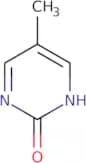
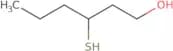
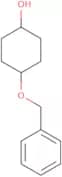
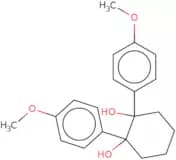

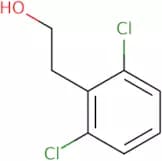
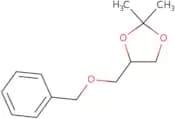
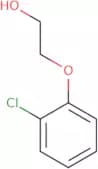
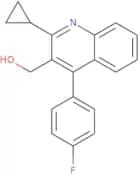
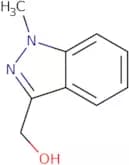
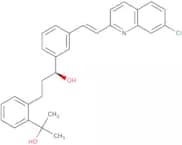
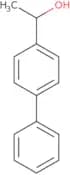
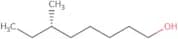
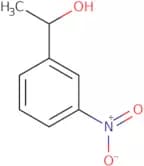

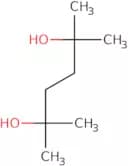
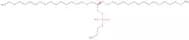

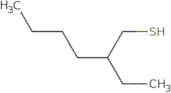

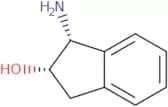
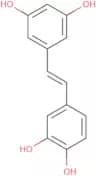
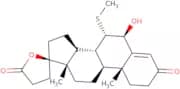
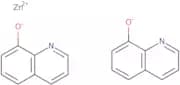
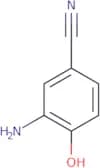
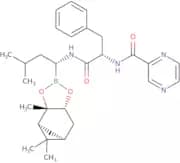

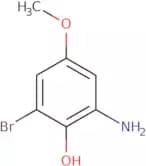

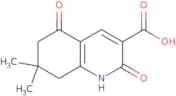
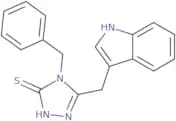
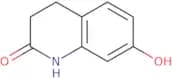
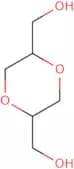
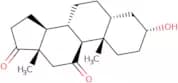
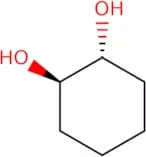
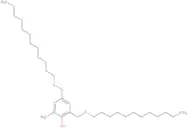
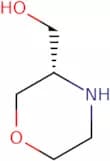

![9-Fluoro-10,13,17-Trimethyl-2,3,4,5,6,7,8,11,12,14,15,16-Dodecahydro-1H-Cyclopenta[a]Phenanthrene-…](/_next/image/?url=https%3A%2Fstatic.cymitquimica.com%2Fproducts%2F3D%2Fthumb-webp%2FFF103008.webp&w=3840&q=75)
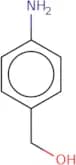
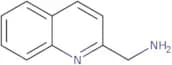
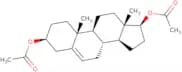
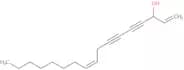
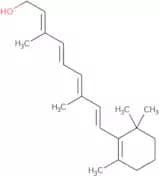
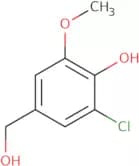
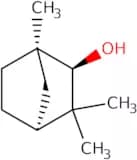
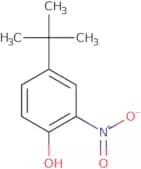
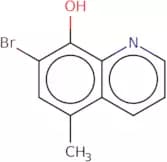
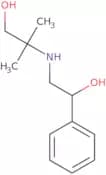
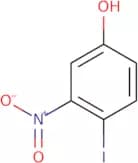
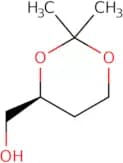
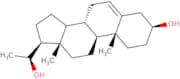
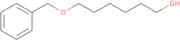
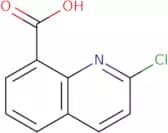
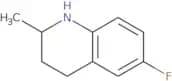
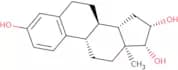
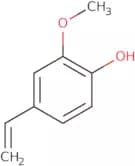
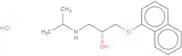
![(4aS,6R,8aS)-4a,5,9,10,11,12-Hexahydro-3-methoxy-11-methyl-6H-benzofuro[3a,3,2-ef][2]benzazepin-6-…](/_next/image/?url=https%3A%2Fstatic.cymitquimica.com%2Fproducts%2F3D%2Fthumb-webp%2FFH15703.webp&w=3840&q=75)

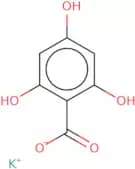
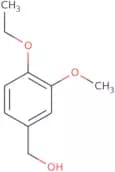
![2-[[(4-Anilinophenyl)imino]methyl]-4,6-dichlorophenol](/_next/image/?url=https%3A%2Fstatic.cymitquimica.com%2Fproducts%2F3D%2Fthumb-webp%2FFA71703.webp&w=3840&q=75)
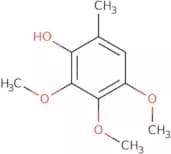
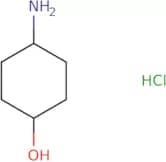
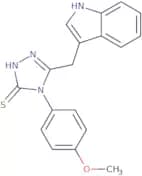


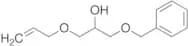

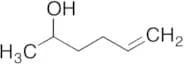

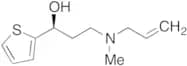
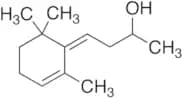
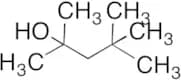


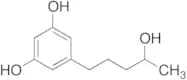
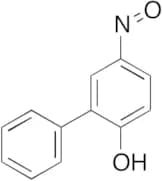
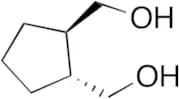
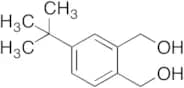
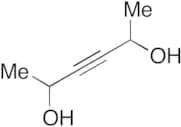


![3-[[(1,1-Dimethylethyl)diphenylsilyl]oxy]-1,2-propanediol](/_next/image/?url=https%3A%2Fstatic.cymitquimica.com%2Fproducts%2FTR%2Fthumb-webp%2FD182005.webp&w=3840&q=75)

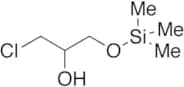


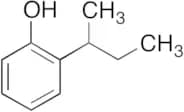

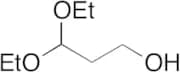
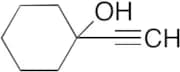

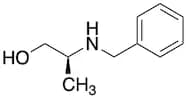
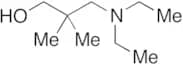
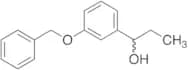
![3-[(tert-Butyldimethylsilyl)oxy]-1-propanol](/_next/image/?url=https%3A%2Fstatic.cymitquimica.com%2Fproducts%2FTR%2Fthumb-webp%2FB691575.webp&w=3840&q=75)
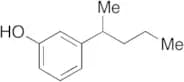
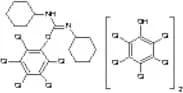
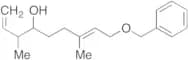

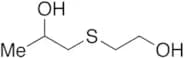
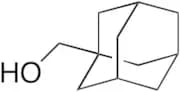

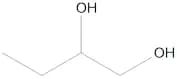
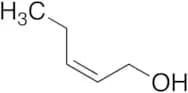
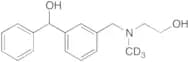
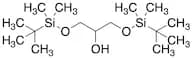
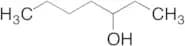
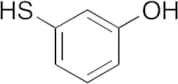
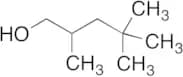
![1-(Benzyloxy)-3-[[bis(benzyloxy)phosphoryl]oxy]propan-2-ol](/_next/image/?url=https%3A%2Fstatic.cymitquimica.com%2Fproducts%2FTR%2Fthumb-webp%2FB796875.webp&w=3840&q=75)
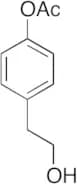
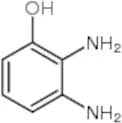

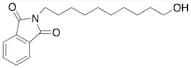
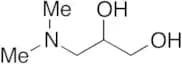
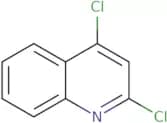

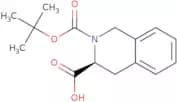

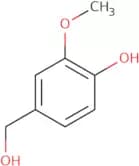
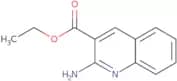
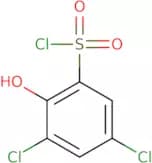
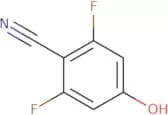
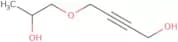
![[(3S,4R)-4-(4-Fluorophenyl)-3-piperidinyl]methanol](/_next/image/?url=https%3A%2Fstatic.cymitquimica.com%2Fproducts%2F3D%2Fthumb-webp%2FFF92100.webp&w=3840&q=75)
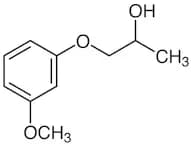

![[5-(4-Aminophenyl)-2-furyl]methanol](/_next/image/?url=https%3A%2Fstatic.cymitquimica.com%2Fproducts%2F3D%2Fthumb-webp%2FFA134137.webp&w=3840&q=75)
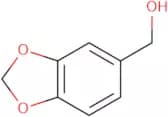
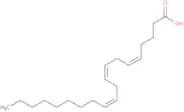
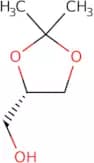
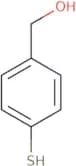

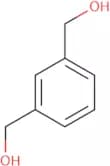

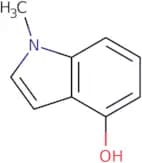
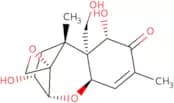
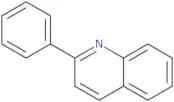
![4-[(5-Bromo-2-chlorophenyl)methyl]phenol](/_next/image/?url=https%3A%2Fstatic.cymitquimica.com%2Fproducts%2F3D%2Fthumb-webp%2FFB76123.webp&w=3840&q=75)

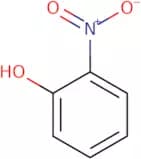
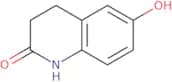
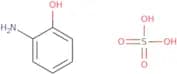

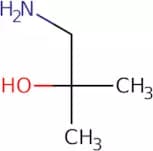
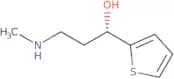
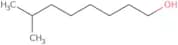
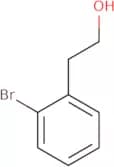
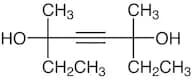

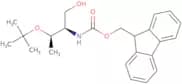
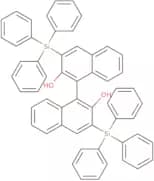
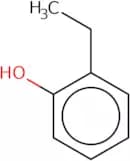
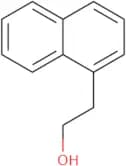

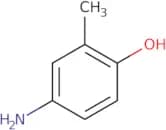
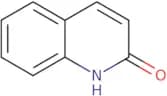
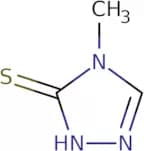
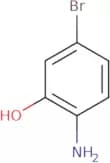
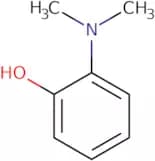
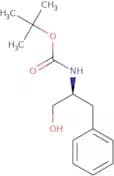
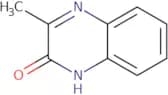

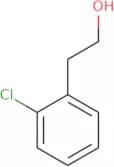
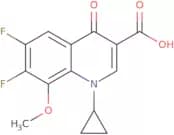
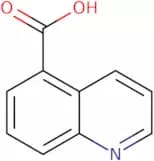
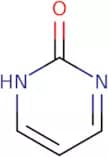

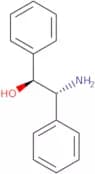
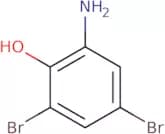
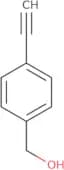
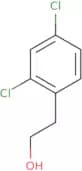


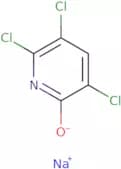
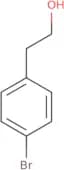
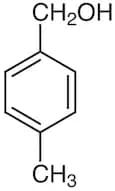
![6-(4,4,5,5-Tetramethyl-[1,3,2]dioxaborolan-2-yl)-isoquinoline](/_next/image/?url=https%3A%2Fstatic.cymitquimica.com%2Fproducts%2F3D%2Fthumb-webp%2FFT76191.webp&w=3840&q=75)
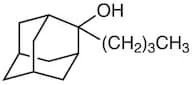
![[4-(Aminomethyl)cyclohexyl]methanol](/_next/image/?url=https%3A%2Fstatic.cymitquimica.com%2Fproducts%2F3D%2Fthumb-webp%2FFA123010.webp&w=3840&q=75)