Álcoois
Subcategorias de "Álcoois"
Foram encontrados 5818 produtos de "Álcoois"
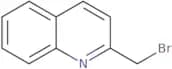
2-Bromomethylquinoline
CAS:2-Bromomethylquinoline is a quinoline derivative that has been synthesized to study the interaction between metal ions, such as copper and zinc, and chelate rings. The reaction products formed by 2-bromomethylquinoline have been shown to have antifungal activity in vitro. It has been found that the addition of a fluorescent probe can be used to detect quinoline derivatives, which fluoresce when excited with light. This makes them useful as fluorescent probes for reactions involving metal ions.Fórmula:C10H8BrNPureza:Min. 95%Cor e Forma:SolidPeso molecular:222.08 g/mol1,5-Hexadiene-3,4-diol
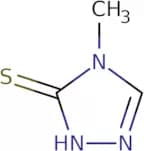
CAS:1,5-Hexadiene-3,4-diol is an organic compound that is used as a pharmaceutical intermediate. It has been shown to be effective in the treatment of infectious diseases and inflammatory diseases. 1,5-Hexadiene-3,4-diol has been shown to inhibit the transport rate of bacterial vaginosis and inflammatory diseases. The active form of this drug is soluble in water and it can be used as a vaginal gel preparation or eye drops. This drug has also been shown to have film forming properties and to act as a membrane system stabilizer. 1,5-Hexadiene-3,4-diol may also be used for the production of insoluble polymers and films.Fórmula:C6H10O2Pureza:Min. 95%Cor e Forma:Colorless Clear LiquidPeso molecular:114.14 g/mol4-Methyl-4H-1,2,4-triazole-3-thiol
CAS:4-Methyl-4H-1,2,4-triazole-3-thiol is a corrosion inhibitor that has been used in the production of polyurethane foam. It is synthesized by the reaction of ethylene diamine with sulfur trioxide and water. This compound has a molecular weight of 184.14 g/mol and an acidic nature due to the presence of four protonated amines on its structure. The compound can be characterized by gravimetric analysis, structural analysis, and FTIR spectroscopy. 4-Methyl-4H-1,2,4-triazole-3-thiol is toxic to rats when administered orally at 2000 mg/kg and also causes irritation to rabbits when applied topically at 200 µg/ear. !--Fórmula:C3H5N3SPureza:Min. 97 Area-%Cor e Forma:White PowderPeso molecular:115.16 g/molFrench maritime pine bark extract ™
CAS:Pycnogenol is a nonsteroidal anti-inflammatory drug that is derived from the bark of the French maritime pine tree. It has been shown to reduce bowel disease activity in animal models and has been found to be as effective as ibuprofen in human studies. Pycnogenol also inhibits the expression of toll-like receptor 4, which reduces inflammation in cells. Pycnogenol has also been shown to have an anti-inflammatory effect on human polymorphonuclear leukocytes and may be useful for treating various diseases such as cancer, cardiovascular diseases, or asthma. This compound also has natural antioxidant properties that are thought to protect against oxidative damage and help regulate blood pressure by inhibiting vascular smooth muscle proliferation.
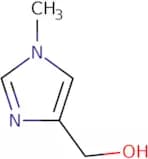
Pureza:Min 95%Cor e Forma:Powder(1-Methyl-1H-imidazol-4-yl)methanol
CAS:(1-Methyl-1H-imidazol-4-yl)methanol is a chemical that can be used as a building block for the synthesis of complex compounds. It is an intermediate in organic synthesis, and has been used as a reagent for research and as a speciality chemical. (1-Methyl-1H-imidazol-4-yl)methanol is also a versatile building block for the construction of complex molecules. This compound has been used in the manufacture of pesticides, pharmaceuticals, and dyes. The CAS number for (1-methyl-1H-imidazol-4-yl)methanol is 172892577.Fórmula:C5H8N2OPureza:Min. 95%Cor e Forma:SolidPeso molecular:112.13 g/mol4-(Methylthiol)-1-(isothiocyanato)butane
CAS:4-(Methylthiol)-1-(isothiocyanato)butane is commonly identified as sulforaphane, which is a naturally occurring organosulfur compound. This compound is predominantly sourced from cruciferous vegetables, such as broccoli, Brussels sprouts, and cabbage. It is specifically abundant in the seeds and sprouts of these plants.Fórmula:C6H11NS2Pureza:Min. 95%Cor e Forma:PowderPeso molecular:161.29 g/mol1,2-O-Isopropylidene-sn-glycerol
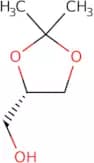
CAS:1,2-O-Isopropylidene-sn-glycerol (1,2-OIPG) is a synthetic molecule. It is synthesized from potassium thioacetate and chloride in an organic solvent with hexadecyl methanesulfonate as the catalyst. The product is obtained by intramolecular hydrogenation of the glyceride to produce 1,2-OIPG. This compound has been used as a strategy to generate hydrogen bonds in asymmetric synthesis, for example in the formation of d-mannitol with activated hydrogen bonds. The compound also has potential applications in the production of fatty acids.
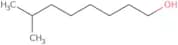
Fórmula:C6H12O3Pureza:Min. 98 Area-%Cor e Forma:Colorless Clear LiquidPeso molecular:132.15 g/mol7-Methyloctanol
CAS:7-Methyloctanol is a polycarboxylic acid that is structurally similar to hydrochloric acid. It has been shown to have specific treatment effects on skin cells and light exposure, as well as an anti-inflammatory effect. 7-Methyloctanol is able to produce fatty acids by the hydroxylation of unsaturated alkyl chains, which are often used as plasticizers. The hydrophobic effect of 7-methyloctanol has also been shown to increase the permeability of liposomes.Fórmula:C9H20OPureza:Min. 95%Cor e Forma:Colorless Clear LiquidPeso molecular:144.25 g/mol[(3S,4R)-4-(4-Fluorophenyl)-3-piperidinyl]methanol
CAS:[(3S,4R)-4-(4-Fluorophenyl)-3-piperidinyl]methanol is a chemical with the molecular formula C10H17FN2O. It is a versatile building block that can be used as an intermediate in organic synthesis, or in the synthesis of complex compounds such as pharmaceuticals. This product has been shown to have high quality and is a useful reagent in research.Fórmula:C12H16FNOPureza:Min. 95%Cor e Forma:PowderPeso molecular:209.26 g/mol2,3-Butanediol
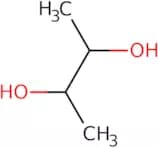
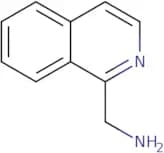
CAS:2,3-Butanediol is a glycol that is produced by the fermentation of sugars or carbohydrates. It is used in the synthesis of acetoin, which is an important flavor compound in various foods and beverages. The production of 2,3-butanediol from glucose was achieved through the use of a novel asymmetric synthesis reaction with inorganic acid as catalyst. 2,3-Butanediol can also be synthesized from adipic acid using aerobacter aerogenes as catalyst. This process has been shown to be efficient with wild-type strains and provides high yields under mild conditions. 2,3-Butanediol has been shown to have antibiotic activity against tetracycline resistant bacteria and may inhibit bacterial growth by binding to DNA gyrase and topoisomerase IV enzymes. The hydroxyl group on the molecule makes it more reactive than other glycols because it can form hydrogen bonds with water molecules.Fórmula:C4H10O2Pureza:Min. 95%Cor e Forma:Colorless Clear LiquidPeso molecular:90.12 g/mol1-Isoquinolin-1-ylmethanamine dihydrochloride
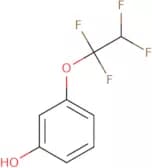
CAS:1-Isoquinolin-1-ylmethanamine dihydrochloride is a versatile building block that can be used for the synthesis of a wide variety of compounds. It is a reagent and speciality chemical, as well as an intermediate or reaction component in the production of pharmaceuticals, agrochemicals, plastics, dyes and other chemicals. 1-Isoquinolin-1-ylmethanamine dihydrochloride has been shown to have high purity and quality.Fórmula:C10H10N2·2HClPureza:Min. 95%Cor e Forma:Light Blue SolidPeso molecular:231.12 g/mol3-(1,1,2,2-Tetrafluoroethoxy)phenol
CAS:3-(1,1,2,2-Tetrafluoroethoxy)phenol is a versatile building block that can be used in the synthesis of complex compounds. It is also a reagent and speciality chemical and has CAS No. 53997-99-2. 3-(1,1,2,2-Tetrafluoroethoxy)phenol is a useful building block for organic synthesis and has been used as a reaction component or scaffold.
Fórmula:C8H6F4O2Pureza:Min. 95%Peso molecular:210.13 g/mol6-(4,4,5,5-Tetramethyl-[1,3,2]dioxaborolan-2-yl)-isoquinoline
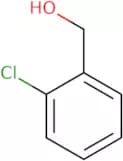
CAS:6-(4,4,5,5-Tetramethyl-[1,3,2]dioxaborolan-2-yl)-isoquinoline is a versatile building block for the synthesis of complex compounds. This product is a reagent that can be used in organic synthesis as a reaction component or as a reagent to form new compounds. 6-(4,4,5,5-Tetramethyl-[1,3,2]dioxaborolan-2-yl)-isoquinoline has shown high quality in research and is useful for the synthesis of fine chemicals and speciality chemicals.Fórmula:C15H18BNO2Pureza:Min. 95%Cor e Forma:White To Beige SolidPeso molecular:255.12 g/mol2-Chlorobenzyl alcohol
CAS:2-Chlorobenzyl alcohol is a chemical compound that is used to synthesize other compounds. It is produced by the reaction of ethyl formate and hydrogen chloride in a reaction vessel. It reacts with benzoates to produce 2-chlorobenzoates, which are used as intermediates in the synthesis of pharmaceuticals. Hydroxyl groups can react with hydrogen fluoride to produce hydrofluoric acid, which is used as an industrial solvent. 2-Chlorobenzyl alcohol also reacts with hydroxide ions to produce ethylene glycol, which is used in making polyester fibers and plastics. This chemical compound has structural studies that show it has a proton and two hydroxyl groups that can react with hydrogen bond. Hydrogen bonds are important for the stability of DNA structures. The molecular structures of velvetleaf plants contain 2-chlorobenzyl alcohol, which may be due to its role in transferring oxygen from leaves to roots for respiration during
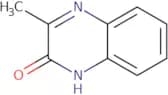
Fórmula:C7H7ClOPureza:Min. 95%Cor e Forma:PowderPeso molecular:142.58 g/mol3-Methylquinoxalin-2-ol
CAS:3-Methylquinoxalin-2-ol is an antimicrobial agent that exhibits a broad spectrum of activity against bacteria, fungi, and viruses. It is effective against both Gram-positive and Gram-negative bacteria, as well as yeast and mycobacteria. 3-Methylquinoxalin-2-ol has been shown to be efficacious in animal models of diabetic ulcers and also reduces the incidence of infection after surgery. The substance has been shown to have excellent bactericidal activity against streptococcus faecalis in the presence of dehydroascorbic acid. 3-Methylquinoxalin-2-ol inhibits protein synthesis by binding to amino groups on proteins and blocking their access to ATP or other amino acids. This mechanism may be exploited as a drug target for the treatment of bacterial infections.Fórmula:C9H8N2OPureza:Min. 95%Peso molecular:160.063662-Bromo-3-fluorophenol
CAS:2-Bromo-3-fluorophenol is a bifunctional chemical that reacts with glycols, such as ethylene glycol, to form epoxy ethers. It is also used as a stabilizer for polyurethane plastics and rubbers. 2-Bromo-3-fluorophenol is used in the production of dibenzoyl peroxide and phenolic resins. This compound has been shown to be stable when exposed to both heat and light.Fórmula:C6H4BrFOPureza:Min. 95%Cor e Forma:PowderPeso molecular:191 g/mol2-Amino-9-fluorenol
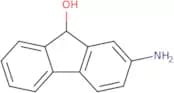
CAS:2-Amino-9-fluorenol is a hydrophobic compound that binds to RNA. 2-Amino-9-fluorenol has been shown to have a binding constant of 1.2 x 10, which is much higher than the binding constant for curculigoside (5.2 x 10). This substance has shown to be an effective inhibitor of RNA synthesis in HL60 cells and various bacterial strains by binding to the ribose moiety of RNA and preventing transcription. The metabolic pathway for 2-amino-9-fluorenol consists of two steps: one involving a reactive intermediate, potassium ion, and another with methylamine as the reactant. These reactions are catalyzed by enzymes such as acetaldehyde dehydrogenase and amino transferases, respectively.Fórmula:C13H11NOPureza:Min. 95%Cor e Forma:Yellow solid.Peso molecular:197.23 g/mol3,6-Dithia-1,8-octanediol
CAS:3,6-Dithia-1,8-octanediol is a coordination complex that contains four chloride ions and six water molecules. It is made up of two molecules of 3,6-dithia-1,8-octanediol coordinated with two diphenyl ethers. The molecule is planar with the two oxygen atoms of the hydroxyl group in one plane and the two carbon atoms in another plane. The hydrogen atom on the oxygen atom has an intramolecular bond to a hydrogen atom on the other oxygen atom. The molecule has a magnetic resonance spectrum that can be used for identification purposes because it is unique among other compounds. 3,6-Dithia-1,8-octanediol can react with sodium hydroxide solution to form a precipitate. This reaction can be used as an analytical chemistry technique to determine the concentration of chloride ions in plasma mass spectrometry samples.Fórmula:C6H14O2S2Pureza:Min. 95%Cor e Forma:White PowderPeso molecular:182.31 g/mol[5-(4-Aminophenyl)-2-furyl]methanol
CAS:Please enquire for more information about [5-(4-Aminophenyl)-2-furyl]methanol including the price, delivery time and more detailed product information at the technical inquiry form on this page
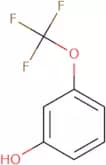
Fórmula:C11H11NO2Pureza:Min. 95%Cor e Forma:Brown PowderPeso molecular:189.21 g/mol3-(Trifluoromethoxy)phenol
CAS:3-(Trifluoromethoxy)phenol is a drug that has been shown to function as an amide and a biomolecular. It has also been used in the development of drugs for depression, but it is not known whether it is effective in humans. 3-(Trifluoromethoxy)phenol binds to the cation channel of the NMDA receptor, which may be related to its antidepressant properties. The compound has been shown to have a radiotracer effect on positron emission tomography (PET). 3-(Trifluoromethoxy)phenol yields positrons when it undergoes deamination. This reaction is catalyzed by enzymes such as acetylcholine esterase, choline oxidase, and monoamine oxidases.
Fórmula:C7H5F3O2Pureza:Min. 95%Cor e Forma:Clear LiquidPeso molecular:178.11 g/mol



![[(3S,4R)-4-(4-Fluorophenyl)-3-piperidinyl]methanol](/_next/image/?url=https%3A%2Fstatic.cymitquimica.com%2Fproducts%2F3D%2Fthumb-webp%2FFF92100.webp&w=3840&q=75)
![6-(4,4,5,5-Tetramethyl-[1,3,2]dioxaborolan-2-yl)-isoquinoline](/_next/image/?url=https%3A%2Fstatic.cymitquimica.com%2Fproducts%2F3D%2Fthumb-webp%2FFT76191.webp&w=3840&q=75)


![[5-(4-Aminophenyl)-2-furyl]methanol](/_next/image/?url=https%3A%2Fstatic.cymitquimica.com%2Fproducts%2F3D%2Fthumb-webp%2FFA134137.webp&w=3840&q=75)