Ácidos carboxílicos
Os ácidos carboxílicos são moléculas orgânicas caracterizadas por possuírem um grupo funcional carboxila (-COOH). Esses ácidos são fundamentais em várias reações químicas, incluindo esterificação, amidação e descarboxilação. Os ácidos carboxílicos são amplamente utilizados na produção de produtos farmacêuticos, polímeros e agroquímicos. Nesta seção, você pode encontrar uma grande variedade de ácidos carboxílicos prontos para uso. Na CymitQuimica, oferecemos uma ampla gama de ácidos carboxílicos de alta qualidade para apoiar suas aplicações de pesquisa e industriais.
Foram encontrados 12454 produtos de "Ácidos carboxílicos"
Ordenar por
Pureza (%)
0
100
|
0
|
50
|
90
|
95
|
100
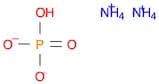
Tungsten hydroxide oxide phosphate
CAS:Fórmula:H146O78P2W24Pureza:85%Cor e Forma:SolidPeso molecular:5869.22Ref: IN-DA003TRD
Produto descontinuadoRef: IN-DA00IEB2
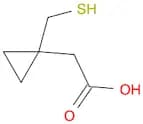
Produto descontinuadoCyclopropaneacetic acid, 1-(mercaptomethyl)-
CAS:Fórmula:C6H10O2SPureza:95%Cor e Forma:SolidPeso molecular:146.2074Ref: IN-DA00ID24
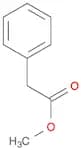
Produto descontinuadoBenzeneacetic acid, methyl ester
CAS:Fórmula:C9H10O2Pureza:98%Cor e Forma:LiquidPeso molecular:150.1745Ref: IN-DA003NMZ
Produto descontinuadoRef: IN-DA0057DU
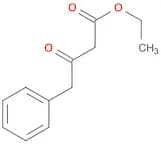
Produto descontinuado3-OXO-4-PHENYL-BUTYRIC ACID ETHYL ESTER
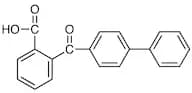
CAS:Fórmula:C12H14O3Pureza:95%Cor e Forma:LiquidPeso molecular:206.23782-(4-Biphenylylcarbonyl)benzoic Acid
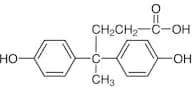
CAS:Fórmula:C20H14O3Pureza:>97.0%(GC)(T)Cor e Forma:White to Almost white powder to crystalPeso molecular:302.33Diphenolic Acid
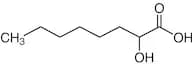
CAS:Fórmula:C17H18O4Pureza:>98.0%(GC)(T)Cor e Forma:White to Light yellow powder to crystalPeso molecular:286.332-Hydroxy-n-octanoic Acid
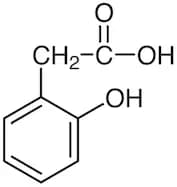
CAS:Fórmula:C8H16O3Pureza:>98.0%(T)Cor e Forma:White to Almost white powder to crystalPeso molecular:160.212-Hydroxyphenylacetic Acid
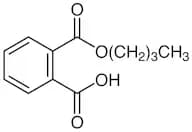
CAS:Fórmula:C8H8O3Pureza:>98.0%(GC)(T)Cor e Forma:Light yellow to Yellow to Orange powder to crystalPeso molecular:152.15Monobutyl Phthalate
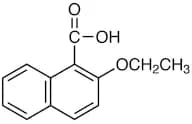
CAS:Fórmula:C12H14O4Pureza:>95.0%(GC)(T)Cor e Forma:White to Almost white powder to crystalPeso molecular:222.242-Ethoxy-1-naphthoic Acid
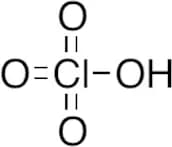
CAS:Fórmula:C13H12O3Pureza:>99.0%(T)(HPLC)Cor e Forma:White to Almost white powder to crystalPeso molecular:216.24Perchloric Acid (60%)
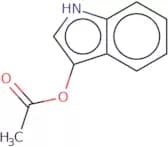
CAS:<p>Applications Perchloric Acid is a useful chemical reagent in the preparation of perchlorate salts. It is also known to be a strong oxidizer.<br> E0<br></p>Fórmula:ClHO4Pureza:60%Cor e Forma:NeatPeso molecular:100.45853-Indoxylacetate
CAS:<p>Please enquire for more information about 3-Indoxylacetate including the price, delivery time and more detailed product information at the technical inquiry form on this page</p>Fórmula:C10H9NO2Cor e Forma:White PowderPeso molecular:175.18 g/molRef: 3D-FI10731
Produto descontinuadoBis(2,2,2-trichloroethyl)azodicarboxylate
CAS:<p>Bis(2,2,2-trichloroethyl)azodicarboxylate is a nucleophile that can be used as an alkylating agent in the industrial process. It is also used to prepare chiral amines by adding an amine to the enantiomerically pure bis(2,2,2-trichloroethyl)azodicarboxylate. The anticancer activity of Bis(2,2,2-trichloroethyl)azodicarboxylate is due to its ability to inhibit tumor cell proliferation. Bis(2,2,2-trichloroethyl)azodicarboxylate is not effective against cancerous cells that do not have functional groups such as amino acids.</p>Fórmula:C6H4Cl6N2O4Pureza:Min. 95%Cor e Forma:Yellow SolidPeso molecular:380.82 g/molRef: 3D-FB01254
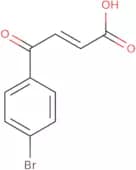
Produto descontinuado3-(4-Bromobenzoyl)-acrylic acid
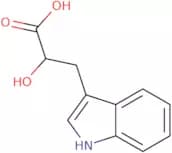
CAS:<p>3-(4-Bromobenzoyl)-acrylic acid is a chiral secondary amine that was synthesised in the laboratory. It is an inhibitor of xanthine oxidase, which is an enzyme involved in purine metabolism. The compound inhibits the enzyme by binding to it and preventing it from breaking down xanthine into uric acid. This has been shown to inhibit xanthine oxidase activity in vitro, but not in vivo. 3-(4-Bromobenzoyl)-acrylic acid has been shown to be more potent than some other inhibitors, such as thiourea and erythromycin. However, it has only been studied at low concentrations so far and its effects on human cells are unknown.</p>Fórmula:C10H7BrO3Pureza:Min. 95%Cor e Forma:PowderPeso molecular:255.06 g/molDL-Indole-3-lactic acid
CAS:<p>Indole-3-lactic acid is a plant hormone that is produced in the leaves of the plant when they are under stress. It has been shown to have activity against bowel diseases and metabolic disorders. Indole-3-lactic acid has been isolated from plants like Caproicum album, which is used in vitro to measure its effect on caproic acid production. This compound has also been detected in human serum and wastewater treatment. Indole-3-lactic acid inhibits tryptophan degradation by competing with indolecarboxylase for substrate. The effect of indole-3-lactic acid on dextran sulfate and glomerular filtration rate was studied using a rat model, where it was found that it had no significant effects.</p>Fórmula:C11H11NO3Pureza:Min. 95%Cor e Forma:PowderPeso molecular:205.21 g/mol2,4-Dimethoxyphenyl acetic acid
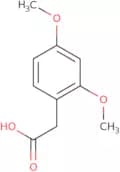
CAS:<p>2,4-Dimethoxyphenyl acetic acid is a synthetic compound that has been used as a pharmacological agent in the treatment of high blood pressure. It is also used as a reaction intermediate and can be obtained by the condensation of 2-hydroxybenzaldehyde with acetyl chloride. The kinetic data for this compound has been determined using deuterium isotope labeling and ion-pairing. The synthesis of 2,4-dimethoxyphenyl acetic acid involves the conversion of malonic acid to methylmalonate with ethyl bromoacetate and hydrobromic acid. This compound is chiral and optically active, giving it an R or S configuration. The reaction rate for 2,4-dimethoxyphenyl acetic acid has been found to be faster when in contact with phosphite ions than without.</p>Fórmula:C10H12O4Pureza:Min. 95%Cor e Forma:Off-White PowderPeso molecular:196.2 g/molRef: 3D-FD10524
Produto descontinuadoPhytic acid, 50% aqueous solution
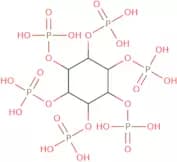
CAS:<p>Phytic acid is a naturally occurring compound that is found in plants. It can be found in grains such as wheat, corn, rice, and oats. Phytic acid has been shown to inhibit the absorption of calcium, magnesium, copper, iron, and zinc from the diet. This may be due to its ability to bind these minerals in the gastrointestinal tract. The binding of these minerals may also lead to an increase in bioavailability of phytates by preventing their absorption from the gut. Phytic acid has been shown to have a number of physiological effects on humans including inhibition of squamous carcinoma growth and autoimmune diseases. It also has been shown to have biological properties that include being an inhibitor for binding with other compounds such as sodium citrate and inositol.</p>Fórmula:C6H18O24P6Cor e Forma:Colorless PowderPeso molecular:660.04 g/molRef: 3D-FP59532
Produto descontinuado2-Hydroxy-4,6-dimethoxybenzoic Acid
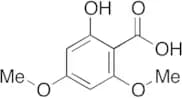
CAS:Produto Controlado<p>Applications 2-Hydroxy-4,6-dimethoxybenzoic acid is a reagent used in the synthesis of rac Zearalenone-d6 (Z270502). rac Zearalenone-d6 s an estrogenic mycotoxin produced by Fusarium fungi commonly found in grains. One of a group of compounds known as resorcylic acid lactones.<br>References Tanaka, T., et al.: J. Agric. Food Chem., 36, 979 (1988), Hamilton, S., et al.: Anticancer Res., 16, 3597 (1996), Hecht, S., et al.: Cancer Lett., 150, 49 (2000), Hussein, H., et al.: Toxicology, 167, 101 (2001), Lim, H., et al.: J. Immunol., 175, 4180 (2005),<br></p>Fórmula:C9H10O5Cor e Forma:Light Orange Colour To Light BrownPeso molecular:198.05Periodic acid
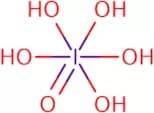
CAS:<p>Periodic acid is a natural product that has been used as an antimicrobial agent for more than 100 years. It has been shown to have pro-apoptotic properties in a number of cell systems, including monocyte-like cells, hepatocyte-like cells, and epidermal growth factor receptor-transfected cells. Periodic acid is also effective against inflammatory bowel disease in infants. This drug also has anti-inflammatory effects and may be useful for the treatment of autoimmune diseases. Periodic acid inhibits the metabolic rate in cell cultures by blocking oxidative phosphorylation at complex I and II, leading to increased levels of reactive oxygen species (ROS). This ROS production induces apoptosis through a caspase cascade.</p>Fórmula:H5IO6Pureza:Min. 95%Cor e Forma:White Clear LiquidPeso molecular:227.94 g/molRef: 3D-FP16075
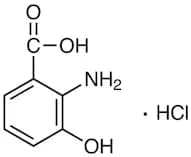
Produto descontinuado2-Amino-3-hydroxybenzoic Acid Hydrochloride
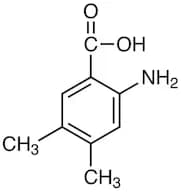
CAS:Fórmula:C7H7NO3·HClPureza:>98.0%(T)(HPLC)Cor e Forma:White to Light yellow to Purple powder to crystalPeso molecular:189.602-Amino-4,5-dimethylbenzoic Acid
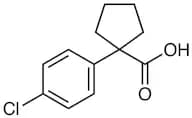
CAS:Fórmula:C9H11NO2Pureza:>97.0%(T)(HPLC)Cor e Forma:White to Yellow powder to crystalPeso molecular:165.191-(4-Chlorophenyl)-1-cyclopentanecarboxylic Acid
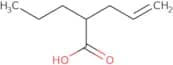
CAS:Fórmula:C12H13ClO2Pureza:>98.0%(GC)(T)Cor e Forma:White to Almost white powder to crystalPeso molecular:224.68(+/-)-2-Propyl-4-pentenoic acid
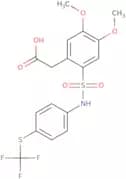
CAS:<p>(+/-)-2-Propyl-4-pentenoic acid is a reactive chemical that is used in the synthesis of sodium salts. This compound has been shown to produce a matrix effect and to be pharmacologically active. (+/-)-2-Propyl-4-pentenoic acid is also used in the preparation of monoclonal antibodies and can be used as an analytical method for determining the concentration–time curve. The use of this compound has been shown to be clinically relevant, with irreversible inhibition observed in rat liver microsomes and fatty acids. In addition, it has been shown to inhibit fatty acid synthase in vitro and can be used as a marker for measuring oxidative stress.</p>Fórmula:C8H14O2Pureza:Min. 95%Cor e Forma:PowderPeso molecular:142.2 g/mol2-(4,5-dimethoxy-2-(((4-(trifluoromethylthio)phenyl)amino)sulfonyl)phenyl)acetic acid
CAS:<p>Please enquire for more information about 2-(4,5-dimethoxy-2-(((4-(trifluoromethylthio)phenyl)amino)sulfonyl)phenyl)acetic acid including the price, delivery time and more detailed product information at the technical inquiry form on this page</p>Pureza:Min. 95%Ref: 3D-FD169440
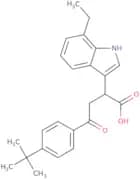
Produto descontinuado4-(4-(tert-Butyl)phenyl)-2-(7-ethylindol-3-yl)-4-oxobutanoic acid
CAS:<p>Please enquire for more information about 4-(4-(tert-Butyl)phenyl)-2-(7-ethylindol-3-yl)-4-oxobutanoic acid including the price, delivery time and more detailed product information at the technical inquiry form on this page</p>Fórmula:C24H27NO3Pureza:Min. 95%Cor e Forma:PowderPeso molecular:377.48 g/molRef: 3D-FB169489
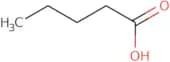
Produto descontinuadoValeric acid
CAS:<p>Valeric acid is a fatty acid that is used in the manufacture of polymers. Valeric acid can be synthesized from caproic acid, which is found in palm oil and coconut oil. Valeric acid has been shown to inhibit the activity of nicotinic acetylcholine receptors at low concentrations and to have an inhibitory effect on the ryanodine receptor at high concentrations. Valeric acid also has a matrix effect on analytical methods such as gas-liquid chromatography, which has been modeled using polymer compositions.</p>Fórmula:C5H10O2Pureza:Min. 95%Peso molecular:102.13 g/molRef: 3D-FV34914
Produto descontinuado4-Chloro-2-(methyl-phenyl-sulfamoyl)-benzoic acid methylester
CAS:<p>4-Chloro-2-(methyl-phenyl-sulfamoyl)-benzoic acid methylester is an industrial chemical that is used in the production of other chemicals. It can be produced by the esterification of 4-chlorophenylacetic acid with methyl phenyl sulfonyl chloride, followed by diazotization and chlorination. This chemical also has the ability to form a condensation product with hydrazine.</p>Fórmula:C15H14ClNO4SPureza:Min. 95%Peso molecular:339.79 g/molRef: 3D-FC150757
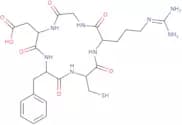
Produto descontinuadoCyclo(-Arg-Gly-Asp-D-Phe-Cys) acetate salt
CAS:<p>Cyclo(-Arg-Gly-Asp-D-Phe-Cys) acetate salt is a peptide that has been modified to be an active targeting agent. It is an amphipathic molecule that can be used to deliver therapeutic agents specifically to cancer cells. Cyclo(-Arg-Gly-Asp-D-Phe-Cys) acetate salt is conjugated to a drug and is taken up by cells through the process of endocytosis. Once inside the cell, the drug is released and binds with the cell membrane, which leads to cell death. The uptake of this peptide has been shown to be pH dependent; it is taken up more readily in acidic environments than in neutral or alkaline environments. This peptide has also been shown to have cytotoxic effects on both MFC7 cells and rat liver cells.</p>Fórmula:C24H34N8O7SPureza:Min. 95%Peso molecular:578.64 g/molRef: 3D-FC110008
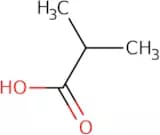
Produto descontinuadoIsobutyric acid
CAS:<p>Isobutyric acid is a short-chain carboxylic acid that has been shown to be a potent inhibitor of congestive heart failure. Isobutyric acid binds to the dinucleotide phosphate and is then hydrolyzed by glycol ethers to release isobutyric acid, which can induce vasodilation. The surface methodology used in this study revealed that Isobutyric acid inhibits the polymerase chain reaction activity of human DNA. This inhibition may be due to its structural similarity with mycobacterial sesquiterpene lactones, which have been shown to inhibit protein synthesis in human cells. Isobutyric acid also has antibacterial properties, and has been shown to have an activity index of 0.5 against methicillin-resistant Staphylococcus aureus (MRSA) isolates and erythromycin-resistant Mycobacterium avium complex isolates.</p>Fórmula:C4H8O2Pureza:Min. 95%Cor e Forma:Colorless Clear LiquidPeso molecular:88.11 g/molRef: 3D-FI46255
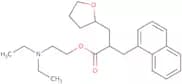
Produto descontinuadoTetrahydro-a-(1-naphthalenylmethyl)-2-furanpropanoic Acid 2-(Diethylamino)ethyl Ester
CAS:Produto Controlado<p>Tetrahydro-a-(1-naphthalenylmethyl)-2-furanpropanoic Acid 2-(Diethylamino)ethyl Ester is a fatty acid analog that has antimicrobial properties. It is used in the treatment of bone cancer, and can be used to diagnose and treat other diseases such as glomerular filtration rate, receptor binding, and malonic acid. Tetrahydro-a-(1-naphthalenylmethyl)-2-furanpropanoic Acid 2-(Diethylamino)ethyl Ester binds to receptors on cells, which leads to an increase in the amount of monoamine neurotransmitters released by the cells.</p>Fórmula:C24H33NO3Pureza:Min. 95%Peso molecular:383.52 g/molRef: 3D-FT26121
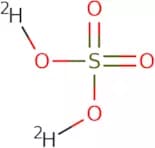
Produto descontinuadoDideuterosulfuric acid
CAS:Produto Controlado<p>Dideuterosulfuric acid is a protonated molecule that is found in the tropone class of organic compounds. It has been shown to have optical properties similar to those of ferrocene, which is why it is often used as a replacement for this compound. Dideuterosulfuric acid has been studied extensively using a kinetic method with the goal of determining its mechanism and rate constants. Hydroxyl groups are found on the molecule's trifluoroacetic acid side chains, which may contribute to its reactivity with chloride ions and nitrogen atoms. Electrophotographic measurements show that hydrogen bonding occurs between molecules in dilute solutions.</p>Fórmula:D2SO4Pureza:Min. 95%Peso molecular:100.09 g/molRef: 3D-FD167508
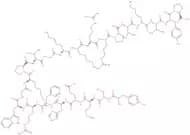
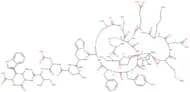
Produto descontinuadoACTH (2-24) (human, bovine, rat) trifluoroacetate salt
CAS:<p>Please enquire for more information about ACTH (2-24) (human, bovine, rat) trifluoroacetate salt including the price, delivery time and more detailed product information at the technical inquiry form on this page</p>Fórmula:C133H205N39O29SPureza:Min. 95%Peso molecular:2,846.36 g/molRuthenium(III) nitrosyl nitrate, soluble in 10% dilute nitric acid
CAS:<p>Please enquire for more information about Ruthenium(III) nitrosyl nitrate, soluble in 10% dilute nitric acid including the price, delivery time and more detailed product information at the technical inquiry form on this page</p>Fórmula:RuN4O10Pureza:Min. 95%Cor e Forma:Clear LiquidPeso molecular:317.09 g/molRef: 3D-FR57258
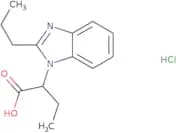
Produto descontinuado2-(2-Propyl-1H-benzimidazol-1-yl)butanoic acid hydrochloride
CAS:Produto Controlado<p>Please enquire for more information about 2-(2-Propyl-1H-benzimidazol-1-yl)butanoic acid hydrochloride including the price, delivery time and more detailed product information at the technical inquiry form on this page</p>Fórmula:C14H18N2O2Pureza:Min. 95%Peso molecular:246.31 g/molRef: 3D-FP126456
Produto descontinuadoButyric acid
CAS:<p>Butyric acid is a short-chain fatty acid that is produced by the fermentation of carbohydrates in the colon and it is an important energy source for cells in the colon. It can be found in sodium salts, such as sodium butyrate, or as a free acid. Butyric acid has been shown to have physiological effects on the bowel disease, including improving symptoms of diarrhea and constipation. It also helps to maintain a healthy gut by preventing the growth of unwanted bacteria. Butyric acid inhibits certain enzymes, such as glutamine synthetase, which is important for energy metabolism. The chemical pesticide DDT has been shown to inhibit butyric acid production in cells.</p>Fórmula:C4H8O2Pureza:Min. 95%Cor e Forma:Clear Colourless LiquidPeso molecular:88.11 g/molRef: 3D-FB159569
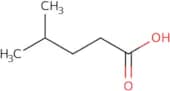
Produto descontinuado4-Methylpentanoic acid
CAS:<p>4-Methylpentanoic acid is a fatty acid that is the product of anaerobic fermentation in the colon and can be found as an end product in the body. It can be used as a substrate in film tests for detecting bacteria, such as Escherichia coli, which are associated with bowel diseases. 4-Methylpentanoic acid has been shown to have inhibitory effects against nuclear dna replication, mitochondrial membrane potential, and energy metabolism. 4-Methylpentanoic acid also has antiinflammatory properties and has been shown to decrease body mass index. The 6-Fluoro-3-indoxyl-beta-D-galactopyranoside is an antituberculosis drug that belongs to the class of rifamycins. It is the most active of the rifamycins for the treatment of tuberculosis. Rifapentine inhibits bacterial growth by binding to DNA-dependent RNA polymerase, thereby preventing transcription</p>Fórmula:C6H12O2Pureza:Min. 95%Peso molecular:116.16 g/molRef: 3D-FM35595
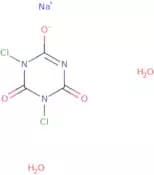
Produto descontinuadoDichloroisocyanuric acid sodium dihydrate
CAS:<p>Dichloroisocyanduric acid sodium salt (DCD) is a disinfectant that is used to control bacteria, fungi, and algae in wastewater treatment plants. DCD has been shown to be an effective antimicrobial agent against bacterial spores and the fungal plant pathogen "Botrytis cinerea" when used at concentrations of 0.1-0.3%. DCD also has a low toxicity for mammals, with LD50 values of 3.5g/kg for rats and 2g/kg for mice. The chemical stability of DCD can be increased by adding sodium carbonate or other alkaline substances in a neutral pH environment.</p>Fórmula:C3HCl2N3O3•(H2O)2•NaPureza:Min. 95%Cor e Forma:PowderPeso molecular:256.98 g/molEndothelin-1 (human, bovine, dog, mouse, porcine, rat) acetate
CAS:<p>Endothelin-1 (ET-1) is a peptide that is produced by the endothelium. ET-1 is involved in numerous biological processes, including vasoconstriction, inflammation, and cell proliferation. Endothelin-1 (human ET-1) acetate salt H-Cys-Ser-Cys-Ser-Ser-Leu-Met-Asp-Lys-(Glu)-Cys-(Val)-Tyr-(Phe)-Cys-(His)-Leu -Asp(-Ile)-Ile(-Trp)) acetate salt is a recombinant protein that has been shown to significantly upregulate the production of endothelin in primary pulmonary hypertension. It also plays an important role in bowel disease, where it may be involved in the development of chronic inflammatory bowel disease.</p>Fórmula:C109H159N25O32S5•(C2H4O2)xPureza:Min. 95%Peso molecular:2,491.91 g/molPhosphomolybdic acid hydrate
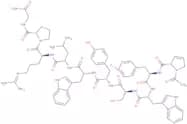
CAS:<p>Phosphomolybdic acid hydrate is a molybdenum-containing compound that exhibits biological activity. It has been found to have an effect on water permeability and the biological sample, which can be detected by synchronous fluorescence. The electrochemical impedance spectroscopy can be used to measure the effects of phosphomolybdic acid hydrate on energy metabolism. This compound has also been shown to act as a catalyst in analytical methods, such as laser ablation, and can be used in a model system for hydrogen bonding interactions with zirconium oxide.</p>Fórmula:MoO3·H3PO4·xH2OPureza:Min. 95%Cor e Forma:Off-White To Dark Yellow SolidPeso molecular:1,825.49 g/molAcetyl-(3,4-dehydro-Pro1,4-fluoro-D-Phe2,D-Trp3·6)-LHRH trifluoroacetate salt
CAS:<p>Please enquire for more information about Acetyl-(3,4-dehydro-Pro1,4-fluoro-D-Phe2,D-Trp3·6)-LHRH trifluoroacetate salt including the price, delivery time and more detailed product information at the technical inquiry form on this page</p>Fórmula:C69H85FN16O13Pureza:Min. 95%Peso molecular:1,365.51 g/molRef: 3D-FA109161
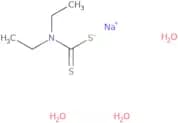
Produto descontinuadoDiethyldithiocarbamic acid sodium trihydrate
CAS:<p>Diethyldithiocarbamic acid sodium salt trihydrate (DDC) is an inhibitor of the response element that belongs to a class of pharmacological agents called diethyldithiocarbamates. DDC inhibits the growth of tumor cells by blocking enzyme activities and decreasing the production of GSH-Px enzymes, which are required for cellular protection against oxidative stress. DDC is also a potent inducer of experimental models for myocardial infarcts. The matrix effect is another mechanism by which DDC exerts its antitumor activity. This effect is due to its ability to inhibit protein synthesis in tumor cells and its ability to inhibit the synthesis of collagen in endothelial cells, thereby preventing angiogenesis.</p>Fórmula:C5H11NS2•Na•(H2O)3Pureza:Min. 95%Cor e Forma:PowderPeso molecular:226.32 g/molRef: 3D-FD21836
Produto descontinuadoNaphthenic acid
CAS:<p>Naphthenic acid is a metal chelate that is used in synchronous fluorescence spectroscopy. It has been shown to have biodegradation properties and can be used as an indicator for water quality. Naphthenic acid has been found to be a potent inhibitor of corrosion and is often used as an additive to petroleum products, such as gasoline, that are made from crude oil. Naphthenic acid also has acute toxicities and can cause toxicity studies on humans. It is able to inhibit energy metabolism in cells by binding to the mitochondrial membrane, which may be due to its ability to bind with benzalkonium chloride. Naphthenic acid can also be used for analytical methods, such as electrochemical impedance spectroscopy, because it has high sensitivity and specificity.</p>Fórmula:C7H10O2Cor e Forma:Clear LiquidPeso molecular:126.15 g/molRef: 3D-FN139341
Produto descontinuadoPeptide YY (3-36) (human) trifluoroacetate salt
CAS:<p>Peptide YY (3-36) (human) trifluoroacetate salt H-Ile-Lys-Pro-Glu-Ala-Pro-Gly-Glu-Asp-Ala-Ser-Pro-Glu-Glu-Leu-Asn -Arg -Tyr -Tyr -Ala -Ser -Leu -Arg <br>Peptide YY (3.36) is a peptide hormone that is secreted by L cells in the small intestine and colon. It has been shown to be an effective treatment for obesity, type 2 diabetes, and other metabolic disorders. Peptide YY (3.36) has been shown to increase insulin sensitivity, reduce food intake and body weight, increase metabolic rate, and improve glucose homeostasis in animal studies. In humans, it has been found to have similar effects on postprandial plasma levels of peptide YY (3.</p>Fórmula:C180H279N53O54Pureza:Min. 95%Peso molecular:4,049.47 g/molRef: 3D-FP110326
Produto descontinuadoOvalbumin (257-264) (chicken) trifluoroacetate salt
CAS:<p>Please enquire for more information about Ovalbumin (257-264) (chicken) trifluoroacetate salt including the price, delivery time and more detailed product information at the technical inquiry form on this page</p>Fórmula:C45H74N10O13·C2HF3O2Pureza:Min. 95%Peso molecular:1,077.15 g/molRef: 3D-FO109383
Produto descontinuado