Glicociência
A glicociência é o estudo dos carboidratos e seus derivados, bem como das interações e funções biológicas em que participam. Este campo de pesquisa é crucial para compreender uma ampla variedade de processos biológicos, incluindo o reconhecimento celular, a sinalização, a resposta imune e o desenvolvimento de doenças. A glicociência tem aplicações importantes na biotecnologia, na medicina e no desenvolvimento de novos medicamentos e terapias. Na CymitQuimica, oferecemos uma ampla seleção de produtos de alta qualidade e pureza para pesquisa em glicociência. Nosso catálogo inclui monossacarídeos, oligossacarídeos, polissacarídeos, glicoconjugados e reagentes específicos, projetados para apoiar os pesquisadores em seus estudos sobre a estrutura, função e aplicações dos carboidratos em sistemas biológicos. Esses recursos são destinados a facilitar descobertas científicas e aplicações práticas em diversas áreas das biociências e da medicina.
Subcategorias de "Glicociência"
- Amino açúcares(108 produtos)
- Anticorpos Glico-Relacionados(282 produtos)
- Glicolípidos(46 produtos)
- Glicosaminoglicanos (GAGs)(55 produtos)
- Glicosídeos(419 produtos)
- Monossacáridos(6.624 produtos)
- Oligossacarídeos(3.682 produtos)
- Polissacáridos(503 produtos)
Foram encontrados 11046 produtos de "Glicociência"
Ordenar por
Pureza (%)
0
100
|
0
|
50
|
90
|
95
|
100
L-g-Ethylidene glutanic acid
<p>L-g-Ethylidene glutamic acid is an organic compound that is used in the production of pharmaceuticals, agrochemicals, and other chemicals. It can be synthesized by the methylation of L-glutamic acid with formaldehyde and sodium cyanoborohydride. L-g-Ethylidene glutamic acid has also been modified by a click reaction to create a fluorinated derivative. This product is a white crystalline solid that has a CAS number. The product is available at high purity and can be ordered as either monosaccharide or polysaccharide.<br>L-g-Ethylidene glutamic acid is a sugar that belongs to the carbohydrate family and can be classified as complex carbohydrates because it comprises two or more sugars linked together. This product may also be referred to as an oligosaccharide or polysaccharide, depending on its molecular size.</p>Pureza:Min. 95%2-Azido-2,6-dideoxy-3,5-((R)-benzylidene-L-mannofuranose
<p>2-Azido-2,6-dideoxy-3,5-((R)-benzylidene-L-mannofuranose) is a synthetic, fluorinated carbohydrate that can be used to modify saccharides, oligosaccharides, or polysaccharides with click chemistry. This product has been modified by the addition of an azido group at the 2 position and a fluoride atom at the 6 position. The CAS number for this product is 52765-69-0.</p>Pureza:Min. 95%α-D-Glucose-1-phosphate disodium salt hydrate
CAS:Alpha-D-glucose-1-phosphate disodium salt hydrate is a sugar that is used to provide the carbohydrate in the diet. It is an important monosaccharide and can be found in many fruits, vegetables, and dairy products. The optimum pH for alpha-D-glucose-1-phosphate disodium salt hydrate is 7.5. Alpha-D-glucose-1-phosphate disodium salt hydrate has been shown to have antifungal properties, which are due to its ability to inhibit the growth of fungi by interfering with their metabolism. Alpha D glucose 1 phosphate disodium salt hydrate also inhibits the growth of bacteria such as E coli K 12 and C coli K 12, which are microorganisms that can cause food poisoning in humans. This compound also has been shown to have antihypertensive properties, which may be due to its ability to stimulate nitric oxide synthesis.Fórmula:C6H11O9PNa2(anhydrousbasis)Peso molecular:304.1 g/mol2N-Boc-amino-2- deoxy- b- D- glucopyranosylamine
CAS:<p>2N-Boc-amino-2-deoxy-b-D-glucopyranosylamine is a Glycosylation, complex carbohydrate that can be modified with Methylation, Click modification, Polysaccharide, Fluorination, saccharide, Modification, sugar and Oligosaccharide. The CAS No. for 2N-Boc-amino-2-deoxy-b-D-glucopyranosylamine is 494201-09-1 and it can be custom synthesized to your specifications.</p>Fórmula:C11H22N2O6Pureza:Min. 95%Peso molecular:278.3 g/mol6-Chloro-6-deoxy-D-allose
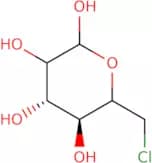
<p>6-Chloro-6-deoxy-D-allose is a synthetic sugar that has been fluorinated to produce the 6-chloro-6-deoxy sugar. The product is soluble in water and ethanol, and has a CAS number of 56982-08-3. It can be custom synthesized for customers with high purity and methylated at any position on the sugar chain. This product can be glycosylated or click modified, depending on customer needs.</p>Fórmula:C6H11ClO5Pureza:Min. 95%Peso molecular:198.6 g/molChitosan oligosaccharide HCl
CAS:Chitosan oligosaccharide HCl is a water-soluble, biocompatible polymer with an average molecular weight of 2,000. It has been shown to have hypoglycemic effects in vivo and inhibitory properties against inflammatory bowel disease. Chitosan oligosaccharide HCl also exhibits an ability to enhance the activity of monoclonal antibodies directed against human tumor cells. This effect may be due to the ability of chitosan oligosaccharide HCl to bind to antigens on the surface of tumor cells and facilitate antibody binding.Fórmula:(C12H24N2O9)nCor e Forma:Off-White PowderVarenicline N-glucoside
CAS:<p>Varenicline N-glucoside is a modification of varenicline, which is an antagonist of the nicotinic acetylcholine receptor. This compound has been synthesized using custom synthesis and glycosylation to obtain high purity. It has been methylated and fluorinated in order to remove any impurities. Varenicline N-glucoside is a carbohydrate with a molecular weight of 581.5 g/mol, consisting of one monosaccharide and one disaccharide. It also contains a complex carbohydrate with an oligosaccharide chain that is composed of glycosylation and saccharide units. The CAS number for this compound is 873302-31-9.</p>Fórmula:C19H23N3O5Pureza:Min. 95%Cor e Forma:PowderPeso molecular:373.4 g/molMethyl 2,3,4,6-tetra-O-benzyl-D-galactopyranoside
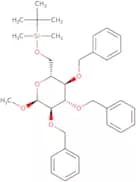
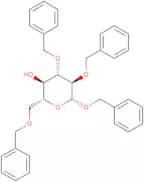
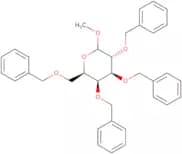
CAS:<p>Methyl 2,3,4,6-tetra-O-benzyl-D-galactopyranoside is a trisaccharide that binds to the fluorescent chromophore. It has been shown to have strong binding activity and can be used for the labeling of carbohydrates. Methyl 2,3,4,6-tetra-O-benzyl-D-galactopyranoside is also used in assays to detect toxins or as a fluorescent label for polymers. This compound can be synthesized by reacting methyl 4,6-dibenzyloxybenzoate with glucose in methanol.</p>Fórmula:C35H38O6Pureza:Min. 95%Cor e Forma:PowderPeso molecular:554.67 g/mol4-Methoxyphenyl 3-O-benzyl-a-D-mannopyranoside
CAS:4-Methoxyphenyl 3-O-benzyl-a-D-mannopyranoside is a synthetic carbohydrate that has been modified with a click reaction. It is an Oligosaccharide, which is a type of Carbohydrate, and has a saccharide sequence. This product is used in the synthesis of complex carbohydrates. The product has high purity and custom synthesis capabilities.Fórmula:C20H24O7Pureza:Min. 95%Peso molecular:376.4 g/mol2-O-Methyl-D-glucose
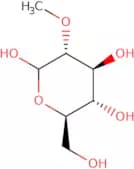
CAS:2-O-Methyl-D-glucose is an aldohexose that is used in the synthesis of a number of biological compounds. It has been shown to inhibit the growth of cancer cells by interfering with the synthesis of fatty acids and proteins.Fórmula:C7H14O6Pureza:Min. 95%Cor e Forma:PowderPeso molecular:194.18 g/mol5-Deoxy-iso-DMDP HCl
<p>5-Deoxy-iso-DMDP HCl is a custom synthesis sugar that can be modified with Click chemistry. It is fluorinated, glycosylated, and methylated. The CAS number for 5-Deoxy-iso-DMDP HCl is 97790-10-2. This oligosaccharide has a molecular weight of about 607.5 Daltons and contains monosaccharides and saccharides. The carbohydrate complex has a molecular weight of about 1201 Daltons and includes complex carbohydrates such as polysaccharides, glycoproteins, glycogen, and polysaccharolytic enzymes.</p>Pureza:Min. 95%D-Ribose, 99.0%+
CAS:D-Ribose is a pentose sugar that is the ribose sugar of D-arabinose. It is an inhibitor of bacterial growth and has been shown to inhibit binding of adenine nucleotides to their receptors in the human erythrocyte membrane. Ribose plays a vital role in energy metabolism, as it is a component of ATP and NADH. It also participates in the synthesis of DNA and RNA. Ribose can be found in many foods, such as pears, apples, potatoes, and rice. D-ribose has been shown to have significant cytotoxicity against cancer cells that are dependent on glycolysis for their energy needs. D-Ribose may also be used as a polymerase chain reaction (PCR) substrate to determine the presence of infectious diseases such as HIV or hepatitis C virus in human serum samples.Fórmula:C5H10O5Pureza:Min. 99.0 Area-%Peso molecular:150.13 g/molRef: 3D-R-5495
1kgA consultar100gA consultar250gA consultar500gA consultar2500gA consultar-Unit-kgkgA consultar(2R,3R,4R,5R)-2-(3-hydroxy-4-methoxyphenyl)-5-(hydroxymethyl)pyrrolidine-3,4-diol
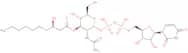
CAS:<p>(2R,3R,4R,5R)-2-(3-hydroxy-4-methoxyphenyl)-5-(hydroxymethyl)pyrrolidine-3,4-diol is an imino-sugar</p>Fórmula:C12H17NO5Pureza:Min. 95%Peso molecular:255.27 g/molUDP-3-O-(R-3-hydroxydecanoyl)-GlcNAc sodium salt
CAS:<p>Substrate for UDP-3-O-acyl-GlcNAc deacetylase</p>Fórmula:C27H43N3O19P2·xNaPureza:Min. 90 Area-%Cor e Forma:White Off-White Solidified MassPeso molecular:777.6 g/mol2,3:5,6-Di-O-isopropylidene-α-D-mannofuranose
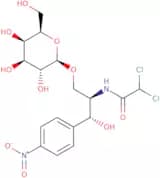
CAS:<p>2,3:5,6-Di-O-isopropylidene-a-D-mannofuranose is a nutrient solution that can be used in tissue culture. It is a complex sugar with an active hydroxyl group and a hydrogen bond. This compound has been shown to have antiviral activity against HIV in the laboratory. 2,3:5,6-Di-O-isopropylidene-a-D-mannofuranose is also able to inhibit the growth of liver cells and can be used for diagnostic purposes.</p>Fórmula:C12H20O6Pureza:Min. 95%Cor e Forma:PowderPeso molecular:260.28 g/molChloramphenicol 1-O-β-D-galactopyranoside
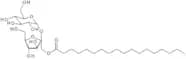
CAS:Chloramphenicol 1-O-b-D-galactopyranoside is an antibiotic that binds to the 50S ribosomal subunit and inhibits bacterial protein synthesis. It is a modified form of chloramphenicol, which has been chemically altered to make it more soluble in water. Chloramphenicol 1-O-b-D-galactopyranoside can be used for the treatment of infections caused by bacteria such as Mycobacterium avium complex, Clostridium perfringens, or Staphylococcus aureus. This drug is also used to protect against meningitis caused by H. influenzae type b and other Gram negative bacteria. Chloramphenicol 1-O-b-D-galactopyranoside is also used for the prevention of disease recurrence in patients with superficial bladder cancer who have had a partial cystectomy and are at high risk for tumor recurrenceFórmula:C17H22N2O10Cl2Pureza:Min. 95%Cor e Forma:PowderPeso molecular:485.27 g/molSucrose stearate - 70% monostearate
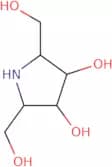
CAS:<p>The "tallowate" esters are probably the best known derivatives of sucrose and many attempts have been made to commercialise them in order to exploit their excellent surfactant functionalities. The most functional products are the mono- and diesters of the tallow acids (stearic, palmitic, oleic) with hydrophile-lipophile balance (HLB) values that lend themselves to surfactant applications in foods and cosmetics. They also have other uses, for example in coating fruits with a semipermeable membrane that acts as a preservative. Manufacturing economics have prevented these products from mass production and they remain in niche applications.</p>Fórmula:C30H56O12Pureza:Min. 90 Area-%Cor e Forma:White Off-White PowderPeso molecular:608.77 g/mol(2S, 3S, 4S, 5R) -3,4-Dihydroxy-2, 5- pyrrolidinedimethano l
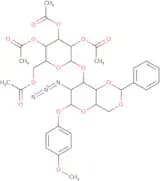
CAS:<p>Disrupting agents are compounds that inhibit the function of a protein. These agents are able to bind to proteins and disrupt their normal function, leading to cell death. Picolinic acid is one such agent, which binds to proteins that contain an active site with a metal ion. It has been shown to be effective in reducing tumor cells and drug efficacy. Disrupting agents have also been shown to induce apoptosis by activating caspases, which are proteases that process proteins in cells. Research on these agents has shown anticancer potential in drug research and cancer treatment.</p>Pureza:Min. 95%4-Methoxyphenyl 3-O-(2,3,4,6-Tetra-O-acetyl-b-D-galactopyranosyl)-2-azido-4,6-O-benzylidene-2-deoxy-b-D-galactopyranoside
<p>4-Methoxyphenyl 3-O-(2,3,4,6-Tetra-O-acetyl-b-D-galactopyranosyl)-2-azido-4,6-O-benzylidene-2-deoxy-b -D -galactopyranoside is a sugar that can be methylated or modified with other saccharides. It has CAS No. 91485 and can be synthesized by Click chemistry. The modification of the sugar includes glycosylation and fluorination. This compound is a complex carbohydrate that is used in synthetic chemistry.</p>Pureza:Min. 95%2-Aminophenyl 2,3,4-tri-O-acetyl-β-D-glucuronide methyl ester
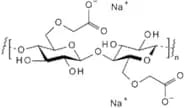
CAS:2-Aminophenyl 2,3,4-tri-O-acetyl-b-D-glucuronide methyl ester is a glycosylation reagent and can be used in synthesis of oligosaccharides and sugar. This chemical has been modified with fluorination, methylation and monosaccharide modification to provide a high purity product. It is also available in complex carbohydrate form.Fórmula:C19H23NO10Pureza:Min. 95%Cor e Forma:White to off-white solid.Peso molecular:425.39 g/molCarboxymethyl cellulose sodium - Viscosity 1000 - 1300 mPa·s
CAS:<p>Carboxymethyl cellulose is used in food as a viscosity modifier, thickener, to stabilise emulsions and are found in gluten-free and reduced-fat products. It is also a constituent of toothpaste, laxatives, diet pills, water-based paints, detergents, textile sizing, and various paper products. In laundry detergents, it is used as a soil suspension polymer. It is also used in pharmaceuticals as a thickening agent and in the oil-drilling industry as a viscosity modifier and water-retaining agent.</p>Pureza:Min. 95%Cor e Forma:White PowderDodecyl β-D-cellobioside
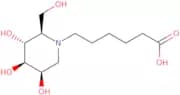
CAS:<p>Dodecyl b-D-cellobioside is a surfactant that has been shown to form lamellar phases at low temperatures and high concentrations. It is primarily used as a stabilizer for emulsions, such as in ice cream, where it prevents the separation of fats and water. Dodecyl b-D-cellobioside is also known to be involved in the formation of bilayers, which are made up of one layer of hydrophobic molecules and one layer of hydrophilic molecules. This surfactant can exist as two conformations: a lyotropic phase with short chains (lamellar) or a synthetic phase with long chains (spreading). The lamellar phase is more stable than the synthetic phase because it has more contact with water. The lyotropic phase would be useful in an environment where water is scarce, like in outer space.</p>Fórmula:C24H46O11Pureza:Min. 98 Area-%Cor e Forma:PowderPeso molecular:510.62 g/molN-(5-Carboxypentyl)-deoxymannojirimycin hydrochloride
CAS:<p>N-(5-Carboxypentyl)-deoxymannojirimycin hydrochloride is a high purity, custom synthesis, CAS No. 104154-10-1. It is a sugar that contains the Click modification, fluorination, glycosylation, and synthetic modifications. It contains methylation, modification and oligosaccharide or monosaccharide saccharides. This compound has been modified by Carbohydrate Complex.</p>Fórmula:C12H23NO6·HClPureza:Min. 95%Cor e Forma:PowderPeso molecular:313.77 g/molMan-4 N-Glycan
<p>Man-4 N-glycan is an oligosaccharide that is modified with a methyl group at the 4th carbon atom. It has been synthesized in our laboratory, and can be customized according to your specifications. Man-4 N-glycan is highly pure and has a purity of 98% or higher. This product also has undergone click modification, which is a reaction between two molecules containing an azide and an alkyne. The resulting product contains a fluorine atom on the 4th carbon atom. Contact us for more information about this product.</p>Fórmula:C40H68N2O31Pureza:Min. 95%Peso molecular:1,072.96 g/molCYMAL-7 neopentyl glycol
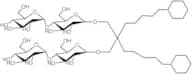
CAS:<p>CYMAL-7 neopentyl glycol is a custom synthesis and is not commercially available. It is a complex carbohydrate that has been modified by methylation, glycosylation, and carbamate formation. CYMAL-7 neopentyl glycol has been modified with a fluorination reaction to give it high purity. This product has CAS No. 1423310-08-0 and is classified as an Oligosaccharide or Polysaccharide.</p>Fórmula:C49H88O22Pureza:Min. 98 Area-%Cor e Forma:PowderPeso molecular:1,029.21 g/mol1,2,3,4-Tetra-O-acetyl-6-S-acetyl-6-deoxy-6-thio-b-D-glucopyranose
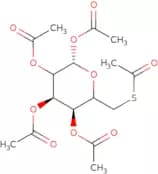
<p>1,2,3,4-Tetra-O-acetyl-6-S-acetyl-6-deoxy-6-thio-b-D-glucopyranose is a synthetic compound that is used as a building block for the synthesis of other compounds. It is an acetylated oligosaccharide that can be modified with fluorine atoms to form 1,2,3,4-tetra-[F]fluoro-[F]deoxy-[F]thio-[F]hexose. This product has high purity and can be used in glycosylation reactions.</p>Fórmula:C16H22O10SPureza:Min. 95%Peso molecular:406.41 g/mol(+)-pinoresinol-b-D-glucoside
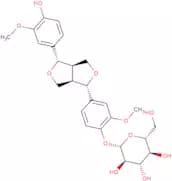
CAS:<p>(+)-Pinoresinol-b-D-glucoside is a fluorinated, monosaccharide that is synthetically produced by glycosylation. It can also be modified using methylation and click chemistry. The chemical formula for (+)-pinoresinol-b-D-glucoside is C10H14O8. It has a molecular weight of 288.24 g/mol and an empirical formula of (C10H14O8)2. The CAS number for this compound is 69251-963. This product is in the Carbohydrate family and has a purity level of >99%.</p>Fórmula:C26H32O11Pureza:Min. 95%Cor e Forma:PowderPeso molecular:520.53 g/molDextran sulfate potassium salt
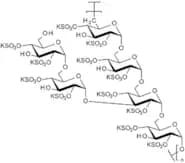
CAS:<p>Dextran sulphate is a dextran derivative whose ulcer (colitis) -causing properties were first reported in hamsters and extrapolated a few years later to mice and rats. The exact mechanisms through which dextran sulphate induces intestinal inflammation are unclear but may be the result of direct damage of the monolayer of epithelial cells in the colon, leading to the crossing of intestinal contents (for e.g. commensal bacteria and their products) into underlying tissue and therefore induction of inflammation. The dextran sulphate sodium-induced ulceration model in laboratory animals has some advantages when compared to other animal models of colitis due to its simplicity and similarities to human inflammatory bowel disease. <br>MW is in the range of 40,000Da</p>Pureza:Min. 95%Cor e Forma:White Powder3'-Sialyl Lewis X 16-sp - biotin
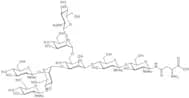
3'-Sialyl Lewis X 16-sp - biotin is a modified oligosaccharide that is synthesized by the addition of a sialic acid residue to the terminal position of the carbohydrate. This product has a CAS number and can be custom synthesized to meet specific customer requirements. 3'-Sialyl Lewis X 16-sp - biotin is an important glycosylation site for many proteins, including CD45 and CD47, which are present in erythrocytes and leukocytes respectively. It is also used as an important substrate for methylation reactions due to its susceptibility to S-adenosyl methionine. 3'-Sialyl Lewis X 16-sp - biotin is soluble in water and has a high purity. The structure of this oligosaccharide includes a complex carbohydrate composed of mono-, di-, tri-, tetra-, penta-, hexa-, hepta-, octa-, nona-, deca-sacFórmula:C56H95N7O26SPureza:Min. 95%Cor e Forma:White PowderPeso molecular:1,314.45 g/molNGA3 N-Glycan
CAS:<p>NGA3 N-Glycan is a high purity, custom synthesis, sugar-containing glycoprotein. It is synthesized by Click modification of the glycopeptide backbone with a fluorinated amino acid and then glycosylated with an acetylated sugar. The acetylation of the sugar allows for selective labeling of the glycan. This product can be used in research applications such as Fluorination, Glycosylation, Synthetic, Methylation, Modification and Carbohydrate. It has CAS No. 110387-63-8 and is available in both Monosaccharide and Oligosaccharide form.</p>Fórmula:C58H97N5O41Pureza:Min. 90 Area-%Cor e Forma:PowderPeso molecular:1,520.4 g/molDecyl b-D-thiomaltopyranoside
CAS:<p>Decyl b-D-thiomaltopyranoside is a glycosylation product of the monosaccharide, maltose. It is a complex carbohydrate that consists of two glucose molecules linked by alpha (1-4) glycosidic bonds. Decyl b-D-thiomaltopyranoside has been modified with methyl groups and fluorine atoms. This product is CAS No. 148565-56-4, and it can be custom synthesized to meet your specifications. The purity of this product ranges from 98% to 99%.</p>Fórmula:C22H42O10SPureza:Min. 95%Cor e Forma:White To Off-White SolidPeso molecular:498.63 g/molN-Amyl β-D-glucopyranoside
CAS:N-Amyl b-D-glucopyranoside is a monosaccharide with a glucose residue at the 1 position and an amyl group at the 2 position. It is a synthetic sugar that can be used as a starting material in glycosylation reactions to modify oligosaccharides, saccharides, and complex carbohydrates. N-Amyl b-D-glucopyranoside can also be fluorinated, methylated, or modified by click chemistry to produce novel compounds. N-Amyl b-D-glucopyranoside is typically obtained by the glycosylation of amylamine with dibenzoyl glucose in the presence of an acid catalyst. This reaction produces a mixture of mono-, di-, tri-, tetra-, penta-, hexa-, hepta-, octa-, nona-, deca-, undeca-, dodeca-, and tetradecasaccharides, whichFórmula:C11H22O6Pureza:Min. 95%Cor e Forma:White to off-white solid.Peso molecular:250.29 g/mol(5S, 8S, 9S) -8- [(4S) - 2, 2-Dimethyl- 1, 3- dioxolan- 4- yl] - 9- hydroxy- 2, 2- dimethyl- 1, 3, 7- trioxaspiro[4.4] nonan- 6- one
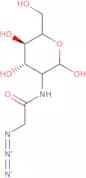
<p>(5S, 8S, 9S) -8- [(4S) - 2, 2-Dimethyl- 1, 3- dioxolan- 4- yl] - 9- hydroxy- 2, 2- dimethyl- 1, 3, 7- trioxaspiro[4.4] nonan- 6- one is a synthetic molecule that has been modified to include fluorine atoms at the C3 and C4 positions. It is a sugar that is found in many plants and animals. This sugar can be methylated or modified with other molecules to form complex carbohydrates. The ability of this sugar to form oligosaccharides and polysaccharides makes it an important part of carbohydrate metabolism.</p>Pureza:Min. 95%N-Azidoacetylgalactosamine
Click reagent for metabolic labeling of GalNAcFórmula:C8H14N4O6Pureza:Min. 98 Area-%Cor e Forma:White PowderPeso molecular:262.22 g/molHyaluronate fluorescein - MW - 800kDa
Hyaluronic acid, a polysaccharide with alternating β (1,3) glucuronide and β (1,4) glucosamine residues labelled with 5-amino-fluorescein gives a yellow fibrous product, which is soluble in both water and electrolytes. Fluorescein-labelled hyaluronic acid can be used as a probe to follow the fate of hyaluronan in vitro and greatly enhances the visualisation of the permeation of substrates through skin and other tissues. Other applications of fluorescein-labelled hyaluronic acid have been reported in cancer research.Pureza:(%) Min. 95%Cor e Forma:Yellow Orange Powder3,5-((R)-Benzylidene)-6-deoxy-L-glucono-1,4-lactone
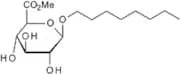
<p>3,5-((R)-Benzylidene)-6-deoxy-L-glucono-1,4-lactone is a synthesized sugar that can be modified to include fluorination, glycosylation, methylation and other modifications. It is an oligosaccharide with a saccharide backbone made up of glucose units. The monosaccharides are galactose and glucuronic acid. 3,5-(R) Benzylidene)-6-deoxy-L-glucono-1,4-lactone is used in the synthesis of complex carbohydrates for research purposes.</p>Pureza:Min. 95%Octyl D-glucuronide methyl ester
CAS:Octyl D-glucuronide methyl ester is a modification of the oligosaccharide octyl glucuronide. Octyl D-glucuronide methyl ester is a white to off-white solid with a molecular weight of 787. It has been synthesized using a custom synthesis, and is available in high purity and with high purity. The CAS number for this compound is 1423035-40-8.Fórmula:C15H28O7Pureza:Min. 95%Cor e Forma:White PowderPeso molecular:320.39 g/mol4-Methoxyphenyl 4-O-[3-O-(2,3,4,6-O-acetyl-α-D-mannopyranosyl)-4,6-O-benzylidene-2-O-levulinoyl-β-D-glucopyranosyl]-3,6-di-O-benzyl- 2-deoxy-2-phthalimido-β-D-glucopyranoside
This product is a synthetic, high purity, and custom-synthesized molecule that belongs to the group of saccharide polymers. It is synthesized by methylation of 4-methoxyphenyl 4-O-[3-O-(2,3,4,6-O-acetyl-a-D-mannopyranosyl)-4,6-O-benzylidene-2-O-levulinoyl]-b-Dglucopyranoside and Click modification. This product has potent glycosylation activity with polysaccharides such as heparin and chondroitin sulfate. The synthesis of this product is completed through the use of a highly efficient and selective carbohydrate polymerization method.Fórmula:C67H71NO24Pureza:Min. 95%Peso molecular:1,274.27 g/mol2-Methoxycarbonylphenyl 2-acetamido-2-deoxy-β-D-glucopyranoside
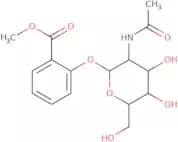
CAS:<p>2-Methoxycarbonylphenyl 2-acetamido-2-deoxy-b-D-glucopyranoside is a fluorinated monosaccharide that can be used as a glycosylation and polysaccharide modification agent. It has been shown to be useful for the synthesis of complex carbohydrates. This product is available in high purity, custom synthesis, and CAS No. 1093406-94-0.</p>Fórmula:C16H21NO8Pureza:Min. 95%Peso molecular:355.34 g/molMethyl 3,6-di-O-benzyl-2-deoxy-a-D-glucopyranoside
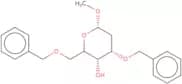
<p>Methyl 3,6-di-O-benzyl-2-deoxy-a-D-glucopyranoside is a sugar derived from the natural carbohydrate sucrose. It is custom synthesized and glycosylated with an oligosaccharide. Methyl 3,6-di-O-benzyl-2-deoxy-a-D-glucopyranoside can be used in the synthesis of polysaccharides and other carbohydrates. This product has been modified using click chemistry to attach a methyl group at the C3 position of the glucose moiety. This modification is useful for glycosylation reactions that require a specific location on the sugar for attachment of an amino acid or peptide. Methyl 3,6-, di-, O-, benzyl--2, deoxy--A--D--glucopyranoside has CAS number 51139–03–5 and is available in high purity.</p>Fórmula:C21H26O5Pureza:Min. 95%Peso molecular:358.43 g/mol2-Deoxy-L-ribose
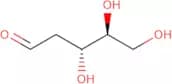
CAS:<p>Suppresses tumor angiogenesis; pro-apoptotic</p>Fórmula:C5H10O4Pureza:Min. 98 Area-%Cor e Forma:White PowderPeso molecular:134.13 g/molSucrose stearate - 25-33% monostearate
CAS:<p>The "tallowate" esters are probably the best known derivatives of sucrose and many attempts have been made to commercialise them in order to exploit their excellent surfactant functionalities. The most functional products are the mono- and diesters of the tallow acids (stearic, palmitic, oleic) with hydrophile-lipophile balance (HLB) values that lend themselves to surfactant applications in foods and cosmetics. They also have other uses, for example in coating fruits with a semipermeable membrane that acts as a preservative. Manufacturing economics have prevented these products from mass production and they remain in niche applications.</p>Fórmula:C30H56O12Cor e Forma:White PowderPeso molecular:608.77 g/mol2-Hydroxypropyl-β-cyclodextrin
CAS:<p>Please enquire for more information about 2-Hydroxypropyl-β-cyclodextrin including the price, delivery time and more detailed product information at the technical inquiry form on this page</p>Fórmula:C42Hn)O35·(C3H7O)nOctyl 2,3,4,6-tetra-O-acetyl-b-D-glucopyranoside
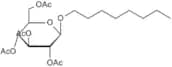
CAS:Octyl 2,3,4,6-tetra-O-acetyl-b-D-glucopyranoside is an analog of 6-(trifluoromethyl)indoxyl beta-D-galactopyranoside. It is a potent antituberculosis agent that inhibits the growth of Mycobacterium tuberculosis and has been shown to be active against other bacteria in vitro. Octyl 2,3,4,6-tetra-O-acetyl-b-D-glucopyranoside inhibits bacterial growth by binding to DNA dependent RNA polymerase and prevents transcription and replication. This compound has been tested for its ability to inhibit neoplastic cell proliferation in humans.Fórmula:C22H36O10Pureza:(%) Min. 95%Cor e Forma:PowderPeso molecular:460.52 g/mol3-O-Benzyl-2-deoxy-1,6-di-O-methoxyphenyl-2-phthalimido-β-D-glucopyranoside
3-O-Benzyl-2-deoxy-1,6-di-O-methoxyphenyl-2-phthalimido-b-D-glucopyranoside is a synthetic glycosylation agent. It is a sugar with an Oligosaccharide structure. 3-O-Benzyl--2'-deoxy--1,6'-di--O--methoxyphenyl--2'-phthalimido--b--D--glucopyranoside has been synthesized by fluorination of the sugar and methylation of the benzyl group. Click modification can be used to modify the carbohydrate to create complex carbohydrates. This compound is made from natural ingredients and has a high purity level. Molecular weight: 592.24 g/mol CAS Number: 251300 EINECS Number: 208–831–3 Melting Point: 130°C (decFórmula:C35H33NO9Pureza:Min. 95%Peso molecular:611.64 g/mol6-O-Desmethyl donepezil glucuronide sodium (Mixture of Diastereomers)
CAS:Please enquire for more information about 6-O-Desmethyl donepezil glucuronide sodium (Mixture of Diastereomers) including the price, delivery time and more detailed product information at the technical inquiry form on this pageFórmula:C29H35NO9•NaPureza:Min. 95%Peso molecular:540.59 g/mol(1S) -1- [(2S, 3R) - 3- Hydroxy- 1- (phenylmethyl) - 2- azetidinyl] -1, 2- ethanediol
CAS:(1S) -1- [(2S, 3R) - 3- Hydroxy- 1- (phenylmethyl) - 2- azetidinyl] -1, 2- ethanediol is an enantiomerically pure sugar with a CAS number of 1322748-34-4. It is a synthetic sugar that contains a saccharide. The sugar has been modified to contain an azetidinyl and an ethanediol group. This modification gives the sugar a glycosylation and methylation pattern. The product was synthesized in the lab, unlike natural sugars which are derived from plants or animals.Fórmula:C12H17NO3Pureza:Min. 95%Peso molecular:223.27 g/molGA1-Ganglioside
CAS:<p>GA1-ganglioside is also known as asialo-GM1 ganglioside. Autoimmune responses to GA1 ganglioside and high titers of anti-GA1 antibodies have been associated with neuromotor disorders, such as, motor neuron disease, multifocal motor neuropathy, and Guillain-Barré syndrome (Kolter, 2006). Anti-GA1 antibodies are also associated withâ¯Borrelia burgdorferiâ¯infection and Lyme disease (Djellaoui, 2016).</p>Fórmula:C62H114N2O23Pureza:Min. 95%Cor e Forma:PowderPeso molecular:1,255.57 g/mol1,2,3,5-Tetra-O-acetyl-D-xylofuranose
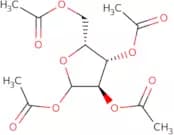
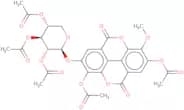
CAS:1,2,3,5-Tetra-O-acetyl-D-xylofuranose is a lectin that has been shown to have an affinity for bacterial cells. It has been shown to be effective against Gram-positive and Gram-negative bacteria, with the exception of mycobacteria. 1,2,3,5-Tetra-O-acetyl-D-xylofuranose binds to the terminal sugar of the cell wall carbohydrate chains of these cells by means of its oligosaccharide side chain. The binding causes conformational changes in the bacterial membrane and disrupts the ion gradient across it. This leads to an influx of water into the cell and subsequent death.Fórmula:C13H18O9Pureza:Min. 95%Cor e Forma:Colorless PowderPeso molecular:318.28 g/molDucheside A pentaacetate
Ducheside A pentaacetate is a fluorescent sugar that can be used as a fluorescent probe to study the glycosylation of proteins. This compound has been shown to be effective in inhibiting the growth of Gram-positive bacteria such as Mycobacterium tuberculosis, Clostridium perfringens, and Streptococcus pyogenes. Ducheside A pentaacetate is synthesized from duchesidin I and an acetyl group, which is then fluorinated with N-fluorobenzenesulfonamide. The product can be modified through methylation or click chemistry reactions. Ducheside A pentaacetate is soluble in water and has a molecular weight of 585.5 g/mol. It has CAS number 314965-07-8 and purity greater than 99%.Pureza:Min. 95%1,2-Dideoxy-D-ribofuranose
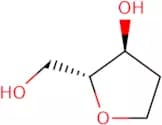
CAS:<p>Precursor for the preparation of abasic nucleoside analogues</p>Fórmula:C5H10O3Pureza:Min. 98 Area-%Cor e Forma:Clear LiquidPeso molecular:118.13 g/molPhenyl 3-O-Allyl-2,4,6-tri-O-benzyl-b-D-thiogalactopyranoside
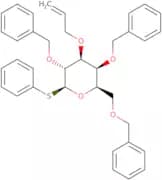
CAS:<p>Phenyl 3-O-Allyl-2,4,6-tri-O-benzyl-b-D-thiogalactopyranoside (PTAG) is a modified glycosylated monosaccharide which has been synthesized by the Click Reaction. The synthesis of PTAG was achieved by the reaction between 2,3,4,6-tetra O-benzyl bD thiogalactopyranose and benzylic alcohol. PTAG is an oligosaccharide with a molecular weight of 1,000 Da and consists of six glucopyranose units. It can be used as a building block in the synthesis of complex carbohydrates.</p>Fórmula:C36H38O5SPureza:Min. 95%Cor e Forma:White Off-White PowderPeso molecular:582.75 g/molChlorhexidine digluconate - 20% aqueous solution
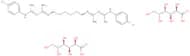
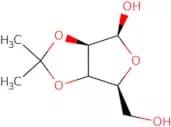
CAS:Bisbiguanide antiseptic and disinfectant used in topical antibacterial productsFórmula:C34H54Cl2N10O14Pureza:190 To 210 G/LCor e Forma:Clear LiquidPeso molecular:897.76 g/mol2,3-O-Isopropylidene-L-ribofuranose
CAS:<p>2,3-O-Isopropylidene-L-ribofuranose is a chiral building block for the synthesis of α-amino acids. This compound can be obtained from l-arabinose and l-rhamnose by kinetic resolution reactions with reagents such as (R)-1,2,3,4,5,6-hexahydrobenzo[b]thiophene or (S)-1,2,3,4,5,6-hexahydrobenzo[b]thiophene. The product is an enantiospecifically pure mixture of 2,3-O-isopropylidene L-ribofuranose and its antipode. The use of acid catalysts such as sulfuric acid or hydrochloric acid will yield a higher yield of the desired product.</p>Fórmula:C8H14O5Pureza:Min. 95 Area-%Cor e Forma:PowderPeso molecular:190.19 g/mol2,3,4,6-Tetra-O-pivaloyl-a-D-glucopyranosyl bromide - stabilised with CaCO3
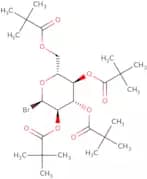
CAS:<p>Intermediate in the synthesis of dapagliflozin</p>Fórmula:C26H43BrO9Pureza:Min. 95%Cor e Forma:White To Off-White SolidPeso molecular:579.52 g/molTridecyl β-D-maltopyranoside
CAS:<p>Tridecyl b-D-maltopyranoside is a high purity, custom synthesis sugar that can be fluorinated, glycosylated, methylated, and modified. It has CAS No. 93911-12-7 and can be used as an oligosaccharide or monosaccharide in the synthesis of complex carbohydrates. Tridecyl b-D-maltopyranoside is also used in click modifications.</p>Fórmula:C25H48O11Pureza:Min. 95%Cor e Forma:PowderPeso molecular:524.64 g/mol1,6-Anhydro-3-O-b-D-glucopyranosyl-b-D-glucopyranose
<p>1,6-Anhydro-3-O-b-D-glucopyranosyl-b-D-glucopyranose is a glycosylation agent that is used in the synthesis of complex carbohydrates. It has been modified by methylation, click modification, and fluorination to produce 1,6 anhydro-3-[2-(N′-[1-(4-chlorophenyl)ethylidene]amino)-2-(N′-[1-(4-chlorophenyl)ethylidene]amino)]ethylidene]-b -D glucopyranoside. This product is CAS No. 60932-82-7 and can be custom synthesized to produce high purity and low impurities.</p>Pureza:Min. 95%Methyl mandelate glucoside
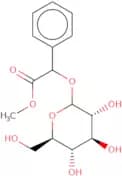
<p>Methyl mandelate glucoside is a glycosylation product that is custom synthesized for its fluorination and methylation. The molecule has a complex structure, consisting of monosaccharides and polysaccharides. Methyl mandelate glucoside is a high-purity compound with a CAS number. This chemical is also modified by click chemistry to create an oligosaccharide.</p>Fórmula:C15H20O8Pureza:Min. 95%Peso molecular:328.31 g/molBlood group A trisaccharide-APE-HSA
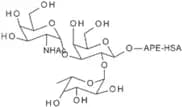
<p>Core antigen ABO trisaccharide conjugated to HSA via an aminophenyl ethyl spacer</p>Pureza:Min. 95%3,6-Di-O-acetyl-a-cyclodextrin
<p>Alpha-cyclodextrin (α-CD) derivative with a hydrophilic exterior and lipophilic cavity (smaller than β-CDs and γ-CDs) to allocate certain guest molecules. This structural characteristic enables applications in molecular encapsulation, solubility enhancement, and stabilization across multiple industries. In pharmaceuticals, it serves as a drug delivery vehicle, enhancing the bioavailability and stability of active ingredients. The food industry utilizes it as a stabilizer for flavors, colors, and nutrients, as well as a functional ingredient for its effects on lipid metabolism. In cosmetics, it acts as a complex agent for fragrances and active components. Its applications extend to analytical chemistry for chiral separation and to materials science for developing smart materials and nanosystems.</p>Fórmula:C60H84O42Pureza:Min. 95%Peso molecular:1,477.28 g/molMethyl 2,3-di-O-benzyl-4,6-O-(4-methoxybenzylidene)-a-D-mannopyranoside
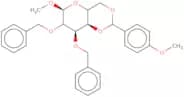
CAS:<p>Methyl 2,3-di-O-benzyl-4,6-O-(4-methoxybenzylidene)-a-D-mannopyranoside is a custom synthesis of a complex carbohydrate. It has been modified to include an Oligosaccharide and Polysaccharide, which are saccharides. This product can be used for the synthesis of glycosylation and carbonylation reactions. Methyl 2,3-di-O-benzyl-4,6-O-(4-methoxybenzylidene)-a-D-mannopyranoside is high purity with a fluorination process that ensures the highest quality.</p>Fórmula:C29H32O7Pureza:Min. 95%Peso molecular:492.57 g/mol(3S, 4R) -3, 4- Dihydroxy- 2- methyl-D- proline
<p>(3S, 4R) -3, 4-Dihydroxy-2-methyl-D-proline is a synthetic monosaccharide. It is an intermediate in the synthesis of (3S, 4R)-3,4-dihydroxy-2-methyl-D-proline and can be used for the production of glycosylated products. This carbohydrate has been synthesized by fluorination followed by methylation and glycosylation. This is a high purity product that can be custom synthesized to meet your needs.</p>Pureza:Min. 95%GA2-Ganglioside
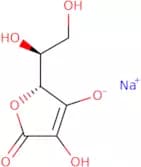
CAS:GA2-ganglioside is a ganglioside that is found in the membranes of cells. GA2-Ganglioside has been shown to inhibit the growth of tumors by binding to macrophages and T cells, which are two types of white blood cells. It has also been shown that GA2-Ganglioside can be used as a target for an antibody response against human HL-60 tumor cells. The antibody response induces cell lysis and reduces the size of the tumor. GA2-Ganglioside has also been shown to have anti-inflammatory properties, which may be due to its ability to bind to α subunits on bowel disease and infectious diseases, such as murine sarcoma virus, causing an antibody response that causes cell lysis and prevents replication of these viruses.Fórmula:C56H104N2O18Pureza:Min. 95%Cor e Forma:PowderPeso molecular:1,093.43 g/molL(+)-Ascorbic acid sodium salt
CAS:<p>L(+)-Ascorbic acid sodium salt is the L-isomer of ascorbic acid. It is an essential nutrient for humans and animals, and a cofactor for many enzymes involved in cellular metabolism. Ascorbic acid is an effective metal chelator, which can be used to treat infectious diseases such as tuberculosis. L(+)-Ascorbic acid sodium salt has been shown to have antioxidant properties. It also has antineoplastic activity against skin tumors when used at optimum concentration.</p>Fórmula:C6H7NaO6Pureza:Min. 97 Area-%Cor e Forma:White PowderPeso molecular:198.11 g/mol6-Chloro-6-deoxy-a-cyclodextrin
<p>Alpha-cyclodextrin (α-CD) derivative with a hydrophilic exterior and lipophilic cavity (smaller than β-CDs and γ-CDs) to allocate certain guest molecules. This structural characteristic enables applications in molecular encapsulation, solubility enhancement, and stabilization across multiple industries. In pharmaceuticals, it serves as a drug delivery vehicle, enhancing the bioavailability and stability of active ingredients. The food industry utilizes it as a stabilizer for flavors, colors, and nutrients, as well as a functional ingredient for its effects on lipid metabolism. In cosmetics, it acts as a complex agent for fragrances and active components. Its applications extend to analytical chemistry for chiral separation and to materials science for developing smart materials and nanosystems.</p>Fórmula:C36H54Cl6O24Pureza:Min. 95%Peso molecular:1,083.52 g/mol4-O-{[(6-Azidoethoxy)ethoxy]ethyl}-β-D-galactopyranosyl-2-deoxy-α-D-glucopyranose-2,1-oxazoline
CAS:<p>Please enquire for more information about 4-O-{[(6-Azidoethoxy)ethoxy]ethyl}-β-D-galactopyranosyl-2-deoxy-α-D-glucopyranose-2,1-oxazoline including the price, delivery time and more detailed product information at the technical inquiry form on this page</p>Fórmula:C20H34N4O12Pureza:Min. 95%Peso molecular:522.5 g/molHyaluronic acid sodium salt - Low molecular weight 40,000 - 50,000
CAS:<p>Please enquire for more information about Hyaluronic acid sodium salt - Low molecular weight 40,000 - 50,000 including the price, delivery time and more detailed product information at the technical inquiry form on this page</p>Pureza:Min. 90 Area-%4-O-[(2-Azidoethoxyimino)-6-deoxy-β-D-galactopyranosyl]-2-deoxy-α-D-glucopyranose-2,1-oxazoline
CAS:<p>Please enquire for more information about 4-O-[(2-Azidoethoxyimino)-6-deoxy-β-D-galactopyranosyl]-2-deoxy-α-D-glucopyranose-2,1-oxazoline including the price, delivery time and more detailed product information at the technical inquiry form on this page</p>Fórmula:C16H25N5O10Pureza:Min. 95%Peso molecular:447.4 g/molmyo-Inositol 1,3,4,5,6-pentakisphosphate decasodium salt
CAS:Myo-inositol 1,3,4,5,6-pentakisphosphate decasodium salt is a complex carbohydrate that has been modified with fluorine. This modification has been shown to increase the solubility of myo-inositol 1,3,4,5,6-pentakisphosphate decasodium salt in organic solvents. Myo-inositol 1,3,4,5,6-pentakisphosphate decasodium salt is used in the synthesis of oligosaccharides and polysaccharides. It also serves as a substrate for methylation and glycosylation reactions. The synthesis of this compound can be achieved by a Click reaction.Fórmula:C6H17O21P5·10NaPureza:Min. 95%Cor e Forma:PowderPeso molecular:809.95 g/molDecyl α-D-maltopyranoside
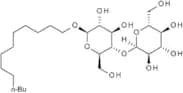
CAS:<p>Decyl a-D-maltopyranoside is a low molecular weight alcohol that is used in the synthesis of glycoproteins. It has been shown to bind to the peptides and proteins of the cell membranes, which may be due to its hydrophobic character. Decyl a-D-maltopyranoside is also capable of coordinating with the membrane, which may be due to its high affinity for lipids. Decyl a-D-maltopyranoside can be used as an electrode material because it is more stable than other materials.</p>Fórmula:C22H42O11Pureza:Min. 95%Cor e Forma:White/Off-White SolidPeso molecular:482.56 g/molN-Methyl-N-octanoylglucamine
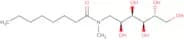
CAS:N-Methyl-N-octanoylglucamine is a chemical compound that inhibits the activity of the enzyme diacylglycerol lipase, which breaks down the lipid diacylglycerol. This leads to an accumulation of diacylglycerols in the cellular membrane and increased permeability of the cell, which results in physiological effects such as increased release of neurotransmitters. N-Methyl-N-octanoylglucamine has been shown to bind to peptides and inhibit their proteolytic degradation by peptidases. It also has been shown to have an effect on monoclonal antibodies with a high affinity for fatty acids. This compound is used for sample preparation prior to analysis by MALDI mass spectrometry.Fórmula:C15H31NO6Pureza:Min. 95 Area-%Cor e Forma:White PowderPeso molecular:321.41 g/molHexadecyl 2-acetamido-2-deoxy-b-D-glucopyranoside
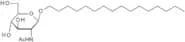
CAS:<p>Hexadecyl 2-acetamido-2-deoxy-b-D-glucopyranoside is a monosaccharide that is mediated by the enzyme 2,3-bisphosphoglycerate (2,3BPG) synthase. It is a key intermediate in the synthesis of glycerol 3 phosphate, which is a precursor for glycerol and phosphoglycerides in plants. Hexadecyl 2-acetamido-2-deoxy-b-D-glucopyranoside can be found in chloroplasts and leaves. This compound is also used as a spacer in liposomes, as well as to clone DNA sequences.</p>Fórmula:C24H47NO6Pureza:Min. 95%Peso molecular:445.63 g/mol2-((4,4,5,5,5-Pentafluoropentyl)oxy)octyl b-D-maltopyranoside
2-((4,4,5,5,5-Pentafluoropentyl)oxy)octyl ?-D-maltopyranoside is a fluorinated surfactant that can be used as a substitute for traditional detergents in holding membranes proteins in the soluble fraction and improve their stability.Fórmula:C25H43F5O12Pureza:Min. 95%Cor e Forma:SolidPeso molecular:630.59 g/molMethyl 2,3,4-tri-O-benzyl-6-O-tert-butyldimethylsilyl-a-D-glucopyranoside
CAS:<p>Methyl 2,3,4-tri-O-benzyl-6-O-tert-butyldimethylsilyl-a-D-glucopyranoside is a glycosylation product of the glucopyranoside. It is a highly pure compound that is custom synthesized to suit the specific needs of customers. The synthesis includes fluorination, methylation and monosaccharide modification. This product has been shown to be useful in click chemistry and protein glycosylation studies.</p>Fórmula:C34H46O6SiPureza:Min. 95%Peso molecular:578.83 g/mol6-O-Benzhydryloxybis(trimethylsilyloxy)silyl-1,2:4,5-di-O-isopropylidene-D-glycero-D-manno-heptitol
<p>6-O-Benzhydryloxybis(trimethylsilyloxy)silyl-1,2:4,5-di-O-isopropylidene-D-glycero-D-mannoheptitol is a custom synthetic oligosaccharide. It is a complex carbohydrate that can be found in the human body. It is an Oligosaccharide with CAS No. and has been modified with Methylation and Glycosylation. The saccharide content is high purity and it has been fluorinated to increase its stability. This product has been synthesized using Click chemistry for ease of use.</p>Pureza:Min. 95%D-Galactosamine hydrochloride
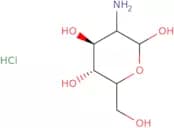
CAS:<p>D-Galactosamine (GalN) is an aldohexose (2-amino-2-deoxygalactose) in which the hydroxyl group at position 2 is replaced by an amino group (Collins, 2006). Galactosamine (as the N-acetyl derivative) forms a key part of both N- and O-linked glycoproteins, glycolipids and glycosaminoglycans. Treatment of experimental animals with D-galactosamine / lipopolysaccharide causes lethal liver injury characterized by apoptosis of the hepatocyte and it is used as a laboratory model to study the effect of therapeutic agents (Hirono, 2001).</p>Fórmula:C6H13NO5·HClPureza:Min. 98 Area-%Cor e Forma:White Off-White PowderPeso molecular:215.63 g/molL-Idose - Aqueous solution
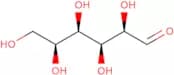
CAS:<p>L-Idose is an aqueous solution of dextrose and anhydrous dextrose. It is a carbohydrate that provides energy to the body. L-Idose can be used to minimize the effects of certain organisms, such as bacteria, yeast, and fungi. It also helps to maintain blood glucose levels in people with diabetes by providing a source of glucose for their metabolism. L-Idose can be found in fruits and other foods that contain carbohydrates, such as breads, cereals, pastas, rice, potatoes, pasta sauces, chips, and crackers.</p>Fórmula:C6H12O6Pureza:Min. 98 Area-%Cor e Forma:Colorless Clear LiquidPeso molecular:180.16 g/molN-Decanoyl-N-methylglucamine
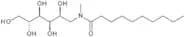
CAS:N-Decanoyl-N-methylglucamine is a fatty acid that is used as a cationic surfactant in detergents and cleaning products. It has been shown to have conformational properties that can be influenced by the acyl chain length. N-Decanoyl-N-methylglucamine has also been shown to bind to antibodies and other proteins, which may lead to antibody response or changes in their conformation. N-Decanoyl-N-methylglucamine binds to receptors on cells, triggering cell lysis and monoclonal antibody production. The optimum pH for this chemical is between 5 and 6, and it has been shown to undergo titration calorimetry at temperatures greater than 100°C.Fórmula:C17H35NO6Pureza:Min. 95%Cor e Forma:White PowderPeso molecular:349.47 g/mol4-O-(4-O-(α-D-Glucopyranosyl)-α-D-glucopyranosyl)-β-D-thioglucopyranose
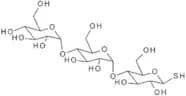
4-O-(4-O-(a-D-Glucopyranosyl)-a-D-glucopyranosyl)-b-D-thioglucopyranose is a glycosylation product of the sugar 4-O-(4-O-(a-D-glucopyranosyl)-a-D-glucopyranosyl) b -D -thioglucopyranose. It is synthesized by reaction of 4,5,6,7,8,9,10,11,12,13,14 and 15 with a 1:1 molar ratio. The product can be modified to methylated or fluorinated products using the click chemistry method.Fórmula:C18H32O15SPureza:Min. 95%Peso molecular:520.5 g/mol4'-O-(a-D-Galactopyranosyl)-D-lactose
<p>4'-O-(a-D-Galactopyranosyl)-D-lactose is a synthetic and fluorinated glycoside that belongs to the class of oligosaccharides. It has a molecular weight of 474.07 Da and a chemical formula of C12H23NO8. This product is available in custom synthesis in order to meet the needs of customers. It also has been modified with methylation, monosaccharide, polysaccharide, saccharide, click modification, and complex carbohydrate modifications. This product is available at high purity with CAS No. 834-02-4 and can be ordered from our website.</p>Pureza:Min. 95%Lauryl maltose neopentyl glycol
CAS:<p>Amphiphilic detergent</p>Fórmula:C47H88O22Pureza:Min. 97 Area-%Cor e Forma:White Off-White PowderPeso molecular:1,005.19 g/molAmidated Pectin
CAS:<p>Pectins are derived from citrus fruits such as lemons and limes. Amidated pectin is a modified form of pectin in which some of the galacturonic acid residues are converted with ammonia to amides. These pectins are more tolerant to varying calcium concentrations that occur in use and behave like low-ester pectins, need less of and are more tolerant to excess calcium. In addition, these gels are thermoreversible.</p>Fórmula:C5H10O5Pureza:Min. 95%Cor e Forma:PowderPeso molecular:150.13 g/mol2,4,6-Tri-O-(3,4,6-tri-O-benzyl-2-deoxy-2-phthalimido-β-D-glucopyranosyl)-3-O-benzyl-α-D-mannopyranose
2,4,6-Tri-O-(3,4,6-tri-O-benzyl-2-deoxy-2-phthalimido-b-D-glucopyranosyl)-3-O-benzyl a -D -mannopyranose is a synthetic oligosaccharide that is synthesized by the click chemistry reaction. It is an example of a glycosylation reaction, in which the sugar is conjugated to an amine group on the triphosphate moiety of uridine diphosphate glucose. The product has been modified with fluorination and methylation to improve its stability.Fórmula:C118H111N3O24Pureza:Min. 95%Peso molecular:1,955.15 g/molD-Xylonic acid ammonium
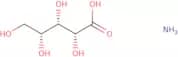
CAS:<p>D-Xylonic acid ammonium salt is a synthetic glycosylation agent that is used in the synthesis of oligosaccharides, polysaccharides, and monosaccharides. D-Xylonic acid ammonium salt is also used to modify glycoproteins and proteoglycans for use in the treatment of various diseases. D-Xylonic acid ammonium salt can be synthesized by the fluorination of D-xylose followed by methylation. This agent can be modified through click chemistry or complex carbohydrate modification. It has a high purity and is readily available for purchase.</p>Fórmula:C5H10O6•H3NPureza:Min. 95%Peso molecular:183.16 g/molMethyl 5-acetamido-2,5-(tert.butoxycarbonyl)imino-2,5,6-trideoxy-b-D-mannofuranoside
<p>Methyl 5-acetamido-2,5-(tert.butoxycarbonyl)imino-2,5,6-trideoxy-b-D-mannofuranoside is a synthetically modified sugar that has been modified with both fluorination and glycosylation. This compound is used to synthesize oligosaccharides and monosaccharides through a click modification reaction.</p>Pureza:Min. 95%5-O-Tert.butyldimethylsilyl - 2- C- methyl- 2, 3- O- isopropylidene - D- ribonic acid γ-lactone
5-O-Tert.butyldimethylsilyl - 2- C- methyl- 2, 3- O- isopropylidene - D- ribonic acid gamma-lactone is a fluorinated glycoside that can be used in the synthesis of complex carbohydrates. The compound has been shown to inhibit bacterial growth by inhibiting protein synthesis and cell division. It binds to bacteria 16S ribosomal RNA and inhibits protein synthesis, leading to cell death by inhibiting the production of proteins vital for cell division. 5-O-Tert.butyldimethylsilyl - 2- C- methyl- 2, 3- O- isopropylidene - D- ribonic acid gamma lactone also has antiinflammatory properties, which may be due to its inhibition of prostaglandin synthesis.Pureza:Min. 95%D-Mannitol 1-phosphate lithium salt
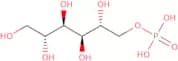
CAS:<p>D-Mannitol 1-phosphate lithium salt (DMPL) is a bacterial growth-inhibiting agent that inhibits the ribitol dehydrogenase enzyme that converts mannitol to ribitol. The wild-type strain of bacteria is more sensitive to DMPL than the mutant strains, which lack this enzyme. This compound has been shown to be active against Aerobacter aerogenes, and it can be used as an antimicrobial agent in plant physiology, where it prevents cell lysis. DMPL is also effective against wild-type strains of E. coli K-12 and has a broad range of pH optima with a maximum at pH 6.0 to 7.0. The reaction mechanism for this drug is not well understood, but it may involve inhibition of the polymerase chain reaction or other enzyme activities.</p>Fórmula:C6H15O9P·xLiPureza:Min. 95 Area-%Cor e Forma:White Off-White PowderPeso molecular:262.15 g/mol1,2,3,6-Tetra-O-benzyl-β-D-glucopyranoside
CAS:1,2,3,6-Tetra-O-benzyl-β-D-glucopyranoside is a synthetic compound that is produced by the modification of natural sugars. It was first synthesized by a team of chemists led by Professor Robert Burns Woodward. This molecule has been modified with methyl groups and fluorine atoms to improve its stability and to provide a more convenient method for its analysis. 1,2,3,6-Tetra-O-benzyl-β-D-glucopyranoside can be used in the synthesis of oligosaccharides and polysaccharides.Fórmula:C34H36O6Pureza:Min. 95%Cor e Forma:PowderPeso molecular:540.65 g/molFerric carboxymaltose
CAS:<p>Ferric carboxymaltose is a form of iron that is administered intravenously and is used to treat iron deficiency. Ferric carboxymaltose has been shown to be effective in treating iron deficiency anemia as well as other conditions, such as inflammation of the bowel or hematologic response. Ferric carboxymaltose binds to free iron in the blood and prevents it from oxidizing. Ferric carboxymaltose also exhibits an anti-inflammatory effect by inhibiting the production of pro-inflammatory cytokines and chemokines. The polymerase chain reaction (PCR) technique has been used to measure ferritin levels in the blood, which are then used to determine whether treatment with ferric carboxymaltose is necessary.</p>Cor e Forma:PowderL-Ribonic acid-1,4-lactone
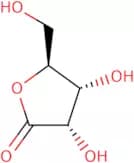
CAS:<p>L-Ribonic acid-1,4-lactone is a synthetic process that is used as an antiviral agent. It is a sugar reactant in the production of riboflavin. L-Ribonic acid-1,4-lactone has been shown to inhibit the synthesis of viral RNA and DNA, which prevents replication of the virus. The mechanism of L-ribonic acid lactone's antiviral activity is not currently known.</p>Fórmula:C5H8O5Pureza:(%) Min. 90%Cor e Forma:PowderPeso molecular:148.12 g/molmeso-Erythritol
CAS:Used in culture medium to differentiate bacteria on the basis of carbohydrate fermentation abilities.Fórmula:C4H10O4Pureza:Min. 98.0 Area-%Peso molecular:122.12 g/mol2-Aminoethyl 3-O-(α-D-galactopyranosyl)-β-D-galactopyranoside
CAS:<p>Ai Product Descriptions 50 Creative</p>Fórmula:C14H27NO11Pureza:Min. 95%Peso molecular:385.36 g/molD-Glucose-6-phosphate barium
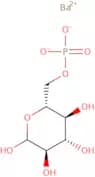
CAS:<p>D-Glucose-6-phosphate barium salt is a custom synthesis of the saccharide, which is a component of the carbohydrates. It has been modified by fluorination, methylation, and monosaccharide modification. The synthesis of this compound can be done in a single reaction, and it is an example of glycosylation. This product has been shown to have high purity.</p>Fórmula:C6H13O9P•BaxPureza:Min. 95%Cor e Forma:PowderPeso molecular:395.45Methyl 2,3,4-tri-O-benzyl-6-O-tert-butyldiphenylsilyl-a-D-glucopyranoside
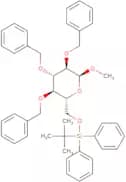
CAS:Methyl 2,3,4-tri-O-benzyl-6-O-tert-butyldiphenylsilyl-a-D-glucopyranoside is a synthetic oligosaccharide that is used as an intermediate in the synthesis of complex carbohydrates. It has a high purity and is custom synthesized to meet the needs of the customer. This product can be fluorinated, glycosylated, and methylated to produce desired modifications. It may also be used for Click chemistry modifications. Methyl 2,3,4-tri-O-benzyl-6-O-tert-butyldiphenylsilyl-a -D -glucopyranoside is an important sugar building block for complex carbohydrate synthesis.Fórmula:C44H50O6SiPureza:Min. 95%Peso molecular:702.97 g/mol2-Azido-2-deoxy-3,5-di-O-tert-butyldiphenylsilyl-D-ribono-1,4-lactone
<p>2-Azido-2-deoxy-3,5-di-O-tert-butyldiphenylsilyl-D-ribono-1,4-lactone is a high purity custom synthesis sugar with a click modification. The chemical formula for this compound is C20H28N4O14 and its molecular weight is 524.329 g/mol. 2A2D3BTSL has been fluorinated, glycosylated, and methylated. It is an oligosaccharide with 6 monosaccharides and a complex carbohydrate that has a saccharide in the center of it.</p>Pureza:Min. 95%Lactosyl fluoride
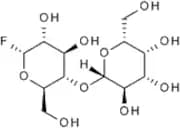
CAS:<p>Lactosyl fluoride is a kinetic inhibitor of glycosidase enzymes. It has been shown to be an effective inhibitor of the enzyme β-galactosidase in both the presence and absence of calcium. Lactosyl fluoride has also been shown to inhibit other glycosidases, including α-galactosidase and α-mannosidase. The lactose derivative is activated by hydrogen fluoride, which allows it to react with the enzyme and block its activity. This product can be used as a chemical biology tool for studying glycoconjugates or as a medicine for treating diseases caused by the accumulation of oligosaccharides, such as Gaucher's disease or Tay-Sachs disease.</p>Fórmula:C12H21FO10Pureza:Min. 95%Cor e Forma:White PowderPeso molecular:344.29 g/mol5-Azido-5-deoxy-1-C-butyl-2,3-O-isopropylidene-D-ribofuranose
<p>5-Azido-5-deoxy-1-C-butyl-2,3-O-isopropylidene-D-ribofuranose is a custom synthesis of an oligosaccharide that is modified by methylation and glycosylation. It has a CAS number of 533881-00-6.</p>Pureza:Min. 95%2,3-O-Carbonyl-a-D-mannopyranose
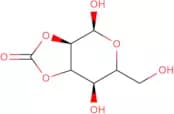
CAS:<p>2,3-O-Carbonyl-a-D-mannopyranose is a modified sugar that can be synthesized from D-mannose. It is used to produce oligosaccharides and polysaccharides. This compound has been shown to be useful for the fluorination of proteins and for click modification reactions. 2,3-O-Carbonyl-a-D-mannopyranose has high purity and can be custom synthesized for quality assurance purposes.</p>Fórmula:C7H10O7Pureza:Min. 95%Cor e Forma:PowderPeso molecular:206.15 g/mol4-O-Acetyl-2,5-anhydro-1,3-isopropylidene-D-glucitol
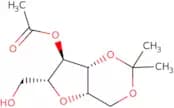
CAS:4-O-Acetyl-2,5-anhydro-1,3-isopropylidene-D-glucitol (4AIG) is a modification of glucose. 4AIG is a white to light yellow crystalline solid that melts with decomposition at 150°C. It is soluble in water and acetone but insoluble in ether. 4AIG can be used as a raw material for the synthesis of oligosaccharides and polysaccharides.Fórmula:C11H18O6Pureza:Min. 95%Peso molecular:246.26 g/mol2-Deoxy-1,3,4,6-tetra-O-pivaloyl-D-glucopyranose
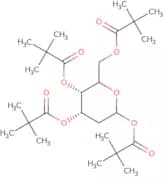
<p>2-Deoxy-1,3,4,6-tetra-O-pivaloyl-D-glucopyranose is a glycosylation sugar that belongs to the category of complex carbohydrates. It is a methylated sugar that can be fluorinated or modified with other saccharides. This product can be custom synthesized and has high purity.</p>Fórmula:C26H44O9Pureza:Min. 95%Peso molecular:500.64 g/mol















![(5S, 8S, 9S) -8- [(4S) - 2, 2-Dimethyl- 1, 3- dioxolan- 4- yl] - 9- hydroxy- 2, 2- dimethyl- 1, 3,…](/_next/image/?url=https%3A%2Fstatic.cymitquimica.com%2Fproducts%2F3D%2Fthumb-webp%2FMD170667.webp&w=3840&q=75)



![(1S) -1- [(2S, 3R) - 3- Hydroxy- 1- (phenylmethyl) - 2- azetidinyl] -1, 2- ethanediol](/_next/image/?url=https%3A%2Fstatic.cymitquimica.com%2Fproducts%2F3D%2Fthumb-webp%2FMH163545.webp&w=3840&q=75)


![4-O-{[(6-Azidoethoxy)ethoxy]ethyl}-β-D-galactopyranosyl-2-deoxy-α-D-glucopyranose-2,1-oxazoline](/_next/image/?url=https%3A%2Fstatic.cymitquimica.com%2Fproducts%2F3D%2Fthumb-webp%2FOA183929.webp&w=3840&q=75)
![4-O-[(2-Azidoethoxyimino)-6-deoxy-β-D-galactopyranosyl]-2-deoxy-α-D-glucopyranose-2,1-oxazoline](/_next/image/?url=https%3A%2Fstatic.cymitquimica.com%2Fproducts%2F3D%2Fthumb-webp%2FOA183930.webp&w=3840&q=75)