Glicociência
Subcategorias de "Glicociência"
- Amino açúcares(108 produtos)
- Anticorpos Glico-Relacionados(282 produtos)
- Glicolípidos(46 produtos)
- Glicosaminoglicanos (GAGs)(55 produtos)
- Glicosídeos(419 produtos)
- Monossacáridos(6.624 produtos)
- Oligossacarídeos(3.682 produtos)
- Polissacáridos(504 produtos)
Foram encontrados 11047 produtos de "Glicociência"
1,2:3,4-Di-O-isopropylidene-a-D-galactopyranose
CAS:1,2:3,4-Di-O-isopropylidene-a-D-galactopyranose, also known as diacetone-D-galactose and galactose diacetonide, is a partially protected monosaccharide building block with isopropylidene groups on the 1,2 and 3,4 hydroxyls. The 6-hydroxyl is unprotected and able to undergo a variety of chemical transformations, such as glycosylation acting as a glycosyl acceptor to form 1,6-linked disaccharides.Fórmula:C12H20O6Pureza:Min. 96.5 Area-%Cor e Forma:Clear Viscous LiquidPeso molecular:260.28 g/molD-Raffinose pentahydrate
CAS:Raffinose is the most abundant of the family of oligosaccharides that are α-galactosyl derivatives of sucrose (Collins, 2006). The other main member of the group is the tetrasaccharide stachyose. Raffinose is found in sugar beet molasses and whole grains. Soybean oligosaccharides make up approximately 5% of dry matter in whole beans and up to 8% of dry matter in soybean meal. Together raffinose and stachyose rank second only to sucrose in abundance, as water-soluble carbohydrates (Kumar, 2010).Fórmula:C18H42O21Pureza:Min. 97 Area-%Peso molecular:594.52 g/molRef: 3D-R-1000
10gA consultar1kgA consultar5kgA consultar10kgA consultar2500gA consultar-Unit-kgkgA consultarMaltoheptaose tricosaacetate
CAS:CO2-philic compound; used in pharmaceuticals and CO2-based processesFórmula:C88H118O59Pureza:Min. 95%Cor e Forma:PowderPeso molecular:2,119.92 g/molN-Nonyldeoxynojirimycin
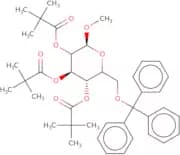
CAS:Inhibitor and pharmacological chaperone of lysosomal β-glucosidase (glucosylceramidase). The compound binds to the unstable glucosidase active site during the folding and post-translational processing in Golgi apparatus and endoplasmatic reticulum. It is effective in stabilising the enzyme and preventing accumulation of glucosylceramides in models for Gaucher disease, especially in the ones carrying N370S mutation. In addition, it has antiviral activity against Hepatitis C virus, which is mediated by misfolding of viral glycoproteins in the presence of the inhibitor.Fórmula:C15H31NO4Pureza:Min. 95%Cor e Forma:White PowderPeso molecular:289.41 g/molMethyl 2,3,4-tri-O-pivaloyl-6-O-trityl-a-D-galactopyranoside
Methyl 2,3,4-tri-O-pivaloyl-6-O-trityl-a-D-galactopyranoside is a sugar with a molecular weight of 576.6 g/mol. The chemical formula for this compound is C36H50O24 and the structural formula is CH2(COOCH2)5(CHO)3(CHOH)4(COOCH2)5. This product can be custom synthesized to order. Methyl 2,3,4-tri-O-pivaloyl-6-O-trityl-a-D galactopyranoside is used in glycosylation reactions as a protecting group for the hydroxyl groups on the carbohydrate chain. It can also be used as a fluorination agent or in Click modification reactions to modify sugars and oligosaccharides. Methyl 2,3,4 tri - O - pFórmula:C41H52O9Pureza:Min. 95%Peso molecular:688.87 g/mol1-Chloro-2-deoxy-3,5-di-O-toluoyl-D-ribofuranose
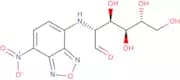
CAS:Synthetic building block for nucleic acid researchFórmula:C21H21ClO5Pureza:Min. 95%Cor e Forma:Off-White PowderPeso molecular:388.84 g/mol2-NBDG
CAS:Fluorescent substrate used to monitor glucose uptakeFórmula:C12H14N4O8Pureza:Min. 95%Cor e Forma:Red SolidPeso molecular:342.26 g/molL-[1-13C]Fucose
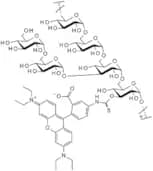
CAS:L-[1-13C]Fucose is a custom synthesis. It is an oligosaccharide that consists of D-fucose, which is a sugar found in the cell wall of bacteria. L-[1-13C]Fucose has been used as a substrate for methylation reactions and click chemistry modifications to study the binding affinity of various proteins. This compound has also been used in saccharide modification studies and glycosylation reactions.Fórmula:CC5H12O5Pureza:Min. 95%Cor e Forma:PowderPeso molecular:195.19 g/molRhodamine B isothiocyanate-dextran - Average MW 10,000
Rhodamine dextran (RD) is widely used as both an anterograde and retrograde tracer in neurons and for numerous other applications. It is biologically rather inert having α-1,6-linked glucose residues resistant to cleavage by most endogenous cellular glycosidases. It has low immunogenicity and makes an ideal long-term tracer for live cells. RD also serves as a valuable marker for cell loading of macromolecules by micro-injection, vesicular fusion, and electroporation, as well as for the uptake and internal processing of exogenous materials by phagocytotic and endocytic pathways.Cor e Forma:Powder1,3,4,6-Tetra-O-acetyl-N-azidoacetylmannosamine
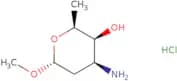
CAS:1,3,4,6-Tetra-O-acetyl-N-azidoacetylmannosamine, also called ManNAz tetraacetate, 1,3,4,6-tetra-O-acetyl-N-azidoacetyl-D-mannosamine and Ac4ManNAz, is an azide-containing metabolic glycoprotein labelling reagent that can be incorporated into the sialic acid biosynthesis pathway. The azide is able to react with an alkyne in a 1,3-dipolar cycloaddition reaction (click chemistry) to enable linking to a fluorescent probe or a biotin.Fórmula:C16H22N4O10Pureza:Min. 95%Cor e Forma:PowderPeso molecular:430.37 g/molMethyl α-L-daunosamide hydrochloride
CAS:Methyl α-L-daunosamide hydrochloride is a drug that inhibits the production of DNA. It is used to treat infectious diseases such as malaria, in which it can inhibit the growth of the parasite by preventing DNA replication and transcription. The methyl α-L-daunosamide hydrochloride molecule is a polymerase chain inhibitor that binds to the enzyme adriamycin synthetase, which catalyzes the conversion of daunosamine into adriamycin. This binding prevents the formation of stable complexes with the target enzymes and blocks their activity, leading to inhibition of DNA synthesis and transcription. Methyl α-L-daunosamide hydrochloride has been shown to inhibit glycan biosynthesis in rat liver microsomes and does not have significant interactions with other drugs or with glycan in human serum.Fórmula:C7H15NO3•HClPureza:Min. 85 Area-%Cor e Forma:PowderPeso molecular:197.66 g/mol4-O-(β-D-Mannopyranosyl)-D-glucose
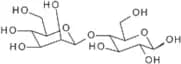
CAS:4-O-(b-D-Mannopyranosyl)-D-glucose is a metabolite of D-mannose. It is a bacterial metabolite produced by Streptococcus pneumoniae that has been shown to inhibit the growth of bacteria by binding to the 50S ribosomal subunit. 4-O-(b-D-Mannopyranosyl)-D-glucose inhibits bacterial growth by binding to DNA dependent RNA polymerase, thereby preventing transcription and replication. The high frequency of human activity has been shown using a patch clamp technique on human erythrocytes. This active form is metabolized through a number of metabolic transformations, including hydrolysis by esterases or glucuronidases, oxidation by cytochrome P450 enzymes, reduction by glutathione reductase, or conjugation with glucuronic acid. Rifapentine also specifically binds to markers expressed at high levels in Mycobacter
Fórmula:C12H22O11Pureza:Min. 98 Area-%Cor e Forma:PowderPeso molecular:342.3 g/mol3,5-Dideoxy-3,5-imino-1,2-O-isopropylidene-N-methyl-L-idofuranose
3,5-Dideoxy-3,5-imino-1,2-O-isopropylidene-N-methyl-L-idofuranose is a custom synthesis that can be modified to the customer's specifications. This product has CAS No. and is a polysaccharide with modification. It is a carbohydrate that is a saccharide with methylation, glycosylation and click modification. This product is high purity, fluorinated and synthetic.Pureza:Min. 95%(2R, 3S, 4R, 5S) -3,4-O-Isopropylidene-2- butyl-3, 4, 5- piperidinetriol
The following product descriptions are from the company's website:Pureza:Min. 95%myo-Inositol
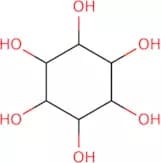
CAS:Vitamin added to plant cell culture medium to promote growth. Used to differentiate microorganisms based on their metabolic properties.Fórmula:C6H12O6Pureza:Min. 99.0 Area-%Peso molecular:180.16 g/mol1,2:5,6-Di-O-isopropylidene-a-D-gulofuranose
CAS:Synthetic building blockFórmula:C12H20O6Pureza:Min. 98 Area-%Cor e Forma:White PowderPeso molecular:260.28 g/molLaminaran, from laminaria digitata
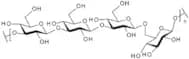
CAS:Laminaran is a polysaccharide that co-occurs with fucoidan and alginate in brown seaweeds such as Laminaria digitata, Laminaria cloustoni, Eisenia bicyclis and Thallus laminariae. It is a β-1,3-linked glucan which it is claimed stimulates the immune system in mammals and fish.
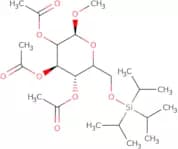
The image was kindly provided by Prof Mike Guiry from Cork who runs ‘The Seaweed Site’.Pureza:Min. 95%Cor e Forma:Off-White PowderMethyl 2,3,4-tri-O-acetyl-6-O-triisopropylsilyl-a-D-galactopyranoside
CAS:Methyl 2,3,4-tri-O-acetyl-6-O-triisopropylsilyl-a-D-galactopyranoside is a synthetic glycoside. It is used as a building block for the synthesis of complex carbohydrates. This compound has been shown to have high purity with a purity of 99% by mass. It has not been evaluated by the Food and Drug Administration (FDA) and therefore cannot be sold in the United States.Fórmula:C22H40O9SiPureza:Min. 95%Peso molecular:476.64 g/mol4-Methoxyphenyl 4-O-{4-O-[[2-O-Ac-3-O-[2,4-di-O-(3,4,6-tri-O-Ac-2-PhthN-β-D-Glc)-3,6-di-O-Bn-α-D-Man]-4,6-O-benzylidene-β-D-Man]]-3, 6-di-O-Bn-2-PhthN-β-D-Glc}-3-O-Bn-6-O-(tri-O-Bn-α-L-Fuc)-2-PhthN-β-D-Glc
4-Methoxyphenyl 4-O-{4-O-[[2-O-Ac-3-O-[2,4-di-O-(3,4,6-tri-O-Ac-2-PhthNbDGlc)-3,6--Di--O--Bn--aDMan]-4,6--O--Benzylidene--bDMan]]} -3, 6--Di--Obn2PhthNbDGlc} -2 PhthNbDGlc is a sugar that has been modified by methylation. It also contains saccharide and polysaccharides. This product is CAS No. 899891–14–8 and can be purchased through custom synthesis. The purity of this product is high and the modification is fluorination.
Fórmula:C158H156N4O47Pureza:Min. 95%Peso molecular:2,862.93 g/molO-(D-Glucopyranosylidene)amino N-phenylcarbamate
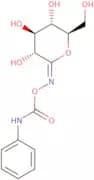
CAS:O-(D-glucopyranosylidene)amino N-phenylcarbamate is a synthetic monosaccharide that is used in our laboratory as an intermediate for the synthesis of complex carbohydrates. It is also used in the modification of polysaccharides and glycosylations. This compound has been shown to be stable to hydrolysis, methylation, and oxidation. O-(D-glucopyranosylidene)amino N-phenylcarbamate has been shown to be a high purity product with a CAS number of 104012-84-2.
Fórmula:C13H16N2O7Pureza:Min. 95%Peso molecular:312.28 g/mol2,6-Dideoxy-D-glucose
CAS:2,6-Dideoxy-D-glucose is a glycosyl acceptor that has been shown to induce apoptosis in cancer cells. It is an anticancer agent that inhibits the production of ATP by inhibiting glycolysis. 2,6-Dideoxy-D-glucose can also inhibit the translocation of proteins from the cytoplasm to the nucleus and thereby prevent nuclear accumulation of these proteins. This drug may also have anticancer effects through its ability to inhibit DNA synthesis and potentiate anticancer effects of other chemotherapeutic agents. 2,6-Dideoxy-D-glucose has been shown to be effective against cardiac cancer cells and leukemia cells.Fórmula:C6H12O4Pureza:Min. 95%Cor e Forma:PowderPeso molecular:148.16 g/molD-Fructose
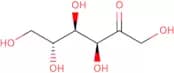
CAS:D-Fructose (Fru) is the most common reducing keto-hexose and is often known as levulose, arabino-hexulose, fruit sugar (Collins, 2006). In an aqueous solution, fructose exhibits mutarotation (approx., 70-75% β-pyranose, 20-23% β-furanose, 5% α-furanose, 2% α-pyranose, 0.7% open chain) (Angyal, 1984). Sucrose from sugar cane and sugar beet is made up of 50% fructose and is found in many fruits and vegetables; it is the predominant sugar in apples, grapes, oranges and watermelon, as well as comprising of up to half of the total sugars in honey. High fructose corn syrup (HFCS) containing around 50% fructose is an important food ingredient produced from glucose syrup by the action of the enzyme glucose isomerase (Hanover, 1993). However, dietary sugars including fructose, have long been implicated in the epidemic of obesity. Evidence to link the relation of foods and beverages containing fructose with overweight or obesity has recently been obtained (Zurbau, 2020).Fórmula:C6H12O6Pureza:Min. 99 Area-%Cor e Forma:White PowderPeso molecular:180.16 g/molMan-6 Glycan, 2-AB labelled
Man-6 Glycan, 2-AB labelled is a custom synthesis of mannose-6-phosphate, a monosaccharide. The molecule contains six carbons and one phosphate group. It can be modified with fluorination, methylation, or click modification. This glycan is synthesized by the addition of an oligosaccharide to a polysaccharide. Mannose-6-phosphate is an Oligosaccharide that carries out glycosylation reactions in the body. It is used as a precursor for other glycans such as N-Acetylglucosamine and N-Acetylgalactosamine.
Pureza:Min. 95%Dextran 2000 - MW: 1,500,000 to 3,500,000
CAS:Dextran 2000 is a high molecular weight biocompatible polymer with transport properties. It is used in a variety of medical applications, such as red blood cell transfusions and the prevention of post-surgical adhesions. Dextran 2000 has been shown to be a safe and effective means of preventing hemolysis during red blood cell transfusion. This agent binds to amine groups on the surface of erythrocytes, which prevents complement activation and subsequent lysis. Additionally, dextran 2000 has been shown to exhibit low cytotoxicity against neuronal cells in vitro.
Pureza:Min. 95%Cor e Forma:White Off-White Powder2,6-Anhydro-D-glycero-D-gluo-heptonic acid amide
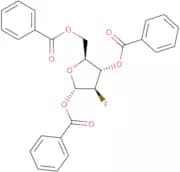
2,6-Anhydro-D-glycero-D-gluo-heptonic acid amide is a synthetic glycoside that is used as an intermediate in the synthesis of oligosaccharides and polysaccharides. The compound is a fluorinated sugar with a methoxy group at the 2 position. This modification provides for increased stability to oxidation reactions and improved solubility in organic solvents. The compound can be modified to include other functional groups, such as methyl or click modifications. 2,6-Anhydro-D-glycero-D-gluo-heptonic acid amide has CAS number 8881–41–8 and can be purchased from various chemical suppliers.Pureza:Min. 95%1,3,5-Tri-O-benzoyl-2-deoxy-2-fluoro-α-L-arabinofuranose
CAS:Intermediate in synthesis of clevudineFórmula:C26H21FO7Pureza:Min. 98 Area-%Cor e Forma:PowderPeso molecular:464.44 g/mol2-Deoxy- 4-C-methyl-2- methylene- 3, 4- O- isopropylidene -L- erythro- pentonic acid d- lactone
2-Deoxy-4-C-methyl-2-methylene-3,4-O-isopropylidene -L-erythro pentonic acid d-lactone is a methylated sugar with a degree of substitution of 1.0, which can be used for the synthesis of various saccharides and polysaccharides. This product has been modified with click chemistry. It is available in custom synthesis and high purity. The CAS number for this compound is 121592-71-8, and it can be used to synthesize glycans or oligosaccharides. This product can be fluorinated or complexed with other sugars.Pureza:Min. 95%2,6-di-n-pentyl-γ-cyclodextrin
2,6-di-n-pentyl-gamma-cyclodextrin is a glycosylation reagent that is used in the synthesis of oligosaccharides and polysaccharides. It has been used to synthesize an anti-inflammatory agent for the treatment of inflammatory bowel disease. This compound can be modified by Click chemistry, which allows for the attachment of different molecules to its surface. 2,6-di-n-pentyl-gamma-cyclodextrin is also a fluorinated compound with CAS number 689069-46-2.Fórmula:C128H240O40Pureza:Min. 95%Peso molecular:2,419.25 g/molAllyl 6-O-benzyl 2-deoxy-3-O-((R)-1'-ethoxycarbonylethyl)-2-(2,2,2-trichloroethoxycarbonylamino)-a-D-glucopyranoside
Allyl 6-O-benzyl 2-deoxy-3-O-(R)-1'-ethoxycarbonylethyl)-2-(2,2,2-trichloroethoxycarbonylamino)-a-D-glucopyranoside is a synthetic carbohydrate that can be custom synthesized. It is a saccharide, an oligosaccharide, and a sugar. This product has been fluorinated and methylated. The CAS number for Allyl 6-O-benzyl 2-deoxy-3-O-(R)-1'-ethoxycarbonylethyl)-2-(2,2,2-trichloroethoxycarbonylamino)-a-D-glucopyranoside is 589791.
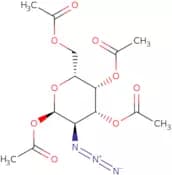
Pureza:Min. 95%1,3,4,6-Tetra-O-acetyl-2-azido-2-deoxy-a-D-galactopyranose
CAS:1,3,4,6-Tetra-O-acetyl-2-azido-2-deoxy-a-D-galactopyranose is an azide sugar that is resistant to the activity of sulfide and can be used as a probe for sulfide in the distal colon. It has been shown that this sugar binds to recombinant human erythrocyte enzymes and inhibits their activities. The hydrolysis of this sugar by pancreatic enzymes has been shown to be dependent on the conformational state of the enzyme. This sugar also inhibits salivary amylase and intestinal sucrase activities.Fórmula:C14H19N3O9Pureza:Min. 95%Cor e Forma:White PowderPeso molecular:373.32 g/mol5-Chloro-8-hydroxyquinoline b-D-glucuronide
CAS:Chromogenic substrate targeting beta-glucuronidase
Fórmula:C15H14ClNO7Pureza:Min. 98 Area-%Cor e Forma:White PowderPeso molecular:355.73 g/mol3-O-Benzyl-1,2,4-tri-O-acetyl-D-xylopyranoside
3-O-Benzyl-1,2,4-tri-O-acetyl-D-xylopyranoside is a methylated saccharide that has been modified with the click chemistry. This product can be used for the synthesis of complex carbohydrates and glycosylations. This product is available in high purity and custom synthesis. It is soluble in water or aqueous solutions, making it ideal for use in biological applications. 3-O-Benzyl-1,2,4-tri-O-acetyl-D-xylopyranoside can be used as an intermediate for the synthesis of oligosaccharides and glycoconjugates. It has CAS number 69936–76–5.Pureza:Min. 95%2,6-di-O-n-pentyl-3-O-acetyl-γ-cyclodextrin
This gamma-cyclodextrin (γ-CD) derivative is a modified cyclic oligosaccharide composed of eight glucose units, featuring a larger cavity size than α- and β-cyclodextrins. This structural characteristic allows γ-CDs to form inclusion complexes with a wider range of guest molecules, making it particularly versatile in various industries. In the food sector, it is used as a carrier and stabilizer for flavors, fat-soluble vitamins, and polyunsaturated fatty acids, protecting volatile compounds from evaporation. In pharmaceuticals, it enhances the solubility and bioavailability of poorly water-soluble drugs and, thanks to its larger ring size, allows for the encapsulation of larger molecules or even entire drug molecules. γ-CDs and derivatives are also used for environmental remediation and, in analytical chemistry, for the extraction and concentration of target substances.Fórmula:C144H256O48Pureza:Min. 95%Peso molecular:2,755.54 g/mol1-Deoxy-D-tagatose
CAS:1-Deoxy-D-tagatose (1Dt) is a competitive inhibitor of glycolysis, which blocks the conversion of glucose to pyruvate. 1Dt has been shown to inhibit the growth of strain CAEN on media containing l-arabinose and d-xylose as carbon sources. 1Dt also inhibits the activity of dehydrogenase enzymes in C. elegans, leading to inhibition of mitochondrial respiration and impaired locomotion. It has been shown that 1Dt can be used as a substrate for bioproduction, with hydrazone as an intermediate product. Larger molecules are produced after hydrolysis and decarboxylation of 1Dt. The most common products are tagatose, l-fucitol, and l-arabinose. 1Dt has been shown to have anti-inflammatory properties in animal models by inhibiting the production of reactive oxygen species that are generated during inflammationFórmula:C6H12O5Pureza:Min. 95%Peso molecular:164.16 g/molAtractyloside dipotassium salt
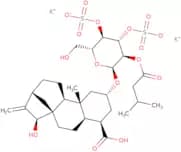
CAS:Atractyloside is a natural compound that can be extracted from plants. It has been shown to have pluripotent activity, which means it can differentiate into different types of cells. Atractyloside also exhibits antioxidant and anti-apoptotic properties, which are believed to be due to its ability to increase mitochondrial membrane potential and reduce reactive oxygen species production. Atractyloside has also been shown to protect against neuronal death in vitro and in vivo by inhibiting the activation of caspase-dependent cell death pathways. Atractyloside has been shown to have a cardioprotective effect in animal models of myocardial infarcts, although it is unclear if this effect is due to the drug or due to the atractyloside contained in traditional Chinese medicine.Fórmula:C30H44K2O16S2Pureza:Min. 90 Area-%Cor e Forma:White/Off-White SolidPeso molecular:802.99 g/mol1,5:2,3-Dianhydro-4,6-O-benzylidene-D-mannitol
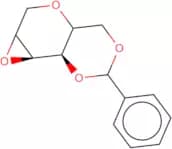
CAS:1,5:2,3-Dianhydro-4,6-O-benzylidene-D-mannitol is a modification of an oligosaccharide that has been synthesized by the glycosylation of D-mannitol. The methylation and fluorination reactions have also been performed on this sugar. This product is high purity and is in the form of a white powder.Fórmula:C13H14O4Pureza:Min. 95%Cor e Forma:PowderPeso molecular:234.25 g/molN-Acetyl-D-glucosamine
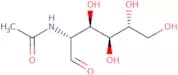
CAS:N-acetyl D-glucosamine (GlcNAc) is an aldohexose (2-acetamido-2-deoxyglucose) in which the hydroxyl group at position 2 is replaced by NHAc (Collins, 2006). N-acetyl D-glucosamine forms the exoskeletons of molluscs and insects as the building block of the polysaccharide chitin (Rudrapatnam, 2003). N-acetyl D-glucosamine is a key component of N- and O-linked glycans, present in glycolipids and the glycosaminoglycan hyaluronic acid (Fallacara, 2018). A recent study has suggested that N-acetyl D-glucosamine may have therapeutic potential for COVID-19 as it affects the spike protein-ACE2 receptor interaction during the infection with SARS-CoV-2 virus (Baysal, 2021).Fórmula:C8H15NO6Pureza:Min. 98 Area-%Cor e Forma:PowderPeso molecular:221.21 g/mol6-Amino-6-deoxy-b-cyclodextrin hydrochloride
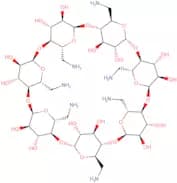
CAS:This beta-cyclodextrin (β-CD) derivative is a functionalized cyclic oligosaccharide composed of seven glucose units, characterized by a hydrophilic exterior and a lipophilic cavity (bigger than α-CD and smaller than γ-CDs), which allows it to encapsulate various guest molecules. This structural feature facilitates its use in multiple applications, including pharmaceuticals, food enhancement, and cosmetics. In the pharmaceutical industry, it enhances the solubility and stability of poorly water-soluble drugs, improving their bioavailability and efficacy while also masking unpleasant tastes. The food sector utilizes it as a stabilizer for flavors, colors, and nutrients, extending shelf life by protecting sensitive ingredients from degradation. In cosmetics, it serves as a complexing agent for fragrances and active components, ensuring their stability and controlled release. Its use expands to many other fields, including nanotechnology for drug delivery systems, environmental remediation for extracting organic pollutants, textiles for slow-release fragrances, and analytical chemistry for chiral separation.Fórmula:C42H77N7O28·7HClPureza:Min. 95%Cor e Forma:White Slightly Yellow PowderPeso molecular:1,383.32 g/molChondroitin sulfate sodium salt
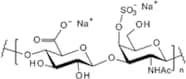
CAS:Chondroitin sulphate is the most abundant glycosaminoglycan in mammalian tissues and occurs both in skeletal and soft connective tissue. The disaccharide repeat unit consists of N-acetyl galactosamine sulphate linked β1,4 to glucuronic acid.Pureza:Min. 95%Cor e Forma:White Off-White PowderMethyl 4,6-O-benzylidene-2,3-di-O-pivaloyl-a-D-mannopyranoside
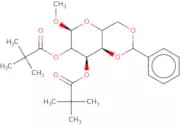
Methyl 4,6-O-benzylidene-2,3-di-O-pivaloyl-a-D-mannopyranoside is a synthetic carbohydrate. It is a methylated saccharide that has been modified with a click modification and an Oligosaccharide. This product is also fluorinated and complexed with other sugars.Fórmula:C24H34O8Pureza:Min. 95%Peso molecular:450.53 g/molD-glucosyl-β-1,1'-N-nervonoyl-D-erythro-sphingosine
CAS:D-glucosyl-β-1,1'-N-nervonoyl-D-erythro-sphingosine is a mouse metabolite that was found to be an acyl group. This metabolite was shown to be a mouse metabolite.Fórmula:C48H91NO8Pureza:Min. 98 Area-%Cor e Forma:PowderPeso molecular:810.24 g/mol6-Deoxy-D-gulono(L-mannono)-1.4-lactone
6-Deoxy-D-gulono(L-mannono)-1.4-lactone is a custom synthesis of an oligosaccharide. It is a polysaccharide that is glycosylated with a sugar or carbohydrate. This molecule can be modified in the following ways: fluorination, methylation, and click modification. The CAS number for this compound is 73226-08-2.Pureza:Min. 95%(2R, 3R, 4S) -3, 4- Dihydroxy- 2, 4- pyrrolidinedimethano l
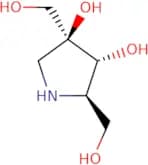
CAS:(2R, 3R, 4S) -3, 4- Dihydroxy- 2, 4- pyrrolidinedimethano l is a fluorinated methylated saccharide that is used in the synthesis of complex carbohydrates. It can be used as a glycosylation or a click modification reagent. This compound has been shown to be effective in the synthesis of oligosaccharides and glycosylations.Pureza:Min. 95%Heparin
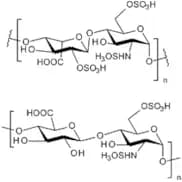
CAS:Heparin is a glycosaminoglycan which occurs in many mammalian tissues and has important anticoagulant and thrombolytic properties. The chemical structure is composed mainly of two disaccharide repeating units A and B. A is L-iduronic acid 2-suplhate linked α-(1,4) to 2-deoxy-2-sulfamido-D-galactose 6-sulphate while B is D-glucuronic acid β-(1,4) linked to 2-deoxy-2-sulfamido-D-glucose 6-sulphate.Fórmula:C26H42N2O37S5Pureza:Min. 95%Cor e Forma:PowderPeso molecular:1,134.9 g/mol4-Methoxyphenyl 2-deoxy-3-benzyl-4,6-O-(4-methoxybenzylidene)-2-phthalimido-β-D-glucopyranoside
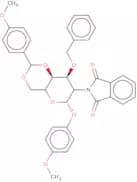
4-Methoxyphenyl 2-deoxy-3-benzyl-4,6-O-(4-methoxybenzylidene)-2-phthalimido-b-D-glucopyranoside is a custom synthesis that has been modified with fluorination and carbamoylation. This product is an oligosaccharide that belongs to the group of polysaccharides. It is a complex carbohydrate that has been synthesized from monosaccharides and sugar. 4MPBGP is soluble in water and has high purity levels. *The following content was automatically generated by eCommerce software:Fórmula:C36H33NO9Pureza:Min. 95%Peso molecular:623.65 g/molβ-D-Xylopyranosyl azide
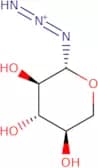
CAS:b-D-Xylopyranosyl azide is a device that records multimedia. It has been found that b-D-Xylopyranosyl azide can record audio, video, and data recordings by automated means. The renaming of multimedia files is also possible with b-D-Xylopyranosyl azide.Fórmula:C5H9N3O4Pureza:Min. 95%Cor e Forma:White PowderPeso molecular:175.14 g/molCiclopirox-D11 D-glucuronide
CAS:Produto ControladoCiclopirox-D11 D-glucuronide is a custom synthesis that has been modified by fluorination, methylation, and click modification. It is a monosaccharide that has been synthesized from glucose and contains a glycosylation site. This compound is also an oligosaccharide with saccharide subunits. It has been shown to be effective against fungi such as Trichophyton rubrum, Microsporum canis, and Epidermophyton floccosum. Ciclopirox-D11 D-glucuronide binds to the fungal cell wall by covalent bonding to the chitin in the fungal cell wall. This compound also inhibits the growth of bacteria such as Staphylococcus aureus and Clostridium perfringens by inhibiting protein synthesis due to its ability to bind to ribosomes.Fórmula:C18H14NO8D11Pureza:Min. 95%Peso molecular:394.47 g/mol2,3,6,2',3',4',6'-Hepta-O-acetyl-a-D-maltosyl bromide
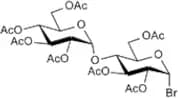
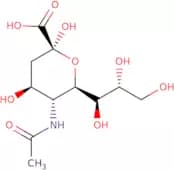
CAS:2,3,6,2',3',4',6'-Hepta-O-acetyl-a-D-maltosyl bromide is a fatty acid that is isolated from the fungus Penicillium notatum. It has been shown to have anti-cancer properties by inhibiting cell proliferation and inducing cancer cell death by apoptosis. The mechanism of action has been shown to be due to its ability to inhibit the phospholipid membrane synthesis and disrupt the interaction between lipids and proteins in the membrane. This compound also inhibits the growth of cancer cells by binding with the hydroxyl group on the surface of cancer cells. 2,3,6,2',3',4',6'-Hepta-O-acetyl-a-D-maltosyl bromide has been shown to inhibit muscle cell proliferation in vitro and in vivo. This drug can be used as an alternative for treatment for cancer or other diseases that are caused by muscleFórmula:C26H35BrO17Pureza:Min. 95 Area-%Cor e Forma:White PowderPeso molecular:699.45 g/molN-Acetylneuraminic acid
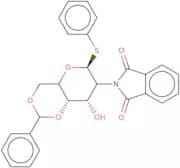
CAS:N-Acetylneuraminic acid (NANA or Neu5Ac), as the most common sialic acid, is a nine-carbon monosaccharide whose amino group is acetylated (Collins, 2006). Sialic acid is found across the animal kingdom and some prokaryotes. Sialic acid occurs as a component of oligosaccharides (N- and O-linked glycoproteins, glycolipids, human milk, blood groups), bacterial polysaccharides and glycoconjugates. Sialic acid is also found in free form in body fluids (Schauer, 1997).Fórmula:C11H19NO9Pureza:Min. 98 Area-%Cor e Forma:White PowderPeso molecular:309.27 g/molPhenyl 4,6-O-benzylidene-2-deoxy-2-phthalimido-b-D-thioglucopyranoside
CAS:Phenyl 4,6-O-benzylidene-2-deoxy-2-phthalimido-b-D-thioglucopyranoside is a custom synthesis sugar that has been modified with fluorination, glycosylation, and carbamoylation. It is an oligosaccharide that contains a saccharide at the reducing end of the molecule. The CAS number for this compound is 79528-51-1.Fórmula:C27H23NO6SPureza:Min. 95%Cor e Forma:White PowderPeso molecular:489.54 g/mol2-C-(Hydroxymethyl)-2,3-O-isopropylidene-L-lyxono-1.4-lactone
2-C-(Hydroxymethyl)-2,3-O-isopropylidene-L-lyxono-1.4-lactone is a synthetic modification of the oligosaccharide, 2,3-O-isopropylidene L-lyxonic acid lactone. It is a white to off-white crystalline powder that is soluble in water. This product has been custom synthesized and can be used as a monosaccharide or methylated in the glycosylation step. The CAS number for this product is 72893-21-6 and it has a molecular weight of 252.24 g/mol.Pureza:Min. 95%2,3,4,6-Tetra-O-acetyl-b-D-glucopyranosyl chloride
CAS:2,3,4,6-Tetra-O-acetyl-b-D-glucopyranosyl chloride is a fluorescent probe for nuclei and quadrupole resonance spectroscopy. It has been used to study the nuclear quadrupole resonance of anions in aqueous solution. The fluorescence intensity of 2,3,4,6-Tetra-O-acetyl-b-D-glucopyranosyl chloride is proportional to the concentration of anions in water. Fluorescence properties were evaluated by measuring the emission spectrum at various excitation wavelengths. The absorption spectrum was also measured to determine the fluorescence quantum yield and fluorescence lifetime.Fórmula:C14H19ClO9Pureza:Min. 95 Area-%Cor e Forma:White Off-White PowderPeso molecular:366.8 g/molPhenyl 2,3,6-tri-O-acetyl-2-deoxy-2-trichloroacetamido-b-D-thioglucopyranoside
Phenyl 2,3,6-tri-O-acetyl-2-deoxy-2-trichloroacetamido-b-D-thioglucopyranoside is a monosaccharide with a molecular weight of 594.5. It is derived from the reaction of methyl acetate and benzene in the presence of sulfuric acid. Phenyl 2,3,6-tri-O-acetyl-2-deoxy-2-trichloroacetamido b D thioglucopyranoside is an intermediate in the synthesis of saccharides that are modified by click chemistry or modification. This product has been shown to be synthesized with high purity and good yield. The product can be used for custom synthesis as well as glycosylation reactions. This product also has a CAS number and can be used for Click chemistry or modification reactions.Fórmula:C20H22Cl3NO8SPureza:Min. 95%Cor e Forma:White to off-white solid.Peso molecular:542.81 g/molChitooctaose octahydrochloride
CAS:Chitooctaose 8HCl is an antiviral agent that inhibits the replication of viruses. It blocks the virus from entering and infecting cells by binding to its receptor, which prevents cell-to-cell transmission. Chitooctaose 8HCl has a hydrolysable form and can be acetylated to increase its potency. This drug also interacts with ligands such as oligosaccharides, which are molecules consisting of several monomers linked together in a chain. The structural changes in these oligosaccharides are important for the interaction with chitooctaose 8HCl. Chitooctaose 8HCl has been shown to inhibit the replication of RNA viruses such as influenza A virus, human immunodeficiency virus type 1 (HIV-1), and rotavirus. This antiviral agent also inhibits the replication of DNA viruses such as herpes simplex type 2 (HSV-2) and hepatitis B virus (Fórmula:C48H90N8O33•(HCl)8Pureza:Min. 85 Area-%Cor e Forma:White PowderPeso molecular:1,598.95 g/molLaricitrin-3,5'-di-O-glucoside
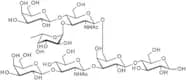
Laricitrin-3,5'-di-O-glucoside is an organic compound that can be used as a research chemical. Laricitrin-3,5'-di-O-glucoside is a building block for the synthesis of other compounds and has been used in the synthesis of novel antibiotics. This compound is also a useful intermediate in the production of 3,6-dihydroxychalcone.Fórmula:C28H32O18Pureza:Min. 95%Peso molecular:656.54 g/molMonofucosyllacto-N-hexaose III
CAS:Sialylated tetrasaccharide found in human milk, possible health benefits for the neonate by supporting resistance to pathogens, gut maturation, immune function, and cognitive development. Purity typically above 60%. Contains other oligosaccharide fragments. For a typical IC trace see datasheet sectionFórmula:C46H78N2O35Pureza:(By Hpaec) Min. 60%Cor e Forma:PowderPeso molecular:1,219.12 g/mol2,3,5-Tri-O-benzoyl-2-C-methyl-D-ribonic acid-1,4-lactone
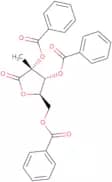
CAS:2,3,5-Tri-O-benzoyl-2-C-methyl-D-ribonic acid-1,4-lactone is a glutamate receptor agonist that has been shown to have pharmacological properties. It binds to the GluR2/3 family of glutamate receptors and is an agonist at these receptors. The experiments with this drug have been conducted on both animals and humans. 2,3,5-Tri-O-benzoyl-2-C-methyl D ribonic acid lactone has also been shown to be an effective probe for the identification of glutamate receptor sequences in the brain and spinal cord.Fórmula:C27H22O8Pureza:Min. 95%Cor e Forma:White PowderPeso molecular:474.46 g/mol1,3-α-1,6-α-D-Mannotriose
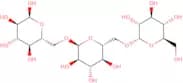
CAS:Intermediate for synthesis of N-acetyllactosaminic glycans
Fórmula:C18H32O16Pureza:Min. 95 Area-%Cor e Forma:White Off-White PowderPeso molecular:504.44 g/mol4-Methoxyphenyl 2,4,6-tri-O-benzyl-b-D-galactopyranoside
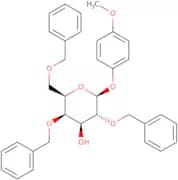
CAS:4-Methoxyphenyl 2,4,6-tri-O-benzyl-b-D-galactopyranoside is a custom synthesis that belongs to the group of complex carbohydrates. It is an Oligosaccharide with CAS No. 247027-79-8 and Polysaccharide. 4MPG has been modified by Methylation, Glycosylation, Carbohydrate, Click modification, sugar, High purity, Fluorination and Synthetic methods. This product is available in high purity and can be used for research purposes.Fórmula:C34H36O7Pureza:Min. 97 Area-%Cor e Forma:PowderPeso molecular:556.65 g/mol2-Acetamido-3,4,6-tri-O-acetyl-2-deoxy-D-galactopyranose
CAS:2-Acetamido-3,4,6-tri-O-acetyl-2-deoxy-D-galactopyranose is a sugar that is used in the synthesis of glycosides and other carbohydrate derivatives. It can be modified with various groups to produce new compounds. This product is an important raw material for the synthesis of saccharides and oligosaccharides with specific properties.Fórmula:C14H21NO9Pureza:Min. 95%Cor e Forma:PowderPeso molecular:347.32 g/mol2,3-O-Isopropylidene-1,4-di-C-methyl-L-erythrofuranose
2,3-O-Isopropylidene-1,4-di-C-methyl-L-erythrofuranose is a fluorinated monosaccharide. It is synthesized by the reaction of 2,3-O-isopropylidene L-erythroascorbic acid with sodium difluoromethanesulfinate in toluene under refluxing conditions. It can be used as an intermediate for the preparation of oligosaccharides and polysaccharides. This product has been shown to be resistant to degradation by enzymes such as glycosidases and esterases. It also has a high purity level and can be used for custom synthesis projects.Pureza:Min. 95%5-(Dimethylamino)naphthalene-1-sulfonamidooctyl-O-(a-D-galactopyranosyl)-1,4-(b-D-galactopyranosyl)-1,4-b-D-glucopyranose
The compound is an oligosaccharide with a complex carbohydrate. The product is custom synthesized and has been modified by fluorination. It is a high purity, synthetic monosaccharide sugar that is methylated.Pureza:Min. 95%Methyl 3,4:5,6-di-O-isopropylidene-D-gluconate
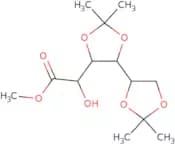
CAS:Methyl 3,4:5,6-di-O-isopropylidene-D-gluconate is a modification of the oligosaccharide, carbohydrate. It is a complex carbohydrate that has been custom synthesized and is available in high purity. This product can be used as a monosaccharide or as a methylated glycosylated saccharide. Methyl 3,4:5,6-di-O-isopropylidene-D-gluconate can be found under CAS No. 114743-85-0 and has the molecular formula C12H22O11.Fórmula:C13H22O7Pureza:Min. 98 Area-%Cor e Forma:Colorless PowderPeso molecular:290.31 g/mol3'-Sialyl Lewis X, sodium salt
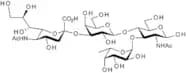
CAS:Sialyl Lewis X (SLeX) is a carbohydrate antigen, related to cell adhesion and it has been shown that inhibition of SLeX synthesis leads to decreased adhesion of trophoblast cells to endometrial epithelial cells (Collins, 2006). Sialyl Lewis X is displayed on the terminus of glycolipids that are present on the surface of white blood cells and it has been shown that SLeX has an important role in inflamation processes. The inital adhesion of white blood cells to a site of injury is mediated by E-selectins which are specific for SLeX. Cell-cell recognition between leukocytes and endothelial cells in blood is believed to occur in part through interactions between lectins and oligosaccharide ligands. SLeX is frequently expressed in human cancer cells and primary tumors. It has been demonstrated that SLeX was involved in the adhesion of tumor cells to vascular endothelium. The potential role of SLeX in the tumor metastatic process has been supported by several clinical studies (Liang, 2016).Fórmula:C31H51N2NaO23Pureza:Min. 95%Cor e Forma:White PowderPeso molecular:842.73 g/mol4-Aminophenyl β-D-glucuronide
CAS:4-Aminophenyl b-D-glucuronide sodium is a glycosylation reagent used in the synthesis of complex carbohydrates, polysaccharides and oligosaccharides.
Fórmula:C12H15NO7Pureza:Min. 95%Peso molecular:285.25 g/mol2-Azido-2-deoxy-3,5-O-benzylidene-D-xylono-1,4-lactone
2-Azido-2-deoxy-3,5-O-benzylidene-D-xylono-1,4-lactone is a synthetic sugar that is used in the synthesis of glycosylation, methylation and click modification reactions. It has been shown to be a potential precursor for polysaccharides and fluorinated saccharides. This product can be custom synthesized and is available at high purity.
Pureza:Min. 95%Lactose - anhydrous
CAS:Anhydrous lactose is an excipient, filler, diluent, and bulking agent in a wide variety of pharmaceutical tablets, capsules, powders and other preparations. It also has applications as a nutrient and multi-functional ingredient in infant formulae, geriatric, dietetic and health foods and may be used as an ingredient in culture media.
Fórmula:C12H22O11Pureza:Min. 98 Area-%Cor e Forma:PowderPeso molecular:342.3 g/molIsomaltol
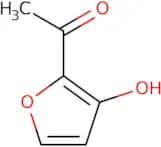
CAS:Isomaltol is a sugar alcohol that is used as a food additive. It is a white, crystalline powder that is soluble in water and has an intense sweet taste. Isomaltol is produced by hydrogenating the reducing ends of sucrose to form maltose, which then undergoes hydrolysis to form maltitol. Isomaltol can be used as a replacement for sugar in foods and drinks. Isomaltol has been shown to inhibit tyrosinase activity, which may be beneficial for skin care products. It also has antimicrobial properties due to its ability to react with aluminium ions.Fórmula:C6H6O3Pureza:Min. 95%Peso molecular:126.11 g/mol2-C-Methyl-3,5-O-(di-tert.butylsilylidene)-D-xylono-1.4-lactone
2-C-Methyl-3,5-O-(di-tert.butylsilylidene)-D-xylono-1.4-lactone is a synthetic, fluorinated oligosaccharide that is custom synthesized with high purity and a CAS Number. It has been modified with a click chemistry reaction to create an Oligosaccharide sugar. This complex carbohydrate can be used in the synthesis of glycosylation reactions, methylation reactions and monosaccharide reactions.Pureza:Min. 95%2,6-Dimethyl-beta-cyclodextrin
CAS:This beta-cyclodextrin (β-CD) derivative is a functionalized cyclic oligosaccharide composed of seven glucose units, characterized by a hydrophilic exterior and a lipophilic cavity (bigger than α-CD and smaller than γ-CDs), which allows it to encapsulate various guest molecules. This structural feature facilitates its use in multiple applications, including pharmaceuticals, food enhancement, and cosmetics. In the pharmaceutical industry, it enhances the solubility and stability of poorly water-soluble drugs, improving their bioavailability and efficacy while also masking unpleasant tastes. The food sector utilizes it as a stabilizer for flavors, colors, and nutrients, extending shelf life by protecting sensitive ingredients from degradation. In cosmetics, it serves as a complexing agent for fragrances and active components, ensuring their stability and controlled release. Its use expands to many other fields, including nanotechnology for drug delivery systems, environmental remediation for extracting organic pollutants, textiles for slow-release fragrances, and analytical chemistry for chiral separation.Fórmula:C56H98O35Pureza:Min. 98%Cor e Forma:White PowderPeso molecular:1,331.36 g/molD-Galactosamine hydrochloride - Synthetic origin
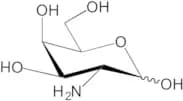
CAS:D-Galactosamine (GalN) is an aldohexose (2-Amino-2-deoxygalactose) in which the hydroxyl group at position 2 is replaced by an amino group (Collins, 2006). Galactosamine (as the N-Acetyl derivative) forms a key part of both N- and O-linked glycoproteins, glycolipids and glycosaminoglycans. Treatment of experimental animals with D-galactosamine / lipopolysaccharide causes lethal liver injury characterized by apoptosis of the hepatocyte and it is used as a laboratory model to study the effect of therapeutic agents (Hirono, 2001).Fórmula:C6H13NO5·HClPureza:Min. 98 Area-%Cor e Forma:White PowderPeso molecular:215.63 g/molParomamine 3HCl
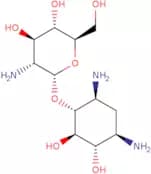
CAS:Paromamine is a chemical compound that inhibits protein synthesis by enzymatic inactivation. It has been shown to have a broad spectrum of antibacterial activity against Gram-positive and Gram-negative bacteria. Paromamine also has the ability to inhibit bacterial growth at high salt concentrations, making it an attractive candidate for development as an oral antibiotic drug. Paromamine is synthesized from natural products, such as salicylaldehyde or phenylhydrazine, which are readily available and inexpensive. The reaction mechanism for the formation of paromamine starts with dehydration of the hydroxyl group on the hydrazine to form a carbonyl group. This carbonyl group reacts with sephadex g-100 to form a cyanohydrin. The cyanohydrin reacts with ammonia to form an amide bond between the two nitrogen atoms in the molecule, which forms paromamine.Fórmula:C12H25N3O7·3HClPureza:Min. 95%Peso molecular:323.34 g/molLaminaran - from Laminaria cloustoni
CAS:Laminaran is a polysaccharide that co-occurs with fucoidan and alginate in brown seaweeds such as Laminaria digitata, Laminaria cloustoni, Eisenia bicyclis and Thallus laminariae. It is a β-1,3-linked glucan which it is claimed stimulates the immune system in mammals and fish.
The image was kindly provided by Prof Mike Guiry from Cork who runs ‘The Seaweed Site’.Pureza:Min. 95%Cor e Forma:PowderMethyl (phenyl 2,3-di-O-benzyl-1-thio-b-D-glucopyranoside)uronate
CAS:Methyl (phenyl 2,3-di-O-benzyl-1-thio-b-D-glucopyranoside)uronate is a synthetic glycosylation product. It is the methyl ester of 2,3,4,6-tetra-O-benzylated glucuronic acid. This product can be used for the modification of polysaccharides and saccharides with click chemistry. The synthesis of this compound can be customized to meet your needs.Pureza:Min. 95%1-O-Methyl-beta-D-xylopyranoside
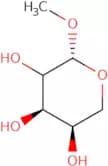
CAS:1-O-Methyl-beta-D-xylopyranoside is a matrix component that is used as an artificial sweetener. This product has been shown to have the ability to protect cells against radiation and toxic chemicals. 1-O-Methyl-beta-D-xylopyranoside also inhibits the growth of coliform bacteria by inhibiting their energy metabolism and may be used for wastewater treatment. It has been shown to be effective in analytical methods to identify the presence of human feces in water samples.
Fórmula:C6H12O5Pureza:Min. 98 Area-%Cor e Forma:White PowderPeso molecular:164.16 g/molD-Galactosamine-1-phosphate
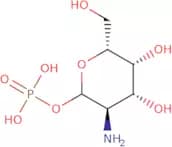
CAS:D-Galactosamine-1-phosphate is a precursor of UDP-glucose and is used in the synthesis of fatty acids. D-Galactosamine-1-phosphate is synthesized by the enzyme UDP-glucose pyrophosphorylase, which catalyzes the reaction between UDP and D-galactose. It is expressed in strains that have been engineered to produce recombinant proteins. This product can be produced in vitro by a number of methods, including enzymatic or chemical synthesis. The enzyme activity of D-galactosamine 1 phosphate synthase is temperature dependent, with optimal activity at 40°C. This product has been shown to inhibit hepatitis virus production and lipid formation in vitro.Fórmula:C6H14NO8PPureza:Min. 95%Cor e Forma:PowderPeso molecular:259.15 g/molFucoidan - Ascophyllum nodosum, analytical grade
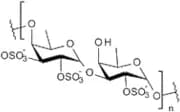
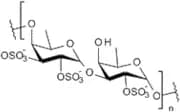
CAS:A fucan sulphate found in brown marine algae (Phaeophyta-typically Fucus vesiculotus, Ascophyllum nodosum (illustrated), Alaria and Cladosiphon) and has been shown to have anticoagulant activity. The main constituents are α-1,4 and α-1,2 linked L-fucose sulphates although galactose also occurs and there are many variations of the basic structure found in different species of Phaeophyta.Molecular weight cut off at 300kDa.The image was kindly provided by Prof Mike Guiry from Cork who runs ‘The Seaweed Site’.Cor e Forma:Powder2,3-O-Isopropylidene-D-erythronolactone
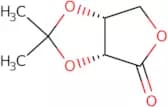
CAS:2,3-O-Isopropylidene-D-erythronolactone is a chromophore that has been synthesised. It is a chiral heterocycle with an anion linker and a boron trifluoride etherate group. The carbon chain of 2,3-O-isopropylidene-D-erythronolactone has been found to be essential for its antibacterial activity against tuberculosis. This compound binds to the adenosine receptor in the bacterial cell membrane and inhibits bacterial growth.Fórmula:C7H10O4Pureza:Area-% Min. 95 Area-%Cor e Forma:PowderPeso molecular:158.15 g/molBenzyl β-L-arabinopyranoside
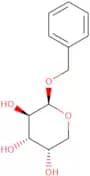
CAS:Benzyl β-L-arabinopyranoside is a Glycosylation, complex carbohydrate, Methylation, Click modification, Polysaccharide, Fluorination, CAS No. 7473-38-3 that can be synthesized in the lab and is available for custom synthesis. It is used in the synthesis of saccharides and other glycosylated natural products.Fórmula:C12H16O5Pureza:(%) Min. 98%Cor e Forma:White Off-White PowderPeso molecular:240.25 g/molGalactosyl diglyceride - 10 mg/ml solution in chloroform/methanol
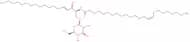
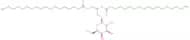
CAS:The galactosyl diglyceride (GalDG) is a lipid molecule that is found naturally in plants. The chemical formula for GalDG is C22H44O8 and it has a molecular weight of 464.36 g/mol. This lipid molecule is composed of two fatty acid chains, one glycerol molecule and one galactose molecule. It can be synthesized with the help of a transition metal catalyst and an oxidizing agent such as hydrogen peroxide or sodium hypochlorite. When heated to a temperature of about 200-250 degrees Celsius, the transformation process takes place which results in the conversion of the lamellar phase to the crystalline phase. The diffraction method was used to determine its crystal structure and it was found that this lipid molecule has a lamellar phase at room temperature but transforms into a crystalline phase when heated to 250 degrees Celsius. The diffraction pattern obtained from x-ray diffraction analysis indicated that thisFórmula:C45H86O10Pureza:Min. 95%Cor e Forma:Colourless to yellow liquid.Peso molecular:787.16 g/molFleetamine
Fleetamine is a piperidine compound that has been shown to be an inhibitor of the enzyme glycosylation. Inhibitors of glycosylation are useful for treating diseases such as diabetes and Alzheimer's disease. It is thought that Fleetamine may inhibit human glycosylating enzymes, such as glucosyl transferase, which catalyzes the addition of a glucose molecule to a protein. This inhibition prevents the formation of oligosaccharides and glycoconjugates, which are necessary for proper functioning of cells.
Pureza:Min. 95%2-Amino-b-L-arabinofurano[1,2:4,5]oxazoline
CAS:2-Amino-b-L-arabinofurano[1,2:4,5]oxazoline is a custom synthesis. It is a white to off-white powder with a molecular weight of 264.50 and a melting point of about 160°C. The purity of this compound is >98% by HPLC analysis. This product has been modified with glycosylation, methylation, click modification, fluorination, saccharide modification, sugar modification, and oligosaccharide modification.Fórmula:C6H10N2O4Pureza:Min. 95%Cor e Forma:PowderPeso molecular:174.15 g/mol3-O-Allyl-1,2-O-isopropylidene-α-D-galactofuranose
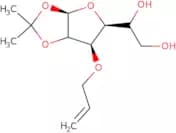
CAS:3-O-Allyl-1,2-O-isopropylidene-α-D-galactofuranose is a synthetic glycoside that can be custom synthesized. It is a fluorinated monosaccharide that reacts with an allyl group to form an allyl glycoside. This modification increases the solubility of the molecule and can make it soluble in organic solvents. 3-O-Allyl-1,2-O-isopropylidene α D galactofuranose is used to modify saccharides or complex carbohydrates for use in research.Fórmula:C12H20O6Pureza:Min. 95%Cor e Forma:Clear LiquidPeso molecular:260.28 g/mol(1S) -1- [(2S, 3S,4R) -N-Butyl-4-hydroxymethyl-3- hydroxy- 1- azetidinyl] -1, 2- ethanediol
(1S) -1- [(2S, 3S,4R) -N-Butyl-4-hydroxymethyl-3- hydroxy- 1- azetidinyl] -1, 2- ethanediol is a synthetic monosaccharide that belongs to the group of complex carbohydrates. It has been modified by fluorination and methylation. This product can be synthesized according to customer specifications. The CAS number for this product is 97911-51-7. It is highly pure with a purity level of 98%. This product can be glycosylated or click modified according to customer specifications.Pureza:Min. 95%2'-Azidoethyl a-mannopyranoside
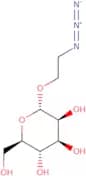
CAS:2'-Azidoethyl a-mannopyranoside is a synthetic monosaccharide that is used as a building block for the synthesis of oligosaccharides and polysaccharides. This product has been custom synthesized for your specific needs. It is an off-white powder with purity greater than 99%. The methylation of this compound can be achieved by reacting it with sodium methoxide in methanol, followed by hydrolysis with sodium hydroxide. The azido group can also be converted to an acetyl group by reaction with acetic anhydride in pyridine.
Fórmula:C8H15N3O6Pureza:Min. 95%Cor e Forma:White PowderPeso molecular:249.22 g/mol1,4:3,6-Dianhydro-D-glucitol
CAS:Isosorbide dinitrate is a drug that belongs to the class of nitrates. It is used in the treatment of angina pectoris, as well as congestive heart failure and chronic heart failure. Isosorbide dinitrate has been shown to cause caspase-independent cell death in human leukemia cells and breast cancer cells. This may be due to its ability to inhibit mitochondrial membrane potential and interfere with intracellular calcium mobilization. The optimum concentration for isosorbide dinitrate is 10 µM, which inhibits the growth of bacteria, including Mycobacterium tuberculosis and Salmonella enterica serovar Typhimurium. The drug also inhibits the production of proinflammatory cytokines such as IL-1β, IL-6, and TNF-α by inhibiting c-jun phosphorylation. Isosorbide dinitrate also has anti-inflammatory properties, which may be due to its ability to inhibit 4-hyd
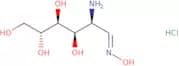
Fórmula:C6H10O4Pureza:(%) Min. 98%Cor e Forma:White Off-White PowderPeso molecular:146.14 g/molD-Glucosamine-oxime hydrochloride
CAS:D-Glucosamine-oxime HCl is a hydrocyanic acid derivative that contains a polyhydroxy group. It can exist as two isomers, D-glucosamine and D-glucosamine-oxime. These isomers are distinguished by the presence or absence of acetyl groups on the nitrogen atoms. D-Glucosamine-oxime HCl functions as a divalent metal ion chelator and sequestering agent that has been shown to be useful in the treatment of lead poisoning. It also has been used in the synthesis of hydrocyanic acid, which is an important chemical for organic synthesis.END>Fórmula:C6H12N2O5•HClPureza:Min. 95%Cor e Forma:SolidPeso molecular:228.63 g/molD-Lactose monohydrate
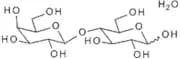
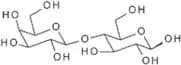
CAS:Lactose is the principal sugar in human and most other mammalian milks, ( 4-O-(β-d-galactopyranosyl)-d-glucopyranose) (Collins, 2006). Lactose undergoes mutarotation; it is a reducing sugar and is significantly less soluble in water than sucrose. Lactose is much less sweet than sucrose (at ~1% about 0.15 (sucrose=1). The enzyme lactase (β-galactosidase), which is present in the small intestine, catalyzes hydrolysis of lactose to form glucose and galactose. Anhydrous lactose is an excipient, filler, diluent, and bulking agent in a wide variety of pharmaceutical tablets, capsules, powders and other preparations. Lactose also has applications as a nutrient and multi-functional ingredient in infant formulae, geriatric, dietetic and health foods (Linko, 1982).
Fórmula:C12H22O11·H2OPureza:Min. 96 Area-%Cor e Forma:White Off-White PowderPeso molecular:360.31 g/molL-Arabinose diethyldithioacetal
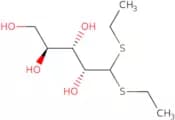
CAS:L-Arabinose diethyldithioacetal is a potassium carbonate derivative of L-arabinose that reacts with sulfur to form 1,2-dithioketals. These dithioketals are used as glycosyl donors in the synthesis of L-fucitol and d-xylose. This reaction is catalyzed by acetobacter, which converts L-arabinose and carbon dioxide into acetaldehyde and acetic acid. The reaction mechanism for this transformation includes an epimerization of the hydroxyl group on the C5 position of L-arabinose to a hydroxyl group on C6, followed by glycosidation with sulfuric acid. The glycosidic bond formed between the hydroxyl group on C6 and the carbonyl group at C1 (in this case, from L-arabinose) is called an acetal linkage. In addition to being antithromboticFórmula:C9H20O4S2Pureza:Min. 95%Cor e Forma:PowderPeso molecular:256.38 g/mol11-Dehydroxygrevilloside B
CAS:11-Dehydroxygrevilloside B is a natural glycoside compound, which is primarily isolated from the plant genus Grevillea. This genus is known for its rich diversity of secondary metabolites with various biological activities. The mode of action of 11-Dehydroxygrevilloside B involves interactions with specific molecular targets, potentially influencing biochemical pathways associated with inflammation, oxidative stress, or other cellular processes. Its exact mechanism is still under research, aiming to unravel its potential therapeutic or protective effects. Applications of 11-Dehydroxygrevilloside B are mainly within the realm of biochemical and pharmacological research, where it serves as a subject for in vitro or in vivo experiments to explore its efficacy and safety profile. Its study contributes to understanding how plant-derived compounds can be harnessed for medicinal purposes and augments the exploration of novel drug candidates from natural sources.
Fórmula:C17H26O7Pureza:Min. 95 Area-%Cor e Forma:PowderPeso molecular:342.38 g/mol4-Methylphenyl 2-O-acetyl-3-O-benzyl-4-O-levulinoyl-b-D-thioglucuronide methyl ester
4-Methylphenyl 2-O-acetyl-3-O-benzyl-4-O-levulinoyl-b-D-thioglucuronide methyl ester is a high purity, custom synthesis, sugar modified, Click modification, fluorination, glycosylation, synthetic compound. CAS No. is 8072159–1. It is an Oligosaccharide, Monosaccharide and Carbohydrate with complex carbohydrate structure.Fórmula:C28H32O9SPureza:Min. 95%Peso molecular:544.62 g/molLocust bean gum
CAS:Locust bean (carob) gum is the refined endosperm of the seed of the carob tree, an evergreen of the legume family (Ceretonia siliqua). The tree grows extensively in Spain and is cultivated in many other Mediterranean countries. Locust bean gum, like guar gum, is a galactomannan with a backbone of (1,4) β-D-mannopyranosyl units having branches of (1,6)-linked α-D-galactopyranosyl units. However, locust bean gum has substantially fewer side chains than guar gum and these are clustered in blocks leaving longer regions of unsubstituted mannosyl regions. The gum is only partially soluble in water and suspensions require heating before solubility is achieved. As with guar, the polysaccharide forms gels with other gums such as carrageenan and xanthan. Applications are in the food industry to enhance texture, in paper making and in the textile industry.Pureza:Min. 95%Cor e Forma:Off-White Powder1-Deoxy-D-psicose
1-deoxy-D-psicose is a deoxy sugar that can be used as a reagent for the conversion of 1-deoxy-d-fructose to d-psicose. It is useful in the synthesis of rhamnose, which is a precursor to pharmaceuticals and agrochemicals. 1-Deoxy-D-psicose can be used in the synthesis of l-rhamnose from d-psicose or vice versa. This process of converting one epimer to another isomerization is very efficient, with an 88% yield.
Pureza:Min. 95%DL-Apiose - Aqueous solution
CAS:DL-Apiose, also known as D-apiose, is a carbohydrate that is found in the bark of the tree Dolichandrone. It can be synthesized from verbascoside, a product of the thermally and irradiation degradation of verbascoside. This compound has been shown to have anti-inflammatory properties. DL-Apiose has two stereoisomers: alpha and beta. Alpha-DL-apiose is an intramolecular hydrogen bond donor while beta-DL-apiose is an intramolecular hydrogen bond acceptor. The alpha form can be converted to the beta form by ring opening. The alpha form of this compound has a hydroxyl group at carbon 2 and the beta form does not have this group. The alpha form of DL-apiose is more soluble than the beta form and may be more biologically active than its counterpart.Fórmula:C5H10O5Pureza:Min. 95%Cor e Forma:Clear LiquidPeso molecular:150.13 g/mol3,4-Di-O-methyl-D-glucose
CAS:3,4-Di-O-methyl-D-glucose is a partially protected glucose .It is found in the exudates of certain plants.Fórmula:C8H16O6Pureza:Min. 95%Cor e Forma:PowderPeso molecular:208.21 g/mol3,6-Dideoxy-D-arabino-hexose
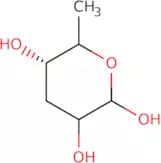
CAS:3,6-Dideoxy-D-arabino-hexose is a sugar that is found in bacterial cell walls. It is made up of three components: 3,6-dideoxy-D-glycero-hexose and two fatty acids. The chemical structure of 3,6-dideoxy-D-arabino-hexose has been determined by chemical synthesis and spectroscopic analysis. This sugar residue is also used in the biosynthesis of the lipid A antigen found on gram negative bacteria.Fórmula:C6H12O4Pureza:Min. 95 Area-%Cor e Forma:PowderPeso molecular:148.16 g/molFucoidan - Sargassum
CAS:A fucan sulphate found in brown marine algae (Phaeophyta-typically Fucus vesiculotus, Sargassum (illustrated), Alaria and Cladosiphon) and has been shown to have anticoagulant activity. The main constituents are α-1,4 and α-1,2 linked L-fucose sulphates although galactose and L-fucose are also present, our product contains approximately 20% L-fucose, and there are many variations of the basic structure found in different species of Phaeophyta. The image was kindly provided by Prof Mike Guiry from Cork who runs ‘The Seaweed Site’.Pureza:Min. 95%Cor e Forma:PowderFucoidan - Laminaria japonica
CAS:A fucan sulphate found in brown marine algae (Phaeophyta-typically Fucus serratus, Ascophyllum nodosum, Laminaria japonica (illustrated) and Macrocystis pyrifyra) and has been shown to have anticoagulant activity. The main constituents are α-1,4 and α-1,2 linked L-fucose sulphates although galactose also occurs and there are many variations of the basic structure found in different species of Phaeophyta. The image was kindly provided by Prof Mike Guiry from Cork who runs ‘The Seaweed Site’.Pureza:Min. 95%Cor e Forma:Off-White Slightly Brown Powder6-Deoxy-6-fluoro-D-galactose
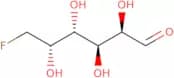
CAS:6-Deoxy-6-fluoro-D-galactose is a fluorinated sugar that has been shown to inhibit the uptake of glucose by human liver cells. This sugar binds to the enzyme activity and inhibits its activity. 6-Deoxy-6-fluoro-D-galactose was found to be metabolized in a dose dependent manner, with higher doses leading to increased uptake of fluorescein and decreased uptake of glucose. 6FDG is also metabolized by chemical reactions, such as oxidation or hydration, which leads to a decrease in its inhibitory effect on glucose uptake. 6FDG has been shown to bind to sequences that are involved in sugar transport and cell culture studies have shown that this sugar can induce inhibition of cell growth at high concentrations.Fórmula:C6H11FO5Pureza:Min. 95%Cor e Forma:PowderPeso molecular:182.15 g/molDermatan sulphate decasaccharide ammonium salt
Dermatan sulphate decasaccharide ammonium salt is a synthetic, high purity, complex carbohydrate. The CAS number for this product is 543-58-2. Dermatan sulfate decasaccharide ammonium salt is a complex carbohydrate that has been modified with a fluorine atom at the C1 position of the glucose monosaccharide and an acetyl group at the C4 position of the glucuronic acid monosaccharide. Click chemistry was used to introduce these modifications on the sugar molecule and it has been found to be stable in both acidic and alkaline conditions. This product can be customized for your specific needs, including fluorination, methylation, or glycosylation at any position.Pureza:Min. 95%




![L-[1-13C]Fucose](/_next/image/?url=https%3A%2Fstatic.cymitquimica.com%2Fproducts%2F3D%2Fthumb-webp%2FMF08310.webp&w=3840&q=75)



















![2-Amino-b-L-arabinofurano[1,2:4,5]oxazoline](/_next/image/?url=https%3A%2Fstatic.cymitquimica.com%2Fproducts%2F3D%2Fthumb-webp%2FMA06535.webp&w=3840&q=75)
![(1S) -1- [(2S, 3S,4R) -N-Butyl-4-hydroxymethyl-3- hydroxy- 1- azetidinyl] -1, 2- ethanediol](/_next/image/?url=https%3A%2Fstatic.cymitquimica.com%2Fproducts%2F3D%2Fthumb-webp%2FMB163384.webp&w=3840&q=75)