Glicociência
A glicociência é o estudo dos carboidratos e seus derivados, bem como das interações e funções biológicas em que participam. Este campo de pesquisa é crucial para compreender uma ampla variedade de processos biológicos, incluindo o reconhecimento celular, a sinalização, a resposta imune e o desenvolvimento de doenças. A glicociência tem aplicações importantes na biotecnologia, na medicina e no desenvolvimento de novos medicamentos e terapias. Na CymitQuimica, oferecemos uma ampla seleção de produtos de alta qualidade e pureza para pesquisa em glicociência. Nosso catálogo inclui monossacarídeos, oligossacarídeos, polissacarídeos, glicoconjugados e reagentes específicos, projetados para apoiar os pesquisadores em seus estudos sobre a estrutura, função e aplicações dos carboidratos em sistemas biológicos. Esses recursos são destinados a facilitar descobertas científicas e aplicações práticas em diversas áreas das biociências e da medicina.
Subcategorias de "Glicociência"
- Amino açúcares(108 produtos)
- Anticorpos Glico-Relacionados(282 produtos)
- Glicolípidos(46 produtos)
- Glicosaminoglicanos (GAGs)(55 produtos)
- Glicosídeos(419 produtos)
- Monossacáridos(6.624 produtos)
- Oligossacarídeos(3.682 produtos)
- Polissacáridos(503 produtos)
Foram encontrados 11046 produtos de "Glicociência"
Ordenar por
Pureza (%)
0
100
|
0
|
50
|
90
|
95
|
100
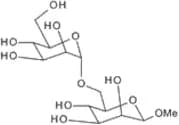
4-Methoxyphenyl 4-O-(b-D-galactopyranosyl)-b-D-glucopyranoside
CAS:<p>4-Methoxyphenyl 4-O-(b-D-galactopyranosyl)-b-D-glucopyranoside is a carbohydrate with the CAS number 150412-80-9. It is an Oligosaccharide that is synthesized from monosaccharides and saccharides. This product can be custom synthesized to produce high purity, methylated, glycosylated and fluorinated products. There are many modifications that can be made to this carbohydrate using Click chemistry.</p>Fórmula:C19H28O12Pureza:Min. 95%Cor e Forma:PowderPeso molecular:448.42 g/molMethyl 3-O-benzyl-D-glucopyranoside
CAS:Methyl 3-O-benzyl-D-glucopyranoside is a custom synthesis. It is a complex carbohydrate that is an oligosaccharide, polysaccharide, and modified saccharide. Methyl 3-O-benzyl-D-glucopyranoside can be synthesized from glucose with the use of methylation, glycosylation, or carbonylation reactions. The product has been fluorinated to yield a high purity product. This product can be used for click modifications or sugar chemistry experiments.Pureza:Min. 95%Benzyl α-D-glucopyranoside
CAS:<p>Benzyl a-D-glucopyranoside is an organic compound with the chemical formula CHO. It is a benzoyl derivative of glucose, which has been shown to be useful in the synthesis of other glycosides. The reaction yield and condition are dependent on reaction temperature and yield rate. The chloride ion reacts with the benzoyl chloride to form an ester, which then hydrolyzes to produce the desired product and hydrogen chloride. The reaction can be carried out at room temperature or under reflux conditions.</p>Fórmula:C13H18O6Pureza:Min. 95%Cor e Forma:PowderPeso molecular:270.28 g/mol4-Aminobutyl 3-O-(a-D-mannopyranosyl)-a-D-mannopyranoside
<p>4-Aminobutyl 3-O-(a-D-mannopyranosyl)-a-D-mannopyranoside is a fluorescent, water soluble, and hydrophilic glycoside. This compound is synthesized through the condensation of 4-aminobutyric acid with 3-(2,3,4,6-tetraacetyl glucosamine) to form an aminobutyl ester. The aminobutyl ester is then reacted with a D-mannose derived from 2,3,4,6-tetraacetyl glucosamine. This product is used in glycoprotein analysis and can be modified for various purposes.</p>Pureza:Min. 95%Lactose 3'-sulfate
CAS:<p>Unusual lactose sulphate isolated from canine milk (beagle-Canis familiaris), which does not appear to have previously been isolated from milk or other natural sources. The structure was established by 2D NMR spectroscopy and mass spectrometry.</p>Fórmula:C12H22O14SPureza:Min. 95%Cor e Forma:Beige PowderPeso molecular:422.36 g/molNeoagarotetraose
CAS:<p>Agarose is a polysaccharide found in red algae, typically Gelidium and Gracilaria. It is a strictly alternating polysaccharide of α-1,3 linked D-galactose and β-1,4 linked L-3,6 anhydrogalactose with occasional sulfation at position 6 of the anhydrogalactose residue. Agaro-oligosaccharides result from cleavage at galactose residues and neoagaro-oligosaccharides from cleavage at 3,6-anhydro residues. Neoagarotetraose is reported to have potential for novel cosmeceuticals.</p>Fórmula:C24H38O19Pureza:Min. 98 Area-%Cor e Forma:White PowderPeso molecular:630.55 g/molSucrose dodecanoate
CAS:<p>Sucrose dodecanoate is a sugar ester that has been shown to be a 5-HT agonist. It is used as an absorption enhancer for the treatment of choroidal neovascularization. Sucrose dodecanoate was also found to have trypsin-like protease activity and cyclic peptide properties. This drug has been shown to increase insulin sensitivity and growth factor levels in animal models, which may be due to its effects on serine proteases. Sucrose dodecanoate is available as a pharmaceutical dosage form containing fatty acid esters at a concentration of 10%. It has a viscosity of approximately 100 cP, which is expected to provide good bioavailability.</p>Fórmula:C12H24O2•(C12H22O11)xCor e Forma:Clear LiquidPeso molecular:342.3 g/mol(-)-D-Noviose
CAS:<p>(-)-D-Noviose is a naturally occurring sulfoxide that was first isolated from the tubercles of tuberculosis patients. It is a biosynthetic precursor to tiacumicin, an antibacterial agent. In addition, (-)-D-Noviose has been shown to act as a chaperone and inhibit cancer cells in vitro. (-)-D-Noviose binds to the cysteine residues of proteins, preventing their oxidation and subsequent aggregation. This prevents the cross-linking of proteins that leads to cellular damage and death.</p>Fórmula:C8H16O5Pureza:Min. 95%Peso molecular:192.21 g/mol(1R) -1- [(2S, 3S) - 3- Hydroxy- 1- azetidinyl] -1, 2- ethanediol
<p>(1R) -1- [(2S, 3S) - 3- Hydroxy- 1- azetidinyl] -1, 2- ethanediol is a glycoside that can be used as a fluorination agent. It reacts with the hydroxyl group of carbohydrates to form a covalent bond between the oxygen atom and fluorine atom. This product is custom synthesized and has high purity. The CAS number for this product is 53872-68-9.</p>Pureza:Min. 95%6'-N-Glycolylneuraminyl-D-lactose sodium salt
<p>6'-N-Glycolylneuraminyl-D-lactose sodium salt is a custom synthesis that provides high purity and custom synthesis. It is a complex carbohydrate with a CAS number of 24932-91-0 and an Oligosaccharide, Monosaccharide, saccharide Carbohydrate. This product is Fluorination, Glycosylation, Synthetic, Methylation, Modification.</p>Pureza:Min. 95%D-myo-Inositol-1,3,4-triphosphate
CAS:<p>D-myo-Inositol-1,3,4-triphosphate is a custom synthesis that has been modified with a methyl group at the 1 position and fluorinated at the 3 and 4 positions. This compound is an oligosaccharide that contains three monosaccharides linked by glycosidic bonds. It is a complex carbohydrate with a molecular weight of 576.06 g/mol and CAS No. 140385-74-6. D-myo-Inositol-1,3,4-triphosphate is used in glycobiology as a substrate for glycosylation reactions. The polymerization of this compound leads to the formation of polysaccharides such as cellulose, which can be used in tissue engineering applications.</p>Fórmula:C6H12O15P3Pureza:Min. 95%Peso molecular:417.07 g/molD-Gluconic acid lithium salt
CAS:<p>D-Gluconic acid lithium salt is a cationic compound that has been shown to inhibit the growth of bacteria by forming a covalent linkage with the ribose in RNA. This inhibits the enzyme activity of the cell and prevents transcription and replication. The chemical formula for this compound is CH3CH2OH-CH2COOH+Li+→CH3CH2OLi+H2O, where D-gluconic acid is carboxylate anion and lithium ion is cation. Electrophoresis studies have shown that this compound binds to proteins, which may be due to its hydrophilic properties. X-ray diffraction data has revealed that it forms a crystalline structure. This compound can be used as an antimicrobial agent against Group P2 Gram-positive cocci (e.g., Enterococcus faecalis) and other infectious diseases such as Staphylococcus aureus, Streptococcus pneumonia</p>Fórmula:C6H11O7LiPureza:Min. 95%Cor e Forma:White PowderPeso molecular:202.09 g/molmyo-Inositol 1,2,4,5,6-pentakisphosphate
<p>Myo-inositol 1,2,4,5,6-pentakisphosphate (IP) is a phosphate of inositol that is found in the cytosol. It is an important component of polyphosphates and can be used for oxygen transport. It has been shown to inhibit the growth of cancer cells by binding to monoclonal antibodies that are targeted against CD20 and CD22 on cancer cells. IP also inhibits the activity of kinases and phosphatases in mammalian cells. This may be due to the inhibition of cytokine release from macrophages treated with IL-1β. Inositol phosphates are involved in many cellular responses including platelet-derived growth factor activation, cell proliferation, and protein synthesis.</p>Fórmula:C6H17O21P5Pureza:Min. 95%Peso molecular:580.06 g/molAllyl 2,4,6-tri-O-(3,4,6-tri-O-acetyl-2-deoxy-2-phthalimido-b-D-glucopyranosyl)-3-O-benzyl-a-D-mannopyranoside
<p>Allyl 2,4,6-tri-O-(3,4,6-tri-O-acetyl-2-deoxy-2-phthalimido-b-D-glucopyranosyl)-3-O-benzyl a -D -mannopyranoside is a glycosylated oligosaccharide. It is synthesized from 3,4,6 tri O acetyl 2 deoxy 2 phthalimido b D glucopyranosyl chloride and allyl alcohol by the click reaction with sodium azide in the presence of palladium catalysis. This product has been fluorinated at the 6 position of allose. The purity of this product is high and it has been modified on the saccharide chain with methyl groups at the C1 and C2 positions of glucose. Allyl 2,4,6 tri O (3 4 6 tri O acetyl 2 deoxy 2 phthalimido b D gluc</p>Fórmula:C76H79N3O33Pureza:Min. 95%Peso molecular:1,562.44 g/mol4-Aminophenyl 6-O-(a-D-mannopyranosyl)-a-D-mannopyranoside
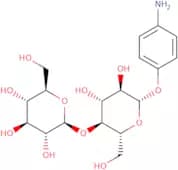
<p>4-Aminophenyl 6-O-(a-D-mannopyranosyl)-a-D-mannopyranoside is a custom synthesized carbohydrate that belongs to the group of oligosaccharides. It is a saccharide with a mannose, glucose, and mannose backbone structure. This compound has been modified by methylation at the C4 position, glycosylation at the C3 position, and fluorination at the C6 position. The 4-aminophenyl 6-O-(a-D-mannopyranosyl)-a-D-mannopyranoside is available in high purity and can be used for research purposes.</p>Pureza:Min. 95%Lichenan - from Cetraria islandica
CAS:<p>Lichenin, the poly β-D-Glucan of Cetraria islandica (Iceland moss), is found by enzymic degradation to differ in fine structure from the poly β-D-glucans of cereal grains. Thus, the basic structure of lichenin is a tetrameric unit in which two adjacent 1,4 linkages alternate with an isolated 1,3 linkage; occasionally four consecutive monomers are linked by 1,4 bonds. The immunomodulatory activity of isolichenan was tested in in vitro phagocytosis and anti-complementary assays, and proved to be active in both cases.<br>The image was kindly provided by Prof Mike Guiry from Cork who runs ‘The Seaweed Site’.</p>Fórmula:C6H10O5Pureza:(Β-Linked Polysaccharide. 1H-Nmr) Min. 85%Cor e Forma:White PowderPeso molecular:162.14Allyl 2,3,4-tri-O-benzyl b-D-galactopyranoside
<p>Allyl 2,3,4-tri-O-benzyl b-D-galactopyranoside is a custom synthesis of an oligosaccharide with a complex carbohydrate and a high purity. Allyl 2,3,4-tri-O-benzyl b-D-galactopyranoside can be used for a variety of applications including as an intermediate for the production of other chemicals or as a food additive. It is also used in the synthesis of other carbohydrates and saccharides. This compound has been shown to be effective in methylation reactions and glycosylation reactions.</p>Pureza:Min. 95%1,2,3,4,6-Penta-O-benzoyl-D-glucopyranoside
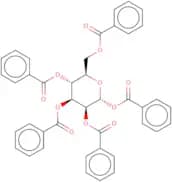
CAS:<p>Penta-O-benzoyl-D-glucopyranoside is a carbohydrate that has been prepared in a preparative scale. It is an organic compound and the structural formula is C12H22O11. The diameter of this molecule is around 1.5 nm, which makes it mesoporous. Penta-O-benzoyl-D-glucopyranoside has been analysed by high performance liquid chromatography (HPLC) and mass spectrometry (MS). The tree ring processability of this product is good and can be processed thermally.</p>Fórmula:C41H32O11Pureza:Min. 95%Peso molecular:700.69 g/molA1 Glycan, 2-AB labelled
<p>A1 Glycan, 2-AB labelled is a custom synthesis of a complex carbohydrate. The carbohydrate is an oligosaccharide that has been modified with methylation and glycosylation. The carbohydrate has a CAS number and is a polysaccharide. It is modified with saccharide, methylation, and glycosylation. The carbohydrate has undergone click modification and fluorination and it is synthetic.</p>Pureza:Min. 95%N- [(3S, 4R, 5S, 6R) - 4, 5- Dihydroxy- 6- (hydroxymethyl) - 3- piperidinyl] -acetamide
<p>N- [(3S, 4R, 5S, 6R) - 4, 5- Dihydroxy- 6- (hydroxymethyl) - 3- piperidinyl] -acetamide is a fluorinated monosaccharide that has been synthesized in the laboratory. The compound is a synthetic oligosaccharide with an acetamide group at position 2. N- [(3S, 4R, 5S, 6R) - 4, 5- Dihydroxy- 6- (hydroxymethyl) - 3- piperidinyl] -acetamide is also a glycosylated polysaccharide that has been modified by methylation and click chemistry.</p>Pureza:Min. 95%Methyl 6-O-acetyl-3-O-benzyl-N-Cbz-2-deoxy-4-O-(methyl-2-O-acetyl-3-O-benzyl-a-L-idopyranuronosyl)-a-D-glucopyranosaminide,
CAS:<p>Methyl 6-O-acetyl-3-O-benzyl-N-Cbz-2-deoxy-4-O-(methyl-2-O-acetyl-3-O-benzyl)-aLidopyranuronosyl)-aDglucopyranosaminide is a carbohydrate that belongs to the class of saccharides. It is a synthetic oligosaccharide that is made up of a monosaccharide, fructose, and 2 disaccharides, maltose and glucuronic acid. This product has been modified by fluorination, methylation, glycosylation, and click chemistry.</p>Pureza:Min. 95%(2-Carboxyethyl)-b-cyclodextrin sodium
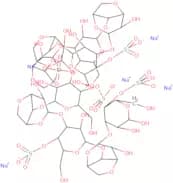
<p>This beta-cyclodextrin (β-CD) derivative is a functionalized cyclic oligosaccharide composed of seven glucose units, characterized by a hydrophilic exterior and a lipophilic cavity (bigger than α-CD and smaller than γ-CDs), which allows it to encapsulate various guest molecules. This structural feature facilitates its use in multiple applications, including pharmaceuticals, food enhancement, and cosmetics. In the pharmaceutical industry, it enhances the solubility and stability of poorly water-soluble drugs, improving their bioavailability and efficacy while also masking unpleasant tastes. The food sector utilizes it as a stabilizer for flavors, colors, and nutrients, extending shelf life by protecting sensitive ingredients from degradation. In cosmetics, it serves as a complexing agent for fragrances and active components, ensuring their stability and controlled release. Its use expands to many other fields, including nanotechnology for drug delivery systems, environmental remediation for extracting organic pollutants, textiles for slow-release fragrances, and analytical chemistry for chiral separation.</p>Fórmula:C42H70nO35•(C3H4O2Na)nPureza:Min. 95%Cor e Forma:White to pale yellowsolid.Peso molecular:1,135 g/molSchizophyllan
CAS:<p>Schizophyllan is a neutral extracellular polysaccharide produced by the fungus Schyizophyllum commune. Schizophyllan is a β-1,3 beta glucan with β-1,6 branches and a molecular weight of around 450 kDa. It is reported that this polysaccharide can stimulate the immune system, chelate metals, act as an adjuvant in delivering drugs and aid in the production of nanofibres.<br>The image was kindly provided by Dr. Chris Lawson.</p>Cor e Forma:White PowderMannan (ex Saccharomyces cerevisiae)
CAS:<p>The main cell-wall components of baker’s yeast (Saccharomyces cerevisiae) as well as β-glucan are mannans with an α-1,6 mannose backbone and α-1,2 and α-1,3 mannose branches.<br>The image was kindly provided by Dr. Chris Lawson.</p>Cor e Forma:White Slightly Brown PowderDermatan sulphate sodium salt,average MW 92000
CAS:<p>Dermatan sulphate is a glycosaminoglycan found in skin, blood vessels, heart valves, tendons, aorta, spleen and brain and is usually isolated from pig skin or beef lung tissue. The disaccharide repeat unit is composed of L-iduronic acid and N-acetyl-galactosamine-4-sulphate linked β-(1,3) and β-(1,4). There are also small amounts of D-glucuronic acid.</p>Cor e Forma:PowderGlycyl-asialo, galactosylated fucosylated biantennary
<p>Glycyl-asialo, galactosylated fucosylated biantennary is a synthetic glycosylated oligosaccharide that is fluorinated at the 6-position. It has been shown to have high purity and good chemical stability. The carbohydrate is made from a complex of saccharides, which are linked together by glycosidic bonds. This product is available for custom synthesis with methylation and monosaccharide modifications. CAS No.: 128868-20-2</p>Fórmula:C70H118N6O50Pureza:Min. 95%Peso molecular:1,843.7 g/mol(2R, 3S, 4R) -4-Acetamido- 3 benzhydryloxybis(trimethylsilyloxy)silyloxy - 2- [( benzhydryloxybis(trimethylsilyloxy)silyloxy) methyl ] - 1- benzyl- pyrrolidine
<p>(2R, 3S, 4R) -4-Acetamido- 3 benzhydryloxybis(trimethylsilyloxy)silyloxy - 2- [( benzhydryloxybis(trimethylsilyloxy)silyloxy) methyl ] - 1- benzyl- pyrrolidine is a modification of an oligosaccharide. It is a high purity, custom synthesis and synthetic. This compound has CAS No., Monosaccharide, Methylation, Glycosylation, Polysaccharide, sugar and Fluorination.</p>Pureza:Min. 95%Prednisolone succinate γ-cyclodextrin conjugate
<p>The prednisolone succinate cyclodextrin gamma conjugate represents a specific class of cyclodextrin derivatives where the drug molecule (prednisolone succinate) is covalently bound to γ-cyclodextrin. The conjugate is designed to combine the beneficial properties of cyclodextrins with the therapeutic effects of prednisolone. Prednisolone succinate cyclodextrin gamma conjugate aims to improve the solubility, stability, and bioavailability of prednisolone while potentially offering controlled release properties.</p>Pureza:Min. 95%ε-Cyclodextrin
CAS:<p>Epsilon-cyclodextrin (ε-CD) consists of 10 glucose units. Its larger cavity size offers potential for encapsulating larger guest molecules or forming more complex inclusion compounds.</p>Fórmula:C60H100O50Pureza:Min. 95%Peso molecular:1,621.41 g/molBlood Group B trisaccharide-PAA-Biotin
<p>Blood group antigen conjugated to spacer and biotin</p>Pureza:Min. 95 Area-%Cor e Forma:PowderPeso molecular:545.5 g/mol(Ribo) 3,4-O-Isopropylidene-2,4-di-C-methyl-L-ribono-1.5-lactone
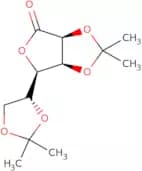
<p>(Ribo) 3,4-O-Isopropylidene-2,4-di-C-methyl-L-ribono-1.5-lactone is a custom synthesis that can be produced in various quantities and with various modifications to meet your needs. It is a high purity compound that is available for both research and industrial use. This compound has been fluorinated and modified to create a complex carbohydrate. It is an oligosaccharide of polysaccharide that can be used as a monosaccharide or sugar in the synthesis of polysaccharides or saccharides. This product is not intended for medical use.</p>Pureza:Min. 95%1,2,3,4-Tetra-O-acetyl-L-fucopyranose
CAS:<p>Intermediate for the anomeric modification of Fuc, including fucosylation</p>Fórmula:C14H20O9Pureza:Min. 97 Area-%Cor e Forma:White PowderPeso molecular:332.3 g/molD-Glucosaminic acid
CAS:<p>D-Glucosaminic acid is a monosaccharide that is found in many glycosaminoglycans. It has been shown to have synergistic effects when combined with malonic acid and hydroxyl group. D-Glucosaminic acid can be used for wastewater treatment, as it is able to form stable complexes with the anionic groups of cell walls. D-Glucosaminic acid also shows antibacterial activity against bacterial strains, including Mycoplasma pneumoniae and Streptococcus pyogenes. The wild-type strain of Escherichia coli is not inhibited by this compound.</p>Fórmula:C6H13NO6Pureza:Min. 96 Area-%Cor e Forma:White Off-White PowderPeso molecular:195.17 g/mol[2S- (2a, 3a, 4b, 5b, 6a) ]-2- (Hydroxymethyl) - 6- methyl- 3, 4, 5- piperidinetriol
<p>The compound 2S-[2a,3a,4b,5b,6a] -2- (hydroxymethyl)-6-methyl-3,4,5-piperidinetriol is a saccharide with a piperidine ring. It is a synthetic carbohydrate that belongs to the group of oligosaccharides. The fluorine atom in this compound is substituted with methyl groups at positions 2 and 6 on the piperidine ring. This modification is used to increase the water solubility of this carbohydrate. The CAS number for this compound is 53543-33-8.</p>Pureza:Min. 95%4-O-Methyl-alpha-D-glucurono-beta-D-xylan
CAS:<p>4-O-Methyl-alpha-D-glucurono-beta-D-xylan is produced by the hydrolysis of xylan. It can be used in studies to find new soluble chromogenic substrates for the assay of xylanases and glucanases.</p>Cor e Forma:Powder3-Azido-1-O-t-butyldimethylsilyl-2,3,6-trideoxy-b-L-arabino-hexopyranose
<p>3-Azido-1-O-t-butyldimethylsilyl-2,3,6-trideoxy-b-L-arabinohexopyranose is a modified sugar. It is used as a building block in the synthesis of oligosaccharides and polysaccharides. This product is custom synthesized to customer's specifications and is available in high purity.</p>Fórmula:C12H25N3O3SiPureza:Min. 95%Peso molecular:287.43 g/mol5'-O-(2-Amino-2-deoxy-b-D-glucopyranosyl)-uridine
CAS:<p>5'-O-(2-Amino-2-deoxy-b-D-glucopyranosyl)-uridine is a carbohydrate that is synthesized from uridine and 5'-amino-2,3,4,6-tetra-O-(2-deoxy-b-D-glucopyranosyl)uridine. It has a high purity and can be custom synthesized to meet your specifications. Carbohydrates are saccharides that are composed of monosaccharides linked by glycosidic bonds. They are often used as energy sources for living organisms and play an important role in the immune system. 5'-O-(2-Amino-2-deoxy-b-D - glucopyranosyl)-uridine can be methylated at the 2' position or glycosylated at either the 2' or 3' position. It is also a complex carbohydrate that can be modified with fluor</p>Fórmula:C15H23N3O10Pureza:Min. 95%Peso molecular:405.36 g/mol2-Acetamido-2-deoxy-3-O-methyl-D-glucopyranose
CAS:<p>2-Acetamido-2-deoxy-3-O-methyl-D-glucopyranose (2A2DMG) is a nonsteroidal antiinflammatory drug that belongs to the class of drugs known as Cox inhibitors. This agent has been shown to inhibit ATP sensitive K+ channels in primary cells from rat urinary bladder, which leads to a decrease in intracellular Ca2+ levels. 2A2DMG also inhibits COX enzymes, which are responsible for the synthesis of prostaglandins and thromboxanes. This decreases inflammation and pain. 2A2DMG has antineoplastic properties and has been shown to inhibit cancer cell growth in vitro. It also prevents cell proliferation by interfering with the synthesis of collagen, the main structural protein of connective tissue.</p>Fórmula:C9H17NO6Pureza:Min. 95%Cor e Forma:PowderPeso molecular:235.23 g/mola-L-Galactose-1-phosphate dipotassium salt
CAS:<p>a-L-Galactose-1-phosphate dipotassium salt is an oligosaccharide that can be prepared by the methylation of a galactose molecule. It is a synthetic compound that has been shown to have antiviral properties. The modification of the sugar structure with fluorine atoms increases the stability of the molecule and prevents its degradation. This product is soluble in water and can be used as a pharmaceutical intermediate for other compounds.</p>Fórmula:C6H11K2O9PPureza:Min. 95%Cor e Forma:PowderPeso molecular:336.33 g/molEthylmaltol glucoside
CAS:<p>Ethyl maltol glucoside is a methylated and fluorinated sugar that is used as an intermediate in the synthesis of oligosaccharides or polysaccharides. It has been shown to be an efficient and selective substrate for glycosyltransferases. Ethyl maltol glucoside has been modified with click chemistry, which enables it to be incorporated into complex carbohydrates. This modification also allows for the synthesis of monosaccharides, which are common building blocks of many other types of sugars. Ethyl maltol glucoside is soluble in water and can be purified by recrystallization. It is also available in high purity, with a CAS number of 1838567-35-3.</p>Fórmula:C13H18O8Pureza:Min. 95%Cor e Forma:PowderPeso molecular:302.28 g/molN-(Succinyl)-O-b-D-galactopyranosylhydroxylamine
<p>N-(Succinyl)-O-b-D-galactopyranosylhydroxylamine is a custom synthesis of an oligosaccharide with a modified sugar. The modification includes fluorination and succinylation of the hydroxyl group at the b position on the galactose ring. This sugar is also known as a complex carbohydrate and is found in saccharides, carbohydrates, and sugars. This product is synthesized to provide high purity with a click modification for use in methylation reactions.</p>Fórmula:C10H15NO8Pureza:Min. 95%Peso molecular:277.23 g/molGlucosamine sulfate potassium chloride
CAS:<p>Glucosamine sulfate potassium chloride is a reaction solution that contains glucosamine and hydrochloric acid. It is used in the treatment of osteoarthritis and related diseases, as well as for the prevention of cardiovascular disease. Glucosamine sulfate potassium chloride has been shown to reduce pain and improve the clinical response in patients with osteoarthritis. The synergic effect of glucosamine sulfate potassium chloride may be due to its ability to inhibit the degradation of collagen by hydrochloric acid. This drug also increases the production of glycoside derivatives from glucose, which are important for basic protein synthesis. Glucosamine sulfate potassium chloride can be used as a dietary supplement for infants, who have fatty acid deficiencies.</p>Fórmula:(C6H14NO5)2SO4•(KCl)2Pureza:Min. 95%Peso molecular:605.52 g/mola-D-[UL-13C6]Glucose-1-phosphate dipotassium salt hydrate
CAS:a-D-[UL-13C6]Glucose-1-phosphate dipotassium salt hydrate is a kinetic and structural analysis of the glucose phosphate metabolic pathway. It has been used to study biochemical properties of the glucose phosphate metabolic pathway, and to study the control mechanisms for this process. Specifically, it has been used to determine kinetic parameters that are necessary for understanding glucose metabolism. This compound has also been used to study hydrogen bonding interactions between monoclonal antibodies and ganoderma lucidum and transfer reactions of immobilized enzymes. The pH optimum for this compound is 4.5, and it can be synthesized from solanum tuberosum.Fórmula:C6H11K2O9P·xH2OPureza:Min. 95%Cor e Forma:PowderPeso molecular:342.27 g/molb-D-Glucose - 95%
CAS:<p>B-D-glucose is a monosaccharide with the molecular formula C6H12O6. It is the major form of glucose in plants, and is one of the simplest carbohydrates. B-D-glucose is synthesized by photosynthesis in plants and used as an energy source for cellular respiration. The hydroxyl group of b-D-glucose reacts with p-hydroxybenzoic acid to form a new compound called glucopyranosiduronic acid. The hydroxyl group also reacts with sodium citrate to form sodium hydrogen citrate. This reaction can be used to measure the concentration of b-D-glucose in an unknown solution using high performance liquid chromatography (HPLC). B-D-glucose has been shown to have antidiabetic activity, as it improves insulin sensitivity, reduces blood glucose levels, and decrease body mass index (BMI) in animal models. A model system</p>Fórmula:C6H12O6Pureza:Min. 95 Area-%Cor e Forma:PowderPeso molecular:180.16 g/mol2,3,4-Tri-O-acetyl-1-O-azido-1-deoxy-b-D-arabinopyranoside
CAS:<p>2,3,4-Tri-O-acetyl-1-O-azido-1-deoxy-b-D-arabinopyranoside is a methylated sugar that can be used to modify oligosaccharides. It has an acetyl functional group on the 2' position of the ribose moiety. This product is a white crystalline powder and it is soluble in water and methanol.</p>Fórmula:C11H15N3O7Pureza:Min. 95%Peso molecular:301.25 g/mol1,2,3,4-Tetra-O-acetyl-D-lyxopyranose
CAS:<p>1,2,3,4-Tetra-O-acetyl-D-lyxopyranose (LXT) is a human lymphocyte growth factor that stimulates the proliferation of human lymphocytes. It also exhibits antiviral activity against murine leukemia and murine viruses in cell culture. LXT has been shown to inhibit the replication of the virus that causes human breast carcinoma. This compound also exhibits anti-inflammatory effects on murine leukemia cells and can stimulate the production of interferon from mouse spleen cells.</p>Fórmula:C13H18O9Pureza:Min. 95%Peso molecular:318.3 g/mol1,2:4,5-Di-O-cyclohexylidene-b-D-fructopyranose
CAS:<p>1,2:4,5-Di-O-cyclohexylidene-b-D-fructopyranose is a modification of the natural carbohydrate 1,2:4,5-di-O-isopropylidene-b-D-fructopyranose. It is an oligosaccharide composed of three units of b-D-fructofuranose linked by α-(1,2) and β-(1,4) glycosidic bonds. The methylation and glycosylation of this saccharide can be customized to produce a wide range of products with different properties. 1,2:4,5 Di O cyclohexylidene b D fructopyranose can be used in applications such as pharmaceuticals and agrochemicals.<br>The molecular formula for this compound is C10H14O8 and its CAS number is 18608-92-9.</p>Fórmula:C18H28O6Pureza:Min. 95%Peso molecular:340.41 g/molEthyl 3-O-benzyl-4,6-O-benzylidene-2-deoxy-2-N-phthalimido-b-D-thioglucopyranoside
CAS:<p>Ethyl 3-O-benzyl-4,6-O-benzylidene-2-deoxy-2-N-phthalimido-b-D-thioglucopyranoside is a synthetically modified sugar. It is a monosaccharide that has been fluorinated and methylated. This modification has been shown to increase the stability of the sugar in the presence of water. The sugar also has an oligosaccharide and polysaccharide moiety attached to it. These saccharides are glycosylated and have a complex carbohydrate structure.</p>Fórmula:C30H29NO6SPureza:Min. 95%Cor e Forma:PowderPeso molecular:531.62 g/mol6-O-b-D-Galactosylsucrose
CAS:<p>6-O-b-D-Galactosylsucrose is a methylated, saccharide that can be modified with Click chemistry to produce glycosides. It is a polysaccharide that can be modified with the Modification technique to produce oligosaccharides. 6-O-b-D-Galactosylsucrose is a synthetic, fluorinated, complex carbohydrate with CAS No. 41545-69-1. This product has been shown to have high purity and can be custom synthesized in different lengths and configurations.</p>Fórmula:C18H32O16Pureza:Min. 95%Cor e Forma:PowderPeso molecular:504.44 g/molD-Ribose
CAS:<p>D-ribose (Rib) is an aldopentose, a component of RNA and a constituent of numerous cofactors, and certain vitamins. (Collins, 2006). Ribose is a component of bacterial polysaccharides found in Salmonella (Lindberg, 1990). Ribosylation leads to the production of significant amounts of advanced glycation end products, both extracellularly and intracellularly, it may be involved in cell dysfunction and subsequent cognitive impairments (Wei, 2012).</p>Fórmula:C5H10O5Pureza:Min. 98 Area-%Cor e Forma:White Off-White PowderPeso molecular:150.13 g/molIndole-3-acetyl β-D-glucopyranose
CAS:<p>Indole-3-acetyl b-D-glucopyranose is a synthetic substrate that is used in the enzyme catalysis of indole glucosyl transferase. This enzyme catalyzes the reaction between indole and D-glucose to form an acetylated glucose. The gene product for this enzyme has a low expression in tissues, but high expression in plants. The gene product for this enzyme has been shown to be involved in plant physiology, where it may play a role in population growth.</p>Fórmula:C16H19NO7Pureza:Min. 95%Peso molecular:337.33 g/mol1,2-O-Di-O-acetyl-5-O-benzoyl-3-deoxy-D-ribofuranose
CAS:1,2-O-Di-O-acetyl-5-O-benzoyl-3-deoxy-D-ribofuranose is a carbohydrate that is used as a building block in the synthesis of oligosaccharides and polysaccharides. The compound is also used to modify glycoproteins to increase their stability and to improve their solubility. 1,2-O-Di-O-acetyl-5-O-benzoyl--3 -deoxy--D--ribofuranose has been modified with fluorination, saccharide methylation, glycosylation and polysaccharide synthesis.Fórmula:C16H18O7Pureza:Min. 90%Cor e Forma:PowderPeso molecular:322.31 g/molMethyl 4,6-O-benzylidene-2-deoxy-a-D-glucpyranosid-3-ulose
CAS:<p>Methyl 4,6-O-benzylidene-2-deoxy-a-D-glucpyranosid-3-ulose is a custom synthesis of a complex carbohydrate. It is an Oligosaccharide with a Polysaccharide backbone. The modification of the saccharide is Methylation and Glycosylation. Click chemistry was used to introduce fluorine atoms into the sugar ring. The Carbohydrate is a sugar, which is a chemical compound that consists of carbon, hydrogen and oxygen atoms. It has high purity and fluoroination at the C1 position. This synthetic product can be used in various applications such as food additives, pharmaceuticals, or agrochemicals.</p>Fórmula:C14H16O5Pureza:Min. 95%Peso molecular:264.27 g/molEthyl 2,3,4-tri-O-benzyl-L-thiofucopyranoside
CAS:<p>Ethyl 2,3,4-tri-O-benzyl-L-thiofucopyranoside is a glycosylation agent that is used in the synthesis of complex carbohydrates. It can also be used in the methylation and click modification of saccharides. Ethyl 2,3,4-tri-O-benzyl-L-thiofucopyranoside has been shown to have a high purity and can be custom synthesized to fit the needs of the customer. This product has a CAS number of 169532-17-6 and it is available in both monosaccharides and oligosaccharides.</p>Fórmula:C29H34O4SPureza:Min. 95%Cor e Forma:White Off-White PowderPeso molecular:478.64 g/mol3,4,6-Tri-O-acetyl-1,2-O-(1-isopropoxy-1-alkoxyethylidene)-b-D-mannopyranose
<p>This is a synthetic, high purity, and custom synthesis oligosaccharide that is used in the modification of complex carbohydrates. It is an O-acetylated form of 1,2-O-(1-isopropoxy-1-alkoxyethylidene)-b-D-mannopyranose. The CAS number for this product is 306928-06-3.</p>Pureza:Min. 95%Octyl-agarose, contain 20% ethanol solution
CAS:<p>Octyl-agarose is a type of agarose gel that has been modified to contain 20% ethanol solution. It is used in the purification of oligosaccharides and monosaccharides, as well as in the synthesis of complex carbohydrate. Octyl-agarose can be custom synthesized or modified with glycosylation, methylation, sugar, or carbohydrate modifications.</p>Cor e Forma:Slightly Turbid LiquidOctyl a-D-thiomannopyranoside
CAS:<p>Octyl a-D-thiomannopyranoside is an oligosaccharide which is a member of the mannose family. It is a high purity, custom synthesis that has been modified with fluorination and glycosylation. This product can be used for Click modification, fluoroethylation, methylation, and carbohydrate modification. Octyl a-D-thiomannopyranoside has CAS No. 163955-47-3 and is synthetically produced and can be used for oligosaccharide, monosaccharide, saccharide, carbohydrate complex carbohydrate research.</p>Fórmula:C14H28O5SPureza:Min. 95%Peso molecular:308.44 g/molSucrose
CAS:<p>Consumed in large amounts around the world as a food ingredient. Other applications of sucrose include its use in surfactants (esters), polyurethanes (polyols), plastics (alkyds) to produce dextrans (Leuconostoc mesenteroides fermentation) and ethanol (Saccharomyces cerevisiae fermentation).</p>Fórmula:C12H22O11Pureza:Min. 98 Area-%Cor e Forma:White PowderPeso molecular:342.3 g/mol2-(Piperidine-2,6-dione-4-yl)-acetic acid
<p>2-(Piperidine-2,6-dione-4-yl)-acetic acid is a modification of an oligosaccharide. It is a monosaccharide that has been methylated and glycosylated. 2-(Piperidine-2,6-dione-4-yl)-acetic acid can be used as a building block for the synthesis of complex carbohydrates. This compound has been synthesized by fluorination and saccharide.</p>Pureza:Min. 95%Dodecyl-d25-β-D-maltoside
CAS:Produto Controlado<p>Dodecyl maltoside (DDM) is a non-ionic detergent that consists of a hydrophilic maltose head and a hydrophobic long chain alkyl tail. It has a relatively low critical micelle concentration of 0.17 mM and is considered a gentle but powerful detergent. DDM is often the best tool for solubilising/crystallising membrane proteins. Membrane proteins usually have α-helical structures that are easily destroyed when the protein is released from its membrane environment. DDM can often preserve these structures during the solubilisation. In addition, membrane proteins can often be renatured when isolated with DDM.</p>Fórmula:C24H21D25O11Pureza:Min. 95%Cor e Forma:PowderPeso molecular:535.77 g/molLacto-N-fucopentaose III
CAS:<p>Neutral pentasaccharide naturally present in human breast milk</p>Fórmula:C32H55NO25Pureza:Min. 95%Cor e Forma:White PowderPeso molecular:853.77 g/molIsomalt
CAS:<p>Used as a sugar replacer in sugar-free confectionery and beverages</p>Fórmula:C12H24O11Pureza:Min. 98 Area-%Cor e Forma:White PowderPeso molecular:344.31 g/mol4-Methoxyphenyl 2,4,6-tri-O-(3,4,6-tri-O-benzyl-2-deoxy-2-phthalimido-β-D-glucopyranosyl)-3-O-benzyl-α-D-mannopyranoside
4-Methoxyphenyl 2,4,6-tri-O-(3,4,6-tri-O-benzyl-2-deoxy-2-phthalimido-b-D-glucopyranosyl)-3-O-(benzyl)aDmannopyranoside is a custom synthesis of an oligosaccharide. It is an acetal derivative of 4methoxyphenyl 2,4,6tri O-(3,4,6tri Obenzyl 2deoxy2 phthalimido b D glucopyranosyl) 3 O (benzyl) ad mannopyranoside with a methoxymethyl group at the C5 position and a benzyl ether moiety at the C6 position. The molecule contains a methylated sugar as well as fluorine modification on the ring oxygen atom. This molecule has a high purity and is offered in both monosFórmula:C125H117N3O25Pureza:Min. 95%Peso molecular:2,061.27 g/molN-Acetyl-D-lactosamine - 200mM solution in water
CAS:<p>A natural structural element in a variety of glycoconjugates. Substrate for galactosidases, fucosyltransferases, and sialyltransferases. Useful as a lectin inhibitory sugar and for characterizing lectins.</p>Fórmula:C14H25NO11Pureza:Min. 95%Cor e Forma:PowderPeso molecular:383.35 g/molPhenyl 3,4-O-isopropylidene-b-D-thiogalactopyranoside
CAS:<p>Phenyl 3,4-O-isopropylidene-b-D-thiogalactopyranoside is a custom synthesis of the complex carbohydrate Oligosaccharide, Polysaccharide. It belongs to Modification, saccharide, Methylation, Glycosylation, Carbohydrate. Phenyl 3,4-O-isopropylidene-b-D-thiogalactopyranoside can be used for Click modification, sugar and High purity. This compound is Fluorinated and Synthetic.</p>Fórmula:C15H20O5SPureza:Min. 95%Cor e Forma:PowderPeso molecular:312.38 g/molDelphinidin 3-galactoside chloride
CAS:<p>Delphinidin 3-galactoside chloride is a natural organic compound that belongs to the flavonol glycosides. It is a pigment that has been identified in flowers and fruits, such as the fruit tree. This compound exhibits antioxidant properties and can scavenge radicals, which may be due to its ability to inhibit dehydroascorbate reductase activity. Delphinidin 3-galactoside chloride also has an effect on high cholesterol levels, which may be due to its ability to inhibit HMG-CoA reductase activity. In addition, it has been shown that this compound can inhibit the growth of human pathogens such as P. aeruginosa and S. aureus.</p>Fórmula:C21H21O12ClPureza:Min. 95%Peso molecular:500.84 g/molNGA1 N-Glycan
<p>NGA1 N-glycan is a modified oligosaccharide, carbohydrate, and complex carbohydrate. It is custom synthesized, high purity, and has CAS No. This monosaccharide is methylated and glycosylated. It has a sugar that has been fluorinated and saccharides.</p>Pureza:Min. 95%4-Deoxy-4-fluoro-D-glucose
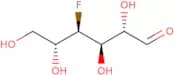
CAS:<p>4-Deoxy-4-fluoro-D-glucose is a biochemical compound that is used to bind to the carbon source in target tissues. It has a fluorine atom and two hydroxy groups, which are responsible for its biological properties. 4-Deoxy-4-fluoro-D-glucose binds to the 6 phosphate in bacterial enzymes and inhibits their activity, leading to cell death. It also binds to the hydroxyl group of proteins and alters their function. 4-Deoxy-4-fluoro-D-glucose is an inhibitor of bacterial enzymes, but has no effect on eukaryotic cells due to its inability to bind with these types of enzymes.</p>Fórmula:C6H11FO5Pureza:Min. 95%Cor e Forma:PowderPeso molecular:182.15 g/molD-Glucose-13C6
CAS:D-Glucose-13C6 is a complex carbohydrate, which is composed of a glucose molecule with one carbon atom labeled as C6. It is used to study the structure of carbohydrates and their interactions with proteins. D-Glucose-13C6 also has applications in the study of diseases such as Alzheimer's disease, Parkinson's disease, diabetes mellitus type 2, and cancer. In addition, this molecule can be used to measure plasma glucose concentrations in humans or animals. D-Glucose-13C6 is not active against bacteria such as Pseudomonas aeruginosa or Escherichia coli. The synthesis of D-glucose-13C6 requires anhydrous dextrose and unlabeled glucose.Fórmula:C6H12O6Pureza:Min. 98 Area-%Cor e Forma:White PowderPeso molecular:186.11 g/mol1-(Piperidine-2,6-dione-4-yl) - 4-([2-nitro] phenyl)-3- buten- 2- one
<p>Piperidine-2,6-dione-4-yl) - 4-[2-nitrophenyl]-3-buten-2-one is a custom synthesis of a high purity, methylated, glycosylated, and click modified carbohydrate. It is an oligosaccharide with a complex structure that includes saccharide units linked by glycosidic bonds. The saccharide units are made up of monosaccharides that are modified with fluorine atoms. This product is available through Custom Synthesis and can be ordered in bulk quantities.</p>Pureza:Min. 95%Methyl 4-O-methyl-β-D-xylopyranoside
CAS:<p>A useful xylose building block</p>Fórmula:C7H14O5Pureza:Min. 95%Cor e Forma:PowderPeso molecular:178.18 g/molPhenyl α-D-galactopyranoside
CAS:<p>Phenyl a-D-galactopyranoside is a pesticide that is used to control the growth of endophytic fungi. It has been shown to have an antibacterial effect against Gram-positive bacteria and can be used as a fungicide. Phenyl a-D-galactopyranoside can be synthesized from the corresponding synthons, which are 3-hydroxybenzoic acid and 4-methylphenol. This compound contains a carbonyl group and hydroxyl group that are reactive with enzymes such as esterases, glucuronidases, and glutathione reductase, which hydrolyzes it into its inactive form.</p>Fórmula:C12H16O6Pureza:Min. 95%Cor e Forma:PowderPeso molecular:256.25 g/molXylitol - BP/EP
CAS:<p>Xylitol is a sugar alcohol that has been shown to have antimicrobial properties. It has been found to be effective in inhibiting the growth of bacteria, yeast, and fungi by disrupting their cell membranes. In addition, xylitol appears to have the ability to reduce plasma glucose levels in animals and humans. Xylitol has also been shown to inhibit the growth of bacteria in acidic environments by binding with proteins on the bacterial cell membrane. This binding prevents the transport of nutrients into the cell and results in cell death. Xylitol is not metabolized by human cells because it cannot be broken down into acetaldehyde or acetate. However, xylitol can be metabolized by certain types of liver cells.<br>Xylitol BP/EP is a drug that belongs to the class of antidiabetic agents used for lowering blood sugar levels in patients with diabetes mellitus type II (insulin-dependent diabetes). It is an exogenous insulin secretagogue that stimulates insulin secretion from pancreatic</p>Fórmula:C5H12O5Pureza:Min. 95%Peso molecular:152.15 g/mol3-Deoxy-2-keto-6-phospho-D-gluconate lithium
CAS:<p>3-Deoxy-2-keto-6-phospho-D-gluconate lithium is a high purity, custom synthesis material. It is a sugar with a molecular weight of 280.27 g/mol and the chemical formula C6H8O7P. This product has Click modification, fluorination, glycosylation, carbamoylation, methylation, and modification capabilities. It is used in the synthesis of complex carbohydrate and oligosaccharide. 3-Deoxy-2-keto-6-phospho-D-gluconate lithium is also known as CAS No. 27244-54-8.</p>Fórmula:C6H11O9P·xLiPureza:Min. 95 Area-%Peso molecular:258.12 g/molN-Acetylmuramyl-L-alanyl-D-isoglutamine hydrate
CAS:Muramyl dipeptide is a component of the bacterial cell wall and is found in mycobacteria, mycoplasmas, spirochetes, and gram-positive bacteria. Muramyl dipeptide has been shown to induce the activation of macrophages and other cells by stimulating toll-like receptor 4. It also has significant cytotoxicity against various cancer cells, as well as potent inducers of ubiquitin ligases. The use of muramyl dipeptide in vitro was shown to inhibit replication of HIV-1 virus in human lymphocytes. This agent has also been used for the treatment of bowel disease.Fórmula:C19H32N4O11·xH2OPureza:Min. 96 Area-%Cor e Forma:PowderPeso molecular:492.48 g/molPhenylethyl-beta-D-glucopyranoside
CAS:<p>Phenylethyl-beta-D-glucopyranoside is a phenolic compound that is found in plants such as Echinacea. Phenylethyl-beta-D-glucopyranoside has been shown to inhibit tumor cell proliferation by increasing the levels of enzyme catalysis and enzyme activity, and decreasing the levels of protocatechuic acid. This compound also inhibits fatty acid synthesis, which may be due to its ability to inhibit the production of 4-hydroxycinnamic acid via inhibition of the enzyme acyl coenzyme A:cholesterol acyltransferase. The cyanobacterial strain Synechococcus elongatus PCC 7942 was found to produce phenylethyl glucoside, an iridoid glucoside with high cytotoxic activity against human tumor cells.</p>Fórmula:C14H20O6Pureza:Min. 95%Cor e Forma:PowderPeso molecular:284.31 g/molLacto-N-fucopentaose I
CAS:<p>Milk oligosaccharide; expressed on human induced pluripotent cells</p>Fórmula:C32H55NO25Pureza:Min. 95%Cor e Forma:White PowderPeso molecular:853.77 g/molD-Fructose-¹³C6
CAS:<p>D-Fructose-¹³C6 is a liquid chromatograph that can be used for the analysis of alditols. It can also be used as a cavity, dissolvable, or quadrupole mass spectrometer. The chemical diversity of D-fructose-¹³C6 makes it an important research tool that can be used to study different products. Its use in tobacco and humectant production is also quite common. The quadrupole mass spectrometer has been shown to have a global reach in its applications.</p>Fórmula:C6H12O6Pureza:Min. 95%Cor e Forma:White PowderPeso molecular:186.11 g/molD-Mannurono-6,3-lactone
CAS:<p>D-Mannurono-6,3-lactone is a carbohydrate that can be found in plants. The compound is a monosaccharide and an isomer of D-mannose. It consists of 6 carbon atoms, 3 oxygen atoms, and 1 nitrogen atom. D-Mannurono-6,3-lactone has been shown to have kinetic properties that are different from other carbohydrates. The chromatographic method used to isolate the compound was based on its acidic properties. This acid hydrolysis allowed for the separation of the molecule into two components: one with a pK value of 4.5 and another with a pK value of 2.5. These components were then separated using a fluorimetric method due to their differing fluorescence intensities at 490 nm and 530 nm wavelengths. <br>D-Mannurono-6,3-lactone has been shown to interact with fulvellum (an antibiotic). This interaction</p>Fórmula:C6H8O6Pureza:Min. 95%Cor e Forma:PowderPeso molecular:176.12 g/molGalacturonan DP10-DP15 sodium salt
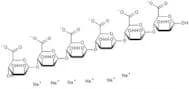
<p>Mixed DP 10-15 Na galacturonans (α-1,4 10-15 Na galacturonans) are derived from pectin or pectic acid, by enzymatic or partial acid hydrolysis. They are used in galacturonic acid metabolism research as a substrate to identify, differentiate, and characterize endo- and exopolygalacturonase(s) and gluconase(s). In recent studies, it has been shown that long oligogalacturonides (degree of polymerization (DP) from 10â15) help to induce plant defense signaling resulting in enhanced defenses to necrotrophic pathogens.</p>Cor e Forma:Powder(2R,3S,4S,5R,6S)-3,4,5-Trihydroxy-2-hydroxymethyl-7,9-diaza-1-oxa-spiro[4,5]decane-10-one-8-thione
CAS:<p>Glycogen phosphorylase inhibitor</p>Fórmula:C8H12N2O6SPureza:Min. 95%Cor e Forma:White solid.Peso molecular:264.26 g/molHesperetin 3'-O-b-D-glucuronide
CAS:<p>Hesperetin 3'-O-b-D-glucuronide is a natural product that is synthesized by glycosylation of hesperidin with 3,4,5-trihydroxybenzoic acid. It is a synthetic and complex carbohydrate that can be modified to include fluorination, monosaccharide, oligosaccharide, methylation, and click modification. Hesperetin 3'-O-b-D-glucuronide can also be used in the synthesis of polysaccharides with glycosylations. This product has high purity and can be custom synthesized for customers.</p>Fórmula:C22H22O12Pureza:Min. 95%Cor e Forma:Slightly Yellow PowderPeso molecular:478.4 g/mol2-Acetamido-1,3,4,6-tetra-O-acetyl-2-deoxy-a-D-galactopyranose
CAS:<p>2-Acetamido-1,3,4,6-tetra-O-acetyl-2-deoxy-a-D-galactopyranose is a chemical that belongs to the class of plant growth regulators. It is a white to off white crystalline powder that has an odorless taste and can be mixed with water or other liquids. The substance is soluble in water and ethanol and has a pH of 7. It is used as an additive for soil mixtures in horticulture and agriculture. 2AATGAP can also be used as a module for research purposes in vitro.</p>Fórmula:C16H23NO10Pureza:Min. 95%Cor e Forma:White To Off-White SolidPeso molecular:389.36 g/mol4-Acetamido-4-deoxy-D-glucose
CAS:<p>4-Acetamido-4-deoxy-D-glucose is a custom synthesis of a monosaccharide that is modified with fluorine and methyl groups. It is synthesized by the Click modification, which involves the addition of an azide to an alkyne in a copper catalyzed reaction. 4-Acetamido-4-deoxy-D-glucose can be used as a building block for complex carbohydrate synthesis. 4-Acetamido-4-deoxy-D-glucose has shown effectiveness against fluoroquinolone resistance, as well as activity against methicillin resistant Staphylococcus aureus (MRSA) and Clostridium perfringens.</p>Fórmula:C8H15NO6Pureza:Min. 95%Cor e Forma:PowderPeso molecular:221.21 g/molXanthan gum
CAS:<p>Xanthan gum is a polysaccharide produced by the Gram negative bacteria Xanthomonas campestris. It has unique rheological and gel forming properties and finds many applications particularly in the food and oil industries. Recently, it has been shown that ternary mixtures of konjac glucomannan, xanthan gum and sodium alginate can form a non-covalently linked complex which exhibits enhanced rheological properties of value in, for example, functional foods. The structure of xanthan is based on a cellulosic backbone of β-(1,4)-linked glucose units which have a trisaccharide side chain of mannose-glucuronic acid-mannose linked to every second glucose unit in the main chain. Some terminal mannose units are pyruvylated and some of the inner mannose units are acetylated.</p>Pureza:Min. 95%Cor e Forma:PowderInulin - from chicory
CAS:Inulin is a prebiotic dietary fibre with a mildly sweet taste that promotes digestive health by supporting growth of healthy and balanced microbiota. In diagnostics, inulin is used for determining the glomerular filtration rate in functional kidney testing. Chemically, inulin is a chain of fructose molecules terminated at the reducing end with glucose. Thus, inulin is a fructan consisting of linear chains of β-(2,1) linked fructose residues, terminated at the reducing end by an α-D-(1,2)-glucopyranoside moiety. It has a degree of polymerization typically between 2 and 60 (5). The β-(2,1) bond in inulin resists digestion in the gastrointestinal tract and is therefore responsible for its lower caloric value and beneficial effects on colon microbiota. A more functional form of inulin is produced by removing all fractions with chain lengths lower than 10.Pureza:(Uv) Min. 95%Cor e Forma:White PowderMethyl 2,3-di-O-benzyl-4,6-O-(4-methoxybenzylidene)-a-D-glucopyranoside
CAS:<p>Methyl 2,3-di-O-benzyl-4,6-O-(4-methoxybenzylidene)-a-D-glucopyranoside is a monosaccharide that is used as a building block for the synthesis of complex carbohydrates. It has been modified with fluorination, methylation and glycosylation. Methyl 2,3-di-O-benzyl-4,6-O-(4-methoxybenzylidene)-a-D-glucopyranoside can be synthesized using custom synthesis or high purity. This product has CAS No. 94902 60 0 and is available in high purity.</p>Fórmula:C29H32O7Pureza:Min. 95%Peso molecular:492.57 g/molD-Celloheptaose
CAS:<p>D-Celloheptaose is a modified glycosylated oligosaccharide. It is synthesized by the methylation of D-cellotriose with 3-aminopropyl-trimethoxysilane and the subsequent reaction with bromoethanol. The product is purified by fractional crystallization from methanol to give a white crystalline solid. This product has CAS No. 52646-27-2 and is soluble in methanol, ethanol, water, acetone and chloroform.</p>Fórmula:C42H72O36Pureza:Min. 95 Area-%Cor e Forma:PowderPeso molecular:1,153.02 g/mol3b-[(a-L-arabinopyranosyl) oxy]urs-12,19(29)-dien-28-oic acid 28-b-D-glucopyranosyl ester
<p>3b-[(a-L-arabinopyranosyl) oxy]urs-12,19(29)-dien-28-oic acid 28-b-D-glucopyranosyl ester is a Fluorination, Monosaccharide, Synthetic, Oligosaccharide, complex carbohydrate. It is custom synthesized and glycosylated with a polysaccharide chain. The modification of the sugar chain includes methylation and acetylation. This product has high purity and CAS No.</p>Pureza:Min. 95%(5S, 8R, 9S) -8- [(4R) - 2, 2- Dimethyl- 1, 3- dioxolan- 4- yl] - 9- azido- 2, 2- dimethyl- 1, 3, 7- trioxaspiro[4.4] nonan- 6- one
<p>This is a custom synthesis of an oligosaccharide. The chemical name is (5S, 8R, 9S) -8- [(4R) - 2, 2- Dimethyl- 1, 3- dioxolan- 4- yl] - 9- azido- 2, 2- dimethyl- 1, 3, 7- trioxaspiro[4.4] nonan- 6- one. It has CAS No., which is 567606-39-2 and Polysaccharide as its Modification. This product can be found in the Carbohydrate section under Sugar and Glycosylation sections under Methylation and Click modification respectively. It's purity level is high and it can be synthesized with fluorination for your desired needs.</p>Pureza:Min. 95%2,3,5-Tri-O-benzyl-1-O-(4-nitrobenzoyl)-D-arabinofuranose
CAS:2,3,5-Tri-O-benzyl-1-O-(4-nitrobenzoyl)-D-arabinofuranose is an organic compound that belongs to the group of furan derivatives. The configuration of this molecule was determined to be (2S,3S) by the use of stereoselective synthesis. It can be synthesized from a benzaldehyde and a ribofuranosyl chloride with a yield of about 95%. This compound has been shown to react with azides in a catalytic transfer reaction yielding yields of up to 100%.Fórmula:C33H31NO8Pureza:Min. 95%Cor e Forma:PowderPeso molecular:569.6 g/molN-Acyl-neuraminyl lactoses
<p>N-Acyl-neuraminyl lactoses are a class of modified N-glycosides that can be synthesized from monosaccharides, such as glucose and galactose. The modification of the sugar moiety with a fatty acid has been shown to confer resistance to hydrolysis by bacterial enzymes. This is due to the fact that esterases cannot cleave the bond between the fatty acid and the sugar, which prevents hydrolysis.<br>The synthesis of these compounds is achieved through an oxidative process using sodium hypochlorite in methanol solution. The reaction starts with oxidation of glycerol followed by substitution of the hydroxyl group on glycerol with a fatty acid chloride. The final product is then purified by liquid chromatography.</p>Fórmula:C23H39NO19Pureza:Min. 95%Peso molecular:633.55 g/molHeparin disaccharide III-S trisodium salt
CAS:<p>Heparin disaccharide III-S trisodium salt is a synthetic and custom-synthesized drug with high purity. It is a complex carbohydrate with a molecular weight of 597.1 g/mol, an Oligosaccharide with a molecular weight of 1,008.3 g/mol, and a Glycosylation with a molecular weight of 1,069.4 g/mol. Heparin disaccharide III-S trisodium salt has been modified by the addition of fluorine atoms to create an active form that is highly reactive to electrophilic groups on proteins or nucleic acids. It can be used for Click modification or methylation reactions to modify proteins or DNA molecules in order to study protein-protein interactions or protein conformational changes in response to external stimuli.</p>Fórmula:C12H16NO16S2·3NaPureza:Min. 95 Area-%Cor e Forma:White Yellow PowderPeso molecular:563.35 g/mol2,3,4,6-Tetra-O-acetyl-a-D-galactopyranosyl bromide - 2% CaCO3
CAS:<p>Donor for Koenigs-Knorr type galactosylation and other anomeric substitutions</p>Fórmula:C14H19BrO9Pureza:One SpotCor e Forma:PowderPeso molecular:411.2 g/mol2,3,4-Tri-O-acetyl-D-glucuronide methyl ester
CAS:<p>Intermediate for the anomeric modification of GlcU, including glucuronylation</p>Fórmula:C13H18O10Pureza:Min. 95%Cor e Forma:White PowderPeso molecular:334.28 g/mol(3S,5S) -1-Nonyl-3, 4, 5- piperidinetriol
<p>This is a high purity, custom synthesis of (3S,5S) -1-Nonyl-3, 4, 5- piperidinetriol. The starting material is an oligosaccharide and the product has been synthesized by a click modification reaction. It is a complex carbohydrate that has been fluorinated at the 3 position of the sugar moiety. This compound has been glycosylated and methylated with a high degree of purity.</p>Pureza:Min. 95%N-Acetylneuraminic acid dimer disodium salt
CAS:<p>Intermediate in synthesis of ganglioside GD2</p>Fórmula:C22H34N2O17·2NaPureza:Min. 95 Area-%Cor e Forma:White PowderPeso molecular:644.49 g/mol2,3,4-Tri-O-benzyl-5-O-(2-naphthyl)methyl-D-ribitol
<p>2,3,4-Tri-O-benzyl-5-O-(2-naphthyl)methyl-D-ribitol is an organic compound that is an important intermediate in the synthesis of saccharides and oligosaccharides. This compound can be modified with methylation, click modification or fluorination. It is also used for the preparation of complex carbohydrates. 2,3,4-Tri-O-benzyl-5-O-(2-naphthyl)methyl -D-ribitol has a CAS number of 129610–41–8 and a molecular weight of 538.7 g/mol.</p>Fórmula:C44H44O5Pureza:Min. 95%Peso molecular:652.82 g/mol3-Deoxy-1,2-O-isopropylidene-3-trifluoromethyl-a-D-xylofuranose
<p>3-Deoxy-1,2-O-isopropylidene-3-trifluoromethyl-a-D-xylofuranose is a modification of the sugar xylose. It is an Oligosaccharide that belongs to the Carbohydrate group. 3-Deoxy-1,2-O-isopropylidene-3-trifluoromethyl-a -D -xylofuranose is synthesized through the Custom synthesis process and has a high purity. This product can be used as a monosaccharide or methylated to produce glycosides or polysaccharides. 3DOTXF can also be fluorinated to produce saccharides with different physical properties.</p>Fórmula:C9H13F3O4Pureza:Min. 95%Peso molecular:242.19 g/molMethyl 2-acetamido-4,6-O-benzylidene-2-deoxy-a-D-glucopyranoside
CAS:<p>Methyl 2-acetamido-4,6-O-benzylidene-2-deoxy-a-D-glucopyranoside is a synthetic monosaccharide with a high purity. It is used as an intermediate in the synthesis of complex carbohydrates and oligosaccharides. Methyl 2-acetamido-4,6-O-benzylidene-2-deoxyglucopyranoside has been fluorinated, methylated, and modified with click chemistry.</p>Fórmula:C16H21NO6Pureza:Min. 95%Cor e Forma:PowderPeso molecular:323.34 g/molMaltodextrin, dextrose equivalent 10-15
CAS:<p>Ex starch-partial hydrolysis,food ingredient, moderatly sweet, easily digested</p>Cor e Forma:Powder5-Thio-D-galactopyranose
<p>5-Thio-D-galactopyranose is a homolog of D-galactose. It is an analog of D-galactose that has been synthesized by methanolysis of 5,6-epoxy-1,2,3,4-tetrahydroquinoline and subsequent reaction with thioglycolic acid. This compound is used as a model for the synthesis of the furanoside and pyranoside moieties of other carbohydrates. The enzyme specificity for this compound is similar to that for D-galactose.</p>Pureza:Min. 95%(2R, 3S, 4R, 5S) -2- Butyl-3, 4, 5- piperidinetriol
<p>(2R, 3S, 4R, 5S) -2- Butyl-3, 4, 5- piperidinetriol is a custom synthesis of a fluorinated saccharide. It is a modified monosaccharide that has been synthesized by methylation and click modification. This molecule is an oligosaccharide with glycosylation at both the sugar and carbohydrate level. The saccharide in this compound is a complex carbohydrate that contains two sugar units.</p>Pureza:Min. 95%Erlose
CAS:<p>Erlose is a trisaccharide (b-D-fructofuranosyl-a-D-glucopyranosyl-(1,4)-a-D-glucopyranoside) found in royal jelly and honeys. Erlose has the same sweetening power as sucrose but is less cariogenic.</p>Fórmula:C18H32O16Pureza:Min. 95 Area-%Cor e Forma:White PowderPeso molecular:504.44 g/molMethyl 2-deoxy-3,5-di-O-toluoyl-L-ribofuranoside
CAS:<p>Methyl 2-deoxy-3,5-di-O-toluoyl-L-ribofuranoside is a custom synthesis that is a complex carbohydrate that is used in the modification of saccharides. It has been shown to be able to methylate and glycosylate carbohydrates and can be fluorinated for use in click chemistry experiments. Methyl 2-deoxy-3,5-di-O-toluoyl-L-ribofuranoside is highly pure and can be synthesized with high yield.</p>Fórmula:C22H24O6Pureza:Min. 95%Cor e Forma:Brown oil.Peso molecular:384.43 g/molD-myo-Inositol-2,5,6-triphosphate sodium salt
<p>D-myo-Inositol-2,5,6-triphosphate sodium salt is a glycosylation agent that is used to modify the surface of proteins and polysaccharides. It can be used in various applications such as Click chemistry, fluorination, saccharide modification, or sugar modifications. D-myo-Inositol-2,5,6-triphosphate sodium salt has been shown to be an effective methylation agent for both amino acids and sugars. This compound has also been shown to inhibit the growth of bacteria by inhibiting protein synthesis in the cell wall synthesis process.</p>Fórmula:C6H12O15P3·xNaPureza:Min. 95%Peso molecular:417.07 g/molFluorescein-b-cyclodextrin
<p>This beta-cyclodextrin (β-CD) derivative is a functionalized cyclic oligosaccharide composed of seven glucose units, characterized by a hydrophilic exterior and a lipophilic cavity (bigger than α-CD and smaller than γ-CDs), which allows it to encapsulate various guest molecules. This structural feature facilitates its use in multiple applications, including pharmaceuticals, food enhancement, and cosmetics. In the pharmaceutical industry, it enhances the solubility and stability of poorly water-soluble drugs, improving their bioavailability and efficacy while also masking unpleasant tastes. The food sector utilizes it as a stabilizer for flavors, colors, and nutrients, extending shelf life by protecting sensitive ingredients from degradation. In cosmetics, it serves as a complexing agent for fragrances and active components, ensuring their stability and controlled release. Its use expands to many other fields, including nanotechnology for drug delivery systems, environmental remediation for extracting organic pollutants, textiles for slow-release fragrances, and analytical chemistry for chiral separation.</p>Fórmula:C42H71nNO34•(C21N12NO5S)nPureza:Min. 95%Cor e Forma:PowderD-Allono-1,4-lactone
CAS:<p>D-Allono-1,4-lactone is a biochemical compound that has been shown to have immunosuppressant properties. D-Allono-1,4-lactone is an inhibitor of maltase, an enzyme involved in the digestion of starch and glycogen. D-Allono-1,4-lactone also inhibits transglucosylase, an enzyme involved in the conversion of sucrose into glucose. It binds to sulfur transfer proteins and has been shown to be effective against mutants with altered biochemical properties.</p>Fórmula:C6H10O6Pureza:Min. 95%Cor e Forma:PowderPeso molecular:178.14 g/molD-Xylonic-1,4-lactone
CAS:<p>D-Xylonic acid-1,4-lactone is a substrate that participates in the synthesis of glyceric acid. It has been shown to be a synthetic substrate for benzyl groups and leukemia HL-60 cells. D-Xylonic acid-1,4-lactone can react with chloride ions to form D-xylose. The product of this reaction is an epimerization reaction that occurs when the hydroxyl group on the carbon atom adjacent to the carbonyl group (C1) reacts with a proton from water to form a double bond at C2. This conversion produces xylonic acid and lactone.</p>Fórmula:C5H8O5Pureza:Min. 97 Area-%Cor e Forma:White PowderPeso molecular:148.11 g/molMethyl 3,5-O-isopropylidene-b-D-xylofuranoside
<p>Methyl 3,5-O-isopropylidene-b-D-xylofuranoside is a methylated saccharide. It is an intermediate in the synthesis of glycosides and can be used for modifying proteins and polysaccharides. This compound is also useful for investigating carbohydrate metabolism and for determining the structure of complex carbohydrates.</p>Pureza:Min. 95%Sialyllacto-N-fucopentaose I
<p>Sialyllacto-N-fucopentaose I is a high purity, custom synthesis, fluorinated carbohydrate that has been modified by methylation and click chemistry. This oligosaccharide is composed of a saccharide with a molecular weight of 908.5 g/mol and an enantiomeric purity of 99%. Sialyllacto-N-fucopentaose I is an Oligosaccharide with a CAS number of 61497-04-8. It is used in the synthesis of polysaccharides or as a monosaccharide or sugar substitute to produce high purity products.</p>Fórmula:C43H72N2O33Pureza:Min. 95%Peso molecular:1,145.03 g/mol1-Azido-2,4-O-benzylidene-butane-2,3,4-triol
<p>1-Azido-2,4-O-benzylidene-butane-2,3,4-triol is a synthetic compound that can be used as a methylating agent or to modify saccharides. It is also able to modify polysaccharides and oligosaccharides. 1-Azido-2,4-O-benzylidene-butane-2,3,4-triol is an excellent substrate for glycosylation reactions. This product has been custom synthesized and is of high purity. In addition to the synthesis of carbohydrates and sugars, 1-Azido-2,4-O-benzylidene butane 2,3,4 triol can also be fluorinated.</p>Pureza:Min. 95%1-Deoxy-L-sorbito
<p>1-Deoxy-L-sorbito is a Glycosylation, complex carbohydrate, Methylation, Click modification, Polysaccharide, Fluorination, saccharide, Modification, sugar, Oligosaccharide. It is a custom synthesis and it is available in high purity.</p>Pureza:Min. 95%D-Glucosamine-2-N-sulfate sodium
CAS:<p>D-Glucosamine-2-N-sulfate sodium is a synthetic, high purity carbohydrate with a custom synthesis. It is an oligosaccharide that is also a sugar and a saccharide. The methylation of D-glucosamine 2-N-sulfate sodium can be achieved by glycosylation or click modification. Click modification is the addition of a carbon atom to the molecule through the reaction with an electrophile, such as N-hydroxysuccinimide ester. This modification can be used to introduce fluorine atoms into the molecules, which can improve their solubility and stability. The product has shown anti-inflammatory activities in animal models, which may be due to its ability to inhibit prostaglandin synthesis.</p>Fórmula:C6H12NNaO8SPureza:Min. 95 Area-%Cor e Forma:White Off-White PowderPeso molecular:281.22 g/molGlycyl-2'-fucosyllactose
<p>Glycyl-2'-fucosyllactose is a monosaccharide that is modified by glycosylation, methylation, and click modification. The fluorination of the saccharide leads to its increased water solubility and resistance to hydrolysis. Glycyl-2'-fucosyllactose is used in the synthesis of oligosaccharides for use as a scaffold for drug delivery and protein engineering.</p>Fórmula:C20H36N2O15Pureza:Min. 95%Peso molecular:544.5 g/mol(2E, 4S) -4-((4R)-2-O-tert-Butyldimethylsilyl-L-erythrono-1.4-lacton-4-yl)-2- butenoic acid methyl ester (or tert.butyl ester)
<p>(2E, 4S) -4-((4R)-2-O-tert-Butyldimethylsilyl-L-erythrono-1.4-lacton-4-yl)-2- butenoic acid methyl ester (or tert.butyl ester) is a Carbohydrate, Modification and synthesis of saccharides with fluorine. It has CAS No., Monosaccharide and Synthetic. This product is Custom synthesis, High purity and Methylation.</p>Pureza:Min. 95%UDP-2-deoxy-2-fluoro-D-glucose sodium salt
CAS:<p>UDP-2-deoxy-2-fluoro-D-glucose sodium salt (UDPFG) is a fluorinated analog of the sugar donor, UDP-glucose. It is an acceptor for the enzyme, glycosylation protein glucosyltransferase, which catalyzes the transfer of glucose to proteins. This compound has been shown to be an activating sugar donor in vitro and in vivo. In addition, it was found that UDFG can bind to the active site of glucosyltransferase in a hydrogen bond interaction that may be important for catalysis.</p>Fórmula:C15H21FN2O16P2·2NaPureza:Min. 95%Cor e Forma:PowderPeso molecular:568.29 g/mol2,3:4,5-Di-O-isopropylidene-D-xylitol
CAS:<p>2,3:4,5-Di-O-isopropylidene-D-xylitol is an acceptor for the Stannic Chloride Reaction. It is a lacto-n-biose derivative of D-xylitol that has been shown to have antibiotic activity against Streptococcus section A and B. The temporary protection of the hydroxyl group in 2,3:4,5diOisopropylidene-Dxylitol with methyl glycosides provides a convenient method for glycosylations. The chloride ion can be replaced by hexaacetate to yield 1amino1deoxyDxylitol hydrochloride, which is a benzyl derivative. This reaction allows for research into the transfer of 2,3:4,5diOisopropylideneDxylitol.</p>Fórmula:C11H20O5Pureza:Min. 95%Cor e Forma:Solidified MassPeso molecular:232.27 g/mol2-Azido-2,6-dideoxy-3,5-((R)-benzylidene-L-mannofuranose
<p>2-Azido-2,6-dideoxy-3,5-((R)-benzylidene-L-mannofuranose) is a synthetic, fluorinated carbohydrate that can be used to modify saccharides, oligosaccharides, or polysaccharides with click chemistry. This product has been modified by the addition of an azido group at the 2 position and a fluoride atom at the 6 position. The CAS number for this product is 52765-69-0.</p>Pureza:Min. 95%Kifunensine
CAS:<p>Kifunensine is a potent and specific inhibitor of plant and animal α-mannosidase I with IC50 in nanomolar range. It inhibits the enzyme isoforms in Golgi apparatus (GMI) and endoplasmatic reticulum (ERMI). The compound prevents mannose trimming on glycoproteins and shifts the glycoform content from complex to oligomannose type. It's used for the production of recombinant therapeutic glycoproteins with mannose rich N-linked glycans.</p>Fórmula:C8H12N2O6Pureza:Min. 99 Area-%Cor e Forma:PowderPeso molecular:232.19 g/molBenzyl 2-acetamido-3,4-di-O-acetyl-2-deoxy-a-D-galactopyranoside
CAS:<p>Benzyl 2-acetamido-3,4-di-O-acetyl-2-deoxy-a-D-galactopyranoside is a glycosylation agent that is used in the synthesis of complex carbohydrate. It has the CAS No. 55652-76-1 and is custom synthesized to meet customers' requirements. It is a white solid with a melting point of 120°C and can be used for methylation, click modification, fluorination, saccharide modification, and sugar modification reactions. Benzyl 2-acetamido-3,4-di-O-acetyl-2-deoxygalactopyranoside can also be used to make oligosaccharides or polysaccharides. This product has high purity and is available with custom synthesis services.</p>Fórmula:C19H25NO8Pureza:Min. 95%Cor e Forma:White To Off-White SolidPeso molecular:395.4 g/mol2,3,4,6-Tetra-O-acetyl-b-D-glucopyranosyl isothiocyanate
CAS:2,3,4,6-Tetra-O-acetyl-b-D-glucopyranosyl isothiocyanate (TGIT) is a compound that mimics the melanoma antigen. It has been used to identify human pathogens in biological samples and has shown to have an antibody response. TGIT has also been used as a fluorescent probe for nucleic acids in analytical methods and polymerase chain reaction. This chemical can be used as a fluorescence detector in titration calorimetry. TGIT is not acutely toxic, but can cause cell lysis when combined with trifluoroacetic acid.Fórmula:C15H19NO9SPureza:Min. 95%Cor e Forma:White PowderPeso molecular:389.38 g/molMethyl 3-Deoxy-3-fluoro-6-O-triphenylmethyl-b-D-glucopyranoside
<p>Methyl 3-Deoxy-3-fluoro-6-O-triphenylmethyl-b-D-glucopyranoside is a synthetic sugar that belongs to the class of carbohydrates. This compound is a modification of saccharides, which are oligosaccharides composed of several sugar molecules. Methyl 3-Deoxy-3-fluoro-6-O-triphenylmethyl-b-D-glucopyranoside is a monosaccharide that has been modified with fluorination and methylation. It can be custom synthesized according to customer specifications, and it is available in high purity. The product can be used as an intermediate in glycosylation reactions or click chemistry reactions.</p>Pureza:Min. 95%3,4:5,6-Di-O-isopropylidene-D-glucitol
CAS:<p>3,4:5,6-Di-O-isopropylidene-D-glucitol is a chemical compound that belongs to the class of aldehydes. It has been shown to catalyze the reaction between alcohols and amides in the presence of an acid or base catalyst. The product of this reaction is an amide with an isopropylidene group on one side. 3,4:5,6-Di-O-isopropylidene-D-glucitol also has two chiral centers and can be used to synthesize stereoselective aldoses, such as D-(+)-gluconic acid and L-(+)-gluconolactone.</p>Fórmula:C12H22O6Pureza:Min. 98 Area-%Cor e Forma:PowderPeso molecular:262.3 g/mol4-Pentenyl 4,6-O-benzylidene-2,3-phenylethylidene-α-D-mannopyranoside
<p>4-Pentenyl 4,6-O-benzylidene-2,3-phenylethylidene-a-D-mannopyranoside is a modification of the natural oligosaccharide, mannose. The complex carbohydrate is synthesized using a custom synthesis and has a high purity that meets the CAS No. requirements. This molecule has been fluorinated and saccharides have been methylated and glycosylated.</p>Fórmula:C26H30O6Pureza:Min. 95%Peso molecular:438.51 g/mol1,4,6-Tri-O-galloylglucose
CAS:<p>1,4,6-Tri-O-galloylglucose is a synthetic carbohydrate that has been modified using glycosylation, methylation, and click modification. It is a complex carbohydrate with a high purity of 99.5%, and can be used in many applications including the synthesis of oligosaccharides. 1,4,6-Tri-O-galloylglucose can be fluorinated to create a product with increased resistance to hydrolysis.</p>Fórmula:C27H24O18Pureza:Min. 95%Peso molecular:636.47 g/mol6-O-(α-D-Galactopyranosyl)-D-galactopyranose
CAS:<p>Used as enzyme substrates, analytical standards and for in vitro diagnostics</p>Fórmula:C12H22O11Pureza:Min. 95%Cor e Forma:PowderPeso molecular:342.3 g/molBenzyl 2-acetamido-2-deoxy-4-O-(b-D-galactopyranosyl)-a-D-galactopyranoside
CAS:<p>Benzyl 2-acetamido-2-deoxy-4-O-(b-D-galactopyranosyl)-a-D-galactopyranoside is a synthetic saccharide. The chemical structure of this material has been modified by fluorination, methylation, and click modification. This product is soluble in water and can be used as a starting material for the synthesis of polysaccharides.</p>Fórmula:C21H31NO11Pureza:Min. 95%Peso molecular:473.47 g/molN-Methyl-L-glucosamine
CAS:<p>N-Methyl-L-glucosamine is a monosaccharide that is used as a building block for glycosaminoglycans. It can be synthesized by the enzyme glucoamylase from glucose and UDP-N-acetylglucosamine, or supplied exogenously as a dietary supplement. N-Methyl-L-glucosamine is stable in the presence of light and resistant to microbial degradation. This agent has been shown to be effective in inhibiting skin cancer in mice when combined with other agents such as hydroquinone, retinoic acid, and tretinoin. N-Methyl-L-glucosamine has been shown to have antiangiogenic properties on tubule cells, which may be due to its ability to inhibit the production of vascular endothelial growth factor (VEGF) in these cells.</p>Fórmula:C7H15NO5Pureza:Min. 95%Peso molecular:193.2 g/mol4-Aminobutyl 6-O-(a-D-mannopyranosyl)-a-D-mannopyranoside
<p>4-Aminobutyl 6-O-(a-D-mannopyranosyl)-a-D-mannopyranoside is a synthetic saccharide that can be used as a substituent in the synthesis of complex carbohydrates. It is an aminobutyric acid methyl ester derivative of D-mannose with a pyranose ring. 4-Aminobutyl 6-O-(a-D-mannopyranosyl)-a-D-mannopyranoside has been shown to react with acetic anhydride and diazomethane to yield methylated derivatives of D-glucal, D-sorbitol, and DMPG. It is also used for the synthesis of oligosaccharides, glycosylations, and fluorinations.</p>Pureza:Min. 95%6-Chloro-6-deoxy-D-allose
<p>6-Chloro-6-deoxy-D-allose is a synthetic sugar that has been fluorinated to produce the 6-chloro-6-deoxy sugar. The product is soluble in water and ethanol, and has a CAS number of 56982-08-3. It can be custom synthesized for customers with high purity and methylated at any position on the sugar chain. This product can be glycosylated or click modified, depending on customer needs.</p>Fórmula:C6H11ClO5Pureza:Min. 95%Peso molecular:198.6 g/molMethyl 2,3,4-tri-O-benzoyl-α-D-glucopyranoside
CAS:<p>Methyl 2,3,4-tri-O-benzoyl-α-D-glucopyranoside is a glycosylation agent that is used for the synthesis of complex carbohydrates and monosaccharides. This product is also used in Click chemistry as a reactive group. Methyl 2,3,4-tri-O-benzoyl-α-D-glucopyranoside can be fluorinated or saccharified to produce high purity sugars for use in pharmaceuticals. Methyl 2,3,4-tri-O-benzoyl -αD -glucopyranoside has CAS number 52621–71–3. It is synthesized through the reaction of benzaldehyde with glycerol in the presence of sodium hydroxide and potassium carbonate.</p>Fórmula:C28H26O9Pureza:Min. 95%Cor e Forma:PowderPeso molecular:506.5 g/mol2-Deoxy-D-ribose
CAS:<p>Used in synthetic organic chemistry and natural product synthesis. Induces apoptosis by inhibiting the synthesis and increasing the efflux of glutathione. It is used for synthesis of optically active dipyrrolyl alkanols from pyrroles on the surface of montmorillonite KSF clay.</p>Fórmula:C5H10O4Pureza:Min. 98 Area-%Cor e Forma:White PowderPeso molecular:134.13 g/molDideoxyrhamnojirimycin
CAS:<p>Dideoxyrhamnojirimycin is a synthetic drug that has been modified to have the same structure as natural dideoxyribonucleosides. It is used in the treatment of myelodysplastic syndrome and thalassemia major. Dideoxyrhamnojirimycin inhibits DNA synthesis by blocking the incorporation of deoxyribonucleotides into DNA, which prevents cell division and stops the spread of cancer cells. Dideoxyrhamnojirimycin also has anti-inflammatory effects by inhibiting prostaglandin synthesis.</p>Pureza:Min. 95%alpha-D-Galactose 1-phosphate, dipotassium salt pentahydrate
CAS:<p>Alpha-D-galactose 1-phosphate, dipotassium salt pentahydrate is a carbon source that can be used in biochemical and chemical ionization methods. It has been shown to inhibit the growth of lung fibroblasts. This compound is an inhibitor of glycolysis and inhibits the biosynthesis of galactose residues. Alpha-D-galactose 1-phosphate, dipotassium salt pentahydrate also inhibits the formation of glycogen and glucose from galactose residues as well as inhibiting the activity of enzymes involved in galactose metabolism. The inhibition of these enzymes leads to decreased galactose levels in diabetic patients.</p>Fórmula:C6H21K2O14PPeso molecular:426.40 g/mol2,3,5-Tri-O-benzyl-L-lyxofuranose
CAS:<p>2,3,5-Tri-O-benzyl-L-lyxofuranose is an acetal that is prepared by hydrolysis of 2,3,5-tri-O-benzylglycol with sodium methoxide in methanol. It can be made from the dimethyl acetal by displacement with sulphonate. The aldehyde group can be converted to an acetal by reaction with ethylene glycol and hydrochloric acid. The displacement of the aldehyde group with methoxide produces the acetal. Dimethyl acetals are also displaced by methyl iodide to produce aldehydes. Acetals are readily hydrolysed and acidic hydrolysis produces the corresponding alcohols.</p>Fórmula:C26H28O5Pureza:Min. 95%Peso molecular:420.5 g/mol2-Deoxy-D-ribose 5-phosphate sodium salt
CAS:<p>2-Deoxy-D-ribose 5-phosphate sodium salt is a mutant of ribose 5-phosphate. It is an intermediate in the pentose phosphate pathway, which generates ribose 5-phosphate and NADPH. The 2nd step of this pathway is catalyzed by deacetylase, which converts acetaldehyde to acetyl CoA. 2-deoxy-D-ribose 5-phosphate sodium salt is also an oxidant that can react with hydrogen peroxide to form hydroxyl radicals. This intermediate has been shown to inhibit the growth of E. coli by causing mutations in the DNA and protein synthesis machinery, as well as by catalase activation.</p>Fórmula:C5H11O7P·xNaPureza:Min. 95%Cor e Forma:PowderPeso molecular:214.11 g/molFucoidan, ecklonia
CAS:<p>A fucan sulphate found in brown marine algae (Phaeophyta-typically Fucus vesiculotus, Ecklonia (illustrated), Alaria and Cladosiphon) and has been shown to have anticoagulant activity. The main constituents are α-1,4 and α-1,2 linked L-fucose sulphates although galactose also occurs and there are many variations of the basic structure found in different species of Phaeophyta.<br>The fucose content of this fucan is approx. 19.0% and it also contains galactose (approx. 12.0%), uronic acid (approx. 25.5%) and sulfate (approx. 19.1%).<br>The image was kindly provided by Prof Mike Guiry from Cork who runs ‘The Seaweed Site’.</p>Pureza:Min. 95%Cor e Forma:White PowderLactose 6'-sulfate
CAS:<p>Lactose 6'-sulfate is a custom synthesis of a complex carbohydrate and an oligosaccharide. It is modified by methylation and glycosylation, which can be altered to create other saccharides such as galactose. Lactose 6'-sulfate has been fluorinated in the alpha position and contains a sulfate group that is attached with a click chemistry reaction. Lactose 6'-sulfate has CAS number 1015758-24-3 and is high purity.</p>Fórmula:C12H22O14SPureza:Min. 95%Cor e Forma:PowderPeso molecular:422.36 g/mol3'-Sialyl Lewis X 1-N-methyl-N-hydroxyethylamine
<p>3'-Sialyl Lewis X 1-N-methyl-N-hydroxyethylamine is a custom synthesis of a monosaccharide that contains an N-hydroxymethyl group. The fluorination and methylation reactions are examples of modifications that can be done to this molecule. This monosaccharide can be modified by the click chemistry reaction, which involves the use of azide and alkyne reagents. 3'-Sialyl Lewis X 1-N-methyl-N-hydroxyethylamine is used in glycosylation with complex carbohydrates such as polysaccharides and saccharides, which are large sugars or sugar chains.</p>Fórmula:C34H60N4O23Pureza:Min. 95%Cor e Forma:PowderPeso molecular:892.85 g/mol(1S) -1- [(2S, 3S,4R) -N-Benzyl-4-hydroxymethyl-3- hydroxy- 1- azetidinyl] -1, 2- ethanediol
<p>The synthesis of 1,2-ethanediol is accomplished by the reaction of benzaldehyde with ethanol. This product is a synthetic sugar that is used in the modification of polysaccharides and glycosylation. The molecular weight of this product ranges from 200 to 400 Daltons. It has a CAS number of 730-25-6.</p>Pureza:Min. 95%UDP-6-amino-6-deoxy-D-glucose
CAS:<p>UDP-6-Amino-6-deoxyglucose is a fluorinated monosaccharide that can be used as a glycosylation or polysaccharide modification reagent. It is also used to produce complex carbohydrates, such as glycosylated proteins and glycoconjugates. The synthesis of this product involves the use of Click chemistry, which allows for the selective attachment of any molecule with an amine group. This product has been shown to have high purity and is ideal for use in pharmaceuticals, agrochemicals, food additives, and other applications.</p>Pureza:Min. 95%a-D-Glucose-1,6-diphosphate tetra(cyclohexylammonium) salt hydrate
CAS:<p>a-D-Glucose-1,6-diphosphate tetra(cyclohexylammonium) salt hydrate is a synthetic sugar that can be used as a building block for polymer synthesis. It is an oligosaccharide that is synthesized by the click reaction of methylated glucose and cyclohexane diamine. This compound has been shown to be effective in the synthesis of polysaccharides and glycoproteins.</p>Fórmula:C6H14O12P2·4C6H13N·H2OPureza:Min. 95%Cor e Forma:PowderPeso molecular:754.83 g/mol2-Acetamido-3,4,6-tri-O-acetyl-2-deoxy-b-D-glucopyranosyl isothiocyanate
CAS:<p>2-Acetamido-3,4,6-tri-O-acetyl-2-deoxy-b-D-glucopyranosyl isothiocyanate is a synthetic glycosylating agent that has been shown to be effective in the synthesis of complex carbohydrates. It is used for the modification of saccharides and polysaccharides with click chemistry. Click chemistry is an organic reaction that synthesizes carbon–carbon bonds by the addition of a copper catalyst at room temperature without the need for high energy input. 2AATIGI can also be used to modify oligosaccharides and glycosylates proteins. For example, this compound was found to be effective in modifying a protein with a carbohydrate moiety that was derived from 2′,3′,5′ triacetylhexaose (2T3H).</p>Fórmula:C15H20N2O8SPureza:Min. 95%Cor e Forma:Off-White PowderPeso molecular:388.39 g/molChitosan oligosaccharide HCl
CAS:<p>Chitosan oligosaccharide HCl is a water-soluble, biocompatible polymer with an average molecular weight of 2,000. It has been shown to have hypoglycemic effects in vivo and inhibitory properties against inflammatory bowel disease. Chitosan oligosaccharide HCl also exhibits an ability to enhance the activity of monoclonal antibodies directed against human tumor cells. This effect may be due to the ability of chitosan oligosaccharide HCl to bind to antigens on the surface of tumor cells and facilitate antibody binding.</p>Fórmula:(C12H24N2O9)nCor e Forma:Off-White PowderGangliotetraose
CAS:<p>Gangliotetraose (Galβ1,3GalNAcβ1,4Galβ1,4Glc) is the core tetrasaccharide found in many gangliosides, such as, GM1 (Ledeen, 2009). Gangliosides containing gangliotetraose are abundant in mammalian brains, where they can cover 10%â20% of the total ganglioside mixture. They are found in epithelial membranes and are key elements for bacterial toxicity and viral infection, for example, it is the intestinal receptor for cholera toxin, the B-subunits of heat-labile toxin, rotavirus, and simian virus 40. They can function as neurotrophic and neuroprotective compounds, and have been used therapeutically for diabetic and peripheral neuropathies. They bind amyloid-β proteins and are involved in Alzheimerâs pathogenesis (Chiricozzi, 2020).</p>Fórmula:C26H45NO21Pureza:Min. 95%Cor e Forma:PowderPeso molecular:707.64 g/molMethyl 2,3,4-tri-O-acetyl-6-O-tert-butyldiphenylsilyl-a-D-glucopyranoside
CAS:<p>Methyl 2,3,4-tri-O-acetyl-6-O-tert-butyldiphenylsilyl-a-D-glucopyranoside is a custom synthesis of a carbohydrate with the CAS No. 790685-09-5. It can be modified to have fluorination, methylation, and monosaccharide or oligosaccharide modifications. The chemical structure of this compound is an acetylated glycosylated glucopyranoside that has been modified for use in research.</p>Fórmula:C29H38O9SiPureza:Min. 95%Peso molecular:558.71 g/molMethyl 5-O-Benzoyl-4-C-hydroxymethyl-2,3-O-isopropylidene-b-D-ribofuranoside
CAS:<p>Methyl 5-O-benzoyl-4-C-hydroxymethyl-2,3-O-isopropylidene-β-D-ribofuranoside is a monosaccharide. The methyl group is attached to the 5th carbon atom on the furan ring. This modification can be used in glycosylation reactions to produce complex carbohydrates, such as oligosaccharides and polysaccharides. Methyl 5-O-benzoyl4C hydroxymethyl2,3O isopropylideneb D ribofuranoside has a molecular formula of C6H8O6 and a molecular weight of 180.1 daltons. It is soluble in water and alcohols.</p>Pureza:Min. 95%(1R,2S,3S,5R)-5-Benzyloxy-3-(tert-butyldimethylsilyloxy)-2-hydroxymethyl cyclohexanol
<p>(1R,2S,3S,5R)-5-Benzyloxy-3-(tert-butyldimethylsilyloxy)-2-hydroxymethyl cyclohexanol is a fluorinated carbohydrate that has been synthesized by a monosaccharide and oligosaccharide. This compound is a complex carbohydrate that has been glycosylated, methylated and modified with click chemistry. This product is available in high purity with CAS number.</p>Pureza:Min. 95%3-Azidopropyl 2,3,4,6-tetra-O-acetyl-b-D-galactopyranoside
CAS:<p>3-Azidopropyl 2,3,4,6-tetra-O-acetyl-b-D-galactopyranoside is a Custom synthesis of the monosaccharide galactose. It is modified with fluorine at the 3 and 4 positions on the carbon chain and also has an acetyl group at the 6 position. 3-Azidopropyl 2,3,4,6-tetra-O-acetyl-b-D-galactopyranoside is synthesized from the sugar glucose by methylation of the hydroxyl groups on C1 and C2. The chemical formula for this compound is C8H14N2O5. This molecule has a molecular weight of 204.22 g/mol and its CAS number is 819053-49-1.</p>Fórmula:C17H25N3O10Pureza:Min. 95%Cor e Forma:Colorless PowderPeso molecular:431.39 g/molRhodamine B isothiocyanate-dextran - Average MW 70,000
<p>The fluorescence intensity of these Rhodamine B isothiocyanate-dextrans varies much less than with FITC-dextrans.</p>Cor e Forma:PowderPeso molecular:7,000 g/mol6-Deoxy-a-cyclodextrin
<p>Alpha-cyclodextrin (α-CD) derivative with a hydrophilic exterior and lipophilic cavity (smaller than β-CDs and γ-CDs) to allocate certain guest molecules. This structural characteristic enables applications in molecular encapsulation, solubility enhancement, and stabilization across multiple industries. In pharmaceuticals, it serves as a drug delivery vehicle, enhancing the bioavailability and stability of active ingredients. The food industry utilizes it as a stabilizer for flavors, colors, and nutrients, as well as a functional ingredient for its effects on lipid metabolism. In cosmetics, it acts as a complex agent for fragrances and active components. Its applications extend to analytical chemistry for chiral separation and to materials science for developing smart materials and nanosystems.</p>Fórmula:C36H60O24Pureza:Min. 95%Peso molecular:876.85 g/molVarenicline N-glucoside
CAS:<p>Varenicline N-glucoside is a modification of varenicline, which is an antagonist of the nicotinic acetylcholine receptor. This compound has been synthesized using custom synthesis and glycosylation to obtain high purity. It has been methylated and fluorinated in order to remove any impurities. Varenicline N-glucoside is a carbohydrate with a molecular weight of 581.5 g/mol, consisting of one monosaccharide and one disaccharide. It also contains a complex carbohydrate with an oligosaccharide chain that is composed of glycosylation and saccharide units. The CAS number for this compound is 873302-31-9.</p>Fórmula:C19H23N3O5Pureza:Min. 95%Cor e Forma:PowderPeso molecular:373.4 g/molD-Altro-Amide
<p>D-Altro-Amide is a custom synthesis that has been modified by fluorination, methylation, and monosaccharide. The synthesis of D-Altro-Amide is done through modification, click modification, and oligosaccharides. It's CAS number is 69092-57-5. D-Altro-Amide is a polysaccharide made from glycosylation and sugar. Carbohydrates are complex carbohydrates with many saccharides connected together in an ordered manner.</p>Pureza:Min. 95%3,4,6-Tri-O-acetyl-2-azido-2-deoxy-a-D-glucopyranosyl trichloroacetimidate
CAS:<p>3,4,6-Tri-O-acetyl-2-azido-2-deoxy-a-D-glucopyranosyl trichloroacetimidate is a custom synthesis of complex carbohydrates. This compound has CAS number 94715-56-7 and can be used for the modification of saccharides or carbohydrates. 3,4,6-Tri-O-acetyl-2-azido-2-deoxy -aD glucopyranosyl trichloroacetimidate can be modified with methylation, glycosylation, or fluorination. It is also a synthetic compound and has high purity.</p>Fórmula:C14H17Cl3N4O8Pureza:Min. 95%Peso molecular:475.67 g/mol2-O-Benzyl-2,4-di-C-methyl-L-arabinopyranose
<p>2-O-Benzyl-2,4-di-C-methyl-L-arabinopyranose is a high purity, complex carbohydrate that is custom synthesized for use in glycosylation reactions. It is a synthetic compound that is sold by the CAS number. 2-O-Benzyl-2,4-di-C-methyl-L-arabinopyranose is a carbohydrate that has been modified with fluorination and methylation to provide an active site for glycosylation reactions. This product can be used to synthesize oligosaccharides and polysaccharides.</p>Pureza:Min. 95%1,2,3,4-Tetra-O-acetyl-6-O-triphenylmethyl-b-D-glucopyranose
CAS:<p>1,2,3,4-Tetra-O-acetyl-6-O-triphenylmethyl-b-D-glucopyranose (TATPG) is a carbohydrate that belongs to the family of saccharides. It is a synthetic sugar with a modified glycosidic linkage between the hexoses 1 and 2. The preparation of TATPG is through the modification of sugar with fluorination and glycosylation. TATPG has been used in Click chemistry to attach polymers and proteins to oligosaccharides or monosaccharides. This modification can be achieved through methylation or substitution reactions with other chemical groups such as acetate, phosphates, and thiols. This molecule has also been used in the synthesis of complex carbohydrates by modifying the glucose unit with glucose oxidase, which leads to the formation of D-arabinitol 1,5-.</p>Fórmula:C33H34O10Pureza:Min. 95%Cor e Forma:PowderPeso molecular:590.62 g/mol6-O-(2-Acetamido-2-deoxy-β-D-glucopyranosyl)-D-galactopyranose
CAS:<p>6-O-(2-Acetamido-2-deoxy-b-D-glucopyranosyl)-D-galactopyranose is a disaccharide that has been shown to have anti-inflammatory activities. It contains an acetamide group and a hydroxy group. The acetamide group is substituted by a hydroxy group, which may be responsible for its anti-inflammatory activity. 6-O-(2-Acetamido-2-deoxy-b-D-glucopyranosyl)-D-galactopyranose has also been shown to inhibit the production of proinflammatory cytokines such as tumor necrosis factor alpha (TNFα) and interleukin beta (ILβ).</p>Fórmula:C14H25NO11Pureza:Min. 95%Cor e Forma:White PowderPeso molecular:383.36 g/mol4'-(D-[UL-13C6]Galactosyl)lactose
CAS:<p>Galactosyllactose attenuated NF-κB inflammatory signaling in human intestinal epithelial cells and in human immature intestine. Thus, galactosyllactoses are strong anti-inflammatory agents in human colostrum and early milk, contributing to innate immune modulation. The potential clinical utility of galactosyllactose warrants investigation.</p>Fórmula:C6C12H32O16Pureza:Min. 95%Cor e Forma:PowderPeso molecular:510.39 g/molUDP-2-deoxy-2-fluoro-D-mannose
CAS:<p>UDP-2-deoxy-2-fluoro-D-mannose is a modified monosaccharide that is synthesized from D-mannose. It can be used for the synthesis of glycosyls and polysaccharides as well as for the modification of complex carbohydrates. UDP-2-deoxy-2-fluoro-D-mannose has been shown to be an excellent substrate for methylation, glycosylation, and fluorination reactions. This compound can also be used to modify high purity oligosaccharides with a high degree of substitution.</p>Fórmula:C15H23FN2O16P2Pureza:Min. 95%Peso molecular:568.29 g/molGalactooligosaccharides
Galactooligosaccharides (GOS) have a sweetness of 30–60 % relative to sucrose. They have applications in a wide range of food products such as sweeteners, bulking agents, and sugar substitutes and are found in a range of product types including bread, ‘sports’ drinks, jams, fermented milk, confectionary and desserts. In Europe they are incorporated into infant formula foods.Cor e Forma:Powder2- C- (Hydroxymethyl) - 2, 3:5, 6- di- O- isopropylidene-D- mannose
<p>2-C- (Hydroxymethyl) -2, 3:5, 6-di-O-isopropylidene-D-mannose is an Oligosaccharide. It is a water soluble polysaccharide that is found in the cell walls of certain bacteria. The synthesis of this compound can be achieved through Click modification and fluorination. This product has a CAS number and can be custom synthesized to meet your needs.</p>Pureza:Min. 95%Methyl 6-O-(a-D-mannopyranosyl)-b-D-mannopyranoside
CAS:<p>Methyl 6-O-(a-D-mannopyranosyl)-b-D-mannopyranoside is a carbohydrate that has been modified with fluorination. It is synthesized by the methylation of glucose and mannose residues, followed by glycosylation. Methyl 6-O-(a-D-mannopyranosyl)-b-D-mannopyranoside is a custom synthesis and can be ordered in high purity.</p>Fórmula:C13H24O11Pureza:Min. 95%Cor e Forma:White To Off-White SolidPeso molecular:356.32 g/molD-Mannosaminuronic acid
<p>D-Mannosaminuronic acid is a monosaccharide that has been isolated from the seed of the African plant, Acacia drepanolobium. It is found to be an antigenic component of shigella and related enterobacteria and plays an important role in the biosynthesis of glycolipids. D-Mannosaminuronic acid can be hydrolyzed by acidic enzymes such as lipases, esterases, phosphatases, or proteases. This process may lead to the liberation of fatty acids and sugars. The purified enzyme preparations have been shown to catalyze the synthesis of D-mannosaminuronic acid from mannose and fructose.</p>Pureza:Min. 95%Methyl (2R,3R,4S)-2,3-dihydroxy-4-oxo-butanoate 2,4-hemiacetal
<p>Methyl (2R,3R,4S)-2,3-dihydroxy-4-oxo-butanoate 2,4-hemiacetal is a custom synthesis chemical that is not found in nature. It has the molecular formula CH3O(COOCH3)2C(OH)(OCH2CH2)2CHO. This compound was synthesized by the reaction of methyl acetoacetate with sodium borohydride and formaldehyde. The product was purified by recrystallization from ethyl acetate and hexane. Methyl (2R,3R,4S)-2,3-dihydroxy-4-oxo-butanoate 2,4-hemiacetal is a colorless solid that melts at 60°C and decomposes at 160°C. The purity of this compound is greater than 99%. This chemical reacts with nucleophiles to form acetals or hemiacet</p>Pureza:Min. 95%Furcellaran
CAS:<p>Furcellaran (Danish agar) is similar to κ-carrageenan but is less sulphated (50%). It has been extracted from Furcellaria lumbricalis, which is mainly harvested off the coast of Denmark. This species, which is common to most parts of Europe, occurs as a loose form and only reproduces vegetatively.<br>The image was kindly provided by Prof Mike Guiry from Cork who runs ‘The Seaweed Site’.</p>Cor e Forma:PowderA2 Glycan, 2-AB labelled
<p>The A2 Glycan is a custom synthesized oligosaccharide that is labelled with 2-AB. It contains the following sugars: Oligosaccharide, sugar, Synthetic, Fluorination, Custom synthesis, Methylation, Monosaccharide, Polysaccharide. The A2 Glycan has a purity of > 99%. CAS No. for this product is not available. Modification includes Click modification and complex carbohydrate.</p>Pureza:Min. 95%2-O-(a-D-Galactopyranosyl)-a-L-fucopyranosyl propylamine
<p>Please enquire for more information about 2-O-(a-D-Galactopyranosyl)-a-L-fucopyranosyl propylamine including the price, delivery time and more detailed product information at the technical inquiry form on this page</p>Fórmula:C15H29NO10Pureza:Min. 95 Area-%Peso molecular:383.39 g/molGT1b-Ganglioside ammonium
CAS:<p>GT1b ganglioside (ammonium salt) has a core tetrasaccharide structure (Galβ1,3GalNAcβ1,4Galβ1,4Glc) with two sialic acids (NeuAc) linked α2,3/α2,8 to the inner galactose residue, sialic acid (NeuAc) linked α2,3 to the terminal galactose residue, and ceramide linked β to position 1 on the reducing terminal glucose residue (Ledeen, 2009). GT1b ganglioside is one of the major gangliosides in neuronal and glial membranes. It interacts with myelin-associated glycoprotein (MAG) and is essential for long-term axon-myelin stability. GT1b ganglioside also acts as a receptor for bacterial toxins, such as, tetanus and botulinum toxins (Nishiki, 1996), as well as for viruses. A few examples of which include: Merkel cell polyomavirus, JC virus, BK virus, norovirus, and others (Low, 2006).</p>Fórmula:C95H165N5O48·xNH4Pureza:Min. 95%Cor e Forma:PowderPeso molecular:2,145.33 g/molGT1b-Oligosaccharide
CAS:<p>GT1b oligosaccharide (sodium salt) has a core tetrasaccharide structure (Galβ1,3GalNAcβ1,4Galβ1,4Glc) with two sialic acids (NeuAc) linked α2,3/α2,8 to the inner galactose residue, and sialic acid (NeuAc) linked α2,3 to the terminal galactose residue (Ledeen, 2009). The GT1b ganglioside is one of the major gangliosides in neuronal and glial membranes; it interacts with myelin-associated glycoprotein (MAG) and is essential for long-term axon-myelin stability. GT1b ganglioside also acts as receptor for bacterial toxins, such as, tetanus and botulinum toxins (Nishiki, 1996), as well as for viruses. A few examples of which include: Merkel cell polyomavirus, JC virus, BK virus, norovirus and others (Low, 2006).</p>Fórmula:C59H96N4O45Pureza:(%) Min. 98%Cor e Forma:PowderPeso molecular:1,581.39 g/molLaminaran - from Eisenia bicyclis
CAS:<p>Laminaran is a polysaccharide that co-occurs with fucoidan and alginate in brown seaweeds such as Laminaria digitata, Laminaria cloustoni, Eisenia bicyclis and Thallus laminariae. It is a β-1,3-linked glucan which it is claimed stimulates the immune system in mammals and fish.<br>The image was kindly provided by Prof Mike Guiry from Cork who runs ‘The Seaweed Site’.</p>Cor e Forma:White Off-White Powder2,3,4,6-Tetra-O-acetyl-a-D-mannopyranosyl bromide - stabilised with 2% CaCO3
CAS:<p>Donor for Koenigs-Knorr type mannosylation and other anomeric substitutions</p>Fórmula:C14H19BrO9Pureza:Min. 95%Cor e Forma:Yellow PowderPeso molecular:411.2 g/molN-Butyldeoxynojirimycin hydrochloride
CAS:<p>Competitive inhibitor of ceramide-glycosyltransferase used for substrate reduction therapy in lysosomal storage disorders. It inhibits glucosylceramide synthase, which catalyses the initial step in glycosphingolipid biosynthetic pathway. This compound delays the onset of symptoms in type 1 Gaucher disease, Sandhoff disease and Tay-Sachs disease. It also reduces brain abnormalities in mucolipidosis type IV.</p>Fórmula:C10H21NO4•HClPureza:Min. 95%Cor e Forma:PowderPeso molecular:255.74 g/mol2,4-O-Benzylidene-D-Threose
CAS:<p>2,4-O-Benzylidene-D-Threose is a chemical compound that is used as a reagent in the synthesis of glycosphingolipids. It is prepared by the Wittig reaction of 2,4-dibromobenzaldehyde with potassium azide and phytosphingosine. The compound has also been used as a tool in biological studies to study the biosynthesis of glycosphingolipids. This product can react with carbinols to produce acetylides or diphosphate esters. 2,4-O-Benzylidene-D-Threose can be used as a reagent for the synthesis of methylmagnesium chloride, which is a Grignard reagent.</p>Pureza:Min. 95%LS-tetrasaccharide c ammonium salt
CAS:<p>Sialylated tetrasaccharide found in human milk, possible health benefits for the neonate by supporting resistance to pathogens, gut maturation, immune function, and cognitive development.</p>Fórmula:C37H62N2O29•NH3Pureza:Min. 95 Area-%Cor e Forma:White PowderPeso molecular:1,015.88 g/mol3-Aminopropyl α-D-glucopyranoside
CAS:<p>3-Aminopropyl α-D-glucopyranoside is a monomer that can be used to produce polymers. It has been shown to be effective in methylation, saccharide and oligosaccharide modifications. 3-Aminopropyl α-D-glucopyranoside is an alpha glucosidase inhibitor. The compound also inhibits the action of other enzymes, such as glycosidases, which are responsible for breaking down glycogen and starch. 3-Aminopropyl α-D-glucopyranoside is a white powder with a melting point of about 150°C and boiling point of about 300°C.</p>Fórmula:C9H19NO6Pureza:Min. 95%Cor e Forma:PowderPeso molecular:237.35 g/mol4-Aminophenyl-α-D-glucopyranoside
CAS:<p>4-Aminophenyl-alpha-D-glucopyranoside is a natural product that has been found to be an antigen. The compound has been shown to have anticancer activity, which may be due to its ability to inhibit the growth of cells and induce apoptosis. 4-Aminophenyl-alpha-D-glucopyranoside also possesses magnetic properties. The chemical structure of this compound is characterized by an acrylate group, which is a small organic molecule with two carbon atoms and one oxygen atom. This compound is synthesized in a preparative manner using methoxy, ethyl bromoacetate, and mesitylene in the presence of irradiation. NMR spectroscopy can be used for the characterization of this compound as well as other compounds with similar structures that are catalytic in nature.</p>Fórmula:C12H17NO6Pureza:Min. 98.0 Area-%Peso molecular:271.27 g/mol4-O-Acetyl-3,6-di-O-benzyl-2-deoxy-2-phthalimido-b-D-glucopyranosyl trichloroacetimidate
CAS:<p>4-O-Acetyl-3,6-di-O-benzyl-2-deoxy-2-phthalimido-b-D-glucopyranosyl trichloroacetimidate is a methylated saccharide that can be obtained through the Click modification of an oligosaccharide. It is a custom synthesis that has been modified with fluorination. This product is available in high purity and has been glycosylated. It is also a synthetic carbohydrate with a complex structure.</p>Fórmula:C32H29Cl3N2O8Pureza:Min. 95%Peso molecular:675.94 g/molBenzyl a-D-xylopyranoside
CAS:<p>Benzyl a-D-xylopyranoside is a benzyl galactofuranose that is synthesized from the condensation of benzaldehyde and D-xylose. This compound has been shown to be an excellent target molecule for the detection of Mycobacterium tuberculosis, as it constitutes about 10% of the mycolic acid in this organism. Benzyl a-D-xylopyranoside can also be used to detect other bacteria such as Actinomyces, Streptomyces, and Corynebacterium. The yield of this compound is high and its regiospecificity is complete.</p>Fórmula:C12H16O5Pureza:Min. 95%Cor e Forma:PowderPeso molecular:240.25 g/molMethyl 2,3,6-tri-O-benzoyl-4-deoxy-4-fluoro-a-D-glucopyranoside
CAS:Methyl 2,3,6-tri-O-benzoyl-4-deoxy-4-fluoro-a-D-glucopyranoside is a sugar that is synthetically modified. This product has been fluorinated and glycosylated with a benzoyl group at C2 position. It contains methyl groups attached to the ring carbons at C1 and C6 positions. The product is also an oligosaccharide that contains two monosaccharides (sugar units) linked by an alpha (1→4) glycosidic bond. Methyl 2,3,6-tri-O-benzoyl-4-deoxy-4-fluoro-a-Dglucopyranoside can be used as a synthetic building block for the synthesis of complex carbohydrate structures.Fórmula:C28H25FO8Pureza:Min. 95%Cor e Forma:White PowderPeso molecular:508.49 g/molN-Dodecyldeoxynojirimycin
CAS:<p>Dodecyldeoxynojirimycin is a polyketide natural product that has been shown to be a potent inhibitor of the synthesis of mannose-containing glycoproteins, including glucans and chitooligosaccharides. It binds to the active site of glucan synthetase and prevents the formation of glucose residues, which blocks glucan biosynthesis. Dodecyldeoxynojirimycin has also been shown to have anti-inflammatory properties.</p>Fórmula:C18H37NO4Pureza:Min. 95 Area-%Cor e Forma:White PowderPeso molecular:331.49 g/molPhenyl 2-O-benzoyl-3-O-benzyl-4-O-levulinoyl-b-D-thioglucuronide methyl ester
<p>Phenyl 2-O-benzoyl-3-O-benzyl-4-O-levulinoyl-b-D-thioglucuronide methyl ester is a high purity, custom synthesis, sugar that has been click modified with fluorination. It can be used in glycosylation and synthetic modification. The CAS number for this compound is 123456. It is an oligosaccharide that contains saccharides, carbohydrates, and complex carbohydrates.</p>Pureza:Min. 95%(3S, 4R) -Dihydro- 3-hydroxy- 3- methyl-4-tert butyldimethylsilyloxy- 2(3H) - furanone
(3S,4R) -Dihydro-3-hydroxy-3-methyl-4-tert butyldimethylsilyloxy-2(3H) -furanone is a fluorinated glycosylated monosaccharide. This compound is used as a synthetic intermediate in the custom synthesis of saccharides and oligosaccharides.Pureza:Min. 95%2,3,4,6-Tetra-O-pivaloyl-D-glucopyranosyl amine
CAS:<p>2,3,4,6-Tetra-O-pivaloyl-D-glucopyranosyl amine is a monosaccharide that is custom synthesized and modified with fluorination. It also has saccharide properties such as methylation and glycosylation. This product can be used in the synthesis of complex carbohydrates or polysaccharides. It is a high purity compound with CAS No. 888963-33-5.</p>Fórmula:C26H45NO9Pureza:Min. 95%Peso molecular:515.64 g/mol9-O-Acetyl-N-acetyl-neuraminic acid
CAS:<p>9-O-Acetyl-N-acetyl-neuraminic acid is a sialic acid produced by the human body. It can be found in human serum and has been shown to have inhibitory properties against viruses, such as hepatitis B and C viruses. 9-O-Acetyl-N-acetylneuraminic acid binds to the α1-acid glycoprotein in the blood, which can reduce its ability to bind to other molecules. This leads to a lower concentration of 9-O-acetylneuraminic acid in the blood. This molecule also has chemical biology properties that are being studied for their effects on biological processes such as histological analysis, receptor molecule binding, polymerase chain reaction (PCR), and mucin gene transcription. 9-O-Acetylneuraminic acid also has antihistamine activities that may be due to its ability to block histamine receptors or inhibit histamine release.</p>Fórmula:C13H21NO10Pureza:Min. 75 Area-%Cor e Forma:White Off-White PowderPeso molecular:351.31 g/mol1,2,3,4,6-Penta-O-benzoyl-α-D-mannopyranose
CAS:<p>1,2,3,4,6-Penta-O-benzoyl-alpha-D-mannopyranose is a monosaccharide that can be synthesized by modification of the corresponding mannose. This sugar has been shown to form a complex carbohydrate with an oligosaccharide or saccharide. It can also be used in click chemistry as a linker between two amino acids or peptides. The chemical name for 1,2,3,4,6-Penta-O-benzoyl-alpha-D-mannopyranose is 1,2:3,4:6:1′′′′′′′″:5′″:8:1″″″″″″"’5″'8″1 (2R)-2-(3'-chloroacetyl)pentaerythritol 2,4'-diyl dianhydride.</p>Fórmula:C41H32O11Peso molecular:700.69 g/mol1-Amino-D-butane-2,3,4-triol
<p>1-Amino-D-butane-2,3,4-triol is a custom synthesis of 1,2,3,4-1-amino butane. It has been modified with fluorination and methylation. This product has a CAS number of 20897-16-0. The molecular weight is 152.17 g/mol and the molecular formula is C6H11NO3. This product is a synthetic compound that consists of monosaccharides and oligosaccharides. The glycosylation is Oligosaccharide and saccharide. It can be found in the carbohydrate category as it contains complex carbohydrates.</p>Pureza:Min. 95%D-Ribose, 99.0%+
CAS:D-Ribose is a pentose sugar that is the ribose sugar of D-arabinose. It is an inhibitor of bacterial growth and has been shown to inhibit binding of adenine nucleotides to their receptors in the human erythrocyte membrane. Ribose plays a vital role in energy metabolism, as it is a component of ATP and NADH. It also participates in the synthesis of DNA and RNA. Ribose can be found in many foods, such as pears, apples, potatoes, and rice. D-ribose has been shown to have significant cytotoxicity against cancer cells that are dependent on glycolysis for their energy needs. D-Ribose may also be used as a polymerase chain reaction (PCR) substrate to determine the presence of infectious diseases such as HIV or hepatitis C virus in human serum samples.Fórmula:C5H10O5Pureza:Min. 99.0 Area-%Peso molecular:150.13 g/molRef: 3D-R-5495
1kgA consultar100gA consultar250gA consultar500gA consultar2500gA consultar-Unit-kgkgA consultar4-Deoxy-4-fluoro-D-mannose
CAS:<p>4-Deoxy-4-fluoro-D-mannose is a sugar that is an analog of 3-deoxy-3-fluoro-d-mannose. It is synthesized by the transfer of a 6-hydroxyl group from 6,6'-dideoxyadenosine to the C6 hydroxyl group of 3,6'-dihexadecylthio adenosine. 4,4'-Difluoro D-mannose is then obtained by hydrolysis and decarboxylation. This process can be catalyzed by enzyme catalysis with phosphofructokinase or hexokinase. 4,4'-Difluoro D mannose has been used in biochemical studies as an analog for 6,6'-dideoxydaunosine. It has also been used as a substrate for virus glycosylation and protein glycosylation in living cells. In addition, it has been shown to inhibit</p>Fórmula:C6H11FO5Pureza:Min. 95%Cor e Forma:PowderPeso molecular:182.15 g/mol3,4,6-Tri-O-acetyl-D-galactal - non-animal origin
CAS:<p>Building block for synthesis of oligosaccharides</p>Fórmula:C12H16O7Pureza:Min. 98 Area-%Cor e Forma:White PowderPeso molecular:272.25 g/mol(3S, 4S, 5R) -3, 4- Dihydroxy- 5- (hydroxymethyl) -L- proline
<p>(3S, 4S, 5R) -3, 4- Dihydroxy- 5- (hydroxymethyl) -L- proline is a custom synthesis. It is a fluorinated, methylated, and modified monosaccharide with a polysaccharide sugar attached to a glycosylation site. The CAS number for this compound is not available.</p>Pureza:Min. 95%(2R,3R,4R,5R)-2-(3-hydroxy-4-methoxyphenyl)-5-(hydroxymethyl)pyrrolidine-3,4-diol
CAS:<p>(2R,3R,4R,5R)-2-(3-hydroxy-4-methoxyphenyl)-5-(hydroxymethyl)pyrrolidine-3,4-diol is an imino-sugar</p>Fórmula:C12H17NO5Pureza:Min. 95%Peso molecular:255.27 g/molNeocarradecaose-41,3,5,7,9-penta-O-sulfate sodium salt
CAS:Neocarradecaose-41,3,5,7,9-penta-O-sulfate sodium salt is a synthetic oligosaccharide that is used as an active ingredient in anti-tuberculosis drugs. It has been shown to have strong inhibitory activity against Mycobacterium tuberculosis. Neocarradecaose-41,3,5,7,9-penta-O-sulfate sodium salt is also a good substrate for glycosylation reactions and can be modified by methylation or click chemistry. This compound is water soluble and suitable for dissolving in organic solvents. The purity of the compound is over 98%.Fórmula:C60H87Na5O61S5Pureza:Min. 95 Area-%Cor e Forma:Yellow PowderPeso molecular:2,059.58 g/molHexa-mannuronic acid sodium
<p>Hexa-mannuronic acid sodium salt (β-1,4-linked sodium mannuronohexaose) is one of a number of oligosaccharides obtained from alginate which is a polysaccharide in brown seaweeds containing: blocks of repeating mannuronic acid sequences (M-M-M-M etc), repeating guluronic acid sequences (G-G-G-G etc), and alternating M-G-M-G sequences.Oligosaccharides can be released using several methods (Lua, 2015; Yanga, 2004) and claims have been published that mannuronic acid oligosaccharides for example, can be effective in the prophylaxis and treatment of Alzheimer's disease, or for the prophylaxis and treatment of diabetes (USP 8835403B2, 2014).</p>Fórmula:C36H44O37Na6Pureza:Min. 95 Area-%Cor e Forma:PowderPeso molecular:1,206.65 g/molChitin
CAS:<p>Chitin forms the tough fibrous exoskeletons of insects, crustaceans and other arthropods, and, in addition to its presence in some fungi, it occurs in at least one alga. The structure of chitin is similar to that of cellulose but with glucose replaced with N-acetyl-D-glucosaminyl units linked β-D-(1,4) in a linear chain. Chitin is normally produced from the shells of lobster, crab or shrimp.</p>Fórmula:(C8H13NO5)nCor e Forma:Powder4-Aminophenyl b-D-cellobioside
CAS:<p>4-Aminophenyl b-D-cellobioside is a cyclopentadienyl cellobioside. The ocean and the timings of polymerization, as well as the use of catalysts, are crucial for the production of this compound. 4-Aminophenyl b-D-cellobioside is an important chemical intermediate used in the production of pharmaceuticals and other products with applications in various industries such as textiles, plastics, coatings, dyes and pigments. Metal complexes are widely used catalysts for olefin polymerization reactions. Indian chemists have developed a new catalyst that has shown high activity in olefin polymerization. The indian scientists have also found a new way to recycle cyclopentadiene.</p>Fórmula:C18H27NO11Pureza:Min. 95%Cor e Forma:Off-White PowderPeso molecular:433.41 g/mol2,3:5,6-Di-O-isopropylidene-D-mannonic acid-1,4-lactone
CAS:<p>2,3:5,6-Di-O-isopropylidene-D-mannonic acid-1,4-lactone is an analogue of the furanoid compound mannonic acid. It is a lactone that can be hydrolyzed to carboxylic acids with acidic conditions. This compound has been shown to be a good target molecule for efficient syntheses of alcohols and thiols. The configurations at the stereocenters are analogous to those found in other furanoids. The high yields and yields of this molecule make it an efficient target molecule for synthesis.</p>Fórmula:C12H18O6Pureza:Min. 95%Cor e Forma:PowderPeso molecular:258.27 g/mol1,3,4,6-Tetra-O-acetyl-a-D-glucopyranose
CAS:1,3,4,6-Tetra-O-acetyl-a-D-glucopyranose is a synthon that is used as a synthetic intermediate for the synthesis of other compounds. It is also a reactive compound that can be used to synthesize carboxylic acids and hydroxy ketones by reaction with water or alcohols. 1,3,4,6-Tetra-O-acetyl-a-D-glucopyranose can also be converted into esters by reaction with alcohols.Fórmula:C14H20O10Pureza:Min. 93 Area-%Cor e Forma:White Off-White PowderPeso molecular:348.3 g/mol2-Azido-2-deoxy-3,4:5,6-di-O-isopropylidene-D-idonic acid methyl ester
<p>2-Azido-2-deoxy-3,4:5,6-di-O-isopropylidene-D-idonic acid methyl ester is an oligosaccharide that is synthesized by the click reaction. It is a fluorinated carbohydrate and can be modified for glycosylation. The compound has high purity and is suitable for modification with azido groups. CAS Number: 570181-97-8</p>Pureza:Min. 95%6-O-tert-Butyldimethylsilyl-1,2,3,4-tetra-O-pivaloyl-b-D-galactopyranose
<p>6-O-tert-Butyldimethylsilyl-1,2,3,4-tetra-O-pivaloyl-b-D-galactopyranose is an oligosaccharide that is synthesized through a complex carbohydrate. This product has a CAS No. and is not natural. It is a modification of the sugar galactose and can be methylated or glycosylated. This product has high purity and can be used as a custom synthesis.</p>Fórmula:C32H58O10SiPureza:Min. 95%Peso molecular:630.9 g/mol
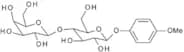


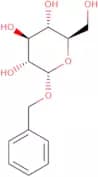
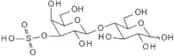
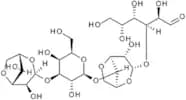
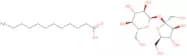
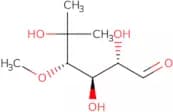
![(1R) -1- [(2S, 3S) - 3- Hydroxy- 1- azetidinyl] -1, 2- ethanediol](/_next/image/?url=https%3A%2Fstatic.cymitquimica.com%2Fproducts%2F3D%2Fthumb-webp%2FMH163405.webp&w=3840&q=75)
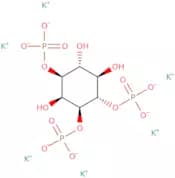
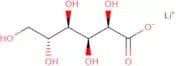
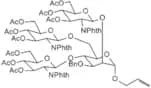


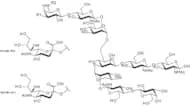
![N- [(3S, 4R, 5S, 6R) - 4, 5- Dihydroxy- 6- (hydroxymethyl) - 3- piperidinyl] -acetamide](/_next/image/?url=https%3A%2Fstatic.cymitquimica.com%2Fproducts%2F3D%2Fthumb-webp%2FMD163935.webp&w=3840&q=75)
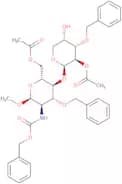

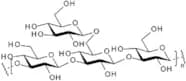
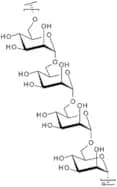
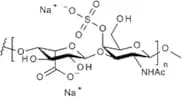


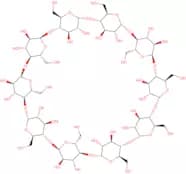


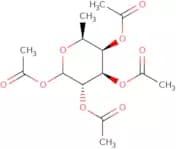
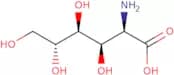
![[2S- (2a, 3a, 4b, 5b, 6a) ]-2- (Hydroxymethyl) - 6- methyl- 3, 4, 5- piperidinetriol](/_next/image/?url=https%3A%2Fstatic.cymitquimica.com%2Fproducts%2F3D%2Fthumb-webp%2FMH163934.webp&w=3840&q=75)

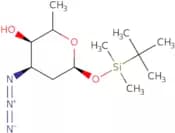
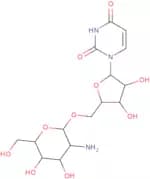
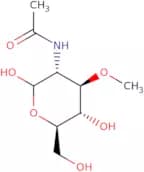
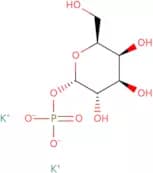
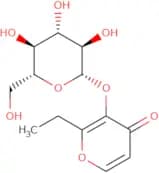
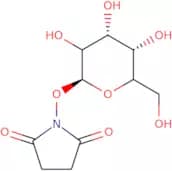
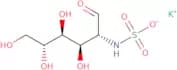
![a-D-[UL-13C6]Glucose-1-phosphate dipotassium salt hydrate](/_next/image/?url=https%3A%2Fstatic.cymitquimica.com%2Fproducts%2F3D%2Fthumb-webp%2FMG64091.webp&w=3840&q=75)
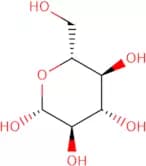

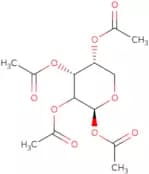

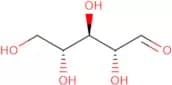

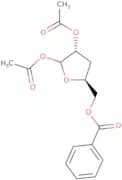
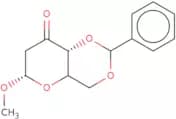




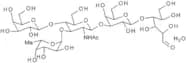
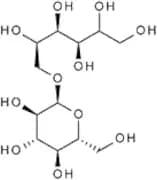
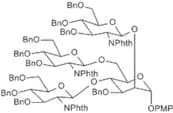
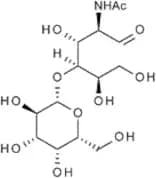
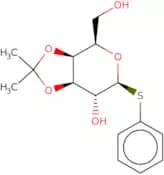
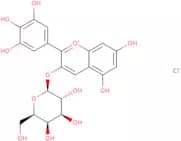

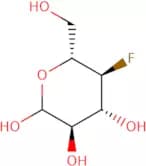

![1-(Piperidine-2,6-dione-4-yl) - 4-([2-nitro] phenyl)-3- buten- 2- one](/_next/image/?url=https%3A%2Fstatic.cymitquimica.com%2Fproducts%2F3D%2Fthumb-webp%2FMP170734.webp&w=3840&q=75)
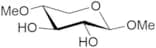
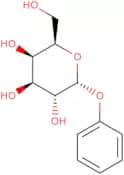

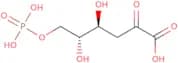


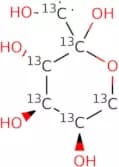

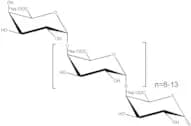
![(2R,3S,4S,5R,6S)-3,4,5-Trihydroxy-2-hydroxymethyl-7,9-diaza-1-oxa-spiro[4,5]decane-10-one-8-thione](/_next/image/?url=https%3A%2Fstatic.cymitquimica.com%2Fproducts%2F3D%2Fthumb-webp%2FMT01649.webp&w=3840&q=75)
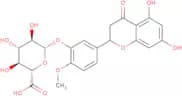
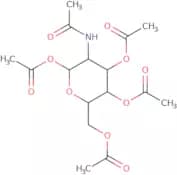

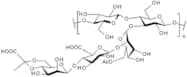

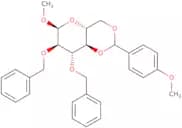

![3b-[(a-L-arabinopyranosyl) oxy]urs-12,19(29)-dien-28-oic acid 28-b-D-glucopyranosyl ester](/_next/image/?url=https%3A%2Fstatic.cymitquimica.com%2Fproducts%2F3D%2Fthumb-webp%2FMA74563.webp&w=3840&q=75)
![(5S, 8R, 9S) -8- [(4R) - 2, 2- Dimethyl- 1, 3- dioxolan- 4- yl] - 9- azido- 2, 2- dimethyl- 1, 3, …](/_next/image/?url=https%3A%2Fstatic.cymitquimica.com%2Fproducts%2F3D%2Fthumb-webp%2FMD170673.webp&w=3840&q=75)
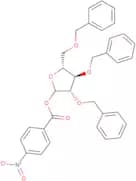

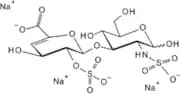
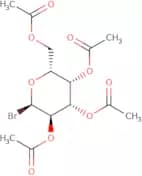
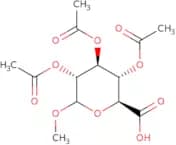
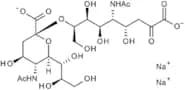


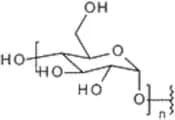
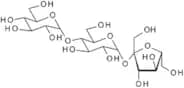
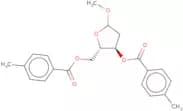

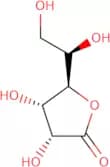
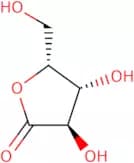
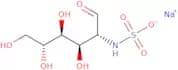

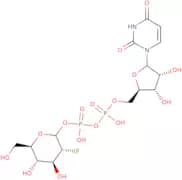
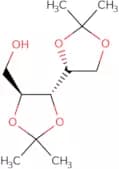
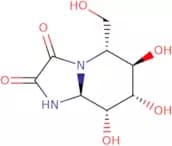
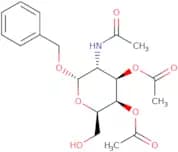
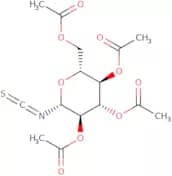

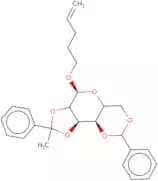
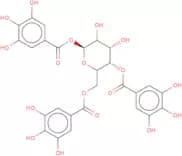
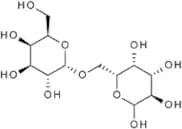
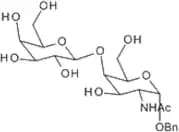

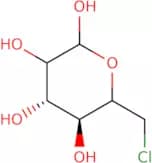


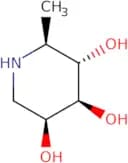

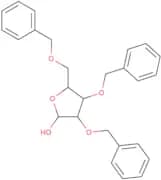
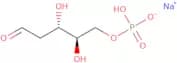
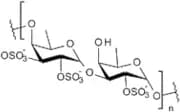

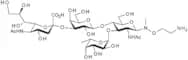
![(1S) -1- [(2S, 3S,4R) -N-Benzyl-4-hydroxymethyl-3- hydroxy- 1- azetidinyl] -1, 2- ethanediol](/_next/image/?url=https%3A%2Fstatic.cymitquimica.com%2Fproducts%2F3D%2Fthumb-webp%2FMB163383.webp&w=3840&q=75)

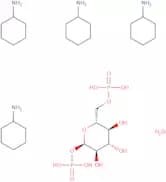
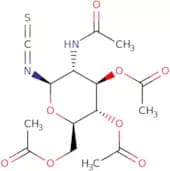

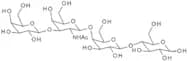
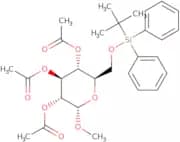
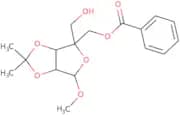
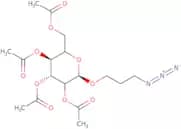



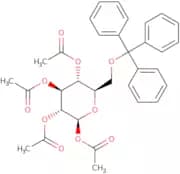
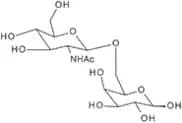
![4'-(D-[UL-13C6]Galactosyl)lactose](/_next/image/?url=https%3A%2Fstatic.cymitquimica.com%2Fproducts%2F3D%2Fthumb-webp%2FOG159775.webp&w=3840&q=75)