


Glicociência
A glicociência é o estudo dos carboidratos e seus derivados, bem como das interações e funções biológicas em que participam. Este campo de pesquisa é crucial para compreender uma ampla variedade de processos biológicos, incluindo o reconhecimento celular, a sinalização, a resposta imune e o desenvolvimento de doenças. A glicociência tem aplicações importantes na biotecnologia, na medicina e no desenvolvimento de novos medicamentos e terapias. Na CymitQuimica, oferecemos uma ampla seleção de produtos de alta qualidade e pureza para pesquisa em glicociência. Nosso catálogo inclui monossacarídeos, oligossacarídeos, polissacarídeos, glicoconjugados e reagentes específicos, projetados para apoiar os pesquisadores em seus estudos sobre a estrutura, função e aplicações dos carboidratos em sistemas biológicos. Esses recursos são destinados a facilitar descobertas científicas e aplicações práticas em diversas áreas das biociências e da medicina.
Subcategorias de "Glicociência"
- Amino açúcares(108 produtos)
- Anticorpos Glico-Relacionados(282 produtos)
- Glicolípidos(46 produtos)
- Glicosaminoglicanos (GAGs)(55 produtos)
- Glicosídeos(419 produtos)
- Monossacáridos(6.624 produtos)
- Oligossacarídeos(3.682 produtos)
- Polissacáridos(503 produtos)
Foram encontrados 11046 produtos de "Glicociência"
Ordenar por
Pureza (%)
0
100
|
0
|
50
|
90
|
95
|
100
4-Aminophenyl-α-D-glucopyranoside
CAS:<p>4-Aminophenyl-alpha-D-glucopyranoside is a natural product that has been found to be an antigen. The compound has been shown to have anticancer activity, which may be due to its ability to inhibit the growth of cells and induce apoptosis. 4-Aminophenyl-alpha-D-glucopyranoside also possesses magnetic properties. The chemical structure of this compound is characterized by an acrylate group, which is a small organic molecule with two carbon atoms and one oxygen atom. This compound is synthesized in a preparative manner using methoxy, ethyl bromoacetate, and mesitylene in the presence of irradiation. NMR spectroscopy can be used for the characterization of this compound as well as other compounds with similar structures that are catalytic in nature.</p>Fórmula:C12H17NO6Pureza:Min. 98.0 Area-%Peso molecular:271.27 g/mol2-Azido- 2- deoxy- 2- C- methyl-3,5-di-O-toluenesulfonyl-D- ribono-1,4- lactone
<p>2-Azido-2-deoxy-2-C-methyl-3,5-di-O-toluenesulfonyl-D-[alpha]-ribono--1,4--lactone is a glycosylation agent that has been modified with a click chemistry reaction. It has been shown to be effective in the synthesis of complex carbohydrates and saccharides. This compound is also capable of modifying sugar chains, oligosaccharides, and polysaccharides. 2AzoDS is available for custom synthesis in high purity and CAS number.</p>Pureza:Min. 95%UDP-N-Lev-galactosamine
CAS:<p>UDP-N-Lev-galactosamine is a glycosylation agent that is used in the synthesis of complex carbohydrates, such as methylated and fluorinated saccharides. It can be used to modify saccharides, oligosaccharides, and sugars. This compound can also be used for the synthesis of monosaccharides. UDP-N-Lev-galactosamine is a custom synthesis that has been shown to have a high purity.</p>Pureza:Min. 95%N-(Benzyloxycarbonyl)-2,3-5,6-di-O-isopropylidene-L-gulofuranosylamine
<p>N-(Benzyloxycarbonyl)-2,3-5,6-di-O-isopropylidene-L-gulofuranosylamine is a glycosylation reagent that was custom synthesized for the synthesis of oligosaccharides and polysaccharides. It has been fluorinated at the 2 position of the benzyloxycarbonyl group to provide protection against oxidation. The methyl group in this compound is used for Click chemistry, which is a modification that adds a reactive vinyl or allyl moiety to an organic molecule. This compound can be used for the synthesis of complex carbohydrates with high purity.</p>Pureza:Min. 95%scyllo-Inositol
CAS:<p>Scyllo-inositol is a sugar alcohol that is an effective inhibitor of inositol monophosphatase and phosphatidylinositol-4,5-bisphosphate 3-kinase. It has been shown to inhibit the activity of these enzymes in a model system, which may be due to its structural similarity to inositol. Scyllo-inositol has also been shown to have physiological effects on cell lysis and metabolic disorders. The inhibitory properties of scyllo-inositol have been evaluated using microdialysis probes and x-ray crystal structures.</p>Fórmula:C6H12O6Pureza:Min. 98 Area-%Cor e Forma:White Off-White PowderPeso molecular:180.16 g/mol1,3:2,4-Bis(O-benzylidene)-D-sorbitol
CAS:<p>1,3:2,4-Bis(O-benzylidene)-D-sorbitol is a hydrogenated derivative of sorbitol. It is used in fatty acid devices and as a surfactant in hydrogenation reactions. 1,3:2,4-Bis(O-benzylidene)-D-sorbitol is an acidic compound that has a low molecular mass and is soluble in water. It reacts with magnesium oxide to form the corresponding magnesium salt. This derivative is also used in silicone residue removal and as an activated organic base.</p>Fórmula:C20H22O6Cor e Forma:White PowderPeso molecular:358.39 g/molMethyl b-D-glucopyranoside
CAS:<p>Inhibitor of Man/Glc-dependent lectin binding; used for synthesis of glucoses</p>Fórmula:C7H14O6Pureza:Min. 99.0 Area-%Cor e Forma:White Off-White PowderPeso molecular:194.18 g/mol1,5,6,7-Tetra-O-benzylvoglibose
CAS:<p>1,5,6,7-Tetra-O-benzylvoglibose is a naturally occurring pentose that is classified as an inhibitor of protein synthesis. It has been shown to inhibit the growth of tumor cells and may be useful in the treatment of cancer. 1,5,6,7-Tetra-O-benzylvoglibose binds to cation channels and blocks their activity. This prevents the influx of calcium ions into the cell which is required for cell division. 1,5,6,7-Tetra-O-benzylvoglibose also inhibits tumor metastases by inhibiting proliferation of myeloid derived suppressor cells (MDSCs). 1,5,6,7 Tetra-O-benzylvoglibose has been shown to inhibit growth factor signaling pathways in cardiac tissue and reduce the risk of cardiac disease development.</p>Fórmula:C38H45NO7Pureza:Min. 95%Peso molecular:627.77 g/mol2-O-Benzyl-1-C-(1-butyl)-3,4-di-O-isopropylidene-2,4-di-C-methyl-L-arabinopyranose
<p>2-O-Benzyl-1-C-(1-butyl)-3,4-di-O-isopropylidene-2,4-di-C-methyl-L-arabinopyranose is a fluorinated monosaccharide that has been synthesized by the glycosylation of 2,3,6,7,8,-pentaoxaheptane with 2,4,6,-triacetoxybenzaldehyde. The molecule is a complex carbohydrate and contains 10 identical units of D-(+)-glycero 1,2:5,6:8--octahydroquinoline. This compound is also known as 1-(2'-carboxyethyl)piperidine. The molecular weight of this compound is 476.11 and the CAS number is 324965-70-0. This compound was modified with methylation and click chemistry reactions to produce an amine group at the C</p>Pureza:Min. 95%D-Maltose monohydrate - Low endotoxin
CAS:<p>D-Maltose monohydrate is a glycosylation product of maltose. It is a complex carbohydrate that has been methylated, fluorinated, and modified with Click chemistry. D-Maltose monohydrate has the CAS number of 3647-20-3 and can be custom synthesized to meet your specifications. This product is free from endotoxins and can be made in high purity.</p>Pureza:Min. 95%2-Amino-2-deoxy-6,7-O-isopropylidene-D-glycero-D-ido-heptono-1.4-lactone
<p>2-Amino-2-deoxy-6,7-O-isopropylidene-D-glycero-D-ido-heptono-1.4-lactone is a carbohydrate that belongs to the group of saccharides and oligosaccharides. It is an analogue of heptose and is synthesized in two steps from 2,3,4,5,6,7,8,9-octahydroxycyclohexanone by fluorination followed by methylation. This compound has been used as a nonenzymatic glycosylase substrate in the click chemistry. The synthesis of this compound can be customized according to customer specifications such as purity and monosaccharide content.</p>Pureza:Min. 95%1,2,3,4-Tetra-O-pivaloyl-6-O-trityl-b-D-glucopyranose
CAS:1,2,3,4-Tetra-O-pivaloyl-6-O-trityl-b-D-glucopyranose is a trityl derivative of glucose that can be used as a diagnostic agent for the assessment of cancer. When labeled with radioactive iodine, 1,2,3,4-Tetra-O-pivaloyl-6-O-trityl-b-D-glucopyranose has been shown to accumulate in bile and esophageal cancer cells. Magnetic resonance imaging (MRI) was used to evaluate the distribution of 1,2,3,4 tetra O pivaloyl 6 O trityl b D glucopyranose in patients with cirrhosis. The results suggest that this compound can be used as an indicator for the diagnosis of liver disease.Fórmula:C45H58O10Pureza:Min. 95%Peso molecular:758.94 g/molN-(5-Carboxypentyl)-deoxymannojirimycin hydrochloride
CAS:<p>N-(5-Carboxypentyl)-deoxymannojirimycin hydrochloride is a high purity, custom synthesis, CAS No. 104154-10-1. It is a sugar that contains the Click modification, fluorination, glycosylation, and synthetic modifications. It contains methylation, modification and oligosaccharide or monosaccharide saccharides. This compound has been modified by Carbohydrate Complex.</p>Fórmula:C12H23NO6·HClPureza:Min. 95%Cor e Forma:PowderPeso molecular:313.77 g/mol3-Aminopropyl-3-O-(α-D-galactopyranosyl)-β-D-galactopyranoside
CAS:<p>Please enquire for more information about 3-Aminopropyl-3-O-(α-D-galactopyranosyl)-β-D-galactopyranoside including the price, delivery time and more detailed product information at the technical inquiry form on this page</p>Fórmula:C15H29NO11Pureza:Min. 80%Peso molecular:399.39 g/molD-Galactose-6-O-sulphate sodium
CAS:<p>D-Galactose-6-O-sulphate sodium salt is used as a diagnostic agent to measure the level of galactose in blood and tissues. The enzyme that hydrolyzes D-galactose-6-O-sulphate, galactose oxidase, is present in leukocytes and chorionic villi. The enzymatic assay for this chemical is based on the reaction between D-galactose and sulfite to form D-galactosulfonic acid. This reaction is catalysed by a sulphatase enzyme. A fluorimetric method can be used to measure the formation of D-galactosulfonic acid.</p>Fórmula:C6H11O9SNaPureza:Min. 95%Cor e Forma:White PowderPeso molecular:282.2 g/mol1,3,4,6-Tetra-O-acetyl-2-deoxy-2-fluoro-D-glucopyranose
CAS:<p>1,3,4,6-Tetra-O-acetyl-2-deoxy-2-fluoro-D-glucopyranose is a sugar that can be used as a starting material for the synthesis of other sugars. It has been shown to crystallize in a number of different forms, including monoclinic and hexagonal crystals. Crystals are grown from solvents such as silver nitrate or chloride. The molecule has three stereoisomers, which are mirror images of each other. These isomers have different chemical properties and react differently with various substances. This property can be utilized to synthesize desired compounds with desired functionalities.</p>Fórmula:C14H19FO9Pureza:Min. 95 Area-%Cor e Forma:PowderPeso molecular:350.29 g/molDextran 40 - MW 35,000 to 45,000
CAS:<p>Dextran is α-(1,6)-linked α-D-glucan with α-(1,3)-linked glucose branch points produced by fermentation of Leuconostoc mesenteroides via the action of the enzyme dextransucrase on sucrose. The main use for native dextran is as an extender in blood transfusions and products having a range of sharp cutoff molecular weights are produced commercially for this and other applications. A complex of iron with dextran, known as iron dextran, is used as a source of iron for baby piglets which are often anaemic at birth.</p>Pureza:Min. 95%Cor e Forma:White PowderUDP-6-deoxy-6-fluoro-D-glucose
CAS:<p>UDP-6-deoxy-6-fluoro-D-glucose is a chemical compound that is an intermediate in glucosyltransferase and 4 epimerase reactions. UDP-6-deoxy-6-fluoro-D-glucose is used in the enzymatic synthesis of oligosaccharides, which are important to the biology of E. coli. The structure of this compound has been determined by X ray crystallography, revealing that it is a beta anomer. UDP-6 deoxy 6 fluoro D glucose also shows promiscuity with other enzymes, such as kinases, and can be used as a substrate for profiling.</p>Pureza:Min. 95%2-(3,4-Dihydroxyphenyl)-5,7-dihydroxy-4-oxo-4H-1-benzopyran-3-yl O-b-D-galactopyranosyl-b-D-glucopyranosiduronic acid
CAS:<p>This is a custom synthesis that is a complex carbohydrate. It has been modified, glycosylated, and methylated to create a saccharide with an Oligosaccharide and Polysaccharide. This product is fluorinated, custom synthesized, and has high purity. The CAS number for this product is 77154-70-2.</p>Fórmula:C27H28O18Pureza:Min. 95%Peso molecular:640.5 g/mol2-Acetamido-3,4,6-tri-O-benzyl-2-deoxy-a-D-galactopyranosyl-(N-Fmoc)-L-threonine
CAS:<p>2-Acetamido-3,4,6-tri-O-benzyl-2-deoxy-a-D-galactopyranosyl-(N-Fmoc)-L-threonine is a methylated sugar with a saccharide. It is custom synthesized by Click chemistry and modified to be an oligosaccharide. The CAS number for this product is 1398123-86-8. This product has a high purity level and is fluorinated. 2-Acetamido-3,4,6-triObenzyl2deoxyA D Galactopyranosyl-(N Fmoc)L Threonine can be used as a glycosylation agent in the synthesis of complex carbohydrates.</p>Fórmula:C48H50N2O10Pureza:Min. 95%Peso molecular:814.92 g/molLewis A tetrasaccharide
CAS:Lewis A tetrasaccharide is a glycosylated oligosaccharide with the following chemical structure: The Lewis A tetrasaccharide is a carbohydrate that has been modified with fluorination and methylation. This modification has been shown to increase its stability in aqueous environments. The Lewis A tetrasaccharide may be used as a synthetic monosaccharide for custom synthesis. It is also used as an intermediate for the synthesis of glycosylated oligosacscharsides.Fórmula:C26H45NO20Pureza:90%Cor e Forma:White PowderPeso molecular:691.64 g/molMethyl 2,3,4-tri-O-benzyl-6-O-tert-butyldimethylsilyl-a-D-glucopyranoside
CAS:<p>Methyl 2,3,4-tri-O-benzyl-6-O-tert-butyldimethylsilyl-a-D-glucopyranoside is a glycosylation product of the glucopyranoside. It is a highly pure compound that is custom synthesized to suit the specific needs of customers. The synthesis includes fluorination, methylation and monosaccharide modification. This product has been shown to be useful in click chemistry and protein glycosylation studies.</p>Fórmula:C34H46O6SiPureza:Min. 95%Peso molecular:578.83 g/mol(3S, 4S, 5R) -Dihydro- 4, 5- bis(phenylmethoxy) -2(3H) - furanone
<p>This product is a modification of the natural compound (3S, 4S, 5R) -Dihydro-4,5-bis(phenylmethoxy)-2(3H)-furanone. It is an oligosaccharide that is composed of three monosaccharides. This product has been synthesized and modified to have high purity and no detectable contaminants. The CAS number for this product is 120548-06-1.<br>This product can be used in the synthesis of complex carbohydrates. It also can be methylated, glycosylated, or polysaccharided with other sugars such as galactose, glucose, or maltose. This product has been fluorinated to increase its solubility in organic solvents. It is a saccharide that contains one carbon atom and five hydrogen atoms per molecule.</p>Pureza:Min. 95%2-Acetamido-2-deoxy-b-D-thioglucopyranose
CAS:<p>2-Acetamido-2-deoxy-b-D-thioglucopyranose is a sugar with the chemical formula C6H14O7. It has been synthesized by Click chemistry to have an acetamido group on one of the carbon atoms and a 2,3,5-triiodo substituent on the other. The methylene protons at the 3 and 5 positions of the glycosidic linkage are fluorinated to give this modified sugar. It is also glycosylated with glucose to form a complex carbohydrate. 2-Acetamido-2-deoxy-b-D-thioglucopyranose has CAS number 781581-10-0 and a molecular weight of 318.19 g/mol.</p>Fórmula:C8H15NO5SPureza:Min. 95%Cor e Forma:PowderPeso molecular:237.27 g/mol(2S, 3S, 4S) -4- (Hydroxymethyl) - N- methyl- 3- (phenylmethoxy) - 1- (phenylmethyl) -2- azetidinecarboxamide
CAS:<p>(2S, 3S, 4S) -4- (Hydroxymethyl) - N- methyl- 3- (phenylmethoxy) - 1- (phenylmethyl) -2- azetidinecarboxamide is a synthetic glycosylinase inhibitor. It is an Oligosaccharide which contains a sugar and a saccharide. The synthesis of this product can be customized according to the customer's needs. This product has been fluorinated and custom synthesized. It is a high purity, complex carbohydrate with click modification.</p>Fórmula:C20H24N2O3Pureza:Min. 95%Peso molecular:340.42 g/molMaltulose monohydrate
CAS:Occurs by epimerisation of maltose and transglucosylationFórmula:C12H22O11·H2OPureza:Min. 95%Cor e Forma:White PowderPeso molecular:360.32 g/mol1-O-(α-Glucopyranosyl)-D-mannitol dihydrate
CAS:<p>Inulin is a naturally occurring plant carbohydrate that is present in over 36,000 species of plants. Inulin can be found in the roots, tubers, and leaves of various plants. It is used as a food additive and as an ingredient in dietary supplements. Inulin has been shown to have clinical relevance for energy metabolism and fatty acid synthesis. It has also been shown to be effective against inflammatory bowel disease when used as a prebiotic. Isomalt (inositol hexaphosphate) is an artificial sweetener that is often used in sugar-free products such as chewing gum or candy. Anthelmintic drugs are medications that kill worms, which may include nematodes or cestodes. Probiotics are live bacteria that can provide health benefits to humans when consumed in adequate amounts. Acid formation refers to the process by which the stomach produces hydrochloric acid to digest food during digestion. Symptoms of bowel disease include diarrhea and abdominal pain. Water vapor refers to water molecules</p>Fórmula:C12H24O11•2H2OPureza:Min. 95%Cor e Forma:PowderPeso molecular:380.34 g/mol6-O-Tert.butyldimethylsilyl - 2, 3- O- isopropylidene- 5-O tolenesulfonyl-L- gulonic acid γ-lactone
6-O-Tert.butyldimethylsilyl - 2, 3- O- isopropylidene- 5-O tolenesulfonyl-L- gulonic acid gamma-lactone is a Carbohydrate, Modification, saccharide, Oligosaccharide, sugar. It has CAS number 713891–07–4. This product is a synthetic monosaccharide and has been custom synthesized for the customer’s specific need. The purity of this product is >98% with a methylation level of >99%. This product can be used in glycosylation reactions or click chemistry reactions as it contains an amino group at the C6 position.Pureza:Min. 95%α1,3-Galactobiosyl β-methyl glycoside
<p>a1,3-Galactobiosyl b-methyl glycoside is a fluorinated saccharide that possesses the same chemical structure as N-acetylgalactosamine. It has been synthesized by click modification with methyl iodide and methyl bromoacetate. The synthesis of this compound was achieved by glycosylation of galactose with 1,3-diiodo-2,2'-bithiopropane followed by methylation of the resulting glycosylation product with methyl bromoacetate to form the desired compound. This carbohydrate can be used in a variety of applications including anti-inflammatory drugs, antibiotics, and cancer treatments.</p>Fórmula:C13H24O11Pureza:Min. 95%Cor e Forma:White/Off-White SolidPeso molecular:356.32 g/mol3,4,6-Tri-O-acetyl-b-D-mannopyranose 1,2-(methyl orthoacetate)
CAS:<p>3,4,6-Tri-O-acetyl-b-D-mannopyranose 1,2-(methyl orthoacetate) is a glycosylation product that is used in the synthesis of oligosaccharides. 3,4,6-Tri-O-acetyl-b-D-mannopyranose 1,2-(methyl orthoacetate) is synthesized by the reaction of 3,4,6-triacetyl b D mannopyranose with methyl orthoacetate in aqueous solution containing an acid catalyst. This compound can be used to modify saccharides and complex carbohydrates. It is also used in click chemistry to create modified sugars. The molecular weight of this compound ranges from 200 to 600 grams per mole and it has a CAS number of 4435 05 6.</p>Fórmula:C15H22O10Pureza:Min. 95%Cor e Forma:PowderPeso molecular:362.33 g/molPhenyl 3,4-O-isopropylidene-b-D-thiogalactopyranoside
CAS:<p>Phenyl 3,4-O-isopropylidene-b-D-thiogalactopyranoside is a custom synthesis of the complex carbohydrate Oligosaccharide, Polysaccharide. It belongs to Modification, saccharide, Methylation, Glycosylation, Carbohydrate. Phenyl 3,4-O-isopropylidene-b-D-thiogalactopyranoside can be used for Click modification, sugar and High purity. This compound is Fluorinated and Synthetic.</p>Fórmula:C15H20O5SPureza:Min. 95%Cor e Forma:PowderPeso molecular:312.38 g/mol5-Amino-3-β-D-ribofuranosylthiazolo[4,5-d]pyrimidin-2,7(3H,6H)-dione
CAS:<p>5-Amino-3-β-D-ribofuranosylthiazolo[4,5-d]pyrimidin-2,7(3H,6H)-dione (ATZ) is a prodrug that is converted to the active drug ATZ. ATZ has been shown to be effective against hepatitis C virus in vitro assays and in vivo in animal models. It inhibits viral replication by inhibiting the protein synthesis of the virus and its ability to replicate. ATZ also has been shown to be effective against infectious diseases such as herpes simplex virus, inflammatory diseases such as rheumatoid arthritis, and cancer. The drug is an oral prodrug that must be activated by intestinal bacteria before it can be absorbed into the bloodstream. It is chemically stable and does not undergo significant metabolism after being absorbed into the body.</p>Fórmula:C10H12N4O6SPureza:Min. 95%Cor e Forma:PowderPeso molecular:316.29 g/mol6-O-Benzhydryloxybis(trimethylsilyloxy)silyl-1,2:4,5-di-O-isopropylidene-D-glycero-D-manno-heptitol
<p>6-O-Benzhydryloxybis(trimethylsilyloxy)silyl-1,2:4,5-di-O-isopropylidene-D-glycero-D-mannoheptitol is a custom synthetic oligosaccharide. It is a complex carbohydrate that can be found in the human body. It is an Oligosaccharide with CAS No. and has been modified with Methylation and Glycosylation. The saccharide content is high purity and it has been fluorinated to increase its stability. This product has been synthesized using Click chemistry for ease of use.</p>Pureza:Min. 95%N-[(4'-Methoxyphenyl)-1-propenyl]imino-2,3,4,6-tetra-O-pivaloyl-D-glucopyranoside
<p>4-Methoxybenzaldehyde (4-MB) is an organic compound that is a simple aromatic aldehyde. It can be used to synthesize a variety of biologically active molecules, including saccharides and other carbohydrates. The synthesis of 4-MB starts with the direct oxidation of benzyl alcohol using hydrogen peroxide in the presence of a persulfate catalyst. The resulting 4-hydroxybenzaldehyde is then converted into 4-methoxybenzaldehyde by reaction with sodium hydroxide in methanol. This process produces high purity 4-methoxybenzaldehyde and avoids the use of toxic chromium reagents, which are required for the classical method for its preparation.</p>Fórmula:C36H53NO10Pureza:Min. 95%Peso molecular:659.81 g/molN- [(3R, 4S, 5R, 6S) - 4, 5- Dihydroxy- 6- (hydroxymethyl) - 3- piperidinyl] -acetamide
CAS:<p>N- [(3R, 4S, 5R, 6S) - 4, 5- Dihydroxy- 6- (hydroxymethyl) - 3- piperidinyl] -acetamide is a fluorinated N-acyl derivative of an aminomethyl oxazolidinone. It is synthesized by the reaction of acetamide with 5-(hydroxymethyl)-3-(piperidin-4-yloxy)oxazolidine and bromofluoride. The product was purified by column chromatography to yield a white solid. The purity of the final product was checked by HPLC and found to be 99%.</p>Pureza:Min. 95%3,4-Di-O-acetyl-1,2-O-isopropylidene-5-O-p-toluenesulfonyl-a-L-sorbopyranose
CAS:<p>3,4-Di-O-acetyl-1,2-O-isopropylidene-5-O-p-toluenesulfonyl-a-L-sorbopyranose is a fluorinated glycosylation product with a synthetic route. It is a high purity custom synthesis and can be modified according to customer needs. 3,4-Di-O-acetyl-1,2-O isopropylidene -5 O p toluenesulfonyl A L sorbopyranose has been used in the synthesis of oligosaccharides and saccharides.</p>Fórmula:C20H26O10SPureza:Min. 95%Peso molecular:458.48 g/mol5-Azido-5-deoxy-2,3-O-isopropylidene-1-C-phenyl-L-lyxofuranose
<p>5-Azido-5-deoxy-2,3-O-isopropylidene-1-C-phenyl-L-lyxofuranose is a fluorinated monosaccharide that can be synthesized by the reaction of 5 azidoacetone with 5 deoxyribose in the presence of sodium hydroxide. This compound is used for glycosylation, polysaccharide modification, and click chemistry. It is also used as a sugar source in the preparation of oligosaccharides and complex carbohydrates. 5 Azido-5 deoxy -2,3 O isopropylidene -1 C phenyl L L lyxofuranose has CAS number 8068635-52-8.</p>Pureza:Min. 95%p-Lacto-N-hexaose
CAS:<p>Neutral hexasasaccharide naturally present in human breast milk</p>Fórmula:C40H68N2O31Pureza:Min. 95%Cor e Forma:PowderPeso molecular:1,072.96 g/molD-Cellopentose heptadecaacetate
CAS:<p>D-Cellopentose heptadecaacetate is a fluorinated, monosaccharide that is synthesized from the sugar cellobiose. It is an oligosaccharide and a complex carbohydrate with one of its glycosidic bonds modified by methylation. D-Cellopentose heptadecaacetate has been shown to be effective in inhibiting glycosylation reactions and can be used as a sugar substitute or for custom synthesis. This product has been shown to have high purity and is available at CAS No. 83058-38-2.</p>Fórmula:C64H86O43Pureza:Min. 95%Cor e Forma:White to off-white solid.Peso molecular:1,543.34 g/mol2-Acetamido-3,4,6-tri-O-acetyl-2-deoxy-D-glucopyranose
CAS:<p>2-Acétamido-3,4,6-tri-O-acetyl-2-deoxy-D-glucopyranose is a cytotoxic glycoside that can be used as an intermediate in the synthesis of saponins. It has been shown to yield high yields of trifluoromethanesulfonate (TFM) when reacted with glycosyl acceptors such as albizia bark extract. The TFM may then be used for the synthesis of nitromethane and alcohols. This compound also reacts with oleanolic acid to form an anomeric mixture that can be used to yield 2,3,4,6 tetraacetylated 2 deoxyglucose.</p>Fórmula:C14H21NO9Pureza:Min. 95%Cor e Forma:PowderPeso molecular:347.32 g/mol9-(b-D-Galactopyranose)-nonanoic acid
CAS:<p>9-(b-D-Galactopyranose)-nonanoic acid is a custom synthesis, modification and fluorination of a methylated monosaccharide in the form of an oligosaccharide. This synthetic compound is polysaccharide with a carbohydrate group at one end, which can be modified to be glycosylated or saccharified. It has been shown to have anti-inflammatory properties, which may be due to its ability to inhibit prostaglandin synthesis.</p>Fórmula:C15H28O8Pureza:Min. 95%Cor e Forma:SolidPeso molecular:336.38 g/mol5-O-tert-Butyldimethylsilyl-2,3-O-isopropylidene-2-C-methyl-D-ribono-1,4-lactone
CAS:<p>5-O-tert-Butyldimethylsilyl-2,3-O-isopropylidene-2-C-methyl-D-ribono-1,4-lactone is a synthetic glycoside with a fluorinated methyl group. The compound is used for the modification of complex carbohydrates. This product is characterized by its high purity, custom synthesis and click modification.</p>Fórmula:C15H28O5SiPureza:Min. 95%Peso molecular:316.47 g/molNystose
CAS:<p>A short chain isomer of inulin</p>Fórmula:C24H42O21Pureza:Min. 98 Area-%Cor e Forma:White Off-White PowderPeso molecular:666.58 g/mol[1S- (1a, 2a, 8a, 8ab) ] -2, 3, 8, 8a-Tetrahydro- 1, 2, 8- trihydroxy-5(1H) - indolizinone
CAS:<p>Methylation of the C-2' and C-8a positions of a 2,3,8,8a tetrahydroindolizinone derivative affords a methylated saccharide. A fully fluorinated analogue is obtained by performing a click modification on the C-2' position. The methylated saccharide has been used in the synthesis of oligosaccharides and glycosylations. This product is high purity and custom synthesis.</p>Fórmula:C8H11NO4Pureza:Min. 95%Peso molecular:185.18 g/molN6-Benzyladenine-7-glucoside
CAS:<p>N6-Benzyladenine-7-glucoside is a benzyladenine derivative that is the major precursor of dihydrozeatin, an important plant growth regulator. N6-Benzyladenine-7-glucoside has been shown to be a potent inhibitor of the uptake of radioactive n6-benzyladenine in tobacco leaves. It also inhibits the uptake of radioactive adenine and guanine in tabacum l. explants and tissues. The compound can inhibit cell division by interfering with hormonal treatments that promote growth and development. The inhibition of cell division may be due to interference with the auxin transport system in plants, which leads to decreased levels of endogenous auxins and growth regulators, such as cytokinins, gibberellins, abscisic acid, and ethylene.</p>Fórmula:C18H21N5O5Pureza:Min. 95%Cor e Forma:PowderPeso molecular:387.39 g/molL-Idose - Aqueous solution
CAS:<p>L-Idose is an aqueous solution of dextrose and anhydrous dextrose. It is a carbohydrate that provides energy to the body. L-Idose can be used to minimize the effects of certain organisms, such as bacteria, yeast, and fungi. It also helps to maintain blood glucose levels in people with diabetes by providing a source of glucose for their metabolism. L-Idose can be found in fruits and other foods that contain carbohydrates, such as breads, cereals, pastas, rice, potatoes, pasta sauces, chips, and crackers.</p>Fórmula:C6H12O6Pureza:Min. 98 Area-%Cor e Forma:Colorless Clear LiquidPeso molecular:180.16 g/molMethyl α-L-idopyranosiduronic acid sodium
CAS:<p>Methyl a-L-idopyranosiduronic acid sodium salt is an impedance sensor that has been developed for use in electroanalytic research. The sensor consists of a monolayer of mammalian cells that are grown on a microfabricated substrate and visualized using microscopy. Methyl a-L-idopyranosiduronic acid sodium salt is used to measure the biophysical properties of muscle cells, such as their phenotype, by measuring the electrical resistance of the cell membrane. This can be used to characterize muscle disorders and identify new drug targets for regenerative medicine.</p>Fórmula:C7H12O7•NaPureza:Min. 95 Area-%Cor e Forma:SolidPeso molecular:231.15 g/mol5-Azido-5-deoxy-1,2-O-isopropylidene-a-D-galactofuranose
<p>5-Azido-5-deoxy-1,2-O-isopropylidene-a-D-galactofuranose is a synthetic sugar that can be modified to create oligosaccharide and polysaccharides. It has been used in click chemistry to modify proteins and other biomolecules. This product is used for fluorination of sugars, methylation of monosaccharides, and modification of saccharides with a variety of functional groups. 5-Azido-5-deoxy-1,2-O-isopropylidene-a-D galactofuranose is also used for the synthesis of complex carbohydrates. This product can be purchased in large quantities for custom synthesis orders.</p>Pureza:Min. 95%D-Altrose
CAS:<p>D-Altrose is an alpha-hydroxy acid that is synthesized from D-arabinose and trifluoroacetic acid. It has been shown to be a substrate for the synthesis of oligosaccharides, which are important in carbohydrate chemistry. This molecule can also be used as a reagent in the preparation of carbohydrates with a specific configuration at C2. One use of this product is in generating analytical methods that can distinguish between D-altrose and D-arabinose by monitoring the ratio of hydrogen fluoride to carbonyl group signals. D-Altrose may also be used in asymmetric synthesis, where it is a useful chiral building block for the construction of galacturonic acid derivatives.</p>Fórmula:C6H12O6Pureza:Min. 98 Area-%Cor e Forma:White PowderPeso molecular:180.16 g/molChloramphenicol glucuronide
CAS:<p>Chloramphenicol glucuronide is an active metabolite of chloramphenicol. It can be detected in human serum and urine, as well as rat liver microsomes. Chloramphenicol glucuronide binds to the cytosolic protein, cytochrome b5 reductase, which inhibits protein synthesis and cell growth. This compound has been shown to be effective for treating infectious diseases such as typhoid fever, pelvic inflammatory disease, and pneumonia. The chloramphenicol glucuronide group also includes a number of other metabolites that are formed from chloramphenicol by conjugation with glucuronic acid.</p>Fórmula:C17H20Cl2N2O11Pureza:Min. 95 Area-%Cor e Forma:PowderPeso molecular:499.26 g/molDaunorubicinol-D3
<p>Daunorubicinol-D3 is a synthetic drug that is a fluorinated analogue of daunorubicin. It has been designed to be more stable and resistant to degradation in the body, as well as being resistant to the drug's own metabolism. Daunorubicinol-D3 is used in the treatment of leukemia, lymphoma, and other cancers. This drug is a large molecule that contains many sugars or saccharides including an oligosaccharide and polysaccharide. The modification of this molecule includes methylation, click chemistry modifications, and fluorination. Daunorubicinol-D3 has high purity with a low level of impurities such as monosaccharides, sugars, or synthetic compounds.</p>Pureza:Min. 95%4-Methoxyphenyl 2,4,6-tri-O-(3,4,6-tri-O-benzyl-2-deoxy-2-phthalimido-β-D-glucopyranosyl)-3-O-benzyl-α-D-mannopyranoside
4-Methoxyphenyl 2,4,6-tri-O-(3,4,6-tri-O-benzyl-2-deoxy-2-phthalimido-b-D-glucopyranosyl)-3-O-(benzyl)aDmannopyranoside is a custom synthesis of an oligosaccharide. It is an acetal derivative of 4methoxyphenyl 2,4,6tri O-(3,4,6tri Obenzyl 2deoxy2 phthalimido b D glucopyranosyl) 3 O (benzyl) ad mannopyranoside with a methoxymethyl group at the C5 position and a benzyl ether moiety at the C6 position. The molecule contains a methylated sugar as well as fluorine modification on the ring oxygen atom. This molecule has a high purity and is offered in both monosFórmula:C125H117N3O25Pureza:Min. 95%Peso molecular:2,061.27 g/mol2-Acetamido-2-deoxy-6-O-(b-D-galactopyranosyl)-D-galactopyranose
CAS:<p>2-Acetamido-2-deoxy-6-O-(b-D-galactopyranosyl)-D-galactopyranose is a model organism that is used in the study of virus replication. It is a substrate for viral glycosylation and has been shown to be involved in mammalian cell growth. 2-Acetamido-2-deoxy-6-O-(b-D-galactopyranosyl)-D-galactopyranose is an iron oxide and it can be used as a contrast agent for magnetic resonance imaging (MRI) or computed tomography (CT). The gene product has not yet been identified, but it has been shown to be involved in fatty acid metabolism and cancer. This molecule also plays a role in the life cycle of some infectious diseases, such as influenza A virus.</p>Fórmula:C14H25NO11Pureza:Min. 95%Cor e Forma:White PowderPeso molecular:383.35 g/mol6'-a-Sialyl-N-acetyllactosamine-PAA-biotin
<p>6'-a-Sialyl-N-acetyllactosamine-PAA-biotin is a biotin labelled sialyllactose. PAA - poly-N-(2-hydroxyethyl)acrylamide. The MW of PAA is ca 20,000DaSugar content: ca 10 mol%</p>Pureza:Min. 95 Area-%Cor e Forma:Off-White PowderIsomalt
CAS:<p>Used as a sugar replacer in sugar-free confectionery and beverages</p>Fórmula:C12H24O11Pureza:Min. 98 Area-%Cor e Forma:White PowderPeso molecular:344.31 g/mol(2R, 3S, 4R, 5S) -3,4-O-Isopropylidene-2- methyl-3, 4, 5- piperidinetriol
<p>(2R, 3S, 4R, 5S) -3,4-O-Isopropylidene-2- methyl-3, 4, 5- piperidinetriol is a fluorinated carbohydrate that is synthesized through a click reaction. It has been shown to have potent anti-inflammatory properties and inhibit tumor cell proliferation. This compound may be used in the treatment of cancer or inflammatory diseases. (2R, 3S, 4R, 5S) -3,4-O-Isopropylidene-2-methyl-3,4,5-piperidinetriol is also a complex carbohydrate containing oxygenated functional groups on C1 and C6. It has been shown to bind to the enzyme 2',3'-cyclic nucleotide 3'-phosphodiesterase (CNP), which affects the production of inflammatory mediators such as prostaglandins and leukotrienes.</p>Pureza:Min. 95%Carboxymethyl chitosan
CAS:<p>Carboxymethyl chitosan has good solubility in water and unique chemical, physical and biological properties such as high viscosity, large hydrodynamic volume, low toxicity, biocompatibility and good ability to form films, fibres and hydrogels. For this reason, it has been extensively used in many biomedical fields such as a moisture-retention agent, bactericide, wound dressing agent, in artificial bone and skin, as blood anticoagulant and as a component in different drug delivery matrices. The reactive ligands COOH and NH2 groups are available for metal chelation and dye binding.</p>Cor e Forma:White Powder6-Azido-2,4-diacetamido-2,4,6-trideoxy-D-mannopyranose
CAS:6-Azido-2,4-diacetamido-2,4,6-trideoxy-D-mannopyranose (ADA) is a complex carbohydrate that can be modified with methylation, fluorination or Click chemistry. ADA has been synthesized for use as a saccharide or oligosaccharide. It can also be used in glycosylation and Methylation reactions. ADA has the molecular formula C14H10N2O8 and a molecular weight of 292.27 g/mol. This product is offered as custom synthesis and is available at high purity.Fórmula:C10H17N5O5Pureza:Min. 95%Peso molecular:287.27 g/molN-(4-Nitrobenzyliden)imino-2,3,4,6-tetra-O-pivaloyl-D-glucopyranoside
<p>N-(4-Nitrobenzyliden)imino-2,3,4,6-tetra-O-pivaloyl-D-glucopyranoside is a synthetic saccharide that is modified with fluorine atom. This compound is a monosaccharide that has been synthesized from the carbohydrate D-glucopyranose. The molecular weight of this compound is 437.5 g/mol and it has CAS No. 105380-10-1. The purity of this compound is 98%. N-(4-Nitrobenzyliden)imino-2,3,4,6-tetra-O-pivaloyl D glucopyranoside is a high purity carbohydrate that can be custom synthesized in methylated and glycosylated form.</p>Fórmula:C33H48N2O11Pureza:Min. 95%Peso molecular:648.74 g/molDextran sulfate sodium salt - MW 40,000
CAS:<p>Dextran sulphate is a dextran derivative whose ulcer (colitis) -causing properties were first reported in hamsters and extrapolated a few years later to mice and rats. The exact mechanisms through which dextran sulphate induces intestinal inflammation are unclear but may be the result of direct damage of the monolayer of epithelial cells in the colon, leading to the crossing of intestinal contents (e.g., commensal bacteria and their products) into underlying tissue and therefore induction of inflammation. The dextran sulphate sodium induced ulceration model in laboratory animals has some advantages when compared to other animal models of colitis, due to its simplicity and has many similarities to human inflammatory bowel disease.</p>Cor e Forma:Off-White PowderZymosan A (from Saccharomyces cerevisiae)
CAS:<p>Zymosan is prepared from the cell walls of baker's yeast (Saccharomyces cerevisiae) and consists of polysaccharide chains of various molecular weights, containing approximately 73% polysaccharide, 15% protein, 7% lipid and other inorganic components. When injected into animals, it induces inflammation and has been used for many years in inflammation and immunology research. The conditions activated include components of the complement system, prostaglandins and leukotrienes, platelet aggregation factor, and lysosomal enzymes. Zymosan preparations are often insoluble but can be made soluble for separation on DE cellulose or Sepharose to produce more active fractions.</p>Ethyl 2,3-di-O-benzyl-4,6-O-benzylidene-b-D-thiogalactopyranoside
<p>Ethyl 2,3-di-O-benzyl-4,6-O-benzylidene-b-D-thiogalactopyranoside (BBDTG) is an oligosaccharide that is a sugar with a complex carbohydrate. It has been modified using the Click reaction and a custom synthesis to add fluorine atoms. This product is high purity and can be used in various applications, such as glycosylation or methylation.</p>Pureza:Min. 95%1,2,3,4-Tetra-O-pivaloyl-6-O-(tert-butyldimethylsilyl)-a-D-mannopyranose
<p>1,2,3,4-Tetra-O-pivaloyl-6-O-(tert-butyldimethylsilyl)-a-D-mannopyranose is a synthetic compound that can be used as a fluorinated monosaccharide. It is synthesized from 1,2,3,4-tetra-O-pivaloyl-6-[(tert-butyldimethylsilyl)oxy]-aD mannopyranose. This product is also known as Tetra O Pivalate Mannose (TPM). This product has been shown to be effective in the synthesis of carbohydrates and complex carbohydrates.</p>Fórmula:C32H58O10SiPureza:Min. 95%Peso molecular:630.88 g/molReduced nicotinamide riboside
CAS:<p>The reduced form of nicotinamide riboside or NRH is a potent NAD+ precursor that helps to replenish its levels in the cell. The reduced nicotinamide riboside form has shown high tolerance against degradation in plasma, which is why it is beneficial as a metabolite for the synthesis of NAD/NADH.</p>Fórmula:C11H16N2O5Pureza:Min. 95 Area-%Cor e Forma:Clear Viscous LiquidPeso molecular:256.26 g/molD-Allose
CAS:<p>Anti-proliferative in cancer cells</p>Fórmula:C6H12O6Pureza:Min. 95%Cor e Forma:White PowderPeso molecular:180.16 g/molb-D-glucan-from oat
CAS:<p>Oat β-glucans are water-soluble β-glucans derived from the endosperm of oat kernels, which contain β-1,3 and β-1,4 linkages. They are known for cholesterol lowering and hypoglycemic properties, as well as their use in various cosmetic applications. Recent research has shown their potential application in immunomodulation and wound healing.</p>Pureza:Min. 90%Cor e Forma:White PowderEthyl 2-acetamido-2-deoxy-b-D-galactopyranoside
<p>Ethyl 2-acetamido-2-deoxy-b-D-galactopyranoside is a custom synthesis, fluorinated, modified with methyl and acetamido groups, monosaccharide with a CAS number. It is synthesized by the modification of galactose with an acetamido group and then reacting it with ethyl bromoacetate. It is a saccharide that can be used to modify glycoproteins. This compound has been used in the synthesis of oligosaccharides and polysaccharides. Ethyl 2-acetamido-2-deoxy-b-D-galactopyranoside is also known as a sugar or carbohydrate.</p>Fórmula:C10H19NO6Pureza:Min. 95%Cor e Forma:SolidPeso molecular:249.26 g/molD-Mannitol
CAS:<p>Mannitol is a sugar alcohol occurring widely in plants and they are exudates, for example, in olive and plane trees (Collins, 2006). It is produced commercially by the catalytic hydrogenation of fructose (Zelin, 2019). Mannitol is used extensively in food and pharmaceutical industries because of its unique functional properties. It is about 50% as sweet as sucrose and has a desirable cooling effect often used to mask bitter tastes. Mannitol is non-cariogenic and has a low caloric content. Mannitol is an osmotic diuretic that is metabolically inert in humans and is used for: the promotion of diuresis before irreversible renal failure becomes established, the promotion of urinary excretion of toxic substances, as an Antiglaucoma agent, and as a renal function diagnostic aid (OâNeil, 2013). Additonally, in 2020, mannitol was approved by the FDA as add-on maintenance therapy for the control of pulmonary symptoms associated with cystic fibrosis in adult patients (McKenna, 2020).</p>Fórmula:C6H14O6Pureza:Min. 95%Cor e Forma:White PowderPeso molecular:182.17 g/molα-D-Fucose
CAS:<p>Fucose is a 6-carbon sugar that is an essential component of the human diet. It is found in many vegetables and fruits, but it can also be produced by the body from glucose. Fucose is involved in a number of important biochemical processes, including calcium metabolism and the synthesis of galactose, l-glutamic acid, and other carbohydrates. Fucose has been shown to inhibit leukemia cells through programmed cell death and may also have a role in regulating cell proliferation.</p>Fórmula:C6H12O5Pureza:Min. 98.0 Area-%Peso molecular:164.16 g/molRef: 3D-F-8000
1gA consultar5gA consultar10gA consultar25gA consultar50gA consultar-Unit-ggA consultar(1S) -1- [(2S, 3R) - 3-Hydroxy- 1- nonyl-2- azetidinyl] -1, 2- ethanediol
<p>(1S) -1- [(2S, 3R) - 3-Hydroxy- 1- nonyl-2- azetidinyl] -1, 2- ethanediol is a synthetic compound that is modified with fluorination. It has a CAS Number of 55734-14-8. The molecular formula of this compound is C6H8O4 and its molecular weight is 176.13 g/mol. (1S) -1- [(2S, 3R) - 3-Hydroxy- 1- nonyl-2- azetidinyl] -1, 2- ethanediol is used in the synthesis of oligosaccharides and polysaccharides. It can be used as a raw material for saccharide modification or to synthesize monosaccharides and sugar molecules. This product has been shown to have high purity and good quality by using analytical methods such as HPLC, GCMS, N</p>Pureza:Min. 95%2-Azido-2-deoxy-3,4-O-isopropylidene-L-lyxonic acid methyl ester
<p>2-Azido-2-deoxy-3,4-O-isopropylidene-L-lyxonic acid methyl ester is a custom synthesis, modification, fluorination and methylation of a monosaccharide. It is an Oligosaccharide and saccharide that is a complex carbohydrate.</p>Pureza:Min. 95%Methyl 3- Deoxy- 3- fluoro-b- D- xylopyranoside
CAS:<p>Methyl 3-Deoxy-3-fluoro-b-D-xylopyranoside is a modification of the natural monosaccharide D-xylose. It is a synthetic molecule that has been modified with fluorine substituents. Methyl 3-Deoxy-3-fluoro-b-D-xylopyranoside can be used as a saccharide in the synthesis of complex carbohydrates. This reagent is supplied as a white powder and can be used in glycosylation reactions to modify the carbohydrate moiety.</p>Fórmula:C6H11FO4Pureza:Min. 95%Peso molecular:166.15 g/mol2,3,5-Tri-O-benzyl-1,4-dideoxy-1,4-epithio-D-arabinitol
CAS:<p>2,3,5-Tri-O-benzyl-1,4-dideoxy-1,4-epithio-D-arabinitol is a compound that belongs to the family of thiosugars. It has been isolated from a variety of plant sources and has been shown to have inhibitory activity against the growth of bacteria. 2,3,5-Tri-O-benzyl-1,4-dideoxy-1,4 epithio D arabinitol inhibits bacterial growth by binding to the enzyme formate dehydrogenase and thereby prevents the formation of formate. This compound also inhibits salacinol and thiosugar synthesis in extracts of plants such as Salacia reticulata. 2,3,5 Tri O Benzyl 1,4 dideoxy 1 4 epithio D arabinitol is also found in the Ayurvedic medicine water extract known as voglibose.</p>Fórmula:C26H28O3SPureza:Min. 95%Peso molecular:420.56 g/molSucrose dodecanoate
CAS:<p>Sucrose dodecanoate is a sugar ester that has been shown to be a 5-HT agonist. It is used as an absorption enhancer for the treatment of choroidal neovascularization. Sucrose dodecanoate was also found to have trypsin-like protease activity and cyclic peptide properties. This drug has been shown to increase insulin sensitivity and growth factor levels in animal models, which may be due to its effects on serine proteases. Sucrose dodecanoate is available as a pharmaceutical dosage form containing fatty acid esters at a concentration of 10%. It has a viscosity of approximately 100 cP, which is expected to provide good bioavailability.</p>Fórmula:C12H24O2•(C12H22O11)xCor e Forma:Clear LiquidPeso molecular:342.3 g/mol3-Amino-3-deoxy-1,2:5,6-di-O-isopropylidene-α-D-glucofuranose
CAS:<p>3-Amino-3-deoxy-1,2:5,6-di-O-isopropylidene-a-D-glucofuranose is a synthetic, custom carbohydrate with a saccharide backbone. The modification of this molecule includes methylation and fluorination. 3-Amino-3-deoxy-1,2:5,6-di-O-isopropylidene is a modification on the saccharide backbone. This molecule is also synthesized with click chemistry to produce an amine functionality at the reducing end of the sugar. This product has high purity and can be used in research or as an intermediate for other compounds.</p>Fórmula:C12H21NO5Pureza:Min. 95%Cor e Forma:Pale yellow solid.Peso molecular:259.3 g/mol2,3,4,6-Tetra-O-acetyl-b-D-galactopyranosyl bromide
CAS:<p>2,3,4,6-Tetra-O-acetyl-b-D-galactopyranosyl bromide is a chemical reagent with the chemical formula C6H8Br4O7. It is an argon fluorochlorohydrohalide that has been used as a reagent in organic synthesis. This compound has been shown to have antibacterial activity against faecalis and other bacteria. 2,3,4,6-Tetra-O-acetyl-b-D-galactopyranosyl bromide reacts with oxygen or halides to form reactive species such as tribromide or chloride. These reactive species may be responsible for the antibacterial properties of this compound.</p>Fórmula:C14H19BrO9Pureza:Min. 95%Peso molecular:411.2 g/mol2-Azido-2-deoxy-3,4-O-isopropylidene-6-O-toluenesulfonyl-L-idonic acid methyl ester
<p>2-Azido-2-deoxy-3,4-O-isopropylidene-6-O-toluenesulfonyl-L-idonic acid methyl ester is a synthetic sugar that has the CAS number of 2147690. It is a modified saccharide that can be used for glycosylation and click chemistry. This product is also available in custom synthesis, high purity, and fluorination.</p>Pureza:Min. 95%2,3,5-Tri-O-benzyl-D-arabino-1,4-lactone
CAS:<p>2,3,5-Tri-O-benzyl-D-arabino-1,4-lactone is a carbonyl compound that has been used to synthesize carbonyl compounds. It has been shown to catalyze the formation of benzaldehyde from acetoacetic ester in the presence of hydrochloric acid. The melting point of 2,3,5-tri-O-benzyl-D-arabino-1,4--lactone is reported to be between 138° and 141°C.</p>Fórmula:C26H26O5Pureza:Min. 95%Cor e Forma:PowderPeso molecular:418.48 g/molMethyl N-Benzyl-3-fluoro-2,3,4-trideoxy-2,4-imino-a-L-ribopyranoside
<p>Methyl N-Benzyl-3-fluoro-2,3,4-trideoxy-2,4-imino-a-L-ribopyranoside is a fluorinated monosaccharide that is synthesized from an oligosaccharide. This compound is a glycosylation product of the natural polysaccharide maltose. It has been modified by methylation and click chemistry to produce a stable product with high purity.<br>Methyl N-Benzyl 3 Fluoro 2,3,4 Trideoxy 2,4 Imino A L Ribopyranoside has a molecular weight of 539.62 and is soluble in water at 25°C. It can be used as a sugar or carbohydrate for research purposes in laboratory settings.</p>Pureza:Min. 95%Nigeran
CAS:<p>Nigeran is a polysaccharide found in the cell wall of lower fungi. In certain Aspergillus and Penicillium spp., nigeran was first isolated from Penicillium expansum and Aspergillus niger (illustrated). The polysaccharide contains unbranched α-D- glucopyranose residues linked 1,3 and 1,4. Nigeran is part of the hyphal cell wall, where it can contribute up to 40 % of the cell dry weight. The polysaccharide occupies several domains or location on the hyphal wall and is highly crystalline in vivo. Deposition of nigeran is primarily at the outer surface of the hyphal wall.</p>Pureza:Min. 95%Cor e Forma:PowderChitohexaose 6HCl
CAS:<p>Nematode glycan mediating activation of macrophages</p>Fórmula:C36H68N6O25·6HClPureza:Min. 95 Area-%Cor e Forma:White PowderPeso molecular:1,203.73 g/mol6-Azido-6-deoxy-b-cyclodextrin
CAS:<p>This beta-cyclodextrin (β-CD) derivative is a functionalized cyclic oligosaccharide composed of seven glucose units, characterized by a hydrophilic exterior and a lipophilic cavity (bigger than α-CD and smaller than γ-CDs), which allows it to encapsulate various guest molecules. This structural feature facilitates its use in multiple applications, including pharmaceuticals, food enhancement, and cosmetics. In the pharmaceutical industry, it enhances the solubility and stability of poorly water-soluble drugs, improving their bioavailability and efficacy while also masking unpleasant tastes. The food sector utilizes it as a stabilizer for flavors, colors, and nutrients, extending shelf life by protecting sensitive ingredients from degradation. In cosmetics, it serves as a complexing agent for fragrances and active components, ensuring their stability and controlled release. Its use expands to many other fields, including nanotechnology for drug delivery systems, environmental remediation for extracting organic pollutants, textiles for slow-release fragrances, and analytical chemistry for chiral separation.</p>Fórmula:C42H69N3O34Pureza:Min. 98 Area-%Cor e Forma:PowderPeso molecular:1,160 g/mol(1R) -1- [(2S, 3S) - N-Methyl-3- hydroxy- 1- azetidinyl] -1, 2- ethanediol
<p>(1R) -1- [(2S, 3S) - N-Methyl-3- hydroxy- 1- azetidinyl] -1, 2- ethanediol is a synthetic sugar that is used in the manufacture of other chemical compounds. It has a CAS number of 93908-06-6 and can be custom synthesized to fit your needs. This product is highly pure and can be modified with methylation or glycosylation. The synthesis of this product can be done with click chemistry.</p>Pureza:Min. 95%Maltodextrin - dextrose equivalent 16.5-19.5
CAS:<p>Produced from starch by partial hydrolysis. White hygroscopic spray-dried powder, easily digestible, either moderately sweet or almost flavorless (depending on the degree of polymerisation).</p>Cor e Forma:White Powder(-)-Lentiginosine
CAS:(-)-Lentiginosine is a natural iminosugar that serves as a potent glycosidase inhibitor. This compound is sourced primarily from a variety of plant species, where it occurs naturally as a secondary metabolite. The mode of action of (-)-lentiginosine involves the competitive inhibition of glycosidase enzymes, particularly α-glucosidases. By binding to these enzymes, it prevents the hydrolysis of glycosidic bonds, therefore impeding carbohydrate digestion and absorption processes.Fórmula:C8H15NO2Pureza:Min. 95%Cor e Forma:PowderPeso molecular:157.21 g/mol(2R, 3S, 4R) -3-Acetyloxy - 4- azido- 1- benzyl -2- pyrrolidinemethanol 2- acetate
<p>(2R, 3S, 4R) -3-Acetyloxy - 4-azido-1-benzyl-2-pyrrolidinemethanol 2-acetate is a fluorinated monosaccharide that exhibits high purity and custom synthesis. It is used in the production of oligosaccharides, polysaccharides, and complex carbohydrates. The CAS number for this product is 53795-42-3.</p>Pureza:Min. 95%2-C-Methyl- D- arabinonic acid g- lactone
<p>2-C-Methyl- D- arabinonic acid g- lactone is a sugar that is custom synthesized to provide high purity. It can be modified by fluorination, glycosylation, and methylation. This compound is used as a synthetic sugar in the synthesis of oligosaccharides and monosaccharides. 2-C-Methyl- D- arabinonic acid g- lactone can also be used in carbohydrate complex analysis. CAS No.: 135187-29-5</p>Pureza:Min. 95%(5R, 6S, 7R) -6, 7- Dihydro- 5- [(1R) - 1- hydroxyethyl] - 5H- pyrrolotetrazole- 6, 7- diol
<p>(5R, 6S, 7R) -6, 7- Dihydro- 5- [(1R) - 1- hydroxyethyl] - 5H- pyrrolotetrazole- 6, 7- diol is a synthetic compound used in the synthesis of various complex carbohydrates. It is a methylated derivative of 2-(2-(4-nitrophenyl) diazenyl)-5H-pyrrolo[2,3-d]pyrimidine and can be synthesized by the click modification of an oligosaccharide or polysaccharide (such as cellulose). This compound has been modified with fluorine and is highly pure. It belongs to the group of monosaccharides and sugars.</p>Pureza:Min. 95%Hyaluronic acid from Bacteria
CAS:<p>Hyaluronic acid is a polysaccharide composed of repeating units of the disaccharide N-acetylglucosamine and D-glucuronic acid. It is found in many connective tissues, including the skin, where it binds water and maintains elasticity. This product is custom synthesized by modifying the structure to include fluorine atoms, methyl groups, and monosaccharides. It is synthesized from synthetic building blocks that are modified with click chemistry to form oligosaccharides. The saccharide units are then glycosylated with sugar molecules, creating a complex carbohydrate with an average molecular weight between 50,000 and 100,000 Daltons.</p>Pureza:(%) Min. 90%2'',3'',4''-Tri-O-benzylfucosyllactose
<p>Please enquire for more information about 2'',3'',4''-Tri-O-benzylfucosyllactose including the price, delivery time and more detailed product information at the technical inquiry form on this page</p>Fórmula:C39H50O15Pureza:Min. 95%Cor e Forma:White To Off-White SolidPeso molecular:758.81 g/mol2- Acetamido- 2, 4- dideoxy-D- xylo- hexose
CAS:<p>2-Acetamido-2,4-dideoxy-D-xylo-hexose is a synthetic monosaccharide that is modified with fluorine, methylation and acetamidodeoxysugar. The product is used as an intermediate in the synthesis of oligosaccharides and polysaccharides. It can also be used to modify saccharides with modifications such as click chemistry, fluorination and saccharide modification. 2-Acetamido-2,4-dideoxy-D-xylo-hexose (2A6DH) has CAS number 40555-55-3.</p>Fórmula:C8H15NO5Pureza:Min. 95%Peso molecular:205.21 g/molb-D-Allopyranose
CAS:<p>b-D-Allopyranose is a monosaccharide that has been modified with fluorine. It is used as a substrate for the production of oligosaccharides and polysaccharides, which are important biomolecules in cell walls and membranes. b-D-Allopyranose can be customized to suit your needs with Click chemistry, Methylation, or other modifications. We offer high purity b-D-Allopyranose at competitive prices.</p>Fórmula:C6H12O6Pureza:Min. 97 Area-%Cor e Forma:PowderPeso molecular:180.16 g/mol2,3,4,6-Tetra-O-acetyl-β-D-galactopyranosyl azide
CAS:<p>2,3,4,6-Tetra-O-acetyl-β-D-galactopyranosyl azide is a catalyst that has been used in the production of carbonate catalysts. It can also be used to reoxidize metallic catalysts.</p>Fórmula:C14H19N3O9Pureza:Min. 95%Cor e Forma:White PowderPeso molecular:373.32 g/mol2-Deoxy-α-D-ribose-1-phosphate bis(cyclohexylammonium)
CAS:<p>2-Deoxy-a-D-ribose-1-phosphate bis(cyclohexylammonium) salt is a modification of the 2-deoxy-a-D-ribose 1 phosphate. It is an oligosaccharide that synthesized by custom synthesis and is high purity. It has CAS No. 102783-28-8, which is a polysaccharide that is a sugar and has methylation and glycosylation. This product can be used in pharmaceuticals, diagnostic agents, or other applications where it is necessary to modify the carbohydrate chain or add glycosylations and methylations.</p>Fórmula:C5H11O7P•(C6H13N)2Pureza:(%) Min. 97%Cor e Forma:White PowderPeso molecular:412.46 g/mol2,3-Di-O-benzyl-4-deoxy-L-fucose
CAS:<p>2,3-Di-O-benzyl-4-deoxy--L-fucose is a methylated derivative of the fucose monosaccharide. It is synthesized through a click reaction that involves the use of an azide group on the sugar and an alkyne group on a thiol reagent. The synthesis utilizes one step, yielding 2,3-Di-O-benzyl-4-deoxy--L-fucose in high purity with low residual starting material. The product has been modified for glycosylation and can be used in oligosaccharides or polysaccharides.</p>Fórmula:C20H24O4Pureza:Min. 95%Cor e Forma:Clear Colourless LiquidPeso molecular:328.4 g/mol(2S, 3S, 4R) -2- [(1S) - 1, 2Dihydroxyethyl] - 3, 4- pyrrolidinediol hydrochloride
<p>(2S, 3S, 4R) -2- [(1S) - 1, 2-Dihydroxyethyl] - 3,4- pyrrolidinediol hydrochloride is a white crystalline powder that can be used for the synthesis of oligosaccharides and polysaccharides. This compound is custom synthesized to order and can be modified by Click chemistry. The modification of this compound can include fluorination and complex carbohydrate formation. This product is not intended for human consumption. It should not be taken in its raw form or ingested orally.</p>Pureza:Min. 95%Lewis Y-NHCOCH2NH-biotin
<p>Lewis Y-NHCOCH2NH-biotin is a custom synthesis that contains an Oligosaccharide, CAS No., Polysaccharide, Modification, saccharide, Methylation, Glycosylation, Click modification and Carbohydrate. Lewis Y-NHCOCH2NH-biotin is a high purity product that has been fluorinated and synthesized.</p>Fórmula:C38H63N5O21SPureza:Min. 95%Peso molecular:957.99 g/mol(2R,3S,5S)-Tetrahydro-3-hydroxy-5-(2-propen-1-yl)-2-furanmethanol
CAS:<p>(2R,3S,5S)-Tetrahydro-3-hydroxy-5-(2-propen-1-yl)-2-furanmethanol is a synthetic compound that has been fluorinated at the 2' position of the sugar. This product is a synthetic glycosylated saccharide. It can be used in pharmaceuticals and other chemical syntheses as an intermediate. The purity of this product is high and custom synthesis is available upon request.</p>Fórmula:C8H14O3Pureza:Min. 95%Peso molecular:158.19 g/mol2, 5- Anhydro-3-azido-3-deoxy-D- altronic acid 1-isopropyl ester
<p>2,5-Anhydro-3-azido-3-deoxy-D-altronic acid 1-isopropyl ester is a synthetic compound that can be custom made to order. It is a sugar that can be modified with fluorination, glycosylation, and methylation. 2,5-Anhydro-3-azido-3-deoxy -D altronic acid 1 isopropyl ester has CAS No. 61118.</p>Pureza:Min. 95%5-O-Benzoyl-1,2-di-O-isopropylidene-3-O-methyl-a-D-ribofuranose
CAS:<p>5-O-Benzoyl-1,2-di-O-isopropylidene-3-O-methyl-aDribofuranose is a carbohydrate that is used in the synthesis of oligosaccharides and polysaccharides. It is an important component of many natural products, including glycoproteins and glycosphingolipids. 5-O-Benzoyl-1,2-di-(O)isopropylidene-(3) O -methyla Dribofuranose is a synthetic carbohydrate that can be custom synthesized to meet your desired specifications. This product has been modified by methylation and glycosylation to increase the purity and quality of this product.</p>Pureza:Min. 95%D-Lyxono-1,4-lactone
CAS:<p>D-Lyxono-1,4-lactone is a 4-deoxy-l-fucose derivative that is a potent inhibitor of bacterial growth. It is a highly effective antibiotic with a broad spectrum of activity against Gram-positive and Gram-negative bacteria. D-Lyxono-1,4-lactone has been shown to be active against multivorans, including Escherichia coli and Salmonella enterica serovar Typhimurium. This compound was found to be more active than antibiotics such as penicillin and streptomycin. The structure of D-Lyxono-1,4-lactone includes two hydroxamic acid groups that are connected by an acetal linkage to form the benzylidene acetal moiety. The optical enantiomers of this molecule have been characterized using high resolution NMR spectroscopy and magnetic resonance spectroscopy techniques.BR><br>Dosis: 250</p>Fórmula:C5H8O5Pureza:Min. 95.0 Area-%Peso molecular:148.11 g/molRef: 3D-W-201380
5gA consultar10gA consultar25gA consultar50gA consultar2500mgA consultar-Unit-ggA consultarD-Talitol-1,6-diphosphate
<p>D-Talitol-1,6-diphosphate is a modified sugar. It is an oligosaccharide and polysaccharide composed of D-talitol and 1,6-diphosphate. This product can be used in the synthesis of complex carbohydrates or as a reagent for fluorination reactions. D-Talitol phosphates are also used to modify monosaccharides by methylation, click modification, or other modifications.</p>Pureza:Min. 95%3-Deoxy-1,2-O-isopropylidene-5-p-toluoyl-a-D-glycero-pent-3-enofuranose
CAS:<p>3-Deoxy-1,2-O-isopropylidene-5-p-toluoyl-a-D-glycero-pent-3-enofuranose is a modified sugar that is synthesized by click chemistry. The chemical modification of this sugar consists of fluorination and glycosylation. This compound has been used in the synthesis of complex carbohydrates. 3 Deoxy 1,2 O isopropylidene 5 p toluoyl a D glycero pent 3 enofuranose has CAS No. 75096 63 8. This product can be used as a replacement for fluorescein in many applications because it fluoresces under UV light.</p>Pureza:Min. 95%A3 Glycan, 2-AB labelled
A3 Glycan, 2-AB labelled is a complex carbohydrate. It is synthesized by the methylation and glycosylation of the A3 sugar, which is a monosaccharide. The A3 Glycan, 2-AB labelled has a CAS No. of 711-81-2 and is a synthetic oligosaccharide with high purity. Its chemical formula is C6H8O5N2O2 and its molecular weight is 192.19 g/mol. The A3 Glycan, 2-AB labelled has an MW of 192.19 g/mol and an MW of 643 Da (1). It also contains one saccharide unit that consists of two bonded monosaccharides: fructose and glucose. A3 Glycan, 2-AB labelled CAS No.: 711-81-2 Molecular Formula: C6H8O5N2O2 MolePureza:Min. 95%Chitosan - Molecular weight 310,000-375,000
CAS:<p>Chitosan is the deacetylated form of chitin. The polysaccharide is deacetylated in order to render it soluble, which is then possible at pH values of less than 7 (normally in dilute acid). This then allows the material to be used in a number of industrial applications as a binder and film former.</p>Cor e Forma:Beige PowderBlood group A trisaccharide-APE-[biotin]-HSA
<p>ABO trisaccharide conjugated to HSA via Biotin & an aminophenyl ethyl spacer</p>Pureza:Min. 95%5-Deoxy-1,2-O-ispropylidene-([4-ethoxycarbonyl]-1,2,3-triazol-1-yl)-a-L-galactofuranose
<p>5-Deoxy-1,2-O-ispropylidene-[4-ethoxycarbonyl]-1,2,3-triazol-1-yl)-a-L-galactofuranose is a carbohydrate with the formula C(6)H(8)O(10). It is a modified saccharide with a fluorinated alpha position and an ethoxycarboxylic acid side chain. The compound can be used as a pharmaceutical intermediate or as an analytical reagent. This product is available for custom synthesis and modification.</p>Pureza:Min. 95%2-(Piperidine-2,6-dione-4-yl)-acetic acid
<p>2-(Piperidine-2,6-dione-4-yl)-acetic acid is a modification of an oligosaccharide. It is a monosaccharide that has been methylated and glycosylated. 2-(Piperidine-2,6-dione-4-yl)-acetic acid can be used as a building block for the synthesis of complex carbohydrates. This compound has been synthesized by fluorination and saccharide.</p>Pureza:Min. 95%UDP-2-acetamido - 2- deoxy- 5- thio- D- glucopyranose
<p>UDP-2-acetamido - 2- deoxy- 5- thio- D- glucopyranose is a monosaccharide that is used in glycosylation reactions to produce oligosaccharides or polysaccharides. It is synthesized by the addition of a sugar to UDP using an acetylating agent such as acetic anhydride. The resulting product can be methylated, fluorinated, and click modified. This product can also be used for complex carbohydrate synthesis.</p>Pureza:Min. 95%3-O-Benzyl-D-glucopyranose
CAS:<p>3-O-Benzyl-D-glucopyranose is a molecule that has been optimized for its autodock score. It binds to the active site of peptidases, which are enzymes that break down proteins in the body. 3-O-Benzyl-D-glucopyranose is a nauclea that can be used as a pharmacokinetic (PK) or pharmacodynamic (PD) inhibitor. Nauclea have shown effectiveness against diabetes by preventing the breakdown of glucose, which is an important energy source for cells. 3-O-Benzyl-D-glucopyranose has also been found to be an effective inhibitor of DPPIV, which is an enzyme involved in breaking down insulin and other hormones in blood circulation. In vitro studies have shown that it may also have antiaging properties due to its ability to inhibit production of inflammatory cytokines such as IL1β, IL6, and TNFα.</p>Fórmula:C13H18O6Pureza:Min. 95%Cor e Forma:PowderPeso molecular:270.28 g/molκ-Cyclodextrin
CAS:<p>Kappa-cyclodextrin (κ-CD) contains 15 glucose units. This cyclodextrin has potential applications in host-guest chemistry, particularly for large molecules or assemblies.</p>Pureza:Min. 95%N-(2-Hydroxybenzyliden)imino-2,3,4,6-tetra-O-pivaloyl-b-D-glucopyranoside
<p>The 2-hydroxybenzylidenimino-2,3,4,6-tetra-O-pivaloyl-b-D-glucopyranoside is a modification of the carbohydrates. It is an oligosaccharide that has been synthesized and it is a complex carbohydrate. This compound has a CAS No. and it is a monosaccharide. It is methylated and glycosylated and it can be used as a sugar or as a polysaccharide. This compound also has fluorination and saccharide modifications.</p>Fórmula:C33H49NO10Pureza:Min. 95%Peso molecular:619.74 g/molN-Acetyl-2-O-methyl-a-D-neuraminic acid methyl ester
CAS:<p>N-Acetyl-2-O-methyl-a-D-neuraminic acid methyl ester is a modification of the natural sugar N-acetyl-2,3,4,5,6-penta-, hexa-, and hepta-(1→4)-D-glycero-D-[1→6]-N-acetylneuraminic acid. It can be used as an intermediate in the synthesis of complex carbohydrates. This compound has been shown to be soluble in water and is stable at acidic pH levels.</p>Fórmula:C13H23NO9Pureza:Min. 95%Peso molecular:337.32 g/molSialyllacto-N-fucopentaose II
<p>Sialyllacto-N-fucopentaose II is a synthetic oligosaccharide that has been shown to be present in human serum. It is composed of a carbohydrate chain with sialic acid and lactohexopentaose as the terminal sugars. This compound has been used in immunoassays, diagnostic assays, and cancer research. Sialyllacto-N-fucopentaose II binds to monoclonal antibodies that have been generated against this molecule. Some of these antibodies are capable of binding to tumour cells and have been proposed for use in cancer diagnosis. The structure of this compound was determined by sequence analysis and binding experiments. The carbohydrate chain was synthesized using melibiose and globotriose as starting materials, which were then subjected to an acidic degradation procedure to remove the sugar residues.</p>Fórmula:C43H72N2O33Pureza:Min. 95%Peso molecular:1,145.03 g/mol5-Azido-1-O-acetyl-2,3-di-O-benzyl-5-deoxy-6-hydroxy-b-D-xylopyranoside
CAS:<p>5-Azido-1-O-acetyl-2,3-di-O-benzyl-5-deoxy-6-hydroxyb-Dxylopyranoside is a synthetic sugar that has been modified with fluorine and methyl groups. It is used in the synthesis of complex carbohydrate chains. The product is available in custom synthesis which may include other modifications such as acetylation, monosaccharide, or polysaccharide. 5AOBDX5 can be synthesized from 1,2,3,4,5,6 hexaoxohexane at elevated temperature by reacting with sodium azide and benzaldehyde. This product is available in high purity and can be used for click chemistry modifications.</p>Pureza:Min. 95%2-Deoxy-2-fluoro-L-fucose
CAS:<p>2-Deoxy-2-fluoro-L-fucose (2FF) is a fluorinated analogue of fucose that can be converted to GDP (Guanosine Diphosphate)-2FF in vitro, a competitive inhibitor of alpha-1,3-fucosyltransferase V. It can also be metabolised inside the cell to a substrate-based inhibitor of fucosyltransferases. 2FF reduces fucosylation of IgG in antibodies, which increases therapeutic efficacies of antibodies that cause antibody-dependent cellular cytotoxicity.</p>Fórmula:C6H11FO4Pureza:Min. 98.0 Area-%Cor e Forma:White PowderPeso molecular:166.15 g/mol6-Epi-castanospermine
CAS:<p>6-Epi-castanospermine is a nitro compound that is synthesized by the allylic oxidation of castanospermine. It has been shown to inhibit glycosidases and glycosidase inhibitors in vitro, including those from the families of α-amylase, α-L-arabinofuranosidases, β-hexosaminidases, α-glucuronidases, and phytases. 6-Epi-castanospermine has also been used as an intermediate for the synthesis of chiral polyhydroxylated compounds. The 13C NMR spectrum of this compound was found to be diagnostic for its structural assignment.</p>Fórmula:C8H15NO4Pureza:Min. 95 Area-%Cor e Forma:White Off-White PowderPeso molecular:189.21 g/molChitotriose trihydrochloride
CAS:<p>Chitotriose trihydrochloride is a modification of chitin, an oligosaccharide. Chitotriose trihydrochloride is a synthetic carbohydrate which is used as a raw material for the production of fibers, films, and adhesives. It can be used in the synthesis of complex carbohydrates such as starch and glycogen. Chitotriose trihydrochloride is a high purity carbohydrate with CAS No. 41708-93-4 that can be used to produce glycosylated proteins or polysaccharides.</p>Fórmula:C18H35N3O13·3HClPureza:Min. 95 Area-%Cor e Forma:PowderPeso molecular:610.87 g/molMethyl 6-O-tert-butyldiphenylsilyl-2,3,4-tri-O-pivaloyl-a-D-galactopyranoside
<p>Methyl 6-O-tert-butyldiphenylsilyl-2,3,4-tri-O-pivaloyl-a-D-galactopyranoside is a high purity custom synthesis sugar. The methyl group on the sugar prevents it from being hydrolyzed by esterases and glucuronidases. This product can be used in glycosylation and sialylation reactions to create saccharides with a modified oligosaccharide. This product is synthesized in lab conditions, which includes fluorination, glycosylation, methylation, and modification steps. It has CAS number 1314897-28-5 and molecular weight of 454. Methyl 6-O-tert-butyldiphenylsilyl -2,3,4 -tri - O -pivaloyl -a - D -galactopyranoside is an oligosacchar</p>Fórmula:C38H56O9SiPureza:Min. 95%Peso molecular:684.95 g/mol1-Chloro-2-deoxy-3,5-di-O-acetyl-a-D-ribofuranose
CAS:<p>Synthetic building block for nucleic acid research</p>Fórmula:C9H13ClO5Pureza:Min. 95%Peso molecular:236.65 g/molTara gum
CAS:Tara gum is a galactomannan that is obtained from the seeds of the tara shrub Caesalpinia spinosa which is a native of the northern regions of Africa and South America. The gum is described as having a backbone of (1,4)-linked β-D-mannopyranosyl units one third of which possess a single unit side chain of (1,6)-linked α-D-galactopyranose. The gum forms gels with carrageenan and xanthan in a similar manner to guar and locust bean gum. Currently, only small quantities of tara gum are sold for use as food thickeners and stabilisers.Pureza:Min. 95%Cor e Forma:PowderMannosucrose
CAS:<p>Mannosucrose (MS) is a natural sugar that is found in various plants, such as sugar cane and sugar beets. It is a disaccharide composed of two molecules of glucose linked by an alpha-1,2 glycosidic bond. Mannosucrose has been shown to have antioxidant properties and may be used as a functional sweetener for food products. This compound acts as a solute and can bind to the surface of the tongue's taste buds, which may result in its use as a microalgal particle to improve the taste of food products containing algae.<br>Mannosucrose also has been used as a model protein in order to study genetic mechanisms.</p>Fórmula:C12H22O11Pureza:Min. 95%Peso molecular:342.3 g/mol3-Deoxy-1,2:5,6-di-O-isopropylidene-3-trifluoromethyl-a-D-glucofuranose
CAS:<p>3-Deoxy-1,2:5,6-di-O-isopropylidene-3-trifluoromethyl-a-D-glucofuranose is a carbohydrate that has the following modifications: methylation at the 6 position of the 3rd carbon atom, glycosylation at the 2nd and 4th positions of the 5th carbon atom, fluorination at the 1st position of the 5th carbon atom. This carbohydrate has a CAS number 1426243-44-8 and can be found under Polysaccharide in CAS.</p>Fórmula:C13H19F3O5Pureza:Min. 95%Peso molecular:312.28 g/molLewis Y hexasaccharide
CAS:<p>A human milk oligosaccharide</p>Fórmula:C38H65NO29Pureza:Min. 95%Cor e Forma:PowderPeso molecular:999.91 g/molCarboxymethyl cellulose sodium - Viscosity 1000 - 1300 mPa·s
CAS:<p>Carboxymethyl cellulose is used in food as a viscosity modifier, thickener, to stabilise emulsions and are found in gluten-free and reduced-fat products. It is also a constituent of toothpaste, laxatives, diet pills, water-based paints, detergents, textile sizing, and various paper products. In laundry detergents, it is used as a soil suspension polymer. It is also used in pharmaceuticals as a thickening agent and in the oil-drilling industry as a viscosity modifier and water-retaining agent.</p>Pureza:Min. 95%Cor e Forma:White PowderN1-β-D-Galactopyranosylamino-guanidine hydrochloride
CAS:<p>N1-b-D-Galactopyranosylamino-guanidine HCl is a synthetic, fluorinated monosaccharide that contains an amino group on the 1' carbon. It has been modified with methyl groups at the C6 and C7 positions to increase its stability and inhibit enzymatic hydrolysis. This product is also a glycosylation agent for complex carbohydrate synthesis.</p>Fórmula:C7H16N4O5•HClPureza:Min. 95%Cor e Forma:White to off-white solid.Peso molecular:272.69 g/molGlycogen - from rabbit liver
CAS:Glycogen is a highly branched polysaccharide of glucose that serves as a form of energy storage in animals and fungi. It is the main storage form of glucose in the body. In humans, glycogen is made and stored primarily in liver and muscle cells and functions as the second most important energy storage molecule to fat, which is held in adipose tissue. Glycogen is analogous to starch and has a structure similar to amylopectin, but is more extensively branched and compact than starch. It occurs as granules in the cytosol/cytoplasm in many cell types, and plays an important role in the glucose cycle.Fórmula:C24H42O21Pureza:Min. 85%Cor e Forma:White PowderPeso molecular:666.6 g/mol1-Deoxynojirimycin
CAS:<p>Glucose analog and potent inhibitor of α-glucosidases of class I and II. It interferes with N-linked glycosylation and oligosaccharide processing. The compound inhibits intestinal α-glucosidase and has protective effects against obesity-induced hepatic injury as well as mitochondrial dysfunction. It also has neuroprotective effects since it reduces senescence-related cognitive impairment, neuroinflammation and amyloid beta deposition in mice.</p>Fórmula:C6H13NO4Pureza:Min. 98 Area-%Cor e Forma:White PowderPeso molecular:163.17 g/mol2-C-Hydroxymethyl-2,3-O-isopropylidene-3-C-methyl-L-erythrofuranose
<p>2-C-Hydroxymethyl-2,3-O-isopropylidene-3-C-methyl-L-erythrofuranose is a carbohydrate that can be used as a synthetic intermediate in the production of other carbohydrates. It has been modified with fluorination, methylation, glycosylation, and click modification. This product is custom synthesized to order for high purity and quality.</p>Pureza:Min. 95%Acidic Sophorolipids non-acetylated
<p>Acidic Sophorolipids non-acetylated is a disaccharide consisting of β-1,2′ linked glucose residues with an unsaturated (cis-9) 18 carbon fatty acid chain. Acidic Sophorolipids are produced by various yeast species, notably Starmerella bombicola. Acidic Sophorolipids are amphiphilic molecules and therefore possess the attributes of surfactants; however as bio-surfactants they have several advantages over synthetic surfactants including low toxicity, biodegradability and the potential for low cost manufacture. The mixed acetylated version is also available.</p>Fórmula:C30H54O13Cor e Forma:White PowderPeso molecular:622.74 g/mol6-O-Malonyldaidzin free acid
CAS:<p>6-O-Malonyldaidzin is a metabolite of the soybean isoflavone daidzein. It is an isoflavonoid that has been shown to activate estrogen receptors in vitro and in vivo. 6-O-Malonyldaidzin has been found to have a protective effect on hepatic steatosis, as well as an anti-inflammatory effect. This compound also appears to have matrix effects on plasma lipoproteins and vascular endothelial cells. 6-O-Malonyldaidzin is absorbed efficiently from the gastrointestinal tract, with its bioavailability being 70% or higher when taken orally. The chemical reaction for the synthesis of 6-O-Malonyldaidzin free acid can be carried out using acetylgenistin as a starting material. The sample preparation for this reaction solution may include distillation, recrystallization, or column chromatography. The analytical method for measuring the concentration of this compound includes UV spectrosc</p>Fórmula:C24H22O12Pureza:Min. 95%Cor e Forma:White PowderPeso molecular:502.42 g/molN-Fmoc-O-a-(2-acetamido-2-deoxy-3,4,6-tri-O-acetyl-b-D-glucopyranosyl-b-1-4-2,3,6-tri-O-acetyl-a-D-mannopyranosyl)-L-threonine
<p>N-Fmoc-O-a-(2-acetamido-2-deoxy-3,4,6-tri-O-acetyl-b-D-glucopyranosyl)-L-threonine is a synthetic sugar. It is an oligosaccharide that is used in the preparation of glycoproteins. It can be modified with fluorine and methyl groups for use in click chemistry reactions. NFAODTGLT has CAS number 539073–78–8 and molecular weight of 676.35. This product is available for custom synthesis with various modifications.</p>Pureza:Min. 95%2-Amino-2-deoxy-glucitol
CAS:<p>2-Amino-2-deoxy-glucitol is a kinetic inhibitor of the enzyme glycogen phosphorylase, which catalyzes the rate-limiting step in glycogenolysis. It binds to the enzyme and blocks access to the active site by an amide group, thus inhibiting the phosphorylation of glucose residues. This prevents the breakdown of glycogen and leads to increased levels of blood sugar. 2-Amino-2-deoxy-glucitol is used as a treatment for pertussis (whooping cough) and as an adjunct therapy during insulin shock therapy for diabetic ketoacidosis. The drug has also been shown to bind to histidine residues on the enzyme and inhibit its activity.</p>Fórmula:C6H15NO5Pureza:Min. 95%Peso molecular:181.19 g/mol4-Deoxy-4-fluoro-D-galactose
CAS:<p>4-Deoxy-4-fluoro-D-galactose (FUDG) is a modification of the sugar galactose. It is an inhibitor of glucosyltransferases, and it is used in the synthesis of oligosaccharides. FUDG has been shown to be a substrate for recombinant proteins that bind to 2-deoxy-2-fluoro-d-mannose, which are involved in the regulation of blood group expression. The binding affinity and specificity of FUDG for these proteins was examined using electrophysiology techniques. These results may help to rationalize how FUDG binds to these proteins and its potential as a glucose sensor.</p>Fórmula:C6H11FO5Pureza:Min. 95 Area-%Cor e Forma:PowderPeso molecular:182.15 g/molGDP-L-fucose disodium - low endotoxin grade
CAS:<p>GDP-L-fucose is a natural fucosyl donor and substrate for fucosyltransferases (FUT) that catalyses the fucosylation of, for example, human milk oligosaccharides or glycoproteins. GDP-L-fucose is widely used in (chemo)enzymatic synthesis of glycans. Cymit Quimicaesis of GDP-L-fucose, a nucleotide sugar consisting of an L-fucose that is β-glycosidically linked to the nucleotide guanosine diphosphate (GDP), is achieved either through de novo synthesis via GDP-mannose or through a salvage pathway from free fucose. Fucosylation is catalysed by fucosyltransferases (~ 13 FUT genes have been identified in the human genome to date) to generate α-1,2, α-1,3, α-1-4 and α-1-6 linkages of fucose to other sugars, as well as direct linkages to peptides, with release of GDP (Lairson, 2008).</p>Fórmula:C16H23N5O15P2Na2Pureza:Min. 95%Cor e Forma:White PowderPeso molecular:633.31 g/molD-Trehalose dihydrate
CAS:<p>Trehalose is a naturally occurring disaccharide found in many organisms.Its role in nature is as versatile as its applications in the laboratory. Trehalose is synthesized by cells in response to stress and helps retaining the cellular integrity under tough conditions: An important function of Trehalose is to stabilize protein structures and to prevent proteins from their degradation. Researchers use Trehalosefor instance as a carbon source in selective microbiological media, as desiccation protectant and for cryoprotection.</p>Fórmula:C12H26O13Pureza:Min. 98.0 Area-%Peso molecular:378.33 g/molRef: 3D-T-5000
25gA consultar5kgA consultar10kgA consultar25kgA consultar2500gA consultar-Unit-kgkgA consultarNeoagarohexaose
CAS:<p>Agarose is a polysaccharide found in red algae, typically Gelidium and Gracilaria. It is a strictly alternating polysaccharide of α-1,3 linked D-galactose and β-1,4 linked L-3,6 anhydrogalactose with occasional sulfation at position 6 of the anhydrogalactose residue. Agaro-oligosaccharides result from cleavage at galactose residues and neoagaro-oligosaccharides from cleavage at 3,6-anhydro residues. Neoagarohexaose is reported to have potential for novel cosmeceuticals.</p>Fórmula:C36H56O28Pureza:Min. 98 Area-%Cor e Forma:White PowderPeso molecular:936.81 g/mol4-Methoxyphenyl 4-O-(3,6-di-O-benzyl-2-deoxy-2-phthalimido-b-D-glucopyranosyl)-3-O-benzyl-2-deoxy-6-O-(4-methoxybenzyl)-2-phthalimid o-b-D-glucopyranoside
<p>4-Methoxyphenyl 4-O-(3,6-di-O-benzyl-2-deoxy-2-phthalimido-b-D-glucopyranosyl)-3-O-benzyl-2-deoxy -6-(4methoxybenzyl)-2 phthalimid (4) is a carbohydrate compound with the molecular formula C27H32N2O9. It is a white to off white powder that has a molecular weight of 565.5 and an empirical formula of C27H32N2O9.</p>Fórmula:C64H60N2O15Pureza:Min. 95%Peso molecular:1,097.17 g/mol4-Methoxyphenyl 4-O-(3,6-di-O-benzyl-2-deoxy-4-O-levulinoyl-2-phthalimido-b-D-glucopyranosyl)-3-O-benzyl-2-deoxy-2-phthalimido-b-D-g lucopyranoside
4-Methoxyphenyl 4-O-(3,6-di-O-benzyl-2-deoxy-4-O-levulinoyl-2-phthalimido-b-D-[1]glucopyranosyl)-3,6,6'-triphosphate (4MP) is a fluorinated monosaccharide that can be synthesized from 4,4'-dimethoxybenzophenone and 2,3,4,5',6'-pentachlorobenzene. This synthetic compound is used to prepare modified polysaccharides. 4MP has been shown to methylate glycoproteins and modify oligosaccharides. It has also been shown to inhibit the growth of Mycobacterium tuberculosis by inhibiting the synthesis of cell wall lipids.Fórmula:C61H58N2O16Pureza:Min. 95%Peso molecular:1,075.12 g/mol2-Deoxy-D-galactose
CAS:<p>2-Deoxy-D-galactose is a metabolite of the carbohydrate galactose. It is found in the rat striatum and has been shown to inhibit glutamate dehydrogenase activity. 2-Deoxy-D-galactose also inhibits 2,3,4,5 tetrahydropyridine (MPTP) induced neurotoxicity in mice by increasing levels of uridine and nucleotides in the brain. This agent also has an effect on glomerular filtration rate and on protein synthesis. The glycoside derivatives of 2-deoxy-D-galactose are formed by joining a sugar molecule to hydroxyl group. These derivatives are then transported into cells via glucose transport proteins.</p>Fórmula:C6H12O5Pureza:(%) Min. 99.0%Cor e Forma:White PowderPeso molecular:164.16 g/molUDP-D-[1-13C]glucose disodium salt
CAS:<p>Labelled substrate for glucosyltransferase</p>Pureza:Min. 95%Phenyl-beta-D-glucuronic acid monohydrate
CAS:<p>Phenyl-beta-D-glucuronic acid monohydrate is a genotoxic agent that is metabolized to S-phenylmercapturic acid. This metabolite can be detected in urine as an indicator of exposure to the compound. Phenyl-beta-D-glucuronic acid monohydrate has been shown to have toxic effects on humans, such as decreasing the glomerular filtration rate and increasing reactive oxygen species levels. It also decreases antioxidant vitamin levels and causes blood disorders, including hemolytic anemia. Phenyl-beta-D-glucuronic acid monohydrate may also be used for the treatment of autoimmune diseases by inhibiting certain enzymes involved in inflammation and immune response.</p>Fórmula:C12H16O8Pureza:Min. 98 Area-%Cor e Forma:White PowderPeso molecular:288.26 g/mol2,3,6,2',3',4',6'-Hepta-O-acetyl-a-D-lactosyl bromide
CAS:<p>2,3,6,2',3',4',6'-Hepta-O-acetyl-a-D-lactosyl bromide is a chemical substance that absorbs infrared radiation and reflects light. It is used as an infrared reflector in India to improve the efficiency of solar panels.</p>Fórmula:C26H35BrO17Cor e Forma:White Off-White PowderPeso molecular:699.45 g/mol2-Methyl-(4-O-β-D-glucopyranosyl)-1,2-dideoxy-α-D-glucopyrano)-[2,1-d]-2-oxazoline
CAS:<p>2-Methyl-(4-O-b-D-glucopyranosyl)-1,2-dideoxy-a-D-glucopyrano)-[2,1-d]-2-oxazoline is a custom synthesis of a carbohydrate. It can be modified by fluorination, methylation, and monosaccharide modification. It has been synthesized from a saccharide with a molecular weight of 803. This molecule has the CAS number 91433-96-7.</p>Fórmula:C14H23NO10Pureza:Min. 95%Cor e Forma:PowderPeso molecular:365.33 g/molOctyl-agarose, contain 20% ethanol solution
CAS:<p>Octyl-agarose is a type of agarose gel that has been modified to contain 20% ethanol solution. It is used in the purification of oligosaccharides and monosaccharides, as well as in the synthesis of complex carbohydrate. Octyl-agarose can be custom synthesized or modified with glycosylation, methylation, sugar, or carbohydrate modifications.</p>Cor e Forma:Slightly Turbid Liquid2-C-Hydroxymethyl-2,3:5,6-di-O-isopropylidene-D-manno-1.4-lactone
<p>2-C-Hydroxymethyl-2,3:5,6-di-O-isopropylidene-D-manno-1.4-lactone is a synthetic sugar that has been modified by fluorination and methylation. It is a high purity product with custom synthesis. This carbohydrate has been glycosylated and click modified.</p>Pureza:Min. 95%2,3,4,6-Tetra-O-acetyl-α-D-mannopyranose
CAS:<p>2,3,4,6-Tetra-O-acetyl-a-D-mannopyranose is a phosphorylated glycolipid that inhibits the activity of transferases and endoplasmic reticulum enzymes. This compound has been shown to inhibit the activity of mannosyltransferase and glycosyltransferase in the endoplasmic reticulum. This inhibition may be due to steric hindrance by the acetyl group. The diastereoselectivity of this compound is also notable. It is one of a few compounds that have shown to be chiral phosphoramidites, which are used in the synthesis of DNA.</p>Fórmula:C14H20O10Pureza:Min. 95%Cor e Forma:PowderPeso molecular:348.3 g/molMethyl 7,8,9-Tri-O-acetyl-5-N,4-O-carbonyl-3,5-dideoxy-2-S-phenyl-2-thio-D-glycero-b-D-galacto-2-nonulopyranosylonate
CAS:<p>Methyl 7,8,9-Tri-O-acetyl-5-N,4-O-carbonyl-3,5-dideoxy-2-S-phenyl-2-thio-D-glycero -b-(1→4)-D-(1→3)-galacto-(1→4)-2-[N-[(1R,2R)-2-(methoxyimino)ethoxy]acetamido]-nonulopyranosylonate is a synthetic carbohydrate. It has been modified with methylation at position 7 and 8 of the sugar and click modification. Methyl 7,8,9 -triacetyl 5 -N, 4 -O carbonyl 3 , 5 -dideoxy 2 -S phenyl 2 -thiophenediol glycero b D galacto 2 nonulopyranoside is a complex carbohydrate.</p>Fórmula:C23H27NO11SPureza:Min. 95%Peso molecular:525.53 g/molRepaglinide acyl-D-glucuronide
CAS:<p>Repaglinide is a drug that belongs to the class of drugs called meglitinides. It is used in the treatment of type 2 diabetes mellitus and has been shown to lower blood sugar levels. Repaglinide is metabolized to repaglinide acyl-D-glucuronide, its active form, by esterases in the liver. The majority of this metabolite is excreted in urine as an acyl glucuronide. A small amount of this metabolite is excreted into bile and undergoes enterohepatic circulation, resulting in reabsorption and conjugation with glucuronic acid. This process results in a decrease in the amount of repaglinide acyl-D-glucuronide that circulates through the body and prolongs its activity.</p>Fórmula:C33H44N2O10Pureza:(%) Min. 97%Cor e Forma:White PowderPeso molecular:628.71 g/mol6-O-tert-butyldimethylsilyl-γ-cyclodextrin
CAS:<p>This gamma-cyclodextrin (γ-CD) derivative is a modified cyclic oligosaccharide composed of eight glucose units, featuring a larger cavity size than α- and β-cyclodextrins. This structural characteristic allows γ-CDs to form inclusion complexes with a wider range of guest molecules, making it particularly versatile in various industries. In the food sector, it is used as a carrier and stabilizer for flavors, fat-soluble vitamins, and polyunsaturated fatty acids, protecting volatile compounds from evaporation. In pharmaceuticals, it enhances the solubility and bioavailability of poorly water-soluble drugs and, thanks to its larger ring size, allows for the encapsulation of larger molecules or even entire drug molecules. γ-CDs and derivatives are also used for environmental remediation and, in analytical chemistry, for the extraction and concentration of target substances.</p>Fórmula:C96H192O40Si8Pureza:Min. 95%Peso molecular:2,211.21 g/molMonosialyllacto-N-neohexaose
<p>Monosialyllacto-N-neohexaose is a postulated sugar that has been suggested to be a membrane potential stabilizer. It has been shown to have a linear response in analytical methods, such as mitochondrial membrane potential and glycosidic bond. Monosialyllacto-N-neohexaose has also been investigated for use in diabetic patients because it may help to improve the membrane potential of cells. This sugar has also been studied for use in colostrum and infant formula due to its ability to stimulate the production of TNF-α, which is important for immune system development.</p>Fórmula:C51H85N3O39Pureza:Min. 95%Peso molecular:1,364.22 g/molEthyl 2-O-benzoyl-4,6-O-benzylidene-β-D-galactopyranoside
CAS:<p>Ethyl 2-O-benzoyl-4,6-O-benzylidene-β-D-galactopyranoside (E2B) is a fluorinated oligosaccharide that has been synthesized using the Click chemistry. The synthesis proceeds via an oxidative coupling of benzoyl chloride and 4,6-O-benzylidene β-D galactopyranose. The product was purified by crystallization from methanol.<br>E2B is a complex carbohydrate that can be modified to suit your needs. It is used in research as a model for glycosylation and polysaccharides with methylation or sugar modification.</p>Fórmula:C22H24O7Pureza:Min. 95%Cor e Forma:Off-White PowderPeso molecular:400.43 g/molGalNAc-b-1-4-Gal-b-1-4-Glc-b-ethylazide
<p>GalNAc-b-1-4-Gal-b-1-4-Glc-b-ethylazide is a custom synthesis, modification, and fluorination of a monosaccharide. It is a polysaccharide that has been synthesized using the click chemistry modification. The CAS number for GalNAc-b-1-4-Gal-b-1-4-Glc-b is 203359. GalNAc is an oligosaccharide that contains one or more sugars linked together by glycosyl bonds. This carbohydrate is made up of galactose and N acetylgalactosamine as its two monomers. The complex carbohydrate can be found in natural sources such as milk, egg white, and soybeans.</p>Pureza:Min. 95%4-N-Trifluoroacetamidophenyl 2-azido-2-deoxy-a-D-galactopyranoside
CAS:<p>4-N-Trifluoroacetamidophenyl 2-azido-2-deoxy-a-D-galactopyranoside is a custom synthesis. It is a complex carbohydrate that can be modified with glycosylation, methylation, and fluorination. The chemical formula for 4-N-Trifluoroacetamidophenyl 2-azido-2-deoxy-a-D-galactopyranoside is C12H22FN3O8. The CAS number for 4Ntrifluoroacetamidophenyl 2azido2deoxyadgalactopyranose is 2104260323. This product has high purity and is synthetic.</p>Fórmula:C14H15F3N4O6Pureza:Min. 95%Peso molecular:392.29 g/molD-Galactopyranosyl-(b1-3)-[N-acetylneuraminyl-(a2-6)]-D-N-acetylgalactosaminyl serine-biotin
<p>D-Galactopyranosyl-(b1-3)-[N-acetylneuraminyl-(a2-6)]-D-N-acetylgalactosaminyl serine-biotin is a Glycosylation, complex carbohydrate. It is a Methylation, Click modification, Polysaccharide. This product is Fluorinated.</p>Pureza:Min. 95%Lacto-N-fucopentaose V
CAS:<p>Human milk oligosaccharide; binds cholera toxin TcdA</p>Fórmula:C32H55NO25Pureza:Min. 80%Cor e Forma:PowderPeso molecular:853.77 g/molGala1-3Galb1-4Glc
CAS:<p>Galacto-oligosaccharides (GOS) are a class of oligosaccharides that consist of galactose, galactose derivatives, and glucose. They are found in the human diet as a result of lactose breakdown by gut bacteria. GOS can bind to glycoconjugates in the human body, such as glycoproteins and glycolipids, and have been shown to be effective in preventing the growth of pathogens. Galacto-oligosaccharides are also synthetically produced, using a chromatographic method that separates them into individual sugars, where they can be used for research or diagnostic purposes. The biosynthesis of GOS is also known; it is an enzyme-catalyzed reaction involving calcium ions. This process is regulated by Ca2+ signaling, which leads to an increase in the production of GOS when there is a need for more immune cells or white blood cells.</p>Fórmula:C18H32O16Pureza:Min. 90 Area-%Cor e Forma:White PowderPeso molecular:504.44 g/mol2-Aminoethyl 5-acetamido-3,5-dideoxy-D-glycero-a-D-galacto-2-nonulopyranosidonic acid
CAS:<p>2-Aminoethyl 5-acetamido-3,5-dideoxy-D-glycero-a-D-galacto-2-nonulopyranosidonic acid is a synthetic glycosylate carbohydrate used in the synthesis of polysaccharides and oligosaccharides. This product is custom synthesized to order and can be modified with fluorination, methylation, click modification, or saccharide modification. 2AAEDG2NA has a CAS number of 38971-42-5 and is sold in high purity.</p>Fórmula:C13H24N2O9Pureza:Min. 95%Peso molecular:352.34 g/mol3-Deoxy-1,2-O-isopropylidene-5-O-toluoyl-b-L-ribofuranose
CAS:<p>3-Deoxy-1,2-O-isopropylidene-5-O-toluoyl-b-L-ribofuranose is a sugar that is a methylated form of ribose. It also forms the backbone of polysaccharides and is modified with glycosylation. 3DOTRB can be custom synthesized in high purity and has CAS No. 2072145-19-6.</p>Pureza:Min. 95%β-L-Fucopyranosylamine
CAS:<p>B-L-Fucopyranosylamine is a Custom synthesis, Modification, Fluorination, Methylation, Monosaccharide, Synthetic, Click modification, Oligosaccharide, saccharide, Glycosylation. It has CAS No. 103419-79-0 and Carbohydrate.</p>Fórmula:C6H13NO4Pureza:Min. 95%Cor e Forma:White PowderPeso molecular:163.17 g/molTopiramate impurity D
CAS:<p>Topiramate impurity D is a custom synthesis with CAS number. It is an oligosaccharide that has been modified by methylation and glycosylation. Topiramate impurity D is a complex carbohydrate with saccharide units, which are modified by fluorination and click chemistry. This product is high purity and has been synthesized using the synthetic method of glycosylation, Oligosaccharide, Methylation, and Carbohydrate.</p>Fórmula:C12H20O6Pureza:Min. 95%Peso molecular:260.28 g/mol3,4-Di-O-acetyl-D-xylal
CAS:<p>3,4-Di-O-acetyl-D-xylal is a sterically hindered substrate analogue of the natural L-xylal. It can be used to synthesize stereoselective reaction products with carbohydrate derivatives, such as vitamin B12 and magnesium. 3,4-Di-O-acetyl-D-xylal has been shown to react with azides and hydroxymethyl groups to produce formyl and formate groups. The nmr spectra of this compound show strong signals for the acetoxy group at 2.2 ppm and the hydroxymethyl group at 2.6 ppm. Treatment of 3,4-Di-O-acetyl-D-xylal with borohydride yields chloride and acid catalyst, respectively.</p>Fórmula:C9H12O5Pureza:Min. 98%Cor e Forma:Colorless Yellow Clear LiquidPeso molecular:200.19 g/mol2-Aminophenyl 2,3,4-tri-O-acetyl-β-D-glucuronide methyl ester
CAS:<p>2-Aminophenyl 2,3,4-tri-O-acetyl-b-D-glucuronide methyl ester is a glycosylation reagent and can be used in synthesis of oligosaccharides and sugar. This chemical has been modified with fluorination, methylation and monosaccharide modification to provide a high purity product. It is also available in complex carbohydrate form.</p>Fórmula:C19H23NO10Pureza:Min. 95%Cor e Forma:White to off-white solid.Peso molecular:425.39 g/mol4-Methoxyphenyl 3-O-(2,3,4,6-Tetra-O-acetyl-b-D-galactopyranosyl)-2-azido-4,6-O-benzylidene-2-deoxy-b-D-galactopyranoside
<p>4-Methoxyphenyl 3-O-(2,3,4,6-Tetra-O-acetyl-b-D-galactopyranosyl)-2-azido-4,6-O-benzylidene-2-deoxy-b -D -galactopyranoside is a sugar that can be methylated or modified with other saccharides. It has CAS No. 91485 and can be synthesized by Click chemistry. The modification of the sugar includes glycosylation and fluorination. This compound is a complex carbohydrate that is used in synthetic chemistry.</p>Pureza:Min. 95%2,2’-Anhydro-L-lyxo-uridine
<p>2,2’-Anhydro-L-lyxo-uridine is a modified sugar that is synthesized from L-lyxo-uridine. This product is used as a monosaccharide in the synthesis of complex carbohydrate and has been shown to inhibit the growth of bacteria by preventing bacterial DNA transcription. 2,2’-Anhydro-L-lyxo-uridine has also been used to inhibit glycosylation, which is an enzyme that catalyzes the addition of sugars to protein molecules. 2,2’-Anhydro-L-lyxo-uridine can be fluorinated for use in glycoproteins and can be methylated for use in oligosaccharides.</p>Pureza:Min. 95%Glycyl-Oligosaccharidesmannose 1
<p>Glycyl-Oligosaccharidesmannose 1 is a monosaccharide that has been modified with methylation, glycosylation, and fluorination. It is a complex carbohydrate that is synthesized to produce high purity, custom synthesis, and synthetic. It is also a sugar. Glycyl-Oligosaccharidesmannose 1 has CAS No. 1022-98-8 and is found in the Monosaccharide category of Glycosylations (CAS No. 1022-98-8). It also comes under the Carbohydrate classification of Polysaccharides (CAS No. 1022-98-8).</p>Fórmula:C24H42N4O16Pureza:Min. 95%Peso molecular:642.61 g/molMethyl 4-O-(a-D-mannopyranosyl)-b-D-mannopyranoside
Methyl 4-O-(a-D-mannopyranosyl)-b-D-mannopyranoside is a synthetic glycosylated oligosaccharide, which is a polysaccharide composed of various monosaccharides. Methyl 4-O-(a-D-mannopyranosyl)-b-D-mannopyranoside is a mannosylated derivative of the sugar, methyl 4-O-(a -D-mannopyranosyl) b -D -mannopyranoside. This sugar can be used as an intermediate in the synthesis of other sugars and carbohydrates. It has also been used to synthesize glycoproteins for use in immunology research.Fórmula:C13H24O11Pureza:Min. 95%Peso molecular:356.32 g/mol1-Azido-1-deoxy-β-D-lactopyranoside
CAS:<p>Synthetic building block for oligosaccharide synthesis</p>Fórmula:C12H21N3O10Pureza:(%) Min. 95%Cor e Forma:PowderPeso molecular:367.31 g/mol(2S, 3S, 4S, 5R) -3,4-Dihydroxy-2, 5- pyrrolidinedimethano l
CAS:<p>Disrupting agents are compounds that inhibit the function of a protein. These agents are able to bind to proteins and disrupt their normal function, leading to cell death. Picolinic acid is one such agent, which binds to proteins that contain an active site with a metal ion. It has been shown to be effective in reducing tumor cells and drug efficacy. Disrupting agents have also been shown to induce apoptosis by activating caspases, which are proteases that process proteins in cells. Research on these agents has shown anticancer potential in drug research and cancer treatment.</p>Pureza:Min. 95%D-Mannose
CAS:<p>D-mannose is an organic compound and a naturally occurring sugar that is found in many plants. It has been shown to inhibit the growth of bacteria such as Escherichia coli, Staphylococcus aureus, and Klebsiella pneumoniae by binding to bacterial cells. D-mannose inhibits bacterial cell wall synthesis by acting as an alternative substrate for glycolysis, which leads to inhibition of protein synthesis. D-mannose may also act as a competitive inhibitor of certain enzymes such as proteases. This product has been shown to be effective against drug-resistant strains of bacteria by inhibiting the production of fatty acid synthase and other proteins involved in the synthesis of antimicrobial resistance.</p>Fórmula:C6H12O6Pureza:Min. 99 Area-%Peso molecular:180.16 g/molRef: 3D-M-1001
1kgA consultar5kgA consultar250gA consultar500gA consultar2500gA consultar-Unit-kgkgA consultar5-Azido- 5- deoxy- 1, 2- O-isopropylidene -β- D- talofuranose,
<p>5-Azido- 5-deoxy- 1,2-O-isopropylidene -beta- D-talofuranose is a methylated sugar that can be synthesized by the click modification of an azido sugar. This compound has been shown to be an excellent substrate for Oligosaccharide synthesis and Polysaccharide synthesis. The compound is soluble in water and ethanol, but not in ether. It is a white powder that is insoluble in chloroform, acetone, and benzene. This compound has a CAS no., which is 115541-53-1. It has been used as a reagent for Fluorination and complex carbohydrate modification.</p>Pureza:Min. 95%2-C-(tert.Butylmethylsilyloxy)methyl-2,3:5,6-di-O-isopropylidene-D-mannono-1.4-lactone
<p>2-C-(tert.Butylmethylsilyloxy)methyl-2,3:5,6-di-O-isopropylidene-D-mannono-1.4-lactone is a custom synthesis of a complex carbohydrate with Oligosaccharide, CAS No., Polysaccharide and Modification properties. It is a saccharide that is Methylation and Glycosylation modified. This product has Click modification and Carbohydrate properties. 2C-(tert.Butylmethylsilyloxy)methyl-2,3:5,6-di-O-isopropylidene-D-mannono 1,4 lactone is a high purity product with Fluorination and Synthetic properties.</p>Pureza:Min. 95%A2G1 Glycan, 2-AB labelled
<p>A2G1 Glycan, 2-AB labelled is a monosaccharide which is modified with fluorine. A2G1 Glycan, 2-AB labelled is used in the synthesis of complex carbohydrate structures. It has been shown to be useful for click modification, methylation and polysaccharide synthesis. This compound can also be custom synthesized to order. The purity of this product is high and it is available in a range of CAS numbers.</p>Pureza:Min. 95%Heptadecyl 2-acetamido-3,4,6-tri-O-acetyl-2-deoxy-β-D-glucopyranoside
CAS:<p>Heptadecyl 2-acetamido-3,4,6-tri-O-acetyl-2-deoxy-beta-D-glucopyranoside is a carbohydrate that can be synthesized through the modification of an oligosaccharide. It is a complex carbohydrate and is made up of monosaccharides and polysaccharides. Heptadecyl 2-acetamido-3,4,6-tri-O-acetyl-2-deoxy-beta-D--glucopyranoside has CAS number 262856–89–3 and can be used as a synthetic sugar.</p>Fórmula:C31H55NO9Peso molecular:585.77 g/molSucrose
CAS:<p>Consumed in large amounts around the world as a food ingredient. Other applications of sucrose include its use in surfactants (esters), polyurethanes (polyols), plastics (alkyds) to produce dextrans (Leuconostoc mesenteroides fermentation) and ethanol (Saccharomyces cerevisiae fermentation).</p>Fórmula:C12H22O11Pureza:Min. 98 Area-%Cor e Forma:White PowderPeso molecular:342.3 g/mol2,3-Di-O-benzyl-L-threonic acid-1,4-lactone
CAS:<p>2,3-Di-O-benzyl-L-threonic acid-1,4-lactone is a custom synthesis of an Oligosaccharide. It has CAS No. 150575-74-9 and is Polysaccharide, Modification, saccharide, Methylation, Glycosylation, Carbohydrate. 2,3-Di-O-benzyl-L-threonic acid-1,4-lactone has Click modification and is Fluorination and Synthetic.</p>Fórmula:C18H18O4Pureza:Min. 95%Peso molecular:298.33 g/molBis(p-methylbenzylidene)sorbitol
CAS:<p>Bis(p-methylbenzylidene)sorbitol is an organic solvent that has been used in a variety of applications, including polyolefin production, as an additive for plastics, and as a surface treatment for metals. Bis(p-methylbenzylidene)sorbitol also has been used to reduce the weight of paper and textiles. It is synthesized by the reaction of vinyl alcohol with dibenzylidene sorbitol in the presence of base. Bis(p-methylbenzylidene)sorbitol can be identified by its crystalline structure, which consists of three molecules of glucose linked together. Bis(p-methylbenzylidene)sorbitol is a colorless liquid that has no odor or taste and it has a low viscosity. This chemical is also soluble in organic solvents such as benzene or ethylene glycol ethers.</p>Fórmula:C22H26O6Pureza:Min. 95%Cor e Forma:PowderPeso molecular:386.44 g/mol2-Acetamido-1,3,6-tri-O-acetyl-6-azido-2,6-dideoxy-D-galactopyranose
CAS:<p>The 2-Acetamido-1,3,6-tri-O-acetyl-6-azido-2,6-dideoxy-D-galactopyranose is a complex carbohydrate which is synthesized through the modification of the sugar. The synthesis of this compound starts with the methylation and glycosylation of D-galactose, followed by the fluorination of the acetamido group. This process leads to a custom synthesis that has a high purity and good stability in most solvents. The CAS Number for this compound is 657363-19-4.</p>Pureza:Min. 95%Sucrose stearate - 70% monostearate
CAS:<p>The "tallowate" esters are probably the best known derivatives of sucrose and many attempts have been made to commercialise them in order to exploit their excellent surfactant functionalities. The most functional products are the mono- and diesters of the tallow acids (stearic, palmitic, oleic) with hydrophile-lipophile balance (HLB) values that lend themselves to surfactant applications in foods and cosmetics. They also have other uses, for example in coating fruits with a semipermeable membrane that acts as a preservative. Manufacturing economics have prevented these products from mass production and they remain in niche applications.</p>Fórmula:C30H56O12Pureza:Min. 90 Area-%Cor e Forma:White Off-White PowderPeso molecular:608.77 g/molGlycyl-Oligosaccharidesmannose 3(a)
<p>Glycyl-Oligosaccharidesmannose 3(a) (GL3(a)) is a complex carbohydrate that is composed of mannose and glycyl chains. It has been modified with methyl, click, fluorination, and saccharide modifications. GL3(a) has been synthesized using custom synthesis methods that yield high purity.</p>Fórmula:C36H62N4O26Pureza:Min. 95%Peso molecular:966.89 g/molMethyl 3,4-di-O-acetyl-2-O-(methyl 2,3-di-O-acetyl-4-O-methyl-α-D-glucopyranosyluronate)-β-D-xylopyranoside
CAS:A protected disaccharideFórmula:C22H32O15Pureza:Min. 95%Cor e Forma:PowderPeso molecular:536.48 g/molChloramphenicol 1-O-β-D-galactopyranoside
CAS:<p>Chloramphenicol 1-O-b-D-galactopyranoside is an antibiotic that binds to the 50S ribosomal subunit and inhibits bacterial protein synthesis. It is a modified form of chloramphenicol, which has been chemically altered to make it more soluble in water. Chloramphenicol 1-O-b-D-galactopyranoside can be used for the treatment of infections caused by bacteria such as Mycobacterium avium complex, Clostridium perfringens, or Staphylococcus aureus. This drug is also used to protect against meningitis caused by H. influenzae type b and other Gram negative bacteria. Chloramphenicol 1-O-b-D-galactopyranoside is also used for the prevention of disease recurrence in patients with superficial bladder cancer who have had a partial cystectomy and are at high risk for tumor recurrence</p>Fórmula:C17H22N2O10Cl2Pureza:Min. 95%Cor e Forma:PowderPeso molecular:485.27 g/mol7'-Hydroxypropranolol-b-D-glucuronide
<p>7'-Hydroxypropranolol-b-D-glucuronide is a synthetic compound with a molecular formula of C21H28F3NO6. It has a melting point of 155 °C, and it is soluble in water. 7'-Hydroxypropranolol-b-D-glucuronide is an intermediate in the synthesis of other compounds, and it can be used as a building block for custom synthesis. This compound can be modified with click chemistry or saccharide linkages, providing additional opportunities for modification.</p>Fórmula:C22H29NO9Pureza:Min. 95%Peso molecular:451.47 g/mol3,4:5,6-Di-O-Isopropylidene-2-O-tert.butyldimethylsilyl-L-idose
<p>3,4:5,6-Di-O-isopropylidene-2-O-tert.butyldimethylsilyl-L-idose is a custom synthesis that is used in the synthesis of oligosaccharides and polysaccharides. It is also used for glycosylation reactions and click chemistry modifications. 3,4:5,6-Di-O-isopropylidene-2-O-tert.butyldimethylsilyl L -idose has CAS No. 53762–04–2 and a sugar type of carbohydrate. This product is a high purity with 98% or greater purity.</p>Pureza:Min. 95%3, 4- O- [(R) -Benzylidene] -2-O-trifluormethansulfonyl-D- ribonic acid d- lactone
<p>3, 4- O- [(R) -Benzylidene] -2-O-trifluormethansulfonyl-D- ribonic acid d- lactone is a sugar derivative that is used as a reagent in organic synthesis. It has been used as a building block for the preparation of acetonitrile derivatives, which are useful for the synthesis of heterocycles. 3, 4- O- [(R) -Benzylidene] -2-O-trifluormethansulfonyl-D- ribonic acid d- lactone has also been shown to be an active site for catalyzing the reaction between nitroglycerin and trinitrate with dioxane as solvent. This compound can also be used to synthesize the antihypertensive drug hydroxypropanolamine by reacting with hydroxylamine and acetone in acidic conditions.</p>Pureza:Min. 95%2,6-Di-O-tert-butyldimethylsilyl)-b-cyclodextrin
CAS:<p>This beta-cyclodextrin (β-CD) derivative is a functionalized cyclic oligosaccharide composed of seven glucose units, characterized by a hydrophilic exterior and a lipophilic cavity (bigger than α-CD and smaller than γ-CDs), which allows it to encapsulate various guest molecules. This structural feature facilitates its use in multiple applications, including pharmaceuticals, food enhancement, and cosmetics. In the pharmaceutical industry, it enhances the solubility and stability of poorly water-soluble drugs, improving their bioavailability and efficacy while also masking unpleasant tastes. The food sector utilizes it as a stabilizer for flavors, colors, and nutrients, extending shelf life by protecting sensitive ingredients from degradation. In cosmetics, it serves as a complexing agent for fragrances and active components, ensuring their stability and controlled release. Its use expands to many other fields, including nanotechnology for drug delivery systems, environmental remediation for extracting organic pollutants, textiles for slow-release fragrances, and analytical chemistry for chiral separation.</p>Fórmula:C126H266O35Si14Pureza:Min. 95%Peso molecular:2,734.64 g/molEthyl 2-acetamido-2-deoxy-β-D-glucopyranoside
CAS:Ethyl 2-acetamido-2-deoxy-β-D-glucopyranoside is an anomeric sugar that contains a substituent at C4. It is used in the synthesis of oxazolidinones and thiazolidinones.Fórmula:C10H19NO6Pureza:Min. 98 Area-%Cor e Forma:PowderPeso molecular:249.26 g/mol2,3-Di-O-acetyl-6-O-tert-butyldimethylsilyl-γ-cyclodextrin
<p>This gamma-cyclodextrin (γ-CD) derivative is a modified cyclic oligosaccharide composed of eight glucose units, featuring a larger cavity size than α- and β-cyclodextrins. This structural characteristic allows γ-CDs to form inclusion complexes with a wider range of guest molecules, making it particularly versatile in various industries. In the food sector, it is used as a carrier and stabilizer for flavors, fat-soluble vitamins, and polyunsaturated fatty acids, protecting volatile compounds from evaporation. In pharmaceuticals, it enhances the solubility and bioavailability of poorly water-soluble drugs and, thanks to its larger ring size, allows for the encapsulation of larger molecules or even entire drug molecules. γ-CDs and derivatives are also used for environmental remediation and, in analytical chemistry, for the extraction and concentration of target substances.</p>Fórmula:C12H224O56SI8Pureza:Min. 95%Peso molecular:2,313.18 g/mol3-Aminopropyl α-D-glucopyranoside
CAS:<p>3-Aminopropyl α-D-glucopyranoside is a monomer that can be used to produce polymers. It has been shown to be effective in methylation, saccharide and oligosaccharide modifications. 3-Aminopropyl α-D-glucopyranoside is an alpha glucosidase inhibitor. The compound also inhibits the action of other enzymes, such as glycosidases, which are responsible for breaking down glycogen and starch. 3-Aminopropyl α-D-glucopyranoside is a white powder with a melting point of about 150°C and boiling point of about 300°C.</p>Fórmula:C9H19NO6Pureza:Min. 95%Cor e Forma:PowderPeso molecular:237.35 g/molMethyl 2,3,4-tri-O-acetyl-b-D-galactopyranuronosyl azide
<p>This is a custom synthesis of a carbohydrate. It is a methylated, glycosylated, fluorinated, complex carbohydrate that can be synthesized to any desired degree of substitution. This product has been designed for use as a fluorescent tag or label in biochemistry and cell biology research. It is modified at the anomeric position with an acetyl group and an azide group. The acetyl group confers solubility in water, while the azide group confers fluorescence. The modifications also allow for click chemistry reactions, which are used in protein labeling and activation studies.</p>Fórmula:C13H17N3O9Pureza:Min. 95%Cor e Forma:PowderPeso molecular:359.29 g/molCyanomethyl 2,3,4,6-tetra-O-acetyl-b-D-thioglucopyranoside
CAS:<p>Cyanomethyl 2,3,4,6-tetra-O-acetyl-b-D-thioglucopyranoside is a synthetic glycosylation agent. It is an acetal derivative of b-D-thioglucopyranoside with a terminal methyl group at C2 and a fluorine atom at C6. This product can be used to modify saccharides and sugars in a variety of ways. It has been shown to react with various carbohydrates including polysaccharides and oligosaccharides. Synthetic glycosylations are often used in the synthesis of complex carbohydrates for use in pharmaceuticals or chemical engineering. The CAS number for this product is 61145-33-3.</p>Fórmula:C16H21NO9SPureza:Min. 95%Peso molecular:403.41 g/mol1,3,4,6-Tetra-O-acetyl-2-azido-2-deoxy-D-mannopyranose
<p>1,3,4,6-Tetra-O-acetyl-2-azido-2-deoxy-D-mannopyranose is a sugar derivative that has been synthesized to be able to hydrogen bond with other sugar derivatives. This product can be utilized in the synthesis of several other compounds.</p>Fórmula:C14H19N3O9Pureza:Min. 95%Peso molecular:373.32 g/molThiocellotetraose
<p>Thiocellotetraose is a glycosylation product of cellulose. It is a complex carbohydrate that is similar to other saccharides. Thiocellotetraose can be obtained by methylation, click modification, and fluorination. The monosaccharide units in thiocellotetraose are glucose and mannose. This product can be custom synthesized to meet your specific requirements for purity and CAS number.</p>Fórmula:C24H42O18S3Pureza:Min. 95%Peso molecular:714.78 g/molTrehalulose
CAS:Trehalulose is a sugar that is found in plants, animals, and fungi. It is a reaction product of glucose with the enzyme trehalase, which cleaves off two molecules of water to form one molecule of glucose and one molecule of trehalulose. Trehalulose has been shown to be an inhibitor of phosphofructokinase, an enzyme involved in glycolysis. This inhibition can be reversed by the addition of ATP or pyruvate kinase. Trehalulose also has been shown to inhibit the growth of cells by interfering with protein synthesis. Trehalulose may have biological functions including dietary uses as a replacement for sucrose or lactose due to its low calorie content and high level of sweetness.br>br> Trehalulose is structurally similar to sucrose because it has both a glucose part and a fructose part and it will react with hydrogen fluoride (HF) in dry weight reactions, forming trehalo-sFórmula:C12H22O11Pureza:Min. 90 Area-%Cor e Forma:Clear Viscous LiquidPeso molecular:342.3 g/mol4-Formylphenyl b-D-allopyranoside
CAS:<p>4-Formylphenyl b-D-allopyranoside is a natural drug that has been shown to have biological properties. It has shown to inhibit the transcriptional regulation of genes via the matrix effect and p-hydroxybenzoic acid, which may be due to its ability to form stable complexes with DNA. The stability of these complexes may be due in part to their interaction with the surface methodology. 4-Formylphenyl b-D-allopyranoside has also been shown to increase locomotor activity in mice, as well as inducing secretion from gland cells in human serum.</p>Fórmula:C13H16O7Pureza:Min. 95%Cor e Forma:PowderPeso molecular:284.26 g/molCaffeic acid 3-O-b-D-glucopyranoside
CAS:<p>Caffeic acid 3-O-b-D-glucopyranoside is a naturally occurring phenolic compound found in plants. It is a white to off-white powder that is soluble in methanol, ethanol, and water. Caffeic acid 3-O-b-D-glucopyranoside has been shown to have antioxidant properties by increasing the mitochondrial membrane potential in erythrocytes and reducing free radicals. It also may have anticancer activity due to its ability to inhibit tumor growth in vivo studies.</p>Fórmula:C15H18O9Pureza:Min. 98 Area-%Cor e Forma:Off-White PowderPeso molecular:342.3 g/molBlood Group H disaccharide
CAS:<p>Core antigen fragment in ABO blood group system</p>Fórmula:C12H22O10Pureza:Min. 95%Cor e Forma:White PowderPeso molecular:326.3 g/molL-Xylulose, 1.0 M aqueous solution
CAS:<p>L-Xylulose is a pentose sugar that can be used as a precursor for the synthesis of l-xylitol and arabinitol. L-Xylulose is an intermediate in the pentose phosphate pathway, which produces ribose 5-phosphate and NADPH. L-Xylulose has been shown to have anticancer activity by inhibiting polymerase chain reactions (PCRs) in cancerous tissues. This effect has been attributed to its ability to reduce the levels of dNTPs, which are required for DNA replication. L-Xylulose also inhibits aerobic respiration, which may be due to its ability to inhibit enzymatic activity of both ribitol dehydrogenase and l-arabinitol dehydrogenase.</p>Fórmula:C5H10O5Pureza:Min. 98 Area-%Cor e Forma:PowderPeso molecular:150.13 g/molD-Fucose
CAS:<p>D-Fucose is a sugar that can be synthesized in vitro. It is a component of the xanthurenic acid pathway, which is involved in the synthesis of l-arabinose. D-Fucose has been found to have anti-leukemic effects and to inhibit enzyme activities in vitro. It has also been shown to bind to the toll-like receptor, α1-acid glycoprotein, and surface membranes. A hydroxyl group at position 1 on the fucose molecule may be important for this binding. D-Fucose's biological properties are related to its structural analysis and the cell receptors it binds with. D-Fucose has an optimum pH level of 7, so it cannot survive outside of a neutral environment. It does not need any biological cofactors or enzymes for its synthesis, so it is classified as a nonessential nutrient. D-Fucose is also used in blood groups because it contains an antigen</p>Fórmula:C6H12O5Pureza:Min. 97 Area-%Cor e Forma:White Off-White PowderPeso molecular:164.16 g/molN-[2-Acetamido-2-deoxy-6-O-(a-L-fucopyranosyl)-D-glucopyranosyl]-L-asparagine
CAS:<p>N-[2-Acetamido-2-deoxy-6-O-(a-L-fucopyranosyl)-D-glucopyranosyl]-L-asparagine is a custom synthesis methylated oligosaccharide with a molecular weight of 732.13 Da. It has been fluorinated, modified and saccharide methylated. N-[2-Acetamido-2-deoxy-6-O-(a-L-fucopyranosyl)-D-glucopyranosyl]-L asparagine is soluble in water and has a purity of >98%. The chemical name for this compound is 2-[(5Z,6E)-5,6,7,8,9,10,11,12,13,14,15,16] -octadecahydro--[1H] -indeno[1',3':4',5]pyrrol</p>Fórmula:C18H31N3O12Pureza:Min. 95%Peso molecular:481.45 g/mol


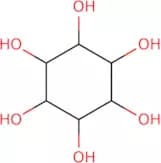
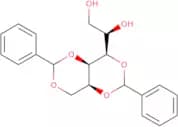
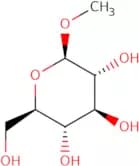
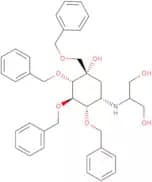


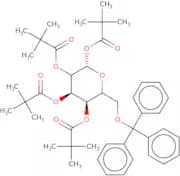
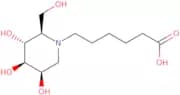
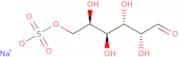

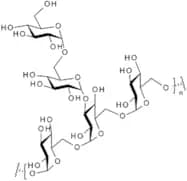
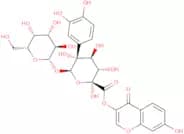
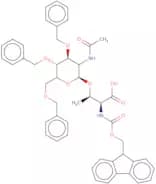
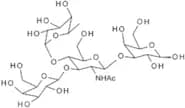
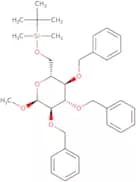

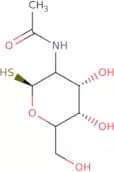


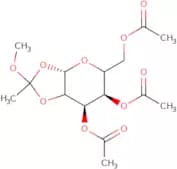
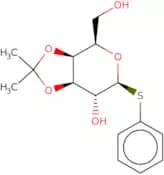
![5-Amino-3-β-D-ribofuranosylthiazolo[4,5-d]pyrimidin-2,7(3H,6H)-dione](/_next/image/?url=https%3A%2Fstatic.cymitquimica.com%2Fproducts%2F3D%2Fthumb-webp%2FXEA97040.webp&w=3840&q=75)
![N-[(4'-Methoxyphenyl)-1-propenyl]imino-2,3,4,6-tetra-O-pivaloyl-D-glucopyranoside](/_next/image/?url=https%3A%2Fstatic.cymitquimica.com%2Fproducts%2F3D%2Fthumb-webp%2FMM08498.webp&w=3840&q=75)
![N- [(3R, 4S, 5R, 6S) - 4, 5- Dihydroxy- 6- (hydroxymethyl) - 3- piperidinyl] -acetamide](/_next/image/?url=https%3A%2Fstatic.cymitquimica.com%2Fproducts%2F3D%2Fthumb-webp%2FMD163561.webp&w=3840&q=75)
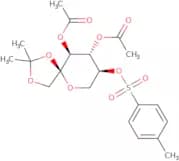


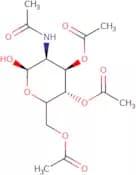
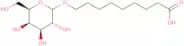
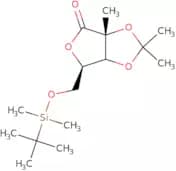
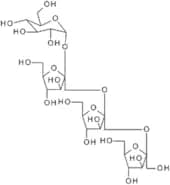
![[1S- (1a, 2a, 8a, 8ab) ] -2, 3, 8, 8a-Tetrahydro- 1, 2, 8- trihydroxy-5(1H) - indolizinone](/_next/image/?url=https%3A%2Fstatic.cymitquimica.com%2Fproducts%2F3D%2Fthumb-webp%2FMT163925.webp&w=3840&q=75)
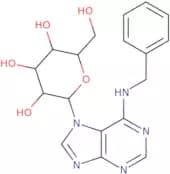
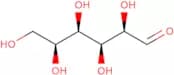
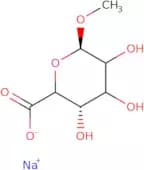

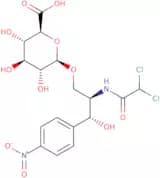
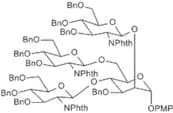
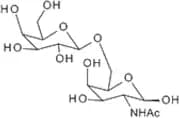
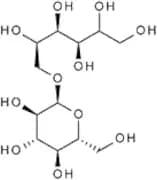
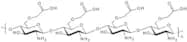

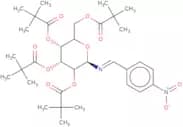
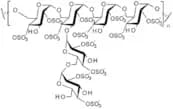

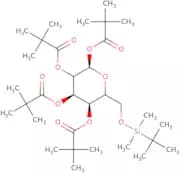
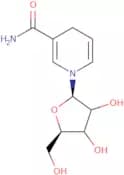

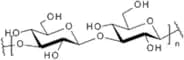
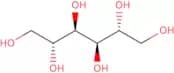
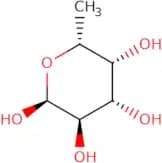
![(1S) -1- [(2S, 3R) - 3-Hydroxy- 1- nonyl-2- azetidinyl] -1, 2- ethanediol](/_next/image/?url=https%3A%2Fstatic.cymitquimica.com%2Fproducts%2F3D%2Fthumb-webp%2FMH163526.webp&w=3840&q=75)

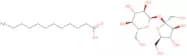
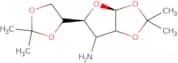


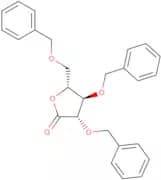

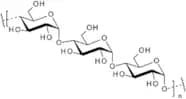

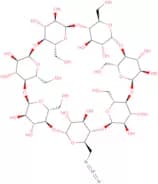
![(1R) -1- [(2S, 3S) - N-Methyl-3- hydroxy- 1- azetidinyl] -1, 2- ethanediol](/_next/image/?url=https%3A%2Fstatic.cymitquimica.com%2Fproducts%2F3D%2Fthumb-webp%2FMM163409.webp&w=3840&q=75)
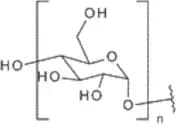
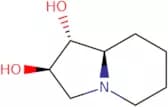
![(5R, 6S, 7R) -6, 7- Dihydro- 5- [(1R) - 1- hydroxyethyl] - 5H- pyrrolotetrazole- 6, 7- diol](/_next/image/?url=https%3A%2Fstatic.cymitquimica.com%2Fproducts%2F3D%2Fthumb-webp%2FMD163944.webp&w=3840&q=75)
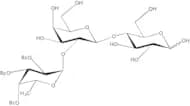
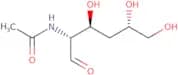
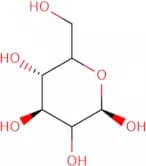

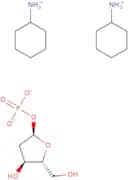
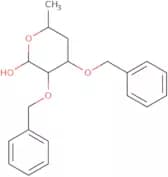
![(2S, 3S, 4R) -2- [(1S) - 1, 2Dihydroxyethyl] - 3, 4- pyrrolidinediol hydrochloride](/_next/image/?url=https%3A%2Fstatic.cymitquimica.com%2Fproducts%2F3D%2Fthumb-webp%2FMD168717.webp&w=3840&q=75)
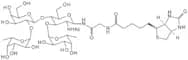
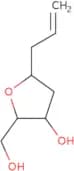

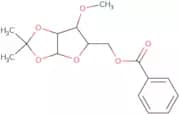

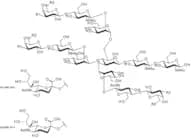

![Blood group A trisaccharide-APE-[biotin]-HSA](/_next/image/?url=https%3A%2Fstatic.cymitquimica.com%2Fproducts%2F3D%2Fthumb-webp%2FOB01687.webp&w=3840&q=75)
![5-Deoxy-1,2-O-ispropylidene-([4-ethoxycarbonyl]-1,2,3-triazol-1-yl)-a-L-galactofuranose](/_next/image/?url=https%3A%2Fstatic.cymitquimica.com%2Fproducts%2F3D%2Fthumb-webp%2FMD170288.webp&w=3840&q=75)

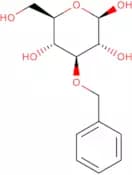
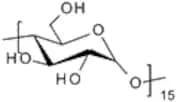
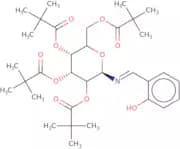


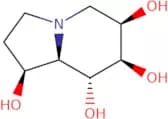
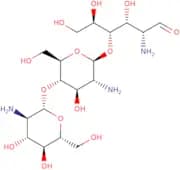
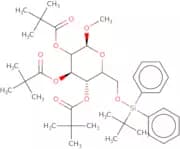
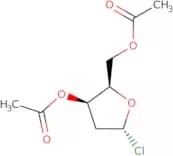
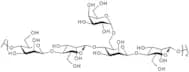
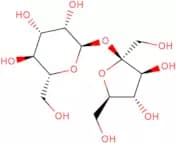
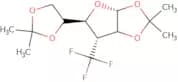

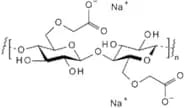
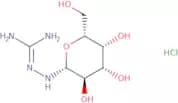
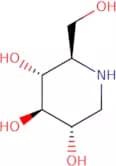

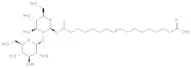

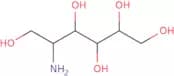
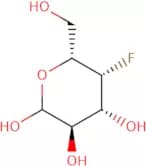
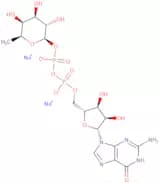
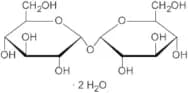


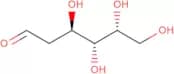
![UDP-D-[1-13C]glucose disodium salt](/_next/image/?url=https%3A%2Fstatic.cymitquimica.com%2Fproducts%2F3D%2Fthumb-webp%2FMU170099.webp&w=3840&q=75)
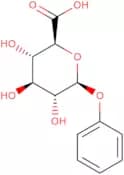
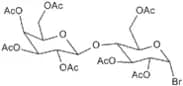
![2-Methyl-(4-O-β-D-glucopyranosyl)-1,2-dideoxy-α-D-glucopyrano)-[2,1-d]-2-oxazoline](/_next/image/?url=https%3A%2Fstatic.cymitquimica.com%2Fproducts%2F3D%2Fthumb-webp%2FOM10959.webp&w=3840&q=75)
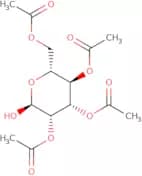
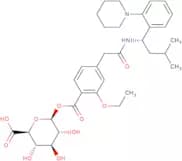
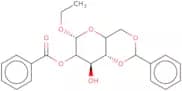
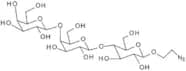
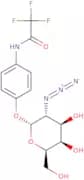
![D-Galactopyranosyl-(b1-3)-[N-acetylneuraminyl-(a2-6)]-D-N-acetylgalactosaminyl serine-biotin](/_next/image/?url=https%3A%2Fstatic.cymitquimica.com%2Fproducts%2F3D%2Fthumb-webp%2FOG15984.webp&w=3840&q=75)


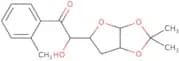
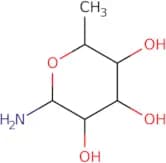
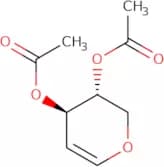

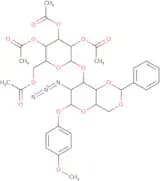
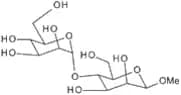

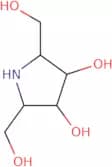




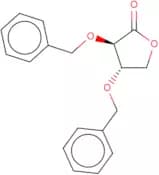
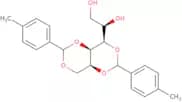
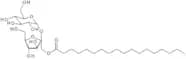

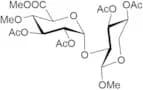
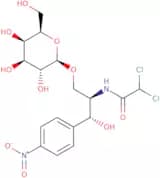
![3, 4- O- [(R) -Benzylidene] -2-O-trifluormethansulfonyl-D- ribonic acid d- lactone](/_next/image/?url=https%3A%2Fstatic.cymitquimica.com%2Fproducts%2F3D%2Fthumb-webp%2FMB163971.webp&w=3840&q=75)

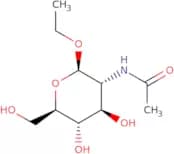

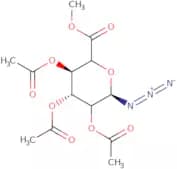
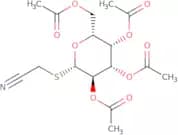
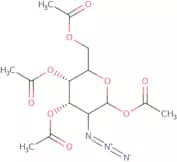

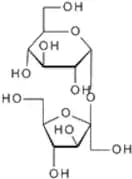
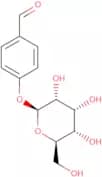
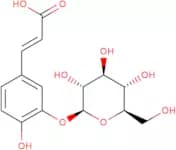
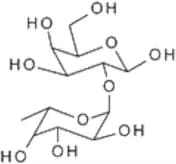

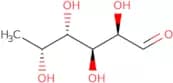
![N-[2-Acetamido-2-deoxy-6-O-(a-L-fucopyranosyl)-D-glucopyranosyl]-L-asparagine](/_next/image/?url=https%3A%2Fstatic.cymitquimica.com%2Fproducts%2F3D%2Fthumb-webp%2FOA29849.webp&w=3840&q=75)