Glicociência
A glicociência é o estudo dos carboidratos e seus derivados, bem como das interações e funções biológicas em que participam. Este campo de pesquisa é crucial para compreender uma ampla variedade de processos biológicos, incluindo o reconhecimento celular, a sinalização, a resposta imune e o desenvolvimento de doenças. A glicociência tem aplicações importantes na biotecnologia, na medicina e no desenvolvimento de novos medicamentos e terapias. Na CymitQuimica, oferecemos uma ampla seleção de produtos de alta qualidade e pureza para pesquisa em glicociência. Nosso catálogo inclui monossacarídeos, oligossacarídeos, polissacarídeos, glicoconjugados e reagentes específicos, projetados para apoiar os pesquisadores em seus estudos sobre a estrutura, função e aplicações dos carboidratos em sistemas biológicos. Esses recursos são destinados a facilitar descobertas científicas e aplicações práticas em diversas áreas das biociências e da medicina.
Subcategorias de "Glicociência"
- Amino açúcares(108 produtos)
- Anticorpos Glico-Relacionados(282 produtos)
- Glicolípidos(46 produtos)
- Glicosaminoglicanos (GAGs)(55 produtos)
- Glicosídeos(419 produtos)
- Monossacáridos(6.624 produtos)
- Oligossacarídeos(3.682 produtos)
- Polissacáridos(503 produtos)
Foram encontrados 11046 produtos de "Glicociência"
Ordenar por
Pureza (%)
0
100
|
0
|
50
|
90
|
95
|
100
3a,4b,3a-Galactotetraose
CAS:The acetolysis of carrageenan produces a polymer homologous series of oligosaccharides, [Gal α1,3 Gal, Gal β1,4 Gal], [Gal α1,3 Gal β1,4 Gal, Gal β14, Gal α1,3 Gal], [Gal α1,3 Gal β1,4 Gal α1,3 Gal, Gal β1,4Gal α1,3Gal β1,4Gal] etc. (Lawson, 1968). This is significant as it provides an entry to the α-gal series or Galili antigens due to the fact that the disaccharide Galα1,3 Gal can be isolated in quantity. The distribution of the full α-gal epitope (Galα1-3Galβ1-4GlcNAc-R) is unique in mammals, being abundantly expressed on glycoconjugates of non-primate mammals, prosimians and New World monkeys. In contrast, the α-gal epitope is not expressed on glycoconjugates of Old World monkeys, apes and humans; instead, they produce the natural anti-Gal antibody that specifically binds the α-epitope. Anti-Gal mediates the rejection of pig xenograft organs in humans and monkeys by binding α-gal epitopes on the pig cells, inducing complement mediated destruction and antibody dependent cell mediated destruction. This barrier to xenotransplantation has been eliminated by producing α1,3 glycosyltransferase to knockout pigs. Since anti-Gal is ubiquitous in humans, the α-gal epitope has clinical potential in the production of vaccines expressing α-epitopes that can be targeted to antigen presenting cells (APC), thereby increasing the immunogenicity of viral and other microbial vaccines (Macher, 2008).Fórmula:C24H42O21Pureza:Min. 95 Area-%Cor e Forma:White Off-White PowderPeso molecular:666.58 g/molAtractyloside dipotassium salt
CAS:Atractyloside dipotassium salt is a chemical compound that acts as a potent mitochondrial toxin. It is primarily derived from plant sources, notably from the Atractylis gummifera species. This compound functions by specifically inhibiting the adenine nucleotide translocase (ANT) located in the inner mitochondrial membrane, thereby obstructing the exchange of ADP and ATP across this membrane. This blockade disrupts ATP synthesis, leading to alterations in cellular bioenergetics and apoptotic pathways.Fórmula:C30H44K2O16S2Pureza:Min. 95 Area-%Peso molecular:802.99 g/mol2-Azido-2-deoxy-3,5-O-isopropylidene-D-xylono-1.4-lactone
<p>2-Azido-2-deoxy-3,5-O-isopropylidene-D-xylono-1.4-lactone is a glycosylation agent that can be used in the synthesis of complex carbohydrates and saccharides. This compound is fluorinated at the 3 position and then modified with a click chemistry reaction to introduce an azide group. The azide group can be used for subsequent modifications such as Polysaccharide, Fluorination, or Click modification. 2-Azido-2-deoxy-3,5-O-isopropylidene -D-xylono--1.4--lactone has CAS number 79840–01–8 and is custom synthesized to high purity for research purposes only.</p>Pureza:Min. 95%Glycyl-monosialyllacto-N-neohexose I
<p>Glycyl-monosialyllacto-N-neohexose I is a monosaccharide that is used as a building block in the synthesis of complex carbohydrates. It is custom synthesized and purified to high purity. This product can be fluorinated and methylated, which allows for the attachment of glycosyl groups. Glycyl-monosialyllacto-N-neohexose I is also a sugar with a CAS number. It has an average molecular weight of 137.14 g/mol and is made up of three atoms: carbon, hydrogen, and oxygen.</p>Fórmula:C53H89N5O39Pureza:Min. 95%Peso molecular:1,420.28 g/molD-Psicose
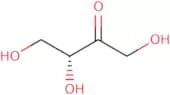
CAS:<p>D-Psicose is a rare ketohexose carbohydrate that is water-soluble and has a sweet taste. It is also known as D-allulose or d-psicose, and is the C3 epimer of L-fructose. D-Psicose can be used as a sweetener in various food and beverage products, providing a low-calorie alternative to traditional sugar. This natural sweetener is derived from corn and has been found to have minimal impact on blood sugar levels, making it suitable for individuals with diabetes or those following a low-carbohydrate diet. Additionally, D-Psicose has been studied for its potential health benefits, including its ability to reduce the risk of hyperuricemia and improve insulin sensitivity. It is also a intestinal beta-glucosidase inhibitor.</p>Fórmula:C6H12O6Pureza:Min. 98 Area-%Cor e Forma:White PowderPeso molecular:180.16 g/mol2,3,4,6-Tetra-O-acetyl-D-mannopyranosyl fluoride
CAS:<p>2,3,4,6-Tetra-O-acetyl-D-mannopyranosyl fluoride is a methylated, fluorinated oligosaccharide. It is a custom synthesis and can be used as a monosaccharide to modify polysaccharides or saccharides. The modification of the sugar with 2,3,4,6-Tetra-O-acetyl-D-mannopyranosyl fluoride increases the water solubility of the complex carbohydrate and its ability to be synthesized into other compounds. This product is high purity and has been modified with fluorine for better stability.</p>Fórmula:C14H19FO9Pureza:Min. 95%Peso molecular:350.29 g/mol4-Methoxyphenyl 4-O-{4-O-[[3-O-[2,4-di-O-(3,4,6-tri-O-acetyl-2-deoxy-2-phthalimido-β-D-glucopyranosyl)-3,6-di-O-benzyl-α-D-mannopyra nosyl]-4,6-O-benzylidene-2-O-levulinoyl-β-D-glucopyranosyl]]-3,6-di-O-benzyl-2-deoxy-2-phthalimido-β-D-glucopyranosyl}
<p>4-Methoxyphenyl 4-O-{4-O-[3,6-di-O-(3,4,6-tri-O-acetyl-2-deoxy-2-phthalimido-bDglucopyranosyl)-2,4,6-trihydroxybenzylidene]-aDmannopyra nosyl} -3,6diO(benzyl) -2deoxy2phthalimido -bDglucopyranoside is a high purity synthetic oligosaccharide. It is a complex carbohydrate with a high degree of polymerization. This product has been synthesized by Click modification and fluorination. The product contains an acetate group at the reducing end of the sugar chain and may be glycosylated. The CAS number for this product is</p>Fórmula:C161H160N4O48Pureza:Min. 95%Peso molecular:2,918.99 g/molBenzyl α-D-glucopyranoside
CAS:Benzyl a-D-glucopyranoside is an organic compound with the chemical formula CHO. It is a benzoyl derivative of glucose, which has been shown to be useful in the synthesis of other glycosides. The reaction yield and condition are dependent on reaction temperature and yield rate. The chloride ion reacts with the benzoyl chloride to form an ester, which then hydrolyzes to produce the desired product and hydrogen chloride. The reaction can be carried out at room temperature or under reflux conditions.Fórmula:C13H18O6Pureza:Min. 95%Cor e Forma:PowderPeso molecular:270.28 g/mol1,2,3,4-Tetra-O-acetyl-D-[6-13C]glucuronide methyl ester
<p>1,2,3,4-Tetra-O-acetyl-D-[6-13C]glucuronide methyl ester is a custom synthesis that can be used for the methylation of saccharides and polysaccharides. It is also used to modify glycosides and oligosaccharides. This compound has a CAS number and can be modified with click chemistry. It is a high purity product that can be synthesized with fluorination or complex carbohydrates.</p>Pureza:Min. 95%Peso molecular:376.31 g/molD-Glucuronic acid methyl ester
CAS:<p>D-Glucuronic acid methyl ester is an acidic, carbohydrate-binding molecule. It has been shown to bind to sugar residues in proteins and form covalent linkages with ester linkages. D-Glucuronic acid methyl ester has also been shown to be effective for the treatment of pentosan polysulfate sodium (PPS) induced inflammation in animal models. D-Glucuronic acid methyl ester binds to the monoclonal antibodies that are used for structural analysis of glycosidic bonds and oligosaccharides. The hydroxyl group on the molecule can form hydrogen bonds with other molecules, which may explain its usefulness as a magnetic resonance spectroscopy probe.</p>Fórmula:C7H12O7Pureza:Min. 90 Area-%Cor e Forma:Yellow PowderPeso molecular:208.17 g/mol3-O-Benzyl-1,2-O-isopropylidene-D-xylose
<p>3-O-Benzyl-1,2-O-isopropylidene-D-xylose is a synthetic sugar that can be used as a monosaccharide or an oligosaccharide. It has a CAS number and is a member of the Carbohydrate family. 3-O-Benzyl-1,2-O-isopropylidene-D-xylose can be custom synthesized and is available in high purity. It also has a click modification, which makes it more stable to oxidative conditions. This carbohydrate can be used for glycosylation or methylation.</p>Pureza:Min. 95%4-Aminobutyl 3-O-(a-D-mannopyranosyl)-a-D-mannopyranoside
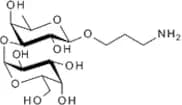
4-Aminobutyl 3-O-(a-D-mannopyranosyl)-a-D-mannopyranoside is a fluorescent, water soluble, and hydrophilic glycoside. This compound is synthesized through the condensation of 4-aminobutyric acid with 3-(2,3,4,6-tetraacetyl glucosamine) to form an aminobutyl ester. The aminobutyl ester is then reacted with a D-mannose derived from 2,3,4,6-tetraacetyl glucosamine. This product is used in glycoprotein analysis and can be modified for various purposes.Pureza:Min. 95%Lactose 3'-sulfate
CAS:<p>Unusual lactose sulphate isolated from canine milk (beagle-Canis familiaris), which does not appear to have previously been isolated from milk or other natural sources. The structure was established by 2D NMR spectroscopy and mass spectrometry.</p>Fórmula:C12H22O14SPureza:Min. 95%Cor e Forma:Beige PowderPeso molecular:422.36 g/mol4-Iodophenyl 2-acetamido-3,4,6-tri-O-acetyl-2-deoxy-b-D-glucopyranoside
CAS:<p>4-Iodophenyl 2-acetamido-3,4,6-tri-O-acetyl-2-deoxy-b-D-glucopyranoside is a white crystalline powder. It is a glycosylation product of 4-(iodophenyl)-2-(acetamido)-3,4,6,-triacetylaminohexose. This compound can be used for the synthesis of complex carbohydrates and saccharides. This compound is also used in the modification of polysaccharides and oligosaccharides. The purity of this compound is greater than 98%.</p>Fórmula:C20H24INO9Pureza:Min. 95%Cor e Forma:PowderPeso molecular:549.31 g/molHeparin disaccharide II-A disodium salt
CAS:Heparin Disaccharide II-A Disodium Salt is a modification of heparin. It is an oligosaccharide with a molecular weight of about 2,000 Daltons. This product can be custom synthesized as per the requirement of the customer. The purity level of this product is very high and it has been shown to have antiviral, anticoagulant, anti-inflammatory, and anticlotting properties.Fórmula:C14H19NO14SNa2Pureza:Min. 95 Area-%Cor e Forma:White Off-White PowderPeso molecular:503.34 g/molMagnesium L-lactate
CAS:<p>Magnesium L-lactate is a form of magnesium that is found in the human body, and it is often used to treat women with depressive disorders. This drug works by reducing the synthesis of cholesterol and increasing the level of serotonin in the brain. Magnesium L-lactate is not readily absorbed by the body, so it has low bioavailability. It also has an adverse effect on heart rate and cardiac rhythm, so people who have these conditions should avoid using this drug. The particle size of this drug is high, which can lead to low bioavailability.</p>Fórmula:C6H10MgO6Pureza:Min. 95%Peso molecular:202.45 g/mol4-Cyclohexylbutyl-4-O-(α-D-glucopyranosyl)-β-D-glucopyranoside
CAS:<p>For more than two decades, there has been substantial interest in developing novel membrane mimics specifically targeted for the biochemical and biophysical characterization of membrane proteins. Examples include new types of detergents, such as cycloalkyl maltosides (CYMAL detergents).</p>Fórmula:C22H40O11Cor e Forma:PowderPeso molecular:480.55 g/mol1-Deoxy-D-xylulose 5-phosphate sodium salt
CAS:1-Deoxy-D-xylulose 5-phosphate sodium salt is a synthetic monosaccharide that is used in the synthesis of glycosylated, fluorinated, methylated, and click modified polysaccharides. It is also used to modify sugars and oligosaccharides. It can be synthesized from D-xylose by treatment with phosphoryl chloride. This product has CAS number 798554-58-2 and is available in high purity.Fórmula:C5H11O7P·xNaPureza:Min. 95%Cor e Forma:PowderPeso molecular:214.11 g/molRaloxifene 6-D-glucuronide
CAS:<p>Raloxifene 6-D-glucuronide is a synthetic compound that consists of the sugar raloxifene and the sugar glucuronic acid. It is a complex carbohydrate with a molecular weight of 569. Raloxifene 6-D-glucuronide is soluble in water and insoluble in most organic solvents. The compound has been modified by fluorination, which increases its stability in water, and by click modification. This compound has been shown to inhibit the activity of bacterial enzymes that are responsible for the synthesis of saccharides, such as oligosaccharides and polysaccharides.</p>Fórmula:C34H35NO10SPureza:Min. 95%Cor e Forma:SolidPeso molecular:649.71 g/mol(3S, 5S) -1-Isopropyl-3, 4, 5- piperidinetriol
<p>(3S, 5S) -1-Isopropyl-3, 4, 5- piperidinetriol is a synthetic oligosaccharide that has been modified by fluorination and glycosylation. It is synthesized from a sugar that is then methylated. This compound has a CAS number of 85314-88-5. It is used as an ingredient in food products to provide sweetness and bulk to baked goods.</p>Pureza:Min. 95%Neoagarotetraose
CAS:<p>Agarose is a polysaccharide found in red algae, typically Gelidium and Gracilaria. It is a strictly alternating polysaccharide of α-1,3 linked D-galactose and β-1,4 linked L-3,6 anhydrogalactose with occasional sulfation at position 6 of the anhydrogalactose residue. Agaro-oligosaccharides result from cleavage at galactose residues and neoagaro-oligosaccharides from cleavage at 3,6-anhydro residues. Neoagarotetraose is reported to have potential for novel cosmeceuticals.</p>Fórmula:C24H38O19Pureza:Min. 98 Area-%Cor e Forma:White PowderPeso molecular:630.55 g/molDiacetone-D-glucose
CAS:<p>1,2:5,6-Di-O-isopropylidene-alpha-D-glucofuranose, also known as diacetone-D-glucose (DAG), is a partially protected D-glucose sugar locked in the furanose form with isopropylidene protecting groups on the 1,2 and 5,6 positions. The unprotected 3 position is ready for a variety of chemical manipulations, such as alkylation, acylation or stereo-inversion. An orthogonal protecting group could be added to the 3 position to allow deprotection of an isopropylidene and therefore manipulations of the other hydroxyl groups. Diacetone-D-glucose has been used to make fluorinated hexopyranose glycolysis inhibitors useful in the treatment of brain tumours.</p>Fórmula:C12H20O6Pureza:Min. 98 Area-%Cor e Forma:White Off-White PowderPeso molecular:260.28 g/moliminosugar 1
<p>Iminosugar 1 is a fluorinated saccharide that belongs to the group of carbohydrates. It is synthesized by the modification of glucose with a fluorine atom. This modification prevents crystallization and increases solubility in water. Iminosugar 1 has been modified by methylation and glycosylation to increase its stability. This product is available as a custom synthesis, and has high purity.</p>Pureza:Min. 95%2,3-Di-O-allyl-a-cyclodextrin
CAS:<p>Alpha-cyclodextrin (α-CD) derivative with a hydrophilic exterior and lipophilic cavity (smaller than β-CDs and γ-CDs) to allocate certain guest molecules. This structural characteristic enables applications in molecular encapsulation, solubility enhancement, and stabilization across multiple industries. In pharmaceuticals, it serves as a drug delivery vehicle, enhancing the bioavailability and stability of active ingredients. The food industry utilizes it as a stabilizer for flavors, colors, and nutrients, as well as a functional ingredient for its effects on lipid metabolism. In cosmetics, it acts as a complex agent for fragrances and active components. Its applications extend to analytical chemistry for chiral separation and to materials science for developing smart materials and nanosystems.</p>Fórmula:C72H108O30Pureza:Min. 95%Peso molecular:1,453.61 g/mol5-Azido-6-benzylamino-N-fluorenylmethoxycarbonyl-5,6-dideoxy-1,2-O-isopropylidene-L-idofuranose
5-Azido-6-benzylamino-N-fluorenylmethoxycarbonyl-5,6-dideoxy-1,2-O-isopropylidene-L-idofuranose is a custom synthesis that is used in the methylation of saccharides. It is also used for Click and azide modifications as well as fluorination. 5ABAFM is soluble in methanol and DMSO and has a CAS number of 2591402.Pureza:Min. 95%1,2-Isopropylidene-D,L-myo-inositol
CAS:<p>1,2-Isopropylidene-D,L-myo-inositol is a modification of the natural product myo-inositol. It is synthesized by methylation and glycosylation of inositol with methanol. This chemical compound has been modified to include fluorination and saccharide.</p>Fórmula:C9H16O6Pureza:Min. 95%Cor e Forma:White PowderPeso molecular:220.22 g/mol2-Deoxy-2-fluoro-D-mannose
CAS:2-Deoxy-2-fluoro-D-mannose is known for its antiviral properties as a sugar analog and glycosylation inhibitor. It works by inhibiting the glycosylation of viral envelope proteins, which can prevent viral replication and reduce viral infectivity. Studies have shown that 2-deoxy-2-fluoro-D-mannose can inhibit the replication of various viruses, including influenza A virus, human immunodeficiency virus (HIV), and hepatitis C virus (HCV). Inhibition of viral glycosylation by 2-Deoxy-2-fluoro-D-mannose can also enhance the effectiveness of some antiviral drugs, making them more potent.Fórmula:C6H11FO5Pureza:Min. 97 Area-%Cor e Forma:PowderPeso molecular:182.15 g/molSialylfucosyllacto-N-tetraose
CAS:<p>Sialylfucosyllacto-N-tetraose is a human milk oligosaccharide (HMO) and is present in lower concentrations than 2â²-fucosyllactose. Sialylfucosyllacto-N-tetraose contains both nitrogen and sialic acid in its chemical structure. It has been demostrated that sialylfucosyllacto-N-tetraose in the HMO pool acts as a prebiotic, protects against infections and inflammation, modulates the immune system, supports brain development, and reduces the risk of necrotizing enterocolitis (WiciÅski, 2020).</p>Fórmula:C43H72N2O33Pureza:Min. 95 Area-%Cor e Forma:PowderPeso molecular:1,145.03 g/molD-Lyxonic acid potassium
CAS:<p>D-Lyxonic acid potassium salt is a pentitol that is a stereospecific, aldonic, and nature D-glycosylamine. It can be synthesized by reacting phenylhydrazine with glycolic acid chloride in the presence of catalytic amounts of sodium hydroxide. The yield is about 98%. This compound has been shown to have anti-inflammatory properties when it reacts with hydrogen chloride to form D-lyxonic acid chloride. It also has been shown to inhibit the growth of bacteria and fungi by binding to the cell wall and inhibiting protein synthesis.</p>Fórmula:C5H9KO6Pureza:Min. 95%Cor e Forma:PowderPeso molecular:204.22 g/molMaltopentadecaose
CAS:<p>Produced from starch by transglycosylation-15 a-(1,4) linked glucose residues</p>Fórmula:C90H152O76Pureza:Min. 85 Area-%Cor e Forma:White PowderPeso molecular:2,450.12 g/mol6-Deoxy-6-iodo-2,3:4,5-di-O-isopropylidene-D-gulonic acid methyl ester
<p>6-Deoxy-6-iodo-2,3:4,5-di-O-isopropylidene-D-gulonic acid methyl ester is a synthetic compound that can be used in the synthesis of complex carbohydrates and polysaccharides. It has been shown to have a high degree of fluorescence. This compound is also resistant to hydrolysis and can be used as a model for glycosylation. 6-Deoxy-6-iodo-2,3:4,5-di-O-isopropylidene -D gulonic acid methyl ester is an intermediate in the synthesis of saccharides and oligosaccharides. This compound can be custom synthesized with high purity.</p>Pureza:Min. 95%4-Deoxy-4-fluoro-D-mannose
CAS:<p>4-Deoxy-4-fluoro-D-mannose is a sugar that is an analog of 3-deoxy-3-fluoro-d-mannose. It is synthesized by the transfer of a 6-hydroxyl group from 6,6'-dideoxyadenosine to the C6 hydroxyl group of 3,6'-dihexadecylthio adenosine. 4,4'-Difluoro D-mannose is then obtained by hydrolysis and decarboxylation. This process can be catalyzed by enzyme catalysis with phosphofructokinase or hexokinase. 4,4'-Difluoro D mannose has been used in biochemical studies as an analog for 6,6'-dideoxydaunosine. It has also been used as a substrate for virus glycosylation and protein glycosylation in living cells. In addition, it has been shown to inhibit</p>Fórmula:C6H11FO5Pureza:Min. 95%Cor e Forma:PowderPeso molecular:182.15 g/mol(-)-D-Noviose
CAS:<p>(-)-D-Noviose is a naturally occurring sulfoxide that was first isolated from the tubercles of tuberculosis patients. It is a biosynthetic precursor to tiacumicin, an antibacterial agent. In addition, (-)-D-Noviose has been shown to act as a chaperone and inhibit cancer cells in vitro. (-)-D-Noviose binds to the cysteine residues of proteins, preventing their oxidation and subsequent aggregation. This prevents the cross-linking of proteins that leads to cellular damage and death.</p>Fórmula:C8H16O5Pureza:Min. 95%Peso molecular:192.21 g/molMethyl 2,3,4-tri-O-acetyl-6-O-tert-butyldimethylsilyl-a-D-mannopyranoside
<p>Methyl 2,3,4-tri-O-acetyl-6-O-tert-butyldimethylsilyl-a-D-mannopyranoside is a fluorinated monosaccharide. It is used in the synthesis of oligosaccharides and polysaccharides. This chemical can also be used for glycosylation and click modifications. Methyl 2,3,4-tri-O-acetyl-6-O-tert-butyldimethylsilyl--a--D--mannopyranoside has CAS No.</p>Fórmula:C19H34O9SiPureza:Min. 95%Peso molecular:434.56 g/mol2-Azidomethyl-2-deoxy-3,4-O-isopropylidene-D-ribono-1.5-lactone
2-Azidomethyl-2-deoxy-3,4-O-isopropylidene-D-ribono-1.5-lactone (AIMDOL) is a custom synthesis carbohydrate that has a complex structure of oligosaccharide and polysaccharide. It is an organic compound with CAS number 129814-29-6 and molecular weight of 534.8. AIMDOL can be modified by methylation, glycosylation, or click modification. The chemical name is 2-(azidomethyl)-2-deoxy-[3,4]-O-(isopropylidene)-D-[ribo] -1,5-[lactone]. AIMDOL has fluorination properties and it's synthesized with high purity. It is used in the modification of saccharides or sugar molecules to produce glycosylated products such as monosaccharides, disPureza:Min. 95%6'-O-Benzoyl-2,3,6,3',4,-penta-O-acetyl-sucrose
6'-O-Benzoyl-2,3,6,3',4,-penta-O-acetyl-sucrose is a methylated and fluorinated glycosylation product of sucrose. This compound has a molecular weight of 527.97 and an average molar mass of 579.38 g/mol. It exists in the form of white crystals at room temperature and has a melting point of 222 °C. 6'-O-Benzoyl-2,3,6,3',4,-penta-O-acetyl-sucrose is soluble in water and ethanol but insoluble in ether. It is not toxic or irritating to skin or eyes and does not react with other substances to produce hazardous reactions.Pureza:Min. 95%1,2:5,6-Di-O-isopropylidene-α-D-gulofuranose
CAS:1,2:5,6-Di-O-isopropylidene-alpha-D-gulofuranose is a sugar molecule that has a carbon and oxygen atoms in the 1,2 positions and an oxygen atom in the 5,6 position. It is an intermediate in the synthesis of lipids. The kinetic and clinical relevance of this compound have not been fully studied. 1,2:5,6-Di-O-isopropylidene-alpha-D-gulofuranose binds to fatty acid receptors on liver cells and initiates a cascade of events that lead to inflammation and cell death. This sugar molecule also inhibits hepatitis C virus RNA replication by binding to specific sequences on the virus’s RNA genome. The molecular interactions between 1,2:5,6-Di-O-isopropylidene alpha D gulofuranose and other molecules are determined by steric interactions with its hydroxyl group asFórmula:C12H20O6Pureza:Min. 98.0 Area-%Peso molecular:260.28 g/molRef: 3D-W-200121
5gA consultar10gA consultar25gA consultar50gA consultar100gA consultar-Unit-ggA consultar5-Azido-N-benzyl-2,6-imino-2,5,6-trideoxy-L-galactose acetyl methyl acetal
5-Azido-N-benzyl-2,6-imino-2,5,6-trideoxy-L-galactose acetyl methyl acetal is a sugar that is used in the synthesis of complex carbohydrates. This substance has a molecular formula of C10H14N4O12 and a molecular weight of 416.27 g/mol. The CAS number for this compound is 82462-77-9.Pureza:Min. 95%4-Formylphenyl β-D-glucopyranoside
CAS:<p>4-Formylphenyl β-D-glucopyranoside is a natural compound that is found in human serum and has the ability to form stable complexes with p-hydroxybenzoic acid. This drug has been shown to regulate transcription through its interaction with the nucleotide sequence of DNA, which may be due to its ability to form stable complexes with p-hydroxybenzoic acid. 4-Formylphenyl β-D-glucopyranoside has been reported as having biological properties such as gland cells, matrix effect, and locomotor activity. The surface methodology used on this drug can be used for sample preparation, which can be beneficial for the chinese herb industry. It has also been shown to have synchronous fluorescence when mixed with other compounds.</p>Fórmula:C13H16O7Pureza:Min. 98 Area-%Cor e Forma:PowderPeso molecular:284.26 g/mol6-Azido-6-deoxy-1,2-O-isopropylidene-α-D-glucofuranose
CAS:6-Azido-6-deoxy-1,2-O-isopropylidene-a-D-glucofuranose is a Custom synthesis, Modification, Fluorination, Methylation, Monosaccharide, Synthetic, Click modification, Oligosaccharide, saccharide that is CAS No. 65371-16-6. It is a sugar or Carbohydrate and complex carbohydrate.Fórmula:C9H15N3O5Pureza:Min. 95%Cor e Forma:PowderPeso molecular:245.23 g/molDextran sulfate sodium salt - MW 500,000
CAS:<p>Dextran sulphate is a dextran derivative whose ulcer (colitis) -causing properties were first reported in hamsters and extrapolated a few years later to mice and rats. The exact mechanisms through which dextran sulphate induces intestinal inflammation are unclear but may be the result of direct damage of the monolayer of epithelial cells in the colon, leading to the crossing of intestinal contents (for e.g. commensal bacteria and their products) into underlying tissue and therefore induction of inflammation. The dextran sulphate sodium induced ulceration model in laboratory animals has some advantages, when compared to other animal models of colitis, due to its simplicity and similarities to human inflammatory bowel disease.</p>Fórmula:C9H11NO2Pureza:Min. 95%Cor e Forma:White PowderGlobo-N-tetraose GEL
Immobilised on Fractogel with glycosylamine formation of the monosaccharidePureza:Min. 95%b-D-Thiogalactose
CAS:<p>Thiogalactose is a naturally occurring disaccharide that has been shown to have anti-inflammatory properties. It inhibits the production of inflammatory cytokines, such as tumor necrosis factor-α (TNF-α), and suppresses the growth of experimental colitis in mice. Thiogalactose also denatures fatty acids and prevents 3t3-l1 preadipocytes from undergoing cellular transformation. This compound also inhibits the uptake of bovine serum albumin by macrophages, which may be due to its alkylthio group. Thiogalactose has been shown to inhibit proliferation of cultured human cells, including monocytic leukemia cells, when used at concentrations less than 10 mM.</p>Fórmula:C6H12O5SPureza:Min. 95%Cor e Forma:PowderPeso molecular:196.22 g/mol1,2,3,4-Tetra-O-acetyl-6-aminobenzoyl-6-deoxy-a-D-glucopyranoside
<p>1,2,3,4-Tetra-O-acetyl-6-aminobenzoyl-6-deoxy-a-D-glucopyranoside is a fluorinated monosaccharide that is synthesized from 6-deoxyglucose through the glycosylation of 1,2,3,4,-tetraaminobenzoyl chloride. It is a white solid with a molecular weight of 242.1 g/mol and a CAS Number of 368737-85-0. This product has been modified with methylation and click chemistry to give it desired properties for use as an intermediate in the synthesis of complex carbohydrates.</p>Fórmula:C21H25NO10Pureza:Min. 95%Peso molecular:451.42 g/mol(2R, 3R, 4R) -3- Benzyloxy- 1- benzyl-4- (hydroxymethyl) - 2- azetidinecarboxylic acid N-methylamide
<p>(2R, 3R, 4R) -3- Benzyloxy- 1- benzyl-4- (hydroxymethyl) - 2- azetidinecarboxylic acid N-methylamide is a synthetic monosaccharide that can be used for carbohydrate modification. In addition to its use in the synthesis of saccharides and oligosaccharides, this compound has been shown to be useful as a fluorination reagent. This compound is also available with custom synthesis and high purity. (2R, 3R, 4R) -3-Benzyloxy-1-benzyl-4-(hydroxymethyl)-2-azetidinecarboxylic acid N-methylamide is an excellent methylation reagent and glycosylation agent. It can be used in the click chemistry modification of proteins and other biomolecules.</p>Pureza:Min. 95%6'-N-Glycolylneuraminyl-D-lactose sodium salt
<p>6'-N-Glycolylneuraminyl-D-lactose sodium salt is a custom synthesis that provides high purity and custom synthesis. It is a complex carbohydrate with a CAS number of 24932-91-0 and an Oligosaccharide, Monosaccharide, saccharide Carbohydrate. This product is Fluorination, Glycosylation, Synthetic, Methylation, Modification.</p>Pureza:Min. 95%5-Keto-D-gluconic acid potassium salt
CAS:Intermediate in L-idonate degradation and ketogluconate metabolismFórmula:C6H9KO7Pureza:Min. 99.0%Cor e Forma:White PowderPeso molecular:232.23 g/molDapagliflozin
CAS:Dapagliflozin is a sodium-glucose cotransporter subtype 2 (SGLT2) inhibitor that can be used in the treatment of diabetes mellitus type 2. SGLT2 is located in the proximal convoluted tubule and when it is inhibited the reabsorption of glucose into the kidneys is prevented and instead glucose is excreted in the urine. As a result glucose levels are reduced. Dapagliflozin is metabolized into to its inactive metabolite 3-O-glucuronide by the UGT1A9 enzyme present in the liver and the kidneys. In addition, dapagliflozin has been shown to cause weight loss and decrease the risk of cardiovascular events such as congestive heart failure.Fórmula:C21H25ClO6Pureza:Min. 98 Area-%Cor e Forma:White Yellow PowderPeso molecular:408.87 g/mol2C-Hydroxymethyl-2,3:5,6-di-O-isopropylidene-L-gulono-1,4-lactone
CAS:<p>2C-Hydroxymethyl-2,3:5,6-di-O-isopropylidene-L-gulono-1,4-lactone is a synthetic compound with the molecular formula C8H11O7. It is a sugar derivative that is used as an intermediate in the synthesis of saccharides and oligosaccharides. 2C-Hydroxymethyl-2,3:5,6-di-O-isopropylidene-L-gulono-1,4 -lactone has been shown to be a good candidate for Click chemistry modification.</p>Fórmula:C13H20O7Pureza:Min. 95%Peso molecular:288.29 g/mol1,2,3,4,6-Penta-O-acetyl-5-thio-D-galactose
<p>1,2,3,4,6-Penta-O-acetyl-5-thio-D-galactose is a fluorinated monosaccharide that is synthesized by the reaction of 1,2,3,4,6-penta-O-acetyl-D-galactose with sodium hypochlorite in the presence of sodium bicarbonate. This compound has been shown to be an excellent substrate for glycosylation reactions and can be used as a sugar donor in polysaccharide synthesis. 1,2,3,4,6 penta O acetyl 5 thio D galactose can also be methylated with dimethylsulfoxide and trimethylsilyl chloride to form the corresponding methylated derivative. This product is available at high purity levels and CAS No. 68713-89-1.END></p>Fórmula:C16H22O10SPureza:Min. 95%Peso molecular:406.41 g/mol1,3,4,6-Tetra-O-acetyl-2-[(2-aminoacetyl)amino]-2-deoxy-a-D-glucopyranose
CAS:<p>1,3,4,6-Tetra-O-acetyl-2-[(2-aminoacetyl)amino]-2-deoxy-a-D-glucopyranose is an example of a sugar that has been modified by fluorination. This modification takes place at the 2 position of the sugar's aldehyde group. It is also an example of a monosaccharide with a glycosylation site at C1' and an acetylated hydroxyl group on C6'. The chemical name for this sugar is 1,3,4,6-Tetra-O-(2-(N-[2-(glycolyl)amino]acetyl)-N-[3-(glycolyl)amino]propionyl)-2-[(2-(N-[2-(glycolyl)amino]acetyl)amino]-2-deoxy--aD--glucop</p>Fórmula:C16H24N2O10Pureza:Min. 95%Peso molecular:404.37 g/molD-Galactopyranosyl-(b1-3)-[N-acetylneuraminyl-(a2-6)]-D-N-acetylgalactosaminyl serine
D-Galactopyranosyl-(b1-3)-[N-acetylneuraminyl-(a2-6)]-D-N-acetylgalactosaminyl serine is a synthetic, fluorinated glycoside that has been modified with methylation and saccharide modifications. It is used in click chemistry to modify proteins and other biomolecules. This compound is available as a custom synthesis, and can be modified with various saccharides or oligosaccharides. D-Galactopyranosyl-(b1-3)-[N-acetylneuraminyl-(a2-6)]-D-N-acetylgalactosaminyl serine is an important carbohydrate in glycosylation reactions as it contains the sugar backbone needed for N-, O-, and S-glycosidic linkages. The CAS number for this compound is 514063-.Fórmula:C28H47N3O21Pureza:Min. 95%Cor e Forma:PowderPeso molecular:761.68 g/mol1, 4:3, 6- Dianhydro-D- iditol
CAS:<p>1,4:3,6-Dianhydro-D-iditol is an organic compound. It is the L-enantiomer of 1,4:3,6-dianhydro-L-iditol. This compound can be used as a substrate for the cytochrome P450 system and soluble guanylate cyclase. 1,4:3,6-Dianhydro-D-iditol has been shown to have an inhibitory effect on both tissues and guanylate cyclase in vitro. This compound also inhibits the production of reactive oxygen species by oxidases.</p>Fórmula:C6H10O4Pureza:Min. 95%Peso molecular:146.14 g/molRaffinose-sp-biotin
<p>Raffinose-sp-biotin is a Custom synthesis, Modification, Fluorination, Methylation, Monosaccharide, Synthetic, Click modification, Oligosaccharide, saccharide. It is available in CAS No. and has the molecular formula C6H14O6. Raffinose-sp-biotin is a polysaccharide with a complex carbohydrate structure.</p>Pureza:Min. 95%5,6-O-Isopropylidene-L-ascorbic acid
CAS:<p>5,6-O-Isopropylidene-L-ascorbic acid is an access to the vitamin C molecule. It can be synthesized from L-ascorbic acid by reacting with isopropyl iodide and hydrochloric acid. Cryo-electron microscopy has been used to identify the location of 5,6-O-Isopropylidene-L-ascorbic acid in human ganglion cells. This compound has a number of physiological activities and is one of the most powerful antioxidants found in humans. 5,6-O-Isopropylidene-L-ascorbic acid is a precursor to retinoic acid and hydrogen chloride, which are important for erythropoietin production in the kidneys. Dehydroascorbate (DHA) is formed when 5,6-O-Isopropylidene-L-ascorbic acid reacts with hydrogen chloride. D</p>Fórmula:C9H12O6Pureza:Min. 95%Peso molecular:216.19 g/mol3'-Sialyl Lewis A-sp-biotin
CAS:3'-Sialyl Lewis A-sp-biotin is a biotinylated oligosaccharideFórmula:C50H84N6O26SPureza:Min. 95%Cor e Forma:White PowderPeso molecular:1,217.29 g/mol(2R, 3R, 4R, 5S) -3,4-Dihydroxy-2, 5- pyrrolidinedimethano l
CAS:(2R, 3R, 4R, 5S) -3,4-Dihydroxy-2, 5- pyrrolidinedimethanol is an organic compound that is a modification of the sugar erythrose. It has been synthesized from 2,3,4,5-tetrahydroxybenzaldehyde and 2-fluoro-1-(trifluoromethyl)benzene. The compound has been used for the preparation of oligosaccharides and polysaccharides. It is also used as a raw material for the synthesis of complex carbohydrate compounds and saccharide derivatives. (2R, 3R, 4R, 5S) -3,4-Dihydroxy-2, 5- pyrrolidinedimethanol is used in the production of fluorinated saccharides.Pureza:Min. 95%Man-9 Glycan, 2-AB labelled
<p>Man-9 Glycan, 2-AB labelled is a high purity, custom synthesis sugar. It has been modified with fluorination, glycosylation and methylation. This product is synthesized from a mannose core with the addition of terminal sugars and 2-AB labelling.</p>Pureza:Min. 95%2-Acetamido-2-deoxy-D-lyxojirimycin
CAS:2-Acetamido-2-deoxy-D-lyxojirimycin is a carbohydrate that is modified by fluorination, methylation, glycosylation, and click modification. The compound is a synthetic monosaccharide that is used in the synthesis of complex carbohydrates. 2-Acetamido-2-deoxy-D-lyxojirimycin has CAS number 1207673-74-2 and can be custom synthesized to meet your requirements for purity and quality.Fórmula:C7H14N2O3Pureza:Min. 95%Peso molecular:174.2 g/molHyacinthacine A2
CAS:<p>Hyacinthacine A2 (HA2) is a diastereomer of hyacinthacine A3. It is a radical coupling compound that has been shown to be stereoselective. HA2 selectively reacts with d-arabinose and other sugar molecules, but not with L-arabinose or other sugar molecules, which makes it useful in the synthesis of polyhydroxylated compounds. HA2 has been found to inhibit the growth of bacteria such as Staphylococcus aureus and Clostridium perfringens, making it an antibacterial agent. HA2 also inhibits protein synthesis and cell division by binding to DNA-dependent RNA polymerase, preventing transcription and replication. This inhibition is due to conformational changes in the molecule as well as radical mechanisms.</p>Fórmula:C8H15NO3Pureza:Min. 95%Peso molecular:173.21 g/mol4-Anhydro-2-O-(2,4-dimethoxybenzoyl)-3,5-O-(1,1,3,3- tetraisopropyldisiloxane-1,3-diyl)-4-thio-D-ribitol
CAS:<p>4-Anhydro-2-O-(2,4-dimethoxybenzoyl)-3,5-O-(1,1,3,3- tetraisopropyldisiloxane-1,3-diyl)-4-thio-D-ribitol is a fluorinated monosaccharide. It is a synthetic oligosaccharide that contains an asymmetric carbon atom. This product can be used in glycosylation reactions and click chemistry. 4A2OBDMTOS is a high purity sugar that has been modified with methyl groups.</p>Pureza:Min. 95%1-Amino-D-butane-2,3,4-triol
<p>1-Amino-D-butane-2,3,4-triol is a custom synthesis of 1,2,3,4-1-amino butane. It has been modified with fluorination and methylation. This product has a CAS number of 20897-16-0. The molecular weight is 152.17 g/mol and the molecular formula is C6H11NO3. This product is a synthetic compound that consists of monosaccharides and oligosaccharides. The glycosylation is Oligosaccharide and saccharide. It can be found in the carbohydrate category as it contains complex carbohydrates.</p>Pureza:Min. 95%2,3:4,6-Di-O-isopropylidene-α-L-sorbofuranose
CAS:<p>2,3:4,6-Di-O-isopropylidene-α-L-sorbofuranose is a furanose sugar that is structurally similar to sorbose. It is a five membered ring with two stereocenters. The conformation of this molecule encompasses the techniques of dialkyl and furanose synthesis. This compound can be used as a vitamin and can be degraded by ozonation in water. 2,3:4,6-Di-O-isopropylidene-α-L-sorbofuranose is biodegradable and has been shown to have antiinflammatory properties.</p>Fórmula:C12H20O6Pureza:Min. 95%Cor e Forma:White PowderPeso molecular:260.28 g/moltrans,trans-3,4-Dihydroxy-D-proline
<p>Trans,trans-3,4-Dihydroxy-D-proline is a custom synthesis that has been fluorinated and methylated. It is a polysaccharide with a sugar backbone of an oligosaccharide or saccharide. The carbons in the backbone are connected by glycosylation to form a complex carbohydrate. This product has CAS No.</p>Pureza:Min. 95%Methyl b-D-thiogalactopyranoside
CAS:Methyl b-D-thiogalactopyranoside (MTGP) is a cell lysis agent that can be used for diagnostic purposes to measure enzyme activities in cells. It is also used to determine the kinetic of an enzyme reaction, as well as its acid formation. MTGP has been shown to inhibit sugar transport and metabolism by binding to the sugar molecule and preventing it from passing through cellular membranes. This inhibition prevents the accumulation of proton gradients across the membrane, which disrupts ATP production and leads to cell death. MTGP is also an inhibitor of glucose-6-phosphate dehydrogenase (G6PDH), which converts glucose into sorbitol. Sorbitol accumulates intracellularly and leads to cell death by osmotic lysis.Fórmula:C7H14O5SPureza:Min. 98 Area-%Cor e Forma:PowderPeso molecular:210.25 g/mol4-O-(α-D-Mannopyranosyl)-D-mannose
CAS:Isolated from partial acetolysate of ivory-nut (Phytelephas macrocarpa) mannanFórmula:C12H22O11Pureza:Min. 95 Area-%Cor e Forma:PowderPeso molecular:342.3 g/mol2,3,4,6-Tetra-O-benzyl-a-D-glucopyranosyl chloride
CAS:<p>2,3,4,6-Tetra-O-benzyl-a-D-glucopyranosyl chloride is a cholic acid derivative that is used as a bile acid. It has been shown to be effective in the treatment of gallstones and other conditions involving hypercholesterolemia and cholesterol gallstones. 2,3,4,6-Tetra-O-benzyl-a-D-glucopyranosyl chloride is synthesized by coupling acetyl chloride with 2,3,4,6 tetra O benzyl a D glucopyranoside. The acetate group is then removed to form the desired product.</p>Fórmula:C34H35ClO5Pureza:Min. 95%Cor e Forma:PowderPeso molecular:559.09 g/mol3,4,6-Tri-O-acetyl-2-deoxy-2-phthalimido-b-D-glucopyranosyl fluoride
CAS:<p>3,4,6-Tri-O-acetyl-2-deoxy-2-phthalimido-b-D-glucopyranosyl fluoride is a synthetic glycoside that has been synthesized by the click modification of a fluorinated saccharide. The compound has an acetyl group at C3 and C6 positions with an OCH3 group at the C4 position. This compound has been used in glycosylation reactions to modify the carbohydrate moiety of peptides and proteins. It has also been used in research on complex carbohydrate chemistry.</p>Fórmula:C20H20FNO9Pureza:Min. 95%Peso molecular:437.37 g/mol6'-Fucosyllactose
CAS:<p>6'-Fucosyllactose is a fucosylated form of lactose, which is a complex carbohydrate. It is a custom synthesis and has been synthesized in high purity. 6'-Fucosyllactose has CAS No. 80756-86-1 and can be found as an oligosaccharide or polysaccharide. 6'-Fucosyllactose is a monosaccharide that has been methylated and glycosylated to increase its stability. The saccharides are modified with fluorination to make it more soluble in water and to improve its solubility in organic solvents.</p>Fórmula:C18H32O15Pureza:Min. 95%Cor e Forma:PowderPeso molecular:488.44 g/molTetracycline 10-O-β-D-galactopyranoside
CAS:<p>Tetracycline 10-O-b-D-galactopyranoside is a tetracycline antibiotic that has been modified with a fluorinating agent to increase its water solubility. Tetracycline 10-O-b-D-galactopyranoside is the most active of the tetracyclines for the treatment of infections caused by mycoplasmas, rickettsias, and chlamydiae. It inhibits protein synthesis in these bacteria by binding to ribosomes. This drug also has an inhibitory effect on the growth of Mycobacterium tuberculosis and Mycobacterium avium complex.</p>Fórmula:C28H34N2O13Pureza:Min. 95%Cor e Forma:Dark red solid.Peso molecular:606.58 g/molMethyl 3,5-di-O-(2,4-dichlorobenzyl)-a-D-ribofuranoside
CAS:<p>Methyl 3,5-di-O-(2,4-dichlorobenzyl)-a-D-ribofuranoside is a custom synthesis that has been fluorinated and methylated. This compound is a monosaccharide with an aldehyde group at the C3 position. It is synthetically made and can be modified to form oligosaccharides or polysaccharides. The CAS number for this compound is 168427-35-8.</p>Fórmula:C20H20Cl4O5Pureza:Min. 90 Area-%Cor e Forma:Yellow PowderPeso molecular:482.18 g/moltrans-β-D-Glucopyranosyl methylacetoacetate
CAS:<p>Trans-beta-D-glucopyranosyl methylacetoacetate is a carbohydrate that belongs to the group of modified sugars. It is a synthetic compound and can be custom synthesized for your specific needs. This product has a high purity and can be used in research or as a starting material for the synthesis of other compounds. Trans-beta-D-glucopyranosyl methylacetoacetate is an oligosaccharide that can be fluorinated, methylated, glycosylated, or click modified. This product is also available in various grades, such as standard and high purity.</p>Fórmula:C11H18O8Pureza:Min. 95%Cor e Forma:PowderPeso molecular:278.26 g/molPregelatinized starch
CAS:<p>Starch is a two component polysaccharide mixture of amylose and amylopectin. Amylose is a linear polysaccharide of α (1,4)-linked glucose residues and averages 20 to 30% of the total in most native starches. Amylopectin is a highly branced glucan containing both a (1,4) and a (1,6) linkages. The number of glucose residues in a single starch molecule can vary from five hundred to several hundred thousand, depending on the type of starch. Starch is the major storage form of energy in plants, just as glycogen is the storage form of energy for animals. The plant directs the starch molecules to the amyloplasts, where they are deposited to form granules. Thus, both in plants and in the extracted concentrate, starch exists as granules varying in diameter from 2 to 130 μm.</p>Pureza:Min. 95%Cor e Forma:Powder2-Allyloxycarbonylamino-1,6-anhydro-2-deoxy-b-D-glucopyranose
<p>2-Allyloxycarbonylamino-1,6-anhydro-2-deoxy-b-D-glucopyranose is a synthetic saccharide that has been modified with 2,5-difluoroacetophenone. This modification generates a fluorine atom at the C2 position of the glucose ring. The synthesis of this compound is performed by custom synthesis for Click chemistry. The desired reaction product is obtained in high purity and with good yield. The chemical formula for 2,5-difluoroacetophenone is C8H7F3O2 and the molecular weight is 191.19 g/mol.<br>2,5-Difluoroacetophenone has been shown to be an efficient reagent in glycosylation reactions because it can react selectively with primary alcohols and amines without affecting other functional groups present in the molecule. In addition, 2,5-difluoroacetophenone</p>Pureza:Min. 95%2-O-b-D-Glucopyranosyl-L-ascorbic acid
CAS:<p>L-Ascorbic acid is a white crystalline solid that can be obtained from the tissues of many fruits and vegetables. L-Ascorbic acid is soluble in water, but insoluble in alcohol. It can be found in two forms: an oxidized form (dehydroascorbic acid) and a reduced form (L-ascorbic acid). The conversion between the two forms is catalyzed by ascorbate oxidase. L-Ascorbic acid has antioxidant properties, which scavenge free radicals, and prevent the oxidation of LDL cholesterol to its more atherogenic form. This compound also helps to alkalize bodily fluids and neutralizes pollution, making it useful for treating or preventing cervical cancer or diabetes. L-Ascorbic acid also acts as a preservative by inhibiting bacterial growth.</p>Fórmula:C12H18O11Pureza:Min. 95%Peso molecular:338.26 g/mol2,3,6-Trioctyl-γ-cyclodextrin
<p>This gamma-cyclodextrin (γ-CD) derivative is a modified cyclic oligosaccharide composed of eight glucose units, featuring a larger cavity size than α- and β-cyclodextrins. This structural characteristic allows γ-CDs to form inclusion complexes with a wider range of guest molecules, making it particularly versatile in various industries. In the food sector, it is used as a carrier and stabilizer for flavors, fat-soluble vitamins, and polyunsaturated fatty acids, protecting volatile compounds from evaporation. In pharmaceuticals, it enhances the solubility and bioavailability of poorly water-soluble drugs and, thanks to its larger ring size, allows for the encapsulation of larger molecules or even entire drug molecules. γ-CDs and derivatives are also used for environmental remediation and, in analytical chemistry, for the extraction and concentration of target substances.</p>Fórmula:C240H464O40Pureza:Min. 95%Peso molecular:3,990.23 g/molEthyl 2-O-benzoyl-4,6-di-O-benzyl-3-Fmoc-b-D-thiogalactopyranoside
CAS:<p>Ethyl 2-O-benzoyl-4,6-di-O-benzyl-3-Fmoc-b-D-thiogalactopyranoside is a synthetic monosaccharide with a benzoyl protecting group. It belongs to the class of saccharides and is used in the synthesis of oligosaccharides, which are carbohydrates consisting of two or more simple sugars. The chemical name for this compound is 3-(2'-benzoyloxy)-2'-deoxygalactose. This product can be custom ordered in high purity and has been modified with methylation and glycosylation.</p>Pureza:Min. 95%Allyl 2,3,4-tri-O-benzyl b-D-galactopyranoside
<p>Allyl 2,3,4-tri-O-benzyl b-D-galactopyranoside is a custom synthesis of an oligosaccharide with a complex carbohydrate and a high purity. Allyl 2,3,4-tri-O-benzyl b-D-galactopyranoside can be used for a variety of applications including as an intermediate for the production of other chemicals or as a food additive. It is also used in the synthesis of other carbohydrates and saccharides. This compound has been shown to be effective in methylation reactions and glycosylation reactions.</p>Pureza:Min. 95%Isomalt
CAS:<p>Used as a sugar replacer in sugar-free confectionery and beverages</p>Fórmula:C12H24O11Pureza:Min. 98 Area-%Cor e Forma:White PowderPeso molecular:344.31 g/mol1,6-Anhydro-β-D-cellotriose
CAS:<p>Produced by the fast pyrolysis of cellulose</p>Fórmula:C18H30O15Pureza:Min. 95%Cor e Forma:PowderPeso molecular:486.42 g/mol2,5-Anhydro-3-deoxy-6-O-methyl-4-O-tert.butyldimethylsilyl-L-arabino-hexonic acid methyl ester
<p>2,5-Anhydro-3-deoxy-6-O-methyl-4-O-tert.butyldimethylsilyl-L-arabinohexonic acid methyl ester (2,5Anh3DMA) is a custom synthesis that is used as an intermediate for the preparation of oligosaccharides and polysaccharides. This compound has a CAS number of 51357-61-1 and is soluble in water. 2,5Anh3DMA can be modified with different groups such as methylation, glycosylation, or fluorination to produce desired products. It can be synthesized by the click reaction between an acetaldehyde and a silyl enolate.</p>Pureza:Min. 95%A1F N-Glycan
CAS:N-acetylglucosamine is a monosaccharide that is one of the building blocks of complex carbohydrates. It is found in the A1F N-glycan, which is located on the surface of cancer cells and may be a potential biomarker for endometrial cancer. A1F N-glycan has been detected in many types of cancer, including ovarian, breast, prostate, colorectal, lung, and pancreatic cancers. This glycan also has been shown to play a role in autoimmune diseases and cancer pathogenesis. The A1F N-glycan can be profiled by liquid chromatography with mass spectrometry (LC-MS).Fórmula:C68H114N4O50·C11H19NO9Pureza:Min. 95%Cor e Forma:PowderPeso molecular:2,096.9 g/mol3-Amino-3-deoxy-D-glucose HCl
CAS:<p>3-Amino-3-deoxy-D-glucose HCl is a synthetic compound that inhibits the efflux of glucose from cells. It has been shown to inhibit growth in Saccharomyces cerevisiae, which may be due to its ability to inhibit the function of an efflux pump. 3-Amino-3-deoxy-D-glucose HCl has also shown antifungal activity against Candida albicans and Aspergillus fumigatus.</p>Fórmula:C6H13NO5·HClPureza:Min. 98 Area-%Cor e Forma:Slightly Yellow PowderPeso molecular:215.63 g/mol6-Deoxy-L-talose
CAS:<p>6-Deoxy-L-talose is a sugar that is found in the cell walls of bacteria. It is a component of glycan, which are long chains of sugar molecules linked together. Glycans are important for the structural integrity and function of bacterial cell walls. 6-Deoxy-L-talose is a monosaccharide that has been detected in the type strain of Bacillus subtilis and in wild-type strains of Pseudomonas aeruginosa. This sugar can be chemically analyzed using gas chromatography and mass spectrometry to determine its structure and chemical composition. 6-Deoxy-L-talose can be used to detect specific monoclonal antibodies against it, which could be useful for detecting bacterial infections or determining how antibiotics affect bacteria.</p>Fórmula:C6H12O5Pureza:Min. 98 Area-%Cor e Forma:White PowderPeso molecular:164.16 g/mol2-Amino-2-N-carbobenzoxy-2-deoxy-D-mannose
CAS:<p>2-Amino-2-N-carbobenzoxy-2-deoxy-D-mannose is a custom synthesis product that can be produced with high purity. It has a CAS number of 137157-50-7 and is an oligosaccharide, polysaccharide, and carbohydrate. 2-Amino-2-N-carbobenzoxy-2-deoxy-D-mannose is synthesized by the methylation of 2,3,4,6 tetraaminopyrimidine with formaldehyde to give 1,4 diaminocyclohexane. This compound is then reacted with carbonyl chloride to give carbamoyl chloride. The last step in the synthesis process is reacting this compound with 2,3,4,6 tetraaminopyrimidine to give the final product.</p>Fórmula:C14H19NO7Pureza:Min. 95%Cor e Forma:White PowderPeso molecular:313.3 g/mol3-C-Methyl-1-deoxy-psicose
<p>3-C-Methyl-1-deoxy-psicose is a sugar that is used in the synthesis of complex carbohydrates. This synthetic sugar is synthesized by the click modification of 3,4-dihydroxybenzaldehyde with 1,2,3,4-tetraacetylated benzyl chloride. The compound has a molecular weight of 228.22 and an empirical formula of C6H8O6F2. It's CAS number is 52714-32-0 and it's Oligosaccharide number is 976.</p>Pureza:Min. 95%1,2,3-Tri-O-benzoyl-4,6-O-benzylidene-a-D-mannopyranose
<p>1,2,3-Tri-O-benzoyl-4,6-O-benzylidene-a-D-mannopyranose is a synthetic carbohydrate that has been modified with fluorine. It is a complex carbohydrate that has been designed to have high purity and custom synthesis. This product also contains methylation and glycosylation modifications. 1,2,3-Tri-O-benzoyl-4,6-O-benzylidene-a-D -mannopyranose can be used in the synthesis of oligosaccharides and polysaccharides for research purposes.</p>Fórmula:C34H28O9Pureza:Min. 95%Peso molecular:580.58 g/mol2-O-(2-O-(a-D-Mannopyranosyl)-a-D-mannopyranosyl)-a-D-mannopyranose
<p>2-O-(2-O-(a-D-Mannopyranosyl)-a-D-mannopyranosyl)-a-D-mannopyranose is an oligosaccharide that is synthesized by the glycosylation of a D-mannose with 2,3,4,6-tetra‑O‑benzoyl‑beta‑D‑glucuronic acid. This product is available in custom synthesis and can be modified to order. It has been shown to be highly pure and can be used for a variety of applications including glycosylation reactions, methylations, fluorinations, click modifications, and complex carbohydrate studies.</p>Pureza:Min. 95%(1S) -1- [(2S, 3R) - 3- Hydroxy- 1- azetidinyl] -1, 2- ethanediol hydrochloride
CAS:(1S) -1- [(2S, 3R) - 3- Hydroxy- 1- azetidinyl] -1, 2- ethanediol hydrochloride is a custom synthesis that has been modified with fluorination, methylation, and monosaccharide modification. It is a synthetic compound that has been developed for use in the synthesis of oligosaccharides and saccharides. This product also has CAS No. 1338054-24-2 and is listed as Polysaccharide, Glycosylation, sugar, Carbohydrate, complex carbohydrate.Fórmula:C5H11NO3·HClPureza:Min. 95%Peso molecular:169.61 g/mol5-Deoxy-L-arabonic acid 1,4-lactone
CAS:<p>5-Deoxy-L-arabonic acid 1,4-lactone is a phytochemical present in the flowers of some plants. It has been shown to have anti-cancer properties in lung cancer cells by inhibiting the growth of these cells. 5-Deoxy-L-arabonic acid 1,4-lactone inhibits cell division and induces apoptosis by binding to DNA, preventing replication. This compound also inhibits the production of prostaglandins that promote inflammation, which may be related to its anti-cancer effects. 5-Deoxy-L-arabonic acid 1,4-lactone has been shown to inhibit the production of phenolic compounds such as vanillic acid and apigenin in lung cancer cell lines. These compounds have been shown to have chemopreventive activities against various cancers including breast cancer and colon cancer.</p>Fórmula:C5H8O4Pureza:Min. 95%Cor e Forma:PowderPeso molecular:132.12 g/mol4-C-Hydroxymethyl-3,4-O-isopropylidene-2-C-methyl-L-arabinono-1.5-lactone
4-C-Hydroxymethyl-3,4-O-isopropylidene-2-C-methyl-L-arabinono-1.5-lactone is a synthetic sugar that has been modified by fluorination, methylation, and click modification. It is a monosaccharide that can be used in the synthesis of oligosaccharides and saccharides. The CAS number for this compound is 123456.Pureza:Min. 95%UDP-a-D-apiofuranose
<p>UDP-a-D-apiofuranose is a modification of the sugar UDP-a-D-apiofuranosyl. It is a compound of high purity that can be custom synthesized by our scientists. The CAS number for this product is 56829-08-8 and it's molecular weight is 300.</p>Pureza:Min. 95%N- [[(2R, 3R, 4S) - 4- [(Acetyloxy) methyl] - 3- (phenylmethoxy) - 1- (phenylmethyl) - 2- azetidinyl] methyl] -acetamide
CAS:N-[[(2R, 3R, 4S) - 4- [(Acetyloxy) methyl] - 3- (phenylmethoxy) - 1- (phenylmethyl) - 2- azetidinyl] methyl] -acetamide is a modified carbohydrate with the molecular formula C14H19NO5. This product is a white to off-white crystalline solid, which can be used in the synthesis of various carbohydrates and sugars. It has been shown that this compound has good solubility in water and DMSO. N-[[(2R, 3R, 4S) - 4- [(Acetyloxy) methyl] - 3- (phenylmethoxy) - 1- (phenylmethyl) - 2- azetidinyl] methyl] -acetamide is an acetamide derivative of N-[2-(acetoxymethyl)-1-[3-(4′′′′′′′′′′Fórmula:C23H28N2O4Pureza:Min. 95%Peso molecular:396.48 g/molMethyl 2,3,4-tri-O-benzoyl-6-O-tert-butyldimethylsilyl-a-D-galactopyranoside
<p>Methyl 2,3,4-tri-O-benzoyl-6-O-tert-butyldimethylsilyl-a-D-galactopyranoside is an oligosaccharide that is used as a synthetic intermediate for the synthesis of other glycosylated compounds. This compound is fluorinated at the C2 position to provide a reactive site for further modification. Methyl 2,3,4-tri-O-benzoyl-6-O-(tert butyldimethylsilyl)-a D galactopyranoside can be modified with click chemistry to introduce new functional groups such as hydroxyl and amine groups. The methyl group on this compound can also be removed using methanolysis to produce methyl 2,3,4 tri - O benzoyl - 6 - O tert butyldimethylsilyl - a D galactopyranoside.</p>Fórmula:C34H40O9SiPureza:Min. 95%Peso molecular:620.78 g/molD-Glucosamine-3-O-sulphate
CAS:<p>D-Glucosamine-3-O-sulphate is a naturally occurring sugar found in the human body. It is a structural component of a number of important molecules, such as glycoproteins, heparin, and glycosaminoglycans. D-Glucosamine-3-O-sulphate has been shown to inhibit the growth of mouse tumor cells by activating effector proteins that induce apoptosis and inhibit axonal growth. It also promotes oligodendrocyte differentiation, which may be due to its ability to increase heparin levels and reduce hepcidin expression.</p>Fórmula:C6H13NO8SPureza:Min. 95%Cor e Forma:White PowderPeso molecular:259.23 g/mol2,3-O-Isopropylidene-1,4-di-O-tosyl-D-threitol
CAS:<p>Please enquire for more information about 2,3-O-Isopropylidene-1,4-di-O-tosyl-D-threitol including the price, delivery time and more detailed product information at the technical inquiry form on this page</p>Fórmula:C21H26O8S2Pureza:Min. 95%Cor e Forma:PowderPeso molecular:470.56 g/mol1,2:3,4-Di-O-isopropylidene-a-D-galactopyranose
CAS:<p>1,2:3,4-Di-O-isopropylidene-a-D-galactopyranose, also known as diacetone-D-galactose and galactose diacetonide, is a partially protected monosaccharide building block with isopropylidene groups on the 1,2 and 3,4 hydroxyls. The 6-hydroxyl is unprotected and able to undergo a variety of chemical transformations, such as glycosylation acting as a glycosyl acceptor to form 1,6-linked disaccharides.</p>Fórmula:C12H20O6Pureza:Min. 96.5 Area-%Cor e Forma:Clear Viscous LiquidPeso molecular:260.28 g/molN-Nonyldeoxynojirimycin
CAS:<p>Inhibitor and pharmacological chaperone of lysosomal β-glucosidase (glucosylceramidase). The compound binds to the unstable glucosidase active site during the folding and post-translational processing in Golgi apparatus and endoplasmatic reticulum. It is effective in stabilising the enzyme and preventing accumulation of glucosylceramides in models for Gaucher disease, especially in the ones carrying N370S mutation. In addition, it has antiviral activity against Hepatitis C virus, which is mediated by misfolding of viral glycoproteins in the presence of the inhibitor.</p>Fórmula:C15H31NO4Pureza:Min. 95%Cor e Forma:White PowderPeso molecular:289.41 g/mol1,2,3,4,6-Penta-O-galloyl-D-glucopyranose
CAS:<p>1,2,3,4,6-Penta-O-galloyl-D-glucopyranose (PGG) is a naturally occurring compound that has been shown to be involved in the transport of glucose across cell membranes. It increases the blood glucose levels in animals and is an inhibitor of phosphatase. PGG has also been shown to have potential therapeutic properties for diabetes. Studies have shown that PGG inhibits the enzymes involved in glycogen synthesis and glycogenolysis, which are important for maintaining normal blood glucose levels. This inhibition may be due to its affinity for receptor binding sites or its ability to act as a competitive inhibitor of these enzymes.</p>Fórmula:C41H32O26Pureza:Min. 95%Peso molecular:940.68 g/mol3'-Galactosyllactose
CAS:Galactosyllactose attenuated NF-κB inflammatory signaling in human intestinal epithelial cells and in human immature intestine. Thus, galactosyllactoses are strong anti-inflammatory agents in human colostrum and early milk, contributing to innate immune modulation. The potential clinical utility of galactosyllactose warrants investigation.Fórmula:C18H32O16Pureza:Min. 95 Area-%Cor e Forma:White PowderPeso molecular:504.44 g/mol2-Acetamido-3,4,6-tri-O-acetyl-2-deoxy-α-D-galactopyranosyl-Fmoc serine
CAS:<p>2-Acetamido-3,4,6-tri-O-acetyl-2-deoxy-α-D-galactopyranosyl-Fmoc serine is an amino sugar that has been shown to be a supplement for soybean cultivars. It is a basic compound that is obtained from the condensation of glycine and acetamidodeoxygalactose. This amino sugar can be used as a matrix in genetic engineering and tissue culture experiments with soybean plants. Transgenic soybeans have been created using 2AAGFS as the source of galactose for glycoprotein synthesis. Soybean plants with transgenes are also able to synthesize high levels of seed protein, which may increase the quality of soybean products.</p>Fórmula:C32H36N2O13Pureza:Min. 95 Area-%Cor e Forma:White PowderPeso molecular:656.63 g/mol1-Deoxy-1-nitro-L-iditol hemihydrate
CAS:<p>1-Deoxy-1-nitro-L-iditol hemihydrate is a carbohydrate that has been modified with fluorination and methylation. It is used in the synthesis of oligosaccharides and sugars, as well as in the modification of complex carbohydrates. This product is also used for custom synthesis, glycosylation, and click chemistry. The purity of this product ranges from 98% to 100%.</p>Fórmula:C6H13NO7H2OPureza:Min. 95%Peso molecular:220.18 g/mol3,4,6-Trichloro-3,4,6-trideoxy-D-glucose
<p>3,4,6-Trichloro-3,4,6-trideoxy-D-glucose is a fluorinated monosaccharide that is synthesized from 3,4,6-trichloro-1,2,-dideoxy-D-glycero-hexuronic acid and D-(+)-glucose. It has been modified by the addition of three chlorine atoms to form the trisaccharide. This modification was achieved using a click reaction with allyl bromide and copper iodide. The compound has been shown to be useful as a reagent for the methylation of glycans with NCS in order to study glycan structure.</p>Fórmula:C6H9Cl3O3Pureza:Min. 95%Peso molecular:235.5 g/mol3-Cyano-(1H)-1,2,4-triazine
<p>3-Cyano-(1H)-1,2,4-triazine is a synthetic compound that belongs to the group of complex carbohydrates. It is a monosaccharide and an oligosaccharide that can be custom synthesized and modified. 3-Cyano-(1H)-1,2,4-triazine is used as a glycosylation or polysaccharide modification agent in the synthesis of sugar molecules. It has been shown to have high purity and low toxicity.</p>Pureza:Min. 95%(3S, 4R) -Dihydro- 3-hydroxy- 3- methyl-4-tert butyldimethylsilyloxy- 2(3H) - furanone
(3S,4R) -Dihydro-3-hydroxy-3-methyl-4-tert butyldimethylsilyloxy-2(3H) -furanone is a fluorinated glycosylated monosaccharide. This compound is used as a synthetic intermediate in the custom synthesis of saccharides and oligosaccharides.Pureza:Min. 95%1,6:2,3-Dianhydro-4-O-(2,3-di-O-benzyl-b-D-glucopyranosyl)-b-D-mannopyranose
<p>This compound is a sugar molecule that is used in the synthesis of complex carbohydrates. It can be custom synthesized to have a desired purity and monomer content. It is also an intermediate for the synthesis of other saccharides. This compound is fluorinated at the 6-position and glycosylated at the 2-position, which makes it water soluble. The CAS number for this compound is 58427-42-6.</p>Fórmula:C26H30O9Pureza:Min. 95%Peso molecular:486.51 g/mol6'-O-Sulfated Lewis A
<p>The Lewis A glycan is a complex carbohydrate that consists of a sulfated disaccharide and an oligosaccharide. The Lewis A glycan is a modification of the Lewis B glycan, which lacks the sulfate group. The saccharide component is a monosaccharide, and can be synthesized using custom synthesis or purchased from CAS No.</p>Fórmula:C20H35NO18SPureza:Min. 95%Cor e Forma:PowderPeso molecular:609.55 g/mol(3S,4S, 5S) -4,5-O-Isopropylidene-3-O-tert.butyldimethylsilyl-1- nonyl-3, 4, 5- piperidinetriol
<p>The following is a description of the product that was generated by a professional copywriter.</p>Pureza:Min. 95%1,2:4,5-Di-O-isopropylidene-D-glycero-D-manno-heptitol
<p>1,2:4,5-Di-O-isopropylidene-D-glycero-D-manno-heptitol is a synthetic monosaccharide that can be used as a methylation substrate. The compound can be custom synthesized and has been shown to have good purity. It is found in polysaccharides and saccharides and can be modified with fluorination. This product is a complex carbohydrate with high purity and can serve as an intermediate for the synthesis of oligosaccharides and polysaccharides.</p>Pureza:Min. 95%5'-O-(2-Azido-2-deoxy-D-mannopyranosyl)-uridine
CAS:<p>5'-O-(2-Azido-2-deoxy-D-mannopyranosyl)-uridine is a complex carbohydrate that is used in the synthesis of oligosaccharides, polysaccharides, and other glycosylated molecules. This compound can be modified with methylation, click modification, fluorination, or saccharide moieties. It is a synthetic molecule that has CAS 635293-07-1 and has been custom synthesized to achieve high purity.</p>Fórmula:C15H21N5O10Pureza:Min. 95%Peso molecular:431.35 g/molN-GlcNAc-Biotin
CAS:N-GlcNAc-Biotin is a biotin analog that is used for the detection of cancer. It is used as an outpatient diagnostic tool to detect chest deformity, asymmetry, and other signs of lung or breast cancer. N-GlcNAc-Biotin binds to the receptor for biotin, which is expressed on many cancers cells. The molecule then emits radiation at a specific wavelength that can be detected by a waveguide device. A recrystallized form of this compound was developed to enhance its sensitivity and specificity for diagnosis.END>Fórmula:C18H30N4O7SCor e Forma:PowderPeso molecular:446.52 g/mol1-O-Benzyl-2N, 3-O-carbonyl-α-L-sorbofuranosylamine
CAS:<p>Apigenin is a flavone, which is a type of phenolic compound. It is one of the most widely distributed plant flavonoids found in nature. Apigenin has been shown to inhibit glucose uptake and intestinal transport in mice. Apigenin also has been shown to have anti-inflammatory properties, as well as the ability to suppress the growth of cancer cells in vitro. The expression of apigenin was observed after incubation with caco-2 cells and was upregulated when maltose was added to the media. Apigenin can be used as an additive for food products that are high in sugar content, such as cakes and cookies.</p>Fórmula:C14H17NO6Pureza:Min. 95%Cor e Forma:Colourless LiquidPeso molecular:295.29 g/mol1,2-Dideoxy-3,5-di-O-toluoyl-D-ribose
CAS:<p>1,2-Dideoxy-3,5-di-O-toluoyl-D-ribose is a synthetic sugar that can be used in the synthesis of complex carbohydrates. It has been modified with fluorine, methylation, and click chemistry. It is also available as a high purity product. 1,2-Dideoxy-3,5-di-O-toluoyl-D-ribose is an oligosaccharide that is used in glycosylation reactions to form polysaccharides or saccharides. Click chemistry allows for the modification of this sugar with other molecules such as amino acids or peptides. This modification may be useful for studying protein interactions or for drug development.</p>Fórmula:C21H22O5Pureza:Min. 95%Peso molecular:354.4 g/mol(4R,5S)-2,2,5-Trimethyl-1,3-dioxolane-4-carboxylic acid
CAS:(4R,5S)-2,2,5-Trimethyl-1,3-dioxolane-4-carboxylic acid is a synthetic compound that has not been found in nature. It is a sugar derivative that can be used in the synthesis of oligosaccharides and monosaccharides. (4R,5S)-2,2,5-Trimethyl-1,3-dioxolane-4-carboxylic acid has a CAS number of 107983-40-4 and can be modified with fluorination or glycosylation. This product is also available in various quantities and purity levels.Pureza:Min. 95%4-Azido-4,6-dideoxy-2,3-O-isopropylidene-D-talono-1,5-lactone
<p>4-Azido-4,6-dideoxy-2,3-O-isopropylidene-D-talono-1,5-lactone is an oligosaccharide that is synthesized using the Click chemistry. It is a modification of the natural product methylated L -rhamnosyl-(1→2)-D -talonolactone. 4-Azido-4,6-dideoxy-2,3-O-isopropylidene D -talono 1,5 lactone has been shown to inhibit the growth of Mycobacterium tuberculosis and Mycobacterium avium complex bacteria.</p>Pureza:Min. 95%Glucosylsphingosine
CAS:<p>Glucosylsphingosine is a modified carbohydrate that belongs to the group of complex carbohydrates. It is a custom synthesis and has high purity with no detectable impurities. Glucosylsphingosine is an oligosaccharide, which is a polysaccharide composed of three or more monosaccharides. This compound can be methylated, glycosylated, or fluorinated in order to change its properties. Glucosylsphingosine has been synthesized from glucose and sphinganine, which are both monosaccharides. Glucose can be synthesized by the reduction of glucose-6-phosphate using glucose-6-phosphate dehydrogenase or it can be obtained from hydrolysis of starch. Sphinganine can be obtained by hydrolysis of sphingomyelin, which is a phospholipid found in cell membranes or by deacylation of N-acetyl</p>Fórmula:C24H47NO7Pureza:Min. 95%Peso molecular:461.63 g/mol3,4,6-Tri-O-benzyl-1,2-O-isopropylidene-a-D-glucopyranose
CAS:<p>3,4,6-Tri-O-benzyl-1,2-O-isopropylidene-a-D-glucopyranose is a complex carbohydrate that is typically found in plants and fungi. It is also known as a methylated sugar and can be used to produce monosaccharide derivatives. This compound has been modified with fluorine which increases its stability and prevents degradation of the compound. 3,4,6-Tri-O-benzyl-1,2-O-isopropylidene-a-D-glucopyranose is typically synthesized from glycerol or glucose using a process called the Click reaction. The resulting product is an Oligosaccharide with high purity and high quality.</p>Fórmula:C30H34O6Pureza:Min. 95%Peso molecular:490.59 g/mol(3R, 5S, 6R) -2, 6-Bis(hydroxymethyl) - 3, 4, 5- piperidinetriol
<p>(3R, 5S, 6R) -2, 6-Bis(hydroxymethyl) - 3, 4, 5- piperidinetriol is a Custom synthesis. The chemical modification of the monosaccharide (3R, 5S, 6R)-2,6-bis(hydroxymethyl)-3,4,5-piperidinetriol to form (3R, 5S, 6R) -2,6-bis(hydroxymethyl) - 3-O-(α-D-galactopyranosyl)-β-D-glucopyranose and its subsequent methylation with formaldehyde and sodium methoxide yields a product that is structurally related to the naturally occurring oligosaccharides. This modification has been shown to inhibit the activity of bacterial glycosyltransferases and thus inhibits bacterial growth.</p>Pureza:Min. 95%2-Deoxy-2-fluoro-3,4:5,6-di-O-isopropylidene-L-idonic acid methyl ester
2-Deoxy-2-fluoro-3,4:5,6-di-O-isopropylidene-L-idonic acid methyl ester is a synthetic compound that has been used as an intermediate in the synthesis of saccharides and oligosaccharides. It can also be used to modify carbohydrate structures. 2DFFDLIEME is a white crystalline solid with a melting point of 190°C. This product is soluble in water and ethanol.Pureza:Min. 95%6'-Galactosyllactose
CAS:<p>Galactosyllactose attenuated NF-κB inflammatory signaling in human intestinal epithelial cells and in human immature intestine. Thus, galactosyllactoses are strong anti-inflammatory agents in human colostrum and early milk, contributing to innate immune modulation. The potential clinical utility of galactosyllactose warrants investigation.</p>Fórmula:C18H32O16Pureza:Min. 95 Area-%Cor e Forma:White PowderPeso molecular:504.43 g/mol3'-Sialyllactose-BSA
<p>3'-Sialyllactose-BSA binds to human serum albumin. It is used in the detection of tumour cells in blood samples, and has been shown to be sensitive for the detection of malignant cells in sera from patients with metastatic breast cancer. 3'-Sialyllactose-BSA can also be used as a probe for the identification of glycosphingolipids in animal tissues. The antibody's specificity for glycosphingolipids was demonstrated by its ability to bind selectively to glycosphingolipid-containing liposomes, but not lipid vesicles without glycosphingolipids.</p>Cor e Forma:PowderPeso molecular:75,595.6 g/mol4-Methoxyphenyl 4-O-{4-O-[[2-O-Ac-3-O-[2,4-di-O-(3,4,6-tri-O-Ac-2-deoxy-2-PhthN-β-D-Glc)-3,6-di-O-Bn-α-D-Man]-β-D-Man]]-3,6-di-O-Bn- 2-deoxy-2-PhthN-β-D-Glc}-3-O-Bn-6-O-(tri-O-Bn-α-L-Fuc)-2-deoxy-2-PhthN-β-D-Glc
<p>4-Methoxyphenyl 4-O-{4-O-[[2-O-Ac-3-O-[2,4-di-O-(3,4,6-tri-O-Ac-2'-deoxy-[2,3]-Bn] -b'-DGlc]-3,6'-di-'O-[(3',4',6'-tri-'O-'Ac)-2'-deoxy-[2'', 3''] -Bn]-a'-DMan]] -b'-DMan]] -3,6'-di-'O-[(3',4',6'--tri-'O-'Ac)-2' ',' 3'' ',' 6'' '--Deoxy-[2' ', 3' ',' 4'' ', 6'' '--Bn] -a'-DMan]] -b' DMan]] -6'-Octaacetate], is a complex carbohydrate that has been modified with a methyl</p>Fórmula:C151H152N4O47Pureza:Min. 95%Peso molecular:2,774.82 g/mol3,5-O-Isopropylidene-a-L-xylofuranose
<p>3,5-O-Isopropylidene-a-L-xylofuranose is a Custom synthesis, modification, fluorination and methylation of a monosaccharide. 3,5-O-Isopropylidene-a-L-xylofuranose is a synthetic oligosaccharide that has been modified by click chemistry with the addition of an acetate group.</p>Fórmula:C8H14O5Pureza:Min. 95%Peso molecular:190.19 g/mol(2R, 3S, 4R) -4-Acetamido- 3 benzhydryloxybis(trimethylsilyloxy)silyloxy - 2- [( benzhydryloxybis(trimethylsilyloxy)silyloxy) methyl ] - 1- benzyl- pyrrolidine
<p>(2R, 3S, 4R) -4-Acetamido- 3 benzhydryloxybis(trimethylsilyloxy)silyloxy - 2- [( benzhydryloxybis(trimethylsilyloxy)silyloxy) methyl ] - 1- benzyl- pyrrolidine is a modification of an oligosaccharide. It is a high purity, custom synthesis and synthetic. This compound has CAS No., Monosaccharide, Methylation, Glycosylation, Polysaccharide, sugar and Fluorination.</p>Pureza:Min. 95%1,2:3,4:5,6-Tri-O-isopropylidene-D-gluconate
CAS:<p>1,2:3,4:5,6-Tri-O-isopropylidene-D-gluconate is a chain sugar that is extracted from plant sources. It is a product of the methylenation of D-glucose and can be converted to D-mannitol. The reaction mixture yields dimethyl 2,3,4,5,6-tetra-O-methylene erythritol phosphate (DMEP) and diphosphate 1,2:3,4:5,6-tri-O-isopropylidene erythritol (DITEP). The DMEP can be hydrolyzed to form DME and phosphorylated to form DMPP. The crystal structure of this compound has been determined. In the elimination pathway for this compound, the gluconate group is eliminated as carbon dioxide and water with the release of energy in the form of heat. This</p>Fórmula:C15H24O7Pureza:Min. 95%Peso molecular:316.35 g/molMethyl 2,3,4-tri-O-benzyl-6-O-triisopropylsilyl-a-D-galactopyranoside
CAS:Methyl 2,3,4-tri-O-benzyl-6-O-triisopropylsilyl-a-D-galactopyranoside is a synthetic oligosaccharide that has been modified with fluorination and methylation. It belongs to the class of carbohydrates and is used in custom synthesis. This product can be used to modify glycosylated proteins and nucleic acids.Fórmula:C37H52O6SiPureza:Min. 95%Peso molecular:620.89 g/mol(3b,14a)-3-O-b-D-glucopyranosyl-(1,2)-[b-D-xylopyranosyl-(1,3)]-b-D-glucopyranosyl-(1,4)-b-D-galacopyranosyl-(25S)-spirost-5-ene
<p>A custom synthesis of a complex carbohydrate. It is a synthetic, modified and fluorinated saccharide with a methylated monosaccharide.</p>Pureza:Min. 95%2-C-Methyl- 2, 3- O-isopropylidene)-D- ribofuranose
<p>2-C-Methyl-2,3-O-isopropylidene)-D-ribofuranose is a custom synthesis modified with fluorine and methyl groups. It is an oligosaccharide that can be used to synthesize saccharides. This compound has shown potential for use in the treatment of cancer. 2-C-Methyl-2,3-O-isopropylidene)-D-ribofuranose is a monosaccharide that is synthesized from D Ribose and Methyl Acetate in the presence of sodium bicarbonate and hydrochloric acid.</p>Pureza:Min. 95%CMP-Neu5Ac sodium salt
CAS:<p>CMP-Neu5Ac sodium salt (CMP-sialic acid) is a compound of the monosaccharide N-acetylneuraminic acid (Neu5Ac) O-linked with the nucleotide cytidine-5’-monophosphate (CMP). CMP-sialic acid is a substrate for sialyltransferases, which attach sialic acid to a growing oligosaccharide chain. This sugar nucleotide is produced in cytoplasm and then transported into Golgi lumen by a nucleotide-sugar transporter, where it is used in sialylation reactions on glycoproteins and glycolipids.</p>Fórmula:C20H30NaN4O16PPureza:(%) Min. 85.0%Cor e Forma:White Off-White PowderPeso molecular:636.43 g/molN-(2-Fluorobenzyliden)imino-2,3,4,6-tetra-O-pivaloyl-b-D-glucopyranoside
<p>N-(2-Fluorobenzyliden)imino-2,3,4,6-tetra-O-pivaloyl-b-D-glucopyranoside is a custom synthesis of a high purity glycosylated oligosaccharide. It is modified with fluorine and has a methyl group on the 2' position of the sugar. The CAS number for this product is 1093457-52-1.</p>Fórmula:C33H48FNO9Pureza:Min. 95%Peso molecular:621.73 g/mol1-Chloro-1-deoxythreitol
<p>1-Chloro-1-deoxyribitol is a methylating agent that can be used for the synthesis of complex carbohydrates, such as oligosaccharides and polysaccharides. It is also used in click chemistry to modify saccharides with fluoride or other reagents. 1-Chloro-1-deoxyribitol is highly pure and stable, and is available in monosaccharide form. This compound is a synthetic sugar that has been modified to contain chlorine atoms at both the hydroxyl groups.</p>Fórmula:C4H9ClO3Pureza:Min. 95%Peso molecular:140.57 g/mol2-Hydroxypropyl-b-cyclodextrin
CAS:This beta-cyclodextrin (β-CD) derivative is a functionalized cyclic oligosaccharide composed of seven glucose units, characterized by a hydrophilic exterior and a lipophilic cavity (bigger than α-CD and smaller than γ-CDs), which allows it to encapsulate various guest molecules. This structural feature facilitates its use in multiple applications, including pharmaceuticals, food enhancement, and cosmetics. In the pharmaceutical industry, it enhances the solubility and stability of poorly water-soluble drugs, improving their bioavailability and efficacy while also masking unpleasant tastes. The food sector utilizes it as a stabilizer for flavors, colors, and nutrients, extending shelf life by protecting sensitive ingredients from degradation. In cosmetics, it serves as a complexing agent for fragrances and active components, ensuring their stability and controlled release. Its use expands to many other fields, including nanotechnology for drug delivery systems, environmental remediation for extracting organic pollutants, textiles for slow-release fragrances, and analytical chemistry for chiral separation.Fórmula:C42Hn)O35·(C3H7O)nPureza:Min. 98.0 Area-%Cor e Forma:PowderN1-α-L-Arabinopyranosylamino-guanidine hydrochloride
CAS:<p>N1-a-L-Arabinopyranosylamino-guanidine HCl is a carbohydrate that belongs to the class of oligosaccharides. It is a synthetic compound, which is custom synthesized for use in research. This product has been shown to be high purity and is methylated, glycosylated, and click modified. The CAS number 109853-78-3 refers to the chemical name of this product. The molecular weight of N1-a-L-Arabinopyranosylamino-guanidine HCl is 597.14 g/mol with an empirical formula C8H23N2O6.</p>Fórmula:C6H14N4O4•HClPureza:Min. 95%Cor e Forma:White to off-white solid.Peso molecular:242.66 g/mol(Piperidine-2,6-dione-4-yl) b-D-ribofuranoside
<p>Methylation of a saccharide is the covalent addition of a methyl group to one of the hydroxyl groups. This process may be achieved through an electrophilic substitution reaction with a methylating agent such as dimethyl sulfate. In the case of polysaccharides, this process can be carried out in vitro using enzymes called glycosyltransferases. The mechanism for glycosyltransferase-mediated methylation was elucidated by Michaelis and Menten in 1913.</p>Pureza:Min. 95%1-O-Methyl-α-D-galactopyranoside monohydrate
CAS:1-O-Methyl-α-D-galactopyranoside is a gratuitous α-galactosidase inducer.Fórmula:C7H16O7Peso molecular:212.20 g/molRef: 3D-M-3590
10gA consultar25gA consultar50gA consultar100gA consultar250gA consultar-Unit-ggA consultarBiochanin A b-D-glucuronide
CAS:Biochanin A b-D-glucuronide is a synthetic chemical compound. It is a monosaccharide that is modified by methylation and fluorination. This product has been shown to have antiviral activity against herpes simplex virus type 1, 2, and 3 in vitro and in vivo. Biochanin A b-D-glucuronide also has anti-inflammatory properties, which may be due to its ability to inhibit prostaglandin synthesis.Fórmula:C22H20O11Pureza:Min. 95%Cor e Forma:PowderPeso molecular:460.39 g/mol2-Amino- 2- deoxy- 3- O- methyl-D- glucose
CAS:<p>2-Amino-2-deoxy-3-O-methyl-D-glucose is a modified sugar that has been synthesized by the methylation of D-glucose. This product is often used as a building block in glycosylation, which is the process of adding sugars to proteins or polysaccharides. The modification of this carbohydrate makes it resistant to hydrolysis and oxidation reactions, making it suitable for use in pharmaceuticals and other applications.<br>2-Amino-2-deoxy-3-O-methyl-D-glucose can be fluorinated to produce 2-(Fluoro)amino 2 deoxy 3 O methyl D glucose, which has been shown to have antihypertensive effects in rats with high blood pressure. This product can also be modified with click chemistry to produce 2-[(Azidomethyl)amino]-2 deoxy 3 O methyl D glucose, which can be used</p>Fórmula:C7H15NO5Pureza:Min. 95%Peso molecular:193.2 g/molBenzyl 2-acetamido-4-O-[2-acetamido-4-O-(2,4-di-O-acetyl-3,6-di-O-benzyl-b-D-glucopyranosyl)-3,6-di-O-(2-O-acetyl-3,4,6-tri-O-benzyl -a-D-mannopyranosyl)-2-deoxy-b-D-glucopyranosyl]-3,6-di-O-benzyl-2-deoxy-5-thio-b-D-glucopyranoside
<p>This compound is a custom synthesis for Modification, Fluorination, Methylation, Monosaccharide, Synthetic, Click modification, Oligosaccharide and saccharide. It has CAS No. and Polysaccharide as Carbohydrate. The molecular weight of this compound is</p>Fórmula:C119H132N2O29SPureza:Min. 95%Peso molecular:2,086.38 g/molMethyl 5-Azido-3-O-benzyl-5-deoxy-1,2-O-isopropylidene-D-galactofuranoside
<p>Methyl 5-Azido-3-O-benzyl-5-deoxy-1,2-O-isopropylidene-D-galactofuranoside is a custom synthesis of a monosaccharide that can be fluorinated, methylated and modified with the click reaction. It is an oligosaccharide that can be saccharified by glycosylation or polysaccharided by glycosylation. It is a carbohydrate that contains a complex carbohydrate.<br>Methyl 5-Azido-3-O-benzyl-5-deoxy-1,2--O--isopropylidene--D--galactofuranoside has CAS No.</p>Pureza:Min. 95%Benzyl 2-acetamido-2-deoxy-b-D-glucopyranoside
CAS:The family of sporadically occurring benzyl 2-acetamido-2-deoxy-b-D-glucopyranoside is characterized by chromosome terminal deletions, cytogenetic abnormalities, and phenotypes. The sporadically occurring benzyl 2-acetamido-2-deoxy-b-D-glucopyranoside is a member of the glucosamine family. It is characterized by chromosome terminal deletions, cytogenetic abnormalities, and phenotypes.Fórmula:C15H21NO6Pureza:Min. 95%Cor e Forma:White PowderPeso molecular:311.33 g/mol5-Alkynyl-L-fucose
CAS:<p>Inhibits GDP-4-keto-6-deoxymannose 3,5-epimerase-4-reductase (FX), which is required for the synthesis of GDP-Fuc. 5-alkynylfucose is also incorporated into the core glycan structures of the antibody. Thus, reduced concentration of endogenous substrates of fucosyltransferase 8 (FUT8) leads to reduced fucosylation of antibodies and increased therapeutic efficacy.</p>Fórmula:C7H10O5Pureza:Min. 95%Cor e Forma:PowderPeso molecular:174.15 g/mol(5R, 6R, 7R, 8S) -5, 7-Dihydroxy- 8- (hydroxymethyl) - 1- azabicyclo[4.2.0] octan- 2- one
CAS:<p>This is a custom synthesis of (5R, 6R, 7R, 8S) -5, 7-dihydroxy-8- (hydroxymethyl) -1-azabicyclo[4.2.0]octan-2-one. This compound has been fluorinated and methylated and has a monosaccharide modification.</p>Pureza:Min. 95%GDP-D-glucose sodium salt
CAS:<p>Substrate for glucosyltransferase</p>Fórmula:C16H25N5O16P2·2NaPureza:Min. 95 Area-%Cor e Forma:White Off-White PowderPeso molecular:651.34 g/mol1-Deoxy-1-nitro-D-iditol hemihydrate
CAS:<p>1-Deoxy-1-nitro-D-iditol hemihydrate is a glycoconjugate that is used in the synthesis of complex carbohydrates, such as glycosylation and methylation. The chemical structure consists of a hydroxyl group linked to an alpha carbon atom with a terminal nitro group. 1-Deoxy-1-nitro-D-iditol hemihydrate can be used for fluorination, saccharide, or modification reactions. It is also used in the synthesis of oligosaccharides and monosaccharides. This product has CAS No. 96613-89-7 and is available in high purity.</p>Fórmula:C6H13NO7H2OPureza:Min. 95%Peso molecular:220.18 g/mol4-Aminophenyl 1,3-a-1,6-a-D-mannotriose
<p>4-Aminophenyl 1,3-a-1,6-a-D-mannotriose is a custom synthesis of the complex carbohydrate Oligosaccharide. It belongs to the group of saccharides and has a CAS number. This product is modified with methylation and glycosylation and is made up of a series of monosaccharides linked by alpha (1,4) or beta (1,2) glycosidic bonds. 4-Aminophenyl 1,3-a-1,6-a-D-mannotriose may be fluorinated during its synthesis using an electrophilic substitution reaction. This product is synthetic and has high purity.</p>Pureza:Min. 95%Blood Group B trisaccharide butylamine formate salt
<p>Blood group antigen derivative for biochemical research</p>Fórmula:C22H41NO15·xCH2O2Pureza:Min. 95%Cor e Forma:White SolidPeso molecular:559.56 g/mol1-Deoxy-1-nitro-D-mannitol
CAS:1-Deoxy-1-nitro-D-mannitol is an inorganic molecule that has a proton and a voltammetry. It is used to monitor the transport of d-arabinose across the blood vessels in the femoral vein. This compound is synthesized by the reaction of sodium nitrite with mannitol in the presence of hydrochloric acid. It can be detected using optical techniques, such as UV/VIS spectroscopy, fluorescence spectroscopy, and absorption spectroscopy. 1-Deoxy-1-nitro-D-mannitol has been shown to have a cotton effect on neurotransmitters in the frontoparietal cortex.Fórmula:C6H13NO7Pureza:Min. 95%Peso molecular:211.17 g/mol(Ribo) 3,4-O-Isopropylidene-2,4-di-C-methyl-L-ribono-1.5-lactone
(Ribo) 3,4-O-Isopropylidene-2,4-di-C-methyl-L-ribono-1.5-lactone is a custom synthesis that can be produced in various quantities and with various modifications to meet your needs. It is a high purity compound that is available for both research and industrial use. This compound has been fluorinated and modified to create a complex carbohydrate. It is an oligosaccharide of polysaccharide that can be used as a monosaccharide or sugar in the synthesis of polysaccharides or saccharides. This product is not intended for medical use.Pureza:Min. 95%2,5-Anhydro-3-deoxy-D-xylo-hexonic acid methyl ester
<p>2,5-Anhydro-3-deoxy-D-xylo-hexonic acid methyl ester is a modification of the sugar xylohexose. It is an oligosaccharide that is found in many plants and animals. 2,5-Anhydro-3-deoxy-D-xylo-hexonic acid methyl ester's chemical formula is C6H12O6. It has a molecular weight of 180.17 g/mol and a CAS number of 39766-984. 2,5-Anhydro-3-deoxy--D--xylo--hexonic acid methyl ester is soluble in water and ethanol, with a solubility of 0.1 mg/mL at 25°C for water and 1 mg/mL at 25°C for ethanol. This product can be custom synthesized to meet your needs or you can buy it from our catalog at the link below!</p>Pureza:Min. 95%2,3,4-Trichloro-2,3,4-trideoxy-D-fructose
<p>2,3,4-Trichloro-2,3,4-trideoxy-D-fructose is a custom synthesis that is a complex carbohydrate. It has been modified with glycosylation and methylation to produce the desired product. This compound has shown potential for use as a therapeutic agent in cancer treatment.</p>Fórmula:C6H9Cl3O3Pureza:Min. 95%Peso molecular:235.5 g/molMethyl 6-O-tert-butyldiphenylsilyl-2,3,4-tri-O-pivaloyl-a-D-glucopyranoside
Methyl 6-O-tert-butyldiphenylsilyl-2,3,4-tri-O-pivaloyl-a-D-glucopyranoside is an Oligosaccharide that is a complex carbohydrate. It has CAS number and it is synthesized using the Modification and Glycosylation techniques. This product is highly pure, fluorinated, and synthetic.Fórmula:C38H56O9SiPureza:Min. 95%Peso molecular:684.95 g/mol2,4Anhydro-5-azido-5-deoxy-D-lyxonic acid isopropyl ester
2,4Anhydro-5-azido-5-deoxy-D-lyxonic acid isopropyl ester is a synthetic glycosylation reagent that has been used in the synthesis of oligosaccharides and polysaccharides. 2,4Anhydro-5-azido-5-deoxy-D-lyxonic acid isopropyl ester can be used for the modification of sugar chains, including methylations and fluorinations.Pureza:Min. 95%Phenyl b-D-galactopyranoside
CAS:<p>Phenyl b-D-galactopyranoside is a glycoside of galactose. It is used as an antigen and cross-linking agent in the preparation of monoclonal antibodies to human serum proteins. Phenyl b-D-galactopyranoside has been shown to be a potent inhibitor of protein synthesis in cells from primary tumors, and it has been found to decrease the rate of tumor growth in mice. This compound also inhibits the growth of certain bacteria, including methicillin-resistant Staphylococcus aureus (MRSA), Mycobacterium tuberculosis, and Mycobacterium avium complex. The mechanism by which phenyl b-D-galactopyranoside inhibits bacterial growth is not well understood.</p>Fórmula:C12H16O6Pureza:Min. 98 Area-%Cor e Forma:PowderPeso molecular:256.25 g/mol(Hydroxypropyl)methyl cellulose - Viscocity 80-120 cP, 2 % in H2O (20 °C)
CAS:<p>Hydroxypropyl methylcellulose (HPMC or hypromellose) is a semisynthetic, inert and viscoelastic polymer that is used as eye drops and as semi-synthetic substitute for tear-films. When applied, a hypromellose solution acts to swell and absorb water, by increasing the thickness of the tear-film, resulting in decreased eye irritation. In addition to its use in ophthalmic liquids, hypromellose has been used as an excipient in oral tablet and capsule formulations, where, depending on the grade, it functions as controlled-release agent. It is also used as a binder and as a component of tablet coatings. Hypromellose in aqueous solution, unlike methylcellulose, exhibits thermal gelation properties. HPMC is approved as a food additive, emulsifier, thickening and suspending agent, and as an alternative to animal gelatin (Codex Alimentarius code (E number) is E464).</p>Cor e Forma:White PowderTiazofurin
CAS:Tiazofurin is a novel anticancer agent that inhibits the activity of various enzymes, including dehydrogenase and acetyl-CoA carboxylase. Tiazofurin shows significant cytotoxicity against human leukemia cells in vitro. It also has an anti-infectious effect on hl-60 cells and k562 cells, which are carcinoma cell lines. Tiazofurin has been shown to have a higher inhibitory effect on dextran sulfate than on basic protein in vitro, suggesting that it may be more effective as an anticancer compound against cancerous tumors with high levels of glycolipids.Fórmula:C9H12N2O5SPureza:Min. 95%Cor e Forma:Off-White Slightly Brown PowderPeso molecular:260.27 g/mol(2R, 3R, 4R, 5S) -3, 4- Dihydroxy- 5- (hydroxymethyl) - N- methyl-2- pyrrolidinecarboxami de
CAS:<p>Methylation of a saccharide with a methyl group is called methylation. The process is used in the synthesis of many important molecules, including biomedically-relevant compounds such as drugs and natural products. Methylation can be achieved by using various methods, such as by using an organometallic (e.g., Grignard reagent) or electrophilic reagent (e.g., dimethyl sulfate).</p>Pureza:Min. 95%D-Xylonic acid calcium salt hydrate
CAS:D-Xylonic acid calcium salt hydrate is a product that is made from the hydrolysis of cellulose. It is a byproduct of the production of d-xylose and can be used as a nutritional supplement or an additive in animal feed. D-Xylonic acid calcium salt hydrate has been shown to have an uptake rate in aerobic conditions that is ten times higher than glucose, which makes it more economical for use in the production of d-xylose. D-Xylonic acid calcium salt hydrate can be catalyzed to produce yields for d-glucose and d-xylose, which are both important monosaccharides. The catalytic process also produces d-gluconic acid and aerobic oxidation produces d-xylose, making it possible to recycle these products.Fórmula:C10H18O12·Ca·xH2OPureza:Min. 97%Cor e Forma:White PowderPeso molecular:370.32 g/molN-Acetyl-L-neuraminic acid
CAS:<p>N-Acetyl-L-neuraminic acid is a glycosylation compound that is an important component of the cell wall of Gram negative bacteria. It is used in the synthesis of polysaccharides and in the formation of complex carbohydrates. N-Acetyl-L-neuraminic acid has been studied for its potential use as a drug delivery agent due to its ability to inhibit the activity of enzymes such as α-mannosidase, which can lead to tumor metastasis. This compound can be synthesized using methylation, fluorination, and click chemistry, or custom synthesized by ordering specific monosaccharides. N-Acetyl-L-neuraminic acid can also be modified with acetate groups to create an acetylated form for use in chemical analysis or as a substrate for enzymatic reactions.</p>Fórmula:C11H19NO9Pureza:Min. 95%Peso molecular:309.27 g/molUDP-β-D-glucopyranoside
<p>UDP-beta-D-glucopyranoside is a novel, synthetic nucleotide analogue that has antiviral and anticancer activities. It is a nucleoside that inhibits DNA synthesis and may be useful as an antitumor agent. UDP-beta-D-glucopyranoside can also be used to synthesize DNA and RNA. In addition, it can be used in the synthesis of phosphoramidites, which are used to modify DNA or to synthesize oligonucleotides. UDP-beta-D-glucopyranoside is available in high purity with CAS No., which makes it a high quality product.</p>Fórmula:C15H24N2O17P2Pureza:(Nmr) Min. 95.0%Peso molecular:566.3 g/mol3'-Sialylgalacto-N-biosyl-serine
<p>3'-Sialylgalacto-N-biosyl-serine is a custom synthesis of a high purity, complex carbohydrate with the following modifications: fluorination and click modification. This product is a monosaccharide sugar that has many applications in biomedical research. 3'-Sialylgalacto-N-biosyl-serine is an important component of glycolipids and glycoproteins, which are major constituents of the outer leaflet of the plasma membrane. It also plays a role in cell signaling, binding to receptors on the surface of cells to activate them. In addition, this product can be used for the methylation reaction and has been used as an intermediate for other oligosaccharides and polysaccharides.</p>Fórmula:C28H47N3O21Pureza:Min. 95 Area-%Cor e Forma:PowderPeso molecular:761.68 g/mol2,3,5-Tri-O-benzyl-L-xylofuranose
CAS:<p>2,3,5-Tri-O-benzyl-L-xylofuranose is a sugar molecule that has been modified to inhibit glycosidases. 2,3,5-Tri-O-benzyl-L-xylofuranose is an iminosugar that inhibits the enzyme β-glucosidase and α-galactosidase. The compound is not metabolized and it binds to the enzyme's active site. 2,3,5-Tri-O-benzyl L xylofuranose has been shown to be effective at inhibiting all of the glycosidases tested in this study with inhibition potencies ranging from 0.1 mM to 10 mM. This compound also inhibits epoxides and cyclic enzymes such as azido reductase and dihydropyrimidine dehydrogenase.</p>Fórmula:C26H28O5Pureza:Min. 95%Cor e Forma:PowderPeso molecular:420.5 g/mol2-Azido-2-deoxy-2-C-methyl-3,5-di-O-tert.butyldimethylsilyl-D-ribono-1.4-lactone
<p>2-Azido-2-deoxy-2-C-methyl-3,5-di-O-tert.butyldimethylsilyl-D-ribono-1.4-lactone is a custom synthesis that has been modified with a click chemistry reaction and fluorination. It is an oligosaccharide and polysaccharide, which are carbohydrates that contain multiple saccharides. This product also contains high purity, which means it's of the highest grade available on the market. The modification of this product is done through the use of a monosaccharide or sugar, which can be synthesized in the laboratory.</p>Pureza:Min. 95%4-O-Acetyl-3,6-di-O-benzyl-2-deoxy-2-phthalimido-b-D-glucopyranosyl trichloroacetimidate
CAS:<p>4-O-Acetyl-3,6-di-O-benzyl-2-deoxy-2-phthalimido-b-D-glucopyranosyl trichloroacetimidate is a methylated saccharide that can be obtained through the Click modification of an oligosaccharide. It is a custom synthesis that has been modified with fluorination. This product is available in high purity and has been glycosylated. It is also a synthetic carbohydrate with a complex structure.</p>Fórmula:C32H29Cl3N2O8Pureza:Min. 95%Peso molecular:675.94 g/mol(1S) -1- [(2S, 3S,4R) -4-Hydroxymethyl-3- hydroxy-1- azetidinyl] -1, 2- ethanediol hydrochloride
<p>This is a modification of an oligosaccharide, a carbohydrate that is composed of more than one sugar. This custom synthesis can be synthesized with high purity and in large quantities. The CAS number is 67767-44-0 and the molecular weight is 528.</p>Pureza:Min. 95%3-O-Benzyl-1,2-O-isopropylidene-6-O-pivaloyl-α-D-glucofuranose
CAS:<p>3-O-Benzyl-1,2-O-isopropylidene-6-O-pivaloyl-a-D-glucofuranose is a modification of the natural oligosaccharide. It is a complex carbohydrate that has been synthesized and modified by methylation, fluorination and glycosylation. This product is a monosaccharide with one free hydroxyl group at C3 position and is soluble in water. It has CAS No: 321380-09-0 and can be used as an intermediate for the synthesis of polysaccharides with different saccharide units.</p>Fórmula:C21H30O7Pureza:Min. 95%Cor e Forma:White to off-white solid.Peso molecular:394.46 g/mola-D-Mannose-1-phosphate dipotassium salt
CAS:a-D-Mannose-1-phosphate dipotassium salt (DMDK) is a synthetic oligosaccharide that was designed and synthesized for use as a potential drug in the treatment of cancer. DMDK has been shown to be an inhibitor of protein glycosylation, which may lead to the prevention of tumor formation. It also has anti-inflammatory properties and can inhibit the growth of bacteria by binding to bacterial 16S ribosomal RNA and inhibiting protein synthesis.Fórmula:C6H11K2O9PPureza:Min. 95%Cor e Forma:PowderPeso molecular:336.32 g/molD-Glucal
CAS:<p>D-Glucal is a protonated d-glucal, which is a simple sugar. It reacts with the electron acceptor oxygen to form an oxidized product. This product can be reduced back to the original molecule by using a reducing agent, such as sodium borohydride or sodium dithionite. D-Glucal has been shown to inhibit the growth of tumor cells in mice that are resistant to other anticancer drugs. D-Glucal inhibits transcription and replication of DNA by binding to the DNA-dependent RNA polymerase and blocking its ability to transcribe messenger RNA (mRNA). The enzyme is also inhibited by glycosidic bond architectures that prevent it from binding to the DNA template strand. D-Glucal also has an effect on protein synthesis because it binds to proteins and prevents them from performing their normal functions.<br>D-Glucal has been used as a model system for studying cellular processes in mammalian cells, such as oxidation</p>Fórmula:C6H10O4Pureza:Min. 98 Area-%Cor e Forma:White Off-White PowderPeso molecular:146.14 g/molBenzyl a-D-xylopyranoside
CAS:<p>Benzyl a-D-xylopyranoside is a benzyl galactofuranose that is synthesized from the condensation of benzaldehyde and D-xylose. This compound has been shown to be an excellent target molecule for the detection of Mycobacterium tuberculosis, as it constitutes about 10% of the mycolic acid in this organism. Benzyl a-D-xylopyranoside can also be used to detect other bacteria such as Actinomyces, Streptomyces, and Corynebacterium. The yield of this compound is high and its regiospecificity is complete.</p>Fórmula:C12H16O5Pureza:Min. 95%Cor e Forma:PowderPeso molecular:240.25 g/molMethyl 2,3-dideoxy-3-fluoro-5-O-pivaloyl-L-ribofuroside
<p>Methyl 2,3-dideoxy-3-fluoro-5-O-pivaloyl-L-ribofuroside is a custom synthesis that is a complex carbohydrate. It has CAS No. and is Polysaccharide, Modification, saccharide, Methylation, Glycosylation and Click modification. Methyl 2,3-dideoxy-3-fluoro-5-O-pivaloyl--L--ribofuroside is available in high purity and with high quality. This product can be used for the synthesis of other products such as sugar or carbohydrates. The fluorination process on this product makes it more stable to hydrolysis and oxidation reactions.</p>Pureza:Min. 95%(1S) -1- [(2S, 3R,4R) -4-Hydroxymethyl-3- hydroxy- 1- azetidinyl] -1, 2- ethanediol
<p>(1S) -1- [(2S, 3R,4R) -4-Hydroxymethyl-3- hydroxy- 1- azetidinyl] -1, 2- ethanediol is a synthetic sugar that can be used as a glycosylation or click modification agent. It is also used in the synthesis of complex carbohydrates. This product has been shown to have high purity and is available for custom synthesis.</p>Pureza:Min. 95%2-Methyl-(3,4,6-tri-O-acetyl-1,2-dideoxy-a-D-glucopyrano)-[2,1-d]-2-oxazoline
CAS:2-Methyl-(3,4,6-tri-O-acetyl-1,2-dideoxy-a-D-glucopyrano)-[2,1-d]-2-oxazoline (TAO) is a molecule that is produced during the glycosylation of proteins. TAO has been shown to enhance chemotherapy by targeting and inhibiting the growth of cancer cells. TAO binds to the epidermal growth factor receptor (EGFR), which is a protein that regulates cell proliferation. TAO inhibits cancer cell growth by blocking the activation of EGFR and its downstream signaling pathways. This inhibition leads to tumor regression in xenografts in mice. TAO also blocks o-glycosylation, which is a process that enhances cancer therapy resistance.Fórmula:C14H19NO8Pureza:90%Cor e Forma:Yellow PowderPeso molecular:329.31 g/mol1,2,3,4,6-Penta-O-acetyl-5-thio-b-D-galactopyranoside
<p>The 1,2,3,4,6-Penta-O-acetyl-5-thio-b-D-galactopyranoside is a custom synthesis. The compound is a complex carbohydrate that belongs to the group of Oligosaccharides. It is a saccharide with six hydroxyl groups and one acetate ester group. The CAS number for this compound is CID:270145-25-0. This compound has been modified by methylation and glycosylation. The 1,2,3,4,6-Penta-O-acetyl-5-thio-b-D-galactopyranoside can be used as an intermediate in the synthesis of other compounds with similar structures.</p>Pureza:Min. 95%4-O-Methyl-alpha-D-glucurono-beta-D-xylan
CAS:<p>4-O-Methyl-alpha-D-glucurono-beta-D-xylan is produced by the hydrolysis of xylan. It can be used in studies to find new soluble chromogenic substrates for the assay of xylanases and glucanases.</p>Cor e Forma:PowderSialyllacto-N-fucopentaose V
CAS:<p>Sialyllacto-N-fucopentaose V is a complex carbohydrate with the CAS No. 89458-13-9. The molecular weight of this compound is 597.07 g/mol, and it has the following chemical structure:</p>Fórmula:C43H72N2O33Pureza:Min. 95%Peso molecular:1,145.03 g/molEthyl 2,3-di-O-benzyl-4,6-O-benzylidene-a-D-thiomannopyranoside
CAS:Ethyl 2,3-di-O-benzyl-4,6-O-benzylidene-a-D-thiomannopyranoside is a custom synthesis of an oligosaccharide with a complex carbohydrate structure. It can be modified to suit customer specifications. This product has been fluorinated and is available in high purity. Ethyl 2,3-di-O-benzyl-4,6-O-benzylidene-a-D-thiomannopyranoside is a sugar that can be used for the synthesis of polysaccharides and saccharides. It has been synthesized by methylation and Click modification.Fórmula:C29H32O5SPureza:Min. 95%Peso molecular:492.63 g/mol2,3,4-Tri-O-benzyl-L-fucopyranose
CAS:<p>2,3,4-Tri-O-benzyl-L-fucopyranose is a synthetic compound that activates the selectin receptor on the surface of white blood cells. It has been shown to activate the cell surface receptors for the lectin mannose and mannose-binding protein which are involved in the recognition of pathogens. 2,3,4-Tri-O-benzyl-L-fucopyranose is also able to inhibit magnesium ion binding to its target site on the bacterial surface. This inhibition prevents bacteria from attaching themselves to host tissues or other cells by binding with these sites. The compound was synthesized by a stereoselective method using silver trifluoromethanesulfonate as an activating reagent and can be used as an antimicrobial agent in mammals.</p>Fórmula:C27H30O5Pureza:Min. 95%Cor e Forma:White PowderPeso molecular:434.52 g/mol4-Aminophenyl-α-D-glucopyranoside
CAS:4-Aminophenyl-alpha-D-glucopyranoside is a natural product that has been found to be an antigen. The compound has been shown to have anticancer activity, which may be due to its ability to inhibit the growth of cells and induce apoptosis. 4-Aminophenyl-alpha-D-glucopyranoside also possesses magnetic properties. The chemical structure of this compound is characterized by an acrylate group, which is a small organic molecule with two carbon atoms and one oxygen atom. This compound is synthesized in a preparative manner using methoxy, ethyl bromoacetate, and mesitylene in the presence of irradiation. NMR spectroscopy can be used for the characterization of this compound as well as other compounds with similar structures that are catalytic in nature.Fórmula:C12H17NO6Pureza:Min. 98.0 Area-%Peso molecular:271.27 g/molMethyl α-L-idopyranosiduronic acid sodium
CAS:Methyl a-L-idopyranosiduronic acid sodium salt is an impedance sensor that has been developed for use in electroanalytic research. The sensor consists of a monolayer of mammalian cells that are grown on a microfabricated substrate and visualized using microscopy. Methyl a-L-idopyranosiduronic acid sodium salt is used to measure the biophysical properties of muscle cells, such as their phenotype, by measuring the electrical resistance of the cell membrane. This can be used to characterize muscle disorders and identify new drug targets for regenerative medicine.Fórmula:C7H12O7•NaPureza:Min. 95 Area-%Cor e Forma:SolidPeso molecular:231.15 g/mol3,4,6-Tri-O-acetyl-2-deoxy-2-fluoro-D-mannopyranosyl fluoride
CAS:3,4,6-Tri-O-acetyl-2-deoxy-2-fluoro-D-mannopyranosyl fluoride is an Oligosaccharide that can be used for Glycosylation. It's a sugar that is Synthetic and Fluorinated. This product has Custom synthesis and Methylation. It is a Monosaccharide and Polysaccharide. It is a saccharide that has been Click modified and it has a high purity of 99%. 3,4,6-Tri-O-acetyl-2-deoxy-2-fluoro-D-mannopyranosyl fluoride is CAS No. 29209981.Fórmula:C12H16F2O7Pureza:Min. 95%Cor e Forma:PowderPeso molecular:310.25 g/mol4-Methoxyphenyl 2,6-di-O-acetyl-4-O-[2,4,6-tri-O-acetyl-3-O-allyl-β-D-galactopyranosyl]-3-O-allyl-β-D-glucopyranoside
<p>The chemical structure of this compound is composed of a custom synthesis, modification, and fluorination. The molecular weight is 572.6 g/mol and the CAS No. is 1027152-06-6. The molecular formula is C50H76O24. This compound has a molecular weight of 572.6 g/mol and an empirical formula of C50H76O24. It appears as a white crystalline powder that can be dissolved in water or ethanol.=END>></p>Fórmula:C35H46O17Pureza:Min. 95%Peso molecular:738.73 g/molChitotriose trihydrochloride
CAS:<p>Chitotriose trihydrochloride is a modification of chitin, an oligosaccharide. Chitotriose trihydrochloride is a synthetic carbohydrate which is used as a raw material for the production of fibers, films, and adhesives. It can be used in the synthesis of complex carbohydrates such as starch and glycogen. Chitotriose trihydrochloride is a high purity carbohydrate with CAS No. 41708-93-4 that can be used to produce glycosylated proteins or polysaccharides.</p>Fórmula:C18H35N3O13·3HClPureza:Min. 95 Area-%Cor e Forma:PowderPeso molecular:610.87 g/molPhenyl 2,3-di-O-benzoyl-4,6-O-benzylidene-b-D-thioglucopyranoside
<p>Phenyl 2,3-di-O-benzoyl-4,6-O-benzylidene-b-D-thioglucopyranoside is a high purity custom synthesis. It is a sugar with Click modification and fluorination. This product is synthesized from glycosylation, methylation, and modification. Phenyl 2,3-di-O-benzoyl-4,6-O-benzylidene-b-D-thioglucopyranoside has CAS No. and can be used as an oligosaccharide or monosaccharide in complex carbohydrates.</p>Pureza:Min. 95%1-Deoxy-3,4-O-isopropylidene-D-allitol(D-altritol)
<p>1-Deoxy-3,4-O-isopropylidene-D-allitol (D-altritol) is a glycosylation product of D-mannitol. It is a methylated, fluorinated, saccharide with a complex carbohydrate structure that has been synthesized to be used as a reagent in Click chemistry. This compound serves as an alternative to the natural product D-mannitol and can be custom synthesized to meet your needs. 1-Deoxy-3,4-O-isopropylidene-D-allitol (D-altritol) has CAS number 225570–83–8.</p>Pureza:Min. 95%Phenyl-beta-D-glucopyranoside
CAS:<p>Phenyl-beta-D-glucopyranoside is a phenolic compound that can be found in plant cell walls. It is a monosaccharide with an ester linkage, which is hydrolyzed by esterases to yield protocatechuic acid. Phenyl-beta-D-glucopyranoside is an inhibitor of sugar transport and has been shown to have protective effects on the liver when it is exposed to toxic substances. This sugar also binds to proteins, which may alter the function of these proteins. Phenyl-beta-D-glucopyranoside has been shown to inhibit glycolysis in hepatic tissues and tannins are released from erythrocytes treated with this substance. Phenyl-beta-D-glucopyranoside has been shown to be chemically stable under acidic conditions.</p>Fórmula:C12H16O6Peso molecular:256.26 g/mol5-Azido-5-deoxy-1,2-O-isopropylidene-a-D-galactofuranose
<p>5-Azido-5-deoxy-1,2-O-isopropylidene-a-D-galactofuranose is a synthetic sugar that can be modified to create oligosaccharide and polysaccharides. It has been used in click chemistry to modify proteins and other biomolecules. This product is used for fluorination of sugars, methylation of monosaccharides, and modification of saccharides with a variety of functional groups. 5-Azido-5-deoxy-1,2-O-isopropylidene-a-D galactofuranose is also used for the synthesis of complex carbohydrates. This product can be purchased in large quantities for custom synthesis orders.</p>Pureza:Min. 95%Dabigatran 2-Acyl Glucuronide-D3
<p>Dabigatran 2-Acyl Glucuronide-D3 is a Methylation, Custom synthesis, Click modification, CAS No., Oligosaccharide, Polysaccharide, saccharide, Carbohydrate, Fluorination, complex carbohydrate, High purity, Modification, Monosaccharide sugar that is synthetically produced. This product has a purity of >98% and is used as an research reagent in the field of chemistry. It can also be used as an intermediate in the production of other products.</p>Pureza:Min. 95%1,2,3,4-Tetra-O-acetyl-L-rhamnopyranose
CAS:<p>1,2,3,4-Tetra-O-acetyl-L-rhamnopyranose is an acetylated disaccharide that is glycosylated with mercuric triflate and glycoalkaloid acceptors. It has been shown to be a glycosylation coupling agent for theophylline in solanum species. 1,2,3,4-Tetra-O-acetyl-L-rhamnopyranose can also act as a steroidal glycoalkaloid acceptor and has been identified in Solanum species.</p>Fórmula:C14H20O9Pureza:Min. 95%Cor e Forma:Colorless PowderPeso molecular:332.3 g/molGala1-3Galb1-4Glc
CAS:<p>Galacto-oligosaccharides (GOS) are a class of oligosaccharides that consist of galactose, galactose derivatives, and glucose. They are found in the human diet as a result of lactose breakdown by gut bacteria. GOS can bind to glycoconjugates in the human body, such as glycoproteins and glycolipids, and have been shown to be effective in preventing the growth of pathogens. Galacto-oligosaccharides are also synthetically produced, using a chromatographic method that separates them into individual sugars, where they can be used for research or diagnostic purposes. The biosynthesis of GOS is also known; it is an enzyme-catalyzed reaction involving calcium ions. This process is regulated by Ca2+ signaling, which leads to an increase in the production of GOS when there is a need for more immune cells or white blood cells.</p>Fórmula:C18H32O16Pureza:Min. 90 Area-%Cor e Forma:White PowderPeso molecular:504.44 g/mol6-O-(a-D-Mannopyranosyl)-D-mannose
CAS:Produced by the reverse hydrolysis of a mannose substrate. Isolated from the partial hydrolysates of bakers' yeast (Saccharomyces cerevisiae) mannan. This disaccharide also forms the sugar portion of the phospholipid, phosphatidylinositodimannoside, of Mycobacterium tuberculosis.Fórmula:C12H22O11Pureza:Min. 95%Cor e Forma:White PowderPeso molecular:342.3 g/molN-Acetylneuraminyl-(a2-3)-D-galactopyranosyl-(b1-3)-[N-acetylneuraminyl-(a2-6)]-D-N-acetylgalactosaminyl serine-biotin
<p>N-Acetylneuraminyl-(a2-3)-D-galactopyranosyl-(b1-3)-[N-acetylneuraminyl-(a2-6)]-D-N-acetylgalactosaminyl serine (NAGPS) is a synthetic saccharide that has been modified with biotin. It has an acetylated sugar at the terminal position of the glycan and is synthesized by a click chemistry reaction. NAGPS is an oligosaccharide that consists of a disaccharide and two monosaccharides. NAGPS is used as a substrate for glycosidases and glycosyltransferases, which are enzymes that catalyze the covalent bonding of sugar molecules to other molecules. The high purity of this product enables its use in applications such as protein immobilization, enzyme inhibition, and DNA sequencing.</p>Pureza:Min. 95%Methyl 2,3,4-tri-O-acetyl-b-D-galactopyranuronosyl azide
<p>This is a custom synthesis of a carbohydrate. It is a methylated, glycosylated, fluorinated, complex carbohydrate that can be synthesized to any desired degree of substitution. This product has been designed for use as a fluorescent tag or label in biochemistry and cell biology research. It is modified at the anomeric position with an acetyl group and an azide group. The acetyl group confers solubility in water, while the azide group confers fluorescence. The modifications also allow for click chemistry reactions, which are used in protein labeling and activation studies.</p>Fórmula:C13H17N3O9Pureza:Min. 95%Cor e Forma:PowderPeso molecular:359.29 g/molCyanomethyl 2,3,4,6-tetra-O-acetyl-b-D-thioglucopyranoside
CAS:Cyanomethyl 2,3,4,6-tetra-O-acetyl-b-D-thioglucopyranoside is a synthetic glycosylation agent. It is an acetal derivative of b-D-thioglucopyranoside with a terminal methyl group at C2 and a fluorine atom at C6. This product can be used to modify saccharides and sugars in a variety of ways. It has been shown to react with various carbohydrates including polysaccharides and oligosaccharides. Synthetic glycosylations are often used in the synthesis of complex carbohydrates for use in pharmaceuticals or chemical engineering. The CAS number for this product is 61145-33-3.Fórmula:C16H21NO9SPureza:Min. 95%Peso molecular:403.41 g/mol1-Deoxy- 3- C- methyl- 3, 4- O-isopropylidene -D- psicofuranose
<p>1-Deoxy-3-C-methyl-3,4-O-isopropylidene -D-psicofuranose is a synthetic monosaccharide that contains an OCH2CH2O group at the 3 position. It is also known as 3,4-dimethylpyranose. 1-Deoxy -3 C methyl -3, 4 O isopropylidene -D psicofuranose can be used for the synthesis of polysaccharides and glycosides with various sugar donors.</p>Pureza:Min. 95%D-Galacto-D-mannan, from carob
CAS:<p>Galactomannan, food additive, fracking fluids, complex formation with Xanthan</p>Cor e Forma:PowderN-Acetyl-D-glucosamine-3-O-sulphate sodium
<p>N-Acetyl-D-glucosamine-3-O-sulphate sodium (NADG) is a type of high purity, monosaccharide that is synthesized from D-glucosamine and sulphuric acid. NADG is a synthetic carbohydrate that can be used in the synthesis of complex carbohydrates. It has been modified to contain fluorine atoms at the 3rd and 4th carbon positions. This modification prevents NADG from being hydrolyzed by aminoglycosides such as kanamycin and neomycin, which are used in chemotherapy treatment.</p>Fórmula:C8H15NO9S•NaPureza:Min. 95%Cor e Forma:PowderPeso molecular:324.25 g/molEthyl 2-O-benzoyl-3-O-benzyl-4-O-Fmoc-b-D-thioglucopyranoside
<p>Ethyl 2-O-benzoyl-3-O-benzyl-4-O-Fmoc-b-D-thioglucopyranoside is a sugar that belongs to the class of carbohydrates. It is a synthetic compound and can be used as a building block for oligosaccharides, monosaccharides, and saccharides. This product has been shown to have high purity, custom synthesis, and fluoroquinolone resistance.</p>Pureza:Min. 95%Canagliflozin
CAS:Canagliflozin is a drug that has been approved for the treatment of type 2 diabetes. It is an inhibitor of sodium glucose transporter 2 (SGLT2) and reduces blood glucose levels by increasing urinary glucose excretion. Canagliflozin has been shown to have cardiac effects, which may be due to its ability to increase serum natriuretic peptide levels and decrease heart rate. This drug has also been shown to reduce cardiovascular disease activity in patients with type 2 diabetes. Canagliflozin is not active against c. glabrata, but it does inhibit SGLT1 in this organism.Fórmula:C24H25FO5SPureza:Min. 95%Cor e Forma:PowderPeso molecular:444.52 g/molD-Erythrulose - 1M Aqueous solution
CAS:<p>D-erythrulose is a monosaccharide with the chemical structure of erythrose. It is structurally related to glycolaldehyde, which is a precursor in the biosynthesis of ribose. D-Erythrulose has been used for diagnosis and identification of various bacteria, such as C. glutamicum and Brucella species, by serological tests, as well as for the detection of gene products in E. coli K-12 cells. The determination of ATP levels in Brucella species has also been performed using magnetic resonance spectroscopy (MRS) after incubation with D-erythrulose.</p>Fórmula:C4H8O4Pureza:Min. 90 Area-%Cor e Forma:Clear LiquidPeso molecular:120.1 g/molN-Acetyl-D-galactosamine-4,6-di-O-sulphate sodium salt
CAS:<p>N-Acetyl-D-galactosamine-4,6-di-O-sulphate sodium salt is a synthetic sugar that is used as an intermediate in the production of glycosides. It can be fluorinated, methylated, and modified with other functional groups such as acetyl or succinyl groups. The chemical name for this product is N-[2-(acetylamino)ethyl]-N'-(3,4,5-trimethoxybenzoyl)glycolamido]benzoic acid 4,6-di-O-(sodium sulfate). It has a molecular weight of 681.32 g/mol and a CAS number of 157296-98-5. This product is soluble in water (10 mg/ml), ethanol (100 mg/ml), ether (100 mg/ml), chloroform (1 mg/ml), and methanol (25 mg/ml).</p>Fórmula:C8H13NO12S2Na2Pureza:Min. 95%Cor e Forma:PowderPeso molecular:425.29 g/mol3-O-(a-D-Galactopyranosyl)-b-D-fucopyranosyl propylamine
<p>3-O-(a-D-Galactopyranosyl)-b-D-fucopyranosyl propylamine is a custom synthesis. It is a modification of the natural product. This compound has been fluorinated, methylated and monosaccharide modified. <br>3-O-(a-D-Galactopyranosyl)-b-D-fucopyranosyl propylamine is a synthetic compound that has been created by click chemistry. It contains an oligosaccharide and saccharide group. The CAS number for this compound is 5873087-81-8. 3-O-(a-D-Galactopyranosyl)-b-D-fucopyranosyl propylamine is also glycosylated with sugar groups and has complex carbohydrate chains.</p>Fórmula:C15H29NO10Pureza:Min. 95%Peso molecular:383.39 g/mol
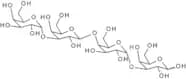


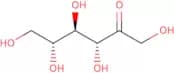
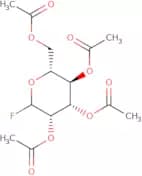
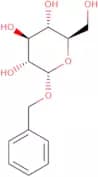
![1,2,3,4-Tetra-O-acetyl-D-[6-13C]glucuronide methyl ester](/_next/image/?url=https%3A%2Fstatic.cymitquimica.com%2Fproducts%2F3D%2Fthumb-webp%2FMT08063.webp&w=3840&q=75)
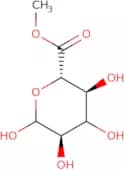
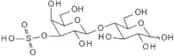
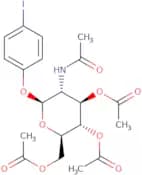
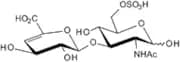
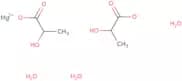

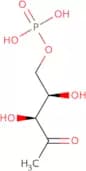
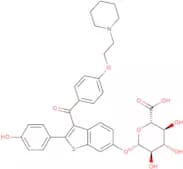

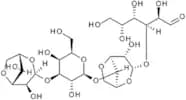
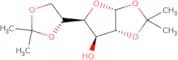

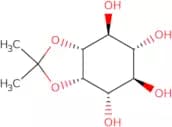


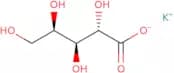

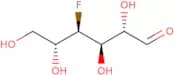
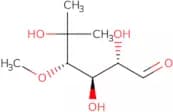
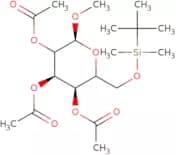



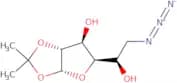
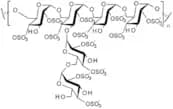
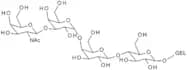
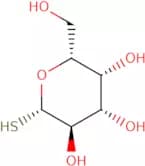


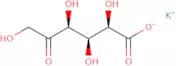
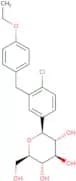
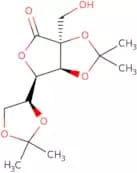
![1,3,4,6-Tetra-O-acetyl-2-[(2-aminoacetyl)amino]-2-deoxy-a-D-glucopyranose](/_next/image/?url=https%3A%2Fstatic.cymitquimica.com%2Fproducts%2F3D%2Fthumb-webp%2FMT145108.webp&w=3840&q=75)
![D-Galactopyranosyl-(b1-3)-[N-acetylneuraminyl-(a2-6)]-D-N-acetylgalactosaminyl serine](/_next/image/?url=https%3A%2Fstatic.cymitquimica.com%2Fproducts%2F3D%2Fthumb-webp%2FOG15272.webp&w=3840&q=75)
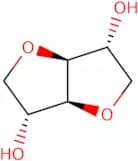
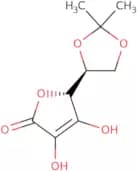
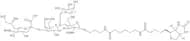


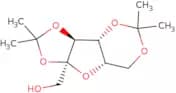
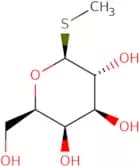
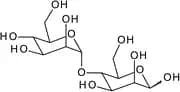
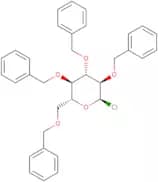
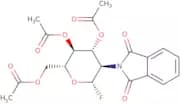

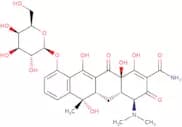
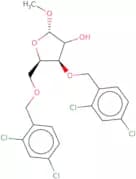
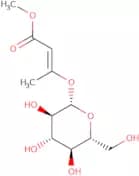
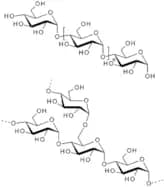

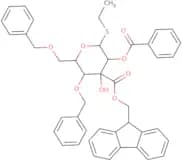
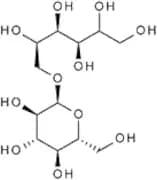
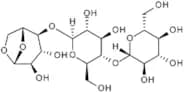
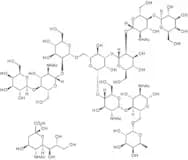
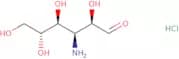
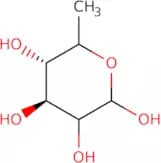

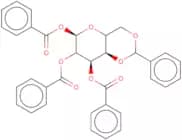
![(1S) -1- [(2S, 3R) - 3- Hydroxy- 1- azetidinyl] -1, 2- ethanediol hydrochloride](/_next/image/?url=https%3A%2Fstatic.cymitquimica.com%2Fproducts%2F3D%2Fthumb-webp%2FMH163414.webp&w=3840&q=75)
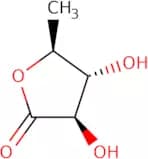

![N- [[(2R, 3R, 4S) - 4- [(Acetyloxy) methyl] - 3- (phenylmethoxy) - 1- (phenylmethyl) - 2- azetidin…](/_next/image/?url=https%3A%2Fstatic.cymitquimica.com%2Fproducts%2F3D%2Fthumb-webp%2FMA163471.webp&w=3840&q=75)

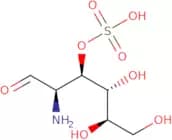


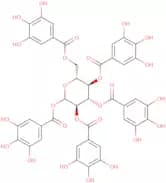
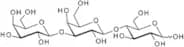
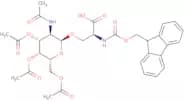
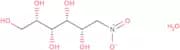

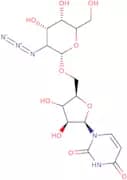
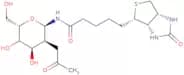
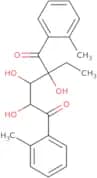
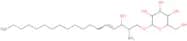


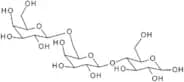

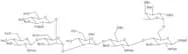
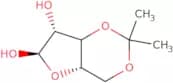

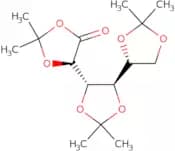
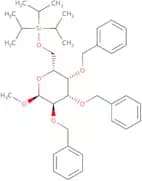
![(3b,14a)-3-O-b-D-glucopyranosyl-(1,2)-[b-D-xylopyranosyl-(1,3)]-b-D-glucopyranosyl-(1,4)-b-D-galac…](/_next/image/?url=https%3A%2Fstatic.cymitquimica.com%2Fproducts%2F3D%2Fthumb-webp%2FOG74568.webp&w=3840&q=75)
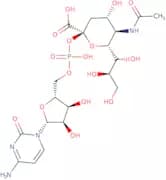
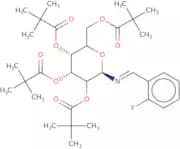
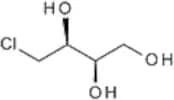
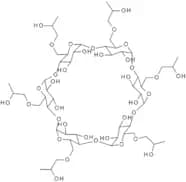


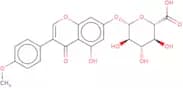
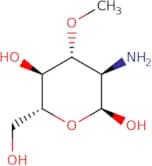


![(5R, 6R, 7R, 8S) -5, 7-Dihydroxy- 8- (hydroxymethyl) - 1- azabicyclo[4.2.0] octan- 2- one](/_next/image/?url=https%3A%2Fstatic.cymitquimica.com%2Fproducts%2F3D%2Fthumb-webp%2FMD163385.webp&w=3840&q=75)
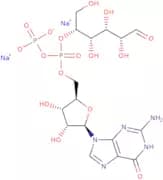
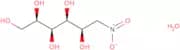
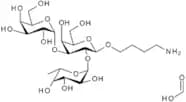
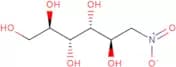



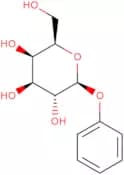

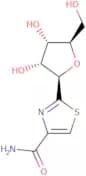
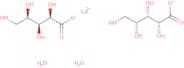
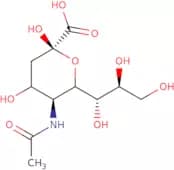

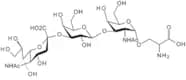

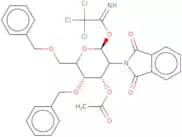
![(1S) -1- [(2S, 3S,4R) -4-Hydroxymethyl-3- hydroxy-1- azetidinyl] -1, 2- ethanediol hydrochloride](/_next/image/?url=https%3A%2Fstatic.cymitquimica.com%2Fproducts%2F3D%2Fthumb-webp%2FMH163375.webp&w=3840&q=75)
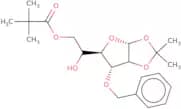
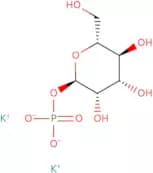
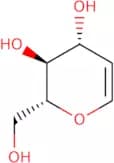
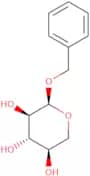
![(1S) -1- [(2S, 3R,4R) -4-Hydroxymethyl-3- hydroxy- 1- azetidinyl] -1, 2- ethanediol](/_next/image/?url=https%3A%2Fstatic.cymitquimica.com%2Fproducts%2F3D%2Fthumb-webp%2FMH163401.webp&w=3840&q=75)
![2-Methyl-(3,4,6-tri-O-acetyl-1,2-dideoxy-a-D-glucopyrano)-[2,1-d]-2-oxazoline](/_next/image/?url=https%3A%2Fstatic.cymitquimica.com%2Fproducts%2F3D%2Fthumb-webp%2FMM07263.webp&w=3840&q=75)


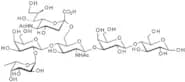
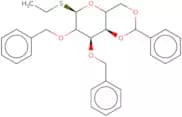


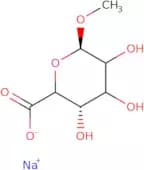
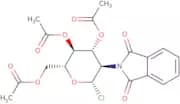
![4-Methoxyphenyl 2,6-di-O-acetyl-4-O-[2,4,6-tri-O-acetyl-3-O-allyl-β-D-galactopyranosyl]-3-O-allyl-…](/_next/image/?url=https%3A%2Fstatic.cymitquimica.com%2Fproducts%2F3D%2Fthumb-webp%2FOM10984.webp&w=3840&q=75)
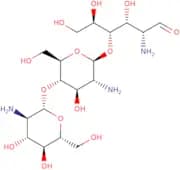


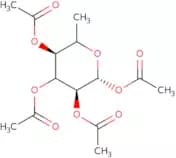

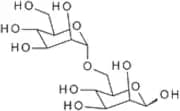
![N-Acetylneuraminyl-(a2-3)-D-galactopyranosyl-(b1-3)-[N-acetylneuraminyl-(a2-6)]-D-N-acetylgalactos…](/_next/image/?url=https%3A%2Fstatic.cymitquimica.com%2Fproducts%2F3D%2Fthumb-webp%2FOA15983.webp&w=3840&q=75)