Glicociência
A glicociência é o estudo dos carboidratos e seus derivados, bem como das interações e funções biológicas em que participam. Este campo de pesquisa é crucial para compreender uma ampla variedade de processos biológicos, incluindo o reconhecimento celular, a sinalização, a resposta imune e o desenvolvimento de doenças. A glicociência tem aplicações importantes na biotecnologia, na medicina e no desenvolvimento de novos medicamentos e terapias. Na CymitQuimica, oferecemos uma ampla seleção de produtos de alta qualidade e pureza para pesquisa em glicociência. Nosso catálogo inclui monossacarídeos, oligossacarídeos, polissacarídeos, glicoconjugados e reagentes específicos, projetados para apoiar os pesquisadores em seus estudos sobre a estrutura, função e aplicações dos carboidratos em sistemas biológicos. Esses recursos são destinados a facilitar descobertas científicas e aplicações práticas em diversas áreas das biociências e da medicina.
Subcategorias de "Glicociência"
- Amino açúcares(108 produtos)
- Anticorpos Glico-Relacionados(282 produtos)
- Glicolípidos(46 produtos)
- Glicosaminoglicanos (GAGs)(55 produtos)
- Glicosídeos(419 produtos)
- Monossacáridos(6.621 produtos)
- Oligossacarídeos(3.681 produtos)
- Polissacáridos(503 produtos)
Foram encontrados 11041 produtos de "Glicociência"
Ordenar por
Pureza (%)
0
100
|
0
|
50
|
90
|
95
|
100
1,4-Di-[(Trishydroxymethyl)aminomethane]-1,4-tertratamide
<p>1,4-Di-[(Trishydroxymethyl)aminomethane]-1,4-tertratamide is a methylated saccharide that can be used as a reagent for the click modification of polysaccharides and oligosaccharides. The fluorinated analogue of 1,4-di-[(trishydroxymethyl)aminomethane]-1,4-tertratamide has been shown to be an effective inhibitor of bacterial growth in vitro. This compound is also suitable for glycosylation and high purity synthesis.</p>Pureza:Min. 95%4,5-Desisopropylidene topiramate
CAS:<p>4,5-Desisopropylidene topiramate is a synthetic monosaccharide that is not naturally occurring. This compound has been synthesized with a click modification and glycosylation. It has a molecular weight of 459.29 g/mol and the CAS number 106881-41-8. The chemical formula is C11H21NO6 and it's molecular structure is shown below:</p>Fórmula:C9H17NO8SPureza:Min. 95%Cor e Forma:Off-white to pale yellow solid.Peso molecular:299.3 g/mol4'-Hydroxy atomoxetine b-D-glucuronide
CAS:<p>4'-Hydroxy atomoxetine b-D-glucuronide is a synthetic compound that has been modified for use in the synthesis of saccharides and oligosaccharides. The modification is a high-yielding, efficient, and economical method for the preparation of complex carbohydrates. This compound is an intermediate in the synthesis of glycosylations. It can be used for the click modification of proteins or polysaccharides.br>br><br>4'-Hydroxy atomoxetine b-D-glucuronide is an intermediate in the synthesis of glycosylations. It can be used for the click modification of proteins or polysaccharides. Click chemistry is a form of chemical reaction used to modify molecules by attaching them to other molecules with similar reactive groups, such as hydroxyl groups, through a process called "click" chemistry. The term was coined by K. Barry Sharpless at Stanford University in 2000 after he demonstrated that certain metal</p>Fórmula:C23H29NO8Pureza:Min. 95%Peso molecular:447.49 g/molGlycerone phosphate lithium salt
CAS:<p>Glycerone phosphate lithium salt is a reactive molecule that serves as an intermediate in the synthesis of rapamycin, a complex of glycerone phosphate and rapamycin. Glycerone phosphate lithium salt is used to detect the presence of glutamate dehydrogenase and to purify monoclonal antibodies. Glycerone phosphate lithium salt has been shown to react with platinum-based chemotherapy, which may be due to its ability to bind to active sites on cancer cells. This molecule also has been shown to reduce high cholesterol levels in mice and inhibit skin cancer tumor growth. Glycerone phosphate lithium salt's physiological effects have not been fully determined, but it may have some anticancer activity.</p>Fórmula:C3H7O6P·xLiPureza:Min. 95%Peso molecular:170.06 g/mol2,3,5-Tri-O-benzoyl-b-D-ribofuranosyl azide
CAS:<p>2,3,5-Tri-O-benzoyl-b-D-ribofuranosyl azide (2,3,5-TRBA) is an antiviral agent that inhibits the synthesis of viral nucleic acid by targeting a glycosylation step in the synthesis of herpes simplex virus type 1 (HSV1). 2,3,5-TRBA has significant antiviral activity against HSV1 and other herpes viruses. This compound is also active against influenza A virus and vaccinia virus. 2,3,5-TRBA inhibits the enzyme triosephosphate isomerase (TPI), which catalyzes the conversion of dihydroxyacetone phosphate to glyceraldehyde 3-phosphate. Inhibition of TPI leads to decreased glucose production in cells infected with herpes viruses. The acetonitrile used as a solvent in this reaction can be replaced by pyridine or DMF. The sulfonate group</p>Fórmula:C26H21N3O7Pureza:Min. 98 Area-%Cor e Forma:PowderPeso molecular:487.46 g/mol3-Deoxy-3-fluoro-D-mannose
CAS:<p>3-Deoxy-3-fluoro-D-mannose (3DFM) is a synthetic sugar molecule that acts as an inhibitor of bacterial growth. It binds to the 6-phosphate group of nucleic acids, which prevents the addition of sugar molecules to ribose or deoxyribose groups. 3DFM also inhibits the synthesis of proteins and RNA, which are necessary for bacterial growth. 3DFM is a structural analog of mannose and glucose, and has been shown to be effective against chronic infections caused by bacteria that produce lectins, such as C. difficile. This drug can be used in combination with other antibiotics to enhance their effectiveness.</p>Fórmula:C6H11FO5Pureza:Min. 95%Cor e Forma:PowderPeso molecular:182.15 g/mol2-Acetamido-4-O-(2,3,4,6-tetra-O-acetyl-b-D-galactopyranosyl)-1,6-di-O-benzyl-2-deoxy-a-D-glucopyranoside
CAS:<p>The glycoconjugate is a glycosylation of an oligosaccharide with a monosaccharide. It is synthesized by the reaction of an activated saccharide with an alcohol or amine, and is modified by methylation, click modification, fluorination or acetylation. The glycoconjugate has been shown to be used as a potential treatment for cancer.</p>Fórmula:C36H45NO15Pureza:Min. 95%Peso molecular:731.74 g/molrac cis-Moxifloxacin acyl-b-D-glucuronide
CAS:<p>Moxifloxacin is a fluoroquinolone antibiotic that inhibits bacterial DNA gyrase and topoisomerase IV, which are enzymes that maintain the integrity of bacterial DNA. Moxifloxacin forms an acyl-b-D-glucuronide metabolite (rac) which has a lower risk of drug resistance than moxifloxacin itself. Rac-moxifloxacin acyl-b-D-glucuronide also has a higher affinity for bacterial 16S ribosomal RNA, leading to better inhibition of protein synthesis and cell death. This drug is synthesized by modification of sugar moieties on the racemic compound with glycals to form oligosaccharides and polysaccharides. It is then methylated with a methyl group from S-adenosyl methionine (SAM). The resulting product is purified by crystallization or column chromatography to remove impurities. Rac cis</p>Fórmula:C27H32FN3O10Pureza:Min. 95%Cor e Forma:SolidPeso molecular:577.56 g/molPhenyl 4-O-acetyl-3,6-di-O-benzyl-2-deoxy-2-phthalimido-b-D-thioglucopyranoside
CAS:<p>Phenyl 4-O-acetyl-3,6-di-O-benzyl-2-deoxy-2-phthalimido-b-D-thioglucopyranoside is an oligosaccharide that has been modified with a click modification. The sugar is synthesized in high purity and the modification of this compound was achieved by fluorination. Phenyl 4O acetyl 3,6 di O benzyl 2 deoxy 2 phthalimido b D thioglucopyranoside is a carbohydrate that can be used as a monosaccharide or polysaccharide and has a complex structure. This chemical can also be used for methylation and is CAS No. 159734 71 1.</p>Pureza:Min. 95%D-Arabonic acid
CAS:<p>D-Arabonic acid is an acidic compound that is a sodium salt of D-arabitol. It is used as a kinetic, reactive model system for the study of the mechanism of action and inhibition of enzymes such as polymerase chain reaction (PCR) and DNA-dependent RNA polymerase (RdRP). D-Arabonic acid has been shown to be a potent inhibitor of these enzymes, although it does not inhibit other enzyme classes. The target enzyme binds to the substrate by electrostatic interactions with the negative oxygen atoms on the nitrogen atoms in its basic structure. The reaction mechanism may involve oxidation catalysts such as iron or copper ions. Kinetic data can be obtained using laser ablation.</p>Fórmula:C5H10O6Pureza:Min. 95%Peso molecular:166.13 g/mol2,3:5,6-Di-O-isopropylidene-L-gulofuranose
CAS:<p>2,3:5,6-Di-O-isopropylidene-L-gulofuranose is a stable sugar that has been shown to undergo interconversion with aluminium oxide. The reaction rate of this conversion is influenced by the presence of pyridine and other aldehydes or ketones. This transformation can be used in the preparation of 2,3:5,6-Di-O-isopropylidene-D-gulofuranose (2,3:5,6 DPG) from 2,3:5,6 DiO-(1'-methylpyrrolidinium)propane.</p>Pureza:Min. 95%Difucosyl-para-lacto-N-hexaose III
<p>Difucosyl-para-lacto-N-hexaose III is a custom synthesis. It is an oligosaccharide that belongs to the class of polysaccharides. It has a molecular weight of 1,000 Da and contains two monosaccharides: difucose and para-lactohexose. This product can be modified with fluorination or click chemistry. Difucosyl-para-lacto-N-hexaose III has a purity of > 98% and CAS No., which is 93794-37-5.</p>Pureza:Min. 95%Methyl 2,3,4-tri-O-benzyl-b-L-fucopyranoside
CAS:<p>Methyl 2,3,4-tri-O-benzyl-b-L-fucopyranoside is a carbohydrate that contains a saccharide unit. This molecule belongs to the class of oligosaccharides and has CAS number 74841-88-6. It is synthesized from monosaccharides and custom synthesis. Methyl 2,3,4-tri-O-benzyl-b-L-fucopyranoside is also known as methylated, glycosylated, or fluorinated sugar. The product can be customized for specific requirements.</p>Fórmula:C28H32O5Pureza:Min. 95%Peso molecular:448.55 g/molβ-D-Ribopyranosyl amine
CAS:<p>b-D-Ribopyranosyl amine is a type of indoline that is derived from d-lyxose. It can be used to synthesize a variety of functionalized amines and derivatives. The stereospecificity of acetylated b-D-ribopyranosyl amine has been studied by spectroscopic methods. It has also been shown to have the ability to inhibit tyramine synthesis, which can lead to the development of Parkinson's disease.</p>Fórmula:C5H11NO4Pureza:Min. 95%Cor e Forma:PowderPeso molecular:149.15 g/mol2'-Fucosyllactose-APD-BSA
<p>2'-Fucosyllactose-APD-BSA is a high purity, custom synthesis, glycosylation, polysaccharide that is Click modified and methylated. 2'-Fucosyllactose-APD-BSA is a complex carbohydrate with a CAS number of 6440-85-3. This product is synthesized from the monosaccharide 2'-fucosyllactose and the oligosaccharide, APD. It has been shown to inhibit bacterial growth and supports the immune system by promoting antibody production after antigen stimulation. The fucose sugars on this product are linked to the phosphate backbone through an amide bond. This product can be used in glycoprotein research, molecular biology work, or as an adjuvant for vaccine formulation.</p>Pureza:Min. 95%Cor e Forma:White PowderPropargyl 2,3,4,6-tetra-O-acetyl-b-D-galactopyranoside
CAS:<p>Propargyl 2,3,4,6-tetra-O-acetyl-b-D-galactopyranoside is a custom synthesis of a fluorinated and methylated monosaccharide. This compound is an oligosaccharide that has been glycosylated with sugar. The CAS number for this compound is 211688-84-5.</p>Pureza:Min. 95%5-Deoxy-1,2-O-isopropylidene-5-[(2R-pyridin-4-yl-pyrrolidine)-1-yl]-a-D-xylofuranose
CAS:<p>5-Deoxy-1,2-O-isopropylidene-5-[(2R-pyridin-4-yl-pyrrolidine)-1-yl]-a-D-xylofuranose is a synthetic sugar that can be custom synthesized. This sugar has been modified with fluorination and glycosylation. It is also methylated and has been modified by the addition of saccharide chains.</p>Fórmula:C17H24N2O4Pureza:Min. 95%Peso molecular:320.39 g/molrac N,O-didesmethyl venlafaxine b-D-glucuronide hydrochloride
CAS:<p>RacN,O-didesmethylvenlafaxine b-D-glucuronide hydrochloride is a synthetic glycosylated active metabolite of venlafaxine. It is an N-desmethyl derivative of racemic venlafaxine, which has been modified by oxygenation and fluorination of the methyl group at the nitrogen atom. RacN,O-didesmethylvenlafaxine b-D-glucuronide hydrochloride is a complex carbohydrate with high purity. It is also a saccharide that can be modified with click chemistry for desired modifications. The CAS No. for this compound is 1021933-99-2.</p>Fórmula:C21H32ClNO8Pureza:Min. 95%Peso molecular:461.93 g/molDaunorubicin-13C,d3
<p>Daunorubicin-13C,d3 is a custom synthesis of daunorubicin that has been modified by the addition of 13C and 3H isotopes. The chemical name is: 4′,5′-O-(4,4′-dimethoxytrityl)-2′,3′-dideoxyadenosine-5′-O-(4,4′-dimethoxytrityl)<br>(13C,d3) 2″-[(2″-deoxy-β--D--ribofuranosyl)amino]-5’-[(2″-deoxy--β--D--ribofuranosyl)amino]-3’<br>adenosine. It contains a complex carbohydrate with an oligosaccharide chain. This product is CAS No., 50739-09-1 and has a purity of 98%. Daunorubicin is a sugar</p>Fórmula:CC26H26D3NO10Pureza:Min. 95%Peso molecular:531.53 g/mol4'-O-(b-D-2'',3'',4'',6''-Tetra-O-acetyl-glucopyranosyl)-4-nitrophloretin
CAS:<p>4'-O-(b-D-2'',3'',4'',6''-Tetra-O-acetyl-glucopyranosyl)-4-nitrophloretin is a modified carbohydrate that contains glucose, glucuronic acid, and nitrobenzene. It is a synthetic compound with a high purity and custom synthesis. The 4'-O-(b-D-2'',3'',4'',6''-Tetra-O-acetyl-glucopyranosyl)-4-nitrophloretin has been methylated, glycosylated, and click modified for research purposes.</p>Fórmula:C29H31NO15Pureza:Min. 95%Peso molecular:633.55 g/mol3,5-Di-O-benzoyl-2-deoxy-2,2-difluoro-α-D-ribofuranose
CAS:<p>3,5-Di-O-benzoyl-2-deoxy-2,2-difluoro-D-ribofuranose is a synthetic monosaccharide with a fluorine atom at the 2 position. It has been used to synthesize saccharides and oligosaccharides with methylation, click modification, and fluoroination. This chemical is soluble in water and has a molecular weight of 184.12 g/mol. 3,5-Di-O-benzoyl-2,2'-difluoro D ribofuranose is used as an ingredient in polysaccharide or oligosaccharide synthesis where it can be modified at the C3 or C5 positions by addition of a methyl group or fluorine atom. The compound can also be used as a substrate for the enzyme alpha amylase to produce maltose.</p>Fórmula:C19H16F2O6Pureza:Min. 95%Cor e Forma:PowderPeso molecular:378.32 g/mol2,6-Di-O-benzoyl-methyl-a-D-glucopyranoside
CAS:<p>2,6-Di-O-benzoyl-methyl-a-D-glucopyranoside is a custom synthesis that is an oligosaccharide. It has a molecular weight of 590.17 g/mol and a formula weight of 594.22 g/mol. 2,6-Di-O-benzoyl-methyl-a-D-glucopyranoside has the following structure:</p>Fórmula:C21H22O8Pureza:Min. 95%Peso molecular:402.39 g/molb-Cyclodextrin dihydrogen phosphate, sodium salt
CAS:<p>This beta-cyclodextrin (β-CD) derivative is a functionalized cyclic oligosaccharide composed of seven glucose units, characterized by a hydrophilic exterior and a lipophilic cavity (bigger than α-CD and smaller than γ-CDs), which allows it to encapsulate various guest molecules. This structural feature facilitates its use in multiple applications, including pharmaceuticals, food enhancement, and cosmetics. In the pharmaceutical industry, it enhances the solubility and stability of poorly water-soluble drugs, improving their bioavailability and efficacy while also masking unpleasant tastes. The food sector utilizes it as a stabilizer for flavors, colors, and nutrients, extending shelf life by protecting sensitive ingredients from degradation. In cosmetics, it serves as a complexing agent for fragrances and active components, ensuring their stability and controlled release. Its use expands to many other fields, including nanotechnology for drug delivery systems, environmental remediation for extracting organic pollutants, textiles for slow-release fragrances, and analytical chemistry for chiral separation.</p>Fórmula:C42H70O35Pureza:Min. 95%Peso molecular:1,134.98 g/molMannostatin A hydrochloride
CAS:<p>Mannostatin A is a prodrug that is activated in the body by cleavage of the ester linkage. It has been shown to be a specific inhibitor of feedback inhibition of protein synthesis and cleavage at the carboxyl-terminal end. Mannostatin A has also been shown to inhibit, selectively, the synthesis of proteins in bacteria. In addition, it is possible that this drug may be converted into an inactive form by conjugation with glucuronic acid or by oxidation.</p>Fórmula:C6H14ClNO3SPureza:Min. 95%Peso molecular:215.7 g/mol1,6, 2,3-Dianhydro-β-D-talopyranose
CAS:<p>1,6, 2,3-Dianhydro-beta-D-talopyranose is a fluorinated sugar that is an intermediate in the synthesis of complex carbohydrates. It has been used as a monosaccharide building block and can also be used to synthesize oligosaccharides and polysaccharides. 1,6, 2,3-Dianhydro-beta-D-talopyranose can be modified with methylation or click chemistry to alter its properties. This product is a carbohydrate that has been modified for research purposes.</p>Fórmula:C6H8O4Pureza:Min. 95%Peso molecular:144.12 g/mol2-Deoxy-2-fluoro-L-[UL-13C]fucose
CAS:<p>2-Deoxy-2-fluoro-L-[UL-13C]fucose is a modified sugar molecule used in various scientific applications, particularly in glycobiology and drug development. It's used to study fucose-containing glycans, enzyme interactions, metabolic pathways, and glycoengineering. For instance, it can be incorporated into proteins to investigate the effects of fucose modifications on their function or used to develop drugs targeting fucose-metabolizing enzymes</p>Fórmula:C6H12O5Pureza:Min. 95%Peso molecular:164.16 g/molMethyl 2,3-O-isopropylidene-5-O-benzyl-b-D-ribofuranoside
CAS:<p>Methyl 2,3-O-isopropylidene-5-O-benzyl-b-D-ribofuranoside is a modified sugar that is synthesized by the methylation of 5-O-benzyl bromoformate with Methyl 2,3,4,5,-tetraacetoxybromobenzene. This compound is also known as Methyl 2,3,4,5,-tetraacetoxybromobenzene. It has CAS No. 33019-63-5 and molecular weight of 290.</p>Fórmula:C16H22O5Pureza:Min. 95%Peso molecular:294.34 g/molTrimethylsilyl-meso-inositol
CAS:<p>Trimethylsilyl-meso-inositol is a metabolite of inositol and can be found in biological samples. It has been detected by GC-MS profiling, chromatograms, and profiles. Trimethylsilyl-meso-inositol has been used as an experimental compound to study the effects of electron irradiation on bacterial DNA. This metabolite has also been identified as a volatile substance. There are no known sources or nature of this molecule, but it is reproducible.</p>Fórmula:C24H60O6Si6Pureza:Min. 95%Peso molecular:613.24 g/mol3-O-Acetyl-1,2-O-isopropylidine-6-O-trityl-a-D-galactofuranose
CAS:<p>3-O-Acetyl-1,2-O-isopropylidine-6-O-trityl-a-D-galactofuranose is a synthetic compound with a molecular weight of 514.5. It is an oligosaccharide with a glycosylation modification and fluorination. The compound can be used as a research tool in the study of glycosylation, methylation, click modification, polysaccharide synthesis, fluorination, saccharide modifications and sugar modifications. 3-O-Acetyl-1,2-O-isopropylidine-6-[trityl]-a-[D]galactofuranose can also be used for custom synthesis; this product is available in high purity.</p>Fórmula:C30H32O7Pureza:Min. 95%Peso molecular:504.57 g/mol1,6-Anhydro-4-O-(2,3,4,6-tetra-O-acetyl-a-D-mannopyranosyl)-b-D-mannopyranose
CAS:<p>1,6-Anhydro-4-O-(2,3,4,6-tetra-O-acetyl-a-D-mannopyranosyl)-b-D-mannopyranose is a modified oligosaccharide that is a carbohydrate. This product is custom synthesized and has high purity. It is a monosaccharide with methylation and glycosylation. The CAS number for this product is 6765035505.</p>Fórmula:C20H28O14Pureza:Min. 95%Peso molecular:492.44 g/mol1,2,3,5,6-Penta-O-propanoyl-D-glucofuranose
CAS:<p>Penta-O-propanoyl-D-glucofuranose is a custom synthesis of penta-O-propanoic acid and D-glucose. It is an oligosaccharide that is synthesized by the reaction of penta-O-propanoic acid with D-glucose in the presence of an acid catalyst, such as hydrochloric acid, sulfuric acid, or phosphoric acid. Penta-O-propanoyl-D-glucofuranose has been used to modify saccharides by methylation, glycosylation, or carbamylation. This product has a CAS number of 307531–77–7 and can be found on ChemSpider.</p>Fórmula:C21H32O11Pureza:Min. 95%Peso molecular:460.47 g/molMethyl 2-acetamido-2-deoxy-6-O-(b-D-galactopyranosyl)-b-D-glucopyranoside
<p>Methyl 2-acetamido-2-deoxy-6-O-(b-D-galactopyranosyl)-b-D-glucopyranoside is a carbohydrate that is modified by the addition of a methyl group to the C3 position. The glycosylation of this carbohydrate can be achieved by using a variety of methods, including Click chemistry and Methylation. This product has been custom synthesized for high purity and can be used in various applications, such as Glycosylation and Polysaccharide synthesis.</p>Fórmula:C15H27NO11Pureza:Min. 95%Peso molecular:397.38 g/molCarboxymethyl cellulose sodium - Viscosity 4000-6000 mPa·s
CAS:<p>Please enquire for more information about Carboxymethyl cellulose sodium - Viscosity 4000-6000 mPa·s including the price, delivery time and more detailed product information at the technical inquiry form on this page</p>(S)-Naproxen acyl-b-D-glucuronide
CAS:<p>Naproxen is a non-steroidal anti-inflammatory drug (NSAID) that is used to relieve pain and reduce inflammation. The NSAIDs are metabolized in the liver by oxidation, reduction, hydrolysis, or conjugation with glucuronic acid. Naproxen undergoes a number of metabolic transformations including fragmentation, which can be detected using an MS/MS analyzer. Naproxen acyl-b-D-glucuronide is an oxidative metabolite of naproxen that has been shown to have high uptake into mammalian cells and bioconcentrates in fish. This metabolite has also been shown to be metabolized in the liver by conjugation with glucuronic acid.</p>Fórmula:C20H22O9Pureza:Min. 95%Peso molecular:406.38 g/mol3-Deoxy-D-glucosone-bis(benzoylhydrazone)
CAS:<p>3-Deoxy-D-glucosone-bis(benzoylhydrazone) is a synthetic compound that has been used in the synthesis of saccharides and oligosaccharides. This reagent can be used for the methylation of glycosyl groups, as well as the modification of carbohydrate chains to produce complex carbohydrates. 3-Deoxy-D-glucosone-bis(benzoylhydrazone) is a white powder with a molecular weight of 239. It is soluble in methanol, ethanol, acetone, and chloroform. The CAS number for this compound is 32443-70-2.</p>Fórmula:C20H22N4O5Pureza:Min. 95%Peso molecular:398.41 g/mol2,3,4,6-Tetra-O-acetyl-a-D-mannopyranosyl isothiocyanate
CAS:<p>2,3,4,6-Tetra-O-acetyl-a-D-mannopyranosyl isothiocyanate (TMIT) is a custom synthesis that has been modified to include a fluorine atom. TMIT is a polysaccharide that has been modified by methylation and glycosylation. This compound has been synthesized from the natural carbohydrate D-mannopyranose. TMIT is known for its ability to inhibit protein glycosylation in bacteria cells. It also has high purity with an Oligosaccharide CAS No. 93221-21-7 and modification of saccharides with the addition of methyl groups. The chemical structure of TMIT can be found at 2,3,4,6-Tetra-O-acetyl-a-D-mannopyranosyl isothiocyanate (TMIT).</p>Fórmula:C15H19NO9SPureza:Min. 95%Peso molecular:389.38 g/mol4-(Methylnitrosamino)-1-(3-pyridyl)-1-butanone-N-b-D-glucuronide
CAS:<p>4-(Methylnitrosamino)-1-(3-pyridyl)-1-butanone-N-b-D-glucuronide is a high purity, custom synthesis, sugar modified, fluorinated, glycosylated and carbonylated synthetic compound. It belongs to the class of saccharides and has a CAS No. 350508-26-8. This complex carbohydrate has been shown to have antiarthritic activities in rats.</p>Fórmula:C16H21N3O8Pureza:Min. 95%Peso molecular:383.35 g/molβ-D-Glucopyranosyl taraxinic ester
CAS:<p>β-D-Glucopyranosyl taraxinic ester is a cytotoxic natural product that has been shown to inhibit the growth of tumor cells in vitro. β-D-Glucopyranosyl taraxinic ester inhibits the synthesis of nucleic acids, proteins, and lipids. It also inhibits the proliferation of lymphoid cells in vitro. The IC50 values for β-D-glucopyranosyl taraxinic ester are 0.04 mM for mouse tumor cells and 0.07 mM for human tumor cells.<br> β-D-Glucopyranosyl taraxinic ester has been shown to inhibit the growth of tumor cell lines in vitro, such as K562 and P388 leukemia cell lines, HeLa cervical carcinoma, and A549 lung carcinoma cell lines. This compound induces apoptosis by increasing caspase activity and decreasing bcl2 levels in these cancer cells.</p>Fórmula:C21H28O9Pureza:Min. 95%Peso molecular:424.44 g/molBenzyl 2,3-O-[(1S,2S)-1,2-dimethoxy-1,2-dimethyl-1,2-ethanediyl]-b-D-arabinopyranoside
CAS:<p>Benzyl 2,3-O-[(1S,2S)-1,2-dimethoxy-1,2-dimethyl-1,2-ethanediyl]-b-D-arabinopyranoside is a modification of an oligosaccharide. It is a carbohydrate that is synthesized through the methylation and glycosylation of a monosaccharide. This product has high purity and CAS No. 887370-09-4. It is also fluorinated and saccharide.</p>Fórmula:C18H26O7Pureza:Min. 95%Peso molecular:354.39 g/mol1,2,3,4-Tetra-O-acetyl-6-O-(2,3,4,6-tetra-O-acetyl-a-D-mannopyranosyl)-D-mannopyrannose
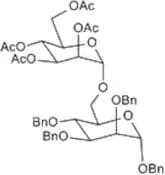
CAS:<p>1,2,3,4-Tetra-O-acetyl-6-O-(2,3,4,6-tetra-O-acetyl-aD-mannopyranosyl)-D-mannopyrannose is a tetrasaccharide that can be synthesized by modifying the sugar moiety of 1,2,3,4-tetra-O-[(2,3,4)-triacetyl]-6-[(1R)-1-(2,3,4,-triacetyl)glycoloyl]aD mannopyranose. This modified sugar moiety is then reacted with methyl fluoride to produce 1. It has been shown to inhibit the growth of bacteria and fungi.</p>Fórmula:C28H38O19Pureza:Min. 95%Peso molecular:678.59 g/mol[1-13C]Maltose monohydrate
<p>13C labeled maltose is a useful analytical standard for Carbon NMR spectroscopy</p>Fórmula:CC11H22O11·H2OPureza:Min. 95%Peso molecular:361.3 g/mol4,6-Di-O-(3,4,6-tri-O-acetyl-2-deoxy-2-phthalimido b-D-glucopyranosyl)-1,3-6-tri-O-benzyl-a-D-mannopyranoside
CAS:<p>4,6-Di-O-(3,4,6-tri-O-acetyl-2-deoxy-2-phthalimido b-D-glucopyranosyl)-1,3-6-tri-O-benzyl a -D -mannopyranoside is a carbohydrate that has been modified with fluorine. It is an oligosaccharide composed of three monosaccharides linked by glycosidic bonds. The modification of the carbohydrate with fluorine was achieved through a click chemistry reaction between the 4’ and 6’ position of the glucose moiety. This product is used in custom synthesis and high purity applications.</p>Fórmula:C67H68N2O24Pureza:Min. 95%Peso molecular:1,285.26 g/mol3,4-Di-O-acetyl-2-O-benzyl-L-rhamnopyranoside
<p>3,4-Di-O-acetyl-2-O-benzyl-L-rhamnopyranoside is a custom synthesized, fluorinated, methylated, monosaccharide that can be used as a synthetic building block for the synthesis of saccharides. This compound has been shown to have a CAS number and is classified as an oligosaccharide. 3,4-Di-O-acetyl-2-O-benzyl-L-rhamnopyranoside is recommended for use in glycosylation reactions. It has been shown to react with other saccharides at the C1 position in the presence of various conditions such as mild alkaline or acid conditions.</p>Fórmula:C17H22O7Pureza:Min. 95%Peso molecular:338.35 g/molPhenyl 2,3,4-tri-O-benzoyl-b-D-thiogalactopyranoside
CAS:<p>Phenyl 2,3,4-tri-O-benzoyl-b-D-thiogalactopyranoside is a methylation product of b-D-thiogalactopyranoside. It has CAS No. 139608-11-0 and a molecular weight of 536.2. This compound is an Oligosaccharide with a molecular formula of C8H8O7 and a molecular weight of 432.1. Phenyl 2,3,4-tri-O-benzoyl-b-D-thiogalactopyranoside is also known as Methyl 3,4-(Benzoyloxy)galactoside or Methyl 3,4-(Benzoic acid)galactoside. This compound is soluble in water and ethanol and has the appearance of a white to off white powder at room temperature.</p>Pureza:Min. 95%N-(5-Carboxypentyl)-deoxynojirimycin
CAS:<p>N-(5-Carboxypentyl)-deoxynojirimycin is a synthetic glycosylation agent that is used in the preparation of oligosaccharides, polysaccharides and saccharide complexes. This compound is also a potential therapeutic agent for cancer, as it can inhibit tumor cell growth by inhibiting protein synthesis. N-(5-Carboxypentyl)-deoxynojirimycin can be used as an intermediate in the synthesis of other fluorinated sugars. When modified with methyl groups, this compound has shown anticancer activity against human breast cancer cells.</p>Fórmula:C12H23NO6Pureza:Min. 95 Area-%Cor e Forma:Beige PowderPeso molecular:277.31 g/molMethyl 3-O-(2-acetamido-2-deoxy-a-D-galactopyranosyl)-b-D-galactopyranoside
CAS:<p>Methyl 3-O-(2-acetamido-2-deoxy-a-D-galactopyranosyl)-b-D-galactopyranoside is a custom synthesis, complex carbohydrate. It belongs to the group of oligosaccharides and polysaccharides. This product is a sugar with high purity, which can be fluorinated. The CAS number for this compound is 128396-53-2.</p>Fórmula:C15H27NO11Pureza:Min. 95%Cor e Forma:PowderPeso molecular:397.38 g/molD-Mannose-3-13C
CAS:<p>Please enquire for more information about D-Mannose-3-13C including the price, delivery time and more detailed product information at the technical inquiry form on this page</p>Fórmula:C6H12O6Pureza:Min. 95%Peso molecular:181.15 g/mol1-Deoxy-L-erythrulose
CAS:<p>1-Deoxy-L-erythrulose is an electron acceptor that is a non-essential cofactor for the enzyme reductoisomerase. It binds to the active site of the enzyme and stabilizes its conformation, which leads to the formation of a dianion. 1-Deoxy-L-erythrulose also acts as an activator for phosphite, which is a transition state analog. This activation leads to the formation of ATP and NADPH as products.</p>Fórmula:C4H8O3Pureza:Min. 95%Peso molecular:104.1 g/mol2-Methylphenyl 2-acetamido-3,4,6-tri-O-acetyl-2-deoxy-b-D-glucopyranoside
CAS:<p>2-Methylphenyl 2-acetamido-3,4,6-tri-O-acetyl-2-deoxy-b-D-glucopyranoside is a high purity custom synthesis that has undergone a click modification (a reaction in which an azide group is transferred from an alkyne group to an electron rich atom such as nitrogen). The product has been fluorinated and modified with the addition of a saccharide group. This complex carbohydrate can be used in the synthesis of oligosaccharides or polysaccharides. It is also used as a sugar substitute.</p>Fórmula:C21H27NO9Pureza:Min. 95%Peso molecular:437.44 g/mol3,4,6-Tri-O-acetyl-2-deoxy-2-trichloroacetamido-D-glucopyranose
<p>3,4,6-Tri-O-acetyl-2-deoxy-2-trichloroacetamido-D-glucopyranose is an oligosaccharide that can be synthesized with a high purity. It is used as an intermediate in the synthesis of saccharides and complex carbohydrates. 3,4,6-Tri-O-acetyl-2-deoxy-2-trichloroacetamido-D-glucopyranose can also be fluorinated, glycosylated and methylated to generate new compounds. The CAS number for this compound is 4953–59–3. This compound is made up of three sugars: a hexose, a pentose and a triose. The carbohydrate that is produced from this compound has the following formula: C6H12O6 • H2O • O4CCH(OH)CH(OH)CH(OH)COO</p>Fórmula:C14H18Cl3NO9Pureza:Min. 95%Peso molecular:450.66 g/mol4-Methylumbelliferyl 2,3,4-tri-O-acetyl-a-L-idopyranosiduronic acid methyl ester
CAS:<p>4-Methylumbelliferyl 2,3,4-tri-O-acetyl-a-L-idopyranosiduronic acid methyl ester is a custom synthesis of a monosaccharide. It is fluorinated, methylated, and modified with the click reaction. This product has been used in the modification of oligosaccharides and polysaccharides.</p>Fórmula:C23H24O12Pureza:Min. 95%Peso molecular:492.43 g/mol2-Acetamido-2,4-dideoxy-4-fluoro-D-galactopyranose
CAS:<p>2-Acetamido-2,4-dideoxy-4-fluoro-D-galactopyranose (2ADF) is a synthetic ligand that binds to selectins, which are receptors expressed on the surface of cells. 2ADF has been shown to have a pharmacological effect in inhibiting inflammatory diseases by binding to and blocking the function of selectins. This drug has also been shown to inhibit leukocyte trafficking and chemotaxis by preventing the binding of selectins with their ligands, galectin 1 or galectin 3. 2ADF does not bind to glycan structures found on the cell membrane, but instead binds to glycan structures found on the surfaces of cells.</p>Fórmula:C8H14FNO5Pureza:Min. 95%Peso molecular:223.2 g/molRaltegravir b-D-glucuronide methyl ester
<p>Raltegravir is an HIV protease inhibitor that belongs to the class of glycosylated polymers. This compound is synthesized by a click modification of d-glucose with a methyl group and then fluorinated. The sugar moiety is attached to the backbone through a glycosyl linkage, which results in the formation of a complex carbohydrate. Raltegravir b-D-glucuronide methyl ester is soluble in water, alcohols, and organic solvents. It has been shown to be active against HIV type 1 strains resistant to other drugs. The synthesis of this compound was custom designed for high purity and high yield.</p>Fórmula:C27H31FN6O11Pureza:Min. 95%Peso molecular:634.57 g/molα-D-Glucosamine 1-phosphate
CAS:<p>α-D-Glucosamine 1-phosphate is a methylated and glycosylated carbohydrate that is synthesized from glucose. It can be used as a building block for the synthesis of polysaccharides, such as chitin and cellulose. α-D-Glucosamine 1-phosphate can also be modified by fluorination to produce an active form with potent anticancer activity.</p>Fórmula:C6H14NO8PPureza:Min. 95%Peso molecular:259.15 g/mol2-Hydroxyimipramine b-D-glucuronide
CAS:<p>2-Hydroxyimipramine b-D-glucuronide is a custom synthesis, modification, and fluorination of the drug 2-hydroxyimipramine. The methyl group from the molecule is replaced with a fluoro group. This modification leads to a new compound with improved pharmacokinetic properties. The new compound also has glycosylation sites on the sugar ring that are not present in the parent drug. This modification may lead to an increase in the therapeutic efficacy of 2-hydroxyimipramine b-D-glucuronide as it interacts with other drugs and increases their bioavailability.</p>Fórmula:C25H32N2O7Pureza:Min. 95%Cor e Forma:SolidPeso molecular:472.54 g/molD-Arabino-5-hexulosonic acid
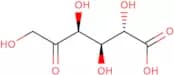
CAS:<p>D-Arabino-5-hexulosonic acid is an intermediate in the pentose phosphate pathway. It is a component of the hexuronate, which is an important precursor for galactitol, 6-phosphate, and acid dehydrogenase. D-Arabino-5-hexulosonic acid is also an important intermediate in the glycolytic pathway for ATP production. The gene product has been shown to be involved in aerobic glycolysis, which is utilized by Staphylococcus aureus to produce energy from glucose fermentation. D-Arabino-5-hexulosonic acid plays a role in ion exchange and mitochondrial metabolism as well.</p>Fórmula:C6H10O7Pureza:Min. 95%Peso molecular:194.14 g/mol1,2,3,4,6-Penta-O-acetyl-a-D-thiogalactopyranose
CAS:<p>1,2,3,4,6-Penta-O-acetyl-a-D-thiogalactopyranose is a fluorinated saccharide that can be used as a research tool. It has been modified with methylation and glycosylation. This product is purified and custom synthesized to meet customer specifications.</p>Fórmula:C16H22O10SPureza:Min. 95%Peso molecular:406.41 g/mol1-Acetyl-2-deoxy-3,5-di-O-benzoylribofuranose
CAS:<p>1-Acetyl-2-deoxy-3,5-di-O-benzoylribofuranose is a fluorinated carbohydrate that is synthesized by click chemistry with acetic anhydride and 3,5-di-O-benzoylribofuranose. It is a complex carbohydrate with a high purity. This product can be custom synthesized to meet the specific requirements of customers.</p>Fórmula:C21H20O7Pureza:Min. 95%Peso molecular:384.38 g/mol4-Bromophenyl 2-acetamido-2-deoxy-b-D-glucopyranoside
CAS:<p>4-Bromophenyl 2-acetamido-2-deoxy-b-D-glucopyranoside is a synthetic glycosylate that is used for the modification of saccharides and polysaccharides. It can be used for click chemistry to modify proteins, antibodies, and other biomolecules. The modification of saccharides with 4-Bromophenyl 2-acetamido-2-deoxy-b-D-glucopyranoside can be done using the "glycosylation" reaction. This reaction will result in the formation of a glycosidic linkage between the sugar and the brominated acetamide group. The modification of polysaccharides with 4Bromophenyl 2-acetamido2 deoxy bD glucopyranoside can be done using "Oligosaccharide". This reaction will result in the formation of a glycosidic linkage between the sugar and</p>Fórmula:C14H18BrNO6Pureza:Min. 95%Peso molecular:376.2 g/mol2,3-Desisopropylidene topiramate
CAS:<p>2,3-Desisopropylidene topiramate is a modified sugar that is synthesized from 2-deoxy-D-ribose and 3,4,5-trihydroxybenzoic acid. This product is a white to off-white powder with a molecular weight of 238.17 g/mol. It has been shown to have excellent stability and high purity in synthesis.</p>Fórmula:C9H17NO8SPureza:Min. 95%Cor e Forma:White to off-white solid.Peso molecular:299.3 g/mol3-Deoxy-3-fluoro-D-myo-inositol 1,4,5-trisphosphate hexasodium salt
CAS:<p>3-Deoxy-3-fluoro-D-myo-inositol 1,4,5-trisphosphate hexasodium salt is a synthetic sugar that has been modified with fluorination and glycosylation. It is used for the synthesis of oligosaccharides and monosaccharides. 3-Deoxy-3-fluoro-D-myo-inositol 1,4,5-trisphosphate hexasodium salt is a carbohydrate that can be found in complex carbohydrates such as glycolipids and glycoproteins. The CAS number for this compound is 129365–68–0.</p>Fórmula:C6H8FO14P3Na6Pureza:Min. 95%Peso molecular:553.98 g/moltert-Amyl 2-acetamido-2-deoxy-b-D-glucopyranoside
CAS:<p>Tert-Amyl 2-acetamido-2-deoxy-b-D-glucopyranoside is a synthetic derivative of the natural sugar nucleotide, UDP-N-acetylgalactosamine. It is a precursor for the synthesis of glycosaminoglycans, which are important components of proteoglycans and glycosaminoglycan aggregates. Tert-Amyl 2-acetamido-2-deoxy-b-D-glucopyranoside has been modified by fluorination and methylation to provide increased stability and reactivity. This product is available in high purity with a CAS number of 262849-66-1.</p>Fórmula:C13H25NO6Pureza:Min. 95%Peso molecular:291.34 g/molD-Glucofuranuronic acid,γ-lactone,1,6-13C2
CAS:<p>D-Glucofuranuronic acid,gamma-lactone,1,6-13C2 is an organic compound that is a glycosidic acid with a uronic acid group. It is composed of a hydrocarbon group and an acetylated d-xylose. This compound has been shown to have inhibitory activities against glycosidases and glycoside hydrolases. D-Glucofuranuronic acid,gamma-lactone,1,6-13C2 is synthesized by the reaction of trifluoroacetic acid with glyceraldehyde in the presence of water and an acid catalyst. It can be used as medicine for treating blood sugar levels but should not be taken in conjunction with other medicines because it inhibits their absorption.</p>Fórmula:C2C4H8O6Pureza:Min. 95%Peso molecular:178.12 g/molEthyl-3,6-di-O-benzoyl-2-trifluoromethanesulfonyl-4-O-(2,3,4,6-tetra-O-acetyl-b-D-galactopyranosyl)-b-D-mannopyranoside
CAS:<p>Ethyl-3,6-di-O-benzoyl-2-trifluoromethanesulfonyl-4-O-(2,3,4,6-tetra-O-acetyl-b-D-galactopyranosyl)-b-D-mannopyranoside is a synthetic modified oligosaccharide that has been fluorinated. It is a complex carbohydrate that has a CAS number of 1008750-65-9. The modification of the monosaccharides in this product are methylation and click modification.</p>Fórmula:C37H41F3O19SPureza:Min. 95%Peso molecular:878.77 g/molN-(e-Aminocaproyl)-b-D-galactopyranosyl amine
CAS:<p>N-(e-Aminocaproyl)-b-D-galactopyranosyl amine is a fluorinated monosaccharide with a complex carbohydrate structure that has been synthesized by custom synthesis. This product is used for glycosylation, polysaccharide modification, and click chemistry. It has been shown to be a high purity product with CAS No. 38822-56-9 and can be methylated or fluorinated.</p>Fórmula:C12H24N2O6Pureza:Min. 95%Cor e Forma:SolidPeso molecular:292.33 g/molPhenyl 2,4,6-tri-O-acetyl-3-O-benzyl-b-D-thioglucopyranoside
CAS:<p>Phenyl 2,4,6-tri-O-acetyl-3-O-benzyl-b-D-thioglucopyranoside is a synthetic sugar that has been modified with three fluorine atoms. It is an intermediate in the synthesis of the Methylated Polysaccharides and Click Modifications. This product is a high purity, custom synthesis and can be used for glycosylation or to synthesize other carbohydrates.</p>Fórmula:C25H28O8SPureza:Min. 95%Cor e Forma:PowderPeso molecular:488.55 g/molTolmetin acyl-b-D-glucuronide
CAS:<p>Tolmetin acyl-b-D-glucuronide is a nonsteroidal anti-inflammatory drug that is metabolized to the active form, tolmetin, in the liver. The major route of elimination is through the kidneys as an inactive conjugate with glucuronic acid and excreted in urine. Tolmetin acyl-b-D-glucuronide has been shown to react with lysines on proteins in biological fluids by forming covalent adducts. This reaction can lead to allergic reactions and other problems.</p>Fórmula:C21H23NO9Pureza:Min. 95%Cor e Forma:White to pale yellow solid.Peso molecular:433.41 g/mol1,2,3,4,6-Penta-O-benzoyl-α-D-galactopyranose
CAS:<p>1,2,3,4,6-Penta-O-benzoyl-a-D-galactopyranose is a custom synthesis of an oligosaccharide with a glycosylation site that can be modified by the addition of other sugars. It has been fluorinated and methylated at the 6 position. The CAS number for this compound is 41545-55-5.</p>Fórmula:C41H32O11Pureza:Min. 95%Cor e Forma:PowderPeso molecular:700.69 g/mol4-Methoxyphenyl 4-O-(2,3,6-tri-O-benzyl-b-D-galactopyranosyl)-2,3,6-tri-O-benzyl-b-D-glucopyranoside
CAS:<p>4-Methoxyphenyl 4-O-(2,3,6-tri-O-benzyl-b-D-galactopyranosyl)-2,3,6-tri-O-benzyl-b-D-glucopyranoside is a sugar that is custom synthesized. It is fluorinated and modified with saccharides. The molecular weight of this compound is 582.06 g/mol and the CAS number for it is 15041281.</p>Fórmula:C61H64O12Pureza:Min. 95%Peso molecular:989.15 g/mol(R)-Monoethyl 3-acetoxyglutarate
CAS:<p>(R)-Monoethyl 3-acetoxyglutarate is a synthetic molecule that is used in the synthesis of complex carbohydrates. It can be fluorinated, methylated and glycosylated. This compound has CAS No. 113036-11-6.</p>Fórmula:C9H14O6Pureza:Min. 95%Peso molecular:218.2 g/mol1,6-Anhydro-2,3-O-isopropylidene-b-D-mannopyranose
CAS:<p>1,6-Anhydro-2,3-O-isopropylidene-b-D-mannopyranose is a monosaccharide that is used as a building block for the synthesis of oligosaccharides and polysaccharides. The methylation of 1,6-Anhydro-2,3-O-isopropylidene-b-D-mannopyranose can provide a variety of structures with different functionalities. It can be modified by fluorination to form a complex carbohydrate. This compound has been shown to have high purity and is available in custom synthesis.</p>Fórmula:C9H14O5Pureza:Min. 95%Cor e Forma:White To Off-White SolidPeso molecular:202.2 g/mol1,4-Anhydro-2-deoxy-3,5-bis-O-(t-butyldimethylsilyl)-D-erythro-pent-1-enitol
CAS:<p>1,4-Anhydro-2-deoxy-3,5-bis-O-(t-butyldimethylsilyl)-D-erythro-pent-1-enitol is a custom synthesis that has been fluorinated. It is a high purity oligosaccharide with a complex carbohydrate structure. This product was synthesized by click modification and methylation of the saccharide. It is a monosaccharide and sugar with a molecular formula C8H14FNO6S.</p>Fórmula:C17H36O3Si2Pureza:Min. 95%Cor e Forma:Clear LiquidPeso molecular:344.64 g/molD-Glucose 6-phosphate - Powder
CAS:<p>D-glucose 6-phosphate is an intermediate in the hexose monophosphate shunt pathway. It is formed by the enzyme phosphoglucomutase from D-glucose 1-phosphate and UTP. D-glucose 6-phosphate is also an important intermediate in glycolysis. The conversion of D-glucose 6-phosphate to glucose 1,6-bisphosphate occurs through a series of reactions catalyzed by enzymes that are sensitive to inhibition by magnesium ions. These reactions include the phosphofructokinase, hexokinase, and pyruvate kinase reactions. The accumulation of glucose 6-phosphate leads to increased levels of lactate production and decreased levels of ATP production. This may be due to its ability to inhibit monoamine reuptake, which would lead to decreased synthesis of dopamine and serotonin.</p>Fórmula:C6H13O9PPureza:Min. 95%Cor e Forma:PowderPeso molecular:260.14 g/mol4-Toluoyl-α-D-thiomannopyranoside
CAS:<p>The 4-Toluoyl-a-D-thiomannopyranoside is a six-membered ring with a hydrogen atom at the center. The structure of this molecule is composed of two chains, each of which has four atoms in their backbone. There are also two conformations to the molecule, one that can be observed as a chair conformation and one that can be seen as a boat conformation. In the chair conformation, there are three bonds that form from the central carbon atom to other carbons on the same chain. These bonds are called alpha bonds, and they connect in a linear fashion. In the boat conformation, these three bonds form an angle of 120 degrees with each other and have staggered geometry. The alpha bonds in this case form an angle of 180 degrees with each other.</p>Fórmula:C13H18O5SPureza:Min. 95%Peso molecular:286.35 g/mol3'-N-Acetylneuraminyl-N-acetyllactosamine HSA
<p>3'-N-Acetylneuraminyl-N-acetyllactosamine HSA is a carbohydrate that is synthesized by the attachment of an acetyl group to a terminal glucose residue. The product is a custom synthesis and can be used for click modification. 3'-N-Acetylneuraminyl-N-acetyllactosamine HSA has been shown to have high purity and is a complex carbohydrate. This product comes in the form of an oligosaccharide or polysaccharide, which are carbohydrates composed of many sugars. 3'-N-Acetylneuraminyl-N-acetyllactosamine HSA has been fluorinated, which may reduce its degradation in vivo.</p>Fórmula:C25H42N2O20Pureza:Min. 95%Peso molecular:690.6 g/mol2,5-Anhydro-D-glucitol-6-phosphate
CAS:<p>2,5-Anhydro-D-glucitol-6-phosphate is a phosphorylated derivative of D-glucitol 6 phosphate. It has been shown to be a major metabolic intermediate in the glycolytic pathway. 2,5-Anhydro-D-glucitol 6 phosphate is produced by the enzyme phosphofructokinase and hydrolyzed by the enzyme pyruvate kinase. The conversion of 2,5-anhydro -D-glucitol 6 phosphate to D -fructose 1 phosphate occurs at a rate that is dependent on the availability of oxygen. The activity of 2,5 anhydro -D-glucitol 6 phosphate in cells is also dependent on whether or not there are aerobic glycolytic enzymes present.</p>Fórmula:C6H13O8PPureza:Min. 95%Peso molecular:244.14 g/molN-Acetylneuraminic acid trimer disodium salt
<p>N-Acetylneuraminic acid trimer disodium salt is a methylated saccharide that is used in the synthesis of complex carbohydrates. It can be modified by Click chemistry to produce a variety of compounds, including oligosaccharides. N-Acetylneuraminic acid trimer disodium salt can also be fluorinated for use as an organic fluorinating agent in glycosylation reactions to make sugar derivatives. This compound has high purity and is custom synthesized to meet customer needs.</p>Fórmula:C33H50N3O25Na3Pureza:Min. 95%Cor e Forma:White PowderPeso molecular:957.72 g/mol3-O-b-D-Galactosylsucrose
CAS:<p>3-O-b-D-Galactosylsucrose is a synthetic, fluorinated, high purity, oligosaccharide. It is a complex carbohydrate that contains an O-linked glycosylated monosaccharide. This product has been modified with a click modification. The CAS number for this product is 686717-73-7 and it can be synthesized to order.</p>Fórmula:C18H32O16Pureza:Min. 95%Cor e Forma:PowderPeso molecular:504.44 g/molMan-9-Glc N-Glycan
CAS:<p>Man-9-Glc N-Glycan is a synthetic carbohydrate that is a modification of the natural sugar, Man-9-GlcNAc. It can be used as an ingredient in pharmaceutical products, such as vaccines and other therapeutic agents. This product is a custom synthesis that can be produced to order.</p>Fórmula:C76H128N2O61Pureza:Min. 95%Peso molecular:2,045.81 g/mol2,3,4,6-Tetra-O-acetyl-1-O-(2,3,4-tri-O-benzoyl-a-L-fucopyranosyl)-D-galactopyranoside
<p>2,3,4,6-Tetra-O-acetyl-1-O-(2,3,4-tri-O-benzoyl-a-L-fucopyranosyl)-D-galactopyranoside is a glycosylated polysaccharide that has been modified by methylation and fluorination. It is synthesized from the monosaccharide D galactopyranose with a 2,3,4,6 tetra O acetyl group at the 1 position.</p>Fórmula:C41H42O17Pureza:Min. 95%Peso molecular:806.76 g/mol4-O-Acetyl-3,6-di-O-(3,4,6-tri-O-acetyl-1,2-ethylidene-b-D-mannopyranosyl)-1,2-ethylidene-b-D-mannopyranose
CAS:<p>Methylation of 4-O-acetyl-3,6-di-O-(3,4,6-tri-O-acetyl-1,2-ethylidene bDmannopyranosyl)-1,2-ethylidene bDmannopyranose with methyl iodide and potassium carbonate in the presence of sodium hydroxide leads to the formation of 4-O-acetyl 3,6 di O-(3,4,6 tri O acetyl 1 , 2 ethylene b D mannopyranosyl)-1 , 2 ethylene b D mannopyranose. This compound is a polysaccharide that is similar to cellulose. It is used in the synthesis of complex carbohydrates.</p>Fórmula:C38H52O25Pureza:Min. 95%Peso molecular:908.8 g/molGlobotriose-GEL
<p>Immobilised on Fractogel with glycosylamine formation of the monosaccharide</p>Pureza:Min. 95%Cor e Forma:White LiquidUDP-a-D-Xylose disodium
CAS:<p>UDP-a-D-Xylose disodium is a fluorinated synthetic monosaccharide that has been synthesized to produce an oligosaccharide. It is a complex carbohydrate with glycosylation and polysaccharide modifications, which can be modified by methylation or click chemistry. This product is usually used as a custom synthesis for research purposes.</p>Pureza:Min. 95%Blood group B trisacchharide-APE-HSA
<p>Blood group B trisacchharide-APE-HSA is a synthetic carbohydrate that inhibits the synthesis of complex carbohydrates. The methylation of saccharides and polysaccharides can be accomplished by the addition of an amine to the 3′ hydroxyl group. In this reaction, the sugar is attached to a protein carrier (e.g., human serum albumin) via an amide bond, which prevents its degradation by proteases in the body. The modification of saccharides and polysaccharides is also accomplished through click chemistry, which is based on copper catalysis. This process involves attaching two functional groups through a copper-mediated reaction, forming a new carbon-carbon bond. Modification of saccharides and oligosaccharides can be accomplished using either chemical or enzymatic methods. Sugar modification can be achieved using high purity enzymes that have been custom synthesized for specific purposes (e.g., glycosylation). Carbohydrate modification can</p>Pureza:Min. 95%6-O-Triisopropylsilyl-D-glucal
CAS:<p>6-O-Triisopropylsilyl-D-glucal is a silyl ether that can be used as a protecting group for benzyl alcohol. It is an efficient, large-scale synthesis of the benzyl alcohol and d-glucuronolactone. 6-O-Triisopropylsilyl-D-glucal accelerates the reaction by removing water as a byproduct of the reaction, simplifying the synthesis to just two steps. This product is also useful for synthesizing other products with similar structures.</p>Fórmula:C15H30O4SiPureza:Min. 95%Peso molecular:302.48 g/mol4-O-Benzyl-D-glucal
CAS:<p>4-O-Benzyl-D-glucal is an organic solvent and a reactive intermediate, which has been used as a reagent for allylic oxidation. It reacts with halogens, such as chlorine or bromine, to form the corresponding halohydrin or halonium salt in high yield. 4-O-Benzyl-D-glucal is soluble in acetonitrile, benzene, and other solvents and can be used as a solvent for organic synthesis. The compound also reacts with oxygen to form solvents such as acetone or acetic acid.<br>END></p>Fórmula:C13H16O4Pureza:Min. 95%Peso molecular:236.26 g/molFucoidan - Alaria
CAS:<p>A fucan sulphate found in brown marine algae (Phaeophyta-typically Fucus serratus, Ascophyllum nodosum, Alaria (illustrated) and Macrocystis pyrifyra and has been shown to have anticoagulant activity. The main constituents are α-1,4 and α-1,2 linked L-fucose sulphates although galactose also occurs and there are many variations of the basic structure found in different species of Phaeophyta.<br>The fucose content of this fucan is approx. 37.5% and it also contains galactose (approx. 16.4%), uronic acid (approx. 12.3% and sulfate (approx. 20.2%).<br>The image was kindly provided by Prof Mike Guiry from Cork who runs ‘The Seaweed Site’.</p>Pureza:Min. 95%Cor e Forma:Powder2,3,4-Tri-O-acetyl-a-L-rhamnopyranosyl azide
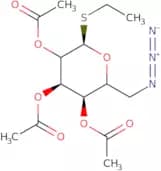
CAS:<p>2,3,4-Tri-O-acetyl-a-L-rhamnopyranosyl azide (AraG) is a triazole glycoside that is synthesized by the reaction of an acetylene glycosyl donor with a glycosyl acceptor. It has been shown to have high purity and custom synthesis. 2,3,4-Tri-O-acetyl-a-L-rhamnopyranosyl azide has been used for click modification and fluorination. It can be used to modify saccharides such as oligosaccharides and monosaccharides.</p>Fórmula:C12H17N3O7Pureza:Min. 95%Peso molecular:315.28 g/mol2'-Fucosyllactose-BSA
<p>2'-Fucosyllactose-BSA is a high purity, custom synthesis, synthetic oligosaccharide. It is a glycosylated and methylated monosaccharide that can be used for Click modification with azido-functionalized molecules. 2'-Fucosyllactose-BSA has a CAS number of 113959-06-8 and an Oligosaccharide content of >95%. It is soluble in water and has a Glycosylation content of >95% and a Carbohydrate content of >95%.</p>Pureza:Min. 95%Norfluoxetine b-D-glucuronide
CAS:<p>Norfluoxetine is a selective serotonin reuptake inhibitor (SSRI) that is metabolized to the active metabolite, norfluoxetine b-D-glucuronide. The metabolism of norfluoxetine b-D-glucuronide has been shown to be inhibited by estradiol. Norfluoxetine b-D-glucuronide also exhibits antioxidant activity, which may be related to its ability to modulate expression of genes encoding antioxidant proteins. Norfluoxetine b-D-glucuronide has been found in wastewater and wastewater treatment plant effluents, suggesting this drug may have an environmental impact. The transcriptome of organisms exposed to norfluoxetine b-D-glucuronide has been studied and it was found that there are some genes that are responsive to this drug.</p>Fórmula:C22H24F3NO7Pureza:Min. 95%Cor e Forma:White PowderPeso molecular:471.42 g/molIsopropyl 2,3,4,6-tetra-O-acetyl-b-D-thioglucopyranoside
CAS:<p>Isopropyl 2,3,4,6-tetra-O-acetyl-b-D-thioglucopyranoside is a custom synthesis of a monosaccharide with four acetates and two fluorines. The molecule is synthesized in the laboratory by modifying the sugar with methyl groups and then fluorinating it. This synthetic product can be used in biochemistry to study glycosylation reactions and complex carbohydrate structures.</p>Fórmula:C17H26O9SPureza:Min. 95%Peso molecular:406.45 g/mol4-Methoxyphenyl 2,6-di-O-benzyl-β-D-galactopyranoside
CAS:<p>4-Methoxyphenyl 2,6-di-O-benzyl-b-D-galactopyranoside is a prodrug that is metabolized by esterases to the active form, 6-fluoro-3-indoxyl beta D galactopyranoside. This drug inhibits cancer cells and has been shown to cause cell death by inhibiting the production of proteins vital for cell division. It also induces inflammatory responses in cancer cells, which may be due to its ability to bind with cyclin D2 and uptake ternary complexes. 4MPBG also inhibits repair genes in human protein synthesis and microstructural changes in cancer cells.</p>Fórmula:C27H30O7Pureza:Min. 95%Peso molecular:466.52 g/mol4-Methylphenyl 2,3-O-isopropylidene-1-thio-α-L-rhamnopyranoside
CAS:<p>4-Methylphenyl 2,3-O-isopropylidene-1-thio-α-L-rhamnopyranoside is a custom synthetic sugar that can be modified with different fluorination and modifications. It is an Oligosaccharide, Polysaccharide, saccharide, sugar, Carbohydrate. CAS No. 903906-55-8.</p>Fórmula:C16H22O4SPureza:Min. 95%Peso molecular:310.41 g/mol3,4,6-Tri-O-acetyl-2-deoxy-2-phthalimido-b-D-glucopyranosyl azide
CAS:<p>3,4,6-Tri-O-acetyl-2-deoxy-2-phthalimido-b-D-glucopyranosyl azide is a carbohydrate that has been modified by acetylation and fluorination. Carbohydrates are saccharides and oligosaccharides that have the general formula (CH2O)n. 3,4,6-Tri-O-acetyl-2-deoxy-2-phthalimido b -D -glucopyranosyl azide is an example of a high purity custom synthesis glycosylation product. This modification is a methylation reaction in which the hydroxymethyl group of the sugar alcohol reacts with methanol to produce methyl alcohol. The methyl group then reacts with an organic acid to yield the desired product.</p>Fórmula:C20H20N4O9Pureza:Min. 95%Peso molecular:460.39 g/molLewis A tetrasaccharide-BSA
<p>Lewis A tetrasaccharide-BSA is a synthetic oligosaccharide complex carbohydrate. It is a high purity custom synthesis that has been modified with click chemistry, methylation, and fluorination. Lewis A tetrasaccharide-BSA is a glycosylated polysaccharide that has been shown to have antiviral activity against human cytomegalovirus. This product can be used in research as a model for studying the structure of glycoproteins, including their interactions with other molecules in biological systems.</p>Cor e Forma:White PowderMethyl cellulose - viscosity 400 cP
CAS:<p>Cellulose derivative, food thickener and emulsifier, bulk forming laxative</p>Pureza:Min. 95%Methyl a-D-ribofuranoside - 95% oil
CAS:<p>Methyl a-D-ribofuranoside is a molecule that belongs to the group of conformers. It is a planar molecule, with its atoms in an orderly arrangement. The conformation of this molecule can be changed by rotating around the C-C bond, which has energies and displacements. Molecular orbital theory predicts that the conformation of methyl a-D-ribofuranoside is determined by the electron correlation between all atomic orbitals. The molecular structure of methyl a-D-ribofuranoside can be determined using spectroscopic methods, such as infrared and nuclear magnetic resonance spectroscopy. Coupling constants are used to measure how strongly two or more groups in a molecule are coupled together, while constants are used to measure the energy levels and frequencies in vibrational spectroscopy.</p>Fórmula:C6H12O5Pureza:Min. 95%Peso molecular:164.16 g/mol2-Hydroxydesipramine b-D-glucuronide sodium salt
CAS:<p>2-Hydroxydesipramine b-D-glucuronide sodium salt is a glucuronide metabolite of desipramine. It has been shown to be an active form of desipramine in animals and humans, but the exact mechanism of this activity is unknown. 2-Hydroxydesipramine b-D-glucuronide sodium salt is excreted in the bile and may have a therapeutic effect on liver disease. The pharmacological effects of 2-hydroxydesipramine b-D-glucuronide sodium salt have been studied using various animal models and human studies. This drug has been shown to produce sedative effects and to affect the cardiovascular system. In addition, it has an effect on the central nervous system, including its ability to lower seizure threshold.<br>2-Hydroxydesipramine b-D-glucuronide sodium salt also inhibits the metabolism of other drugs by inhib</p>Fórmula:C24H30N2O7·NaPureza:Min. 95%Peso molecular:481.49 g/molHyaluronate rhodamine - Molecular Weight - 500kDa
<p>Hyaluronate is a naturally occurring glycosaminoglycan (GAG) found in the extracellular matrix of animal tissues. It is a linear polymer composed of alternating units of N-acetylglucosamine and glucuronic acid. The molecular weight of hyaluronate ranges from 10,000 Da to 1,000,000 Da. Hyaluronate has been modified by fluorination, methylation, and click modification reactions. These modifications affect the physical properties of hyaluronate, including its reactivity with other molecules. Click modification reactions are often used to link two different molecules together. This may include linking an oligosaccharide or saccharide to the hydroxyl groups on the glucuronic acid residues in hyaluronate.</p>Pureza:Min. 95%Delphinidin 3-glucoside chloride
CAS:<p>Delphinidin 3-glucoside chloride is a natural, water-soluble compound that exhibits antimicrobial activity against Staphylococcus aureus. It has been shown to inhibit the growth of this bacteria by inhibiting detoxification enzymes and intracellular cGMP production. Delphinidin 3-glucoside chloride also inhibits uptake of this bacterium by human cells, which may be due to its synergistic interaction with other compounds such as cinnamic acid derivatives. This compound has been shown to have cardiac effects in animals and is being studied for its potential use in treating heart disease.</p>Fórmula:C21H21O12ClPureza:Min. 95%Cor e Forma:PowderPeso molecular:500.84 g/mol8-Methoxycarbonyloctyl-6-O-(a-L-fucopyranosyl)-N,N'-diacetyl-chitobioside
CAS:<p>8-Methoxycarbonyloctyl-6-O-(a-L-fucopyranosyl)-N,N'-diacetylchitobioside is a synthetic carbohydrate that has been fluorinated at the 8 position and acetylated at the 6 position. It is a custom synthesis that can be modified with methylation and other modifications. This compound is used in biochemical research as well as for medical purposes. It has a CAS number of 106445-35-6, and has been shown to have glycosylation, oligosaccharide, sugar, methylation, monosaccharide, polysaccharide, saccharide click modification properties.</p>Fórmula:C32H56N2O17Pureza:Min. 95%Peso molecular:740.79 g/molEthyl 2-amino-b-D-glucuronide
<p>Ethyl 2-amino-b-D-glucuronide is a Carbohydrate, Modification, saccharide, Oligosaccharide, sugar. The CAS number for this compound is 6058-91-9. This product can be synthesized in the lab using Custom synthesis and High purity. Ethyl 2-amino-b-D-glucuronide is a Synthetic and Monosaccharide. This product has Click modification and Methylation. Ethyl 2-amino-b-D-glucuronide is also Glycosylated.</p>Fórmula:C8H15NO6Pureza:Min. 95%Peso molecular:221.21 g/mol3-Deoxy-1,2:5,6-di-O-isopropylidene-a-L-gulofuranose
<p>3-Deoxy-1,2:5,6-di-O-isopropylidene-a-L-gulofuranose is a synthetic monosaccharide that is used in the synthesis of oligosaccharides and polysaccharides. The chemical has been modified with fluorination, methylation, and click chemistry to produce a range of products. This product can be custom synthesized to meet the needs of customers. It has a CAS No. and purity of >99%.</p>Fórmula:C12H20O5Pureza:Min. 95%Peso molecular:244.28 g/molp-Topolin-9-glucoside
CAS:<p>p-Topolin-9-glucoside is a custom synthesis that has been modified with fluorination, methylation, and click modification. It is a monosaccharide that is synthetically made and has been shown to have antiviral activity against herpes simplex virus type 1 (HSV-1) in vitro. p-Topolin-9-glucoside is also an oligosaccharide that can be glycosylated and contains saccharides. It is a synthetic carbohydrate with CAS No. 1046433-04-8.</p>Fórmula:C18H21N5O6Pureza:Min. 95%Peso molecular:403.39 g/mol1,2,3,4-Tetra-O-acetyl-L-lyxopyranose
CAS:<p>1,2,3,4-Tetra-O-acetyl-L-lyxopyranose is a sugar that is modified with a click reaction to create an acetal. The acetal can be used for glycosylation or methylation in order to produce complex carbohydrates. This carbohydrate has been shown to be useful for the synthesis of oligosaccharides and monosaccharides.</p>Fórmula:C13H18O9Pureza:Min. 95%Peso molecular:318.28 g/molNA3 N-Glycan
CAS:<p>NA3 N-glycan is a base that forms glycosidic bonds with other molecules. It has been shown to be pharmacologically active in tissues and has a safety profile. NA3 N-glycan is metabolized by the serine protease, which cleaves it from its glycosylated protein. The resulting molecule lacks a reactive group, which prevents it from forming toxic reactions with other molecules. NA3 N-glycan has been used for pharmacokinetic modeling and for mass spectrometric measurements of proteins in human serum and plasma.</p>Fórmula:C76H127N5O56Pureza:Min. 95%Cor e Forma:Solid.Peso molecular:2,006.82 g/molMan6GlcNAc (I)
CAS:<p>Man6GlcNAc (I) is a synthetic, fluorinated, monosaccharide that can be modified to produce a wide range of products. This product has been shown to have high purity and can be customized for specific applications. It is used in the production of complex carbohydrates with click modification and methylation. Man6GlcNAc (I) is often used as an intermediate in the synthesis of oligosaccharides such as glycosylated proteins or glycans.</p>Fórmula:C44H75NO36Pureza:Min. 95%Cor e Forma:PowderPeso molecular:1,194.05 g/mol1,2,3,4-Tetra-O-pivaloyl-b-D-glucuronide methyl ester
CAS:<p>Protected glucuronide</p>Fórmula:C27H44O11Pureza:Min. 95%Peso molecular:544.63 g/mol1-Benzyl-4,6-O-acetamidogalactose
<p>1-Benzyl-4,6-O-acetamidogalactose is an aminoglycoside antibiotic that inhibits the growth of bacteria by binding to the 50S ribosomal subunit. It enters the bacterial cell wall and blocks the synthesis of peptidoglycan, which is an essential component of the cell wall. 1-Benzyl-4,6-O-acetamidogalactose has been shown to have a potent bactericidal effect against Mycobacterium tuberculosis, with a half maximal inhibitory concentration (IC50) of 0.5 µg/mL. It also has a significant inhibitory effect on Mycobacterium avium complex (MIC=8 µg/mL).</p>Pureza:Min. 95%4-Amino-4-deoxy-fructose
<p>4-Amino-4-deoxy-fructose is a catalyzed product of ribulose. Its reaction with an aldehyde produces tagatose, which is a carbohydrate that has been shown to have therapeutic properties in mice. Tagatose can be used to produce dihydroxyacetone phosphate, an intermediate in the glycolytic pathway. 4-Amino-4-deoxy-fructose also accelerates the reaction between the ketoses and acceptors in the presence of an enzyme called enolase. This process is known as enantioselective reduction. The aminosugar 4-amino-4-deoxyglucose was synthesized using this methodology, and it has been shown to inhibit bacterial growth by binding to DNA gyrase, preventing DNA replication and transcription.</p>Pureza:Min. 95%Eltrombopag Acyl Glucuronide
CAS:<p>Eltrombopag aryl glucuronide is a modified form of the drug eltrombopag that contains a methyl group at the 2 position and an acetyl group at the 3 position. It has been synthesized using click chemistry to modify the oligosaccharide, which is then fluorinated and reacted with an oligosaccharide-forming reagent. Eltrombopag aryl glucuronide can be used as a monosaccharide or in combination with other saccharides to form complex carbohydrates. This product is fully synthetic and is available in high purity.</p>Fórmula:C31H30N4O10Pureza:Min. 95%Peso molecular:618.196191,3,4,6-Tetra-O-acetyl-2-deoxy-2-iodo-a-D-glucopyranose
CAS:<p>1,3,4,6-Tetra-O-acetyl-2-deoxy-2-iodo-a-D-glucopyranose is a sugar molecule that is used to measure the efficiency of glycosidases. It has been shown to be an efficient site-specific inhibitor for glycosidases and analogues. This compound has been shown to inhibit the activity of glycoconjugates and glycan synthesis by interfering with the binding sites on enzymes such as endoglycosidase H. 1,3,4,6-Tetra-O-acetyl-2-deoxy-2-iodo-(1→4)-a-[alpha]-D-[beta]-D-[alpha]-glucopyranoside is an analog of this compound that can be used in place of it for specific purposes.</p>Fórmula:C14H19IO9Pureza:Min. 95%Peso molecular:458.2 g/mol2,3,4,6,3',4',6'-Hepta-O-benzoylsucrose
CAS:<p>2,3,4,6,3',4',6'-Hepta-O-benzoylsucrose (HBS) is a custom synthesis and modification of sucrose. The sugar is modified with 2,3,4,6-tetra-O-benzoyl groups at the 6′ position on the fructose unit and 3′ position on the glucose unit. HBS has been used in a click chemistry reaction as an acceptor for azide moieties.</p>Fórmula:C61H50O18Pureza:Min. 95%Cor e Forma:PowderPeso molecular:1,071.04 g/molFulvestrant 3-b-D-glucuronide
CAS:<p>Fulvestrant 3-b-D-glucuronide is a synthetic hormone that has been modified with the Click chemistry. This modification allows for the attachment of saccharides, such as polysaccharides and oligosaccharides. The modification also provides protection against degradative enzymes, which may be useful in increasing drug stability in vivo. Fulvestrant 3-b-D-glucuronide can be custom synthesized to meet your requirements and specifications. It is a high purity product with a CAS number of 261506-27-8 and an appearance of white crystalline powder. Fulvestrant 3-b-D-glucuronide is a complex carbohydrate and sugar that can be used for methylation reactions or glycosylation reactions.</p>Fórmula:C38H55F5O9SPureza:Min. 95%Peso molecular:782.9 g/mol2,3,5-Tri-O-p-chlorobenzyl-L-fucopyranoside
CAS:<p>2,3,5-Tri-O-p-chlorobenzyl-L-fucopyranoside is a modified sugar and an effective inhibitor of the glycosidase enzymes. It has been shown to inhibit the synthesis of glycogen in vitro. 2,3,5-Tri-O-p-chlorobenzyl-L-fucopyranoside is a major component of commercially available agarose gel electrophoresis buffers and is also used for modification of proteins by click chemistry. The compound can be custom synthesised with a high degree of purity and can be fluorinated for use in mass spectrometry.</p>Fórmula:C27H27Cl3O5Pureza:Min. 95%Peso molecular:537.86 g/mol6-O-Acetyl-2-azido-3,4-di-O-benzyl-2-deoxy-D-glucopyranose
CAS:<p>Glucosamine is a hexose sugar that is an amino sugar and a precursor in the biosynthesis of glycoproteins. It also acts as an intermediate for the synthesis of other non-carbohydrate natural products. 6-O-Acetyl-2-azido-3,4-di-O-benzyl-2-deoxyglucopyranose is a glucosamine derivative that has been synthesized from trifluoroacetic acid and piperidine. The acetyl group on this compound makes it soluble in water, which allows for its use in pharmaceuticals and other applications.</p>Pureza:Min. 95%1,2,3,4,6-Penta-O-benzoyl-a-D-glucopyranose
CAS:<p>1,2,3,4,6-Penta-O-benzoyl-a-D-glucopyranose is a natural product that has not been fully resolved or characterized. It is a carbohydrate and has a molecular weight of 532. It is found in urine as a metabolite of myo-inositol. 1,2,3,4,6-Penta-O-benzoyl-a-D-glucopyranose has been synthesized from inositol and benzoyl chloride. The compound can be separated into the two stereoisomers by fractional crystallization with chloroform and methanol.</p>Fórmula:C41H32O11Pureza:Min. 95%Peso molecular:700.69 g/molMethyl a-N-acetyllactosamine
CAS:<p>Methyl a-N-acetyllactosamine is a custom synthesis of Methyl a-N-acetylgalactosamine. This compound has been modified by fluorination, methylation, and click modification to yield the desired product. The monosaccharide structure was synthesized from the corresponding glycosyl halide and protected amino acid. The glycosylation reaction between this monosaccharide and the oligosaccharide containing an unprotected hydroxyl group yields the desired product. The purity of this compound is greater than 99%.</p>Fórmula:C15H27NO11Pureza:Min. 95%Peso molecular:397.38 g/molMethyl 3-amino-3,6-dideoxy-a-L-taloside
<p>Methyl 3-amino-3,6-dideoxy-a-L-taloside is a custom synthesis of a monosaccharide. It is modified with fluorine and methyl groups and may be used in click chemistry. The CAS number for this compound is 103614-34-8. Methyl 3-amino-3,6-dideoxy-a-L-taloside is an oligosaccharide that can be glycosylated or complexed with sugar. This compound has properties of a carbohydrate and can be classified as a saccharide or polysaccharide.</p>Fórmula:C7H15NO4Pureza:Min. 95%Peso molecular:177.2 g/molscyllo-Inosamine hydrochloride
CAS:<p>Scyllo-inosamine is a synthetic compound that is used as an oxime for the treatment of ascites tumors. It is synthesized from benzyl cyanide and cyclohexane. The benzyl groups are removed by catalytic hydrogenation, and the resulting product is hydrolyzed to scyllo-inosamine. Scyllo-inosamine has been shown to have a stereogenic center at C3, which allows it to act as an aminocyclitol, with the nitrogen atom acting as a nucleophile in the ring opening reaction. Scyllo-inosamine has been shown to be active against a number of tumor cells in culture and has been investigated as chemotherapeutic agent for cancer treatment.</p>Fórmula:C6H13NO4·HClPureza:Min. 95%Peso molecular:199.63 g/mol3,4-Dideoxyglucosone-3-ene
CAS:<p>3,4-di-deoxyglucosone-3-ene is a bioreactive glucose degradation product which can be formed during heat sterilisation of glucose containing peritoneal dialysis solutions. Chemically, 3,4-Dideoxyglucosone-3-ene is an α,β-unsaturated carbonyl compound which increases its reactivity with cellular sulfhydryl, amino groups, proteins, and DNA. 3,4-Dideoxyglucosone-3-ene induces apoptosis in neutrophils, renal cells and peripheral blood mononuclear cells. Such induction leads to impaired peritoneal antibacterial defence.</p>Fórmula:C6H8O4Pureza:Min. 95 Area-%Cor e Forma:Colorless PowderPeso molecular:144.13 g/molMethyl 1-(6-tert-butylmethylsilyl-4'-hydroxyraloxifene)-2,3,4,-tri-O-acetyl-b-D-glycopyranuronate
CAS:<p>This is a complex carbohydrate, which is a modification of an oligosaccharide. The structure of this carbohydrate is based on the sugar methyl 1-(6-tert-butylmethylsilyl-4'-hydroxyraloxifene)-2,3,4,-tri-O-acetyl-b-D-glycopyranuronate. This modification has been shown to be useful for glycosylation and polysaccharide synthesis. This compound can be synthesized by click chemistry and has high purity with little or no impurities.</p>Fórmula:C46H55NO13SSiPureza:Min. 95%Peso molecular:890.08 g/molSialyl-Lex-hexa-APD-HSA
<p>Sialyl-Lex-hexa-APD-HSA is a high purity synthetic glycosylation that is custom synthesized. It has been modified with fluorination, methylation, and click modification. Sialyl-Lex-hexa-APD-HSA can be used in the synthesis of complex carbohydrates and is available in CAS Number: 75869-57-3.</p>Pureza:Min. 95%1,2-o-Isopropylidene-α-D-glucofuranose
CAS:<p>1,2-o-Isopropylidene-α-D-glucofuranose is a potent inhibitor of xylan, which is essential for the growth and development of cancer cells. This compound has been shown to inhibit the activity of several kinases involved in cancer cell proliferation, including protein kinase C and acetylcholine kinase. 1,2-o-Isopropylidene-α-D-glucofuranose exhibits anticancer properties and induces apoptosis in human cancer cells. It is an analog of aprepitant, a drug used to prevent chemotherapy-induced nausea and vomiting in cancer patients. This compound may have potential as a therapeutic agent for the treatment of various types of tumors.</p>Fórmula:C9H16O6Pureza:Min. 95%Peso molecular:220.22 g/mol3,5-O-Isopropylidene-D-arabinfuranose
<p>3,5-O-Isopropylidene-D-arabinfuranose is a Modification of an oligosaccharide. It is a methylated monosaccharide that is synthesized in the laboratory. This product has been shown to have a CAS number, which is used to uniquely identify substances and establish their quality and purity. 3,5-O-Isopropylidene-D-arabinfuranose can be used as a raw material in the synthesis of complex carbohydrates such as polysaccharides or glycosylation with other compounds.</p>Pureza:Min. 95%Kdo2-Lipid A ammonium
CAS:<p>Please enquire for more information about Kdo2-Lipid A ammonium including the price, delivery time and more detailed product information at the technical inquiry form on this page</p>Fórmula:C110H202N2O39P2•(NH3)4Pureza:Min. 95%Peso molecular:2,306.84 g/mol1,2,3,4-Tetra-O-acetyl-b-L-rhamopyranose
CAS:<p>1,2,3,4-Tetra-O-acetyl-b-L-rhamopyranose is a fluorinated monosaccharide that is synthetically produced. It can be used in the synthesis of oligosaccharides and complex carbohydrates. 1,2,3,4-Tetra-O-acetyl-b-L-rhamopyranose is an important chemical intermediate for glycosylation reactions. This product has been modified with methyl groups and click chemistry to produce a reactive site for subsequent glycosylation reactions. 1,2,3,4 Tetra -O -acetyl -b -L -rhamopyranose has been shown to be stable to heat and acid conditions as well as high purity.</p>Fórmula:C14H20O9Pureza:Min. 95%Peso molecular:332.3 g/mol5-O-Benzoyl-4-benzoyloxymethyl-1,2-O-isopropylidene-a-D-xylofuranose
<p>5-O-Benzoyl-4-benzoyloxymethyl-1,2-O-isopropylidene-a-D-xylofuranose is a synthetic monosaccharide that has been modified by fluorination and glycosylation. The chemical formula is C14H10F6O8. It can be custom synthesized to order, and it is available in high purity.</p>Fórmula:C23H24O8Pureza:Min. 95%Peso molecular:428.44 g/mol4,5,7-Tri-O-acetyl-2,6-anhydro-3-deoxy-D-lyxo-hept-2-enonamide
CAS:<p>4,5,7-Tri-O-acetyl-2,6-anhydro-3-deoxy-D-lyxo-hept-2-enonamide is a carbohydrate that belongs to the group of oligosaccharides. It is a synthetic compound that has been modified with fluorination and methylation. This compound has been synthesized with high purity and custom synthesis. The modification process includes glycosylation and click chemistry.</p>Fórmula:C13H17NO8Pureza:Min. 95%Peso molecular:315.28 g/molCellulose - Particle Size approx 50 um
CAS:<p>Cellulose is a linear polysaccharide of β 1-4 linked glucose residues. The polysaccharide chains are bundled as microfibrils in cell walls and provide the essential structural components within growing plants. Each microfibril exhibits a high degree of three-dimensional internal bonding resulting in a crystalline structure that is insoluble in water, resistant to reagents and very strong.</p>Pureza:Min. 95%Cor e Forma:PowderD-Desosamine
CAS:<p>D-Desosamine is a chemical compound that has been isolated from human serum. It is an enzyme inhibitor that inhibits the activity of enzymes such as phosphatases, kinases, and proteases. D-Desosamine also has a matrix effect, which can be used to modify the properties of polymer matrices in order to improve their biocompatibility and mechanical properties. The molecular docking analysis indicated that desosamine can bind to bacterial serine/threonine protein kinase Streptococcus pyogenes phage T4 (SpyPK) and inhibit its activity. This inhibition may be due to the transfer reactions caused by desosamine binding to the enzyme's active site and blocking it. Structural analysis showed that D-desosamine forms hydrogen bonds with amino acids in SpyPK's active site, forming a covalent bond with cysteine residue Cys240. D-Desosamine has been shown to have anti-bacterial properties against</p>Pureza:Min. 95%D-Glucose hydrazon
CAS:<p>D-Glucose hydrazon is a custom synthesis of complex carbohydrate. It is made by the reaction of Methylation, Click modification, and Fluorination with saccharide and sugar. The product is a white crystalline solid that is soluble in water.</p>Pureza:Min. 95%1,2:5,6-Dianhydrogalactitol
CAS:<p>1,2:5,6-Dianhydrogalactitol is a drug that has been shown to reduce the growth of tumors in mice. It is an antitumor agent that inhibits the activity of enzymes such as protein kinase A and phosphorylase kinase. This drug also inhibits the activity of the mitochondrial membrane potential, which is necessary for normal cellular function. The structure of 1,2:5,6-dianhydrogalactitol was first determined by analytical methods on mouse tumor tissue and then verified by a preparative high performance liquid chromatography (HPLC) experiment. It has been shown to be effective against pediatric tumors and is currently being evaluated for use in other cancer models.</p>Fórmula:C6H10O4Pureza:Min. 95%Cor e Forma:PowderPeso molecular:146.14 g/molRhein 1-D-glucuronide
CAS:<p>Rhein 1-D-glucuronide is a synthetic sugar that can be used in the synthesis of complex carbohydrates. It is a monosaccharide that has been modified with fluorination and has been shown to have high purity. Rhein 1-D-glucuronide is a methylated form of rhein, which is an oligosaccharide or polysaccharide found in plants. The modification of rhein 1-D-glucuronide allows for an increased resistance to hydrolysis by esterases or glucuronidases, allowing for its use as a synthetic intermediate in the production of saccharides.</p>Pureza:Min. 95%1,2,3-Tri-O-benzyl-4,6-O-benzylidene-b-D-glucopyranoside
CAS:<p>1,2,3-Tri-O-benzyl-4,6-O-benzylidene-b-D-glucopyranoside is a triol with an O benzyl group on C1. It is a synthetic modification of the sugar glucose and has been used as a building block for the synthesis of glycosides and oligosaccharides. 1,2,3-Tri-O-benzyl-4,6-O-benzylideneb -D -glucopyranoside can be used in methylation reactions to produce saccharides with methyl groups at positions that are not normally present. <br>This product is highly pure and can be used in Click chemistry reactions to modify oligosaccharides. This product does not have an CAS number listed.</p>Fórmula:C34H34O6Pureza:Min. 95%Peso molecular:538.63 g/mol3,7,7a-Triepicasuarine
CAS:<p>3,7,7a-Triepicasuarine is a synthetic compound that belongs to the group of polysaccharides. It can be used as a fluorinated reagent for the synthesis of complex carbohydrates and sugar molecules. 3,7,7a-Triepicasuarine is one of the most widely applied reagents in organic synthesis because it can be easily modified with various functional groups. This product has been shown to have high purity and may be used as an additive in other products.</p>Fórmula:C8H15NO5Pureza:Min. 95%Peso molecular:205.21 g/molCyclopropylmethylbeta-D-glucopyranoside
CAS:<p>Cyclopropylmethylbeta-D-glucopyranoside is a custom synthesis of a fluorinated monosaccharide. It has been modified to include methyl groups at C3, C6 and C7 positions. The modification may lead to the loss of the glucose from the molecule, which can be replaced with other sugars such as mannose or galactose. Cyclopropylmethylbeta-D-glucopyranoside is an oligosaccharide that can be used in glycosylation reactions. This molecule also has saccharide units connected by glycosidic linkages, which are typically either alpha-linked or beta-linked.</p>Fórmula:C10H18O6Pureza:Min. 95%Peso molecular:234.25 g/mol3,4,6-Tri-O-acetyl-2-azido-2-deoxy-a-D-galactopyranosyl bromide - stabilised with 2% CaCO3
CAS:<p>3,4,6-Tri-O-acetyl-2-azido-2-deoxy-a-D-galactopyranosyl bromide - stabilised with 2% CaCO3 is a complex carbohydrate that is synthesized from 3,4,6-tri-O-acetylgalactose and 2-(bromoethyl) azide. This modification has been used to produce an oligosaccharide for use in the synthesis of glycoproteins. The modification was also used in the synthesis of a polysaccharide that is used as a reagent for the methylation of saccharides.</p>Fórmula:C12H16BrN3O7Pureza:Min. 95%Peso molecular:394.18 g/mol1-O-Acetyl-2,3,5-tri-O-benzoyl-4-thio-b-D-ribofuranose
CAS:<p>1-O-Acetyl-2,3,5-tri-O-benzoyl-4-thio-b-D-ribofuranose is a carbohydrate that has been modified with acetylation and benzoylation. This chemical has not been reported in the literature and is available for custom synthesis to order. 1-O-Acetyl-2,3,5-tri-O-benzoyl -4--thio--b--D--ribofuranose is a white solid that can be used as a monosaccharide or glycosylation building block for the synthesis of oligosaccharides, polysaccharides, or other saccharide derivatives. It also has high purity and is available for fluorination.</p>Fórmula:C28H24O8SPureza:Min. 95%Peso molecular:520.55 g/mol[UL-13C6glc]Lactose monohydrate
<p>The product is a high purity, custom synthesis, sugar. It is fluorinated and glycosylated. The product has click modification and methylation. This product can be modified with a variety of reagents such as saccharide, oligosaccharide, and monosaccharide. The CAS Number for this product is [UL-13C6glc]Lactose monohydrate.</p>Pureza:Min. 95%Lacto-N-tetraose-a-APD-HSA
<p>Lacto-N-tetraose-a-APD-HSA is a saccharide that is a methylated monosaccharide with an N-acetylgalactosamine residue. This product has been modified by the addition of an acetyl group to the 3' hydroxyl group. It is available in custom synthesis and can be used as a substrate for glycosylation or as an intermediate for fluoroquinolone modification. Lacto-N-tetraose-a-APD-HSA is also a high purity, synthetic product with CAS No. 129004-44-4.</p>Pureza:Min. 95%Methyl 2,3-dideoxy-3-fluoro-5-O-(4-phenylbenzoyl)-β-D-erythro pentofuranoside
CAS:<p>Methyl 2,3-dideoxy-3-fluoro-5-O-(4-phenylbenzoyl)-beta-D-erythro pentofuranoside is a custom synthesis of an oligosaccharide and polysaccharide. It is a modification of the natural compound 2,3,5,-trihydroxybenzoic acid. It has CAS No. 129468-51-5 and Methylation, Glycosylation, Carbohydrate as its properties. Methyl 2,3-dideoxy-3-fluoro-5-O-(4-phenylbenzoyl)-beta-D-erythro pentofuranoside is a high purity product that contains Fluorination, Synthetic as its properties.</p>Pureza:Min. 95%N-Diphenylmethyl 2,5-anhydro-2,5-imino-D-glucitol
CAS:<p>N-Diphenylmethyl 2,5-anhydro-2,5-imino-D-glucitol is a custom synthesis of a monosaccharide that can be modified to form saccharides such as oligosaccharides and polysaccharides. The synthesis involves the fluorination of the methyl groups on the sugar molecule by using Fluorine gas. Click modification is then used to add an amine group to the sugar molecule. This allows for glycosylation with other sugars or carbohydrates during the synthetic process.</p>Fórmula:C19H23NO4Pureza:Min. 95%Peso molecular:329.39 g/mol2,3,4-Tri-O-acetyl-1-cyano-a-D-xylopyranosyl bromide
CAS:<p>2,3,4-Tri-O-acetyl-1-cyano-a-D-xylopyranosyl bromide is a custom synthesis of a sugar. It is fluorinated, methylated, and acetylated. 2,3,4-Tri-O-acetyl-1-cyano-a-D-xylopyranosyl bromide can be used for the modification of glycosides and oligosaccharides as well as for the synthesis of saccharides and polysaccharides. This product is CAS No. 8349743 -2.</p>Fórmula:C12H14BrNO7Pureza:Min. 95%Peso molecular:364.15 g/molEthyl 2,3-di-O-(4-methoxybenzyl)-4,6-O-(4-methoxybenzylidene)-b-D-thiogalactopyranoside S-oxide
<p>Ethyl 2,3-di-O-(4-methoxybenzyl)-4,6-O-(4-methoxybenzylidene)-b-D-thiogalactopyranoside S-oxide is a modification of an oligosaccharide. The carbohydrate has a molecular weight of 682. It is synthesized by the methylation and glycosylation of the monosaccharide, galactose. It can be used in many different applications including as a starting material for other carbohydrates or as a reagent in polysaccharide synthesis.</p>Fórmula:C32H38O9SPureza:Min. 95%Peso molecular:598.72 g/mol3,4-O-Isopropylidene-1,2-di-O-methyl-a-D-galactopyranoside
CAS:<p>3,4-O-Isopropylidene-1,2-di-O-methyl-a-D-galactopyranoside is a fluorinated glycoside that is used in the synthesis of oligosaccharides and polysaccharides. It is an excellent substrate for glycosylation reactions. 3,4-O-Isopropylidene-1,2-di-O-methylgalactopyranoside can be modified using methylation or click chemistry to produce derivatives with various functionalities. This product has been shown to be highly pure and suitable for research applications.</p>Fórmula:C11H20O6Pureza:Min. 95%Peso molecular:248.28 g/mol1,2,3,4-Tetra-O-acetyl-a-D-arabinopyranose
CAS:<p>1,2,3,4-Tetra-O-acetyl-a-D-arabinopyranose is an Oligosaccharide that is a synthetic derivative of the natural sugar arabinose. It has a tetra acetyl group attached to one of its hydroxyl groups. This modification gives the molecule unique properties that make it useful in glycosylation and other biochemical applications. 1,2,3,4-Tetra-O-acetyl-a-D-arabinopyranose can be used for synthesis of complex carbohydrates and saccharides with Click modifications. The compound is also CAS No. 19186-37-9.</p>Fórmula:C13H18O9Pureza:Min. 95%Peso molecular:318.31 g/molAldehydo-D-glucose phthalazin-1-yl hydrazone
CAS:<p>Aldehydo-D-glucose phthalazin-1-yl hydrazone is a synthetic glycosylation agent that can be used in the synthesis of complex carbohydrates, such as polysaccharides, saccharides and oligosaccharides. It has been shown to be useful for the modification of saccharides and oligosaccharides. This compound can also be used for fluorination reactions, fluoroalkylations, click chemistry reactions, methylations and polymerizations. Aldehydo-D-glucose phthalazin-1-yl hydrazone has not yet been assigned CAS number.</p>Fórmula:C14H18N4O5Pureza:Min. 95%Peso molecular:322.32 g/molAllo-3a-tetrahydro cortisol 21-O-b-D-glucuronide
CAS:<p>Allo-3a-tetrahydro cortisol 21-O-b-D-glucuronide (A4C21) is a complex carbohydrate with a high degree of modification. The A4C21 is synthesized by the glycosylation and methylation of 3,5,6,7,8,9,10,11-hexahydrodehydrocortisol 21-O-b-D-glucuronide. The synthesis starts with the formation of an acetal between the two hydroxyl groups on one side of the steroid nucleus and two chloroform molecules in order to protect the reactant from further reactions. The reaction product is then subjected to a ketalization reaction with thioglycolic acid to yield an alpha/beta unsaturated ketone which is then reacted with ethylene diamine to produce an amide linkage. This amide linkage is then cleaved to yield an aldol condensation product</p>Fórmula:C27H42O11Pureza:Min. 95%Peso molecular:542.62 g/mol17b-Estradiol 3-O-benzyl 17-(2,3,4-tri-O-acetyl-b-D-glucuronide methyl ester)
CAS:<p>17b-Estradiol 3-O-benzyl 17-(2,3,4-tri-O-acetyl-b-D-glucuronide methyl ester) is a modification of estradiol with an attached sugar. It is synthesized from the carbohydrate complex oligosaccharide. The synthesis starts by attaching an acetyl group to the sugar at the 3 position and then reacting it with benzyl alcohol to form a glycosidic linkage. The synthesis ends with a fluorination and saccharide cleavage.</p>Fórmula:C38H46O11Pureza:Min. 95%Peso molecular:678.77 g/molN-[(e-N-Benzyloxycarbonylamino)caproyl]-b-D-galactopyranosylamine
CAS:<p>N-[(e-N-Benzyloxycarbonylamino)caproyl]-b-D-galactopyranosylamine is a synthetic glycosaminoglycan. It is an oligosaccharide, which consists of sugar molecules linked together by glycosidic bonds. This product is custom synthesized and the purity is high. It can be used for various purposes, including research, medicine, and food production.</p>Fórmula:C20H31N3O7Pureza:Min. 95%Peso molecular:425.48 g/molC-(2,3,4-Tri-O-acetyl-1-hydroxy-b-D-galactopyranosyl)formamide
CAS:<p>C-(2,3,4-Tri-O-acetyl-1-hydroxy-b-D-galactopyranosyl)formamide (TRIGAL) is a methylated saccharide that is used to modify polysaccharides. It has been shown to be an effective sugar donor for glycosylation reactions and can be used for the synthesis of complex carbohydrates. TRIGAL is also fluorinated and provides a convenient way to modify oligosaccharides. This product has a high degree of purity and can be custom synthesized with any desired modification.</p>Fórmula:C12H17NO9Pureza:Min. 95%Peso molecular:319.3 g/molNeocarrahexadecaose-41,3,5,7,9,11,13,15-octa-O-sulfate sodium salt
CAS:<p>Neocarrahexadecaose-41,3,5,7,9,11,13,15-octa-O-sulfate sodium salt is a carbohydrate that belongs to the group of modified saccharides. It is synthesized by modifying a sugar with fluorine and methylation. Neocarrahexadecaose-41,3,5,7,9,11,13,15-octa-O-sulfate sodium salt is an oligosaccharide with a high purity and custom synthesis. It is a synthetic compound that has been modified in order to create methylated and glycosylated sugars as well as a click modification. This carbohydrate has not yet been tested for toxicity or side effects in humans.</p>Fórmula:C96H138Na8O97S8Pureza:Min. 95%Peso molecular:3,284.51 g/mol4-Aminophenyl 2-acetamido-2-deoxy-b-D-glucopyranoside
CAS:<p>4-Aminophenyl 2-acetamido-2-deoxy-b-D-glucopyranoside is a monosaccharide that belongs to the group of complex carbohydrates. It is a synthetic compound that has been modified by fluorination and methylation. 4-Aminophenyl 2-acetamido-2-deoxy-b-D-glucopyranoside has been used in the synthesis of polysaccharides and saccharides for various purposes, including as a fluorescence probe for carbohydrate binding proteins. It has also been used as an intermediate in the synthesis of oligosaccharides or polysaccharides.</p>Fórmula:C14H20N2O6Pureza:Min. 95%Peso molecular:312.32 g/molGD2-Oligosaccharide-desthiobiotin
<p>Desthiobiotin is a modified form of biotin that binds less tightly to biomolecules like proteins and carbohydrates than it does biotin, while still providing excellent specificity in affinity purification methods (Hirsch, 2002). The structure of GD2-oligosaccharide-desthiobiotin (sodium salt) comprises (GalNAcβ1,4Galβ1,4Glc) of its two sialic acids linked α2,3/α2,8 to the central galactose residue (Ledeen, 2009). The desthiobiotin is attached β to position 1 of the reducing glucose moiety. GD2 ganglioside is expressed at a low concentration in the central nervous system, nerves, skin melanocytes and stem cells in healthy adults. On the other hand, GD2 ganglioside is overexpressed in a number of tumors including: neuroblastoma, melanoma, small cell lung carcinoma and brain tumors. Recently, GD2 ganglioside has been found in low concentration on breast cancer stem cells (CSC) that possess: self-renewal properties (division without disrupting the undifferentiated state) and tumor-initiating capabilities. It has been suggested that GD2 ganglioside may be developed as an effective target antigen for CSC immunotherapy (Fleurence, 2017).</p>Fórmula:C65H106N10O37·2NaPureza:Min. 95%Cor e Forma:PowderPeso molecular:1,665.56 g/molD-Glucose-4-D
CAS:Produto Controlado<p>D-Glucose-4-D is a deuterated form of glucose. It is a halophilic sugar that is used in the biosynthesis of lipids. D-Glucose-4-D can be synthesized chemically or by isotope effect by using d-glucose as the starting material. This compound can be used to study lipid synthesis and lipid metabolism in bacteria, such as E. coli, because it has been shown to inhibit the enzyme glycerol dehydratase, which catalyzes the conversion of glycerol to dihydroxyacetone phosphate, an intermediate in lipid biosynthesis. D-Glucose-4-D also inhibits the enzyme phosphatidate phosphohydrolase, which converts phosphatidic acid to diacylglycerol. These compounds are important for membrane lipid formation and are involved in cellular signalling pathways.</p>Fórmula:C6H11DO6Pureza:Min. 95%Peso molecular:181.16 g/mol2-Deoxy-D-glucose-6-phosphate
CAS:<p>2-Deoxy-D-glucose-6-phosphate is a glucose analogue that is phosphorylated by hexokinase to 2-deoxy-D-glucose. It has been shown to inhibit the activity of enzymes involved in energy metabolism, such as atp synthase and dpp IV. This drug can also inhibit the synthesis of proteins and RNA by binding to response elements, which are DNA sequences that regulate gene expression. The 2-deoxy glucose analogue has been shown to be a potent inhibitor of ventricular myocardium contractility via its ability to reduce mitochondrial membrane potential.</p>Fórmula:C6H13O8PPureza:Min. 95%Peso molecular:244.14 g/mol6'-Sialyllactose-APD-HSA
<p>6'-Sialyllactose-APD-HSA is a complex carbohydrate that belongs to the group of oligosaccharides. It has a CAS number of 102600-80-4 and it is a polysaccharide. This compound is modified with methylation, glycosylation, and click modification. It is also fluorinated and synthesized.</p>Pureza:Min. 95%Ethyl 2,4,6-tri-O-acetyl-3-O-benzyl-b-D-thioglucopyranoside
<p>Ethyl 2,4,6-tri-O-acetyl-3-O-benzyl-b-D-thioglucopyranoside is a synthetic carbohydrate with a molecular weight of 592. It has been fluorinated at the C2 position and acetylated at the C3 position. This product is used in the synthesis of oligosaccharides and polysaccharides. It is also used in click chemistry and as an intermediate in carbohydrate modifications and fluorination reactions.</p>Fórmula:C21H28O8SPureza:Min. 95%Peso molecular:440.51 g/mol5-O-Benzoyl-1,2-O-isopropylidene-3-keto-α-D-xylofuranoside
CAS:<p>5-O-Benzoyl-1,2-O-isopropylidene 3-keto a D xylofuranoside is a custom synthesis of an oligosaccharide, polysaccharide, saccharide, or carbohydrate. It is a high purity compound with a modification of fluorination and click chemistry. This synthesis can be used for research purposes.</p>Fórmula:C15H16O6Pureza:Min. 95%Peso molecular:292.28 g/mol3-Pyridinylmethylbeta-D-glucopyranoside
CAS:<p>3-Pyridinylmethylbeta-D-glucopyranoside is a sugar that can be custom synthesized. It is a white to off-white crystalline powder with an odorless taste and is soluble in water. 3-Pyridinylmethylbeta-D-glucopyranoside is used in the synthesis of glycosides, saccharides, oligosaccharides, and monosaccharides. This compound can also be modified with fluorination or methylation reactions. The use of this product has been shown to produce high purity compounds for use in pharmaceuticals, agrochemicals, and other chemical industries.</p>Fórmula:C12H17NO6Pureza:Min. 95%Peso molecular:271.27 g/mol5-b-Androst-1-en-17b-ol-3-one glucuronide
CAS:<p>5-b-Androst-1-en-17b-ol-3-one glucuronide is a carbohydrate that can be used as a building block for oligosaccharides, saccharides, and sugars. It is also a fluorinated compound that has been synthesized with high purity. This custom synthesis can be modified with methylation, glycosylation, or click chemistry.</p>Fórmula:C25H36O9Pureza:Min. 95%Peso molecular:480.56 g/molMixture of 1,2,3,5-Tetra-O-acetyl-D-arabinofuranose and 1,2,3,4-Tetra-O-acetyl-D-arabinopyranose
CAS:<p>Tetra-O-acetyl-D-arabinose is an organic compound, a saccharide with the chemical formula C4H8O6. It is a white to off-white crystalline solid. Tetra-O-acetyl-D-arabinose is a protected form of arabinose that can be methylated and glycosylated to produce various other compounds. Tetra-O-acetyl-D-arabinose can also be modified by click chemistry or fluorination and it has been used as a synthetic intermediate for the synthesis of oligosaccharides.</p>Fórmula:C13H18O9Pureza:(%) Min. 95%Cor e Forma:PowderPeso molecular:318.28 g/molCarbomethoxyethylthioethyl 4-O-(4-O-[6-O-{a-D-glucopyranosyl}-a-D-glucopyranosyl]-a-D-glucopyranosyl)-b-D-glucopyranoside
CAS:<p>Carbomethoxyethylthioethyl 4-O-(4-O-[6-O-{a-D-glucopyranosyl}-a-D-glucopyranosyl]-a-D-glucopyranosyl)-b-D-glucopyranoside is a synthetic carbohydrate with a molecular weight of 1406. It has been custom synthesized and modified to contain fluorine, methyl, and saccharide groups. Carbomethoxyethylthioethyl 4-O-(4 -O-[6 -O-[a -D - glucopyranosyl] - a - D - glucopyranosyl] - a - D - glucopyranosyl) b - D - glucopyranoside has been shown to be useful in the synthesis of oligosaccharides and polysaccharides.</p>Fórmula:C30H52O23SPureza:Min. 95%Peso molecular:812.79 g/molPhenyl 3,4,6-tri-O-acetyl-2-deoxy-1-thio-2-(2,2,2-trichloroethoxyformamido)-b-D-galactopyranoside
CAS:<p>Phenyl 3,4,6-tri-O-acetyl-2-deoxy-1-thio-2-(2,2,2-trichloroethoxyformamido)-b-D-galactopyranoside is a high purity and custom synthesis sugar that has been modified with fluorination and glycosylation. This product is also methylated and modified with an oligosaccharide. Phenyl 3,4,6-tri-O-acetyl-2-deoxy-1-thio - 2-(2,2,2 trichloroethoxyformamido)-b - D - galactopyranoside is used as a saccharide in the synthesis of complex carbohydrates.</p>Fórmula:C21H24Cl3NO9SPureza:Min. 95%Cor e Forma:PowderPeso molecular:572.84 g/mol3,5-O-Isopropylidene-a-D-xylofuranose
CAS:<p>3,5-O-Isopropylidene-a-D-xylofuranose is a modification of the sugar xylose. It is a complex carbohydrate that can be synthesized by custom synthesis or by glycosylation. 3,5-O-Isopropylidene-a-D-xylofuranose is an oligosaccharide and has high purity. The methylation, fluorination, and saccharide modification of 3,5-O-Isopropylidene-a-D-xylofuranose has been studied extensively. This chemical is also a monosaccharide that can be used in the synthesis of polysaccharides.</p>Fórmula:C8H14O5Pureza:Min. 95%Peso molecular:190.19 g/mol4-Aminophenyl b-D-thiocellobiose
CAS:<p>4-Aminophenyl b-D-thiocellobiose is a modified sugar that has been synthesized and fluorinated. 4-Aminophenyl b-D-thiocellobiose is used in the synthesis of glycosylated bioactive molecules, including oligosaccharides and monosaccharides. The modification of this sugar is done by glycosylation, methylation, and conjugation. It can be used in the synthesis of complex carbohydrates as well as saccharides. This product's CAS No. is 68636-49-7.</p>Fórmula:C18H27NO10SPureza:Min. 95%Peso molecular:449.47 g/molAllyl 2-deoxy-2-phthalimido-b-D-glucopyranoside
CAS:<p>Allyl 2-deoxy-2-phthalimido-b-D-glucopyranoside is a modification of a sugar. It is an oligosaccharide that is synthesized and modified by methylation and glycosylation. Allyl 2-deoxy-2-phthalimido-b-D-glucopyranoside has high purity and is a monosaccharide. This modification contains fluorine atoms, which are added to the saccharide backbone to increase its stability.</p>Fórmula:C17H19NO7Pureza:Min. 95%Peso molecular:349.34 g/molC24:1 b-D-Galactosyl ceramide
CAS:<p>C24:1 b-D-Galactosyl ceramide is a fatty acid that is found in mammalian cells. It is one of the major components of cerebrosides and gangliosides, which are important in the development and function of the brain. C24:1 b-D-Galactosyl ceramide has been shown to be an essential component of leukocytes, which are blood cells that help fight infection. The fatty acid composition of this molecule can be used as a marker for diagnosis and research on neurological disorders such as Alzheimer's disease or Parkinson's disease.</p>Fórmula:C48H91NO8Pureza:Min. 95%Peso molecular:810.24 g/mol2,3,4,6-Tetra-O-acetyl-b-D-galactopyranosyl-(N2-Fmoc)-L-serine pentafluorophenyl ester
CAS:<p>2,3,4,6-Tetra-O-acetyl-b-D-galactopyranosyl-(N2-Fmoc)-L-serine pentafluorophenyl ester is a carbohydrate that has been modified. This sugar has a CAS number of 243469-45-6 and is classified as an oligosaccharide. Carbohydrates are saccharides that are made up of monosaccharides. The modification of this carbohydrate is fluorination. Fluorination is the process by which a fluorine atom replaces an atom in another compound, typically hydrogen or chlorine. The synthesis of this carbohydrate was custom. Custom synthesis refers to the production of chemicals according to specifications provided by the customer for specific purposes. This carbohydrate has high purity, methylation, glycosylation and click modification.</p>Fórmula:C38F5H34NO14Pureza:Min. 95%Peso molecular:823.68 g/mol5-Deoxy-D-lyxono-1,4-lactone
CAS:<p>5-Deoxy-D-lyxono-1,4-lactone is an oligosaccharide that is a sugar derivative. It has been synthesized by the introduction of fluorine at the C2 position of glucopyranose with methylation at the C3 position and glycosylation at the C6 position. 5-Deoxy-D-lyxono-1,4-lactone has been shown to be useful in protein labeling and detection.</p>Fórmula:C5H8O4Pureza:Min. 95%Peso molecular:132.12 g/molDabigatran acyl-b-D-glucuronide
CAS:<p>Dabigatran acyl-b-D-glucuronide is a synthetic, high purity, high quality carbohydrate that has been modified by fluorination and methylation. It is an oligosaccharide with a glycosylation site at the reducing end of the sugar. Dabigatran acyl-b-D-glucuronide is a carbohydrate that can be synthesized in custom amounts for research purposes.</p>Fórmula:C31H33N7O9Pureza:Min. 95%Peso molecular:647.64 g/molPhenyl a-L-thiorhamnopyranoside
CAS:<p>Phenyl a-L-thiorhamnopyranoside is a monosaccharide that is synthesized by the methylation of alpha-D-glucose. It is a custom synthesis that is used in the synthesis of oligosaccharides, polysaccharides, and sugar drugs. Phenyl a-L-thiorhamnopyranoside can be fluorinated to create an active form that has antibacterial activity. This compound has shown no signs of toxicity in animal studies and has been used as a food additive.</p>Fórmula:C12H16O4SPureza:Min. 95%Peso molecular:256.32 g/molMonofucosyl-para-lacto-N-hexaose I
<p>Monofucosyl-para-lacto-N-hexaose I is an oligsaccharide that is found in human milk</p>Fórmula:C46H78N2O35Pureza:Min. 95%Peso molecular:1,219.12 g/molSennoside b calciumsalt
CAS:<p>Sennoside b is a natural compound found in the plant Senna obtusifolia and has been shown to have an effect on myeloma cells, as well as on enzyme activities and energy metabolism. Sennoside b has also been shown to inhibit phospholipase A2 (PLA2) activity and prostaglandin E2 (PGE2) levels in a mouse myeloma cell line. The pathogenic mechanism of sennoside b is unclear, but it may be due to its locomotor activity-reducing effects or due to its effect on gut motility. The optimum extraction process for sennoside b is not clear, but it should be carried out with care due to its chemical stability. Sennoside b has also been shown to have beneficial effects on hepatic steatosis and bowel disease, thus making it a potential treatment for these conditions. Multivariate logistic regression analysis was used to identify factors that may predict</p>Fórmula:C42H36CaO20Pureza:Min. 95%Peso molecular:900.8 g/mol1,2:3,5-Di-O-isopropylidene-a-D-apiose
CAS:<p>1,2:3,5-Di-O-isopropylidene-a-D-apiose is a monosaccharide that is synthesized from D-apiose by methylation of the C1 hydroxyl group with formaldehyde and sodium methoxide in methanol. This carbohydrate has been shown to be a good substrate for glycosylation reactions and click chemistry.<br> 1,2:3,5-Di-O-isopropylidene-a-D-apiose is a white powder that can be dissolved in water or ethanol. It has no odor and is stable at pH 2 to pH 10. The compound does not react with other carbohydrates or proteins under normal conditions.</p>Fórmula:C11H18O5Pureza:Min. 95%Cor e Forma:PowderPeso molecular:230.26 g/molMethyl 3,5-di-O-(p-chlorobenzyl)-2-deoxy-a-D-ribofuranoside
<p>Methyl 3,5-di-O-(p-chlorobenzyl)-2-deoxy-a-D-ribofuranoside is an oligosaccharide that is synthesized by the Click modification of a glycosylation reaction. It is a synthetic compound with a molecular weight of 524.87 Da and a CAS number of 71068-92-1. The chemical structure of this compound consists of two monosaccharides: D-arabinose and D-xylose, which are linked through alpha (1->4) glycosidic bonds. This product is used in the synthesis of complex carbohydrates.</p>Pureza:Min. 95%Hyaluronate biotin - Molecular Weight - 1500kDa
<p>Hyaluronate biotin is a complex carbohydrate that is synthesized by the glycosylation of hyaluronic acid and biotin. It has a molecular weight of 1500 kDa. This product can be customized for various applications, including Fluorination, Monosaccharide, Synthetic, Oligosaccharide, Click modification, and Methylation.</p>Pureza:Min. 95%5-Azido-5-deoxy-D-fructose
CAS:<p>5-Azido-5-deoxy-D-fructose is a chiral compound that has been synthesized by the catalytic hydrogenation of 5-azido-4,6-dideoxy-D-glucose. The kinetic and stereoselective synthesis of 5-azido-5-deoxy-D-fructose is achieved by using an acetylating agent to first generate the corresponding acetic acid derivative. The enantiomeric excess in this reaction was 88%. This compound can be used as a precursor for the synthesis of polyhydroxylated compounds, such as 3,4,5,6 tetrahydroxybenzoate.</p>Fórmula:C6H11N3O5Pureza:Min. 98 Area-%Cor e Forma:White PowderPeso molecular:205.17 g/mol3,4,6-Tri-O-benzyl-2-deoxy-D-glucopyranose
CAS:<p>3,4,6-Tri-O-benzyl-2-deoxy-D-glucopyranose is a sugar moiety that consists of 3,4 and 6 triacetate groups. It is used as a glycosylation agent to increase the stability of glycoprotein drugs and in the synthesis of chemical reagents such as perchlorate. In addition, it has been shown to be an effective catalyst for the synthesis of various alcohols. This sugar moiety also has high stereoselectivity and yields when used in reactions with acetyl or benzyl alcohols. Finally, this moiety may be substituted with other functional groups such as flavonoids or alcohols in order to change its characteristics.</p>Fórmula:C27H30O5Pureza:Min. 95%Peso molecular:434.52 g/mol2,3,5-Tri-O-benzoyl-2-C-methyl-D-ribofuranose
CAS:<p>2,3,5-Tri-O-benzoyl-2-C-methyl-D-ribofuranose is a custom synthesis of a complex carbohydrate. This product is an Oligosaccharide with CAS No. 30361-17-2 and Polysaccharide with Modification and Methylation. It is a saccharide with Methylation and Glycosylation. 2,3,5-Tri-O-benzoyl-2-C-methyl-D-ribofuranose is a Carbohydrate with Click modification and Fluorination. This product has High purity and Synthetic properties.</p>Fórmula:C27H24O8Pureza:Min. 95%Peso molecular:476.47 g/mol6-Amino-6-deoxy-D-fructose
CAS:<p>6-Amino-6-deoxy-D-fructose is a custom synthesis that has a methylation at the C1 position. This product is a modified sugar that has the ability to be used as an intermediate in the synthesis of oligosaccharides, polysaccharides, and saccharides. It can also be used as a substitute for glucose in carbohydrate metabolism studies. 6-Amino-6-deoxy-D-fructose is also suitable for fluorination and complex carbohydrate modification experiments. The purity of this product is high, with no detectable impurities. 6-Amino-6-deoxy-D-fructose is a monosaccharide sugar that can be used in synthetic chemistry applications.</p>Pureza:Min. 95%Perindopril acyl-a-D-glucuronide
<p>Perindopril acyl-a-D-glucuronide is a synthetic small molecule that has been modified with fluorination, methylation, and click modification. It can be used for the synthesis of oligosaccharides and saccharides. Perindopril acyl-a-D-glucuronide is a highly reactive compound that is useful in glycosylation reactions, including Click chemistry. The CAS number for this compound is 217917-05-8. The molecular weight of perindopril acyl-a-D-glucuronide is 284.36 g/mol and the molecular formula is C14H24N2O6•C2H3O2•1/2 H2O.</p>Fórmula:C25H40N2O11Pureza:Min. 95%Peso molecular:544.6 g/mol5-Deoxy-2-O-methanesulfonyl-5-tridecyl-D-ribofuranose
<p>5-Deoxy-2-O-methanesulfonyl-5-tridecyl-D-ribofuranose is a fluorinated saccharide that is an important structural component of glycosaminoglycans. It can be used in the synthesis of oligosaccharides, which are complex carbohydrates, and has been shown to be useful for the modification of glycoproteins. 5DMSTDF is a synthetic monosaccharide that has been modified with methyl groups and fluorine atoms.</p>Fórmula:C19H38O6SPureza:Min. 95%Peso molecular:394.57 g/molb1-4-Galactosyl-Galactose-BSA
<p>b1-4-Galactosyl-Galactose-BSA is a carbohydrate, modification and saccharide that is an Oligosaccharide and sugar. It is custom synthesized and has high purity. This compound can be fluorinated, complexed, or methylated. It also contains glycosylation or click modification.</p>Pureza:Min. 95%Amiprilose
CAS:<p>Amiprilose is a nonsteroidal anti-inflammatory drug that inhibits the production of IL-2. Amiprilose has been shown to inhibit IL-17a, which is an inflammatory cytokine, in skin cells and mononuclear cells. It also inhibits cell proliferation by binding to the il-2 receptor on muscle cells. Amiprilose has been shown to be effective as a pharmacological agent for treating autoimmune diseases such as rheumatoid arthritis and psoriasis.</p>Fórmula:C14H27NOPureza:Min. 95%Peso molecular:225.37 g/mol1,2,3,4,6-Penta-O-benzoyl-b-D-mannopyranose
CAS:<p>1,2,3,4,6-Penta-O-benzoyl-b-D-mannopyranose is a custom synthesis that can be modified with fluorination or methylation. It is a monosaccharide and a synthetic saccharide that can also be used as an oligosaccharide.</p>Fórmula:C41H32O11Pureza:Min. 95%Peso molecular:700.7 g/mol2-C-Methyl-D-erythritol 4-phosphate
CAS:<p>2-C-Methyl-D-erythritol 4-phosphate is a natural product that can be found in plants. It has been used as a substrate molecule for kinetic study of phosphorolytic enzymes and as an antimicrobial agent in cell culture.</p>Pureza:Min. 95%Di-a-D-galactosyl-mannopentaose
<p>Di-a-D-galactosyl-mannopentaose is a mannopentaose derivative that has been modified with a methyl group at the C2 position and fluorinated at the C6 position. This compound can be used as an intermediate in the production of oligosaccharides and polysaccharides, which are complex carbohydrates that contain many sugar molecules. The product is of high purity, with no detectable impurities. It was synthesized using a custom synthesis approach, which allows for modification of the chemical structure to produce desired properties. This product is stable when stored at room temperature and does not require refrigeration. It does not contain any organic solvents or volatile compounds and is free from endotoxins or heavy metals.</p>Pureza:Min. 95%Peso molecular:1,153 g/mol2,3,4,6-Tetra-O-acetyl-a-D-glucopyranose
CAS:<p>2,3,4,6-Tetra-O-acetyl-a-D-glucopyranose is a chemical compound that is the product of the reaction between metabisulfite and anhydrous acetone in a refluxing process. The reaction can be done in two ways: one with thiourea and sodium metabisulfite or another with recycled acetone. The yield of this compound is dependent on the reaction time and process. 2,3,4,6-Tetra-O-acetyl-a-D-glucopyranose has been used as a raw material for the production of pharmaceuticals such as steroids and antibiotics.</p>Fórmula:C14H20O10Pureza:Min. 95%Peso molecular:348.3 g/mol3,5-Di-O-benzyl-4-C-hydroxymethyl-1,2-O-isopropylidene-a-D-ribofuranose
<p>3,5-Di-O-benzyl-4-C-hydroxymethyl-1,2-O-isopropylidene-a-D-ribofuranose is a modification of D(+)-ribofuranose. It is a white to off white solid that is soluble in water and ethanol. 3,5-Di-O--benzyl--4--C--hydroxymethyl--1,2--O--isopropylidene--a-(D)--ribofuranose has an odorless taste and is used as a carbohydrate for use in pharmaceuticals. This oligosaccharide has been shown to be synthesized using the following methods: Custom synthesis, Synthetic, and High purity. 3,5-Di--O---benzyl---4---C---hydroxymethyl-----1,2----O-----isopropylidene----a-(D)----ribofuran</p>Pureza:Min. 95%3-(Hepta-O-acetyl-b-lactopyranosyl)thio-propanoic acid
CAS:<p>3-(Hepta-O-acetyl-b-lactopyranosyl)thio-propanoic acid is a synthetic glycosylate that has been subjected to a click reaction with 4-iodo-1,1,3,3,-tetramethyluronium tetrafluoroborate. This glycoside has a purity of >98% and is offered at a price of $6.00/g.</p>Fórmula:C29H40O19SPureza:Min. 95%Peso molecular:724.69 g/molUlvan - Ulva rotondata-Summer
CAS:<p>Ulvans are structural polysaccharides present in the cell walls of green algae such as Ulva armoricana, Ulva rotondata, Ulva rigida, Ulva lacterca and Ulva pertusa. They are highly sulphated and contain rhamnose 3-sulphate, xylose, xylose 2-sulphate, glucuronic acid and iduronic acid residues. Ulvan has several potentially valuable functionalities such as gel formation for agricultural and food applications. It has also an anticoagulant, antioxidant, antihyperlipidemic and antitumor activities that are attractive for pharmaceutical applications.<br>The image was kindly provided by Prof Mike Guiry from Cork who runs ‘The Seaweed Site’.</p>Pureza:Min. 95%Cor e Forma:Powder2,5-Anhydro-4-O-(a-L-idopyranosyluronic acid 2-sulfate)-D-mannofuranose 6-sulfate trisodium salt
<p>Methylation, Custom synthesis, Click modification, CAS No., Oligosaccharide, Polysaccharide, saccharide, Carbohydrate, Fluorination, complex carbohydrate, High purity, Modification. Monosaccharide sugar. Synthetic.<br>2-Anhydro-4-O-(a-L-idopyranosyluronic acid 2-sulfate)-D-mannofuranose 6-sulfate trisodium salt is a methylated and modified form of D-mannose. It is a monosaccharide with a molecular weight of 376.34 and a CAS number of 64459-77-5. This product can be used in the synthesis of oligosaccharides or polysaccharides as well as in the production of high purity mannose derivatives with modified linkages.</p>Fórmula:C12H15O17S2·Na3Pureza:Min. 95%Peso molecular:564.34 g/moltrans-Cinnamoyl b-D-glucoside
CAS:<p>Trans-Cinnamoyl b-D-glucoside is a plant tissue that can be used as a natural chemical transformation agent. Trans-Cinnamoyl b-D-glucoside is also a chemical catalyst in the synthesis of medicines. The structure of trans-Cinnamoyl b-D-glucoside has been shown to have a high degree of stereoselectivity and sensitivity to tissue culture conditions, which are due to its aldehydic group. This molecule is also able to form gels when combined with other molecules and exhibits endogenous activity.</p>Fórmula:C15H18O7Pureza:Min. 95%Peso molecular:310.3 g/mol(2R,4R)-2-[D-Xylo-tetrahydroxybut-1-yl]-1,3-thiazolidine-4-carboxylic acid
CAS:<p>(2R,4R)-2-[D-Xylo-tetrahydroxybut-1-yl]-1,3-thiazolidine-4-carboxylic acid is a methylated saccharide that has been modified by the click chemistry method. It is a synthetic product with high purity and good quality. This compound can be used for glycosylation and oligosaccharide synthesis. (2R,4R)-2-[D-Xylo-tetrahydroxybut-1-yl]-1,3-thiazolidine-4-carboxylic acid has CAS No. 110270-19-4 and can be found in complex carbohydrates in nature.</p>Fórmula:C8H15NO6SPureza:Min. 95%Peso molecular:253.27 g/molα-Methyl-γ-hydroxy-1,N2-propano-2’-deoxyguanosine
CAS:<p>α-Methyl-γ-hydroxy-1,N2-propano-2’-deoxyguanosine is a chemical that inhibits the production of reactive oxygen species (ROS) and prevents oxidative DNA damage. It has been shown to inhibit skin cancer in animal studies and to have an inhibitory effect on cancer gene therapy in human cell cultures. α-Methyl-γ-hydroxy-1,N2-propano-2’-deoxyguanosine has also been found to be genotoxic in humans, which may be due to its ability to induce repair genes.<br>α -Methyl -γ -hydroxy -1,N2 -propano -2 ‘deoxyguanosine is a carcinogen that has been shown to cause cancer in animals. It damages DNA by forming covalent bonds with it and alters the genetic information stored in the DNA. When this happens, cells cannot divide normally and grow out of</p>Fórmula:C14H19N5O5Pureza:Min. 95%Peso molecular:337.33 g/molEthyl 2,3,4-tri-O-acetyl-6-azido-6-deoxy-a-D-thiomannopyranoside
<p>Ethyl 2,3,4-tri-O-acetyl-6-azido-6-deoxy-a-D-thiomannopyranoside is a synthetic sugar that is fluorinated with trifluoromethanesulfonic acid. It has been used in glycosylation reactions, as well as modifications of complex carbohydrates and polysaccharides. This product can be custom synthesized to meet the needs of our customers. Ethyl 2,3,4-tri-O-acetyl-6-azido-6-deoxy -a D -thiomannopyranoside is a high purity chemical with CAS number 181454.</p>Fórmula:C14H21N3O7SPureza:Min. 95%Peso molecular:375.4 g/molD-Lyxo-5-hexulosonic acid
CAS:<p>D-Lyxo-5-hexulosonic acid is a substrate molecule and an intermediate in the synthesis of the pentose phosphate pathway, which provides NADPH and ribose-5-phosphate for biosynthesis. D-Lyxo-5-hexulosonic acid is also involved in the biosynthesis of galacturonic acid, which is a component of bacterial cell walls. This compound was found to be an inhibitor of corrosion, but it can also act as a stabilizer in foods, pharmaceuticals, and cosmetics. D-Lyxo-5-hexulosonic acid may be used as a growth factor for cells in culture and has been shown to inhibit the replication of bacteria such as Salmonella enterica serovar Typhi.</p>Fórmula:C6H10O7Pureza:Min. 95%Peso molecular:194.14 g/mol6-O-(2,3,4,6-Tetra-O-acetyl-a-D-mannopyranosyl)-1,2,3,4-tetra-O-benzyl-a-D-mannopyranoside
<p>6-O-(2,3,4,6-Tetra-O-acetyl-a-D-mannopyranosyl)-1,2,3,4-tetra-O-benzyl-a-D-mannopyranoside is an oligosaccharide with a complex carbohydrate structure. This chemical is a custom synthesis and it has high purity. 6-O-(2,3,4,6-Tetra-O-acetyl-a-D-mannopyranosyl)-1,2,3,4-- tetra--O--benzyl--A--mannopyranoside is used as an intermediate for the production of other compounds. The CAS number for this compound is</p>Fórmula:C48H54O15Pureza:Min. 95%Peso molecular:870.93 g/mol
![1,4-Di-[(Trishydroxymethyl)aminomethane]-1,4-tertratamide](/_next/image/?url=https%3A%2Fstatic.cymitquimica.com%2Fproducts%2F3D%2Fthumb-webp%2FMD12057.webp&w=3840&q=75)

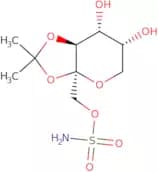
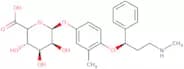

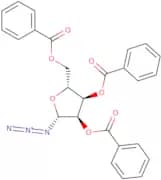
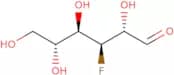
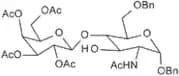
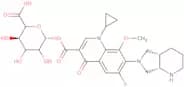

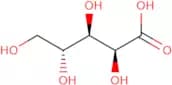

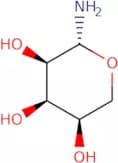

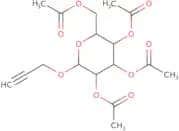
![5-Deoxy-1,2-O-isopropylidene-5-[(2R-pyridin-4-yl-pyrrolidine)-1-yl]-a-D-xylofuranose](/_next/image/?url=https%3A%2Fstatic.cymitquimica.com%2Fproducts%2F3D%2Fthumb-webp%2FMD07488.webp&w=3840&q=75)


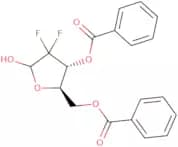
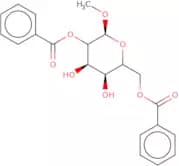
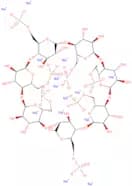
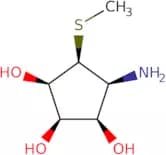
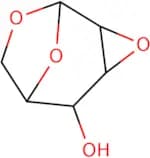
![2-Deoxy-2-fluoro-L-[UL-13C]fucose](/_next/image/?url=https%3A%2Fstatic.cymitquimica.com%2Fproducts%2F3D%2Fthumb-webp%2FMD45885.webp&w=3840&q=75)
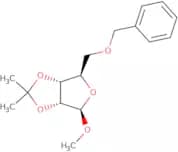

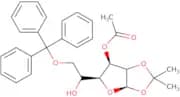
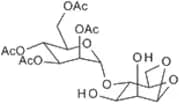
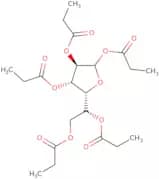
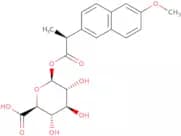
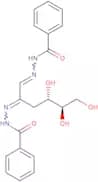
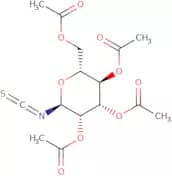

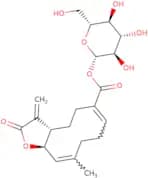
![Benzyl 2,3-O-[(1S,2S)-1,2-dimethoxy-1,2-dimethyl-1,2-ethanediyl]-b-D-arabinopyranoside](/_next/image/?url=https%3A%2Fstatic.cymitquimica.com%2Fproducts%2F3D%2Fthumb-webp%2FMB16615.webp&w=3840&q=75)
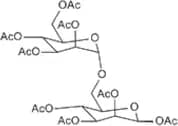
![[1-13C]Maltose monohydrate](/_next/image/?url=https%3A%2Fstatic.cymitquimica.com%2Fproducts%2F3D%2Fthumb-webp%2FOM76731.webp&w=3840&q=75)
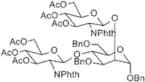
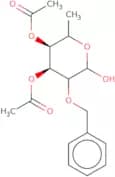
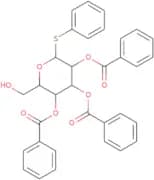
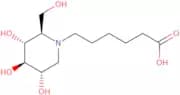
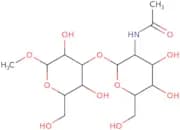
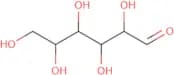
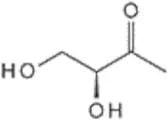
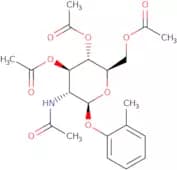
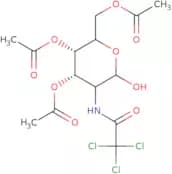
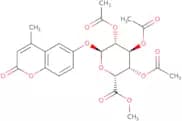


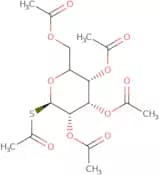

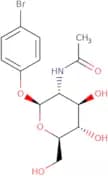
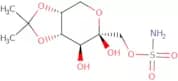

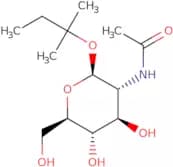
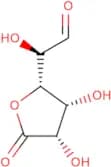


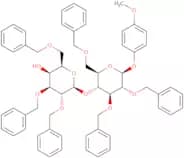
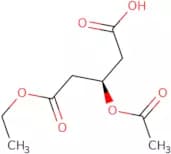
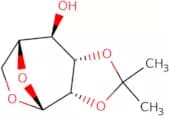
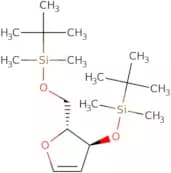
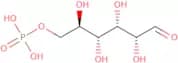
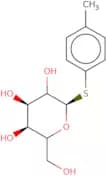
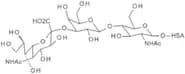
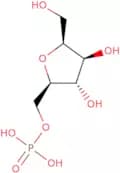

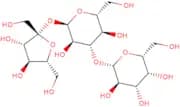
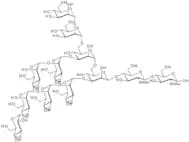

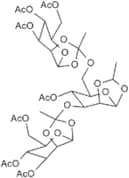
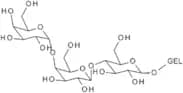

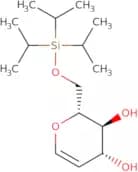
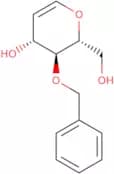
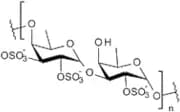
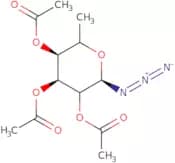

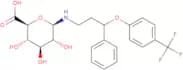
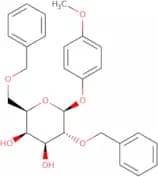
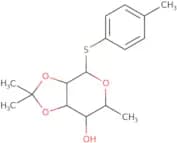
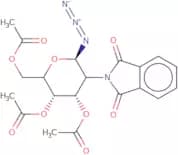
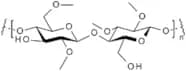
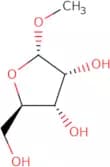

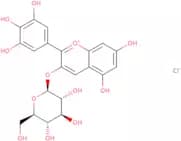
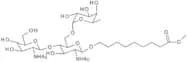
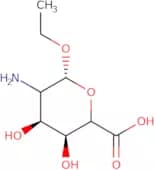


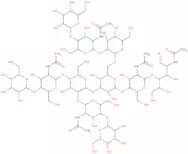

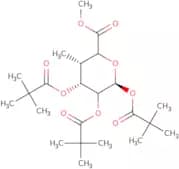
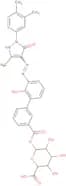
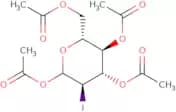
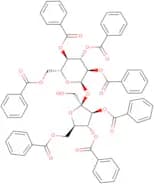

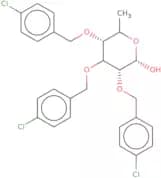

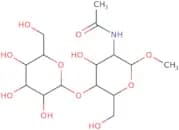
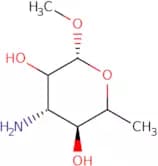
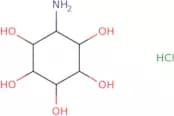
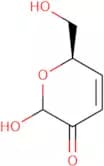
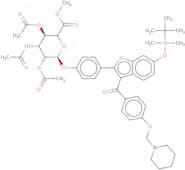
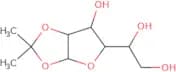

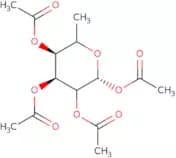
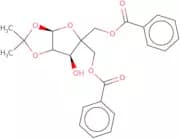
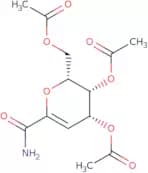

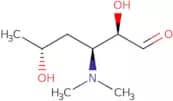
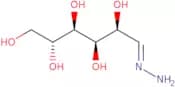


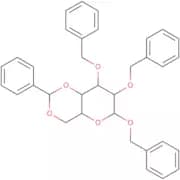
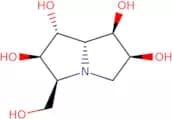
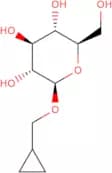
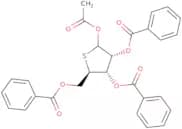
![[UL-13C6glc]Lactose monohydrate](/_next/image/?url=https%3A%2Fstatic.cymitquimica.com%2Fproducts%2F3D%2Fthumb-webp%2FOL16272.webp&w=3840&q=75)

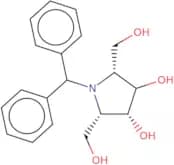
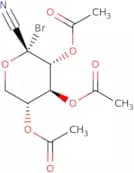
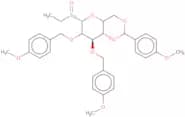
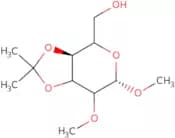

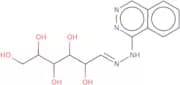

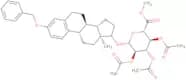
![N-[(e-N-Benzyloxycarbonylamino)caproyl]-b-D-galactopyranosylamine](/_next/image/?url=https%3A%2Fstatic.cymitquimica.com%2Fproducts%2F3D%2Fthumb-webp%2FMB04505.webp&w=3840&q=75)
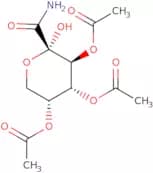

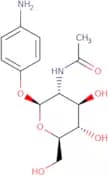
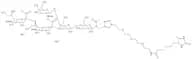
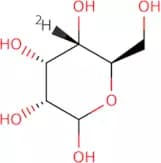
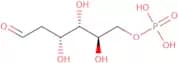

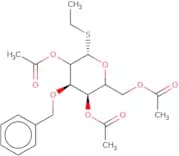
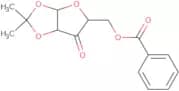

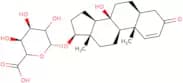

![Carbomethoxyethylthioethyl 4-O-(4-O-[6-O-{a-D-glucopyranosyl}-a-D-glucopyranosyl]-a-D-glucopyranos…](/_next/image/?url=https%3A%2Fstatic.cymitquimica.com%2Fproducts%2F3D%2Fthumb-webp%2FOC06493.webp&w=3840&q=75)
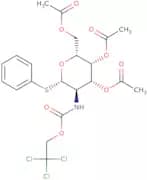
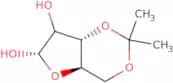
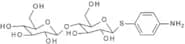
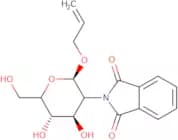

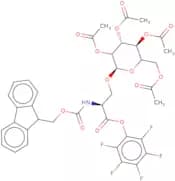
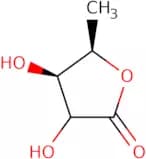
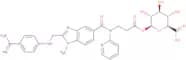

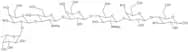
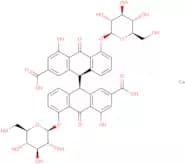
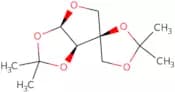


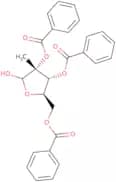
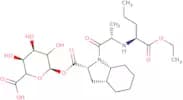

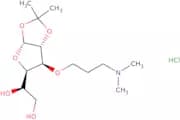
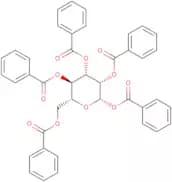
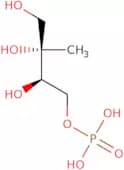
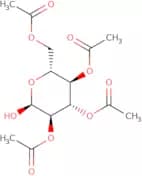

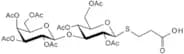

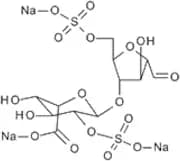
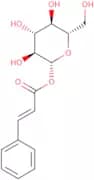
![(2R,4R)-2-[D-Xylo-tetrahydroxybut-1-yl]-1,3-thiazolidine-4-carboxylic acid](/_next/image/?url=https%3A%2Fstatic.cymitquimica.com%2Fproducts%2F3D%2Fthumb-webp%2FMX01042.webp&w=3840&q=75)