Glicociência
A glicociência é o estudo dos carboidratos e seus derivados, bem como das interações e funções biológicas em que participam. Este campo de pesquisa é crucial para compreender uma ampla variedade de processos biológicos, incluindo o reconhecimento celular, a sinalização, a resposta imune e o desenvolvimento de doenças. A glicociência tem aplicações importantes na biotecnologia, na medicina e no desenvolvimento de novos medicamentos e terapias. Na CymitQuimica, oferecemos uma ampla seleção de produtos de alta qualidade e pureza para pesquisa em glicociência. Nosso catálogo inclui monossacarídeos, oligossacarídeos, polissacarídeos, glicoconjugados e reagentes específicos, projetados para apoiar os pesquisadores em seus estudos sobre a estrutura, função e aplicações dos carboidratos em sistemas biológicos. Esses recursos são destinados a facilitar descobertas científicas e aplicações práticas em diversas áreas das biociências e da medicina.
Subcategorias de "Glicociência"
- Amino açúcares(108 produtos)
- Anticorpos Glico-Relacionados(282 produtos)
- Glicolípidos(46 produtos)
- Glicosaminoglicanos (GAGs)(55 produtos)
- Glicosídeos(419 produtos)
- Monossacáridos(6.624 produtos)
- Oligossacarídeos(3.682 produtos)
- Polissacáridos(503 produtos)
Foram encontrados 11046 produtos de "Glicociência"
Ordenar por
Pureza (%)
0
100
|
0
|
50
|
90
|
95
|
100
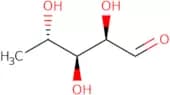
5-Deoxy-L-arabinose
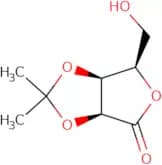
CAS:<p>5-Deoxy-L-arabinose is a tetramethylurea derivative that has been synthesized for the treatment of hyperphenylalaninemia, an atypical form of phenylketonuria. It is an analog of 5-deoxy-l-ribose and can be used to generate molybdate from ammonium molybdate. This product also has antiviral activity and can be used to inhibit the growth of filamentous fungi, such as Verticillium dahliae. 5-Deoxy-L-arabinose can be used as a phase separator in chromatography. It is stereoselective and does not react with acid catalysts.</p>Fórmula:C5H10O4Pureza:Min. 95%Cor e Forma:Slightly Yellow Clear Viscous LiquidPeso molecular:134.13 g/mol2,3-O-Isopropylidene-D-lyxonic acid-1,4-lactone
CAS:2,3-O-Isopropylidene-D-lyxonic acid-1,4-lactone (2,3-OIPDL) is a fluorinated polysaccharide that is synthesized from glycosylation of 1,4-lactone with 2,3-O-isopropylidene D-lyxonic acid. This compound has been shown to have high purity and is used in the modification of carbohydrates.Fórmula:C8H12O5Pureza:Min. 98 Area-%Cor e Forma:White Off-White PowderPeso molecular:188.18 g/molD-ido-Heptono-1,4-lactone
<p>D-ido-Heptono-1,4-lactone is a glycosylation product of heptose with d-ido-D-glucofuranose and is a synthetic sugar. It has an Oligosaccharide, sugar, Synthetic, Fluorination, Custom synthesis, Methylation, Monosaccharide, Polysaccharide, saccharide Click modification. It has CAS No., Modification.</p>Pureza:Min. 95%4-Methylphenyl 2,3,4,6-tetra-O-acetyl-β-D-thioglucopyranoside
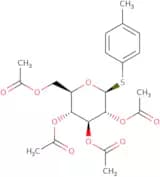
CAS:<p>4-Methylphenyl 2,3,4,6-tetra-O-acetyl-b-D-thioglucopyranoside is an antibiotic that is used to treat infections caused by a wide range of pathogens. This drug is active against Gram-negative and Gram-positive bacteria, including some resistant strains. 4MPTGA inhibits the growth of bacteria by binding to their ribosomes and preventing protein synthesis. It has been shown to have antimicrobial activity against E. coli and other Enterobacteriaceae species as well as other Gram negative bacteria such as Salmonella typhi and Proteus mirabilis. 4MPTGA has also been shown to be effective against the common animal health pathogen Staphylococcus aureus</p>Fórmula:C21H26O9SPureza:Min. 95%Cor e Forma:White PowderPeso molecular:454.49 g/mol1,2,3,4,5-Penta-O-acetyl-β-D-fructose
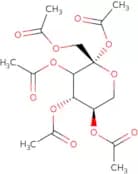
CAS:1,2,3,4,5-Penta-O-acetyl-β-D-fructose is a synthetic oligosaccharide that is modified with fluorine to produce a variety of products. This product is used in the synthesis of complex carbohydrates and has been shown to have high purity. It is used for methylation reactions and can be found in saccharides and polysaccharides. The CAS number for this compound is 20764-61-8.Fórmula:C16H22O11Pureza:Min. 95%Cor e Forma:White PowderPeso molecular:390.34 g/mol4, 6- O- [(R) - Phenylmethylene] -a- D-glucopyranose
CAS:<p>4,6-O- (R)- Phenylmethylene -a- D-glucopyranose is a modification of the sugar glycoside glucose. This compound is synthesized from glucose by methylation and fluorination. The synthesis process begins with the addition of sodium borohydride to a solution of glucose in methanol. The next step involves the treatment of this mixture with phenylmagnesium bromide followed by phenylmethylene bromine. The final step involves heating the reaction mixture at reflux for 10 hours. 4,6-O- (R)- Phenylmethylene -a- D-glucopyranose is extremely pure and offers a wide range of applications in the fields of biochemistry, medicinal chemistry, and polymer science.</p>Fórmula:C13H16O6Pureza:Min. 95%Peso molecular:268.26 g/mol3,4-O-Isopropylidene-D-mannitol
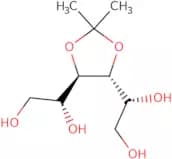
CAS:3,4-O-Isopropylidene-D-mannitol (IPM) is a d-mannitol that has been synthesized by an acid-catalyzed condensation reaction. It is a highly reactive compound with acidic properties and, as such, can be used as a buffer in acid environments. The product of this synthesis was also found to have anticancer activity in vitro, which may be due to its ability to induce apoptosis and inhibit cell proliferation. IPM possesses a hydroxyl group at the 3 position of the molecule and a hydrophilic nature. This makes it suitable for surface-enhanced Raman spectroscopy (SERS) studies and other detection methods.Fórmula:C9H18O6Pureza:Min. 95%Cor e Forma:White Off-White PowderPeso molecular:222.24 g/mol1,2,3,4-Tetra-O-pivaloyl-6-O-(tert-butyldiphenylsilyl)-b-D-glucopyranose
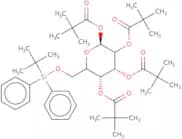
<p>1,2,3,4-Tetra-O-pivaloyl-6-O-(tert-butyldiphenylsilyl)-b-D-glucopyranose is a custom synthesis of an oligosaccharide with a polysaccharide. The carbohydrate is modified with fluorination and methylation. This product has high purity and is synthesized using click chemistry. Monosaccharides are attached to the sugar backbone in order to form complex carbohydrates. This product can be used as a synthetic sugar or in the production of other oligosaccharides.</p>Fórmula:C42H62O10SiPureza:Min. 95%Peso molecular:755.04 g/molα-D-Mannopyranosyl L-threonine
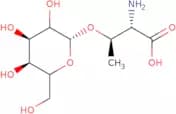
CAS:a-D-Mannopyranosyl L-threonine is a carbohydrate with the molecular formula C6H14O5. It is a white crystalline powder that has a sweet taste. This product can be used as an ingredient in food and beverage products, such as confectionery products, soft drinks, dairy products, baked goods, and chewing gum. It may also be used in pharmaceuticals, such as chewable tablets or capsules for oral use.Fórmula:C10H19NO8Pureza:Min. 95%Cor e Forma:PowderPeso molecular:281.26 g/mol(2R,3S,4R)-2-Benzylamino-2-methyl-3,4-dihydroxypyrrolidine
<p>(2R,3S,4R)-2-Benzylamino-2-methyl-3,4-dihydroxypyrrolidine is a synthetic compound that can be used as a research tool for the study of protein glycosylation. It has been shown to be an efficient glycosylant and can be used in the synthesis of oligosaccharides and saccharides. The compound was first synthesized by adding two methyl groups to the amino group at the nitrogen atom in position 2 of pyrrolidine. This modification allows for the attachment of sugar molecules through an amide bond. (2R,3S,4R)-2-Benzylamino-2-methyl-3,4-dihydroxypyrrolidine is not currently used in any commercial products.</p>Pureza:Min. 95%L-Xylose
CAS:<p>L-Xylose is a monosaccharide that is found in many plants. It is used as a sweetener, and also has been shown to be beneficial in the treatment of diabetic neuropathy. L-Xylose can be metabolized by the enzyme xylitol dehydrogenase to produce energy for the cell. The enzyme catalyzes the conversion of xylitol to D-xylulose and then D-xylulose 1-phosphate, which can be converted into ATP for use by cells. L-Xylose is not metabolized by bacterial enzymes and does not affect blood sugar levels. L-Xylose has been shown to have an effect on taste perception, with a sweet taste at concentrations of 10 milligrams per liter (mg/L). This sweet taste is due to its hydroxymethyl group on the C2 position, which reacts with sodium ions in the mouth. The optimum pH for L-xylose</p>Fórmula:C5H10O5Pureza:Min. 99.0 Area-%Peso molecular:150.13 g/molMethyl 2-acetamido-4,6-di-O-acetyl-2,3-dideoxy-3-fluoro-D-mannopyranoside
CAS:<p>Methyl 2-acetamido-4,6-di-O-acetyl-2,3-dideoxy-3-fluoro-D-mannopyranoside is a custom synthesis of a modified monosaccharide. It is fluorinated and methylated at the 2 and 6 positions respectively. The acetyl group at position 2 is replaced with an acetamido group to increase the stability of the molecule. This product has not been studied in vivo or in vitro. It is not on any international lists of prohibited substances and it is not banned by any sporting organization.</p>Fórmula:C13H20FNO7Pureza:Min. 95%Peso molecular:321.3 g/mol3,4-O-(1',1',3',3'-Tetraisopropyl-1,3-disiloxanediyl)-L-rhamnal
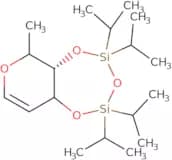
CAS:3,4-O-(1',1',3',3'-Tetraisopropyl-1,3-disiloxanediyl)-L-rhamnal is a synthetic sugar that is used as a building block for the synthesis of glycoproteins and other polymers. It can be methylated to give 3,4-O-(1',1',3',3'-tetramethyl-1,3-disiloxanediyl)-L-rhamnal, which is an inhibitor of protein glycosylation. 3,4-O-(1',1',3',3'-Tetraisopropyl-1,3-disiloxanediyl)-L-rhamnal has been fluorinated to give 3,4-O-(2'-fluoroethylidene) -L-rhamnal and used in Click chemistry reactions.Fórmula:C18H36O4Si2Pureza:Min. 95%Peso molecular:372.65 g/molD-Erythrono-1.4-lactone
<p>D-Erythrono-1.4-lactone is a carbohydrate that belongs to the group of oligosaccharides. It is a synthetic sugar with the CAS number 687-83-0. This carbohydrate is a monosaccharide with an oxygen atom in the alpha position, which has been fluorinated and methylated. The methylation on this sugar can be accomplished by either a glycosylation or click chemistry modification. This sugar can be used as an anti-tumor agent or as an adjuvant for chemotherapy treatments.</p>Pureza:Min. 95%1,4-Anhydro-D-xylitol
CAS:<p>1,4-Anhydro-D-xylitol is a solid catalyst that is used for the synthesis of 1,4-anhydro-D-glucitol. The reaction follows a nucleophilic attack by sodium citrate on the oxygen atom at the anomeric position of D-xylose. 1,4-Anhydro-D-xylitol has been shown to be present in fruit extracts and it has been hypothesized that it may have biological activity as a growth factor or as a polylactic acid (PLA) or fatty acid film-forming polymer.</p>Fórmula:C5H10O4Pureza:Min. 95%Cor e Forma:PowderPeso molecular:134.13 g/molD-Mannitol
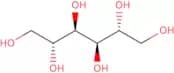
CAS:Mannitol is a sugar alcohol occurring widely in plants and they are exudates, for example, in olive and plane trees (Collins, 2006). It is produced commercially by the catalytic hydrogenation of fructose (Zelin, 2019). Mannitol is used extensively in food and pharmaceutical industries because of its unique functional properties. It is about 50% as sweet as sucrose and has a desirable cooling effect often used to mask bitter tastes. Mannitol is non-cariogenic and has a low caloric content. Mannitol is an osmotic diuretic that is metabolically inert in humans and is used for: the promotion of diuresis before irreversible renal failure becomes established, the promotion of urinary excretion of toxic substances, as an Antiglaucoma agent, and as a renal function diagnostic aid (OâNeil, 2013). Additonally, in 2020, mannitol was approved by the FDA as add-on maintenance therapy for the control of pulmonary symptoms associated with cystic fibrosis in adult patients (McKenna, 2020).Fórmula:C6H14O6Pureza:Min. 95%Cor e Forma:White PowderPeso molecular:182.17 g/molSucrose dodecanoate
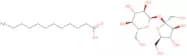
CAS:<p>Sucrose dodecanoate is a sugar ester that has been shown to be a 5-HT agonist. It is used as an absorption enhancer for the treatment of choroidal neovascularization. Sucrose dodecanoate was also found to have trypsin-like protease activity and cyclic peptide properties. This drug has been shown to increase insulin sensitivity and growth factor levels in animal models, which may be due to its effects on serine proteases. Sucrose dodecanoate is available as a pharmaceutical dosage form containing fatty acid esters at a concentration of 10%. It has a viscosity of approximately 100 cP, which is expected to provide good bioavailability.</p>Fórmula:C12H24O2•(C12H22O11)xCor e Forma:Clear LiquidPeso molecular:342.3 g/molMethyl 3,5-di-O-benzyl-β-D-ribofuranoside
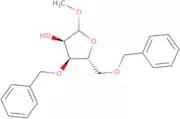
CAS:Methyl 3,5-di-O-benzyl-b-D-ribofuranoside is a synthetic glycoconjugate. The methyl group at the 3 position of the ribose is substituted with a fluorine atom. This modification results in increased resistance to nucleases and enhanced cell penetration. Methyl 3,5-di-O-benzyl-b-D-ribofuranoside can be used for the synthesis of complex carbohydrates that are not accessible by other methods.Fórmula:C20H24O5Pureza:Min. 95%Cor e Forma:Yellow PowderPeso molecular:344.4 g/molBenzyl 2-acetamido-3,4-di-O-acetyl-2-deoxy-a-D-galactopyranoside
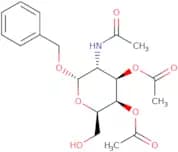
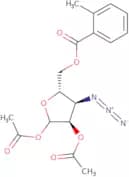
CAS:Benzyl 2-acetamido-3,4-di-O-acetyl-2-deoxy-a-D-galactopyranoside is a glycosylation agent that is used in the synthesis of complex carbohydrate. It has the CAS No. 55652-76-1 and is custom synthesized to meet customers' requirements. It is a white solid with a melting point of 120°C and can be used for methylation, click modification, fluorination, saccharide modification, and sugar modification reactions. Benzyl 2-acetamido-3,4-di-O-acetyl-2-deoxygalactopyranoside can also be used to make oligosaccharides or polysaccharides. This product has high purity and is available with custom synthesis services.Fórmula:C19H25NO8Pureza:Min. 95%Cor e Forma:White To Off-White SolidPeso molecular:395.4 g/mol1,2-Di-O-acetyl-3-azido-3-deoxy-5-O-toluoyl-D-ribofuranose
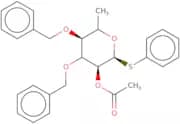
CAS:1,2-Di-O-acetyl-3-azido-3-deoxy-5-O-toluoyl-D-ribofuranose is a synthetic sugar that can be modified to produce oligosaccharides or polysaccharides. It has a CAS number of 120143-22-8 and is composed of a sugar molecule with an acetyl group on the 2' position and toluene sulfonyl group on the 3' position. This modification can be used for glycosylation or methylation reactions. 1,2-Di-O-acetyl -3,4,6,-triaminopyrimidine is also known as fluorinated ribofuranose.Fórmula:C17H19N3O7Pureza:Min. 95%Peso molecular:377.35 g/mol1-S-Phenyl-2-O-acetyl-3,4-di-O-benzyl-a-L-thiorhamnopyranose
CAS:<p>1-S-Phenyl-2-O-acetyl-3,4-di-O-benzyl-a-L-thiorhamnopyranose is a fluorinated monosaccharide. It is a custom synthesis that is an oligosaccharide with complex carbohydrate. The sugar has been modified by glycosylation and polysaccharide. It also has click modification and methylation. 1-S-Phenyl-2-O-acetyl -3,4 di O benzyl a L thiorhamnopyranose is the CAS No. 636559 71 2. This product is high purity, making it suitable for industrial applications such as pharmaceuticals, agrochemicals, and cosmetics.</p>Fórmula:C28H30O5SPureza:Min. 95%Peso molecular:478.6 g/molMaltotriose
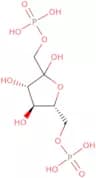
CAS:<p>Used to differentiate microorganisms based on their metabolic properties.</p>Fórmula:C18H32O16Pureza:Min. 95 Area-%Peso molecular:504.44 g/molD-Fructose-1,6-diphosphate
CAS:D-Fructose-1,6-diphosphate is a chemical that is found in the cytosol of cells. It is an intermediate in the metabolism of fructose and also has an important role in the synthesis of fatty acids and phospholipids. D-Fructose-1,6-diphosphate is an effective inhibitor of sodium succinate dehydrogenase, which converts succinate to fumarate. D-Fructose-1,6-diphosphate has a neutral pH profile and is not affected by changes in pH levels. The optimum pH for this compound is between 6.5 and 7.5. D-Fructose-1,6-diphosphate binds to proteins with unsaturated alkyl chains such as creatine kinase and glutamate dehydrogenase. It has been shown to have hemolytic effects on erythrocytes (red blood cells) at high concentrations, which may be due to its ability to bindFórmula:C6H14O12P2Pureza:(¹H-Nmr) Min. 95 Area-%Cor e Forma:White PowderPeso molecular:340.12 g/mol6-Deoxy-D-glucose
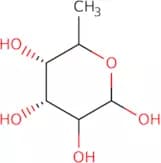
CAS:Homomorph used to study the biological role of 6 hydroxyl group of glucoseFórmula:C6H12O5Pureza:Min. 98 Area-%Cor e Forma:White PowderPeso molecular:164.16 g/mol1,4-b-D-Mannohexaose
CAS:<p>Isolated from ivory-nut mannan hydrolysates</p>Fórmula:C36H62O31Pureza:Min. 90 Area-%Cor e Forma:White PowderPeso molecular:990.86 g/mol1,2:3,5-Di-O-Isopropylidene-α-L-xylofuranose
CAS:<p>1,2:3,5-Di-O-Isopropylidene-a-L-xylofuranose is a fluorinated sugar that is used as a building block in the synthesis of complex carbohydrates and oligosaccharides. It has a CAS number of 131156-47-3. 1,2:3,5-Di-O-Isopropylidene-a-L-xylofuranose is an active component in the modification of saccharide and polysaccharide structures by click chemistry. It can be modified with various functional groups such as methylation or monosaccharide to produce specific compounds. This product is available for custom synthesis.</p>Fórmula:C11H18O5Pureza:Min. 95%Cor e Forma:PowderPeso molecular:230.26 g/molAcetaminophen D-glucuronide
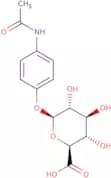
CAS:Acetaminophen D-glucuronide (APG) is a metabolite of acetaminophen. It is a major metabolite produced by the liver after acetaminophen is converted to APG by UDP-glucuronyltransferase. The biological properties of APG are similar to acetaminophen, but it has been shown that APG may have greater potency than acetaminophen in some tissues. For example, in vitro studies using hepatocyte-like cells have shown that APG has higher activity than acetaminophen on the induction of CYP2E1 and CYP3A4, two enzymes involved in drug metabolism. Acetaminophen D-glucuronide can be detected in blood samples for up to 48 hours after administration of an intravenous dose of acetaminophen, which provides a more precise measurement than other methods such as plasma concentrations or urinary excretion measurements.Fórmula:C14H17NO8Pureza:Min. 95%Cor e Forma:White PowderPeso molecular:327.29 g/mol3'-Sialylgalactose sodium salt
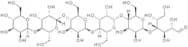
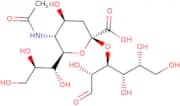
CAS:<p>Sialylated oligosaccharide with the ability to inhibit angiogenesis and tumour development by binding to the vascular endothelial growth factor receptor VEGFR-2. Moreover, sialylated N-glycans in intestinal epithelium of chickens were found to carry terminal sialylgalactose, which interacts with influenza viruses during early stages of infection.</p>Fórmula:C17H28NO14·NaPureza:Min. 95%Cor e Forma:White PowderPeso molecular:493.39 g/mol2,3-Di-O-benzyl-a-cyclodextrin
Alpha-cyclodextrin (α-CD) derivative with a hydrophilic exterior and lipophilic cavity (smaller than β-CDs and γ-CDs) to allocate certain guest molecules. This structural characteristic enables applications in molecular encapsulation, solubility enhancement, and stabilization across multiple industries. In pharmaceuticals, it serves as a drug delivery vehicle, enhancing the bioavailability and stability of active ingredients. The food industry utilizes it as a stabilizer for flavors, colors, and nutrients, as well as a functional ingredient for its effects on lipid metabolism. In cosmetics, it acts as a complex agent for fragrances and active components. Its applications extend to analytical chemistry for chiral separation and to materials science for developing smart materials and nanosystems.Fórmula:C120H132O30Pureza:Min. 95%Peso molecular:2,054.31 g/molPhenyl 4,6-O-benzylidene-2-O-levulinoyl-3-O-(2-naphthylmethyl)-b-D-thioglucopyranoside
<p>Phenyl 4,6-O-benzylidene-2-O-levulinoyl-3-O-(2-naphthylmethyl)-b-D-thioglucopyranoside is a fluorinated monosaccharide. It can be synthesized in a custom synthesis and is available with high purity. This product is an oligosaccharide, which has glycosylation and polysaccharide properties. Phenyl 4,6-O-benzylidene-2-O-levulinoyl-3-O-(2-naphthylmethyl)-b-D -thioglucopyranoside is also a complex carbohydrate that has been modified by methylation and acetalization.</p>Pureza:Min. 95%Methyl 2,3-di-O-acetyl-4,6-O-benzylidene-a-D-mannopyranoside
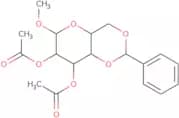
CAS:<p>Methyl 2,3-di-O-acetyl-4,6-O-benzylidene-a-D-mannopyranoside is a synthetic compound that has not been studied in vivo or in vitro. Methyl 2,3-di-O-acetyl-4,6-O-benzylidene-aDmannopyranoside is an oligosaccharide that can be modified with fluorination and methylation. It is synthesized by glycosylation of a Dmannopyranose using an acetate as the acyl donor. The acetate is then selectively benzylated to form the desired product.</p>Fórmula:C18H22O8Pureza:Min. 95%Peso molecular:366.37 g/mol6-O-a-Maltosyl-b-cyclodextrin
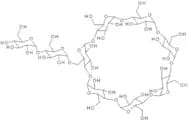
CAS:<p>This beta-cyclodextrin (β-CD) derivative is a functionalized cyclic oligosaccharide composed of seven glucose units, characterized by a hydrophilic exterior and a lipophilic cavity (bigger than α-CD and smaller than γ-CDs), which allows it to encapsulate various guest molecules. This structural feature facilitates its use in multiple applications, including pharmaceuticals, food enhancement, and cosmetics. In the pharmaceutical industry, it enhances the solubility and stability of poorly water-soluble drugs, improving their bioavailability and efficacy while also masking unpleasant tastes. The food sector utilizes it as a stabilizer for flavors, colors, and nutrients, extending shelf life by protecting sensitive ingredients from degradation. In cosmetics, it serves as a complexing agent for fragrances and active components, ensuring their stability and controlled release. Its use expands to many other fields, including nanotechnology for drug delivery systems, environmental remediation for extracting organic pollutants, textiles for slow-release fragrances, and analytical chemistry for chiral separation.</p>Fórmula:C54H90O45Pureza:Min. 95%Cor e Forma:White PowderPeso molecular:1,459.27 g/mol5-O-Benzoyl-1,2,-O-isopropylidene-3-deoxy-3-ethylidene-a-D-xylofuranoside
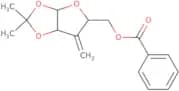
CAS:<p>5-O-Benzoyl-1,2,-O-isopropylidene-3-deoxy-3-ethylidene-a-D-xylofuranoside is a custom synthesis that is a modification of the natural product 5-O-(4'-methylbenzoyl)-1,2,-O-(isopropylidene)-3,5'-di--deoxyxylofuranoside. The fluorination and methylation reactions were carried out to produce the desired product. 5--O--Benzoyl--1,2,-O--isopropylidene--3,5'-di--deoxyxylofuranoside is a monosaccharide that is part of an oligosaccharide or polysaccharide. This compound has been synthesized by Click modification and glycosylation with sugar.</p>Pureza:Min. 95%1,2-Di-O-tert.butyldimethylsilyl-3,4:5,6-di-O-isopropylidene-D-glycero-a-D-talopyranoside
This compound is a high purity, custom synthesis. It is a sugar that can be fluorinated and glycosylated. It also has the ability to be modified with methylation and modification. The CAS Number is 1213-78-3. This carbohydrate has many functions: it can act as an oligosaccharide or monosaccharide and can also be used as a complex carbohydrate.Pureza:Min. 95%N-(2-Phenyl-1-cyano-3-butene)-2,3,4,6-tetra-O-pivaloyl-D-glucopyranoside
N-(2-Phenyl-1-cyano-3-butene)-2,3,4,6-tetra-O-pivaloyl-D-glucopyranoside is a compound that is used as an intermediate in the synthesis of glycosylated polysaccharides. It has been used to synthesize saccharides and oligosaccharides with a wide range of compositions. This compound can be custom synthesized to meet your specifications.Fórmula:C37H54NO9Pureza:Min. 95%Peso molecular:656.84 g/molChitoheptaose 7HCl
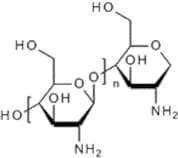
CAS:<p>Chitoheptaose 7HCl is a synthetic, complex carbohydrate with a CAS number of 68232-35-9. This product is custom synthesized to order and can be modified according to your specifications. It is available in high purity.</p>Fórmula:C42H79N7O29·7HClPureza:Min. 95 Area-%Cor e Forma:PowderPeso molecular:1,401.34 g/molChitosan
CAS:<p>Chitosan is the deacetylated form of chitin. The polysaccharide is deacetylated in order to render it soluble, which is then possible at pH values of less than 7 (normally in dilute acid). This then allows the material to be used in a number of industrial applications as a binder and film former.Molecular weight range 350 - 3500 Da.</p>Cor e Forma:PowderMethyl glucoside dioleate
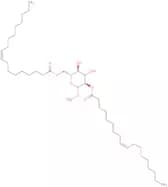
CAS:<p>Methyl glucoside dioleate is a fatty acid ester that is a cross-linking agent. It can be used as a neutralizer and surfactant in cosmetic products. Methyl glucoside dioleate has been shown to have synergistic effects with hyaluronic acid, which stimulates the production of collagen and elastin. It also has skin-softening properties due to its ability to form films on the skin surface and reduce water loss by forming a hydrophobic barrier. Methyl glucoside dioleate is not known to cause allergic reactions or other adverse effects when applied to humans, although there are no long-term studies on this topic.</p>Pureza:Min. 95%1-Deoxy-D- tagatofuranose
1-Deoxy-D-tagatofuranose is a sugar that is found in many plants. It is a monosaccharide with a carbohydrate group at the reducing end of the molecule. 1-Deoxy-D-tagatofuranose has been synthesized by Click chemistry, which enables selective modification of its hydroxyl groups. This sugar is methylated, glycosylated, and fluorinated to make it more stable and resistant to chemical degradation. 1-Deoxy-D-tagatofuranose has various applications such as use as a food additive and as a pharmaceutical drug in the treatment of cancer.Pureza:Min. 95%Allyl 2,3,4,6-tetra-O-acetyl-β-D-glucopyranoside
CAS:Allyl 2,3,4,6-tetra-O-acetyl-β-D-glucopyranoside is a health product that is used as an anesthetic. It is made from allyl alcohol and acetic acid in the presence of alkali. Allyl 2,3,4,6-tetra-O-acetyl-β-D-glucopyranoside has been shown to be degradable in the environment and biodegradable in soil. This product does not contain any hazardous materials and is not toxic to humans. Allyl 2,3,4,6-tetra-O-acetyl-β-D-glucopyranoside has also been shown to have an antiinflammatory effect on the human body.Fórmula:C17H24O10Pureza:Min. 95%Cor e Forma:PowderPeso molecular:388.37 g/mol(1R) -1- [(2S, 3R,4S) -4-(Acetylamino)methyl-3- hydroxy- 1- azetidinyl] -1, 2- ethanediol
<p>(1R) -1- [(2S, 3R,4S) -4-(Acetylamino)methyl-3- hydroxy- 1- azetidinyl] -1, 2- ethanediol is a custom synthesis. It is a complex carbohydrate that consists of an oligosaccharide with the CAS No. 6056-89-2. This product has been modified by methylation and glycosylation and has been fluorinated in order to improve its stability. The purity of this product is high and it contains a saccharide or sugar which is a polysaccharide as well as a carbonyl group.</p>Pureza:Min. 95%1,2:3,4-Di-O-isopropylidene-L-arabinopyranose
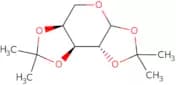
CAS:<p>1,2:3,4-Di-O-isopropylidene-L-arabinopyranose is a custom synthesis of 1,2:3,4-di-O-isopropylidene arabinopyranose. It is an oligosaccharide with a glycosylation and methylation that has a high purity with a CAS number of 212069-31-3. This complex carbohydrate can be modified to create new saccharides. The modification process includes fluorination and click chemistry reactions.</p>Fórmula:C11H18O5Pureza:Min. 95%Cor e Forma:PowderPeso molecular:230.26 g/molMethyl 2,3,4-tri-O-benzoyl-6-O-trityl-a-D-mannopyranoside
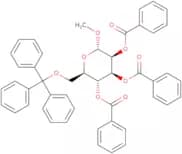
CAS:<p>Methyl 2,3,4-tri-O-benzoyl-6-O-trityl-a-D-mannopyranoside is an oligosaccharide that has been modified with fluorine. It is synthesized from a monosaccharide and a disaccharide. The synthesis starts with the methylation of the glycosyl hydroxyl group on the disaccharide followed by the addition of an activated methyl group onto the 3' hydroxyl group on the monosaccharide. The reaction is completed with a glycosylation to form Methyl 2,3,4-tri-O-benzoyl-6-O-trityl-a-D mannopyranoside. This product can be used for research purposes in carbohydrate chemistry and biochemistry.</p>Fórmula:C47H40O9Pureza:Min. 95%Peso molecular:748.84 g/mol1,2:4,5-Di-O-isopropylidene-3-O-methacryloyl-b-D-fructopyranose
1,2:4,5-Di-O-isopropylidene-3-O-methacryloyl-b-D-fructopyranose is a monosaccharide that has been modified with fluorination and methylation. The methylation of this molecule provides a high degree of purity. This synthetic product is a complex carbohydrate that is used as an additive in food and medicine. 1,2:4,5-Di-O-isopropylidene-3-O-methacryloyl b -D -fructopyranose has the CAS number 64794-52-9.Pureza:Min. 95%Chitotetraose tetrahydrochloride
CAS:Tetraose composed of four glucosamine residuesFórmula:C24H46N4O17•(HCl)4Pureza:Min. 95%Cor e Forma:White PowderPeso molecular:808.48 g/mol3-Epicasuarine
CAS:<p>3-Epicasuarine is an Oligosaccharide, which is a carbohydrate with a low molecular weight. It has two monosaccharides, which are the structural units of carbohydrates. 3-Epicasuarine is a glycosylation product of sucrose and glycine and has been fluorinated at the 8-position. The chemical formula for 3-Epicasuarine is C6H14FO4S2. This compound can be custom synthesized to meet your specifications or it can be purchased from us at a reasonable price.<br>A variety of modifications are available including methylation, click chemistry, and modification with saccharride residues such as maltose or glucose.<br>3-Epicasuarine may be used in the synthesis of oligosaccharides or as an intermediate in the synthesis of complex carbohydrates. It has been shown to have high purity and can be synthesized at any desired purity level.</p>Fórmula:C8H15NO5Pureza:Min. 95%Peso molecular:205.21 g/molSucrose octaacetate
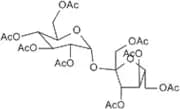
CAS:Sucrose octaacetate is used commercially and industrially in a variety of applications including as an inert ingredient in pesticides and herbicides and has been approved by the EPA as an inert ingredient in pesticides due to its low toxicity. It has also been approved by the FDA as a food additive. It has a bitter taste and is used as a bitterant to deter accidental ingestion.Fórmula:C28H38O19Pureza:Min. 95%Cor e Forma:PowderPeso molecular:678.59 g/mol5-O-Lauryl-D-xylofuranose
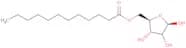
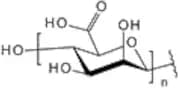
CAS:<p>5-O-Lauryl-D-xylofuranose is a lipase that can hydrolyze pentoses and hexoses. This enzyme has been shown to be active at temperatures between 0°C and 40°C, with optimal activity at 30°C. 5-O-Lauryl-D-xylofuranose is also thermostable and can be immobilized on silica gel or alumina. It is used in the manufacture of lysine, L-arabinose, and D-xylose. The enzyme catalyzes the reaction by removing a hydroxyl group from the pentoses or hexoses through an ester linkage with a dodecanoate group. The aliphatic chain of 5-O-lauryl dodecanoate is attached to the pentose or hexose molecule in an ester linkage by a thioether bond.</p>Fórmula:C17H32O6Pureza:Min. 95%Peso molecular:332.43 g/molPolymannuronic acid sodium salt - Average MW > 5000 Da
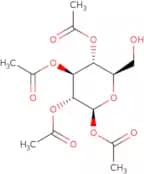
CAS:Sodium polymannuronate is produced from alginates by partial hydrolysis and chromatography of brown algae such as Laminaria digitata, Ascophyllum nodosum and Fucus spp. The image was kindly provided by Prof Mike Guiry from Cork who runs ‘The Seaweed Site’.Pureza:Min. 85%Cor e Forma:Powder1,2,3,4-Tetra-O-acetyl-β-D-glucopyranose
CAS:Building block for the 6-O-modification of Glc, including 6-O-glycosylationsFórmula:C14H20O10Pureza:Min. 98 Area-%Cor e Forma:PowderPeso molecular:348.3 g/mol

![4, 6- O- [(R) - Phenylmethylene] -a- D-glucopyranose](/_next/image/?url=https%3A%2Fstatic.cymitquimica.com%2Fproducts%2F3D%2Fthumb-webp%2FMP163945.webp&w=3840&q=75)










![(1R) -1- [(2S, 3R,4S) -4-(Acetylamino)methyl-3- hydroxy- 1- azetidinyl] -1, 2- ethanediol](/_next/image/?url=https%3A%2Fstatic.cymitquimica.com%2Fproducts%2F3D%2Fthumb-webp%2FMA163403.webp&w=3840&q=75)