Glicociência
A glicociência é o estudo dos carboidratos e seus derivados, bem como das interações e funções biológicas em que participam. Este campo de pesquisa é crucial para compreender uma ampla variedade de processos biológicos, incluindo o reconhecimento celular, a sinalização, a resposta imune e o desenvolvimento de doenças. A glicociência tem aplicações importantes na biotecnologia, na medicina e no desenvolvimento de novos medicamentos e terapias. Na CymitQuimica, oferecemos uma ampla seleção de produtos de alta qualidade e pureza para pesquisa em glicociência. Nosso catálogo inclui monossacarídeos, oligossacarídeos, polissacarídeos, glicoconjugados e reagentes específicos, projetados para apoiar os pesquisadores em seus estudos sobre a estrutura, função e aplicações dos carboidratos em sistemas biológicos. Esses recursos são destinados a facilitar descobertas científicas e aplicações práticas em diversas áreas das biociências e da medicina.
Subcategorias de "Glicociência"
- Amino açúcares(108 produtos)
- Anticorpos Glico-Relacionados(282 produtos)
- Glicolípidos(46 produtos)
- Glicosaminoglicanos (GAGs)(55 produtos)
- Glicosídeos(419 produtos)
- Monossacáridos(6.622 produtos)
- Oligossacarídeos(3.682 produtos)
- Polissacáridos(503 produtos)
Foram encontrados 11041 produtos de "Glicociência"
Ordenar por
Pureza (%)
0
100
|
0
|
50
|
90
|
95
|
100
5-(2-Hydroxyethyl)-2'-deoxyuridine
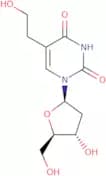
CAS:<p>5-(2-Hydroxyethyl)-2'-deoxyuridine is a regiospecific inhibitor of the enzyme thymidylate synthase. This drug inhibits the synthesis of thymine and uracil, which are used in DNA replication. 5-(2-Hydroxyethyl)-2'-deoxyuridine binds to the carbon chain of uracil, preventing its incorporation into DNA. 5-(2-Hydroxyethyl)-2'-deoxyuridine has been shown to be an effective inhibitor of thymidylate synthase in both prokaryotic and eukaryotic cells. The mechanism of action is thought to be competitive inhibition with respect to substrate binding at the active site of the enzyme. 5-(2-Hydroxyethyl)-2'-deoxyuridine can be synthesized by reacting acrylonitrile with 5-iodouridine chloride, followed by elimination reactions with methylene chloride or thionyl chloride. The product can then be</p>Fórmula:C11H16N2O6Pureza:Min. 95%Cor e Forma:PowderPeso molecular:272.25 g/molPhenyl 6-deoxy-6-fluoro-a-D-glucopyranoside
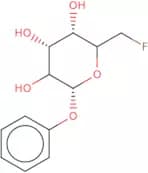
<p>Phenyl 6-deoxy-6-fluoro-a-D-glucopyranoside is a modification of the natural sugar, deoxyglucose. It is an oligosaccharide with a complex carbohydrate structure that has been modified by methylation and glycosylation. This product is synthesized from monosaccharides, and it can be fluorinated or saccharided. Phenyl 6-deoxy-6-fluoro-a-D-glucopyranoside is used in the synthesis of polysaccharides.</p>Fórmula:C12H15FO5Pureza:Min. 95%Peso molecular:258.24 g/molSucrose - USP
CAS:<p>Consumed in large amounts around the world as a food ingredient. Other applications of sucrose include its use in surfactants (esters), polyurethanes (polyols), plastics (alkyds) to produce dextrans (Leuconostoc mesenteroides fermentation) and ethanol (Saccharomyces cerevisiae fermentation).</p>Fórmula:C12H22O11Pureza:Min. 95%Cor e Forma:White/Off-White SolidPeso molecular:342.3 g/molDimethylthexylsilyl 2,3,6-tri-O-benzyl-b-D-galactopyranoside
<p>Dimethylthexylsilyl 2,3,6-tri-O-benzyl-b-D-galactopyranoside is a synthetic oligosaccharide with a fluorinated benzene ring. It is an important intermediate for glycosylation and can be modified with methyl groups or click chemistry. This product is of high purity and has been custom synthesized. Dimethylthexylsilyl 2,3,6-tri-O-benzyl-b-D-galactopyranoside has CAS number 69422-24-2.</p>Pureza:Min. 95%2-Acetamido-2-deoxy-D-galactono-1,4-lactone
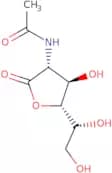
CAS:<p>2-Acetamido-2-deoxy-D-galactono-1,4-lactone is a trifluoroacetate analogue of 2-acetamido-2,3,4,5,6-pentafluorobenzonitrile. It has been shown to be an inhibitor of the synthesis of pyrimidine nucleotides in calf thymus DNA. The lactone ring structure is responsible for the antimicrobial activity of this compound. Sodium borohydride converts the compound into a phenylhydrazone derivative and formazans are formed during this process. This reaction is indicative of the presence of pentavalent nitrogen atoms in the molecule. The shift in position of the formazan band on paper chromatography indicates that this compound has two different forms: one with a double bond and one with a triple bond between carbons 3 and 4. The five membered ring structure is stabilized by two carbon atoms (C</p>Fórmula:C8H13NO6Pureza:Min. 95%Cor e Forma:SolidPeso molecular:219.19 g/molCyanidin-3-O-coumaroyl sambubioside-5-glucoside
<p>This is a custom synthesis of Cyanidin-3-O-coumaroyl sambubioside-5-glucoside. The synthesis is based on the modification of an existing sugar in order to produce a fluorinated, methylated, and monosaccharide. The sugar is then modified with a click chemistry modification to produce the desired oligosaccharide.</p>Fórmula:C43H45O24F3Pureza:Min. 95%Cor e Forma:PowderPeso molecular:1,002.8 g/molSennoside D
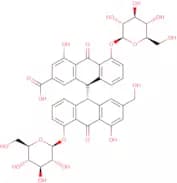
CAS:<p>Sennoside D is a fatty acid that can be isolated from the sennosides found in the leaves of the plant Senna alata. It has been shown to have anti-tumor properties and may play a role in treating colon cancer, breast cancer, and skin cancer. Sennoside D has also been shown to be effective against autoimmune diseases such as arthritis, ulcerative colitis, and Crohn's disease. The low energy of this compound may be due to its formation rate. The hydroxide solution (NaOH) is used in the synthesis of this molecule because it binds with carbon dioxide molecules to form sodium bicarbonate and carbon dioxide gas which can then be captured by water. This process produces a high yield of sennoside D. In addition, the bound form of this molecule is soluble in organic solvents and insoluble in water, which makes it suitable for skin conditions as well as colon cancer treatments.</p>Pureza:Min. 95%Cor e Forma:SolidMan-1 N-Glycan
CAS:<p>Man-1 N-glycan is a synthetic oligosaccharide with a sugar chain that is terminated by an alpha-D-mannose. It is synthesized using the Click reaction and modified with fluorine. This product can be used in glycosylation, or the addition of sugar chains to proteins or lipids. Man-1 N-Glycan has high purity and can be custom synthesized to order.</p>Fórmula:C22H38N2O16Pureza:Min. 95%Cor e Forma:White to off-white solid.Peso molecular:586.54 g/molAstragaloside II
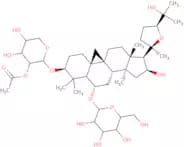
CAS:<p>Astragaloside II is a natural compound that has been shown to have anti-inflammatory effects in vitro and in vivo. Astragaloside II inhibits the production of inflammatory mediators by inhibiting phosphodiesterase and cyclooxygenase pathways. It also has a matrix effect on the cells, which may be due to its ability to activate protein kinase C. This compound also has an analytical method, which consists of HPLC with UV detection at 210 nm.</p>Fórmula:C43H70O15Pureza:Min. 95%Cor e Forma:White To Off-White SolidPeso molecular:827.01 g/molAllyl 2-deoxy-4,6-O-isopropylidene-2-(trifluoroacetamido)-a-D-glucopyranoside
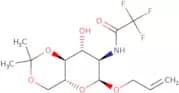
CAS:<p>Allyl 2-deoxy-4,6-O-isopropylidene-2-(trifluoroacetamido)-a-D-glucopyranoside is a custom synthesis of methylated oligosaccharides. It is a complex carbohydrate that contains a saccharide and monosaccharide. This compound can be used as an intermediate for the production of other drugs or pharmaceuticals. Allyl 2-deoxy-4,6-O-isopropylidene-2-(trifluoroacetamido)-a-D-glucopyranoside has CAS No. 139629-59-7 and a purity of >98%.</p>Fórmula:C14H20F3NO6Pureza:Min. 95%Peso molecular:355.31 g/mol1,6-Di-O-benzyl-a-D-glucopyranoside
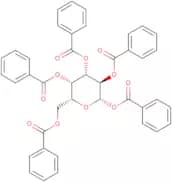
<p>1,6-Di-O-benzyl-a-D-glucopyranoside is an oligosaccharide that has been synthesized by the Click chemistry method. It is a polysaccharide with a high purity and an excellent yield. The product contains a single monosaccharide unit of D-glucose with a 1,6 glycosylation pattern. The product has undergone methylation and fluorination to produce the desired structure. 1,6-Di-O-benzyl-a-D-glucopyranoside has been shown to have antihypertensive effects in rats and is thought to be due to its ability to inhibit angiotensin II receptor activity.</p>Pureza:Min. 95%1,2,3,4,6-Penta-O-benzoyl-b-D-galactopyranose
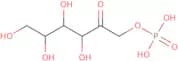
CAS:<p>Penta-O-benzoyl-b-D-galactopyranose is a pentasaccharide that has been shown to have an inhibitory effect on the growth of corynebacterium, which may be due to its ability to modulate fatty acid synthesis. Penta-O-benzoyl-b-D-galactopyranose is a disaccharide that is used as a diagnostic agent for corynebacteria. It is also used as a growth factor in the production of Corynebacterium glutamicum. The safety profile of this drug has not been evaluated in humans.</p>Fórmula:C41H32O11Pureza:Min. 95%Peso molecular:700.71 g/molD-Tagatose 1-phosphate
CAS:<p>D-tagatose 1-phosphate is a cytosolic intermediate of tagatose, which is found in many dietary sources. It has been shown to have regulatory effects on mitochondrial membrane potential and peroxisome proliferation in human cells. D-tagatose 1-phosphate also has been shown to have clinical relevance for humans with liver disease, as it enhances aerobic glycolysis and increases adenine nucleotide levels.</p>Fórmula:C6H13O9PPureza:Min. 95%Peso molecular:260.14 g/mol2,3,4-Tri-O-acetyl-a-D-arabinopyranosyl cyanide
<p>2,3,4-Tri-O-acetyl-a-D-arabinopyranosyl cyanide is a synthetic compound that is used to synthesize complex carbohydrates. This product can be customized for customers' needs and has high purity.</p>Pureza:Min. 95%Glcnacβ(1-2)man-α-ethylazide
CAS:<p>Glcnacβ(1-2)man-α-ethylazide is a modified oligosaccharide that has been synthesized from the sugar GlcNAcβ(1-2)mannose. It is a complex carbohydrate with a high purity, which can be used as a custom synthesis. The synthesis of this product involves fluorination and saccharide methylation. The CAS number for this product is 1858224-15-3.</p>Fórmula:C16H28N4O11Pureza:Min. 95%Peso molecular:452.41 g/molTrifluoroacetamidopropyl b-D-galactopyranoside
<p>Trifluoroacetamidopropyl b-D-galactopyranoside is a custom synthesis that is an Oligosaccharide. It is a complex carbohydrate with CAS No., and can be modified with methylation, glycosylation, and click modification. Trifluoroacetamidopropyl b-D-galactopyranoside has high purity and fluoride, which makes it a Synthetic.</p>Pureza:Min. 95%6,7,8-Trihydroxy-1-(hydroxymethyl)-3-oxo-2-oxa-4-azabicyclo[3.3.1]nonane
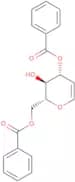
CAS:<p>Valiolamine is a hydroxymethyl-derivative of jinggangmycin. It is a competitive inhibitor of the enzyme dihydroorotate dehydrogenase. Valiolamine has been shown to inhibit the production of amines, such as histamine, and has been used in the treatment of allergies.</p>Fórmula:C8H13NO6Pureza:Min. 95%Peso molecular:219.19 g/mol3,6-Di-O-benzoyl-D-glucal
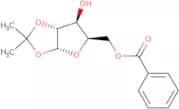
CAS:<p>3,6-Di-O-benzoyl-D-glucal is a glycosylation reagent that can be used to modify proteins with oligosaccharides. It is a naturally occurring sugar that can be synthesized and modified for use in research. 3,6-Di-O-benzoyl-D-glucal has been shown to be effective in Click chemistry, which uses copper ions to produce reactive esters from alcohols and carboxylic acids. This reagent can also be used to fluorinate saccharides and sugars for high purity synthesis.</p>Pureza:Min. 95%5-O-Benzoyl-1,2-O-isopropylidene-a-D-xylofuranose
CAS:<p>Ai Product Descriptions 50 Creative</p>Fórmula:C15H18O6Pureza:Min. 95%Peso molecular:294.31 g/mol5-Deoxy-D-xylose
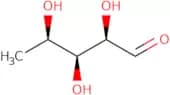
CAS:<p>5-Deoxy-D-xylose is a metabolite that is produced as a byproduct of the metabolism of l-arabinose. It can be found in urine, saliva, and cerebrospinal fluid. 5-Deoxy-D-xylose has been shown to have a role in mediating the effects of nitroacetate and hydrogen fluoride on nitric oxide synthase. This compound also has an anti-inflammatory effect, which may be due to its ability to inhibit the production of neopterin. The isomers form from 5-deoxy-D-xylose are tautomeric with each other and their optical isomers are chemically different from one another. 5-Deoxy-D-xylose can exist as a cyclic form or as an open chain form.</p>Fórmula:C5H10O4Pureza:Min. 95%Peso molecular:134.13 g/molD-Glucose 6-phosphate - Powder
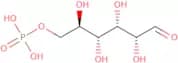
CAS:<p>D-glucose 6-phosphate is an intermediate in the hexose monophosphate shunt pathway. It is formed by the enzyme phosphoglucomutase from D-glucose 1-phosphate and UTP. D-glucose 6-phosphate is also an important intermediate in glycolysis. The conversion of D-glucose 6-phosphate to glucose 1,6-bisphosphate occurs through a series of reactions catalyzed by enzymes that are sensitive to inhibition by magnesium ions. These reactions include the phosphofructokinase, hexokinase, and pyruvate kinase reactions. The accumulation of glucose 6-phosphate leads to increased levels of lactate production and decreased levels of ATP production. This may be due to its ability to inhibit monoamine reuptake, which would lead to decreased synthesis of dopamine and serotonin.</p>Fórmula:C6H13O9PPureza:Min. 95%Cor e Forma:PowderPeso molecular:260.14 g/molN-(2-Fluoroacetyl)-D-glucosamine
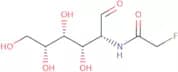
CAS:<p>N-(2-Fluoroacetyl)-D-glucosamine is a fluorinated derivative of D-glucosamine that has been used as a substrate in biochemical studies of glycosyltransferases. It has been found to be synthesized by lactobacillus acidophilus, which is an acidic bacterium that inhabits the human stomach and intestine. The biological properties of N-(2-fluoroacetyl)-D-glucosamine have not yet been studied in depth, but it has shown potential as a nonsteroidal anti-inflammatory drug.</p>Fórmula:C8H14FNO6Pureza:Min. 95%Peso molecular:239.2 g/mol31-β-D-Cellobiosyl-glucose
CAS:<p>31-β-D-cellobiosyl-glucose is a Modification product that is an oligosaccharide. It has a CAS number of 32581-36-5 and can be custom synthesized. This product has a purity of high and is an oligosaccharide. 31-β-D-cellobiosyl-glucose is a complex carbohydrate that belongs to the group of carbohydrates, sugars, and saccharides. It has been fluorinated and glycosylated. 31-β-D-cellobiosyl-glucose is methylated and polysaccharide. This product can be made in our lab with a high degree of purity and it comes in the form of monosaccharide which can also be custom synthesized by our team.</p>Fórmula:C18H32O16Pureza:Min. 95%Peso molecular:504.4 g/mol4,5,7-Tri-O-acetyl-2,6-anhydro-3-deoxy-D-arabino-hept-2-enononitrile
CAS:<p>4,5,7-Tri-O-acetyl-2,6-anhydro-3-deoxy-D-arabino-hept-2-enononitrile is a high purity synthetic compound that is used as a fluorination reagent. It has been shown to be an efficient click modification reagent for complex carbohydrates. 4,5,7-Tri-O-acetyl--2,6--anhydro--3--deoxy--D--arabino--hept--2--enononitrile can produce glycosylation products with high yield and purity. This product is CAS No. 120085-62-3.</p>Pureza:Min. 95%2,5-Anhydro-1-azido-1-deoxy-D-glucitol
CAS:<p>2,5-Anhydro-1-azido-1-deoxy-D-glucitol is a white to off-white crystalline powder with a molecular weight of 416.2 g/mol and an empirical formula of C6H14O7. The chemical structure is O-(2,5-anhydro-D-glucitol)N3. 2,5-Anhydro-1-azido-1-deoxy--D--glucitol can be modified with various functional groups to create different derivatives for specific applications. It is soluble in water, methanol and ethanol but not in ether or acetone. It also has the ability to form stable complexes with many metal ions due to its high charge density.<br>2,5--Anhydro--1--azido--1--deoxy--D--glucitol is used as a sugar donor when making glycosides by glycosylation reactions. It can</p>Fórmula:C6H11N3O4Pureza:Min. 95%Peso molecular:189.17 g/mol1,4-Anhydro-2-deoxy-3,5-bis-O-(t-butyldimethylsilyl)-D-erythro-pent-1-enitol
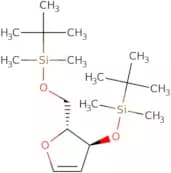
CAS:<p>1,4-Anhydro-2-deoxy-3,5-bis-O-(t-butyldimethylsilyl)-D-erythro-pent-1-enitol is a custom synthesis that has been fluorinated. It is a high purity oligosaccharide with a complex carbohydrate structure. This product was synthesized by click modification and methylation of the saccharide. It is a monosaccharide and sugar with a molecular formula C8H14FNO6S.</p>Fórmula:C17H36O3Si2Pureza:Min. 95%Cor e Forma:Clear LiquidPeso molecular:344.64 g/molCellulose acetate - MW 30,000
CAS:<p>Cellulose acetate fiber is one of the earliest synthetic fibers and is based on cotton or tree pulp cellulose. Cellulose acetate is used as a film base in photography, as a component in some coatings, and as a frame material for eyeglasses. It is also used as a synthetic fiber in the manufacture of cigarette filters and playing cards. In photographic film, cellulose acetate replaced nitrate film in the 1950s, being far less flammable and cheaper to produce but in recent years has been rendered obsolete by the advent of digital cameras.</p>Cor e Forma:PowderMycophenolic acid acyl-b-D-glucoside
CAS:<p>Metabolite of Mycophenolic acid</p>Fórmula:C23H30O11Pureza:Min. 95%Peso molecular:482.48 g/mol2,5-Dideoxy-2,5-imino-D-glucitol
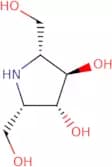
CAS:<p>2,5-Dideoxy-2,5-imino-D-glucitol is a potent inhibitor of glycosidases. It has been shown to have significant antifungal activity against Candida albicans in the caco-2 cell model system. 2,5-Dideoxy-2,5-imino-D-glucitol inhibits β-(1→3)-glycosidase activity by binding to the active site of the enzyme and preventing substrate hydrolysis. The compound is also an enantiopure and asymmetric synthesis. This drug has been shown to be a model system for studying glycosidase inhibition.</p>Fórmula:C6H13NO4Pureza:Min. 95%Peso molecular:163.17 g/molTrehalose 6-octanoate
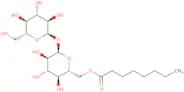
CAS:<p>Trehalose 6-octanoate is a modified form of trehalose that has been synthesized and fluorinated. It is a monosaccharide, which means it is one of the simplest forms of sugar. Trehalose 6-octanoate is an oligosaccharide, which means it is a sugar molecule made up of several smaller sugar molecules. This sugar can be modified to include methyl groups, making it a polysaccharide. Polysaccharides are complex carbohydrates that can often be found in plants or animals. Trehalose 6-octanoate is used in the modification of proteins and lipids for the production of pharmaceuticals and other products.</p>Fórmula:C20H36O12Pureza:Min. 95%Peso molecular:468.49 g/molMono-(6-(diethylenetriamine)-6-deoxy)-β-Cyclodextrin
CAS:<p>Please enquire for more information about Mono-(6-(diethylenetriamine)-6-deoxy)-β-Cyclodextrin including the price, delivery time and more detailed product information at the technical inquiry form on this page</p>Fórmula:C46H81N3O34Pureza:Min. 95%Peso molecular:1,220.1 g/mol2,4-Dinitrophenyl 3,4,6-tri-O-acetyl-2-deoxy-2-fluoro-b-D-galactoside
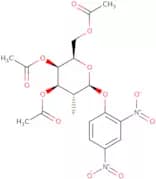
CAS:<p>2,4-Dinitrophenyl 3,4,6-tri-O-acetyl-2-deoxy-2-fluoro-b-D-galactoside is a glycosidase inhibitor that is used in the validation of β-glucosidases. It has been shown to inhibit the activity of a number of glycosidases, including α-, β-, and γ-. 2,4-Dinitrophenyl 3,4,6-tri-O-acetyl -2 -deoxy -2 -fluoro -b D galactoside inhibits the hydrolysis of oligosaccharides containing a terminal α-- or β--glucose moiety to produce smaller sugars. This compound can be used as an acceptor for spectrophotometric assays and as an analytical standard for measuring the degree of polymerization (DP) of oligosaccharides. The rate of its reaction with gly</p>Fórmula:C18H19FN2O12Pureza:Min. 95%Cor e Forma:PowderPeso molecular:474.35 g/mol2,3,4,6-Tetra-O-acetyl-D-mannopyranose
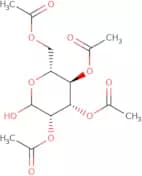
CAS:<p>2,3,4,6-Tetra-O-acetyl-D-mannopyranose is a stereoselective technique used for the production of trisaccharides. It is also an acetylated form of D-mannopyranose that is obtained by acetylation of D-mannopyranose with acetic anhydride in the presence of hydrochloric acid or pyridine. The compound can be obtained as either levorotatory or dextrorotatory isomers depending on whether the hydroxyl group or carbonyl group are in the axial position. 2,3,4,6-Tetra-O-acetyl-D-mannopyranose can be used as a substrate for enzyme preparations to produce aminoglycoside antibiotics such as hygromycin A. Acetylation increases the solubility and stability of this drug and reduces its toxicity to humans</p>Fórmula:C14H20O10Pureza:Min. 98 Area-%Cor e Forma:White PowderPeso molecular:348.3 g/molD-Fructose 1-phosphate barium salt trihydrate
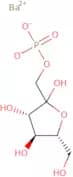
CAS:<p>D-Fructose 1-phosphate barium salt trihydrate is a custom synthesis, high purity sugar. It has been modified with fluorination, glycosylation, and methylation. D-Fructose 1-phosphate barium salt trihydrate is made from the modification of various sugars such as oligosaccharides and monosaccharides to form complex carbohydrates. It can be used for Click modification or in the synthesis of glycoconjugates. D-Fructose 1-phosphate barium salt trihydrate is also known as saccharide.</p>Fórmula:C6H11BaO9P·3H2OPureza:Min. 95%Cor e Forma:Yellow PowderPeso molecular:449.49 g/molChondroitin sulphate
CAS:<p>Chondroitin sulphate is an inhibitor that has been extensively studied in human and animal models. This active agent has been shown to have a protein inhibitory effect on epithelial cells, as well as an inhibitory effect on cell growth in Chinese medicine and Chinese medicinal plants. Chondroitin sulphate has been found to exhibit inhibitory activity against endothelial cells, which may be due to its ability to inhibit the nuclear translocation of NF-κB. This compound can be detected by liquid chromatography and has been shown to have a significant inhibitory effect on the proliferation of HepG2 cells. Overall, chondroitin sulphate shows great potential for use in healthcare products aimed at regulating cell growth and inflammation.</p>Pureza:ReportedCor e Forma:PowderPhenethyl glucosinolate potassium salt
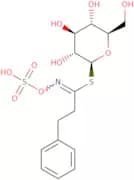
CAS:<p>Phenethyl glucosinolate potassium salt is a compound found in plants belonging to the Brassicaceae family. It has been shown to be highly toxic to larvae of the cabbage butterfly and other insects that feed on brassica plants. Phenethyl glucosinolate potassium salt has been shown to inhibit the development of these insects, probably by inhibiting protein synthesis in the insect's gut. The major sulfur-containing compound in this product is gluconasturtiin, which has been shown to inhibit growth of pekinensis at high temperatures. This compound also inhibits radiation-induced DNA damage and does not show significant effects on nonsignificant organisms such as yeast and mold.</p>Fórmula:C15H20NO9S2KPureza:Min. 95%Cor e Forma:PowderPeso molecular:461.55 g/molBlood group B trisaccharide 8-methoxycarbonyloctyl ester
CAS:<p>8-methoxycarbonyl ester of Gal-a1-3(Fuc-a1-2)Gal</p>Fórmula:C28H50O17Pureza:Min. 95%Cor e Forma:PowderPeso molecular:658.69 g/molMethyl 2-deoxy-L-ribofuranoside
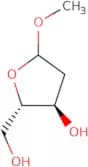
CAS:<p>Methyl 2-deoxy-L-ribofuranoside is an intermediate in the synthesis of l-arabinose. It can be obtained by the reaction of methyl 2,3-dideoxy-D-ribofuranoside with pivaloyl chloride. The antiviral activity of this compound has been shown by its ability to inhibit the replication of influenza A virus. Methyl 2-deoxy-L-ribofuranoside is a fluorinating agent that can be used for the synthesis of oligosaccharides and nucleosides. This intermediate also serves as a substrate for a number of organic reactions, including regioselective and stereoselective chlorination.</p>Fórmula:C6H12O4Pureza:Min. 95%Cor e Forma:PowderPeso molecular:148.16 g/mol4-C-[[(Methylsulfonyl)oxy]methyl]-3-O-benzyl-1,2-di-O-acetyl 5-methanesulfonate D-erythro-pentofuranose
CAS:<p>Methyl 4-C-[[(methylsulfonyl)oxy]methyl]-3-O-benzyl-1,2-di-O-acetyl 5-methanesulfonate D-erythro-pentofuranose is a methylated saccharide used in the synthesis of LNA amidites</p>Fórmula:C19H26O12S2Pureza:Min. 95%Cor e Forma:PowderPeso molecular:510.53 g/mol1,2,3,4-Tetra-O-benzyl-6-O-trityl-a-D-mannopyranose
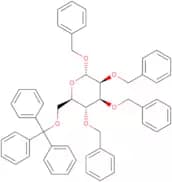
CAS:<p>1,2,3,4-Tetra-O-benzyl-6-O-trityl-a-D-mannopyranose is a methylated form of mannopyranose. It can be custom synthesized and modified with various functional groups to produce a wide range of saccharide derivatives and oligosaccharides. The 1,2,3,4-tetra-O-benzyl group is commonly used for glycosylation reactions because it can be easily removed by acid hydrolysis. The methylation of the sugar molecule also increases its stability and prevents further reactions from occurring. This product is available in high purity and has been fluorinated on one or more hydroxyl groups to make it resistant to hydrolysis.</p>Fórmula:C53H50O6Pureza:Min. 95%Cor e Forma:White PowderPeso molecular:782.96 g/mola-D-Glucose
CAS:<p>Glucose is a monosaccharide that is an important source of energy for the human body. It is a simple sugar found in many carbohydrates and is the main form of fuel used by the brain. Glucose is also used as a chemical building block for polysaccharides such as glycogen, cellulose, and chitin. The hypoglycemic effect of glucose can be observed when blood glucose levels are below 70 mg/dL. This effect can be due to its ability to increase the production of insulin or decrease the rate of gluconeogenesis in liver cells. It also has been shown to have an inhibitory effect on some viruses and bacteria, which may be due to its ability to inhibit transcription activators or polymerase chain reactions.</p>Fórmula:C6H12O6Pureza:Min. 96 Area-%Cor e Forma:White PowderPeso molecular:180.16 g/molDiosmetin-7-O-b-D-glucopyranoside
CAS:<p>Diosmetin-7-O-b-D-glucopyranoside is a coumarin derivative that is found in the root of the Chinese herb Dioscorea tinctoria. It has been shown to have anti-inflammatory effects by inhibiting the expression of inflammatory genes, and it also has antioxidant properties. The chemical structure of diosmetin has been shown to be similar to protocatechuic acid, an important phenolic acid that can be found in wine and vinegar. Diosmetin has also been shown to inhibit mitochondrial apoptosis, which may contribute to its anti-cancer effects. Diosmetin has been shown to increase postprandial blood glucose levels in rats fed a high fat diet, and this effect may be due to its ability to inhibit peroxisome proliferator-activated receptor gamma (PPARγ) activity.</p>Fórmula:C22H22O11Pureza:Min. 95%Cor e Forma:PowderPeso molecular:462.4 g/molFucoidan, Lessonia nigrescens
CAS:<p>A fucan sulphate found in brown marine algae (Phaeophyta-typically Fucus vesiculotus, Ascophyllum nodosum, Alaria and Lessonia nigrescens (illustrated) and has been shown to have anticoagulant activity. The main constituents are α-1,4 and α-1,2 linked L-fucose sulphates although galactose also occurs and there are many variations of the basic structure found in different species of Phaeophyta.<br>The fucose content is approx. 26.2% and it also contains galactose (approx. 13.0%), uronic acid (approx. 13.0%) and sulfate (approx. 29.1%).<br>The image was kindly provided by Prof Mike Guiry from Cork who runs ‘The Seaweed Site’.</p>Pureza:Min. 95%Cor e Forma:White PowderTamarind gum
CAS:<p>Tamarind gum comes from the seed of the tamarind tree Tamarindus indica and is used in the food industry as a stabiliser and an emulsifier. It has been suggested that the structure is a main chain of cellulose with frequent branching at the O-6 positions with short side chains of one or two D-xylopyranosyl capped with D-xylopyranosyl, D-galactopyranosyl or L-arabinofuranosyl units. In application, tamarind finds use in the sizing of jute and as a stabilizer and thickener in the food industry.</p>Cor e Forma:PowderIrbesartan N-b-D-glucuronide
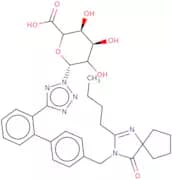
CAS:<p>Irbesartan N-b-D-glucuronide is a complex carbohydrate that is a synthetic saccharide. It is an intermediate in the synthesis of irbesartan, which is an angiotensin II receptor antagonist. Irbesartan N-b-D-glucuronide has been shown to have antihypertensive properties, inhibiting the activity of the renin-angiotensin system and increasing blood flow to the kidneys. It also inhibits the growth of cancer cells. This compound can be custom synthesized for your specific needs and purities can be controlled to meet your specifications.</p>Fórmula:C31H36N6O7Pureza:Min. 98 Area-%Cor e Forma:White PowderPeso molecular:604.65 g/molDifucosyl-para-lacto-N-hexaose II
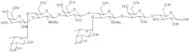
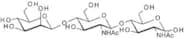
CAS:<p>Difucosyl-para-lacto-N-hexaose II is a blood group oligosaccharide</p>Fórmula:C52H88N2O39Pureza:Min. 95%Cor e Forma:White Off-White PowderPeso molecular:1,365.25 g/mol1,2,3,4-Tetra-O-acetyl-D-glucuronide methyl ester
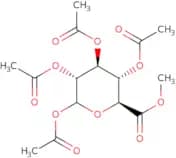
CAS:<p>1,2,3,4-Tetra-O-acetyl-D-glucuronide methyl ester is a lactone that can be used as a precursor for the synthesis of various types of compounds. The chemical structure was determined by high-resolution x-ray diffraction to be a planar molecule with two conformations: one where the four acetyl groups are on different sides and another where they are all on the same side. The latter conformation is more stable due to the dihedral angle between the hydroxyl group and carbonyl group. This compound is an intermediate in synthesizing 2-(4'-hydroxybenzoyl)-1,2,3,4-tetra-O-acetyl-.alpha.-D-.beta.-D glucopyranoside methyl ester by reacting with 3-(3'-azido)benzaldehyde. The single crystal x-ray diffraction study revealed that this compound has a conformation</p>Fórmula:C15H20O11Pureza:Min. 97 Area-%Cor e Forma:White PowderPeso molecular:376.31 g/mol4-Methoxyphenyl 3-O-allyl-b-D-galactopyranoside
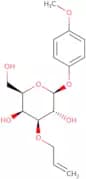
CAS:<p>4-Methoxyphenyl 3-O-allyl-b-D-galactopyranoside is an antigen that is found on the surface of chronic lymphocytic leukemia cells. It is a highly reactive antibody that has been shown to be able to induce monoclonal antibody production in animals and humans. The antigen was first discovered in tissues from patients with chronic lymphocytic leukemia, but it has also been identified in tissues from other animals, including rabbits, rats, guinea pigs, and mice. 4MP3AG binds to the CD20 surface antigen on B cells. This binding leads to a conformational change in the antigen and exposes a new epitope on the molecule for binding by antibodies. The resulting antibodies are then used as diagnostic tools for chronic lymphocytic leukemia.</p>Fórmula:C16H22O7Pureza:Min. 95%Cor e Forma:PowderPeso molecular:326.34 g/mol6-Deoxy-6-iodo-D-glucose
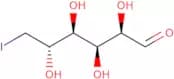
CAS:<p>6-Deoxy-6-iodo-D-glucose is a glucose analog that can be used as a bypassed substrate for the study of d-glucose metabolism in diabetic patients. 6-Deoxy-6-iodo-D-glucose has been shown to be an acceptable substrate for animal cells and can be used for the study of glucose uptake in the pancreas. This analog does not require insulin for uptake, which may help to elucidate the role of insulin resistance in diabetes. The use of 6-deoxy-6-[18F]fluoroethyl D-[1,2]-glucose ([18F]FDG) as an optical imaging agent has also been studied.</p>Fórmula:C6H11IO5Pureza:Min. 95 Area-%Cor e Forma:PowderPeso molecular:290.05 g/mol2,3-O-Isopropylidene-L-glyceraldehyde - 50% DCM solution
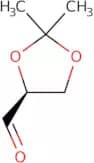
CAS:<p>2,3-O-Isopropylidene-L-glyceraldehyde (2,3-OIPA) is a synthetic compound that was developed as an alternative to paraformaldehyde for the synthesis of enantiopure compounds. It has been used in metathesis reactions and catalysed the conversion of β-unsaturated ketones to enantiopure products. 2,3-OIPA also has significant cytotoxic activity against a range of human cancer cell lines. This compound can be used in asymmetric syntheses to produce chiral molecules with a high degree of optical purity.</p>Fórmula:C6H10O3Pureza:Min. 95%Cor e Forma:Colorless PowderPeso molecular:130.14 g/mol





![6,7,8-Trihydroxy-1-(hydroxymethyl)-3-oxo-2-oxa-4-azabicyclo[3.3.1]nonane](/_next/image/?url=https%3A%2Fstatic.cymitquimica.com%2Fproducts%2F3D%2Fthumb-webp%2FMT15196.webp&w=3840&q=75)






![4-C-[[(Methylsulfonyl)oxy]methyl]-3-O-benzyl-1,2-di-O-acetyl 5-methanesulfonate D-erythro-pentofur…](/_next/image/?url=https%3A%2Fstatic.cymitquimica.com%2Fproducts%2F3D%2Fthumb-webp%2FMM76880.webp&w=3840&q=75)