Fenilpropanóides
Subcategorias de "Fenilpropanóides"
Foram encontrados 1293 produtos de "Fenilpropanóides"
Rosmarinic acid
CAS:Anti-cancer agent; anti-oxidant; anti-inflammatory; antimicrobialFórmula:C18H16O8Pureza:Min. 94 Area-%Cor e Forma:Off-White PowderPeso molecular:360.31 g/mol3,5-Dimethoxy-4-hydroxyhydrocinnamyl alcohol
CAS:3,5-Dimethoxy-4-hydroxyhydrocinnamyl alcohol is a phenolic compound, which is a derivative of cinnamyl alcohol and known for its antioxidant properties. It is typically isolated from plant sources, especially those with rich secondary metabolite profiles such as certain herbs and spices. The compound functions by donating hydrogen atoms to free radicals, thereby neutralizing them and preventing oxidative stress on cells.Fórmula:C11H16O4Pureza:Min. 95%Cor e Forma:White PowderPeso molecular:212.24 g/molRottlerin
CAS:Rottlerin is a polyphenolic compound, which is a natural product derived from the plant species Mallotus philippensis. It is primarily isolated from the fruits or glands of this plant. Rottlerin operates as a selective inhibitor, notably targeting specific protein kinases such as PKC-delta (Protein Kinase C delta). It also affects various other cellular processes and pathways, offering a diverse range of biological effects.Fórmula:C30H28O8Pureza:Min. 95 Area-%Cor e Forma:Orange PowderPeso molecular:516.54 g/molCaffeic acid phenethyl ester
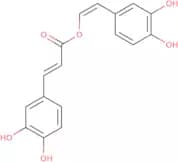
CAS:Caffeic acid phenethyl ester (CAPE) is an active phenolic compound found in honeybee propolis that has the potential to downregulate inflammation in mammals. Studies demonstrated that CAPE specifically inhibits the protein complex NF-κB - a key player in inflammation, associated with the pathogenesis of chronic inflammatory diseases. Moreover, CAPE inhibits the activity of the enzyme cyclooxygenase and the production of nitric oxide by macrophages, also responsible for inflammation. By acting on T cells, CAPE can reduce the production of pro-inflammatory cytokines and increase the production of anti-inflammatory ones, leading to a less overwhelming immune response to allergens.Fórmula:C17H16O4Pureza:Min. 98.0 Area-%Peso molecular:284.31 g/molNeochlorogenic acid
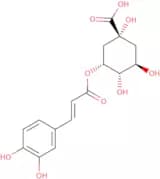
CAS:Neochlorogenic acid is a phenolic compound, specifically a type of polyphenol, commonly found in various plants, including fruits, vegetables, and coffee beans. It is derived from natural sources through the metabolism of chlorogenic acid pathways in plants. As a powerful antioxidant, neochlorogenic acid works by scavenging free radicals and reducing oxidative stress in biological systems.Fórmula:C16H18O9Pureza:Min. 98 Area-%Cor e Forma:White PowderPeso molecular:354.31 g/mol1-Caffeoylquinic acid
CAS:1-Caffeoylquinic acid is a naturally occurring phenolic compound, which is a type of organic substance commonly found in various plants. This compound is derived primarily from sources such as coffee beans, artichokes, and numerous fruits and vegetables, reflecting its widespread occurrence in the plant kingdom. As a chlorogenic acid, 1-Caffeoylquinic acid functions primarily as an antioxidant, neutralizing free radicals and reducing oxidative stress. It also demonstrates anti-inflammatory properties by inhibiting the production of pro-inflammatory mediators.
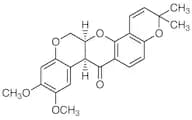
Fórmula:C16H18O9Pureza:Min. 98 Area-%Cor e Forma:White To Off-White SolidPeso molecular:354.31 g/mol(-)-Deguelin
CAS:Fórmula:C23H22O6Pureza:>95.0%(HPLC)Cor e Forma:White to Yellow to Green powder to crystalPeso molecular:394.42Chlorogenic acid
CAS:Chlorogenic acid is a derivative of caffeic acid and quinic acid; it has an antioxidant activity. Chlorogenic acid has been combined with gadolinium to develop a therapeutic and diagnostic nanodelivery system for MRI imaging. In a rat model of diabetes mellitus, chlorogenic acid counteracted the alterations in lipid profiles typical of type-2 diabetes, especially when administered in combination with tetrahydrocurcumin. In mice fed with a high-fat diet, the consumption of chlorogenic acid resulted in an anti-obesity action that lowered the blood levels of cholesterol and triglycerides. In humans, it is readily absorbed in the intestinal tract.Fórmula:C16H18O9Pureza:Min. 95%Cor e Forma:PowderPeso molecular:354.32 g/mol[6]-Shogaol
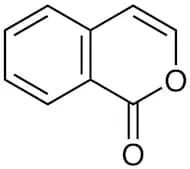
CAS:Fórmula:C17H24O3Pureza:>90.0%(HPLC)Cor e Forma:Light yellow to Yellow clear liquidPeso molecular:276.381H-Isochromen-1-one
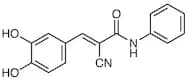
CAS:Fórmula:C9H6O2Pureza:>95.0%(GC)Cor e Forma:White to Light yellow powder to lumpPeso molecular:146.15Tyrphostin AG 494
CAS:Fórmula:C16H12N2O3Pureza:>98.0%(HPLC)(N)Cor e Forma:Light yellow to Amber to Dark green powder to crystalPeso molecular:280.28Marein
CAS:Please enquire for more information about Marein including the price, delivery time and more detailed product information at the technical inquiry form on this page
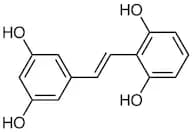
Fórmula:C21H22O11Pureza:Min. 95%Peso molecular:450.39 g/molGnetol
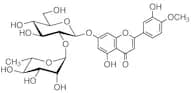
CAS:Fórmula:C14H12O4Pureza:>97.0%(GC)Cor e Forma:White to Light yellow to Light orange powder to crystalPeso molecular:244.25Neodiosmin
CAS:Fórmula:C28H32O15Pureza:>95.0%(HPLC)Cor e Forma:Light yellow to Yellow to Orange powder to crystalinePeso molecular:608.55Dihydrodehydrodiconiferyl alcohol
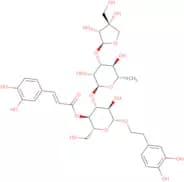
CAS:Dihydrodehydrodiconiferyl alcohol is a lignan compound, which is a type of polyphenol. It is primarily sourced from plants, including species like conifers and other woody plants. The compound is notable for its ability to modulate various biochemical pathways, primarily through its antioxidant and anti-inflammatory activities. Its mode of action involves scavenging free radicals and inhibiting pro-inflammatory enzyme pathways, thereby reducing oxidative stress and inflammation at the cellular level.Fórmula:C20H24O6Pureza:Min. 95%Peso molecular:360.4 g/molPurpureaside C
CAS:Purpureaside C is a natural compound, which is a type of iridoid glycoside. It is derived from plants belonging to the genus *Cistanche*, commonly found in dry and arid environments. These plants have been used in traditional medicine, providing a rich source for isolating various bioactive substances.Pureza:Min. 95%Ethyl ferulate - Natural grade
CAS:Ethyl ferulate - Natural grade is a phenolic compound, which is derived from the esterification of ferulic acid, a compound commonly extracted from plant sources such as rice bran and oats. The mode of action of ethyl ferulate involves its ability to scavenge free radicals, thereby exhibiting potent antioxidant properties. Additionally, it is known for its anti-inflammatory effects, as it can modulate the expression of various inflammatory mediators, making it a valuable molecule in the context of cellular protection.Pureza:Min. 95%3,5-Di-O-caffeoylquinic acid methyl ester
CAS:3,5-Di-O-caffeoylquinic acid methyl ester is a specialized ester compound that belongs to the family of caffeoylquinic acids. This molecule is typically derived from plant sources, where it functions as part of the secondary metabolites with notable biochemical significance. It is often found in various plant species, notably those used in traditional medicine. The compound acts as a potent antioxidant due to its capacity to neutralize free radicals and reduce oxidative stress within biological systems.Fórmula:C26H26O12Pureza:Min. 95%Peso molecular:530.48 g/mol4’-demethyldehydropodophyllotoxin
CAS:4’-Demethyldehydropodophyllotoxin is a semi-synthetic lignan, which is a refined and modified product from natural lignans found in certain plant species, particularly those in the genus Podophyllum. This compound undergoes a sophisticated extraction and synthesis process to enhance its biological activity and pharmacological properties.
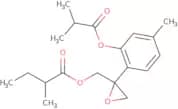
Fórmula:C21H16O8Pureza:Min. 95%Peso molecular:396.35 g/mol10Isovaleryloxy-8,9-epoxythymol-3-isovalerate
CAS:10Isovaleryloxy-8,9-epoxythymol-3-isovalerate is a bioactive compound, which is a naturally occurring derivative of thymol, often sourced from plant species belonging to the Lamiaceae family. It exhibits noteworthy antimicrobial properties by interacting with microbial cell membranes, disrupting their integrity, and ultimately leading to cell death. This mechanism involves the compound's ability to penetrate the lipid bilayer, causing leakage of cellular contents and interfering with essential biological processes.Fórmula:C19H26O5Pureza:Min. 95%Peso molecular:334.41 g/molMyricoside
CAS:Myricoside is a glycoside compound, which is derived from the bark and leaves of the plant _Myrica rubra_, commonly known as the Chinese bayberry. This compound exhibits potential biological activities primarily due to its nature as a plant secondary metabolite with a specific chemical structure that fosters interactions at the cellular level.Fórmula:C34H44O19Pureza:Min. 95%Peso molecular:756.7 g/molMaritimein
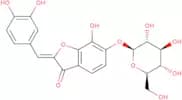
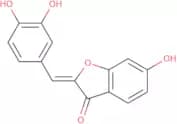
CAS:Maritimein is an advanced bioactive compound, which is isolated from specific marine organisms, particularly those inhabiting unique ecological niches. This marine-derived compound operates through complex biochemical pathways, often involving the modulation of cellular signaling and interaction with specific protein targets, which can lead to effects such as inhibiting enzymes or altering gene expression.Fórmula:C21H20O11Pureza:Min. 95%Cor e Forma:Yellow PowderPeso molecular:448.38 g/molSulfuretin
CAS:Sulfuretin is a naturally occurring flavonoid compound, which is found in various plants, notably in the Heartwood of *Securinega suffruticosa* and *Rhus verniciflua*. It exerts its effects through various biological pathways, including the modulation of enzyme activities, antioxidant properties, and anti-inflammatory mechanisms.Fórmula:C15H10O5Pureza:Min. 95%Cor e Forma:Yellow To Orange SolidPeso molecular:270.24 g/molα-(3,4-Dihydroxyphenyl)lactic acid
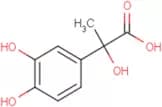
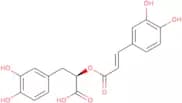
CAS:Danshensu has antioxidant activity, can enhance HO-1 expression to suppress 6-OHDA-induced oxidative damage via PI3K/Akt/Nrf2 signaling pathways.Fórmula:C9H10O5Pureza:98%Cor e Forma:SolidPeso molecular:198.17Ethyl salvianolate A
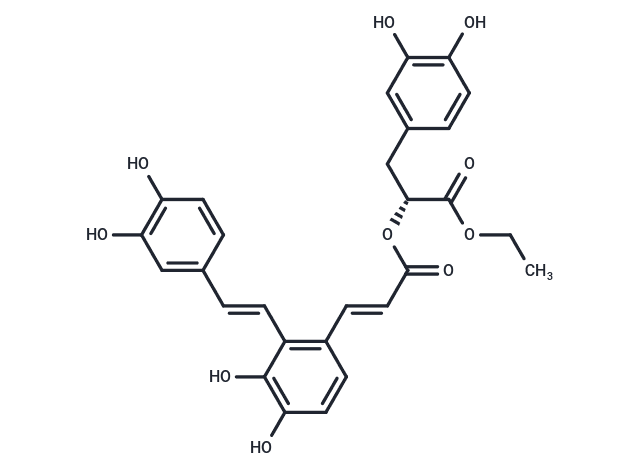
CAS:Ethyl salvianolate A (Ethyl salvionolate A) is an anti-HIV-1 compound extracted from the roots of Salvia yunnanensis. It inhibits the P24 antigen in HIV-1 infected MT-4 cell cultures with an EC50 of 1.44 μg/mL. Additionally, it suppresses HIV-1 enzymes with IC50s of 56.38 μM (reverse transcriptase), 12.03 μM (protease), and 14.54 μM (integrase).Fórmula:C28H26O10Cor e Forma:SolidPeso molecular:522.50Myristicin
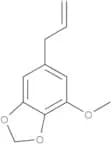
CAS:Myristicin analytical standard provided with chromatographic purity, to be used as reference material for qualitative determination.Fórmula:C11H12O3Pureza:(GC) ≥97%Cor e Forma:LiquidPeso molecular:192.22Acetyleugenol
CAS:Acetyleugenol analytical standard provided with chromatographic purity, to be used as reference material for qualitative determination.Fórmula:C12H14O3Pureza:(GC) ≥98%Cor e Forma:LiquidPeso molecular:206.24α-Asarone
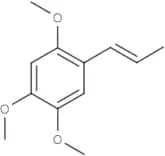
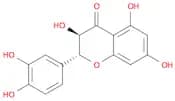
CAS:alpha-Asarone analytical standard provided with chromatographic purity, to be used as reference material for qualitative determination.Fórmula:C12H16O3Pureza:(GC) ≥97%Cor e Forma:PowderPeso molecular:208.26(2R,3R)-3,3',4',5,7-Pentahydroxyflavanone
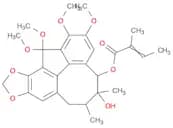
CAS:Fórmula:C15H12O7Pureza:98%Cor e Forma:SolidPeso molecular:304.25162-BUTENOIC ACID, 2-METHYL-, (5S,6S,7S,13AS)-5,6,7,8-TETRAHYDRO-6-HYDROXY-1,2,3,13-TETRAMETHOXY-6,7-DIMETHYLBENZO[3,4]CYCLOOCTA[1,2-F][1,3]BENZODIOXOL-5-YL ESTER, (2Z)-
CAS:Fórmula:C28H34O9Pureza:98%Cor e Forma:SolidPeso molecular:514.5642Malabaricone B
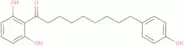
CAS:Malabaricone B is a bioactive compound, which is a phenolic compound sourced from the seeds of the Myristica malabarica plant, commonly known as Indian bay leaf. This compound exhibits significant pharmacological activity, particularly in its ability to inhibit various inflammatory mediators.
Fórmula:C21H26O4Pureza:Min. 95%Cor e Forma:White Off-White PowderPeso molecular:342.43 g/molRef: 3D-XM172957
Produto descontinuado4-Hydroxy-3-methoxycinnamaldehyde
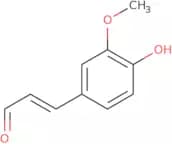
CAS:4-Hydroxy-3-methoxycinnamaldehyde is a phenolic aldehyde, which is commonly found as a major component of certain essential oils, such as those extracted from cinnamon bark. This compound is notable for its prominent role in biological and chemical processes, sourced chiefly from the bark of Cinnamomum species.
Fórmula:C10H10O3Pureza:Min. 95%Cor e Forma:PowderPeso molecular:178.18 g/molRef: 3D-FH74153
Produto descontinuadoConiferyl alcohol
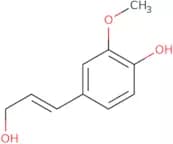
CAS:Coniferyl alcohol is a monolignol compound, which is a significant precursor in the biosynthesis of lignin, a major structural component of plant cell walls. It is primarily sourced from the metabolic pathways of various vascular plants, where it plays a crucial role in lignin polymerization. The mode of action involves its enzymatic conversion into lignin through oxidative coupling reactions catalyzed by peroxidases and laccases. This process contributes to the rigidity and impermeability of the plant cell walls, enhancing the plant's structural integrity and resistance to pathogens.
Fórmula:C10H12O3Pureza:90%Cor e Forma:White PowderPeso molecular:180.2 g/mol3,4-Dicaffeoylquinic acid
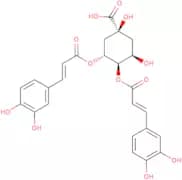
CAS:3,4-Dicaffeoylquinic acid is a naturally occurring polyphenolic compound, which is predominantly found in various plants and herbal sources such as artichokes, echinacea, and certain species of coffee. Its structure consists of quinic acid esterified with two caffeic acid moieties, making it a member of the chlorogenic acid family. This compound is well-recognized for its potent antioxidant properties, exerting its effects by scavenging free radicals and reducing oxidative stress within biological systems.
Fórmula:C25H24O12Pureza:Min. 98 Area-%Cor e Forma:PowderPeso molecular:516.45 g/molRef: 3D-FD40706
Produto descontinuadoCaffeic acid - Natural
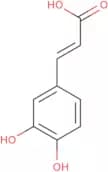
CAS:Caffeic acid is naturally produced by the metabolism of plants and fungi. Caffeic acid has an antioxidant activity that can be higher than tocopherol in oil-in-water emulsions. Caffeic acid has proven antimicrobial activity against Staphylococcus aureus. In mice, caffeic acid inhibits the enzyme 5-lipoxygenase thus inhibititing the biosynthesis of the inflammatory mediators leukotrienes.
Fórmula:C9H8O4Pureza:Min. 95%Peso molecular:180.16 g/molNepetoidin B
CAS:Nepetoidin B is a natural compound, specifically a type of iridoid, which is isolated from plants belonging to the Nepeta genus, commonly known as catmint or catnip. These plants are well-known for producing a variety of iridoid compounds that have ecological roles, especially in plant-insect interactions. Nepetoidin B acts primarily as a natural repellent and deterrent against various insect species. Its effectiveness stems from its ability to interfere with the sensory receptors of insects, altering their behavior and reducing their interaction with the plant.
Pureza:Min. 95%Peso molecular:314.29 g/molRef: 3D-FN137333
Produto descontinuadoChlorogenic acid
CAS:Chlorogenic acid is a derivative of caffeic acid and quinic acid; it has an antioxidant activity. Chlorogenic acid has been combined with gadolinium to develop a therapeutic and diagnostic nanodelivery system for MRI imaging. In a rat model of diabetes mellitus, chlorogenic acid counteracted the alterations in lipid profiles typical of type-2 diabetes, especially when administered in combination with tetrahydrocurcumin. In mice fed with a high-fat diet, the consumption of chlorogenic acid resulted in an anti-obesity action that lowered the blood levels of cholesterol and triglycerides. In humans, it is readily absorbed in the intestinal tract.
Fórmula:C16H18O9Peso molecular:354.32 g/molCurcumin
CAS:Antioxidant; anti-inflammatory; anti-cancer agent; HSP90 inhibitor
Fórmula:C21H20O6Pureza:Min. 95 Area-%Cor e Forma:Slightly Yellow PowderPeso molecular:368.39 g/molPodophyllotoxone
CAS:Podophyllotoxone is a potent antimitotic compound derived from the rhizomes and roots of the Podophyllum plant, predominantly Podophyllum peltatum and Podophyllum hexandrum. It functions primarily by binding to and destabilizing microtubules, which are essential components of the cell division process. This action hinders the polymerization of tubulin, effectively arresting cells in the metaphase of mitosis, leading to the inhibition of cellular proliferation.
Fórmula:C22H20O8Pureza:Min. 95%Peso molecular:412.39 g/molCordifolioside A
CAS:Cordifolioside A is a bioactive compound, specifically a natural glycoside, which is isolated from the plant Tinospora cordifolia, commonly known as Guduchi. This plant is a significant source of various pharmacologically active constituents. Cordifolioside A functions primarily through immunomodulatory and antioxidant mechanisms, contributing to its therapeutic effects.
Fórmula:C22H32O13Pureza:Min. 95%Peso molecular:504.50 g/molRef: 3D-FGA17920
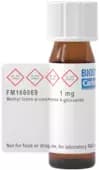
Produto descontinuadoMethyl trans-p-coumarate 4-glucoside
CAS:Methyl trans-p-coumarate 4-glucoside is a chemical compound, which is a glucoside derivative sourced primarily from plant materials. It functions by modulating biochemical pathways related to oxidative stress and inflammation, as it may influence enzymatic activities and cellular signaling processes. This compound's glucoside linkage suggests it might undergo hydrolysis to release the active aglycon, facilitating its absorption and subsequent biological activity.
Fórmula:C16H20O8Pureza:Min. 95%Cor e Forma:PowderPeso molecular:340.33 g/molRef: 3D-FM166069
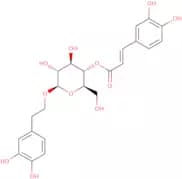
Produto descontinuadoCalceolarioside A
CAS:Calceolarioside A is a phenylethanoid glycoside, which is a biologically active compound obtained from natural plant sources, specifically from species within the Calceolaria family. This compound exhibits significant antioxidant activity, primarily through its ability to scavenge free radicals and inhibit oxidative stress. The mode of action involves the modulation of oxidative pathways, offering protective effects against cellular damage.
Fórmula:C23H26O11Pureza:Min. 95%Cor e Forma:PowderPeso molecular:478.4 g/molRef: 3D-XC180735
Produto descontinuado






![[6]-Shogaol](/_next/image/?url=https%3A%2Fstatic.cymitquimica.com%2Fproducts%2F3B%2Fthumb-webp%2FH1771.webp&w=3840&q=75)