Flavonóides
Os flavonoides são um grupo de metabólitos vegetais com propriedades antioxidantes que contribuem para a cor de frutas e flores. Eles desempenham um papel importante na proteção das plantas contra radiação UV e patógenos. Os flavonoides são estudados por seus potenciais benefícios à saúde, incluindo propriedades anti-inflamatórias, antivirais e anticancerígenas. Eles são amplamente pesquisados nos campos da farmacologia, nutrição e biologia molecular.
Subcategorias de "Flavonóides"
- Antocianidinas(46 produtos)
- Antocianinas(46 produtos)
- Catequinas(88 produtos)
- Chalconas(237 produtos)
- Pterocarpanos(28 produtos)
Foram encontrados 2408 produtos de "Flavonóides"
Ordenar por
Pureza (%)
0
100
|
0
|
50
|
90
|
95
|
100
7,8-Dimethoxyflavanone
CAS:<p>7,8-Dimethoxyflavanone is a flavonoid derivative, which is a type of natural compound commonly found in various plants. It is typically extracted from plant sources such as fruits, vegetables, and herbs. This compound is part of a larger class of flavonoids, which are known for their diverse biological activities.</p>Fórmula:C17H16O4Pureza:Min. 95%Peso molecular:284.31 g/molLuteolin-6-C-glucoside
CAS:<p>Luteolin-6-C-glucoside is a flavonoid glycoside, which is a bioactive compound derived from various plant sources, including celery, parsley, and certain herbs. This compound is characterized by the attachment of a glucose molecule at the C-6 position of luteolin, a naturally occurring flavonoid. The mode of action of luteolin-6-C-glucoside primarily involves its antioxidant properties, where it neutralizes free radicals and reduces oxidative stress within biological systems.</p>Fórmula:C21H20O11Pureza:Min. 98 Area-%Cor e Forma:PowderPeso molecular:448.38 g/molα-Naphthoflavone
CAS:<p>Alpha-naphthoflavone is a synthetic flavonoid, which is an aryl hydrocarbon receptor antagonist known for its interaction with cytochrome P450 enzymes. It is typically synthesized in laboratory settings and does not occur naturally. Alpha-naphthoflavone acts by competitively inhibiting the binding of ligands to the aryl hydrocarbon receptor (AhR) and modulating the activity of cytochrome P450 enzymes, particularly CYP1A1 and CYP1B1. This modulation is crucial in studying the metabolic pathways and the mechanism of enzyme induction or inhibition in xenobiotic metabolism.</p>Fórmula:C19H12O2Pureza:Min. 98.0 Area-%Peso molecular:272.31 g/molRef: 3D-N-1500
1kgA consultar50gA consultar100gA consultar250gA consultar500gA consultar-Unit-kgkgA consultar2'-Hydroxy-α-naphthoflavone
CAS:2'-Hydroxy-α-naphthoflavone is a specialized chemical compound, classified as a flavonoid derivative. This product is typically sourced from laboratory synthesis and is characterized by its distinct molecular structure, which allows it to interact with specific biological pathways. The mode of action of 2'-Hydroxy-α-naphthoflavone involves the inhibition of cytochrome P450 enzymes. These enzymes are integral to the metabolic processes involving xenobiotics, which are compounds foreign to an organism's normal biochemistry.Fórmula:C19H12O3Pureza:Min. 95%Cor e Forma:PowderPeso molecular:288.3 g/mol3',4'-Dimethoxy-7-hydroxyisoflavone
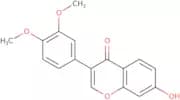
CAS:<p>3',4'-Dimethoxy-7-hydroxyisoflavone is a naturally occurring isoflavone, a type of flavonoid, which is typically derived from various plant sources. Isoflavones are known for their presence in soy and other legumes, but this particular compound is distinguished by its specific chemical structure, characterized by two methoxy groups and a hydroxyl group that contribute to its unique biological activity.</p>Fórmula:C17H14O5Pureza:Min. 93 Area-%Cor e Forma:Yellow PowderPeso molecular:298.29 g/molOnonin
CAS:<p>Ononin is an isoflavonoid glycoside, which is derived from various plant sources, including species of the genus Ononis. It is primarily sourced from the roots and aerial parts of these plants, where it occurs as a natural constituent. The mode of action of Ononin involves its hydrolysis to form its aglycone, formononetin, which is known to exhibit estrogenic activity due to its structural similarity to estrogenic compounds.</p>Fórmula:C22H22O9Pureza:Min. 95%Cor e Forma:White PowderPeso molecular:430.4 g/molMorin
CAS:Morin is a flavonoid compound, which is a naturally occurring polyphenolic molecule found primarily in the white mulberry tree, Morus alba, and other plant sources. It operates by exhibiting strong antioxidant activity, whereby it scavenges free radicals and chelates metal ions, effectively mitigating oxidative stress within biological systems.Fórmula:C15H10O7Pureza:Min. 90%Cor e Forma:PowderPeso molecular:302.24 g/molGlabridin
CAS:<p>Glabridin is a flavonoid compound, which is primarily isolated from the root of the licorice plant, Glycyrrhiza glabra. It functions as a potent skin-lightening and anti-inflammatory agent through its ability to inhibit melanin synthesis in the skin. This mode of action is primarily achieved by inhibiting the activity of tyrosinase, an enzyme crucial in the melanin biosynthesis pathway. Additionally, Glabridin exhibits antioxidant properties, which help to protect skin cells from oxidative damage.</p>Fórmula:C20H20O4Pureza:Min. 98 Area-%Cor e Forma:PowderPeso molecular:324.37 g/mol4'-O-Methylpunctatin
CAS:<p>4'-O-Methylpunctatin is a specialized natural product, classified as a methoxyflavone, which is derived from specific plant sources known for their diverse phytochemical compositions. Structurally, it is a derivative of punctatin, modified through methylation, enhancing its biological properties and stability. This compound acts through various mechanisms, primarily influencing glucose metabolism pathways. It exhibits inhibitory effects on enzymes like α-glucosidase and provides antioxidant properties that protect pancreatic β-cells from oxidative stress.</p>Fórmula:C18H16O6Pureza:Min. 95%Peso molecular:328.32 g/molAcicerone
CAS:Please enquire for more information about Acicerone including the price, delivery time and more detailed product information at the technical inquiry form on this pageFórmula:C17H12O6Pureza:Min. 95%Peso molecular:312.27 g/molPinocembrin 7-O-beta-D-glucoside
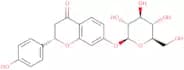
CAS:<p>Pinocembrin 7-O-beta-D-glucoside is a flavonoid glucoside, which is a specialized type of plant secondary metabolite. This compound is primarily sourced from the plant genus *Eremurus*. The mode of action of Pinocembrin 7-O-beta-D-glucoside involves its interaction with various biological pathways, where it exhibits antioxidant, anti-inflammatory, and neuroprotective properties. It functions by modulating oxidative stress and reducing inflammation, which contributes to its protective roles in cellular systems.</p>Fórmula:C21H22O9Pureza:Min. 95%Cor e Forma:SolidPeso molecular:418.39 g/molbeta-Naphthoflavanone
CAS:<p>Beta-Naphthoflavanone is a synthetic flavanone compound, which is primarily studied in the context of its chemopreventive properties. It is derived through chemical synthesis involving the condensation of naphthol derivatives with appropriate flavanone precursors. The mode of action of beta-Naphthoflavanone involves modulating various biochemical pathways, including inhibition of certain cytochrome P450 enzymes, as well as affecting signaling pathways associated with cell proliferation and apoptosis.</p>Fórmula:C19H14O2Pureza:Min. 95%Cor e Forma:PowderPeso molecular:274.31 g/molWogonoside
CAS:<p>Wogonoside is a naturally occurring flavonoid glycoside, which is derived primarily from Scutellaria baicalensis, a traditional Chinese medicinal herb. It functions through its ability to modulate various biochemical pathways, demonstrating significant anti-inflammatory and anticancer properties. Wogonoside exerts its effects by inhibiting key enzymes and signaling pathways involved in inflammation, such as nuclear factor-kappa B (NF-κB), and inducing apoptosis in cancer cells through the activation of caspases and modulation of apoptosis-related proteins.</p>Fórmula:C22H20O11Pureza:Min. 95%Cor e Forma:PowderPeso molecular:460.39 g/mol2',5,6',7-Tetrahydroxyflavanone
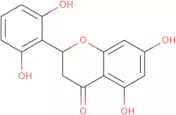
CAS:<p>2',5,6',7-Tetrahydroxyflavanone is a naturally occurring flavanone, which is a type of flavonoid compound. It is primarily sourced from various plant species, where it functions as a secondary metabolite. This compound exhibits significant antioxidant activity, which is mediated through its ability to scavenge free radicals and chelate metal ions, thereby mitigating oxidative stress at the cellular level.</p>Fórmula:C15H12O6Pureza:Min. 95%Cor e Forma:PowderPeso molecular:288.25 g/mol4',6-Dihydroxyflavone
CAS:<p>4',6-Dihydroxyflavone is a naturally occurring flavonoid, commonly found in various plants and foods. It is a compound derived from the flavonoid class, which is known for its wide range of biological activities. This compound is isolated from plant sources, and it shares the common structure of flavones, consisting of a 15-carbon skeleton with hydroxyl groups at specific positions, enhancing its antioxidant properties.</p>Fórmula:C15H10O4Pureza:Min. 95%Cor e Forma:PowderPeso molecular:254.24 g/mol7,3'-Dimethoxyflavone
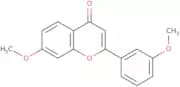
CAS:7,3'-Dimethoxyflavone is a flavonoid compound, which is a type of secondary metabolite found in various plants. This compound is primarily sourced from the leaves and stems of certain plant species, where it acts as a natural protector against pathogens and contributes to the plant's development and survival mechanisms.Fórmula:C17H14O4Pureza:Min. 95%Cor e Forma:PowderPeso molecular:282.29 g/molQuercetin 3-O-b-D-glucuronide
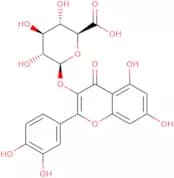
CAS:<p>Quercetin 3-O-b-D-glucuronide is a flavonoid compound, which is a metabolite of quercetin, found in various fruits and vegetables. This compound, specifically a glucuronide conjugate of quercetin, is derived from plant sources such as apples, onions, and berries. It is formed through phase II metabolism where quercetin is glucuronidated by the enzyme UDP-glucuronosyltransferase.</p>Fórmula:C21H18O13Pureza:Min. 95%Cor e Forma:PowderPeso molecular:478.37 g/molConrauinone C
CAS:<p>Conrauinone C is an alkaloid, which is a type of naturally occurring chemical compound. It is derived from certain plants, particularly those found in tropical regions, belonging to the Apocynaceae family. This alkaloid exhibits its mode of action by interacting with specific molecular targets in biological systems, potentially modulating cellular pathways and affecting enzyme activity.</p>Fórmula:C26H28O5Pureza:Min. 95%Peso molecular:420.5 g/mol4'-Methoxyflavone
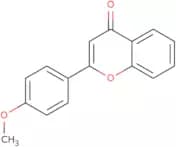
CAS:<p>4'-Methoxyflavone is a synthetic flavonoid, which is derived from modifications of naturally occurring flavonoid structures. It is synthesized through chemical processes involving the methoxylation of flavonoids, commonly found in plants. The compound exhibits its mode of action primarily through antioxidant activity. By scavenging free radicals, 4'-Methoxyflavone helps to prevent oxidative stress at the cellular level, which can damage DNA, proteins, and lipids.</p>Fórmula:C16H12O3Pureza:Min. 95%Cor e Forma:PowderPeso molecular:252.26 g/mol3-Hydroxy-5,6,2'-trimethoxyflavone
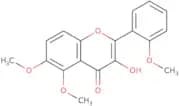
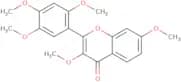
CAS:3-Hydroxy-5,6,2'-trimethoxyflavone is a naturally occurring flavonoid, which is a type of polyphenolic compound found predominantly in various plants. These compounds are known for their diverse biological activities, often exerting significant pharmacological effects. This particular flavonoid is commonly sourced from medicinal plants and has been the subject of research due to its potential therapeutic benefits.Fórmula:C18H16O6Pureza:Min. 95%Peso molecular:328.32 g/molOrientin
CAS:<p>Orientin (Luteolin-8-C-glucoside) is a flavonoid that has been shown to have biological properties, such as anti-inflammatory and antioxidant activities, which may be due to its ability to inhibit toll-like receptor 4. Orientin is an effective inhibitor of the growth of Leishmania amazonensis in vitro. It also inhibits the growth of Candida glabrata, a fungus that causes oral thrush and other infections. Orientin has been shown to have high values in inflammatory bowel diseases (IBD).</p>Fórmula:C21H20O11Pureza:Min. 95%Cor e Forma:PowderPeso molecular:448.38 g/mol5-Hydroxy-3,6,2'-trimethoxyflavone
CAS:<p>5-Hydroxy-3,6,2'-trimethoxyflavone is a naturally occurring flavone, which is a type of polyphenolic compound. It is primarily sourced from various Erythrina species, which are flowering plants in the legume family. This compound interacts with biological systems through its role as an antioxidant, influencing enzyme activity and modulating signaling pathways. It may exert anti-inflammatory, anticancer, and neuroprotective effects, though these mechanisms require further elucidation in vivo. Its applications predominantly lie in biomedical research, where it serves as a tool for studying flavonoid functions and their potential therapeutic benefits. Scientists also examine its role in traditional medicine systems to validate and explore its health-related effects. As research progresses, 5-Hydroxy-3,6,2'-trimethoxyflavone continues to generate interest due to its complex interactions within biological frameworks and potential for diverse therapeutic applications.</p>Fórmula:C18H16O6Pureza:Min. 95%Peso molecular:328.32 g/mol3',4',7,8-Tetramethoxyflavone
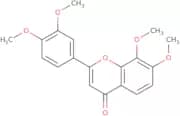
CAS:<p>3',4',7,8-Tetramethoxyflavone is a naturally occurring flavonoid, which is a type of polyphenolic compound. It is predominantly found in various plant species, where it serves vital roles in the plant's defense mechanisms and contributes to its pigmentation. This compound is characterized by its methoxy groups attached to its flavonoid backbone, which influence its bioactivity and solubility.</p>Fórmula:C19H18O6Pureza:Min. 95%Cor e Forma:PowderPeso molecular:342.34 g/mol3,7-Dihydroxy-3',4'-dimethoxyflavone
CAS:<p>3,7-Dihydroxy-3',4'-dimethoxyflavone is a flavonoid compound, which is a type of polyphenolic molecule known for its diverse roles in biological systems. This compound is naturally sourced from various plants, where it functions as a secondary metabolite contributing to the plant's defense mechanisms. Its biochemical mode of action primarily involves scavenging free radicals, thereby exerting antioxidant effects. In addition, it modulates key signaling pathways to exhibit anti-inflammatory effects.</p>Fórmula:C17H14O6Pureza:Min. 95%Cor e Forma:White PowderPeso molecular:314.29 g/mol6-O-Acetylgenistin
CAS:6-O-Acetylgenistin is a natural compound, classified as an acetylated isoflavone. It is sourced from soybeans, where it is naturally present as part of the plant's secondary metabolites. Isoflavones like 6-O-Acetylgenistin are known for their structural similarity to estrogens and are consequently categorized as phytoestrogens.Fórmula:C23H22O11Pureza:Min. 95 Area-%Cor e Forma:White PowderPeso molecular:474.41 g/molMyricitrin dihydrate
CAS:Myricitrin dihydrate is a flavonoid glycoside, which is a naturally occurring compound primarily found in the bark, leaves, and fruits of certain plants such as Myrica species. The source of this compound is botanical, extracted from plant material through various methods that preserve its structural integrity and bioactivity.Fórmula:C21H20O12Pureza:Min. 95%Peso molecular:464.38 g/molQuercetin 3-b-D-galactoside
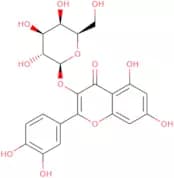
CAS:<p>Quercetin 3-b-D-galactoside is a flavonoid glycoside, which is a type of polyphenolic compound. It is derived primarily from various fruits and vegetables, as it is a naturally occurring plant metabolite. This compound acts as an antioxidant, scavenging free radicals and reducing oxidative stress.</p>Fórmula:C21H20O12Pureza:Min. 98 Area-%Cor e Forma:Yellow PowderPeso molecular:464.38 g/molSpiraeoside
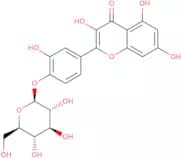
CAS:Spiraeoside is a flavonoid glycoside, which is a type of naturally occurring compound commonly found in various plant species. It is primarily sourced from the aerial parts of certain plants, including members of the Rosaceae family. The compound is characterized by its specific structure, which includes a sugar moiety attached to a flavonoid backbone.Fórmula:C21H20O12Pureza:Min. 95%Cor e Forma:White PowderPeso molecular:464.38 g/molBryacarpene-1
CAS:Bryacarpene-1 is a naturally-derived compound, which is sourced from marine organisms, particularly bryozoans. The product's mode of action involves modulation of specific biochemical pathways, potentially targeting cellular processes involved in disease progression. Bryacarpene-1 exhibits unique properties that could make it suitable for therapeutic applications, including anti-cancer and anti-inflammatory effects. It has shown potential in pre-clinical studies to inhibit the growth of certain cancer cell types and modulate immune responses, indicating its promise as a novel therapeutic agent. Continued research is necessary to elucidate its full mechanism of action and effectively harness its capabilities in scientific and medical settings.Fórmula:C18H16O7Pureza:Min. 95%Peso molecular:344.32 g/molNeoliquiritin
CAS:<p>Neoliquiritin is a flavonoid compound, which is derived from the root of the licorice plant, Glycyrrhiza glabra. This compound exhibits significant antioxidant properties through its ability to scavenge free radicals, thereby reducing oxidative stress within biological systems. Neoliquiritin is primarily utilized in scientific research to explore its potential therapeutic effects, particularly its anti-inflammatory and antioxidant activities. Its mode of action involves modulation of various cellular signaling pathways associated with inflammation and oxidative damage, making it a subject of interest in studies related to chronic diseases and skin conditions. Researchers investigate its potential in mitigating oxidative stress-related cellular damage, offering insights into its possible applications in pharmacology and dermatology.</p>Fórmula:C21H22O9Pureza:Min. 95%Cor e Forma:PowderPeso molecular:418.39 g/mol4',5-Dihydroxyflavone
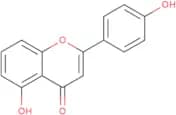
CAS:<p>4',5-Dihydroxyflavone is a naturally occurring flavone, which is a type of polyphenolic compound. It is derived from various plant sources, particularly those rich in flavonoids, such as certain fruits, vegetables, and herbal extracts. The compound's mode of action primarily involves its ability to act as an antioxidant, scavenging free radicals and reducing oxidative stress in biological systems. This antioxidant activity is often linked to neuroprotective properties, as it may help mitigate damage to neurons caused by oxidative stress.</p>Fórmula:C15H10O4Pureza:Min. 98%Cor e Forma:PowderPeso molecular:254.24 g/molKazinol U
CAS:<p>Kazinol U is a lignan glycoside, which is a naturally occurring compound sourced from Broussonetia kazinoki, a species belonging to the Moraceae family. This compound is characterized by its antioxidant properties, which are largely due to its unique chemical structure that allows it to neutralize reactive oxygen species and reduce oxidative stress.</p>Fórmula:C20H22O4Pureza:Min. 95%Cor e Forma:PowderPeso molecular:326.39 g/mol7,3'-Dibenzyloxy-4'-methoxyisoflavone
CAS:<p>7,3'-Dibenzyloxy-4'-methoxyisoflavone is a synthetic isoflavone compound, which is a chemically modified derivative of isoflavonoids typically found in plants such as soybeans. These compounds are part of a larger group of phytochemicals known for their potential health benefits. The synthesis of 7,3'-Dibenzyloxy-4'-methoxyisoflavone involves strategic chemical modifications aimed at enhancing potency or specificity compared to naturally occurring isoflavones.</p>Fórmula:C30H24O5Pureza:Min. 95%Peso molecular:464.51 g/mol7-Hydroxyflavone
CAS:7-Hydroxyflavone is a naturally occurring flavone, which is a type of polyphenolic compound found in various plants. It is commonly derived from plant sources such as fruits and vegetables, where it contributes to a range of biological activities. The structure of 7-Hydroxyflavone includes a hydroxyl group, which plays a significant role in its antioxidant capabilities.Fórmula:C15H10O3Peso molecular:238.25 g/mol3',4'-Dihydroxy-α-napthoflavone
CAS:<p>3',4'-Dihydroxy-α-napthoflavone is a synthetic flavonoid derivative, which is primarily recognized as a potent inhibitor of certain cytochrome P450 enzymes. Derived through chemical synthesis, its structure is akin to natural flavonoids but modified to enhance its biochemical interactions. This compound exhibits strong inhibitory effects on CYP1A1, CYP1A2, and CYP1B1 enzymes, which are key players in the metabolism of various xenobiotics and endogenous compounds.</p>Fórmula:C19H12O4Pureza:Min. 95%Cor e Forma:PowderPeso molecular:304.3 g/mol3,5,6,7,8,3',4'-Heptamethoxyflavone
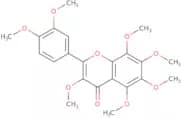
CAS:<p>3,5,6,7,8,3',4'-Heptamethoxyflavone is a polymethoxyflavone, which is a type of flavonoid compound. It is primarily sourced from various citrus fruits, such as oranges and tangerines. These fruits naturally produce polymethoxyflavones as part of their secondary metabolite profiles.</p>Fórmula:C22H24O9Pureza:Min. 95%Cor e Forma:PowderPeso molecular:432.42 g/mol3,6,3'-Trimethoxyflavone
CAS:3,6,3'-Trimethoxyflavone is a naturally occurring flavonoid compound, which is commonly found in various plants. Flavonoids like 3,6,3'-Trimethoxyflavone are primarily sourced from the fruits, flowers, and leaves of different botanical species. These compounds are well-known for their diverse biological activities and potential health benefits.Fórmula:C18H16O5Pureza:Min. 95%Peso molecular:312.32 g/molQuercetin-3-arabinoside
CAS:<p>Quercetin-3-arabinoside is a flavonoid glycoside, which is a naturally occurring compound found in various plants including fruits and vegetables. It is derived from quercetin, a flavonoid widely distributed in the plant kingdom. The arabinoside component is a sugar moiety that enhances the solubility and stability of the compound. Quercetin-3-arabinoside exerts its effects through antioxidant activity, where it scavenges free radicals and chelates metal ions, thus protecting cells from oxidative stress and potential damage.</p>Fórmula:C20H18O11Pureza:Min. 95%Cor e Forma:PowderPeso molecular:434.35 g/mol6,3'-Dimethoxyflavanone
6,3'-Dimethoxyflavanone is a naturally occurring flavanone, which is a type of polyphenolic compound predominantly found in certain plant species. Its source lies primarily in citrus fruits, where it exists as a secondary metabolite. These compounds are often studied for their diverse biological activities due to their presence in traditional medicinal systems.Fórmula:C17H16O4Pureza:Min. 95%Peso molecular:288.41 g/molSchaftoside
CAS:<p>Schaftoside is a naturally occurring flavonoid glycoside, which is derived from a variety of plant sources, particularly within the Leguminosae and Poaceae families. As a compound, it features a structural integration of apigenin linked to two units of glucose, establishing its classification within the group of C-glycosyl flavonoids. Its mode of action involves interactions with various molecular pathways, implying antioxidant and anti-inflammatory effects. This is attributed to its capacity to scavenge free radicals and modulate signal transduction processes involving cytokines and transcription factors.</p>Fórmula:C26H28O14Pureza:Min. 98 Area-%Cor e Forma:PowderPeso molecular:564.49 g/molAequinetin
CAS:<p>Aequinetin is a cyclic peptide, which is derived from marine organisms, specifically sponges. It acts by targeting cellular processes in bacteria and cancer cells through disruption of cell membrane integrity and interference with specific signaling pathways. This mode of action makes it a promising candidate for antibiotic and anticancer applications.</p>Fórmula:C21H20O9Pureza:Min. 95%Peso molecular:416.38 g/mol6,7,3',4'-Tetrahydroxyflavone
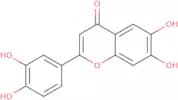
CAS:<p>6,7,3',4'-Tetrahydroxyflavone is a natural flavonoid compound, which is a class of polyphenolic molecules found ubiquitously in plants. These compounds are synthesized via the phenylpropanoid pathway, predominantly in the leaves, flowers, and fruits of plants. 6,7,3',4'-Tetrahydroxyflavone exhibits its effects primarily through antioxidant and anti-inflammatory mechanisms. It interacts with cellular pathways to scavenge free radicals and modulate signaling pathways involved in inflammation and oxidative stress.</p>Fórmula:C15H10O6Pureza:Min. 98 Area-%Cor e Forma:PowderPeso molecular:286.24 g/mol7,2'-Dibenzyloxy-8,4'-dimethoxyisoflavone
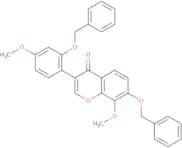
CAS:<p>7,2'-Dibenzyloxy-8,4'-dimethoxyisoflavone is a complex flavonoid derivative, which is a synthetic isoflavone compound with potential applications in medical and biochemical research. It is derived from the modification of naturally occurring isoflavones, typically found in various plants, including soybeans. Isoflavones like this compound are of significant interest due to their estrogenic activities, as they can mimic or influence estrogen action in biological systems.</p>Fórmula:C31H26O6Pureza:Min. 95%Peso molecular:494.53 g/molEucomnalin
CAS:Eucomnalin is a synthetic compound, which is derived from a carefully controlled chemical synthesis process. Its mode of action involves modulation of specific biochemical pathways, targeting enzymes critical for cellular processes. This modulation allows it to influence various cellular functions, potentially rectifying imbalances or dysfunctions present in certain disease states.Fórmula:C17H14O6Pureza:Min. 95%Peso molecular:314.29 g/molEupatorin 5-methyl ether
CAS:<p>Eupatorin 5-methyl ether is a bioactive compound, which is a naturally occurring flavonoid found in certain plant species. This compound is derived from various plants, including those in the Asteraceae family. Eupatorin 5-methyl ether functions primarily through modulating various biochemical pathways, exhibiting anti-inflammatory, antioxidant, and anticancer activities.</p>Fórmula:C19H18O7Pureza:Min. 95%Cor e Forma:PowderPeso molecular:358.34 g/molNeoisoliquiritigenin
CAS:<p>Neoisoliquiritigenin is a flavonoid compound, which is a phytoestrogen derived from the root of Glycyrrhiza glabra, commonly known as licorice. Its mode of action primarily involves modulation of various cellular signaling pathways, including its notable antioxidant and anti-inflammatory effects. This compound exhibits a significant capability to scavenge free radicals and to inhibit pro-inflammatory mediators, thereby impacting oxidative stress and inflammatory responses at the cellular level.</p>Fórmula:C21H22O9Pureza:Min. 95%Cor e Forma:PowderPeso molecular:418.39 g/mol4'-Hydroxyflavanone
CAS:<p>4'-Hydroxyflavanone is a naturally occurring flavonoid compound, which is derived from plant sources, particularly citrus fruits and other types of vegetation. The compound is characterized by its phenolic structure, which plays a significant role in its biological activity. 4'-Hydroxyflavanone exhibits its mode of action primarily through antioxidant activity, which involves scavenging reactive oxygen species and thus protecting cells from oxidative stress.</p>Fórmula:C15H12O3Pureza:Min. 95%Cor e Forma:PowderPeso molecular:240.25 g/molCyrtopterinetin
CAS:Cyrtopterinetin is a naturally occurring flavonoid compound, which is derived from specific plant sources such as Cyrtomium species in Pteridaceae. This compound exerts its biological effects primarily through the modulation of various signaling pathways. It affects key molecular targets involved in the regulation of cell proliferation, apoptosis, and inflammation. The ability of cyrtopterinetin to influence these pathways is attributed to its capacity to bind with cellular proteins and alter gene expression.Fórmula:C17H16O5Pureza:Min. 98 Area-%Peso molecular:300.31 g/mol3-Hydroxy-6,4'-dimethxyflavone
CAS:3-Hydroxy-6,4'-dimethoxyflavone is a flavone derivative, which is a type of flavonoid compound. It is typically sourced from various plant species, where it naturally occurs as a secondary metabolite. This compound exerts its mode of action through various biochemical pathways, primarily by interacting with enzymes and receptors involved in cellular oxidation and signaling processes. The flavone structure allows it to engage in antioxidant activities, and it is often studied for its potential effects on cellular defense mechanisms.Fórmula:C17H14O5Pureza:Min. 95%Cor e Forma:PowderPeso molecular:298.29 g/mol6,2',3'-Trimethoxyflavanone
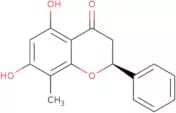
CAS:6,2',3'-Trimethoxyflavanone is a type of flavonoid compound, specifically a flavanone, which is derived from natural sources, commonly plants. These compounds are often extracted from various parts of plants such as leaves, stems, or seeds, where they naturally occur in small quantities. The structure of flavanones, characterized by their three-ring system and methoxy groups, contributes to their biochemical activity.Fórmula:C18H16O5Pureza:Min. 95%Cor e Forma:PowderPeso molecular:312.3 g/mol5,7-Dihydroxy-8-methylflavanone
CAS:<p>5,7-Dihydroxy-8-methylflavanone is a specialized flavanone compound, which is a type of flavonoid. This compound is typically derived from natural sources such as plants, where it serves various biological functions. Flavanones are known for their diverse effects and can be found in many fruits, vegetables, and other plant-based materials.</p>Fórmula:C16H14O4Pureza:Min. 95%Peso molecular:270.28 g/molLoureirin B
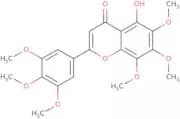
CAS:<p>Loureirin B is a natural polyphenolic compound, which is derived from the resin of Dracaena cochinchinensis, commonly known as Dragon's Blood. This compound exhibits its mode of action primarily through the inhibition of key inflammatory pathways, including the suppression of cyclooxygenase-2 (COX-2) and the reduction of pro-inflammatory cytokines. Such mechanisms suggest its potential in modulating inflammatory responses effectively.</p>Fórmula:C18H20O5Pureza:Min. 95%Cor e Forma:White PowderPeso molecular:316.35 g/mol3',4',5',6,7,8-Hexamethoxy-5-hydroxyflavone
CAS:<p>3',4',5',6,7,8-Hexamethoxy-5-hydroxyflavone is a methoxylated flavonoid, which is a type of polyphenolic compound derived from various plant sources. These compounds are often synthesized naturally within the plant kingdom, and their structures are characterized by multiple methoxy groups that contribute to their distinct bioactive properties.</p>Fórmula:C21H22O9Pureza:Min. 95%Cor e Forma:PowderPeso molecular:418.39 g/mol3,5,7-Trihydroxy-4'-methoxyflavone
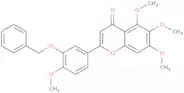
CAS:<p>3,5,7-Trihydroxy-4'-methoxyflavone is a flavonoid compound, which is naturally occurring in various plants. These bioactive compounds are part of a larger group known as flavones, prevalent in many fruits, vegetables, and certain herbs. Flavonoids such as 3,5,7-Trihydroxy-4'-methoxyflavone are synthesized through the plant's secondary metabolic pathways, typically as a response to environmental stressors or as part of normal growth processes.</p>Fórmula:C16H12O6Pureza:Min. 95%Cor e Forma:PowderPeso molecular:300.26 g/mol3'-Benzyloxy-4',5,6,7-tetramethoxyflavone
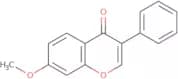
CAS:<p>3'-Benzyloxy-4',5,6,7-tetramethoxyflavone is a synthetic flavone derivative, which is structurally modified from naturally occurring flavonoids. These compounds are often sourced from various plant species or created synthetically to mimic the beneficial components found in plant matter. The mode of action of this compound primarily hinges on its ability to interact with cellular pathways due to its polyphenolic structure. Such interactions may include the inhibition of certain enzymes, modulation of receptor activities, or altering oxidative states within cells.</p>Fórmula:C26H24O7Pureza:Min. 95%Peso molecular:448.46 g/mol7-Methoxyisoflavone
CAS:7-Methoxyisoflavone is a synthetic isoflavone, which is a type of flavonoid compound typically found in plants. This compound, however, is artificially synthesized in laboratories, differentiating it from naturally occurring isoflavones found in sources like soy and other legumes. Its structure allows it to act as a non-hormonal anabolic agent, meaning it purportedly enhances anabolic processes without directly interacting with hormonal pathways, such as those involving testosterone or other steroids.Fórmula:C16H12O3Pureza:Min. 95%Peso molecular:252.26 g/molArvensan
CAS:<p>Arvensan is a bioactive compound that acts as a biocide, derived from natural sources such as certain plant species. Its primary mode of action involves disrupting the cellular membranes of target microorganisms, leading to cell lysis and eventual death. This mechanism ensures efficacy against a broad spectrum of bacteria and fungi, demonstrating its potential as a versatile microbial control agent.</p>Fórmula:C17H18O4Pureza:Min. 95%Peso molecular:286.32 g/mol8-O-Methylretusin
CAS:<p>8-O-Methylretusin is a naturally occurring O-methylated flavonoid, which is derived from various plant sources. This compound is notable for its potential bioactive properties, including antioxidative, anti-inflammatory, and anticancer activities. The mode of action of 8-O-Methylretusin primarily involves modulation of cellular signaling pathways, such as the inhibition of reactive oxygen species and modulation of key transcription factors that regulate inflammatory and apoptotic processes.</p>Fórmula:C17H14O5Pureza:Min. 95%Peso molecular:298.29 g/mol3,7,2',4',5'-Pentamethoxyflavone
CAS:3,7,2',4',5'-Pentamethoxyflavone is a naturally occurring flavonoid compound, which is a type of polyphenolic product. It is commonly found in various plant species, serving potential protective and adaptive functions within these organisms. The mode of action of 3,7,2',4',5'-Pentamethoxyflavone involves interaction with multiple biological pathways, including modulation of enzyme activity and influence over cellular signaling pathways. Its biochemical interactions often result in antioxidant, anti-inflammatory, and possible antiproliferative effects.Fórmula:C20H20O7Pureza:Min. 95%Peso molecular:372.37 g/molTricetin-6,8-di-C-glucoside
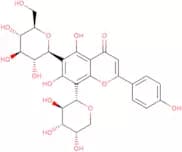
CAS:<p>Tricetin-6,8-di-C-glucoside is a specific type of flavonoid glucoside, which is derived primarily from certain plant sources known for their rich polyphenolic content. This compound is characterized by the attachment of sugar moieties directly to carbon atoms on the flavonoid structure, specifically the 6 and 8 positions of the tricetin molecule. This C-glucosylation confers unique stability and solubility properties, distinguishing it from O-linked glycosides.</p>Fórmula:C27H30O17Pureza:Min. 95%Cor e Forma:PowderPeso molecular:626.52 g/mol3,7,4'-Trihydroxyflavone
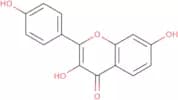
CAS:<p>3,7,4'-Trihydroxyflavone is a flavonoid compound, which is a naturally occurring polyphenolic phytochemical. These compounds are commonly sourced from various plants, where they are present in fruits, vegetables, and certain herbs. Flavonoids such as 3,7,4'-Trihydroxyflavone are known for their role in plant pigmentation and protection against environmental stressors.</p>Fórmula:C15H10O5Pureza:Min. 95%Cor e Forma:PowderPeso molecular:270.24 g/molKaempferol 3-b-glucopyranoside
CAS:<p>Kaempferol 3-b-glucopyranoside is a flavonoid glycoside, which is a compound typically isolated from a variety of plants, including tea, broccoli, and fruits such as apples and grapes. It represents a crucial category of secondary metabolites prevalent in the plant kingdom, often serving roles in plant defense and pigmentation. The mode of action of Kaempferol 3-b-glucopyranoside is primarily attributed to its antioxidant properties, effectively scavenging free radicals and thereby mitigating oxidative stress. Furthermore, it is known to modulate various cellular signaling pathways, including those related to apoptosis and inflammation, by influencing kinase activity and gene expression.</p>Fórmula:C21H20O11Pureza:Min. 95%Cor e Forma:PowderPeso molecular:448.38 g/mol3',4',5',5,6,7-Hexamethoxyflavone
CAS:<p>3',4',5',5,6,7-Hexamethoxyflavone is a polymethoxylated flavone, which is a type of phytochemical or secondary metabolite. It is primarily found in citrus fruits, particularly in the peels, where it serves as a protective compound. This flavone is notable for its complex structure featuring multiple methoxy groups.</p>Fórmula:C21H22O8Pureza:Min. 95%Cor e Forma:White Clear LiquidPeso molecular:402.39 g/mol7,8,2',4'-Tetrabenzyloxyisoflavone
<p>7,8,2',4'-Tetrabenzyloxyisoflavone is a synthetic chemical compound derived from the modification of the isoflavone structure. It is designed for research purposes and acts as a biochemical tool in studying the effects and interactions of isoflavones and their derivatives. The compound is synthesized through a series of benzylation reactions involving isoflavone, sourced primarily from plant-based materials like soybeans, known for their phytoestrogen properties.</p>Fórmula:C43H34O6Pureza:Min. 95%Peso molecular:646.73 g/molPoncirin
CAS:<p>Poncirin is a natural flavonoid glycoside, which is derived from the fruit of Poncirus trifoliata, commonly known as bitter orange. This compound is extracted from the plant materials using solvents followed by purification processes to isolate the active flavonoid.</p>Fórmula:C28H34O14Pureza:Min. 95%Cor e Forma:PowderPeso molecular:594.56 g/molKaempferol-3,7,4'-trimethyl ether
CAS:<p>Kaempferol-3,7,4'-trimethyl ether is a methylated flavonoid compound, which is naturally derived from various plant sources known for their rich polyphenol content. This compound is characterized by its three methoxy groups attached to the kaempferol structure, enhancing its hydrophobic nature and overall stability. The primary mode of action of Kaempferol-3,7,4'-trimethyl ether involves modulation of various cellular signaling pathways, including those related to antioxidant and anti-inflammatory processes. It exerts its effects by interacting with key enzymes and receptors, leading to the modulation of gene expression linked to cellular stress responses.</p>Fórmula:C18H16O6Pureza:Min. 98 Area-%Cor e Forma:PowderPeso molecular:328.32 g/molKaempferol 3-O-neohesperidoside
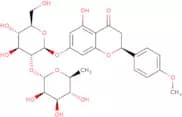
CAS:<p>Kaempferol 3-O-neohesperidoside is a flavonoid glycoside, which is a plant-derived secondary metabolite. It is commonly found in various fruits, vegetables, and herbs, including citrus fruits and certain medicinal plants. The compound consists of the flavonoid kaempferol linked to a neohesperidose sugar moiety.</p>Fórmula:C27H30O15Pureza:Min. 95%Cor e Forma:SolidPeso molecular:594.52 g/molKaempferol-3-O-glucorhamnoside - 65%
CAS:<p>Kaempferol-3-O-glucorhamnoside - 65% is a flavonoid glycoside, which is derived from various plant sources such as tea, broccoli, and apples. This compound is a conjugate of the flavonoid kaempferol with sugar moieties, specifically glucose and rhamnose. Its biochemical mode of action involves modulating various signaling pathways, including those related to oxidative stress and inflammation. By influencing these pathways, it may inhibit the production of reactive oxygen species (ROS) and regulate the expression of inflammatory cytokines.</p>Fórmula:C27H30O15Pureza:Min. 95%Cor e Forma:PowderPeso molecular:594.52 g/molEriodictyol - 98%
CAS:Eriodictyol - 98% is a flavonoid compound, which is a type of plant-based molecule. It is primarily sourced from multiple plant species, including certain herbs and bark, notably from the Eriodictyon genus. As a bioactive compound, eriodictyol functions by modulating cellular oxidative stress responses through its ability to scavenge free radicals and inhibit reactive oxygen species.Fórmula:C15H12O6Pureza:Min. 98 Area-%Cor e Forma:White PowderPeso molecular:288.25 g/molPseudobaptigenin
CAS:Pseudobaptigenin is a naturally occurring flavonoid, which is primarily isolated from plant sources. As a type of secondary metabolite, flavonoids like pseudobaptigenin are synthesized by plants and often found in a variety of legumes and other plant species. These compounds typically play a role in plant defense mechanisms and contribute to pigmentation.Fórmula:C16H10O5Pureza:Min. 95%Cor e Forma:PowderPeso molecular:282.25 g/molHerbacetin-8-glucoside-3-sophoroside
CAS:<p>Herbacetin-8-glucoside-3-sophoroside is a flavonoid glycoside derivative, which is a bioactive compound commonly found in plant sources, particularly within the flavonoid subclass. This compound is notable for its multifunctional biological activities and potential health benefits. It is primarily sourced from plant materials, where it can be extracted and isolated for further study and application.</p>Fórmula:C33H40O22Pureza:Min. 95%Peso molecular:788.66 g/molTrifloxystrobin
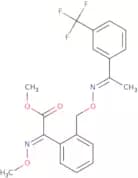
CAS:<p>Trifloxystrobin is a broad-spectrum fungicide, which is a synthetic compound derived from the strobilurin class of fungicides. Its mode of action involves the inhibition of mitochondrial respiration in fungi, specifically by binding to the Qo site of the cytochrome bc1 complex, thereby disrupting electron transport and energy production within fungal cells.</p>Fórmula:C20H19F3N2O4Pureza:Min. 95%Cor e Forma:PowderPeso molecular:408.37 g/molRutin hydrate
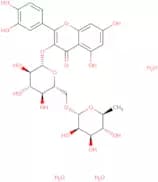
CAS:<p>Capillary protectant; free radical scavenger; antioxidant</p>Fórmula:C27H30O16·3H2OPureza:Min. 95 Area-%Cor e Forma:Yellow PowderPeso molecular:664.56 g/molIsoliquiritin
CAS:<p>Isoliquiritin is a flavonoid compound, which is primarily extracted from the roots of the Glycyrrhiza glabra plant, commonly known as licorice. The compound is characterized by its unique chemical structure that plays a significant role in its biological activity. The mode of action of isoliquiritin is tied to its ability to interact with various cellular signaling pathways. It exhibits antioxidant, anti-inflammatory, and antimicrobial properties by modulating the expression of specific enzymes and inhibiting the activity of pro-inflammatory cytokines. Additionally, its potential in modulating cellular pathways makes it an intriguing subject for research related to metabolic and cardiovascular health.</p>Fórmula:C21H22O9Pureza:Min. 85.0 Area-%Peso molecular:418.39 g/molRef: 3D-Q-100563
10mgA consultar25mgA consultar50mgA consultar100mgA consultar250mgA consultar-Unit-mgmgA consultar7,3'-Dihydroxyisoflavone
CAS:<p>7,3'-Dihydroxyisoflavone is a bioactive compound belonging to the isoflavone class of flavonoids, which is derived primarily from leguminous plants, such as soy and red clover. The substance displays significant antioxidant activities due to its structure, which allows it to neutralize free radicals and reduce oxidative stress within biological systems. This mode of action involves scavenging reactive oxygen species and chelating metal ions, thereby offering protective effects against cellular damage and inflammation.</p>Fórmula:C15H10O4Pureza:Min. 95%Cor e Forma:PowderPeso molecular:254.24 g/mol7-Benzyloxy-2',4',5'-trimethoxyisoflavone
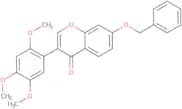
CAS:<p>7-Benzyloxy-2',4',5'-trimethoxyisoflavone is a specialized type of isoflavone, which is a class of naturally occurring organic compounds related to flavonoids. It is typically derived from plant sources, showcasing the vast chemical diversity and potential bioactivity present in botanicals. This compound operates through various biochemical pathways, often interacting with specific cellular receptors or enzymes to exert its effects. Its mode of action can include antioxidant activity or modulation of signaling pathways, which are crucial for maintaining cellular homeostasis and function. The applications of 7-Benzyloxy-2',4',5'-trimethoxyisoflavone are primarily in the realm of pharmacological research, where it is explored for its potential therapeutic uses. It may be investigated for its roles in combating oxidative stress or influencing pathways associated with inflammation and cellular growth. científicos pursue its study to uncover new medical insights and develop novel therapeutic strategies.</p>Fórmula:C25H22O6Pureza:Min. 95%Peso molecular:418.44 g/molLuteolin 3'-O-β-D-glucuronide
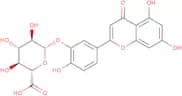
CAS:<p>Luteolin 3'-O-β-D-glucuronide is a flavonoid glucuronide, which is primarily derived from various plant sources, including fruits, vegetables, and certain herbs. As a metabolite of luteolin, it is formed through the addition of a glucuronic acid moiety, enhancing its solubility and bioavailability in biological systems.</p>Fórmula:C21H18O12Pureza:Min. 97 Area-%Cor e Forma:White PowderPeso molecular:462.36 g/molDerrone-4'-methyl ether
CAS:<p>Derrone-4'-methyl ether is a flavonoid derivative, which is a compound class known for diverse biological activities. This compound is sourced from the isoflavonoid family, predominantly found in legumes and other plant species. Isoflavonoids are secondary metabolites that play crucial roles in plant defense mechanisms and interactions with the environment.</p>Fórmula:C21H18O5Pureza:Min. 95%Peso molecular:350.36 g/molLupinisoflavone A
CAS:<p>Lupinisoflavone A is a naturally occurring bioactive compound, specifically an isoflavone, which is extracted from the seeds and other parts of lupine plants. The lupine species are known for their rich phytochemical profile, which includes various bioactive compounds with potential health benefits. Lupinisoflavone A is structurally characterized by its isoflavone backbone, contributing to its diverse biological effects.</p>Fórmula:C20H16O6Pureza:Min. 95%Peso molecular:352.34 g/molSakuranetin
CAS:<p>Sakuranetin is a flavonoid, which is a natural compound derived predominantly from cherry blossoms and various citrus plants. As a phytochemical, it is primarily sourced from plants where it functions as a natural defense mechanism against environmental stressors. The mode of action of sakuranetin involves the inhibition of key pro-inflammatory pathways, notably blocking the activation of NF-κB, a protein complex that plays a crucial role in controlling the transcription of DNA, cytokine production, and cell survival.</p>Fórmula:C16H14O5Pureza:Min. 95%Cor e Forma:PowderPeso molecular:286.28 g/mol7,3',4'-Trimethoxyisoflavone
CAS:<p>7,3',4'-Trimethoxyisoflavone is a natural isoflavone compound, which is typically derived from certain plants within the Leguminosae family. This compound is characterized by its three methoxy groups attached to the isoflavone backbone, distinguishing it from other isoflavone derivatives. The source of 7,3',4'-Trimethoxyisoflavone often includes various leguminous plants, where it functions as a secondary metabolite with potential protective roles.</p>Fórmula:C18H16O5Pureza:Min. 95%Cor e Forma:PowderPeso molecular:312.32 g/mol6,2'-Dimethoxyflavone
CAS:<p>6,2'-Dimethoxyflavone is a flavonoid compound, which is a type of secondary metabolite commonly found in plants. This compound is derived from various plant sources, where it acts as a natural antioxidant. The mode of action of 6,2'-Dimethoxyflavone includes modulation of signaling pathways involved in inflammation and cell proliferation. It influences the activity of specific enzymes and receptors, such as kinases and growth factor receptors, thereby affecting cellular responses.</p>Fórmula:C17H14O4Pureza:Min. 95%Cor e Forma:PowderPeso molecular:282.29 g/molGalangin
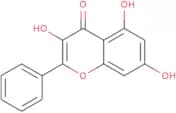
CAS:<p>Galangin is a naturally occurring flavonoid, a type of polyphenolic compound, which is primarily sourced from Alpinia officinarum rhizomes, commonly known as galangal. This compound exhibits a range of biological activities, particularly attributed to its potent antioxidant and anti-inflammatory mechanisms. Galangin's mode of action predominantly involves the scavenging of free radicals and inhibition of oxidative stress pathways, effectively contributing to the mitigation of cellular damage and inflammation.</p>Fórmula:C15H10O5Pureza:Min. 97 Area-%Cor e Forma:PowderPeso molecular:270.24 g/molIsoschaftoside
CAS:Isoschaftoside is a bioactive flavonoid glycoside, which is derived from various plant sources, particularly those within the Fabaceae and Poaceae families. This compound is a result of the glycosylation of apigenin, a well-known flavonoid. The mode of action of isoschaftoside involves its role as a potent antioxidant and anti-inflammatory agent. It achieves this by scavenging free radicals and modulating inflammatory pathways, thus contributing to cellular protection and immune response regulation.Fórmula:C26H28O14Pureza:Min. 97 Area-%Cor e Forma:PowderPeso molecular:564.49 g/molOrobol 7-O-glucoside
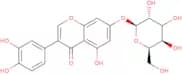
CAS:Orobol 7-O-glucoside is a flavonoid glucoside, which is a type of phenolic compound widely studied in the scientific community for its potential biological activities. It is derived from natural plant sources, particularly legumes, where it occurs as a conjugate of the isoflavone orobol. The mode of action of Orobol 7-O-glucoside involves its ability to scavenge free radicals, providing potent antioxidant effects. This compound exhibits the ability to modulate signaling pathways relevant to oxidative stress and inflammation, suggesting possible therapeutic roles in related disorders.Fórmula:C21H20O11Pureza:Min. 95%Cor e Forma:PowderPeso molecular:448.38 g/molSinensetin
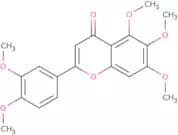
CAS:<p>Sinensetin is a polymethoxyflavone, which is a type of flavonoid compound. It is predominantly sourced from citrus peels, particularly those of oranges. The compound exhibits multiple biological activities, primarily through its mode of action that involves modulating inflammatory pathways and oxidative stress responses. Sinensetin achieves this by inhibiting pro-inflammatory cytokines and enzymes such as cyclooxygenase, thereby reducing inflammation processes at the cellular level.</p>Fórmula:C20H20O7Pureza:Min. 95%Cor e Forma:PowderPeso molecular:372.37 g/mol8-Hydroxygenistein
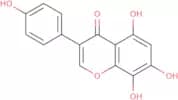
CAS:<p>8-Hydroxygenistein is a naturally occurring isoflavone, which is a type of polyphenolic compound. It is derived primarily from plants, particularly soybeans and other legumes. This compound exhibits its mode of action through selective inhibition of tyrosine kinase enzymes, interference with the cell cycle, and modulation of signal transduction pathways. It also acts as a potent antioxidant, scavenging free radicals and reducing oxidative stress within cells.</p>Fórmula:C15H10O6Pureza:Min. 95%Cor e Forma:Yellow PowderPeso molecular:286.24 g/molKaempferol-3-(p-coumaryl)glucoside
CAS:<p>Kaempferol-3-(p-coumaryl)glucoside is a bioactive phenolic compound found in the plant Tilia tomentosa. It has been shown to have hypoglycemic and anti-inflammatory effects, as well as an ability to inhibit the production of cytokines that are important for the development of inflammatory bowel disease. Kaempferol-3-(p-coumaryl)glucoside has also been shown to have an antiviral effect against infectious diseases such as HIV and herpes simplex virus type 2 (HSV2). This compound binds to the signal pathways that regulate apoptosis, which leads to cell death. Kaempferol-3-(p-coumaryl)glucoside can also cause DNA damage and genotoxic activity in bacteria.</p>Fórmula:C30H26O13Pureza:Min. 95%Cor e Forma:PowderPeso molecular:594.52 g/mol3',4'-Dihydroxyflavanone
<p>3',4'-Dihydroxyflavanone is a type of flavonoid, which is a class of polyphenolic compounds known for diverse biological activities. This compound is primarily sourced from various plants, where it plays a role in plant defense mechanisms due to its antioxidant properties. The mode of action of 3',4'-Dihydroxyflavanone involves the scavenging of free radicals, thereby mitigating oxidative stress at the cellular level. This activity is facilitated by its dihydroxy structure, which allows it to donate hydrogen atoms to neutralize reactive oxygen species.</p>Fórmula:C15H10O4Pureza:Min. 95%Peso molecular:254.24 g/molGlycitein-7-O-methyl ether
CAS:<p>Glycitein-7-O-methyl ether is an isoflavone derivative, which is a type of flavonoid. It is primarily sourced from soybean and other leguminous plants, where it is present as a minor phytoestrogen. The mode of action of Glycitein-7-O-methyl ether involves mimicking estrogenic activity, binding to estrogen receptors, which could potentially affect various physiological processes. Additionally, it may exhibit antioxidant properties, scavenging free radicals and thereby influencing oxidative stress-related pathways.</p>Fórmula:C17H14O5Pureza:Min. 95%Peso molecular:298.29 g/molPatuletin
CAS:<p>Patuletin is a naturally occurring flavonoid, which is derived primarily from various plants. It is a type of polyphenolic compound that is widely recognized for its potential therapeutic properties. The source of Patuletin is mostly plant-based, where it is usually extracted from species in the Asteraceae family. The mode of action of Patuletin involves multiple biochemical interactions, including its potential to modulate oxidative stress and inflammation pathways. It acts by scavenging free radicals and may inhibit key enzymes linked to inflammation.</p>Fórmula:C16H12O8Pureza:80%Cor e Forma:White PowderPeso molecular:332.26 g/molTheaflavin-3'-gallate (TF-3'-G)
CAS:<p>Induces cell death in human prostate cancer by disrupting mitochondria function</p>Fórmula:C36H28O16Pureza:Min. 95%Cor e Forma:Red PowderPeso molecular:716.6 g/mol5-Methoxyflavanone
CAS:5-Methoxyflavanone is a synthetic flavonoid compound, which is derived from chemical modifications of naturally occurring flavonoids. These modifications often enhance bioavailability and activity compared to their natural counterparts. This compound functions primarily through its antioxidant activity, scavenging free radicals and reducing oxidative stress within biological systems. This mode of action is vital in cellular protection against damage caused by oxidative agents.Fórmula:C16H14O3Pureza:Min. 95%Cor e Forma:White PowderPeso molecular:254.28 g/molTheaflavin
CAS:Theaflavin is a polyphenolic compound, which is derived from the oxidation of catechins in black tea leaves. This compound acts as an antioxidant by scavenging free radicals and reducing oxidative stress. Theaflavin modulates various signaling pathways, influencing cellular processes such as apoptosis and inflammation. Its antioxidant capabilities are attributed to its ability to donate electrons and stabilize radical species, thus protecting cellular components from damage.Fórmula:C29H24O12Pureza:Min. 95%Cor e Forma:Red PowderPeso molecular:564.49 g/mol6-Hydroxy-5,7,4'-trimethoxyflavone
CAS:<p>6-Hydroxy-5,7,4'-trimethoxyflavone is a methoxylated flavone, which is a type of polyphenolic compound. It is derived from various natural sources, including certain plant species where flavonoids are abundant. This compound features distinct methoxy and hydroxyl groups that contribute to its biochemical activity.</p>Fórmula:C18H16O6Pureza:Min. 95%Peso molecular:328.32 g/molSigmoidin C
CAS:Sigmoidin C is a naturally occurring alkaloid, which is derived from the roots of certain species within the genus Alstonia. This compound is notable for its complex chemical structure and its potential therapeutic effects, which stem from its plant-based origin. Sigmoidin C operates primarily through modulating neurotransmitter systems, where it influences synaptic transmission and neuronal excitability.Fórmula:C20H18O6Pureza:Min. 95%Peso molecular:354.35 g/molIsorhamnetin-5-O-methyl ether-3-glucoside
CAS:<p>Isorhamnetin-5-O-methyl ether-3-glucoside is a flavonoid glycoside, which is a secondary metabolite typically found in various plant sources such as fruits, vegetables, and certain herbs. It is part of a larger class of compounds known as flavonoids, which are well-known for their diverse biological activities. The mode of action of Isorhamnetin-5-O-methyl ether-3-glucoside primarily involves its antioxidant properties, which allow it to neutralize free radicals and reduce oxidative stress.</p>Fórmula:C22H22O13Pureza:Min. 95%Peso molecular:494.4 g/mol3’,4’-Dimethoxyflavanone
CAS:3’,4’-Dimethoxyflavanone is a flavonoid compound, which is a type of natural phenolic product derived from various plant sources. Its structure is characterized by a flavanone backbone with methoxy groups at the 3' and 4' positions on the B-ring. These structural features contribute to its bioactivity, allowing it to interact with various biological targets through mechanisms such as free radical scavenging, modulation of signaling pathways, and enzyme inhibition.Fórmula:C17H16O4Pureza:Min. 95%Peso molecular:284.31 g/molLinarin
CAS:Linarin is a naturally occurring flavonoid compound, which is primarily extracted from plant sources such as the leaves of *Buddleja davidii* and *Mentha aquatica*. This flavonoid is notable for its biological activity, which is characterized by its interaction with various enzymes and receptors involved in cellular processes.Fórmula:C28H33O14Pureza:Min. 95%Cor e Forma:PowderPeso molecular:593.55 g/mol2',7,8-Trihydroxyflavone
CAS:<p>2',7,8-Trihydroxyflavone is a flavonoid compound, which is naturally sourced from various plant species. It functions by acting as an agonist for the tropomyosin receptor kinase B (TrkB), a receptor for brain-derived neurotrophic factor (BDNF). This interaction modulates neurotrophic signaling pathways, promoting neuronal survival, differentiation, and synaptic plasticity.</p>Fórmula:C15H10O5Pureza:90%Cor e Forma:PowderPeso molecular:270.24 g/mol