Flavonóides
Os flavonoides são um grupo de metabólitos vegetais com propriedades antioxidantes que contribuem para a cor de frutas e flores. Eles desempenham um papel importante na proteção das plantas contra radiação UV e patógenos. Os flavonoides são estudados por seus potenciais benefícios à saúde, incluindo propriedades anti-inflamatórias, antivirais e anticancerígenas. Eles são amplamente pesquisados nos campos da farmacologia, nutrição e biologia molecular.
Subcategorias de "Flavonóides"
- Antocianidinas(46 produtos)
- Antocianinas(46 produtos)
- Catequinas(88 produtos)
- Chalconas(237 produtos)
- Pterocarpanos(28 produtos)
Foram encontrados 2408 produtos de "Flavonóides"
Ordenar por
Pureza (%)
0
100
|
0
|
50
|
90
|
95
|
100
Neoisoliquiritin
CAS:<p>Neoisoliquiritin is a bioactive flavonoid glycoside, which is a derivative of isoliquiritin. It is primarily sourced from the roots of Glycyrrhiza species, commonly known as licorice plants. This compound is formed through the natural modifications of flavonoids within the plant, involving glycosylation processes that enhance its solubility and stability.</p>Fórmula:C21H11O9Pureza:Min. 95%Cor e Forma:PowderPeso molecular:418.39 g/mol6-Prenyl-3'-methoxydaidzein
<p>6-Prenyl-3'-methoxydaidzein is a prenylated isoflavonoid, which is a secondary metabolite frequently found in the Leguminosae family, particularly in the roots of certain plant species. This compound exhibits a unique structural modification that involves the addition of a prenyl group, which can enhance its biological activity. Known for its potential antioxidant properties, 6-Prenyl-3'-methoxydaidzein acts by scavenging free radicals and reducing oxidative stress within cellular systems.</p>Fórmula:C21H20O5Pureza:Min. 95%Peso molecular:352.38 g/mol(S)-Equol
CAS:(S)-Equol is a non-steroidal estrogen, which is a metabolite produced by the gut microbiota from dietary isoflavones, specifically daidzein, found in soy and other legumes. It has high affinity for estrogen receptor beta, playing a significant role in modulating estrogenic activity without altering steroid hormone levels.Fórmula:C15H14O3Pureza:Min. 98 Area-%Cor e Forma:PowderPeso molecular:242.27 g/molTectoridin
CAS:<p>Tectoridin is a naturally occurring isoflavone glycoside, which is derived from the rhizomes of the Iris plant, particularly from Iris tectorum. This compound acts as a bioactive isoflavone that can undergo enzymatic hydrolysis to release tectorigenin, the aglycone form. Tectoridin and its metabolites are investigated for their pharmacological properties, which include antioxidant, anti-inflammatory, and anti-cancer activities.</p>Fórmula:C22H22O11Pureza:Min. 95%Cor e Forma:White PowderPeso molecular:462.4 g/molQuercetin 3-α-L-rhamnoside
CAS:<p>Quercetin 3-α-L-rhamnoside is a flavonoid compound, which is a plant-derived product with rich biological activity. It is primarily sourced from various fruits and vegetables, where it occurs naturally as a glycoside. The mode of action involves its capability to modulate oxidative stress and inflammation through interactions with several cellular pathways, primarily by acting as an antioxidant and modulating enzyme activity related to reactive oxygen species.</p>Fórmula:C21H20O11Pureza:Min. 95%Cor e Forma:White PowderPeso molecular:448.38 g/mol7,2'-Dihydroxy-4',5'-methylenedioxyisoflavone
CAS:7,2'-Dihydroxy-4',5'-methylenedioxyisoflavone is a naturally occurring isoflavone compound, which is typically isolated from various plant sources. This compound is a secondary metabolite, often found in plants known for their therapeutic properties. Isoflavones are well-recognized for their potential bioactivity, acting as phytoestrogens due to their structural similarity to estrogen.Fórmula:C16H10O6Pureza:Min. 95%Peso molecular:298.25 g/molIsosakuranetin
CAS:Isosakuranetin is a flavonoid compound, which is derived from various plant sources, especially citrus fruits and other botanicals. Its mode of action involves modulating key signaling pathways, primarily through its antioxidant properties. These antioxidants scavenge free radicals, thereby mitigating oxidative stress and reducing cellular damage. This biochemical activity makes isosakuranetin a compound of interest in various fields related to health and disease prevention.Fórmula:C16H14O5Pureza:Min. 95%Cor e Forma:PowderPeso molecular:286.28 g/mol5,6,7-Trimethoxyflavone
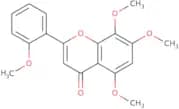
CAS:<p>5,6,7-Trimethoxyflavone is a specialized flavonoid compound, which is derived from natural plant sources. This compound exists primarily in certain species of the plant kingdom, such as citrus fruits, where it is part of a group of polyphenolic compounds known for their diverse biological activities. Its structure is characterized by the presence of three methoxy groups at positions 5, 6, and 7 on the flavone backbone, contributing to its distinct biochemical properties.</p>Fórmula:C18H16O5Pureza:Min. 95%Cor e Forma:PowderPeso molecular:312.32 g/mol(-)-Pinostrobin
CAS:(-)-Pinostrobin is a natural flavonoid compound, which is predominantly found in various plant species, including members of the genus *Cajanus* and *Zingiber*. As a chiral molecule, it exhibits bioactive properties leading to multiple pharmacological effects. The mode of action of (-)-Pinostrobin involves modulation of various biochemical pathways, including antioxidant, anti-inflammatory, and antimicrobial activities. It interacts with cellular enzymes and receptors, exerting its effects through inhibition of pro-inflammatory cytokines and enhancing cellular antioxidant defenses.Fórmula:C16H14O4Pureza:Min. 98 Area-%Cor e Forma:PowderPeso molecular:270.28 g/mol5,3'-Dimethoxyflavone
CAS:<p>5,3'-Dimethoxyflavone is a flavone derivative, which is a compound within the larger class of flavonoids. These compounds are primarily sourced from various plant species, where they contribute to pigmentation, growth, and defense. The presence of methoxy groups in this molecule alters its chemical properties, enhancing its solubility and bioavailability, which are critical for biological activity.</p>Fórmula:C17H14O4Pureza:Min. 95%Peso molecular:282.29 g/mol5,2'-Dihydroxyflavone
CAS:5,2'-Dihydroxyflavone is a type of flavonoid, which is a class of polyphenolic compounds. These compounds are predominantly found in various plants, serving as part of their secondary metabolites. As a natural phytochemical, 5,2'-Dihydroxyflavone has garnered attention for its potential bioactive properties, particularly in the realm of neuroprotection.Fórmula:C15H10O4Pureza:Min. 95%Peso molecular:254.24 g/molVicenin-2
CAS:Vicenin-2 is a flavonoid glycoside, which is naturally found in various medicinal plants, particularly those belonging to the Asteraceae family. As a product of plant metabolism, it acts as a secondary metabolite with significant biological activities. Derived from sources like Ocimum sanctum (holy basil) and other botanicals, Vicenin-2's mode of action involves free radical scavenging and the modulation of enzymatic activity, contributing to its robust antioxidant properties.Fórmula:C27H30O15Pureza:Min. 97 Area-%Cor e Forma:Yellow PowderPeso molecular:594.52 g/mol7-Methoxyflavone
CAS:7-Methoxyflavone is a bioactive compound classified as a flavonoid, which is derived from various natural sources such as plants, fruits, and vegetables. This compound exerts its biological effects through modulation of enzyme activity and interaction with cellular signaling pathways, primarily involving the modulation of cytochrome P450 enzymes and affecting neurotransmitter systems.Fórmula:C16H12O3Pureza:Min. 95%Cor e Forma:White PowderPeso molecular:252.26 g/mol3,6-Dimethoxyflavone
CAS:<p>3,6-Dimethoxyflavone is a synthetic flavonoid derivative, which is a type of naturally occurring compound often found in a variety of plants. This methoxylated compound is characterized by the presence of two methoxy groups, which enhance its lipophilicity and bioavailability. Flavonoids, as a class, are well-known for their diverse biological activities, and 3,6-Dimethoxyflavone builds on this inherent property.</p>Fórmula:C17H14O4Pureza:Min. 95%Peso molecular:282.29 g/mol8,3'-Dihydroxydaidzein
CAS:<p>8,3'-Dihydroxydaidzein is a naturally occurring isoflavonoid compound, which is a type of phytoestrogen predominantly found in soy and other leguminous plants. This compound is biosynthesized through the pathways involving the hydroxylation of daidzein, a well-known isoflavone. As a phytoestrogen, 8,3'-Dihydroxydaidzein mimics estrogenic activity by binding to estrogen receptors, thereby influencing various physiological processes in organisms.</p>Fórmula:C15H10O6Pureza:(Hplc-Ms) Min. 80 Area-%Cor e Forma:PowderPeso molecular:286.24 g/molGenkwanin
CAS:<p>Genkwanin is a flavonoid compound, which is a type of natural phenolic compound, often found in various plant sources, such as herbs like Daphne genkwa. This compound originates from plants known for their medicinal properties and is derived through the extraction and isolation of specific phytochemical constituents.</p>Fórmula:C16H12O5Pureza:Min. 98 Area-%Cor e Forma:Yellow PowderPeso molecular:284.26 g/mol7,2',4'-Tribenzyloxyisoflavone
CAS:<p>7,2',4'-Tribenzyloxyisoflavone is a synthetic compound, which is a derivative of isoflavones, known for its potential role in biochemical and pharmacological research. This compound is primarily sourced through chemical synthesis involving the modification of the isoflavone structure by introducing benzyloxy groups, which alters its physicochemical properties and enhances its stability and solubility for research purposes.</p>Fórmula:C36H28O5Pureza:Min. 95%Peso molecular:540.6 g/mol3',4',7-Trihydroxyisoflavone
CAS:3',4',7-Trihydroxyisoflavone is a naturally occurring isoflavone, which is derived from plants, particularly those in the legume family. This compound is part of the flavonoid class of polyphenols, known for their extensive presence in various plant and food sources. The source of 3',4',7-Trihydroxyisoflavone can often be traced back to soybeans and other similar legumes, which are rich in these phenolic compounds.Fórmula:C15H10O5Pureza:Min. 95%Cor e Forma:Slightly Yellow PowderPeso molecular:270.24 g/molIsopomiferin-3',4'-dimethyl ether
Isopomiferin-3',4'-dimethyl ether is a bioactive compound, which is a naturally-occurring flavonoid derivative. It is sourced from various plant species, often found in traditional medicinal plants, exhibiting diverse biological activities due to its complex chemical structure. The mode of action involves interaction with cellular pathways, potentially influencing enzymes and receptor signaling, offering valuable insight into its biochemical and pharmacological properties.Fórmula:C27H28O6Pureza:Min. 95%Cor e Forma:PowderPeso molecular:448.51 g/molLuteolin-7-glucuronide
CAS:<p>Luteolin-7-glucuronide is a flavonoid glucuronide, which is a metabolite of luteolin found in various plants. It is a naturally occurring compound sourced primarily from herbs and vegetables such as celery, parsley, and artichokes. Its mode of action involves the modulation of oxidative stress and inflammation through its capacity to scavenge free radicals and inhibit inflammatory pathways. This compound exerts its effects by modulating signaling pathways, such as NF-κB and MAPK, contributing to its anti-inflammatory properties.</p>Fórmula:C21H18O12Pureza:Min. 98 Area-%Cor e Forma:PowderPeso molecular:462.36 g/molFlavanone diacetyl hydrazone
CAS:<p>Flavanone diacetyl hydrazone is a hydrogenated flavonoid derivative, which is synthesized from natural flavonoid sources. This compound exhibits its mode of action primarily through its ability to donate hydrogen atoms, effectively scavenging free radicals and inhibiting oxidative stress. Furthermore, it interacts with various cellular pathways to exert anti-inflammatory effects, making it a potential therapeutic agent in oxidative stress-related disorders.</p>Fórmula:C19H18N2O3Pureza:Min. 95%Peso molecular:322.36 g/mol5-Hydroxy-7-methoxy-8-prenylflavanone
CAS:<p>5-Hydroxy-7-methoxy-8-prenylflavanone is a flavanone compound, a type of polyphenolic molecule. This compound is typically derived from certain plant sources, such as medicinal herbs, known for their rich flavonoid content. The mode of action of 5-Hydroxy-7-methoxy-8-prenylflavanone involves modulating biological pathways, potentially through antioxidant activities and interactions with cellular receptors and enzymes. Its bioactive properties contribute to its potential as a therapeutic agent.</p>Fórmula:C21H22O4Pureza:Min. 95%Peso molecular:338.4 g/molEucomin dimethyl ether
CAS:<p>Eucomin dimethyl ether is a synthetic compound, which is a specially synthesized chemical molecule derived through a series of controlled laboratory reactions. Its mode of action involves acting as a methylating agent where it can add methyl groups to other compounds, a key property exploited in various chemical syntheses.</p>Fórmula:C19H20O5Pureza:Min. 95%Peso molecular:328.36 g/mol7,3',4'-Trihydroxy-3,5-dimethoxyflavone
CAS:7,3',4'-Trihydroxy-3,5-dimethoxyflavone is a flavonoid compound, which is a type of naturally occurring polyphenol. It is primarily derived from various plant sources, including medicinal herbs and fruits, known for their bioactive properties. The mode of action of this compound is associated with its antioxidant activity, which involves scavenging free radicals and reducing oxidative stress in biological systems.Fórmula:C17H14O7Pureza:Min. 95%Cor e Forma:PowderPeso molecular:330.29 g/mol3,7-Dihydroxy-5,8-dimethoxyflavanone
CAS:<p>3,7-Dihydroxy-5,8-dimethoxyflavanone is a flavonoid derivative, which is a type of polyphenolic compound commonly found in various plants. Flavonoids are known for their wide-ranging biological activities and are often studied for their roles in plant defense mechanisms. This compound can be sourced from plants such as those in the genus Citrus, where it contributes to the plant's metabolic pathways and confers resistance against pathogens.</p>Fórmula:C17H16O6Pureza:Min. 95%Peso molecular:316.31 g/mol5-Hydroxyflavone
CAS:<p>5-Hydroxyflavone is a naturally occurring flavonoid, which is a type of polyphenolic compound found in various plants. It is primarily derived from sources such as fruits, vegetables, and certain herbs. The mode of action of 5-Hydroxyflavone involves its ability to act as an antioxidant, scavenging free radicals and thereby protecting cells from oxidative stress. This compound may also interact with and modulate various signaling pathways in the body, influencing cellular functions and health outcomes.</p>Fórmula:C15H10O3Pureza:Min. 95%Cor e Forma:PowderPeso molecular:238.24 g/mol2'-Hydroxydaidzein
CAS:<p>2'-Hydroxydaidzein is a naturally occurring isoflavone, which is a type of phytoestrogen found primarily in soybeans and other legumes. This compound is derived from plant sources, where it functions as a secondary metabolite with potential benefits to human health. Its mode of action is chiefly through its estrogenic activity, where it can bind to estrogen receptors and exert weak estrogen-like effects in the body. Additionally, 2'-Hydroxydaidzein exhibits antioxidative properties by neutralizing free radicals, thereby protecting cells from oxidative stress and potential damage.</p>Fórmula:C15H10O5Pureza:Min. 95%Peso molecular:270.24 g/mol2'-Hydroxybiochanin A
CAS:2'-Hydroxybiochanin A is a naturally occurring isoflavone, which is a type of flavonoid typically derived from various plant sources, particularly legumes like red clover and soy. This compound is known for its potential therapeutic properties, functioning primarily through the modulation of various biochemical pathways. It acts as an antioxidant and may influence enzyme activity related to steroid metabolism, potentially impacting estrogenic activity and exhibiting anti-inflammatory effects.Fórmula:C16H12O6Pureza:Min. 95%Cor e Forma:PowderPeso molecular:300.26 g/mol6,8-Diprenyl-5,7,3',4'-tetrahydroxyflavanone
CAS:<p>6,8-Diprenyl-5,7,3',4'-tetrahydroxyflavanone is a prenylated flavanone, which is a type of flavonoid compound. This compound is naturally derived from certain plant sources, where it acts as a secondary metabolite. Its mode of action primarily revolves around its antioxidant properties, where it neutralizes free radicals and reduces oxidative stress. Additionally, its structure allows it to engage in various interactions with cellular pathways, influencing different biological activities.</p>Fórmula:C25H28O6Pureza:Min. 95%Peso molecular:424.49 g/molLuteolin 6,8-di-C-glucoside
CAS:<p>Luteolin 6,8-di-C-glucoside is a bioflavonoid compound, which is naturally derived from various plant sources, including many medicinal herbs and dietary plants. As a type of flavone glycoside, Luteolin 6,8-di-C-glucoside exhibits significant biochemical interest due to its incorporation of two glucose molecules directly attached to the luteolin backbone.</p>Fórmula:C27H30O16Pureza:Min. 95%Cor e Forma:PowderPeso molecular:610.52 g/molApiin
CAS:An anti-inflammatory natural productFórmula:C26H28O14Pureza:Min. 95%Cor e Forma:Yellow PowderPeso molecular:564.5 g/molQuercetin 3-b-D-glucopyranoside
CAS:<p>Quercetin 3-b-D-glucopyranoside is a naturally occurring flavonoid, which is found predominantly in a variety of fruits and vegetables. Its primary source includes apples, onions, and tea, where it is often present as a glycoside conjugate. This compound exerts its effects through its mode of action as an antioxidant, scavenging free radicals, and modulating signaling pathways that influence cellular processes such as apoptosis and inflammation.</p>Fórmula:C21H20O12Pureza:Min. 98 Area-%Cor e Forma:PowderPeso molecular:464.38 g/molLuteolin-7-rutinoside
CAS:<p>Luteolin-7-rutinoside is a flavonoid glycoside, which is typically sourced from various plant species, including Japanese honeysuckle and passionflower. This compound is known for its strong antioxidant and anti-inflammatory activities. The mode of action of Luteolin-7-rutinoside involves the modulation of several signaling pathways and inhibition of oxidative stress at the molecular level. This is achieved by scavenging free radicals and reducing the expression of pro-inflammatory cytokines. As a result, it can mitigate cellular damage and inflammation.</p>Fórmula:C27H30O15Pureza:Min. 95%Cor e Forma:Off-White PowderPeso molecular:594.52 g/mol3-Hydroxy-7,8,2',3'-tetramethoxyflavone
CAS:3-Hydroxy-7,8,2',3'-tetramethoxyflavone is a specialized flavonoid compound, which is a type of polyphenolic product derived from natural plant sources. This compound is primarily extracted from various plant species known for their rich polyphenolic content, exhibiting diverse biological activities. As a natural secondary metabolite, 3-Hydroxy-7,8,2',3'-tetramethoxyflavone interacts with cellular signaling pathways, particularly those involved in oxidative stress, inflammation, and cell cycle regulation. Its mode of action includes modulation of enzymatic activities and alteration of gene expression, leading to significant impacts on cellular physiological processes.Fórmula:C19H18O7Pureza:Min. 95%Peso molecular:358.34 g/molSigmoidin B
CAS:Sigmoidin B is a natural compound that is classified as a terpenoid, which is sourced from certain species of terrestrial and marine plants. Its bioactive properties stem from its ability to interact with cellular components, particularly by inducing apoptosis in cancer cells, thereby exhibiting potent cytotoxic effects. The mode of action involves disruption of cellular pathways that are crucial for cancer cell survival and proliferation.Fórmula:C20H20O6Pureza:Min. 95%Peso molecular:356.37 g/mol5,7-Dimethoxyisoflavone
CAS:5,7-Dimethoxyisoflavone is a synthetic isoflavone compound, which is derived from the chemical structure of naturally occurring isoflavones typically found in plants such as soy. It is designed to mimic certain properties of these plant-derived compounds with specific enhancements in its biochemical activity due to the addition of methoxy groups.Fórmula:C17H14O4Pureza:Min. 95%Cor e Forma:White To Beige SolidPeso molecular:282.29 g/molOmbuoside
CAS:<p>Please enquire for more information about Ombuoside including the price, delivery time and more detailed product information at the technical inquiry form on this page</p>Fórmula:C29H34O16Pureza:Min. 95%Cor e Forma:Off-White To Yellow SolidPeso molecular:638.57 g/molKaempferol-3,4'-dimethyl ether
CAS:<p>Kaempferol-3,4'-dimethyl ether is a naturally occurring flavonoid compound which is primarily found in various plants. This compound is known for its structural classification as a methylated flavonol, distinguished by the presence of ether groups at the 3 and 4' positions of kaempferol. Derived mainly from botanical sources such as herbs and traditional medicinal plants, it plays a critical role in plant defense mechanisms.</p>Fórmula:C17H14O6Pureza:Min. 95%Cor e Forma:PowderPeso molecular:314.29 g/mol3,2',4',5'-Tetra methoxyflavone
CAS:3,2',4',5'-Tetra methoxyflavone is a specialized flavonoid compound, which is derived primarily from various plant sources, such as those belonging to the genus Kaempferia, a member of the ginger family. This compound is characterized by its four methoxy groups attached to its flavonoid backbone, which significantly influences its biological activity and solubility.Fórmula:C19H18O6Pureza:Min. 95%Peso molecular:342.34 g/molEriocitrin
CAS:<p>Eriocitrin is a flavonoid compound, which is derived from citrus fruits, particularly lemons and limes. It is isolated from the peels and juice of these fruits, where it serves as one of the key constituents contributing to their nutritional and functional properties. The mode of action of eriocitrin involves its potent antioxidant activity. It acts by scavenging free radicals and reducing oxidative stress at the cellular level, thereby imparting protective effects on cells and tissues.</p>Fórmula:C27H32O15Pureza:Min. 98 Area-%Cor e Forma:Off-White PowderPeso molecular:596.53 g/molGossypin
CAS:<p>Gossypin is a flavonoid compound, which is a type of polyphenol found in various natural sources, such as plants. It is primarily isolated from the flowers of Hibiscus species. The mode of action of gossypin involves various biochemical pathways, including its role as a free-radical scavenger and modulator of several enzymes. It exhibits antioxidant, anti-inflammatory, and neuroprotective properties through interactions with cellular receptors and signaling pathways.</p>Fórmula:C21H20O13Cor e Forma:Yellow PowderPeso molecular:480.38 g/mol3'-Prenyldaidzein
CAS:<p>3'-Prenyldaidzein is a prenylated isoflavone, which is a naturally occurring compound typically derived from plants such as those found in the Fabaceae family. Prenylated isoflavones are characterized by the attachment of a prenyl group to the isoflavone structure, which often enhances their biological activity compared to their non-prenylated counterparts.</p>Fórmula:C20H18O4Pureza:Min. 95%Cor e Forma:PowderPeso molecular:322.35 g/molKievitone
CAS:Please enquire for more information about Kievitone including the price, delivery time and more detailed product information at the technical inquiry form on this pageFórmula:C20H19O6Pureza:Min. 95%Peso molecular:355.36 g/molSativan
CAS:<p>Sativan is a pharmaceutical product derived from cannabis, which is sourced from the Cannabis sativa plant. It exerts its effects primarily through modulation of the endocannabinoid system, interacting with cannabinoid receptors such as CB1 and CB2 located throughout the central and peripheral nervous systems. The resulting biochemical cascade influences neurotransmitter release, which can alter mood, perception, and various physiological processes.</p>Fórmula:C17H18O4Pureza:Min. 95%Cor e Forma:PowderPeso molecular:286.32 g/molDihydro daidzein
CAS:Dihydro daidzein is an isoflavonoid derivative, which is a naturally occurring compound primarily sourced from the metabolic biotransformation of daidzein, a soy isoflavone. This metabolite is generated through the fermentation process by intestinal microbiota, highlighting its origin from dietary sources, particularly soy products.Fórmula:C15H12O4Pureza:Min. 95%Cor e Forma:PowderPeso molecular:256.25 g/mol3,2'-Dimethoxyflavone
CAS:<p>3,2'-Dimethoxyflavone is a specialized type of naturally occurring flavone, which is commonly derived from various plant sources such as leaves, stems, and roots. As a flavonoid compound, it is part of a larger class of polyphenolic substances known for their diverse biological activities. The mode of action of 3,2'-Dimethoxyflavone primarily involves its interaction with cellular oxidative pathways, where it exhibits potential antioxidant properties. Additionally, it may act as an enzyme inhibitor, possibly affecting pathways tied to signal transduction and metabolism.</p>Fórmula:C17H14O4Pureza:Min. 95%Peso molecular:282.29 g/molCalopogoniumisoflavone A
CAS:Calopogoniumisoflavone A is a naturally occurring isoflavone compound, which is derived from the plant species Calopogonium, commonly found in tropical regions. This compound is primarily isolated from the leaves and roots of the plant, where it accumulates as a secondary metabolite. The mode of action of Calopogoniumisoflavone A involves the modulation of biological pathways influenced by its isoflavonoid structure, which can interact with cellular receptors, potentially exhibiting estrogenic or antioxidant properties.Fórmula:C21H18O4Pureza:Min. 95%Peso molecular:334.37 g/mol5-Methyl 7-methoxyisoflavone
CAS:<p>5-Methyl 7-methoxyisoflavone is a synthetic isoflavone derivative, which is typically sourced in the laboratory through chemical synthesis processes involving the modification of plant-derived isoflavones. This compound is structurally similar to certain natural flavonoids but is characterized by the addition of the methyl and methoxy groups, which are not found in its natural counterparts.</p>Fórmula:C17H14O3Pureza:Min. 95%Cor e Forma:White PowderPeso molecular:266.29 g/mol6-Hydroxyflavone
CAS:<p>6-Hydroxyflavone is a flavonoid compound, which is a type of secondary metabolite derived from plants. It is commonly found in various plant species and is known for its diverse array of biological activities. The mode of action of 6-Hydroxyflavone involves its interaction with various enzymatic systems and receptors, including modulation of signaling pathways and antioxidant activity. This compound acts primarily through the inhibition of enzymes such as phosphodiesterases and by exhibiting potential neuroprotective effects through GABAergic and serotonergic systems.</p>Fórmula:C15H10O3Pureza:Min. 95%Cor e Forma:PowderPeso molecular:238.24 g/molPunctatin
CAS:Punctatin is a naturally occurring anthraquinone, which is primarily sourced from various plant species. This compound is characterized by its unique chemical structure, which contributes to its potent bioactivity. The mode of action of Punctatin involves the disruption of microbial cell wall synthesis and interference with essential enzymatic functions, rendering it effective against a wide range of microbial pathogens.Fórmula:C17H14O6Pureza:Min. 95%Peso molecular:314.29 g/molRobinetin
CAS:Robinetin is a flavonoid, which is a type of polyphenolic compound, isolated primarily from the black locust tree (Robinia pseudoacacia). As a naturally occurring compound, it is biosynthesized within the plant's tissues and is responsible for various physiological activities. The mode of action of Robinetin primarily involves its antioxidant properties, where it interacts with free radicals to neutralize oxidative stress, thus protecting cells from damage. Additionally, it has been observed to modulate enzyme activities and may influence signaling pathways related to inflammation and cellular responses.Fórmula:C15H10O7Pureza:Min. 95%Cor e Forma:Yellow PowderPeso molecular:302.24 g/molAbyssinone IV
CAS:<p>Abyssinone IV is a naturally occurring isoflavonoid, which is derived from plants, particularly those in the genus Erythrina. Isoflavonoids are a class of secondary metabolites known for their diverse pharmacological properties. The source of Abyssinone IV is primarily the Erythrina species, which have been traditionally used in various ethnomedicinal practices.</p>Fórmula:C25H28O4Pureza:Min. 95%Peso molecular:392.49 g/molGenistin
CAS:<p>Genistin is a naturally occurring isoflavone glycoside, which is derived primarily from soybeans and other legumes. It serves as a glycoside form of genistein, a well-known phytoestrogen. The mode of action of Genistin involves its bioconversion into genistein through hydrolysis. Once converted, it functions by binding to estrogen receptors, exhibiting estrogenic activity that can modulate various biological pathways.</p>Fórmula:C21H20O10Pureza:Min. 97 Area-%Cor e Forma:Off-White PowderPeso molecular:432.38 g/molRetusin
CAS:<p>Retusin is an alkaloid compound, which is derived from organic botanical sources, specifically certain plant species known for their medicinal properties. It functions primarily through a bactericidal mode of action by interfering with bacterial cell wall synthesis and disrupting critical metabolic pathways essential for bacterial survival. This interference effectively inhibits bacterial growth and proliferation, leading to cell death.</p>Fórmula:C19H18O7Pureza:Min. 95%Cor e Forma:SolidPeso molecular:358.34 g/mol3'-Methoxy-β-naphthoflavone
CAS:3'-Methoxy-β-naphthoflavone is a synthetic compound, classified as a flavonoid derivative, which is widely utilized in scientific research as a potent inducer and modulator of cytochrome P450 enzymes, particularly CYP1A1 and CYP1A2. Its source is entirely chemical synthesis, allowing for controlled study of its physiological effects without interference from naturally occurring impurities.Fórmula:C20H14O3Pureza:90%Cor e Forma:PowderPeso molecular:302.32 g/molCarthamidin tetramethyl ether
CAS:<p>Carthamidin tetramethyl ether is a chemical compound classified as a flavonoid, which is a naturally occurring phytochemical. It is derived from the safflower plant (Carthamus tinctorius), which belongs to the Asteraceae family. The primary mode of action of Carthamidin tetramethyl ether involves its antioxidant properties, which allow it to scavenge free radicals and reduce oxidative stress. Additionally, it may interact with specific cellular pathways, influencing gene expression and enzyme activities related to inflammatory responses and cellular metabolism.</p>Fórmula:C19H20O6Pureza:Min. 95%Peso molecular:344.36 g/mol7,8,4'-Trihydroxyflavone
CAS:7,8,4'-Trihydroxyflavone is a synthetic flavonoid compound, which is a type of polyphenolic molecule derived through chemical synthesis. Its structure mimics naturally occurring flavonoids found in various plants but is specifically designed and manufactured in laboratory settings to achieve precise molecular composition and enhanced activity.Fórmula:C15H10O5Pureza:Min. 95%Cor e Forma:PowderPeso molecular:270.24 g/mol6,3'-Dihydroxyflavone
CAS:<p>6,3'-Dihydroxyflavone is a naturally occurring flavonoid, which is a type of polyphenolic compound. It is sourced from various plant species known for their beneficial phytochemicals. This compound acts primarily as a selective TrkB agonist, mimicking the effects of brain-derived neurotrophic factor (BDNF), thereby influencing neurotrophic signaling pathways. By promoting TrkB phosphorylation, 6,3'-Dihydroxyflavone supports neuronal survival, differentiation, and synaptic plasticity.</p>Fórmula:C15H10O4Pureza:Min. 95%Cor e Forma:PowderPeso molecular:254.24 g/molWogonin
CAS:<p>Wogonin is a bioactive flavonoid compound, which is isolated from the roots of the plant Scutellaria baicalensis, commonly known as Baikal skullcap. Its mode of action involves modulating various signaling pathways, including the inhibition of pro-inflammatory cytokines and the suppression of cancer cell proliferation through the induction of apoptosis and cell cycle arrest. By influencing these molecular pathways, Wogonin exhibits significant pharmacological potential.</p>Fórmula:C16H12O5Pureza:Min. 98 Area-%Cor e Forma:Yellow PowderPeso molecular:284.26 g/mol4'-Hydroxyflavonol
CAS:<p>4'-Hydroxyflavonol is a flavonoid compound, which is a naturally occurring phenolic structure commonly found in various plants. It is derived from sources such as fruits, vegetables, and certain medicinal herbs known for their rich polyphenolic content. The mode of action of 4'-Hydroxyflavonol primarily involves its antioxidant properties. It is capable of scavenging free radicals and chelating metal ions, thus protecting cells from oxidative stress and potential damage. Additionally, it may influence signaling pathways related to inflammation and immune response.</p>Fórmula:C15H10O4Cor e Forma:Slightly Yellow PowderPeso molecular:254.24 g/mol5',8''-Biluteolin
CAS:<p>5',8''-Biluteolin is a naturally occurring flavonoid, which is a specific type of plant-derived polyphenolic compound. It is primarily sourced from various plant species known for their rich flavonoid content, including certain herbs and fruits. This compound exerts its effects by modulating key signaling pathways, including the inhibition of specific kinases and transcription factors, which are critical in the regulation of cellular inflammation and proliferation.</p>Fórmula:C30H18O12Pureza:Min. 95%Cor e Forma:Orange PowderPeso molecular:570.46 g/molHispidulin
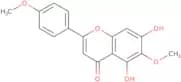
CAS:Hispidulin is a naturally occurring flavonoid compound, which is predominantly derived from plants such as Salvia and Artemisia species. This bioactive compound exhibits a broad spectrum of pharmacological activities that have garnered attention in the scientific community. Its mode of action involves the modulation of cellular pathways, including the inhibition of enzymes like cyclooxygenases, which are pivotal in inflammatory responses. Furthermore, Hispidulin has been shown to influence neurotransmitter systems, including GABAergic activity, indicating potential neuroprotective effects.Fórmula:C16H12O6Pureza:Min. 98 Area-%Cor e Forma:Off-White PowderPeso molecular:300.26 g/mol6-Prenylnaringenin
CAS:6-Prenylnaringenin is a prenylflavonoid, which is a type of isoflavonoid, primarily derived from hops (Humulus lupulus). It is recognized for its potent phytoestrogenic properties, functioning as a selective agonist for estrogen receptors. By binding to estrogen receptors, 6-Prenylnaringenin can modulate estrogenic activities within the body, influencing various biological processes.Fórmula:C20H20O5Pureza:Min 98%Cor e Forma:PowderPeso molecular:340.37 g/mol6,3'-Dihydroxydaidzein
CAS:<p>6,3'-Dihydroxydaidzein is an isoflavonoid compound, which is a type of naturally occurring polyphenol. This compound is primarily sourced from plants, particularly legumes like soybeans, where it functions as a metabolite in the daidzein biosynthesis pathway. Mechanistically, 6,3'-Dihydroxydaidzein exhibits antioxidant properties by scavenging free radicals and inhibiting oxidative stress at the cellular level.</p>Fórmula:C15H10O6Pureza:Min. 95%Cor e Forma:Brown PowderPeso molecular:286.24 g/molNarcissin
CAS:Narcissin is a flavonoid glycoside, which is a bioactive compound isolated from the Narcissus species, particularly found in various plant parts of the genus Narcissus. The source of narcissin is primarily within the botanical family Amaryllidaceae, known for its diverse metabolic profile and prominent ornamental species.Fórmula:C28H32O16Pureza:Min. 95%Cor e Forma:PowderPeso molecular:624.54 g/mol5,2',3'-Trimethoxyflavanone
<p>5,2',3'-Trimethoxyflavanone is a specialized methoxyflavanone, which is a derivative of flavanone compounds. This compound is typically sourced from naturally occurring flavonoids found in various plant species. Its structure incorporates methoxy groups that contribute to its distinct chemical properties and potential biological activity.</p>Fórmula:C18H16O5Pureza:Min. 95%Peso molecular:312.3 g/molMosloflavone
CAS:Mosloflavone is a naturally occurring flavonoid, which is derived from certain plant sources, particularly those belonging to the Moraceae family. This compound is recognized for its bioactive properties, functioning primarily through antioxidant and anti-inflammatory mechanisms. The mode of action involves the scavenging of free radicals and the inhibition of various pro-inflammatory pathways, thereby reducing oxidative stress and inflammation at the cellular level.Fórmula:C17H14O5Pureza:Min. 98 Area-%Cor e Forma:PowderPeso molecular:298.29 g/molGenistein
CAS:Genistein is a naturally occurring isoflavone, which is derived primarily from soy products and other legumes. Its chemical structure allows it to mimic the function of 17-beta-estradiol, a form of estrogen, by binding to estrogen receptors. This selective binding primarily targets estrogen receptor beta, leading to a range of biological effects. Moreover, Genistein exhibits antioxidant properties by scavenging free radicals and inhibiting oxidative stress.Fórmula:C15H10O5Pureza:Min. 95%Cor e Forma:White PowderPeso molecular:270.24 g/molCladrin-7-O-glucoside
CAS:<p>Cladrin-7-O-glucoside is a flavonoid glycoside, which is a type of secondary metabolite commonly found in various plants. This compound is derived from natural sources, particularly plants belonging to the genus Cleome. Flavonoid glycosides are known for having a sugar molecule attached to a flavonoid backbone, which influences their solubility and bioavailability.</p>Fórmula:C23H24O10Pureza:Min. 95%Peso molecular:460.43 g/mol3,7,3'-Trimethoxyflavone
CAS:3,7,3'-Trimethoxyflavone is a type of flavonoid, which is a class of polyphenolic compounds. It is naturally occurring and can be derived from certain plant species. Flavonoids are well-known for their presence in fruits, vegetables, and various other plant sources, contributing to the plants' color, flavor, and disease resistance.Fórmula:C18H16O5Pureza:Min. 95%Peso molecular:312.32 g/molEupatilin
CAS:<p>Eupatilin is a flavonoid compound, which is derived from the Artemisia species. This plant-based source has been traditionally used in various medicinal applications across different cultures. Eupatilin’s mode of action involves inhibition of pro-inflammatory cytokines and modulation of signaling pathways associated with inflammation, such as the NF-kB pathway. Additionally, it has been found to possess antioxidant activities, which further contributes to its therapeutic potential.</p>Fórmula:C18H16O7Pureza:Min. 95%Cor e Forma:PowderPeso molecular:344.32 g/mol7-Hydroxy-2',3',4'-trimethoxyisoflavone
CAS:<p>7-Hydroxy-2',3',4'-trimethoxyisoflavone is a naturally occurring isoflavone, which is a type of flavonoid commonly found in certain plants. It is typically sourced from various botanical species known for their rich flavonoid content. Isoflavones are derived from plants such as soybeans, and in some cases, isolated from other legumes and herbs.</p>Fórmula:C18H16O6Pureza:Min. 95%Peso molecular:328.32 g/mol5,7-Dihydroxyisoflavone
CAS:5,7-Dihydroxyisoflavone is a naturally occurring isoflavone, which is a type of flavonoid compound commonly found in various plants. It is primarily derived from sources such as soybeans and other legumes, which are known to contain a wide array of phytonutrients. The mode of action of 5,7-Dihydroxyisoflavone involves its ability to act as an antioxidant, scavenging free radicals and thereby reducing oxidative stress within biological systems. This function is crucial in preserving cellular health and preventing damage that can lead to chronic diseases.Fórmula:C15H10O4Pureza:Min. 95%Cor e Forma:PowderPeso molecular:254.24 g/molIsorhamnetin-3-O-b-D-glucoside
CAS:<p>Isorhamnetin-3-O-b-D-glucoside is a flavonoid glycoside, which is typically extracted from various plant sources, notably from fruits and medicinal herbs like sea buckthorn and Ginkgo biloba. This compound is recognized for its role in modulating oxidative stress due to its antioxidant capabilities. The glycoside linkage enhances the solubility and bioavailability compared to the aglycone, isorhamnetin.</p>Fórmula:C22H22O12Pureza:Min. 95 Area-%Cor e Forma:Yellow PowderPeso molecular:478.4 g/molQuercetin 3,4'-dimethyl ether
CAS:<p>Quercetin 3,4'-dimethyl ether is a flavonoid derivative, which is a naturally occurring compound found in various plants. It is part of the larger family of flavonoids, known for their diverse biological activities and presence in numerous botanical sources such as fruits, vegetables, and medicinal herbs. The modification of quercetin by methylation alters its solubility and bioavailability, potentially enhancing its biological effects.</p>Fórmula:C17H14O7Pureza:Min. 95%Peso molecular:330.29 g/mol7-O-Methyl quercetin
CAS:<p>7-O-Methyl quercetin is a flavonoid derivative, which is a naturally occurring compound found in several plant species, often referred to as a methylated form of the flavonoid quercetin. It is primarily sourced from plants such as onion, green tea, and various berries, where it serves diverse ecological roles, including defense mechanisms against herbivores and pathogens.</p>Fórmula:C16H12O7Pureza:90%Cor e Forma:PowderPeso molecular:316.26 g/molApigenin - 97%
CAS:Apigenin - 97% is a high-purity flavonoid compound, which is primarily derived from various plant sources such as parsley, chamomile, and celery. This compound is known for its significant presence in the plant kingdom, where it functions as a secondary metabolite contributing to plant defense.Fórmula:C15H10O5Pureza:Min. 97 Area-%Cor e Forma:PowderPeso molecular:270.24 g/molHinokiflavone pentamethyl ether
CAS:<p>Hinokiflavone pentamethyl ether is a synthetic flavonoid derivative, which is a chemically modified compound sourced from the natural biflavonoid, hinokiflavone. It is characterized by the methylation of phenolic hydroxyl groups, enhancing its stability and solubility. This compound can be derived through organic synthesis techniques involving the catalytic methylation of hinokiflavone.</p>Fórmula:C35H28O10Pureza:Min. 95%Peso molecular:608.59 g/molTheaflavin-3,3'-digallate
CAS:Theaflavin-3,3'-digallate is a polyphenolic compound, which is primarily derived from black tea through the oxidative fermentation of tea leaves. This compound is part of the theaflavins, which result from the enzymatic oxidation of catechins, the major constituents of green tea. It exhibits various biological activities due to its complex molecular structure, which includes multiple hydroxyl groups that facilitate specific intermolecular interactions.Fórmula:C43H32O20Pureza:Min. 95%Cor e Forma:Red PowderPeso molecular:868.7 g/mol3-Methylflavone-8-carboxylic acid
CAS:<p>3-Methylflavone-8-carboxylic acid is a synthetic compound, which is known primarily as an antagonist of the gamma-aminobutyric acid (GABA) receptor system. This product is derived from chemical synthesis processes involving flavone derivatives. The mode of action involves competitive inhibition at the GABA-A receptor sites, thereby modulating neurotransmitter activity within the central nervous system.</p>Fórmula:C17H12O4Pureza:Min. 95%Cor e Forma:PowderPeso molecular:280.27 g/molButin
CAS:<p>Butin is a flavonoid compound, which is naturally derived from certain plants and is characterized by a chalcone structure. This compound acts as an antifungal agent by disrupting the cell membrane integrity of pathogenic fungi, ultimately inhibiting their growth and reproduction. The mechanism is thought to involve interference with key enzymatic pathways essential for cell wall synthesis, though precise molecular interactions are still under investigation.</p>Fórmula:C15H12O5Pureza:Min. 95%Cor e Forma:PowderPeso molecular:272.25 g/mol4',6,7-Trimethoxyisoflavone
CAS:4',6,7-Trimethoxyisoflavone is a naturally occurring isoflavone, which is a type of phytoestrogen found in certain plants. This compound is generally derived from plant sources that are rich in isoflavones, such as soybeans and other legumes. Isoflavones like 4',6,7-Trimethoxyisoflavone are known to exhibit a range of biological activities due to their structural similarity to estrogens, allowing them to bind to estrogen receptors.Fórmula:C18H16O5Pureza:Min. 95%Cor e Forma:White Off-White PowderPeso molecular:312.32 g/molAcerosin
CAS:Acerosin is a naturally derived antibiotic compound, sourced from Streptomyces bacteria, with a unique dual mode of action. It exhibits both antimicrobial activity and anti-inflammatory effects. The antimicrobial action is primarily achieved through disruption of bacterial cell wall synthesis, leading to bacterial cell lysis. Additionally, Acerosin modulates immune responses by inhibiting the production of pro-inflammatory cytokines, which reduces inflammation at the site of infection.Pureza:Min. 95%4',5,7,8-Tetrahydroxyflavanone
CAS:4',5,7,8-Tetrahydroxyflavanone is a naturally occurring flavonoid, which is a type of polyphenolic compound found in various plants. These compounds are well-regarded for their potential health benefits and are often derived from natural sources such as fruits, vegetables, and certain herbs. The mode of action of 4',5,7,8-Tetrahydroxyflavanone involves its interaction with free radicals, effectively neutralizing them due to its antioxidant properties. By mitigating oxidative stress, it may exert a protective effect at the cellular level.Fórmula:C15H12O6Pureza:Min. 95%Peso molecular:288.25 g/molVicenin III
CAS:<p>Vicenin III is a natural flavonoid compound, which is a type of polyphenolic metabolite commonly found in various plant species. It is primarily extracted from herbaceous plants and certain fruits and vegetables, where it acts as a secondary metabolite contributing to the plant's defense mechanisms. The compound exerts its effects through antioxidant properties, which involve scavenging free radicals and reducing oxidative stress at the cellular level. Additionally, it demonstrates anti-inflammatory activity by modulating key signaling pathways and inhibiting pro-inflammatory mediators.</p>Fórmula:C26H28O14Pureza:Min. 95%Cor e Forma:PowderPeso molecular:564.49 g/molAspalathin
CAS:<p>AntioxidantImage created by Dave Richardson sourced from <a href="https://www.inaturalist.org/photos/171407970" target="_blank" rel="noreferrer noopener">https://www.inaturalist.org/photos/171407970</a></p>Fórmula:C21H24O11Pureza:Min. 97 Area-%Cor e Forma:White PowderPeso molecular:452.41 g/molOrobol 5,7,3',4'-tetramethyl ether
CAS:<p>Orobol 5,7,3',4'-tetramethyl ether is a flavonoid derivative compound, which is synthesized from natural flavonoid sources such as plants. This compound operates primarily through its antioxidant properties, scavenging free radicals and reducing oxidative stress, which may contribute to its potential therapeutic activities.</p>Fórmula:C19H18O6Pureza:Min. 95%Cor e Forma:PowderPeso molecular:342.34 g/molBryacarpene-2
CAS:<p>Bryacarpene-2 is a terpene compound, which is derived from natural sources, specifically marine bryozoans. Its mode of action involves interacting with specific biological pathways, potentially influencing cellular processes such as apoptosis and inflammation. This interaction suggests its potential as a therapeutic agent in various biomedical fields. The uses and applications of Bryacarpene-2 are currently under investigation, particularly its role in medical research related to anti-cancer, anti-inflammatory, and antimicrobial properties. The exploration of Bryacarpene-2 highlights its capacity as a candidate for drug development, offering a promising avenue for scientific exploration and potential clinical applications.</p>Fórmula:C18H16O6Pureza:Min. 95%Peso molecular:328.32 g/molLeucocyanidin polymer
CAS:Leucocyanidin polymer is an oligomeric flavonoid compound, which is primarily sourced from plants, particularly abundant in certain fruits, seeds, and barks. These naturally occurring polymers belong to a class of compounds known as proanthocyanidins, which are part of the larger flavonoid family.Fórmula:(C15H14O7•C15H14O6)xPureza:Min. 95%Cor e Forma:PowderKaempferol-3-glucoside-7-rhamnoside
CAS:<p>Kaempferol-3-glucoside-7-rhamnoside is a flavonoid glycoside, which is a natural compound found in several plant species, including tea, broccoli, and propolis. It is synthesized through glycosylation, where sugar moieties are enzymatically attached to the kaempferol backbone. This compound is known for its potent antioxidant activity, capable of scavenging free radicals and protecting cells from oxidative stress.</p>Fórmula:C27H30O15Pureza:Min. 95%Cor e Forma:PowderPeso molecular:594.52 g/molDillenetin
CAS:<p>Dillenetin is a flavonoid compound, which is derived from natural plant sources, particularly found in the genus Dillenia. It exhibits significant bioactivity with a mode of action primarily involving the modulation of cell signaling pathways. Dillenetin is known to bind to specific enzymes and receptors, influencing cellular processes such as proliferation, apoptosis, and oxidative stress responses.</p>Fórmula:C17H14O7Pureza:Min. 95%Cor e Forma:PowderPeso molecular:330.29 g/mol5,4'-Dimethoxyflavanone
<p>5,4'-Dimethoxyflavanone is a flavonoid compound, which is a type of polyphenolic product ubiquitously found in various plant sources. These flavonoids are synthesized by plants as secondary metabolites, which aid in plant defense against herbivores and pathogens, and also contribute to the plant's coloration. The mode of action of 5,4'-Dimethoxyflavanone involves the modulation of oxidative stress and inflammation pathways. It achieves this by scavenging free radicals and inhibiting pro-inflammatory enzymes, thus providing a protective effect at the cellular level.</p>Fórmula:C17H16O4Pureza:Min. 95%Peso molecular:284.31 g/molVitexicarpin
CAS:<p>Vitexicarpin is a type of flavonoid compound, which is derived from plants in the Vitex genus, commonly known as the chaste tree. This naturally occurring bioactive compound acts primarily through the inhibition of various signaling pathways involved in inflammation and cancer progression. Its mechanism often targets pathways such as NF-kB and MAPK, which play crucial roles in inflammatory responses and cellular proliferation.</p>Fórmula:C19H18O8Pureza:Min. 95%Cor e Forma:PowderPeso molecular:374.34 g/molNaringin hydrate
CAS:<p>Naringin hydrate is a flavonoid compound, which is found predominantly in citrus fruits such as grapefruits. This compound is a glycoside, sourced primarily from the peels and seeds of these fruits, playing a role as a natural constituent of the fruit's phytonutrient profile. The mode of action of naringin hydrate involves its ability to modulate a variety of biological pathways. It exhibits antioxidant properties by scavenging free radicals and enhancing the body’s endogenous antioxidant enzymes. Additionally, naringin hydrate demonstrates anti-inflammatory actions through the inhibition of pro-inflammatory cytokines and the modulation of signaling pathways such as NF-kB and MAPK.</p>Fórmula:C27H32O14•H2OPureza:Min. 95%Cor e Forma:PowderPeso molecular:598.55 g/molKaempferol-3-sophoroside-7-glucoside
CAS:<p>Kaempferol-3-sophoroside-7-glucoside is a flavonoid glycoside, which is a type of bioactive compound commonly found in various plant species. It is typically isolated from plant sources known for high flavonoid content, such as vegetables, fruits, and certain medicinal herbs. The compound's mode of action is primarily characterized by its ability to engage in redox reactions, thereby exerting antioxidative effects. This antioxidative action is facilitated via the scavenging of free radicals and reactive oxygen species, contributing to its role in cellular protection.</p>Fórmula:C33H40O21Pureza:Min. 95%Peso molecular:772.66 g/mol4'-Geranyloxyisoliquiritigenin
CAS:<p>4'-Geranyloxyisoliquiritigenin is a prenylated chalcone, which is naturally derived from certain plants, especially those belonging to the Fabaceae family. It is a bioactive compound that emerges from the prenylation of isoliquiritigenin, a chalcone found in licorice root. This modification enhances the lipophilicity and bioavailability of the molecule.</p>Fórmula:C25H28O4Pureza:Min. 95%Peso molecular:392.49 g/molPatulin
CAS:<p>Patulin is a mycotoxin, which is a toxic secondary metabolite produced by certain species of fungi, particularly those within the genera Penicillium, Aspergillus, and Byssochlamys. It is predominantly sourced from moldy fruits, especially apples and apple-derived products, where these fungi thrive and synthesize the compound. The mode of action of patulin involves disrupting cellular processes by forming covalent adducts with proteins and nucleic acids, ultimately leading to cellular damage and oxidative stress.</p>Fórmula:C7H6O4Pureza:Min. 95%Cor e Forma:White PowderPeso molecular:154.12 g/molKaempferol 3-O-b-D-glucuronide
CAS:<p>Kaempferol 3-O-b-D-glucuronide is a bioactive flavonoid glucuronide, which is a naturally occurring compound found in various plants, fruits, and vegetables. It is formed through the glucuronidation of the parent compound, kaempferol, a process which enhances its solubility and bioavailability. This compound exhibits significant antioxidant activity through its ability to scavenge free radicals and reduce oxidative stress within biological systems.</p>Fórmula:C21H18O12Pureza:Min. 95%Cor e Forma:PowderPeso molecular:462.36 g/molScutellarin
CAS:<p>Scutellarin is a bioactive flavonoid compound, which is derived primarily from the plant Scutellaria baicalensis and other species within the Scutellaria genus. As a naturally occurring phytochemical, Scutellarin exerts its effects through multiple biological pathways, including antioxidant, anti-inflammatory, and anti-apoptotic activities.</p>Fórmula:C21H18O12Pureza:Min. 95%Cor e Forma:Yellow PowderPeso molecular:462.36 g/molIsosativan
CAS:Isosativan is a targeted therapeutic compound, which is derived from specific plant alkaloids. These alkaloids originate from a unique botanical source known for its rich pharmacological properties. The mode of action for Isosativan involves interacting with specific cellular receptors, thereby modulating biochemical pathways that are crucial for maintaining cellular homeostasis and function. By doing so, it exhibits effects that can alter physiological responses, making it a valuable tool for research and therapeutic interventions.Fórmula:C17H18O4Pureza:Min. 95%Cor e Forma:PowderPeso molecular:286.32 g/molSalvigenin
CAS:<p>Salvigenin is a flavone compound, which is found in various species of the Salvia plant. It is a naturally occurring phytochemical characterized by its potential to modulate biological pathways. Salvigenin primarily acts by interacting with biochemical pathways, exhibiting antioxidant and anti-inflammatory activities. These activities are thought to result from its ability to modulate enzyme activity, influence signaling pathways, and scavenge free radicals.</p>Fórmula:C18H16O6Pureza:Min. 95%Cor e Forma:Off-White PowderPeso molecular:328.32 g/mol3'-Hydroxyflavanone
CAS:<p>3'-Hydroxyflavanone is a naturally occurring flavonoid compound, which is derived from various plant sources, including citrus fruits and some leguminous plants. Its chemical structure contains a flavanone backbone with a hydroxyl group at the 3' position, contributing to its unique properties and biological activity.</p>Fórmula:C15H12O3Pureza:Min. 95%Cor e Forma:White PowderPeso molecular:240.25 g/molSwertisin
CAS:<p>Swertisin is a naturally occurring flavonoid, which is extracted primarily from medicinal plants like Swertia and Enicostemma species. This compound is a C-glycosyl flavone, found in various herbs traditionally used in different cultural medicinal practices. The mode of action of Swertisin involves its interaction with cellular pathways, leading to anti-inflammatory, antioxidant, and potential anti-diabetic effects. These bioactivities are primarily mediated through modulation of enzyme activity and gene expression related to oxidative stress and inflammation.</p>Fórmula:C22H22O10Pureza:Min. 98 Area-%Cor e Forma:PowderPeso molecular:446.4 g/mol7-Benzyloxy-2',4'-dimethoxyisoflavone
CAS:7-Benzyloxy-2',4'-dimethoxyisoflavone is a synthetic isoflavone, which is a type of phenolic compound. Isoflavones are derived from plants, commonly found in soybeans and other legumes, and are often synthesized in laboratories for research and pharmaceutical purposes. These compounds are known for their structural similarity to estrogens and their ability to act as phytoestrogens.Fórmula:C24H20O5Pureza:Min. 95%Peso molecular:388.41 g/mol3-Hydroxy-5,7-dimethoxyflavone
CAS:<p>3-Hydroxy-5,7-dimethoxyflavone is a naturally occurring flavonoid, which is primarily derived from various plant sources. This compound belongs to a class of polyphenolic substances known as flavonoids, which are commonly found in fruits, vegetables, and certain herbs. Flavonoids such as 3-Hydroxy-5,7-dimethoxyflavone are known for their diverse biological activities due to their unique structural configurations and ability to interact with various biological targets.</p>Fórmula:C17H14O5Pureza:Min. 95%Peso molecular:298.29 g/molCupressuflavone
CAS:<p>Cupressuflavone is a naturally occurring biflavonoid compound, which is an organic molecule composed of two flavonoid units linked together. Its source is predominantly from the Cupressaceae family, specifically from plants such as cypress trees. This compound is characterized by its potent antioxidant properties, which allow it to scavenge free radicals and reduce oxidative stress in biological systems.</p>Fórmula:C30H18O10Pureza:Min. 95%Peso molecular:538.46 g/molIcarisid II - Bio-X ™
CAS:Icariside II is a natural product derived from Epimedium brevicornu Maxim (E. brevicornu) that exhibits various beneficial properties as a small molecule drug candidate. It has been shown to induce apoptosis in K562 cells, making it a potential treatment for leukemia. Icariside also regulates MAPK signaling, which plays a crucial role in cell growth and differentiation. Moreover, it has been found to promote osteogenesis, making it a promising candidate for bone health. With its unique properties and potential therapeutic applications, Icariside II is an interesting candidate for small molecule studies and drug development research.This product is part of our Bio-X ™ Range. These products are aimed at life science researchers who need high quality ready-to-use products for assay development, screening or other R&D work. With a solubility datasheet and convenient vials, all of our Bio-X ™ products are in stock across our global warehouses for rapid delivery and ease of use.Fórmula:C27H30O10Pureza:Min. 95%Cor e Forma:PowderPeso molecular:514.5 g/mol2'-Methoxyflavonol
CAS:2'-Methoxyflavonol is a methoxyflavonoid, which is a type of polyphenolic compound. It is derived from natural sources, primarily plants where flavonoids are commonly found. These compounds are known for their wide range of biological activities.Fórmula:C16H12O4Pureza:Min. 95%Cor e Forma:White PowderPeso molecular:268.26 g/molPhaseollinisoflavan
CAS:<p>Phaseollinisoflavan is a naturally occurring isoflavone compound, which is derived from the legume plant, Phaseolus vulgaris, commonly known as the common bean. Its mode of action primarily involves the inhibition of enzymatic activity, particularly affecting pathways related to oxidative stress and various metabolic processes. This isoflavone exerts its effects by modulating signal transduction pathways, which are critical in cellular response mechanisms.</p>Fórmula:C20H20O4Pureza:Min. 95%Peso molecular:324.37 g/molOroxylin A
CAS:Oroxylin A is a natural flavonoid compound, which is derived from the root of Scutellaria baicalensis, commonly known as Baikal skullcap. It is primarily recognized for its bioactive properties, attributed to its modulation of various biochemical pathways. Oroxylin A acts by inhibiting the activity of certain enzymes, such as cyclooxygenase, and influencing signaling pathways like NF-kB, which are integral to inflammatory responses. It also exhibits potent neuroprotective effects by interacting with GABA_A receptors, thereby influencing neurotransmission.Fórmula:C16H12O5Pureza:Min. 98 Area-%Cor e Forma:PowderPeso molecular:284.26 g/mol3',4',7-Trihydroxyflavone
CAS:<p>3',4',7-Trihydroxyflavone is a naturally occurring flavonoid compound, which is derived from a variety of plant sources. It is a type of secondary metabolite commonly found in fruits, vegetables, and certain herbs. This compound exerts its effects primarily through its antioxidant properties, which involve scavenging free radicals and modulating oxidative stress pathways in biological systems.</p>Fórmula:C15H10O5Pureza:Min. 95%Cor e Forma:Slightly Yellow PowderPeso molecular:270.24 g/mol3',4',5',5,7-Pentamethoxyflavone
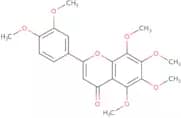
CAS:<p>3',4',5',5,7-Pentamethoxyflavone is a synthetic flavonoid compound, which is derived from the structural modification of naturally occurring flavonoids found in various plants. The compound is specifically produced for research and development purposes, exploring its biological and pharmacological potential. The mode of action involves interaction with various cellular pathways, including modulation of enzyme activity, influence on cell signaling pathways, and potential antioxidant properties due to its polyphenolic structure.</p>Fórmula:C20H20O7Pureza:Min. 95%Cor e Forma:PowderPeso molecular:372.37 g/molQuercetin-7,4'-diglucoside
CAS:<p>Quercetin-7,4'-diglucoside is a flavonoid glycoside, which is a bioactive compound derived from various plants, particularly in fruits, vegetables, and certain leaves. It functions through its ability to modulate cellular pathways related to oxidative stress and inflammation, acting as a potent antioxidant and anti-inflammatory agent. These modes of action are primarily attributed to its capacity to scavenge free radicals and attenuate the expression of pro-inflammatory cytokines by interfering with signaling pathways, such as NF-κB and MAPK.</p>Fórmula:C27H30O17Pureza:Min. 90%Cor e Forma:Clear LiquidPeso molecular:626.52 g/mol3'-Benzyloxy-5,7-dihydroxy-3,4'-dimethoxyflavone
CAS:<p>3'-Benzyloxy-5,7-dihydroxy-3,4'-dimethoxyflavone is a synthetic flavone derivative, which is primarily obtained through targeted chemical synthesis in laboratory settings. This compound belongs to a broader class of polyphenolic flavonoids, which are known for their potential bioactive properties.</p>Fórmula:C24H20O7Pureza:Min. 95%Peso molecular:420.41 g/molNeoschaftoside
CAS:Neoschaftoside is a naturally occurring bioactive compound, which is an acylated flavonoid C-glycoside. It is primarily sourced from various plant species, including members of the Poaceae and Fabaceae families. The compound functions through its antioxidant and anti-inflammatory properties, interacting with cellular pathways to mitigate oxidative stress and modulate immune responses. These actions make neoschaftoside a compound of interest in pharmacological research, particularly in the study of chronic diseases where inflammation and oxidative damage are key pathological features. Its applications extend to potential therapeutic development in areas such as cardiovascular health, neuroprotection, and metabolic disorders. The ongoing investigation into its modes of action and bioavailability continues to reveal insights into its efficacy and potential as a natural therapeutic agent.Fórmula:C26H28O14Pureza:Min. 95%Peso molecular:564.49 g/molQuercetin hydrate
CAS:Inhibitor of HSP70 and HSP27 expressionFórmula:C15H10O7·xH2OPureza:Min. 95%Cor e Forma:Yellow Green PowderPeso molecular:302.24 g/mol6-Prenylquercetin
CAS:<p>6-Prenylquercetin is a prenylated flavonoid, which is a type of natural compound known for its diverse biological activities. This compound is derived from the prenylation of quercetin, a flavonoid commonly found in fruits and vegetables, particularly in onions, apples, and berries. The addition of a prenyl group to quercetin alters its physicochemical properties, enhancing its bioavailability and specific biological interactions.</p>Pureza:Min. 95%Luteone
CAS:Luteone is a natural compound, which is a plant-derived flavonoid isolated from various botanical sources. It exhibits a range of biological activities primarily due to its ability to modulate key cellular mechanisms. Luteone functions through its interaction with multiple molecular targets, demonstrating antioxidant, anti-inflammatory, and anti-cancer properties by influencing signaling pathways and gene expression related to cellular stress responses and apoptosis.Fórmula:C20H18O6Pureza:Min. 95%Peso molecular:354.35 g/molEupatorin - 98%
CAS:<p>Eupatorin - 98% is a high-purity flavonoid compound, which is extracted primarily from various plant species such as Eupatorium. This compound is renowned for its bioactive properties, engaging in numerous biochemical interactions that contribute to its therapeutic potentials. Eupatorin operates through multiple biochemical pathways as an inhibitor of specific enzymes like cytochrome P450s and as a modulator of cellular signaling pathways. This enables it to exert anti-inflammatory, anticancer, and antioxidant effects, making it a valuable subject of study in pharmaceutical and clinical research.</p>Fórmula:C18H16O7Pureza:Min. 95%Cor e Forma:White PowderPeso molecular:344.32 g/mol(+)-trans-Taxifolin
CAS:<p>(+)-trans-Taxifolin is a flavonoid compound, which is a type of plant secondary metabolite. It is naturally found in various plant sources, including the bark of Douglas fir (Pseudotsuga menziesii) and Siberian larch (Larix sibirica), as well as in milk thistle. The primary mode of action of this compound is its antioxidant activity, which involves scavenging free radicals and reducing oxidative stress within cells. This activity is facilitated by its ability to donate hydrogen atoms or electrons to neutralize reactive oxygen species, thus preventing cellular damage.</p>Fórmula:C15H12O7Pureza:Min. 95%Cor e Forma:PowderPeso molecular:304.25 g/molDihydroprunetin
CAS:Dihydroprunetin is a synthetic analog of natural flavonoid compounds, which is derived from chemical modifications of prunetin, originally sourced from various plant species. It functions primarily as an antioxidant by inhibiting oxidative stress pathways and scavenging free radicals. This activity is attributed to modifications that enhance its stability and bioavailability compared to its natural counterparts.Fórmula:C16H14O5Pureza:Min. 95%Peso molecular:286.28 g/molDehydroequol
CAS:<p>Dehydroequol is a dietary supplement ingredient, which is a metabolite of the soy isoflavone daidzein. It is produced through the biotransformation by certain gut bacteria that convert daidzein into equol compounds, specifically the dehydrogenated form. This compound is noted for its estrogenic activity, acting primarily as a selective estrogen receptor modulator (SERM). Dehydroequol binds to estrogen receptors with a preference for the beta subtype, exerting moderate estrogenic effects.</p>Fórmula:C15H12O3Pureza:Min. 95%Peso molecular:240.25 g/mol7-Benzyloxy-2',3',4'-trimethoxyisoflavone
CAS:<p>7-Benzyloxy-2',3',4'-trimethoxyisoflavone is a synthetic isoflavone, which is a type of flavonoid compound often derived from plant secondary metabolites. Its source lies in laboratory synthesis, using specific chemical reactions to obtain the desired isoflavone structure with a benzyloxy group and methoxy groups at specified positions on the molecule.</p>Fórmula:C25H22O6Pureza:Min. 95%Peso molecular:418.44 g/molLiquiritin
CAS:Natually produced by plants such as liquorice, liquiritin is formed by the linkage between liquiritigenin and a beta-D-glucopyranosyl residue at position 4. Liquiritin clinical relevance has been as an antiviral and anti-inflammatory agent. In 2020, an artificial intelligent approach has indicated that liquiritin might inhibit SARS-CoV-2 by acting similarly to type I interferon.Fórmula:C21H22O9Pureza:Min. 95%Cor e Forma:White PowderPeso molecular:418.39 g/molTexasin 7-O-glucoside
CAS:<p>Texasin 7-O-glucoside is a flavonoid glycoside, which is a plant-derived compound with significant antioxidant properties. This glycoside is sourced primarily from plants, where it naturally occurs as a secondary metabolite. It is composed of the flavonoid backbone, texasetin, conjugated with a glucose molecule at the 7-O position, enhancing its solubility and bioavailability in biological systems.</p>Fórmula:C22H22O10Pureza:Min. 95%Peso molecular:446.4 g/molEupafolin
CAS:<p>Eupafolin is a naturally occurring flavonoid compound, specifically a flavone, which is derived from certain medicinal plants, primarily in the genus *Artemisia*. It is a secondary metabolite found in various parts of these plants, including the leaves and stems. As a bioactive substance, eupafolin exerts its effects through several biochemical pathways, most notably by scavenging free radicals and modulating inflammatory responses. Its mode of action involves the inhibition of key enzymes and molecules in the inflammatory cascade, as well as the upregulation of antioxidant defenses.</p>Fórmula:C16H12O7Pureza:Min. 95%Cor e Forma:PowderPeso molecular:316.26 g/molHesperetin
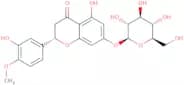
CAS:<p>Hesperetin is a flavonoid compound, which is naturally derived from citrus fruits such as oranges and lemons. As a notable bioactive molecule, its mode of action primarily involves the modulation of oxidative stress and inflammatory pathways. Hesperetin exerts its effects by scavenging free radicals and inhibiting the activation of inflammatory cytokines, making it a compound of significant interest in the biochemical and pharmacological sectors.</p>Fórmula:C16H14O6Pureza:Min. 98.5 Area-%Cor e Forma:White PowderPeso molecular:302.28 g/mol3,7,3'-Trihydroxyflavone
CAS:3,7,3'-Trihydroxyflavone is a flavonoid derivative, which is a type of polyphenolic compound commonly found in various plants and is derived from natural sources like fruits, vegetables, and herbal plants. It is characterized by its polyphenolic structure, which contributes to its ability to scavenge free radicals and reduce oxidative stress.Fórmula:C14O5H10Pureza:Min. 98%Cor e Forma:PowderPeso molecular:258.23 g/molPratensein
CAS:Pratensein is an isoflavone compound that is derived primarily from plants such as red clover (Trifolium pratense). This natural product belongs to the class of phytochemicals known for their diverse biological activities. Pratensein is sourced through the extraction and purification processes that involve isolating the bioactive components from plant materials rich in flavonoids.Fórmula:C16H12O6Pureza:Min. 95%Cor e Forma:PowderPeso molecular:300.26 g/molSilandrin hplc
CAS:<p>Please enquire for more information about Silandrin hplc including the price, delivery time and more detailed product information at the technical inquiry form on this page</p>Pureza:Min. 95%7-Hydroxyflavanone
CAS:7-Hydroxyflavanone is a naturally occurring flavonoid compound, which is predominantly isolated from plants, particularly citrus fruits. Its biochemical significance stems from its ability to exert various physiological effects, likely due to its structural characteristics. As a flavonoid, it possesses a range of hydroxyl groups, which contribute to its antioxidant properties. This compound interacts with biological molecules, influencing cellular pathways and modulating enzyme activities.Fórmula:C15H12O3Pureza:Min. 95%Cor e Forma:PowderPeso molecular:240.25 g/molPinocembrin dimethylether
CAS:<p>Pinocembrin dimethylether is a flavonoid derivative, which is synthesized from natural sources such as honey, propolis, and certain plants. It retains the core flavonoid structure while being modified to enhance its bioavailability and stability. This compound acts primarily as a neuroprotective agent through its antioxidative and anti-inflammatory properties. It interacts with various molecular pathways to mitigate oxidative stress and reduce neuroinflammation, contributing to cellular protection.</p>Fórmula:C17H16O4Pureza:Min. 95%Cor e Forma:PowderPeso molecular:284.31 g/mol5,7,8,4'-Tetramethoxyflavone
CAS:<p>5,7,8,4'-Tetramethoxyflavone is a naturally occurring flavone, which is a type of plant-derived polyphenolic compound. It is found in various plants, particularly those belonging to the genus Scutellaria. The compound acts primarily by modulating various cellular signaling pathways, including those involved in inflammation, apoptosis, and oxidative stress. Through its interaction with these pathways, it exhibits potential anti-inflammatory, antioxidant, and anti-cancer properties.</p>Fórmula:C19H18O6Pureza:Min. 95%Cor e Forma:White PowderPeso molecular:342.34 g/mol2'-Hydroxy-β-naphthoflavone
CAS:<p>2'-Hydroxy-β-naphthoflavone is a synthetic flavonoid, which is derived from structural modifications of natural flavonoids. It functions as a potent aryl hydrocarbon receptor (AhR) agonist and enzyme inducer. The structure is based on a naphthoflavone framework, allowing it to efficiently interact with cellular proteins related to xenobiotic metabolism.</p>Fórmula:C19H12O3Pureza:Min. 95%Cor e Forma:PowderPeso molecular:288.3 g/mol3-Methoxyflavone
CAS:3-Methoxyflavone is a synthetic flavonoid, which is a type of product known for its biological activities and potential therapeutic applications. It is derived from flavones, naturally occurring compounds found in various plants, known for their role in plant pigmentation and UV protection. The compound's mode of action is primarily through interaction with various biological targets, including modulation of enzyme activity and regulation of signal transduction pathways.Fórmula:C16H12O3Pureza:Min. 95%Cor e Forma:White PowderPeso molecular:252.26 g/mol3-Hydroxy-7,8-dimethoxyflavone
CAS:<p>3-Hydroxy-7,8-dimethoxyflavone is a synthetic flavonoid derivative, which is structurally sourced from the broader class of naturally occurring flavonoids found in various plants. It functions primarily as a potent and selective ligand for the TrkB receptor, a receptor for brain-derived neurotrophic factor (BDNF). This interaction mimics the effects of BDNF, promoting neuronal survival, synaptic plasticity, and neurogenesis, thereby facilitating neuroprotective and neurorestorative processes.</p>Fórmula:C17H14O5Pureza:Min. 95%Peso molecular:298.29 g/molApigenin-7-glucoside
CAS:Apigenin-7-glucoside is a naturally occurring flavonoid glycoside, which is derived primarily from various plant sources, including parsley, celery, chamomile, and some fruits. This compound is formed when apigenin, a flavonoid, is conjugated with a glucose molecule. The interaction with glucose enhances its solubility and bioavailability in biological systems.Fórmula:C21H20O10Pureza:Min. 95%Cor e Forma:Yellow PowderPeso molecular:432.39 g/mol3-Hydroxy-7,2',4'-trimethoxyflavone
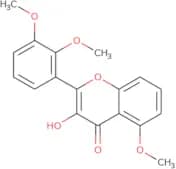
CAS:<p>3-Hydroxy-7,2',4'-trimethoxyflavone is a specialized flavone compound, which is a type of polyphenolic molecule commonly found in a variety of plants. This product is naturally derived, often isolated from diverse botanical sources like various species of herbs and flowering plants known for their medicinal properties. The compound exhibits various biological activities through its interactions with cellular pathways, predominantly by modulating enzymatic functions and signaling pathways that influence oxidative stress and inflammation.</p>Fórmula:C18H16O6Pureza:Min. 95%Peso molecular:328.32 g/mol3-Hydroxy-7,2',3'-trimethoxyflavone
CAS:3-Hydroxy-7,2',3'-trimethoxyflavone is a naturally occurring flavonoid, which is a type of polyphenolic compound commonly found in plants. These compounds are typically sourced from various plant species where they are known to contribute to pigmentation and offer protective functions.Fórmula:C18H16O6Pureza:Min. 95%Peso molecular:328.32 g/molAlnusin
CAS:<p>Alnusin is a phytochemical compound, which is a naturally occurring flavonoid sourced from the bark and leaves of the alder tree (genus Alnus). This compound is structurally categorized as an O-methylated flavonoid, specifically demonstrating unique biological activities.</p>Fórmula:C16H12O6Pureza:90%Cor e Forma:PowderPeso molecular:300.26 g/molCupressuflavone-7,7”-dimethyl ether
CAS:<p>Biflavonyl pigment; anti-inflammatory; analgesic</p>Fórmula:C32H22O10Pureza:Min. 95%Cor e Forma:solid.Peso molecular:566.51 g/molTricetin
CAS:<p>Tricetin is a naturally occurring flavonoid compound, which is primarily sourced from various plant species. Its molecular structure comprises multiple hydroxyl groups, contributing to its biological activity. Tricetin functions by modulating several biochemical pathways; it exhibits antioxidant properties through scavenging of reactive oxygen species and chelation of metal ions. Additionally, Tricetin possesses anti-inflammatory effects, as it can inhibit the synthesis of pro-inflammatory cytokines and downregulate the expression of enzymes involved in inflammation, such as cyclooxygenase and lipoxygenase.</p>Fórmula:C15H10O7Pureza:Min. 95%Cor e Forma:Yellow PowderPeso molecular:302.24 g/mol3-(3,4-Dimethoxyphenyl)-1H-benzo[f]chromen-1-one
CAS:3',4'-Dimethoxy-beta-naphthoflavone is a synthetic chemical compound, which is a selective aryl hydrocarbon receptor (AhR) agonist, derived from flavonoid structures. With its capacity to modulate xenobiotic metabolism, this compound acts as an inducer of cytochrome P450 enzymes, specifically CYP1A1 and CYP1A2, through the activation of the AhR pathway. Upon binding to AhR, 3',4'-Dimethoxy-beta-naphthoflavone translocates to the nucleus, where it influences gene expression involved in xenobiotic metabolism.Fórmula:C21H16O4Pureza:Min. 95%Peso molecular:332.35 g/mol4'-Methoxyflavanone
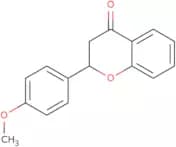
CAS:4'-Methoxyflavanone is a methoxy-substituted flavanone, which is a specialized class of flavonoids. These compounds are primarily derived from plant sources and are known for their diverse biological activities. The modification of the flavanone structure with a methoxy group can significantly influence its biochemical interactions and properties.Fórmula:C16H14O3Pureza:Min. 95%Cor e Forma:PowderPeso molecular:254.28 g/mol6,4'-Dimethoxyflavone
CAS:<p>6,4'-Dimethoxyflavone is a naturally occurring flavone, which is a type of polyphenolic compound typically found in various plants. It is derived from natural sources such as certain species of citrus fruits and other flavonoid-rich plants. The compound is characterized by the presence of two methoxy groups attached to its flavone backbone.</p>Fórmula:C17H14O4Pureza:Min. 95%Peso molecular:282.29 g/molScutellarein-6,4'-dimethyl ether
CAS:<p>Scutellarein-6,4'-dimethyl ether is a flavonoid derivative, which is a type of polyphenolic compound widely found in the plant kingdom. It is primarily sourced from various species within the genus Scutellaria, known for their rich flavonoid content. Scutellarein-6,4'-dimethyl ether demonstrates an affinity for interacting with key biological pathways, including exerting possible antioxidant activities by scavenging free radicals and modulating redox states, as well as potential anti-inflammatory effects through the regulation of inflammatory mediators.</p>Fórmula:C17H14O6Pureza:Min. 95%Cor e Forma:PowderPeso molecular:314.29 g/molKaempferol-3-O-rhamnoside
CAS:Kaempferol-3-O-rhamnoside is a naturally occurring flavonoid glycoside, which is derived from various plants, particularly those in the families Rosaceae and Brassicaceae. This compound is a significant bioactive component found in herbs, fruits, and vegetables. Its mode of action primarily involves the scavenging of free radicals, inhibition of oxidative stress, and modulation of various signaling pathways related to inflammation and apoptosis.Fórmula:C21H20O10Pureza:Min. 95 Area-%Cor e Forma:Yellow PowderPeso molecular:432.38 g/molMucronulatol
CAS:<p>Mucronulatol is a naturally occurring compound, which is derived from certain plant species known for their rich array of bioactive compounds. As a product of natural origin, mucronulatol is classified as a polyphenolic compound. Its biosynthesis in plants is a part of the complex secondary metabolism, playing roles in defense mechanisms against environmental stressors and pathogens. The mode of action of mucronulatol involves modulation of various biochemical pathways, which may include antioxidant activity, enzyme inhibition, or signaling pathway regulation. This capacity makes mucronulatol a subject of interest in pharmacological and therapeutic research.</p>Fórmula:C17H18O5Pureza:Min. 95%Peso molecular:302.32 g/molApigenin-7-O-glucronide
CAS:Apigenin-7-O-glucronide is a flavonoid derivative, which is a bioactive compound found naturally in various plants, particularly in those used medicinally or as nutritional supplements. Its source includes a variety of plant species, where it exists as part of the plant's secondary metabolites, often contributing to the plant's defense mechanisms.Fórmula:C21H18O11Pureza:Min. 98 Area-%Cor e Forma:PowderPeso molecular:446.36 g/mol7,2'-Dihydroxy-4',5'-dimethoxyisoflavone
CAS:<p>7,2'-Dihydroxy-4',5'-dimethoxyisoflavone is a naturally occurring isoflavone, which is a type of flavonoid commonly found in various plants. Isoflavones are primarily sourced from legumes and are prevalent in dietary phytoestrogens. The mode of action of this compound involves modulation of cellular pathways due to its antioxidant properties and potential to interact with estrogen receptors. Such interactions may influence gene expression and cell proliferation in specific tissue types.</p>Fórmula:C17H14O6Pureza:Min. 95%Cor e Forma:PowderPeso molecular:314.29 g/molDihydrodaidzein-7,4'-dimethylether
CAS:<p>Dihydrodaidzein-7,4'-dimethylether is a synthetic compound that falls under the category of isoflavone derivatives. Isoflavones are naturally occurring compounds typically sourced from soybeans and other legumes. Their structural similarity to estrogen allows them to exert estrogenic or anti-estrogenic effects, depending on the context and biological system.</p>Fórmula:C17H16O4Pureza:Min. 95%Cor e Forma:PowderPeso molecular:284.31 g/mol4',7-Dihydroxy-2-methoxyisoflavone
CAS:<p>4',7-Dihydroxy-2-methoxyisoflavone is a naturally occurring isoflavone, which is a type of phytochemical compound typically found in the Leguminosae family of plants. These plants are well-known for their rich source of bioactive compounds. This specific isoflavone is primarily isolated from plants like red clover or soybeans, which are renowned for their beneficial bioactive constituents.</p>Fórmula:C16H12O5Pureza:Min. 95%Peso molecular:284.26 g/mol7,2'-Dimethoxy-4'-hydroxyisoflavone
CAS:<p>7,2'-Dimethoxy-4'-hydroxyisoflavone is a naturally occurring isoflavone, which is a type of phytochemical commonly found in various plants. Isoflavones are known for their structural similarity to estrogens and their presence in legumes like soy. The source of 7,2'-Dimethoxy-4'-hydroxyisoflavone is primarily plant-based, particularly from species known for high isoflavone content.</p>Fórmula:C17H14O5Pureza:Min. 95%Peso molecular:298.29 g/mol2'-Hydroxyflavonol
CAS:<p>2'-Hydroxyflavonol is a flavonoid derivative, which is a polyphenolic compound commonly found in plants. This compound is derived from natural sources, particularly various fruits, vegetables, and roots. Its mode of action is primarily through its role as an antioxidant, where it scavenges free radicals, thereby reducing oxidative stress. Furthermore, it can modulate multiple signaling pathways, contributing to its various bioactivities.</p>Fórmula:C15H10O4Pureza:Min. 95%Peso molecular:254.24 g/molTricin 4'-methyl ether
CAS:<p>Tricin 4'-methyl ether is a bioactive flavonoid, which is a phytochemical compound primarily derived from various plant sources such as rice, wheat, and maize. This compound is known for its antioxidant properties due to its phenolic structure, which allows it to scavenge free radicals and reduce oxidative stress. Additionally, Tricin 4'-methyl ether exhibits potential anti-inflammatory effects by modulating the activity of specific enzymes and pathways involved in inflammation.</p>Fórmula:C18H16O7Pureza:Min. 95%Cor e Forma:PowderPeso molecular:344.32 g/mol3',4',5,6,7,8-Hexamethoxyflavone
CAS:<p>3',4',5,6,7,8-Hexamethoxyflavone is a polymethoxylated flavone, which is a type of specialized chemical compound known as a flavonoid. It naturally occurs in certain plants, particularly those within the citrus family, serving as a secondary metabolite. Polymethoxylated flavones like this one are of interest due to their potential interaction with various biological pathways.</p>Fórmula:C21H22O8Pureza:Min. 98 Area-%Cor e Forma:PowderPeso molecular:402.39 g/mol8-Hydroxy-7-methoxyflavone
CAS:<p>8-Hydroxy-7-methoxyflavone is a naturally occurring flavonoid compound, which is isolated from various plant sources known for their bioactive properties. Flavonoids are a diverse group of phytonutrients found in many fruits, vegetables, and other plants, and are well-studied for their roles in plant pigmentation and health benefits.</p>Fórmula:C16H12O4Pureza:Min. 95%Cor e Forma:White PowderPeso molecular:268.26 g/mol3,4'-Dihydroxy-7-methoxyflavone
CAS:<p>3,4'-Dihydroxy-7-methoxyflavone is a specialized flavonoid compound, which is naturally occurring in certain plant species. As a type of flavonoid, it is part of a larger group of polyphenolic compounds widely found in fruits, vegetables, and other plant-derived foods. These compounds are well-known for their potential health benefits, primarily due to their antioxidant and anti-inflammatory properties. The mode of action of 3,4'-Dihydroxy-7-methoxyflavone involves scavenging free radicals and modulating various signaling pathways that influence inflammation and oxidative stress at the cellular level.</p>Fórmula:C16H12O5Pureza:Min. 95%Peso molecular:284.26 g/mol3-Hydroxyflavone
CAS:<p>3-Hydroxyflavone is a naturally derived flavonoid compound found in various plants. As a member of the flavonoid family, it is synthesized through the phenylpropanoid pathway, starting from phenylalanine or tyrosine in plants. Its unique structure allows it to interact with a range of biological targets through its antioxidant, anti-inflammatory, and enzyme modulation properties. The mode of action primarily involves the scavenging of free radicals and reactive oxygen species, as well as the inhibition of specific enzymes such as cyclooxygenases and lipoxygenases. These actions contribute to its protective effects against oxidative stress and inflammation.</p>Fórmula:C15H10O3Pureza:Min. 95%Cor e Forma:PowderPeso molecular:238.24 g/mol5,7,2'-Trimethoxyflavone
CAS:5,7,2'-Trimethoxyflavone is a synthetic flavonoid compound, which is typically sourced from the chemical modification of natural flavonoids. Derived from various plant sources, flavonoids are known for their diverse biological activities. The mode of action of 5,7,2'-Trimethoxyflavone involves the modulation of various cellular pathways, potentially impacting enzyme activity, signal transduction, and gene expression.Fórmula:C18H16O5Pureza:Min. 95%Peso molecular:312.32 g/mol7-Methoxyflavonol
CAS:7-Methoxyflavonol is a naturally-occurring flavonoid with intriguing biochemical properties, identified primarily in various plant species. This compound is derived from natural sources such as herbs and fruits, where it contributes to the plant's defense mechanisms. The mode of action of 7-Methoxyflavonol involves modulation of enzymatic activities and interaction with cellular signaling pathways, exhibiting potential antioxidant and anti-inflammatory effects.Fórmula:C16H12O4Pureza:Min. 95%Peso molecular:268.26 g/mol7,8-Methylenedioxy-4'-methoxyisoflavone
CAS:7,8-Methylenedioxy-4'-methoxyisoflavone is a synthetic isoflavone, which is a type of organic compound typically derived from plant sources, known for their diverse biological activities. This compound is structurally characterized by a methoxy group and a methylenedioxy bridge, contributing to its unique chemical behavior. Although synthetic, its structure is inspired by naturally occurring isoflavones found in plants such as soy.Fórmula:C17H12O5Pureza:Min. 95%Peso molecular:296.27 g/mol4',7-Dimethoxyisoflavone
CAS:4',7-Dimethoxyisoflavone is a synthetic isoflavone, which is structurally related to compounds naturally found in certain plants, particularly legumes. This compound is engineered to mimic the bioactive properties of naturally occurring isoflavones, which have been studied for their potential health benefits. The mode of action of 4',7-Dimethoxyisoflavone involves modulating signaling pathways that are related to cellular growth and hormonal activity. It may influence pathways such as estrogen receptor signaling, although it possesses distinct properties compared to phytoestrogens found in soy products.Fórmula:C17H14O4Pureza:Min. 95%Cor e Forma:PowderPeso molecular:282.29 g/molCalycosin
CAS:<p>Calycosin is a naturally occurring isoflavone, which is a class of organic compounds. It is derived primarily from the root of Astragalus membranaceus, a plant widely used in traditional Chinese medicine. As a prominent phytoestrogen, Calycosin exhibits a mode of action that includes binding to estrogen receptors, thereby influencing various estrogen-mediated biological processes.</p>Fórmula:C16H12O5Pureza:Min. 95%Cor e Forma:White PowderPeso molecular:284.26 g/mol3,2',4',5',6-Pentahydroxyflavone
CAS:3,2',4',5',6-Pentahydroxyflavone is a flavonoid compound, often studied for its intricate chemical properties. It is derived from various plant sources, where it occurs naturally as a secondary metabolite. As a flavonoid, it is notable for its polyphenolic structure, contributing to its role as an antioxidant. The mode of action involves neutralizing free radicals and chelating metal ions, thereby reducing oxidative stress within biological systems.Fórmula:C15H10O7Pureza:Min. 95%Cor e Forma:PowderPeso molecular:302.24 g/molAcacetin-7-neohesperidoside
CAS:Acacetin-7-neohesperidoside is a chemical compound that is classified as a flavonoid glycoside. Derived from various plant sources, particularly those within the Asteraceae family, it serves as a key subject in scientific investigations due to its diverse biological activities. The mode of action is primarily linked to its ability to modulate signaling pathways within cells, exhibiting potential anti-inflammatory and antioxidant effects. As a researcher, understanding its interaction with cellular pathways is crucial for advancing therapeutic applications.Fórmula:C28H32O14Pureza:Min. 98 Area-%Cor e Forma:Pale yellow solid.Peso molecular:592.55 g/mol7,2'-Dibenzyloxy-3',4'-dimethoxyisoflavone
CAS:7,2'-Dibenzyloxy-3',4'-dimethoxyisoflavone is a synthetic isoflavone derivative, which is primarily synthesized from organic intermediates using specialized chemical procedures. This compound belongs to the isoflavone class, a group of compounds often studied for their potential bioactive properties. The mode of action of 7,2'-Dibenzyloxy-3',4'-dimethoxyisoflavone involves interactions with cellular signaling pathways, which could influence various biological activities, such as enzyme inhibition or receptor binding.Fórmula:C31H26O6Pureza:Min. 95%Peso molecular:494.53 g/mol4'-O-Methyl quercetin
CAS:4'-O-Methyl quercetin is a naturally occurring flavonoid, which is a derivative of quercetin. It is primarily sourced from various plants where it functions as part of the plant’s defense mechanism. This compound exhibits its mode of action by influencing cellular pathways, particularly those involved in oxidative stress and inflammation. It achieves this by modulating signaling pathways and interacting with cellular receptors, thereby exerting antioxidant and anti-inflammatory effects.Fórmula:C16H12O7Pureza:Min. 95%Cor e Forma:Yellow SolidPeso molecular:316.26 g/molEriodictyol - 90%
CAS:<p>Eriodictyol - 90% is a highly purified flavonoid, specifically a flavanone, commonly derived from the Eriodictyon californicum plant, also known as yerba santa. This compound, noted for its significant antioxidant properties, interacts with cellular signaling pathways by modulating oxidative stress and inhibiting inflammatory enzymes. Eriodictyol achieves these effects primarily through its ability to scavenge free radicals and modulate the activity of various kinases and transcription factors involved in the inflammatory response.</p>Fórmula:C15H12O6Pureza:Min. 95%Cor e Forma:White PowderPeso molecular:288.25 g/molQuercetin-3-arabinoglucoside
CAS:Quercetin-3-arabinoglucoside is a flavonoid glycoside, which is a phytochemical derived primarily from a variety of plant sources, including fruits, vegetables, and medicinal plants. This compound acts as a potent antioxidant by scavenging free radicals, thereby protecting cells from oxidative stress, which can lead to cellular damage and various diseases.Fórmula:C26H28O16Pureza:Min. 95%Cor e Forma:PowderPeso molecular:596.49 g/mol7,3',4',5'-Tetra methoxyflavone
CAS:7,3',4',5'-Tetra methoxyflavone is a polymethoxyflavone, which is a type of flavonoid compound. This compound is typically derived from various plant sources, particularly those in the Citrus genus. It possesses structural complexity due to its four methoxy groups, which contribute to its biological activity.Fórmula:C19H18O6Pureza:Min. 95%Peso molecular:342.34 g/mol5,7,8,2'-Tetramethoxyflavone
CAS:5,7,8,2'-Tetramethoxyflavone is a naturally occurring flavone compound, which is classified as a polyphenolic molecule commonly found in certain plant species. As a flavonoid, it is derived from plant sources, often extracted from species within the Rutaceae family, among others. These compounds are known for their complex biosynthetic pathways, which involve modified phenylpropanoid and acetate pathways.Fórmula:C19H18O6Pureza:Min. 95%Peso molecular:342.34 g/molQuercetin-3-arabinofuranoside
CAS:<p>Quercetin-3-arabinofuranoside is a flavonoid, a type of plant-derived polyphenolic compound. It is sourced from various plant species, particularly fruits, vegetables, and grains, where it functions as a secondary metabolite. This compound acts primarily through antioxidant mechanisms, neutralizing free radicals and reducing oxidative stress in biological systems. Additionally, it may interact with various cellular signaling pathways, modulating enzyme activities and gene expression.</p>Fórmula:C20H20O11Pureza:Min. 95%Peso molecular:436.37 g/molTectochrysin
CAS:Tectochrysin is a naturally occurring flavonoid, which is derived from the heartwood of certain trees, such as those from the genus Albizzia. This compound exhibits its effects primarily through antioxidant and anti-inflammatory activities, mediated by the modulation of various signaling pathways. Specifically, Tectochrysin has been shown to inhibit the activity of nuclear factor-kappa B (NF-κB) and other pro-inflammatory mediators, while also enhancing the expression of antioxidative enzymes.Fórmula:C16H12O4Pureza:Min. 95%Cor e Forma:PowderPeso molecular:268.26 g/mol3,7,3',4',5'-Pentamethoxyflavone
CAS:3,7,3',4',5'-Pentamethoxyflavone is a polymethoxyflavone, which is a class of flavonoids characterized by multiple methoxy groups. It is predominantly found in certain citrus fruits, particularly in the peels. The compound is isolated through extraction and purification processes that leverage the natural abundance in these sources.Fórmula:C20H20O7Pureza:Min. 95%Peso molecular:372.37 g/molDihydrorobinetin
CAS:<p>Dihydrorobinetin is a flavonoid derivative, which is a naturally occurring compound found in certain plant sources. It belongs to the larger group of polyphenolic compounds known for their diverse biological activities. Dihydrorobinetin is primarily extracted from plants such as locust trees, where it occurs as a secondary metabolite.</p>Fórmula:C15H12O7Pureza:Min. 95%Cor e Forma:PowderPeso molecular:304.25 g/mol3,7,8,4'-Tetramethoxyflavone
CAS:<p>3,7,8,4'-Tetramethoxyflavone is a naturally occurring flavonoid, which is derived from various plant sources, including certain traditional medicinal herbs. Flavonoids like this one are noted for their diverse biological activities and potential therapeutic applications.</p>Fórmula:C19H18O6Pureza:Min. 95%Peso molecular:342.34 g/mol3'-Prenylbiochanin A
CAS:<p>3'-Prenylbiochanin A is a prenylated isoflavone, which is a type of natural compound often derived from plants such as those in the Fabaceae family. Its unique structure incorporates a prenyl group, which is a 5-carbon isoprene unit, added to the biochanin A framework. This structural modification can significantly influence the compound's biological activity by enhancing its lipophilicity and bioavailability in cellular environments.</p>Fórmula:C21H20O5Pureza:Min. 95%Peso molecular:352.38 g/molalpha-Naphthoflavanol
CAS:<p>**Alpha-Naphthoflavanol** is a synthetic compound, which is categorized as a flavanol derivative. It is synthesized from the naphthalene compound, a polycyclic aromatic hydrocarbon, through a series of chemical reactions involving hydroxylation and other functional group modifications. This compound is designed to specifically interfere with biological pathways by acting as an inhibitor or modulator in cellular processes.</p>Fórmula:C19H12O3Pureza:Min. 95%Peso molecular:288.30 g/mol3-Hydroxy-5,2',3'-trimethoxyflavone
CAS:<p>3-Hydroxy-5,2',3'-trimethoxyflavone is a naturally occurring flavone, which is a type of polyphenolic compound found in various plants. This compound is derived from natural sources and is often isolated from specific plant species such as certain herbs and fruits. The mode of action of 3-Hydroxy-5,2',3'-trimethoxyflavone often involves interaction with biological pathways at the cellular level, potentially including antioxidant activity, modulation of enzyme function, and influence on signal transduction pathways.</p>Fórmula:C18H16O6Pureza:Min. 95%Peso molecular:328.32 g/molHesperetin 7-O-glucoside
CAS:Hesperetin 7-O-glucoside is a flavonoid derivative, which is commonly found in citrus fruits, particularly in their peels. This compound belongs to the class of flavonoids known as glycosylated flavonoids, which are characterized by the attachment of a glucose molecule to the flavonoid aglycone.Fórmula:C22H24O11Pureza:Min. 95%Cor e Forma:White PowderPeso molecular:464.42 g/mol3',5'-Diprenyl-dihydroacacetin
CAS:<p>3',5'-Diprenyl-dihydroacacetin is a prenylated flavonoid, which is a type of secondary metabolite commonly found in plants. It is derived from natural botanical sources, particularly within the flavonoid-rich family of medicinal herbs. Prenylation, a biochemical modification involving the addition of hydrophobic prenyl groups, enhances the biological activity of flavonoids by increasing their lipophilicity and cellular uptake.</p>Fórmula:C26H30O5Pureza:Min. 95%Peso molecular:422.51 g/mol3-Hydroxy-3',4'-dimethoxy-6-methyl flavone
CAS:3-Hydroxy-3',4'-dimethoxy-6-methyl flavone is a naturally occurring flavone, which is a type of flavonoid, commonly found in various plants. Flavones are known for their diverse range of biological activities, including anti-inflammatory, antioxidant, and anticancer properties. This particular flavone is derived from plant sources such as certain fruits, vegetables, and herbs, where it often plays a role in the plant's defense mechanisms.Fórmula:C18H16O5Pureza:Min. 95%Cor e Forma:PowderPeso molecular:312.32 g/mol4'-Hydroxy-β-naphthoflavone
CAS:4'-Hydroxy-β-naphthoflavone is a synthetic chemical compound, which is a derivative of flavone. It is primarily sourced through chemical synthesis, allowing for the production of a highly pure and consistent compound for research purposes. The mode of action of 4'-Hydroxy-β-naphthoflavone involves its role as a potent agonist of the aryl hydrocarbon receptor (AhR), a transcription factor involved in the regulation of biological responses to planar aromatic hydrocarbons.Fórmula:C19H12O3Pureza:Min. 95%Peso molecular:288.3 g/molRobinin
CAS:<p>Robinin is a flavonoid glycoside, which is a naturally occurring phytochemical compound. It is derived from plant sources, particularly within the Fabaceae family, such as Robinia pseudoacacia. The mode of action of Robinin involves its interaction with various cellular and molecular pathways, exhibiting properties such as antioxidant and anti-inflammatory effects.</p>Fórmula:C33H40O19Pureza:Min. 95 Area-%Cor e Forma:PowderPeso molecular:740.66 g/mol6-Hydroxyflavanone
CAS:6-Hydroxyflavanone is a flavonoid derivative, which is a naturally occurring compound found in various plants. It is primarily extracted from citrus fruits and other botanicals rich in flavonoids. The compound acts through its antioxidant and anti-inflammatory properties, effectively scavenging free radicals and modulating inflammatory pathways. This mechanism is crucial in reducing oxidative stress and moderating immune responses, which has implications for both cellular protection and therapeutic applications.Fórmula:C15H12O3Pureza:Min. 95%Cor e Forma:PowderPeso molecular:240.25 g/molSigmoidin A
CAS:Sigmoidin A is a diterpenoid compound, which is a plant-derived natural product. It originates from the Alpinia genus, a group of plants known for their diverse bioactive compounds. With its intricate molecular structure, Sigmoidin A is identified primarily for its potential anti-inflammatory properties. The mode of action involves modulation of signaling pathways and inhibition of pro-inflammatory mediators, which suggests its potential utility in therapeutic contexts.Fórmula:C25H28O6Pureza:Min. 95%Peso molecular:424.49 g/mol5-O-Methyl quercetin
CAS:5-O-Methyl quercetin is a flavonoid compound, which is derived from various plant sources, particularly found in certain fruits, vegetables, and medicinal herbs. It is a methylated form of quercetin, a well-known polyphenolic antioxidant. As a natural derivative, its mode of action includes modulation of various signaling pathways, exhibiting both anti-inflammatory and antioxidant properties through its interaction with intracellular signaling molecules and enzymes such as kinases and transcription factors.Fórmula:C16H12O7Pureza:Min. 95%Cor e Forma:Off-White PowderPeso molecular:316.26 g/molKaempferol-3,4'-diglucoside
CAS:Kaempferol-3,4'-diglucoside is a glycosylated flavonoid, which is a type of chemical compound found abundantly in various plants. This product is derived from natural sources, particularly from several edible and medicinal plants known for their health benefits. Kaempferol-3,4'-diglucoside functions through mechanisms related to its antioxidant properties, scavenging free radicals and reducing oxidative stress within biological systems.Fórmula:C27H30O16Pureza:Min. 95%Peso molecular:610.52 g/mol7,3',4',5'-Tetrahydroxyflavone
CAS:7,3',4',5'-Tetrahydroxyflavone is a bioactive flavonoid, which is a type of polyphenolic compound. It is derived from natural sources such as plants, where flavonoids are abundant and play crucial roles in plant physiology, including pigmentation and UV filtration. The mode of action of 7,3',4',5'-Tetrahydroxyflavone involves scavenging free radicals and inhibiting pathways that lead to oxidative stress and inflammation. This compound can modulate cellular signaling pathways and gene expression, contributing to its potential therapeutic effects.Fórmula:C15H10O6Pureza:Min. 95%Cor e Forma:PowderPeso molecular:286.24 g/molSilicristin
CAS:<p>Silicristin is a flavonolignan compound, which is derived from the seeds of the milk thistle plant, Silybum marianum. This compound is one of the key constituents of silymarin, a complex group of flavonolignans used extensively in herbal medicine. Silicristin is isolated through advanced chromatographic techniques, ensuring high purity and specificity for research applications.</p>Fórmula:C25H22O10Pureza:Min. 95%Cor e Forma:White PowderPeso molecular:482.44 g/mol3',4',5'-Trimethoxyflavanone
<p>3',4',5'-Trimethoxyflavanone is a specialized flavonoid compound, which is synthesized from natural sources, such as plants belonging to the flavonoid family. This compound is characterized by its distinctive methoxy group modifications on the flavanone backbone, enhancing its bioactive potential. Its mode of action involves modulation of various biochemical pathways, including antioxidant systems and inflammatory mediators. By stabilizing free radicals and inhibiting pro-inflammatory enzymes, 3',4',5'-Trimethoxyflavanone plays a crucial role in cellular protection and homeostasis.</p>Fórmula:C18H16O5Pureza:Min. 95%Peso molecular:312.3 g/mol3,5,6,2'-Tetrahydroxyflavone
CAS:3,5,6,2'-Tetrahydroxyflavone is a hydroxylated flavone compound, which is a type of polyphenolic compound widely recognized for its potential antioxidant properties. Naturally occurring in various plant sources, it can be isolated from species commonly known for their medicinal or nutritional benefits.Fórmula:C15H10O6Pureza:Min. 95%Peso molecular:286.24 g/mol4',6,7-Trihydroxyisoflavone
CAS:<p>4',6,7-Trihydroxyisoflavone is a naturally occurring isoflavone, which is a type of phytochemical commonly found in plants. It is primarily derived from legumes and soy products and is known for its presence in various plant-based foods. Isoflavones like 4',6,7-Trihydroxyisoflavone possess a polyphenolic structure, endowing them with significant biological activity, such as antioxidant properties.</p>Fórmula:C15H10O5Pureza:Min. 95%Cor e Forma:PowderPeso molecular:270.24 g/mol3-Hydroxy-7,2'-dimethoxyflavone
CAS:3-Hydroxy-7,2'-dimethoxyflavone is a specialized flavonoid, which is a type of polyphenolic compound commonly found in various plants. Flavonoids are known for their diverse roles in plant defense and pigmentation. This compound is sourced from natural plant materials, where it's synthesized as a secondary metabolite. Its mode of action involves acting as an antioxidant, offering protection against oxidative stress by neutralizing free radicals. Such activity is essential in preserving cellular integrity and preventing damage to biomolecules such as DNA, lipids, and proteins.Fórmula:C17H14O5Pureza:Min. 95%Peso molecular:298.29 g/mol7,8-Dimethoxy-4'-hydroxyisoflavone
CAS:<p>7,8-Dimethoxy-4'-hydroxyisoflavone is an isoflavone compound, which is a type of phytoestrogen commonly found in various plants. Isoflavones like this one are often derived from legumes and other plant sources. These compounds are characterized by their chemical structure, which is similar to that of estrogen, allowing them to exert estrogen-like effects in biological systems.</p>Fórmula:C17H14O5Pureza:Min. 95%Peso molecular:298.29 g/mol(-)-Epiafzelechin 3-O-gallate(4b-6)
CAS:<p>(-)-Epiafzelechin 3-O-gallate(4b-6) is a catechin derivative, which is a type of flavonoid known for its potential bioactive properties. It is sourced primarily from plant materials, particularly those belonging to the family Theaceae, which includes tea plants. This compound is a part of the polyphenolic group, often extracted from natural sources using solvent extraction methods followed by chromatographic techniques for purification.</p>Fórmula:C44H34O20Pureza:Min. 95%Peso molecular:882.73 g/molOrobol 7,4'-dimethyl ether
CAS:<p>Orobol 7,4'-dimethyl ether is a methylated flavonoid compound, which is synthesized from natural flavonoid precursors derived from plant sources such as legumes and soy. This compound acts primarily through its antioxidant properties, where it can scavenge free radicals and stabilize reactive oxygen species, thus protecting cellular components from oxidative damage.</p>Fórmula:C17H14O6Pureza:Min. 95%Cor e Forma:White/Off-White SolidPeso molecular:314.29 g/mol5,7,3'-Trimethoxyflavone
CAS:5,7,3'-Trimethoxyflavone is a naturally occurring flavonoid compound, which is primarily sourced from certain plant species. As a member of the flavone category, this compound is characterized by its distinctive chemical structure featuring multiple methoxy groups. It is extracted from plants known for their medicinal properties, where it exists as a minor component contributing to the plant’s bioactive profile.Fórmula:C18H16O5Pureza:Min. 95%Peso molecular:312.32 g/mol3-Hydroxy-6,2'-dimethoxyflavone
CAS:<p>3-Hydroxy-6,2'-dimethoxyflavone is a flavonoid compound, which is a type of polyphenolic secondary metabolite. It is found in certain plants and is derived from natural sources known for their diverse pharmacological profiles. Flavonoids like 3-Hydroxy-6,2'-dimethoxyflavone often play crucial roles in plant defense mechanisms and pigmentation.</p>Fórmula:C17H14O5Pureza:Min. 95%Peso molecular:298.29 g/mol
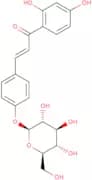


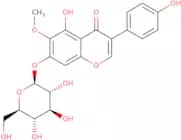
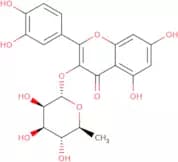


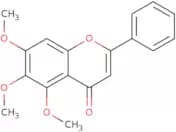
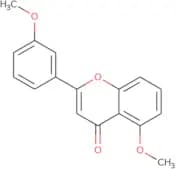
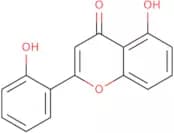


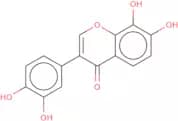

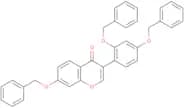


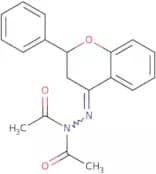
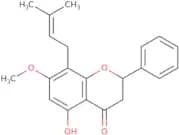
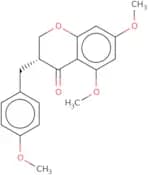


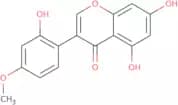


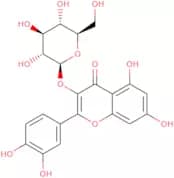
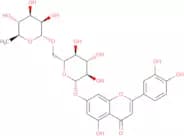


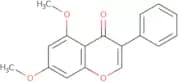
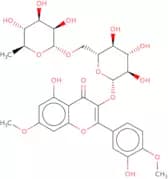
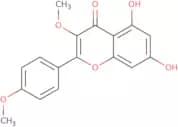
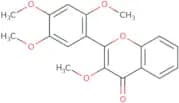

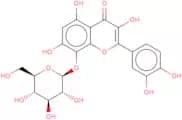
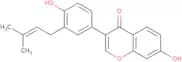


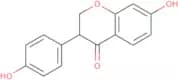
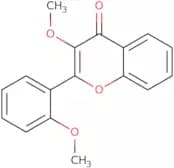

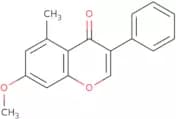
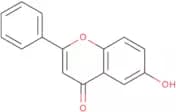
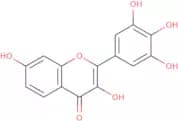

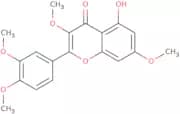


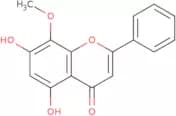
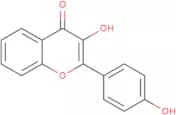

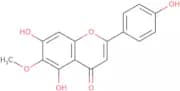
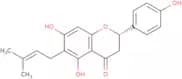
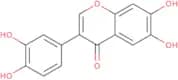
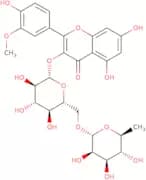

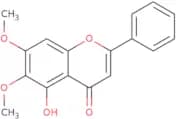
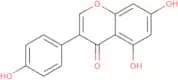

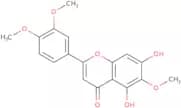

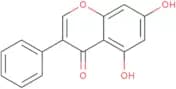

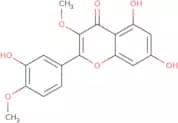
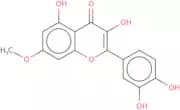

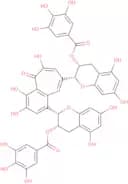
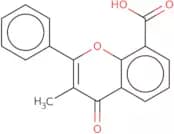
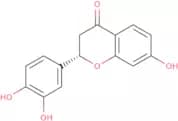

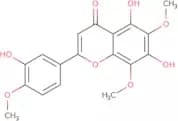


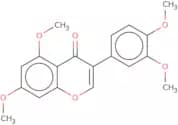

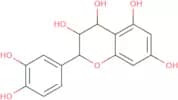

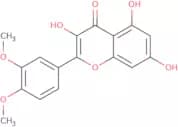

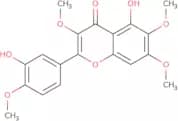


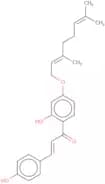

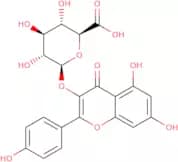
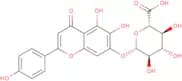

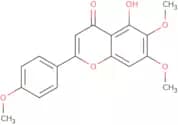


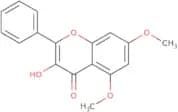

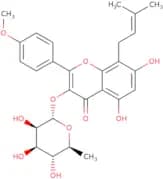
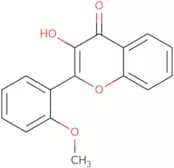

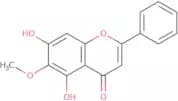
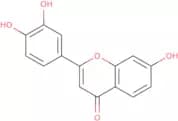
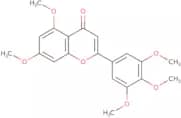
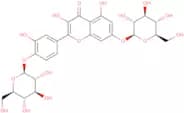
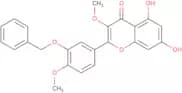

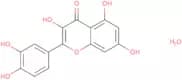
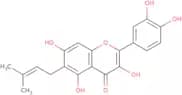


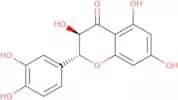
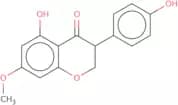

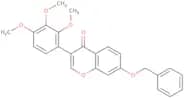
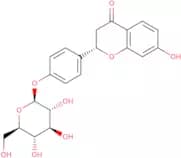
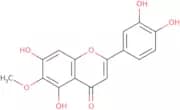
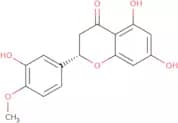
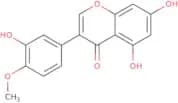
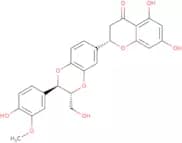
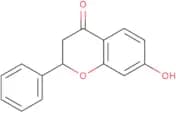

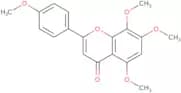

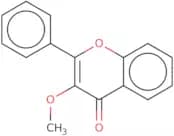


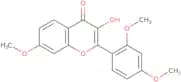


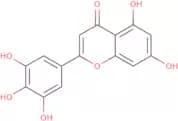
![3-(3,4-Dimethoxyphenyl)-1H-benzo[f]chromen-1-one](/_next/image/?url=https%3A%2Fstatic.cymitquimica.com%2Fproducts%2F3D%2Fthumb-webp%2FFD65660.webp&w=3840&q=75)