


Carboidratos e Glicoconjugados
Os carboidratos são compostos orgânicos formados por carbono, hidrogénio e oxigénio, cuja estrutura básica é composta por monossacarídeos. Estes podem ligar-se para formar dissacarídeos, oligossacarídeos ou polissacarídeos, dependendo do número de unidades monoméricas. Os carboidratos desempenham um papel fundamental no armazenamento de energia, na estrutura celular e na comunicação celular. Os seus derivados são utilizados em produtos farmacêuticos, como adoçantes e excipientes.
Na CymitQuimica, oferecemos uma ampla variedade de carboidratos e seus derivados para investigação e aplicações industriais.
Foram encontrados 5010 produtos de "Carboidratos e Glicoconjugados"
Ordenar por
Pureza (%)
0
100
|
0
|
50
|
90
|
95
|
100
Chitosan oligomer (Dp 3-7) hydrochloride - Molecular weight 1640
<p>Chitosan oligomer (Dp 3-7) hydrochloride is a carbohydrate with a molecular weight of 1640. It is used as a sugar and an adjuvant in vaccine development. Chitosan oligomer (Dp 3-7) hydrochloride is synthesized by the reaction of chitosan with phosphoryl chloride and has been shown to have antiviral, antibacterial, and anti-inflammatory effects.</p>Fórmula:(C6H13NO5•HCl)nPureza:Min. 95 Area-%Cor e Forma:PowderPenta-mannuronic acid sodium
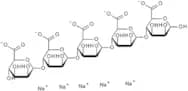
<p>b1-4 penta mannuronosaccharide-from alginate by enzyme or acid hydrolysis</p>Fórmula:C30H37O31Na5Pureza:Min. 95%Cor e Forma:White PowderPeso molecular:1,008.55 g/molIsomaltotriose
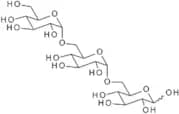
CAS:<p>Produced from high maltose syrup by treatment with transglucosidase</p>Fórmula:C18H32O16Pureza:Min. 97 Area-%Cor e Forma:White Off-White PowderPeso molecular:504.44 g/molMethyl 2-O-(a-D-mannopyranosyl)-b-D-mannopyranoside
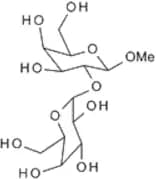
<p>Methyl 2-O-(a-D-mannopyranosyl)-b-D-mannopyranoside is a glycosylation product of mannose and glucose. It is an intermediate in the synthesis of the complex carbohydrate, methylated mannan. This compound is also an intermediate in the synthesis of saccharides with a fluorinated sugar moiety. Methyl 2-O-(a-D-mannopyranosyl)-b-D-mannopyranoside can be custom synthesized to meet your needs.</p>Fórmula:C13H24O11Pureza:Min. 95%Peso molecular:356.32 g/molD-Galactopyranosyl-(b1-3)-[N-acetylneuraminyl-(a2-6)]-D-N-acetylgalactosaminyl serine-biotin
<p>D-Galactopyranosyl-(b1-3)-[N-acetylneuraminyl-(a2-6)]-D-N-acetylgalactosaminyl serine-biotin is a Glycosylation, complex carbohydrate. It is a Methylation, Click modification, Polysaccharide. This product is Fluorinated.</p>Pureza:Min. 95%k-Carrahexaitol trisulfate trisodium salt
<p>k-carrageenan derived hexasaccharide alcohol trisulfate+(3-6 anhydrogalactose)</p>Fórmula:C36H55O37S3Na3Pureza:Min. 95%Peso molecular:1,244.97 g/molParomamine 3HCl
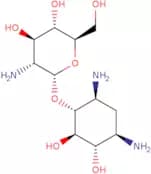
CAS:<p>Paromamine is a chemical compound that inhibits protein synthesis by enzymatic inactivation. It has been shown to have a broad spectrum of antibacterial activity against Gram-positive and Gram-negative bacteria. Paromamine also has the ability to inhibit bacterial growth at high salt concentrations, making it an attractive candidate for development as an oral antibiotic drug. Paromamine is synthesized from natural products, such as salicylaldehyde or phenylhydrazine, which are readily available and inexpensive. The reaction mechanism for the formation of paromamine starts with dehydration of the hydroxyl group on the hydrazine to form a carbonyl group. This carbonyl group reacts with sephadex g-100 to form a cyanohydrin. The cyanohydrin reacts with ammonia to form an amide bond between the two nitrogen atoms in the molecule, which forms paromamine.</p>Fórmula:C12H25N3O7·3HClPureza:Min. 95%Peso molecular:323.34 g/molMan-9 N-Glycan
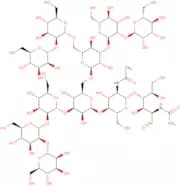
CAS:<p>Man-9 N-glycan is a glycoprotein that is found on the surface of many viruses. It has an oligosaccharide structure, which consists of a mannose and a glucose molecule linked by an alpha-1,3-glycosidic bond. The Man-9 N-glycan can be found in human serum and is involved in lectin binding to cells. It also has antiviral activity and may be used as a model system for studying glycosidic bonds. This glycan can be broken down into smaller components by methyl glycosides or titration calorimetry, which is a technique for determining the molecular weight of substances. The Man-9 N-Glycan binds to toll-like receptor 2 (TLR2) on the surface of human cells, which activates an antibody response.</p>Fórmula:C70H118N2O56Pureza:Min. 95%Cor e Forma:PowderPeso molecular:1,883.67 g/mol5-Cyclohexylpentyl-4-O-(a-D-glucopyranosyl)-b-D-glucopyranoside
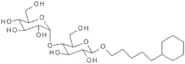
CAS:<p>The glycosylation process is a chemical reaction in which an organic molecule is attached to a sugar or other carbohydrate. The product of this process is known as a glycoside. Glycosylations are important in the synthesis of complex carbohydrates and glycoconjugates. The most common glycosidic bond that is formed is between the hydroxyl group of a saccharide (such as glucose) and the amino group of another saccharide (such as N-acetylglucosamine). The most common type of glycosylation reaction is the formation of an O-glycosidic bond between two sugars, such as glucose and N-acetylgalactosamine, to form the disaccharide lactose. There are many different types of glycosylations, including methylation, Click modification, fluorination, saccharide modification, and custom synthesis.<br>Methylation: Methylation is a chemical reaction where one or more hyd</p>Fórmula:C23H42O11Pureza:Min. 95%Cor e Forma:PowderPeso molecular:494.57 g/molChitohexaose 6HCl
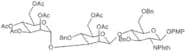
CAS:<p>Nematode glycan mediating activation of macrophages</p>Fórmula:C36H68N6O25·6HClPureza:Min. 95 Area-%Cor e Forma:White PowderPeso molecular:1,203.73 g/mol4-Methoxyphenyl 4-O-(3,6-di-O-benzyl-2-deoxy-2-phthalimido-b-D-glucopyranosyl)-3-O-benzyl-2-deoxy-6-O-(4-methoxybenzyl)-2-phthalimid o-b-D-glucopyranoside
<p>4-Methoxyphenyl 4-O-(3,6-di-O-benzyl-2-deoxy-2-phthalimido-b-D-glucopyranosyl)-3-O-benzyl-2-deoxy -6-(4methoxybenzyl)-2 phthalimid (4) is a carbohydrate compound with the molecular formula C27H32N2O9. It is a white to off white powder that has a molecular weight of 565.5 and an empirical formula of C27H32N2O9.</p>Fórmula:C64H60N2O15Pureza:Min. 95%Peso molecular:1,097.17 g/molMaltotriose - Technical
CAS:<p>Starch breakdown product</p>Fórmula:C18H32O16Pureza:Min. 90.0 Area-%Cor e Forma:PowderPeso molecular:504.44 g/mol[UL-¹³C₁₂]Sucrose
CAS:<p>Sucrose is a sugar that is used as a food additive. It is the disaccharide of glucose and fructose, which are two monosaccharides. Sucrose can be synthesized by the glycosylation of glucose and fructose in an α-1,2 linkage. Sucrose can also be synthesized by the fluorination of sucrose followed by methylation with methylamine. The synthesis of sucrose starts with the reaction of acrylonitrile with formaldehyde to produce acrylonitrile trimer, which is then reacted with methanol to produce methyl 3-hydroxybutyrate. This product undergoes a series of reactions to form sucrose.</p>Fórmula:C12H22O11Pureza:Min. 98 Area-%Cor e Forma:PowderPeso molecular:354.21 g/molDifucosyllacto-N-tetraose
<p>Difucosyllacto-N-tetraose is a lacto-n-fucopentaose that has been shown to be secreted by human milk. The index of this oligosaccharide is not significantly different between breastfed and formula-fed infants, which indicates that it is not influenced by the type of infant feed. Difucosyllacto-N-tetraose can be used as a marker for the frequency of infections in neonates and infants, because its levels are decreased in cases of infection. This oligosaccharide is also related to the diversity of oligosaccharides in colostrum, as it is one component of a subset found only in colostrum samples from healthy mothers.</p>Fórmula:C38H65NO29Pureza:Min. 95%Peso molecular:999.92 g/molZymosan A (from Saccharomyces cerevisiae)
CAS:<p>Zymosan is prepared from the cell walls of baker's yeast (Saccharomyces cerevisiae) and consists of polysaccharide chains of various molecular weights, containing approximately 73% polysaccharide, 15% protein, 7% lipid and other inorganic components. When injected into animals, it induces inflammation and has been used for many years in inflammation and immunology research. The conditions activated include components of the complement system, prostaglandins and leukotrienes, platelet aggregation factor, and lysosomal enzymes. Zymosan preparations are often insoluble but can be made soluble for separation on DE cellulose or Sepharose to produce more active fractions.</p>Dermatan sulphate tetrasaccharide ammonium salt
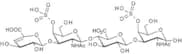
<p>Dermatan sulphate tetrasaccharide ammonium salt is a synthetic, high purity oligosaccharide that is also known as Dermatan sulfate. Dermatan sulfate is a complex carbohydrate that is composed of a repeating sequence of three monosaccharides: glucuronic acid, N-acetylgalactosamine and N-acetylglucosamine. Dermatan sulfate has been shown to have an inhibitory effect on the growth of bacteria such as Staphylococcus aureus and Mycobacterium tuberculosis. This molecule can be modified to include fluorination or methylation for custom synthesis.</p>Pureza:Min. 95%Lacto-N-tetraose - mixture with Lacto-N-neotetraose
CAS:<p>Neutral tetrasaccharide naturally present in human breast milk</p>Fórmula:C26H45NO21Pureza:Min. 95 Area-%Cor e Forma:White PowderPeso molecular:707.63 g/molN,N',N'',N''',N''''-Pentaacetyl chitopentaose
CAS:<p>Chitopentaose is a pentaacetyl derivative of the sugar chitohexaose. It is an oligosaccharide that has been shown to inhibit the activity of glycosidases and lectins, which may be due to its high affinity to these enzymes. Chitopentaose has also been found to bind to insulin receptors in the human tumor cell line A-20, leading to a reduction in tumor growth. The molecule also inhibits the transcriptional regulation of genes encoding for penicillin-binding protein, mouse tumor necrosis factor, and α1-acid glycoprotein.</p>Fórmula:C40H67N5O26Pureza:Min. 95 Area-%Cor e Forma:PowderPeso molecular:1,033.98 g/molNGA1F N-Glycan
<p>NGA1F N-Glycan is a custom synthesis, modification, fluorination, methylation, monosaccharide, synthetic glycan with a CAS No. that has been modified by the click chemistry reaction. It is an oligosaccharide that is saccharide and polysaccharide that has been glycosylated with sugar and carbohydrate.</p>Pureza:Min. 95%Benzyl 4- O- b- D- galactopyranosyl-b- D- xylopyranoside
CAS:<p>Benzyl 4-O-b-D-galactopyranosyl-b-D-xylopyranoside is a glycoside that is used in the synthesis of antibiotics. It can be found in the leaves of "Ajania cordata" and "Chenopodium ambrosioides".</p>Fórmula:C18H26O10Pureza:Min. 95%Peso molecular:402.39 g/molNeoagarodecaose
CAS:<p>Agarose is a polysaccharide found in red algae, typically Gelidium and Gracilaria. It is a strictly alternating polysaccharide of α-1,3 linked D-galactose and β-1,4 linked L-3,6 anhydrogalactose with occasional sulfation at position 6 of the anhydrogalactose residue. Agaro-oligosaccharides result from cleavage at galactose residues and neoagaro-oligosaccharides from cleavage at 3,6-anhydro residues. Neoagarodecaose is reported to have potential for novel cosmeceuticals.</p>Fórmula:C60H92O46Pureza:Min. 95%Cor e Forma:PowderPeso molecular:1,549.34 g/mol4-O-(6-O-[2-Acetamido-2-deoxy-b-D-glucopyranosyl]-b-D-galactopyranosyl)-D-glucopyranose
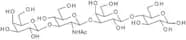
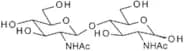
CAS:<p>Lacto-N-neotetraose is a trisaccharide composed of two galactose units and one glucose unit. It has been found to be an effective carbohydrate for the treatment of colostrum depletion in newborns. Lacto-N-neotetraose can be obtained through methanolysis, which is the hydrolysis of lactose by the addition of methanol to produce a mixture of sugars. This process is activated by ion exchange chromatography, and then hydrolyzed to produce oligosaccharides. Lacto-N-neotetraose can also be obtained from human or horse milk as 13C NMR spectroscopy shows that it is present in both species.</p>Fórmula:C20H35NO16Pureza:Min. 98 Area-%Cor e Forma:PowderPeso molecular:545.49 g/molGlycyl-Oligosaccharidesmannose 3(a)
<p>Glycyl-Oligosaccharidesmannose 3(a) (GL3(a)) is a complex carbohydrate that is composed of mannose and glycyl chains. It has been modified with methyl, click, fluorination, and saccharide modifications. GL3(a) has been synthesized using custom synthesis methods that yield high purity.</p>Fórmula:C36H62N4O26Pureza:Min. 95%Peso molecular:966.89 g/molN-Glycolylneuraminic acid-OVA
<p>N-Glycolylneuraminic acid-OVA is a custom synthesis that is an Oligosaccharide. It is Polysaccharide and Modification, saccharide, Methylation, Glycosylation, Click modification, Carbohydrate, sugar. The product has a CAS No., has a purity of ≥ 95%, and is Fluorination, Synthetic.</p>Cor e Forma:Powder(3b,14a)-3-O-b-D-glucopyranosyl-(1,2)-[b-D-xylopyranosyl-(1,3)]-b-D-glucopyranosyl-(1,4)-b-D-galacopyranosyl-(25S)-spirost-5-ene
<p>A custom synthesis of a complex carbohydrate. It is a synthetic, modified and fluorinated saccharide with a methylated monosaccharide.</p>Pureza:Min. 95%D-Lactose monohydrate
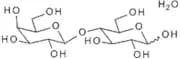
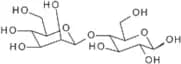
CAS:<p>Lactose is the principal sugar in human and most other mammalian milks, ( 4-O-(β-d-galactopyranosyl)-d-glucopyranose) (Collins, 2006). Lactose undergoes mutarotation; it is a reducing sugar and is significantly less soluble in water than sucrose. Lactose is much less sweet than sucrose (at ~1% about 0.15 (sucrose=1). The enzyme lactase (β-galactosidase), which is present in the small intestine, catalyzes hydrolysis of lactose to form glucose and galactose. Anhydrous lactose is an excipient, filler, diluent, and bulking agent in a wide variety of pharmaceutical tablets, capsules, powders and other preparations. Lactose also has applications as a nutrient and multi-functional ingredient in infant formulae, geriatric, dietetic and health foods (Linko, 1982).</p>Fórmula:C12H22O11·H2OPureza:Min. 96 Area-%Cor e Forma:White Off-White PowderPeso molecular:360.31 g/molHyaluronate rhodamine - Molecular Weight - 250kDa
<p>Hyaluronate Rhodamine is a synthetic, high-purity, fluorescent dye that can be used in the study of glycosylation and sugar modifications. It is a carbohydrate modified by methylation and fluorination. Hyaluronate Rhodamine has a molecular weight of 250kDa. The sugar component of the molecule is composed of an oligosaccharide with a saccharide repeat unit of 1-3 linked to a polysaccharide chain, which has been modified by methylation and glycosylation.</p>Pureza:Min. 95%4,6-O-Benzylidene-D-maltose
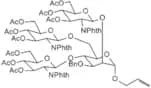
CAS:<p>4,6-O-Benzylidene-D-maltose is an oligosaccharide that is a high purity custom synthesis. It has a Click modification and can be synthesized using the Fluorination and Glycosylation reaction. 4,6-O-Benzylidene-D-maltose is soluble in water and ethanol, but insoluble in ether. This product is listed as CAS No. 93417-41-5 and has a Methylation modification. 4,6-O-Benzylidene-D-maltose is also found in saccharides, carbohydrates, and complex carbohydrates.</p>Fórmula:C19H26O11Pureza:Min. 95%Cor e Forma:PowderPeso molecular:430.4 g/molAllyl 2,4,6-tri-O-(3,4,6-tri-O-acetyl-2-deoxy-2-phthalimido-b-D-glucopyranosyl)-3-O-benzyl-a-D-mannopyranoside
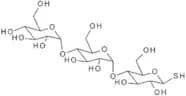
<p>Allyl 2,4,6-tri-O-(3,4,6-tri-O-acetyl-2-deoxy-2-phthalimido-b-D-glucopyranosyl)-3-O-benzyl a -D -mannopyranoside is a glycosylated oligosaccharide. It is synthesized from 3,4,6 tri O acetyl 2 deoxy 2 phthalimido b D glucopyranosyl chloride and allyl alcohol by the click reaction with sodium azide in the presence of palladium catalysis. This product has been fluorinated at the 6 position of allose. The purity of this product is high and it has been modified on the saccharide chain with methyl groups at the C1 and C2 positions of glucose. Allyl 2,4,6 tri O (3 4 6 tri O acetyl 2 deoxy 2 phthalimido b D gluc</p>Fórmula:C76H79N3O33Pureza:Min. 95%Peso molecular:1,562.44 g/mol4-O-(4-O-(α-D-Glucopyranosyl)-α-D-glucopyranosyl)-β-D-thioglucopyranose
<p>4-O-(4-O-(a-D-Glucopyranosyl)-a-D-glucopyranosyl)-b-D-thioglucopyranose is a glycosylation product of the sugar 4-O-(4-O-(a-D-glucopyranosyl)-a-D-glucopyranosyl) b -D -thioglucopyranose. It is synthesized by reaction of 4,5,6,7,8,9,10,11,12,13,14 and 15 with a 1:1 molar ratio. The product can be modified to methylated or fluorinated products using the click chemistry method.</p>Fórmula:C18H32O15SPureza:Min. 95%Peso molecular:520.5 g/mol4-Methoxyphenyl 4-O-{4-O-[[3-O-[2,4-di-O-(3,4,6-tri-O-acetyl-2-deoxy-2-phthalimido-β-D-glucopyranosyl)-3,6-di-O-benzyl-α-D-mannopyra nosyl]-4,6-O-benzylidene-2-O-levulinoyl-β-D-glucopyranosyl]]-3,6-di-O-benzyl-2-deoxy-2-phthalimido-β-D-glucopyranosyl}
<p>4-Methoxyphenyl 4-O-{4-O-[3,6-di-O-(3,4,6-tri-O-acetyl-2-deoxy-2-phthalimido-bDglucopyranosyl)-2,4,6-trihydroxybenzylidene]-aDmannopyra nosyl} -3,6diO(benzyl) -2deoxy2phthalimido -bDglucopyranoside is a high purity synthetic oligosaccharide. It is a complex carbohydrate with a high degree of polymerization. This product has been synthesized by Click modification and fluorination. The product contains an acetate group at the reducing end of the sugar chain and may be glycosylated. The CAS number for this product is</p>Fórmula:C161H160N4O48Pureza:Min. 95%Peso molecular:2,918.99 g/molBenzyl 4- O- b- D- glucuronyl-b- D- xylopyranoside
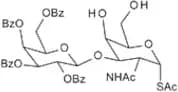
<p>Benzyl 4- O- b- D- glucuronyl-b- D- xylopyranoside is a synthetic derivative of benzyl 4- O- b- D- glucuronylxylose. It has been shown to be a good substrate for glycosylation, click modification and fluorination. This product has been custom synthesized for the synthesis of complex carbohydrate, which is an oligosaccharide. It is also used in methylation reactions.</p>Pureza:Min. 95%1-S-Acetyl-2-acetamido-3-O-(2,3,4,6-tetra-O-benzoyl-b-D-galactopyranosyl)-2-deoxy-D-thiogalactopyranose
<p>1-S-Acetyl-2-acetamido-3-O-(2,3,4,6-tetra-O-benzoyl-b-D-galactopyranosyl)-2-deoxy--D thiogalactopyranose is a custom synthesis of a complex carbohydrate. It is an Oligosaccharide that has been modified with methylation and glycosylation. This product is available in high purity and has been fluorinated for synthetic purposes.</p>Fórmula:C44H43NO15SPureza:Min. 95%Peso molecular:857.88 g/molNA2 N-Glycan
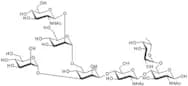
CAS:<p>NA2 is a glycan that is a specific antigen binding molecule. It binds to the CD20 receptor on the surface of human B lymphocytes, which are involved in the development of cancer and inflammatory diseases. NA2 can be used for the treatment of these diseases, as well as cancers that express CD20 receptors. NA2 is generated from endogenous molecules that have been modified by introducing galactose into the carbohydrate backbone. These molecules also form a linker with bendamustine, which is an anticancer drug.</p>Fórmula:C62H104N4O46Pureza:Min. 90%Cor e Forma:PowderPeso molecular:1,641.49 g/molA2G1 Glycan, 2-AB labelled
<p>A2G1 Glycan, 2-AB labelled is a monosaccharide which is modified with fluorine. A2G1 Glycan, 2-AB labelled is used in the synthesis of complex carbohydrate structures. It has been shown to be useful for click modification, methylation and polysaccharide synthesis. This compound can also be custom synthesized to order. The purity of this product is high and it is available in a range of CAS numbers.</p>Pureza:Min. 95%LS-tetrasaccharide c ammonium salt
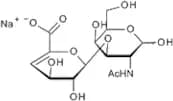
CAS:<p>Sialylated tetrasaccharide found in human milk, possible health benefits for the neonate by supporting resistance to pathogens, gut maturation, immune function, and cognitive development.</p>Fórmula:C37H62N2O29•NH3Pureza:Min. 95 Area-%Cor e Forma:White PowderPeso molecular:1,015.88 g/molChondroitin disaccharide di-0S sodium salt
CAS:<p>The structural analysis of chondroitin disaccharide di-0S sodium salt has been done by a bacterial enzyme, which is an enzyme that catalyzes the hydrolysis of glycosidic bonds. The reaction mechanism is spontaneous and the biochemical analysis indicates that the molecule is a glycosidic bond with hemiketal and hydration. The active site residues are found to be water molecule, which help in binding with the substrate to form a hemiketal. Biochemical analysis of this molecule reveals that it is an oligosaccharide with two sugar molecules linked by glycosidic bond.</p>Fórmula:C14H20NNaO11Pureza:Min. 95 Area-%Cor e Forma:PowderPeso molecular:402.31 g/mol1,5-α-L-Arabinotriose
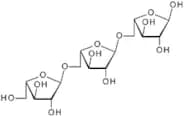
CAS:<p>1,5-α-L-Arabinotriose is a sugar that is found in the cell walls of plants. It is a trisaccharide composed of three L-arabinose units linked by α-(1→5) bonds. 1,5-α-L-Arabinotriose has been shown to be adsorbed on cellulose acetate and can be used to measure the molecular weight of the adsorbate. This sugar also undergoes optical rotations when it interacts with some dyes such as germanium tetrachloride. 1,5-α-L-Arabinotriose has many uses including: as a solute in chloride ion chromatography; as an absorbent in filtration experiments; and as a parameter for calculating thermodynamics for reactions involving hydrogen transfer.</p>Fórmula:C15H26O13Pureza:Min. 95 Area-%Cor e Forma:Clear LiquidPeso molecular:414.36 g/mol4-O-[(2-Azidoethoxyimino)-6-deoxy-β-D-galactopyranosyl]-2-deoxy-α-D-glucopyranose-2,1-oxazoline
CAS:<p>Please enquire for more information about 4-O-[(2-Azidoethoxyimino)-6-deoxy-β-D-galactopyranosyl]-2-deoxy-α-D-glucopyranose-2,1-oxazoline including the price, delivery time and more detailed product information at the technical inquiry form on this page</p>Fórmula:C16H25N5O10Pureza:Min. 95%Peso molecular:447.4 g/molAcarviosin
CAS:<p>Acarviosin is a chemical compound that is structurally related to the antimicrobial peptide Ac-LLL-Nal-OH. It is an antidiabetic agent that has been shown to be effective for the treatment of type 2 diabetes and associated cardiovascular risk factors. Acarviosin was originally isolated from a bacterial strain and has been chemically synthesized for use in the treatment of diabetes. Acarviosin inhibits both glycan synthesis and enzyme activities, leading to reduced levels of glucose in blood plasma. This drug also exhibits pharmacokinetic properties with a half-life of approximately 15 hours, which allows it to be taken once daily. Acarviosin can also be used as an analytical method for identifying disaccharides by cleaving them at the glycosidic bond, releasing monosaccharides as products.</p>Fórmula:C14H25NO8Pureza:Min. 95%Cor e Forma:PowderPeso molecular:335.35 g/molα-D-Cellobiose octaacetate
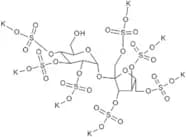
CAS:<p>Fully acetylated cellohexoses, part of a polymer homologous series of oligosaccharides isolated from cellulose by acetolysis followed by chromatography.</p>Fórmula:C28H38O19Pureza:Min. 98 Area-%Peso molecular:678.60 g/molSucrose heptasulfate potassium
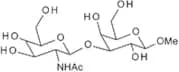
CAS:<p>Used to treat duodenal ulcers, GERD, stress ulcers; acid buffer; cytoprotective</p>Fórmula:C12H15K7O32S7Pureza:Min 80%Cor e Forma:White PowderPeso molecular:1,169.38 g/molMethyl 3-O-(2-acetamido-2-deoxy-b-D-glucopyranosyl)-b-D-galactopyranoside
CAS:<p>Substrate for b-6-GlcNAc-transferase</p>Fórmula:C15H27NO11Pureza:Min. 97 Area-%Cor e Forma:White PowderPeso molecular:397.38 g/molOligogalactosyllactose
<p>Oligogalactosyllactose is a polysaccharide made from galactose and glucose. Oligogalactosyllactose has been shown to have an inhibitory effect on the growth of Staphylococcus aureus strains. Oligogalactosyllactose also has anti-inflammatory properties, which may be due to its ability to bind to free fatty acids and reduce the production of pro-inflammatory cytokines. This dietary ingredient is found in inulin, which is a type of carbohydrate that can be found in some vegetables. Oligogalactosyllactose is composed of short chains of sugar molecules, making it easier for the body to absorb. It is also more readily metabolized by bacteria in the gut than other types of carbohydrates like celluloses or starches.</p>Pureza:Min. 95%Cor e Forma:PowderTrehalulose
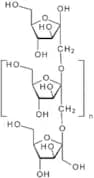
CAS:<p>Trehalulose is a sugar that is found in plants, animals, and fungi. It is a reaction product of glucose with the enzyme trehalase, which cleaves off two molecules of water to form one molecule of glucose and one molecule of trehalulose. Trehalulose has been shown to be an inhibitor of phosphofructokinase, an enzyme involved in glycolysis. This inhibition can be reversed by the addition of ATP or pyruvate kinase. Trehalulose also has been shown to inhibit the growth of cells by interfering with protein synthesis. Trehalulose may have biological functions including dietary uses as a replacement for sucrose or lactose due to its low calorie content and high level of sweetness.br>br> Trehalulose is structurally similar to sucrose because it has both a glucose part and a fructose part and it will react with hydrogen fluoride (HF) in dry weight reactions, forming trehalo-s</p>Fórmula:C12H22O11Pureza:Min. 90 Area-%Cor e Forma:Clear Viscous LiquidPeso molecular:342.3 g/molLactose SPRAY-DRIED
CAS:<p>Lactose is the principal sugar in human and most other mammalian milks, ( 4-O-(beta-d-galactopyranosyl)-d-glucopyranose). Lactose undergoes mutarotation; it is a reducing sugar and is significantly less soluble in water than sucrose. Lactose is much less sweet than sucrose (at ~1% about 0.15 (sucrose=1). The enzyme lactase (beta-galactosidase), which is present in the small intestine, catalyzes hydrolysis of lactose to form glucose and galactose. Anhydrous lactose is an excipient, filler, diluent, and bulking agent in a wide variety of pharmaceutical tablets, capsules, powders and other preparations. Lactose also has applications as a nutrient and multi-functional ingredient in infant formulae, geriatric, dietetic and health foods.</p>Fórmula:C12H22O11·H2OPureza:Min. 96 Area-%Cor e Forma:White Off-White PowderPeso molecular:360.31 g/mol3-O-(a-D-Mannopyranosyl)-D-mannopyranose
CAS:<p>Isolated from the products of the acid reversion of D-mannose</p>Fórmula:C12H22O11Pureza:Min. 95 Area-%Cor e Forma:White PowderPeso molecular:342.3 g/mol1,4-D-Xylobiose
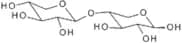
CAS:<p>1,4-D-Xylobiose, also called 4-O-(b-D-Xylopyranosyl)-D-xylopyranose, is a beta 1-4 linked disaccharide made of 2 xylose monomers. 1,4-D-Xylobiose is a low-calories sweetener that can be used as an alternative or additive to sucrose. Supplementing a high fat diet with 1,4-D-xylobiose has been shown to prevent and treat obesity in mice.</p>Fórmula:C10H18O9Pureza:Min. 95 Area-%Cor e Forma:White PowderPeso molecular:282.25 g/molChitopentaose hydrochloride
CAS:<p>Pentasaccharide derived from chitin</p>Fórmula:C30H57N5O21·5HClPureza:Min. 95 Area-%Cor e Forma:White PowderPeso molecular:1,006.01 g/molHeparin disaccharide IV-S disodium salt
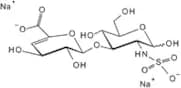
CAS:<p>Heparin is a complex carbohydrate that has been modified by the addition of a sugar and a sulfate group. It is used in the treatment of thrombosis, deep vein thrombosis, pulmonary embolism, and other blood clots. Heparin disaccharide IV-S disodium salt (HDS) is an intravenous form of heparin that consists of sodium salts of two saccharides: heparin disaccharide and sodium disulfate. HDS has been shown to be more potent than unfractionated heparin in animal models, as well as being more effective in preventing clot formation in humans. This drug also exhibits less frequent side effects such as skin rash, itching, or hives.</p>Fórmula:C12H17NO13S·2NaPureza:Min. 95%Cor e Forma:White PowderPeso molecular:461.31 g/molGM2-Ganglioside
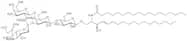
CAS:<p>GM2 ganglioside (sodium salt) has a core trisaccharide structure (GalNAcβ1,4Galβ1,4Glc) with sialic acid linked α2,3 to the central galactose residue and ceramide linked β to position 1 on the reducing terminal glucose residue (Ledeen, 2009). GM2 ganglioside is present on neuronal cells and plays a key role in the regulation of dendritogenesis in cortical pyramidal neurons. In lysosomal storage disorders, such as, Tay-Sachs and Sandhoff disease, where hexosaminases A and B are deficient, GM2 ganglioside accumulates in the nervous system (Cachon-Gonzalez, 2018). GM2 ganglioside is also overexpressed in melanomas and other tumours of neuro-ecto origin (Yoshida, 2020). Moreover, the sugar moiety of the GM2 ganglioside is a receptor allowing the viral infection of cells with reovirus and rotavirus (Zhu, 2018).</p>Pureza:Min. 96%Cor e Forma:Powdera,a-D-Trehalose dihydrate
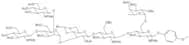
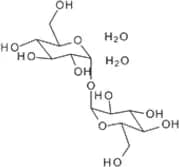
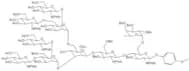
CAS:<p>Trehalose is a naturally occurring disaccharide found in many organisms. Its role in nature is as versatile as its applications in the laboratory. Trehalose is synthesised by cells in response to stress and helps retaining the cellular integrity under tough conditions. An important function of trehalose is to stabilise protein structures and to prevent proteins from their degradation. Researchers use trehalose for instance as a carbon source in selective microbiological media, as desiccation protectant and for cryoprotection.</p>Fórmula:C12H22O11·2H2OPureza:(%) Min. 98%Cor e Forma:White PowderPeso molecular:378.33 g/mol4-Methoxyphenyl 4-O-{4-O-[[2-O-Ac-3-O-[2,4-di-O-(3,4 ,6-tri-O-Ac-2-PhthN-β-D-Glc)-3,6-di-O-Bn-α-D-Man]-6-O-[3,4-di-O-Ac-2 ,6-di-O-(3,4 ,6-tri-O-Ac-2-PhthN-β-D-Glc)-α-D-Man]-β-D-Man]]-3,6-di-O-Bn -2-PhthN-β-D-Glc}-3-O-Bn-6-O-(tri-O-Bn-α-L-Fuc)-2-PhthN-β-D-
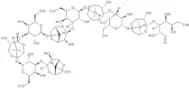
CAS:<p>This compound is a synthetic glycosylation reagent that is used for the modification of proteins and polysaccharides. It can be used to introduce various sugars and oligosaccharides to proteins, such as Methylation, Click modification, Polysaccharide, Fluorination, saccharide, Modification, sugar, Oligosaccharide. The compound has a CAS No. 946164-26-7 and is available for custom synthesis with high purity.</p>Fórmula:C201H204N6O72Pureza:Min. 95%Peso molecular:3,855.77 g/molHyaluronate rhodamine - Molecular Weight - 50kDa
<p>Hyaluronate Rhodamine is a molecule that has been modified with a fluorescent dye. Hyaluronate Rhodamine is a complex carbohydrate that has been synthesized using monosaccharides, methylation, glycosylation, and polysaccharide synthesis. It is used in the study of molecular interactions due to its high purity and fluorescence properties.</p>Pureza:Min. 95%6'-O-Sulfated Lewis A
<p>The Lewis A glycan is a complex carbohydrate that consists of a sulfated disaccharide and an oligosaccharide. The Lewis A glycan is a modification of the Lewis B glycan, which lacks the sulfate group. The saccharide component is a monosaccharide, and can be synthesized using custom synthesis or purchased from CAS No.</p>Fórmula:C20H35NO18SPureza:Min. 95%Cor e Forma:PowderPeso molecular:609.55 g/mol4-O-(β-D-Mannopyranosyl)-D-glucose
CAS:<p>4-O-(b-D-Mannopyranosyl)-D-glucose is a metabolite of D-mannose. It is a bacterial metabolite produced by Streptococcus pneumoniae that has been shown to inhibit the growth of bacteria by binding to the 50S ribosomal subunit. 4-O-(b-D-Mannopyranosyl)-D-glucose inhibits bacterial growth by binding to DNA dependent RNA polymerase, thereby preventing transcription and replication. The high frequency of human activity has been shown using a patch clamp technique on human erythrocytes. This active form is metabolized through a number of metabolic transformations, including hydrolysis by esterases or glucuronidases, oxidation by cytochrome P450 enzymes, reduction by glutathione reductase, or conjugation with glucuronic acid. Rifapentine also specifically binds to markers expressed at high levels in Mycobacter</p>Fórmula:C12H22O11Pureza:Min. 98 Area-%Cor e Forma:PowderPeso molecular:342.3 g/mol3'-N-Glycolylneuraminyl-D-lactose sodium salt
<p>3'-N-Glycolylneuraminyl-D-lactose sodium salt is a carbohydrate that has been modified by the addition of glycosylation, methylation and fluorination. It belongs to the group of complex carbohydrates and is a monosaccharide. 3'-N-Glycolylneuraminyl-D-lactose sodium salt can be used for the synthesis of oligosaccharides and polysaccharides, such as cellulose, chitin and glycogen. This product is high purity, custom synthesis and synthetic.</p>Pureza:Min. 95%3-(b-D-Glucopyranosyl)-D-mannose
<p>3-(b-D-Glucopyranosyl)-D-mannose is a sugar that is a component of the complex carbohydrate called glycosaminoglycan. It can be used in the synthesis of oligosaccharides and monosaccharides or as a modification to saccharides. 3-(b-D-Glucopyranosyl)-D-mannose is synthesized through Click modification with fluorination, glycosylation, and methylation. This sugar has CAS No. 27212-79-4 and molecular weight of 360.3 g/mol.</p>Pureza:Min. 95%Human milk sialylated oligosaccharides
<p>This mixture contains some of the sialylated oligosaccharides found in human milk.</p>Pureza:Min. 95%Cor e Forma:PowderFucosyl GM1 oligosaccharide
<p>Oligosaccharide domain of monosialylated glycosphingolipid GM1 with an α1,2-fucosylated galactose at the nonreducing end. The moluecule is minimally expressed in healthy tissues but has high prevalence in some tumours such as small cell lung cancer (SCLC). Fucosyl-GM1 ganglioside is a potential tumour marker for SCLC and a potential antigen target for immunotherapy.</p>Fórmula:C43H71N2O33NaPureza:Min. 90%Cor e Forma:White PowderPeso molecular:1,167.01 g/molα1,3-Galactobiosyl β-methyl glycoside
<p>a1,3-Galactobiosyl b-methyl glycoside is a fluorinated saccharide that possesses the same chemical structure as N-acetylgalactosamine. It has been synthesized by click modification with methyl iodide and methyl bromoacetate. The synthesis of this compound was achieved by glycosylation of galactose with 1,3-diiodo-2,2'-bithiopropane followed by methylation of the resulting glycosylation product with methyl bromoacetate to form the desired compound. This carbohydrate can be used in a variety of applications including anti-inflammatory drugs, antibiotics, and cancer treatments.</p>Fórmula:C13H24O11Pureza:Min. 95%Cor e Forma:White/Off-White SolidPeso molecular:356.32 g/mol4'-O-(a-D-Galactopyranosyl)-D-lactose
<p>4'-O-(a-D-Galactopyranosyl)-D-lactose is a synthetic and fluorinated glycoside that belongs to the class of oligosaccharides. It has a molecular weight of 474.07 Da and a chemical formula of C12H23NO8. This product is available in custom synthesis in order to meet the needs of customers. It also has been modified with methylation, monosaccharide, polysaccharide, saccharide, click modification, and complex carbohydrate modifications. This product is available at high purity with CAS No. 834-02-4 and can be ordered from our website.</p>Pureza:Min. 95%1,2,3,6-Tetra-O-acetyl-4-O-[2,4,6-tri-O-acetyl-3-O-(2-acetamido-3,4,6-tri-O-acetyl-2-deoxy-b-D-glucopyranosyl)-b-D-galactoyranosyl]- b-D-thioglucopyranose
<p>This is a custom synthesis of a complex carbohydrate. The modification, fluorination, methylation, and monosaccharide composition of this carbohydrate have been modified by the Click modification technique. This carbohydrate has the CAS No. 59057-77-4 and a molecular weight of 1,914. It is an oligosaccharide saccharide with glycosylation and sugar composition that are classified as carbohydrates.</p>Fórmula:C40H55NO25SPureza:Min. 95%Peso molecular:981.92 g/mol2-O-(β-D-Galactopyranosyl)-D-glucose
CAS:<p>2-O-(β-D-galactopyranosyl)-D-glucose is a sugar that can be custom synthesized to meet your needs. It is an oligosaccharide, polysaccharide, and carbohydrate that has been modified with methylation, glycosylation, and carbonylation. This product is available in high purity and fluorination.</p>Fórmula:C12H22O11Pureza:Min. 95%Cor e Forma:PowderPeso molecular:342.3 g/molNeu5GcAc[1Me,4789Ac]a(2-6)Gal[24Bz,3Bn]-b-MP
<p>Neu5GcAc[1Me,4789Ac]a(2-6)Gal[24Bz,3Bn]-b-MP is a custom synthesis of an oligosaccharide. This complex carbohydrate has a CAS No. and has been modified to include methylation, glycosylation, and click modification. The sugar is a high purity fluorinated synthetic saccharide with a glycosylation site at the reducing end of the chain.</p>Fórmula:C56H61NO23Pureza:Min. 95%Peso molecular:1,116.08 g/mol3-O-(b-D-Galactopyranosyl)-D-galactopyranose
CAS:<p>Used as enzyme substrates, analytical standards and for in vitro diagnostics</p>Fórmula:C12H22O11Pureza:Min. 95%Cor e Forma:White PowderPeso molecular:342.3 g/molMan-4 N-Glycan
<p>Man-4 N-glycan is an oligosaccharide that is modified with a methyl group at the 4th carbon atom. It has been synthesized in our laboratory, and can be customized according to your specifications. Man-4 N-glycan is highly pure and has a purity of 98% or higher. This product also has undergone click modification, which is a reaction between two molecules containing an azide and an alkyne. The resulting product contains a fluorine atom on the 4th carbon atom. Contact us for more information about this product.</p>Fórmula:C40H68N2O31Pureza:Min. 95%Peso molecular:1,072.96 g/molFructooligosaccharide
CAS:<p>Fructooligosaccharide is a natural carbohydrate that is used in dietary supplements and as an additive to food products. It is a prebiotic, meaning it stimulates the growth of beneficial bacteria in the colon. Fructooligosaccharide has been shown to be effective against bowel disease by up-regulating protein genes and enzyme activities. Fructooligosaccharide also has significant anti-inflammatory properties. The anti-inflammatory effects may be due to its ability to inhibit prostaglandin synthesis.</p>Pureza:Min. 95 Area-%Cor e Forma:White Powder2,2',2''-Triaminotriethylamine-bis(thiogalactopyranosyl acetamide)
<p>2,2',2''-Triaminotriethylamine-bis(thiogalactopyranosyl acetamide) is a fluorinated sugar that can be used as a building block in glycosylation and oligosaccharide synthesis. It has been shown to be useful for the preparation of complex carbohydrates with desired properties such as high purity.</p>Fórmula:C22H42N4O12S2Pureza:Min. 95%Peso molecular:618.72 g/mol2'-Fucosyllactose - Synthetic
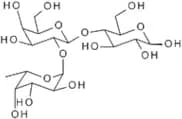
CAS:<p>2'-Fucosyllactose (2'-FL) is the most abundant human milk oligosaccharide (HMO) with multiple functions including: acting as a prebiotic, protecting against infections and inflammation, modulating the immune system, supporting brain development, and reducing the risk of necrotizing enterocolitis. The commercial availability of synthetic fucosyllactose is important because HMOs were previously only found at significant levels in human milk, however they are now available in several infant formulas. It has been given Generally Recognized As Safe (GRAS) status and the European Union has approved the use of 2'-Fucosyllactose in infant formula products (Reverri, 2018).</p>Fórmula:C18H32O15Pureza:(2'-Fucosyllactose) Min. 94.0%Cor e Forma:White PowderPeso molecular:488.44 g/mol4-Methoxyphenyl 4-O-(2,4,6-tri-O-acetyl-3-O-allyl-β-D-galactopyranosyl)-3-O-allyl-β-D-glucopyranoside
<p>4-Methoxyphenyl 4-O-(2,4,6-tri-O-acetyl-3-O-allyl-b-D-galactopyranosyl)-3-O-allyl-b-Dglucopyranoside is a synthetic sugar with a molecular weight of 532. This product can be used in the synthesis of oligosaccharides and monosaccharides. It is also used as an intermediate in glycosylation reactions. This product has not been assigned a CAS number yet.</p>Fórmula:C31H42O15Pureza:Min. 95%Peso molecular:654.66 g/mol6-O-Sulfated Lewis A
<p>6-O-sulfated Lewis A is a high purity oligosaccharide with a custom synthesis and click modification. This product has been shown to be useful in glycosylation, methylation, and saccharide modification. It is a versatile carbohydrate that can be used in the synthesis of complex carbohydrates. 6-O-Sulfated Lewis A has CAS number 70520-34-5 and an Oligo/Mono Saccharide content of >95%.</p>Fórmula:C20H35NO18SPureza:Min. 95%Cor e Forma:PowderPeso molecular:609.55 g/molLacto-N-fucopentaose III
CAS:<p>Neutral pentasaccharide naturally present in human breast milk</p>Fórmula:C32H55NO25Pureza:Min. 95%Cor e Forma:White PowderPeso molecular:853.77 g/mol4-O-(a-D-Galactopyranosyl)-D-glucopyranose
CAS:<p>Disaccharide is a carbohydrate with two simple sugars. It is soluble in water and has a density of 1.621 g/ml. Disaccharides are found in the tissues of many plants and animals, where they can be hydrolyzed by various enzymes to release monosaccharides. Disaccharides are also found in certain types of lichen and algae, where they are produced through photosynthesis. The most common disaccharides are sucrose, lactose, maltose, trehalose, and cellobiose. The simplest type of disaccharide is called a monosaccharide or sugar molecule. Monosaccarides have the same chemical formula but different physical forms that depend on their molecular mass (i.e., they may be a solid or liquid). Disaccharides can be classified as either sulfuric or organic solvent-soluble depending on whether they dissolve in sulfuric acid or an organic solvent such as ethanol or</p>Fórmula:C12H22O11Pureza:Min. 95%Cor e Forma:PowderPeso molecular:342.3 g/molLacDiNAc dimer ethylazide
<p>LacDiNAc dimer ethylazide is a modified form of LacdiNAc that has been iodinated. It is synthesized by the reaction of two molecules of LacdiNAc with ethylazide. The product has an average molecular weight of 2,000 and is the most highly purified synthetic carbohydrate available. It can be used in a wide range of applications, including click chemistry, glycosylation reactions, and fluorination synthesis.</p>Fórmula:C34H57N7O21Pureza:Min. 95%Peso molecular:899.85 g/molGalacturonan oligosaccharides DP25-DP50 sodium salt
<p>Mixed DP 25-50 Na galacturonans, (α-1,4 25-50 Na galacturonans) are derived from pectin or pectic acid, by enzymatic or partial acid hydrolysis. They are used in galacturonic acid metabolism research as a substrate to identify, differentiate, and characterize endo- and exopolygalacturonase(s) and gluconase(s). In recent studies, it has been shown that long oligogalacturonides (degree of polymerization (DP) from 25â50), help to induce plant defense signaling resulting in enhanced defenses to necrotrophic pathogens.</p>Pureza:Min. 90 Area-%Cor e Forma:PowderLactosylsphingosine
CAS:<p>Intermediate degradation product of lyso-GM3</p>Fórmula:C30H57NO12Pureza:Min. 95%Cor e Forma:PowderPeso molecular:623.77 g/mol4-Aminobutyl 1,3-a-1,6-a-D-mannotriose
<p>4-Aminobutyl 1,3-a-1,6-a-D-mannotriose is a custom synthesis that belongs to the category of oligosaccharides and polysaccharides. It is an aminotriose with a methyl group at the C4 position. The fluorinated glucose moiety and the 4-aminobutylic acid residue are in an alpha configuration. This oligosaccharide has been modified by click chemistry and features high purity. The modification was carried out by condensing the sugar with a boronic acid and then reacting this with an azide group. The resulting product is then reacted with a maleimide to create a conjugate that can be used in bioconjugation reactions.</p>Pureza:Min. 95%N-[2-Acetamido-2-deoxy-6-O-(a-L-fucopyranosyl)-D-glucopyranosyl]-L-asparagine
CAS:<p>N-[2-Acetamido-2-deoxy-6-O-(a-L-fucopyranosyl)-D-glucopyranosyl]-L-asparagine is a custom synthesis methylated oligosaccharide with a molecular weight of 732.13 Da. It has been fluorinated, modified and saccharide methylated. N-[2-Acetamido-2-deoxy-6-O-(a-L-fucopyranosyl)-D-glucopyranosyl]-L asparagine is soluble in water and has a purity of >98%. The chemical name for this compound is 2-[(5Z,6E)-5,6,7,8,9,10,11,12,13,14,15,16] -octadecahydro--[1H] -indeno[1',3':4',5]pyrrol</p>Fórmula:C18H31N3O12Pureza:Min. 95%Peso molecular:481.45 g/mol4-Methoxyphenyl 4-O-[2,6-di-O-acetyl-3-O-(2,3,4,6-tetra-O-acetyl-α-D-mannopyranosyl)-4-O-benzyl-β-D-mannopranosyl]-3,6-di-O-benzyl-2 -deoxy-2-phthalimido-β-D-glucopyranoside
<p>4-Methoxyphenyl 4-O-[2,6-di-O-acetyl-3-O-(2,3,4,6-tetra-O-acetyl-a-D-mannopyranosyl)-4-O-benzylbDmannopranosyl]-3,6diObenzyl 2 -deoxy2 -phthalimidoBglucopyranoside is a carbohydrate that belongs to the group of oligosaccharides. It is a saccharide that consists of an acetate ester and an acetal linkage. This carbohydrate has been custom synthesized for use in click chemistry. 4MPP4ODABAGMBZ is a synthetic monosaccharide with a methylation and glycosylation modification.</p>Fórmula:C66H71NO24Pureza:Min. 95%Peso molecular:1,262.26 g/mola-D-Maltose octaacetate
CAS:<p>Starch breakdown product; sweetening agent; fermentable intermediate in brewing</p>Fórmula:C28H38O19Pureza:Min. 95%Peso molecular:678.59 g/mol2-Amino-2-deoxy-3-O-(b-D-glucopyranuronosyl)-D-galactopyranose monohydrate
CAS:<p>2-Amino-2-deoxy-3-O-(b-D-glucopyranuronosyl)-D-galactopyranose monohydrate is a glycoside that is found in the testes. It has inhibitory properties on oligosaccharides and can be used to study the structure of glycoconjugates. 2-Amino-2-deoxy-3-O-(b-D-glucopyranuronosyl)-D-galactopyranose monohydrate has been shown to inhibit the enzyme hydrolase, which is involved in glycoprotein synthesis. 2ADOGP has also been shown to bind to human serum albumin, an abundant protein in human blood plasma that transports lipids, hormones, and other molecules throughout the body. This binding results in a decrease in the serum concentration of 2ADOGP after administration.</p>Fórmula:C12H21NO11H2OCor e Forma:Off-White PowderPeso molecular:373.31 g/molDextran 250 - MW: 225,000 to 275,000
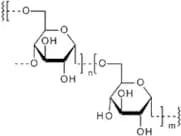
CAS:<p>Complex glucan (a 1-6) from Leuconostoc spp.; extender in blood transfusions</p>Cor e Forma:Powder3-O-(b-D-Mannopyranosyl)-D-mannopyranose
CAS:<p>Synthesized by the 4,6-O-benzylidene acetal-controlled method of Crich</p>Fórmula:C12H22O11Pureza:Min. 95%Cor e Forma:PowderPeso molecular:342.3 g/molTrifucosyl (1-2,1-2,1-3)-iso-lacto-N-octaose
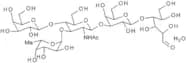
CAS:<p>Trifucosyl (1-2,1-2,1-3)-iso-lacto-N-octaose is a custom synthesis that is a complex carbohydrate. It is an oligosaccharide that contains three monosaccharides linked by alpha glycosidic bonds. This compound has been modified using methylation and glycosylation reactions. Trifucosyl (1-2,1-2,1-3)-iso-lacto-N-octaose has been fluorinated at the C6 position of the sugar ring to increase its solubility in water and enhance its stability in acid conditions. The product is a high purity synthetic compound.</p>Fórmula:C72H121N3O53Pureza:Min. 95%Cor e Forma:White PowderPeso molecular:1,876.72 g/mol1,5-a-L-Arabinobiose
CAS:<p>1,5-a-L-Arabinobiose is a sugar that is found in mammalian tissue and has been shown to have enzyme activities. It can be prepared by high performance liquid chromatography and titration calorimetry. 1,5-a-L-Arabinobiose has hydrogen bonding interactions with its neighbouring molecules and surface methodology. It also has structural analysis with hydrogen bonds and phenolic acids. 1,5-a-L-Arabinobiose is used as a probiotic bacteria growth factor in microalgal cultures.</p>Fórmula:C10H18O9Pureza:Min. 95 Area-%Cor e Forma:PowderPeso molecular:282.24 g/molNeoagarohexaose
CAS:<p>Agarose is a polysaccharide found in red algae, typically Gelidium and Gracilaria. It is a strictly alternating polysaccharide of α-1,3 linked D-galactose and β-1,4 linked L-3,6 anhydrogalactose with occasional sulfation at position 6 of the anhydrogalactose residue. Agaro-oligosaccharides result from cleavage at galactose residues and neoagaro-oligosaccharides from cleavage at 3,6-anhydro residues. Neoagarohexaose is reported to have potential for novel cosmeceuticals.</p>Fórmula:C36H56O28Pureza:Min. 98 Area-%Cor e Forma:White PowderPeso molecular:936.81 g/molGlycyl-disialyllacto-N-tetraose
<p>Glycyl-disialyllacto-N-tetraose is a complex carbohydrate that contains a glycosidic bond between two monosaccharides. It has the molecular formula C9H18O4N2O8 and CAS number 327977-92-3. This compound can be modified with methylation, glycosylation, or fluorination to increase solubility and stability. Glycyl-disialyllacto-N-tetraose is also known as Oligosaccharide, CAS No., Polysaccharide, Modification, saccharide, Methylation, Glycosylation, Click modification and Carbohydrate.</p>Fórmula:C50H83N5O37Pureza:Min. 95%Peso molecular:1,346.21 g/molD-Cellobiose
CAS:<p>Cellobiose is a reducing disaccharide consisting of two β(1-4)-linked glucopyranose units. It is produced by the hydrolysis of cellulose, a homopolysaccharide of glucose with β(1-4)-linkages. Cellobiose constitutes the polar part of cellobiose lipids (CLs) that are secreted by yeasts and mycelia fungi. Their various biological activities have led to a range of applications in the food industry, pharmaceutical industry and in medicine. Cellobiose itself has been used as an indicator carbohydrate for Crohns disease and malabsorption syndrome. In biotechnology, cellobiose is one of the sugars explored for the synthesis of biotensides.</p>Fórmula:C12H22O11Pureza:Min. 98.0 Area-%Peso molecular:342.30 g/molMaltotetraose
CAS:<p>Maltotetraose is the shortest chain oligosaccharide that can be classified as a maltodextrin. It’s a component of liquid glucose (a commercial sweetener composed of glucose, maltose, maltotriose and maltotetraose), used in bread-making industry.</p>Fórmula:C24H42O21Pureza:Min. 95 Area-%Cor e Forma:White PowderPeso molecular:666.58 g/molβ-D-Maltose octaacetate
CAS:<p>Starch breakdown product; sweetening agent; fermentable intermediate in brewing</p>Fórmula:C28H38O19Pureza:Min. 99 Area-%Peso molecular:678.60 g/mol4-O-{[(6-Azidoethoxy)ethoxy]ethyl}-β-D-galactopyranosyl-2-deoxy-α-D-glucopyranose-2,1-oxazoline
CAS:<p>Please enquire for more information about 4-O-{[(6-Azidoethoxy)ethoxy]ethyl}-β-D-galactopyranosyl-2-deoxy-α-D-glucopyranose-2,1-oxazoline including the price, delivery time and more detailed product information at the technical inquiry form on this page</p>Fórmula:C20H34N4O12Pureza:Min. 95%Peso molecular:522.5 g/molHeparin derived dp8 saccharide ammonium salt
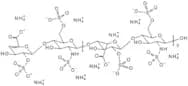
<p>Heparin is a glycosaminoglycan which is a complex carbohydrate that contains repeating disaccharide units of glucosamine and N-acetylglucosamine. Heparin has been shown to inhibit the activity of bacterial enzymes involved in fibrinolysis, such as plasminogen activator inhibitor 1 (PAI-1), and may act as an anticoagulant. Heparin is often used as an anticoagulant in patients with thrombotic disorders, including deep vein thrombosis, pulmonary embolism, or heart attack. Heparin also acts as a cofactor for the activation of clotting factors II (thrombin), VII, IX, X, XI and XII. In addition, it inhibits the activation of factor XIII by preventing its conversion from its inactive form into active factor XIIIa. The molecular weight of heparin is approximately 10 kilodaltons (kDa) and it has a molecular formula</p>Pureza:Min. 95%Cor e Forma:PowderPeso molecular:~2400 (Average)Heparin derived dp4 saccharide ammonium
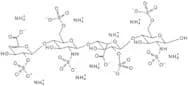
CAS:<p>Heparin is a linear sulphated polysaccharide comprising contiguous disaccharide units of a uronic acid and a derivative of 2-amino-2-deoxy-D-glucose. The heparin tetrasaccharide can be obtained from the degradation of heparin with the lyase enzymes isolated from Flavobacterium heparinum, which yields oligosaccharides terminated at the non-reducing end by the unsaturated unit, 4-deoxy-α-L-threo-hex-4-enopyranosyl uronic acid or its 2-0-sulphated derivative. The major product following lyase degradation is the trisulphated derivative DUA-2S + GlcNS-6S (unsaturated disaccharide). Other oligosaccharides such as the tetrasaccharide, illustrated below, can be produced by the lytic degradation of heparin (Moffat, 1991).</p>Fórmula:C24H40N2O39S6•(NH3)xPureza:Of Main Disaccharide Unit Approx. 75%Cor e Forma:PowderPeso molecular:Av 1200Chitosan oligomer - Molecular weight 5000 - 15000 Da
CAS:<p>Chitosan is the deacetylated form of chitin. The polysaccharide is deacetylated in order to render it soluble, which is then possible at pH values of less than 7 (normally in dilute acid). This then allows the material to be used in a number of industrial applications as a binder and film former.</p>Cor e Forma:Powder4-Aminophenyl 2,3,6-tri-O-acetyl-4-O-(2,3,4,6-tetra-O-acetyl-b-D-glucopyranosyl)-b-D-thioglucopyranoside
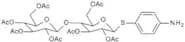
CAS:<p>4-Aminophenyl 2,3,6-tri-O-acetyl-4-O-(2,3,4,6-tetra-O-acetyl-b-D-glucopyranosyl)-b-D-thioglucopyranoside is a custom synthesis that has been fluorinated and methylated. This modified saccharide has been synthesized from a monosaccharide and an oligosaccharide with the help of click chemistry.<br>The CAS number for this product is 60515-61-9.</p>Fórmula:C32H41NO17SPureza:Min. 95%Cor e Forma:PowderPeso molecular:743.73 g/molN,N'-Diacetylchitobiose
CAS:<p>Carbon source for E. coli; inhibitor of lysozymes</p>Fórmula:C16H28N2O11Pureza:Min. 95%Cor e Forma:White PowderPeso molecular:424.4 g/molMethyl 2-O-(a-D-galactopyranosyl)-b-D-galactopyranoside
<p>Methyl 2-O-(a-D-galactopyranosyl)-b-D-galactopyranoside is a custom synthesis that is fluorinated at the 2 position. It is an oligosaccharide, polysaccharide, and carbohydrate. The product has been modified with the Click modification and has high purity. It is also a monosaccharide sugar or synthetic sugar. Methyl 2-O-(a-D-galactopyranosyl)-b-D-galactopyranoside can be used in complex carbohydrates and fluorination reactions.</p>Fórmula:C13H24O11Pureza:Min. 95%Peso molecular:356.32 g/mol2,3,6,2',3',4',6'-Hepta-O-acetyl-a-D-maltosyl bromide
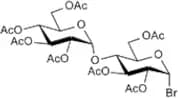
CAS:<p>2,3,6,2',3',4',6'-Hepta-O-acetyl-a-D-maltosyl bromide is a fatty acid that is isolated from the fungus Penicillium notatum. It has been shown to have anti-cancer properties by inhibiting cell proliferation and inducing cancer cell death by apoptosis. The mechanism of action has been shown to be due to its ability to inhibit the phospholipid membrane synthesis and disrupt the interaction between lipids and proteins in the membrane. This compound also inhibits the growth of cancer cells by binding with the hydroxyl group on the surface of cancer cells. 2,3,6,2',3',4',6'-Hepta-O-acetyl-a-D-maltosyl bromide has been shown to inhibit muscle cell proliferation in vitro and in vivo. This drug can be used as an alternative for treatment for cancer or other diseases that are caused by muscle</p>Fórmula:C26H35BrO17Pureza:Min. 95 Area-%Cor e Forma:White PowderPeso molecular:699.45 g/mol6-O-(a-D-[6,6'-2H2]Glucopyranosyl)-D-glucopyranose
Produto Controlado<p>6-O-(a-D-[6,6'-2H2]Glucopyranosyl)-D-glucopyranose is a synthetic glycosylation product of 6,6'-dihydroxy-[1,1'-biphenyl]-2H-glycine and D-glucose. The compound is used for the synthesis of oligosaccharides and complex carbohydrates. This product is custom synthesized to meet specific needs and can be modified with methyl groups and fluorination. It has a high purity (≥98%) and CAS number.</p>Fórmula:C12H20O11D2Pureza:Min. 95%Peso molecular:344.31 g/mol


![D-Galactopyranosyl-(b1-3)-[N-acetylneuraminyl-(a2-6)]-D-N-acetylgalactosaminyl serine-biotin](/_next/image/?url=https%3A%2Fstatic.cymitquimica.com%2Fproducts%2F3D%2Fthumb-webp%2FOG15984.webp&w=3840&q=75)



![[UL-¹³C₁₂]Sucrose](/_next/image/?url=https%3A%2Fstatic.cymitquimica.com%2Fproducts%2F3D%2Fthumb-webp%2FOS29120.webp&w=3840&q=75)



![4-O-(6-O-[2-Acetamido-2-deoxy-b-D-glucopyranosyl]-b-D-galactopyranosyl)-D-glucopyranose](/_next/image/?url=https%3A%2Fstatic.cymitquimica.com%2Fproducts%2F3D%2Fthumb-webp%2FOA05021.webp&w=3840&q=75)


![(3b,14a)-3-O-b-D-glucopyranosyl-(1,2)-[b-D-xylopyranosyl-(1,3)]-b-D-glucopyranosyl-(1,4)-b-D-galac…](/_next/image/?url=https%3A%2Fstatic.cymitquimica.com%2Fproducts%2F3D%2Fthumb-webp%2FOG74568.webp&w=3840&q=75)



![4-O-[(2-Azidoethoxyimino)-6-deoxy-β-D-galactopyranosyl]-2-deoxy-α-D-glucopyranose-2,1-oxazoline](/_next/image/?url=https%3A%2Fstatic.cymitquimica.com%2Fproducts%2F3D%2Fthumb-webp%2FOA183930.webp&w=3840&q=75)




![Neu5GcAc[1Me,4789Ac]a(2-6)Gal[24Bz,3Bn]-b-MP](/_next/image/?url=https%3A%2Fstatic.cymitquimica.com%2Fproducts%2F3D%2Fthumb-webp%2FON60601.webp&w=3840&q=75)




![N-[2-Acetamido-2-deoxy-6-O-(a-L-fucopyranosyl)-D-glucopyranosyl]-L-asparagine](/_next/image/?url=https%3A%2Fstatic.cymitquimica.com%2Fproducts%2F3D%2Fthumb-webp%2FOA29849.webp&w=3840&q=75)




![4-O-{[(6-Azidoethoxy)ethoxy]ethyl}-β-D-galactopyranosyl-2-deoxy-α-D-glucopyranose-2,1-oxazoline](/_next/image/?url=https%3A%2Fstatic.cymitquimica.com%2Fproducts%2F3D%2Fthumb-webp%2FOA183929.webp&w=3840&q=75)

![6-O-(a-D-[6,6'-2H2]Glucopyranosyl)-D-glucopyranose](/_next/image/?url=https%3A%2Fstatic.cymitquimica.com%2Fproducts%2F3D%2Fthumb-webp%2FOG11200.webp&w=3840&q=75)