Fonte Botânica
Foram encontrados 502 produtos para "Fonte Botânica".
- Preços em ordem crescente
- Preços em ordem decrescente
- Menor grau de pureza
- Maior grau de pureza
- Estimativa de entrega mais rápida
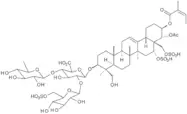
Aescin polysulphate sodium salt
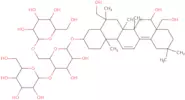
CAS:Aescin polysulphate sodium salt is a synthetic anti-inflammatory compound, designed as an enhanced version of the natural saponin, aescin, derived from horse chestnut seeds (Aesculus hippocastanum). The modification to create the polysulphate sodium salt increases the solubility and bioavailability of the compound, facilitating its absorption and effectiveness in biological systems.
Fórmula:C53H82O36S4Pureza:Min. 95%Peso molecular:1,423.46 g/molMomordicoside K
CAS:Momordicoside K is a triterpenoid saponin, which is derived from the bitter melon plant, scientifically known as *Momordica charantia*. This compound predominantly occurs in the fruit and leaves of the plant. As a phytochemical, Momordicoside K contributes to the plant’s defense mechanisms against pests and environmental stress.Fórmula:C37H60O9Pureza:Min. 95%Peso molecular:648.9 g/molCistanoside A
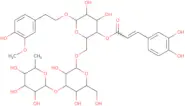
CAS:Cistanoside A is a phenylethanoid glycoside, which is a bioactive compound derived from plants of the genus Cistanche, particularly noted for their use in traditional medicine. These plants are typically found in arid regions and have been used in various cultural medicinal practices. Cistanoside A exerts its effects primarily through antioxidant and neuroprotective mechanisms. It is known to scavenge free radicals, reduce oxidative stress, and inhibit apoptosis at the cellular level, thereby offering protective benefits to neuronal cells.Fórmula:C36H48O20Pureza:Min. 95%Cor e Forma:SolidPeso molecular:800.75 g/mol11-oxo-Mogroside V
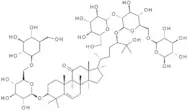
CAS:11-oxo-Mogroside V is a natural sweetener, which is a type of mogroside, sourced primarily from the fruit of Siraitia grosvenorii, commonly known as monk fruit or Luo Han Guo. This compound is part of a group of triterpene glycosides, which are responsible for the intense sweetness of monk fruit extracts, being up to several hundred times sweeter than sucrose.Pureza:Min. 95%Clinodiside D
Clinodiside D is a triterpenoid saponin, a specialized type of secondary metabolite that is isolated from various species of sea cucumbers. These marine organisms are well-known for their rich and diverse array of bioactive compounds, which they produce as a natural form of chemical defense against predators and pathogens. The mode of action of Clinodiside D involves the disruption of cellular integrity and signaling pathways within cancer cells, leading to apoptosis and inhibition of proliferation. This cytotoxic effect is achieved through the compound's ability to interact with cellular membranes and modulate key apoptotic pathways.Fórmula:C47H74O18Pureza:Min. 95%Peso molecular:927.08 g/molMemantine lactose adduct
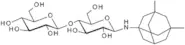
CAS:Memantine lactose adduct is a synthetic pharmaceutical compound, which is derived from memantine, a well-known NMDA receptor antagonist, conjugated with lactose. This compound is sourced through chemical synthesis processes that aim to explore alternative formulations and derivatives of memantine to enhance delivery and bioavailability.Fórmula:C24H41NO10Pureza:Min. 95%Cor e Forma:White to pale brown solid.Peso molecular:503.58 g/molClinopodiside A
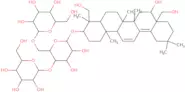
CAS:Clinopodiside A is a bioactive compound, which is a natural triterpenoid saponin isolated from plants belonging to the genus Clinopodium. This compound is sourced specifically from Clinopodium chinense, a species traditionally utilized in herbal medicine. The mode of action of Clinopodiside A primarily involves modulation of cellular processes through its interaction with cell membranes and signaling pathways, leading to various biological effects.Fórmula:C48H78O19Pureza:Min. 95%Peso molecular:959.12 g/molRebaudioside O
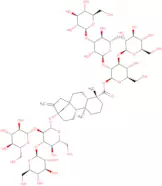
CAS:Rebaudioside O is a high-intensity sweetener, which is a steviol glycoside isolated from the leaves of the Stevia rebaudiana plant. This molecule, like other steviol glycosides, is characterized by its ability to provide a sweetening effect without the caloric contribution typical of carbohydrates. The mode of action for Rebaudioside O involves its interaction with the sweet taste receptors on the tongue, specifically the TAS1R2 and TAS1R3 receptor subtypes, which leads to the activation of sweet perception pathways in humans.Fórmula:C62H100O37Pureza:Min. 95%Cor e Forma:PowderPeso molecular:1,437.44 g/molRebaudioside N
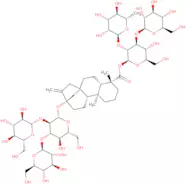
CAS:Rebaudioside N is a naturally occurring steviol glycoside, which is a type of molecule known for its sweetening properties. This compound is sourced from the leaves of the Stevia rebaudiana plant, a species native to South America renowned for its natural sweetness due to the presence of various glycosides. Rebaudioside N and other similar compounds are part of a broader category of non-caloric sweeteners that have gained attention due to their desirable taste profiles and natural origin.Fórmula:C56H90O32Pureza:Min. 95%Peso molecular:1,275.29 g/molClinopodiside G
CAS:Clinopodiside G is a natural product, specifically a triterpenoid saponin, which is derived from the plant Clinopodium chinense. This compound is extracted from the roots and aerial parts of the plant, which are traditionally used in herbal medicine. The mode of action of Clinopodiside G involves interactions with cellular membranes and proteins, which may modulate signaling pathways and exhibit various biological activities, including anti-inflammatory, antioxidant, and cytotoxic effects.Fórmula:C48H78O20Pureza:Min. 95%Peso molecular:975.12 g/molScandoside
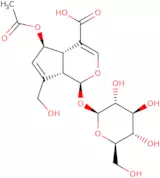
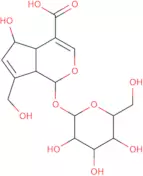
CAS:Scandoside is a bioactive compound, classified as an iridoid glycoside, which is isolated from certain plant species, particularly those belonging to the Apocynaceae and Scrophulariaceae families. This compound is sourced from the leaves and roots of these plants and has attracted scientific interest due to its diverse range of biological activities.
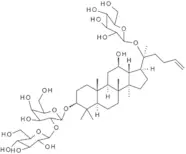
Fórmula:C16H22O11Pureza:Min. 95%Peso molecular:390.34 g/molGinsenoside Rh2
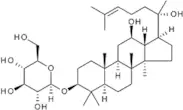
CAS:Ginsenoside Rh2 is a bioactive compound, which is a triterpenoid saponin derived from the root of the Panax ginseng plant. It operates through multiple biochemical pathways, including the modulation of cell signaling cascades such as the inhibition of cell proliferation and the induction of apoptosis in cancer cells. These actions are primarily mediated through mitochondrial pathways and involve the regulation of pro-apoptotic and anti-apoptotic proteins.Fórmula:C36H62O8Pureza:Min. 95%Cor e Forma:White PowderPeso molecular:622.87 g/molEugenol rutinoside
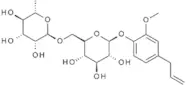
CAS:Eugenol rutinoside is a bioactive compound, which is derived from certain plant species known for their medicinal properties. It is formed by the glycosylation of eugenol, a phenolic compound, with a rutinoside sugar moiety. This derivation typically occurs in plants such as cloves and other members of the Myrtaceae family.Fórmula:C22H32O11Pureza:Min. 95%Peso molecular:472.48 g/molp-Vinylphenyl O-[b-D-apiofuranosyl-(1-6)]-b-D-glucopyranoside
CAS:p-Vinylphenyl O-[b-D-apiofuranosyl-(1-6)]-b-D-glucopyranoside is a glycoside compound, which is typically derived from plant sources. It is characterized by its unique structure, comprising a phenolic moiety linked to a disaccharide sugar chain. Glycosides like this one are commonly found in nature and are known for their diverse roles in plant metabolism and potential biological activities.Pureza:Min. 95%6-O-Acetylscandoside
CAS:6-O-Acetylscandoside is a natural compound classified as an iridoid glycoside, sourced primarily from certain plant species known for their medicinal properties. The molecular structure of this compound includes an acetyl group attached to the 6-O position of scandoside, a modification that is significant in understanding its bioactivity. Iridoid glycosides like 6-O-Acetylscandoside are secondary metabolites in plants, often implicated in defense mechanisms against herbivores and pathogens.
Fórmula:C18H24O12Pureza:Min. 95%Peso molecular:432.38 g/molClinodiside A
CAS:Clinodiside A is a triterpenoid saponin, which is a type of secondary metabolite found in certain marine sponges. The source of this compound is primarily marine organisms, particularly sponges in the genus Cliona. Clinodiside A operates through various biochemical pathways, including disrupting cell membrane integrity and inducing apoptosis in certain cell types. This mode of action is particularly relevant in the context of inhibiting cancer cell proliferation and providing antitumor activities.
Fórmula:C48H78O19Pureza:Min. 95%Peso molecular:959.12 g/molIsorebaudioside A
CAS:Isorebaudioside A is a type of steviol glycoside sweetener, which is extracted from the leaves of the Stevia rebaudiana plant. As a product of natural origin, it functions as a high-intensity sweetener by mimicking the taste of sucrose without the caloric content. Isorebaudioside A interacts with the taste receptors on the tongue, activating the sweet taste pathways. This mode of action allows it to provide a sugar-like sweetness, often considered favorable due to its clean taste profile and lack of caloric contributions.
Fórmula:C44H70O23Pureza:Min. 95%Peso molecular:967.01 g/molMomordicoside B
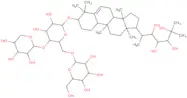
CAS:Momordicoside B is a bioactive triterpenoid saponin, which is a compound sourced from the fruit of Momordica charantia, commonly known as bitter melon. This fruit is widely studied for its role in traditional medicine and its diverse pharmacological activities. The mode of action of Momordicoside B involves the modulation of glucose metabolism pathways. It is known to influence the activity of enzymes involved in glucose utilization and insulin sensitization, providing biochemical pathways that mimic insulin activity.Fórmula:C47H80O19Pureza:Min. 95%Peso molecular:949.13 g/molGypenoside I
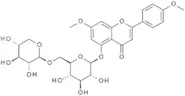
CAS:Gypenoside I is a saponin compound, which is a natural product sourced from the medicinal plant Gynostemma pentaphyllum, also known as Jiaogulan. This plant is native to Asia and has been used in traditional medicine due to its wide range of purported health benefits.Fórmula:C46H78O18Pureza:Min. 95%Peso molecular:919.1 g/mol7,4'-Di-O-methylapigenin 5-O-xylosylglucoside
CAS:7,4'-Di-O-methylapigenin 5-O-xylosylglucoside is a flavonoid glycoside, which is a naturally occurring compound derived from certain plants. It belongs to the class of flavonoids, known for their diverse biological activities. The compound is structured with a flavone core and carries xylose and glucose sugar moieties, contributing to its solubility and bioavailability.Pureza:Min. 95%

![p-Vinylphenyl O-[b-D-apiofuranosyl-(1-6)]-b-D-glucopyranoside](https://static.cymitquimica.com/products/3D/thumb-webp/OV44158.webp)