Fonte Botânica
Foram encontrados 502 produtos para "Fonte Botânica".
- Preços em ordem crescente
- Preços em ordem decrescente
- Menor grau de pureza
- Maior grau de pureza
- Estimativa de entrega mais rápida
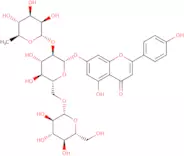
Apigenin 7-O-(2G-rhamnosyl)gentiobioside
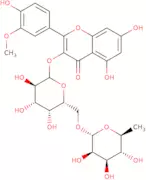
CAS:Apigenin 7-O-(2G-rhamnosyl)gentiobioside is a flavonoid glycoside, which is a compound comprised of the flavonoid apigenin linked to a sugar moiety. This compound is typically sourced from various plants, where it occurs naturally as part of the plant's secondary metabolites. The glycoside form enhances the solubility and stability of the apigenin molecule, which is essential for its biological activities.Fórmula:C33H40O19Pureza:Min. 95%Cor e Forma:SolidPeso molecular:740.66 g/molIsorhamnetin-3-O-robinobioside
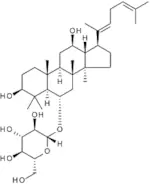
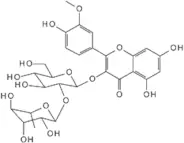
CAS:Isorhamnetin-3-O-robinobioside is a flavonoid glycoside, classified as a secondary plant metabolite. This compound is primarily sourced from various medicinal plants, where it is naturally present as a bioactive constituent. Its mode of action is predominantly based on its antioxidative properties. By scavenging free radicals and inhibiting oxidative stress, it may contribute to the stabilization of cellular environments and reduction of oxidative damage within biological systems.Fórmula:C28H32O16Pureza:Min. 95%Peso molecular:624.54 g/molGinsenoside Rh4
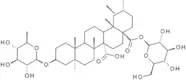
CAS:Ginsenoside Rh4 is a bioactive compound, which is a type of saponin. It is derived from Panax ginseng, a plant that has been used traditionally in herbal medicine. The mode of action of Ginsenoside Rh4 involves modulating various biochemical pathways, including anti-inflammatory and antioxidant activities. This compound influences the expression of cytokines and reactive oxygen species, contributing to its potential therapeutic effects.Fórmula:C36H60O8Pureza:Min. 95%Cor e Forma:PowderPeso molecular:620.86 g/molQuinovic acid 3-O-(6-deoxy-b-D-glucopyranoside) 28-O-b-D-glucopyranosyl ester
CAS:Quinovic acid 3-O-(6-deoxy-b-D-glucopyranoside) 28-O-b-D-glucopyranosyl ester is a natural triterpenoid glycoside, which is derived from plants belonging to the Rubiaceae family. This compound is primarily extracted from the bark of certain species, such as those from the genus *Uncaria*. With its complex glycoside structure, it acts by modulating various biochemical pathways, including anti-inflammatory and antiviral mechanisms, possibly through the inhibition of viral replication or interference with inflammatory cytokine production.Pureza:Min. 95%4-O-(α-D-Glucopyranosyl) moranoline
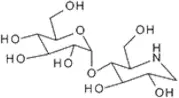
CAS:4-O-(α-D-Glucopyranosyl) moranoline is an iminosugar that functions as an effective glycosidase inhibitor, specifically targeting enzymes involved in carbohydrate metabolism. It is derived from natural sources such as mulberry leaves, where it is produced as a defense compound against herbivores. This substance interferes with the activity of α-glucosidases by mimicking the transition state of the glycosidic bond cleavage, thereby preventing the breakdown of complex carbohydrates into glucose.Fórmula:C12H23NO9Pureza:Min. 95%Cor e Forma:PowderPeso molecular:325.32 g/molEpimedin B
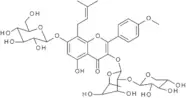
CAS:Epimedin B is a flavonoid glycoside, which is a bioactive compound extracted from the plant Epimedium, commonly known as "Horny Goat Weed." This compound belongs to a group of naturally occurring molecules that are known for their diverse pharmacological properties. The primary mode of action of Epimedin B involves interaction with various signaling pathways in the body, notably influencing nitric oxide synthesis, which plays a critical role in vasodilation and blood flow regulation.
Fórmula:C38H48O19Pureza:Min. 95%Cor e Forma:Yellow SolidPeso molecular:808.78 g/molDehydroadynerigenin glucosyldigitaloside
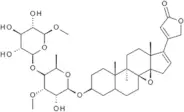
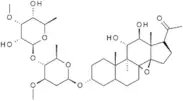
CAS:Dehydroadynerigenin glucosyldigitaloside is a cardiac glycoside, which is derived from specific plant sources, particularly found in species of the Digitalis genus. These compounds have a strong affinity for cardiac tissues. The primary mode of action involves the inhibition of the sodium-potassium ATPase enzyme. This inhibition increases intracellular sodium levels, which subsequently leads to an elevated intracellular calcium concentration via the sodium-calcium exchange mechanism. The increased calcium availability enhances cardiac muscle contractility, resulting in improved cardiac output.Pureza:Min. 95%Momordicoside L
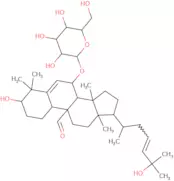
CAS:Momordicoside L is a triterpenoid saponin, which is a class of chemical compounds predominantly found in plants. It is derived from Momordica charantia, commonly known as bitter melon, a plant which has been traditionally utilized in various medicinal practices. The mode of action of Momordicoside L involves its capacity to influence cellular pathways, particularly through the modulation of glucose metabolism and potential anti-inflammatory effects. This is achieved via the interaction with specific cellular receptors, thereby impacting signal transduction processes.
Fórmula:C36H58O9Pureza:Min. 95%Peso molecular:634.8 g/molCamelliaside B
CAS:Camelliaside B is a bioactive compound, which is a glycosylated flavonoid derived from the leaves of *Camellia sinensis*, the tea plant. It functions through its antioxidant properties, scavenging free radicals and reducing oxidative stress in biological systems. The molecular structure of Camelliaside B allows it to interact with cellular components, providing protective effects against reactive oxygen species.Fórmula:C32H38O19Pureza:Min. 95%Peso molecular:726.63 g/molTenacigenoside A
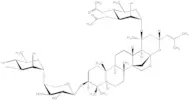
CAS:Tenacigenoside A is a glycoside compound, which is derived from the plant genus Marsdenia, often found in traditional Chinese medicine. It is primarily sourced from the roots and leaves of Marsdenia tenacissima, a plant known for its diverse range of bioactive compounds. The mode of action of Tenacigenoside A involves the modulation of cellular pathways, including apoptosis and cell cycle arrest, suggesting its potential role in influencing various biological processes.Pureza:Min. 95%Phloretin-3-hydroxy-2'-O-glucoside
CAS:Phloretin-3-hydroxy-2'-O-glucoside is a naturally occurring polyphenolic compound, specifically a type of dihydrochalcone. It is derived primarily from apples, where it is present as a glycoside form of phloretin. The compound's mode of action involves its strong antioxidant properties, scavenging free radicals, and reducing oxidative stress within biological systems. This capability plays a critical role in protecting cellular components from damage and preserving cellular integrity.
Fórmula:C21H24O11Pureza:Min. 95%Peso molecular:452.41 g/molRebaudioside B
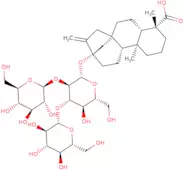
CAS:Rebaudioside B is a type of steviol glycoside, which is a naturally occurring compound extracted from the leaves of the Stevia rebaudiana plant. This plant, native to Paraguay, is known for its intensely sweet leaves, which have been utilized for centuries by indigenous peoples for sweetening purposes.
Fórmula:C38H60O18Pureza:Min. 95%Peso molecular:804.87 g/molRebaudioside J
CAS:Rebaudioside J is a non-caloric sweetener, which is a purified glycoside derived from the Stevia rebaudiana plant. The Stevia plant, native to South America, is well known for its sweet-tasting compounds, mainly the steviol glycosides. Rebaudioside J is one of these glycosides, specifically noted for its high sweetness intensity and favorable taste profile compared to other steviol glycosides.
Fórmula:C50H80O27Pureza:Min. 95%Peso molecular:1,113.16 g/molCalendoflavoside
CAS:Calendoflavoside is a flavonoid-based compound, which is an extract derived from the calendula plant, known for its rich flavonoid content. It functions primarily through the modulation of inflammatory pathways, acting on specific signaling molecules to reduce inflammation and oxidative stress. This mode of action is particularly valuable in therapeutic contexts, as it allows Calendoflavoside to target and mitigate inflammation at the cellular level.
Fórmula:C28H32O16Pureza:Min. 95%Cor e Forma:SolidPeso molecular:624.54 g/molFormononetin 7-O-glucoside-6''-O-malonate
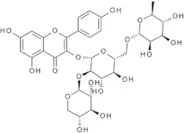
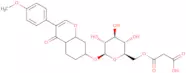
CAS:Formononetin 7-O-glucoside-6''-O-malonate is a naturally occurring flavonoid compound, which is often derived from various plant sources, particularly those in the legume family. It is a malonylated glucoside derivative of formononetin, a well-known isoflavone. This compound plays a significant role in the plants' defense mechanisms and contributes to their physiological processes.Fórmula:C25H24O12Pureza:Min. 95%Cor e Forma:PowderPeso molecular:516.45 g/molLuteolin-7-O-neohesperidoside
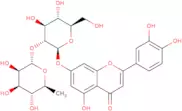
CAS:Luteolin-7-O-neohesperidoside is a flavonoid glycoside, which is predominantly derived from various plant sources, particularly those belonging to the families Rosaceae and Lamiaceae. It is structurally characterized by the attachment of luteolin to a neohesperidose sugar moiety, which alters its solubility and bioavailability properties. The mode of action of Luteolin-7-O-neohesperidoside involves its capacity to act as a potent antioxidant, scavenging free radicals and protecting cells from oxidative stress. It also demonstrates anti-inflammatory properties by inhibiting key enzymes and signaling pathways involved in inflammatory responses.
Fórmula:C27H30O15Pureza:Min. 95%Peso molecular:594.5 g/molIsobetanin
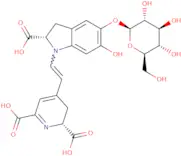
CAS:Isobetanin is a betalain pigment, which is a natural compound derived from the red beetroot (Beta vulgaris). As a member of the betalain family, it specifically belongs to the betacyanin subgroup, which imparts red-violet coloration. Its mode of action centers on its ability to act as an antioxidant, effectively scavenging free radicals and protecting cells from oxidative damage.Fórmula:C24H26N2O13Pureza:Min. 95%Peso molecular:550.47 g/molNeobetanin
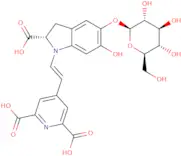
CAS:Neobetanin is a naturally occurring pigment, which is a type of betalain compound derived primarily from beetroot (Beta vulgaris). As a phytochemical, its molecular structure possesses characteristic conjugated double bonds that confer both distinct coloration and free radical scavenging abilities.Fórmula:C24H24N2O13Pureza:Min. 95%Cor e Forma:PowderPeso molecular:548.45 g/molZiziphin
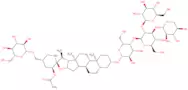
CAS:Ziziphin is a triterpene glycoside which exhibits taste-modifying properties and derives from the leaves of Ziziphus jujuba (Rhamnaceae). In a study, Ziziphin was up to 4 times more active in suppressing the sweet taste of sucrose than other anti-sweet constituents (Suttisri, 1995). Ziziphin suppressed the sweetness induced by D-glucose, D-fructose, stevioside, glycine, sodium saccharin, aspartame and naringin dihydrochalcone. Ziziphin however showed no uppressive effect on the sour taste of hydrochloric acid and the bitter taste of quinine, indicating that ziziphin is highly specific to the sweet taste (Kurihara, 1992). Ziziphin was found to inhibit the sweet taste receptors in humans (Smith, 1983) by a mechanism known as taste modification. In comparison with known gymnemic acids, effects suggest that net dissociation of ziziphins from taste receptor membranes and/or inactivation in the membrane may be much faster than with gymnemic acids (Mahajan, 2009).Fórmula:C51H80O18Pureza:Min. 95%Peso molecular:981.17 g/molEsculeoside A
CAS:Spirosolane-type steroidal alkaloid glycoside found in ripe cherry tomatoFórmula:C58H95NO29Pureza:Min. 95%Cor e Forma:PowderPeso molecular:1,270.37 g/mol