Fonte Botânica
Foram encontrados 502 produtos para "Fonte Botânica".
- Preços em ordem crescente
- Preços em ordem decrescente
- Menor grau de pureza
- Maior grau de pureza
- Estimativa de entrega mais rápida
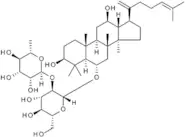
Ginsenoside Rg6
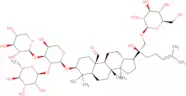
CAS:Ginsenoside Rg6 is a saponin compound, which is a naturally occurring glycoside found in the plant species Panax ginseng. Ginsenosides are the active pharmacological components of ginseng, recognized for their diverse bioactive properties. Ginsenoside Rg6 specifically acts by modulating multiple signaling pathways, exhibiting effects such as anti-inflammatory and antioxidant actions. It interacts with cellular mechanisms to inhibit the production of pro-inflammatory cytokines and reactive oxygen species.Fórmula:C42H70O12Pureza:Min. 95%Cor e Forma:White PowderPeso molecular:767 g/molSteviol glycosides
CAS:Steviol glycosides are natural sweeteners, which are extracted from the leaves of the Stevia rebaudiana plant with glycosidic compounds as their principal components. These compounds interact with taste receptors on the tongue, specifically the T1R2 and T1R3 proteins, to produce a sweet sensation via non-caloric pathways, as they do not undergo the metabolic processes typical of carbohydrates. Steviol glycosides' primary use is in the food and beverage industry as a non-caloric sugar alternative, facilitating reduced sugar formulations while maintaining sweetness. They are also employed in pharmaceuticals and dietary supplements, where reduced caloric intake is desired. Due to their high-intensity sweetness and stability under heat and pH variations, steviol glycosides are preferred in various formulations, including baked goods and carbonated beverages. Their natural origin and metabolic neutrality offer advantages for developing health-conscious products.Pureza:Min. 95%Cor e Forma:PowderJujuboside B
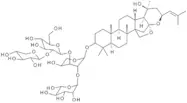
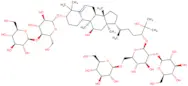
CAS:Jujuboside B is a bioactive compound, which is a triterpenoid saponin derived from the seeds of Ziziphus jujuba, known as the jujube plant. This compound is primarily found in the plant’s seeds and is extracted using various chromatography techniques. Jujuboside B exhibits its mode of action through modulation of neurotransmitter systems and antioxidative defense mechanisms, which contribute to its neuroprotective and anxiolytic effects. Additionally, it influences the GABAergic system, enhancing gamma-aminobutyric acid (GABA) neurotransmission.
Fórmula:C52H84O21Pureza:Min. 95%Cor e Forma:PowderPeso molecular:1,045.21 g/molGinsenoside Rb3
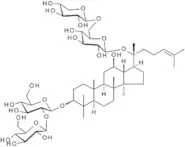
CAS:Ginsenoside Rb3 is a natural saponin compound, which is a type of ginsenoside derived from the root of Panax ginseng. The source of Ginsenoside Rb3, Panax ginseng, is a perennial plant widely utilized in traditional medicine for its pharmacological properties.
Fórmula:C53H90O22Pureza:Min. 95%Cor e Forma:PowderPeso molecular:1,079.27 g/molHederacoside C
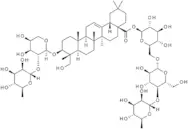
CAS:Hederacoside C is a bioactive triterpenoid saponin, which is isolated from the leaves of the common ivy plant, *Hedera helix*. These saponins have been a subject of scientific study due to their significant pharmacological properties. The mode of action of Hederacoside C involves its ability to reduce the viscosity of mucus, facilitating its expulsion from the respiratory tract. This is achieved through its expectorant properties, which stimulate bronchial secretions and improve mucociliary clearance, making it particularly valuable in the treatment of respiratory disorders.
Fórmula:C59H96O26Pureza:Min. 98 Area-%Cor e Forma:PowderPeso molecular:1,221.38 g/molHydroxysafflor yellow A
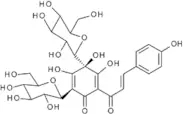
CAS:Anti-inflammatory; antioxidant; anti-cancer agent; neuroprotectiveFórmula:C27H32O16Pureza:Min. 95%Cor e Forma:PowderPeso molecular:612.53 g/molMomordicoside A
CAS:Momordicoside A is a triterpenoid saponin, which is isolated from the fruit and other parts of the bitter melon plant, scientifically known as *Momordica charantia*. This compound is derived through meticulous extraction and purification processes from the plant, which is renowned for its diverse array of bioactive phytochemicals.Fórmula:C42H72O15Pureza:Min. 95%Cor e Forma:PowderPeso molecular:817.01 g/molPlantamajoside
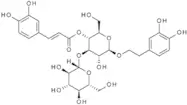
CAS:Plantamajoside is a phenylethanoid glycoside isolated primarily from Plantago asiatica, which is a perennial herb known for its pharmacological benefits. This compound functions through its anti-inflammatory and antioxidant properties, effectively modulating pathways such as the NF-κB signaling and scavenging reactive oxygen species (ROS). These mechanisms contribute to its potential therapeutic effects in managing inflammation and oxidative stress-related conditions.Fórmula:C29H36O16Pureza:Min. 95%Cor e Forma:PowderPeso molecular:640.59 g/molPinoresinol diglucopyranoside
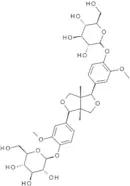
CAS:Pinoresinol diglucopyranoside is a lignan glycoside, which is a type of polyphenolic compound. It is predominantly sourced from various plant species, including flaxseeds, sesame seeds, and olives. This compound is distinguished by its intricate glycosidic linkages, which play a crucial role in its biological activity.Fórmula:C32H42O16Pureza:Min. 95%Cor e Forma:White PowderPeso molecular:682.67 g/molIsomogroside V
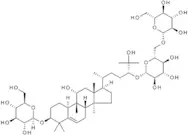
CAS:Isomogroside V is a natural non-caloric sweetener, which is extracted from the fruit of Siraitia grosvenorii, commonly known as monk fruit or luo han guo. This compound belongs to the family of mogrosides, which are glycosylated triterpenoids. The mode of action of Isomogroside V is primarily through its interaction with the sweet taste receptors on the human tongue, specifically the TAS1R2/TAS1R3 receptor complex, where it induces a perception of sweetness with a potency significantly higher than sucrose.Fórmula:C60H102O29Pureza:Min. 95%Peso molecular:1,287.45 g/molSalireposide
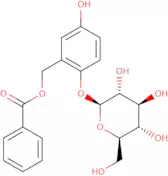
CAS:Salireposide is a phytochemical compound, specifically classified as a glucoside. It is derived from Salix species, commonly known as willows. This compound has been identified in the bark and other parts of these plants, where it occurs naturally.Fórmula:C20H22O9Pureza:Min. 95%Cor e Forma:PowderPeso molecular:406.38 g/molDelphinidin 3-sambubioside chloride
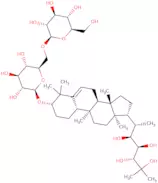
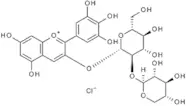
CAS:Delphinidin 3-sambubioside chloride is a natural anthocyanin, which is a type of plant-derived flavonoid pigment. It is commonly sourced from various fruits and flowers, contributing to their vivid coloration. The mode of action of this compound primarily involves its antioxidant capabilities. It stabilizes free radicals, thus reducing oxidative stress within cells.Fórmula:C26H29O16·ClPureza:(Hplc) Min. 90%Cor e Forma:PowderPeso molecular:632.95 g/molMogroside III
CAS:Mogroside III is a natural sweetener, which is derived from the fruit of Siraitia grosvenorii, commonly known as monk fruit. This compound belongs to the mogrosides, a group of triterpene glycosides that are primarily responsible for the fruit's intense sweetness.Fórmula:C48H82O19Pureza:Min. 95%Cor e Forma:Colorless PowderPeso molecular:963.15 g/mola-Acetyl digoxin
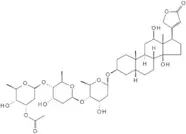
CAS:a-Acetyl digoxin is a metabolite of digoxin, a type of cardiac glycoside. It is derived from the parent compound digoxin, which is sourced from the leaves of the Digitalis plant. The modification at the acetyl position renders this metabolite with altered biological properties compared to the original compound. a-Acetyl digoxin acts through inhibition of the Na⁺/K⁺-ATPase pump, similar to digoxin, but does so with significantly reduced activity.Fórmula:C43H66O15Pureza:Min. 95%Peso molecular:822.98 g/moltrans-Zeatin-9-glucoside-o-glucoside
CAS:trans-Zeatin-9-glucoside-o-glucoside is a cytokinin derivative, which is a type of plant hormone involved in various growth and developmental processes. This compound is sourced from the metabolic conversion of natural cytokinins in plants. It is formed through the glycosylation of zeatin, a naturally occurring cytokinin, adding two glucose molecules.Fórmula:C22H33N5O11Pureza:Min. 95%Peso molecular:543.52 g/molGypenoside XLIX
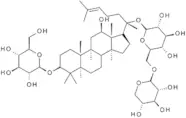
CAS:Gypenoside XLIX is a saponin compound, which is derived from the plant Gynostemma pentaphyllum, commonly known as Jiaogulan. This plant is a valuable source of various gypenosides, which are structurally similar to ginsenosides found in ginseng. Gypenoside XLIX acts primarily through modulating cellular pathways, including antioxidative, anti-inflammatory, and apoptotic processes. It interacts with cell signaling mechanisms, potentially influencing metabolic and cardiovascular health.Fórmula:C52H86O21Pureza:Min. 95%Peso molecular:1,047.23 g/mol4-Hydroxy-2-methoxyphenol 1-O-(6-O-syringoyl)glucoside
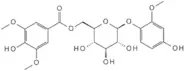
CAS:4-Hydroxy-2-methoxyphenol 1-O-(6-O-syringoyl)glucoside is a phenolic glycoside, which is derived from plant sources, particularly in certain tree barks and leaves known for their rich polyphenolic content. This compound is a conjugate of glucoside and syringoyl moieties, contributing to its unique structural and functional properties. The mode of action of this compound involves its ability to act as an antioxidant, likely through electron donation that neutralizes free radicals, thereby mitigating oxidative stress within biological systems.Fórmula:C22H26O12Pureza:Min. 95%Peso molecular:482.43 g/molQuercetin 3-O-gentiobioside
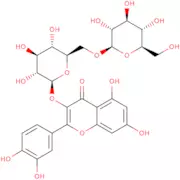
CAS:Quercetin 3-O-gentiobioside is a flavonoid glycoside, which is a plant-derived compound known for its potential health benefits. This compound is predominantly sourced from various plant species, where it functions as part of the plant's defense mechanisms. The mode of action of Quercetin 3-O-gentiobioside primarily involves its antioxidant properties, allowing it to scavenge free radicals and reduce oxidative stress within biological systems.Fórmula:C27H30O17Pureza:Min. 95%Cor e Forma:Yellow PowderPeso molecular:626.52 g/molGypenoside IX
CAS:Gypenoside IX is a saponin compound, which is extracted from the Gynostemma pentaphyllum plant. This source is a perennial climbing herb known for its extensive use in traditional medicine throughout Asia. The mode of action of Gypenoside IX involves modulation of various signaling pathways, such as AMPK and PI3K/Akt, which play significant roles in cellular energy homeostasis and apoptotic processes.
Pureza:Min. 95%(-)-Syringaresinol-4''-O-b-D-monoglucopyranoside
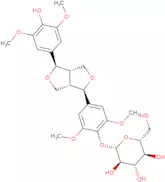
CAS:(-)-Syringaresinol-4''-O-b-D-monoglucopyranoside is a lignan compound, which is a type of phenolic derivative found in plants. It is typically isolated from various plant species, where it plays a role in plant defense and structural integrity. The compound possesses a complex chemical structure, characterized by the presence of a glucose moiety linked to the syringaresinol core.Fórmula:C28H36O13Pureza:Min. 95%Peso molecular:580.58 g/mol