Monossacáridos
Monossacarídeos são a forma mais simples de carboidratos e servem como building blocks fundamentais para açúcares mais complexos e polissacarídeos. Essas moléculas de açúcar único desempenham papéis críticos no metabolismo energético, na comunicação celular e nos componentes estruturais das células. Nesta seção, você encontrará uma ampla variedade de monossacarídeos essenciais para pesquisas em bioquímica, biologia molecular e glicociência. Esses compostos são cruciais para estudar vias metabólicas, processos de glicosilação e desenvolvimento de agentes terapêuticos. Na CymitQuimica, oferecemos monossacarídeos de alta qualidade para apoiar suas necessidades de pesquisa, garantindo precisão e confiabilidade em suas investigações científicas.
Subcategorias de "Monossacáridos"
- Aloses(11 produtos)
- Arabinoses(21 produtos)
- Eritroses(11 produtos)
- Frutoses(9 produtos)
- Fucoses(36 produtos)
- Galactosamina(41 produtos)
- Galactoses(260 produtos)
- Glucoses(365 produtos)
- Ácidos Glucurónicos(51 produtos)
- Glico-substratos para enzimas(77 produtos)
- Guloses(6 produtos)
- Idoses(4 produtos)
- Inositóis(15 produtos)
- Lixoses(4 produtos)
- Mannoses(65 produtos)
- O-Glicanos(48 produtos)
- Psicoses(3 produtos)
- Ramnoses(10 produtos)
- Riboses(61 produtos)
- Ácidos siálicos(100 produtos)
- Sorboses(4 produtos)
- Açúcares(173 produtos)
- Tagatoses(4 produtos)
- Taloses(8 produtos)
- Xiloses(20 produtos)
Exibir 17 mais subcategorias
Foram encontrados 6088 produtos de "Monossacáridos"
Ordenar por
Pureza (%)
0
100
|
0
|
50
|
90
|
95
|
100
2-Acetylamino-3,4-O-benzylidene-2-deoxy-D-arabino-1,4-lactone
<p>2-Acetylamino-3,4-O-benzylidene-2-deoxy-D-arabino-1,4-lactone is a synthetic compound that is used to modify the carbohydrate chains in Glycopeptides. This modification can be done by either fluorination or methylation. The click modification has been shown to be effective for complex carbohydrates such as oligosaccharides and polysaccharides.</p>Pureza:Min. 95%(1S) -1- [(2S, 3S,4R) -4-Hydroxymethyl-3- hydroxy- N-methyl-1- azetidinyl] -1, 2- ethanediol
<p>(1S) -1- [(2S, 3S,4R) -4-Hydroxymethyl-3- hydroxy- N-methyl-1- azetidinyl] -1, 2- ethanediol is a synthetic sugar that can be used as a glycosylation or methylation agent. It is a white powder with a molecular weight of 342. The purity of this product is > 98%. This product has CAS No. 517862-65-8.</p>Pureza:Min. 95%1,3,4-Tri-O-acetyl-2-deoxy-2-fluoro-α-L-fucopyranose
CAS:<p>Fucosyltransferase inhibitor, peracetylated to improve cell permeability</p>Fórmula:C12H17FO7Pureza:Max. 5%Cor e Forma:PowderPeso molecular:292.26 g/mol(2R, 3S, 4S) - 1- Butyl-3-fluoro-4- (hydroxymethyl) - 2- azetidinecarboxylic acid N-methylamide
<p>(2R, 3S, 4S) - 1- Butyl-3-fluoro-4- (hydroxymethyl) - 2- azetidinecarboxylic acid N-methylamide is a fluorinated monosaccharide that is synthesized from the reaction of methyl acetoacetate and formaldehyde. The compound is used in glycosylation reactions to produce oligosaccharides or polysaccharides. This product has been modified with a click chemistry reaction to produce a new sugar that can be used in the synthesis of complex carbohydrates. The purity of this product is > 98%.</p>Pureza:Min. 95%[2S- (2a, 3b, 4a, 5b) ] - 1-Benzyl - 2-methyl-3, 4, 5- piperidinetriol
<p>This product is a custom synthesis. It is a fluorinated, modified monosaccharide that has been synthesized by click chemistry and contains an O-glycosyl group. This product can be used in the synthesis of glycosylated polysaccharides and oligosaccharides, or as a building block for modification of complex carbohydrates to produce new compounds with novel properties, such as fluorescence.</p>Pureza:Min. 95%1,2-Di-O-acetyl-3,4,6-tri-O-benzyl-b-D-galactopyranoside
CAS:<p>1,2-Di-O-acetyl-3,4,6-tri-O-benzyl-b-D-galactopyranoside is a synthetic glycosylate sugar. It is a high purity material that can be custom synthesized to meet your needs. This product has been modified with a fluorine atom at the 3' position of the sugar. It is an Oligosaccharide that is useful in the synthesis of complex carbohydrates. It is also used in Click chemistry and can be methylated or acetylated.</p>Fórmula:C31H34O8Pureza:Min. 95%Cor e Forma:White PowderPeso molecular:534.6 g/mol2-Azido-2-deoxy-3,5-O-benzylidene-D-lyxono-1,4-lactone
<p>2-Azido-2-deoxy-3,5-O-benzylidene-D-lyxono-1,4-lactone is a custom synthesis that is methylated with an azide group. It has been modified with a click reaction to attach an oligosaccharide or polysaccharide and then fluorinated. The modification of this product is not limited to methylation, but includes many other modifications such as fluoroquinolone resistance. 2-Azido-2-deoxy-3,5-O-benzylidene -D-lyxono--1,4--lactone can be used for the preparation of complex carbohydrates. This product can also be used in the synthesis of monosaccharides and sugars.</p>Pureza:Min. 95%(2R, 3S, 4S, 5R) -3-Hydroxy- 5- [(methylamino) carbonyl] - 4- (phenylmethoxy) - 2- [(phenylmethoxy) methyl] -1- pyrrolidinecarboxyli c acid 1, 1- dimethylethyl ester
CAS:<p>(2R, 3S, 4S, 5R) -3-Hydroxy- 5- [(methylamino) carbonyl] - 4- (phenylmethoxy) - 2- [(phenylmethoxy) methyl] -1- pyrrolidinecarboxylic acid 1, 1-dimethylethyl ester is a synthetic modification of the sugar maltose. It is a highly pure and custom synthesis that is fluorinated and methylated. It has been modified with glycosylation and click chemistry.</p>Fórmula:C26H34N2O6Pureza:Min. 95%Peso molecular:470.56 g/mol2,4-Anhydro-3,5:6,7-di-O-isopropylidene-D-glycero-D-gulo-heptonic acid benzylamide
<p>2,4-Anhydro-3,5:6,7-di-O-isopropylidene-D-glycero-D-gulo-heptonic acid benzylamide is a glycosylation agent that is used in the synthesis of complex carbohydrate. It can be methylated and fluorinated to produce saccharides with desired properties. It also has a variety of chemical modifications for use as a synthetic sugar or oligosaccharide. 2,4-Anhydro-3,5:6,7-di-O-isopropylidene-D-glycero-D -gulo heptonic acid benzylamide is typically synthesized in high purity for use in pharmaceuticals or other applications requiring high purity.</p>Pureza:Min. 95%2, 5- Anhydro- 3- [(2, 5- anhydro- 3- azido- 3- deoxy- 4- O- tert.butyldimethylsilyl- L- xylonoyl) amino] - 3- deoxy- 4- O- tert but yldimethylsilyl-D-xylonic acid methyl ester
<p>2, 5-Anhydro-3- [(2, 5- anhydro- 3-azido- 3-deoxy- 4-O-tert.butyldimethylsilyl-L-xylonoyl) amino] -3-deoxy-[4-(2,5,-anhydro-, 3,4,6 -trioxo-, 2,5,-dideoxy-) -D--xylonic acid methyl ester] is a synthetic sugar with a fluorination group and is used as a building block for oligosaccharides and complex carbohydrates. This product is synthesized by the reaction of 2,5 anhydro D--mannitol with ethyl chloroformate followed by the addition of dimethylaminoazobenzene to form an azido sugar derivative. The product is then reacted with tert butyldimethylsilyl chloride to form the silylated derivative. The product has been</p>Pureza:Min. 95%2-Acetamido-1,3,6-tri-O-acetyl-6-azido-2,6-dideoxy-D-galactopyranose
CAS:<p>The 2-Acetamido-1,3,6-tri-O-acetyl-6-azido-2,6-dideoxy-D-galactopyranose is a complex carbohydrate which is synthesized through the modification of the sugar. The synthesis of this compound starts with the methylation and glycosylation of D-galactose, followed by the fluorination of the acetamido group. This process leads to a custom synthesis that has a high purity and good stability in most solvents. The CAS Number for this compound is 657363-19-4.</p>Pureza:Min. 95%2-C-Methyl-3,5-O-(di-tert.butylsilylidene)-D-xylono-1.4-lactone
<p>2-C-Methyl-3,5-O-(di-tert.butylsilylidene)-D-xylono-1.4-lactone is a synthetic, fluorinated oligosaccharide that is custom synthesized with high purity and a CAS Number. It has been modified with a click chemistry reaction to create an Oligosaccharide sugar. This complex carbohydrate can be used in the synthesis of glycosylation reactions, methylation reactions and monosaccharide reactions.</p>Pureza:Min. 95%3-O-Benzyl-1,2:5,6-di-O-isopropylidene-D-allofuranose
<p>3-O-Benzyl-1,2:5,6-di-O-isopropylidene-D-allofuranose is a modification of the carbohydrate that is produced synthetically. It belongs to the group of modified carbohydrates and can be used as a monosaccharide or an oligosaccharide. 3-O-Benzyl-1,2:5,6-di-O-isopropylidene-D allofuranose has been shown to have high purity and can be methylated and glycosylated for custom synthesis. This compound has CAS number 93343-70-2.</p>Pureza:Min. 95%α-D-Galactose 1-phosphate, dipotassium salt pentahydrate
CAS:<p>Alpha-D-galactose 1-phosphate, dipotassium salt pentahydrate is a carbon source that can be used in biochemical and chemical ionization methods. It has been shown to inhibit the growth of lung fibroblasts. This compound is an inhibitor of glycolysis and inhibits the biosynthesis of galactose residues. Alpha-D-galactose 1-phosphate, dipotassium salt pentahydrate also inhibits the formation of glycogen and glucose from galactose residues as well as inhibiting the activity of enzymes involved in galactose metabolism. The inhibition of these enzymes leads to decreased galactose levels in diabetic patients.</p>Fórmula:C6H21K2O14PPeso molecular:426.40 g/mol4-O-(2-Acetamido-2-deoxy-b-D-glucopyranosyl)-L-fucopyranose
<p>4-O-(2-Acetamido-2-deoxy-b-D-glucopyranosyl)-L-fucopyranose is a synthetic oligosaccharide that is synthesized from the sugar 4-O-(2,3,4,6 tetraacetyl) fucose. It can be used as a substrate for glycosylation reactions and may also be used to modify other compounds. This product can be fluorinated or methylated and has a CAS number. The purity of this product is high with no detectable impurities.</p>Fórmula:C14H25NO10Pureza:Min. 95%Peso molecular:367.35 g/molD-Erythrose - min 50% purity as a 70% aq. solution
CAS:<p>Erythrose is a sugar that is used in the biosynthesis of other sugars, such as ribose and D-erythrose. It is also an intermediate in the pentose phosphate pathway for the production of NADPH. Erythrose can be converted to erythritol by reductase enzymes, which are necessary for the synthesis of DNA. The enzyme erythrose reductase has been shown to act on wild-type strains. Erythrose reduces d-erythrose to erythritol, which inhibits polymerase chain reactions by blocking transcription and replication of DNA. Erythrose has also been shown to have inhibitory properties against Toll-like receptor signaling pathways, which may be due to its ability to reduce reactive oxygen species (ROS) and hydrogen peroxide levels in cells.</p>Fórmula:C4H8O4Pureza:Min. 50 Area-%Cor e Forma:Clear LiquidPeso molecular:120.1 g/mol2-Deoxy-3,4-O-benzylidene-2-methylidene-D-ribono-1,5-lactone
<p>2-Deoxy-3,4-O-benzylidene-2-methylidene-D-ribono-1,5-lactone is a synthetic sugar that has been modified at the 3 and 4 positions of the sugar ring. The 2 position on the sugar ring has been fluorinated. It is monosaccharide that has been methylated at the 2 position of the sugar ring. The saccharide is a glycosylate and it has been glycosylated at the 1 and 5 positions of the sugar ring. It is a carbohydrate that belongs to a complex carbohydrate class.</p>Pureza:Min. 95%2-Azido-2,6-dideoxy-3,5-((R)-benzylidene-L-mannofuranose
<p>2-Azido-2,6-dideoxy-3,5-((R)-benzylidene-L-mannofuranose) is a synthetic, fluorinated carbohydrate that can be used to modify saccharides, oligosaccharides, or polysaccharides with click chemistry. This product has been modified by the addition of an azido group at the 2 position and a fluoride atom at the 6 position. The CAS number for this product is 52765-69-0.</p>Pureza:Min. 95%(2R, 3R, 4R) -3, 4- Dihydroxy- 2- (hydroxymethyl) - 1- pyrrolidinepropanoic acid
CAS:<p>(2R, 3R, 4R) -3, 4-Dihydroxy-2-(hydroxymethyl)-1-pyrrolidinepropanoic acid is a sugar derivative of Glycosylation. The compound is a custom synthesis that can be modified to meet your requirements. The CAS number is 1207674-35-8. This product has purity of >99% and can be used in the laboratory or as an intermediate in chemical synthesis.</p>Pureza:Min. 95%3,5-Dideoxy-3,5-imino-1,2-O-isopropylidene-N-methyl-L-idofuranose
<p>3,5-Dideoxy-3,5-imino-1,2-O-isopropylidene-N-methyl-L-idofuranose is a custom synthesis that can be modified to the customer's specifications. This product has CAS No. and is a polysaccharide with modification. It is a carbohydrate that is a saccharide with methylation, glycosylation and click modification. This product is high purity, fluorinated and synthetic.</p>Pureza:Min. 95%3-O-Benzyl-1,2-O-isoproylidene-4-C-(phenylmethoxy)methyl-β-L-lyxofuranose
CAS:<p>3-O-Benzyl-1,2-O-isoproylidene-4-C-(phenylmethoxy)methyl-b-L-lyxofuranose is a monosaccharide that belongs to the group of carbohydrates. It is used as a raw material in the synthesis of complex carbohydrates by click chemistry, glycosylation and methylation. 3-O-Benzyl--1,2--O--isoproylidene--4--C-(phenylmethoxy)methyl--b--L--lyxofuranose has been modified for use in fluoroformations and glycosylations. This compound can also be used as an intermediate for the synthesis of other saccharides.</p>Fórmula:C23H28O6Pureza:Min. 95%Cor e Forma:PowderPeso molecular:400.46 g/mol(S)-3-((2R,3S,5S)-5-Allyl-3-(benzyloxy)-4-oxotetrahydrofuran-2-yl)propane-1,2-diyl dibenzoate
CAS:<p>(S)-3-((2R,3S,5S)-5-Allyl-3-(benzyloxy)-4-oxotetrahydrofuran-2-yl)propane-1,2-diyl dibenzoate is a small molecule that inhibits the activity of the epidermal growth factor receptor (EGFR). The EGFR is a transmembrane protein that binds to and signals through growth factor proteins. Inhibition of EGFR signaling prevents activation of downstream proteins such as extracellular signal regulated kinase 1/2 and phosphatidylinositol 3 kinase. This stabilized form has been shown to inhibit the growth of tumor cells in vitro and in vivo.</p>Pureza:Min. 95%2,3,4,6-Tetra-O-acetyl-a-D-glucopyranosyl azide
CAS:<p>This compound is a custom synthesis. It is used to synthesize complex carbohydrates, such as oligosaccharides and polysaccharides. This product has been modified with methylation and glycosylation. It is a carbohydrate that is classified as a saccharide. The CAS number for this product is 20379-61-7. This product has high purity, with the purity being over 99%. This product has been fluorinated and synthesized using Click chemistry.</p>Fórmula:C14H19N3O9Pureza:Min. 95%Cor e Forma:PowderPeso molecular:373.32 g/molMethyl 3,5-di-O-(p-chlorobenzoyl)-2-deoxy-b-D-ribofuranoside
<p>Methyl 3,5-di-O-(p-chlorobenzoyl)-2-deoxy-b-D-ribofuranoside is a synthetic oligosaccharide. It has been synthesized by the modification of the glycosylation site on an existing saccharide with a methyl group and fluorination at the 3’ position. This molecule is a monosaccharide with a p-chlorobenzoyl group attached to its 2’ position.</p>Pureza:Min. 95%1,5-Anhydro-4,6-O-benzylidene-3-deoxy-D-glucitol
CAS:<p>1,5-Anhydro-4,6-O-benzylidene-3-deoxy-D-glucitol (1,5BPG) is a form compound that is conformationally restricted to the chair conformation. It has inhibitory activity against human macrophages and low activity against thp-1 cells. The 1,5BPG inhibits the activation of Nlrp3 and induces apoptosis in macrophages. These effects are mediated through binding to the hydroxyl group of C2 on the glucose moiety of 1,5BPG. The 1,5BPG also has high activity against marrow derived macrophages. This is due to its ability to inhibit the synthesis of phosphatidic acid and other lipids in these cells.</p>Fórmula:C13H16O4Pureza:Min. 95%Cor e Forma:PowderPeso molecular:236.26 g/mol(2E) -2, 3- Dideoxy- 3- methyl- 4, 5- O- isopropylidene - D- erythro- Hex- 2- enonic acid methyl ester
<p>(2E) -2, 3- Dideoxy- 3- methyl- 4, 5- O- isopropylidene - D- erythro- Hex- 2- enonic acid methyl ester is a custom synthesis sugar that can be fluorinated and glycosylated. It is a monosaccharide or saccharide carbohydrate that has the CAS No. of 91428-07-3. This sugar can be modified with methylation, modification, and Click modification to create new sugars for use in biotechnology and pharmaceuticals.</p>Pureza:Min. 95%Formononetin-β-D-glucuronide sodium
CAS:<p>Formononetin-b-D-glucuronide sodium salt is a synthetic compound that is commonly used as a building block in the synthesis of oligosaccharides and polysaccharides. Formononetin-b-D-glucuronide sodium salt is also known to be an inhibitor of human DNA polymerase alpha, which has been shown to inhibit the replication of human immunodeficiency virus (HIV) and herpes simplex virus type 1 (HSV1). Formononetin-b-D-glucuronide sodium salt has high purity, with a purity level of >99%.</p>Fórmula:C22H19O10NaPureza:Min. 95%Cor e Forma:White To Off-White SolidPeso molecular:466.37 g/molEthyl 2-amino-2-deoxy-b-D-glucopyranoside HCl
CAS:<p>Ethyl 2-amino-2-deoxy-b-D-glucopyranoside HCl is a synthetic monosaccharide that has a molecular weight of 174.14 g/mol. It is soluble in water and acidic solvents, and it can be used as a reactant for click chemistry and glycosylation reactions. Ethyl 2-amino-2-deoxy-b-D-glucopyranoside HCl is an intermediate in the synthesis of oligosaccharides, polysaccharides, and complex carbohydrates. This compound can be fluorinated with trifluoromethanesulfonic acid to produce ethyl 2-(trifluoromethanesulfonyl)amino-2-(trifluoromethanesulfonyl)deoxy-b-(trifluoromethanesulfonyl)glucopyranoside HCl. Ethyl 2 am</p>Pureza:Min. 95%(1R) -1- [(2R, 3S,4S) -4-Hydroxymethyl-3- hydroxy- 1- azetidinyl] -1, 2- ethanediol
<p>1-Azetidinecarboxylic acid, 3-[(2R,3S,4S)-4-hydroxymethyl-3- hydroxy-1-azetidinyl]-, (1R) -1- [(2R, 3S,4S) -4-hydroxymethyl-3- hydroxy-1-azetidinyl] -1, 2-ethanediol is a complex carbohydrate that belongs to the group of polysaccharides. It has been modified by methylation and glycosylation. This product has high purity and is fluorinated for solubility.</p>Pureza:Min. 95%1-O-Acetyl-2-O-benzoyl-3-O-tert-butyldimethylsilyl-L-threofuranose
<p>1-O-Acetyl-2-O-benzoyl-3-O-tert-butyldimethylsilyl-L-threofuranose is a carbohydrate that can be synthesized to serve as a monosaccharide. Carbohydrates are polysaccharides composed of repeating units of sugar, which may be either glucose or fructose. This carbohydrate has been modified with fluorination and acetylation. It can also be modified with methylation, click modification, or polysaccharide synthesis. This product is custom made and can be ordered in high purity for research purposes.</p>Pureza:Min. 95%1-O-Acetyl-3,5-di-O-benzoyl-2-deoxy-2-fluoro-b-D-ribofuranoside
CAS:<p>1-O-Acetyl-3,5-di-O-benzoyl-2-deoxy-2-fluoro-betaDribofuranoside is a synthetic sugar that is used as a building block for the synthesis of oligosaccharides and glycosylations. It can be modified by click chemistry with other molecules to produce glycosides. This compound has CAS number 149623-91-6 and is also known as methyl 1, 3, 5 di O benzoyl beta D ribofuranoside.</p>Pureza:Min. 95%Methyl 2,3,4-tri-O-benzoyl-6-O-triisopropylsilyl-a-D-mannopyranoside
<p>Methyl 2,3,4-tri-O-benzoyl-6-O-triisopropylsilyl-a-D-mannopyranoside is a synthetic glycosylation agent with high purity and custom synthesis. The product is used to modify saccharides and oligosaccharides with the addition of the methyl group at C2 of the sugar. It can be used for modification of complex carbohydrates, fluorination, and saccharide. Methyl 2,3,4-tri-O-benzoyl-6-O-triisopropylsilyl-a -D -mannopyranoside has CAS No. 617069–91–8. The product can be synthesized in various configurations to meet customer needs.</p>Fórmula:C37H46O9SiPureza:Min. 95%Peso molecular:662.86 g/mol2-Azidomethyl-2-deoxy-3,4-O-isopropylidene-4-C-methyl-L-ribono-1.5-lactone
<p>2-Azidomethyl-2-deoxy-3,4-O-isopropylidene-4-C-methyl-L-ribono-1.5-lactone is a modification of the sugar molecule ribose. It is synthesized by the methylation of 2,6 anhydroglucose with formaldehyde and sodium azide in methanol. This modification prevents the formation of cyclic hemiacetals and epimerization reactions that may occur during glycosylation or polysaccharide formation. 2A diol has been used as a model for oligosaccharides, carbohydrates, and complex carbohydrates. It is highly purified, has a CAS number, and can be used in custom synthesis projects.</p>Pureza:Min. 95%3-Deoxy-1,2:5,6-di-O-isopropylidene-3-trifluoromethyl-a-D-glucofuranose
CAS:<p>3-Deoxy-1,2:5,6-di-O-isopropylidene-3-trifluoromethyl-a-D-glucofuranose is a carbohydrate that has the following modifications: methylation at the 6 position of the 3rd carbon atom, glycosylation at the 2nd and 4th positions of the 5th carbon atom, fluorination at the 1st position of the 5th carbon atom. This carbohydrate has a CAS number 1426243-44-8 and can be found under Polysaccharide in CAS.</p>Fórmula:C13H19F3O5Pureza:Min. 95%Peso molecular:312.28 g/mol6-O-tert-Butyldimethylsilyl-1,2,3,4-tetra-O-pivaloyl-b-D-galactopyranose
<p>6-O-tert-Butyldimethylsilyl-1,2,3,4-tetra-O-pivaloyl-b-D-galactopyranose is an oligosaccharide that is synthesized through a complex carbohydrate. This product has a CAS No. and is not natural. It is a modification of the sugar galactose and can be methylated or glycosylated. This product has high purity and can be used as a custom synthesis.</p>Fórmula:C32H58O10SiPureza:Min. 95%Peso molecular:630.9 g/mol(2R, 3R, 4S, 5R) -3, 4- Dihydroxy- 5- (hydroxymethyl) - N- methyl-2- pyrrolidinecarboxami de
CAS:<p>(2R, 3R, 4S, 5R) -3, 4- Dihydroxy- 5- (hydroxymethyl) - N- methyl-2- pyrrolidinecarboxami de is an Methylation product of 2-pyrrolidinone. It is a white to off-white solid. This product has been modified with Click chemistry to create a glycosylation site at the C6 position. It is soluble in water and alcohols. The CAS number for this product is 1591783-03-7.</p>Pureza:Min. 95%2-Acetamido-1,3,4,6-tetra-O-acetyl-2-deoxy-b-D-mannopyranose
CAS:<p>2-Acetamido-1,3,4,6-tetra-O-acetyl-2-deoxy-b-D-mannopyranose is a synthetic carbohydrate. It is a modified form of the natural sugar mannose that has been fluorinated. This modification gives 2-Acetamido-1,3,4,6-tetra-O-acetyl-2-deoxy--b--D--mannopyranose an increased resistance to degradation by enzymes. The CAS number for this compound is 6730–10–5.</p>Fórmula:C16H23NO10Pureza:Min. 95%Cor e Forma:White Off-White PowderPeso molecular:389.35 g/mol5-Azido-5-deoxy-2,3-O-isopropylidene-L-lyxono-1.4-lactone
<p>5-Azido-5-deoxy-2,3-O-isopropylidene-L-lyxono-1.4-lactone is a carbohydrate that is a modification of the saccharide, oligosaccharide, sugar, and fluorinated complex carbohydrate group. It is synthesized from 5-(azidomethyl)-5'-deoxyfuranose by methylation and glycosylation followed by click modification. 5-(Azidomethyl)-5'-deoxyfuranose can be synthesized from L-(+)-glyceraldehyde and methyl azide in the presence of sodium hydride via a sequence of reactions involving hydrolysis, reduction, and hydrogenation.</p>Pureza:Min. 95%(2S, 3S, 4R, 5R) - 3, 4-Dihydroxy- 2- methyl-1- oxa- 6, 9- diazaspiro[4.5] decane- 7, 10- dione
CAS:<p>(2S, 3S, 4R, 5R) - 3, 4-Dihydroxy-2-methyl-1-oxa-6,9-diazaspiro[4.5] decane-7,10-dione is a synthetic sugar that can be used in the synthesis of oligosaccharides and monosaccharides. This sugar has been fluorinated and glycosylated with saccharide moieties to produce a high purity product. The chemical name for this sugar is (2S,3S,4R,5R)-3-(3',4'-dihydroxyphenyl)-2-[(1E)-1-(hydroxymethyl)ethoxy]propanoate. CAS No. 915275-45-5.</p>Pureza:Min. 95%D-Allose-6-phosphate disodium
CAS:<p>D-Allose-6-phosphate disodium is a fluorinated sugar that is used in the synthesis of oligosaccharides and polysaccharides. It can be modified by methylation, fluorination, or click chemistry. This product has been custom synthesized to produce high purity and high quality.</p>Fórmula:C6H11O9PNa2Pureza:Min. 95%Cor e Forma:White Off-White PowderPeso molecular:304.1 g/molMethyl 1-O-acetyl-2,3-di-O-benzyl-4-O-methyl-β-D-glucopyranuronate
CAS:<p>A useful glucuronide building block.</p>Fórmula:C24H28O8Pureza:Min. 95%Cor e Forma:PowderPeso molecular:444.47 g/mol(2R, 3S, 4S, 5S) - 2-Methyl- 3, 4, 5- piperidinetriol
CAS:<p>D-Methylated pentaerythritol has been synthesized for the first time. The synthesis of D-methylated pentaerythritol was achieved via a modified version of the Click reaction, which is a three-component coupling reaction that involves an electrophilic carbonyl compound, an azide and a nucleophile. This product is suitable for use in the synthesis of oligosaccharides and polysaccharides. It can be used as a raw material for modification or as a sugar in the synthesis of complex carbohydrates, such as saccharides or carbohydrates.</p>Fórmula:C6H13NO3Pureza:Min. 95%Peso molecular:147.17 g/mol2-Acetamido-3,4,6-tri-O-benzyl-2-deoxy-a-D-galactopyranosyl-(N-Fmoc)-L-threonine
CAS:<p>2-Acetamido-3,4,6-tri-O-benzyl-2-deoxy-a-D-galactopyranosyl-(N-Fmoc)-L-threonine is a methylated sugar with a saccharide. It is custom synthesized by Click chemistry and modified to be an oligosaccharide. The CAS number for this product is 1398123-86-8. This product has a high purity level and is fluorinated. 2-Acetamido-3,4,6-triObenzyl2deoxyA D Galactopyranosyl-(N Fmoc)L Threonine can be used as a glycosylation agent in the synthesis of complex carbohydrates.</p>Fórmula:C48H50N2O10Pureza:Min. 95%Peso molecular:814.92 g/molMethyl 2,3,4-tri-O-pivaloyl-6-O-trityl-a-D-galactopyranoside
<p>Methyl 2,3,4-tri-O-pivaloyl-6-O-trityl-a-D-galactopyranoside is a sugar with a molecular weight of 576.6 g/mol. The chemical formula for this compound is C36H50O24 and the structural formula is CH2(COOCH2)5(CHO)3(CHOH)4(COOCH2)5. This product can be custom synthesized to order.<br>Methyl 2,3,4-tri-O-pivaloyl-6-O-trityl-a-D galactopyranoside is used in glycosylation reactions as a protecting group for the hydroxyl groups on the carbohydrate chain. It can also be used as a fluorination agent or in Click modification reactions to modify sugars and oligosaccharides. Methyl 2,3,4 tri - O - p</p>Fórmula:C41H52O9Pureza:Min. 95%Peso molecular:688.87 g/mol5-O-tert-Butyldimethylsilyl-2,3-O-isopropylidene-2-C-methyl-D-ribono-1,4-lactone
CAS:<p>5-O-tert-Butyldimethylsilyl-2,3-O-isopropylidene-2-C-methyl-D-ribono-1,4-lactone is a synthetic glycoside with a fluorinated methyl group. The compound is used for the modification of complex carbohydrates. This product is characterized by its high purity, custom synthesis and click modification.</p>Fórmula:C15H28O5SiPureza:Min. 95%Peso molecular:316.47 g/mol2,3,4-Trichloro-2,3,4-trideoxy-D-fructose
<p>2,3,4-Trichloro-2,3,4-trideoxy-D-fructose is a custom synthesis that is a complex carbohydrate. It has been modified with glycosylation and methylation to produce the desired product. This compound has shown potential for use as a therapeutic agent in cancer treatment.</p>Fórmula:C6H9Cl3O3Pureza:Min. 95%Peso molecular:235.5 g/mol3-O-Methyl-D-glucopyranoside
CAS:<p>Resource for synthesis of natural products with a 3-O-Me-glucosyl element</p>Fórmula:C7H14O6Pureza:Min. 98 Area-%Cor e Forma:White Off-White PowderPeso molecular:194.18 g/molD-glycero-D-galacto-Heptose
CAS:<p>D-Glycero-D-galacto-heptose is a sugar that has been shown to have antimicrobial properties and inhibit the growth of oral pathogens. It inhibits the enzyme glycosyltransferase, which is responsible for synthesizing D-galactosyl sugars. This inhibition prevents the formation of a substrate for the enzyme β-1,4-N acetylglucosaminyltransferase, which is necessary for bacterial cell wall synthesis. This leads to cell death as a result of impaired membrane integrity. D-Glycero-D-galacto-heptose has been shown to have inhibitory properties against both Gram negative and Gram positive bacteria in vitro assays. The mechanism of action is through target enzymes such as glycosyltransferases, which are necessary for bacterial cell wall synthesis. Inhibition of these enzymes leads to cell death by impairing membrane integrity.</p>Fórmula:C7H14O7Pureza:Min. 98 Area-%Cor e Forma:PowderPeso molecular:210.18 g/molIsomaltol
CAS:<p>Isomaltol is a sugar alcohol that is used as a food additive. It is a white, crystalline powder that is soluble in water and has an intense sweet taste. Isomaltol is produced by hydrogenating the reducing ends of sucrose to form maltose, which then undergoes hydrolysis to form maltitol. Isomaltol can be used as a replacement for sugar in foods and drinks. Isomaltol has been shown to inhibit tyrosinase activity, which may be beneficial for skin care products. It also has antimicrobial properties due to its ability to react with aluminium ions.</p>Fórmula:C6H6O3Pureza:Min. 95%Peso molecular:126.11 g/mol2-O-b-D-Glucopyranosylcucurbitacin E
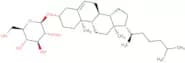
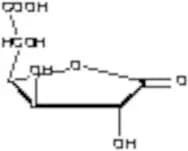
CAS:<p>2-O-b-D-glucopyranosylcucurbitacin E is a natural product that has been isolated from the roots of Cucurbita maxima. This compound has been shown to have bioactive properties, including antioxidant and antimicrobial activity. The extract was tested on chronic cough patients with type 2 diabetes mellitus. The treatment group showed significant improvements in symptoms and bioactive phytochemical levels compared to the control group.<br>2-O-b-D-glucopyranosylcucurbitacin E is a white powder that is soluble in methanol and water but not in chloroform or ether. It can be analyzed by liquid chromatography, which separates the different components of a sample by passing it through a column filled with an adsorbent material that retains some components more than others.</p>Fórmula:C38H54O13Pureza:Min. 95%Peso molecular:718.83 g/molL-Glucurono-3,6-lactone
CAS:<p>L-Glucurono-3,6-lactone is an acetonide that is a derivative of L-glucose. L-Glucurono-3,6-lactone can be used as a precursor for the synthesis of polyhydroxybutyrate (PHB).</p>Fórmula:C6H8O6Pureza:Min. 95%Cor e Forma:PowderPeso molecular:176.12 g/molD-Arabitol
CAS:<p>Substrate for arabitol dehydrogenase enzyme</p>Fórmula:C5H12O5Pureza:Min. 98 Area-%Cor e Forma:White Off-White PowderPeso molecular:152.15 g/mol4,6-O-Benzylidene-D-galactose
CAS:<p>4,6-O-Benzylidene-D-galactose is an anomer of D-galactose. It is a lectin that has been shown to inhibit the binding of amyloid beta to the cerebroside in the brain tissue. This activity may be due to its ability to form an amide bond with galactose, which is present in amyloid beta. 4,6-O-Benzylidene-D-galactose also has a coronary heart disease prevention effect and can help reduce cholesterol levels. Furthermore, it has been found to have anti-cancer properties and can help prevent the growth of cancerous cells by inhibiting protein synthesis. In addition, 4,6-O-Benzylidene-D-galactose can be used as a cationic surfactant or detergent composition for cleaning or treating surfaces.</p>Fórmula:C13H16O6Pureza:Min. 95%Cor e Forma:White To Off-White SolidPeso molecular:268.26 g/molSedoheptulose-1-phosphate
CAS:<p>Sedoheptulose-1-phosphate is a ribosomal metabolite that is produced by marine microorganisms. It is catabolized by sedoheptulose-7-phosphate kinase and converted to the pentose phosphate pathway. The metabolic profile of sedoheptulose-1-phosphate has been shown to be altered in response to environmental stress, such as changes in pH, oxygen levels, and temperature. Sedoheptulose-1-phosphate has also been shown to have structural properties similar to those of ATP and ADP, which may make it an important target for the development of antibiotics.</p>Fórmula:C7H15O10PPureza:Min. 95%Peso molecular:290.16 g/molD-Arabitol
CAS:<p>D-Arabitol (or D-Arabinitol) is the reduced alcohol form of Arabinose. Arabitol is a commonly used food supplement, it is comparably sweet to sucrose but the oral flora cannot metabolize Arabitol, and hence protects from caries. Arabitol plays also an important role in energy controlled diets since it is absorbed slowly by the human digestive tract and has a low caloric content. The differential metabolism of the Arabitol D- and L-forms suggested its use in microbiological diagnostics (Bernard, E.M. et al. 1981) and became a routine urine laboratory test: L-Arabitol is metabolized by a variety of different bacteria and fungi utilizing an arabitol dehydrogenase enzyme. Therefore, it serves as a biomarker for, e.g., invasive candidiasis, since an infection results in an elevated urine D-Arabitol/L-Arabitol (DA/LA) ratio. Cymit Quimica offers both isomers in research grade: D-Arabitol (A-8270) and L-Arabitol (A-8280).</p>Fórmula:C5H12O5Pureza:Min. 99.0 Area-%Peso molecular:152.15 g/molRef: 3D-A-8270
10gA consultar1kgA consultar250gA consultar500gA consultar2500gA consultar-Unit-kgkgA consultarAdonitol
CAS:<p>Used to differentiate bacteria on the basis of carbohydrate fermentation abilities.</p>Fórmula:C5H12O5Pureza:Min. 98.0 Area-%Peso molecular:152.15 g/molRef: 3D-A-3000
1kgA consultar50gA consultar100gA consultar250gA consultar500gA consultar-Unit-kgkgA consultar1-Bromo-2,3,4,6-tetra-O-acetyl-α-D-galactopyranoside
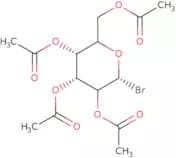
CAS:<p>Donor for Koenigs-Knorr type galactosylation and other anomeric substitutions</p>Fórmula:C14H19BrO9Peso molecular:411.21 g/molRef: 3D-B-8975
1kgA consultar100gA consultar250gA consultar500gA consultar2500gA consultar-Unit-ggA consultar2-Deoxy-D-ribose
CAS:<p>High purity grade. Used in synthetic organic chemistry and natural product synthesis. Induces apoptosis by inhibiting the synthesis and increasing the efflux of glutathione. It is used for synthesis of optically active dipyrrolyl alkanols from pyrroles on the surface of montmorillonite KSF clay.Due to its integral role in the formation of DNA, 2-Deoxy-D-ribose is critical in studies of genetic expression, DNA repair mechanisms, and the synthesis of nucleotides. Researchers utilize it extensively in molecular biology and biochemistry to understand cell replication and gene function, and it serves as a standard in research pertaining to oxidative stress, where its degradation may indicate the presence of reactive oxygen species. Additionally, it is involved in the development of various pharmacological agents, particularly those targeting cancer and viral infections, where the synthesis and function of DNA are pivotal aspects of pathogenesis and treatment response.</p>Fórmula:C5H10O4Pureza:Min. 99.0 Area-%Peso molecular:134.13 g/mol1-D-3-Deoxy-myo-inositol
CAS:<p>Myoinositol is a cyclitol and a member of the group of hexahydroxycyclohexanes. It is found in many plants and animals, especially in brain tissue, and plays an important role as a component of cell membranes. Myoinositol has been shown to inhibit cellular glycosidases, which are enzymes that break down complex sugars. In addition, myoinositol has been shown to have anti-cancer properties. Myoinositol is used as an analytical reagent in phase chromatography to separate molecules based on their hydrophobicities. 1-D-3-Deoxy-myo-inositol also has corrosion inhibition properties and can be used as a pesticide or agrochemical.</p>Fórmula:C6H12O5Pureza:Min. 95 Area-%Cor e Forma:White PowderPeso molecular:164.16 g/molMannosucrose
CAS:<p>Mannosucrose (MS) is a natural sugar that is found in various plants, such as sugar cane and sugar beets. It is a disaccharide composed of two molecules of glucose linked by an alpha-1,2 glycosidic bond. Mannosucrose has been shown to have antioxidant properties and may be used as a functional sweetener for food products. This compound acts as a solute and can bind to the surface of the tongue's taste buds, which may result in its use as a microalgal particle to improve the taste of food products containing algae.<br>Mannosucrose also has been used as a model protein in order to study genetic mechanisms.</p>Fórmula:C12H22O11Pureza:Min. 95%Peso molecular:342.3 g/molL-Xylulose, 1.0 M aqueous solution
CAS:<p>L-Xylulose is a pentose sugar that can be used as a precursor for the synthesis of l-xylitol and arabinitol. L-Xylulose is an intermediate in the pentose phosphate pathway, which produces ribose 5-phosphate and NADPH. L-Xylulose has been shown to have anticancer activity by inhibiting polymerase chain reactions (PCRs) in cancerous tissues. This effect has been attributed to its ability to reduce the levels of dNTPs, which are required for DNA replication. L-Xylulose also inhibits aerobic respiration, which may be due to its ability to inhibit enzymatic activity of both ribitol dehydrogenase and l-arabinitol dehydrogenase.</p>Fórmula:C5H10O5Pureza:Min. 98 Area-%Cor e Forma:PowderPeso molecular:150.13 g/mol3-O-Benzyl-1,2-O-isopropylidene-6-O-trityl-a-D-glucofuranose
CAS:<p>3-O-Benzyl-1,2-O-isopropylidene-6-O-trityl-a-D-glucofuranose is a synthetic oligosaccharide. It is a glycosylation product of the 6′ position of β-(3,4-)dihydroxybenzoyl α-(1,6)-Dglucopyranosyl bromide with 3,5,-O-(tetraisopropyldisiloxanyl) benzyl alcohol. The molecular weight is 588.8 g/mol and it has the molecular formula C28H31NO14. 3BBIG is soluble in water and methanol, but insoluble in ethanol or ether. This compound can be used for methylation reactions or click chemistry modifications.</p>Fórmula:C35H36O6Pureza:Min. 95%Peso molecular:552.66 g/mol2,3-O-Isopropylidene-5-O-tosyl-D-ribonic acid-1,4-lactone
CAS:<p>2,3-O-Isopropylidene-5-O-tosyl-D-ribonic acid-1,4-lactone is a synthetic 2,3:5,6-diisopropylidene glycoside of D-ribose. It is a methylated sugar with an alpha-(2,3)-linked D-(+)-glucopyranosyl moiety and an alpha-(2,5)-linked L(+)-fucopyranosyl moiety. This compound can be used as a building block for the synthesis of polysaccharides and glycoconjugates. 2,3:5,6-Diisopropylidene glycoside of D-ribose is also used to synthesize oligosaccharides in carbohydrate chemistry.</p>Fórmula:C12H14O7SPureza:Min. 95%Cor e Forma:White PowderPeso molecular:302.04 g/mol1-Epi-adenophorine
<p>1-Epi-adenophorine is a synthetic molecule that can inhibit the activity of enzymes. It is an epoxide that forms from the 1,2-epoxidation of cinnamic acid and has been shown to have many effects on various enzymes, including inhibiting enzyme activities. This drug has been used in the synthesis of miglustat, a macrocyclic molecule that inhibits a number of enzymes involved in protein folding and cell proliferation. 1-Epi-adenophorine is also effective as a cancer therapeutic agent by inhibiting glycosidases and cellular glycosylation.</p>Pureza:Min. 95%Ethyl 4-amino-b-D-glucuronide
<p>Ethyl 4-amino-b-D-glucuronide is a custom synthesis of an oligosaccharide with a saccharide backbone. The sugar moiety is a monosaccharide that is linked to the saccharide via an amide bond. This compound is fluorinated at the C4 position and methylated at the C2 position, which renders it unreactive to other molecules.</p>Fórmula:C8H15NO6Pureza:Min. 95%Peso molecular:221.21 g/mol4-(b-D-Mannopyranosyl)-D-rhamnose
<p>4-(b-D-Mannopyranosyl)-D-rhamnose is a glycosylation agent that can be methylated and fluorinated. It is also capable of being modified with the Click reaction to add polysaccharide or oligosaccharide moieties. 4-(b-D-Mannopyranosyl)-D-rhamnose is an important building block for complex carbohydrates, which are important in many aspects of life. This product is available in custom synthesis, high purity, and CAS No.</p>Pureza:Min. 95%L-DMDP
CAS:<p>a-âglucosidase inhibitor</p>Fórmula:C6H13NO4Pureza:Min. 95%Peso molecular:163.17 g/mol1-Deoxynojirimycin
CAS:<p>Glucose analog and potent inhibitor of α-glucosidases of class I and II. It interferes with N-linked glycosylation and oligosaccharide processing. The compound inhibits intestinal α-glucosidase and has protective effects against obesity-induced hepatic injury as well as mitochondrial dysfunction. It also has neuroprotective effects since it reduces senescence-related cognitive impairment, neuroinflammation and amyloid beta deposition in mice.</p>Fórmula:C6H13NO4Pureza:Min. 98 Area-%Cor e Forma:White PowderPeso molecular:163.17 g/molCalcium lactobionate dihydrate
CAS:<p>Food additive; stabilizer</p>Fórmula:C12H22O12•Ca0•H2OPureza:Min. 96.0%Cor e Forma:White PowderPeso molecular:754.66 g/molCyanidin-3-O-lathyroside chloride
CAS:<p>Cyanidin-3-O-lathyroside chloride is a synthetic compound with antioxidant and anti-inflammatory effects. It is activated by the chloride ion, leading to increased bioavailability of the molecule. Cyanidin-3-O-lathyroside chloride has been shown to have anticancer properties, as well as an ability to activate calcium metabolism in cells. This compound also has a low bioavailability, which may be due to its hydrophobic nature and the fact that it is not orally active. This compound has been shown to be beneficial for cancer therapy because of its ability to inhibit cancer growth, induce apoptosis in cancer cells, and reduce tumor size. Cyanidin-3-O-lathyroside chloride has also been shown to have positive effects on fertility when taken at high doses orally.</p>Fórmula:C26H29O15•ClPureza:Min. 95%Cor e Forma:PowderPeso molecular:616.95 g/molb-D-Thiogalactose
CAS:<p>Thiogalactose is a naturally occurring disaccharide that has been shown to have anti-inflammatory properties. It inhibits the production of inflammatory cytokines, such as tumor necrosis factor-α (TNF-α), and suppresses the growth of experimental colitis in mice. Thiogalactose also denatures fatty acids and prevents 3t3-l1 preadipocytes from undergoing cellular transformation. This compound also inhibits the uptake of bovine serum albumin by macrophages, which may be due to its alkylthio group. Thiogalactose has been shown to inhibit proliferation of cultured human cells, including monocytic leukemia cells, when used at concentrations less than 10 mM.</p>Fórmula:C6H12O5SPureza:Min. 95%Cor e Forma:PowderPeso molecular:196.22 g/molMethyl 2-deoxy-a-D-ribopyranoside
CAS:<p>Methyl 2-deoxy-a-D-ribopyranoside is a sugar molecule that is used in the synthesis of glycosides, saccharides, oligosaccharides, and polysaccharides. It has been shown to be an effective reagent for the fluorination of saccharides and sugars. Methyl 2-deoxy-a-D-ribopyranoside is also used for modification of complex carbohydrates and other organic molecules.</p>Fórmula:C6H12O4Pureza:Min. 95%Peso molecular:148.16 g/molD-Glucosamine sulfate
CAS:<p>D-Glucosamine sulfate is a pharmacological agent that has been shown to have activity against oxidative injury in vitro and in vivo. It inhibits the production of reactive oxygen species and lipid peroxidation, which are believed to be responsible for the development of liver disease. D-Glucosamine sulfate has also been shown to have activity against infectious diseases, with a particular focus on the inhibition of Toll-like receptor 4 signaling. The polymerase chain reaction (PCR) technique was used to detect the expression of glucosamine synthetase and other genes encoding enzymes that synthesize glucosamine in Mycobacterium tuberculosis. This drug may also be useful for treatment of inflammatory diseases such as rheumatoid arthritis, as it has been shown to inhibit prostaglandin synthesis, which is involved in the inflammatory response.</p>Fórmula:C6H13NO5•H2SO4Pureza:Min. 95%Cor e Forma:White PowderPeso molecular:277.25 g/molβ-Xylobiose hexa-O-acetate
CAS:<p>β-Xylobiose hexa-O-acetate is an acetyl protected xylobiose</p>Fórmula:C22H30O15Pureza:Min. 95%Cor e Forma:PowderPeso molecular:534.46 g/mol(Piperidine-2,6-dione-4-yl) b-D-ribofuranoside
<p>Methylation of a saccharide is the covalent addition of a methyl group to one of the hydroxyl groups. This process may be achieved through an electrophilic substitution reaction with a methylating agent such as dimethyl sulfate. In the case of polysaccharides, this process can be carried out in vitro using enzymes called glycosyltransferases. The mechanism for glycosyltransferase-mediated methylation was elucidated by Michaelis and Menten in 1913.</p>Pureza:Min. 95%2-Azidomethyl-2-deoxy-D-ribono-1.5-lactone
<p>2-Azidomethyl-2-deoxy-D-ribono-1.5-lactone is a custom synthesis of an oligosaccharide with a carbohydrate chain that has been modified by methylation and glycosylation. It is a high purity product that can be used in the synthesis of complex carbohydrates, such as polysaccharides, and has been fluorinated to create a click modification. This compound has an CAS number and can be used in the synthesis of saccharides or sugars. It can also be used for the preparation of complex carbohydrates, such as polysaccharides, and has been fluorinated to create a click modification.</p>Pureza:Min. 95%1,2:5,6-Di-O-isopropylidene-D-mannitol
CAS:<p>1,2:5,6-Di-O-isopropylidene-D-mannitol (IDM) is a chemical compound that has been shown to have physiological activities. It has been studied for its potential use as an antimicrobial agent against bacteria and fungi. IDM is structurally similar to 2,3:5,6-Tri-O-methylenetetrahydrofolate (THF), which can be used in the synthesis of polysaccharides and DNA bases. IDM also has properties that may be beneficial in treating congenital heart disease.</p>Fórmula:C12H22O6Pureza:Min. 98 Area-%Cor e Forma:White PowderPeso molecular:262.3 g/mol2-Deoxy-L-fucose
CAS:<p>2-Deoxy-L-fucose is a sugar that is found in the human body. It has been shown to have anti-tumour properties and can be used as a chemotherapeutic agent in the treatment of solid tumours. 2DFL binds to the receptor for fucose, which is expressed in many types of cancer cells. It also inhibits DNA synthesis by stabilizing a complex between the sugar and dna template, inhibiting the binding of monoclonal antibodies to cancer cells, and preventing glycosidic bond formation on cancer cells. 2DFL has also been shown to inhibit microbial biotransformation and cell culture.</p>Fórmula:C6H12O4Pureza:Min. 95%Cor e Forma:PowderPeso molecular:148.16 g/molMethyl 2,3,4-tri-O-benzyl-6-O-tert-butyldimethylsilyl-a-D-mannopyranoside
CAS:<p>Methyl 2,3,4-tri-O-benzyl-6-O-tert-butyldimethylsilyl-a-D-mannopyranoside is a synthetic carbohydrate that has been modified with fluorination. The structure of this compound is a complex carbohydrate consisting of a monosaccharide and two oligosaccharides. This product can be custom synthesized to meet the specific needs of customers and offers high purity.</p>Fórmula:C34H46O6SiPureza:Min. 95%Peso molecular:578.83 g/molD-Allose
CAS:<p>Anti-proliferative in cancer cells</p>Fórmula:C6H12O6Pureza:Min. 95%Cor e Forma:White PowderPeso molecular:180.16 g/molMethyl (benzyl 2,3-di-O-benzyl-4-O-methyl-β-D-glucopyranoside)uronate
CAS:<p>A useful glucuronide building block</p>Fórmula:C29H32O7Pureza:Min. 95%Cor e Forma:PowderPeso molecular:492.56 g/molD-Xylo-Pentodialdose-5-hydrate
<p>D-Xylo-Pentodialdose-5-hydrate is a custom synthesis that is used for the preparation of oligosaccharides and polysaccharides. It is an active form that is synthesized by the fluorination of D-xylose. The monomeric sugar penta-D-xylo-D-galactopyranoside has a molecular weight of 259.28 g/mol and a purity of >99%. This compound has been modified in order to increase its activity.</p>Pureza:Min. 95%6-Deoxy-2,3:4,5-di-O-isopropylidene-L-glucose
<p>6-Deoxy-2,3:4,5-di-O-isopropylidene-L-glucose is a methylated sugar that is custom synthesized for research purposes. It is an oligosaccharide with a polysaccharide backbone. 6DG has been modified with fluorination and the Click reaction to produce novel compounds. The compound has been shown to have various biological activities, including anti-inflammatory effects. 6DG is a sugar with a complex carbohydrate structure that can be used in synthetic chemistry for modification and modification reactions.</p>Pureza:Min. 95%iminosugar 2
<p>Iminosugar 2 is a custom synthesis that is modified with fluorination, methylation, and click modification. This product is a monosaccharide and an oligosaccharide that has glycosylation. It is a saccharide that has polysaccharides as complex carbohydrates. Iminosugar 2 can be used in the production of polymers and pharmaceuticals.</p>Pureza:Min. 95%4-Hydroxy-L-isoleucine
CAS:<p>Insulinotropic; anti-diabetic</p>Fórmula:C6H13NO3Pureza:Min. 98 Area-%Cor e Forma:White PowderPeso molecular:147.17 g/mol2, 5- Anhydro- 3- deoxy-D- xylo- hexonic acid 1-propyl ester
<p>2,5-Anhydro-3-deoxy-D-xylo-hexonic acid 1-propyl ester is a modification of the oligosaccharide xylan. The compound has been synthesized using chemical methods and can be used as a raw material in the production of other products. 2,5-Anhydro-3-deoxy-D-xylo-hexonic acid 1-propyl ester has been custom synthesized to produce high purity and is available with CAS number. It is a monosaccharide that can be methylated and glycosylated and is a polysaccharide made up of sugars (sucrose, glucose, fructose) with various types of saccharides (sugar).</p>Pureza:Min. 95%Solasodine 3-glucoside
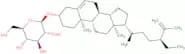
CAS:<p>Solasodine 3-glucoside is a sugar that belongs to the group of oligosaccharides. It has been synthetically modified by fluorination, methylation, and click chemistry. Solasodine 3-glucoside is synthesized from sucrose in a glycosylation reaction with glucuronic acid and an aminoglycoside antibiotic. The sugar analogs are then converted to the desired saccharide structure by monosaccharide synthesis or polysaccharide synthesis. This product is custom synthesized to order for customers and can be modified to suit their needs with click chemistry and other modifications.</p>Fórmula:C33H53NO7Pureza:Min. 95%Peso molecular:575.8 g/mol3,4,5,6-Tetra-O-benzyl-myo-inositol
CAS:<p>3,4,5,6-Tetra-O-benzyl-myo-inositol is a chiral molecule that is synthesised by the reaction of 3,4,5,6-tetra-O-benzylglycerol with myo-inositol. It has been used as an optical probe to study the function of biomolecules such as membranes and reticulum. The compound was also shown to inhibit the phosphorylation of myosin light chain kinase.</p>Fórmula:C34H36O6Pureza:Min. 95%Cor e Forma:PowderPeso molecular:540.65 g/mol13-cis-Retinoyl b-D-glucuronide
CAS:Produto Controlado<p>13-cis-Retinoyl b-D-glucuronide is a synthetic compound that can be modified to create a wide range of potential products. 13-cis-Retinoyl b-D-glucuronide is an oligosaccharide with a carbohydrate that may be glycosylated or polysaccharided. It has been custom synthesized and fluorinated, methylated, and monosaccharided. This product is extremely pure and can be used for many applications in the biomedical field.</p>Fórmula:C26H36O8Pureza:Min. 95%Peso molecular:476.56 g/mol4-Hydroxypropofol 1-O-b-D-glucuronide sodium salt
CAS:<p>4-Hydroxypropofol 1-O-b-D-glucuronide is a metabolite of propofol that is found in human urine. It can be detected by chromatography and UV spectroscopy. 4-Hydroxypropofol 1-O-b-D-glucuronide has been shown to have radical scavenging activity and can be used as an analytical reagent for the validation of analytical methods. This compound has also been analysed for its cytotoxic and antiinflammatory effects on the cytosol of cultured cells, with promising results.</p>Fórmula:C18H25NaO8Pureza:Min. 95%Cor e Forma:PowderPeso molecular:392.38 g/mol2-O-α-D-Galactopyranosyl-1-deoxynojirimycin
CAS:<p>2-O-a-D-Galactopyranosyl-1-deoxynojirimycin is a monosaccharide derivative of deoxynojirimycin. It is synthesized by the methylation of the natural product, followed by the addition of a click modification and the fluorination of one sugar. This compound has been shown to have anti-inflammatory properties, as well as inhibitory effects on bacterial growth.</p>Fórmula:C12H23NO9Pureza:90%Cor e Forma:PowderPeso molecular:325.31 g/mol1-O-Methyl-α-D-galactopyranoside monohydrate - Crude
CAS:<p>Inhibitor of Gal-dependent lectin binding; used for synthesis of galactoses</p>Fórmula:C7H16O7Pureza:Min. 95%Cor e Forma:PowderPeso molecular:212.2 g/molBenzoic acid-acyl-b-D-glucuronide
CAS:<p>Benzoic acid-acyl-b-D-glucuronide is a β-glucuronide linker that is cleaved by β-glucuronidase enzymes. This allows controlled release of the payload to the targeted cells.</p>Fórmula:C13H14O8Pureza:Min. 95%Peso molecular:298.25 g/molDiclofenac acyl-D-glucuronide
CAS:<p>Diclofenac acyl-D-glucuronide is a nonsteroidal anti-inflammatory drug that inhibits the enzyme activity of aminotransferase. This leads to a decrease in the production of prostaglandins, which are responsible for the inflammatory response. Diclofenac acyl-D-glucuronide has been shown to have antiulcer effects in vitro and in vivo. It also decreases the uptake of diclofenac by human tubule cells, which may be due to its reactive nature. The clinical relevance of this drug is still under investigation, but it is believed that diclofenac acyl-D-glucuronide could play a role in wastewater treatment because it can be easily extracted from water samples with analytical chemistry techniques.</p>Fórmula:C20H19Cl2NO8Pureza:Min. 95 Area-%Cor e Forma:Off-White Yellow PowderPeso molecular:472.27 g/mol2,3,4-Tri-O-benzyl-L-arabinopyranose
CAS:<p>The anomeric position of 2,3,4-tri-O-benzyl-L-arabinopyranose is anomeric. The yields of the two possible anomers were not determined in this experiment. Hydrogenolysis of the benzyl group in 2,3,4-tri-O-benzyl-L-arabinopyranose at room temperature resulted in a mixture of the two possible anomers.</p>Fórmula:C26H28O5Pureza:Min. 95%Cor e Forma:PowderPeso molecular:420.5 g/mol2,3,4,6-Tetra-O-acetyl-α-D-galactopyranosyl 2,2,2-Trichloroacetimidate
CAS:Fórmula:C16H20Cl3NO10Pureza:>95.0%(HPLC)Cor e Forma:White to Light yellow powder to crystalPeso molecular:492.68Candesartan N2-glucuronide
CAS:<p>Candesartan N-glucuronide is a metabolite of candesartan. It is produced by human UDP-glucuronosyltransferase, which belongs to the subfamily of uridine diphosphate (UDP)-glucuronosyltransferases. Candesartan N-glucuronide inhibits angiotensin II receptor type 1 (AT1) and has minimal effects on angiotensin II receptor type 2 (AT2). Candesartan N-glucuronide binds to the AT1 receptor and blocks its activation by angiotensin II. This binding inhibits the uptake of sodium ions into cells and causes an increase in potassium ion secretion, leading to vasodilation. Candesartan N-glucuronide also induces the expression of cytochrome P450 3A5, which results in increased metabolism of drugs such as paclitaxel.</p>Fórmula:C30H28N6O9Pureza:Min. 95%Peso molecular:616.58 g/molN-Acetyl-D-[2-¹³C]neuraminic acid
CAS:<p>N-Acetyl-D-[2-13C]neuraminic acid is a glycan that is found in human serum. The chemical structure of N-acetyl-D-[2-13C]neuraminic acid has been analyzed using nuclear magnetic resonance (NMR) and mass spectrometry, showing that it contains two 13C atoms. N-acetyl--D-[2-13C]neuraminic acid is a sialic acid that is bound to a protein called surface glycoprotein. It may be involved in the transport of adenosine triphosphate (ATP) across the membrane by an ATP-dependent transport system. It also acts as an enzyme inhibitor for glycoside hydrolases, which are enzymes that break down glycans. N-acetyl--D-[2-13C]neuraminic acid has been shown to have properties similar to those of other sialic acids and can be</p>Fórmula:CC10H19NO9Pureza:Min. 95%Peso molecular:310.26 g/mol2-O-a-D-Glucopyranosyl-L-ascorbic acid
CAS:<p>2-O-a-D-Glucopyranosyl-L-ascorbic acid is a potent antioxidant compound found in the human body. It is produced by the enzyme tyrosinase from L-ascorbic acid and has been shown to have anti-apoptotic effects on skin cells. 2-O-a-D-Glucopyranosyl-L-ascorbic acid has also been shown to enhance mitochondrial membrane potential and increase the proliferation of skin cells in vitro. The compound has been tested for its ability to prevent radiation damage in mice and was found to be more effective than vitamin C at preventing cell death.<br>2OAGA can be used as a topical treatment for skin conditions, such as acne or wrinkles, by reducing inflammation and stimulating cellular growth.</p>Fórmula:C12H18O11Pureza:Min. 98.0 Area-%Cor e Forma:White PowderPeso molecular:338.26 g/mol1,2:5,6-Di-O-isopropylidene-α-D-allofuranose
CAS:Fórmula:C12H20O6Pureza:>98.0%(GC)Cor e Forma:White to Almost white powder to crystalPeso molecular:260.29Methyl 3,5-di-O-acetyl-2-deoxy-D-ribofuranoside
CAS:<p>Methyl 3,5-di-O-acetyl-2-deoxy-D-ribofuranoside is a synthetic, fluorinated monosaccharide. It is an important building block for the synthesis of complex carbohydrates. The compound is also used for glycosylation reactions, click modification reactions and methylation reactions. Methyl 3,5-di-O-acetyl-2-deoxy-D-ribofuranoside can be used as an intermediate to make other products or as a custom synthesis.</p>Fórmula:C10H16O6Pureza:Min. 95%Peso molecular:232.23 g/molOctyl D-galactofuranoside
CAS:<p>Octyl D-galactofuranoside is a disaccharide that is found in the plant Gossypium hirsutum. It has been shown to have antibacterial activity and can be used as an alternative to antibiotics. Octyl D-galactofuranoside has been shown to inhibit the growth of bacteria by binding to chloride ions and inhibiting bacterial cell wall synthesis. It also acts synergistically with other antibiotics, such as penicillin, ampicillin, sulfonamides, tetracycline, erythromycin, and cefadroxil. This compound has been shown to be biodegradable and o-glycosylated. Octyl D-galactofuranoside also has anti-leishmanial activity.</p>Fórmula:C14H28O6Pureza:Min. 95%Cor e Forma:White PowderPeso molecular:292.37 g/molL-Sorbitol
CAS:<p>L-Sorbitol is a polyhydric alcohol that is found in various natural products, such as fruits and vegetables. It has been shown to inhibit the growth of strains of Stenotrophomonas maltophilia, which is an opportunistic pathogen of human and animal cells. L-Sorbitol can be used to treat bacterial infections by inhibiting the synthesis of DNA, RNA, and proteins. This compound has also been shown to prevent dehydration in bacteria by acting as an osmotic agent. The effect of L-sorbitol on the growth of bacteria depends on the pH of the environment in which it is dissolved. The optimum pH for this compound is 7.5</p>Fórmula:C6H14O6Pureza:Min. 95%Cor e Forma:PowderPeso molecular:182.17 g/molL-Threonic acid-1,4-lactone
CAS:<p>L-Threonic acid-1,4-lactone is a nutrient solution for mammalian tissue. It is a coenzyme that acts as an intermediate in the conversion of dehydroascorbic acid to erythronate and participates in the synthesis of 4-hydroxycinnamic acid from 4-hydroxyphenylpyruvic acid. L-Threonic acid-1,4-lactone has been shown to inhibit the replication of human immunodeficiency virus (HIV) in vitro. The physiological levels of L-Threonic acid-1,4-lactone are not yet known, but it has been shown to have inhibitory properties on HIV infection at concentrations that do not affect cellular metabolism or induce reactive oxygen species production. L-Threonic acid-1,4-lactone also has been shown to prevent hepatic steatosis and fatty liver disease by inhibiting lipid accumulation via its ability to</p>Fórmula:C4H6O4Pureza:Min. 95%Cor e Forma:PowderPeso molecular:118.09 g/molGDP-2-deoxy-2-fluoro-L-fucose ammonium salt
CAS:<p>Competitive inhibitor of fucosyltransferases FUT3, FUT5, FUT6 and FUT7 with Ki values in low micromolar range. This fluorinated GDP-fucose analog inhibits oligosaccharide core fucosylation of N-linked glycans in animal and plant cells.</p>Fórmula:C16H30FN7O14P2Pureza:Min. 95%Cor e Forma:PowderPeso molecular:625.39 g/mol1,3,5-Tri-O-acetyl-2-deoxy-D-ribose
CAS:<p>Building block for DNA-related organic synthesis</p>Fórmula:C11H16O7Pureza:Min. 95%Cor e Forma:Yellow PowderPeso molecular:260.24 g/mold5-Ethyl b-D-glucuronide
CAS:Produto Controlado<p>Ethyl b-D-glucuronide is a modification of the carbohydrate. It is used in the synthesis of oligosaccharides, polysaccharides, and other complex carbohydrates with high purity. This compound can be synthesized by methylation and glycosylation, or by fluorination and saccharide.</p>Fórmula:C8H9D5O7Pureza:Min. 95%Cor e Forma:PowderPeso molecular:227.22 g/molL-Arabinose-BSA
<p>L-Arabinose-BSA is a Glycosylation, Oligosaccharide, sugar, Synthetic, Fluorination, Custom synthesis, Methylation, Monosaccharide, Polysaccharide, saccharide. It is a Click modification. L-Arabinose-BSA has CAS No. 1590-84-3 and Modification of complex carbohydrate. This product has High purity.</p>Pureza:Min. 95%3,4,6-Tri-O-acetyl-2-deoxy-D-glucopyranose
CAS:Fórmula:C12H18O8Pureza:>98.0%(GC)Cor e Forma:White to Almost white powder to crystalPeso molecular:290.27L-Sorbose-1-phosphate potassium salt
CAS:<p>L-Sorbose-1-phosphate potassium salt is a sugar phosphate</p>Fórmula:C6H12KO9PPureza:Min. 95%Peso molecular:298.23 g/mol2,3,4,6-Tetra-O-acetyl-a-D-galactopyranosyl trichloroacetimidate
CAS:<p>2,3,4,6-Tetra-O-acetyl-a-D-galactopyranosyl trichloroacetimidate is a disaccharide that is an activated glycoprotein. It is used as a hapten for the production of monoclonal antibodies and as an immunogen in stepwise immunization with bovine serum albumin. This compound has been shown to be specific for the EGF receptor on neoglycoproteins and can be used to detect this receptor. The glycosidic residue of 2,3,4,6-tetra-O-acetyl-a-D-galactopyranosyl trichloroacetimidate allows it to bind to proteins such as albumin and act as a carrier for other molecules.</p>Fórmula:C16H20Cl3NO10Pureza:Min. 95%Cor e Forma:White PowderPeso molecular:492.69 g/mola-D-Glucoheptonic acid sodium salt
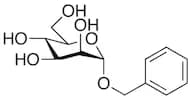
CAS:<p>a-D-Glucoheptonic acid sodium salt is a compound that has been shown to modulate the immune system. It also has been used in pharmaceutical formulations as an excipient and as a carrier for diagnostic and therapeutic agents.</p>Fórmula:C7H13O8NaPureza:Min. 95%Cor e Forma:PowderPeso molecular:248.16 g/molBenzyl α-D-mannopyranoside
CAS:<p>Benzyl a-D-mannopyranoside is a pharmaceutical dosage form of the drug benzyl a-D-mannopyranoside, which is used to control analysis of silver trifluoromethanesulfonate. It is administered orally as a monosodium salt, which is the only form that has been studied in humans. This combination therapy group was found to be more effective than benzyl groups or systematically administered drugs when used as monotherapy. Benzyl a-D-mannopyranoside may be glycosidated by cells in culture and this process may cause symptoms such as nausea and vomiting. However, glycosidation does not occur in humans.</p>Fórmula:C13H18O6Pureza:Min. 95%Cor e Forma:PowderPeso molecular:270.28 g/molDL-Xylose
CAS:<p>DL-Xylose is a sugar that belongs to the group of pentoses. It contains a hydroxyl group at the C2 position and an aldehyde group at the C1 position. DL-Xylose is found in plants, animals, and bacteria. The gene sequence analysis of the type strain of DL-xylose showed that it has a fatty acid composition of 0.5% and protocatechuic acid composition of 0.7%. Dry weight analysis on swiss-webster mice fed with DL-xylose as the only carbon source showed that this sugar can provide up to 30% of energy requirements for these mice.</p>Fórmula:C5H10O5Pureza:Min. 98.5 Area-%Cor e Forma:White PowderPeso molecular:150.13 g/molL-Glycero-D-manno-heptose
CAS:<p>L-Glycero-D-manno-heptose is a polymyxin B antimicrobial agent that has been shown to have significant activity against Gram-positive bacteria, including Staphylococcus aureus and Streptococcus pneumoniae. This compound also has an inhibitory effect on the growth of Gram-negative species such as Salmonella enterica. L-Glycero-D-manno-heptose inhibits the synthesis of bacterial cell wall peptidoglycan by binding to the terminal residues of oligosaccharides, which are linked to D-alanine in the peptidoglycan chain. The terminal residues of oligosaccharides are transferred from the lipid carrier to L-glycero-D manno heptose, forming a stable acylated glycoside. This reaction mechanism is similar to that of polymyxin B, but with a difference in reactivity due to steric hindrance.</p>Fórmula:C7H14O7Pureza:Min. 95%Cor e Forma:White PowderPeso molecular:210.18 g/mol4-Methoxyphenyl 2-Amino-3,6-di-O-benzyl-2-deoxy-β-D-glucopyranoside
CAS:Fórmula:C27H31NO6Cor e Forma:White to Almost white powder to crystalPeso molecular:465.551,4:3,6-Dianhydro-2-O-acetyl-D-glucitol
CAS:<p>1,4:3,6-Dianhydro-2-O-acetyl-D-glucitol is an isosorbide intermediate</p>Fórmula:C8H12O5Pureza:Min. 95%Cor e Forma:PowderPeso molecular:188.18 g/molSedoheptulose-1,7-diphosphate
CAS:<p>Sedoheptulose-1,7-diphosphate is a metabolite of glucose and fructose that is synthesized by the enzyme sedoheptulose-1,7-bisphosphatase. It is formed when the phosphate group of sedoheptulose-1,7-bisphosphate is transferred to another molecule in a process called phosphorylation. Sedoheptulose-1,7-diphosphate has been shown to be an important intermediate in the synthesis of fatty acids. It also activates various enzymes and has been shown to have an effect on transcriptional regulation in plants.</p>Fórmula:C7H16O13P2Pureza:Min. 95%Cor e Forma:SolidPeso molecular:370.14 g/molUDP-L-galactose diammonium salt
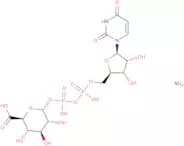
<p>UDP-L-galactose diammonium salt is a modification of the sugar UDP-galactose. It is an oligosaccharide that is found in glycoproteins and glycolipids. It is synthesized by the addition of a methyl group to the galactose ring and a fluorine atom to the hydroxyl group on carbon 4. UDP-L-galactose diammonium salt is used as a synthetic sugar in laboratory settings, although it can also be found in nature. This compound has been shown to have anti-inflammatory properties, which may be due to its ability to inhibit prostaglandin synthesis.</p>Fórmula:C15H22N2O17P2·N2H8Pureza:Min. 95%Peso molecular:600.37 g/molL-(+)-Fructose
CAS:Fórmula:C6H12O6Pureza:>95.0%(HPLC)Cor e Forma:White to Almost white powder to crystalPeso molecular:180.16Ethyl a-D-glucopyranoside
CAS:<p>Ethyl a-D-glucopyranoside is an organic acid that has been extracted from the seeds of the plant Reticulata. It contains a mixture of fatty acids and compounds that are collectively known as retinoids. Ethyl a-D-glucopyranoside inhibits beta-glucosidase, aminotransferase activity, and intestinal glucosidases and has been shown to have antioxidant properties. This product may be used for the treatment of musculoskeletal disorders, such as osteoarthritis, which is characterized by degeneration and inflammation of joints. Ethyl a-D-glucopyranoside may also be used as an agent to help prevent skin aging caused by exposure to ultraviolet (UV) radiation and other factors.</p>Fórmula:C8H16O6Pureza:Min. 95%Cor e Forma:White PowderPeso molecular:208.21 g/molOroxylin A 7-O-glucuronide
CAS:<p>Oroxylin A 7-O-glucuronide (OA7G) is a natural compound that exhibits anti-angiogenic and anti-inflammatory effects. OA7G binds to p-hydroxybenzoic acid and inhibits the activity of glycosidases, which are enzymes that hydrolyze glycosides. OA7G has been shown to have therapeutic potential in several models of inflammatory bowel disease. In vivo studies show that OA7G may be a useful agent for the treatment of bowel disease by inhibiting angiogenesis, which is the formation of new blood vessels from pre-existing ones. Molecular docking analysis showed binding affinity between OA7G and the enzyme dextran sulfate glucuronyltransferase, suggesting a possible mechanism for its anti-inflammatory effects.</p>Fórmula:C22H20O11Pureza:Min. 95%Cor e Forma:Yellow PowderPeso molecular:460.39 g/mol2-(D-Gluco-pentylhydroxypentyl)-4(R)-1,3-thiazolidine-4-carboxylic acid
CAS:<p>2-(D-Gluco-pentylhydroxypentyl)-4(R)-1,3-thiazolidine-4-carboxylic acid is a custom synthesis. It is used in the glycosylation of saccharides and oligosaccharides. This product can be modified with fluorination, methylation, or click modification. It is also used in the synthesis of complex carbohydrates.</p>Fórmula:C9H17NO7SPureza:(Hplc-Ms) Min. 95 Area-%Cor e Forma:PowderPeso molecular:283.3 g/molD-Erythrono-1,4-lactone
CAS:<p>Chiral synthon; used to synthesise analgoues of natural products</p>Fórmula:C4H6O4Pureza:Min. 98 Area-%Cor e Forma:White PowderPeso molecular:118.09 g/mol2-Aminophenyl β-D-glucuronide
CAS:<p>2-Aminophenyl b-D-glucuronide is a cytosolic drug that is metabolized by the liver to mandelonitrile, which is then excreted in urine. 2-Aminophenyl b-D-glucuronide has been shown to inhibit the growth of fungi in vivo and has been shown to have a reversible binding affinity for fungal cell walls. This drug also inhibits the production of ergosterol, an important component of fungal cell membranes, which leads to cell death.</p>Fórmula:C12H15NO7Pureza:Min. 95%Cor e Forma:PowderPeso molecular:285.25 g/molN-Acetyl-D-quinovosamine
CAS:<p>N-Acetyl-D-quinovosamine is a chemical compound that belongs to the group of quinovosamines. It is an acidic molecule with a pKa of 3.5 and is soluble in water, methanol, and acetic acid. N-Acetyl-D-quinovosamine has been shown to inhibit the growth of P. aeruginosa strains, which are human pathogens. This drug binds to the bacterial cell wall by competitive inhibition and prevents the formation of an antibiotic-inhibitor complex with the enzyme cell wall synthesis that is required for cell wall biosynthesis, inhibiting protein synthesis and cell division. N-Acetyl-D-quinovosamine also inhibits the production of hydrogen fluoride (HF) by bacteria as well as their ability to produce ammonia from nitrite or nitrate ions.</p>Fórmula:C8H15NO5Pureza:Min. 95%Cor e Forma:PowderPeso molecular:205.21 g/mol1,6-Dichloro-1,6-dideoxy-D-fructose
CAS:<p>1,6-Dichloro-1,6-dideoxy-D-fructose (1,6DD) is a synthetic spermicide that prevents the fusion of the egg and sperm. It has been shown to be effective in reducing fertility in male rats. The pharmacological effects of 1,6DD are due to its benzalkonium chloride content. 1,6DD is a reactive chemical that can damage cellular membranes and lead to cell death. Benzalkonium chloride is toxic to human cells and can cause necrosis or apoptosis. The toxicity of 1,6DD on the brain has been demonstrated using human liver cells as well as human brain cells. This agent also has an effect on mineralization and causes an increase in calcium influx into cells by activating calcium channels.</p>Pureza:Min. 95%1,6-Anhydro-2-deoxy-2-isopropylthio-β-D-glucopyranose
<p>An anhydro thio sugar</p>Fórmula:C9H16O4SPureza:Min. 95%Peso molecular:220.29 g/mol1,6-Anhydro-2-deoxy-2-thio-β-D-glucopyranose
CAS:<p>An anhydro thio sugar</p>Fórmula:C6H10O4SPureza:Min. 95%Peso molecular:178.21 g/molα-D-Galacturonic Acid Hydrate
CAS:Fórmula:C6H10O7·xH2OPureza:>95.0%(T)Cor e Forma:White to Light yellow to Light orange powder to crystalPeso molecular:194.14 (as Anhydrous)1,2,3,4-Tetra-O-acetyl-5-alkynyl-L-fucose
CAS:<p>1,2,3,4-Tetra-O-acetyl-5-alkynyl-L-fucose is a per-O-acetylated version of 5-alkynyl-L-fucose, an inhibitor of the cellular fucosylation pathway. 1,2,3,4-Tetra-O-acetyl-5-alkynyl-L-fucose can pass through the eukaryotic cell membrane somewhat better than 5-alkynyl-L-fucose can itself, is deacetylated by cellular esterases and interferes with the biosynthesis of the fucosyl-donor and fucosyltransferase substrate GDP-Fuc, thus reducing fucosylation levels during glycoprotein biosynthesis (Dekkers, 2016).</p>Fórmula:C15H18O9Pureza:Min. 95%Cor e Forma:Colorless Clear LiquidPeso molecular:342.3 g/mol3,4,6-Tri-O-benzyl-2-nitro-D-galactal
CAS:<p>3,4,6-Tri-O-benzyl-2-nitro-D-galactal is a nitro compound that is used in the synthesis of glycopeptide antibiotics. It reacts with threonine, forming an intramolecular hydrogen bond to yield the corresponding methyl ester. The nitrate ion can also be used as a nucleophile to form an ether with alcohols or amines. This reaction is stereoselective and yields the desired product in high yields.</p>Fórmula:C27H27NO6Pureza:Min. 98 Area-%Cor e Forma:PowderPeso molecular:461.51 g/molα-D(+)Mannose 1-phosphate sodium hydrate
<p>a-D-Mannose-1-phosphate dipotassium salt (DMDK) is a synthetic oligosaccharide that was designed and synthesized for use as a potential drug in the treatment of cancer. DMDK has been shown to be an inhibitor of protein glycosylation, which may lead to the prevention of tumor formation. It also has anti-inflammatory properties and can inhibit the growth of bacteria by binding to bacterial 16S ribosomal RNA and inhibiting protein synthesis.</p>Fórmula:C6H13O9P·xNa·yH2OPeso molecular:260.14 g/molN-(7-Oxa-9,9,9-trifluorononyl)deoxynojirimycin
CAS:<p>N-(7-Oxa-9,9,9-trifluorononyl)deoxynojirimycin is a carbohydrate that belongs to the group of saccharides. It is an oligosaccharide with a complex structure containing seven monosaccharides and nine oxygens. N-(7-Oxa-9,9,9-trifluorononyl)deoxynojirimycin has been custom synthesized for use in click chemistry applications. This carbohydrate is freely soluble in water and has a high purity level. The product can be methylated, glycosylated, or modified with other functional groups.</p>Fórmula:C14H26F3NO5Pureza:Min. 95%Cor e Forma:PowderPeso molecular:345.36 g/mol1,2-O-Isopropylidene-3-deoxy-α-D-allofuranose
CAS:<p>1,2-O-Isopropylidene-3-deoxy-a-D-allofuranose is a custom synthesis that is a complex carbohydrate. It has been modified by methylation and glycosylation. The product is an Oligosaccharide, Polysaccharide and Modification of saccharide. The product has high purity with a CAS No. 4494-96-6.</p>Fórmula:C9H16O5Pureza:Min. 95%Cor e Forma:Off-White PowderPeso molecular:204.22 g/mol1,4:3,6-Dianhydro-2,5-di-O-methyl-D-glucitol
CAS:<p>Sustainable solvent used widely in cosmetic and pharmaceutical formulations</p>Fórmula:C8H14O4Pureza:Min. 95%Cor e Forma:PowderPeso molecular:174.19 g/mol4-Methoxyphenyl 2,3,4,6-Tetra-O-acetyl-β-D-galactopyranoside
CAS:Fórmula:C21H26O11Pureza:>98.0%(HPLC)Cor e Forma:White to Almost white powder to crystalPeso molecular:454.43Phenyl 2,3,4,6-tetra-O-acetyl-b-D-galactopyranoside
CAS:<p>Phenyl 2,3,4,6-tetra-O-acetyl-b-D-galactopyranoside (TTA) is a synthetic monosaccharide that is used in the synthesis of complex carbohydrates. TTA is also known as Fluorination, Monosaccharide, Synthetic, Oligosaccharide, complex carbohydrate and has CAS No. 2872-72-2. TTA can be custom synthesized for research purposes or for commercial use and can be glycosylated to form polysaccharides. TTA is modified through methylation or click chemistry and can be used to modify sugar molecules or other carbohydrates. It is also high purity with less than 1% impurities.</p>Fórmula:C20H24O10Pureza:Min. 95%Cor e Forma:PowderPeso molecular:424.4 g/molUDP-N-acetyl-D-mannosamine
CAS:<p>UDP-N-acetyl-D-mannosamine is a precursor of the sugar nucleotide UDP-N-acetylglucosamine. It is synthesized in the cytoplasm by the enzyme UDP-N-acetylglucosamine 2-epimerase, which converts UDP-N-acetylglucosamine to UDP-N-acetylmannosamine. This enzyme also catalyzes the conversion of UDP-N-[3′,5′]-diacetamido mannosamine to UDP-[3′,5′]-diacetamido glucuronic acid. The enzyme has been found in Streptococcus spp., including Streptococcus pneumoniae and Streptococcus pyogenes serogroup A (group A streptococci). It has also been detected in other bacteria, including Neisseria meningitidis and Staphylococcus aureus.</p>Fórmula:C17H27N3O17P2Pureza:Min. 95%Peso molecular:607.35 g/mol2-Acetamido-2-deoxy-D-talopyranose
CAS:<p>2-Acetamido-2-deoxy-D-talopyranose is a noncompetitive inhibitor of the enzyme glycosidase. It has been shown to inhibit the enzymatic cleavage of glycoconjugates, such as glycoproteins and glycolipids, as well as antigen binding. 2-Acetamido-2-deoxy-D-talopyranose binds to the receptor binding domain on the surface of cancer cells and inhibits the growth of these cells in vitro. This compound also has potent inhibitory activity against influenza virus and is used in the synthesis of glycans for use in vaccines. 2-Acetamido-2-deoxy-D-talopyranose can be produced through acid hydrolysis or enzymatic methods.</p>Fórmula:C8H15NO6Pureza:Min. 95%Cor e Forma:PowderPeso molecular:221.2 g/mol2,3,4,6-Tetra-O-acetyl-4-(hydroxymethyl)phenyl-b-D-glucopyranoside
CAS:<p>2,3,4,6-Tetra-O-acetyl-4-(hydroxymethyl)phenyl-b-D-glucopyranoside is a chemical that is extracted from the rhizoma gastrodiae. It is used to treat symptoms of damaged ganglion cells in diabetic patients. 2,3,4,6-Tetra-O-acetyl-4-(hydroxymethyl)phenyl-b-D-glucopyranoside inhibits chloride channels in neurons by binding with the extracellular receptor site and thereby preventing the influx of chloride ions. This leads to reduced neuronal excitability and decreased symptoms of damaged ganglion cells in diabetic patients. 2,3,4,6 Tetra O acetyl 4 (hydroxymethyl) phenyl b D glucopyranoside has been shown to have an inhibitory effect on structural formula and environmental pollution.</p>Fórmula:C21H26O11Pureza:Min. 95%Cor e Forma:PowderPeso molecular:454.42 g/molSilodosin O-β-D-glucuronide
CAS:<p>Silodosin O-beta-D-glucuronide is a metabolite of silodosin, a drug used to treat benign prostatic hyperplasia. It is the glucuronide conjugate of silodosin and its presence in plasma can be quantified by high performance liquid chromatography (HPLC). The solvents used in HPLC are acetonitrile and ammonium formate. The chromatographic separation is achieved with a mobile phase consisting of an organic solvent (acetonitrile) and an ion pairing agent (ammonium formate) that interacts with the analyte and forms an ion pair. The sensitivity of HPLC for this analyte can be improved by using deuterated solvents.</p>Fórmula:C31H40F3N3O10Pureza:Min. 95 Area-%Cor e Forma:PowderPeso molecular:671.7 g/mol3-O-Benzyl-1,2-O-isopropylidene-a-D-glucofuranose
CAS:<p>3-O-Benzyl-1,2-O-isopropylidene-a-D-glucofuranose (3BZIPF) is an oligosaccharide with a molecular weight of 477.6 g/mol. It is soluble in alcohol and water. 3BZIPF can be used as a sugar substitute or in the food industry. The product can be custom synthesized to meet your requirements.</p>Fórmula:C16H22O6Pureza:Min. 95%Cor e Forma:Yellow PowderPeso molecular:310.34 g/mol2,3:4,5-Di-O-isopropylidene-b-D-fructopyranose
CAS:<p>2,3:4,5-Di-O-isopropylidene-b-D-fructopyranose (IDFP) is a natural compound that has been shown to have pharmacological properties. It is an inhibitor of the enzyme alpha-glucosidase and may be used as a treatment for diabetes mellitus type II. IDFP binds to the active site of the enzyme α-glucosidase, preventing access of the substrate glucose. This causes a decrease in blood glucose levels and has also been shown to reduce cholesterol levels in mice. IDFP is synthesized by reacting ethylene diamine with 2,3:4,5-di-O-isopropylidene b -D -fructofuranose. This reaction produces a heterocycle that undergoes asymmetric synthesis using sodium hydroxide solution and hydrogen fluoride as catalysts.</p>Fórmula:C12H20O6Pureza:Min. 95%Cor e Forma:White Off-White PowderPeso molecular:260.28 g/mol2’-(N-Hexadecanoylamino)-4’-nitrophenyl-β-D-glucopyranoside
CAS:<p>2’-(N-Hexadecanoylamino)-4’-nitrophenyl-b-D-glucopyranoside is a synthetic substrate that is used in diagnostic procedures to identify the presence of lysosomal enzymes. The reaction product, resorufin, is a fluorogenic substrate that reacts with the enzyme hexanoyl coenzyme A reductase and can be detected by spectrophotometry. This experimentally insensitive compound has been used to measure the activity of hexanoyl coenzyme A reductase in skin fibroblasts from patients with ichthyosis vulgaris. Resorufin fluorescence is proportional to the amount of hexanoyl coenzyme A reductase present in cells.</p>Fórmula:C28H46N2O9Pureza:Min. 95%Cor e Forma:PowderPeso molecular:554.67 g/mol3-Deoxy-3-fluorosucrose
CAS:<p>3-Deoxy-3-fluorosucrose is a noncompetitive inhibitor of leuconostoc mesenteroides glucosyltransferases. It inhibits the enzyme by binding to the active site and preventing the transfer of glucose from the sugar transport to the acceptor. 3-Deoxy-3-fluorosucrose has been shown to inhibit the synthesis of pro-inflammatory cytokines, such as TNF-α and IL1β, in vitro. This inhibition is thought to be due to its ability to inhibit sugar transport and thus prevent glycosylation reactions that are required for protein synthesis.</p>Fórmula:C12H21FO10Pureza:Min. 95%Peso molecular:344.29 g/molMethyl 2,3,4,6-tetra-O-benzyl-a-D-mannopyranoside
CAS:<p>Methyl 2,3,4,6-tetra-O-benzyl-a-D-mannopyranoside is a glycosylation product that can be used in chemical synthesis. This compound is an example of a complex carbohydrate and can be modified with methyl or fluorine groups. Methyl 2,3,4,6-tetra-O-benzyl-a-D-mannopyranoside is also a sugar and an oligosaccharide. This compound has been custom synthesized to meet customer specifications and is available in high purity.</p>Fórmula:C35H38O6Pureza:Min. 95%Cor e Forma:Clear Viscous LiquidPeso molecular:554.67 g/molCapsaicin β-D-Glucopyranoside
CAS:Fórmula:C24H37NO8Pureza:>90.0%(HPLC)Cor e Forma:White to Almost white powder to crystalPeso molecular:467.56L-Psicose
CAS:<p>L-Psicose is a monosaccharide that is the only metabolite of D-fructose. It is found in many living organisms, such as bacteria and fungi. L-Psicose has been shown to inhibit ribitol dehydrogenase, an enzyme involved in the production of ribitol, which catalyzes the conversion of ribitol to ribulose 5-phosphate. Ribulose 5-phosphate is an important precursor molecule for glycolysis and pentose phosphate pathways. In addition, L-psicose has been shown to bind to proteins through hydrogen bonding, which may prevent the protein from folding properly or interacting with other molecules. This binding can lead to cell death if it inhibits essential cellular functions.</p>Fórmula:C6H12O6Pureza:Min. 95%Cor e Forma:White PowderPeso molecular:180.16 g/molD-Glycero-D-talo-heptitol
CAS:<p>D-Glycero-D-talo-heptitol is a natural product that is found in plants and bacteria. It is an alditol, which is created by the glycosidic bond of a carbohydrate and a hydroxyl group. D-Glycero-D-talo-heptitol has shown to inhibit the activity of enzymes involved in fatty acid synthesis, such as 3-hydroxyacyl coenzyme A dehydrogenase, and carbohydrate synthesis, such as fructose 1,6 bisphosphatase. This compound also inhibits the borohydride reduction of glycan precursors. This may be due to its hydrophilic interactions with water molecules and its hydrophobic interactions with other lipid molecules.</p>Fórmula:C7H16O7Pureza:Min. 95%Cor e Forma:White Off-White PowderPeso molecular:212.2 g/molPuerarin
CAS:Fórmula:C21H20O9Pureza:>98.0%(T)(HPLC)Cor e Forma:White to Almost white powder to crystalPeso molecular:416.38Methyl β-L-arabinopyranoside
CAS:<p>Methyl β-L-arabinopyranoside is a monomer that is used for the synthesis of polymers. It has been shown to be an effective polymerization catalyst, with long-term stability and good storage properties. Methyl β-L-arabinopyranoside has been used in gas chromatographic analysis as an analyte to identify hydroxy groups, although it may also interfere with the detection of certain other analytes. This monomer is often used in the production of plastics and rubbers because it enhances bonding between rubber molecules and plasticizers. Methyl β-L-arabinopyranoside has also been shown to have tailing enhancements and extracts that are due to hydroxy groups, which can lead to signal enhancement in gas chromatography. Additives such as ammonium acetate can be added if there is a need to increase sensitivity or reduce tailing effects.</p>Fórmula:C6H12O5Pureza:Min. 95%Cor e Forma:PowderPeso molecular:164.16 g/molMethyl b-L-fucopyranoside
CAS:<p>Methyl b-L-fucopyranoside is a glycosylating agent that is used to modify saccharides and oligosaccharides. It can be used for the synthesis of complex carbohydrates, such as polysaccharides and glycoconjugates. Methyl b-L-fucopyranoside is also useful for the synthesis of glycosylated proteins, which are proteins with sugar chains attached to them. The product is a white solid that is soluble in water.</p>Fórmula:C7H14O5Pureza:Min. 95%Cor e Forma:White PowderPeso molecular:178.18 g/mol1-Chloro-2-deoxy-3,5-di-O-toluoyl-L-ribofuranose
CAS:<p>1-Chloro-2-deoxy-3,5-di-O-toluoyl-L-ribofuranose is a synthetic glycosylation agent with high purity and custom synthesis. It is a monosaccharide that can be used for the modification of complex carbohydrates, such as saccharides and polysaccharides. 1-Chloro-2-deoxyribofuranose is also known to react with other types of sugars to form glycosylated products. This product can be fluorinated or methylated to create new derivatives.</p>Fórmula:C21H21ClO5Pureza:(Argentometric Titration) Min 90%Cor e Forma:PowderPeso molecular:388.84 g/molMannide monooleate
CAS:<p>Mannide monooleate is a naturally occurring fatty acid that is found in the lipid bilayer of cell membranes. It has shown to be effective in the treatment of a number of chronic inflammatory diseases, such as arthritis and inflammatory bowel disease. Mannide monooleate is also being explored as an adjuvant for vaccines, and has shown efficacy against leishmania infection.</p>Fórmula:C24H44O6Pureza:Min. 95%Cor e Forma:PowderPeso molecular:428.61 g/mol1,2-O-Isopropylideneglycerol
CAS:<p>1,2-O-Isopropylideneglycerol is an inhibitor of glycerin and glycerol dehydrogenase. It is a colorless liquid that has been shown to have a kinetic inhibitory effect on the enzyme activities of glycerin and glycerol dehydrogenase in vitro. 1,2-O-Isopropylideneglycerol has also been shown to react with light at wavelengths of 250 nm or less. This reaction produces reactive oxygen species that may lead to the degradation of the enzyme's active site. In vivo, 1,2-O-isopropylideneglycerol is converted into an acidic metabolite that can accumulate in cells. This metabolite can react with other molecules such as proteins and nucleic acids, which may result in structural changes and/or modification of their function.</p>Fórmula:C6H12O3Pureza:Min. 95%Cor e Forma:Clear LiquidPeso molecular:132.16 g/molL-Gulurono-6,3-lactone
CAS:<p>L-Gulurono-6,3-lactone is a methylated carbohydrate that can be modified with a variety of functional groups. It is used in the synthesis of saccharides and oligosaccharides. L-Gulurono-6,3-lactone has been shown to bind to a variety of proteins, including amyloid beta protein and human serum albumin.<br>This compound is synthesized by reacting L-glucose with 2 equivalents of anhydrous hydrogen fluoride in acetic acid at room temperature. It is also fluorinated by reacting it with sodium borohydride and hydrogen fluoride in methanol at -78°C.</p>Fórmula:C6H8O6Pureza:Min. 95%Cor e Forma:PowderPeso molecular:176.12 g/molEthyl 2,3,4,6-tetra-O-benzoyl-b-D-thiogalactopyranoside
CAS:<p>Ethyl 2,3,4,6-tetra-O-benzoyl-b-D-thiogalactopyranoside is a glycosylation reagent that is synthesized by reacting ethyl 2,3,4,6-tetra-O-benzoyl-b-D-thioglucopyranoside with sodium borohydride in ethanol. The product can be used to modify complex carbohydrates such as oligosaccharides and polysaccharides. Ethyl 2,3,4,6-tetra-O-benzoyl-b-D--thiogalactopyranoside has a CAS number of 138661–53–7.</p>Fórmula:C36H32O9SPureza:Min. 95%Peso molecular:640.70 g/mol2-Acetamido-2,4-dideoxy-4-fluoro-α-D-glucopyranose
CAS:<p>2-Acetamido-2,4-dideoxy-4-fluoro-a-D-glucopyranose is a synthetic, fluorinated carbohydrate. It is a monosaccharide that is made by the substitution of an acetamido group with a fluoro group at C2 and C4 of the glucose molecule. This product has been synthesized using Click chemistry to modify the 2’ position and methylation at C5. The target use for this product is as a sugar in order to glycosylate or polysaccharide. This compound has been shown to have high purity and can be custom synthesized, depending on the needs of the customer.</p>Fórmula:C8H14FNO5Pureza:Min. 95 Area-%Cor e Forma:PowderPeso molecular:223.2 g/mol2-Acetamido-3-O-benzyl-4,6-O-benzylidene-2-deoxy-b-D-glucopyranosyl azide
CAS:<p>2-Acetamido-3-O-benzyl-4,6-O-benzylidene-2-deoxy-b-D-glucopyranosyl azide is a modified carbohydrate that is used in the synthesis of glycosides. It is a synthetic molecule that is fluorinated at the alpha position of the glycosidic bond to allow for reaction with other molecules. This product has been shown to be stable in acid and base reactions and can be used for oligosaccharide synthesis or modification.</p>Fórmula:C22H24N4O5Pureza:Min. 95%Cor e Forma:PowderPeso molecular:424.46 g/mola-D-Galactose-sp-biotin
<p>a-D-Galactose-sp-biotin is a glycosylation product with a complex carbohydrate structure. It is synthesized by reacting a galactose with a spacer arm and biotin. The product has been modified to include fluorination, saccharide modification, and Oligosaccharide synthesis. This product is available in high purity and CAS No.</p>Fórmula:C25H44N4O9SPureza:Min. 95%Cor e Forma:PowderPeso molecular:576.7 g/mol1,4-Anhydro-D-mannitol
CAS:<p>1,4-Anhydro-D-mannitol is a sugar alcohol that belongs to the group of alditols. It is a tautomer of galactitol, which is found in fetal bovine serum. The dehydrated form of this compound has been shown to have an inhibitory effect on tyrosinase activity. 1,4-Anhydro-D-mannitol may be used as an intermediate in the production of polymers or as a cosmeceutical agent due to its high water solubility and low toxicity.</p>Fórmula:C6H12O5Pureza:Min. 95%Cor e Forma:PowderPeso molecular:164.16 g/molL-Threonic acid
CAS:<p>L-Threonic acid is a metabolite of plants that is involved in the synthesis of other molecules. It can be found in the injection solution and magnesium salts that are used for treating osteoporosis and magnesium deficiency. L-Threonic acid can also be found in caffeic acids, which are plant polyphenols that have antioxidant properties. L-Threonic acid has been shown to have structural similarity to calcium and has been shown to have a role in mitochondrial membrane potential, cellular physiology, and oxidative injury. L-Threonic acid may also play a role in energy metabolism. The toxicity of L-Threonic acid has been studied extensively with mixed results.</p>Fórmula:C4H8O5Pureza:Min. 95%Peso molecular:136.1 g/molN-Acetyl-9-azido-9-deoxy-neuraminic acid
CAS:<p>N-Acetyl-9-azido-9-deoxy-neuraminic acid (also known as 9AzNeu5Ac) is used as a sialic acid substitute for metabolic glycan labelling, which allows glycan-protein interactions and sialylations to be interrogated. Naturally occurring glycans can be di-sialylated by sialidase and replaced by a sialyl analogue, such as N-acetyl-9-azido-9-deoxy-neuraminic acid, using sialyltransferase. The modified glycans are then resistant to sialidase. Reduction of the azide functionality of N-acetyl-9-azido-9-deoxy-neuraminic acid affords access to an additional 9-amino sialic acid analogue which can be further elaborated to 9-amido analogues.</p>Fórmula:C11H18N4O8Pureza:Min. 90 Area-%Cor e Forma:Off-White PowderPeso molecular:334.28 g/molN-(b-Hydroxyethyl)-1-deoxynojirimycin
CAS:<p>Inhibitor of α-glucosidase with applications in diabetes therapy for control of post-prandial blood glucose fluctuations. The compound inhibits the digestive breakdown of complex carbohydrates to absorbable monosaccharides and smoothens hyperglycaemic peaks in type 2 diabetes mellitus. It also possesses anti-obesity effects thanks to activation of brown adipose tissue and increasing energy expenditure.</p>Fórmula:C8H17NO5Pureza:Min. 95%Cor e Forma:White PowderPeso molecular:207.22 g/mol4-Aminophenyl β-D-glucuronide sodium
CAS:<p>4-Aminophenyl β-D-Glucuronide can be used to analyse acetaminophen and other metabolites in plasma.</p>Fórmula:C12H14NO7•NaPureza:Min. 95%Cor e Forma:PowderPeso molecular:307.23 g/mol1,2,3,4,6-Penta-O-acetyl-D-glucopyranose
CAS:<p>Benzoate is a carboxylic acid that is found in many fruits and vegetables. Benzoate can be metabolized by the body to form hydrogen chloride, which may cause irritation of the mucous membranes of the respiratory tract. This chemical has been shown to have cytotoxic activity against human cancer cells in vitro. Benzoate also has an anti-inflammatory effect on insulin resistance and can be used as a topical treatment for psoriasis. The mechanism by which benzoate exerts its anticancer activity is not fully understood, but it may involve the production of reactive oxygen species or induction of apoptosis.</p>Fórmula:C16H22O11Pureza:Min. 95%Cor e Forma:White PowderPeso molecular:390.34 g/molAcidic Sophorolipids mix-acetylated - mixture of C30H54O13, C32H56O14 and C34H58O15
<p>Sophorolipids are produced by various yeast species, notably Starmerella bombicola. Acidic Sophorolipids are amphiphilic molecules and therefore possess the attributes of surfactants; however as bio-surfactants they have several advantages over synthetic surfactants including low toxicity, biodegradability and the potential for low cost manufacture.</p>Pureza:Min. 95%Cor e Forma:White Yellow PowderPeso molecular:622.74. 664.78 and 706.823-Phenyl-2-propenylbeta-D-glucopyranoside
CAS:<p>3-Phenyl-2-propenylbeta-D-glucopyranoside is a flavonoid that has been shown to have inhibitory properties. It has been used as an analytical method for the diagnosis of bronchial reactivity. The high resistance of 3-phenyl-2-propenylbeta-D-glucopyranoside to oxidation and reduction make it an interesting candidate for antiinflammatory agents. When testing the effects of this compound on human bronchial tissue, it was found that 3-phenyl-2-propenylbeta-D-glucopyranoside inhibited allergic symptoms by inhibiting the release of inflammatory mediators such as histamine and leukotrienes, which are released in response to allergens and other irritants in the airways. The use of this compound may be useful in the treatment of asthma patients who suffer from allergic reactions to dust, pollen, or animal dander.</p>Fórmula:C15H20O6Pureza:Min. 95%Cor e Forma:PowderPeso molecular:296.32 g/molS-(-)-Perillyl alcohol glucoside
CAS:<p>S-(-)-Perillyl alcohol glucoside is a glycoconjugate that has been shown to inhibit β-glucosidase and pancreatic lipase. It is used in the treatment of cancers, such as colorectal cancer, by inhibiting glucose uptake into cells. S-(-)-Perillyl alcohol glucoside may also have anticancer effects by inhibiting glucose transporters and caspases.</p>Fórmula:C16H26O6Pureza:Min. 95%Cor e Forma:PowderPeso molecular:314.37 g/molRaloxifene 6,4'-bis-b-D-glucuronide
CAS:<p>Raloxifene 6,4'-bis-b-D-glucuronide is a synthetic molecule that has been modified and fluorinated. It is a monosaccharide with a methyl group at C6. The synthesis of this compound starts with the conversion of raloxifene to the bis-b-D-glucuronide compound in which hydroxyl groups have been esterified by an acetyl group. The modification process includes the addition of a methyl group at C6, and then it is fluorinated. This product is soluble in water and methanol, but insoluble in ether. It has CAS number 182507-20-6 and molecular weight 536. Raloxifene 6,4'-bis-b-D-glucuronide can be used as an intermediate for the synthesis of oligosaccharides or polysaccharides.</p>Fórmula:C40H43NO16SPureza:Min. 95%Peso molecular:825.85 g/molDigalactosyl diglyceride
CAS:<p>Digalactosyl diglyceride is a lipid that is found in the wax of plants. It has been shown to have anti-inflammatory properties and can be used as a nonsteroidal anti-inflammatory drug. Digalactosyl diglyceride binds to nuclear DNA and inhibits fatty acid synthesis, which leads to membrane destabilization.</p>Fórmula:C18H34O13Pureza:Min. 95%Cor e Forma:SolidPeso molecular:458.45 g/molD-[UL-¹³C6]mannose
CAS:<p>D-[UL-¹³C6]mannose is a research chemical that is widely used in the field of carbohydrate and protein studies. It is a heavy label isotope of mannose, a monosaccharide that plays an important role in various biological processes. D-[UL-¹³C6]mannose is commonly used to study the metabolism and biosynthesis of oligosaccharides, glycoproteins, and lipopolysaccharides. By incorporating this heavy label into these molecules, researchers can track their movement and interactions within cells and tissues. This research chemical is an invaluable tool for studying the complex structures and functions of carbohydrates in biological systems.</p>Fórmula:C6H12O6Pureza:Min. 95%Peso molecular:186.11 g/molCholesterol b-D-glucoside
CAS:<p>Cholesterol b-D-glucoside is a modified cholesterol that has been fluorinated and methylated. It is a complex carbohydrate that can be used in the synthesis of oligosaccharides and monosaccharides. Cholesterol b-D-glucoside is soluble in water, alcohols, and ethers and is insoluble in chloroform. The CAS number for Cholesterol b-D-glucoside 7073-61-2. This product is available for custom synthesis, which means it can be made to order with the specifications you need.</p>Pureza:Min. 95%Methyl 2,3,5-tri-O-benzyl-D-ribofuranoside
CAS:<p>Methyl 2,3,5-tri-O-benzyl-D-ribofuranoside is a potential drug that can be used in the treatment of type 2 diabetes. It is an analog of curcumin that has a nucleophilic group on its benzyl ring. This group reacts with the carbonyl carbon atom in maltase glucoamylase and triggers a Friedel-Crafts reaction that generates an isomeric product. The methyl 2,3,5-tri-O-benzyl-D-ribofuranoside molecule inhibits glycosidases by binding to the active site of these enzymes and preventing access to substrate. Methyl 2,3,5-tri-O-benzyl-D ribofuranoside has also been shown to have antifungal activity against Candida albicans.</p>Pureza:Min. 95%Acetobromo-D-glucose
CAS:<p>Intermediate for β-glucosides; potential PET surface modification reagent</p>Fórmula:C14H19BrO9Pureza:Min. 95%Cor e Forma:White Off-White PowderPeso molecular:411.2 g/molUDP-D-glucuronide ammonium salt
CAS:<p>UDP-D-glucuronide ammonium salt is a drug that is used for the treatment of estrogen-dependent cancers. It is an inhibitor of human UDP-glucuronosyltransferase, an enzyme that catalyzes the glucuronidation of estrone and other substrates. The binding affinity of UDP-D-glucuronide ammonium salt can be increased by mutating the enzyme to increase its kinetic rate. This drug has been shown to inhibit estrogen production in recombinant human liver cells as well as in human liver cells. Mutations in the gene encoding this enzyme have also been associated with variations in estrogen levels, specifically high rates.</p>Fórmula:C15H22N2O18P2·xNH3Pureza:Min. 95%Peso molecular:580.29 g/mol2-Deoxy-3,5-di-O-p-toluoyl-D-ribofuranosyl Chloride
CAS:Produto ControladoFórmula:C21H21ClO5Cor e Forma:NeatPeso molecular:388.84p-Nitrophenyl 2-Acetamido-2-deoxy-β-D-glucopyranoside
CAS:Produto Controlado<p>Applications Useful substrate for the rapid colorimetric assay of N-Acetyl-beta-glucosaminidase in human urine.<br>References Muruhn, D.: Clin. Chim. Acta, 73, 453 (1976)<br></p>Fórmula:C14H18N2O8Cor e Forma:NeatPeso molecular:342.301N-Acetylneuraminic Acid Methyl Ester
CAS:Produto Controlado<p>Applications Derivative of Neuraminic Acid<br>References Oetke, C., et al.: J. Biol. Chem., 277, 6688 (2002),<br></p>Fórmula:C12H21NO9Cor e Forma:White To Off-WhitePeso molecular:323.30Methyl 2-Acetamido-2-deoxy-α-D-glucopyranoside
CAS:Produto ControladoFórmula:C9H17NO6Cor e Forma:NeatPeso molecular:235.23Benzyl α-D-Mannopyranoside
CAS:Produto Controlado<p>Applications Benzyl α-D-Mannopyranoside (cas# 15548-45-5) is a compound useful in organic synthesis.<br>References Rutschow, S., et al.: Bioorg., Med. Chem., 10, 4043 (2002), Duvet, S., et al.: Glycobiol., 14, 841 (2004),<br></p>Fórmula:C13H18O6Cor e Forma:NeatPeso molecular:270.281,3-Bis-(1,6-anhydro-2,3-O-isopropylidene-β-D-mannopyranose-4-yloxy)-2-propylamine
CAS:Produto Controlado<p>Applications Used in the synthesis of novel bis(D-mannose) compounds.<br>References Holman, G.D., et al.: Carbohydrate Res., 135, 337 (1985),<br></p>Fórmula:C21H33NO10Cor e Forma:NeatPeso molecular:459.496-Deoxy-D-talose
CAS:Produto Controlado<p>Stability Hygroscopic<br>Applications 6-Deoxy-D-talose is an derivative of D-Talose (T005560), a monosaccharide sugar that can convert between aldose and ketose forms in pyridine in the presence of aluminum oxide.<br>References Davies, S.G., et al.: Org. Biomolec. Chem., 3, 348 (2005);<br></p>Fórmula:C6H12O5Cor e Forma:NeatPeso molecular:164.161,2-13C-D-Mannose
<p>1,2-13C-D-Mannose is a synthetic monosaccharide that is used as a building block for oligosaccharides and polysaccharides. It has been modified with fluorination, methylation, and click chemistry to yield a complex carbohydrate with high purity. The 13C isotope can be labeled in the 2 position of the mannose ring or at the C1 position of the glucose moiety.</p>Fórmula:C2C4H12O6Pureza:Min. 95%Cor e Forma:White PowderPeso molecular:182.14 g/molN-Acetyl-α-D-glucosamine
CAS:<p>N-Acetyl-a-D-glucosamine is a low energy, vivo animal, chemical biology, expressed, oligosaccharides, acceptor. It is an acetylated amino sugar that can be found in the cell membrane surface of bacteria and is also a protein target for acetylation. In addition to this function, NAG has been shown to be involved in protein synthesis and growth factor activity. It has been used as a substrate for the production of monoclonal antibodies and has been shown to have stereoselective effects on the antibody response.</p>Fórmula:C8H15NO6Pureza:Min. 95%Cor e Forma:PowderPeso molecular:221.21 g/molQuinovic acid 3-O-b-D-glucoside
CAS:<p>Quinovic acid 3-O-b-D-glucoside is a fluorinated saccharide that has been synthesized in the laboratory. It is a high purity, synthetic sugar with an M+1 ion at m/z 571. The structure of this compound is O-α-D-mannopyranosyl-(1→2)-β-D-glucopyranosyl-(1→6)-β-D-glucopyranosyl-(1→2)-O-.</p>Pureza:Min. 95%b-Estradiol 17-(b-D-glucuronide) sodium salt
CAS:<p>b-Estradiol 17-(b-D-glucuronide) sodium salt is a fluorinated, monosaccharide, synthetic, oligosaccharide, complex carbohydrate. The glycosylation of the sugar at the C3 position of the b-estradiol molecule is accomplished by the use of dibenzoyl-L-tartaric acid and N,N'-dicyclohexylcarbodiimide as coupling agents. This product can be used for custom synthesis and modification of carbohydrates. It has been fluorinated to increase its stability and to prevent oxidation. The CAS No. for this product is 15087-02-2.</p>Fórmula:C24H31O8NaPureza:Min. 95%Peso molecular:470.49 g/molD-Mannose-2-13C
CAS:<p>D-Mannose-2-13C is an analog of D-mannose, a simple sugar found in fruits and vegetables. This compound has been shown to inhibit elastase activity, which is involved in the development and progression of cancer. Studies have demonstrated that D-Mannose-2-13C induces apoptosis in human cancer cells, suggesting its potential use as an anti-tumor agent. Additionally, D-Mannose-2-13C has been shown to enhance the effects of other inhibitors such as dapoxetine, β-glucan, Chinese herb wogonin, and kinase inhibitors. This compound is also used as a tracer for urine metabolism studies due to its stable isotopic labeling with carbon-13.</p>Fórmula:C6H12O6Pureza:Min. 95%Peso molecular:181.15 g/mol4-Amino-4-deoxy-D-glucopyranose
CAS:<p>4-Amino-4-deoxy-D-glucopyranose is a sugar that has been fluorinated and methylated. It is an important building block in the synthesis of complex carbohydrates, including saccharides, oligosaccharides, and polysaccharides. This chemical can be used for the modification of proteins and nucleic acids.</p>Fórmula:C6H13NO5Pureza:Min. 95%Peso molecular:179.17 g/molClerosterol glucoside
CAS:<p>Leaves are a part of the vascular system of a plant. They are typically large, flattened, and have parallel veins. Leaves can be either simple or compound. The leaves of most plants have serrated edges and a single vein or rib that runs along the center of each leaf.</p>Pureza:Min. 95%1,2,3,4,6-Penta-O-benzoyl-b-D-mannopyranose
CAS:<p>1,2,3,4,6-Penta-O-benzoyl-b-D-mannopyranose is a custom synthesis that can be modified with fluorination or methylation. It is a monosaccharide and a synthetic saccharide that can also be used as an oligosaccharide.</p>Fórmula:C41H32O11Pureza:Min. 95%Peso molecular:700.7 g/molD-Galactose-3-O-sulphate sodium salt
<p>A sulfated galactose analogue</p>Fórmula:C6H11NaO9SPureza:Min. 95%Peso molecular:282.19 g/mol1-Deoxy-1-nitro-L-galactitol
CAS:<p>1-Deoxy-1-nitro-L-galactitol is a compound that has been shown to inhibit serine protease and glutaminyl cyclase activity. It is commonly used in laboratory settings as a potassium substitute in media formulations. This compound belongs to the class of monosaccharides known as glutaminyl derivatives. It has been studied for its potential as an inhibitor of nafamostat, a serine protease inhibitor used in the treatment of pancreatitis and disseminated intravascular coagulation (DIC). Additionally, 1-Deoxy-1-nitro-L-galactitol has been investigated for its potential as a disinfectant and as an adrenergic receptor agonist. Preliminary studies have also suggested antiviral properties against certain viruses. Further research is needed to fully understand the potential applications of this compound.</p>Fórmula:C6H13NO7Pureza:Min. 95%Peso molecular:211.17 g/mol2,3-O-Isopropylidene-1,1,4,4-tetraphenyl-L-threitol
CAS:<p>2,3-O-Isopropylidene-1,1,4,4-tetraphenyl-L-threitol is an organic compound that has been synthesized in a reaction mechanism that involves a β-amino acid and enantiomerically pure (S)-succinic anhydride. The molecular weight of this compound is 266.2 g/mol. It has a stable complex with the hydrogen bond between two molecules in a p2 group. This compound can be used as an optical sensor for the detection of β-amino acids and its enantiomers. The asymmetric synthesis of this molecule is steric interactions.</p>Fórmula:C31H30O4Pureza:Min. 95%Cor e Forma:White PowderPeso molecular:466.57 g/molD-Ribopyranosyl thiosemicarbazide
CAS:<p>D-Ribopyranosyl thiosemicarbazide is a glycosylation agent that can be used in the synthesis of complex carbohydrates. It also has the ability to modify sugar structures, such as methylation, click modification, and fluorination. This reagent can be used for the modification of saccharides, oligosaccharides, and monosaccharides. D-Ribopyranosyl thiosemicarbazide is synthesized from d-ribose and thiosemicarbazide. The CAS number for this product is 95352-77-5.</p>Fórmula:C6H13N3O4SPureza:Min. 95%Peso molecular:223.25 g/mol1,2:5,6-Dianhydrogalactitol
CAS:<p>1,2:5,6-Dianhydrogalactitol is a drug that has been shown to reduce the growth of tumors in mice. It is an antitumor agent that inhibits the activity of enzymes such as protein kinase A and phosphorylase kinase. This drug also inhibits the activity of the mitochondrial membrane potential, which is necessary for normal cellular function. The structure of 1,2:5,6-dianhydrogalactitol was first determined by analytical methods on mouse tumor tissue and then verified by a preparative high performance liquid chromatography (HPLC) experiment. It has been shown to be effective against pediatric tumors and is currently being evaluated for use in other cancer models.</p>Fórmula:C6H10O4Pureza:Min. 95%Cor e Forma:PowderPeso molecular:146.14 g/mol2,3,4-Tri-O-acetyl-D-xylopyranose
CAS:<p>2,3,4-Tri-O-acetyl-D-xylopyranose is a lactide sugar that is found in the cell walls of many plants. It is synthesized from D-xylose by enzymatic condensation with acetylated L-malic acid and has been shown to be biodegradable. 2,3,4-Tri-O-acetyl-D-xylopyranose has been shown to have physical properties that are similar to those of cellulose, such as crystallization and solubility in water. The compound also has an NMR spectrum that contains peaks at δ = 0.8 (triplet), 1.1 (singlet) and 1.5 ppm (doublet). The hydrophobic group on the molecule is thought to contribute to its hydrophilicity.</p>Fórmula:C11H16O8Pureza:Min. 95%Peso molecular:276.24 g/molD-Mannose- 4- 13C
CAS:<p>D-Mannose is a sugar that is found in many plants and animals. It can be extracted from natural sources or synthesized with the use of Click modification, fluorination, glycosylation, and methylation. D-Mannose has been shown to inhibit bacterial adhesion and prevent the formation of biofilms. In addition, it has been shown to have anti-inflammatory activities. D-Mannose is a complex carbohydrate that is composed of saccharides joined together in chains and rings.</p>Pureza:Min. 95%Peso molecular:181.15 g/mol


![(1S) -1- [(2S, 3S,4R) -4-Hydroxymethyl-3- hydroxy- N-methyl-1- azetidinyl] -1, 2- ethanediol](/_next/image/?url=https%3A%2Fstatic.cymitquimica.com%2Fproducts%2F3D%2Fthumb-webp%2FMH163379.webp&w=3840&q=75)
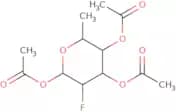
![[2S- (2a, 3b, 4a, 5b) ] - 1-Benzyl - 2-methyl-3, 4, 5- piperidinetriol](/_next/image/?url=https%3A%2Fstatic.cymitquimica.com%2Fproducts%2F3D%2Fthumb-webp%2FMB163330.webp&w=3840&q=75)
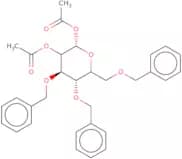

![(2R, 3S, 4S, 5R) -3-Hydroxy- 5- [(methylamino) carbonyl] - 4- (phenylmethoxy) - 2- [(phenylmethoxy…](/_next/image/?url=https%3A%2Fstatic.cymitquimica.com%2Fproducts%2F3D%2Fthumb-webp%2FMH163363.webp&w=3840&q=75)

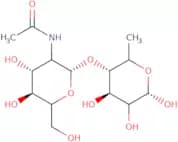
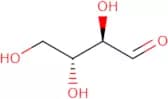

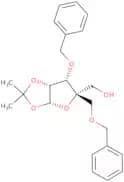
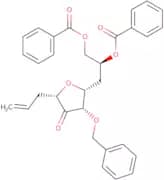
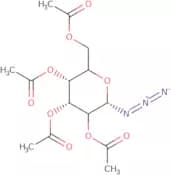
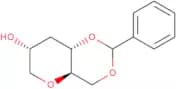

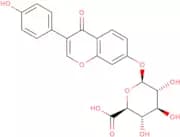
![(1R) -1- [(2R, 3S,4S) -4-Hydroxymethyl-3- hydroxy- 1- azetidinyl] -1, 2- ethanediol](/_next/image/?url=https%3A%2Fstatic.cymitquimica.com%2Fproducts%2F3D%2Fthumb-webp%2FMH163381.webp&w=3840&q=75)
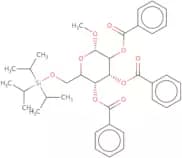
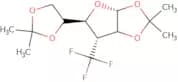
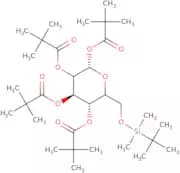
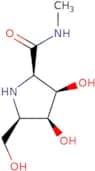


![(2S, 3S, 4R, 5R) - 3, 4-Dihydroxy- 2- methyl-1- oxa- 6, 9- diazaspiro[4.5] decane- 7, 10- dione](/_next/image/?url=https%3A%2Fstatic.cymitquimica.com%2Fproducts%2F3D%2Fthumb-webp%2FMD163949.webp&w=3840&q=75)
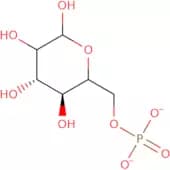
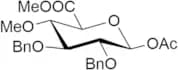
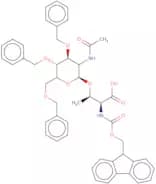
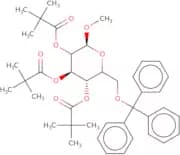
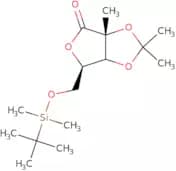

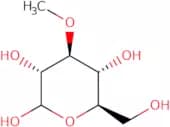

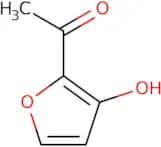
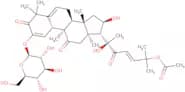
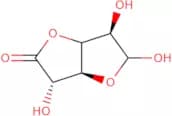
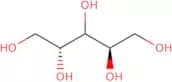
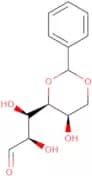


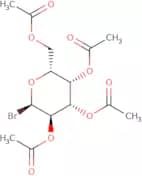

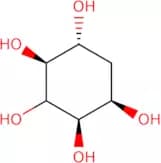
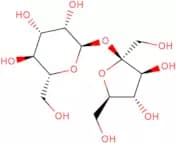

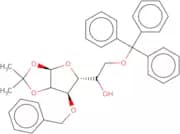

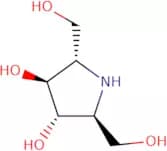
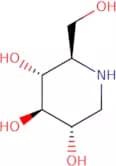
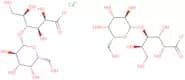
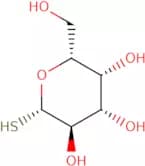
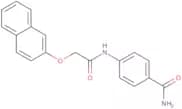
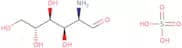

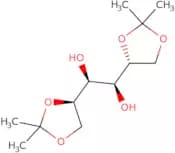
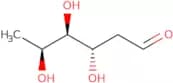


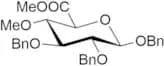

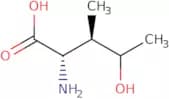

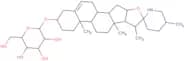
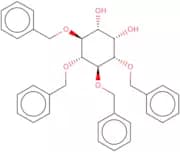
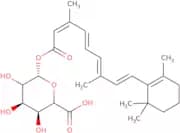
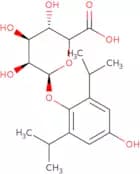
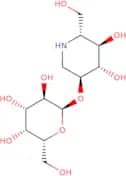
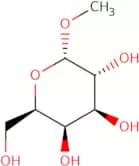
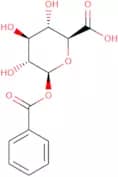
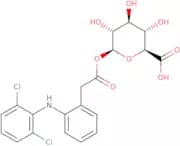

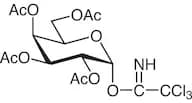

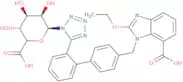
![N-Acetyl-D-[2-¹³C]neuraminic acid](/_next/image/?url=https%3A%2Fstatic.cymitquimica.com%2Fproducts%2F3D%2Fthumb-webp%2FMA15585.webp&w=3840&q=75)
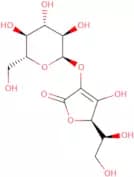
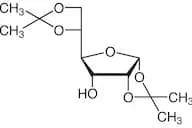
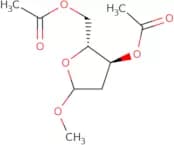
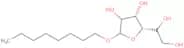
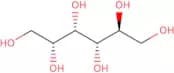
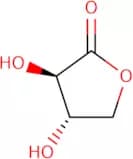
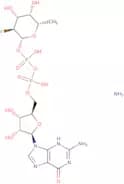
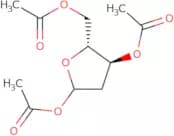
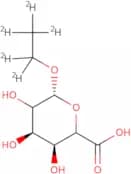
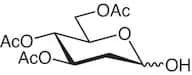
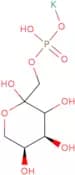
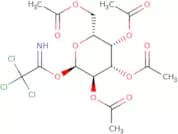

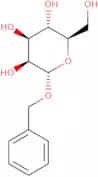

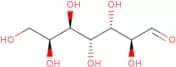
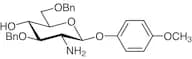
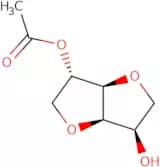
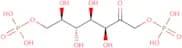

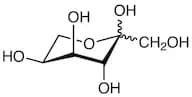
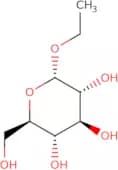
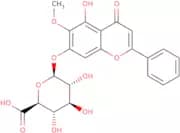

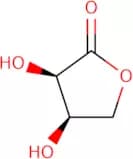
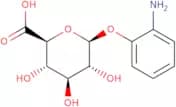
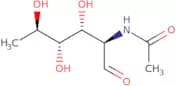
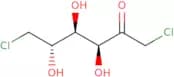
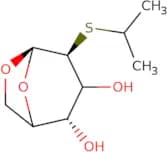
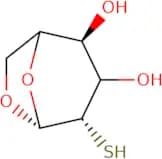
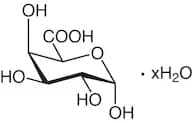
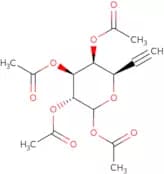
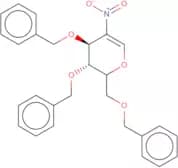
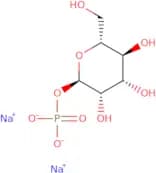
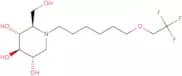
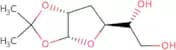
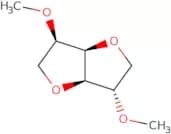
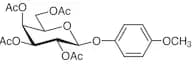
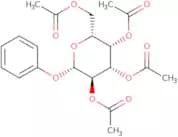
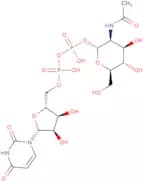
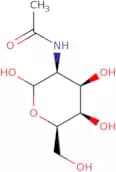
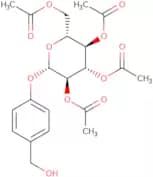
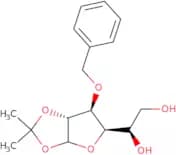
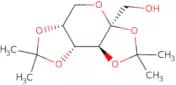
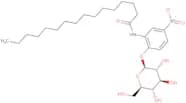
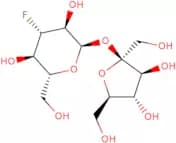
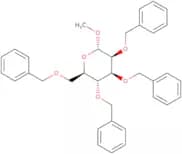

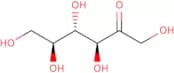

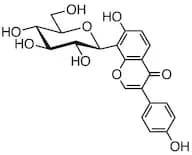

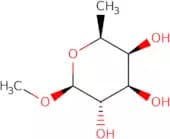
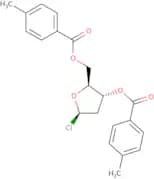
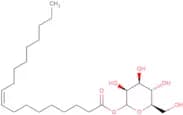
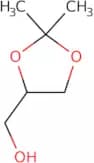
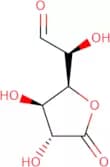
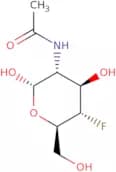
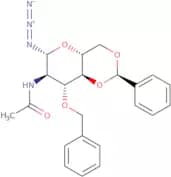

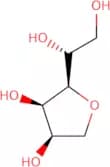

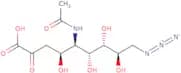
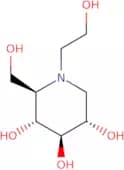
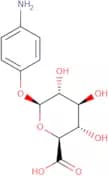
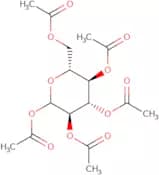
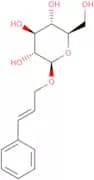
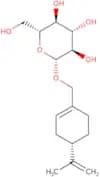
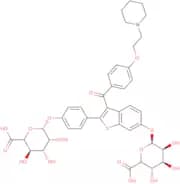

![D-[UL-¹³C6]mannose](/_next/image/?url=https%3A%2Fstatic.cymitquimica.com%2Fproducts%2F3D%2Fthumb-webp%2FMLA10074.webp&w=3840&q=75)