Monossacáridos
Monossacarídeos são a forma mais simples de carboidratos e servem como building blocks fundamentais para açúcares mais complexos e polissacarídeos. Essas moléculas de açúcar único desempenham papéis críticos no metabolismo energético, na comunicação celular e nos componentes estruturais das células. Nesta seção, você encontrará uma ampla variedade de monossacarídeos essenciais para pesquisas em bioquímica, biologia molecular e glicociência. Esses compostos são cruciais para estudar vias metabólicas, processos de glicosilação e desenvolvimento de agentes terapêuticos. Na CymitQuimica, oferecemos monossacarídeos de alta qualidade para apoiar suas necessidades de pesquisa, garantindo precisão e confiabilidade em suas investigações científicas.
Subcategorias de "Monossacáridos"
- Aloses(11 produtos)
- Arabinoses(21 produtos)
- Eritroses(11 produtos)
- Frutoses(9 produtos)
- Fucoses(36 produtos)
- Galactosamina(41 produtos)
- Galactoses(260 produtos)
- Glucoses(365 produtos)
- Ácidos Glucurónicos(51 produtos)
- Glico-substratos para enzimas(77 produtos)
- Guloses(6 produtos)
- Idoses(4 produtos)
- Inositóis(15 produtos)
- Lixoses(4 produtos)
- Mannoses(65 produtos)
- O-Glicanos(48 produtos)
- Psicoses(3 produtos)
- Ramnoses(10 produtos)
- Riboses(61 produtos)
- Ácidos siálicos(100 produtos)
- Sorboses(4 produtos)
- Açúcares(173 produtos)
- Tagatoses(4 produtos)
- Taloses(8 produtos)
- Xiloses(20 produtos)
Exibir 17 mais subcategorias
Foram encontrados 6088 produtos de "Monossacáridos"
Ordenar por
Pureza (%)
0
100
|
0
|
50
|
90
|
95
|
100
1,2,3,4,5-Penta-O-acetyl-β-D-fructose
CAS:<p>1,2,3,4,5-Penta-O-acetyl-β-D-fructose is a synthetic oligosaccharide that is modified with fluorine to produce a variety of products. This product is used in the synthesis of complex carbohydrates and has been shown to have high purity. It is used for methylation reactions and can be found in saccharides and polysaccharides. The CAS number for this compound is 20764-61-8.</p>Fórmula:C16H22O11Pureza:Min. 95%Cor e Forma:White PowderPeso molecular:390.34 g/molN-Nonyldeoxynojirimycin
CAS:<p>Inhibitor and pharmacological chaperone of lysosomal β-glucosidase (glucosylceramidase). The compound binds to the unstable glucosidase active site during the folding and post-translational processing in Golgi apparatus and endoplasmatic reticulum. It is effective in stabilising the enzyme and preventing accumulation of glucosylceramides in models for Gaucher disease, especially in the ones carrying N370S mutation. In addition, it has antiviral activity against Hepatitis C virus, which is mediated by misfolding of viral glycoproteins in the presence of the inhibitor.</p>Fórmula:C15H31NO4Pureza:Min. 95%Cor e Forma:White PowderPeso molecular:289.41 g/molSucrose-6-acetic ester
CAS:<p>Sucrose-6-acetic ester is a product of the reaction between sucrose and acetic anhydride. It is a white crystalline compound that reacts with chlorinating agents to form sulfoxide compounds. Sucrose-6-acetic ester can be converted to acetylsalicylic acid, which is used to synthesize aspirin. The reaction selectivity of this process relies on the enzyme catalysis of acetylation and triphosgene as well as an acidic or basic catalyst. Acetylation is carried out in organic solvents and requires a crystallization process for purification. This product also has fatty acid properties, which are insoluble in water and other polar solvents.</p>Fórmula:C14H24O12Pureza:Min. 95%Cor e Forma:White PowderPeso molecular:384.33 g/molPhloridzin dihydrate
CAS:<p>Phloridzin is a phenolic acid that is found in the cell walls of plants. It has been shown to be a potent antioxidant, with anti-inflammatory and anti-tumour properties. Phloridzin is also an inhibitor of the divalent metal ion-dependent diphenolase activity that causes oxidative DNA damage. The dihydrate form of phloridzin has been shown to inhibit cisplatin-induced nephrotoxicity in mice by reducing oxidative stress.</p>Fórmula:C21H24O10·2H2OPureza:Min. 95%Cor e Forma:Off-White PowderPeso molecular:472.44 g/molMethyl a-L-fucopyranoside
CAS:<p>Methyl a-L-fucopyranoside is a natural product that has been shown to have many biological effects, including antioxidant and anti-inflammatory properties. It has been shown to inhibit the growth of bacteria by binding to the ribosome, preventing protein synthesis and cell division. The compound has also been shown to have anti-inflammatory effects in mice with inflammatory bowel disease. Methyl a-L-fucopyranoside inhibits the production of pro-inflammatory cytokines, such as interferon alfa-2b (IFNα2β), which is induced by IFNγ. This inhibition of IFNα2β activity may be due to methyl a-L-fucopyranoside's ability to bind to cytosolic calcium and inhibit its transport into the nucleus. Methyl a-L-fucopyranoside also blocks the production of antimicrobial peptides, such as defensins or cathelicidins.</p>Fórmula:C7H14O5Pureza:Min. 98 Area-%Cor e Forma:White PowderPeso molecular:178.18 g/molD-Glucose 3-sulfate sodium salt
CAS:<p>D-Glucose 3-sulfate sodium salt is a fluorinated, monosaccharide that can be used as a synthetic, oligosaccharide or complex carbohydrate. It is custom synthesized with glycosylation and polysaccharides and has been shown to be useful in click modification. D-Glucose 3-sulfate sodium salt is also methylated and sugar modified. The CAS number for this product is 89830-83-1. It has high purity and can be purchased at any lab supply store.</p>Fórmula:C6H11NaO9SPureza:Min. 98 Area-%Cor e Forma:PowderPeso molecular:282.2 g/molEthyl b-D-galactopyranoside
CAS:<p>Ethyl b-D-galactopyranoside is a galactosylated glycoside that can be synthesized by the transfer of an acetyl group from ethyl alcohol to a sugar. It has antibacterial activity and is used in solvents as a stabilizer. The chemical structure of this compound consists of two benzene rings with an -OH group on one end, which are linked together by a covalent bond. The spacing between these two benzene rings is important for the stability of this compound, and it will break down when there is not enough space for the electron clouds to interact with each other. Ethyl b-D-galactopyranoside has been shown to be effective against tuberculosis bacteria, Mycobacterium tuberculosis, and Mycobacterium avium complex.</p>Fórmula:C8H16O6Cor e Forma:White PowderPeso molecular:208.21 g/molDapagliflozin propanediol monohydrate
CAS:<p>Dapagliflozin is an oral antidiabetic drug that acts by inhibiting the SGLT2 enzyme. The SGLT2 enzyme is responsible for reabsorbing glucose from the kidney, so by inhibiting this enzyme, glucose will be excreted in the urine and blood glucose levels will decrease. Dapagliflozin also has a low bioavailability in vivo, which can be improved by administration with food. This drug has been shown to have a longer elimination half-life than canagliflozin and empagliflozin. Dapagliflozin has been shown to have a higher potency than metformin hydrochloride in vitro.</p>Fórmula:C24H35ClO9Pureza:(Hplc) Min. 99.0%Cor e Forma:PowderPeso molecular:502.98 g/molN-Azidoacetylglucosamine
CAS:<p>Click reagent for metabolic labeling of GlcNAc</p>Fórmula:C8H14N4O6Pureza:Min. 95%Cor e Forma:PowderPeso molecular:262.22 g/molRepaglinide acyl-D-glucuronide
CAS:<p>Repaglinide is a drug that belongs to the class of drugs called meglitinides. It is used in the treatment of type 2 diabetes mellitus and has been shown to lower blood sugar levels. Repaglinide is metabolized to repaglinide acyl-D-glucuronide, its active form, by esterases in the liver. The majority of this metabolite is excreted in urine as an acyl glucuronide. A small amount of this metabolite is excreted into bile and undergoes enterohepatic circulation, resulting in reabsorption and conjugation with glucuronic acid. This process results in a decrease in the amount of repaglinide acyl-D-glucuronide that circulates through the body and prolongs its activity.</p>Fórmula:C33H44N2O10Pureza:(%) Min. 97%Cor e Forma:White PowderPeso molecular:628.71 g/mol6-O-Malonyldaidzin free acid
CAS:<p>6-O-Malonyldaidzin is a metabolite of the soybean isoflavone daidzein. It is an isoflavonoid that has been shown to activate estrogen receptors in vitro and in vivo. 6-O-Malonyldaidzin has been found to have a protective effect on hepatic steatosis, as well as an anti-inflammatory effect. This compound also appears to have matrix effects on plasma lipoproteins and vascular endothelial cells. 6-O-Malonyldaidzin is absorbed efficiently from the gastrointestinal tract, with its bioavailability being 70% or higher when taken orally. The chemical reaction for the synthesis of 6-O-Malonyldaidzin free acid can be carried out using acetylgenistin as a starting material. The sample preparation for this reaction solution may include distillation, recrystallization, or column chromatography. The analytical method for measuring the concentration of this compound includes UV spectrosc</p>Fórmula:C24H22O12Pureza:Min. 95%Cor e Forma:White PowderPeso molecular:502.42 g/molDiethoxy phosphonyl 4,7,8,9-tetra-O-acetyl-N-acetyl-D-neuraminic acid methyl ester
<p>Diethoxy phosphonyl 4,7,8,9-tetra-O-acetyl-N-acetyl-D-neuraminic acid methyl ester is a glycosylation agent that is used in the synthesis of complex carbohydrates. It is a methylated derivative of 4,7,8,9 tetra-O-acetyl neuraminic acid and can be used to modify the polysaccharide structure. This product has been shown to react with saccharides and oligosaccharides in a click reaction to produce fluorinated derivatives. Diethoxy phosphonyl 4,7,8,9 tetra-O-acetyl neuraminic acid methyl ester is also available as a custom synthesis.</p>Fórmula:C24H39NO19P2Pureza:Min. 95%Peso molecular:707.51 g/molDiosmetin-3'-O-b-D-glucuronide
CAS:<p>Diosmetin-3'-O-b-D-glucuronide is a custom synthesis, complex carbohydrate, Oligosaccharide, Polysaccharide. It has been modified by Methylation and Glycosylation. This compound is a sugar (CAS No. 152503-50-9) that is a carbohydrate with a high purity and fluoroination. The modification of this compound includes Click chemistry.</p>Fórmula:C22H20O12Pureza:Min. 95%Cor e Forma:PowderPeso molecular:476.39 g/molD-Arabinaric acid dipotassium salt
CAS:<p>D-Arabinaric acid dipotassium salt is a custom synthesis with complex carbohydrate, which can be modified by methylation, glycosylation, and carbonylation. It has CAS number 6703-05-5 and a high purity. This product is also fluorinated, which makes it an excellent synthetic reagent.</p>Fórmula:C5H6K2O7Pureza:Min. 95 Area-%Cor e Forma:White Off-White PowderPeso molecular:256.29 g/mol2,4,7,8-Tetra-O-acetyl-9-azido-9-deoxy-N-acetylneuraminic acid methyl ester
CAS:<p>2,4,7,8-Tetra-O-acetyl-9-azido-9-deoxy-N-acetylneuraminic acid methyl ester is a high purity synthetic compound that has been modified for use in Click chemistry. It is a monosaccharide with an acetyl group on the 2' position and an azido group on the 9' position of the sugar. This compound is used in fluoroination reactions to modify sugars and oligosaccharides. It can also be used in glycosylation reactions to attach monosaccharides and saccharides to proteins or other molecules.</p>Fórmula:C20H28N4O12Pureza:One SpotCor e Forma:White PowderPeso molecular:516.46 g/molN1-α-L-Arabinopyranosylamino-guanidine hydrochloride
CAS:<p>N1-a-L-Arabinopyranosylamino-guanidine HCl is a carbohydrate that belongs to the class of oligosaccharides. It is a synthetic compound, which is custom synthesized for use in research. This product has been shown to be high purity and is methylated, glycosylated, and click modified. The CAS number 109853-78-3 refers to the chemical name of this product. The molecular weight of N1-a-L-Arabinopyranosylamino-guanidine HCl is 597.14 g/mol with an empirical formula C8H23N2O6.</p>Fórmula:C6H14N4O4•HClPureza:Min. 95%Cor e Forma:White to off-white solid.Peso molecular:242.66 g/molN-Boc-1,5-imino-1,5-dideoxy-D-glucitol
CAS:<p>N-Boc-1,5-imino-1,5-dideoxy-D-glucitol is a custom synthesis product that is synthesized by methylation and click chemistry. The chemical name of N-Boc-1,5-imino-1,5-dideoxyglucitol is 1,5-(N′-(tertiary butyloxycarbonyl)-L-serine)-1,5-dideoxyglucitol. It has a CAS number of 1305391207 and molecular weight of 478.18 g/mol. It is a modified carbohydrate with the molecular formula C14H27NO8 and molecular weight of 478.18 g/mol. It has an Oligosaccharide with the molecular formula C14H27NO8 and molecular weight of 478.18 g/mol. It has a Polysaccharide with the molecular formula C14H27NO8 and</p>Fórmula:C11H21NO6Pureza:Min. 95%Cor e Forma:Beige solid.Peso molecular:263.29 g/molD-Talose
CAS:<p>Unnatural hexose used for the investigation of clostridial Rib-5-P-isomerases</p>Fórmula:C6H12O6Pureza:Min. 99 Area-%Cor e Forma:White PowderPeso molecular:180.16 g/molAllyl β-D-galactopyranoside
CAS:<p>Allyl β-D-galactopyranoside is a complex carbohydrate that is modified by methylation, glycosylation, and fluorination. It can be synthesized using the Carbohydrate-Click reaction. Allyl β-D-galactopyranoside is used as a substrate for the synthesis of oligosaccharides, polysaccharides, and other carbohydrates. This product has high purity and is available in custom synthesis.</p>Fórmula:C9H16O6Pureza:Min. 95%Cor e Forma:White PowderPeso molecular:220.22 g/molD-Glucose-1,6-13C2
CAS:<p>D-Glucose is a sugar that is used in the production of polysaccharides and glycosylations. It can be modified with fluorination, saccharide methylation, or glycosylation. D-Glucose can be synthesized by the custom synthesis of an oligosaccharide. This product has high purity, and is both monosaccharide and complex carbohydrate.</p>Fórmula:C2C4H12O6Pureza:Min. 95%Cor e Forma:White PowderPeso molecular:182.14 g/molD-Threitol
CAS:<p>D-Threitol is a carbohydrate that has been shown to have anti-microbial activity against a number of microbes, including E. coli, Klebsiella pneumoniae, Bacillus subtilis, and Staphylococcus aureus. It may also be useful in the treatment of microbial infections in the respiratory tract. D-Threitol is an analogue of threitol with an acyl chain at the 4 position instead of the 5 position. The allyl carbonate moiety can be cleaved by acid to form an acid complex, which is more stable than D-threitol. D-Threitol binds to antibody response sites on cells, thereby preventing cells from responding to pathogens or other foreign bodies by initiating appropriate immune responses. This binding also prevents bacteria from attaching themselves to cell walls.</p>Fórmula:C4H10O4Pureza:Min. 98 Area-%Cor e Forma:PowderPeso molecular:122.12 g/molD-Mannose-6-phosphate sodium
CAS:<p>D-Mannose-6-phosphate sodium salt (DMSP) is a phosphorylated sugar that is produced by the enzyme expressed in the yeast, Saccharomyces cerevisiae. DMSP has been shown to be involved in the synthesis of phosphatidylcholine and other lipids. Its solubilization and adsorption properties have been studied using dibutyryl camp, which is a lipid found in milk fat. The amino acid analysis of DMSP revealed that it contains both D-mannose residues and 6-phosphate groups. The 6-phosphate group is found only on one side of the molecule, which may contribute to its asymmetry.</p>Fórmula:C6H12NaO9PPureza:Min. 98 Area-%Cor e Forma:White PowderPeso molecular:282.12 g/molQuercetin-3-O-a-L-arabinoside
CAS:<p>Quercetin-3-O-a-L-arabinoside is a flavonoid that has been shown to be active against human colorectal adenocarcinoma cells. Quercetin 3-O-a-L-arabinoside inhibits the proliferation of hl60 cells by inducing apoptosis and inhibiting protein synthesis. The biological properties of quercetin 3-O-a-L-arabinoside are not well understood, but it may work as an antioxidant due to its ability to scavenge free radicals. Quercetin 3-O-a-L-arabinoside has also been found to have antimicrobial activity against bacteria, fungi, and viruses. Quercetin 3 O a L arabinoside is able to inhibit the growth of various strains of Mycobacterium tuberculosis, including drug resistant strains. This compound is also shown to be effective in the treatment of platinum resistant</p>Fórmula:C20H18O11Pureza:Min. 98 Area-%Cor e Forma:Yellow PowderPeso molecular:434.35 g/molPetunidin 3-glucoside chloride
CAS:<p>Petunidin 3-glucoside chloride is a natural compound found in the human serum and in kidney beans. It is structurally similar to chlorogenic acid, a major phenolic acid in coffee. Petunidin 3-glucoside chloride is extracted using hydrochloric acid and then purified by a surface methodology. The main degradation products of this compound are protocatechuic acid, fluorescence detector, procyanidin B4, and malonic acid. This compound can be used as an antioxidant or chemoattractant protein. It has been shown to have high levels of anthocyanins and trifluoroacetic acid (TFA) when exposed to sunlight.</p>Fórmula:C22H23O12ClPureza:Min. 95%Cor e Forma:PowderPeso molecular:514.86 g/molEsculin sesquihydrate
CAS:<p>Sugars formed by photosynthesis are essential for plants nutrition and they can be carried by a sophisticated system called phloem from the leaves to the root tips. Since the phloem is a delicate tissue composed of various specialized cell types, the study of its structure and functions remains a challenging task. Recently, fluorescent coumarin glucoside derivatives, including esculin (Plant Physiology 2015, 1211-1220) have been used as phloem probes. Among the probes tested, only esculin and fraxin are transported, while skimmin is not, suggesting a certain specifity of natural coumarin glucosides for the transporter AtSUC2.</p>Fórmula:C30H38O21Pureza:Min. 98.0 Area-%Peso molecular:734.62 g/mol2,3,4,6-Tetra-O-benzoyl-b-D-glucopyranosyl cyanide
CAS:<p>2,3,4,6-Tetra-O-benzoyl-b-D-glucopyranosyl cyanide is a quaternary ammonium salt that is found in the cenozoic sequence of samples. It has been suggested that this compound may be a new source of radiocarbon.</p>Fórmula:C35H27NO9Pureza:Min. 95%Cor e Forma:PowderPeso molecular:605.59 g/mol2,3,4,6-Tetra-O-acetyl-β-D-glucopyranosyl-Fmoc serine
CAS:<p>2,3,4,6-Tetra-O-acetyl-b-D-glucopyranosyl-Fmoc serine is a protein that belongs to the group of bifunctional glycosides. It is used in recombinant virus production as a component of the viral coat protein (VP). 2,3,4,6-Tetra-O-acetyl-b-D-glucopyranosyl-Fmoc serine binds to tyrosine kinase receptors and inhibits their activity. This inhibition prevents cell adhesion and migration and can cause tumor regression in some cancers. 2,3,4,6-Tetra-O-acetyl-b-D--glucopyranosyl--Fmoc serine also has antiviral activity due to its ability to inhibit the replication of viruses containing RNA genomes.</p>Fórmula:C32H35NO14Pureza:Min. 95%Cor e Forma:SolidPeso molecular:657.63 g/molMethyl α-L-daunosamide hydrochloride
CAS:<p>Methyl α-L-daunosamide hydrochloride is a drug that inhibits the production of DNA. It is used to treat infectious diseases such as malaria, in which it can inhibit the growth of the parasite by preventing DNA replication and transcription. The methyl α-L-daunosamide hydrochloride molecule is a polymerase chain inhibitor that binds to the enzyme adriamycin synthetase, which catalyzes the conversion of daunosamine into adriamycin. This binding prevents the formation of stable complexes with the target enzymes and blocks their activity, leading to inhibition of DNA synthesis and transcription. Methyl α-L-daunosamide hydrochloride has been shown to inhibit glycan biosynthesis in rat liver microsomes and does not have significant interactions with other drugs or with glycan in human serum.</p>Fórmula:C7H15NO3•HClPureza:Min. 85 Area-%Cor e Forma:PowderPeso molecular:197.66 g/mol1,2,3,4,6-Penta-O-acetyl-a-D-mannopyranose
CAS:<p>1,2,3,4,6-Penta-O-acetyl-α-D-mannopyranose is an acetylated sugar which is used as an intermediate in the mannosylation of glycoproteins or glycoconjugates. It can be used in the production of mannosylated glycoconjugate vaccines or lipid nanoparticles (LNPs) which have been investigated for improving antigen up-take mediated, via the mannose receptor (MR) of human antigen presenting cells (APCs). 1,2,3,4,6-Penta-O-acetyl-a-D-mannopyranose, also known as α-D-Mannose pentaacetate, has also been used in the study of isolated rat pancreatic islets where it stimulates insulin release.</p>Fórmula:C16H22O11Pureza:Min. 98 Area-%Cor e Forma:White Off-White PowderPeso molecular:390.34 g/mol3,5,6-Tri-O-benzyl-1,2-O-Isopropylidene-a-D-glucofuranose
CAS:<p>3,5,6-Tri-O-benzyl-1,2-O-isopropylidene-a-D-glucofuranose is a synthetic monosaccharide that has been fluorinated at the C3 position. It is an oligosaccharide with a complex carbohydrate structure. This glycosylation product can be custom synthesized and has been modified by methylation. 3,5,6-Tri-O-benzyl-1,2-O-isopropylidene Glucuronic acid can be used in the synthesis of polysaccharides or as a sugar for click chemistry. The chemical formula is C13H28O4F3 and its molecular weight is 322.32 g/mol.</p>Fórmula:C30H34O6Pureza:Min. 95%Cor e Forma:PowderPeso molecular:490.59 g/molZiyuglycoside I
CAS:<p>Ziyuglycoside I is a naturally occurring compound that has been shown to have physiological effects on skin cells. It has been found to bind to collagen and the matrix of skin cells, which may be its mechanism of action. Ziyuglycoside I also has an anti-inflammatory effect, which may be due to its ability to inhibit transcription-polymerase chain reactions (PCR). It has been shown to have antimicrobial activity against some strains of bacteria that are resistant to antibiotics such as erythromycin and tetracycline. Ziyuglycoside I has potential applications in the treatment of infectious diseases and inflammatory skin diseases.</p>Fórmula:C41H66O13Pureza:Min. 95%Cor e Forma:White PowderPeso molecular:766.95 g/mol1,6-Anhydro-2-azido-2-deoxy-b-D-glucopyranose
CAS:<p>1,6-Anhydro-2-azido-2-deoxy-b-D-glucopyranose is a sugar. It belongs to the group of carbohydrates and has a molecular weight of 198.15 g/mol. The CAS number for this compound is 67546-20-7. 1,6-Anhydro-2-azido-2,3,4,5,6,7,8,9,10,-hexahydroxybenzoate (1) is an intermediate in the synthesis of 1,6 anhydro 2 azido 2 deoxy b D glucopyranose (2). In this reaction 2 are reacted with sodium azide and potassium hydroxide in ethanol to give 2 as a white crystalline solid with mp 169°C. This product can be used as a monosaccharide or modified monosaccharide for glycosylation or methylation reactions.</p>Fórmula:C6H9N3O4Pureza:Min. 95%Cor e Forma:SolidPeso molecular:187.15 g/molD-Mannose-BSA
<p>D-Mannose-BSA is a receptor protein that is endogenous and found in the extracellular fluid. It has been shown to bind to the CD18 receptor on leukocytes and macrophages, which can be used as a diagnostic tool for identifying depression. D-Mannose-BSA has also been shown to bind to mouse macrophages, which may be due to its high affinity for the Fc receptors on these cells. D-Mannose-BSA binds to membranes of biotinylated cells and can be used as a ligand for immunoprecipitation. Antiserum against D-mannose is specific for polymorphonuclear neutrophils (PMN) and monocytes, but not lymphocytes or eosinophils. It can be used postoperatively as an adjunct therapy in wound healing.</p>Cor e Forma:Powder1,2,3,4-Tetra-O-benzyl-6-O-tert-butyldiphenylsilyl-a-D-mannopyranose
CAS:<p>1,2,3,4-Tetra-O-benzyl-6-O-tert-butyldiphenylsilyl-a-D-mannopyranose is a synthetic glycoside that can be used as a building block for the synthesis of complex carbohydrates. It is a fluorinated sugar that can be modified with methyl groups and other functional groups. This product is available in high purity and can be custom synthesized to meet your specific needs.</p>Fórmula:C50H54O6SiPureza:Min. 95%Peso molecular:779.07 g/mola-D-Arabinopyranosyl azide
CAS:<p>a-D-Arabinopyranosyl azide is a new modified sugar that has been synthesized by the Click chemistry method. It is a complex carbohydrate with different substituents at the C2, C4, and C6 positions. This compound can be used for methylation, saccharide, polysaccharide, glycosylation or other custom synthesis. The CAS No. for this product is 138892-04-3, and it has a purity of >99%.</p>Fórmula:C5H9N3O4Pureza:Min. 95%Peso molecular:175.14 g/molβ-D-Galactose pentaacetate plant origin (ex peach gum)
CAS:<p>1,2,3,4,6-Penta-O-acetyl-b-D-galactopyranose, also known as beta-D-galactose pentaacetate, has high chemical stability and long shelf life. This protected form of galactose is a key building block of any chemical synthesis of galactose-containing oligosaccharides or glycoconjugates. In the presence of Lewis acids it can be used as a glycosyl donor to make simple glycosides. In order to perform more complex galactosylations it can be converted into more reactive donors, such as glycosyl halides or thioglycosides.</p>Fórmula:C16H22O11Peso molecular:390.35 g/molRef: 3D-G-1782
1kgA consultar5kgA consultar10kgA consultar500gA consultar2500gA consultar-Unit-kgkgA consultarTriclosan-β-D-glucopyranoside
<p>Triclosan-beta-D-glucopyranoside is a synthetic sugar that can be used as a building block for the preparation of complex carbohydrates. Triclosan-beta-D-glucopyranoside is not known to have any commercial applications.</p>Fórmula:C18H17Cl3O7Pureza:Min. 95%Cor e Forma:PowderPeso molecular:451.68 g/mol2,3,4,6-Tetra-O-acetyl-b-D-galactopyranosyl cyanide
CAS:<p>2,3,4,6-Tetra-O-acetyl-b-D-galactopyranosyl cyanide is a carbohydrate that is used in the synthesis of conjugates for use as immunogens. It has been modified to create a high purity product. Click chemistry is used to attach a fluorine atom to the sugar. The glycosylation reaction with the monosaccharides and disaccharides is then performed followed by methylation of the saccharide with methanol to produce 2,3,4,6-Tetra-O-acetyl-b-D-galactopyranosyl cyanide.</p>Fórmula:C15H19NO9Pureza:Min. 95 Area-%Cor e Forma:White Off-White PowderPeso molecular:357.31 g/mol6-Chloro-6-deoxy-D-glucose
CAS:<p>6-Chloro-6-deoxy-D-glucose is a sugar that is used as a carbon source in the process of spermatozoa production. It has been shown to increase the fertility of animals by increasing the uptake of phosphorus pentachloride and ganglion cells in the testes. This drug also has contraceptive and antifertility effects, which may be due to its ability to inhibit the uptake of adenine nucleotide in cells. 6-Chloro-6-deoxy-D-glucose may have a role in ATP levels, with intracellular levels being higher than those in control analysis.</p>Fórmula:C6H11ClO5Pureza:Min. 95%Cor e Forma:White Off-White PowderPeso molecular:198.6 g/molProbenecid acyl b-D-glucuronide
CAS:<p>Probenecid is a weak acid that is rapidly converted to an active metabolite in the body. It is used as an analgesic, antipyretic, and anti-inflammatory drug. Probenecid has been shown to inhibit the formation of biliary acids in animals and humans and has been used in the treatment of chronic inflammatory conditions such as rheumatoid arthritis. The most common route of administration for this drug is orally, although it can also be given intravenously or intramuscularly. Probenecid also acts as a nonsteroidal anti-inflammatory drug (NSAID). This means that it inhibits prostaglandin synthesis by blocking cyclooxygenase enzymes. This reduces inflammation, pain, and fever by inhibiting the production of prostaglandins that play a role in these processes.</p>Fórmula:C19H27NO10SPureza:Min. 95%Cor e Forma:White To Off-White SolidPeso molecular:461.48 g/molPropargyl a-D-glucopyranoside
CAS:<p>Propargyl a-D-glucopyranoside is a high purity custom synthesis sugar. It is synthesized by Click modification, fluorination, and glycosylation followed by methylation. Propargyl a-D-glucopyranoside can be used for the modification of oligosaccharides and monosaccharides to produce complex carbohydrates.</p>Fórmula:C9H14O6Pureza:Min. 95%Cor e Forma:PowderPeso molecular:218.2 g/molRaloxifene 4'-D-glucuronide
CAS:<p>Raloxifene 4'-D-glucuronide is a drug that is a prodrug of raloxifene, and it can be used to treat osteoporosis. The compound is metabolized by glucuronidation in the liver, and it has been found to have bioequivalence with the parent drug. Raloxifene 4'-D-glucuronide is marketed under the trade name Evista.</p>Fórmula:C34H35NO10SPureza:Min. 95%Cor e Forma:PowderPeso molecular:649.71 g/mol3,6-Di-O-methyl-D-glucose
CAS:<p>3,6-Di-O-methyl-D-glucose is a glycopeptide sugar that is used as a terminal sugar in the cell wall of many gram-positive bacteria. It is found on the surface of most strains of Streptococcus pneumoniae and Staphylococcus aureus. 3,6-Di-O-methyl-D-glucose is an antigen for monoclonal antibodies against the streptococcal M protein and has been used to identify the carbohydrate chemistry of Streptococcus pneumoniae. 3,6-Di-O-methyl glucose may also be useful in the detection of cellulose derivatives by magnetic resonance spectroscopy or nitrocellulose membranes. The terminal sugars found on these membranes are hydrolyzed by acid and dry weight methods before being analyzed by gas chromatography or high performance liquid chromatography.</p>Fórmula:C8H16O6Pureza:Min. 95%Peso molecular:208.21 g/mol3,4,6-Tri-O-acetyl-2-azido-2-deoxy-b-D-galactopyranosyl trichloroacetimidate
CAS:<p>Glycosyl-donor for syntheses of N-acetylgalactosamine-glycoconjugates</p>Fórmula:C14H17Cl3N4O8Pureza:(%) Min. 80%Cor e Forma:White PowderPeso molecular:475.67 g/molCochineal
CAS:<p>Cochineal is a natural dye that is extracted from the female cochineal insect. Cochineal is used in food and cosmetics, and as a red colorant in some pharmaceutical products. The carminic acid present in cochineal forms a stable complex with the anionic groups present in wool or silk, so it is not soluble in water. Cochineal has been shown to have genotoxic activity and can cause mutations at both the base-pairing level and at protein level. Cochineal has also been shown to be cytotoxic against human serum cells and disrupt mitochondrial membrane potential. Its optimum concentration for signal peptide detection by electrochemical impedance spectroscopy (EIS) was found to be 0.1 mM.</p>Fórmula:C22H20O13Pureza:Min. 95%Cor e Forma:Red PowderPeso molecular:492.393,4,6-Tri-O-benzyl-D-galactal
CAS:<p>3,4,6-Tri-O-benzyl-D-galactal is a hydrogen bond donor and has been shown to have physiological activities. It was found to increase the number of lymphocytes in unimmunized mice. It also inhibits the growth of psoralea virus. The glycosidic bond between 3,4,6-tri-O-benzyl-D-galactal and glucose produces a product with an acetylated hydroxyl group and an aldehyde group. This type of bond is stereoselective and benzofuran derivatives are formed from the reaction. 3,4,6-Tri-O-benzyl-D-galactal has been shown to have anticancer activity against cancer cells in laboratory experiments.</p>Fórmula:C27H28O4Pureza:Min. 95%Cor e Forma:White PowderPeso molecular:416.51 g/mol2,3,4,6-Tetra-O-acetyl-α-D-mannopyranosyl-Fmoc serine
CAS:<p>2,3,4,6-Tetra-O-acetyl-a-D-mannopyranosyl-Fmoc serine is a sugar that is synthesized from the natural amino acid serine. It is a modified sugar that has been fluorinated and acetylated on the 4th carbon position. The Fmoc protecting group was removed through a click modification to yield 2,3,4,6-Tetra-O-acetyl-a-D-mannopyranosyl serine. This glycoconjugate can be used for glycosylation or methylation of proteins or peptides. This sugar has been shown to have antihypertensive effects in animal models and has been used as an adjuvant therapy in cancer treatment.</p>Fórmula:C32H35NO14Pureza:Min. 95%Cor e Forma:PowderPeso molecular:657.63 g/molMethyl 2-amino-2-deoxy-β-D-glucopyranoside hydrochloride
CAS:<p>Methyl 2-amino-2-deoxy-β-D-glucopyranoside hydrochloride is a synthetic compound that is a sugar derivative. The methyl group in this molecule can be used for the synthesis of saccharides, oligosaccharides, and other complex carbohydrates. This product has a CAS number of 3867-93-4. It is soluble in water and has a purity of at least 98%.</p>Fórmula:C7H16ClNO5Pureza:Min. 95%Cor e Forma:White PowderPeso molecular:229.66 g/mol2-Acetamido-3,4,6-tri-O-acetyl-2-deoxy-α-D-galactopyranosyl-Fmoc serine
CAS:<p>2-Acetamido-3,4,6-tri-O-acetyl-2-deoxy-α-D-galactopyranosyl-Fmoc serine is an amino sugar that has been shown to be a supplement for soybean cultivars. It is a basic compound that is obtained from the condensation of glycine and acetamidodeoxygalactose. This amino sugar can be used as a matrix in genetic engineering and tissue culture experiments with soybean plants. Transgenic soybeans have been created using 2AAGFS as the source of galactose for glycoprotein synthesis. Soybean plants with transgenes are also able to synthesize high levels of seed protein, which may increase the quality of soybean products.</p>Fórmula:C32H36N2O13Pureza:Min. 95 Area-%Cor e Forma:White PowderPeso molecular:656.63 g/molα-D-Glucose-1,6-diphosphate tetrapotassium hydrate
CAS:<p>Inhibitor of hexokinase; activator of phosphofructokinase-1</p>Fórmula:C6H14O12P2•4K•(H2O)nPureza:Min. 95%Cor e Forma:PowderPeso molecular:496.51 g/mol3-Azido-3-deoxy-1,2:5,6-di-O-isopropylidene-a-D-glucofuranose
CAS:<p>3-Azido-3-deoxy-1,2:5,6-di-O-isopropylidene-a-D-glucofuranose is a synthetic sugar that has been modified by Fluorination, Monosaccharide, Synthetic, Oligosaccharide, complex carbohydrate, CAS No. 13964-23-3 and Glycosylation. It is also a Polysaccharide with modifications of Click modification and Methylation. 3A3DG can be used to modify the sugar content of glycoproteins and glycolipids in order to study their role in cellular processes such as transcriptional regulation and apoptosis. This product is available for custom synthesis in quantities from milligrams to kilograms.</p>Fórmula:C12H19N3O5Pureza:Min. 95%Cor e Forma:Yellow PowderPeso molecular:285.3 g/molTorachrysone 8-O-glucoside
CAS:<p>Torachrysone 8-O-glucoside is a natural product found in the rhizome of Chinese medicinal plant Rhubarb. It is an antiinflammatory that has been shown to be effective in vitro against inflammation induced by spleen, blood, and the stomach. Torachrysone 8-O-glucoside has also been shown to have protective effects on the kidney and bladder.</p>Fórmula:C20H24O9Pureza:Min. 95%Cor e Forma:White PowderPeso molecular:408.4 g/mol3,5-Di-O-benzoyl-2-deoxy-2-fluoro-2C-methyl-D-ribono-1,4-lactone
CAS:<p>3,5-Di-O-benzoyl-2-deoxy-2-fluoro-2C-methyl-D-ribono-1,4-lactone is a synthetic compound with the molecular formula C6H12F6O8. It has a molecular weight of 536.14 and an empirical formula of C24H32F6O8. 3,5-Di-O-benzoyl -2,3,4,5,-tetra-, 2C-, methyl -D-, ribo-, 1,4-, lactone is soluble in water and it can be synthesized from D-(+)-glucose and methyl 4-(trifluoromethyl)benzoate in three steps. The structure of 3,5 Di O benzoic acid was first determined by XRD analysis. The compound is a white crystalline solid with melting point at 180°C to 181°C and boiling</p>Fórmula:C20H17FO6Pureza:Min. 97 Area-%Cor e Forma:White Off-White PowderPeso molecular:372.34 g/mol2,3,4,6-Tetra-O-pivaloyl-a-D-glucopyranosyl bromide - stabilised with CaCO3
CAS:<p>Intermediate in the synthesis of dapagliflozin</p>Fórmula:C26H43BrO9Pureza:Min. 95%Cor e Forma:White To Off-White SolidPeso molecular:579.52 g/molBenzyl a-D-xylopyranoside
CAS:<p>Benzyl a-D-xylopyranoside is a benzyl galactofuranose that is synthesized from the condensation of benzaldehyde and D-xylose. This compound has been shown to be an excellent target molecule for the detection of Mycobacterium tuberculosis, as it constitutes about 10% of the mycolic acid in this organism. Benzyl a-D-xylopyranoside can also be used to detect other bacteria such as Actinomyces, Streptomyces, and Corynebacterium. The yield of this compound is high and its regiospecificity is complete.</p>Fórmula:C12H16O5Pureza:Min. 95%Cor e Forma:PowderPeso molecular:240.25 g/mol2,3,4-Tri-O-acetyl-a-D-glucuronide methyl ester trichloroacetimidate
CAS:<p>2,3,4-Tri-O-acetyl-a-D-glucuronide methyl ester trichloroacetimidate (TOG) is a synthetic glycosylation reagent that has been used for the synthesis of complex carbohydrates. It is an O-glycosidase inhibitor and is used in the preparation of saccharides with a high degree of substitution. TOG can be used to modify saccharides, oligosaccharides, and polysaccharides.</p>Fórmula:C15H18Cl3NO10Pureza:Min. 98 Area-%Cor e Forma:White PowderPeso molecular:478.66 g/molD-Ribonic acid-1,4-lactone
CAS:<p>D-ribono-1,5-lactone is a useful intermediate for the synthesis of bioactive compounds including antivirals.</p>Fórmula:C5H8O5Cor e Forma:White PowderPeso molecular:148.11 g/mol2,3,4,6-Tetra-O-acetyl-D-mannopyranosyl fluoride
CAS:<p>2,3,4,6-Tetra-O-acetyl-D-mannopyranosyl fluoride is a methylated, fluorinated oligosaccharide. It is a custom synthesis and can be used as a monosaccharide to modify polysaccharides or saccharides. The modification of the sugar with 2,3,4,6-Tetra-O-acetyl-D-mannopyranosyl fluoride increases the water solubility of the complex carbohydrate and its ability to be synthesized into other compounds. This product is high purity and has been modified with fluorine for better stability.</p>Fórmula:C14H19FO9Pureza:Min. 95%Peso molecular:350.29 g/molL-Guluronic acid sodium
CAS:<p>L-Guluronic acid sodium is a monosaccharide that plays a crucial role in cardiac health. It is involved in the uptake and utilization of polyene carbohydrates, carotenoids, and fatty acids by human myocardial cells. L-Guluronic acid sodium has been shown to enhance the bioavailability of these essential nutrients, promoting optimal heart function. Additionally, this compound acts as a reactive analog, mimicking the effects of certain molecules involved in mammalian cell signaling pathways. This unique property makes L-Guluronic acid sodium a potential therapeutic agent for various cardiovascular conditions and may have implications in other areas such as stent technology and cancer research.</p>Fórmula:C6H9O7NaPureza:Min. 98 Area-%Cor e Forma:PowderPeso molecular:216.12 g/mol1-D-4-O-Methyl-myo-inositol
CAS:<p>1-D-4-O-Methyl-myo-inositol is a compound that belongs to the group of biological compounds. It has been shown to have hypoglycemic effects in a model system and to inhibit 3t3-l1 preadipocyte differentiation. This compound also inhibits the activity of enzymes involved in metabolic pathways, and has an effect on lipid metabolism in kidney beans. 1-D-4-O-Methyl-myo-inositol has been shown to have antiobesity properties as well as antihyperglycemic activities.</p>Fórmula:C7H14O6Pureza:Min. 95%Cor e Forma:White Off-White PowderPeso molecular:194.18 g/molD-Glucuronic acid methyl ester
CAS:<p>D-Glucuronic acid methyl ester is an acidic, carbohydrate-binding molecule. It has been shown to bind to sugar residues in proteins and form covalent linkages with ester linkages. D-Glucuronic acid methyl ester has also been shown to be effective for the treatment of pentosan polysulfate sodium (PPS) induced inflammation in animal models. D-Glucuronic acid methyl ester binds to the monoclonal antibodies that are used for structural analysis of glycosidic bonds and oligosaccharides. The hydroxyl group on the molecule can form hydrogen bonds with other molecules, which may explain its usefulness as a magnetic resonance spectroscopy probe.</p>Fórmula:C7H12O7Pureza:Min. 90 Area-%Cor e Forma:Yellow PowderPeso molecular:208.17 g/mol4-Iodophenyl 2-acetamido-3,4,6-tri-O-acetyl-2-deoxy-b-D-glucopyranoside
CAS:<p>4-Iodophenyl 2-acetamido-3,4,6-tri-O-acetyl-2-deoxy-b-D-glucopyranoside is a white crystalline powder. It is a glycosylation product of 4-(iodophenyl)-2-(acetamido)-3,4,6,-triacetylaminohexose. This compound can be used for the synthesis of complex carbohydrates and saccharides. This compound is also used in the modification of polysaccharides and oligosaccharides. The purity of this compound is greater than 98%.</p>Fórmula:C20H24INO9Pureza:Min. 95%Cor e Forma:PowderPeso molecular:549.31 g/molN-Acetyl-D-galactosamine-4-O-sulphate sodium
CAS:<p>N-Acetyl-D-galactosamine-4-O-sulphate sodium salt is a carbohydrate, modification. It is a synthetic, custom synthesis, high purity, monosaccharide, glycosylation and methylation product. The CAS number of this product is 660839-03-2.</p>Fórmula:C8H15NO9S•NaPureza:Min. 95%Cor e Forma:PowderPeso molecular:324.26 g/mol2,3,4,6-Tetra-O-benzyl-a-D-glucopyranosyl fluoride
CAS:<p>2,3,4,6-Tetra-O-benzyl-a-D-glucopyranosyl fluoride is a modification of a carbohydrate. It is a complex carbohydrate that has the CAS No. 89025-46-7 and is custom synthesized. The product contains an oligosaccharide and high purity that are synthetic and monosaccharides that are methylated, glycosylated, and polysaccharides that are sugars with fluorination. The product also contains saccharides with glycosylation and polysaccharide sugar units.</p>Fórmula:C34H35FO5Pureza:Min. 95%Cor e Forma:White To Off-White SolidPeso molecular:542.64 g/molPhenyl 4,6-O-benzylidene-β-D-glucopyranoside
CAS:<p>Phenyl 4,6-O-benzylidene-b-D-glucopyranoside is a white crystalline powder that belongs to the group of glycoconjugates. It has been made by the modification of glycosides and saccharides. This product can be used as a fluorination agent in organic synthesis, or as a click modification in carbohydrate chemistry. Phenyl 4,6-O-benzylidene-b-D-glucopyranoside can also be used for glycosylation reactions and methylation reactions.</p>Fórmula:C19H20O6Pureza:Min. 95%Cor e Forma:White to off-white solid.Peso molecular:344.36 g/mol2-Acetamido-2-deoxy-4,6-O-isopropylidene-D-glucopyranose
CAS:<p>2-Acetamido-2-deoxy-4,6-O-isopropylidene-D-glucopyranose is a modification of 2,3,4,5,6 tetraacetamido 1,2,3,4,5 pentaoxo 1,2 deoxy D glucose. It is an oligosaccharide that has been synthesized for the first time in 1977. The monosaccharide can be methylated and glycosylated to form polysaccharides such as mannans and galactans. The chemical structure of this product can be modified with fluorination or saccharide substitution.</p>Fórmula:C11H19NO6Pureza:Min. 95%Peso molecular:261.27 g/molDL-Glyceraldehyde 3-phosphate - 45-55 mg/mL aqueous solution
CAS:<p>Glyceraldehyde-3-phosphate dehydrogenase (GAPDH) is an enzyme that catalyzes the conversion of glyceraldehyde-3-phosphate to 1,3 bisphosphoglycerate. GAPDH is involved in glycolysis and the pentose phosphate pathway. It has been shown to be an important player in mediating cellular responses to hypoxia, inflammation, and oxidative stress. The glyceraldehyde-3-phosphate dehydrogenase gene has been found to be mutated in a number of cancers including breast cancer and colon cancer. This gene also has a role in inflammatory lesion development as well as energy metabolism. GAPDH also participates in the biochemical reactions that lead to neuronal death during neurodegenerative diseases such as Alzheimer's disease and Parkinson's disease.</p>Fórmula:C3H7O6PCor e Forma:Colorless Clear LiquidPeso molecular:170.06 g/mol4-Methoxyphenyl 3,4,6-tri-O-acetyl-2-deoxy-2-phthalimido-b-D-glucopyranoside
CAS:<p>4-Methoxyphenyl 3,4,6-tri-O-acetyl-2-deoxy-2-phthalimido-b-D-glucopyranoside (MPEG) is a monoclonal antibody that binds to the glycoprotein MART1 on melanoma cells. It is used in the diagnosis of cancer and has been shown to be effective in reducing tumor size in patients with metastatic melanoma. MPEG has also been shown to have a therapeutic effect against chronic lymphocytic leukemia (CLL). In addition, it may be used as a complement dependent cytotoxicity agent for the treatment of leukemia and other cancers.</p>Fórmula:C27H27NO11Pureza:Min. 95%Peso molecular:541.52 g/mol2,3,5-Tri-O-benzyl-1-O-(4-nitrobenzoyl)-D-arabinofuranose
CAS:<p>2,3,5-Tri-O-benzyl-1-O-(4-nitrobenzoyl)-D-arabinofuranose is an organic compound that belongs to the group of furan derivatives. The configuration of this molecule was determined to be (2S,3S) by the use of stereoselective synthesis. It can be synthesized from a benzaldehyde and a ribofuranosyl chloride with a yield of about 95%. This compound has been shown to react with azides in a catalytic transfer reaction yielding yields of up to 100%.</p>Fórmula:C33H31NO8Pureza:Min. 95%Cor e Forma:PowderPeso molecular:569.6 g/molPhenyl b-D-galactopyranoside
CAS:<p>Phenyl b-D-galactopyranoside is a glycoside of galactose. It is used as an antigen and cross-linking agent in the preparation of monoclonal antibodies to human serum proteins. Phenyl b-D-galactopyranoside has been shown to be a potent inhibitor of protein synthesis in cells from primary tumors, and it has been found to decrease the rate of tumor growth in mice. This compound also inhibits the growth of certain bacteria, including methicillin-resistant Staphylococcus aureus (MRSA), Mycobacterium tuberculosis, and Mycobacterium avium complex. The mechanism by which phenyl b-D-galactopyranoside inhibits bacterial growth is not well understood.</p>Fórmula:C12H16O6Pureza:Min. 98 Area-%Cor e Forma:PowderPeso molecular:256.25 g/mol(2R,3S,4S,5R,6S)-3,4,5-Trihydroxy-2-hydroxymethyl-7,9-diaza-1-oxa-spiro[4,5]decane-10-one-8-thione
CAS:<p>Glycogen phosphorylase inhibitor</p>Fórmula:C8H12N2O6SPureza:Min. 95%Cor e Forma:White solid.Peso molecular:264.26 g/mol1,5-Anhydro-D-fructose
CAS:<p>Antioxidant; antibacterial; suppresses LPS-induced inflammatory response</p>Fórmula:C6H10O5Pureza:Min. 95%Cor e Forma:PowderPeso molecular:162.14 g/molIsopropyl 2-acetamido-2-deoxy-α-D-glucopyranoside
CAS:<p>Isopropyl 2-acetamido-2-deoxy-α-D-glucopyranoside is a modification of an oligosaccharide. It has been synthesized and characterized by NMR spectroscopy. This carbohydrate is custom synthesized as a complex carbohydrate. It is also a synthetic carbohydrate. Isopropyl 2-acetamido-2-deoxy-α-D-glucopyranoside is used as a monosaccharide, in glycosylation, methylation, polysaccharides, and other sugar chemistry reactions. Isopropyl 2-acetamido-2-deoxy-α-D-glucopyranoside can be used for fluorination or saccharides.</p>Fórmula:C11H21NO6Pureza:Min. 95%Cor e Forma:PowderPeso molecular:263.29 g/molN-Glycolylneuraminic acid
CAS:<p>Regulates N-glycolylneuraminic acid biosynthesis in murine liver</p>Fórmula:C11H19NO10Pureza:Min. 95 Area-%Cor e Forma:White Off-White PowderPeso molecular:325.27 g/molCanagliflozin
CAS:<p>Canagliflozin is a drug that has been approved for the treatment of type 2 diabetes. It is an inhibitor of sodium glucose transporter 2 (SGLT2) and reduces blood glucose levels by increasing urinary glucose excretion. Canagliflozin has been shown to have cardiac effects, which may be due to its ability to increase serum natriuretic peptide levels and decrease heart rate. This drug has also been shown to reduce cardiovascular disease activity in patients with type 2 diabetes. Canagliflozin is not active against c. glabrata, but it does inhibit SGLT1 in this organism.</p>Fórmula:C24H25FO5SPureza:Min. 95%Cor e Forma:PowderPeso molecular:444.52 g/mol1,3,4,6-Tetra-O-benzyl-b-D-galactopyranoside
CAS:<p>1,3,4,6-Tetra-O-benzyl-b-D-galactopyranoside is a custom synthesis that has been modified with methylation and fluorination. It is an oligosaccharide composed of saccharides linked by glycosidic bonds. Carbohydrates are polymers of monosaccharides, which can be classified as either simple sugars or complex carbohydrates. This product is a high purity, synthetic sugar that is suitable for use in the synthesis of complex carbohydrate polymers.</p>Fórmula:C34H36O6Pureza:Min. 95%Cor e Forma:PowderPeso molecular:540.65 g/molGinsenoside F1
CAS:<p>Ginsenoside F1 is a natural compound found in ginseng. It is believed to have anti-cancer properties. Ginsenoside F1 has been shown to inhibit the proliferation of HL-60 cells and have an apoptotic effect by regulating mitochondrial membrane potential and activating the apoptotic pathway. The mechanism of action for the anti-cancer activity of Ginsenoside F1 may be due to its ability to inhibit angiogenesis, which is needed for cancer cell proliferation. Ginsenoside F1 also inhibits the growth of skin cancer cells in mice by regulating microvessel density. This compound has been found in foods such as soybeans, rice, peanuts, and kiwifruit.</p>Fórmula:C36H62O9Pureza:Min. 95%Cor e Forma:PowderPeso molecular:638.87 g/moltert-Butyl 2-deoxy-L-ribopyranoside
CAS:<p>Tert-butyl 2-deoxy-L-ribopyranoside is a synthetic monosaccharide that can be used in the synthesis of polysaccharides and oligosaccharides. It is also used for fluorination reactions, such as click modification. This compound can be custom synthesized to order, and it is available in high purity. Tert-butyl 2-deoxy-L-ribopyranoside can be modified with a variety of different functional groups, including methylation. It has an CAS number of 1032153-57-3.</p>Fórmula:C9H18O4Pureza:Min. 95%Cor e Forma:White to off-white solid.Peso molecular:190.24 g/molN-Acetyl-2-O-methyl-b-D-neuraminic acid
CAS:<p>N-Acetyl-2-O-methyl-b-D-neuraminic acid (AOMBNA) is a modification of sialic acid. It is an N-acetylated, O-methylated analogue of b-D-neuraminic acid. AOMBNA is synthesized by the chemical modification of D,L -erythro -2,3,4,6 tetra hydro sialic acid with methyl bromo acetate in the presence of sodium methoxide. The product can be purified by crystallization from dichloromethane and methanol mixture. AOMBNA has been used in complex carbohydrate synthesis and glycosylation reactions.</p>Fórmula:C12H21NO9Pureza:Min. 95%Cor e Forma:PowderPeso molecular:323.3 g/molD-Glucono-1,5-lactone
CAS:<p>D-Glucono-1,5-lactone is a chemical compound that is a member of the class of compounds known as diketones. It can be used in chemical biology and polymer chemistry to probe hydrogen bonding interactions, polymer compositions, and redox potentials. D-Glucono-1,5-lactone has been shown to inhibit the growth of cells in culture by inhibiting DNA synthesis. This inhibition is due to its ability to bind with high affinity to nucleic acids and prevent the formation of the enzyme complexes required for transcription and replication. The effects are reversible.</p>Fórmula:C6H10O6Pureza:Min. 95%Cor e Forma:PowderPeso molecular:178.14 g/molPhenyl 2-acetamido-2-deoxy-β-D-glucopyranoside
CAS:<p>Phenyl 2-acetamido-2-deoxy-b-D-glucopyranoside is a chemical compound that is a member of the class of phenyl 2-acetamido-2-deoxy-b-D-glucopyranosides. This compound has been shown to be anomeric, substituent and phenyl.</p>Fórmula:C14H19NO6Pureza:Min. 90%Cor e Forma:PowderPeso molecular:297.3 g/molD-Xylulose - Aqueous solution
CAS:<p>D-Xylulose is a sugar monomer found in the cell walls of bacteria. It is also present in human blood, where it is converted to xylitol. D-Xylulose has been shown to be an important component of bacterial cell wall synthesis and can be used as a probiotic for humans. The enzyme xylitol dehydrogenase catalyses the conversion of D-xylulose to xylitol. The reaction mechanism is thought to be similar to that of other enzymes in the glycolysis pathway, such as ribitol dehydrogenase, which converts ribitol to ribose 5-phosphate. This conversion can be achieved through two different methods: hydrogen fluoride or sodium hydroxide. D-Xylulose can also be used for analytical purposes, such as in the detection of trifluoroacetic acid (TFA) by gas chromatography and mass spectrometry.</p>Fórmula:C5H10O5Pureza:Min. 99 Area-%Cor e Forma:Clear LiquidPeso molecular:150.13 g/molChloramphenicol glucuronide
CAS:<p>Chloramphenicol glucuronide is an active metabolite of chloramphenicol. It can be detected in human serum and urine, as well as rat liver microsomes. Chloramphenicol glucuronide binds to the cytosolic protein, cytochrome b5 reductase, which inhibits protein synthesis and cell growth. This compound has been shown to be effective for treating infectious diseases such as typhoid fever, pelvic inflammatory disease, and pneumonia. The chloramphenicol glucuronide group also includes a number of other metabolites that are formed from chloramphenicol by conjugation with glucuronic acid.</p>Fórmula:C17H20Cl2N2O11Pureza:Min. 95 Area-%Cor e Forma:PowderPeso molecular:499.26 g/molD-Altrose
CAS:<p>D-Altrose is an alpha-hydroxy acid that is synthesized from D-arabinose and trifluoroacetic acid. It has been shown to be a substrate for the synthesis of oligosaccharides, which are important in carbohydrate chemistry. This molecule can also be used as a reagent in the preparation of carbohydrates with a specific configuration at C2. One use of this product is in generating analytical methods that can distinguish between D-altrose and D-arabinose by monitoring the ratio of hydrogen fluoride to carbonyl group signals. D-Altrose may also be used in asymmetric synthesis, where it is a useful chiral building block for the construction of galacturonic acid derivatives.</p>Fórmula:C6H12O6Pureza:Min. 98 Area-%Cor e Forma:White PowderPeso molecular:180.16 g/mol2,3,4,6-Tetra-O-pivaloyl-D-glucopyranosyl azide
CAS:<p>2,3,4,6-Tetra-O-pivaloyl-D-glucopyranosyl azide is an oligosaccharide that has been modified for use in the synthesis of complex carbohydrates. It is synthesized through a methylation reaction and then click chemistry. The resulting product is a high purity chemical that can be used to modify saccharides or sugars. 2,3,4,6-Tetra-O-pivaloyl-D-glucopyranosyl azide is a white crystalline solid with CAS No. 1251910-91-4.</p>Fórmula:C26H43N3O9Pureza:Min. 95%Cor e Forma:White SolidPeso molecular:541.63 g/molN-Butyldeoxymannojirimycin HCl
CAS:<p>N-Butyldeoxymannojirimycin HCl is a custom synthesis, complex carbohydrate that is synthesized from Oligosaccharides and Polysaccharides. This product is modified with Methylation, Glycosylation, and Carbohydrate. It has the CAS No. 155501-85-2 and it is high purity and fluorinated. The product can be used in Synthetic applications such as Click modification, sugar, or Fluorination.</p>Fórmula:C10H21NO4·HClPureza:Min. 95%Cor e Forma:SolidPeso molecular:255.74 g/mol5-O-Lauryl-D-xylofuranose
CAS:<p>5-O-Lauryl-D-xylofuranose is a lipase that can hydrolyze pentoses and hexoses. This enzyme has been shown to be active at temperatures between 0°C and 40°C, with optimal activity at 30°C. 5-O-Lauryl-D-xylofuranose is also thermostable and can be immobilized on silica gel or alumina. It is used in the manufacture of lysine, L-arabinose, and D-xylose. The enzyme catalyzes the reaction by removing a hydroxyl group from the pentoses or hexoses through an ester linkage with a dodecanoate group. The aliphatic chain of 5-O-lauryl dodecanoate is attached to the pentose or hexose molecule in an ester linkage by a thioether bond.</p>Fórmula:C17H32O6Pureza:Min. 95%Peso molecular:332.43 g/mol1,2-O-Isopropylidene-a-D-xylofuranose
CAS:<p>Chiral building block for synthesis of carbohydrate and nucleoside derivatives</p>Fórmula:C8H14O5Pureza:(%) Min. 98%Cor e Forma:White PowderPeso molecular:190.19 g/molD-Galactosamine hydrochloride
CAS:<p>D-Galactosamine (GalN) is an aldohexose (2-amino-2-deoxygalactose) in which the hydroxyl group at position 2 is replaced by an amino group (Collins, 2006). Galactosamine (as the N-acetyl derivative) forms a key part of both N- and O-linked glycoproteins, glycolipids and glycosaminoglycans. Treatment of experimental animals with D-galactosamine / lipopolysaccharide causes lethal liver injury characterized by apoptosis of the hepatocyte and it is used as a laboratory model to study the effect of therapeutic agents (Hirono, 2001).</p>Fórmula:C6H13NO5·HClPureza:Min. 98 Area-%Cor e Forma:White Off-White PowderPeso molecular:215.63 g/mol1,3,5-Tri-O-benzoyl-2-O-(1H-imidazole-1-sulfonate) a-L-arabinofuranose
CAS:<p>1,3,5-Tri-O-benzoyl-2-O-(1H-imidazole-1-sulfonate) a-L-arabinofuranose is a methylated and modified arabinofuranose. It is one of the most common monosaccharides in nature. This compound is an important component of polysaccharides such as cellulose and starch. 1,3,5-Tri-O-benzoyl-2-O-(1H-imidazole-1-sulfonate) aL arabinofuranose is used to create saccharide derivatives that are widely used in the pharmaceutical industry.</p>Pureza:Min. 95%Cor e Forma:PowderL-Ribose-5-phosphate disodium salt hydrate
<p>L-Ribose-5-phosphate disodium salt hydrate is a carbohydrate that has been modified by the addition of fluorine. L-Ribose-5-phosphate disodium salt hydrate can be used in the synthesis of complex carbohydrates, oligosaccharides, and sugars. It is also used in the synthesis of glycoconjugates and glycoproteins. L-Ribose-5-phosphate disodium salt hydrate is available for custom synthesis to meet specific requirements. The purity level is high, with less than 0.1% impurities. The methylation, glycosylation, and click modification are all possible modifications for this product.</p>Fórmula:C5H9Na2O8PPureza:Min. 95%Cor e Forma:PowderPeso molecular:274.07 g/molMyricitrin
CAS:<p>Myricitrin is a natural compound that is found in the bark of the Myrica tree. It has been shown to have antioxidant effects and pro-apoptotic activities. Myricitrin has been shown to induce apoptosis in HL-60 cells through activation of the caspase-3 pathway, which includes cleavage of poly (ADP-ribose) polymerase and activation of caspases. In addition, myricitrin induces apoptosis by binding to DNA and inhibiting transcription. The physiological effects of myricetin are similar to those of myricitrin due to their structural similarity. However, there is no data available on the anti-inflammatory properties or hypoglycemic effect of myricetin.</p>Fórmula:C21H20O12Pureza:Min. 95%Cor e Forma:White PowderPeso molecular:464.38 g/molUDP-6-azido-6-deoxy-D-glucose x·triethylammonium salt
CAS:<p>UDP-6-azido-6-deoxy-D-glucose is a chemical building block that is used for saccharide synthesis. The azide group can be reduced to give the amine which has been used to make a fluorescent tag for 5-(hydroxymethyl)cytosine in DNA. UDP-6-azido-6-deoxy-D-glucose has also been used to synthesise siderophore conjugates which can be used to deliver functional reagents across bacterial cell membranes.</p>Fórmula:C15H23N5O16P2·x(C6H15N)Pureza:Min. 90 Area-%Cor e Forma:Off-White PowderPeso molecular:591.31 g/molUDP-GalNAc disodium salt
CAS:<p>Substrate for N-acetylgalactosaminyltransferases</p>Fórmula:C17H25N3Na2O17P2Pureza:Area-% Min. 95 Area-%Cor e Forma:White PowderPeso molecular:651.32 g/molEthyl 2-acetamido-3,4,6-tri-O-acetyl-2-deoxy-b-D-thioglucopyranoside
CAS:<p>Ethyl 2-acetamido-3,4,6-tri-O-acetyl-2-deoxy-b-D-thioglucopyranoside is a modified carbohydrate that has been synthesized by the click modification of an acetylated triose. This chemical was synthesized by reacting ethyl 2-(2'-deoxy-(1->4)-beta--D--glucopyranoside) with trimethylsilylacetamide and copper(I) chloride in dry tetrahydrofuran. This product has high purity and is used as a research tool for glycobiology.</p>Fórmula:C16H25NO8SPureza:Min. 95%Cor e Forma:White PowderPeso molecular:391.44 g/molN1-β-D-Galactopyranosylamino-guanidine hydrochloride
CAS:<p>N1-b-D-Galactopyranosylamino-guanidine HCl is a synthetic, fluorinated monosaccharide that contains an amino group on the 1' carbon. It has been modified with methyl groups at the C6 and C7 positions to increase its stability and inhibit enzymatic hydrolysis. This product is also a glycosylation agent for complex carbohydrate synthesis.</p>Fórmula:C7H16N4O5•HClPureza:Min. 95%Cor e Forma:White to off-white solid.Peso molecular:272.69 g/molMethyl 4,6-O-benzylidene-a-D-galactopyranoside
CAS:<p>Methyl 4,6-O-benzylidene-a-D-galactopyranoside is a high purity, custom synthesis, sugar modified product. It has a CAS No. 72904-85-9, and can be synthesized by the click modification of methyl 1,4-O-diacetyl D-mannopyranoside. The fluorination of the glucose moiety in this molecule is accomplished using NCS/BF3 complex in acetonitrile. Glycosylation is achieved using NEM/HBTU and DCC in DMF. The saccharide is then modified with methyl 4,6-O-benzylidene alditol acetate to yield Methyl 4,6-O-benzylidene a D galactopyranoside. This product can also be synthesized by the glycosylation of methyl 2,5 dihydroxyacetophenone with methyl</p>Fórmula:C14H18O6Pureza:Min. 95%Cor e Forma:White to off-white solid.Peso molecular:282.29 g/molEthyl 2,3-di-O-benzoyl-4,6-O-benzylidene-β-D-thiogalactopyranoside
CAS:<p>Ethyl 2,3-di-O-benzoyl-4,6-O-benzylidene-b-D-thiogalactopyranoside is a high purity custom synthesis sugar. This product contains the Click modification, fluorination and glycosylation modifications. It can be used in the synthesis of oligosaccharides, monosaccharides and saccharides. Ethyl 2,3-di-O-benzoyl-4,6-O-benzylidenebDthiogalactopyranoside is used to synthesize complex carbohydrates.</p>Fórmula:C29H28O7SPureza:Min. 98 Area-%Cor e Forma:PowderPeso molecular:520.59 g/molPropyl 2-acetamido-2-deoxy-β-D-glucopyranoside
CAS:<p>Propyl 2-acetamido-2-deoxy-b-D-glucopyranoside is a synthetic monosaccharide that has been fluorinated and methylated. It is a custom synthesis and can be modified to suit your needs. This compound has been glycosylated and click modified. The purity of this product is high and it's molecular weight is 798 Da.</p>Fórmula:C11H21NO6Pureza:Min. 95%Cor e Forma:White to off-white solid.Peso molecular:263.3 g/mol2-Acetamido-3,4,6-tri-O-acetyl-2-deoxy-D-glucohydroximo-1,5-lactone
CAS:<p>2-Acetamido-3,4,6-tri-O-acetyl-2-deoxy-D-glucohydroximo-1,5-lactone is a methylated sugar. It is a white to off white powder with a molecular weight of 518. The chemical formula for 2-Acetamido-3,4,6-tri-O-acetyl-2-deoxy--D--glucohydroximo--1,5--lactone is C16H26N2O8 and the structural formula is as follows:br></p>Fórmula:C14H20N2O9Pureza:Min. 95%Cor e Forma:White PowderPeso molecular:360.32 g/mol1,2,3,4,6-Penta-O-galloyl-β-D-glucopyranose
CAS:<p>A gallotannin found in plants, with various biological activities. Its anti-cancer effect has been demonstrated in several cancer cell lines, mediated by inhibition of DNA replication, proliferation and angiogenesis. Elicits anti-inflammatory, antioxidative and anti-diabetic effects. Recently, it has been identified as an inhibitor of c-Myc in hepatocellular carcinoma and multiple myeloma cells.</p>Fórmula:C41H32O26Pureza:Min. 96 Area-%Cor e Forma:PowderPeso molecular:940.68 g/mol5-Deoxy-L-arabonic acid 1,4-lactone
CAS:<p>5-Deoxy-L-arabonic acid 1,4-lactone is a phytochemical present in the flowers of some plants. It has been shown to have anti-cancer properties in lung cancer cells by inhibiting the growth of these cells. 5-Deoxy-L-arabonic acid 1,4-lactone inhibits cell division and induces apoptosis by binding to DNA, preventing replication. This compound also inhibits the production of prostaglandins that promote inflammation, which may be related to its anti-cancer effects. 5-Deoxy-L-arabonic acid 1,4-lactone has been shown to inhibit the production of phenolic compounds such as vanillic acid and apigenin in lung cancer cell lines. These compounds have been shown to have chemopreventive activities against various cancers including breast cancer and colon cancer.</p>Fórmula:C5H8O4Pureza:Min. 95%Cor e Forma:PowderPeso molecular:132.12 g/molPhenyl 2,3,4-tri-O-benzyl-b-L-thiofucopyranose
CAS:<p>Phenyl 2,3,4-tri-O-benzyl-b-L-thiofucopyranose is a synthetic monosaccharide that is modified with fluorine. It is also known as 3,4,6-tri-O-benzyl-2,3,4,6-tetra-O-(trifluoromethyl) fucopyranose. This compound is a complex carbohydrate that belongs to the group of glycoconjugates and polysaccharides. Phenyl 2,3,4-tri-O-benzyl-b-L-thiofucopyranose has been shown to be useful in glycosylation reactions as well as in click chemistry reactions. This compound can be used for the synthesis of oligosaccharides and polysaccharides with custom modifications. Phenyl 2,3,4 tri O benzyl b L thiof</p>Fórmula:C33H34O4SPureza:Min. 95%Cor e Forma:PowderPeso molecular:526.69 g/molThymol-β-D-glucopyranoside
CAS:<p>Thymol-b-D-glucopyranoside is a bactericidal agent that is resistant to encapsulation. It has been shown to be effective against animals and typhimurium in an incubated population and endogenous deaminase inhibitor strategy. The porcine activated food chemistry and abattoir experiments show that thymol-b-D-glucopyranoside has the potential to reduce populations of bacteria in the gastrointestinal tract by inhibiting protein synthesis.</p>Fórmula:C16H24O6Pureza:Min. 95%Cor e Forma:PowderPeso molecular:312.36 g/mol1,3:2,4-Bis(O-benzylidene)-D-sorbitol
CAS:<p>1,3:2,4-Bis(O-benzylidene)-D-sorbitol is a hydrogenated derivative of sorbitol. It is used in fatty acid devices and as a surfactant in hydrogenation reactions. 1,3:2,4-Bis(O-benzylidene)-D-sorbitol is an acidic compound that has a low molecular mass and is soluble in water. It reacts with magnesium oxide to form the corresponding magnesium salt. This derivative is also used in silicone residue removal and as an activated organic base.</p>Fórmula:C20H22O6Cor e Forma:White PowderPeso molecular:358.39 g/mol2,4,7,8,9-Penta-O-acetyl-N-acetyl-3-fluoro-b-D-neuraminic acid methyl ester
CAS:<p>Inhibitor of sialyltransferases</p>Fórmula:C36H54N18O24Pureza:Min. 90 Area-%Cor e Forma:White PowderPeso molecular:551.47 g/mol3,4,6-Tri-O-acetyl-D-galactal
CAS:<p>3,4,6-Tri-O-acetyl-D-galactal is a versatile building block used for the synthesis of mono- and oligosaccharides. The galactal double bond affords a ready means through which to introduce new functionality or introduce deoxy positions at the C1 and C2 positions to afford functionalised monosaccharides and also allows galactals to be used as glycosylation donors.</p>Fórmula:C12H16O7Pureza:Min. 98 Area-%Cor e Forma:Slightly Yellow Clear LiquidPeso molecular:272.25 g/molMethyl 2,3,5-tri-O-benzoyl-b-D-arabinofuranoside
CAS:<p>Methyl 2,3,5-tri-O-benzoyl-b-D-arabinofuranoside is a custom synthesis of an Oligosaccharide with a molecular formula of C12H22O11. It has CAS No. 1093344-99-0 and Methylation, Glycosylation, Carbohydrate, Click modification, saccharide, sugar. This product is a high purity product that is Fluorination and Synthetic.</p>Fórmula:C27H24O8Pureza:Min. 95%Cor e Forma:White to off-white solid.Peso molecular:476.47 g/molPhenyl-β-D-glucuronic acid monohydrate
CAS:<p>Phenyl-beta-D-glucuronic acid monohydrate is a genotoxic agent that is metabolized to S-phenylmercapturic acid. This metabolite can be detected in urine as an indicator of exposure to the compound. Phenyl-beta-D-glucuronic acid monohydrate has been shown to have toxic effects on humans, such as decreasing the glomerular filtration rate and increasing reactive oxygen species levels. It also decreases antioxidant vitamin levels and causes blood disorders, including hemolytic anemia. Phenyl-beta-D-glucuronic acid monohydrate may also be used for the treatment of autoimmune diseases by inhibiting certain enzymes involved in inflammation and immune response.</p>Fórmula:C12H16O8Pureza:Min. 98 Area-%Cor e Forma:White PowderPeso molecular:288.26 g/molCalcium D-saccharate tetrahydrate
CAS:<p>Calcium D-saccharate is the calcium salt of saccharic acid, also known as glucaric acid. Calcium D-saccharate has been evaluated for chemopreventive activity in a rat tracheal epithelial cell following exposure to the carcinogen benzo[a]pyrene. Addition of calcium D-saccharate to sugarcane juice during liming enhanced clarification as high molecular weight components were removed by filtration.</p>Fórmula:C6H8O8·Ca·(H2O)4Cor e Forma:PowderPeso molecular:320.26 g/mol3-Deoxy-D-manno-2-octulosonic acid ammonium
CAS:<p>3-Deoxy-D-manno-2-octulosonic acid ammonium is a bioreactor that is used in the delipidation of fatty acids. It is one of the most effective natural compounds for removing lipids, and it has been shown to be effective in reducing the levels of galactose and cholesterol. 3-Deoxy-D-manno-2-octulosonic acid ammonium has also been shown to be an effective antigen that can be used as a marker for various microorganisms, such as typhimurium, enterobacter, and lettuce.</p>Fórmula:C8H17NO8Pureza:Min. 95 Area-%Cor e Forma:White PowderPeso molecular:255.22 g/molBenzyl D-glucuronate
CAS:<p>Used for the synthesis of 1β-O-acyl glucuronides</p>Fórmula:C13H16O7Pureza:Min. 95%Cor e Forma:White PowderPeso molecular:284.26 g/molSorbitan monostearate
CAS:<p>Sorbitan monostearate is a lipid-soluble compound that is used as a surfactant and emulsifier in food products. It has been found to be nontoxic when administered at concentrations up to 5000 mg/kg of body weight for 28 days. Sorbitan monostearate has been shown to be nontoxic in vitro, but the long-term toxicity of this compound has not been established. Sorbitan monostearate also exhibits hydrogen bonding interactions with calcium pantothenate, sodium salts, and coumarin derivatives. The model system used was an artificial membrane composed of chitosan quaternary ammonium and monolaurate. This study found that sorbitan monostearate is able to permeabilize the membrane at an optimum concentration.</p>Fórmula:C24H46O6Cor e Forma:White PowderPeso molecular:430.62 g/mol2-C-Methyl-D-ribono-1,4-lactone
CAS:<p>2-C-Methyl-D-ribono-1,4-lactone is a ketose which is formed from the thermal rearrangement of d-xylose. It has been shown to be an acceptor for episulfide and an 1-deoxy-d-ribulose. 2-C-Methyl-D-ribono-1,4-lactone has been found to yield dimethylamine when heated with magnesium. This compound can be ion exchanged with calcium and magnesium. 2CMR was first synthesized by the reaction of L(+) lactic acid with dimethylamine in the presence of magnesium chloride. The product was purified by crystallization from water, yielding a white powder that melts at 230°C.</p>Fórmula:C6H10O5Pureza:Min. 95%Cor e Forma:White Clear LiquidPeso molecular:162.14 g/mol1,2,3,4,6-Penta-O-galloyl-a-D-glucopyranose
CAS:<p>1,2,3,4,6-Penta-O-galloyl-a-D-glucopyranose is a natural compound that inhibits the Cox-2 enzyme and has anti-cancer properties. It induces cell death by increasing oxidative injury and suppressing autophagy. 1,2,3,4,6-Penta-O-galloyl-a-D-glucopyranose has been shown to reduce xenograft tumor growth in mice while causing no observable toxic effects on normal tissues. This compound also inhibits the proapoptotic protein Bax and promotes the expression of Bcl2 in 3T3L1 preadipocytes. The mechanism of action may be related to its ability to inhibit basic fibroblast proliferation and induce apoptosis in k562 cells.</p>Fórmula:C41H32O26Pureza:Min. 95%Cor e Forma:Off-White PowderPeso molecular:940.68 g/mol1,3-O-Benzylidene-D-arabitol
CAS:<p>1,3-O-Benzylidene-D-arabitol is a methylated sugar that is used in the synthesis of complex carbohydrates. It is produced by the modification of a 1,3-O-benzylidene-D-ribitol. It has a CAS number of 70831-50-4 and can be custom synthesized to meet your needs. This product is available in high purity with a 99% yield.</p>Fórmula:C12H16O5Pureza:Min. 95%Cor e Forma:White/Off-White SolidPeso molecular:240.25 g/molL-Fructose
CAS:<p>L-Fructose is a non-reducing sugar that is found in many plants, including honey and fruits. It plays an important role in energy metabolism, as it can be converted to L-glyceraldehyde 3-phosphate by the enzyme aldolase. L-Fructose has also been used in the synthesis of oligosaccharides and other carbohydrates. The analytical method for determining L-fructose involves hydrolysis with acid followed by measurement of the released hydrogen peroxide. The cell culture technique can be used to measure the growth of bacteria that contain fructose as their sole carbon source.</p>Fórmula:C6H12O6Pureza:90%Cor e Forma:White PowderPeso molecular:180.16 g/molD-Mannose - F (from birch)
CAS:<p>Abundant and critical component of natural glycans and glycoproteins</p>Fórmula:C6H12O6Pureza:Min. 98 Area-%Cor e Forma:White PowderPeso molecular:180.16 g/mol1,2,4,6-Tetra-O-acetyl-3-deoxy-D-galactose
<p>1,2,4,6-Tetra-O-acetyl-3-deoxy-D-galactose (1,2,4,6TDA) is a custom synthesis that is a complex carbohydrate. It has been modified with methylation and glycosylation. 1,2,4,6TDA is an oligosaccharide with a molecular weight of 498.06 Da and a CAS number of 90193-74-8. This product is high purity and can be fluorinated. This product can also be synthesized using the click modification reaction.</p>Fórmula:C14H20O9Pureza:Min. 95%Peso molecular:332.3 g/mol2-Acetamido-2-deoxy-b-D-thioglucopyranose
CAS:<p>2-Acetamido-2-deoxy-b-D-thioglucopyranose is a sugar with the chemical formula C6H14O7. It has been synthesized by Click chemistry to have an acetamido group on one of the carbon atoms and a 2,3,5-triiodo substituent on the other. The methylene protons at the 3 and 5 positions of the glycosidic linkage are fluorinated to give this modified sugar. It is also glycosylated with glucose to form a complex carbohydrate. 2-Acetamido-2-deoxy-b-D-thioglucopyranose has CAS number 781581-10-0 and a molecular weight of 318.19 g/mol.</p>Fórmula:C8H15NO5SPureza:Min. 95%Cor e Forma:PowderPeso molecular:237.27 g/mol1,3,4,6-Tetra-O-acetyl-2-azido-2-deoxy-b-D-galactopyranose
CAS:<p>1,3,4,6-Tetra-O-acetyl-2-azido-2-deoxy-b-D-galactopyranose (TAZ) is an aromatic heterocyclic sugar compound that is used in pharmaceutical formulations. It has low toxicity and can be synthesized using a number of methods. TAZ has been shown to have antifungal effects against Candida albicans and antitumor effects against cancer cells. TAZ also inhibits the activity of teniposide, which is a drug used for the treatment of leukemia. TAZ may be effective against cancer cells by acting as an amido donor and changing the conformation of the cyclic peptide.</p>Fórmula:C14H19N3O9Pureza:Min. 95%Cor e Forma:PowderPeso molecular:373.32 g/mol1-Bromo-2,3,4-tri-O-acetyl-a-D-glucuronide methyl ester
CAS:<p>1-Bromo-2,3,4-tri-O-acetyl-a-D-glucuronide methyl ester is a protected D-glucoronic acid with an alpha bromide at the anomeric position ready to undergo glycosylation reactions with suitable glycoside acceptors. Pharmaceutically active compounds have been used as acceptors to form β-linked D-glucuronide prodrugs which can be used to modify pharmacokinetics, improve solubility and lower the toxicity of the drug.</p>Fórmula:C13H17BrO9Pureza:Min. 80%Peso molecular:397.17 g/mol2-Acetamido-1,6-anhydro-2-deoxy-β-D-glucopyranose
CAS:<p>2-Acetamido-1,6-anhydro-2-deoxy-b-D-glucopyranose is widely used in carbohydrate chemistry. It is used as reagent for the synthesis of oligosaccharides and also as a precursor in the synthesis of oligopeptides. 2-Acetamido-1,6-anhydro-2-deoxy-b-D-glucopyranose is an analog of levoglucosan, a compound that is often used to trace for biomass burning in enviromental chemistry studies.</p>Fórmula:C8H13NO5Pureza:Min. 95%Cor e Forma:PowderPeso molecular:203.19 g/mol1,2,3,4,6-Penta-O-acetyl-a-D-galactopyranose
CAS:<p>1,2,3,4,6-Penta-O-acetyl-a-D-galactopyranose is a pentaacetate of glucose. This compound is transported in the blood and extracellular fluids and has been shown to be a substrate for hexaacetate transport. The transport of this compound by hexaacetate has been shown to bypass the intracellular k+ concentration gradient. It has also been shown to have anti-diabetic effects in animals and humans. 1,2,3,4,6-Penta-O-acetyl-a-D-galactopyranose can also be found in foods that contain beta d glucopyranoside (e.g., bananas). This compound is resistant to digestion and can be found in the stomach or intestines where it postulated to have an inhibitory effect on bacterial growth. 1,2,3,4,6-Penta-O-</p>Fórmula:C16H22O11Pureza:Min. 95%Cor e Forma:White PowderPeso molecular:390.34 g/molBenzocaine N-b-D-glucoside
CAS:<p>Benzocaine N-b-D-glucoside is an adjuvant that is used in pharmaceutical products. It has been shown to increase the stability of drugs and prolong their effects. Benzocaine N-b-D-glucoside also enhances the absorption, distribution, and elimination of drugs. This adjuvant has a number of functionalities including being a carbonyl scavenger and having mottling effects on drug particles. Benzocaine N-b-D-glucoside is often used as a pharmaceutical product adjuvant to stabilize formulations and extend the shelf life of medications.</p>Fórmula:C15H21NO7Pureza:Min. 95%Cor e Forma:PowderPeso molecular:327.33 g/mola-Homonojirimycin
CAS:<p>a-Homonojirimycin is a chaperone that is effective in inhibiting HIV infection. It has been shown to inhibit the activity of chymotrypsin, carboxypeptidase A, and aminopeptidase B. The model system used for this compound was the human liver, which showed that a-homonojirimycin had a potent inhibitory activity against these enzymes. This drug also has a dry weight of 1,520 g/mol and an effective dose of 0.01 mg/mL. In vitro studies have shown that a-homonojirimycin inhibits influenza virus by binding to the hemagglutinin protein on the surface of the virus and preventing its attachment to host cells.</p>Fórmula:C7H15NO5Pureza:Min. 98 Area-%Cor e Forma:White PowderPeso molecular:193.2 g/molMethyl 4-deoxy-4-fluoro-a-D-glucose
CAS:<p>Methyl 4-deoxy-4-fluoro-a-D-glucose is a synthetic and custom synthesis monosaccharide for use in glycosylation, polysaccharide modification, and click chemistry. It is a fluorinated sugar that can be used in the synthesis of oligosaccharides and complex carbohydrates. Methyl 4-deoxy-4-fluoro-a-D-glucose has CAS number 56926-53-5.</p>Fórmula:C7H13FO5Pureza:Min. 98 Area-%Cor e Forma:PowderPeso molecular:196.17 g/molα-D-Galactosamine-1-phosphate
CAS:<p>a-D-Galactosamine-1-phosphate is a synthetic, fluorinated glycosylation inhibitor. It inhibits the synthesis of complex carbohydrates and is used in biochemical research. This compound has been shown to inhibit the methylation of glycoproteins and polysaccharides. It also inhibits the phosphorylation of glycogen, which may be useful in cases of diabetes mellitus.</p>Fórmula:C6H14NO8PPureza:Min. 95%Cor e Forma:PowderPeso molecular:259.15 g/mol4-Methylphenyl 2,3,4-tri-O-benzyl-β-L-thiofucopyranoside
<p>4-Methylphenyl 2,3,4-tri-O-benzyl-b-L-thiofucopyranoside is a custom synthesis of an oligosaccharide. It is a complex carbohydrate with CAS No. that belongs to the class of saccharide and sugar. Polysaccharides are made up of several monosaccharides linked together by glycosidic bonds, which are formed by the action of enzymes called glycosyltransferases or glycosidases. Glycosylation is the process in which a sugar molecule (usually glucose) is added to another molecule by means of a glycosidic bond. Carbohydrates are one type of macromolecule and they are important sources of energy in living things. They also play important roles in cell walls and as structural components in plants and animals. The chemical modification carried out on this compound is methylation, which refers to the addition of one or more methyl</p>Fórmula:C34H36O4SPureza:Min. 95%Peso molecular:540.71 g/molPropargyl β-D-glucopyranoside
CAS:<p>A beta glycoside with an alkyne handle suitable to click chemistry</p>Fórmula:C9H14O6Pureza:Min. 95%Cor e Forma:PowderPeso molecular:218.2 g/molMethyl 2,3,4-tri-O-benzyl-α-D-glucuronide benzyl ester
CAS:<p>Methyl 2,3,4-tri-O-benzyl-α-D-glucuronide benzyl ester is a Carbohydrate. It is soluble in water and insoluble in alcohol. The molecular weight of Methyl 2,3,4-tri-O-benzyl-α-D-glucuronide benzyl ester is 584.1 g/mol. The CAS Registry Number for Methyl 2,3,4-tri-O-benzyl-α-D-glucuronide benzyl ester is 14279733.</p>Fórmula:C35H36O7Pureza:Min. 95%Cor e Forma:Colorless Clear LiquidPeso molecular:568.66 g/mol1,2,3,4-Tetra-O-acetyl-α-L-fucopyranose
CAS:<p>1,2,3,4-Tetra-O-acetyl-α-L-fucopyranose is a chiral compound and it has been used as a biocatalyst in the industrial production of L-amino acids. The enantiomers are obtained by enzymatic hydrolysis of the racemic mixture with lipases. It has been shown that 1,2,3,4-Tetra-O-acetyl-α-L-fucopyranose is an enantioselective substrate for lipolytic enzymes. Lipolytic enzymes are also screened for lipase activity using this compound as a surrogate.</p>Fórmula:C14H20O9Pureza:Min. 95%Cor e Forma:White Off-White PowderPeso molecular:332.3 g/mol1,6-Anhydro-β-D-glucopyranose
CAS:<p>Used for preparation of biologically active compounds</p>Fórmula:C6H10O5Pureza:Min. 98 Area-%Cor e Forma:White PowderPeso molecular:162.14 g/molD-Glucuronic acid
CAS:<p>D-Glucuronic acid (GlcA) is D-glucose with position six oxidised to a carboxyl group (Collins, 2006). It is a common component of a number of gums and mucilages structurally related to pectins, where it is can be present as a terminal non reducing end residue (Renard, 1999). Glucuronic acid is also found in bacterial polysaccharides, such as, xanthan gum produced by Xanthomonas campestris (Faria, 2011), and in glycosaminoglycans, such as, heparan sulfate (Casale, 2020).</p>Fórmula:C6H10O7Pureza:Min. 98%Cor e Forma:White Off-White PowderPeso molecular:194.14 g/mol3,4,6-Tri-O-benzyl-D-glucal
CAS:<p>3,4,6-Tri-O-benzyl-D-glucal is a benzyl protected, 2,3 unsaturated glucal used as a chiral intermediate. The C2-C3 double bond of the pyranose ring can be modified via a variety of reactions including: hydrogenation, oxidation, hydroxylation, and aminohydroxylation, to generate structural complexity. 3,4,6-Tri-O-benzyl-D-glucal also minimizes tedious protecting-group strategies required for fully oxygenated sugars. The products of 2,3 unsaturated glycosides as chiral intermediates have played a role in the synthesis of many biologically active compounds, such as, nucleosides and modified sugar derivatives.</p>Fórmula:C27H28O4Pureza:Min. 98 Area-%Cor e Forma:White PowderPeso molecular:416.51 g/molBenzyl 2-acetamido-4,6-O-benzylidene-2-deoxy-α-D-glucopyranoside
CAS:<p>Please enquire for more information about Benzyl 2-acetamido-4,6-O-benzylidene-2-deoxy-α-D-glucopyranoside including the price, delivery time and more detailed product information at the technical inquiry form on this page</p>Fórmula:C22H25NO6Pureza:Min. 98 Area-%Cor e Forma:White PowderPeso molecular:399.44 g/molD-Glucuronic acid, sodium salt monohydrate
CAS:<p>Custom synthesis of D-glucuronic acid, sodium salt monohydrate.</p>Pureza:Min. 95%a-D-Glucose-1,6-diphosphate tetra(cyclohexylammonium) salt hydrate
CAS:<p>a-D-Glucose-1,6-diphosphate tetra(cyclohexylammonium) salt hydrate is a synthetic sugar that can be used as a building block for polymer synthesis. It is an oligosaccharide that is synthesized by the click reaction of methylated glucose and cyclohexane diamine. This compound has been shown to be effective in the synthesis of polysaccharides and glycoproteins.</p>Fórmula:C6H14O12P2·4C6H13N·H2OPureza:Min. 95%Cor e Forma:PowderPeso molecular:754.83 g/molChitobiose dihydrochloride
CAS:<p>Chitobiose 2HCl is a synthetic sugar that has been modified using Click chemistry. It is a fluorescent sugar that can be used as an indicator for protein-sugar interactions. Chitobiose 2HCl is soluble in water and has a molecular weight of 258.078 g/mol.</p>Fórmula:C12H24N2O9•(HCl)2Pureza:Min. 95%Peso molecular:413.25 g/mol2,3,5-Tri-O-benzyl-D-lyxofuranose
CAS:<p>2,3,5-Tri-O-benzyl-D-lyxofuranose is a custom organic synthesis. The product is an Oligosaccharide and Polysaccharide that belongs to the carbohydrate family. It can be used for methylation reactions and click chemistry modifications with other molecules. This product has been found to have high purity, and it can be used in various applications such as Fluorination, complex carbohydrate, and Modification. 2,3,5-Tri-O-benzyl-D-lyxofuranose is a monosaccharide sugar that has a molecular weight of 327.24 g/mol and a melting point of 155°C.</p>Fórmula:C26H28O5Pureza:Min. 95%Cor e Forma:Yellow PowderPeso molecular:420.5 g/mol3'-Sialyl-N-acetyllactosamine-β-ethylamine
<p>Please enquire for more information about 3'-Sialyl-N-acetyllactosamine-β-ethylamine including the price, delivery time and more detailed product information at the technical inquiry form on this page</p>Fórmula:C27H47N3O19Pureza:Min. 95%Peso molecular:717.67 g/mol2,3-O-Isopropylidene-L-ribofuranose
CAS:<p>2,3-O-Isopropylidene-L-ribofuranose is a chiral building block for the synthesis of α-amino acids. This compound can be obtained from l-arabinose and l-rhamnose by kinetic resolution reactions with reagents such as (R)-1,2,3,4,5,6-hexahydrobenzo[b]thiophene or (S)-1,2,3,4,5,6-hexahydrobenzo[b]thiophene. The product is an enantiospecifically pure mixture of 2,3-O-isopropylidene L-ribofuranose and its antipode. The use of acid catalysts such as sulfuric acid or hydrochloric acid will yield a higher yield of the desired product.</p>Fórmula:C8H14O5Pureza:Min. 95 Area-%Cor e Forma:PowderPeso molecular:190.19 g/molEthyl 2-acetamido-2-deoxy-β-D-glucopyranoside
CAS:<p>Ethyl 2-acetamido-2-deoxy-β-D-glucopyranoside is an anomeric sugar that contains a substituent at C4. It is used in the synthesis of oxazolidinones and thiazolidinones.</p>Fórmula:C10H19NO6Pureza:Min. 98 Area-%Cor e Forma:PowderPeso molecular:249.26 g/mol4-Pentenyl 4,6-O-benzylidene-2,3-phenylethylidene-α-D-mannopyranoside
<p>4-Pentenyl 4,6-O-benzylidene-2,3-phenylethylidene-a-D-mannopyranoside is a modification of the natural oligosaccharide, mannose. The complex carbohydrate is synthesized using a custom synthesis and has a high purity that meets the CAS No. requirements. This molecule has been fluorinated and saccharides have been methylated and glycosylated.</p>Fórmula:C26H30O6Pureza:Min. 95%Peso molecular:438.51 g/molMethyl 4-azido-2,3-di-O-benzoyl-4-deoxy-6-O-trityl-α-D-glucopyranoside
CAS:<p>Methyl 4-azido-2,3-di-O-benzoyl-4-deoxy-6-O-trityl-a-Dglucopyranoside is a synthetic carbohydrate. It is used in the synthesis of complex carbohydrates. Methyl 4-azido-2,3-diObenzoyl4deoxy6OtritylAglucopyranoside is an intermediate in the chemical synthesis of oligosaccharides and polysaccharides. This product is custom synthesized to meet customer specifications.</p>Fórmula:C40H35N3O7Pureza:Min. 95%Cor e Forma:White to off-white solid.Peso molecular:669.72 g/mol1-Bromo-2,3,4-tri-O-acetyl-a-D-glucuronide methyl ester - 1% CaCO3
CAS:<p>1-Bromo-2,3,4-tri-O-acetyl-a-D-glucuronide methyl ester is a protected D-glucoronic acid with an alpha bromide at the anomeric position ready to undergo glycosylation reactions with suitable glycoside acceptors. Pharmaceutically active compounds have been used as acceptors to form β-linked D-glucuronide prodrugs which can be used to modify pharmacokinetics, improve solubility and lower the toxicity of the drug.</p>Fórmula:C13H17BrO9Pureza:Min. 98 Area-%Cor e Forma:White Off-White PowderPeso molecular:397.17 g/molD-Idose, Aqueous solution
CAS:<p>D-Idose is a single-enantiomer sugar with a pyranose ring and an enantiomeric configuration. It is used in the treatment of bacterial infections and has been shown to be effective at inhibiting the growth of bacteria that are resistant to beta-lactam antibiotics, such as methicillin-resistant Staphylococcus aureus (MRSA). D-Idose is active against bacteria that do not produce beta-lactamase enzymes, such as Mycobacterium tuberculosis or Mycobacterium avium complex.</p>Fórmula:C6H12O6Pureza:Min. 99 Area-%Cor e Forma:Clear LiquidPeso molecular:180.16 g/mol2,3,4,6-Tetra-O-acetyl-1-deoxy-D-arabino-hex-1-enopyranose
CAS:<p>Tetra-O-acetyl-1-deoxy-D-arabinohexopyranose is a boron trifluoride etherate method for the synthesis of tetraacetylated 1-deoxyhexopyranoses. The yield of this reaction is dependent on the formamide concentration and the hydrogenation time. When formamide is used, the yields are greater than when it is not. This product can be used in a variety of reactions such as the synthesis of 2,3,4,6-tetraiodo-, 2,3,4,6-tetrahalogeno-, or 2,3,4,-trihalogeno hexoses by substitution with iodine or chlorine. Tetraacetylated 1-deoxyhexopyranoses can also be used to synthesize ethanethiols and other alcohols by elimination reactions.</p>Fórmula:C14H18O9Cor e Forma:White PowderPeso molecular:330.29 g/mol1,2,3,5-Tetra-O-acetyl-D-xylofuranose
CAS:<p>1,2,3,5-Tetra-O-acetyl-D-xylofuranose is a lectin that has been shown to have an affinity for bacterial cells. It has been shown to be effective against Gram-positive and Gram-negative bacteria, with the exception of mycobacteria. 1,2,3,5-Tetra-O-acetyl-D-xylofuranose binds to the terminal sugar of the cell wall carbohydrate chains of these cells by means of its oligosaccharide side chain. The binding causes conformational changes in the bacterial membrane and disrupts the ion gradient across it. This leads to an influx of water into the cell and subsequent death.</p>Fórmula:C13H18O9Pureza:Min. 95%Cor e Forma:Colorless PowderPeso molecular:318.28 g/molL-Ribulose
CAS:<p>Valuable chiral building block; rare sugar applied in wood preservation</p>Fórmula:C5H10O5Pureza:Min. 97 Area-%Cor e Forma:Slightly Yellow Clear LiquidPeso molecular:150.13 g/molMethyl α-L-acosamine
CAS:<p>Methyl a-L-acosamine is a glycosylation agent that can be used to modify complex carbohydrates. It can also be used in the methylation of saccharides, polysaccharides, and sugars. Methyl a-L-acosamine is made by reacting acetic anhydride with L-a-D-galactopyranosyl chloride. The CAS number for this product is 54623-23-3. This product can be custom synthesized to meet your specifications and has high purity.</p>Fórmula:C7H15NO3Pureza:Min. 95%Cor e Forma:White To Off-White SolidPeso molecular:161.2 g/mol2,3,4-Tri-O-acetyl-a-D-xylopyranosyl bromide - Stabilised with 2.5% CaCO3
CAS:<p>2,3,4-Tri-O-acetyl-a-D-xylopyranosyl bromide - Stabilised with 2.5% CaCO3 is a chiral compound that is a drug for the treatment of estrogen deficiency in postmenopausal women. It is synthesized from D-xylose and acetone by reductive elimination using an organotin catalyst. The resulting product has a nitro group at the 4 position and can be activated as a priming agent for DNA synthesis. This compound has been shown to be effective in treating intestinal disorders such as ulcerative colitis.<br>2,3,4-Tri-O-acetyl-a-D-xylopyranosyl bromide - Stabilised with 2.5% CaCO3 has been used to conjugate estrogens with various drugs to create new compounds that are more potent than free estrogens alone. Bioavailability of these conjugates has</p>Fórmula:C11H15BrO7Pureza:(%) Min. 85%Cor e Forma:PowderPeso molecular:339.14 g/mol1,3,5-Tri-O-benzoyl-2-O-methyl-D-ribofuranose
CAS:<p>1,3,5-Tri-O-benzoyl-2-O-methyl-D-ribofuranose is a modified sugar with three benzoyl groups. It has a molecular weight of 498.18 g/mol and the chemical formula C32H32F6N8O8. The compound is synthesized by the condensation of 2,3,4,5-tetraacetylpyridine with 2,3,4,5-tetraacetylthiophene in the presence of potassium fluoride and sodium hydroxide in aqueous methanol at room temperature. This product is used to study glycosylation reactions and to modify oligosaccharides for research purposes. 1,3,5-Tri-O-benzoyl-2-O-methyl--D--ribofuranose is soluble in water and ethanol but insoluble in ether or chloroform.This product has</p>Fórmula:C27H24O8Pureza:Min. 85 Area-%Cor e Forma:White PowderPeso molecular:476.47 g/molMethyl 2,3,4-tri-O-acetyl-6-azido-6-deoxy-a-D-glucopyranoside
CAS:<p>Methyl 2,3,4-tri-O-acetyl-6-azido-6-deoxy-a-D-glucopyranoside is a modification of the sugar glucose. It is a synthetically modified oligosaccharide that is used in the synthesis of complex carbohydrates and polysaccharides. Methyl 2,3,4-tri-O-acetyl-6-azido-6-deoxyglucopyranoside has been used for the fluorination and saccharide methylation reactions.</p>Fórmula:C13H19N3O8Pureza:Min. 95%Cor e Forma:White PowderPeso molecular:345.31 g/mol2,3,4,6-Tetra-O-acetyl-α-D-glucopyranosyl fluoride
CAS:<p>2,3,4,6-Tetra-O-acetyl-a-D-glucopyranosyl fluoride is a halide with the chemical formula of F. It has an axial conformation and is a crystalline solid at room temperature. 2,3,4,6-Tetra-O-acetyl-a-D-glucopyranosyl fluoride reacts with water to form hydrofluoric acid (HF). This compound is an important reagent in carbohydrate analysis because its presence or absence can be used to distinguish between the two anomers of maltose: α-(1→2) and β-(1→4). It also reacts with sodium chloride to give the chloride salt sodium tetrafluoroborate. The molecule has three substituents: a hydroxymethyl group (-OH), a glycosidic oxygen atom (O), and a glucosyl group (-CHO). Watanabe's numbering system for</p>Fórmula:C14H19FO9Pureza:Min. 95%Cor e Forma:PowderPeso molecular:350.29 g/molL-Iduronic acid sodium salt
CAS:<p>L-iduronic acid (IdoA) (Collins, 2006) is the major uronic acid component of the glycosaminoglycans dermatan sulfate, chondroitin sulfate and heparin. Iduronic acid is also present in heparan sulfate, although in a minor amount relative to glucuronic acid. Glycosaminoglycans represent a physiologically important group of molecules involved in a variety of biological functions, such as, cell proliferation, cell-to-cell communication, wound healing, coagulation, morphogenesis, and pathogenesis. Glycosaminoglycans present an intriguing target for the design of new approaches for diagnostic and therapeutic agents against various infectious diseases (Kamhi, 2013).</p>Fórmula:C6H9NaO7Pureza:Min. 95%Cor e Forma:Slightly Yellow PowderPeso molecular:216.12 g/molDL-Glyceraldehyde 3-phosphate - 45-55 mg/mL aqueous solution
CAS:<p>Glyceraldehyde 3-phosphate (G3P) is an intermediate in the glycolytic pathway. It is also a component of polysaccharides and glycosaminoglycans. G3P is synthesized from glucose by the enzyme triose phosphate isomerase. The synthesis of G3P can be achieved by a number of methods, including methylation, fluorination, and click chemistry. This product contains 45-55 mg/mL of Glyceraldehyde 3-phosphate in water solution at pH 7.0 and at a temperature range of 2-8°C.</p>Fórmula:C3H7O6PPureza:Min. 95 Area-%Peso molecular:170.06 g/mol2-(3,4-Dihydroxyphenyl)ethyl b-D-glucopyranoside
CAS:<p>2-(3,4-Dihydroxyphenyl)ethyl b-D-glucopyranoside (2,3,4-DHPEB) is a naturally occurring phenolic acid. It has been shown to have antidepressant activity in mice and rats. 2,3,4-DHPEB inhibits the growth of Streptococcus faecalis by inhibiting fatty acid biosynthesis. This compound also has anti-inflammatory properties that may be due to its ability to inhibit prostaglandin synthesis. 2,3,4-DHPEB is a ligand for PPAR receptors and activates their transcriptional activity in cells. It has been shown to have chemopreventive effects against colon cancer cell lines and is able to induce apoptosis in tumor cells.</p>Fórmula:C14H20O8Pureza:Min. 95%Cor e Forma:PowderPeso molecular:316.3 g/molL-Lyxono-1,4-lactone
CAS:<p>L-Lyxono-1,4-lactone is a dehydrogenase that synthesizes hydroxamic acids from aldonic acids. Hydroxamic acids are used as herbicides and insecticides. L-Lyxono-1,4-lactone has been shown to be active against ochrobactrum and branched-chain bacteria. The enzyme catalyzes the cleavage of an aldonic acid to form an alcohol and an alpha,beta unsaturated ketone. This reaction is stereoselective, with the product being the same chiral center in both cases. The enzyme also shows chemometric properties by being able to measure salinity levels in water samples.</p>Fórmula:C5H8O5Pureza:Min. 95%Cor e Forma:PowderPeso molecular:148.11 g/mol1,2,3-Tri-O-acetyl-4,6-O-benzylidene-b-D-galactopyranose
CAS:<p>1,2,3-Tri-O-acetyl-4,6-O-benzylidene-b-D-galactopyranose is a high purity and custom synthesis sugar. This product has been modified with fluorination, glycosylation, methylation, and modifications. It is also known by the CAS number 78962-43-3. 1,2,3-Tri-O-acetyl-4,6-O-benzylidene b -D -galactopyranose is an oligosaccharide that can be used as a monosaccharide or saccharide. It is a complex carbohydrate that has many uses in the food industry.</p>Fórmula:C19H22O9Pureza:Min. 95%Cor e Forma:White PowderPeso molecular:394.37 g/molCalcium lactate gluconate
CAS:<p>Calcium lactate gluconate is an antacid and a calcium supplement. It is a salt of calcium with lactic acid, which is often used to treat or prevent kidney stones and periodontal disease. Calcium lactate gluconate also helps to form new bone by stimulating osteoblasts, the cells responsible for bone formation. This drug can be used therapeutically to increase bone growth in people with osteoporosis or to repair bones after injury. It also helps heal fractures, relieves pain from arthritis, and treats cancer by preventing cell proliferation. Calcium lactate gluconate is a white powder that dissolves in water and can be mixed with other liquids such as fruit juice or milk.</p>Fórmula:(C3H5O3)2Ca•(C6H11O7)2CaPureza:Min. 95%Cor e Forma:PowderPeso molecular:648.59 g/mol2,3,4,6-Tetra-O-acetyl-b-D-glucopyranosyl amine
CAS:<p>2,3,4,6-Tetra-O-acetyl-b-D-glucopyranosyl amine is an artificial carbohydrate with a fluorinated sugar. It is synthesized by reacting 2,3,4,6-tetra-O-acetyl-b-D-glucopyranosyl chloride with ammonia and methyl iodide. The compound can be used to modify the sugar residues of glycosides or polysaccharides. It has been shown to have high purity and can be used in the synthesis of complex carbohydrates.</p>Fórmula:C14H21NO9Pureza:Min. 98 Area-%Cor e Forma:White PowderPeso molecular:347.32 g/mol1,2,3,4-Tetra-O-acetyl-6-O-triphenylmethyl-b-D-glucopyranose
CAS:<p>1,2,3,4-Tetra-O-acetyl-6-O-triphenylmethyl-b-D-glucopyranose (TATPG) is a carbohydrate that belongs to the family of saccharides. It is a synthetic sugar with a modified glycosidic linkage between the hexoses 1 and 2. The preparation of TATPG is through the modification of sugar with fluorination and glycosylation. TATPG has been used in Click chemistry to attach polymers and proteins to oligosaccharides or monosaccharides. This modification can be achieved through methylation or substitution reactions with other chemical groups such as acetate, phosphates, and thiols. This molecule has also been used in the synthesis of complex carbohydrates by modifying the glucose unit with glucose oxidase, which leads to the formation of D-arabinitol 1,5-.</p>Fórmula:C33H34O10Pureza:Min. 95%Cor e Forma:PowderPeso molecular:590.62 g/mol2-Deoxy-D-galactose
CAS:<p>2-Deoxy-D-galactose is a metabolite of the carbohydrate galactose. It is found in the rat striatum and has been shown to inhibit glutamate dehydrogenase activity. 2-Deoxy-D-galactose also inhibits 2,3,4,5 tetrahydropyridine (MPTP) induced neurotoxicity in mice by increasing levels of uridine and nucleotides in the brain. This agent also has an effect on glomerular filtration rate and on protein synthesis. The glycoside derivatives of 2-deoxy-D-galactose are formed by joining a sugar molecule to hydroxyl group. These derivatives are then transported into cells via glucose transport proteins.</p>Fórmula:C6H12O5Pureza:(%) Min. 99.0%Cor e Forma:White PowderPeso molecular:164.16 g/molBenzyl 3,4-O-(2',3'-dimethoxybutane-2',3'-diyl)-a-D-mannopyanoside
CAS:<p>Benzyl 3,4-O-(2',3'-dimethoxybutane-2',3'-diyl)-a-D-mannopyanoside is a modification of an oligosaccharide. It is a complex carbohydrate that has been synthesized from a monosaccharide and methylated on the 3' hydroxyl group. This product is available as a custom synthesis and is offered in high purity. The CAS number for this compound is 1423035-45-3.<br>br><br>Benzyl 3,4-O-(2',3'-dimethoxybutane-2',3'-diyl)-a-D-mannopyanoside can be used as a sugar or fluorinated saccharide in glycosylation reactions with other molecules. It can also be used to produce polysaccharides by glycosylation with other molecules such as glucose, mannose, or sucrose.</p>Fórmula:C19H28O8Pureza:Min. 95%Peso molecular:384.42 g/molDecyl glucoside
CAS:<p>Decyl Glucoside is an alkylglycoside non-ionic surfactant and emulsifier. It is commonly used in foaming and cleansing products, often by natural personal care companies due to being plant derived and biodegradable. Decyl glucoside, also known as capryl/caprylyl glucoside, is derived from combination of coconut fatty alcohols and corn starch glucose.</p>Fórmula:C16H32O6Pureza:Min. 95%Cor e Forma:Yellow Clear LiquidPeso molecular:320.42Methyl-2,3,4-tri-O-benzoyl-6-bromo-6-deoxy-α-D-glucopyranoside
CAS:<p>Methyl-2,3,4-tri-O-benzoyl-6-bromo-6-deoxy-alpha-D-glucopyranoside is a sugar that belongs to the group of monosaccharides. It is a custom synthesis product that can be synthesized and modified according to customer's requirements. Methylation, fluorination and saccharide modification are possible and highly pure methylated products can be produced with high purity.</p>Fórmula:C28H25BrO8Pureza:Min. 95%Peso molecular:569.4 g/molArabinonic acid potassium salt
CAS:<p>Arabinonic acid potassium salt is a fluorinated monosaccharide that is used as a building block for the synthesis of oligosaccharides and polysaccharides. Arabinonic acid potassium salt is chemically synthesized by the glycosylation of 2-deoxy-D-ribose with arabinonitrile followed by hydrolysis to form arabinonic acid. This chemical can also be modified with methyl groups, nitro groups, or other functional groups. It has CAS number 36232-89-0 and molecular weight of 176.17 g/mol. Arabinonic acid potassium salt is a high purity product with 98% minimum purity and no detectable impurities.</p>Fórmula:C5H9KO6Pureza:Min. 95%Cor e Forma:PowderPeso molecular:204.22 g/molD-Glucaric acid-1,4-lactone
CAS:<p>Inhibitor of β-glucuronidase enzyme; prevents cleavage of glucuronides.</p>Fórmula:C6H8O7·H2OPureza:(%) Min. 96%Cor e Forma:White PowderPeso molecular:210.14 g/mol2,3,5-Tri-O-benzyl-D-xylonic acid-1,4-lactone
CAS:<p>2,3,5-Tri-O-benzyl-D-xylonic acid-1,4-lactone is a complex carbohydrate that has been synthesized from saccharides. This compound is fluorinated and methylated at the 2, 3, and 5 positions of the xylan backbone. The lactone ring has been modified with a click chemistry reaction to introduce an alkyne group for glycosylation. This product can be custom synthesized to include any modification of your choice.</p>Fórmula:C26H26O5Pureza:Min. 98 Area-%Cor e Forma:PowderPeso molecular:418.48 g/molD-Mannose - F
CAS:<p>Abundant and critical component of natural glycans and glycoproteins</p>Fórmula:C6H12O6Pureza:Min. 98 Area-%Cor e Forma:PowderPeso molecular:180.16 g/molb-D-Allopyranose
CAS:<p>b-D-Allopyranose is a monosaccharide that has been modified with fluorine. It is used as a substrate for the production of oligosaccharides and polysaccharides, which are important biomolecules in cell walls and membranes. b-D-Allopyranose can be customized to suit your needs with Click chemistry, Methylation, or other modifications. We offer high purity b-D-Allopyranose at competitive prices.</p>Fórmula:C6H12O6Pureza:Min. 97 Area-%Cor e Forma:PowderPeso molecular:180.16 g/molD-Glucuronic acid 3-phenylpropyl ester
CAS:<p>D-Glucuronic acid 3-phenylpropyl ester is a custom synthesis of a complex carbohydrate. It is an Oligosaccharide, Polysaccharide, Modification, saccharide with Methylation and Glycosylation modifications. It has a molecular weight of 785.32 g/mol and purity of 99%. D-Glucuronic acid 3-phenylpropyl ester is Fluorinated at the hydroxyl group on the C2 carbon atom. It has been shown to be effective in inhibiting the proliferation of vascular smooth muscle cells and cancer cells through modification of protein synthesis.</p>Fórmula:C15H20O7Pureza:Min. 95%Cor e Forma:White PowderPeso molecular:312.32 g/mol3-Acetamido-1-benzylazetidine-2R,4S-diyl bis(methylene) diacetate
CAS:<p>This product is a custom synthesis. The chemical formula for this product is C8H11N2O4. This product has the molecular weight of 272.24 g/mol and the molecular formula is C8H11N2O4. This product is synthesized from 3-acetamido-1-benzylazetidine-2R,4S-diyl bis(methylene) diacetate monohydrate. It can be fluorinated, glycosylated, methylated, modified and oligosaccharide or monosaccharide saccharides. This product can be used in various fields such as pharmaceuticals, agrochemicals, food additives, cosmetics and so on.</p>Fórmula:C18H24N2O5Pureza:Min. 95%Peso molecular:348.39 g/mol6-Azido-6-deoxy-D-fructose
CAS:<p>6-Azido-6-deoxy-D-fructose is a piperidine that condenses with glyceraldehyde in the presence of aldolase and produces D-glyceraldehyde. This reaction is stereospecifically catalyzed by aldolase, which converts the product to D-glyceraldehyde 3-phosphate. 6Azido-6deoxy-D-fructose has been shown to exhibit polyhydroxylated properties.</p>Fórmula:C6H11N3O5Pureza:Min. 95%Cor e Forma:Clear LiquidPeso molecular:205.17 g/mol4,6-Di-O-methyl-D-glucose
CAS:<p>A partially methylated glucose with the anomeric position free</p>Fórmula:C8H16O6Pureza:Min. 95%Cor e Forma:PowderPeso molecular:208.21 g/mol1,3,4,6-Tetra-O-acetyl-2-azido-2-deoxy-L-mannopyranose
<p>1,3,4,6-Tetra-O-acetyl-2-azido-2-deoxy-L-mannopyranose is a carbohydrate that is synthesized by the modification of the glycosylation process. It is a methylated and fluorinated oligosaccharide with a high purity. This product is available for custom synthesis in order to meet specific customer requirements.</p>Fórmula:C14H19N3O9Pureza:Min. 95%Cor e Forma:White To Off-White SolidPeso molecular:373.32 g/mol1,2,3,4-Tetra-O-acetyl-6-O-(tert-butyldiphenylsilyl)-b-D-glucopyranose
CAS:<p>1,2,3,4-Tetra-O-acetyl-6-O-(tert-butyldiphenylsilyl)-b-D-glucopyranose is a synthetic oligosaccharide that has been modified by fluorination and methylation. It is used as a building block for the synthesis of complex carbohydrates. This product has a CAS number of 224778-57-8 and can be custom synthesized to meet your specifications.</p>Fórmula:C30H38O10SiPureza:Min. 95%Peso molecular:586.72 g/mol(1S) -1- [(2S, 3S,4R) -4-Hydroxymethyl-3- hydroxy-1- azetidinyl] -1, 2- ethanediol hydrochloride
<p>This is a modification of an oligosaccharide, a carbohydrate that is composed of more than one sugar. This custom synthesis can be synthesized with high purity and in large quantities. The CAS number is 67767-44-0 and the molecular weight is 528.</p>Pureza:Min. 95%5-Thio-D-glucose-6-phosphate diammonium salt
CAS:<p>Glucose 6-phosphatase substrate</p>Fórmula:C6H11O8PS·N2H8Pureza:Min. 95%Cor e Forma:PowderPeso molecular:310.26 g/mol1-Octylamino-1-deoxy-D-glucitol
CAS:<p>1-Octylamino-1-deoxy-D-glucitol is a natural product that is extracted from the bark of the tree Streptomyces griseorubens. It has been shown to have a diastereomeric ratio of 97:3 and an optical purity of 98%. The thermodynamic properties of this compound are determined by the reaction time, which can vary from 1 to 24 hours. The enantiomers are separated by chromatography or crystallization, and the solubility data is determined at 25°C.</p>Fórmula:C14H31NO5Pureza:Min. 95%Cor e Forma:PowderPeso molecular:293.4 g/molThiamet G
CAS:<p>Inhibits β-N-acetylglucosaminidase, also known as O-GlcNAcase (OGA), which cleaves the O-linked glycans from glycoproteins. Interferes with O-GlcNAc cycling and leads to the accumulation of O-GlcNAcylated proteins. Thiamet G elicits neuroprotective effects by modulating microglia/macrophages and inhibiting hyperphosphorylation of the microtubule-associated protein tau in models of stroke and Alzheimer’s disease. Thiamet G also has implications on diabetes and cardiovascular pathologies.</p>Fórmula:C9H16N2O4SPureza:Min. 95%Cor e Forma:PowderPeso molecular:248.3 g/mol2,3,4,6-Tetra-O-acetyl-a-D-mannopyranosyl bromide - stabilised with 2% CaCO3
CAS:<p>Donor for Koenigs-Knorr type mannosylation and other anomeric substitutions</p>Fórmula:C14H19BrO9Pureza:Min. 95%Cor e Forma:Yellow PowderPeso molecular:411.2 g/mola-D-Mannose-1-phosphate dipotassium salt
CAS:<p>a-D-Mannose-1-phosphate dipotassium salt (DMDK) is a synthetic oligosaccharide that was designed and synthesized for use as a potential drug in the treatment of cancer. DMDK has been shown to be an inhibitor of protein glycosylation, which may lead to the prevention of tumor formation. It also has anti-inflammatory properties and can inhibit the growth of bacteria by binding to bacterial 16S ribosomal RNA and inhibiting protein synthesis.</p>Fórmula:C6H11K2O9PPureza:Min. 95%Cor e Forma:PowderPeso molecular:336.32 g/molD-Tagatose
CAS:<p>Low-calorie sweetener; additive in detergents, cosmetics, and pharmaceuticals</p>Fórmula:C6H12O6Pureza:Min. 99 Area-%Cor e Forma:PowderPeso molecular:180.16 g/mol1,2,3,6-Tetra-O-benzyl-β-D-glucopyranoside
CAS:<p>1,2,3,6-Tetra-O-benzyl-β-D-glucopyranoside is a synthetic compound that is produced by the modification of natural sugars. It was first synthesized by a team of chemists led by Professor Robert Burns Woodward. This molecule has been modified with methyl groups and fluorine atoms to improve its stability and to provide a more convenient method for its analysis. 1,2,3,6-Tetra-O-benzyl-β-D-glucopyranoside can be used in the synthesis of oligosaccharides and polysaccharides.</p>Fórmula:C34H36O6Pureza:Min. 95%Cor e Forma:PowderPeso molecular:540.65 g/mol1,2:3,5-Di-O-isopropylidene-a-D-xylofuranose
CAS:<p>1,2:3,5-Di-O-isopropylidene-a-D-xylofuranose is a synthetic glycoside that is used in the synthesis of complex carbohydrates. It has been used for the modification of polysaccharides and oligosaccharides. This compound has also been modified with fluorine to form 1,2:3,5-Di-O-isopropylidene-a-D-(1'-fluoro)-xylofuranose. The chemical name of this product is CAS No. 20881-04-3.</p>Fórmula:C11H18O5Pureza:Min. 95%Cor e Forma:White PowderPeso molecular:230.26 g/mol4-Aminophenyl a-D-mannopyranoside
CAS:<p>4-Aminophenyl a-D-mannopyranoside is a compound that has been shown to have anti-inflammatory properties. It is also used as a starting material in the synthesis of other drugs. Rats with chronic kidney disease were given 4-aminophenyl a-D-mannopyranoside daily for three weeks, and it was found that this compound prevented the development of kidney injury markers. This drug has also been shown to be effective against mouse strains with nervous system diseases. 4-Aminophenyl a-D-mannopyranoside binds to lysine residues on proteins and prevents the interactions between these residues and the amino acid glutathione, which is required for glut1 uptake in brain cells. This uptake is essential for cellular function, and therefore 4-aminophenyl a-D-mannopyranoside may be useful as chemotherapeutic treatment for brain cancer.</p>Fórmula:C12H17NO6Pureza:Min. 95%Cor e Forma:Off-White PowderPeso molecular:271.27 g/mol1,2,3,4-Tetra-O-acetyl-L-fucopyranose
CAS:<p>Intermediate for the anomeric modification of Fuc, including fucosylation</p>Fórmula:C14H20O9Pureza:Min. 97 Area-%Cor e Forma:White PowderPeso molecular:332.3 g/molD-Lyxose
CAS:<p>Starting material for chiral-pool based synthesis of modified nucleosides</p>Fórmula:C5H10O5Pureza:Min. 99 Area-%Cor e Forma:White PowderPeso molecular:150.13 g/molD-Glucal
CAS:<p>D-Glucal is a protonated d-glucal, which is a simple sugar. It reacts with the electron acceptor oxygen to form an oxidized product. This product can be reduced back to the original molecule by using a reducing agent, such as sodium borohydride or sodium dithionite. D-Glucal has been shown to inhibit the growth of tumor cells in mice that are resistant to other anticancer drugs. D-Glucal inhibits transcription and replication of DNA by binding to the DNA-dependent RNA polymerase and blocking its ability to transcribe messenger RNA (mRNA). The enzyme is also inhibited by glycosidic bond architectures that prevent it from binding to the DNA template strand. D-Glucal also has an effect on protein synthesis because it binds to proteins and prevents them from performing their normal functions.<br>D-Glucal has been used as a model system for studying cellular processes in mammalian cells, such as oxidation</p>Fórmula:C6H10O4Pureza:Min. 98 Area-%Cor e Forma:White Off-White PowderPeso molecular:146.14 g/mol4-O-Acetyl-3,6-di-O-benzyl-2-deoxy-2-phthalimido-b-D-glucopyranosyl trichloroacetimidate
CAS:<p>4-O-Acetyl-3,6-di-O-benzyl-2-deoxy-2-phthalimido-b-D-glucopyranosyl trichloroacetimidate is a methylated saccharide that can be obtained through the Click modification of an oligosaccharide. It is a custom synthesis that has been modified with fluorination. This product is available in high purity and has been glycosylated. It is also a synthetic carbohydrate with a complex structure.</p>Fórmula:C32H29Cl3N2O8Pureza:Min. 95%Peso molecular:675.94 g/mol1,3,4,6-Tetra-O-acetyl-a-D-glucopyranose
CAS:<p>1,3,4,6-Tetra-O-acetyl-a-D-glucopyranose is a synthon that is used as a synthetic intermediate for the synthesis of other compounds. It is also a reactive compound that can be used to synthesize carboxylic acids and hydroxy ketones by reaction with water or alcohols. 1,3,4,6-Tetra-O-acetyl-a-D-glucopyranose can also be converted into esters by reaction with alcohols.</p>Fórmula:C14H20O10Pureza:Min. 93 Area-%Cor e Forma:White Off-White PowderPeso molecular:348.3 g/mol4-Acetamidophenyl b-D-glucuronide sodium salt
CAS:<p>4-Acetamidophenyl b-D-glucuronide sodium salt is a pharmaceutical drug that is a metabolite of acetaminophen. It can be detected in the urine by biochips, which are microarrays that contain immobilized binding sites for specific analytes. The analysis of 4-acetamidophenyl b-D-glucuronide sodium salt in urine is used to screen for the use of acetaminophen and to identify cytochrome P450 2C19 (CYP2C19) activity. This drug can also be detected by spectrometric methods using biochemical assays on plates or hepatocytes and mass spectrometric detection methods using liquid chromatography/mass spectrometry (LC/MS). Acetaminophen has been shown to have toxic effects on the liver, kidneys, and lungs in humans, as well as on diode photoluminescence.</p>Fórmula:C14H16NNaO8Pureza:Min. 95%Cor e Forma:PowderPeso molecular:349.27 g/molPropyl b-D-glucuronide
CAS:<p>Propyl b-D-glucuronide is a synthetic compound that belongs to the family of carbohydrates. It has a fluorinated hydroxyl group at the C3 position and an esterified carboxylic acid at the C1 position. This compound can be used as a building block for oligosaccharides and polysaccharides, which are complex carbohydrates. Propyl b-D-glucuronide is soluble in water and has a molecular weight of 176.</p>Fórmula:C9H16O7Pureza:Min. 95%Cor e Forma:Tan To Brown SolidPeso molecular:236.22 g/mol1,3,5-Tri-O-benzoyl-2-deoxy-2-fluoro-a-D-arabinofuranose
CAS:<p>Resource for the synthesis of Clofarabine and other bioactive arabinosides</p>Fórmula:C26H21FO7Pureza:Min. 98 Area-%Cor e Forma:White Off-White PowderPeso molecular:464.44 g/molL-Rhamnose diethyl mercaptal
CAS:<p>L-Rhamnose diethyl mercaptal is an antiperspirant and deodorant that is used in combination with other ingredients to reduce or eliminate body odor. It is a supplement, often found in combinations with other compounds such as neodymium and radium. This compound works by preventing the formation of sweat from the apocrine glands, which reduces underarm wetness and body odor. L-Rhamnose diethyl mercaptal also has antimicrobial properties that help prevent bacterial growth on the skin surface.</p>Fórmula:C10H22O4S2Pureza:Min. 95%Cor e Forma:PowderPeso molecular:270.41 g/mol1,3,4,6-Tetra-O-acetyl-2-deoxy-2-iodo-β-D-galactopyranose
CAS:<p>Synthetic carbohydrate building block</p>Fórmula:C14H19IO9Pureza:Min. 95%Peso molecular:458.2 g/molD-Mannose-6-phosphate disodium salt hydrate
CAS:<p>D-Mannose-6-phosphate disodium salt hydrate (DMDSP) is an endogenous pentose phosphate metabolite that is found in the human body. DMDSP is generated from the metabolism of mannose and glucose and functions as a regulator of metabolic intermediates. It has also been shown to inhibit bacterial growth and function as a competitive inhibitor of bacterial DNA gyrase, an enzyme that maintains the integrity of bacterial DNA. Genetic polymorphism in the DMDP gene may be associated with changes in response to DMDSP. The reductive amination reaction can be used to synthesize this compound from L-aspartic acid, malic enzyme, and nicotinamide adenine dinucleotide phosphate.</p>Fórmula:C6H11O9PNa2·H2OPureza:Min. 95 Area-%Cor e Forma:White PowderPeso molecular:322.11 g/molN-Acetyl-D-mannosamine
CAS:<p>N-Acetyl D-mannosamine (ManNAc) is an aldohexose (2-acetamido-2-deoxymannose) in which the axial hydroxyl group at position 2 is replaced by a N-acetyl group (Collins, 2006). It has been reported that N-acetyl D-mannosamine supplementation, may provide novel means to break the link between obesity and hypertension (Peng, 2019). N-Acetyl-D-mannosamine and N-acetyl-D-glucosamine are the essential precursors of sialic acid, the specific monomer of polysialic acid, a bacterial pathogenic determinant, for example, Escherichia coli K1 uses both amino sugars as carbon sources. Glycoproteins normally have some level of glycan sialylation, but incomplete sialylation can reduce their therapeutic effect when produced recombinantly. To improve performance, cell lines and culture media can be adjusted. The GNE enzyme controls the efficiency of sialylation in human cell lines, making it crucial for producing effective recombinant glycoprotein drugs. Adding ManNAc and other supplements to culture media improves sialylation, which boosts drug yield, increases stability and half-life, and lowers immune reactions by reducing antibody formation.It has also been reported that ManNAc can be used as a treatment for hereditary inclusion body myopathy, an adult-onset, progressive neuromuscular disorder and also for renal disorders involving proteinuria and hematuria due to podocytopathy and/or segmental splitting of the glomerular basement membrane (Galeano, 2007).</p>Fórmula:C8H15NO6Pureza:Min. 97.5 Area-%Peso molecular:221.21 g/mol
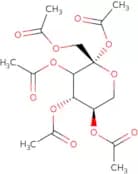


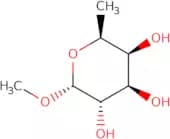

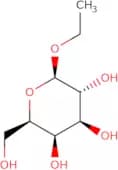
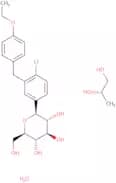

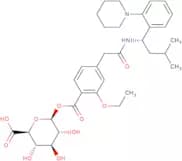

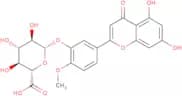


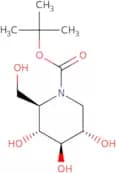
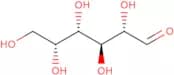

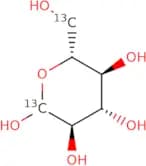

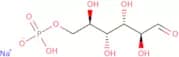
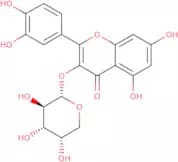


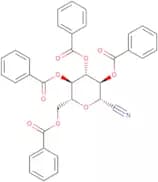
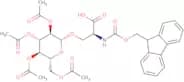
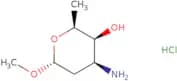
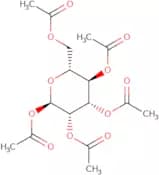
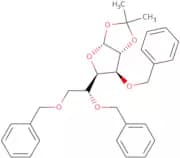
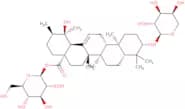
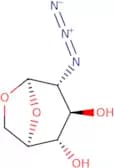
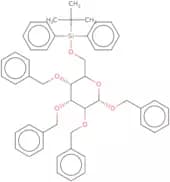


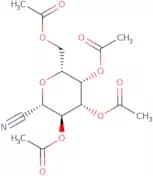

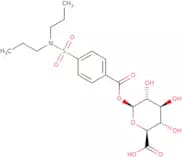

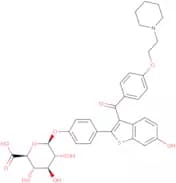
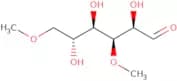
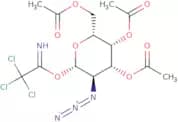
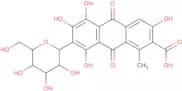
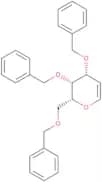
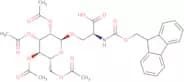

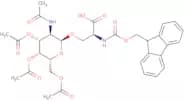
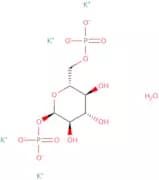

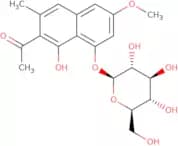
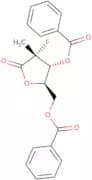
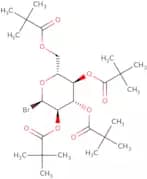
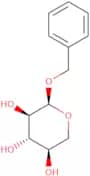
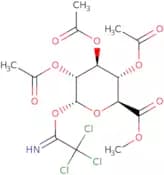
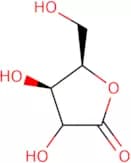
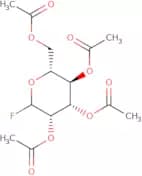
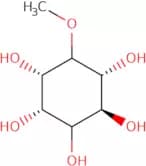
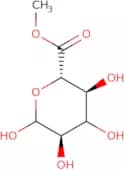
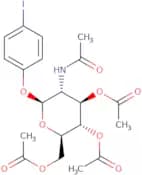
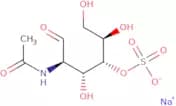
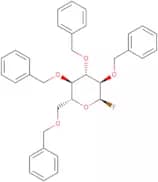

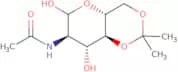
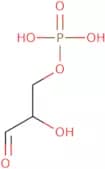
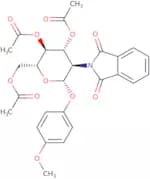
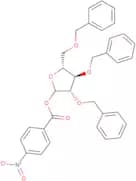
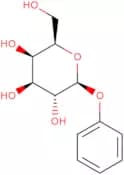
![(2R,3S,4S,5R,6S)-3,4,5-Trihydroxy-2-hydroxymethyl-7,9-diaza-1-oxa-spiro[4,5]decane-10-one-8-thione](/_next/image/?url=https%3A%2Fstatic.cymitquimica.com%2Fproducts%2F3D%2Fthumb-webp%2FMT01649.webp&w=3840&q=75)

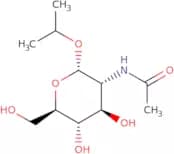
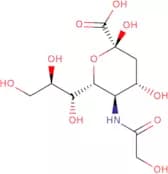

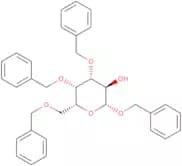
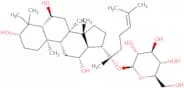
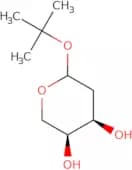

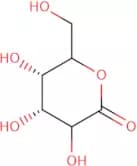

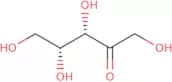
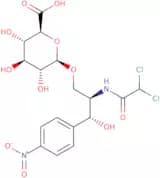


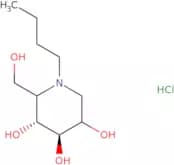
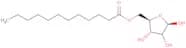

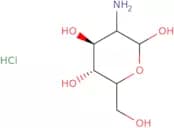
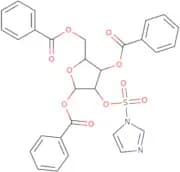
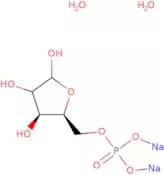
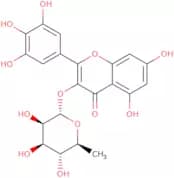

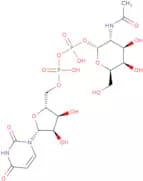
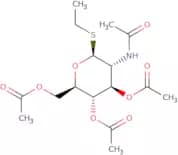
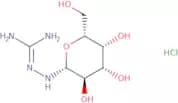
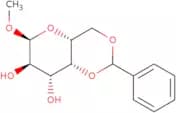
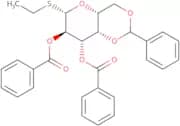
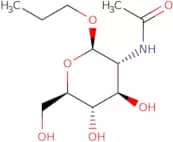
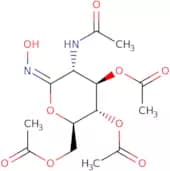
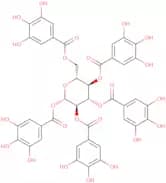
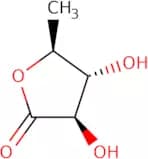

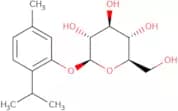
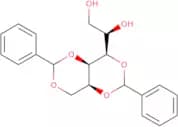
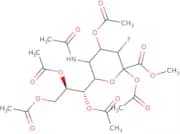
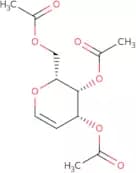
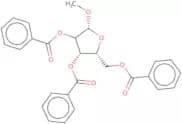
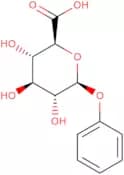
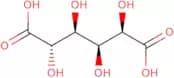

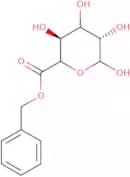

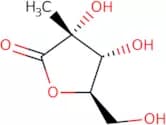


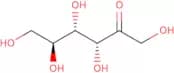

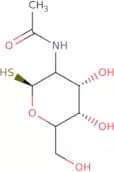
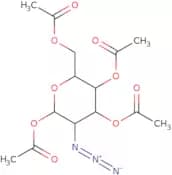
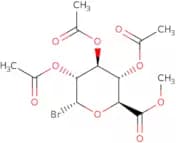
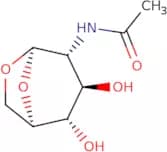

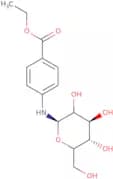

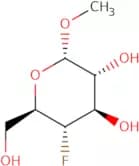
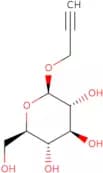
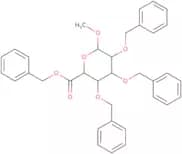
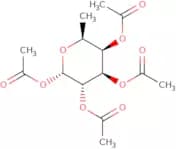
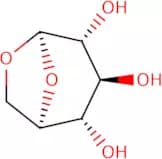
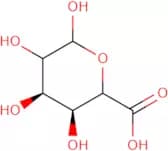
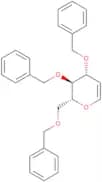

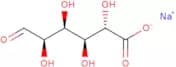
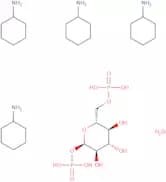
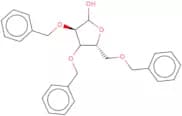
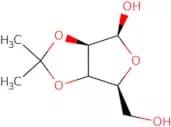
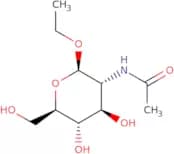
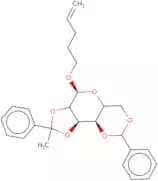

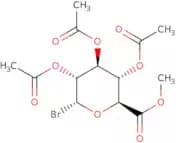
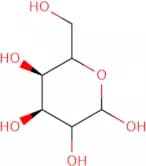
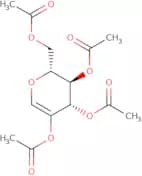
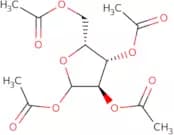
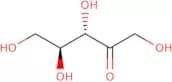
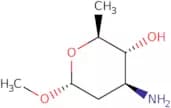
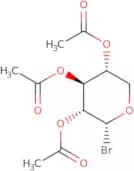

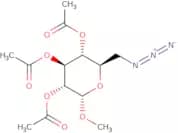
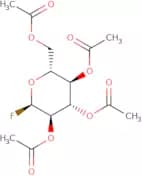
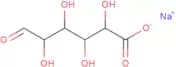

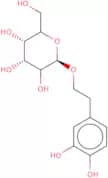

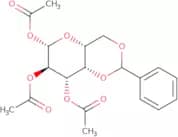
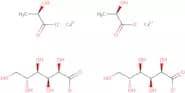
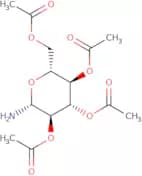
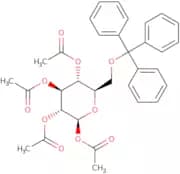

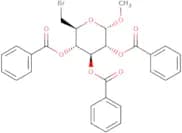
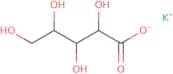
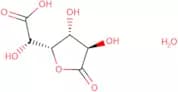
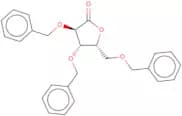
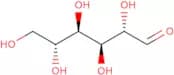
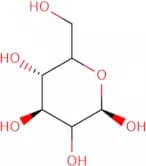
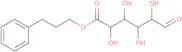
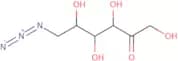

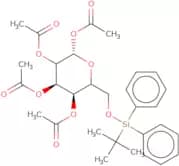
![(1S) -1- [(2S, 3S,4R) -4-Hydroxymethyl-3- hydroxy-1- azetidinyl] -1, 2- ethanediol hydrochloride](/_next/image/?url=https%3A%2Fstatic.cymitquimica.com%2Fproducts%2F3D%2Fthumb-webp%2FMH163375.webp&w=3840&q=75)