


Sais metálicos
Nesta seção, você pode encontrar vários sais metálicos, que são compostos caracterizados por conter átomos metálicos e não metálicos. Essencialmente, os sais metálicos são compostos por cátions que são um ou mais átomos metálicos. Esses sais desempenham um papel crucial em inúmeras reações e aplicações químicas, servindo como catalisadores, reagentes ou intermediários em vários processos industriais e de pesquisa. Na CymitQuimica, oferecemos uma ampla seleção de sais metálicos de alta qualidade para atender às suas necessidades de pesquisa e industriais, garantindo desempenho confiável e eficaz em suas aplicações.
Foram encontrados 2870 produtos de "Sais metálicos"
Ordenar por
Pureza (%)
0
100
|
0
|
50
|
90
|
95
|
100
Sodium percarbonate
CAS:<p>Sodium percarbonate is a chemical compound that has a high degree of chemical stability. It is a white, crystalline solid with an appearance similar to table salt. Sodium percarbonate can be used for wastewater treatment by reacting with the hydrogen peroxide in wastewater to produce carbon dioxide and sodium sulfate. The reaction mechanism is based on the oxidation of p-hydroxybenzoic acid by hydrogen peroxide. Sodium percarbonate can also be used as an oxidizing agent in organic synthesis reactions, such as ester hydrolysis, nitro reduction, and decomposition of boron compounds. Optimum concentrations range from 1% to 3%.</p>Fórmula:C2H6Na4O12Pureza:Min. 95%Peso molecular:314.02 g/molPotassium tetracyanoplatinate(II)trihydrate
CAS:Produto Controlado<p>Potassium tetracyanoplatinate(II)trihydrate (KTP) is a nanomaterial that is made of metal ions, such as ruthenium and copper, and organic molecules. It has the ability to absorb electrons from water, which are then transferred to carbon sources. This process can be used to remove proton in the water, thereby creating an acidic solution. The KTP particles have been shown to produce cavitation when exposed to ultrasound waves or other high-frequency sound waves. Cavitation occurs when bubbles form and rapidly collapse within a liquid. The resulting shockwaves can break down the cell membrane of microorganisms.</p>Fórmula:C4H6K2N4O3PtPureza:Min. 95%Peso molecular:431.4 g/molSodium naphthenate
CAS:Sodium naphthenate is a sodium salt that is used as an intermediate in the production of polyvinyl chloride. It can be obtained by reacting ethylene diamine with sodium hydroxide and carbon dioxide. The reaction takes place at high temperatures and pressure, forming a solution of sodium carbonate, which is then hydrolyzed to form sodium naphthenate. This compound has been shown to have a low solubility in water and it can be purified by recrystallization or distillation. Sodium naphthenate is soluble in organic solvents such as acetone or chloroform. It has also been shown to be useful as a model system for studying transfer reactions between polycarboxylic acids and fatty acids, which are important processes in the manufacture of polyester resins.Fórmula:C10H17NaO2Cor e Forma:Off-White PowderPeso molecular:192.23 g/molBarium hydroxide
CAS:<p>Barium hydroxide is a hydroxide salt that is used as an analytical reagent. It has been shown to be toxic to many organisms, including bacteria and fungi. Barium hydroxide is a strong base that reacts with glycol esters and zirconium oxide to form water vapor. The reaction mechanism of barium hydroxide is not well-understood. However, it may involve the formation of a complex between barium ions and copper chloride, which then reacts with oxygen to form hydrogen peroxide. Structural analysis of this compound reveals that it has high resistance against water vapor and metal hydroxides.</p>Fórmula:BaH2O2Pureza:Min. 95%Cor e Forma:PowderPeso molecular:171.34 g/molPotassium dicyanoargenate
CAS:Produto Controlado<p>Potassium dicyanoargenate is an organic acid that is a precursor to silver nanoparticles. This compound is typically used in the production of cellulose derivatives, and for the activation of polymerization reactions. Potassium dicyanoargenate can also be used to produce insoluble polymers and cationic surfactants by combining it with a metal ion, such as sodium carbonate or hydroxyl groups.</p>Fórmula:C2AgKN2Pureza:Min. 95%Peso molecular:199 g/mol[1,1'-Bis(diphenylphosphino)ferrocene]-dichloropalladium (II) dichloromethane complex
CAS:Produto Controlado<p>1,1'-Bis(diphenylphosphino)ferrocene]-dichloropalladium (II) dichloromethane complex is a fine chemical that is used as a scaffold for the synthesis of other compounds. It can be used as a building block to make other chemicals or as an intermediate in chemical reactions. It is also a versatile research chemical and is used to make speciality chemicals. 1,1'-Bis(diphenylphosphino)ferrocene]-dichloropalladium (II) dichloromethane complex has high quality and is a useful building block for making other compounds.</p>Fórmula:C35H30Cl4P2PdFePureza:Min. 95%Cor e Forma:Red PowderPeso molecular:816.64 g/molFerroceneacetic acid
CAS:Produto Controlado<p>Ferroceneacetic acid is a compound that has been shown to have chemiluminescent properties. It is a potent reductant and oxidant, which means that it can reduce or oxidize other compounds. Ferroceneacetic acid is also an active enzyme, and its redox potential changes depending on the concentration of ferrocene in the solution. Ferroceneacetic acid can be used as a model system for analytical chemistry and electrochemistry.</p>Fórmula:C12H12FeO2Pureza:Min. 95%Cor e Forma:PowderPeso molecular:244.07 g/molLithium formate
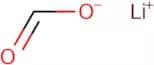
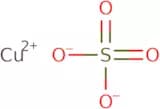
CAS:<p>Lithium formate is an inorganic compound that belongs to the group of sodium salts. It is a white crystalline solid that is soluble in water and has a melting point of -10°C. Lithium formate is used as an antimicrobial agent in wastewater treatment systems and as a polymerase chain reaction (PCR) model system. The mechanism of action for lithium formate was determined to be inhibition of the enzyme structural analysis, activity index, wild-type strain, phase transition temperature</p>Fórmula:CHLiO2Pureza:Min. 95%Cor e Forma:White To Off-White SolidPeso molecular:51.96 g/molCopper(II) sulfate, anhydrous
CAS:<p>Copper sulfate is a salt of copper and sulfuric acid. It is used as an antibiotic in the treatment of bacterial infections, although it does not exhibit a bactericidal effect. Copper sulfate can be used to create a synergistic effect with other antibiotics, such as penicillin, erythromycin, tetracycline, and clindamycin. The mechanism of action for this drug is unclear but may involve disruption of membrane function by formation of pores or alteration of ion channels. This drug also has been shown to have an inhibitory effect on toll-like receptor 4 (TLR4) activation and cytokine production in vitro. This inhibition may be due to its ability to bind copper ions in the cytoplasm or nucleus. Copper sulfate also has been shown to inhibit the ryanodine receptor, which is involved in calcium release from intracellular stores and regulation of cardiac muscle contraction. Clinical studies have shown that copper sulfate can increase the rate</p>Fórmula:CuSO4Pureza:Min. 95%Cor e Forma:PowderPeso molecular:159.61 g/molVinylferrocene
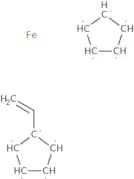
CAS:<p>Vinylferrocene is a zirconium-containing compound that can be used as an electrode material for sensors and electrochemical impedance spectroscopy. It has been shown to react with 3-mercaptopropionic acid at high temperatures in the presence of a palladium catalyst, producing polymer films with cationic polymerization. The phase transition temperature of Vinylferrocene has been shown to be between -30°C and -35°C using gravimetric analysis. The transfer reactions of Vinylferrocene are likely due to the carbonyl groups present on its surface. Vinylferrocene has been shown to have excellent electrochemical properties, including a reversible charge transfer resistance that is significantly lower than other materials such as gold. This property makes it an excellent candidate for use as electrodes in sensors.</p>Fórmula:C12H12FePureza:Min. 95%Cor e Forma:Yellow PowderPeso molecular:212.07 g/molBismuth hydroxide
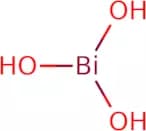
CAS:<p>Bismuth hydroxide is a white powder that is insoluble in water and has a pH of 3.5 to 4.5. It is used as an antimicrobial agent and can be used to treat urinary tract infections and dental plaque. Bismuth hydroxide is added to the acidic solution of hydrochloric acid, sodium citrate, and galacturonic acid to form a bismuth citrate complex that can be analyzed by various methods, including the analytical method of particle size distribution using zirconium oxide. This metal hydroxide has been shown to have transport properties that are dependent on temperature changes, with large increases in particle size at high temperatures. Bismuth hydroxide also has antifungal activity against usnic acid-producing fungi such as Candida albicans and Saccharomyces cerevisiae.</p>Pureza:Min. 95%Sodium L-glutamate monohydrate
CAS:<p>L-glutamic acid is a nonessential amino acid that is used as a food additive. L-glutamic acid is found in the form of sodium salt, called monosodium glutamate (MSG), and is used to enhance the flavor of foods. L-glutamic acid has been shown to be essential for the growth of certain bacteria, such as corynebacteria. The l-glutamic acid gene can be found in corynebacteria and corynebacterium glutamicum. It has been shown that l-glutamic acid can be synthesized by these organisms under conditions of low magnesium concentration, high pH, and high temperature.</p>Fórmula:C5H8NNaO4·H2OPureza:Min. 95%Cor e Forma:PowderPeso molecular:187.13 g/molDiacetato[(R)-(+)-2,2'-bis(diphenylphosphino)-1,1'-binaphthyl]ruthenium(II)
CAS:<p>Please enquire for more information about Diacetato[(R)-(+)-2,2'-bis(diphenylphosphino)-1,1'-binaphthyl]ruthenium(II) including the price, delivery time and more detailed product information at the technical inquiry form on this page</p>Fórmula:C48H38O4P2RuPureza:Min. 95%Peso molecular:841.83 g/molHydroxymethanesulfinic acid monosodium salt dihydrate
CAS:<p>Hydroxymethanesulfinic acid monosodium salt dihydrate (HMSD) is a chemical that can be used to remove sulfoxylate and formaldehyde in wastewater. It can also be used as a polymerization catalyst, an activator for epoxy resins, and as a stabilizer of glycol ethers. HMSD is formed by the reaction of methyl ethyl sulfoxide with copper chloride. This chemical has been shown to have thermal expansion properties and high chemical stability, making it useful for industrial processes involving polymerization or glycol esters.</p>Fórmula:CH3NaO3S·2H2OPureza:Min. 95%Cor e Forma:White/Off-White SolidPeso molecular:154.12 g/molDilithium phthalocyanine
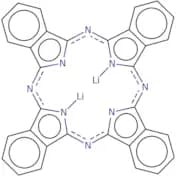
CAS:<p>Dilithium phthalocyanine is a low-energy metathesis catalyst that is used in the synthesis of organic compounds. It is a coordination complex that has been shown to have a high chemical stability and to be resistant to radiation. The mechanism of action of dilithium phthalocyanine involves the formation of a covalent bond between two molecules or ions. The activation energy for this reaction is relatively low, making it an ideal catalyst for reactions involving ether linkages in which the hydrochloric acid acts as the base. One example of such a reaction is the synthesis of phthalocyanines from lithium and hydrogen chloride.</p>Pureza:93%MinAmoxicillin dimer tri-sodium salt (penicilloic acid form) - mixture of diastereomers
<p>Please enquire for more information about Amoxicillin dimer tri-sodium salt (penicilloic acid form) - mixture of diastereomers including the price, delivery time and more detailed product information at the technical inquiry form on this page</p>Fórmula:C32H27N6Na3O11S2Pureza:Min. 95%Peso molecular:804.69 g/molent-montelukast sodium salt
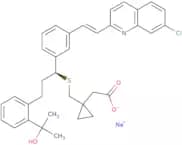
CAS:<p>Please enquire for more information about ent-montelukast sodium salt including the price, delivery time and more detailed product information at the technical inquiry form on this page</p>Fórmula:C35H35ClNNaO3SPureza:Min. 95%Peso molecular:608.17 g/molBis(4-(di-tert-butylphosphino)-N,N-dimethylbenzenamine) palladium dichloride
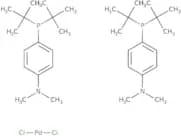
CAS:Produto Controlado<p>Bis(4-(di-tert-butylphosphanyl)-N,N-dimethylaniline) is a boronic acid that has been used as a surfactant in organic chemistry. It is hydrophobic and has hydrogen bonding interactions with other molecules. Bis(4-(di-tert-butylphosphanyl)-N,N-dimethylaniline) is also a proton acceptor and can form stable complexes with metal ions such as palladium chloride. This compound is kinase selective and can be used to inhibit tyrosine kinases by binding to the ATP binding site of the enzyme's kinase domain. The functional groups of this compound are able to undergo cross-coupling reactions with other functional groups that have been activated by a reagent such as palladium chloride. Bis(4-(di-tert-butylphosphanyl)-N,N-dimethylaniline) has been used in high</p>Fórmula:C32H56Cl2N2P2PdPureza:Min. 95%Cor e Forma:PowderPeso molecular:708.07 g/molCalcium
CAS:Produto Controlado<p>Calcium is a chemical element with the symbol Ca and atomic number 20. It has an atomic weight of 40.078, which means that it is 40.078 times heavier than hydrogen. Calcium is an alkaline earth metal, as are magnesium and barium. Calcium is classified as a hard metal because it has a high melting point and its oxide layer resists corrosion by water and air. The ionized form of calcium (Ca2+) may be found in the cytosol, or in transport vesicles in muscle cells or other types of cells such as those of the intestine or bone cells. The main biological role of calcium ions is to maintain the potential difference across excitable cell membranes, enabling normal nerve transmission and muscle contraction, including the contraction of heart muscles. The concentration of calcium ions in extracellular fluid is tightly regulated by the kidneys under instruction from parathyroid hormone (PTH) and calcitonin hormones to keep blood calcium levels within a narrow range</p>Fórmula:CaPureza:Min. 95%Cor e Forma:Metal Or Metallic SolidPeso molecular:40.08 g/molBenzene-1,3-disulfonic acid disodium
CAS:<p>This is a polynuclear compound that has an electrochemical method for detection. It is catalytic, with a low detection limit. The shape of the crystals are spherical, which is due to the size of the crystals. There are no interferences in these measurements, as well as photomicrographs and dopamine sensor. This compound will have synergistic effects with chloride and glucose sensors. The following are some properties of benzene-1,3-disulfonic acid disodium salt: -It has a molecular weight of 227.2 -It has a melting point of about 237 degrees Celsius -It is soluble in water -It has a boiling point at about 515 degrees Celsius -Benzene-1,3-disulfonic acid disodium salt is not hazardous to humans if it is ingested orally; however, it can be harmful if inhaled or if it comes into contact with skin</p>Fórmula:C6H4Na2O6S2Pureza:Min. 95%Cor e Forma:PowderPeso molecular:282.2 g/molPhosphatidylinositol-bis-4,5-phosphate sodium salt
<p>Please enquire for more information about Phosphatidylinositol-bis-4,5-phosphate sodium salt including the price, delivery time and more detailed product information at the technical inquiry form on this page</p>Pureza:Min. 95%Tin(II) chloride dihydrate
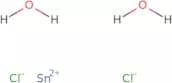
CAS:<p>Tin(II) chloride dihydrate is a white or pale yellow crystalline solid. It is soluble in water and has a relatively low melting point. Tin(II) chloride dihydrate is used as an acid catalyst for the preparation of esters from ethyl trifluoroacetate, and as an intermediate for synthesizing quinoline derivatives. Tin(II) chloride dihydrate can also be used to deactivate fatty acids by reacting with them in the presence of water. The reaction vessel is heated to about 300°C to evaporate the solvent and leave a residue of tin chloride, which can then be recovered by distillation. Tin(II) chloride dihydrate has been shown to have transport properties that are similar to those of other metal chlorides at comparable concentrations.</p>Fórmula:SnCl2•(H2O)2Pureza:Min. 95%Cor e Forma:Colorless Clear LiquidPeso molecular:225.65 g/molBis(tricyclohexylphosphine)palladium(II) Dichloride
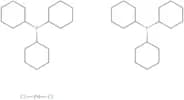
CAS:Produto Controlado<p>Bis(tricyclohexylphosphine)palladium(II) Dichloride is a cross-coupling agent that is used for the synthesis of organic and organometallic compounds. It reacts with terminal alkynes to form a phosphine oxide, which can then be converted into an arylated product. The reaction proceeds by the formation of a palladium-carbon bond and subsequent cleavage of the carbon-palladium bond in the presence of ammonium formate. Bis(tricyclohexylphosphine)palladium(II) Dichloride is insoluble in water, but soluble in organic solvents such as dichloromethane, 1,2-dichloroethane, or chloroform. This reagent has been shown to enhance the rate of transfer reactions between monomers.</p>Fórmula:C36H66Cl2P2PdPureza:Min. 95%Peso molecular:738.18 g/mol[1,3-Bis(diphenylphosphino)propane]palladium(II) dichloride
CAS:Produto Controlado<p>Please enquire for more information about [1,3-Bis(diphenylphosphino)propane]palladium(II) dichloride including the price, delivery time and more detailed product information at the technical inquiry form on this page</p>Fórmula:C27H26Cl2P2PdPureza:Min. 95%Peso molecular:589.77 g/mol[1,4-Bis(diphenylphosphino)butane]palladium(II) Dichloride
CAS:Produto Controlado<p>[1,4-Bis(diphenylphosphino)butane]palladium(II) dichloride (PdCl2(DPPB)) is a covalent catalyst that is used in the cross-coupling of styrene with chlorides. It has been shown to be a very effective catalyst for this reaction and yields high yields. The use of this catalyst allows for the quantification of the phosphine ligand that is used in the reaction. [1,4-Bis(diphenylphosphino)butane]palladium(II) dichloride has also been shown to be an efficient catalyst for other reactions, such as solvents and diphosphine ligands.</p>Fórmula:C28H28Cl2P2PdPureza:Min. 95%Peso molecular:603.79 g/molPlatinum(IV) oxide monohydrate
CAS:<p>Platinum(IV) oxide monohydrate (PtO) is a compound used as an oxidation catalyst in organic synthesis. It can be used to oxidize fatty acids in rat liver microsomes and has been shown to hydrolyze hydrogenated, hydrated, and nitro fatty acids. PtO also has the ability to catalyze the oxidation of alcohols and ketones. Platinum(IV) oxide monohydrate is a brown powder that is soluble in water at high concentrations and slightly soluble in methanol. It has a molecular weight of 243.3 g/mol and a melting point of over 2000 °C. PtO can be analyzed by determining its mass spectrum or its fluorescence properties with a specific probe.</p>Fórmula:PtO2•H2OPureza:Min. 95%Cor e Forma:PowderPeso molecular:245.09 g/molCopper(l) iodide
CAS:<p>Copper(l) iodide is a copper salt that can be used in coatings and as an antimicrobial agent. Copper(l) iodide has been shown to have acute toxicity in rats, but no studies of chronic toxicity have been reported. The chemical composition of copper(l) iodide includes copper, iodine, and oxygen. Preparative methods for this compound include heating a mixture of copper sulfate and potassium iodide in the presence of air to produce a black precipitate. Copper(l) iodide can also be produced by the reaction of hydrogen peroxide with copper metal.</p>Fórmula:CuIPureza:Min. 95%Cor e Forma:White PowderPeso molecular:190.45 g/mol8-Hydroxyquinoline copper(II)
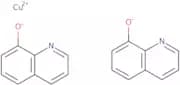
CAS:<p>8-Hydroxyquinoline copper(II) salt is a metal chelate that can be used as an analytical reagent. It is prepared by the reaction of ethylene diamine with 8-hydroxyquinoline and copper(II) chloride. The product has been found to emit light when irradiated with UV light. This product is also used as a substrate for methyl transferase, which is an enzyme involved in the metabolism of drugs. 8-Hydroxyquinoline copper(II) salt has been shown to inhibit the activity of P-glycoprotein (Pgp), which is a drug transporter protein found in mammalian cells that functions to pump xenobiotics from the inside of cells out into the bloodstream. When Pgp is inhibited, it causes cellular accumulation of certain drugs, such as cyclosporin A and tacrolimus.</p>Fórmula:C18H12CuN2O2Pureza:Min. 95%Cor e Forma:PowderPeso molecular:351.85 g/molBarium chloride anhydrous
CAS:<p>Barium chloride anhydrous is a chemical compound with the formula BaCl2. It is soluble in water and has been used for wastewater treatment. The solubility of this compound increases as temperature decreases. Barium chloride anhydrous can also be used to measure the levels of calcium ions in cells and tissues, by measuring the fluorescence intensity produced when the compound reacts with Ca2+. This property has been utilized to study neuronal death and Ca2+ overload. Barium chloride anhydrous also exhibits biological properties, such as enzyme activity or the ability to bind coumarin derivatives. X-ray diffraction data have shown that BaCl2 consists of a cubic crystalline structure, with each barium ion coordinated by six chloride ions. In solution, BaCl2 dissociates into Ba2+ and Cl-. Water vapor may cause the formation of anhydrous sodium carbonate on surfaces of objects exposed to it. The structural analysis of this compound has been modeled using particle methods.</p>Fórmula:BaCl2Pureza:Min. 95%Peso molecular:208.23 g/mol1,1'-Diacetylferrocene
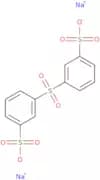
CAS:Produto Controlado<p>1,1'-Diacetylferrocene is an organic compound that has been synthesized by a reaction of ferrocene with benzoylhydrazone. Ferrocenes are compounds containing a ferrocene unit, a cyclic system with alternating double bonds and single bonds. The hydroxyl group on 1,1'-diacetylferrocene can be replaced by other substituents such as carboxylic acids or alcohols to produce different derivatives. 1,1'-Diacetylferrocene is soluble in water and solvents such as acetonitrile. It reacts with peroxide to form the corresponding hydroperoxides. This product has been shown to have the ability to interact specifically with ferrocenes when introduced into the solution.</p>Fórmula:C14H14FeO2Pureza:Min. 95%Peso molecular:270.1 g/molDiphenylsulfone-3,3'-disulfonic Acid Disodium Salt
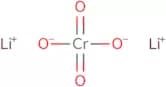
CAS:<p>Please enquire for more information about Diphenylsulfone-3,3'-disulfonic Acid Disodium Salt including the price, delivery time and more detailed product information at the technical inquiry form on this page</p>Pureza:Min. 95%Lithium chromate
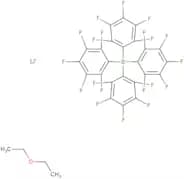
CAS:<p>Lithium chromate is a chemical compound that has the chemical formula Li2CrO4. It is a salt of lithium and chromic acid, with a basic structure of Li+-O-Cr+-O-Li+. The hydroxyl group on the chromium atom makes it soluble in water. Lithium chromate is an ionic compound that undergoes phase transitions to form solids and solutions at various temperatures. Lithium chromate can be synthesized by reacting potassium dichromate, magnesium salt, and dimethyl fumarate with lithium carbonate or lithium hydroxide. The product has been shown to have toxicological properties in animal studies.</p>Fórmula:Li2CrO4Pureza:Min. 95%Peso molecular:129.88 g/molLithium Tetrakis(pentafluorophenyl)borate - Ethyl Ether Complex
CAS:Produto Controlado<p>Lithium tetrakis(pentafluorophenyl)borate - ethyl ether complex is a ligand that has the ability to bind to magnesium. The complex is highly soluble in organic solvents such as ethylene and ether, but not in water. It can be used to produce high yields of ethylene with magnesium as a co-catalyst. The complex binds to magnesium by forming a six-membered ring with the borate group and two oxygen atoms from the ether molecule. The crystal structure of this complex was determined using x-ray crystallography. This complex has been found naturally in plants such as spinach and beets, although it is not yet known what role it plays in these plants.</p>Pureza:70%NmrSodium thiocyanate
CAS:<p>Sodium thiocyanate is a salt that is used as an injection solution and reaction solution in the chemical laboratory. It reacts with water vapor to form sodium carbonate and hydrogen cyanide, which are then converted into sodium salts. The biological properties of this compound are not well-known, but it has been shown to be toxic to cells at high concentrations. Sodium thiocyanate is a salt that is used as an injection solution and reaction solution in the chemical laboratory. It reacts with water vapor to form sodium carbonate and hydrogen cyanide, which are then converted into sodium salts. The biological properties of this compound are not well-known, but it has been shown to be toxic to cells at high concentrations.</p>Fórmula:CNNaSPureza:Min. 95%Cor e Forma:White PowderPeso molecular:81.07 g/molSilver(I) cyanide
CAS:Produto Controlado<p>Silver(I) cyanide is an inorganic compound that is a silver salt of cyanide. It is a high-resistance material and can be used for the treatment of cancer. Silver(I) cyanide has been shown to induce apoptotic cell death in cultured cells by interfering with protein synthesis and the mitochondria membrane potential. The vibrational, structural, and functional properties of silver(I) cyanide are studied using different techniques. Silver(I) cyanide has also been shown to have fluorescence properties.</p>Fórmula:AgCNPureza:Min. 95%Peso molecular:133.89 g/molAlizarin Yellow R sodium salt
CAS:<p>Acid-base indicator dye; textile dye; yellow color</p>Fórmula:C13H8N3O5NaPureza:Min. 95%Peso molecular:309.21 g/molSodium phenoxide
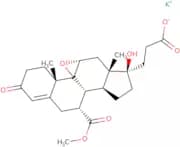
CAS:<p>Sodium phenoxide is a glycol ether that has been used to treat wastewater containing phenol and p-hydroxybenzoic acid. The reaction solution is prepared by mixing the desired amount of sodium phenoxide with an excess of copper chloride in anhydrous sodium. This process can be monitored using electrochemical impedance spectroscopy, which provides information about the chemical stability of the product. The use of sodium phenoxide as a wastewater treatment agent can be evaluated through treatment trials, where it is mixed with wastewater containing different concentrations of inhibitor drugs such as metoprolol succinate. Langmuir adsorption isotherm can also be used to determine the effectiveness of this product for wastewater treatment purposes.</p>Fórmula:C6H5O·NaPureza:Min. 95%Cor e Forma:PowderPeso molecular:116.09 g/molEplerenone hydroxyacid potassium salt
CAS:<p>Eplerenone is a drug that belongs to the class of drugs known as selective mineralocorticoid receptor antagonists. It is a prodrug that is metabolized in vivo to its active form, eplerenone acid. Eplerenone inhibits the binding of aldosterone to its receptors in the kidney. Eplerenone hydroxyacid potassium salt has been shown to have stereochemical purity of >98% and no detectable process-related impurities or experimental impurities. High-performance liquid chromatography (HPLC) methods have been used to characterize this drug substance and confirm that it has an average particle size 10 micrometers with no particles > 150 micrometers.</p>Fórmula:C24H31KO7Pureza:Min. 95%Peso molecular:470.6 g/molSodium triacetoxyborohydride
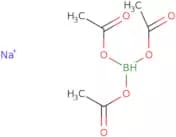
CAS:<p>Sodium triacetoxyborohydride is an oxidizing agent that is used in organic synthesis as a reagent for the reduction of esters and nitriles to alcohols and amines, respectively. This compound has been shown to be effective in reducing the activity of ccr5 receptors, which are important in HIV infection. Sodium triacetoxyborohydride can also be used to reduce antibodies, such as monoclonal antibodies, that have been conjugated with drugs or toxins to produce immunotoxins. Sodium triacetoxyborohydride has also been shown to be an effective agent for the treatment of inflammatory bowel disease and cancer therapy. It has been found to be toxic to some bacteria, fungi, and protozoa.</p>Fórmula:C6H10BNaO6Cor e Forma:White PowderPeso molecular:211.94 g/molEthametsulfuron methyl sodium salt
CAS:<p>Ethametsulfuron methyl sodium salt (EMS) is a herbicide that is used to control weeds in agricultural fields. It prevents the synthesis of fatty acids by blocking the activity of acetyl-CoA carboxylase, which is an enzyme involved in the production of fatty acids. EMS also inhibits plant enzymes that are involved in amino acid metabolism, such as protein synthesis. EMS has been shown to inhibit surface glycoprotein and human serum esterases. This herbicide can cause high resistance because it blocks cell division and alters lipid metabolism.</p>Fórmula:C15H17N6NaO6SPureza:Min. 95%Peso molecular:432.39 g/mol1-Acetylferrocene
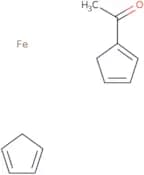
CAS:Produto Controlado<p>1-Acetylferrocene is a reaction vessel for the synthesis of ferrocenecarboxylic acids and their derivatives. It is also used as an initiator for the polymerization of epoxides, dienes, and cyclohexenes. 1-Acetylferrocene is used in the production of active substances such as anti-cancer drugs, pharmaceuticals, and pesticides. This compound has been shown to have a redox potential that is lower than copper complex compounds. 1-Acetylferrocene can be used for desulfurization reactions because it reacts with sulfur dioxide at low temperatures.</p>Fórmula:C7H8O·C5H6FePureza:Min. 95%Cor e Forma:Light yellow low melting solid.Peso molecular:230.08 g/molZinc orotate
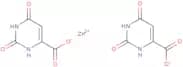
CAS:<p>Zinc orotate is a mineral supplement that contains elemental zinc in the form of an orotate salt. It is used to treat or prevent zinc deficiency and for the prevention and treatment of various conditions, such as liver lesions, antimicrobial agents, brain functions, and energy metabolism. Zinc is an essential mineral that is required for normal growth and development. Zinc also plays a role in maintaining healthy skin and hair. The physiological levels of zinc are 10-20 mg per day for adults. Zinc orotate provides 100% of the daily requirement (15 mg) in just one tablet.</p>Fórmula:C10H6N4O8Zn·2H2OPureza:Min. 95%Cor e Forma:White PowderPeso molecular:411.59 g/molSinalbin potassium
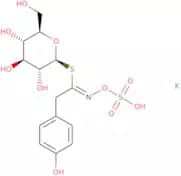
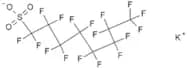
CAS:<p>Sinalbin potassium is a chemical compound that serves as a glucosinolate derivative, specifically sourced from white mustard seeds. It is a naturally occurring molecule that undergoes enzymatic conversion to yield biologically active substances. This compound is primarily characterized by its role in plant defense mechanisms, where it participates in chemical reactions that deter herbivores and pathogens.</p>Fórmula:C14H18NO10S2·KPureza:Min. 95%Cor e Forma:Off-White PowderPeso molecular:463.52 g/molHeptadecafluorooctanesulfonic acid potassium
CAS:<p>Please enquire for more information about Heptadecafluorooctanesulfonic acid potassium including the price, delivery time and more detailed product information at the technical inquiry form on this page</p>Fórmula:C8HF17O3S•KPureza:Min. 95%Cor e Forma:PowderPeso molecular:539.23 g/molZinc iodide
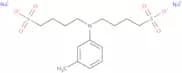
CAS:<p>Zinc iodide is a chemical compound with the molecular formula ZnI. It is used as an anti-inflammatory agent, and it has been shown to be effective against inflammatory diseases such as asthma. The reaction mechanism of zinc iodide is complex and may involve a copper complex. One possible reactive site for this reaction is a hydroxyl group on the nitrogen atom. Hydrogen bonds are also present in this molecule, which may allow the formation of polymeric matrices that can be used to deliver ZnI to cells or tissues.</p>Fórmula:I2ZnPureza:Min. 95%Cor e Forma:PowderPeso molecular:319.19 g/molN,N-Bis-(4-sulfobutyl)-3-methylaniline disodium salt
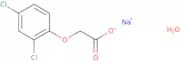
CAS:<p>N,N-Bis-(4-sulfobutyl)-3-methylaniline disodium salt is a fine chemical that is used as a building block for organic synthesis. It can be used in the formulation of pharmaceuticals and other chemicals. N,N-Bis-(4-sulfobutyl)-3-methylaniline disodium salt has been shown to be an excellent reagent for the synthesis of complex compounds with high purity and high quality. This compound is also versatile in its use as a building block, scaffold or intermediate for the synthesis of many different types of molecules.</p>Fórmula:C15H23NNa2O6S2Pureza:Min. 95%Cor e Forma:PowderPeso molecular:423.46 g/mol(2,4-Dichlorophenoxy)acetic acid sodium salt monohydrate
CAS:<p>(2,4-Dichlorophenoxy)acetic acid sodium salt monohydrate is a chemical that belongs to the phenoxy herbicides. It is used as a selective herbicide for control of annual and perennial grasses and broadleaf weeds in noncrop areas. This compound has been detected by gas chromatography/mass spectrometric analysis after a dispersive solid-phase extraction procedure. The target analytes were found to be acidic with an unknown molecular weight.</p>Fórmula:C8H5Cl2O3·Na·H2OPureza:Min. 95%Cor e Forma:PowderPeso molecular:261.03 g/molDichloro(1,1-bis(diphenylphosphino)ferrocene)palladium(II)acetoneadduct
CAS:Produto Controlado<p>Please enquire for more information about Dichloro(1,1-bis(diphenylphosphino)ferrocene)palladium(II)acetoneadduct including the price, delivery time and more detailed product information at the technical inquiry form on this page</p>Fórmula:C37H34Cl2FeOP2PdPureza:Min. 95%Peso molecular:789.78 g/molTetrakis[N-tetrachlorophthaloyl-(S)-tert-leucinato]dirhodium Bis(ethyl Acetate) Adduct
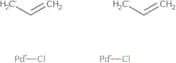
CAS:<p>Please enquire for more information about Tetrakis[N-tetrachlorophthaloyl-(S)-tert-leucinato]dirhodium Bis(ethyl Acetate) Adduct including the price, delivery time and more detailed product information at the technical inquiry form on this page</p>Fórmula:C56H40Cl16N4O16Rh2·C8H16O4Pureza:Min. 95%Peso molecular:1,974.2 g/molAllylpalladium(II) chloride dimer
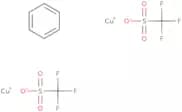
CAS:<p>Allylpalladium(II) chloride dimer is a homogeneous catalyst that can be used for the asymmetric synthesis of organosilicon compounds. It is an allylation agent and has been shown to react with certain nitrogen-containing compounds to form a palladium nitride complex. This compound is also a good transport agent, due to its high solubility in organic solvents. Allylpalladium(II) chloride dimer has been shown to be effective in the production of cancer chemotherapeutic agents, including chlorambucil, as well as anti-inflammatory drugs such as ibuprofen. This catalyst has also been used for cross-coupling reactions with alkyl bromides and iodides. A major drawback of this catalyst is that it often leads to an isolated yield of the product, which can be improved by using a solvent or by adding water or alcohols.</p>Fórmula:C6H10Cl2Pd2Pureza:95%NmrPeso molecular:365.89 g/molCopper(I) trifluoromethanesulfonate benzene complex
CAS:<p>Copper trifluoromethanesulfonate is a copper complex that inhibits the activity of thrombin receptor and other diazo compounds. It has been shown to inhibit the activity of the cannabinoid receptors, sodium channels, and voltage-gated potassium channels. Copper trifluoromethanesulfonate can be used in organic chemistry as an alkylating agent or to form thioacetals. The activity of this compound is chiral, meaning that it can exist as two different enantiomers: (1) (S)-(+)-Copper(I) trifluoromethanesulfonate benzene complex and (2) (R)-(-)-Copper(I) trifluoromethanesulfonate benzene complex. These two enantiomers have different chemical properties, including their ability to bind to protein receptors.</p>Fórmula:(CF3SO3Cu)2•C6H6Pureza:Min. 95%Cor e Forma:PowderPeso molecular:503.34 g/molTetrakis[N-phthaloyl-(S)-phenylalaninato]dirhodium Ethyl Acetate Adduct
CAS:<p>Please enquire for more information about Tetrakis[N-phthaloyl-(S)-phenylalaninato]dirhodium Ethyl Acetate Adduct including the price, delivery time and more detailed product information at the technical inquiry form on this page</p>Fórmula:C68H48N4O16Rh2·C4H8O2Pureza:Min. 95%Peso molecular:1,471.04 g/molSodium linoleate
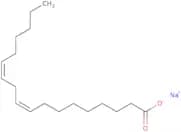
CAS:<p>Sodium linoleate is a model system for studying the effect of radiation on tumorigenesis. Sodium linoleate is used to study the relationship between light exposure and cancer. It has been shown to inhibit Cox-2 expression in carcinoma cell lines, which may be due to its ability to inhibit cox-2 activity by preventing the production of prostaglandins E2 (PGE2). The increased levels of PGE2 can lead to an increase in inflammation and cancer growth. Sodium linoleate has also been shown to have a synergic effect with sodium carbonate in inhibiting tumour growth, which is due to the inhibition of nuclear DNA transcription and protein synthesis.</p>Fórmula:C18H32O2·NaPureza:Min. 95%Cor e Forma:PowderPeso molecular:303.44 g/molSodium stearyl maleate
CAS:Sodium stearyl maleate is a pharmaceutical excipient that has been used as a diluent and granule. It is an effective particle in the treatment of pancreatitis. Sodium stearyl maleate is also used to help treat chronic bladder inflammation by increasing its fluidity. The use of sodium stearyl maleate in lipoprotein preparations can increase their proliferative activity, which can be useful in cancer research and the treatment of malignant and benign tumors. The long-chain fatty acids found in sodium stearyl maleate have been shown to decrease cholesterol levels and prevent the progression of liver cirrhosis and hepatocellular carcinoma.Fórmula:C22H39NaO4Pureza:Min. 95%Peso molecular:390.53 g/molSodium decyl sulfate
CAS:<p>Sodium decyl sulfate is a surfactant used in the preparation of biological samples for analysis using mass spectrometry. This compound forms a disulfide bond with cysteine residues on proteins, which can be cleaved by reducing agents such as dithiothreitol or mercaptoethanol. Sodium decyl sulfate also has potent antitumor activity and is used to treat autoimmune diseases such as multiple sclerosis. The thermal expansion of this compound is proportional to the vapor pressure of water over the range from 0-100°C, and it has been shown to have a constant pressure at temperatures below 100°C. Furthermore, sodium decyl sulfate has been found to be chiral and binds to receptor molecules that are hydrophobic in nature.</p>Fórmula:C10H21O4SNaPureza:Min. 95%Cor e Forma:White PowderPeso molecular:260.33 g/molIodosulfuron-methyl sodium
CAS:<p>Iodosulfuron-methyl sodium is a herbicide that inhibits the activity of lipid-metabolizing enzymes in plants. It inhibits the action of phosphatases, which are enzymes that catalyze hydrolysis of phosphoric acid esters, and can be used to control weeds. Iodosulfuron-methyl sodium has been shown to have synergistic interactions with other herbicides, such as 2,4-D or dicamba. The effective dose for this product varies depending on the plant species and type of soil.</p>Fórmula:C14H13IN5NaO6SPureza:Min. 90 Area-%Cor e Forma:White Off-White PowderPeso molecular:529.24 g/molCalcium iodide
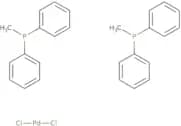
CAS:<p>Calcium iodide is a polarizer that can be used for the analysis of metal hydroxides. It reacts with the substrate film and forms a reaction solution that can be examined by microscope or spectrophotometer. Calcium iodide has been used to study the structure of glycol ethers, alkanoic acids, and carbohydrates. This chemical is also used in nutrient solutions and as a control substance in biochemical tests.</p>Fórmula:CaI2Pureza:Min. 95%Cor e Forma:PowderPeso molecular:293.89 g/molBis(methyldiphenylphosphine)palladium(II) Dichloride
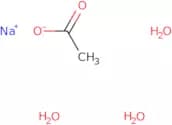
CAS:Produto Controlado<p>Bis(methyldiphenylphosphine)palladium(II) chloride is an aryl halide catalyst that is used in the preparation of aryl chlorides. It can be used for the synthesis of pharmaceuticals, agrochemicals, perfumes and other chemical compounds. This catalyst has been shown to be effective in the presence of chloride as well as aryl halides. The reaction can be performed in either the presence or absence of solvent. Methyldiphenylphosphine is soluble in organic solvents such as ether, benzene, and toluene.</p>Fórmula:C26H26Cl2P2PdPureza:Min. 95%Peso molecular:577.76 g/molSodium acetate trihydrate
CAS:<p>Sodium acetate trihydrate is a salt that is used in the production of sodium salts and surface methodology, as well as in analytical methods. It is also used to prepare anhydrous sodium. Sodium acetate trihydrate can be used as a cell lysis agent for water vapor.</p>Fórmula:CH3COONa·3H2OPureza:Min. 95%Cor e Forma:White/Off-White SolidPeso molecular:136.08 g/mol2,3-Diketogulonic acid potassium
CAS:<p>Please enquire for more information about 2,3-Diketogulonic acid potassium including the price, delivery time and more detailed product information at the technical inquiry form on this page</p>Fórmula:C6H7KO7Pureza:Min. 95%Cor e Forma:SolidPeso molecular:230.21 g/molPotassium periodate
CAS:<p>Potassium periodate is an oxidizing agent that is used in analytical chemistry to oxidize the hydroxyl groups of glycolipids, glycoproteins, and glycoconjugates. Potassium periodate has been shown to be effective against infectious diseases such as HIV, hepatitis B virus, and herpes simplex virus. It has also been used as a nutrient solution in pharmaceutical preparations. The mechanism of this reaction is not fully understood but it is thought that the trifluoroacetic acid reacts with potassium periodate to form hypochlorous acid which then reacts with the amino group on the glycolipid or protein. This reaction results in a linear calibration curve for the concentration of hydroxyl ions.</p>Fórmula:KIO4Pureza:Min. 95%Peso molecular:230 g/molD,L-Alanosine sodium salt
<p>Please enquire for more information about D,L-Alanosine sodium salt including the price, delivery time and more detailed product information at the technical inquiry form on this page</p>Fórmula:C3H6N3NaO4Pureza:Min. 95%Peso molecular:171.09 g/molCadmium chloride
CAS:<p>Cadmium chloride is a compound that belongs to the group of inorganic compounds. Cadmium chloride inhibits the activity of c-jun, an important transcription factor involved in cell growth and differentiation. It also affects the activity of other transcription factors, such as NF-κB, and has been shown to induce cell death by inhibiting DNA synthesis. The cytotoxicity of cadmium chloride is related to its ability to interact with hydrogen bonding sites on proteins. In vitro studies have shown that it has significant cytotoxicity against tumor cells with a cell specific response. Cadmium chloride has also been used in therapy groups for patients with inflammatory bowel disease and rheumatoid arthritis.</p>Fórmula:CdCl2Pureza:Min. 95%Peso molecular:183.32 g/molLithium tetrachloroaluminate
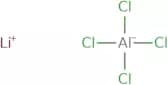
CAS:<p>Lithium tetrachloroaluminate is a compound that consists of lithium, copper, and aluminum. It has an average particle diameter of about 1 micrometer. Lithium tetrachloroaluminate can be used as a catalyst for the reduction of inorganic and organic solutes. This compound is soluble in water and organic solvents, which may be due to its ionic nature. Lithium tetrachloroaluminate can be used as a rechargeable battery electrode material because it has a high capacity for storing lithium ions. The reaction with chloride ions produces chlorine gas, which is corrosive and toxic under certain conditions.</p>Fórmula:LiAlCl4Pureza:(%) Min. 98%Cor e Forma:White PowderPeso molecular:175.73 g/molPotassium methoxide, 25% w/w in methanol
CAS:<p>Potassium methoxide is a strong base that reacts with methanol to produce potassium metal and methanol. It has been used as a model system for studying the reaction mechanism of metal carbonyls. The reaction solution is heated to produce glycol esters, which are catalyzed by the potassium metal. This process can be used to synthesize biologically active molecules, such as anti-inflammatory drugs, which are difficult to make using conventional methods. Potassium methoxide has also been shown to have protective effects against metabolic disorders in mice and has biological properties that may be useful in the treatment of infectious diseases.</p>Fórmula:CH3OKPureza:Min. 95%Cor e Forma:Clear LiquidPeso molecular:70.13 g/molBromoferrocene
CAS:Bromoferrocene is a ligand that binds to the ferrocenecarboxylic acid skeleton. It is an aromatic hydrocarbon that has been shown to be a potent inhibitor of cervical cancer proliferation. Bromoferrocene was synthesized by a Friedel-Crafts reaction between styrene and hydrobromic acid. The bromine atom in this compound is electron-withdrawing and therefore has radical character, which makes it a reactive molecule with potential for biological activity. Bromoferrocene is chiral and thus can exist as two enantiomers - one with R configuration, the other L.Fórmula:C10H9BrFePureza:90%NmrPeso molecular:264.93 g/molThallium(I) acetate
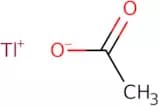
CAS:<p>Used as a selective agent against gram-negative bacteria in selective media</p>Fórmula:C2H3O2TlPureza:Min. 95%Peso molecular:263.43 g/molCobalt(II) acetate tetrahydrate
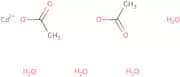
CAS:<p>Cobalt(II) acetate tetrahydrate is a model system that can be used to study the structures of coordination complexes. The cobalt ion has a coordination geometry with two water molecules, two oxygen atoms from the acetate anion, and one proton from the hydroxide anion. The crystal structure is composed of six-membered rings of alternating metal ions and oxygen atoms. The reaction solution contains excess sodium hydroxide and water vapor. It was determined that cobalt(II) acetate tetrahydrate reacts electrochemically at low frequencies as well as with 5-hmf, an oxidizing agent, in the presence of sodium citrate as an oxidation catalyst.</p>Fórmula:C4H6CoO4·4H2OPureza:Min. 95%Cor e Forma:Pink To Red SolidPeso molecular:249.08 g/molFluorescein disodium salt
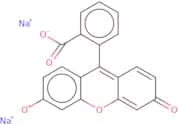
CAS:<p>Fluorescein sodium is a fluorescent dye that is used in a wide variety of applications, including fluorescence angiography, histology, and immunohistochemistry. Fluorescein sodium binds to the receptor binding sites of proteins and cells, which then emit light when excited by a laser. It is also used in asthma therapy to assess lung function and for process optimization in industries where fluorescence detectors are used. This substance has been shown to be effective for the treatment of proliferative diabetic retinopathy in both diabetic patients and animals. Fluorescein sodium can cause allergic reactions and chemical reactions if it comes into contact with skin or mucous membranes.</p>Fórmula:C20H10O5·2NaPureza:Min. 95%Cor e Forma:Red PowderPeso molecular:376.28 g/molEthynylferrocene
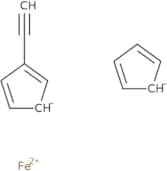
CAS:<p>Ethynylferrocene is a molecule that has a redox potential and can be reduced to ferrocene by hydrogen-reducing agents. Ethynylferrocene can also undergo oxidation reactions with the help of oxidizing agents to form ethynylpalladium. The biological properties of this molecule have been studied extensively and it has been found to bind to receptor molecules, such as dopamine receptors, in the body. The binding of this molecule to these receptors may cause changes in cell signaling pathways and gene expression. Ethynylferrocene is a member of the class of purine derivatives that are known for their ability to bind hydrogen atoms and form hydrogen bonding interactions with other molecules. This property is useful in the palladium-catalyzed coupling reaction, which is used to produce a variety of organic compounds.</p>Fórmula:C12H10FePureza:Min. 95%Cor e Forma:PowderPeso molecular:210.05 g/molSodium L-lactate-13C3
CAS:<p>Please enquire for more information about Sodium L-lactate-13C3 including the price, delivery time and more detailed product information at the technical inquiry form on this page</p>Fórmula:C3H5NaO3Pureza:Min. 95%Cor e Forma:PowderPeso molecular:115.04 g/molPotassium p-Toluenethiosulfonate
CAS:<p>Potassium p-Toluenethiosulfonate is a functional group that contains a sulfhydryl (-SH) and a thiol (-S-H). It has been used to prepare radionuclides for cancer diagnosis, such as Tc-99m (technetium-99m), I-123 (iodine-123), and I-131 (iodine-131). This compound has been used in preparative methods for the synthesis of organic chemicals. Potassium p-Toluenethiosulfonate is also used in conjugates with drugs or other molecules, which are used in the diagnosis of cancer. The conjugates can be linked to plasma proteins or tumor cells.</p>Fórmula:C7H7KO2S2Pureza:Min. 95%Peso molecular:226.36 g/molBis(perfluorohexyl)phosphinic acid sodium salt
CAS:<p>Please enquire for more information about Bis(perfluorohexyl)phosphinic acid sodium salt including the price, delivery time and more detailed product information at the technical inquiry form on this page</p>Fórmula:C12F26NaO2PPureza:Min. 95%Peso molecular:724.05 g/molAcetaminophen glutathione disodium salt
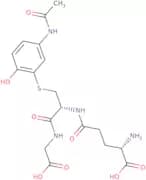
CAS:<p>Acetaminophen glutathione disodium salt is a prodrug of acetaminophen, which is a non-opioid analgesic and antipyretic drug. It has been shown to be protective against cisplatin-induced nephrotoxicity in cell culture and in CD-1 mice. Acetaminophen glutathione disodium salt inhibits mitochondrial enzyme activities, including dehydroascorbate reductase, which reduces the formation of reactive oxygen species. Acetaminophen glutathione disodium salt also blocks proximal tubule reabsorption and increases the excretion of drugs or their metabolites by increasing the second-order rate constant.</p>Fórmula:C18H22N4Na2O8SPureza:Min. 95%Peso molecular:500.43 g/mol3-Sulfoglycolithocholic acid disodium
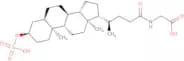
CAS:<p>3-Sulfoglycolithocholic acid disodium is a potential biomarker for inflammatory bowel disease. It is also used as an analytical method to measure bile acids in the blood. 3-Sulfoglycolithocholic acid disodium has been shown to be a strong indicator of liver inflammation and hepatitis. This compound can also be used as a diagnostic tool for infectious diseases, such as HIV and hepatitis C, by measuring serum bile acids levels. The level of this molecule can be measured in the blood and urine of patients with bowel disease, such as ulcerative colitis or Crohn's disease. 3-Sulfoglycolithocholic acid disodium can also be used to diagnose atrial fibrillation.</p>Fórmula:C26H43NO7S•Na2Pureza:Min. 95%Peso molecular:559.67 g/molIridium(III) acetylacetonate
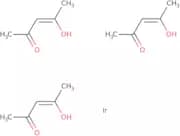
CAS:<p>Iridium(III) acetylacetonate is a coordination complex that is used as an oxidation catalyst. It has the ability to increase the rate of reactions in which water is the reactant or product. Iridium(III) acetylacetonate has a square-planar geometry, with four ligands bound to each metal ion. The coordination geometry of this complex determines its reactivity and selectivity. The reactivity of iridium(III) acetylacetonate can be enhanced by using less soluble salts, such as sodium carbonate or fluorine, to dissolve it in solution. This complex undergoes reaction mechanisms involving hydrogen abstraction and reductive elimination, depending on the conditions of the reaction solution. Iridium(III) acetylacetonate has been used for coatings on glass substrates and as a catalyst for growth kinetics studies and mechanism studies.</p>Fórmula:C15H21IrO6Pureza:Min. 95%Cor e Forma:PowderPeso molecular:489.54 g/mol(R)-(+)-(2,2-Bis(Diphenylphosphino)-1,1-binaphthyl)palladium(II)chloride
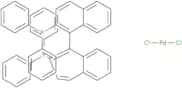
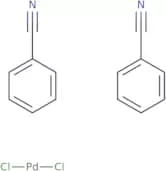
CAS:Produto Controlado<p>(R)-(+)-(2,2-Bis(Diphenylphosphino)-1,1-binaphthyl)palladium(II)chloride is a colorless solid that can be made into a crystalline form. It has a molecular weight of 518.8 g/mol and the chemical formula C12H14P4Cl2. The compound has four asymmetric carbon atoms and two stereocenters in the molecule. This compound is used as a catalyst for organic reactions and in the synthesis of other compounds. (R)-(+)-(2,2-Bis(Diphenylphosphino)-1,1-binaphthyl)palladium(II)chloride is soluble in ethanol and ether but insoluble in water. It reacts with oxygen to produce phosphorous acid and hydrogen chloride gas. This compound has been shown to have nuclear magnetic resonance spectra at room temperature with chemical shifts (</p>Fórmula:C44H33Cl2P2PdPureza:Min. 95%Peso molecular:801.01 g/molBis(Benzonitrile)palladium(II) chloride
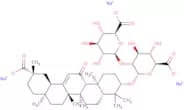
CAS:Produto Controlado<p>Bis(benzonitrile)palladium(II) chloride is a palladium complex with the coordination geometry of square-planar. It has been shown to undergo a suzuki coupling reaction when reacted with an aromatic hydrocarbon, such as benzene or toluene, in the presence of sodium carbonate and nitrogen gas. This reaction produces an intramolecular hydrogen bond between the oxygen atom of the hydroxyl group and the nitrogen atom on the chelate ligand. Bis(benzonitrile)palladium(II) chloride has also been shown to be useful for generating x-ray crystal structures of metal complexes by using ft-ir spectroscopy. The chlorine atom from bis(benzonitrile)palladium(II) chloride may react with hydrochloric acid to produce a soluble complex that can be isolated by crystallography.</p>Fórmula:C14H10Cl2N2PdPureza:Min. 95%Peso molecular:383.57 g/molTrisodium glycyrrhizinate
CAS:<p>Trisodium glycyrrhizinate is a fatty acid that acts as an absorption enhancer. It has been shown to have antihypertensive activity and to protect against hepatic tissue damage in experimental models. Trisodium glycyrrhizinate also exhibits antiviral activity and has been shown to be effective against viruses such as HIV, herpes simplex virus, and influenza A. Trisodium glycyrrhizinate is poorly absorbed by the body, which may be due to its high molecular weight and low water solubility. The bioavailability of trisodium glycyrrhizinate can be increased significantly by using it with a film-forming polymer or diphenyl ether. This product is found in various foods such as ganoderma lucidum (a Chinese herbal medicine) and some types of licorice candy.</p>Fórmula:C42H59Na3O16Pureza:80%MinPeso molecular:888.88 g/molSodium 1-Dodecanesulfonate
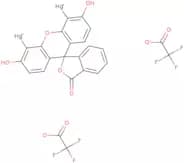
CAS:<p>Sodium 1-dodecanesulfonate is a surfactant that can be used in the treatment of wastewater containing organic and inorganic substances. This compound adsorbs on the surface of bacteria and helps to destroy them by inhibiting their growth. Sodium 1-dodecanesulfonate has been shown to inhibit the growth of Gram-positive and Gram-negative bacteria, including Pseudomonas aeruginosa, Staphylococcus aureus, Escherichia coli, Enterobacter cloacae, Klebsiella pneumoniae, Citrobacter freundii, Proteus mirabilis, Salmonella typhimurium, Campylobacter jejuni and Shigella sonnei. The sodium dodecyl sulfonate molecule binds to phospholipids in bacterial cell membranes by electrostatic interactions with the hydrophilic head group and hydrophobic tail. This inhibits the activity of enzymes such as protein</p>Fórmula:C12H25NaO3SPureza:Min. 95%Cor e Forma:White To Light (Or Pale) Yellow SolidPeso molecular:272.38 g/molBis(2,2,2-trifluoroacetato-kO)di-mercury fluorescein
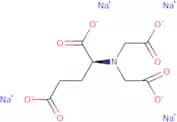
CAS:Produto Controlado<p>Please enquire for more information about Bis(2,2,2-trifluoroacetato-kO)di-mercury fluorescein including the price, delivery time and more detailed product information at the technical inquiry form on this page</p>Fórmula:C24H10F6Hg2O9Pureza:Min. 95%Peso molecular:957.5 g/molN, N-Bis(Carboxymethyl)-L -glutamic acid tetrasodium salt - ca. 40% in water
CAS:<p>N,N-Bis(carboxymethyl)-L-glutamic acid tetrasodium salt is a cationic surfactant that has been used in the production of personal care products and industrial cleaners. This compound is soluble in water and can be used as a post-treatment to reduce the redox potential of hydrochloric acid. It also has antibacterial efficacy against both Gram-positive and Gram-negative bacteria. N,N-Bis(carboxymethyl)-L-glutamic acid tetrasodium salt has been shown to be effective against tumor cells.</p>Fórmula:C9H9NO8·4NaPureza:Min. 95%Cor e Forma:PowderPeso molecular:351.13 g/molSulfaquinoxaline sodium salt
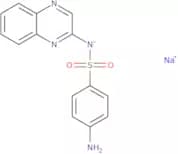
CAS:<p>Sulfaquinoxaline sodium salt is a dpp-iv inhibitor that has been shown to be effective in the treatment of inflammatory bowel disease. The drug inhibits the enzyme dipeptidyl peptidase 4, which is involved in the degradation of immunoreactive insulin and glucagon-like peptide-1. Sulfaquinoxaline sodium salt produces an antimicrobial effect by inhibiting microbial growth and also has a synergic effect with other antibiotics such as amoxicillin. As well as being used to treat bowel diseases, sulfaquinoxaline sodium salt is also used for sample preparation before DNA or RNA extraction. It can be used as a co-substrate with sodium carbonate to precipitate proteins in biological samples, such as urine or stool samples, or wastewater before treatment.</p>Fórmula:C14H12NaN4O2SPureza:Min. 95%Peso molecular:323.33 g/molSuccinyl coenzyme A sodium
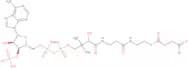
CAS:<p>Succinyl coenzyme A sodium (SCCA) is a membrane-permeable probe that can be used to measure the mitochondrial membrane potential. SCCA is transported into mitochondria and reduced by dehydrogenase, resulting in an increase in the concentration of its oxidized form, succinic semialdehyde. This increase in extracellular concentrations of succinic semialdehyde can be detected using high performance liquid chromatography with fluorescence detection. The use of this probe has been shown to be useful for measuring mitochondrial function in live cells and tissues, and for investigating genetic disorders that affect mitochondrial function.</p>Fórmula:C25H40N7O19P3S•NaxPureza:Min. 95%Peso molecular:889.59 g/molPrednisolone disodium phosphate
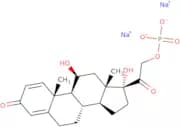
CAS:<p>Prednisolone is a corticosteroid that is used to treat inflammation and reduce the body's immune response. Prednisolone disodium phosphate (PDSP) is an enteric-coated tablet that releases prednisolone in the small intestine, where it can be absorbed into the bloodstream. It has been shown to be effective at reducing bowel disease activity in patients with inflammatory bowel disease. Prednisolone disodium phosphate may also have a role in controlling infectious diseases, such as tuberculosis, due to its ability to inhibit toll-like receptor 4 signaling. The drug has been studied as a model system for predicting drug interactions by monitoring the rate constant for benzalkonium chloride binding to human serum albumin.</p>Fórmula:C21H29O8P•Na2Pureza:Min. 95%Cor e Forma:PowderPeso molecular:486.4 g/molRuthenium(III) chloride trihydrate
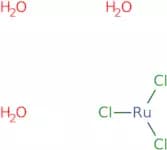
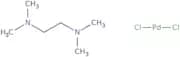
CAS:<p>Ruthenium(III) chloride trihydrate is a ruthenium carbonyl that is used as an oxidation catalyst. It has been used to prepare diagnostic agents for the detection of hydrochloric acid, sodium carbonate, or pharmaceutical preparations. The mechanism of the reaction was studied using potassium dichromate as an oxidant and the transfer reactions were determined by high-resolution electron microscopy. Ruthenium(III) chloride trihydrate is also a matrix effect reagent that has been used in conjunction with water vapor.</p>Fórmula:RuCl3·3H2OPureza:Min. 95%Cor e Forma:PowderPeso molecular:261.47 g/molcis-Dichloro(N,N,N',N'-tetramethylethylenediamine)palladium(II)
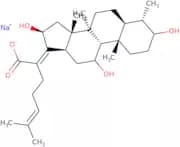
CAS:Produto Controlado<p>Please enquire for more information about cis-Dichloro(N,N,N',N'-tetramethylethylenediamine)palladium(II) including the price, delivery time and more detailed product information at the technical inquiry form on this page</p>Fórmula:C6H16Cl2N2PdPureza:Min. 95%Peso molecular:293.53 g/mol16-Deacetyl fusidic acid sodium salt
CAS:Produto Controlado<p>Please enquire for more information about 16-Deacetyl fusidic acid sodium salt including the price, delivery time and more detailed product information at the technical inquiry form on this page</p>Fórmula:C29H45NaO5Pureza:Min. 95%Peso molecular:496.65 g/molPotassium phosphate dibasic , anhydrous - for HPLC, >99.0%
CAS:<p>Potassium phosphate dibasic, anhydrous - for HPLC, >99.0% is a crystalline cellulose used as a model system for enzyme activities. It has been shown to have the same effects on enzymes as potassium phosphate monobasic and potassium dihydrogen phosphate. This product also has a use in radiation-induced damage studies due to its ability to absorb ionizing radiation.</p>Fórmula:K2HPO4Pureza:Min. 95%Cor e Forma:PowderPeso molecular:174.18 g/molCalcium bromide
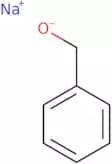
CAS:<p>Calcium bromide is a white solid that has a phase transition temperature of -14.8 °C. It is soluble in water and glycol ether. Calcium bromide can be used to measure the concentration of calcium ions by taking advantage of the high affinity between calcium ions and its salt, calcium bromide, at constant pressure. In this process, water vapor and anhydrous sodium are also adsorbed onto the surface of the solid. The x-ray diffraction data for calcium bromide crystals show that it has a space group of p2 with lattice parameters a = 12.39 Å, c = 10.93 Å, and β = 90°. This salt can be used as a model system for studying reaction mechanisms in chemistry and biochemistry involving ionic liquids or other ionic compounds. The most common application of calcium bromide is as an extractant for volatile organic compounds from air samples using solid phase microextraction (SP</p>Fórmula:CaBr2Pureza:Min. 95%Peso molecular:199.89 g/molSodium benzyloxide solution - 1.0 M in benzyl alcohol
CAS:<p>Sodium benzyloxide is an alkanoic acid with the chemical formula CH3C6H2O2. It is used as a matrix metalloproteinase inhibitor in the synthesis of bicyclic heterocycles. It is also used in asymmetric synthesis and as a substrate for enzyme inhibitors. Sodium benzyloxide has been shown to be effective against herpes simplex virus by preventing viral replication and inducing apoptosis.</p>Fórmula:C6H5CH2ONaCor e Forma:Clear LiquidPeso molecular:130.12 g/molPotassium tetrachloroplatinate(II)
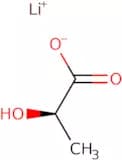
CAS:<p>Potassium tetrachloroplatinate(II) is a metal chelate of potassium and platinum. It can be used as a catalyst for organic syntheses, such as hydrogenation reactions. Potassium tetrachloroplatinate(II) has a high affinity for the amide ligands in substrates, which allows it to be used for hydrogenation reactions. The reaction mechanism of this compound has been investigated by x-ray crystal structures and in vitro experiments. The reaction mechanism primarily involves the formation of an organometallic intermediate that subsequently reacts with the substrate via an addition-elimination process. This compound also emits light when heated and produces a dark red color due to its ability to absorb visible light.</p>Fórmula:K2PtCl4Pureza:Min. 95%Cor e Forma:PowderPeso molecular:415.09 g/molD-Lactic acid lithium
CAS:<p>D(+)-Lactic acid lithium salt is a dipolar molecule with an activation energy of about 44 kJ/mol. It has been studied by NMR techniques and found to have a resonance in the range of 1.8-2.0 ppm, which is characteristic of protons on the oxygen atom. The proton magnetic resonance (PMR) study showed that the d-lactate resonances were very broad and shifted to higher frequencies, whereas the l-lactate resonances were sharp and shifted to lower frequencies. This may be due to the different number of protons on each type of lactate molecule. The magnetic resonance (NMR) study showed that lithium salt was a radical with a spin density distribution around 2.6 ppm in the nmr spectrum.</p>Fórmula:C3H6O3•LiPureza:Min. 95%Cor e Forma:PowderPeso molecular:97.02 g/molSodium tetrachloropalladate(II)
CAS:<p>Sodium tetrachloropalladate(II) is a photoelectron acceptor that absorbs x-rays in the wavelength range of 0.2-1.5 Å. It is used as a nanomaterial for the preparation of microspheres and optical devices. Sodium tetrachloropalladate(II) has been shown to have a chloride ion content of 36%. The chemical composition of this element can be determined by using preparative methods such as suzuki coupling reaction, phase chromatography, or elemental analysis. The isolated yield of sodium tetrachloropalladate(II) can be determined by immobilizing it on an ion exchange resin and eluting with 0.1 M HCl.</p>Fórmula:Cl4Na2PdPureza:Min. 95%Peso molecular:294.21 g/molDichloro[1,3-Bis(2,6-diisopropylphenyl)imidazolyl-2-idene](3-chloropyridyl)palladium(IV)
CAS:Produto Controlado<p>Dichloro[1,3-Bis(2,6-diisopropylphenyl)imidazolyl-2-idene](3-chloropyridyl)palladium(IV) is an insoluble molecule with a beige color. The molecule belongs to the class of palladium catalyzed cross coupling reactions. It can react with various halides and has been shown to have functionalities, skeleton and reactive groups. This compound is used in synthetic organic chemistry in order to generate sequences with chloride and pentane.</p>Fórmula:C32H40Cl3N3PdPureza:Min. 95%Cor e Forma:PowderPeso molecular:679.46 g/molGanciclovir sodium
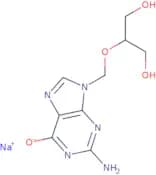
CAS:<p>Anti-viral; DNA polymerase inhibitor; dGTP competitive inhibitor</p>Fórmula:C9H13N5NaO4Pureza:Min. 95%Peso molecular:278.22 g/molCobalt(II) oxide
CAS:<p>Cobalt is a transition metal with the atomic number 27. It has an oxidation state of +2 and belongs to group 8 on the periodic table. Cobalt(II) oxide (CoO) is a black solid that can be formed by heating cobalt metal at temperatures greater than 1400°C. The electrochemical impedance spectroscopy of CoO shows that it has high resistivity and good electrical conductivity, making it useful for corrosion protection. Cobalt oxide is also used as a catalyst in chemical reactions, such as oxidation and reduction, due to its redox potential. Cobalt oxide can be produced from the reaction between hydrochloric acid and zirconium oxide by electrolysis, which produces an electric current. This process can be done in two ways: either by using an electrochemical cell or by laser ablation. The latter method is more efficient because it requires less energy input than using an electrochemical cell. In addition, CoO particles are spherical in shape, have</p>Fórmula:CoOPureza:75%MinCor e Forma:PowderPeso molecular:74.93 g/molChloro[2-(di-tert-butylphosphino)-2',4',6'-triisopropyl-1,1'-biphenyl][2-(2-aminoethyl)phenyl)]palladium(II)
CAS:Produto Controlado<p>Chloro[2-(di-tert-butylphosphino)-2',4',6'-triisopropyl-1,1'-biphenyl][2-(2-aminoethyl)phenyl)]palladium(II) is a molecule that inhibits the adenosine receptor in autoimmune diseases and cancer. It also has an inhibitory effect on the membrane transport of glucose, glucosan, and aziridine. This drug can be used to treat inflammatory diseases such as diabetes, asthma, and inflammatory bowel disease. The geometric isomers of this molecule are not identical in shape or size and can have different effects on the body.</p>Fórmula:C37H55ClNPPdPureza:Min. 95%Peso molecular:686.69 g/molTauroursodeoxycholic acid, sodium salt
CAS:<p>Tauroursodeoxycholic acid, sodium salt is a taurine-conjugated bile acid derivative, which is synthesized in the liver from ursodeoxycholic acid. It functions through its role in stabilizing the mitochondria and inhibiting apoptosis by modulating the unfolded protein response. This molecular action involves reducing endoplasmic reticulum stress, thereby providing cytoprotective effects in various cellular environments.</p>Fórmula:C26H44NNaO6SPureza:Min. 95%Peso molecular:521.69 g/molShikimate-3-phosphate trisodium salt
CAS:<p>Shikimate-3-phosphate trisodium salt (SPTS) is a herbicide that inhibits the enzyme EPSPS, which is essential for the production of aromatic amino acids in plants. It binds to the active site of the enzyme and prevents it from functioning properly. SPTS is used as a pesticide on crops such as wheat, rye, barley, oats, rice, soybeans, maize, potato and sugar beet. The herbicide has been shown to be effective in nanomolar range concentrations. It can be detected using biosensors designed for environmental monitoring purposes. The surface of these biosensors are functionalized with SPTS and immobilized on a solid support such as glass or silicon dioxide. These sensors have been shown to detect glyphosate at concentrations as low as 0.01 ppm. SPTS has been investigated for use in developing biosensors that could be used to monitor levels of this herbicide in water sources such as rivers and streams.END></p>Fórmula:C7H8Na3O8PPureza:Min. 95%Cor e Forma:White PowderPeso molecular:320.08 g/mol



![[1,1'-Bis(diphenylphosphino)ferrocene]-dichloropalladium (II) dichloromethane complex](/_next/image/?url=https%3A%2Fstatic.cymitquimica.com%2Fproducts%2F3D%2Fthumb-webp%2FFB31909.webp&w=3840&q=75)

![Diacetato[(R)-(+)-2,2'-bis(diphenylphosphino)-1,1'-binaphthyl]ruthenium(II)](/_next/image/?url=https%3A%2Fstatic.cymitquimica.com%2Fproducts%2F3D%2Fthumb-webp%2FFD162446.webp&w=3840&q=75)




![[1,3-Bis(diphenylphosphino)propane]palladium(II) dichloride](/_next/image/?url=https%3A%2Fstatic.cymitquimica.com%2Fproducts%2F3D%2Fthumb-webp%2FFB46063.webp&w=3840&q=75)
![[1,4-Bis(diphenylphosphino)butane]palladium(II) Dichloride](/_next/image/?url=https%3A%2Fstatic.cymitquimica.com%2Fproducts%2F3D%2Fthumb-webp%2FFB60968.webp&w=3840&q=75)










![Tetrakis[N-tetrachlorophthaloyl-(S)-tert-leucinato]dirhodium Bis(ethyl Acetate) Adduct](/_next/image/?url=https%3A%2Fstatic.cymitquimica.com%2Fproducts%2F3D%2Fthumb-webp%2FFT60020.webp&w=3840&q=75)
![Tetrakis[N-phthaloyl-(S)-phenylalaninato]dirhodium Ethyl Acetate Adduct](/_next/image/?url=https%3A%2Fstatic.cymitquimica.com%2Fproducts%2F3D%2Fthumb-webp%2FFT60014.webp&w=3840&q=75)















palladium(IV)](/_next/image/?url=https%3A%2Fstatic.cymitquimica.com%2Fproducts%2F3D%2Fthumb-webp%2FFB157435.webp&w=3840&q=75)

![Chloro[2-(di-tert-butylphosphino)-2',4',6'-triisopropyl-1,1'-biphenyl][2-(2-aminoethyl)phenyl)]pal…](/_next/image/?url=https%3A%2Fstatic.cymitquimica.com%2Fproducts%2F3D%2Fthumb-webp%2FFC156938.webp&w=3840&q=75)

