Sais metálicos
Foram encontrados 2872 produtos de "Sais metálicos"
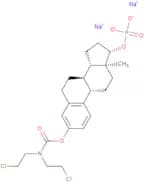
Estramustine sodium phosphate
CAS:Estramustine is a cytotoxic agent that inhibits the growth of cancer cells by interfering with intracellular targets. It is classified as an alkylating agent, which means it damages DNA and RNA by binding to them. Estramustine can be used in chemotherapy for the treatment of various types of cancers, including prostate cancer. This drug has minimal toxicity and long-term toxicity effects on the prostate gland, which limits its use in treating prostate cancer. Estramustine phosphate also inhibits a protein that helps maintain cellular calcium levels and can be used as an anti-inflammatory agent.
Fórmula:C23H32Cl2NO6P•Na2Pureza:Min. 98 Area-%Cor e Forma:PowderPeso molecular:566.36 g/molTitanium dioxide
CAS:Titanium dioxide is a chemical compound with the chemical formula TiO2. It is a white pigment that has good light-fastness and weatherability, and it is insoluble in water. The particle size of titanium dioxide ranges from 10 nm to about 100 nm. Titanium dioxide can be produced by the reaction of titanium tetrachloride with water or ammonia gas at 750-1,000 °C. This chemical compound has been used for many purposes, including paint pigments, sunscreen products, toothpaste, cosmetics, plastics, photocatalyst components and wastewater treatment. Studies have shown that titanium dioxide particles are not genotoxic but may induce oxidative stress in skin cells. Although safe when used as a food additive or cosmetic ingredient, titanium dioxide can cause adverse effects on skin health when used in certain concentrations.
Fórmula:TiO2Pureza:Min. 95%Cor e Forma:PowderPeso molecular:79.87 g/molRef: 3D-FT167791
Produto descontinuadoSodium dodecyl sulfate, crystalline
CAS:Sodium dodecyl sulfate (SDS) is a surfactant that is commonly used in detergents and as a laboratory reagent. It is also an antimicrobial agent and has been shown to be effective against bacterial cells. The solubility of SDS in water is dependent on the pH, with optimum concentrations at pH 7.4 and 8.2. Cell lysis can be induced by SDS at concentrations of 0.1% or greater, which can be monitored using plasma mass spectrometry. SDS has been used as an experimental model for autoimmune diseases, such as systemic lupus erythematosus and rheumatoid arthritis, to study disease progression and treatment efficacy. In these studies, laser ablation was used to create lesions in the skin of mice to simulate chronic inflammatory processes that are characteristic of autoimmune diseases. Crystalline cellulose was found to have high values for sodium dodecyl sulfate adsorption when compared with other
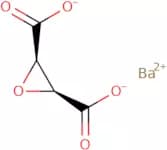
Fórmula:C12H26O4S•NaPureza:Min 99%Cor e Forma:PowderPeso molecular:289.39 g/molBarium cis-epoxy-succinate
CAS:Please enquire for more information about Barium cis-epoxy-succinate including the price, delivery time and more detailed product information at the technical inquiry form on this page
Fórmula:C4H2BaO5Pureza:Min. 95%Cor e Forma:PowderPeso molecular:267.38 g/molRef: 3D-FB18143
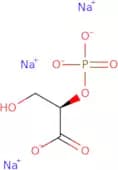
Produto descontinuadoD-(+)-2-Phosphoglyceric acid sodium hydrate
CAS:Please enquire for more information about D-(+)-2-Phosphoglyceric acid sodium hydrate including the price, delivery time and more detailed product information at the technical inquiry form on this page
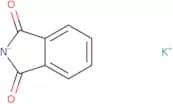
Fórmula:C3H4Na3O7PPureza:Min. 95 Area-%Cor e Forma:PowderPeso molecular:252 g/molPhthalimide potassium
CAS:Phthalimide potassium is a chemical that reacts with oxygen nucleophiles to form the corresponding N-hydroxyphthalimide. It has been shown as an effective treatment for cancer by targeting tumor cells and inhibiting their growth. The mechanism of action involves binding to 5-HT2 receptors in the cell membrane, which leads to inhibition of the enzyme adenylate cyclase, leading to decreased levels of cAMP. This decreases the activity of protein kinase A, which in turn leads to decreased production of proteins such as p21WAF1/CIP1, which are required for cell cycle progression. Phthalimide potassium has also been shown to be active against HIV infection and may be useful for other diseases involving virus infections. This drug binds covalently with HLA proteins on the surface of infected cells and inhibits viral replication by preventing reverse transcription.
Fórmula:C8H4KNO2Cor e Forma:White PowderPeso molecular:185.22 g/molRef: 3D-FP32310
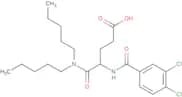
Produto descontinuadoLorglumide sodium salt
CAS:Lorglumide sodium salt is a guanine nucleotide-binding protein that has low potency and is used as an experimental model for polymerase chain reaction. It interacts with the transcriptional regulator cck-a, which inhibits the production of estradiol benzoate, cortisol concentration, and energy metabolism. Lorglumide sodium salt also interacts with receptors to inhibit the activity of peptide hormones and carcinoma cell lines.
Fórmula:C22H31Cl2N2NaO4Pureza:Min. 95%Cor e Forma:PowderPeso molecular:481.39 g/molRef: 3D-FL43268
Produto descontinuadoIralukast Na
CAS:Iralukast Na is a leukotriene receptor antagonist that prevents bronchoconstrictor response. It binds to the cystic fibrosis transmembrane conductance regulator (CFTR) and blocks the binding of leukotrienes, which are potent bronchoconstrictors. Iralukast Na also blocks the activity of inflammatory cells and reduces bowel inflammation. Iralukast Na has been shown to be effective in treating asthma, inflammatory bowel disease, and other autoimmune diseases.
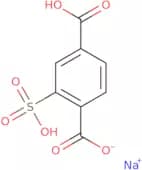
Fórmula:C38H36F3NaO8SPureza:Min. 95%Peso molecular:732.198072-Sulphoterephthalic monosodium
CAS:2-Sulphoterephthalic monosodium (2-SPM) is a zirconium oxide that is synthesized by reacting 5-hydroxymethylfurfural with hydrochloric acid in the presence of 2-aminoterephthalic acid. It has been shown to be an efficient catalyst for the synthesis of 5-hmf from glucose in aqueous media. This product also exhibits strong protonation properties and can be used as a hydrogen bonding donor. The fluorescence properties of 2-SPM have also been studied, which may lead to its potential use as a supramolecular fluorescent probe.
Fórmula:C8H5NaO7SPureza:Min. 95%Cor e Forma:White PowderPeso molecular:268.18 g/molSodium butyrate
CAS:Reversible inhibitor of histone deacetylases (HDAC) that causes histone hyperacetylation, changes in chromatin structure and in gene expression. Sodium butyrate was shown to induce apoptosis in adenoma and carcinoma cell lines as well as to stimulate neurogenesis following cerebral ischemic injury. Sodium butyrate is present in large bowel as naturally occurring fatty acid and a by-product of bacterial fermentation of dietary fibres.
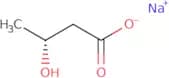
Fórmula:C4H7NaO2Cor e Forma:White PowderPeso molecular:110.09 g/mol(R)-3-Hydroxybutyric acid sodium
CAS:Chiral intermediate in the biosynthesis and metabolism of fatty acids
Fórmula:C4H8O3•NaCor e Forma:PowderPeso molecular:127.09 g/molRef: 3D-FH09770
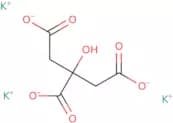
Produto descontinuadoPotassium citrate
CAS:Potassium citrate is a salt of potassium and citric acid. It is used as an antacid to help relieve the symptoms of heartburn, sour stomach, and acid indigestion. Potassium citrate can also be used as a supplement when the body does not produce enough of this chemical on its own. It is usually taken with calcium pantothenate to provide additional relief for people who have low levels of these chemicals in their urine. The phase transition temperature for potassium citrate is approximately 33°C (91°F).
Fórmula:C6H5K3O7Cor e Forma:White Off-White PowderPeso molecular:306.39 g/molNetobimin sodium salt
CAS:Netobimin sodium salt is a versatile building block with a CAS number of 88254-99-3. It is used in the synthesis of complex compounds and research chemicals, as well as in the preparation of reagents, specialty chemicals, and useful intermediates. Netobimin sodium salt can be used as a reaction component or scaffold for generating high-quality compounds. Netobimin sodium salt has been shown to be a useful intermediate for synthesizing pharmaceuticals, agrochemicals, and other fine chemicals.
Fórmula:C14H19N4O7S2NaPureza:Min. 95 Area-%Cor e Forma:Yellow PowderPeso molecular:442.45 g/molRef: 3D-FN159398
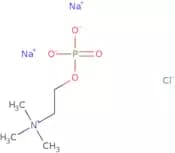
Produto descontinuadoPhosphocholine chloride sodium salt hydrate
CAS:Phosphocholine chloride sodium salt hydrate is an organic compound that is used as a cross-linking agent in the production of polymers. It is also used as a reactant in ring-opening reactions and as an intermediate in the synthesis of pyridinium salts. This product has been shown to be metabolized by human serum to form fatty acids, which may play a role in metabolic disorders such as obesity and diabetes. The reagent can also be used for the chromatographic determination of cholesterol and other lipids.
Fórmula:C5H13ClNNa2O4P·xH2OPureza:Min. 95%Cor e Forma:White PowderPeso molecular:263.58 g/molRef: 3D-FP75522
Produto descontinuadoPhenol red sodium salt
CAS:Phenol red is a pH indicator that finds broad applications from chemistry to microbiology. Colour varies from yellow at pH<6.8 (lmax 443nm) through to light red/pink at 6.8<pH<8.2 (lmax 570 nm) to vivid purple/red at pH>8.2. It is widely used in cell culture to monitor pH and for colorimetric titration. For example, phenol red can be used to quantify Br- content in sea or fresh water. It is added to VTM as pH indicator, at the concentration of 10mg/ml, maintaining a pink colour at neutral pH.
Fórmula:C19H13NaO5SCor e Forma:Slightly Brown Red PowderPeso molecular:376.36 g/molRef: 3D-FP01503
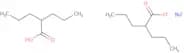
Produto descontinuadoValproic acid semisodium
CAS:Produto ControladoValproic acid is a medication used to treat seizures and other conditions. Valproic acid has been shown to be effective in the treatment of metabolic disorders such as hyperammonemia, hypertriglyceridemia, and hypoglycemia. It also has been shown to be an effective treatment for bipolar disorder. Valproic acid does have side-effect profiles that include weight gain, nausea, vomiting, and hair loss. Side effects are more likely to develop when valproic acid is taken with other medications such as erythromycin or divalproex sodium. Valproic acid can cause hypersensitivity syndrome in some patients. In order to avoid this side effect, blood sampling should be done before starting treatment. Valproic acid is metabolized by the liver into the active form, divalproex sodium (divalproex), which then inhibits the enzyme histone deacetylase (HDAC). The inhibition of HDAC leads to an increase inFórmula:C8H16O2•Na0Pureza:Min. 95%Cor e Forma:White to off-white solid.Peso molecular:311.41 g/molRef: 3D-FV28660
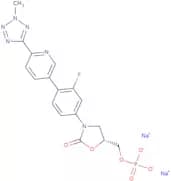
Produto descontinuadoTedizolid phosphate disodium salt
CAS:Inhibitor of monoamine oxidase; anti-bacterial agent
Fórmula:C17H16FN6O6P·2NaPureza:Min. 97 Area-%Cor e Forma:White Off-White PowderPeso molecular:496.3 g/mol[Nitrilotris(methylene)]tris-phosphonic acid pentasodiumsalt - 38.0 to 42.0%, in water
CAS:Nitrilotris(methylene)tris-phosphonic acid pentasodiumsalt is a compound that has antimicrobial properties. The product is used as a corrosion inhibitor, wetting agent, and pH control agent in water treatment. It is also used as an antimicrobial additive to paints and coatings. Nitrilotris(methylene)tris-phosphonic acid pentasodiumsalt inhibits the activity of matrix metalloproteinases and has been shown to be effective against bacterial strains such as Staphylococcus aureus, Streptococcus pneumoniae, Escherichia coli, Enterobacter cloacae, Pseudomonas aeruginosa, and Candida albicans.
br>
Nitrilotris(methylene)tris-phosphonic acid pentasodiumsalt is also an acidic chemical with a pH of 2 to 3. It is also mainly composed of an aliphaticFórmula:C3H7NNa5O9P3Cor e Forma:Clear LiquidPeso molecular:408.96 g/molRef: 3D-FN153153
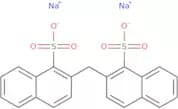
Produto descontinuadoDisodium methylenebisnaphthalenesulfonate
CAS:Disodium methylenebisnaphthalenesulfonate is an organic compound that belongs to the group of bisnaphthyl-sulfones. It is a white solid with a melting point of 236°C. Disodium methylenebisnaphthalenesulfonate is used as a reagent in organic synthesis and as a building block for other compounds. The compound has been shown to be useful in the synthesis of 2-amino-5-methyl-1,3,4-thiadiazole derivatives, which are important building blocks for pharmaceuticals. Disodium methylenebisnaphthalenesulfonate can also be used as a scaffold for complex compounds with new or unknown structures.
Fórmula:C21H16O6S2·2NaPureza:Min. 95%Cor e Forma:Beige To Brown SolidPeso molecular:474.46 g/molRef: 3D-FD158454
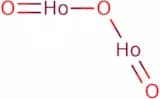
Produto descontinuadoHolmium (III) oxide
CAS:Holmium is a rare earth metal that belongs to the group of oxide. It is a soft, silvery-white, chemically inert and malleable metal. The element has two allotropic forms, holmium (III) oxide and holmium (III) nitrate. Holmium (III) oxide is used in high-temperature applications such as in x-ray equipment. It has a transition temperature range of 865°C to 1085°C and can be used at temperatures up to 1450°C with an argon atmosphere. The diffraction pattern for holmium (III) oxide is similar to those of other crystals in the same family. This element exhibits strong absorption lines in the infrared region between 2500 nm and 3200 nm.
Fórmula:Ho2O3Pureza:Min. 95%Cor e Forma:Slightly Yellow PowderPeso molecular:377.86 g/mol







![[Nitrilotris(methylene)]tris-phosphonic acid pentasodiumsalt - 38.0 to 42.0%, in water](/_next/image/?url=https%3A%2Fstatic.cymitquimica.com%2Fproducts%2F3D%2Fthumb-webp%2FFN153153.webp&w=3840&q=75)