Ion Channel
Ion channels are specialized proteins that form pores in cell membranes, allowing the selective passage of ions such as sodium, potassium, calcium, and chloride. These channels play a critical role in various physiological processes, including nerve impulse transmission, muscle contraction, and the regulation of cellular homeostasis. Ion channels are essential targets in drug discovery, particularly in the treatment of neurological disorders, cardiovascular diseases, and pain management. At CymitQuimica, we offer a wide range of high-quality ion channel proteins and related reagents to support your research and drug development projects.
Found 107 products of "Ion Channel"
Sort by
Purity (%)
0
100
|
0
|
50
|
90
|
95
|
100
Verapamil HCl - Bio-X ™
CAS:Verapamil is drug that belongs to the class of drugs known as calcium channel blockers. It is used to treat high blood pressure, angina and other cardiovascular disorders. It works by relaxing the blood vessels so that blood can flow more easily. It does this by inhibiting the calcium ion influx through slow channels into conductile, contractile myocardial cells and vascular smooth muscle cells.Formula:C27H38N2O4•HClPurity:Min. 95%Color and Shape:PowderMolecular weight:491.06 g/molVincamine
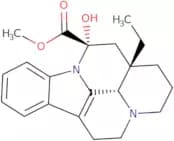
CAS:Peripheral vasodilator; nootropic agentFormula:C21H26N2O3Purity:Min. 95%Color and Shape:White PowderMolecular weight:354.44 g/molOndansetron HCl dihydrate - Bio-X ™
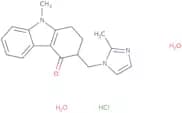
CAS:Ondansetron is a serotonin 5-HT3 receptor antagonist that is used to prevent vomiting and nausea in patients undergoing chemotherapy. This drug blocks the initiation of the vomiting reflex.Formula:C18H19N3O•HCl•(H2O)2Purity:Min. 95%Color and Shape:PowderMolecular weight:365.85 g/molSenicapoc
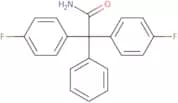
CAS:Gardos channel inhibitorFormula:C20H15F2NOPurity:Min. 95%Color and Shape:PowderMolecular weight:323.34 g/molFonturacetam
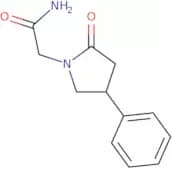
CAS:Controlled ProductPiracetam analog; AMPA receptor allosteric modulator
Formula:C12H14N2O2Purity:Min. 99 Area-%Molecular weight:218.25 g/molPicrotoxin - Bio-X ™
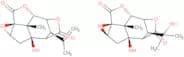
CAS:Picrotoxin is a GABA-A receptor antagonist that is used to relieve respiratory distress. This drug also is used as an antidote from poisoning by CNS depressants. Picrotoxin works by blocking the GABA activated chloride ionophore.Formula:C15H18O7·C15H16O6Purity:Min. 95%Color and Shape:PowderMolecular weight:602.58 g/molMibefradil hydrochloride
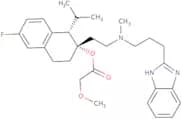
CAS:Mibefradil is a calcium channel antagonist with the highest selectivity for T- and L-type channels, but also effective for N-, Q-, and R-type calcium channels at micromolar range. It decreases smooth muscle proliferation in response to vascular injury and causes vessel dilatation.Formula:C29H38FN3O3·2HClPurity:Min. 95%Color and Shape:PowderMolecular weight:568.55 g/molNBQX
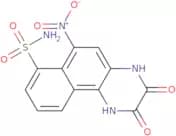
CAS:Competitive antagonist of ionotropic glutamate receptors of AMPA and kainate subfamilies. Reported anti-convulsant activity in seizures models induced by electrostimulation, drugs or genetic predisposition. Pro-convulsant effects in Theiler's murine encephalomyelitis virus-induced (TMEV) seizure model.Formula:C12H8N4O6SPurity:Min. 95%Color and Shape:PowderMolecular weight:336.28 g/molNicardipine HCl - Bio-X ™
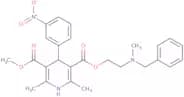
CAS:Nicardipine is calcium channel blocker drug that is used for the treatment of hypertension and angina. This drug can also be used in the treatment of asthma and is said to enhance the action of various antineoplastic agents.Formula:C26H29N3O6•HClPurity:Min. 95%Color and Shape:PowderMolecular weight:515.99 g/molAR-R 17779 hydrochloride
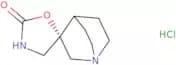
CAS:AR-R 17779 is a selective agonist for α7 nicotinic acetylcholine receptors (nAChRs) (Ki value = 190 nM for rat α7 receptor). This compound has use as a tool to study the function of α7 nicotinic receptors. One such study revealed a role for α7 nicotinic receptors in nicotine-mediated excitatory effects on hippocampal learning and memory. AR-R17779 reduces formation of atherosclerotic plaques and abdominal aortic aneurysms in apolipoprotein E-deficient mice.Formula:C9H14N2O2•HClPurity:Min. 95%Color and Shape:White PowderMolecular weight:218.68 g/mol(-)-Sparteine hydroiodide
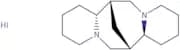
CAS:Sparteine hydroiodide is the salt form of sparteine. This compound acts as an inhibitor of voltage-gated sodium channels. In organic chemisty, it is used for chiral synthesis.Formula:C15H26N2•HIPurity:Min. 95%Molecular weight:362.29 g/molTraxoprodil
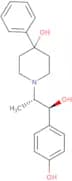
CAS:Controlled ProductNMDA glutamate receptor antagonist; anti-depressant
Formula:C20H25NO3Purity:Min. 98 Area-%Color and Shape:PowderMolecular weight:327.42 g/molOndansetron hydrochloride - Bio-X ™
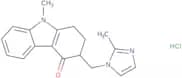
CAS:Ondansetron is a serotonin 5-HT3 receptor antagonist that has been shown to inhibit the effects of serotonin in the gastrointestinal tract, thereby preventing nausea and vomiting that is caused by cancer chemotherapy. Chemotherapy and radiotherapy are associated with the release of serotonin (5-HT) from enterochromaffin cells of the small intestine, initiating a vomiting reflex through stimulation of 5-HT3 receptors located on vagal afferents. Ondansetron blocks the initiation of this reflex. The drug binds to receptors on cells in the gastrointestinal tract that are normally activated by serotonin, thereby blocking its effect.Formula:C18H20N3OClPurity:Min. 95%Color and Shape:PowderMolecular weight:329.82 g/molIvacaftor
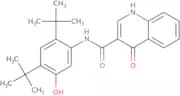
CAS:Activates CFTR channelsFormula:C24H28N2O3Purity:Min. 95%Color and Shape:White To Off-White SolidMolecular weight:392.49 g/molNAP
CAS:NAP is a neuroprotective peptide, which is derived from activity-dependent neuroprotective protein (ADNP), with a mechanism involving microtubule stabilization and neuronal protection. It exhibits the ability to protect neurons from various types of damage, including oxidative stress and conditions mimicking neurodegenerative diseases. NAP enhances axonal transport and increases the resilience of neurons to insults that would typically result in cell death. This peptide has shown promise in preclinical studies for its potential to halt or reverse cognitive decline, making it a focal point for research into therapeutic strategies for disorders like Alzheimer's disease and other tauopathies. The peptide operates by binding to microtubules, promoting stability, and facilitating efficient transport of cellular components. Studies have highlighted its role in traversing the blood-brain barrier, which makes it a viable candidate for central nervous system-targeted therapies. Researchers continue to explore its efficacy and possible applications in improving cognitive function and providing neuroprotection in aging populations.Purity:(Hplc-Ms) Min. 98 Area-%SDZ 220-581 hydrochloride
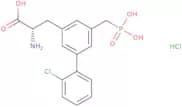
CAS:NMDA receptor antagonistFormula:C16H17ClNO5P•HClPurity:Min. 95%Molecular weight:406.2 g/molFG 7142
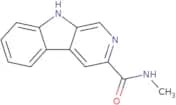
CAS:Partial inverse agonist of benzodiazepine sites of the GABAA receptors with anxiogenic properties. FG 7142 is a pharmacological stressor which generates anxiety in humans and in experimental animals such as rhesus monkeys and rodents. FG 7142 also reduces food intake and frequency of feeding in male and female rats.Formula:C13H11N3OPurity:Min. 95%Color and Shape:Yellow PowderMolecular weight:225.25 g/molNateglinide - Bio-X ™
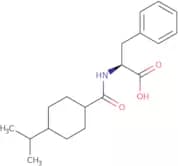
CAS:Nateglinide is used to treat type 2 diabetes mellitus as an oral hypoglycemic, insulinotropic agent. It is a blocker of ATP-dependent potassium channels and works by increasing the body's production of insulin, which lowers blood glucose levels. Nateglinide has been shown to be effective in reducing postprandial blood glucose levels in patients with type 2 diabetes who have not responded well to other treatments. The effects of nateglinide are reversible.Formula:C19H27NO3Purity:Min. 95%Molecular weight:317.42 g/molL 838417
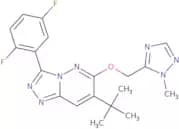
CAS:Selective partial GABAA receptor antagonist of subtypes α1, α2, α3, α5 subunits. Non-sedative anxiolytic effects demonstrated in vivo, without compromising motor activity. Anti-nociceptive and anti-inflammatory activities also demonstrated in vivo.Formula:C19H19F2N7OPurity:Min. 95%Color and Shape:White/Off-White SolidMolecular weight:399.4 g/molLercanidipine HCl - Bio-X ™
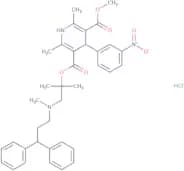
CAS:Lercanidipine is a calcium channel blocker that is used for the treatment of hypertension. This drug inhibits ion channels and interferes with the release of calcium from the sarcoplasmic reticulum. As a result, coronary and systemic arteries are dilated, allowing for an increased supply of oxygen to myocardial tissue. .Formula:C36H41N3O6•HClPurity:Min. 95%Color and Shape:PowderMolecular weight:648.19 g/mol