Amino Acid Derivatives
Found 3995 products of "Amino Acid Derivatives"
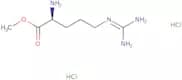
L-Arginine methyl ester dihydrochloride
CAS:L-Arginine methyl ester dihydrochloride is a bioactive form of L-arginine, which is an amino acid. L-Arginine methyl ester dihydrochloride has been shown to increase the production of cyclic guanosine monophosphate (cGMP) in mammalian cells. It also causes protein synthesis and cell division in C. neoformans and is a substrate for nitric oxide synthase (NOS). It has been shown to have opioid receptor activity and can act as an alpha-2 adrenergic agonist. L-Arginine methyl ester dihydrochloride can inhibit serine proteases by binding to their active site and preventing them from breaking down proteins such as collagen and elastin.Formula:C7H16N4O2·2HClPurity:Min. 95%Color and Shape:White PowderMolecular weight:261.15 g/molFA-Phe-Gly-Gly-OH
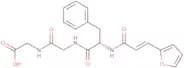
CAS:FA-Phe-Gly-Gly-OH is a peptide with angiotensin II inhibitory properties. It has been shown that FA-Phe-Gly-Gly-OH inhibits the enzyme activity of angiotensin converting enzyme (ACE) and prevents the formation of angiotensin II, which causes blood vessel constriction. The inhibitory effects of FA-Phe-Gly-Gly-OH on ACE are reversible and competitive, which is different from other ACE inhibitors that are irreversible and noncompetitive. This peptide also has antioxidative properties, due to its ability to scavenge reactive oxygen species (ROS). This peptide can be hydrolysed by esterases or proteases in vitro or in vivo.
Formula:C20H21N3O6Purity:Min. 95%Color and Shape:White PowderMolecular weight:399.4 g/molCyclo(L-His-L-Pro)
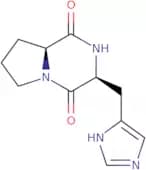
CAS:Cyclo(L-His-L-Pro) is a dipeptide molecule that is part of the thyroid hormone thyrotropin-releasing hormone. It has been shown to have physiological effects on experimental models, such as increased thyrotropin release and decreased calcium levels in cells. Cyclo(L-His-L-Pro) is synthesized by the enzyme prohormone convertase in the cytosol of cells. The cyclic structure of this molecule is due to intermolecular hydrogen bonding between His and Pro residues. This peptide can be metabolized into a number of metabolites, including cyclic, diketopiperazines.Formula:C11H14N4O2Purity:Min. 98 Area-%Color and Shape:PowderMolecular weight:234.25 g/molZ-Arg-Leu-Arg-Gly-Gly-AMC acetate
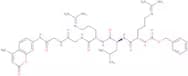
CAS:Z-Arg-Leu-Arg-Gly-Gly-AMC acetate is a protease inhibitor that blocks the activity of the proteasome. It has been shown to inhibit the activity of histidine proteases and to inhibit proteolysis by the proteasome in a kinetic assay. This inhibitor also inhibits coronavirus replication, which may be due to its ability to bind to histidine residues on proteins involved in viral replication. Z-Arg-Leu-Arg-Gly-Gly-AMC acetate is expressed in transfected cells as an enzyme with a polymerase chain reaction (PCR) product and has been shown to prevent viral replication.
Formula:C40H56N12O9•(C2H4O2)xPurity:Min. 98 Area-%Color and Shape:PowderMolecular weight:848.95 g/molL-Tyrosine
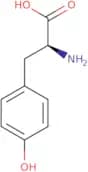
CAS:Amino acid; precursor to neurotransmitters, hormones, pigments, natural phenols
Formula:C9H11NO3Color and Shape:White PowderMolecular weight:181.19 g/molFmoc-Gly-OPfp
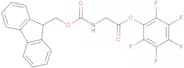
CAS:M06246 - Fmoc-Gly-OPfp
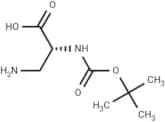
Formula:C23H14F5NO4Purity:97%Color and Shape:SolidMolecular weight:463.36Boc-D-2,3-diaminopropionic acid
CAS:Boc-D-2,3-diaminopropionic acid (N-t-Boc-amino-D-alanine) is a derivative of an amino acid featuring a Boc protecting group. It is utilized in the synthesis of a powerful NMDA receptor glycine site agonist that exhibits specific activity towards the GluN2 subunit.Formula:C8H16N2O4Color and Shape:SolidMolecular weight:204.22Sodium N-lauroylalanine
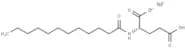
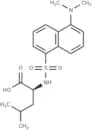
CAS:Sodium N-lauroylalanine is an agent of fatty acid.Formula:C15H28NNaO3Purity:98%Color and Shape:SolidMolecular weight:293.38Dansylleucine
CAS:Dansylleucine is an agent of bioactive chemical.Formula:C18H24N2O4SPurity:98%Color and Shape:SolidMolecular weight:364.46L-Norleucine
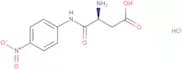
CAS:Formula:C6H13NO2Purity:>98.0%(T)(HPLC)Color and Shape:White to Almost white powder to crystalMolecular weight:131.18H-Asp-pNA·HCl
CAS:H-Asp-pNA·HCl is a versatile building block that can be used in the synthesis of complex compounds. It has been shown to be useful in the synthesis of reagents and speciality chemicals, as well as being a reaction component for the synthesis of pharmaceuticals. H-Asp-pNA·HCl is also a useful scaffold for the production of high quality and highly pure products.Formula:C10H11N3O5·HClPurity:Min. 95%Color and Shape:SolidMolecular weight:289.67 g/molFmoc-L-Gln-OH
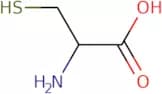
CAS:Fmoc-L-Gln-OH is a vasoactive intestinal peptide (VIP) analog that has been shown to be a potent pressor agent. It binds to and activates the VIP receptors in the vascular endothelium, causing vasoconstriction of blood vessels. Fmoc-L-Gln-OH also inhibits mitochondrial superoxide production and colorectal adenocarcinoma growth in vitro. This compound can be synthesized using solid phase chemistry, which is a technique where the building blocks are attached sequentially to an insoluble support material. This process can be activated by trifluoroacetic acid or other activating agents and eliminates the need for protecting groups. Fmoc-L-Gln-OH has been shown to inhibit the uptake of iron from transferrin into cells and to bind hippuric acid as well as many other organic compounds.Formula:C20H20N2O5Purity:Min. 95%Color and Shape:PowderMolecular weight:368.38 g/molDL-Cysteine
CAS:DL-Cysteine is a naturally occurring amino acid that is found in human cells and other living organisms. It has been shown to have antioxidant properties. DL-Cysteine has also been shown to be a cofactor for enzymes that synthesize proteins, DNA, and RNA. DL-Cysteine may also have the ability to regulate cellular iron homeostasis through its effects on the expression of genes that play a role in this process. This amino acid can also inhibit molecules that are involved in protein oxidation and provide biochemical properties for use as research tools.
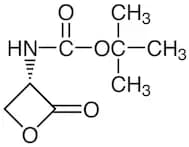
Formula:C3H7NO2SPurity:Min. 95%Color and Shape:White PowderMolecular weight:121.16 g/molN-(tert-Butoxycarbonyl)-L-serine β-Lactone
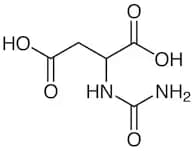
CAS:Formula:C8H13NO4Purity:>98.0%(N)Color and Shape:White to Almost white powder to crystalMolecular weight:187.20N-Carbamoyl-DL-aspartic Acid
CAS:Formula:C5H8N2O5Purity:>98.0%(T)Color and Shape:White to Almost white powder to crystalMolecular weight:176.13Boc-Phe-Pro-OH
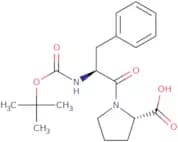
CAS:Boc-Phe-Pro-OH is an opioid receptor agonist. It binds to the δ opioid receptors and activates them, which leads to analgesic effects. Boc-Phe-Pro-OH also has antibacterial properties and can be used for the treatment of bacterial infections. This compound may also have antiinflammatory properties that are mediated by its ability to inhibit prostaglandin synthesis. Boc-Phe-Pro-OH has been shown to possess a high affinity for the μ opioid receptor, but does not activate this receptor subtype.
Formula:C19H26N2O5Purity:Min. 95%Color and Shape:White To Off-White SolidMolecular weight:362.42 g/molL-Alaninol
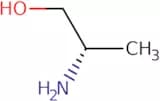
CAS:L-Alaninol is a natural amino acid that can be synthesized in an asymmetric way. It has been used as a palladium complex catalyst to produce the inorganic acid, l-alaninol. L-Alaninol is biologically active and has shown antiviral and antimicrobial activities against mycobacterium avium and human lymphocytes. It also has been shown to have anticancer properties in animal models. In addition, it has been used as a model system for the study of organic chemistry reactions. L-Alaninol has also been shown to exhibit magnetic resonance spectroscopy properties that are similar to those of l-phenylalaninol.
Formula:C3H9NOColor and Shape:Colorless Slightly Yellow Clear LiquidMolecular weight:75.11 g/molL-Homoglutamine
CAS:L-Homoglutamine is a non-essential amino acid that is an important part of the urea cycle. It also plays a role in protein synthesis, as well as in transfer reactions, such as the conversion of ammonia to urea. L-Homoglutamine has been shown to be an inhibitor of binding to collagenase, which may have therapeutic applications for diseases such as rheumatoid arthritis. This amino acid has been used in enzyme preparations and has been found to have biological properties that are similar to those of other carbonyl amino acids (e.g., L-glutamic acid).
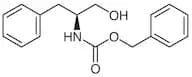
Formula:C6H12N2O3Purity:Min. 95%Color and Shape:White PowderMolecular weight:160.17 g/molN-Carbobenzoxy-L-phenylalaninol
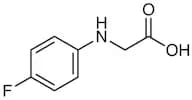
CAS:Formula:C17H19NO3Purity:>98.0%(HPLC)Color and Shape:White to Almost white powder to crystalMolecular weight:285.34N-(4-Fluorophenyl)glycine
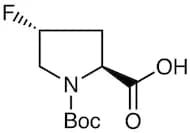
CAS:Formula:C8H8FNO2Purity:>98.0%(GC)(T)Color and Shape:White to Light yellow powder to crystalMolecular weight:169.16(2S,4R)-1-(tert-Butoxycarbonyl)-4-fluoro-2-pyrrolidinecarboxylic Acid
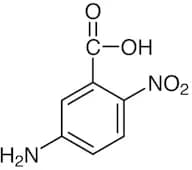
CAS:Formula:C10H16FNO4Purity:>96.0%(GC)(T)Color and Shape:White to Almost white powder to crystalMolecular weight:233.245-Amino-2-nitrobenzoic Acid
CAS:Formula:C7H6N2O4Purity:>98.0%(T)Color and Shape:Light yellow to Amber to Dark green powder to crystalMolecular weight:182.14DL-Homocysteine
CAS:DL-Homocysteine is a sulfur-containing amino acid that is essential for the synthesis of methionine, and is an intermediate in the metabolism of L-methionine. DL-homocysteine has been shown to cause cardiac infarction in rats by inhibiting mitochondrial functions. This amino acid also inhibits the activity of enzymes that regulate homocysteine levels, such as cystathione beta-synthase and cystathione gamma-lyase. DL-homocysteine can be used as a fluorescent probe for detecting proteins involved in apoptosis. It also has proapoptotic effects on cells, causing them to undergo apoptosis.Formula:C4H9NO2SPurity:Min. 95%Color and Shape:PowderMolecular weight:135.19 g/molN-(tert-Butoxycarbonyl)-L-valine Methyl Ester
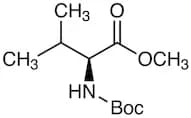
CAS:Formula:C11H21NO4Purity:>95.0%(T)(HPLC)Color and Shape:Colorless to Light yellow to Light orange clear liquidMolecular weight:231.29DL-Valine
CAS:Valine is a non-essential, branched-chain amino acid that is used for the treatment of bowel disease. Valine is a water-soluble, colorless and odorless crystalline powder that has a sour taste. It can be prepared by reacting valeric acid with ammonia in the presence of an alkali or by hydrolysis of proteins. Valine is also widely distributed in animal tissues, where it participates in the biosynthesis of important biological compounds such as coenzyme A. The optimum concentration to achieve maximum electrochemical impedance spectroscopy (EIS) signal was observed at 20 mM. The EIS signal was found to be dependent on the pH and protein content of the solution matrix. Valine binds to human serum albumin and exhibits strong hydrogen bonding interactions. In addition, valine possesses a signal peptide that helps export it from cells into blood plasma.Formula:C5H11NO2Color and Shape:PowderMolecular weight:117.15 g/molEthyl 1-(tert-Butoxycarbonyl)-4-piperidinecarboxylate
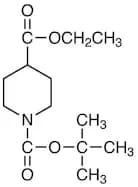
CAS:Formula:C13H23NO4Purity:>97.0%(GC)Color and Shape:Colorless to Light yellow to Light orange clear liquid to slightly cloudy liquidMolecular weight:257.33Leu-Leu-OH
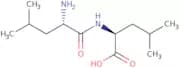
CAS:Leu-Leu-OH is a polymerase chain that belongs to the group of p2. It has been used as an experimental model for biological studies and cell lysis. The activity of Leu-Leu-OH is due to hydrogen bonding interactions with water molecules. This polymerase chain has been shown to be involved in infectious diseases, autoimmune diseases, and toll-like receptor signaling pathways. Leu-Leu-OH has also been studied as a model system for apoptosis by cell factor and histological analysis in anhydrous sodium phosphate buffer at pH 7.4.Formula:C12H24N2O3Purity:Min. 95%Color and Shape:PowderMolecular weight:244.33 g/molL-γ-glutamyl-L-threonine
CAS:L-gamma-glutamyl-L-threonine is a compound in the sphingolipid metabolism pathway. It has been shown to be a regulator of acidic phospholipids and fatty acids. L-gamma-glutamyl-L-threonine is found in human urine at high concentrations and has demonstrated antibacterial activity against gram negative bacteria. The analog, L-threo-gamma-glutamyltyrosine, was shown to have anticancer activity against leukemia cells in vitro.Formula:C9H16N2O6Purity:Min. 95%Color and Shape:PowderMolecular weight:248.23 g/molDL-Lysine hydrate
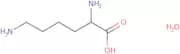
CAS:DL-Lysine monohydrate is a white crystalline powder. It is soluble in water and alcohol, but insoluble in ether. DL-Lysine monohydrate has been shown to be fully chemically stable under normal laboratory conditions, with no evidence of decomposition at room temperature or under the influence of light. This compound is used as a drug substance for the treatment of lysinuric protein intolerance and may be used as an additive to animal feed. DL-Lysine monohydrate is also used in the production of other compounds such as amino acids, calorimetry reagents, and thermal analysis materials.Formula:C6H14N2O2•xH2OPurity:Min. 95%Color and Shape:PowderMolecular weight:146.19 g/molBoc-Asp-Gly-Oet
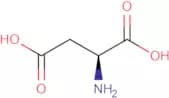
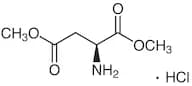
CAS:Boc-Asp-Gly-Oet is a versatile building block that is used in the synthesis of complex compounds. It is also a useful reagent, speciality chemical, and reaction component. Boc-Asp-Gly-Oet can be used as an intermediate for the synthesis of other compounds or as a scaffold for drug design. This compound has high purity and quality, making it a useful building block for research and development.Formula:C13H22N2O7Purity:Min. 95%Color and Shape:PowderMolecular weight:318.32 g/molDimethyl L-Aspartate Hydrochloride
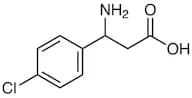
CAS:Formula:C6H11NO4·HClPurity:>98.0%(T)(qNMR)Color and Shape:White to Almost white powder to crystalMolecular weight:197.623-Amino-3-(4-chlorophenyl)propionic Acid
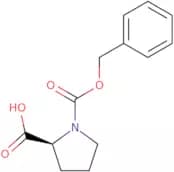
CAS:Formula:C9H10ClNO2Purity:>97.0%(T)(HPLC)Color and Shape:White to Almost white powder to crystalMolecular weight:199.63N-Benzyloxycarbonyl-L-proline
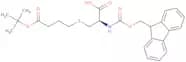
CAS:N-Benzyloxycarbonyl-L-proline is a cationic polymerization inhibitor that has been shown to inhibit the growth of Pseudomonas aeruginosa. It inhibits bacterial growth by inhibiting the production of collagen, an important component in the cell wall. N-Benzyloxycarbonyl-L-proline is also used as a histological staining agent and has been shown to be effective against breast cancer cells resistant to tamoxifen therapy.Formula:C13H15NO4Purity:Min. 95%Color and Shape:PowderMolecular weight:249.26 g/molFmoc-Cys(3-(t-butoxycarbonyl)-propyl)-OH
CAS:Fmoc-Cys(3-(t-butoxycarbonyl)-propyl)-OH is a cysteine derivative that has been shown to be effective in the treatment of ulcers. It is a competitive inhibitor of the enzyme cyclooxygenase, which is responsible for the production of prostaglandins, and can be used to decrease inflammation. Fmoc-Cys(3-(t-butoxycarbonyl)-propyl)-OH has been shown to inhibit carassius erythrocyte meiosis, with an effective dose of 0.02 mM. The drug also has a conformation that can bind to the hydroxamic acid moiety, which is thought to be responsible for its anti-inflammatory properties. This drug also inhibits genotype 3a2 and 5b2 of Cyprinus carpio and may have potential as a chemotherapeutic agent for these genotypes.END>Formula:C26H31NO6SPurity:Min. 95%Color and Shape:PowderMolecular weight:485.59 g/molD-Alanine methyl ester HCl
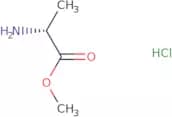
CAS:D-Alanine methyl ester HCl is a diamide with antimycobacterial activity. It was synthesized by the reaction of D-alanine and methyl acrylate in the presence of methanesulfonic acid. The chiral compound was obtained as a racemic mixture. Optical properties are not reported.
Formula:C4H9NO2HCIPurity:Min. 95%Color and Shape:White To Off-White SolidMolecular weight:243.04 g/molN-[(9H-Fluoren-9-ylmethoxy)carbonyl]-N-methyl-L-leucine
CAS:Formula:C22H25NO4Purity:>98.0%(T)(HPLC)Color and Shape:White to Almost white powder to crystalMolecular weight:367.45N-[(9H-Fluoren-9-ylmethoxy)carbonyl]-L-homoarginine
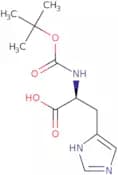
CAS:Formula:C22H26N4O4Purity:>97.0%(T)(HPLC)Color and Shape:White to Almost white powder to crystalMolecular weight:410.47Boc-L-Histidine
CAS:Boc-L-histidine is a histidine derivative with a boronic acid group that can be used to synthesize imines. It is an organic solvent and can be used in magnetic resonance spectroscopy. Boc-L-histidine has been shown to inhibit the tyrosine activity of tyrosinase, which is involved in melanin synthesis. This compound also inhibits cancer cells by inhibiting the cellular process of protein synthesis and, as such, may be useful for the treatment of cancers.
Formula:C11H17N3O4Purity:Min. 98 Area-%Color and Shape:White PowderMolecular weight:255.27 g/molNα-[(9H-Fluoren-9-ylmethoxy)carbonyl]-N1-tert-butoxycarbonyl-L-tryptophan
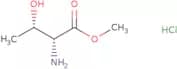
CAS:Formula:C31H30N2O6Purity:>97.0%(HPLC)Color and Shape:White to Orange to Green powder to crystalMolecular weight:526.59D-Threonine methyl ester hydrochloride
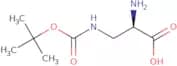
CAS:D-Threonine methyl ester hydrochloride is a versatile building block that is used in the synthesis of complex compounds. It can be used as a reagent, speciality chemical, and useful scaffold in organic chemistry. D-Threonine methyl ester hydrochloride has been shown to react with a variety of electrophiles and nucleophiles to form diverse products. This product is also used as a reaction component for the synthesis of high quality chemical intermediates.Formula:C5H11NO3·HClPurity:Min. 98%Color and Shape:PowderMolecular weight:169.61 g/molN-b-Boc-D-2,3-diaminopropionic acid
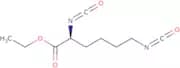
CAS:N-b-Boc-D-2,3-diaminopropionic acid is a chemical compound that belongs to the group of polypeptides. It has been shown to act as a receptor activator in cell-based assays and is capable of binding to taste receptors. N-b-Boc-D-2,3-diaminopropionic acid has also been found to be an effective inhibitor of alpha amylase, which is an enzyme that breaks down starch into maltose and dextrin. This chemical compound could serve as a potential therapeutic agent for type 2 diabetes, obesity, and other metabolic disorders. NBDAPA has also been found in fossilized invertebrates such as squid and urchins.Formula:C8H16N2O4Purity:Min. 95%Color and Shape:White to off-white solid.Molecular weight:204.22 g/molL-Lysine diisocyanate ethyl ester
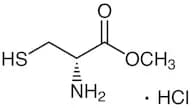
CAS:L-Lysine diisocyanate ethyl ester (LDIEE) is a fluorescence probe that can be used to detect the presence of disulfide bonds. This compound reacts with thiols, such as cysteine, glutathione, and metallothioneins. LDIEE has been shown to bind to human serum proteins and has been used in biological studies for the detection of hydrogen bonding interactions. The biological properties of this compound have not been studied but it is hypothesized that LDIE may have anti-cancer activities due to its ability to react with coumarin derivatives.Formula:C10H14N2O4Purity:Min. 95 Area-%Color and Shape:Clear LiquidMolecular weight:226.23 g/molD-Cysteine Methyl Ester Hydrochloride
CAS:Formula:C4H9NO2S·HClPurity:>98.0%(T)Color and Shape:White to Almost white powder to crystalineMolecular weight:171.64DL-Alanine methyl ester hydrochloride
CAS:DL-Alanine methyl ester hydrochloride is a cytotoxic drug that is used to treat cancer. It inhibits the growth of cancer cells by binding to guanine in the cell's DNA and preventing its incorporation into DNA during replication. The substance also inhibits amino acid transport, causing a shortage of amino acids for protein synthesis. This leads to cell death by nucleophilic attack on the bond between two amino acids. DL-Alanine methyl ester hydrochloride has been shown to be effective against murine leukemia, HIV, and Herpes simplex virus type 1 (HSV-1). DL-Alanine methyl ester hydrochloride has two geometric isomers: L-alanine methyl ester hydrochloride and D-alanine methyl ester hydrochloride. These substances have different reactivities due to their different geometric shapes. Magnetic resonance spectroscopy can be used to differentiate between these substances in vivo, as well as in vitro.Formula:C4H9NO2·HClPurity:Min. 95%Color and Shape:White PowderMolecular weight:139.58 g/molBoc-Lys-OMe HCl
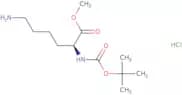
CAS:Boc-Lys-OMe HCl is an ester hydrochloride of N-Boc-Lysine. It is a macrocyclic compound that has been used in the laboratory as an acidifying agent to convert sodium borohydride to methyl ester hydrochloride. Boc-Lys-OMe HCl is also used in the synthesis of macrocyclic compounds, such as n-boc-l-lysine and other polyamino compounds.
Formula:C12H24N2O4·HClPurity:Min. 95%Color and Shape:White PowderMolecular weight:296.79 g/mol4-Amino-N-(tert-butoxycarbonyl)-D-phenylalanine
CAS:Formula:C14H20N2O4Purity:>97.0%(HPLC)Color and Shape:Light orange to Yellow to Green powder to crystalMolecular weight:280.32Fmoc-Thr(tBu)-Ser(Psi(Me,Me)pro)-OBzl
Fmoc-Thr(tBu)-Ser(Psi(Me,Me)pro)-OBzl is a high quality, research chemical that is used as an intermediate in the synthesis of complex compounds. It is a useful building block and can be used to make speciality chemicals. This reagent has many uses including being a useful scaffold for organic synthesis and a reaction component in the production of other fine chemicals. Fmoc-Thr(tBu)-Ser(Psi(Me,Me)pro)-OBzl has CAS No. 7791-02-8 and may be found in the following chemical structure:
Formula:C36H42N2O7Purity:Min. 95%Color and Shape:PowderMolecular weight:614.73 g/molbeta-Cyano-L-alanine
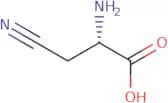
CAS:Beta-cyano-l-alanine is a naturally occurring amino acid that is found in plants. It is synthesized by the enzyme beta-cyanoalanine synthase and is involved in plant metabolism. Beta-cyano-l-alanine is a precursor of the neurotransmitter gamma aminobutyric acid, or GABA, which has been shown to regulate the opening and closing of calcium channels in brain cells. In addition, it has been shown to inhibit enzymes such as phosphofructokinase and pyruvate kinase that are involved in the breakdown of glucose and other nutrients. Beta-cyano-l-alanine has also been shown to inhibit ryanodine receptors and other enzymes involved in muscle contraction. This amino acid can be used as an indicator for tissue culture experiments because it can be detected by sephadex G-100 chromatography.
Formula:C4H6N2O2Purity:Min. 95%Color and Shape:White PowderMolecular weight:114.1 g/molFmoc-Ala-Pro-Pro-OH
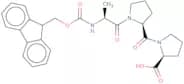
CAS:Fmoc-Ala-Pro-Pro-OH is an amino acid that belongs to the class of speciality chemicals. It is a versatile building block for organic synthesis, with applications in pharmaceuticals, agrochemicals, and other chemical industries. The CAS number for Fmoc-Ala-Pro-Pro-OH is 386768-25-8.Formula:C28H31N3O6Purity:Min. 95%Color and Shape:PowderMolecular weight:505.56 g/mol(R)-(-)-2-Phenylglycinol
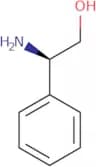
CAS:(R)-(-)-2-Phenylglycinol is an enantiopure chiral compound that has been used in the synthesis of polymers. This polymerase chain reaction (PCR) inhibitor binds to the α subunit of DNA polymerase, preventing replication and transcription. The binding site for this inhibitor is located at the active site of the enzyme and is a hydroxyl group. The (S)-enantiomer of 2-phenylglycinol does not bind to the α subunit, so it can be used as a control in experiments. 2-Phenylglycinol is also known to have antiviral properties against HIV infection.
Formula:C8H11NOPurity:Min. 97.5 Area-%Color and Shape:White PowderMolecular weight:137.18 g/molBoc-homo-L-tyrosine
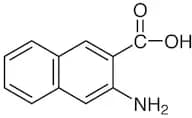
CAS:Boc-homo-L-tyrosine is a high quality reagent, which is a useful intermediate for the synthesis of complex compounds. It is also a useful scaffold that can be used in the creation of fine chemicals and research chemicals. Boc-homo-L-tyrosine has been shown to be versatile, as it can serve as a reaction component in different types of chemical reactions. This compound can be used as a building block and is classified as a speciality chemical. Boc-homo-L-tyrosine has an CAS number of 198473-94-8.Formula:C15H21NO5Purity:Min. 95%Color and Shape:White PowderMolecular weight:295.33 g/mol3-Amino-2-naphthoic Acid
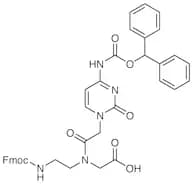
CAS:Formula:C11H9NO2Purity:>97.0%(T)Color and Shape:Light yellow to Amber to Dark green powder to crystalMolecular weight:187.20Fmoc-PNA-C(Bhoc)-OH
CAS:Formula:C39H35N5O8Purity:>98.0%(HPLC)(qNMR)Color and Shape:White to Light yellow powder to crystalMolecular weight:701.74Boc-N-Ethylglycine
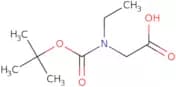
CAS:Building block
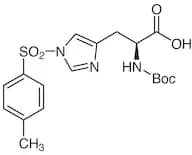
Formula:C9H17NO4Purity:Min. 95%Color and Shape:White PowderMolecular weight:203.24 g/molNα-(tert-Butoxycarbonyl)-τ-(p-toluenesulfonyl)-L-histidine
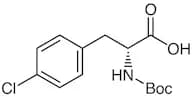
CAS:Formula:C18H23N3O6SPurity:>98.0%(T)Color and Shape:White to Almost white powder to crystalMolecular weight:409.46N-(tert-Butoxycarbonyl)-4-chloro-D-phenylalanine
CAS:Formula:C14H18ClNO4Purity:>98.0%(T)(HPLC)Color and Shape:White to Almost white powder to crystalMolecular weight:299.75Pro-Gly-OH
CAS:Pro-Gly-OH is a cyclic peptide that has been shown to have antimicrobial activity. Pro-Gly-OH has been shown to be an intramolecular hydrogen acceptor, which leads to the formation of a carbonyl group. This compound also has site specific interactions with the cell membrane and is taken up by cells. It is active at acidic pHs and can be activated by growth factors.
The conformational properties of Pro-Gly-OH are due to hydrogen bonding interactions and amide bond formation.Formula:C7H12N2O3Purity:Min. 95%Color and Shape:PowderMolecular weight:172.18 g/molFmoc-D-Asp(OtBu)-Opfp
CAS:Fmoc-D-Asp(OtBu)-Opfp is a high quality, complex compound that is used as a building block for the synthesis of various drugs and pharmaceuticals. It has been shown to be an excellent reaction component in the synthesis of various drugs and pharmaceuticals. The versatility of this chemical makes it a useful scaffold for generating complex molecules. It has been shown to be a useful intermediate for the synthesis of peptides, oligonucleotides, and small organic molecules. Fmoc-D-Asp(OtBu)-Opfp can also be used as a reagent in biochemical research. Fmoc-D-Asp(OtBu)-Opfp can be synthesized by reacting 2-(2'-aminoethoxy)propionic acid with N,N'-dimethylformamide dimethyl acetal in the presence of sodium hydride at 0°C. This reaction produces an amide bond between the N terminFormula:C29H24NO6F5Purity:Min. 95%Color and Shape:PowderMolecular weight:577.5 g/molDL-Histidine
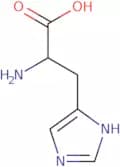
CAS:DL-Histidine is an enantiopure antibiotic complex that is a proton donor. It is primarily used to treat bacterial infections. DL-Histidine inhibits bacterial growth by acting as a competitive inhibitor of the proton donor in the enzyme histidine decarboxylase and preventing the production of histamine, which is required for bacterial cell division. The molecular modeling study showed that DL-histidine has a linear plot with a high signal detection level, which makes it suitable for sample preparation. The crystalline cellulose molecule was found to form hydrogen bonds with the histidine molecule, which may have an effect on its activity.Formula:C6H9N3O2Purity:Min. 95%Color and Shape:White PowderMolecular weight:155.15 g/molZ-O-tert-Butyl-L-tyrosine
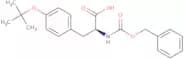
CAS:Z-O-tert-Butyl-L-tyrosine is a fine chemical that is soluble in water and has a wide range of uses. It is a versatile scaffold for the synthesis of complex compounds, and can be used as a building block or reaction component in research chemicals. Z-O-tert-Butyl-L-tyrosine is an important reagent for organic synthesis, especially when combined with other chemicals. This chemical can also be used as a speciality chemical to produce high quality products.
Formula:C21H25NO5Purity:Min. 95%Color and Shape:White PowderMolecular weight:371.43 g/molFmoc-Pro-Pro-Gly-OH
Fmoc-Pro-Pro-Gly-OH is an activating reagent that has been used in the synthesis of peptides with a C-terminal carboxyl group. It is typically used as a chloroformate ester and reacts with amino groups to form amide bonds. The activation of this reagent can be performed either by reaction with isobutyl or by reaction with piperidine. This product may also be used for the synthesis of tripeptides, pentafluorophenyl esters, and mimetic peptides. Fmoc-Pro-Pro-Gly-OH is typically purified by trituration, followed by evaporation in vacuum and then recrystallization from methanol or ethanol.Formula:C27H29N3O6Purity:Min. 95%Color and Shape:PowderMolecular weight:491.54 g/molDL-Leucine
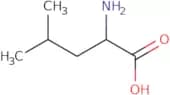
CAS:DL-Leucine is an amino acid that is needed for the formation of proteins. It is also able to inhibit the activity of enzymes by hydrolyzing them. DL-Leucine has been shown to be a potent inhibitor of lysine hydrolases and can be used as an additive in the manufacture of animal feed. DL-Leucine has been shown to be stable in many environments, including those containing chlorine, hydrochloric acid, n-dimethyl formamide, and x-ray crystallography. The enantiomers of DL-leucine have different chemical stability; one form is more stable than the other in acidic environments.
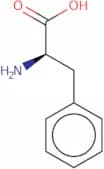
Formula:C6H13NO2Purity:Min. 95%Color and Shape:PowderMolecular weight:131.17 g/molD-Phenylalanine
CAS:D-Phenylalanine is an amino acid that is found in the human body and is used as a pharmacological agent. It has been shown to be an antimicrobial peptide with a broad spectrum of activity against bacteria, yeast, and fungi. D-Phenylalanine also has the ability to inhibit the production of peptide hormones, such as gastrin and vasopressin, and can be used as an inhibitor for enzymes such as acetylcholine esterase. Studies have shown that D-phenylalanine can increase mitochondrial membrane potential in cells by binding to ester hydrochloride. This leads to increased enzyme activities, which may result in a decrease in hydrogen bonding interactions.
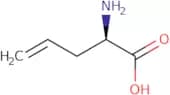
Formula:C9H11NO2Purity:Min. 95%Color and Shape:White Off-White PowderMolecular weight:165.19 g/molD-Allylglycine
CAS:D-Allylglycine is a l-amino acid with the chemical formula of CH2CH(CH3)COOH. D-Allylglycine binds to the N-methyl-D-aspartate (NMDA) receptor and has been shown in animal studies to have effects on blood pressure, although its clinical relevance remains unclear. It is an enantiopure compound and can be obtained as a trifluoroacetate salt or ethyl diazoacetate ester hydrochloride. D-Allylglycine is also an aminoglycoside and ester hydrochloride that can be used for the treatment of bacterial infections. The amino group in D-allylglycine binds to glutamate receptors, which are found on neurons, and inhibits the release of gamma-aminobutyric acid (GABA). This drug may also have potential as a serotonergic agent due to its ability to inhibit serotonin reFormula:C5H9NO2Purity:Min. 95%Color and Shape:White PowderMolecular weight:115.13 g/molH-D-Ile-OH
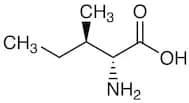
CAS:Formula:C6H13NO2Purity:>95.0%(HPLC)Color and Shape:White to Almost white powder to crystalMolecular weight:131.18Boc-4-(aminomethyl)-L-phenylalanine
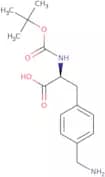
CAS:Boc-4-(aminomethyl)-L-phenylalanine is a useful building block in research and development of pharmaceuticals, agricultural chemicals, and other chemical products. It is a versatile intermediate that can be used in the production of many types of organic compounds. Boc-4-(aminomethyl)-L-phenylalanine has been used as a reagent for the preparation of various complex compounds and a reaction component in organic synthesis. It is also used to produce fluoroquinolones and other antibiotics. CAS No.: 137452-49-4
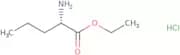
Formula:C15H22N2O4Purity:Min. 95%Molecular weight:294.35 g/molL-Norvaline ethyl ester hydrochloride
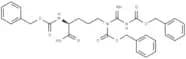
CAS:L-Norvaline ethyl ester hydrochloride is an angiotensin-converting enzyme inhibitor. It has been shown to reduce the levels of angiotensin I and II, which are hormones that constrict blood vessels, resulting in a decrease in blood pressure. L-Norvaline ethyl ester hydrochloride also inhibits the production of aldosterone, a hormone involved in water retention. This drug is used as a supplement for people with congestive heart failure or those who have experienced a myocardial infarction. L-Norvaline ethyl ester hydrochloride is purified by elution from a column and then processed to remove impurities. The flow rate of the process is determined by measuring the height of the liquid in millimeters at various points on the column.Formula:C7H15NO2·HClPurity:Min. 95%Color and Shape:PowderMolecular weight:181.66 g/molZ-Arg(Z)2-OH
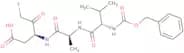
CAS:Z-Arg(Z)2-OH can be used in the assay to screen proteolytic activities in mite homogenates.Formula:C30H32N4O8Purity:99.1400%Color and Shape:SolidMolecular weight:576.6Z-Val-Ala-Asp fluoromethyl ketone
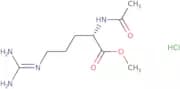
CAS:Z-Val-Ala-Asp fluoromethyl ketone (Z-VAD-fmk) is a pan-caspase inhibitor that is widely used in research studies. It is a synthetic compound that mimics the structure of natural caspase substrates and irreversibly inhibits caspase activity. Z-VAD-fmk has been shown to have anti-apoptotic properties, preventing programmed cell death in various experimental models. This compound is commonly used in studies investigating the role of caspases in cell death pathways and as a tool for evaluating the efficacy of potential therapeutic interventions. Z-VAD-fmk has also been studied for its potential as an adjuvant therapy in various diseases, including cancer and neurodegenerative disorders.Formula:C21H28FN3O7Purity:Min. 95%Molecular weight:453.46 g/molN-alpha-Acetyl-L-arginine methyl ester hydrochloride
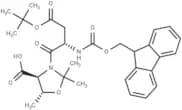
CAS:N-alpha-Acetyl-L-arginine methyl ester hydrochloride is an enzyme that catalyzes the conversion of arginine to citrulline. It is a part of a group of enzymes called kallikreins. Kinetic constants for this enzyme have been determined in both porcine and human pancreatic preparations. The efficiency of this enzyme has been found to be increased in the presence of L-phenylalanine, and it was found that the C-terminal subsite is responsible for this effect.Formula:C9H18N4O3·HClPurity:Min. 95%Color and Shape:White PowderMolecular weight:266.73 g/molFmoc-Asp(OtBu)-Thr(psi(Me,Me)pro)-OH
CAS:Fmoc-Asp(OtBu)-Thr(psi(Me,Me)pro)-OH is a dipeptide.Formula:C30H36N2O8Color and Shape:SolidMolecular weight:552.62Leucylarginine
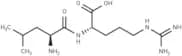
CAS:Leucylarginine hinders antinociception induced by L-arginine.Formula:C12H25N5O3Purity:98%Color and Shape:SolidMolecular weight:287.36Tyrosyl-glycyl-glycine
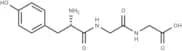
CAS:Tyrosyl-glycyl-glycine: tripeptide with L-tyrosine, two glycines, formed by enkephalinase.Formula:C13H17N3O5Purity:98%Color and Shape:White Crystalline PowderMolecular weight:295.29Glycine
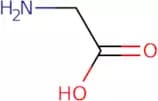
CAS:Glycine is a buffering agent that can be used in electrophoresis for protein samples. It has an optimal pH range of 2.2-3.6 and a pKa of 2.35.Formula:NH2CH2COOHPurity:Min. 95%Color and Shape:PowderMolecular weight:75.07 g/molSodium lauroyl glutamate
CAS:Sodium lauroyl glutamate (Acylglutamate LS-11) is an amino acid detergent and increases the solubility of long-chain alkyl gallates such as alkyl gallates.Formula:C17H30NNaO5Purity:97.13%Color and Shape:SolidMolecular weight:351.41Isovaleryl-Phe-Nle-Sta-Ala-Sta-OH
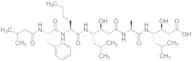
CAS:Controlled ProductFormula:C39H65N5O9Color and Shape:NeatMolecular weight:747.962L-Prolyl-L-lysine
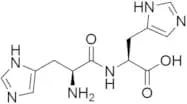
CAS:Controlled ProductFormula:C11H21N3O3Color and Shape:NeatMolecular weight:243.31L-Histidyl-L-histidine TFA
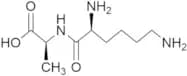
CAS:Controlled ProductFormula:C12H16N6O3Color and Shape:NeatMolecular weight:292.294(S)-2-((S)-2,6-Diaminohexanamido)-5-((diaminomethylene)amino)pentanoic Acid
CAS:Controlled ProductApplications H-Lys-Arg-OH acetate salt (CAS# 29586-66-1) is a useful research chemical compound.
Formula:C12H26N6O3Color and Shape:NeatMolecular weight:302.373L-Threonyl-L-valine
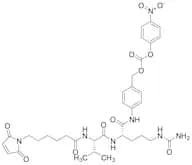
CAS:Controlled ProductFormula:C9H18N2O4Color and Shape:NeatMolecular weight:218.25Mc-Val-Cit-PABC-PNP
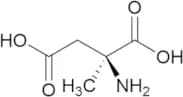
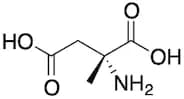
CAS:Controlled ProductFormula:C35H43N7O11Color and Shape:NeatMolecular weight:737.756(S)-2-Amino-2-methylsuccinic Acid
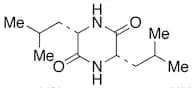
CAS:Controlled ProductFormula:C5H9NO4Color and Shape:NeatMolecular weight:147.1Cyclo(Leu-Leu)
CAS:Controlled ProductApplications A cyclic peptide, one of the secondary metabolite of a mangrove endophytic fungus (No. 1947) from the South China Sea.
References Carmichael, J., et al.: Cancer Res., 47, 936 (1987), Blunt, J., et al.: Nat. Prod. Rep., 20, 1 (2003), Mitova, M., et al.: J. Nat. Prod., 67, 1178 (2004),Formula:C12H22N2O2Color and Shape:NeatMolecular weight:226.315Fmoc-L-Leu-OH-d10
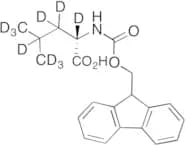
CAS:Controlled ProductApplications Fmoc-L-Leu-OH-d10 is the labeled analogue of Fmoc-L-Leu-OH (F625015), an amino acid derivative, used in peptide chemistry. It is also one of the novel PPARγ ligands that can activate PPARγ in different ways, that reduces osteoclasts differentiation, and thus are better therapeutic targets in diabetes than traditional antidiabetic drugs.
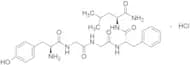
References Haochen, W., et al.: J. Cell. Biochem., 114, 1969 (2013)Formula:C21H13D10NO4Color and Shape:NeatMolecular weight:363.47Leu-Enkephalin Amide H-Tyr-Gly-Gly-Phe-Leu-NH2 Hydrochloride Salt
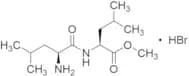
CAS:Controlled ProductFormula:C28H38N6O6·HClColor and Shape:NeatMolecular weight:554.64 + (36.46)H-Leu-Leu-OMe·HBr
CAS:Controlled ProductFormula:C13H26N2O3·BrHColor and Shape:NeatMolecular weight:339.269N-Et-Val-Leu-anilide
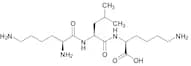
CAS:Controlled ProductFormula:C19H31N3O2Color and Shape:NeatMolecular weight:333.468H-Lys-Leu-Lys-OH Acetate Salt
CAS:Controlled ProductFormula:C18H37N5O4Color and Shape:NeatMolecular weight:387.517(R)-2-Amino-2-methylsuccinic Acid
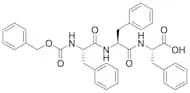
CAS:Controlled ProductFormula:C5H9NO4Color and Shape:NeatMolecular weight:147.1Z-Phe-Phe-Phe-OH
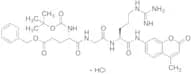
CAS:Controlled ProductFormula:C35H35N3O6Color and Shape:NeatMolecular weight:593.669Boc-γ-benzyl-Glu-Gly-Arg-7-amido-4-methylcoumarin Hydrochloride
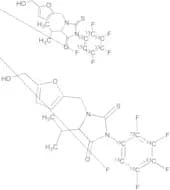
CAS:Controlled ProductFormula:C35H45N7O9•HClColor and Shape:NeatMolecular weight:744.2513C6-5-HMF-Val-PFPTH
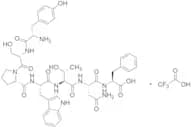
Controlled ProductFormula:C6C12H15F5N2O3SColor and Shape:NeatMolecular weight:440.336H-Tyr-Ser-Pro-Trp-Thr-Asn-Phe-OH Trifluoroacetate Salt
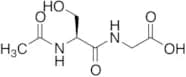
CAS:Controlled ProductFormula:C45H55N9O12·C2HF3O2Color and Shape:NeatMolecular weight:1027.99Acetyl-L-serylglycine
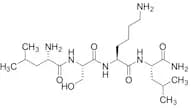
CAS:Controlled ProductFormula:C7H12N2O5Color and Shape:NeatMolecular weight:204.181L-Leucyl-L-seryl-L-lysyl-L-leucinamide
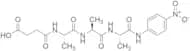
CAS:Controlled ProductFormula:C21H42N6O5Color and Shape:NeatMolecular weight:458.595Suc-Ala-Ala-Ala-pNA
CAS:Controlled ProductFormula:C19H25N5O8Color and Shape:NeatMolecular weight:451.43











![N-[(9H-Fluoren-9-ylmethoxy)carbonyl]-N-methyl-L-leucine](/_next/image/?url=https%3A%2Fstatic.cymitquimica.com%2Fproducts%2F3B%2Fthumb-webp%2FF1028.webp&w=3840&q=75)
![N-[(9H-Fluoren-9-ylmethoxy)carbonyl]-L-homoarginine](/_next/image/?url=https%3A%2Fstatic.cymitquimica.com%2Fproducts%2F3B%2Fthumb-webp%2FF1014.webp&w=3840&q=75)
![Nα-[(9H-Fluoren-9-ylmethoxy)carbonyl]-N1-tert-butoxycarbonyl-L-tryptophan](/_next/image/?url=https%3A%2Fstatic.cymitquimica.com%2Fproducts%2F3B%2Fthumb-webp%2FF0507.webp&w=3840&q=75)