Amino Acid Derivatives
Amino acid derivatives are compounds that are structurally related to amino acids but have been chemically modified to introduce new functional groups or alter their properties. These derivatives are widely used in peptide synthesis, drug development, and biochemical research. At CymitQuimica, we offer a broad range of high-quality amino acid derivatives to support your research and industrial applications, ensuring precise and effective results in your experiments and synthesis projects.
Found 3989 products of "Amino Acid Derivatives"
Sort by
Purity (%)
0
100
|
0
|
50
|
90
|
95
|
100
Fmoc-N-methylglycine
CAS:Fmoc-N-methylglycine is a modified form of the amino acid glycine, which has been modified to include a reactive group that can be used to link other molecules. This molecule has gram-negative bacterial activity and exhibits potent antibacterial activity against many gram-positive bacteria. Fmoc-N-methylglycine is also an antimicrobial peptide with binding constants in the nanomolar range. It is also an agent that binds to serotonin, which may explain its effects on mood and sleep. Fmoc-N-methylglycine can be synthesized using stepwise solid phase synthesis methods or by conjugation with other molecules.Formula:C18H17NO4Purity:Min. 95%Molecular weight:311.33 g/molFmoc-L-aspartic acid β-allyl ester
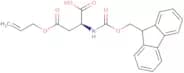
CAS:Fmoc-L-aspartic acid beta-allyl ester is a specific interaction between an amide and an enzyme target. It has been shown to have anti-inflammatory properties by inhibiting the activity of COX-2, which inhibits the production of prostaglandins. Fmoc-L-aspartic acid beta-allyl ester is a cyclic peptide with a lactam ring system that has been synthesized in a stepwise manner on a solid phase. This molecule interacts with cell line A549 and blocks the proliferation of cancer cells. Fmoc-L-aspartic acid beta-allyl ester also contains a disulfide bond that stabilizes its structure.Formula:C22H21NO6Purity:Min. 95%Molecular weight:395.41 g/molLauroyl lysine
CAS:Lauroyl lysine (N6-Lauroyl-L-lysine) functions as skin and hair conditioning agents and as surfactants-cleansing agents in personal care products.Formula:C18H36N2O3Purity:99.18%Color and Shape:White To Off-White Solid With Characteristic Faint OdorMolecular weight:328.49H-Arg-Arg-Arg-Arg-Arg-Arg-Arg-Arg-Arg-OH trifluoroacetate salt
CAS:<p>Arg-Arg-Arg-Arg-Arg-Arg-Arg-Arg-Arg-OH is a peptide that belongs to the group of arginine containing peptides. This peptide has been shown to have minimal toxicity and high specificity against HIV. Arg-Arg-Arg-Arg-Arg-Arg-Arg-Arg-OH binds intracellular targets, such as protein kinases and ion channels, which inhibit cellular transformation. The Arg residues in this molecule are essential for its biological properties as they are involved in the binding to these intracellular targets. Arg molecules also have an important role in infectious diseases, as they can inhibit viral replication by interfering with the viral life cycle. In addition, Arg molecules may be useful for treating bowel disease because they can bind to calcium ions (Ca2+) and regulate their levels in cells.</p>Formula:C54H110N36O10Purity:Min. 95%Molecular weight:1,423.69 g/molL-Tyrosine ethyl ester hydrochloride
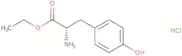
CAS:<p>L-Tyrosine ethyl ester hydrochloride is a non-protein amino acid that inhibits the activity of metalloproteases, which are enzymes that break down proteins. It has been shown to be effective against bowel disease and cancer by inhibiting the release of inflammatory cytokines. L-Tyrosine ethyl ester hydrochloride also has anti-inflammatory properties and can be used in the treatment of depression and liver cirrhosis. This drug is an inhibitor of hydroxylase, which is an enzyme involved in the synthesis of melanin. It is a structural analogue to L-DOPA, which is used for Parkinson's disease. L-Tyrosine ethyl ester hydrochloride has been shown to have antihypertensive effects and can be used as a diuretic agent.</p>Formula:C11H15NO3·HClPurity:Min. 95%Color and Shape:PowderMolecular weight:245.7 g/molBiotinyl-VIP (human, mouse, rat) trifluoroacetate salt
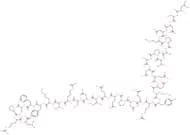
CAS:Please enquire for more information about Biotinyl-VIP (human, mouse, rat) trifluoroacetate salt including the price, delivery time and more detailed product information at the technical inquiry form on this pageFormula:C157H252N46O44S2Purity:Min. 95%Molecular weight:3,552.1 g/molFmoc-Dap(Ac)-OH
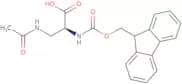
CAS:Fmoc-Dap(Ac)-OH is a fine chemical that is used as a building block in the synthesis of complex compounds. It reacts with various nucleophiles to form an amide bond, and has been shown to be useful for both research and industrial applications. Fmoc-Dap(Ac)-OH can also be used as a reagent to synthesize peptides, which are biologically active compounds that form the basis of many drugs. This versatile intermediate is also used as a scaffold in the construction of more complex molecules. Fmoc-Dap(Ac)-OH has CAS No. 181952-29-4 and is classified as a speciality chemical by the International Union of Pure and Applied Chemistry (IUPAC).Formula:C20H20N2O5Purity:Min. 95%Color and Shape:PowderMolecular weight:368.38 g/molDL-Valine
CAS:Valine is a non-essential, branched-chain amino acid that is used for the treatment of bowel disease. Valine is a water-soluble, colorless and odorless crystalline powder that has a sour taste. It can be prepared by reacting valeric acid with ammonia in the presence of an alkali or by hydrolysis of proteins. Valine is also widely distributed in animal tissues, where it participates in the biosynthesis of important biological compounds such as coenzyme A. The optimum concentration to achieve maximum electrochemical impedance spectroscopy (EIS) signal was observed at 20 mM. The EIS signal was found to be dependent on the pH and protein content of the solution matrix. Valine binds to human serum albumin and exhibits strong hydrogen bonding interactions. In addition, valine possesses a signal peptide that helps export it from cells into blood plasma.Formula:C5H11NO2Color and Shape:PowderMolecular weight:117.15 g/molFmoc-Lys-OH·HCl
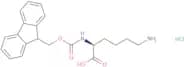
CAS:<p>Fmoc-Lys-OH·HCl is an acidic pyrylium that has been shown to be a potent inhibitor of tumor vasculature. It binds to the human serum albumin and inhibits the binding of ligands to the receptor tyrosine kinases, which are involved in brain tumor proliferation. Fmoc-Lys-OH·HCl has also been shown to inhibit the growth of cancer cells by binding to cell membrane receptors and inhibiting protein synthesis. This compound is also isomeric, meaning it can exist in different forms with different properties.</p>Formula:C21H24N2O4·HClPurity:Min. 95 Area-%Color and Shape:White PowderMolecular weight:404.89 g/molPACAP-38 (16-38) (human, chicken, mouse, ovine, porcine, rat) trifluoroacetate salt
CAS:Please enquire for more information about PACAP-38 (16-38) (human, chicken, mouse, ovine, porcine, rat) trifluoroacetate salt including the price, delivery time and more detailed product information at the technical inquiry form on this pageFormula:C123H215N39O28SPurity:Min. 95%Molecular weight:2,720.34 g/molFmoc-α-methyl-L-phenylalanine
CAS:Please enquire for more information about Fmoc-α-methyl-L-phenylalanine including the price, delivery time and more detailed product information at the technical inquiry form on this pageFormula:C25H23NO4Purity:Min. 95%Color and Shape:PowderMolecular weight:401.45 g/molFmoc-D-Ala-OH
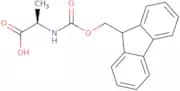
CAS:Fmoc-D-Ala-OH is a synthetic cyclic peptide that has been shown to have anticancer properties. This compound was synthesized by solid-phase chemistry and exhibits an inhibitory effect on cancer cells. Fmoc-D-Ala-OH blocks the synthesis of proteins in cancer cells, leading to cell death. It also inhibits the activity of serine proteases such as degarelix acetate, which are important for cancer cell growth and metastasis.Formula:C18H17NO4Purity:Min. 95%Color and Shape:PowderMolecular weight:311.33 g/molN-Formyl-L-histidine
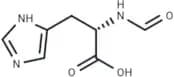
CAS:N-Formyl-L-histidine is a competitive inhibitor of L-histidine deaminase (Ki = 4.26 mM) and also binds to histidine-tRNA synthetase (Ki = 4.6 μM).Formula:C7H9N3O3Purity:99.91%Color and Shape:SolidMolecular weight:183.16S-Fcme
CAS:S-Fcme activates multidrug resistance transporter by boosting ATPase activity and competing for drug binding.Formula:C19H33NO2SColor and Shape:SolidMolecular weight:339.54S-Benzylglutathione
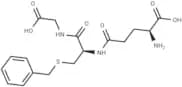
CAS:S-Benzylglutathione acts as a competitive inhibitor of glutathionase and undergoes conversion by rat kidney microsomes into its cysteine derivatives.Formula:C17H23N3O6SColor and Shape:SolidMolecular weight:397.45S-(p-Nitrobenzyl)glutathione
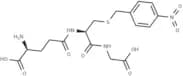
CAS:S-(p-Nitrobenzyl)glutathione acts as a competitive inhibitor of glutathionase.Formula:C17H22N4O8SColor and Shape:SolidMolecular weight:442.443-Bromotyrosine TFA
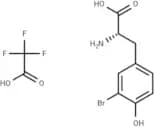
CAS:3-Bromotyrosine, a product of protein oxidation, is generated after eosinophil activation during allergic responses. It serves as a biomarker for eosinophil peroxidase-induced protein oxidation both in vitro and in vivo. Beyond its association with eosinophils, 3-bromotyrosine levels are significantly elevated in peritoneal exudate from K. pneumoniae-infected mice, indicating a fivefold increase compared to uninfected controls, which implies that neutrophils may release increased levels of oxidized products during inflammation. Furthermore, in humans, allergen-challenged lung samples from patients with allergen-induced asthma show a tenfold increase in 3-bromotyrosine, highlighting its potential as a marker for oxidative stress in allergic conditions.Formula:C11H11BrF3NO5Color and Shape:SolidMolecular weight:374.113,3',5'-Triiodo-D-thyronine
CAS:<p>3,3',5'-Triiodo-D-thyronine is a thyroid hormone that is used in the treatment of hypothyroidism. It is administered by injection or by mouth. 3,3',5'-Triiodo-D-thyronine is an insoluble drug, which means it cannot be dissolved in water. This drug can be injected into the body or taken as a pill. 3,3',5'-Triiodo-D-thyronine has been shown to increase metabolic rate and may also inhibit the growth of certain types of tumors. 3,3',5'-Triiodo-D-thyronine has been used in diagnostic procedures such as iontophoresis and implanting devices to treat prostate cancer. This medication can also be used for cosmetic purposes such as skin rejuvenation and hair loss prevention. 3,3',5'-Triiodo-D-thyronine has two structural isomers: levothyroxine and</p>Formula:C15H12I3NO4Purity:Min. 95%Molecular weight:650.97 g/molL-Tryptophan methyl ester hydrochloride
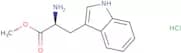
CAS:L-Tryptophan methyl ester hydrochloride is an allylation product of L-tryptophan, which is a precursor to serotonin and melatonin. It is used in the synthesis of benzodiazepine receptor ligands and has serotonergic activity. L-Tryptophan methyl ester hydrochloride can be synthesized from L-tryptophan by amination reaction with methylamine and formaldehyde in the presence of a base. This chemical compound was also shown to have antitumour activity against MDA-MB231 breast cancer cells, which may be due to its ability to inhibit cell proliferation.Formula:C12H15ClN2O2Purity:Min. 95%Color and Shape:PowderMolecular weight:254.71 g/molCys-Gly-3M3SH
CAS:Cys-Gly-3M3SH is a cationic antimicrobial peptide that has been shown to be effective against Staphylococcus aureus. Cys-Gly-3M3SH binds to the bacterial enzyme urease, which is responsible for converting urea into ammonia and carbon dioxide. The binding of this peptide prevents the hydrolysis of urea, leading to cell death by disruption of the proton motive force. Cys-Gly-3M3SH is also biotransformed by bacteria in humans and can be used as a probe for transport studies in vitro. It can also be used as a molecular probe for structural biology research, such as protein crystallization and electron microscopy studies.Formula:C12H24N2O4SPurity:Min. 95%Molecular weight:292.39 g/molPheromone Biosynthesis Activating Neuropeptide (Helicoverpa assulta, Heliothis zea)
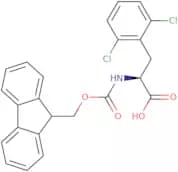
CAS:Please enquire for more information about Pheromone Cymit Quimicaesis Activating Neuropeptide (Helicoverpa assulta, Heliothis zea) including the price, delivery time and more detailed product information at the technical inquiry form on this pageFormula:C167H259N47O57S2Purity:Min. 95%Molecular weight:3,901.26 g/molFmoc-2,6-dichloro-L-phenylalanine
CAS:<p>Please enquire for more information about Fmoc-2,6-dichloro-L-phenylalanine including the price, delivery time and more detailed product information at the technical inquiry form on this page</p>Formula:C24H19Cl2NO4Purity:Min. 95%Molecular weight:456.32 g/molFmoc-NH-PEG6-alcohol
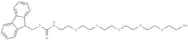
CAS:Fmoc-NH-PEG6-alcohol, a cleavable ADC linker, is employed in the synthesis of antibody-drug conjugates (ADCs) [1].Formula:C27H37NO8Color and Shape:SolidMolecular weight:503.58Erizepine
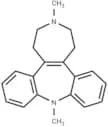
CAS:Erizepine, an octopamine receptor 3 (OAR3) antagonist, exhibits a Ki value of 474 nM. This compound is utilized in insect research.Formula:C20H22N2Color and Shape:SolidMolecular weight:290.42-Amino-5-methyl-5-hexenoic acid
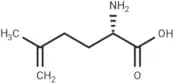
CAS:2-Amino-5-methyl-5-hexenoic acid ((S)-2-Amino-5-methylhex-5-enoic acid) acts as a methionine analog, competing with methionine and thereby hindering cell growth. This compound inhibits protein synthesis in Salmonella typhimurium TA1535 and Escherichia coli K-12 without affecting the synthesis of DNA or RNA.Formula:C7H13NO2Color and Shape:SolidMolecular weight:143.184(R)-2-formamido-4-methylpentanoic acid
CAS:(R)-2-formamido-4-methylpentanoic acid is a derivative of leucine.Formula:C7H13NO3Color and Shape:SolidMolecular weight:159.18Phospho-L-arginine
CAS:Phospho-L-arginine is a derivative of arginine.Formula:C6H15N4O5PMolecular weight:254.18L-Phenylalanyl-L-threonine
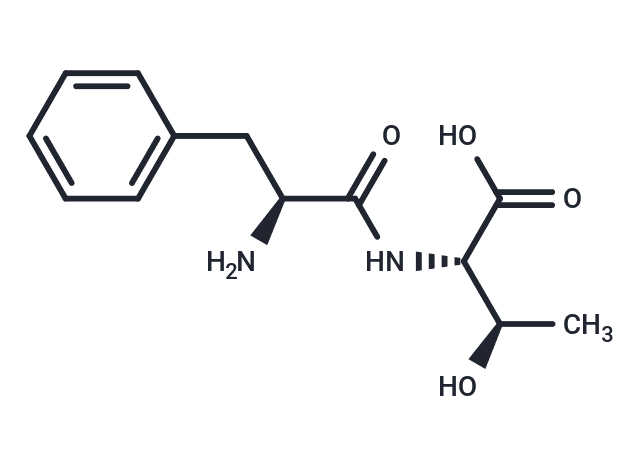
CAS:L-Phenylalanyl-L-threonine is a dipeptide composed of phenylalanine and threonine, which can be utilized in the synthesis of the cyclic hexapeptide [Banyascyclamide A].Formula:C13H18N2O4Color and Shape:SolidMolecular weight:266.29D-allo-Threoninol
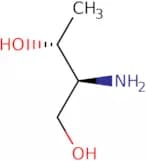
CAS:D-allo-Threoninol is a conformational analogue of threonine. It has been shown to inhibit the growth of Escherichia coli, Bacillus subtilis, and Staphylococcus aureus in vitro. D-allo-Threoninol binds to the enzyme methionine adenosyltransferase (MAT) by forming hydrogen bonds with its amino acid side chains. This binding prevents the formation of the MAT-coenzyme A complex, inhibiting protein synthesis and cell division.Formula:C4H11NO2Purity:Min. 95%Color and Shape:PowderMolecular weight:105.14 g/molD-2-Phenylglycine
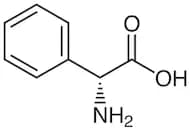
CAS:Formula:C8H9NO2Purity:>99.0%(T)Color and Shape:White to Almost white powder to crystalMolecular weight:151.17(Leu¹³)-Motilin (human, porcine)
CAS:<p>(Leu¹³)-Motilin (human, porcine) has been shown to produce an excitory response in the chicken gastrointestinal tract with a different sensitivity from region to region. The mechanisms of action were different between the proventriculus and the intestinal segments. The motilin analog contracted the intestinal segments by direct action on the smooth muscle cells whereas in the proventriculus it caused contraction and enhancement of electrical field stimulation-induced response through an action on the intramural cholinergic neurons.</p>Formula:C121H190N34O35Molecular weight:2681.05(Leu³¹,Pro³⁴)-Neuropeptide Y (porcine)
CAS:<p>This NPY analog is a highly potent and selective ligand for Y₁ receptors in different cell lines and tissues. It has therefore been used to detect the NPY/PYY receptor subtype distribution, e.g., in rat brain. The peptide is also active in vivo, showing an even higher potency than NPY in increasing blood pressure in anesthetized rats.</p>Formula:C190H286N54O56Purity:98.5%Color and Shape:White PowderMolecular weight:4222.69FSL-1-DYKDDDDK
CAS:<p>The lipopeptide FSL-1, synthesized on the basis of the N-terminal structure of a M. salivarium lipoprotein, is capable of inducing the cell surface expression of ICAM-1 in human gingival fibroblasts. It furthermore revealed an activity to induce production of monocyte chemoattractant protein 1, interleukin-6 (IL-6), and IL-8. FSL-1 also activated macrophages to produce tumor necrosis factor alpha. Overall, results by Okusawa and coworkers suggest that the diacylglyceryl and the peptide portions of FSL-1 are indispensable for the expression of biological activities and for the recognition by Toll-like receptors 2 and 6. Furthermore, the same authors conclude that the recognition of FSL-1 by Toll-like receptors 2 and 6 apparently is hydrophobic.</p>Formula:C125H198N24O37SPurity:97.0%Color and Shape:White PowderMolecular weight:2661.15(Lys(Ac)⁵·⁸·¹²·¹⁶)-Histone H4 (1-25)-Gly-Ser-Gly-Ser-Lys(biotinyl)
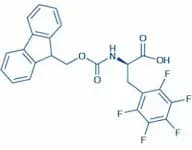
CAS:<p>Bachem ID: 4097460.</p>Formula:C141H243N53O43SColor and Shape:White PowderMolecular weight:3400.88Fmoc-pentafluoro-D-Phe-OH
CAS:Formula:C24H16F5NO4Purity: 96.2%Color and Shape:WhiteMolecular weight:477.38Histone H3 (1-21)-Gly-Gly-Lys(biotinyl) amide
CAS:<p>Bachem ID: 4096115.</p>Formula:C114H205N43O32SPurity:97.7%Color and Shape:White LyophilisateMolecular weight:2722.22Cyclolinopeptide B
CAS:<p>Cyclolinopeptide B has been isolated from the seeds of Linum usitatissimum. It showed potent immunosuppressive activity comparable with that of cyclosporin A.</p>Formula:C56H83N9O9SPurity:98.6%Color and Shape:White PowderMolecular weight:1058.4Pancreatic Polypeptide (bovine)
CAS:<p>Bachem ID: 4012218.</p>Formula:C186H287N53O56S2Purity:99.2%Color and Shape:White PowderMolecular weight:4225.78Procathepsin B (26-50) (rat)
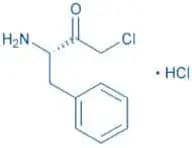
CAS:<p>This 25 residue peptide was completely resistant to proteolysis by cathepsin B even after incubation overnight. It inhibited human cathepsin B with Ki = 2.8 µM and rat cathepsin B with Ki = 2 µM.</p>Formula:C123H198N34O33SPurity:94.0%Molecular weight:2713.2H-Phe-chloromethylketone · HCl
CAS:<p>Phe-CMK, inhibitor of gramicidin S synthetase 2.</p>Formula:C10H12ClNO·HClMolecular weight:234.13Myelin Oligodendrocyte Glycoprotein (35-55) amide (rat, mouse)
CAS:<p>Bachem ID: 4041119.</p>Formula:C118H178N36O28SPurity:92.4%Color and Shape:White PowderMolecular weight:2581.0Myelin Oligodendrocyte Glycoprotein (35-55) (human)
CAS:<p>In contrast to the encephalitogenic rat homolog, myelin oligodendrocyte glycoprotein (35-55) (human) does not appear to be a major T-cell epitope in multiple sclerosis propably due to its lower amount of helical structure formed when dissolved in micellar sodium dodecyl sulfate, a membrane mimicking solvent.</p>Formula:C120H179N35O28SPurity:97.6%Color and Shape:WhiteMolecular weight:2592.03Oxytocin (free acid)
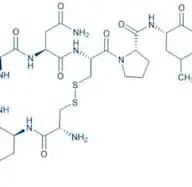
CAS:<p>Degradation product of oxytocin.</p>Formula:C43H65N11O13S2Purity:95.1%Molecular weight:1008.19H-Arg-Val-Leu-psi(CH₂NH)Phe-Glu-Ala-Nle-NH₂
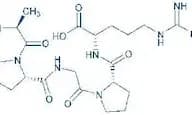
CAS:<p>The peptide RVL-psi[CH2NH]FEA-Nle-amide containing a reduced peptide bond was found to be a competitive inhibitor of the HIV-1 protease (Ki = 50 nM).</p>Formula:C40H69N11O8Purity:> 96%Color and Shape:WhiteMolecular weight:832.06(D-Asn²⁸)-Exenatide
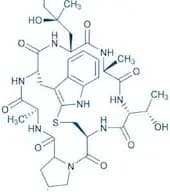
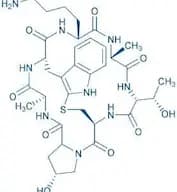
CAS:<p>Potential impurity of exenatide.</p>Formula:C184H282N50O60SPurity:95.4%Color and Shape:White PowderMolecular weight:4186.63((R)-4-Hydroxy-4-methyl-Orn⁷)-Phalloidin
CAS:<p>Bachem ID: 4095647.</p>Formula:C35H49N9O10SPurity:92.2%Color and Shape:WhiteMolecular weight:787.88(Ser(Ac)³)-Ghrelin (mouse, rat)
CAS:<p>Bachem ID: 4095528.</p>Formula:C141H233N45O42Purity:98.0%Color and Shape:White LyophilisateMolecular weight:3230.64(Lys(Me)₃⁹)-Histone H3 (1-21)-Gly-Gly-Lys(biotinyl) amide
CAS:<p>Bachem ID: 4097932.</p>Formula:C117H212N43O32SPurity:97.1%Color and Shape:White PowderMolecular weight:2765.31(Lys(Me)₂²⁷)-Histone H3 (21-44)-Gly-Lys(biotinyl)
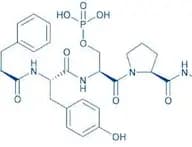
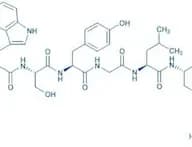
CAS:<p>Bachem ID: 4099858.</p>Formula:C129H218N44O33SPurity:97.2%Molecular weight:2945.49H-Trp-Phe-Tyr-Ser(PO₃H₂)-Pro-Arg-pNA
CAS:<p>WFYpSPR-pNA, chromogenic substrate for Pin1, an essential and conserved mitotic peptidyl-prolyl isomerase (PPIase), that specifically recognizes the phosphoserine-proline bonds present in mitotic phosphoproteins (kcat/Km = 20160 mM⁻¹s⁻¹).</p>Formula:C49H59N12O13PPurity:96.7%Color and Shape:Light Yellow PowderMolecular weight:1055.05Lactoferrin (322-329) (human)
CAS:<p>A highly amyloidogenic region of lactoferrin.</p>Formula:C35H53N9O12Purity:98.2%Color and Shape:White PowderMolecular weight:791.86Enterostatin (human, mouse, rat)
CAS:<p>Bachem ID: 4011240.</p>Formula:C21H36N8O6Purity:97.7%Color and Shape:Light YellowMolecular weight:496.57Neuropeptide Y (3-36) (human, rat)
CAS:<p>Main degradation product of NPY in serum and Y2/Y5 receptor agonist.</p>Formula:C175H269N53O54SPurity:> 99%Color and Shape:White PowderMolecular weight:4011.45HIV-1 gag Protein p24 (194-210)
CAS:<p>Bachem ID: 4030725.</p>Formula:C73H126N20O23SPurity:> 97%Color and Shape:White PowderMolecular weight:1683.99L-trans-Epoxysuccinyl-Ile-Pro-OH propylamide
CAS:<p>CA074, a potent inhibitor specific for cathepsin B in vitro (IC₅₀= 2.24 nM for rat liver cathepsin B) and in vivo.</p>Formula:C18H29N3O6Purity:98.3%Molecular weight:383.45Suc-Ala-Glu-Pro-Phe-AMC
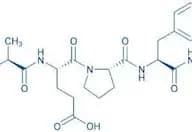
CAS:<p>Suc-AEPF-AMC, fluorogenic substrate for the peptidylprolyl isomerase Pin1.</p>Formula:C36H41N5O11Purity:99.1%Molecular weight:719.75Uroguanylin Topoisomer B (human)
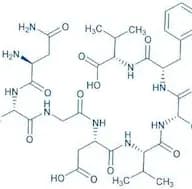
<p>Short peptides containing two disulfide bridges can form interconvertible topoisomers with the same disulfide connectivity. In case of uroguanylin (UGN), both are relatively stable and can be separated, and interconversion is slow. The topoisomers differ in biological activity: The UGN A topomer potently activates the guanylate cyclase C receptor found primarily in the intestine. The B topomer is a very weak agonist of this receptor. Moss et al. could show that UGN B has potent natriuretic activity in the kidney.</p>Formula:C64H102N18O26S4Purity:89.0%Color and Shape:White LyophilisateMolecular weight:1667.88H-Tyr-Cys-Trp-Ser-Gln-Tyr-Leu-Cys-Tyr-OH
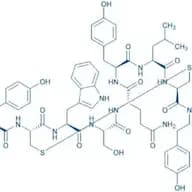
CAS:<p>The TNF-α antagonist WP9QY inhibited TNF-α mediated apoptosis and exhibited an IC₅₀ of 5 µM in the binding assay. YCWSQYLCY is the smallest peptidomimetic developed to date that might be used as a lead compound for the next generation of non-peptidic inhibitors. The name WP9QY arises from the binding to the site observed in the TNF-β/TNF-receptor(I) complex designated WP9 and the introduction of the amino acids Gln and Tyr.</p>Formula:C58H71N11O15S2Purity:97.9%Molecular weight:1226.4β-Endorphin (bovine, camel, mouse)
CAS:<p>Bachem ID: 4007396.</p>Formula:C155H250N42O44SPurity:90.8%Color and Shape:White PowderMolecular weight:3438.01(Lys⁷)-Phalloidin
CAS:<p>Bachem ID: 4095648.</p>Formula:C35H49N9O9SPurity:96.8%Color and Shape:Whitish LyophilisateMolecular weight:771.88Z-Leu-Leu-Tyr-α-keto aldehyde
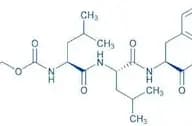
CAS:<p>Z-LLY-α-keto aldehyde (peptidyl glyoxal), previously shown to be an excellent inhibitor of the serine and cysteine proteases, was found to be an excellent inhibitor of the chymotryptic-like activity of proteasome exhibiting a Ki value of approximately 3.0 nM. Such inhibitor might be valuable in the characterization of the role of proteasome in normal and aberrant pathways of protein catabolism in the cell.</p>Formula:C30H39N3O7Color and Shape:WhiteMolecular weight:553.66Biotinyl-(Gln¹)-LHRH
CAS:<p>This biotinylated LHRH derivative has been used in a functional analysis of the LHRH receptor ligand binding.</p>Formula:C65H92N20O15SPurity:97.9%Color and Shape:WhiteMolecular weight:1425.64Ac-Arg-pNA · HCl
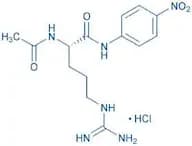
CAS:<p>Chromogenic substrate for trypsin and papain.</p>Formula:C14H20N6O4·HClPurity:>99%Color and Shape:Light YellowMolecular weight:372.81Ref: IN-DA00BCVH
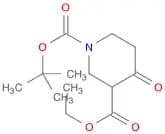
Discontinued product1-tert-Butyl 3-ethyl 4-oxopiperidine-1,3-dicarboxylate
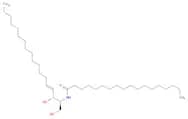
CAS:Formula:C13H21NO5Purity:97%Color and Shape:SolidMolecular weight:271.3095N-Stearoyl-D-Sphingosine
CAS:Formula:C36H71NO3Purity:97%Color and Shape:SolidMolecular weight:565.9538399999999Ref: IN-DA007P0G
Discontinued product(8R,9S,10R,13S,14S)-10,13-Dimethyl-6-methylene-7,8,9,11,12,13,15,16-octahydro-6H-cyclopenta[a]phenanthrene-3,17(10H,14H)-dione
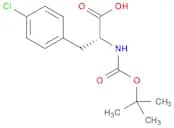
CAS:Formula:C20H24O2Purity:99%Color and Shape:SolidMolecular weight:296.4034BOC-4-chloro-D-phenylalanine
CAS:Formula:C14H18ClNO4Purity:98%Color and Shape:SolidMolecular weight:299.7500Ref: IN-DA0034JQ
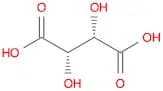
Discontinued product(2S,3S)-2,3-Dihydroxysuccinic acid
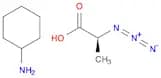
CAS:Formula:C4H6O6Purity:98%Color and Shape:SolidMolecular weight:150.0868Propanoic acid, 2-azido-, compd. with cyclohexanamine (1:1), (2S)-
CAS:Formula:C9H18N4O2Purity:97%Color and Shape:SolidMolecular weight:214.2648Methyl 2-(benzylamino)-3-hydroxypropanoate
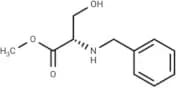
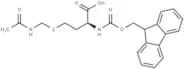
CAS:Methyl 2-(benzylamino)-3-hydroxypropanoate, catalog number T66013 and CAS number 144001-42-3, is a valuable organic compound for life sciences research.Formula:C11H15NO3Color and Shape:SolidMolecular weight:209.245Fmoc-HoCys(ACM)-OH
CAS:Fmoc-HoCys(ACM)-OH is an amino acid derivative and has a wide range of applications in life science related research.Formula:C22H24N2O5SColor and Shape:SolidMolecular weight:428.5L-N-Benzylserine
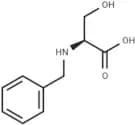
CAS:L-N-Benzylserine is a useful organic compound for research related to life sciences. The catalog number is T65056 and the CAS number is 17136-45-7.Formula:C10H13NO3Color and Shape:SolidMolecular weight:195.218Boc-D-His(trt)-OH
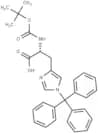
CAS:Boc-D-His(trt)-OH is an amino acid derivative and has a wide range of applications in life science related research.Formula:C30H31N3O4Color and Shape:SolidMolecular weight:497.595Fmoc-1-methyl-L-histidine
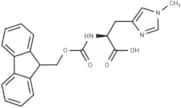
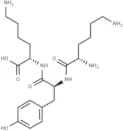
CAS:Fmoc-1-methyl-L-histidine is a valuable organic compound for life sciences research (Catalog No.: T66680, CAS: 202920-22-7).Formula:C22H21N3O4Color and Shape:SolidMolecular weight:391.427Lysyl-tyrosyl-lysine
CAS:Lysyl-tyrosyl-lysine is a bioactive chemical.Formula:C21H35N5O5Purity:98%Color and Shape:SolidMolecular weight:437.54Boc-His(Boc)-OH.DCHA
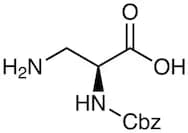
CAS:Boc-His(Boc)-OH.DCHA, an amino acid derivative, has a wide range of applications in life science research.Formula:C28H48N4O6Color and Shape:SolidMolecular weight:536.7143-Amino-N-benzyloxycarbonyl-L-alanine
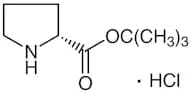
CAS:Formula:C11H14N2O4Purity:>98.0%(T)(HPLC)Color and Shape:White to Almost white powder to crystalMolecular weight:238.24D-Proline tert-Butyl Ester Hydrochloride
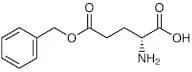
CAS:Formula:C9H17NO2·HClPurity:>98.0%(GC)(T)Color and Shape:White to Almost white powder to crystalMolecular weight:207.705-Benzyl D-Glutamate
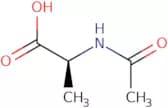
CAS:Formula:C12H15NO4Purity:>98.0%(T)(HPLC)Color and Shape:White to Almost white powder to crystalMolecular weight:237.26N-Acetyl-L-alanine
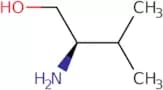
CAS:<p>N-Acetyl-L-alanine is the N-acetylated form of L-alanine and is a nonessential amino acid. It is an amide containing one nitrogen atom and two carbonyl groups. The nitrogen can be found in either the alpha or beta position on the amide. The biological properties of N-acetyl-L-alanine are similar to those of L-alanine, as it is used as a substrate for protein synthesis and has been shown to inhibit p21 and epidermal growth factor. The conformational properties of N-acetyl-L-alanine are different from that of L-alanine due to its changed shape, which may affect its biological activity.</p>Formula:C5H9NO3Purity:Min. 95%Color and Shape:White PowderMolecular weight:131.13 g/molD-Valinol
CAS:<p>D-Valinol is a synthetic compound that contains a chiral alcohol group. It is an ester hydrochloride salt of D-valinol and has been shown to be clinically effective in treating chronic lymphocytic leukemia (CLL). This drug is a potent inhibitor of the bcr-abl kinase, which is involved in the regulation of protein synthesis. D-Valinol binds to the kinase domain of this enzyme and inhibits its activity by preventing it from transferring phosphate groups from ATP to tyrosine residues on proteins. D-Valinol also inhibits chloride channels, which are required for cell survival.</p>Formula:C5H13NOPurity:Min. 95%Color and Shape:PowderMolecular weight:103.16 g/molRef: 3D-FV36829
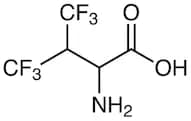
Discontinued product4,4,4,4',4',4'-Hexafluoro-DL-valine
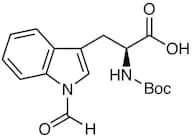
CAS:Formula:C5H5F6NO2Purity:>98.0%(T)Color and Shape:White to Almost white powder to crystalMolecular weight:225.09Nα-(tert-Butoxycarbonyl)-N1-formyl-L-tryptophan
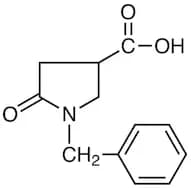
CAS:Formula:C17H20N2O5Purity:>98.0%(T)Color and Shape:White to Light gray to Light yellow powder to crystalMolecular weight:332.361-Benzyl-5-oxopyrrolidine-3-carboxylic Acid
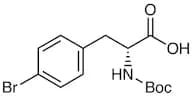
CAS:Formula:C12H13NO3Purity:>98.0%(GC)(T)Color and Shape:White to Almost white powder to crystalMolecular weight:219.24N-(tert-Butoxycarbonyl)-4-bromo-D-phenylalanine
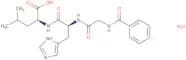
CAS:Formula:C14H18BrNO4Purity:>98.0%(HPLC)Color and Shape:White to Almost white powder to crystalMolecular weight:344.21N-Hippuryl-His-Leu hydrate
CAS:<p>N-Hippuryl-His-Leu hydrate is a synthetic inhibitor that binds to the active site of mitochondrial ATP synthase and blocks the synthesis of ATP. This molecule has shown an inhibitory effect on the mitochondrial membrane potential, which may be due to its inhibition of ATP synthesis. N-Hippuryl-His-Leu hydrate also inhibits hydrochloric acid and galactose induced angiotensin II formation in rat vascular tissues. It has been used as a pharmaceutical preparation for the treatment of high blood pressure, however it does not have any biological properties that are related to uronic acid or blood pressure regulation.</p>Formula:C21H27N5O5·xH2OPurity:Min. 95%Molecular weight:429.48 g/molRef: 3D-HIA38683
Discontinued product
























![(8R,9S,10R,13S,14S)-10,13-Dimethyl-6-methylene-7,8,9,11,12,13,15,16-octahydro-6H-cyclopenta[a]phen…](/_next/image/?url=https%3A%2Fstatic.cymitquimica.com%2Fproducts%2FIN%2Fthumb-webp%2FDA003BZ2.webp&w=3840&q=75)