Amino Acid Derivatives
Amino acid derivatives are compounds that are structurally related to amino acids but have been chemically modified to introduce new functional groups or alter their properties. These derivatives are widely used in peptide synthesis, drug development, and biochemical research. At CymitQuimica, we offer a broad range of high-quality amino acid derivatives to support your research and industrial applications, ensuring precise and effective results in your experiments and synthesis projects.
Found 3990 products of "Amino Acid Derivatives"
Sort by
Purity (%)
0
100
|
0
|
50
|
90
|
95
|
100
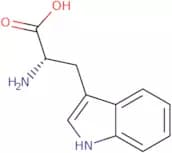
L-Tryptophan
CAS:L-tryptophan is a non-essential amino acid that is used as a building block in the synthesis of proteins. It has been used in research and as a starting material for the production of other chemicals. L-tryptophan has also been shown to have antidepressant effects, although it is not approved by the FDA for this use. L-tryptophan can be found in protein-rich foods such as meat, eggs, and soybeans.Formula:C11H12N2O2Purity:Min. 98.0 Area-%Molecular weight:204.23 g/molRef: 3D-T-8320
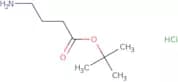
1kgTo inquire100gTo inquire250gTo inquire500gTo inquire2500gTo inquire-Unit-kgkgTo inquireγ-Aminobutyric acid tert-butyl ester HCl
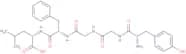
CAS:GABA is a neurotransmitter that is found in the brain and spinal cord. It is an analog of the amino acid gamma-aminobutyric acid and can be synthesized from glutamic acid. GABA has been shown to have anti-inflammatory properties by inhibiting prostaglandin synthesis, which may be due to its ability to decrease the proliferation of T cells and macrophages. GABA also has been shown to promote growth of hybridomas, which are immune cells that produce antibodies.Formula:C8H17NO2·HClPurity:Min. 95%Color and Shape:White PowderMolecular weight:195.69 g/molLeu-Enkephalin acetate
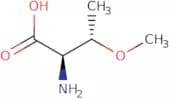
CAS:Leu-Enkephalin is an endogenous opioid peptide that has been shown to produce analgesia, anti-inflammatory effects, and changes in locomotor activity. Leu-enkephalin binds to the kappa opioid receptor, which is found in high concentrations in the caudate putamen and hippocampal formation. The enkephalins are a family of basic proteins with two amino acids linked by a single amide bond. They are peptide hormones that act as neurotransmitters in the central nervous system and peripheral nervous system. Leu-enkephalin is a drug candidate for treatment of infectious diseases such as HIV and malaria. In addition, leu-enkephalin has been shown to have side effect profiles that are less severe than morphine or methadone.Formula:C28H37N5O7·C2H4O2Purity:Min. 95%Color and Shape:PowderMolecular weight:554.64 g/molO-Methyl-D-threonine
CAS:O-Methyl-D-threonine is an amino acid that is biosynthesized from O-methylserine and D-threonine. It belongs to the class of β-lactam antibiotics and inhibits peptidoglycan synthesis by binding to the catalytic site of the enzyme synthase, which is required for the formation of β-lactam rings in peptidoglycan. The crystal structure of O-methylserine has been determined and analyzed. Mutations in the catalytic tripeptide have been shown to affect its activity, as well as protonation state and carboxylate groups.Formula:C5H11NO3Purity:Min. 98 Area-%Color and Shape:White Off-White PowderMolecular weight:133.15 g/mol5-Chloro-DL-tryptophan
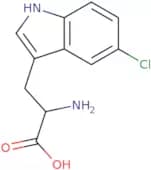
CAS:<p>5-Chloro-DL-tryptophan is a research chemical that is used as a building block in the synthesis of other chemicals.</p>Formula:C11H11ClN2O2Molecular weight:238.68 g/molL-Tyrosine - non-animal origin
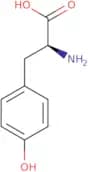
CAS:<p>Amino acid; precursor to neurotransmitters, hormones, pigments, natural phenols</p>Formula:C9H11NO3Color and Shape:White Off-White PowderMolecular weight:181.19 g/molN-Methyl-β-alaninenitrile
CAS:<p>N-Methyl-beta-alaninenitrile is a fine chemical that is used as a versatile building block in the synthesis of complex compounds. It can be used as a reagent to synthesize other chemicals, or as an intermediate in the production of pharmaceuticals. N-Methyl-beta-alaninenitrile is also useful in the synthesis of high quality and useful scaffolds.</p>Formula:C4H8N2Purity:Min. 98.0 Area-%Molecular weight:84.12 g/molL-Allylglycine
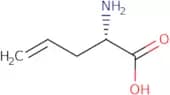
CAS:<p>L-Allylglycine is an antimicrobial agent that inhibits the growth of bacteria by binding to the glutamate receptor. L-Allylglycine has been shown to inhibit the locomotor activity in rats, which may be due to its ability to bind with the serotonergic system and dopamine receptors. L-Allylglycine also binds to Toll-like receptor 4, a protein found on macrophages and microglia in the brain, which may contribute to its neuroprotective effects. It has been shown that L-allylglycine can inhibit a glutamate receptor in mitochondria, which is responsible for the production of ATP. This inhibition prevents DNA replication and cell division, leading to cell death. The asymmetric synthesis of this molecule allows it to have a greater affinity for bacterial cells than mammalian cells.</p>Formula:C5H9NO2Purity:Min. 95%Color and Shape:White PowderMolecular weight:115.13 g/molFmoc-His(Trt)-OH
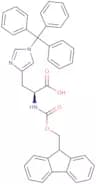
CAS:<p>Fmoc-His(Trt)-OH is an amino acid with the chemical formula HOOC-CH2-CH2-N(CH3)2. It has broad-spectrum antimicrobial activity and can be used as a chemosensor for trifluoroacetic acid. Fmoc-His(Trt)-OH also showed anticancer activity, which may be due to its ability to inhibit protein synthesis in cancer cells by inhibiting histidine decarboxylase. Fmoc-His(Trt)-OH is synthesized through a chemical reaction using trifluoroacetic acid, which reacts with His and Trt residues on the surface of the resin.</p>Formula:C40H33N3O4Purity:Min. 98 Area-%Color and Shape:White PowderMolecular weight:619.71 g/molL-Proline methyl ester hydrochloride
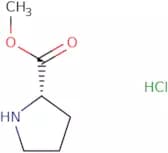
CAS:<p>L-Proline methyl ester hydrochloride is an organic compound that is classified as a trifluoroacetic acid ester. It has significant antiproliferative activity and induces apoptotic cell death in colorectal carcinoma cells. L-Proline methyl ester hydrochloride also inhibits the proliferation of lymphocytes by inhibiting protein synthesis, which may be due to its conformational properties. L-Proline methyl ester hydrochloride is synthesized by reacting L-proline with trifluoroacetic acid and subsequently hydrolyzing the resulting ester with hydrochloric acid. The synthesis can be carried out in two steps: first, a chloride ion is added to the protonated form of the amine; second, the protonated form of the amine reacts with hydrophobic compounds such as dodecyl amines or ethyl acetate to form an alkyl group. This reaction can also be carried out using</p>Formula:C6H12ClNO2Color and Shape:White PowderMolecular weight:165.62 g/molL-Valine
CAS:<p>Amino acid</p>Formula:C5H11NO2Purity:min 98%Color and Shape:White PowderMolecular weight:117.15 g/molBetonicine
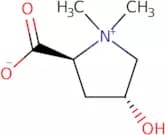
CAS:Betonicine is a natural compound that has been shown to have therapeutic effects in autoimmune diseases. It has been used as a model system for studying plant physiology and to determine the transport properties of hydroxyl groups. Betonicine has also been shown to have receptor activity, which is responsible for its disease-modifying effects in autoimmune diseases. Betonicine is an inorganic acid that can be synthesized from the reaction between ammonia and nitric acid. It can also be extracted from plants such as cress seeds, which are rich in nitrogen atoms. The titration calorimetry method was used to measure the concentration of betonicine in coli K-12 cells.Formula:C7H13NO3Purity:Min. 95%Color and Shape:PowderMolecular weight:159.18 g/molL-Tryptophan β-naphthylamide
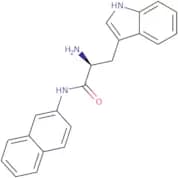
CAS:L-Tryptophan beta-naphthylamide is a fine chemical that is useful for research purposes. It can be used as a versatile building block in the synthesis of other chemicals and can also be used as a reaction component. L-Tryptophan beta-naphthylamide has been used to synthesize complex compounds such as 5,6-dihydroindolizine, which has been shown to have anti-inflammatory properties. This compound can also be used as a reagent in organic synthesis.Formula:C21H19N3OPurity:Min. 95%Color and Shape:PowderMolecular weight:329.4 g/molFmoc-D-Leu-OH
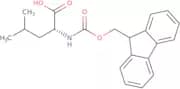
CAS:<p>Fmoc-D-Leu-OH is a disulfide bond containing molecule with an intracellular Ca2+ chelating activity. It has been shown to have cytoprotective effects against oxidative stress and cell death, and has also been found to have antiinflammatory properties. Fmoc-D-Leu-OH can inhibit the activities of various enzymes such as cyclooxygenase, lipoxygenase, phospholipases, and diamine oxidase. This molecule also exhibits cytotoxic activity against bladder cancer cells in vitro. The pharmacokinetic properties of Fmoc-D-Leu-OH are similar to other molecules that are used as antibiotics.<br>Fmoc-D-Leu-OH is a cyclic peptide with antimicrobial peptide (AMP) activity that inhibits bacterial growth by disrupting their cell membranes or inhibiting protein synthesis. It binds to bacterial 16S ribosomal RNA and inhibits protein synthesis, leading</p>Formula:C21H23NO4Purity:Min. 98 Area-%Color and Shape:White PowderMolecular weight:353.41 g/molS-acetyl-L-glutathione
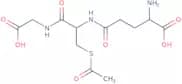
CAS:Acetylcysteine is a drug that inhibits the growth of bacteria and viruses. Acetylcysteine is a precursor to the amino acid cysteine and has been shown to have antiviral properties against herpes simplex virus. It also has protective effects on human liver cells by preventing lipid peroxidation, which may be due to its antioxidant activity. Acetylcysteine can be used as an analytical method for particle size, thermal expansion, and hydrogen chloride content in industrial processes. Its use in metabolic disorders and cancer therapy is limited because it does not cross the blood-brain barrier easily. Acetylcysteine has been shown to inhibit HIV infection by blocking reverse transcriptase activity, but it cannot cure HIV infection.Formula:C12H19N3O7SPurity:Min. 96 Area-%Color and Shape:White Off-White PowderMolecular weight:349.36 g/molN6-Trifluoroacetyl-L-lysine N-carboxyanhydride
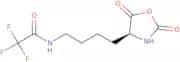
CAS:<p>Trifluoroacetyl-L-lysine N-carboxyanhydride is an N6-trifluoroacetylated lysine derivative that is used in the synthesis of peptides. It is a racemic mixture of L and D forms, which is hydrolyzed to form L-glutamic acid, NH4Cl, and CO2. Trifluoroacetyl-L-lyside N-carboxyanhydride has been shown to be useful in the formation of bonds between amino acids, such as lysine and dipeptides. The compound is also used for the protection of lysine against oxidation during peptide synthesis.</p>Formula:C9H11F3N2O4Purity:Min. 95%Color and Shape:White PowderMolecular weight:268.19 g/mol(Des-Glu22)-Amyloid β-Protein (1-42) trifluoroacetate
CAS:The E22delta (Osaka mutation) mutation of Amyloid β promotes β-sheet transformation.Formula:C198H304N54O57SPurity:Min. 95 Area-%Color and Shape:PowderMolecular weight:4,384.93 g/molD-Alanine
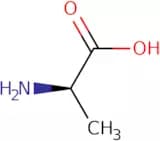
CAS:<p>D-Alanine is a small-molecule drug that inhibits the hepatitis B virus. It has been shown to decrease the levels of HBV-DNA in chronic hepatitis patients. D-Alanine may be effective for reducing hepatic steatosis and improving liver function, which may be due to its ability to reduce the expression of δ receptors. D-Alanine can inhibit viral replication by interfering with the polymerase chain reaction and inhibiting human serum albumin from binding to HBV-DNA. D-alanine also has an antioxidant effect and can scavenge anion radicals.</p>Formula:C3H7NO2Purity:Min. 98 Area-%Color and Shape:White PowderMolecular weight:89.09 g/molN-Tosyl-L-alanine 3-indoxyl ester
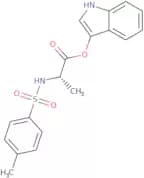
CAS:N-Tosyl-L-alanine 3-indoxyl ester is applied specifically to urine samples. In the presence of leukocyte esterase, N-Tosyl-L-alanine-3-indoxyl ester will be hydrolysed to afford indoxyl. The sample is later exposed to diazonium salts that form azo dyes with the indoxyl. If sufficent indoxyl is formed, it indicates elevated numbers of white blood cells in the urine sample and this indicates that the host has contracted a urinary tract infection.Formula:C18H18N2O4SPurity:Min. 98.0 Area-%Molecular weight:358.42 g/molFmoc-Ala-OH-3-13C
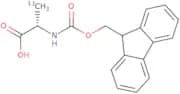
CAS:Fmoc-Ala-OH-3-13C is a versatile building block that can be used to synthesize a variety of compounds. It is an intermediate in the synthesis of more complex compounds and has been shown to possess high reactivity in peptide coupling reactions. Fmoc-Ala-OH-3-13C has a CAS number of 201489-21-6 and is a fine chemical that can be used for research, development, and other purposes.Formula:CC17H17NO4Purity:Min. 98 Area-%Color and Shape:PowderMolecular weight:312.32 g/mol