Endocrinology/Hormones
Subcategories of "Endocrinology/Hormones"
- Androgen Receptor(230 products)
- Annexin A(16 products)
- Aromatase(23 products)
- Estrogen/progestogen Receptor(66 products)
- GPR(1 products)
- Glucocorticoid Receptor(165 products)
- LHRH(2 products)
- Opioid Receptor(327 products)
- Prostaglandin Receptor(126 products)
- RAAS(89 products)
- Reductase(51 products)
- Somatostatin(57 products)
- Thyroid hormone receptor(THR)(34 products)
- Vasopressin Receptor(48 products)
Found 3427 products of "Endocrinology/Hormones"
[Arg8]-Vasopressin
CAS:Vasopressin is a peptide antidiuretic hormone, originating from the hypothalamus, that regulates water balance in the body. It is also known as arginine vasopressin or antidiuretic hormone (ADH). The clinical efficacy of vasopressin has been evaluated using in vitro methods on mouse monoclonal antibody production cells, blood sampling, and microdialysis probes for monitoring blood pressure. This product is available in the salt form: Acetate.Formula:C46H65N15O12S2Purity:Min. 95%Molecular weight:1,084.25 g/molPTH (1-13) Human
N-terminal tryptic peptide of parathyroid hormone (PTH), used for quantification and optimisation in LC-MS/MS assays.PTH is an 84-amino-acid polypeptide hormone (PTH 1-84) which is secreted by the parathyroid glands along with its fragments (such as PTH 1-34 and PTH 7-84). PTH increases calcium and decrease phosphate levels in the blood and the abundance of PTH-derived peptides is regulated by blood calcium levels. PTH inhibits the bone growth-promoting activity of osteoblasts and induces osteoclasts to resorb bone and release calcium and phosphate ions into the blood. PTH binds to and activates the receptor parathyroid hormone receptor 1 (PTHR1). PTHR1 is a G-protein-coupled receptor (GPCR) which regulates mineral ion homeostasis, bone turnover and skeletal development
Molecular weight:1,454.8 g/molCalcitonin, Salmon
Calcitonin is a peptide hormone excreted by the thyroid parafollicular cells to regulate calcium and phosphorus levels. Calcitonin acts in opposition to parathyroid hormone (PTH) and vitamin D. Calcitonin functions by inhibiting osteoclast activity in the bones preventing calcium release- there is also inhibition of renal tubular cell reabsorption of calcium and phosphate, so they are excreted preventing a rise in levels.Calcitonin is used for as marker for detection and prognosis of nodular thyroid diseases. Medullary thyroid cancer is one example of the malignant parafollicular cells detectable with the assay, as they present with an increased calcitonin level even at an early stage.Since the discovery of calcitonin over 50 years ago the salmon sourced peptide has been used in numerous treatments including bone metastases, Paget disease, hypercalcaemia, and postmenopausal osteoporosis. The salmon calcitonin has been shown to be equivalent to human form but more active and can be synthetically generated.Molecular weight:3,429.7 g/molMotilin (human, porcine)
Peptide derived from the gastrointestinal hormone Motilin, secreted from endocrine cells in the small intestines, mainly from the jejunum and duodenum, in response to the fasting, drinking water or the mechanical stimulus of eating.Molecular weight:2,697.4 g/molGLP-1 (1-37)
CAS:Glucagon-like peptide (GLP) 1 is a post-translationally modified version of proglucagon. GLP-1 (1-37) is a naturally produced analog of GLP-1. Unlike truncated GLP-1, GLP-1 (1-37) does not alter food intake in rat models or pancreatic insulin secretion. GLP-1 (1-37) can induce insulin production in developing adult intestinal cells via upregulation of the ngn3 gene and its downstream targets. This can restore glucose homeostasis when implanted into diabetic mice. GLP-1 (1-37) may offer a future treatment for diabetes mellitus. GLP-1 (1-37) can also inhibit chemokine-induced migration of human CD4-positive lymphocytes, an early step in atherogenesis. This raises the possibility that GLP-1 (1-37) is part of a novel mechanism to modulate vascular disease.Molecular weight:4,169.54 g/molBNP-32 human
CAS:This 32 amino acid peptide contains a 17 amino acid ring structure that is common to all natriuretic peptides. It is also called the brain natriuretic peptide (BNP) because it was first identified in porcine brain- however, the main source of this peptide is not the brain but the cardiac ventricle. This cardiac neurohormone is secreted from the ventricles in response to volume expansion and pressure overload. It has natriuretic and vasodilatory effects and suppresses the renin-angiotensin-aldosterone system.
Formula:C143H244N50O42S4Color and Shape:PowderMolecular weight:3,463.8 g/molGPS1573
GPS1573 is a potent and dose-dependent peptide antagonist of adrenocorticotrophic (ACTH) -stimulated melanocortin type 2 receptor (MC2R). Along with GPS1574, GPS1773 is an ACTH analogue and as such antagonises MC2R in the nanomolar range.The clinical relevance of GPS1573 is related to Cushing's disease and syndrome, which are both associated with a hypercortisolemic state. Selective antagonism of MC2R using GPS1573 may be a novel treatment modality for Cushing's disease and syndrome.Purity:Min. 95%Color and Shape:PowderPTH (1-34) human
PTH 1-34, is a biologically active peptide fragment of parathyroid hormone (PTH). PHT 1-34 has been shown to enhance bone fracture healing by promoting osteogenesis. PTH 1-34 also has chondrogenic properties.PTH is an 84-amino-acid polypeptide hormone (PTH 1-84) which is secreted by the parathyroid glands along with its fragments (such as PTH 1-34 and PTH 7-84). PTH increases calcium and decrease phosphate levels in the blood and the abundance of PTH-derived peptides is regulated by blood calcium levels. PTH inhibits the bone growth-promoting activity of osteoblasts and induces osteoclasts to resorb bone and release calcium and phosphate ions into the blood. PTH binds to and activates the receptor parathyroid hormone receptor 1 (PTHR1). PTHR1 is a G-protein-coupled receptor (GPCR) which regulates mineral ion homeostasis, bone turnover and skeletal development.Color and Shape:PowderMolecular weight:4,115.1 g/molPro-BNP (47-76)
Pro B-type natriuretic peptide (Pro-BNP) is secreted from cardiac myocytes and cleaved into BNP and the remaining part of the prohormone N-terminal proBNP (NT-proBNP). When the heart fibres become stretched more BNP and NT-proBNP are released to try and compensate for the increased pressure. During heart failure the walls of the atria become over stretched and thus increase the levels of NT-proBNP detectable. NT-proBNP has a longer half-life than BNP and therefore is detectable at higher levels in blood plasma than BNP. NT-pro-BNP is believed to be cleared by renal excretion, but this is not confirmed. As a diagnostic tool, NT-proBNP (47-76) has become very useful in helping diagnose heart failure and provide a prognosis. The measurement of NT-proBNP (47-76) has been incorporated into management and guidelines of clinical settings. As a research tool it still provides valuable data such as symptoms onset in relation to NT-proBNP levels and how inflammation effects the level of BNP as well as the BNP/ NT-proBNP ratio.Molecular weight:3,463.9 g/molANP (7-20)
ANP (7-20) is derived from the atrial natriuretic peptide (ANP) which is a cardiac hormone involved in maintaining cardio-renal homeostasis. This occurs through the activation of the guanylyl cyclase-coupled receptor, resulting in the increased concentration of cyclic guanylate monophosphate. Moreover its function in the processes of anti-proliferation and anti-angiogenesis allow it to take part in the cardiovascular remodelling process.ANP is a member of the natriuretic peptide family and it is encoded by the NPPA gene, located on chromosome 1. Once synthesized from the 151 amino acid pre-prohormone into its biologically active form, ANP is secreted by the atrial cardiomyocytes in the circulating forms: ANP (1-98) and ANP (99-126). This synthesis process involves the signal peptide being removed from the pre-prohormone resulting in proANP (1-126) which is converted into the circulating forms by the type II transmembrane serine protease Corin.Color and Shape:PowderMolecular weight:1,453.7 g/molGIP (Pro 3)
Gastric inhibitory polypeptide (GIP) is an inhibiting hormone of the secretin family of hormones. While GIP is a weak inhibitor of gastric acid secretion, its main role is to stimulate insulin secretion - in a glucose-dependent mechanism. Therefore, GIP is referred to as a glucose-dependent insulinotropic peptide. In GIP (Pro 3) the glutamic acid at position 3 has been substituted for a proline.GIP is derived from a 153-amino acid proprotein encoded by the GIP gene and circulates as a biologically active 42-amino acid peptide. It is synthesised by K cells, which are found in the mucosa of the duodenum and the jejunum of the gastrointestinal tract. GIP receptors are seven-transmembrane proteins found on β-cells in the pancreas. These β-cells are those that are able to simultaneously detect glucose and release insulin as a result to GIP binding.The clinical relevance of GIP is related to type 2 diabetes mellitus (T2DM)- studies have found that T2DM diabetics are unresponsive to GIP and have lower levels of GIP secretion after a meal when compared to non-diabetics. In research involving knockout mice, it was found that absence of the GIP receptors correlates with resistance to obesity.
Molecular weight:4,947.5 g/molGIP, human
Gastric inhibitory polypeptide (GIP) is an inhibiting hormone of the secretin family of hormones. While GIP is a weak inhibitor of gastric acid secretion, its main role is to stimulate insulin secretion - in a glucose-dependent mechanism. Therefore, GIP is referred to as a glucose-dependent insulinotropic peptide.GIP is derived from a 153-amino acid pro-protein encoded by the GIP gene and circulates as a biologically active 42-amino acid peptide. It is synthesised by K cells, which are found in the mucosa of the duodenum and the jejunum of the gastrointestinal tract. GIP receptors are seven-transmembrane proteins found on β-cells in the pancreas. These β-cells are those that are able to simultaneously detect glucose and release insulin as a result to GIP binding.The clinical relevance of GIP is related to type 2 diabetes mellitus (T2DM)- studies have found that T2DM diabetics are unresponsive to GIP and have lower levels of GIP secretion after a meal when compared to non-diabetics. In research involving knockout mice, it was found that absence of the GIP receptors correlates with resistance to obesity.Color and Shape:PowderMolecular weight:4,980.5 g/molExendin 3 (9-39) amide
Originally identified in Heloderma horridum horridum (Mexican beaded lizard), exendin-3 shares homology with vasoactive intestinal peptide (VIP), secretin, helospectin I and II and helodermin. Exendin-3 increases cellular cAMP levels and amylase release from pig pancreatic cells.Truncated exendin-3 is a potent and selective GLP-1 receptor antagonist. It inhibits cAMP production and insulin release induced by GLP-1, exendin-3, and exendin-4. It also blocks the inhibitory effect of GLP-1 on food intake in rats. Exendin 3 (9-39) amide is being considered for clinical use in obese patients. This is based on the extensive and consistent data demonstrating its effectiveness as a tool to improve fasting and postprandial levels of glucose and glucagon.
Color and Shape:PowderMolecular weight:3,367.7 g/molMotilin (1-10)
Residues 1-10 of the gastrointestinal hormone motilin, secreted from endocrine cells in the small intestines, mainly from the jejunum and duodenum, in response to the fasting, drinking water or the mechanical stimulus of eating.Molecular weight:1,184.6 g/molEstrone-d4 3-Sulfate Sodium Salt
CAS:Estrone-d4 3-Sulfate Sodium Salt is a deuterated compound of Estrone 3-Sulfate Sodium Salt. Estrone 3-Sulfate Sodium Salt has a CAS number of 438-67-5.Formula:C18H17D4NaO5SColor and Shape:SolidMolecular weight:376.44Hydrocortisone-d4
CAS:Hydrocortisone-d4 is a deuterated compound of Hydrocortisone. Hydrocortisone has a CAS number of 50-23-7. Hydrocortisone, a glucocorticoid receptor agonist, promotes protein catabolism, gluconeogenesis, capillary wall stability, renal excretion of calcium, and suppresses immune and inflammatory responses. Therapeutic Hydrocortisone is a synthetic or semisynthetic analog of natural hydrocortisone hormone produced by the adrenal glands with primary glucocorticoid and minor mineralocorticoid effects.Formula:C21H26D4O5Color and Shape:SolidMolecular weight:366.48Fulvestrant-d3
Fulvestrant-d3 is a isotope labeled compound of Fulvestrant.an estrogen receptor (ER) antagonist and GPR30 agonist thatinduces apoptosis and autophagy.Formula:C32H47F5O3SColor and Shape:SolidMolecular weight:609.79Estrone-d2
CAS:Estrone-d2 is a deuterated compound of Estrone. Estrone has a CAS number of 53-16-7. Estrone is an aromatized C18 steroid with a 3-hydroxyl group and a 17-ketone, a major mammalian estrogen. It is converted from ANDROSTENEDIONE directly, or from TESTOSTERONE via ESTRADIOL. In humans, it is produced primarily by the cyclic ovaries, PLACENTA, and the ADIPOSE TISSUE of men and postmenopausal women.Formula:C18H20D2O2Color and Shape:SolidMolecular weight:272.38Lisinopril
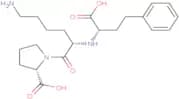
CAS:Lisinopril, an ACE inhibitor, treats hypertension, heart failure, heart attacks, and prevents diabetes-related eye and kidney issues.Formula:C21H31N3O5Purity:97.59% - 99.34%Color and Shape:SolidMolecular weight:405.49AR antagonist 6
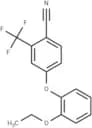
CAS:AR antagonist 6 (compound 6i), a diphenyl ether androgen receptor (AR) antagonist, binds to the AR with an affinity of 120 nM. It demonstrates low toxicity and effective in vitro activity in the golden Syrian hamster ear model. [19] [1]Formula:C16H12F3NO2Color and Shape:SolidMolecular weight:307.27T3-ATA (S-isomer)
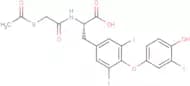
T3-ATA S-isomer, the S-isomer of T3-ATA, represents the active form of the thyroid hormone.Formula:C19H16I3NO6SPurity:98%Color and Shape:SolidMolecular weight:767.11CGP-53153
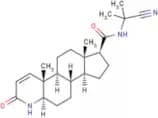
CAS:CGP-53153 is a steroidal inhibitor of 5 alpha-reductase (IC50s: 36 and 262 nM in rat and human prostatic tissue).Formula:C23H33N3O2Purity:98%Color and Shape:SolidMolecular weight:383.53GRT2932Q
CAS:GRT2932Q is a nonpeptidic agonist of the opioid receptor-like 1 (ORL1) [1].Formula:C25H26ClN3OColor and Shape:SolidMolecular weight:419.95L-6424
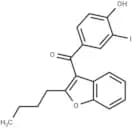
CAS:L-6424 is an intermediate of Amiodarone and a non-selective ion channel blocker. It has an antiarrhythmic.Formula:C19H17IO3Purity:98%Color and Shape:SolidMolecular weight:420.24GDC-2992
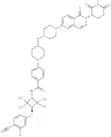
CAS:GDC-2992 is a selective androgen receptor (AR) degradator that degrades AR and inhibits proliferation in VCaP cells,CRPC.Formula:C45H51ClN8O5Purity:99.82%Color and Shape:SoildMolecular weight:819.39Estromustine
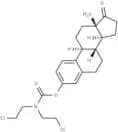
CAS:Estromustine, an active metabolite of estramustine phosphate, is used to treat prostate cancer.Formula:C23H29Cl2NO3Color and Shape:SolidMolecular weight:438.39Fenclofenac
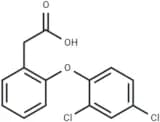
CAS:Fenclofenac: a non-steroidal anti-inflammatory that blocks T4 and T3 binding to TBG.Formula:C14H10Cl2O3Color and Shape:SolidMolecular weight:297.13ASN04885796
CAS:ASN04885796 is a neuroprotective, specific GPR17 agonist with an EC50=2.27 nM for GPR17-mediated GTPγS binding and study neurodegenerative diseasesFormula:C28H28FN5O4Purity:95.36%Color and Shape:SolidMolecular weight:517.55Ref: TM-T30163
1mg72.00€5mg156.00€1mL*10mM (DMSO)173.00€10mg246.00€25mg407.00€50mg595.00€100mg849.00€200mg1,144.00€A 274
CAS:A 274 is a highly aromatic, monosubstituted phenol antioxidant generated during differentiation of neuroblastoma cells.Formula:C19H14O2Purity:98%Color and Shape:SolidMolecular weight:274.31Exendin 4
Originally identified in Gila monster lizard (Heloderma suspectum), exendin-4 is an incretin mimetic, an analog of glucagon-like-peptide-1 (GLP-1), it stimulates insulin secretion and modulates gastric emptying to slow the entry of ingested sugars into the bloodstream. Exendin-4 is resistant to cleavage by plasma DPP-IV unlike GLP-1. This gives it a longer half-life and duration of action than GLP-1, as well as greater potency in vivo. Exendin-4 increases insulin sensitivity and improves glucose tolerance and is currently used for the treatment of Type 2 diabetes mellitus in its synthetic form Exenatide. Exendin-4 also promotes the production and proliferation of beta-cells leading to regeneration of the pancreas. It is a ligand to the exendin receptor and increases pancreatic acinni cAMP levels. However, the GLP-1 analog was found to have a toxic effect by inducing hypotension due to relaxation of the cardiac smooth muscle.
Molecular weight:4,186.63 g/molLosartan D4
CAS:Losartan D4 (DuP-753 D4) is a deuterated isotope of Losartan for isotopic tracing. Losartan is an angiotensin II receptor antagonist (IC50=20 nM).Formula:C22H23ClN6OPurity:97.68%Color and Shape:SolidMolecular weight:426.94Triamcinolone acetonide-d6
CAS:Triamcinolone acetonide-d6 is a deuterated compound of Triamcinolone acetonide. Triamcinolone acetonide has a CAS number of 76-25-5. Triamcinolone acetonide is a Corticosteroid. The mechanism of action of triamcinolone acetonide is as a Corticosteroid Hormone Receptor Agonist. It is an anti-inflammatory glucocorticoid used topically in the treatment of various skin disorders. Intralesional, intramuscular, and intra-articular injections are also administered under certain conditions.Formula:C24H25D6FO6Color and Shape:SolidMolecular weight:440.53Irbesartan-d4
CAS:Irbesartan-d4 (Irbesartan D4), a deuterated compound of Irbesartan, is an angiotensin receptor blocker and is used in the study of cardiovascular disease.Formula:C25H28N6OPurity:>99.99%Color and Shape:SolidMolecular weight:432.553,3',5-Triiodothyronine-(tyrosine ring-13C6)
CAS:3,3',5-Triiodothyronine-(tyrosine ring-13C6) is the 13C labeled compound of 3,3',5-Triiodothyronine. 3,3',5-Triiodothyronine has a CAS number of 5817-39-0.
Formula:C4C11H12I3NO4Color and Shape:SolidMolecular weight:656.93L-Thyroxine-13C6
CAS:L-Thyroxine-13C6 is the 13C labeled compound of L-Thyroxine. L-Thyroxine has a CAS number of 51-48-9. Levothyroxine is the major hormone derived from the thyroid gland. Thyroxine is synthesized via the iodination of tyrosines (MONOIODOTYROSINE) and the coupling of iodotyrosines (DIIODOTYROSINE) in the THYROGLOBULIN. Thyroxine is released from thyroglobulin by proteolysis and secreted into the blood. Thyroxine is peripherally deiodinated to form TRIIODOTHYRONINE which exerts a broad spectrum of stimulatory effects on cell metabolism.Formula:C4C11H11I4NO4Molecular weight:782.83α-Cortolone
CAS:α-Cortolone, a metabolite of the glucocorticoid cortisol (hydrocortisone), is produced through the action of 20α-hydroxysteroid dehydrogenase (20α-HSD) via a tetrahydrocortisone (THE) intermediate. Studies indicate that urinary levels of α-cortolone are reduced in patients experiencing severe anorexia nervosa and postmenopausal women diagnosed with endometrial adenocarcinoma, in comparison to postmenopausal women without the condition.Formula:C21H34O5Color and Shape:SolidMolecular weight:366.49Urantide
CAS:UT receptor antagonist with pKB of 8.3; inhibits hU-II in aorta, no impact on other contractions/relaxations; partial agonist in Ca2+ assay.Formula:C51H66N10O12S2Purity:98%Color and Shape:SolidMolecular weight:1075.264'-Raloxifene-β-D-glucopyranoside
CAS:4'-Raloxifene-β-D-glucopyranoside is a metabolite of Raloxifene.Formula:C34H37NO9SPurity:98%Color and Shape:SolidMolecular weight:635.72VTP-27999
CAS:VTP-27999 is an alkyl amine Renin inhibitor. VTP-27999 has been used in trials studying the basic science of Renal Function.Formula:C26H41ClN4O5Purity:98%Color and Shape:SolidMolecular weight:525.084-Hydroxytoremifene
CAS:4-Hydroxytoremifene is a selective estrogen receptor modulator toremifene active metabolite.Formula:C26H28ClNO2Color and Shape:SolidMolecular weight:421.96Procymidone
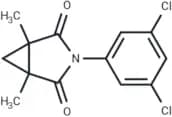
CAS:Procymidone is a broad-spectrum fungicide that inhibits fungal glycerol triester synthesis, thereby disrupting hyphal growth. androgen receptor (AR) antagonistFormula:C13H11Cl2NO2Purity:99.86%Color and Shape:Colorless SolidMolecular weight:284.14JNJ-37654032
CAS:JNJ-37654032: orally active, nonsteroidal SARM. Mixed AR agonist/antagonist. Selective for muscle, grows levator ani, max at 3mg/kg, ED(50) 0.8mg/kg.Formula:C11H7Cl2F3N2OColor and Shape:SolidMolecular weight:311.09Timobesone
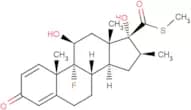
CAS:Timobesone is a topical corticosteroid.Formula:C22H29FO4SPurity:98%Color and Shape:SolidMolecular weight:408.53Cilazapril Monohydrate
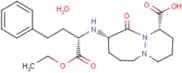
CAS:Cilazapril Monohydrate (Justor) is an angiotensin-converting enzyme (ACE) inhibitor used for the treatment of hypertension and congestive heart failure.Formula:C22H31N3O5·H2OPurity:98%Color and Shape:SolidMolecular weight:435.51Diisopropyl phthalate
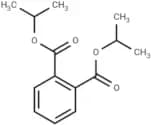
CAS:Diisopropyl phthalate is widely used as an additive in plastics and consumer products in the chemical industries.Formula:C14H18O4Purity:98.81%Color and Shape:White Light Beige Crystalline PowderMolecular weight:250.29Endoxifen E-isomer hydrochloride
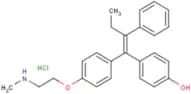
CAS:Endoxifen E-isomer hydrochloride (E-Endoxifen hydrochloride) , a tamoxifen metabolite, is effective specific Estrogen Response Modifier (SERM).Formula:C25H28ClNO2Purity:98%Color and Shape:SolidMolecular weight:409.95Liraglutide
Liraglutide is sold under the brand name €˜Victoza' and is a medication used to treat diabetes mellitus type 2 and obesity.Liraglutide binds to and activates the GLP-1 (glucagon-like peptide-1) receptor to bring about an increase in insulin secretion and a decrease in glucagon secretion and gastric emptying.Molecular weight:3,748.9 g/molFluticasone furoate
CAS:Fluticasone furoate (Avamys), a potent, trifluorinated steroid with anti-inflammatory effects, treats allergic rhinitis.Formula:C27H29F3O6SPurity:99.82%Color and Shape:SolidMolecular weight:538.58Ref: TM-T21404
5mg34.00€10mg50.00€1mL*10mM (DMSO)55.00€25mg87.00€50mg130.00€100mg177.00€200mg264.00€500mg447.00€Exendin 3
Originally identified in Heloderma horridum horridum (Mexican beaded lizard), exendin-3 is in the glucagon family. Exendin 3 stimulates vasoactive intestinal peptide (VIP) receptors in high concentrations. This leads to increased cAMP levels and amylase secretion in the pancreas. However, low exendin-3 exposure only increases cAMP levels. In applications, exendin-3 was found to induce hypotension by relaxation of cardiac, smooth muscle. Using a tag, exendin-3 is being investigated as a stable agonist for GLP1R to detect insulinomas, a pancreatic B cell-derived cancer with high GLP1R expression. Exendin 3 has also been used on mouse models to assess its effect on glucose-stimulated insulin secretion in glucagon receptor knockout (Gcgr-/-) backgrounds. Understanding the interplay between exendin 3 and metabolism could provide new insights into the obesity crisis.
Molecular weight:4,202.63 g/molD-Kynurenine
CAS:D-Kynurenine, ZINC901103, metabolizes from D-tryptophan, activates AhR, changes epithelium to mesenchyme, and tests for D-amino acid oxidase.Formula:C10H12N2O3Purity:99.68%Color and Shape:SolidMolecular weight:208.21
![[Arg8]-Vasopressin](/_next/image/?url=https%3A%2Fstatic.cymitquimica.com%2Fproducts%2F3D%2Fthumb-webp%2FVAS-3878-PI.webp&w=3840&q=75)