Endocrinology/Hormones
Endocrinology/hormone inhibitors are compounds that block the action of hormones or interfere with hormone signaling pathways. These inhibitors are essential for studying the regulation of endocrine systems and for developing treatments for hormone-related diseases, such as diabetes, thyroid disorders, and hormone-dependent cancers. By modulating hormone activity, these inhibitors can help elucidate the complex interactions within the endocrine system. At CymitQuimica, we offer a wide range of high-quality endocrinology/hormone inhibitors to support your research in endocrinology, pharmacology, and medical sciences.
Subcategories of "Endocrinology/Hormones"
- Androgen Receptor(229 products)
- Annexin A(16 products)
- Aromatase(22 products)
- Estrogen/progestogen Receptor(55 products)
- GPR(1 products)
- Glucocorticoid Receptor(167 products)
- LHRH(1 products)
- Opioid Receptor(322 products)
- Prostaglandin Receptor(122 products)
- RAAS(90 products)
- Reductase(50 products)
- Somatostatin(54 products)
- Thyroid hormone receptor(THR)(30 products)
- Vasopressin Receptor(46 products)
Show 6 more subcategories
Found 3359 products of "Endocrinology/Hormones"
Sort by
Purity (%)
0
100
|
0
|
50
|
90
|
95
|
100
GLP-1 (9-36) amide
CAS:<p>Natural cleavage product of GLP-1 which, unlike GLP-1, does not affect either insulin secretion or glucose homeostasis. GLP-1(9-36) has low affinity for, and acts as an antagonist to, the GLP-1 receptor.GLP-1 (9-36) does however display unique biological activities such as beneficial cardiovascular effects and reducing the production of reactive oxygen species (ROS). GLP-1 (9-36) also exerts important physiological effects on neuronal plasticity in the hippocampus, and inhibits chemokine-induced migration of human CD4-positive lymphocytes.GLP-1 (9-36) is formed from the breakdown of biologically active but highly unstable GLP-1 (7-36) amide by the ubiquitous serine protease, dipeptidyl peptidase-IV (DPP-IV).</p>Color and Shape:PowderMolecular weight:3,087.6 g/molh-Chemerin-9 (149-157)
<p>A Chemerin-9 peptide derived from chemerin, a protein that is involved in a variety of functions such as autocrine, angiogenic, reproductive and chemotactic processes. Chemerin-9 binds to the chemerin receptor 23 (G-protein coupled receptor) and causes the receptors internalisation.</p>Molecular weight:1,063.5 g/molPTH (13-34) Human
PTH 13-34 is a biologically active fragment of parathyroid hormone (PTH) with hypertensive activities. PTH 13-34 is being trialled as a possible treatment for osteoporosis (to replace the existing recombinant human PTH 1-34 treatment peptide).PTH is an 84-amino-acid polypeptide hormone (PTH 1-84) which is secreted by the parathyroid glands along with its fragments (such as PTH 1-34 and PTH 7-84). PTH increases calcium and decrease phosphate levels in the blood and the abundance of PTH-derived peptides is regulated by blood calcium levels. PTH inhibits the bone growth-promoting activity of osteoblasts and induces osteoclasts to resorb bone and release calcium and phosphate ions into the blood. PTH binds to and activates the receptor parathyroid hormone receptor 1 (PTHR1). PTHR1 is a G-protein-coupled receptor (GPCR) which regulates mineral ion homeostasis, bone turnover and skeletal development.Molecular weight:2,806.5 g/molExendin 3 (9-39) amide
<p>Originally identified in Heloderma horridum horridum (Mexican beaded lizard), exendin-3 shares homology with vasoactive intestinal peptide (VIP), secretin, helospectin I and II and helodermin. Exendin-3 increases cellular cAMP levels and amylase release from pig pancreatic cells.Truncated exendin-3 is a potent and selective GLP-1 receptor antagonist. It inhibits cAMP production and insulin release induced by GLP-1, exendin-3, and exendin-4. It also blocks the inhibitory effect of GLP-1 on food intake in rats. Exendin 3 (9-39) amide is being considered for clinical use in obese patients. This is based on the extensive and consistent data demonstrating its effectiveness as a tool to improve fasting and postprandial levels of glucose and glucagon.</p>Color and Shape:PowderMolecular weight:3,367.7 g/molGlucagon like-peptide-2 (GLP-2)
<p>Glucagon like-peptide-2 (GLP-2) is a gut hormone produced in the enteroendocrine L cells of gastrointestinal tract by the cleavage of the 160-amino-acid proglucagon molecule. GLP-2 is secreted following the ingestion of food and carries out its activities via the GLP-2 G-protein coupled receptors (GLP-2Rs). GLP-2 has a range of roles within the cell, including: anti-inflammatory effects promoting the expansion of the intestinal mucosa, stimulating intestinal blood flow, inhibiting gastric acid secretion and gastric emptying, increasing intestinal barrier function and enhancing nutrient and fluid absorption.</p>Molecular weight:3,555.7 g/molBradykinin
<p>Bradykinins and their associated kinins are inflammatory mediators produced during inflammation. The two main kinins in mammals are the nonapeptide bradykinin, BK (1-9) and the decapeptide kallidin (KD), [Lys0]-BK(1-10). Their biological actions are mediated by two distinct receptors, termed B1 and B2.-BK is involved in several pathophysiological processes, such as inflammation, pain, cell proliferation, and tumours. It plays a crucial role in corneal epithelial cells, corneal stromal cells, and fibroblasts.Inflammation has been reported as one significant hallmark of breast cancer in relation to tumour development, metastasis, and invasion. The bradykinin receptor 1 (B1R) associated with kallidin is highly expressed on inflammatory breast tumour cells thus providing a promising targeting site for tumour recognition and sufficient receptor mediated endocytosis.</p>Molecular weight:1,059.6 g/molANP (7-20)
<p>ANP (7-20) is derived from the atrial natriuretic peptide (ANP) which is a cardiac hormone involved in maintaining cardio-renal homeostasis. This occurs through the activation of the guanylyl cyclase-coupled receptor, resulting in the increased concentration of cyclic guanylate monophosphate. Moreover its function in the processes of anti-proliferation and anti-angiogenesis allow it to take part in the cardiovascular remodelling process.ANP is a member of the natriuretic peptide family and it is encoded by the NPPA gene, located on chromosome 1. Once synthesized from the 151 amino acid pre-prohormone into its biologically active form, ANP is secreted by the atrial cardiomyocytes in the circulating forms: ANP (1-98) and ANP (99-126). This synthesis process involves the signal peptide being removed from the pre-prohormone resulting in proANP (1-126) which is converted into the circulating forms by the type II transmembrane serine protease Corin.</p>Color and Shape:PowderMolecular weight:1,453.7 g/molMotilin (1-12)
<p>Residues 1-12 of the gastrointestinal hormone motilin, secreted from endocrine cells in the small intestines, mainly from the jejunum and duodenum, in response to the fasting, drinking water or the mechanical stimulus of eating.</p>Molecular weight:1,468.8 g/molANP (7-23)
<p>ANP (7-23) is derived from the atrial natriuretic peptide (ANP) which is a cardiac hormone involved in maintaining cardio-renal homeostasis. This occurs through the activation of the guanylyl cyclase-coupled receptor, resulting in the increased concentration of cyclic guanylate monophosphate. Moreover its function in the processes of anti-proliferation and anti-angiogenesis allow it to take part in the cardiovascular remodelling process.ANP is a member of the natriuretic peptide family and it is encoded by the NPPA gene, located on chromosome 1. Once synthesized from the 151 amino acid pre-prohormone into its biologically active form, ANP is secreted by the atrial cardiomyocytes in the circulating forms: ANP (1-98) and ANP (99-126). This synthesis process involves the signal peptide being removed from the pre-prohormone resulting in proANP (1-126) which is converted into the circulating forms by the type II transmembrane serine protease Corin.</p>Color and Shape:PowderMolecular weight:1,724.8 g/molANP (13-26)
<p>ANP (13-26) is derived from the atrial natriuretic peptide (ANP) which is a cardiac hormone involved in maintaining cardio-renal homeostasis. This occurs through the activation of the guanylyl cyclase-coupled receptor, resulting in the increased concentration of cyclic guanylate monophosphate. Moreover its function in the processes of anti-proliferation and anti-angiogenesis allow it to take part in the cardiovascular remodelling process.ANP is a member of the natriuretic peptide family and it is encoded by the NPPA gene, located on chromosome 1. Once synthesized from the 151 amino acid pre-prohormone into its biologically active form, ANP is secreted by the atrial cardiomyocytes in the circulating forms: ANP (1-98) and ANP (99-126). This synthesis process involves the signal peptide being removed from the pre-prohormone resulting in proANP (1-126) which is converted into the circulating forms by the type II transmembrane serine protease Corin.</p>Color and Shape:PowderMolecular weight:1,423.7 g/molGLP-1 (7-36) amide
CAS:<p>This is an incretin hormone that causes glucose dependent release of insulin by pancreatic beta cells. It is the cleavage product of GLP-1 (1-36) amide peptide. This peptide, human GLP-1 (7–36), shares the same sequence with preproglucagon (78-107), amide, human.</p>Formula:C149H226N40O45Color and Shape:PowderMolecular weight:3,297.63 g/molANP (9-22)
<p>ANP (9-22) is derived from the atrial natriuretic peptide (ANP) which is a cardiac hormone involved in maintaining cardio-renal homeostasis. This occurs through the activation of the guanylyl cyclase-coupled receptor, resulting in the increased concentration of cyclic guanylate monophosphate. Moreover its function in the processes of anti-proliferation and anti-angiogenesis allow it to take part in the cardiovascular remodelling process.ANP is a member of the natriuretic peptide family and it is encoded by the NPPA gene, located on chromosome 1. Once synthesized from the 151 amino acid pre-prohormone into its biologically active form, ANP is secreted by the atrial cardiomyocytes in the circulating forms: ANP (1-98) and ANP (99-126). This synthesis process involves the signal peptide being removed from the pre-prohormone resulting in proANP (1-126) which is converted into the circulating forms by the type II transmembrane serine protease Corin.</p>Color and Shape:PowderMolecular weight:1,373.7 g/molGLP-1 (1-37)
CAS:<p>Glucagon-like peptide (GLP) 1 is a post-translationally modified version of proglucagon. GLP-1 (1-37) is a naturally produced analog of GLP-1. Unlike truncated GLP-1, GLP-1 (1-37) does not alter food intake in rat models or pancreatic insulin secretion. GLP-1 (1-37) can induce insulin production in developing adult intestinal cells via upregulation of the ngn3 gene and its downstream targets. This can restore glucose homeostasis when implanted into diabetic mice. GLP-1 (1-37) may offer a future treatment for diabetes mellitus. GLP-1 (1-37) can also inhibit chemokine-induced migration of human CD4-positive lymphocytes, an early step in atherogenesis. This raises the possibility that GLP-1 (1-37) is part of a novel mechanism to modulate vascular disease.</p>Molecular weight:4,169.54 g/molGPS1573
<p>GPS1573 is a potent and dose-dependent peptide antagonist of adrenocorticotrophic (ACTH) -stimulated melanocortin type 2 receptor (MC2R). Along with GPS1574, GPS1773 is an ACTH analogue and as such antagonises MC2R in the nanomolar range.The clinical relevance of GPS1573 is related to Cushing's disease and syndrome, which are both associated with a hypercortisolemic state. Selective antagonism of MC2R using GPS1573 may be a novel treatment modality for Cushing's disease and syndrome.</p>Purity:Min. 95%Color and Shape:PowderEstrone-d4 3-Sulfate Sodium Salt
CAS:Estrone-d4 3-Sulfate Sodium Salt is a deuterated compound of Estrone 3-Sulfate Sodium Salt. Estrone 3-Sulfate Sodium Salt has a CAS number of 438-67-5.Formula:C18H17D4NaO5SColor and Shape:SolidMolecular weight:376.44Estrone-d2
CAS:<p>Estrone-d2 is a deuterated compound of Estrone. Estrone has a CAS number of 53-16-7. Estrone is an aromatized C18 steroid with a 3-hydroxyl group and a 17-ketone, a major mammalian estrogen. It is converted from ANDROSTENEDIONE directly, or from TESTOSTERONE via ESTRADIOL. In humans, it is produced primarily by the cyclic ovaries, PLACENTA, and the ADIPOSE TISSUE of men and postmenopausal women.</p>Formula:C18H20D2O2Color and Shape:SolidMolecular weight:272.38Fulvestrant-d3
<p>Fulvestrant-d3 is a isotope labeled compound of Fulvestrant.an estrogen receptor (ER) antagonist and GPR30 agonist thatinduces apoptosis and autophagy.</p>Formula:C32H47F5O3SColor and Shape:SolidMolecular weight:609.79Hydrocortisone-d4
CAS:Hydrocortisone-d4 is a deuterated compound of Hydrocortisone. Hydrocortisone has a CAS number of 50-23-7. Hydrocortisone, a glucocorticoid receptor agonist, promotes protein catabolism, gluconeogenesis, capillary wall stability, renal excretion of calcium, and suppresses immune and inflammatory responses. Therapeutic Hydrocortisone is a synthetic or semisynthetic analog of natural hydrocortisone hormone produced by the adrenal glands with primary glucocorticoid and minor mineralocorticoid effects.Formula:C21H26D4O5Molecular weight:366.48Lisinopril
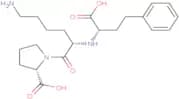
CAS:Lisinopril, an ACE inhibitor, treats hypertension, heart failure, heart attacks, and prevents diabetes-related eye and kidney issues.Formula:C21H31N3O5Purity:97.59% - 99.34%Color and Shape:SolidMolecular weight:405.49Fenclofenac
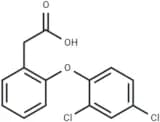
CAS:Fenclofenac: a non-steroidal anti-inflammatory that blocks T4 and T3 binding to TBG.Formula:C14H10Cl2O3Color and Shape:SolidMolecular weight:297.13