Healthcare
Found 98 products for "Healthcare".
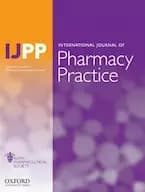
International Journal of Pharmacy Practice
Bond, Christine
Scheduled closure of pharmpress.com
Edited by Christine Bond, University of Aberdeen, UK
ISSN 0961-7671
Paperback 275 x 210mm
DESCRIPTION:
The Royal Pharmaceutical Society's learned journals are published by Oxford University Press on behalf of the Society.
International Journal of Pharmacy Practice (IJPP) publishes original research and review articles on all aspects of medicines management, policy, practice and education.
Abstracting and Indexing
International Journal of Pharmacy Practice is included in the following abstracting and indexing databases:
- British Nursing Index
- CAB Abstracts - including Abstracts of Hygiene and Communicable Diseases, Nutrition Abstracts and Reviews A, and Tropical Diseases Bulletin
- Cambridge Scientific Abstracts - including International Pharmaceutical Abstracts, and Neurosciences Abstracts
- CINAHL
- Elsevier Databases - including EMBASE/Excerpta Medica, EMCare, and Scopus
- Medline
- Pharm-line
- Zetoc
Readership
Academics and practitioners in healthcare, particularly pharmacy, nursing, medicine and pharmacoepidemiology. IJPP is essential reading for health services researchers and those involved in health promotion and education.
CONTENTS:
Topics covered include:
- Primary and secondary care
- Health economics and health policy
- Medicines information
- Medicines utilisation
- Medicines distribution and supply
- Pharmaceutical services provision
- Pharmaceutical public health
- Pharmacy education and practice
- Research methods
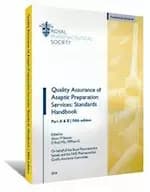
Quality Assurance of Aseptic Preparation Services: Standards Handbook
Beaney, Alison M.
Fifth edition
Scheduled closure of pharmpress.com
Edited by Alison M. Beaney, Regional Quality Assurance Specialist North East and North Cumbria, Chair NHS Pharmaceutical Quality Assurance Committee, Visiting Professor, University of Sunderland.
ISBN 978 0 85711 307 8
Published Oct 2016
Paperback 210 x 148mm (272pp)
DESCRIPTION:
Quality Assurance of Aseptic Preparation Services Standards Handbook (also known as the Yellow Guide ) provides standards for unlicensed aseptic preparation in the UK, as well as practical information to aid implementation of the standards. The handbook delivers essential standards in a practical way and in a format that will be useful for pharmacy management, staff working in aseptic preparation units and those whose role it is to audit the services. The accompanying support resources help with understanding the complexities of relevant topics including microbiology, radiopharmaceuticals, advanced therapy medicinal products, technical (quality) agreements and capacity planning.
All the standards have been revised and updated for this 5th edition. The text is produced on behalf of the Royal Pharmaceutical Society (RPS) and the NHS Pharmaceutical Quality Assurance Committee.
New in this edition:
- Replaces the 4th edition standards and forms the basis for an ongoing audit program in the NHS
- Many new and revised standards
- Greater emphasis on Pharmaceutical Quality Systems; the responsibilities of pharmacy management, Chief Pharmacists (or equivalent), has been expanded in line with developments in Good Manufacturing Practice
- Reformatted into 2 parts: standards and support resources.
This is a new collaboration between the RPS and NHS. Since the previous edition the RPS has become the professional body for pharmacists and pharmaceutical scientists. RPS launched these standards as part of a library of professional standards and a programme of work to create standards for all areas of pharmacy.
The Handbook is essential for pharmacists, hospital pharmacy management and technical services teams, and auditors of unlicensed NHS hospital pharmacy aseptic preparation services in the UK, pharmacists and regulators. The text is used to inform standards used in several other countries.
CONTENTS:
Part A - standards
Chapter 1 Introduction
Chapter 2 Definitions/Glossary of terms
Chapter 3 Minimising risk with injectable medicines
Chapter 4 Prescribing, clinical pharmacy and aseptic services verification
Chapter 5 Management
Chapter 6 Formulation stability and shelf life
Chapter 7 Facilities and equipment
Chapter 8 Pharmaceutical Quality System
Chapter 9 Personnel, training & competency assessment
Chapter 10 Aseptic processing
Chapter 11 Monitoring
Chapter 12 Cleaning, sanitisation and biodecontamination
Chapter 13 Starting materials, components and other consumables
Chapter 14 Product approval
Chapter 15 Storage and distribution
Chapter 16 Internal and external audit
Part B - support resources
1 Microbiological environmental monitoring techniques for the laboratory
2 Validation of aseptic preparation procedures:
2.1 Microbiological validation of the process
2.2 Microbiological validation of the operator
2.3 Product validation
2.4 Validation of training
2.5 Validation of cleaning processes
2.6 Computerised system validation
3 Technical (quality) agreements
4 Products for short-term use - maximum shelf life 24 hours
5 Capacity planning - technical services
6 Advanced therapy medicinal products (ATMPs)
REVIEWS:
From the reviews of the previous editions
"...a well written and extensively referenced book...an invaluable
resource for those working in those hospital pharmacy departments which
provide aseptic preparation services...
...very useful for those responsible
for the teaching of aseptic preparation to pharmacy students...contains
a wealth of pertinent information, clearly and concisely presented"
1 Mar 2002, Pharmacy Education
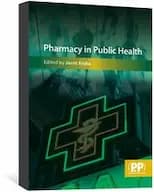
Pharmacy in Public Health
Krska, Janet
First edition
Scheduled closure of pharmpress.com
Edited by Janet Krska - School of Pharmacy and Biomolecular Sciences, Liverpool John Moores University, UK
ISBN 978 0 85369 879 1
Published Dec 2010
Paperback 234 x 156mm (304pp)
DESCRIPTION:
Pharmacy in Public Health focuses on the important topics in public health relevant to all pharmacists.
The role of pharmacists in improving the general health of the public is developing rapidly, directed by changes to health policy in the UK and elsewhere. Often the focus of the pharmacist is on individual patients. However the importance of pharmacy practice in population health should not be underestimated.
Case studies are used throughout the book to illustrate how public health initiatives can be implemented in different pharmacy sectors. Specific key concepts are outlined, including:
- determinants of health
- medicines management
- pharmacy within public health: UK and international perspective
- needs assessment and public involvement
- evidence-based delivery
- risks and benefits
- health education opportunities
- health protection
- developing pharmacy services and preventing disease.
This accessible and comprehensive book provides the thorough understanding of this discipline that will be needed for practising pharmacists and students to develop into effective public health practitioners.
Pharmacy in Public Health is also available as an eBook .
CONTENTS:
Section 1 Overview of Public Health
1. Public Health in the UK
2. Determinants of Health
3. Pharmacy Within Public Health: UK Perspective
4. Public Health Data
5. An International Perspective
Section 2 Developing pharmacy public health services
6. Needs Assessment and Public Health Involvement
7. Evidence-based Delivery
8. Working Together
9. Developing Pharmacy Services
10. Risks and Benefits
Section 3 Improving public health through pharmacy
11. Health Education Opportunities
12. Health Protection
13. Preventing Disease: Screening in the Pharmacy
14. Medicines Management
REVIEWS:
2011, American Journal of Pharmaceutical Education
"...the merits of the book in providing suggestions on how to interact with local and national populations to improve public health and ensure prevention, and should be seen as a case study of public health which can be adapted to other national governments and pharmacies around the world. Overall, this book is easily understood and presents information in a logical manner that readers can adapt to better the public health of their community, region, and nation
Fadi M. Alkhateeb, PhD, MBA, BSPharm, and Isaac Thompson, PharmD Candidate, American Journal of Pharmaceutical Education Volume 75 (5), 2011
Color and Shape:234 x 156mmPathology and Therapeutics for Pharmacists
Greene, Russell J; Harris, Norman D
Third edition
Scheduled closure of pharmpress.com
Russell J Greene - Senior Lecturer in Clinical Pharmacy and Norman D Harris - Emeritus Reader in Pharmaceutics (Clinical Pharmacy)
ISBN 978 0 85369 690 2
Published Feb 2008
Paperback 246 x 189mm (1008pp)
DESCRIPTION:
Pathology and Therapeutics for Pharmacists takes an integrated approach to the pathophysiological and pharmacotherapeutic principles underlying the treatment of disease. It is based on many years' experience of teaching undergraduate clinical pharmacy courses.
This new edition has been completely revised and updated to reflect advances in therapeutic practice and in the understanding of many disease states.
Changes to the third edition include:
- a new chapter on haematological disease
- incorporation of evidence based national and international therapeutic guidelines
- the addition of thyroid disease in the endocrine chapter
- a thoroughly revised chapter on pathological processes
- re-ordered chapters to reflect British National Formulary sequence.
Pathology and Therapeutics for Pharmacists is an essential textbook for undergraduate pharmacists and should be of considerable practical help to practising pharmacists and other healthcare professionals.
CONTENTS:
Section 1:
Therapeutics
General Strategy
Major Pathological Processes in Disease
Section 2:
Gastrointestinal and Liver Disease
Cardiovascular System
Respiratory Disease
Central Nervous System
Pain and Its Treatment
Infections and Antimicrobial Therapy
Endocrine Diseases
Neoplastic Disease
Haematology-anaemia
Rheumatology
Skin Disorders
Renal System
REVIEWS:
08-Sep-08, Irish Pharmacy Journal
'The authors have produced a well written and easy-to-use book. Like its predecessors, this book is one of the essential reference texts for any pharmacy that provides clinical service.'
Sinead McCool, Irish Pharmacy Journal August/ September 2008
09-Sep-08, The Annals of Pharmacotherapy
'This book is well written with respect to its intended audience, providing adequate depth of explanation when necessary but expecting higher baseline knowledge than that of the general public.'
Philip J Wenger PharmD BCPS, The Annals of Pharmacotherapy Volume 42, September 2008
01-May-08, Doody
'The authors have extensive experience in community and hospital pharmacy, as well as teaching appointments at pharmacy schools...this is a useful book for students or pharmacists who would like an overview of treatment options available for certain disease states.'
Melissa M. Ranieri, BS, PharmD(Temple University School of Pharmacy) Doody Enterprises, Inc. May 2008
Color and Shape:246 x 189mmMedicines Use Reviews
Youssef, Susan
First edition
Scheduled closure of pharmpress.com
Susan Youssef - Former Senior Lecturer at DeMontfort University, Leicester, UK
ISBN 978 0 85369 887 6
Published May 2010
Paperback 216 x 138mm (192pp)
DESCRIPTION:
Provides evidence-based information, tips and guidance on how to conduct successful Medicines Use Reviews (MURs).
The ten main chapters identify and discuss specific medical conditions seen in community pharmacy while further sub chapters include advice on treatment options and relevant practical tips.
This comprehensive book also includes:
- an overview of MURs
- explanation of the accreditation process
- advice on MUR form documentation
- guidance on providing a patient-focused service.
This excellent reference enables pharmacists to provide high quality advice to patients. It will be invaluable for all pharmacists carrying out MURs, pre-registration and newly registered pharmacists, clinical pharmacy students, accredited pharmacists setting up a MUR service, pharmacy students and lecturers in pharmacy practice.
Medicines Use Reviews is also available as an eBook.
CONTENTS:
Introduction to Medicine Use Reviews
1. Gastrointestinal Conditions
2. Cardiovascular Conditions
3. Respiratory Conditions
4. Neurological Conditions
5. Endocrine Conditions
6. Urinary Tract Conditions
7. Haematological Conditions
8. Bone and Joint Disorders
9. Eye Conditions
10. Skin Conditions
REVIEWS:
"I didn't expect Youssef's book to be as good as it is: very clear, covers topic from different points of view, brilliantly written."
RLM, Day Lewis Pharmacy, July 2016
"Excellent book. To be used with the BNF. All counselling points summarised with a few words. Can easily be assessed, carried around. Really good for quickly looking up drugs during reviews."
Olaola, Amazon.co.uk, September 2011
RESOURCES:
MUR training website
The author runs a website associated with this book. This website has been developed by practising pharmacists to help pharmacists who want ideas on how to develop their MUR skills. There are several case scenarios for you to work through, accompanied by the main MUR points and the MUR outcomes. There are also videos showing MUR snapshots.
Visit www.murtraining.co.uk
The MUR training website and resources do not express the views or concerns of the Royal Pharmaceutical Society of Great Britain or Pharmaceutical Press. Pharmaceutical Press can accept no responsibility or liability whatsoever in respect of their operation or content.
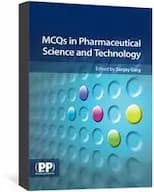
Color and Shape:216 x 138mmMCQs in Pharmaceutical Science and Technology
Garg, Sanjay
First edition
Scheduled closure of pharmpress.com
Edited by Sanjay Garg - Associate Professor and Deputy Head, School of Pharmacy, University of Auckland, New Zealand
ISBN 978 0 85369 913 2
Published Dec 2010
Paperback 234 x 156mm (296pp)
DESCRIPTION:
MCQs in Pharmaceutical Science and Technology is an invaluable resource for students and instructors in pharmaceutical science. With 600 MCQs and answers divided into six sections, the book progresses logically from basic science through to clinical considerations.
Multiple choice questions (MCQs) are a key assessment and study tool in pharmacy courses throughout the world. Questions included in each chapter cover basic, conventional and novel delivery systems and allow you to gain valuable practice in this discipline.
Topics covered include:
- physical pharmaceutics
- pharmacokinetics and biopharmaceutics
- particle science and calculations
- dosage form design
- advanced drug delivery systems
This book, edited by Sanjay Garg and with contributions from a range of distinguished pharmacy educators worldwide, provides a much-needed examination and study guide for pharmacy students in the scientific aspects of their studies.
MCQs in Pharmaceutical Science and Technology is also available as an eBook .
CONTENTS:
Test 1. Physical pharmaceutics
Test 2. Pharmacokinetics and biopharmaceutics
Test 3. Particle Science and calculations
Test 4. Dosage form design
Test 5. Advanced drug-delivery systems
Test 6. Miscellaneous topics
Color and Shape:234 x 156mmMCQs in Clinical Pharmacy
Azzopardi, Lilian M
First edition
Scheduled closure of pharmpress.com
Edited by Lilian M Azzopardi - Head, Department of Pharmacy
ISBN 978 0 85369 666 7
Published Apr 2007
Paperback 234 x 156mm (304pp)
DESCRIPTION:
MCQs in Clinical Pharmacy is an invaluable study aid for those preparing for multiple choice questions in clinical pharmacy. Questions in this textbook are practice-oriented and are intended to assess students' knowledge of clinical issues, evaluative and analytical skills, and ability to apply their knowledge in clinical practice.
Topics covered include:
- Therapeutics and rational drug use
- Aetiology of disease states
- Presentation of conditions
- Investigations and diagnostic testing
- Drug therapy including adverse drug reactions
- Drug interactions
- Contra-indications
The questions are presented as four practice tests, each consisting of 80 MCQs presented in a variety of formats.
MCQs in Clinical Pharmacy is an indispensable aid for anyone preparing to sit a multiple choice question examination in pharmacy and for those carrying out a self-evaluation exercise for continuing professional development.
CONTENTS:
Introduction: Hints for Preparing and Sitting for MCQS in Clinical Pharmacy
Test 1: Answers and Explanations
Test 2: Answers and Explanations
Test 3: Answers and Explanations
Bibliography
Appendix A: Proprietary Names and Generic Names Equivalent
Appendix B: Definitions
Appendix C: Abbreviations and Acronyms
Appendix D: Summarised Statistics of a Sample of Student Performance
REVIEWS:
08-Oct-08, Chemist and Druggist
'This is a wholesome and useful book and certainly worth considering if you're studying clinical pharmacy.'
Kevin Frost, a senior hospital clinical pharmacist, Chemist and Druggist, published online on October 2008
01-Jul-07, Irish Pharmacy Journal
'From the outset the editor displays an in-depth understanding of clinical pharmacy and how it relates to pharmacy practice. All questions are straightforward and clearly written, as are the answers to choose from. The explanations provided are simple, clear, concise and are an enjoyably effortless revision source. This book is a useful tool for pharmacists of all ages and stages.'
Sinead McCool, Course Co-ordinator, UCC/CACT MSc Clinical Pharmacy
Color and Shape:234 x 156mmRemington Education: Pharmaceutics
Chambers Fox, Shelley
First edition
Scheduled closure of pharmpress.com
Shelley Chambers Fox - Clinical Associate Professor, Department of Pharmaceutical Sciences, Washington State University.
ISBN 978 0 85711 070 1
Published Jun 2014
Paperback 234 x 156mm (560pp)
DESCRIPTION:
Remington Education: Pharmaceutics provides comprehensive yet concise coverage of all aspects of pharmaceutics. The first part of the book covers physico-chemical principles and highlights the importance of designing dosage forms that contain the appropriate dose, are stable, palatable, easily used by the patient and release drugs in a predictable fashion for absorption. The second part applies these formulation principles to the design of dosage forms used by each route of administration.
Each chapter advises on both the science of the delivery mechanism and appropriate use of that delivery system including patient counselling points. Each chapter features:
- Learning objectives
- Key points boxes
- Drug examples
- Illustrations
- Assessment questions
- Further reading and references
Shelley Chambers Fox is a registered pharmacist with experience in pharmacy practice as well as academia. Written for students who aspire to be practicing pharmacists the author has included numerous case studies and self assessment questions to enable the key concepts to be grasped more readily, while illustrating how the science can be applied to practice to make sure that drugs offer the intended benefit to the patient.
Read our interview with the author .
Remington Education: Pharmaceutics is also available as an eBook .
CONTENTS:
1. Introduction to dosage form design
2. Intermolecular forces and the physical and pharmaceutical properties of drugs
3. Dispersed systems
4. Properties of solutions and manipulation of solubility
5. Chemical stability of drugs
6. Drug travel from dosage form to receptor
7. Bioavailability, bioequivalence and the Biopharmaceutical Classification System
8. Parenteral drug delivery
9. Delivery of biopharmaceuticals and the use of novel carrier systems
10. Drug delivery to the eye
11. Drug delivery from the oral cavity
12. Oral delivery of immediate release dosage forms
13. Oral delivery of modified release solid dosage forms
14. Rectal and vaginal drug delivery
15. Nasal drug delivery
16. Drug delivery to the lung and from the lung
17. Drug delivery to the skin
18. Transdermal dosage forms: drug delivery to the blood stream
Appendix
Answers to questions and cases
REVIEWS:
Doody's Reviews, November 2014
"Many chapters include patient counselling tips, which should be helpful for students. Providing examples of marketed products based on the delivery technology discussed in the chapter makes the concept interesting and relevant...
...The fundamental theoretical and practical aspects of various drug delivery systems that this book presents will help students develop a solid understanding of the subject."
Rahmat M. Talukder, PhD, RPh, Doody's Reviews, November 2014.
Color and Shape:234 x 156mmDisease Management
Randall, Michael D and Neil, Karen E.
Third edition
Scheduled closure of pharmpress.com
Michael D Randall - Professor of Pharmacology, University of Nottingham Medical School, Nottingham, UK; and Karen E Neil - Pharmacist, Nottingham, UK.
ISBN 978 0 85711 209 5
Published Jul 2016
Paperback 246 x 189mm (496pp)
DESCRIPTION:
Disease Management provides a comprehensive discussion on the management of diseases which are commonly encountered by pharmacists. Viewing the subject of pharmacology from a clinical perspective, the book takes an inclusive approach to patient care, covers lifestyle issues, and the treatment and use of alternative remedies and complementary medicine.
This new edition takes into account the latest changes in clinical guidelines and a new chapter on drug choice and prescribing, including considerations that need to be taken into account.
The textbook considers diseases by system, covering common therapeutic issues. Each section includes:
- Disease characteristics
- Clinical features
- Pharmacology of therapeutics used to manage the condition
- Treatment guidelines
- Concurrent disease
- Interactions
- Counselling of the patient.
Boasting numerous case studies, self-assessment sections and practice points, Disease Management is an invaluable book for pharmacy undergraduates, pre-registration students, practising pharmacists as well as other healthcare professionals.
CONTENTS:
Part A The patient
1 Signs and symptoms
2 Clinical laboratory tests
3 Lifestyle
4 Herbal medicine and alternative remedies
Part B Treatment
5 Drug Choice and prescribing
6 Adverse drug reactions and interactions
7 Clinical pharmacokinetics
Part C Gastrointestinal diseases
8 Dyspepsia and peptic ulcer disease
9 Nausea and vomiting
10 Lower gastrointestinal problems
11 The liver patient
Part D Cardiovascular diseases
12 Hypertension
13 Lipids and cardiovascular risk
14 Obesity
15 Ischaemic heart disease
16 Heart failure
17 Thromboembolic prophylaxis
18 Anaemias
19 The renal patient
Part E Respiratory diseases
20 Coughs and colds
21 Allergy
22 Respiratory diseases: asthma and chronic obstructive pulmonary disease
Part F Central nervous system disorders
23 Migraine
24 Epilepsy
25 Affective disorders
26 Anxiety disorders
27 Insomnia
28 Schizophrenia
29 Parkinsons disease
Part G Pain
30 Pain management
31 Musculoskeletal pain
Part H Cancer
32 The cancer patient and chemotherapy
33 The cancer patient and palliative care
Part I Infections
34 Bacterial infections
35 Non-bacterial infections
Part J Dermatology
36 Dermatology
Part K Endocrine disorders
37 Diabetes mellitus
38 Thyroid disorders
Feedback on self-assessments
Appendices
1 Formulary of some important classes of drugs, commonly used examples, mechanisms of action and uses
2 Some important clinical measurements and therapeutic drug monitoring
REVIEWS:
The Pharmaceutical Journal, October 2016
"A useful book for students and preregistration trainees...
...Common diseases such as diabetes, hypertension, asthma, depression and peptic ulceration are described, followed by brief summaries of the pharmacology of the drugs used to manage these conditions. There is a strong focus on drug choice so that the reader can appreciate the rationale behind logical prescribing...
...drug interactions represent an important therapeutic challenge and attempts have been made to highlight important examples and how they may be overcome...
...The book will be of greatest value to pharmacy students in the latter part of their courses and to preregistration graduates undertaking their clinical practice."
Laurence A. Goldberg, The Pharmaceutical Journal, 12 October 2016
From the reviews of the previous edition
"...it is crucial to maintain your knowledge of pharmacology throughout the pre-registration year and beyond. Knowing your muscarinic receptor from your adrenoceptor will prove hugely beneficial as you prepare for the registration assessment as you wont need to memorise endless lists of interactions...
...the authors do not provide overwhelming detail, but offer the clinical reasoning behind interactions and potential consequences for the patient. The chapter concludes with some punchy practice points which help consolidate the readers learning...
...certainly a worthy investment for the pre-registration trainee. It bridges the gap between core scientific principles and clinical practice with ease."
Daniel Greenwood, Pharmacist and PhD candidate, University of Manchester, BPSA Graduate Link, Autumn 2015
"This is a worthy training tool for pharmacy students to apply what they've learned in the classroom to practical situations for management of patients. This is a nice supplement, it is easy to follow and has appropriate references to support the information outlined in the book"
Barbara Lane Giacomelli, PharmD, MBA, BS, Doody's Notes, 5 April 2009
"Excellent book to introduce applied pharmacotherapy concepts. Very well written and very simplified. Not all disease states included but great place to start."
Five stars.
Amazon.com
Handbook of Extemporaneous Preparation
Jackson, Mark; Lowey, Andrew
First edition
Scheduled closure of pharmpress.com
Edited by Mark Jackson - Quality Control and Quality Assurance Manager at Leeds Teaching Hospitals, UK and Andrew Lowey - Clinical Pharmacy Manager at Leeds Teaching Hospitals, UK
ISBN 978 0 85369 901 9
Published May 2010
Paperback 234 x 156mm (480pp)
DESCRIPTION:
Handbook of Extemporaneous Preparation is a comprehensive and easy-to-follow guide to good practice in extemporaneous compounding.
Written by experts in the field with input from the UK NHS Pharmaceutical Quality Assurance Committee, this book is an invaluable reference for any clinical or procurement pharmacist, pharmacy technician or student involved with extemporaneous preparation. Written in two parts, this book provides:
- standards for extemporaneous dispensing
- stability summaries for the 50 most commonly prepared extemporaneously prepared medicines in NHS hospitals.
It also includes sections relating to clinical risk assessment and advice for procuring "Specials" from manufacturers.
It incorporates the key findings and outputs from the UK National Advisory Board study, including advice on purchasing unlicensed medicines. Although the standards set out in this book are primarily written for implementation in NHS hospitals, the principles should be equally applied across the profession internationally. Handbook of Extemporaneous Preparation is also available as an eBook.
CONTENTS:
Part A - Standards
1. Introduction
2. Risk Management
3. Quality Management
4. Personnel & Training
5. Premises & Equipment
6. Documentation
7. Preparation
8. Formulation & Stability
9. Quality Control
10. Complaints, Product Recalls & Adverse Events
11. Procurement & Quality Assessment of Extemporaneously Prepared Medicines
12. Audit & Monitoring
Part B - Extemporaneous Preparation Formulary
13. Introduction
14. Formulary of Extemporaneous Preparations:
Acetazolamide oral liquid
Allopurinol oral liquid
Amiodarone hydrochloride oral liquid
L-Arginine hydrochloride oral liquid
Azathioprine oral liquid
Bendroflumethiazide oral liquid
Captopril oral liquid
Clobazam oral liquid
Clonazepam oral liquid
Clonidine hydrochloride oral liquid
Clozpine oral liquid
Co-careldopa oral liquid (levodopa and carbidopa)
Co-enzyme Q10 oral liquid
Dexamethasone oral liquid and dexamethasone sodium phosphate oral liquid
Diazoxide oral liquid
Dinoprostone (prostaglandin E2) oral liquid
Ergocalciferol oral liquid
Ethambutol hydrochloride oral liquid
Gabapentin oral liquid
Gliclazide oral liquid
Hydrocortisone oral liquid
Indometacin (indomethacin) oral liquid
Isosorbide mononitrate oral liquid
Joulie's solution (oral phosphate supplement)
Knox mouthwash
Levothyroxine sodium oral liquid
Lorazepam oral liquid
Magnesium glycerophosphate oral liquid
Menadiol sodium phosphate oral liquid
Metformin hydrochloride oral liquid
Midazolam hydrochloride oral liquid
Morphine sulfate oral liquid
Omeprazole oral liquid
Phenobarbital and phenobarbital sodium oral liquid
Phenoxybenzamine hydrochloride oral liquid
Potassium acid phosphate oral liquid
Primidone oral liquid
Pyrazinamide oral liquid
Pyridoxine hydrochloride (vitamin B6) oral liquid
Quinine sulfate oral liquid
Sildenafil citrate oral liquid
Sodium bicarbonate oral liquid
Sodium chloride oral liquid
Sodium phenylbutyrate oral liquid
St Mark's solution
Tacrolimus oral mouthwash
Tacrolimus oral suspension
Thiamine hydrochloride oral liquid
Tranexamic acid oral mouthwash
Vancomycin hydrochloride oral liquid
Warfarin sodium oral liquid
Appendix 1: Change control request form
Appendix 2: Deviation reporting form
Appendix 3: Example raw material specification
Appendix 4: Example worksheet
Appendix 5: Technical agreement for commissioning of extemporaneous product preparation service
Appendix 6: Audit tool for extemporaneous preparation
Appendix 7: Suspending agents
REVIEWS:
Oct-2011, Australian Prescriber
"...this resource offers a real advantage to both the prescriber and the pharmacist in the provision of quality oral liquids...Of particular use and unique to this text is the inclusion of a 'risk assessment' section in each monograph which addresses the clinical and technical risks associated with the extemporaneous preparation of each oral liquid...This book is not only a useful resource, but a valuable addition to the texts available on extemporaneous dispensing for those prescribers wanting quick access to suitable oral liquid alternatives..."
Alison Haywood, Senior Lecturer, Griffith University, and Beverley Glass, Professor of Pharmacy, James Cook University Queensland, Australian Prescriber 34(5), October 2011.
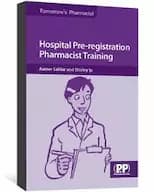
Color and Shape:234 x 156mmHospital Pre-registration Pharmacist Training
Safdar, Aamer; Ip, Shirley
First edition
Scheduled closure of pharmpress.com
Aamer Safdar and Shirley Ip - Senior Pharmacist for Education and Development, RPSGB Preregistration Tutor
ISBN 978 0 85369 785 5
Published Aug 2009
Paperback 216 x 138mm (200pp)
DESCRIPTION:
Provides a practical explanation for undergraduates and pre-registration trainees on what to expect from a hospital pre-registration pharmacist training programme.
With tips, hints, past experiences and anecdotes from the authors in their roles as pre-registration tutors, this accessible book provides encouragement and guidance throughout the pre-registration process. Many areas are covered, including:
- getting to know your workplace, your tutor and team
- looking for your first job
- preparing for the registration exam
- making the transition from student to professional
- finding specialist placements.
Read our interview with author Aamer Safdar for more tips.
The fourth title in the Tomorrow's Pharmacists series, Hospital Pre-registration Pharmacist Training will be a valuable resource for pharmacy undergraduate students, hospital pre-registration trainees and hospital pre-registration tutors. Hospital Pre-registration Pharmacist Training is also available as an eBook.
CONTENTS:
Section 1: Pre-registration trainees
1. Expectations of the Preregistration Placement
2. Induction: getting to know your workplace and your team
3. The Prereg Team - team dynamics
4. Your Tutor - Developing That Special Relationship
5. Making the Transition From Student to Professional
Section 2: A guide to rotations
6. First Rotation
7. Ward Based Pharmacy
8. Patient Services
9. Medicines Information
10. Technical Services
11. Community Pharmacy
12. Pharmacy in the wider healthcare environment
Section 3: Assessment and Feedback
13. Assessment and Feedback: how to get through these
14. Getting Signed Off
Section 4: Finding your first real job
15. Your first job as a hospital pharmacist
Section 5: Preparing for the Registration Exam
16. Preparing for the Registration Exam
Section 6: Specialist Placements
17. Integrated Sandwich Courses
18. Primary Care Trusts
19. Pharmaceutical Industry
20. Specialist Focus: Paediatrics
Section 7: Future Issues
21. The Future: gazing at the crystal ball
REVIEWS:
"I found that the quotes from other trainees and Pharmacists were particularly good and they helped to reinforce the reality of going into training...
The information about the exam and finding a job after training means this book will be useful throughout the training year and not just in the first few weeks...
The information is clear and easy to take in. The informal way in which topics are discussed in this book help to make the reader feel at ease about their training year. The top tips at the end of each section are also really helpful and give a good overview of what has just been covered...
I think this book would be an excellent read for any student who is going to be doing their pre-registration training in hospital..."
Samantha Allen, University of Nottingham, bpsa.co.uk.
"The book provides a really good insight into hospital pharmacy and neighbouring aspects of pharmacy such as primary care, sandwich courses, industry, the whole part of the preregistration year, and this is something that interviewers are interested to know about"
Raffin Mazumder, PJOnline, October 2012
"Well written and well thought out book! - full of tips, for both those interested in completing a hospital pre-reg placement or about to undertake one.
Essential reading to understand the role of a hospital pre reg pharmacist and most importantly the issues that may arise during the year."
"Mad", June 2010, Amazon.co.uk
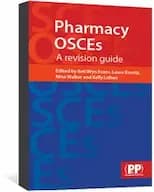
Color and Shape:216 x 138mmPharmacy OSCEs
Edited by Evans, Beti Wyn; Kravitz, Laura; Walker, Nina and Lefteri, Kelly
First edition
Scheduled closure of pharmpress.com
Beti Wyn Evans, Principal Lecturer, Department of Pharmacy, University of Hertfordshire; Laura Kravitz, Principal Lecturer, Department of Pharmacy, University of Hertfordshire; Nina Walker, Principal Lecturer, Department of Pharmacy, University of Hertfordshire; Kelly Lefteri, Principal Lecturer, Department of Pharmacy, University of Hertfordshire
ISBN 978 0 85711 043 5
Published Apr 2013
Paperback 216 x 138mm (256pp)
DESCRIPTION:
Pharmacy OSCEs is the only pharmacy-specific OSCE revision guide. This easy-to-use book covers the key competencies that will be tested during your Objective Structured Clinical Examinations whether you are still studying or in practice.
Written in a concise and accessible way, all types of situations are covered from responding to a specific symptom to solving calculations. The scenarios read like tasks at an OSCE station and are accompanied by:
- learning objectives
- questions and answers
- feedback and revision points
- key references and further reading.
The examples vary in complexity, ranging from early undergraduate years through to postgraduate. With over 70 practice scenarios, this book will support you throughout your training and ensure your best performance on the day of the exam.
"Pharmacy OSCEs is great preparation for real life pharmacy consultation" - Amy Penni, University of Bradford, 4th year, April 2014.
Pharmacy OSCEs is also available as an eBook.
CONTENTS:
1. Responding to symptoms and history-taking
2. Systems-based client assessment
3. Legal aspects of prescriptions, and record-keeping
4. Data retrieval and interpretation
5. Clinical prescription management problems
6. General health advice
7. Counselling (medication and devices)
8. Problems involving calculations
REVIEWS:
May 2013
"Very useful review guide for OSCE. I am using this book to prepare for my OSCE exam, it is very helpful as it summarizes the most important situations encountered in pharmacies."
Five stars.
Simple, Amazon.co.uk, May 2013.
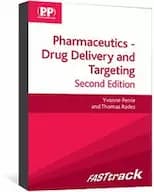
Color and Shape:216 x 138mmFASTtrack: Pharmaceutics - Drug Delivery and Targeting
Perrie, Yvonne; Rades, Thomas
Second edition
Scheduled closure of pharmpress.com
Yvonne Perrie - Chair in Drug Delivery, Aston Pharmacy School, Aston University and Thomas Rades - Chair in Pharmaceutical Sciences, The New Zealand National School of Pharmacy.
ISBN 978 0 85711 059 6
Published Jun 2012
Paperback 234 x 156mm (256pp)
DESCRIPTION:
FASTtrack Pharmaceutics: Drug Delivery and Targeting systematically reviews important concepts and facts for the delivery and targeting of drugs. Relevant examples of drug delivery systems are given throughout the book with a focus on drug delivery systems that have actually reached clinical reality.
FASTtrack Pharmaceutics: Drug Delivery and Targeting focuses on what you really need to know in order to pass exams. Concise, bulleted information, chapter overviews, hints, key points, mind maps and an all-important self-assessment section which includes MCQs.
Information is presented concisely with self assessment questions/answers and mindmaps to aid learning. The text has been updated for the new edition based on student feedback.
Pharmaceutics: Drug Delivery and Targeting is a valuable resource for any pharmacy student needing to study the essentials of this topic.
Watch author Yvonne Perrie explaining how pharmaceutical scientists are responsible for the research and development of new medicines, ensuring their safety and quality.
Are your exams coming up? Are you drowning in textbooks and lecture notes and wondering where to begin? Take the FASTtrack route to study successfully for your examinations. FASTtrack provides the ultimate lecture notes and is a must-have for all pharmacy students wanting to study and test themselves for forthcoming exams.
FASTtrack Pharmaceutics: Drug Delivery and Targeting is also available as an ebook.
CONTENTS:
1. Controlling Drug Delivery
2. Immediate-Release Drug Delivery Systems I: Increasing the solubility and dissolution rate of drugs
3. Immediate-Release Drug Delivery Systems II: Increasing the permeability and absorption of drugs
4. Delayed-Release Drug Delivery Systems
5. Sustained-Release Drug Delivery Systems
6. Controlled-Release Dosage Forms
7. Site-Directed Drug Targeting
8. Carriers for Drug Targeting
Answers to self-assessment
Mind maps
REVIEWS:
February 2014
"I believe this book is truly a hidden gem...
...The self-assessment MCQs help to solidify knowledge covered in their relevant section, as well as highlighting areas of difficulty which could be easily found within the book and revised again if needed. I found that these questions were of similar difficulty to the MCQs used in lectures and past exam papers, facilitating exam prep...
...The diagrams were all very clear, simple and easy to understand, even when explaining complex mechanisms and routes of targeting...
...In conclusion I found this book really useful for basic and advanced understanding and revision of such a daunting unit. In addition to this it has also helped with thesis writing for my final year project that has a drug-targeting underlining."
Lauren Jones, 4th year student, Portsmouth University, February 2014.
Color and Shape:234 x 156mmASHP Injectable Drug Information
American Society of Health-System Pharmacists
Scheduled closure of pharmpress.com
Product code MC_HID
DESCRIPTION:
ASHP Injectable Drug Information by the American Society of Health-System Pharmacists (ASHP), is the ultimate authority on compatibility and stability of injectable drugs. It brings together comprehensive information on parenteral drugs commercially available in the United States and in other countries, and offers pharmacists and health care professionals a precise, reliable way to make their organisations safer for patients.
For over 35 years this comprehensive, user-friendly resource has been widely recognised and trusted as the authority on injectable drug information. No other drug reference examines parenteral drug stability and compatibility in such extensive detail.
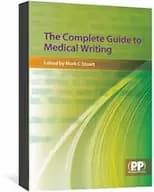
Complete Guide to Medical Writing (The)
Stuart, Mark C
First edition
Scheduled closure of pharmpress.com
Edited by Mark C Stuart
ISBN 978 0 85369 667 4
Published Apr 2007
Paperback 234 x 156mm (512pp)
DESCRIPTION:
Effectively presenting and communicating information for any medical document is paramount. It is essential that medical information is presented clearly and accurately so that it can be interpreted, validated and used safely. The Complete Guide to Medical Writing will help you do this in detail. This introductory book covers all aspects of scientific and medical documentation from the regulatory domain to the advertising arena. It covers fundamental principles of good writing techniques and provides tips on how to write different kinds of document. Sections include:
- medical writing essentials
- reviews and reports
- medical journalism and mass media
- medical writing in education
- medical writing for medical professionals
- medical publishing.
The Complete Guide to Medical Writing is an invaluable reference source for medical professionals and students wishing to effectively communicate scientific and medical information.
CONTENTS:
1. Style for Accurate and Readable Medical Writing
2. Writing in Plain English
3. Referencing
4. Writing a Research Report
5. Reviews
6. Medical Case Reports
7. Conference Posters
8. Writing an Editorial
9. Writing a Letter to the Editor
10. Writing for Magazines and Newspapers
11. Writing Press Releases
12. Advertisements
13. Writing Examination and Assessment Papers
14. Presentation Materials
15. Writing a Thesis
16. Writing Medicines Information for Healthcare Professionals
17. Writing and Implementing Procedures
18. Writing Marketing Authorisation Applications for Medicinal Products
19. Medical Media and the Law
20. Writing and Editing Books
21. Writing for the Internet
22. Getting Published
Appendix 1. Common Medical Abbreviations
Appendix 2. Measurements
Appendix 3. Normal Values for Common Laboratory Tests
Appendix 4. Proof Correction Marks
Appendix 5. A to Z of Medical Terms in Plain English:
REVIEWS:
03-Aug-09, Technical Communication
'I was especially impressed with the book's focus on audience, which infuses almost every chapter...John Kirkman provided an excellent discussion on writing for an audience, including some of the latest research on how readers read, an aspect of audience analysis often overlooked by authors of technical communication texts...I would not hesitate to recommend it to participants in a workshop for doctors or researchers who are writing for novices'
Carolyn Boiarsky, Technical Communication, Volume 56, Number 3, 3 August 2009
12-Sep-07, Pharmacy World and Science
'...very helpful for practicing (clinical and non-clinical) pharmacists, the format is very handy...I feel that this book can be very helpful for pharmacists in their daily practice.'
J.W.Foppe van Mil. Pharmacy World and Science. Springer Science + Business Media. 3-:210. Published online 12 September 2007
01-Jan-08, American Journal of Pharmaceutical Education
'This book presents medical writing guidance in an informal and entertaining manner...the practical advice offered by some of the authors may give valuable perspective to the new writer.'
Beatriz Manzor Mitrzyk, University of Michigan. American Journal of Pharmaceutical Education; 72 (2) Article 46. 2008
01-Feb-08, Australian Pharmacist
'The book is a useful source of information for both aspiring and experienced medical writers.'
Lynn Gould. Australian Pharmacist. Volume 27. Number 2. February 2008
01-Jan-08, Journal of the Medical Library Association
'The book is indeed complete and speaks to novice writers or students who may be new to the health professions, as well as knowledgeable clinicians and researchers who need help compiling examination questions, writing press releases, or adding publications to their resumes...besides a thorough back-of-the-book index, the book has useful appendixes...anyone involved in the health professions, whether readers or writers, will appreciate and enjoy this book...is a joy to read by any lover of language and its many applications.'
Elizabeth H. Wood. Journal of the Medical Library Association. 2008 January; 96(1): 70
01-Nov-07, The Journal of the European Medical Writers Association
'The contents are generally well organized, and the main chapters are clearly sign-posted, and so are easy to navigate...each of the six sections contains come outstanding chapters and many solid contributions.'
Karen Shashok, Translator/Editorial Consultant. The Journal of the European Medical Writers Association (The Write Stuff) Volume 16. No. 3, 2007
01-Jul-07, Irish Pharmacy Journal
Although very comprehensive the chapters are well written and easy to follow, with tables of handy hints and tips which summarise the key messages from each chapter...this book is an essential addition to any hospital or academic pharmacy department...a book like this is a valuable resource to encourage more pharmacists to take up the writing and documentation role'
Sinead McCool, Course Co-ordinator, UCC/CACT MSc Clinical Pharmacy. The Irish Pharmacy Journal, 2007, July 2007
01-Jul-07, Doody Enterprises, Inc
'This book is a tour-de-force of virtually all aspects of medical writing. It is a comprehensive, yet practical guide to the conception, preparation, and presentation of material in written form...this book delivers. It is difficult to imagine an area of medical writing that is not covered by this comprehensive and practical guide, and it is difficult to imagine any medical professional, at any level, not finding something extremely useful in it.'
Robert B. Raffa, Temple University School of Pharmacy. July 2007. Doody Enterprises, Inc.
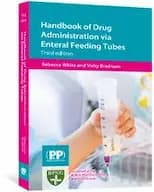
Color and Shape:234 x 156mmHandbook of Drug Administration via Enteral Feeding Tubes
White, Rebecca; Bradnam, Vicky
Third edition
Scheduled closure of pharmpress.com
Rebecca White, Medical Advisor at Baxter Healthcare Ltd; and Vicky Bradnam, Pharmaceutical Consultant
ISBN 978 0 85711 162 3
Published Mar 2015
Paperback 215 x 130mm (752pp)
DESCRIPTION:
This book covers the technical, practical and legal aspects that you should consider before prescribing or administering drugs via enteral feeding tubes.
Published in conjunction with the British Pharmaceutical Nutrition Group, the Handbook of Drug Administration via Enteral Feeding Tubes furnishes you with the background knowledge to inform clinical decision making as well as providing over 400 drug monographs.
This new edition features:
- 29 brand new monographs
- 404 updated monographs
- a brand new chapter on medicines optimisation.
An essential resource for pharmacists, doctors, nurses, dieticians in hospitals, community pharmacists, GPs and anyone else involved in administering drugs to patients with limited GI access.
This book supports the safe and effective prescribing and administration of drugs via enteral feeding tubes.
CONTENTS:
1. Introduction
2. Types of enteral feeding tubes
3. Flushing enteral feeding tubes
4. Restoring and maintaining patency of enteral feeding tubes
5. Drug therapy review
6. Choice of medication formulation
7. The legal and professional consequences of administering drugs via enteral feeding tubes
8. Health and safety and clinical risk management
9. Syringes and ports
10. Defining interactions
11. Medicines optimisation
Individual drug monographs
REVIEWS:
May 2015
"5 stars!...
...drug monographs are organized in a way that allows quick access to information and it is very easy to determine if the medication is safe to be administered through the enteral route. Information is current and properly referenced...
...This is a convenient and useful guide to have on the medical floor as a point of care reference for nurses, pharmacists, or any healthcare providers..."
Melissa M. Ranieri, BS, PharmD, Doody's Notes, May 2015.
From the reviews of the previous edition:
"This evidence-based text fills a gap in the market for detailed information on drugs administered via enteral feeding tubes. The only publication to bring together into one resource the legal, ethical, pharmaceutical and practical issues surrounding the administration of drugs using this method...
...This handbook would be extremely useful in hospitals, long-term care/rehabilitation settings, and skilled nursing facilities where patients may require feedings tubes for a prolonged period of time."
Jamila Stanton, PharmD, BCPS (Temple University School of Pharmacy), Doody's Notes, Feb 2011
"Monographs on over 360 drugs are included, providing information that is useful to pharmacists in preparing medication for enteral tube administration. Preparation steps and formulations are included and the information is well documented. Equipment used is also presented and diagrammed for easier understanding. This book is invaluable to those pharmacists preparing medication for administration via enteral feeding tubes."
International Journal of Pharmaceutical Compounding, Feb 2011
Physicochemical Principles of Pharmacy
Florence, Alexander T; Attwood, David
Sixth edition
Scheduled closure of pharmpress.com
Alexander T Florence - Former Dean, School of Pharmacy, University of London, UK and David Attwood - Professor Emeritus, School of Pharmacy and Pharmaceutical Sciences, University of Manchester, UK
ISBN 978 0 85711 174 6
Published Dec 2015
Paperback 246 x 189mm (664pp)
DESCRIPTION:
Physicochemical Principles of Pharmacy is an established textbook that provides you with full coverage of the physicochemical principles essential to the modern pharmacist and pharmaceutical scientist.
This sixth edition continues to boast a broad chemical and physicochemical base and covers every aspect of drug properties from the design of dosage forms to their delivery by all routes to sites of action in the body. Now with more clinical examples, new questions and extra case studies it encourages you to apply this knowledge and understand how these fundamental concepts relate to both clinical and industrial practice.
It features brand new chapters/sections on:
- Paediatric and geriatric formulations
- Adverse events: the role of formulations and delivery systems
- Generic medicines and biosimilars
- Solid dose form manufacture
Read our author interview .
Written by experienced academics and highly illustrated throughout, Physicochemical Principles of Pharmacy is an approachable and comprehensive resource that is perfect for supporting you through the physical pharmacy and drug delivery elements of pharmacy and pharmaceutical science courses.
CONTENTS:
Solids
Physicochemical properties of drugs in solution
Drug stability
The solubility of drugs
Surfactants
Emulsions, suspensions and related colloidal systems
Polymers and macromolecules
Drug absorption basics and the oral route
Parenteral routes of drug administration
Paediatric and geriatric formulations
Physicochemical interactions and incompatibilities
Adverse events: the role of formulations and delivery systems
Peptides, proteins and monoclonal antibodies
Pharmaceutical nanotechnology
Physical assessment of dosage forms
Generic medicines and biosimilars
REVIEWS:
Australian Prescriber, October 2016
"The text is highly illustrated throughout and includes key points and appropriate examples, providing clinicians with some easily accessible and relevant information...
...Some examples of adverse events due to excipients, impurities, the influence of dosage forms, materials in delivery devices and even light-induced effects are also included. Although the detection of adverse events is not an easy task, these examples may assist clinicians in asking the right questions to predict or identify adverse effects...
...The new focus on applications to clinical practice in this edition has extended its usefulness from pharmacy and pharmaceutical scientist courses to clinicians seeking an understanding of formulations, especially for children and older people, and in identifying the cause of adverse events."
Beverley Glass, Australian Prescriber, October 2016.
The Pharmaceutical Journal, January 2016
"A standard text on physical pharmacy for students around the world.
...The sixth edition features new chapters or sections on paediatric and geriatric formulations, adverse events, generic medicines and biosimilars, and solid dose form manufacture...
...All chapters are well illustrated and tables are clearly set out. Key points and clinical points are highlighted and readers are able to work through calculations and refer to the answers which can be found close by...
...It fulfils an important requirement of describing the principles of physical pharmacy by using pharmaceutical examples to illustrate the topics."
Laurence A. Goldberg, The Pharmaceutical Journal, January 2016
Doody's Notes, March 2016
"Anyone interested in understanding the fundamental physicochemical principles and their application in formulation development should find this an excellent resource...
...This sixth edition has maintained its superior quality both in content and in presentation. It has been recognized as an excellent resource by pharmacy educators and students and by pharmaceutical scientists. I have been using this book for the last 10 years and I have found it to be invaluable."
Rahmat M. Talukder, PhD, RPh, Doody's Notes, March 2016.
From the reviews of previous editions:
"Changes in this edition include the new chapter on pharmaceutical nanotechnology, key learning points, more complete examples of clinical calculations, and a more clear distinction between the basic text and more complex theory. This recommended book is easy-to-read and is an asset to compounding and formulation pharmacists."
International Journal of Pharmaceutical Compounding, October 2011
"This book is excellent. It is the most accessible book I have read on the topic and is perfect for undergraduate pharmacy students."
Michael Taylor, Lecturer in Pharmaceutics, School of Pharmacy and Pharmaceutical Sciences, University of Central Lancashire, January 2010
" an excellent reference for both graduate students and scientists in the pharmaceutical industry, as it provides and overview of the physicochemical principles important in pharmaceutics and biopharmaceutics."
Drug Development and Industrial Pharmacy, 33:209, 2007
Martindale: The Complete Drug Reference
Brayfield, Alison
Scheduled closure of pharmpress.com
Product code MC_MART
DESCRIPTION:
Martindale: The Complete Drug Reference is a comprehensive and reliable reference resource on drugs and medicines used throughout the world. It is prepared by an experienced team of pharmacists who receive training in literature evaluation and search techniques. They use their professional expertise to provide a digest of the available literature, selecting the most
clinically relevant and appropriate information from reliable published sources.
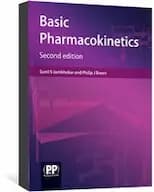
Basic Pharmacokinetics
Jambhekar, Sunil S; Breen, Philip J
Second edition
Scheduled closure of pharmpress.com
Sunil S Jambhekar - Professor of Pharmaceutics, LECOM-Bradenton School of Pharmacy, Florida, USA and Philip J Breen - Associate Professor of Pharmaceutics, School of Pharmacy, University of Arkansas Medical Center, USA
ISBN 978 0 85369 980 4
Published Mar 2012
Paperback 246 x 189mm (496pp)
DESCRIPTION:
Basic Pharmacokinetics provides an understanding of the principles of pharmacokinetics and biopharmaceutics. It addresses clearly and concisely how these principles can be applied to achieve successful drug therapy. The applications of principles and equations are illustrated with related problem sets and problem solving exercises.
Features include:
- the use of profiles (sketches of relationships among pharmacokinetic variables and parameters)
- learning objectives
- complete review of mathematical tools required to practice pharmacokinetics.
This new edition has been revised and updated to include:
- new chapters on metabolite pharmacokinetics and pharmacokinetic data fitting
- expanded question data base to include multiple choice questions and true/false questions
- a large increase in the number of questions based on pharmacokinetic profiles.
Basic Pharmacokinetics is an invaluable textbook for undergraduate and graduate students in pharmacy, medicine, and the pharmaceutical sciences. It enables the reader to become adept at solving pharmacokinetic problems arising in drug therapy and to understand the applications and utility of equations in clinical practice.
Basic Pharmacokinetics is also available as an eBook.
CONTENTS:
1. Introduction and Overview
2. Mathematical Review
3. Intravenous Bolus Administration (One-compartment Model)
4. Clearance Concepts
Problem Set 1
5. Drug Absorption From the Gastrointestinal Tract
6. Extravascular Routes of Drug Administration
Problem Set 2
7. Bioavilability/bioequivalence
Problem Set 3
8. Factors Affecting Drug Absorption: Physicochemical Factors
9. Gastrointestinal Absorption: Role of the Dosage Form
10. Continuous Intravenous Infusion (One-compartment Model)
Problem Set 4
11. Multiple Dosing: Intravenous Bolus Administration
12. Multiple Dosing: Extravascular Routes of Drug Administration
Problem Set 5
13. Two-compartment Model
Problem Set 6
14. Multiple Intermittent Infusions
Problem Set 7
15. Nonlinear Pharmacokinetics
Problem Set 8
16. Drug Interactions
Problem Set 9
17. Pharmacokinetic and Pharmacodynamic Relationships
Problem Set 10
18. Metabolite Pharmacokinetics
19. Pharmacokinetic Data Fitting
20. Pharmacokinetics and Pharmacodynamics of Biotechnology Drugs
Appendix: Statistical Moment Theory in Pharmacokinetics
REVIEWS:
From the reviews of the previous edition:
'Although directed at entry-level PharmD students, the book also may be useful for medical students, graduates, and pharmaceutical scientists with a lack of pharmacokinetic education...the authors appear to be experts in the field of pharmacokinetics with experience teaching the subject in a pharmacy curriculum...the authors have done a great job of explaining basic pharmacokinetic principles and mathematical equations.'
Jamila Stanton, PharmD, BCPS, Doody's Notes, 14th August 2009
'It explains the basics in a clear way which is appropriate for MPharm undergraduates, however still covers the more advanced areas in a way suitable for practitioners or postgraduate users. This would be ideal for MPharm students who normally study the two subjects at the same time.'
Michael Taylor, Lecturer in Pharmaceutics, School of Pharmacy and Pharmaceutical Sciences, University of Central Lancashire, UK, January 2010
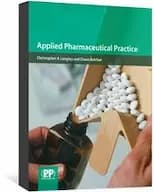
Color and Shape:246 x 189mmApplied Pharmaceutical Practice
Langley, Christopher A; Belcher, Dawn
First edition
Scheduled closure of pharmpress.com
Christopher A Langley - Senior Lecturer in Pharmacy Practice, Aston University School of Pharmacy and Dawn Belcher - Teaching Fellow, Pharmacy Practice, Aston University School of Pharmacy
ISBN 978 0 85369 746 6
Published Sep 2008
Paperback 246 x 189mm (304pp)
DESCRIPTION:
Applied Pharmaceutical Practice guides the student pharmacist and pharmacy technician through the steps involved in pharmaceutical dispensing. It is ideal as a companion to the compulsory dispensing courses found in all undergraduate MPharm programmes and the equivalent technical training courses.
Contents include:
- medicines classification and standard operating procedures
- NHS supply in the community and within hospitals
- non-NHS supply
- controlled drugs
- emergency supply
- patient counselling and communication
- poisons and spirits
This practical textbook contains useful exercises with an answers section and numerous examples. It is written by authors with extensive experience within the field.
CONTENTS:
1. Introduction and the Basics of Medicines Supply
2. NHS Supply in the Community 1
3. NHS Supply in the Community 2
4. NHS Supply Within Hospitals
5. Non-NHS Supply
6. Controlled Drugs
7. Emergency Supply
8. Patient Counselling and Communication 1
9. Patient Counselling and Communication 2
10. Poisons and Spirits
REVIEWS:
2013, BPSA
"Fantastic book...The topics are relevant for student pharmacists, newly qualified pharmacists and everything in between...
...The book explains all of the concepts necessary to make an informed choice when dealing with problems. The patient counselling section has particularly helped me during my pre-reg year, firstly in OSCEs, but more importantly ensuring I give understandable information to patients on the range of dosage forms discussed in the book. The whole book in general helps me, as a hospital pre-reg, as it discusses many of the problems one may come across in community which I do not have much experience at...
...I would buy this book and I have already recommended it to student technicians at the hospital I work at...One of the reasons for recommendation is that I have found it very helpful at providing practical information that is not particularly explained well in other books."
Philip Newland-Jones, Preregistration Pharmacist, www.bpsa.co.uk
21-Mar-09, The Pharmaceutical Journal
"This is an excellent book...this book covers all current key issues concerning pharmacy. I am not aware of any book in the current market that could compare with this one"
Halima Katune, The Pharmaceutical Journal, Volume 282, 21 March 2009
30-Jan-09, Doody's Notes
"The book meets its objectives with practical presentations of various real-time pharmacist activities...this book provides some very specific information relating to the National Health Service in the UK and highlights detail-orientated requirements for the practice of pharmacy in that country."
Patrick J. McDonnell, PharmD, Doody's Notes, 30th January 2009
//<![CDATA[
//]]>
Color and Shape:246 x 189mm