Healthcare
The Healthcare section contains literature related to medical care and is intended for doctors, nurses, and many other roles in the healthcare field. These resources provide essential information on clinical practices, treatments, care, and medical advances, supporting healthcare professionals in their daily work and ongoing professional development. At CymitQuimica, we offer a wide range of high-quality books, guides, and manuals designed to meet the training and updating needs in various areas of healthcare. Our catalog includes texts on general and specialized medicine, as well as resources on nursing, pharmacology, and healthcare management, ensuring that healthcare professionals have access to the most relevant and up-to-date information to provide optimal care for their patients.
Found 98 products of "Healthcare"
Sort by
Purity (%)
0
100
|
0
|
50
|
90
|
95
|
100
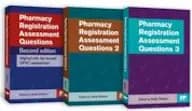
Pharmacy Registration Assessment Questions Package
<p>Edited by Bukhari, Nadia<br><br>Package<br><br>Scheduled closure of pharmpress.com<br><br>Nadia Bukhari - Senior Teaching Fellow in Pharmacy Practice & Pre-Reg Co-ordinator, UCL School of Pharmacy.<br><br>ISBN 978 0 85711 361 0<br><br>Published Mar 2019<br><br>Paperback 216 x 138mm<br><br><br>DESCRIPTION:<br><br> A collection of the first, second and third volume of the highly popular Pharmacy Registration Assessment Questions series is now available! Each individual volume in this bundle features more than 400 closed book and calculation questions which can be used in conjunction with the previous volume or on its own. Questions are based on editions of the BNF and BNF for Children, as well as the MEP from the last 3 years, alongside the most current treatment guidelines available. Each volume includes: questions in line with GPhC guidance patient information and clinical data a variety of question styles encountered in the assessment. <br> </p>Drug Administration via Enteral Feeding Tubes
<p>White, Rebecca; Bradnam, Vicky<br><br>Scheduled closure of pharmpress.com<br><br>Rebecca White - Pharmacy Department and Vicky Bradnam on behalf of the British Pharmaceutical Nutrition Group - Pharmacy Department, Princess Royal University Hospital. Kent<br><br>Product code MC_EFT<br><br><br>DESCRIPTION:<br><br> Drug Administration via Enteral Feeding Tubes offers safe practical guidance for healthcare professionals practicing this method of drug delivery.<br>The resource is compiled and updated by members of the British Pharmaceutical Nutrition Group (BPNG) and is intended for use by pharmacists, doctors, nurses, dieticians, pharmaceutical companies and enteral feed equipment manufacturers.<br> <br> </p>Clarke's Analysis of Drugs and Poisons
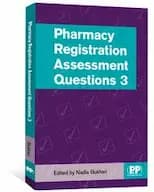
<p>Moffat, Tony; Osselton, David; Elliott, Simon<br><br>Scheduled closure of pharmpress.com<br><br>Edited by Anthony C Moffat, David Osselton and Simon Elliott<br><br>Product code MC_CLARKE<br><br><br>DESCRIPTION:<br><br> Clarke's is the definitive source of analytical data for drugs and poisons. It is intended for use primarily by scientists faced with the need to identify and quantify these substances in body fluids, tissue samples and pharmaceutical and industrial products. <br>44 sections cover all practice areas and analytical procedures used in toxicology including drugs and alcohol in driving, drugs in sport, workplace drug testing and postmortem toxicology. <br>Written by more than 40 international experts, Clarkes Analysis of Drugs and Poisons is the complete online analytical toxicology reference. <br> </p>Pharmacy Registration Assessment Questions 3
<p>Edited by Bukhari, Nadia<br><br>Third Edition<br><br>Scheduled closure of pharmpress.com<br><br>Nadia Bukhari - Senior Teaching Fellow in Pharmacy Practice & Pre-Reg Co-ordinator, UCL School of Pharmacy.<br><br>ISBN 978 0 85711 357 3<br><br>Published Mar 2019<br><br>Paperback 216 x 138mm (224pp)<br><br><br>DESCRIPTION:<br><br> Pharmacy Registration Assessment Questions 3 is the third volume in a series that follows on from the previous, highly popular Pharmacy Registration Assessment Questions 2. It features more than 400 entirely new, closed book and calculation questions. It can be used in conjunction with the previous volume or on its own. All questions are in line with current GPhC guidance, enabling you to prepare for the pharmaceutical pre-registration exam with confidence. This invaluable tool will help you familiarise yourself with the current style of questions, and give you a head start on preparation, planning and implementation.<br> Questions are based on print versions of BNF 76 and BNF for Children 2018-2019 alongside the most current treatment guidelines available. Questions feature patient information and pictorial representation of conditions, replicating those you may encounter in the real exam. This revision aid gives you the opportunity to practice a variety of question styles found in the assessment including:<br> · single best answer questions<br> · extended matching questions<br> · calculations<br> <br> </p>Remington Education: Physical Pharmacy
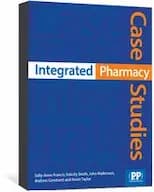
<p>Smith, Blaine Templar<br><br>First edition<br><br>Scheduled closure of pharmpress.com<br><br>Blaine Templar Smith, RPh, PhD, graduate of the University <br>of Oklahoma College of Pharmacy and Nuclear Pharmacy programme<br><br>ISBN 978 0 85711 106 7<br><br>Published Oct 2015<br><br>Paperback 234 x 156mm (192pp)<br><br><br>DESCRIPTION:<br><br> Remington Education: Physical Pharmacy provides a simple, concise view of the concepts and applications of physical pharmacy. It is laid out in an easy-to-understand structure, guiding students through each relevant component of physical pharmacy. <br>Remington Education is a series of guides created specifically for pharmacy students to help them integrate the science of pharmacy into practice. By providing a summary of key information in the relevant subject area and including cases and/or questions and answers for self-assessment, they offer a practical way to check knowledge and track progress before, during, and after a course. <br>Each chapter features: <br> - Learning objectives <br> - Key points boxes <br> - Illustrations<br> - Assessment questions<br> - Further reading and references.<br>Blaine Templar Smith is a graduate of the University of Oklahoma College of Pharmacy and Nuclear Pharmacy programs. He is a registered pharmacist in both Oklahoma and Massachusetts, and has taught for more than 20 years at university level. <br>CONTENTS:<br><br> Intermolecular interactions<br> Pharmaceutical solvents<br> Solubility and dissolution<br> Colligative properties of solutions<br> Interfacial phenomena<br> Disperse systems - Colloids<br> Disperse systems - Coarse dispersions - Suspensions and emulsions<br> Answers to self-assessment questions<br> Index<br> <br> <br>REVIEWS:<br><br> December 2015 <br>"The study of physical pharmacy often fills many students with trepidation but this book, published by Pharmaceutical Press, Royal Pharmaceutical Society, can help to alleviate this by providing a simple introduction to the topic. The author defines physical pharmacy as a subcategory of pharmaceuticals that focuses on the reasons that drug delivery systems behave as they do... <br>"The book is laid out in an easy to understand way, guiding the reader through each relevant component. By providing a summary of important information and including self-assessment questions and answers, the book offers a practical way for students to check knowledge and track progress before, during and after a course in physical pharmacy." <br> Laurence A. Goldberg, The Pharmaceutical Journal, 22 December 2015 <br> </p>Integrated Pharmacy Case Studies
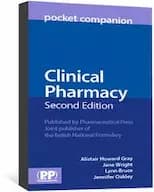
<p>Sally-Anne Francis, Felicity Smith, John Malkinson, Andrew Constanti and Kevin Taylor<br><br>First edition<br><br>Scheduled closure of pharmpress.com<br><br>Sally-Anne Francis - Honorary Senior Lecturer in the Department of Practice & Policy at UCL School of Pharmacy; Felicity Smith - Professor of Pharmacy Practice at UCL School of Pharmacy; John Malkinson - Senior Lecturer in Pharmaceutical Science Applied to Practice at UCL School of Pharmacy; Andrew Constanti - Reader in Pharmacology at UCL School of Pharmacy; Kevin Taylor - Professor of Clinical Pharmaceutics at UCL School of Pharmacy.<br><br>ISBN 978 0 85369 884 5<br><br>Published Jun 2015<br><br>Paperback 246 x 189mm (456pp)<br><br><br>DESCRIPTION:<br><br> This innovative new textbook is one of the first to integrate the science of pharmacy with practice. Integrated Pharmacy Case Studies provides a case study approach to pharmacy education, demonstrating in the most practical way possible the relevance of pharmaceutical science in practice. The book includes more than 90 individual case studies based on real-life scenarios, each of which places the patient at the centre of understanding. The case studies have been developed between clinical practitioners and pharmaceutical scientists, ensuring an integrated approach to the topic. Each case draws on the fundamental aspects of pharmaceutical chemistry, pharmacology, pharmaceutics and therapeutics - giving you practical knowledge of what to expect. They include examples relating to the most recent developments in basic science research, drug development and delivery, and clinical practice. The featured cases cover all the main conditions (as well as some rarer disorders), guiding and challenging your students with each patient encounter. Each case includes: Learning outcomes The patient Case discussion References and further reading Extended learning points For more information, read our interview with the authors. Integrated Pharmacy Case Studies bridges the gap between science and practice in pharmacy education. It is important reading for undergraduate students and academics at schools of pharmacy, pharmacy technicians, pre-registration pharmacists and junior pharmacists. <br> <br>CONTENTS:<br><br>Introduction <br>Part One: Gastrointestinal, liver and renal cases <br>Part Two: Cardiovascular cases <br>Part Three: Respiratory cases <br>Part Four: Central nervous system cases <br>Part Five: Infections cases <br>Part Six: Endocrinology cases <br>Part Seven: Malignant disease, immunosuppression and haematology cases <br>Part Eight: Musculoskeletal and joint diseases cases <br>Part Nine: Eye, nose and throat cases <br>Part Ten: Skin cases <br>Part Eleven: Special cases <br> </p>Clinical Pharmacy Pocket Companion
<p>Gray, Alistair Howard; Wright, Jane; Bruce, Lynn; Oakley, Jennifer<br><br>Second edition<br><br>Scheduled closure of pharmpress.com<br><br>Edited by Alistair Howard Gray, Clinical Services Lead Pharmacist, East Lancashire Hospitals NHS Trust; Jane Wright, Specialist Clinical Pharmacist, Lancashire Care Foundation Trust; Lynn Bruce, Medical Assessment Unit Lead Pharmacist, East Lancashire Hospitals NHS Trust; and Jennifer Oakley, Antimicrobial and Critical Care Pharmacist, East Lancashire Hospitals NHS Trust, UK<br><br>ISBN 978 0 85711 157 9<br><br>Published Dec 2015<br><br>Paperback 180 x 100mm (568pp)<br><br><br>DESCRIPTION:<br><br>The Clinical Pharmacy Pocket Companion is a comprehensive A-Z handbook containing a range of tools, suggestions and advice for administering effective pharmaceutical care. Bringing together a wealth of information not easily found in other reference sources, it provides essential, practical data for daily use by clinical pharmacists and other healthcare professionals. <br>In this second edition, the entries have been rewritten and revised by specialist pharmacists and clinicians from across the UK. Over 60% of the topics are new, adding appeal for community as well as hospital pharmacists, aiding medicines optimisation across both sectors. It is an essential handy guide and aims to complement existing resources used regularly such as the British National Formulary (BNF) , and the local health economy formulary. <br>This book is an invaluable tool for practising pharmacists, medical staff, clinical technicians and pharmacy students, providing information on obscure problems as well as routine queries. <br> <br>REVIEWS:<br><br> February 2016 <br>"The book can be described as having three main functions: an aide-mémoire to resolve routine queries; a prompt to seek further information; and a means to record personal information by utilising blank spaces provided at the end of each entry and section. <br>...Although the topics are not presented in a standard format, each is well written and provides valuable information and relevant references... <br>...This book will be useful to any person delivering a clinical pharmacy service, either in a primary or secondary healthcare environment. It provides information on obscure problems, as well as routine queries... <br>...community pharmacists will find that the book has immense value in supporting their clinical activities, particularly when offering post-hospital discharge pharmaceutical care." <br> Laurence A. Goldberg, The Pharmaceutical Journal, Feb 2016. <br> <br> From the reviews of the previous edition: <br>"A total of five appendices supplement the handbook with common medical abbreviations, laboratory reference values, imperial to metric conversion tables and useful web addresses... <br>...the Clinical Pharmacy Pocket Companion can be highly recommended not only for clinical pharmacists but also for health professionals in general." <br> Hug (Freiburg). Die Pharmazie. Vol 62. July 2007<br> <br> "It contains concise information drawn from many sources and is presented in an A-Z fashion that is easy to access and pleasant to read...it is a valuable resource for any clinical pharmacist and a handy reference guide for students...<br> ...I found it helpful and easy to use and would recommend it to any pharmacy student"<br> Husam Jafar, Future Pharmacist, Spring 2007<br> <br> "The information content is practical and covers a good range of standard clinical conditions...as a practical reference I like this book...<br> ...I would recommend its use to all."<br> Andrzej Kostrzewski, student. The Pharmaceutical Journal, 2007, 278 (7455), 685<br> </p>Prescribing Adult Intravenous Nutrition
<p>Austin, Peter; Stroud, Mike<br><br>First edition<br><br>Scheduled closure of pharmpress.com<br><br>Peter Austin - Senior Pharmacist Nutrition Support Team, Pharmacy Department, Southampton General Hospital and Mike Stroud - Senior Lecturer in Medicine and Nutrition, and Consultant Gastroenterologist<br><br>ISBN 978 0 85369 658 2<br><br>Published Mar 2007<br><br>Paperback 234 x 156mm (320pp)<br><br><br>DESCRIPTION:<br><br>Patients who are unable to achieve an adequate nutritional intake via their gut are at risk of malnutrition and its many associated problems. They may, therefore, require feeding directly into a vein. Prescribing Adult Intravenous Nutrition is an introductory text offering the healthcare professional involved in nutritional support a practical guide to the broad principles and practice of adult intravenous nutrition. <br>Prescribing Adult Intravenous Nutrition describes: <br> - why nutritional care is so important <br> - what should be given <br> - what can go wrong <br> - how to deal with any intravenous feeding problems <br> - how to organise aspects of nutritional care. <br>Numerous illustrations and case studies help to illustrate the principles discussed. <br>CONTENTS:<br><br>1. The Importance of Nutritional Support <br>2. Oral and Enteral Tube Support <br>3. Intravenous Support <br>4. Clinical Assessment <br>5. Pharmaceutical Review <br>6. Decisions on Intravenous Nutrition <br>7. Fluid and Macronutrients <br>8. Electrolytes <br>9. Micronutrients <br>10. Prescribing for Patients with Specific Problems <br>11. Regimen Choice <br>12. Potential Complications <br>13. Monitoring <br>14. Organising Nutrition Support <br>15. Technical Services <br>16. On the Ward <br>Appendix 1 Stability <br>Appendix 2 Salts and Pharmaceutical Calculations <br>Appendix 3 Micronutrient Preparations <br>Appendix 4 High Sodium Drinks and Feeds for Short Bowel Syndrome <br>REVIEWS:<br><br> 01-Mar-08, The Pharmaceutical Journal <br>'This textbook...is both a comprehensive introduction to intravenous nutrition (IVN) and a useful reference text. The writing style is easy to read and information is provided at an accessible level for those new to the subject. This textbook covers all the areas that prescribers of parenteral nutrition should be aware of. It has relevance to all members of the healthcare team.' <br> Rebecca white, chairman of the British Pharmaceutical Nutrition Group. The Pharmaceutical Journal (Vol. 280) 1 March 2008 <br> 01-Jul-07, PINTT <br>'It is written with the medical profession in mind and gives the facts in the candid and concise manner necessary for a book of this nature' <br> PINNT Online. July 2007 <br> </p>Color and Shape:234 x 156mmSport and Exercise Medicine for Pharmacists
<p>Kayne, Steven B<br><br>First edition<br><br>Scheduled closure of pharmpress.com<br><br>Edited by Steven B Kayne<br><br>ISBN 978 0 85369 600 1<br><br>Published Dec 2005<br><br>Paperback 234 x 156mm (376pp)<br><br><br>DESCRIPTION:<br><br> All the information you need to provide patients with evidence-based advice on sports and exercise related health matters. Sport and Exercise Medicine for Pharmacists is an authoritative and practical introduction to the prevention and treatment of injuries and ailments commonly experienced in sport and exercise. As a result of health promotion and changes in lifestyle, increasing numbers of people are taking part in sporting activities. <br>This book provides advice on health promotion and maintenance through an active lifestyle, the risks and benefits of sport and exercise in specific common conditions, and drug use and misuse in sport.<br>Edited by an expert in sport medicine, this book will be useful to community and pre-registration pharmacists, and pharmacy students. It will also appeal to other healthcare professionals working in this area. <br> <br>CONTENTS:<br><br> Part 1. Introduction <br>1. The Physiology of Exercise <br>2. Physical Activity in the Community <br>3. Sports Nutrition <br> Part 2. Treatment and Prevention of Sports-related Problems in the Pharmacy <br>4. Soft Tissue Injury <br>5. Pharmacotherapy for Soft Tissue Injury <br>6. Complementary and Alternative Medicine in Sport <br> Part 3. Misuse of Drugs in Sport <br>7. History of Doping in Sport <br>8. Drug Use in Sport and Dope Testing <br> Part 4. The Application of Sports Pharmacy in Practice <br>9. Pharmacy for Elite Athletes at International Games <br>10. The Role of the Pharmacist in Sport and Exercise Care <br>REVIEWS:<br><br> 17-Feb-07, The Pharmaceutical Journal <br>'This book is both an interesting read and a valuable reference source...it is an investment worth making in the emerging speciality of sport and exercise medicine.' <br> The Pharmaceutical Journal, February 2007, vol 278, p193 <br> </p>Color and Shape:234 x 156mmPharmacy Management of Long-term Medical Conditions
<p>Ross Ferguson, Jonathan Burton<br><br>Scheduled closure of pharmpress.com<br><br>ISBN 9780857114051<br><br>Published Mar 2021<br><br>370pp<br><br><br>DESCRIPTION:<br><br> Pharmacy Management of Long-term Medical Conditions shows you how you can use your expertise to improve health outcomes and quality of life for people with LTMCs by ensuring they get the best out of their medicines.<br>It contains 17 chapters with each chapter focusing on one of the most prevalent long-term medical conditions that you may encounter day-to-day including an overview, diagnosis, pharmacy input, pharmacy review and management/treatment.<br> Pharmacy Management of Long-term Medical Conditions features useful resources and case studies at the end of each chapter to help bring guidelines to life and into the practice setting. <br>Written by expert pharmacists in their respective fields, it provides practical information that can be easily implemented in practice to make a difference to patient care and outcomes. <br>This book is designed to support primary care pharmacists working in community and GP practice pharmacy.<br> <br>CONTENTS:<br><br> Preface <br> <br> Acknowledgement <br> <br> About the contributors <br> <br> Anxiety and depression in adults <br> <br> Asthma <br> <br> Atrial fibrillation <br> <br> Bipolar disorder <br> <br> Coronary heart disease <br> <br> Chronic obstructive pulmonary disease <br> <br> Chronic pain <br> <br> Dementia <br> <br> Diabetes <br> <br> Epilepsy <br> <br> Heart failure <br> <br> Hypertension <br> <br> Palliative care <br> <br> Rheumatoid arthritis <br> <br> Schizophrenia <br> <br> Stroke and transient ischaemic attack <br> <br> Polypharmacy and multimorbidity <br> <br> Index <br> <br> </p>Lecture Notes in Pharmacy Practice
<p>Azzopardi, Lilian M<br><br>First edition<br><br>Scheduled closure of pharmpress.com<br><br>Edited by Lilian M Azzopardi - Head, Department of Pharmacy<br><br>ISBN 978 0 85369 766 4<br><br>Published Nov 2009<br><br>Paperback 246 x 189mm (464pp)<br><br><br>DESCRIPTION:<br><br>A comprehensive study guide which summarises the basic principles in pharmacy practice. Lecture Notes in Pharmacy Practice comprises 70 concise chapters covering clinical pharmacy in both community and hospital settings, as well as the practice of pharmacy in other areas. <br>This text is an essential resource for pharmacy students studying for exams. It provides clear, bulleted information for quick reference. There are short questions at the end of each chapter to aid exam preparation. <br>Essential information is covered in the following five sections of the book: <br> - introduction to pharmacy <br> - clinical pharmacy and pharmacotherapeutics <br> - responding to symptoms in community pharmacy <br> - pharmacy information and research <br> - pharmacy systems. <br> Lecture Notes in Pharmacy Practice will help to prepare students for what they will experience when they start practising in real-life healthcare settings. It also applies to practitioners in their day-to-day work, aiding pharmacists in their efforts to stay abreast and maintain competency.<br> Lecture Notes in Pharmacy Practice is also available as an eBook.<br> <br>CONTENTS:<br><br> Historical Perspectives <br> Pharmacy Practice and the Healthcare System <br> Medicine Presentation and Administration <br> Medicine Safety <br> Community Pharmacy Practice <br> Dispensing Prescriptions <br> Health Promotion <br> Communication Skills and Patient Counselling <br> Compliance, Adherence and Concordance <br> Mathematical Principles of Drug Therapy <br> Point-of-Care Testing <br> Pharmaceutical Care Plans <br> Medicine Action <br> Clinical Pharmacokinetics <br> Constipation and Diarrhoea <br> Gastro-oesophageal Reflux Disease and Peptic Ulcer Disease <br> Inflammatory Bowel Disease and Other Chronic Bowel Disorders <br> Emesis <br> Cardiovascular Disorders <br> Hypertension <br> Ischaemic Heart Disease <br> Congestive Heart Failure <br> Hyperlipidaemia <br> Thrombosis <br> Asthma, Chronic Obstructive Pulmonary Disorder and Allergic Rhinitis <br> Schizophrenia <br> Mood Disorders <br> Anxiety Disorders <br> Sleep Disorders <br> Eating Disorders <br> Pain Management and Fever <br> Dementia and Alzheimer's Disease <br> Parkinson's Disease <br> Anti-infective Agents <br> Human Immunodeficiency Virus Infection <br> Viral Hepatitis <br> Thyroid Disorders <br> Diabetes Mellitus <br> Menopause and Hormone Replacement Therapy <br> Menstrual Cycle Disorders and Contraception <br> Genito-urinary Disorders <br> Cancer and Palliative Care <br> Anaemia and Drug-induced Blood Dyscrasias <br> Rheumatoid Arthritis <br> Osteoarthritis and Gout <br> Bone Disorders <br> Skin Disorders <br> Wound Management <br> Drug Therapy in Geriatric Patients <br> Drug Therapy in Paediatric Patients <br> Drugs Used in Pregnancy and During Lactation <br> Critical Care Therapeutics <br> Recent Advances in Pharmacotherapy <br> Colds and Influenza <br> Eye <br> Oral and Dental <br> Foot <br> Ear <br> Musculoskeletal <br> Abdominal Pain, Perianal and Perivulval Pruritus <br> Travel Medicine <br> Pharmacy Literature and Medicine Information <br> Medical Writing <br> Research Methodology <br> Primary Care Health Services <br> Community Pharmacy Management <br> Hospital Pharmacy Services <br> Formulary Systems <br> Medicines Regulatory Affairs <br> Quality Standards in Community Pharmacy Practice <br> </p>Color and Shape:246 x 189mmIntroduction to Pharmaceutical Calculations
<p>Rees, Judith A; Smith, Ian; Watson, Jennie<br><br>Fourth edition<br><br>Scheduled closure of pharmpress.com<br><br>Judith A Rees - Senior Lecturer, School of Pharmacy, Keele University; Ian Smith - Lecturer in Pharmacy Practice, Keele University; Jennie Watson - Boots Teacher Practitioner, University of Central Lancashire<br><br>ISBN 978 0 85711 168 5<br><br>Published Apr 2015<br><br>Paperback 234 x 156mm (288pp)<br><br><br>DESCRIPTION:<br><br> Introduction to Pharmaceutical Calculations is your comprehensive guide to successfully performing pharmaceutical calculations. Now in its fourth edition, this popular book covers everything you need to know to pass those all important pharmacy calculation exams. <br>Every chapter contains learning objectives, worked examples and sample questions and has been fully updated. <br>Brand new features include: <br> - Introduction (including expert tips for approaching calculations)<br> - Doses in children<br> - 8 short videos (to help you grasp some of the key concepts) covering:<br> - Simple dilution<br> - Proportional sets<br> - Conversion of units<br> - Representations of concentrations<br> - Mixing two concentrations without a final volume<br> - Displacement values<br> - Parenteral doses<br> - Moles<br> - More images and diagrams<br>Written by experienced pharmacy lecturers and a teacher practitioner, this book will help you tackle every type of pharmaceutical calculation and is ideal for both students and pre-regs. <br>We recommend you use it alongside the companion Pharmaceutical Calculations Workbook to practice and perfect your calculation skills. <br>Good luck in your exams! <br>Save money by buying our special calculations package . <br>Videos demonstrating calculations concepts can be viewed with the password from the book. <br>CONTENTS:<br><br> Introduction<br> Rational numbers<br> Systems of units<br> Concentrations<br> Dilutions<br> Formulations<br> Calculation of doses<br> Doses in children<br> Density, displacement volumes and displacement values<br> Calculations involving molecular weights<br> Parenteral solutions and isotonicity<br> Accuracy of measurement<br> Calculations involving information retrieval<br> Appendix 1: Metric prefixes <br>Appendix 2: Conversion factors <br>Appendix 3: Multiplication and division <br>Appendix 4: Atomic weights of the elements <br>Appendix 5: Body surface area in children<br> </p>BNF for Children 2022-2023
<p>Paediatric Formulary Committee<br><br>Scheduled closure of pharmpress.com<br><br>Published jointly by the British Medical Association, Royal Pharmaceutical Society, the Royal College of Paediatrics and Child Health, and the Neonatal and Paediatric Pharmacists Group<br><br>ISBN 9780857114297<br><br>Published Sep 2022<br><br>Paperback 1824pp<br><br><br>DESCRIPTION:<br><br> Published jointly by the British Medical Association, Royal Pharmaceutical Society, the Royal College of Paediatrics and Child Health, and the Neonatal and Paediatric Pharmacists Group<br>The BNF for Children is the first choice for concise medicines information for children. Trusted by healthcare professionals across the world to support confident decision-making at the point of care.<br>The new edition provides up-to-date guidance on prescribing, dispensing, and administering medicines to children, plus legal and professional guidelines.<br>Recommendations in the BNF for Children have been constructed on the basis of authoritative sources, emerging evidence, best practice guidelines and advice from a network of paediatric experts. The process is overseen by a paediatric formulary committee.<br>Extensive content updates in the BNF for Children 2022-2023 edition include:<br> New monographs for:<br> - Acarizax® [house dust mite extract] for house dust mite allergic rhinitis<br> - Adakveo® [crizanlizumab] for vaso-occlusive crises in sickle-cell disease<br> - Cibinqo® [abrocitinib] for atopic eczema<br> - Dificlir® [fidaxomicin] for Clostridioides difficile infection<br> - Evrysdi® [risdiplam] for 5q spinal muscular atrophy<br> - Fintepla® [fenfluramine] for adjunctive therapy of seizures associated with Dravet syndrome<br> - Givlaari® [givosiran] for acute hepatic porphyria<br> - Keytruda® [pembrolizumab] for classical Hodgkin lymphoma<br> - Koselugo® [selumetinib] for inoperable plexiform neurofibromas in patients with neurofibromatosis type 1<br> - Liraglutide for weight management or type 2 diabetes mellitus<br> - Orladeyo® [berotralstat] for hereditary angioedema<br> - Pradaxa® [dabigatran etexilate] for prophylaxis or treatment of venous thromboembolism<br> - Rinvoq® [upadacitinib] for atopic eczema<br> - Ruconest® [conestat alfa] for hereditary angioedema in patients with C1-esterase inhibitor deficiency<br> - Ryaltris® [mometasone furoate with olopatadine] for allergic rhinitis<br> - Taltz® [ixekizumab] for plaque psoriasis<br> - Ultomiris® [ravulizumab] for atypical haemolytic uraemic syndrome or paroxysmal nocturnal haemoglobinuria<br> - Xarelto® [rivaroxaban] for prophylaxis or treatment of venous thromboembolism<br> - Xeljanz® [tofacitinib] for polyarticular juvenile idiopathic arthritis or juvenile psoriatic arthritis<br> - Xevudy® [sotrovimab] for COVID-19<br> - Xofluza® [baloxavir marboxil] for post-exposure prophylaxis or treatment of influenza<br> MHRA advice on:<br> - Adrenaline/epinephrine auto-injectors: reminder for prescribers to support safe and effective use<br> - Amiodarone hydrochloride (Cordarone X®): reminder of risks of treatment and need for patient monitoring and supervision<br> - Atezolizumab (Tecentriq®) and other immune-stimulatory anti-cancer drugs: risk of severe cutaneous adverse reactions (SCARs)<br> - Chloral hydrate, cloral betaine (Welldorm®): restriction of paediatric indication<br> - Chloramphenicol eye drops containing borax or boric acid buffers: use in children younger than 2 years<br> - Chloroquine: increased risk of cardiovascular events when used with macrolide antibiotics; reminder of psychiatric reactions<br> - Hydroxychloroquine sulfate: increased risk of cardiovascular events when used with macrolide antibiotics; reminder of psychiatric reactions<br> - Ivacaftor, tezacaftor, elexacaftor (Kaftrio®▼) in combination with ivacaftor (Kalydeco®): risk of serious liver injury; updated advice on liver function testing<br> - Levothyroxine sodium: new prescribing advice for patients who experience symptoms on switching between different levothyroxine products<br> - Metformin hydrochloride: study shows no safety concerns in pregnancy<br> - Oral retinoid medicines: temporary monitoring advice during COVID-19 pandemic<br> - Remdesivir: reporting to the UK COVID-19 Antivirals Pregnancy Registry<br> - Tofacitinib (Xeljanz®): new measures to minimise risk of major adverse cardiovascular events and malignancies<br> - Topical corticosteroids: information on the risk of topical steroid withdrawal reactions<br> - Yellow fever vaccine, live (Stamaril®): new pre-vaccination checklist<br> Other significant changes include updated guidance on:<br> - Aciclovir: important safety information added to highlight different approaches to calculating doses depending on the age of the child<br> - Management of acne<br> - Management of anaphylaxis<br> - Contraceptives, interactions<br> - COVID-19 updated guidance in-line with Public Health England/UK Health Security Agency recommendations, including reports of myocarditis and pericarditis with the Pfizer/BioNTech and Moderna vaccines and update to age range of Pfizer/BioNTech vaccine<br> - Diabetic hyperglycaemic emergencies<br> - Management of acute otitis media<br> - Emergency contraception<br> - Management of Clostridioides difficile infection<br> - Immunisation schedule updated guidance in-line with Public Health England/UK Health Security Agency recommendations, including Bacillus Calmette-Guérin, human papillomavirus, and influenza vaccines and immunisation of neonates<br> - Levetiracetam dosing added for convulsive status epilepticus in children<br> - Malaria prophylaxis in-line with Public Health England recommendations<br> - Miconazole oral gel no longer licensed for treatment of intestinal candidiasis<br> - Preventative migraine treatment<br> - Management of nausea and vomiting during pregnancy<br> - New guidance on management of neonatal bacterial infection<br> - Oral anticoagulants<br> - Paediatric Steroid Treatment Card to support early recognition and treatment of adrenal crisis in children with adrenal insufficiency [British Society for Paediatric Endocrinology and Diabetes]<br> - Chronic pain<br> - Phenobarbital oral solutions and advice from the RCPCH/NPPG<br> - Phosphate imbalance<br> - Potassium permanganate: inadvertent oral administration of potassium permanganate [National Patient Safety Alert advice]<br> - Prescribing in renal impairment<br> - Rabies vaccine and post-exposure management<br> - Remdesivir treatment duration<br> - Management of secondary bacterial infection of common skin conditions, including eczema<br> - Smoking cessation<br> - Tetanus vaccine and the use of immunoglobulin for tetanus infection and prophylaxis in-line with Public Health England recommendations<br> - Trientine dihydrochloride: name change to Trientine, and update to dosing for Wilsons disease<br> - Recommended insulin regimens in type 1 diabetes<br> - Vitamin D<br> BNF for Children 2022-2023 is an essential publication, it provides you with:<br> - Up-to-date information on prescribing, dispensing, and administering medicines<br> - Authoritative, independent guidance on best practice enabling you to select safe and effective medicines<br> - Information you know you can trust for quality, reliability, and independence<br> - Everything you need at your fingertips, all in one book<br> <br> </p>Drugs and the Liver
<p>North-Lewis, Penny<br><br>First edition<br><br>Scheduled closure of pharmpress.com<br><br>Edited by Penny North-Lewis<br><br>ISBN 978 0 85369 710 7<br><br>Published Jan 2008<br><br>Paperback 234 x 156mm (344pp)<br><br><br>DESCRIPTION:<br><br> Drugs and the Liver is designed to assist practitioners in making pragmatic choices for their patients. <br>Liver disease is a widespread and increasing problem throughout the world, however little is published on how different types and degrees of liver dysfunction affect the body's ability to handle medicines. <br>This book aims: <br> - to enable the practitioner to assess liver function using biochemical markers, other tests, signs, symptoms and disease knowledge <br> - to identify which pharmacokinetic and pharmacodynamic parameters of a drug are likely to be affected by different types of liver disease <br> - to consider the impact of a drug's side effects on a patient with liver disease. <br>This practical guide covers background information on liver function, the principles of drug use in liver disease and includes a section of worked examples of commonly asked questions. It will be invaluable to clinical pharmacists and anyone making medicine choices in patients with liver impairment. <br>CONTENTS:<br><br> Part 1 Understanding Liver Function<br> 1. Introduction to the Anatomy of the Liver<br> 2. Functions of the Liver<br> 3. Causes of Liver Disease and Dysfunction<br> 4. Assessing Liver Function<br> Part 2 Principles of Drug Use in Liver Disease<br> 5. Pharmacokinetics of Drugs in Liver Disease<br> 6. Undesirable Side Effects<br> Part 3 Putting the Theory Into Practice<br> 7. Applying the Principles-introduction<br> 8. Introducing the Aide Memoire<br> 9. Scenario 1 Choice of Analgesia<br> 10. Scenario 2 Choice of Anti-emetic<br> 11. Scenario 3 Choice of Anti-hyperlipidaemic Agent<br> 12. Scenario 4 Choice of Hormone Relacement Therapy (HRT)<br> 13. Scenario 5 Choice of Contraceptive<br> Appendix 1 Detailed Description of the Patient Cases<br> Appendix 2 The Blank Aide Memoire Form<br> <br>REVIEWS:<br><br> 08-Oct-08, Chemist and Druggist <br>'For those pharmacists involved in medication reviews, interpretation of liver function test results is an essential part of the process. This book provides an excellent explanation of each parameter and the limitations of using the results alone when assessing the degree of liver function.' <br> Jackie Smith, a pharmaceutical advisor, Chemist and Druggist, published online on October 2008 <br> 08-Aug-08, The Annals of Pharmacotherapy <br>'This book combines all pertinent issues relating to liver dysfunction and medication use in one reference. The authors and contributors have done an excellent job to make the book a practical tool that can be used by clinicians when making therapeutic choices rather than merely presenting pharmacokinetic principles and expected alterations in liver disease.' <br> Sharya Vaughan Bourdet, PharmD BCPS, The Annals of Pharmacotherapy Vol. 42, July/August 2008 <br> 01-Apr-08, Doody Enterprises, Inc <br>'The book is written primarily for pharmacist clinicians, but it serves as a useful review for anyone who has an interest in drug metabolism and liver function...the thorough but easy to understand review of the liver anatomy and function is a highlight. This is a good read for those who need to brush up on these topics.' <br> Patrick J. McDonnell, Temple University School of Pharmacy. Doody Enterprises, Inc. April 2008 <br> </p>Color and Shape:234 x 156mmFASTtrack: Complementary and Alternative Medicine
<p>Kayne, Steven B<br><br>First edition<br><br>Scheduled closure of pharmpress.com<br><br>Steven B Kayne - Honorary Consultant Pharmacist, Glasgow Homeopathic Hospital; Honorary Lecturer, University of Strathclyde<br><br>ISBN 978 0 85369 774 9<br><br>Published Sep 2008<br><br>Paperback 234 x 156mm (208pp)<br><br><br>DESCRIPTION:<br><br> FASTtrack: Complementary and Alternative Medicine focuses on what you really need to know in order to pass exams. Concise, bulleted information, key points, tips and an all-important self-assessment section which includes MCQs, case studies, sample essay questions and worked examples. This book is a quick-start guide to all the main types of Complementary and Alternative Medicine. It is based on the successful textbook, Complementary and Alternative Medicine . <br> FASTtrack: Complementary and Alternative Medicine covers all the basics of CAM and some of the more common constituent therapies, including two traditional systems of medicine, traditional Chinese medicine and Indian ayurveda. Both theoretical and practical aspects of the subject matter are included. Exercises at the end of each chapter provide an opportunity to apply the facts learnt in the text. <br>Are your exams coming up? Are you drowning in textbooks and lecture notes and wondering where to begin? Take the FASTtrack route to successful study for your examinations. FASTtrack provides the ultimate lecture notes and is a must-have for all pharmacy students wanting to study and test themselves for forthcoming exams. <br> <br>CONTENTS:<br><br> 1. Introduction<br> 2. Clinical Issues Associated with the Use of CAM<br> 3. Introduction to Homeopathy<br> 4. Prescribing and Dispensing Homeopathic Medicines<br> 5. Introduction to Medical Herbalism<br> 6. The Practice of Medical Herbalism<br> 7. Aromatherapy<br> 8. Flower Remedy Therapy<br> 9. Traditional Medicine<br> 10. Traditional Chinese Medicine<br> 11. Indian Aruvedic Medicine<br> 12. Manual Therapies<br> 13. Naturopathy and Its Associated Medicines<br> 14. Mind and Body Therapies<br> 15. Diagnostic Methods<br> <br>REVIEWS:<br><br> 12-Dec-08, Chemist and Druggist<br> 'FASTtrack Complementary and Alternative Medicine (CAM) provides a succinct and interesting description of the theory and practice behind more than 40 commonly used therapies.'<br> Elizabeth Robinson, Chemist and Druggist, published online on 12th December 2008<br> 21-Nov-08, Doody's Notes<br> 'This book is well organised and contains very comprehensive review of the many types of alternative medicines. This has the potential to be my "gold standard" on CAM because it covers so well the basics on many different aspects of alternative medicines, as well as the details on various herbal remedies.'<br> Judith Klevan, BA Biology, BS Pharmacy Doody's Notes 21st November 2008<br> </p>Color and Shape:234 x 156mmClarke's Analysis of Drugs and Poisons
<p>Moffat, Anthony C; Osselton, M David; Widdop, Brian; Watts, Jo<br><br>Fourth edition<br><br>Scheduled closure of pharmpress.com<br><br>Edited by Anthony C Moffat - Emeritus Professor, Centre for Pharmaceutical Analysis, The School of Pharmacy, University of London, UK, M David Osselton - Head, Centre for Forensic Sciences, School of Conservation Studies, Bournemouth University, UK, Brian Widdop - Emeritus Doctor. Formerly, Laboratory Director, Medical Toxicology Unit, Guy's Hospital, London, UK, and Jo Watts - Executive Development Editor, Royal Pharmaceutical Society of Great Britain, London, UK<br><br>ISBN 978 0 85369 711 4<br><br>Published May 2011<br><br>Hardback276 x 219mm (2736pp)<br><br><br>DESCRIPTION:<br><br> Clarke's Analysis of Drugs and Poisons is the definitive source of analytical data for drugs and poisons. Written by over 40 international experts, the resource also boasts an editorial advisory board of over 45 world renowned scientists. <br>This reference work has been completely revised and updated for the new edition, and comprises two volumes. <br>The book is essential for all forensic and clinical toxicologists, pathologists, hospital pharmacists, pharmaceutical analysts, clinical pharmacologists, clinical and forensic laboratories, and poison information centres.<br> <br>CONTENTS:<br><br> Volume one<br> Part one: methodology and analytical techniques<br> Contains 44 chapters by leading international scientists covering the practice areas and analytical procedures used in toxicology<br> Volumes two <br> Parts two and three: analytical and toxicological data<br> Contains 2111 drug and poison monographs detailing physical properties, analytical methods, pharmacokinetic data and toxicity data.<br> Part four: Indexes to analytical data<br> This part contains indexes of analytical data, including all data for colour tests, chromatography, ultraviolet spectrophotometry, infrared spectrometry and mass spectrometry.<br> <br>REVIEWS:<br><br> 2011, Journal of Forensic Science <br>"This continues to be an invaluable reference for pharmaceutical scientists, clinical and forensic toxicologists and environmental chemists...Both the number of substances discussed in the monograph section and the depth of information presented are quite impressive." <br> Randall C. Baselt, Ph.D., Journal of Forensic Science, 2011<br> <br>2011, TIAFT Bulletin<br> "Pathologists, clinicians, lawyers and students will find the new Clarke engaging, systematic in its approach and daunting in the massive amount of information provided. It is not until you become accustomed with the layout and logical style of the book that one appreciates the thought that has gone into producing this excellent and essential reference. No toxicologist should be without one!" <br> Dimitri Gerostamoulos, TIAFT Bulletin 41(2), 2011<br> 10-Jul-2011, Chromatographia<br> "The work provides a compilation and easy access to analytical data for numerous compounds that can give an overview without the need of an extensive database search. This is especially true for data of older compounds that cannot be easily found elsewhere...the reader is provided with substantial information making the work an incomparable reference book in drug analysis." <br> Gerhard K.E. Scriba, Department of Pharmaceutical Chemistry, University of Jena, Chromatographia, 10 July 2011<br> <br> From the reviews of the previous edition<br> 'Some things in life are worth the wait and truly this 3rd edition of Clarke's Analysis of Drugs and Poisons falls into this category the quality is superb' Australian Journal of Forensic Sciences<br> 'Clarke has gained an international reputation as a reliable source of information for the analyses of drugs, and this new highly-expanded edition is the 21st century's successor.' Veterinary and Human Toxicology<br> 'The content is comprehensive, absorbing and layout is well planned and executed. Without doubt, this volume will be a much well thumbed institution in any serious analytical laboratory and will assist generations of scientists in years to come.' Pharmacy Education<br> <br>WHAT'S NEW?:<br><br><br> - Volume one has been greatly expanded from 31 to 44 chapters providing extensive coverage of all methodology and analytical techniques. Of significant interest include: <br><br><br><br><br><br>Quality control and assessment - separated into two chapters to reflect the differing situations/purposes/remits of the toxicology laboratory versus the pharmaceutical industry (accreditation with ISO17025 becoming the international standard in labs) <br><br><br>Method development and validation - now present since reliable analytical techniques and data should be of the utmost importance to any analyst <br><br><br>'Sampling, storage and stability', 'Measuring and reporting uncertainty' and 'Interpretation of results' now included to cover all aspects accreditation <br><br><br>Pharmacokinetics now coupled with Pharmacogenomics <br><br><br><br><br> - All chapters have been updated, for instance the colour test chapter now includes the analysis of metals, while newer analytical techniques, such as liquid chromatography-mass spectrometry (LC-MS) and atomic absorption spectrometry-inductively coupled- mass spectrometry (AAS-ICP-MS) are also covered. Parts two and three now contain 2111 monographs (1730 in 3rd edition). This includes over 200 new monographs with retention of all monographs included in previous edition. New monographs include metals, natural toxins and weapons of mass destruction Over 300 updated monographs including amphetamine, morphine and MDMA <br>DIGITAL PRODUCTS:<br><br><br> <br> <br> </p>Color and Shape:276 x 219mmRPS Pharmacy and Pharmacology Reports (RPSPPR)
<p>Editor-in-Chief Professor Dionysios (Dennis) Douroumis, University of Greenwich, UK<br><br>Scheduled closure of pharmpress.com<br><br>ISSN 27545849<br><br>Published Jul 2022<br><br><br>DESCRIPTION:<br><br> From the discovery of new drugs to drug development, RPSPPR is a forum for members of the pharmacy, pharmacology, chemistry, biochemistry, physiology, and microbiology communities alike to come together to develop life-changing medicines of the future. Key topics of interest include (but are not limited to): Drug discovery and design Chemical and biological examination of drugs from natural sources Drug formulation and delivery Drug action Pharmacokinetics and Pharmacodynamics Clinical pharmacology and translational research Drug analysis Please visit RPS Pharmacy and Pharmacology Reports | Oxford Academic (oup.com) for more information. <br> </p>Nuclear Pharmacy
<p>Smith, Blaine<br><br>First edition<br><br>Scheduled closure of pharmpress.com<br><br>Edited by Blaine Templar Smith<br><br>ISBN 978 0 85369 866 1<br><br>Published Feb 2010<br><br>Paperback 234 x 156mm (304pp)<br><br><br>DESCRIPTION:<br><br> Nuclear Pharmacy offers a comprehensive introduction to nuclear medicine with focus on the application of basic information. <br>This book will appeal to those wanting an accessible introduction to the topic, as well as those using it as a reference. Essential information on nuclear pharmacy is discussed, covering: <br> - introduction to basic nuclear physics <br> - radioactive decay <br> - radiopharmaceuticals <br> - practice of nuclear pharmacy <br> - methods for acquiring and using radiopharmaceuticals in the nuclear medicine department. <br> Nuclear Pharmacy will be an invaluable resource for any pharmacy student, pharmacist, physician, nuclear pharmacy technician, radiology resident, and anyone seeking to explore and understand this fascinating field. <br>Nuclear Pharmacy is also available as an eBook . <br> <br>CONTENTS:<br><br> Clinical Applications of Radiopharmaceuticals in the Nuclear Medicine Department<br> Radiopharmaceuticals<br> Interventional Agents<br> Radiation Physics and Biology <br> Radioactive Drugs in Medicine<br> Radiopharmaceuticals<br> Introduction to Radioactivity and Radioactive Decay<br> The physiologic basis of radiopharmaceuticals<br> Radiopharmacy operations<br> The basics of nuclear pharmacy practice<br> Positron Emission Tomography<br> Overview and Review of Current and Emerging Radiopharmaceuticals<br> </p>Color and Shape:234 x 156mmPalliative Care Formulary (PCF8)
<p>Edited by Andrew Wilcock, Paul Howard, Sarah Charlesworth<br><br>Scheduled closure of pharmpress.com<br><br>ISBN 9780857114372<br><br>Published Aug 2022<br><br><br>DESCRIPTION:<br><br> The eighth edition of the Palliative Care Formulary (PCF), from Pharmaceutical Press, the Royal Pharmaceutical Societys knowledge business, is an essential resource for health professionals who care for patients with progressive end-stage disease. Although written primarily with cancer patients in mind, PCF8 contains specific material relating to several other life-limiting diseases e.g. COPD, end-stage heart failure, renal and hepatic failure, and end-stage Parkinson's disease. Grounded in clinical practice, this comprehensive title includes independent information about drugs used in palliative care, highlighting off-label indications or routes, and dealing with the administration of multiple drugs by continuous subcutaneous infusion. Updates in the new edition: Renamed monograph (Tricyclic antidepressants) and two discontinued - (Carbamazepine and Danazol). Fully reviewed and updated monographs including for: Individual strong opioid analgesic drug monographs and Quick Clinical Guides Antidepressants class and individual drug monographs Anti-epileptics class and individual drug monographs including a significantly updated section on the management of seizures and the use of subcutaneous levetiracetam Bisphosphonates monograph including the 2020 ESMO clinical practice guidelines and a new joint summary table for the indications of use for bisphosphonates and denosumab in palliative care Denosumab monograph including the 2020 ESMO clinical practice guidelines Drugs and fitness to drive chapter including updates to the summary table of the available evidence for sedative drugs Renal impairment chapter including significant changes to the sections on assessing renal function, and opioid use in renal impairment Drug administration to patients with swallowing difficulties or enteral feeding tubes chapter including a new step-wise approach for alternative formulations, and a fully updated table on commonly used alternative product Targeted updates to monographs including: H2-receptor antagonists monograph updated to reflect the alternative oral and parenteral options due to the world-wide absence of ranitidine Proton pump inhibitors monograph significant updates to the parenteral administration section Clonidine monograph, involving significant updates to the dose and use section and a new summary of dexmedetomidine use Drugs for diabetes monograph updated to include the 2021 Diabetes UK guidelines and the 2021 Joint British Diabetes Societies Inpatient Care Group guidelines. Significant changes to the sections on corticosteroid-induced diabetes mellitus, the management of hypoglycaemia, and the management of spikes of hyperglycaemia in the last few weeks of life Systemic corticosteroids significant updates on the risks of adrenal insufficiency including information about the new steroid emergency card and information on the evidence of use for appetite stimulation Anaphylaxis appendix updated to reflect the 2021 Resuscitation Council UK guidelines. PCF8 also includes several Quick Clinical Guides covering key topics in palliative care and designed for everyday use. <br>CONTENTS:<br><br> Preface <br> How PCF is constructed <br> Getting the most out of PCF <br> The use of medicinal products beyond (off-label) and without (unauthorized) marketing authorization <br> Drug names <br> Abbreviations <br> <br> Part 1 Drug Monographs <br> 1 Gastro-intestinal system <br> Antacids and antiflatulents <br> Antimuscarinics <br> Prokinetics <br> H2-receptor antagonists <br> Proton pump inhibitors <br> Loperamide <br> Laxatives <br> Topical products for haemorrhoids <br> Pancreatin <br> <br> 2 Cardiovascular system <br> Furosemide <br> Spironolactone <br> Systemic local anaesthetics <br> *Clonidine <br> Glyceryl trinitrate <br> Nifedipine <br> Anticoagulants <br> Haemostatics <br> <br> 3 Respiratory system <br> Bronchodilators <br> Inhaled corticosteroids <br> Oxygen <br> Drugs for cough <br> <br> 4 Central nervous system <br> Benzodiazepines and Z-drugs <br> Melatonin <br> Antipsychotics <br> Antidepressants <br> *Psychostimulants <br> *Cannabinoids <br> Anti-emetics <br> Anti-epileptics <br> <br> 5 Analgesics <br> Principles of use of analgesics <br> Adjuvant analgesics <br> Paracetamol <br> Nefopam <br> Non-steroidal anti-inflammatory drugs (NSAIDs) <br> Weak opioids <br> Strong opioids <br> Opioid antagonists (therapeutic target within the CNS) <br> Opioid antagonists (therapeutic target outside the CNS) <br> <br> 6 Infections <br> Antibacterials in palliative care <br> Oral candidosis <br> Metronidazole <br> Rifampicin <br> Urinary tract infections <br> Cellulitis in a lymphoedematous limb <br> <br> 7 Endocrine system and immunomodulation <br> Bisphosphonates <br> Denosumab <br> Systemic corticosteroids <br> Demeclocycline <br> Desmopressin <br> Drugs for diabetes mellitus <br> *Octreotide <br> Progestogens <br> *Thalidomide <br> <br> 8 Urinary tract disorders <br> Tamsulosin <br> Urinary antimuscarinics <br> Methenamine hippurate <br> Catheter patency solutions <br> Discoloured urine <br> <br> 9 Nutrition and blood <br> Anaemia <br> Ascorbic acid (vitamin C) <br> Vitamin K <br> Potassium <br> Magnesium <br> Zinc <br> <br> 10 Musculoskeletal and joint diseases <br> Depot corticosteroid injections <br> Rubefacients and other topical products <br> Skeletal muscle relaxants <br> <br> 11 Ear, nose and oropharynx <br> Mouthwashes <br> Artificial saliva <br> Pilocarpine <br> Drugs for oral inflammation and ulceration <br> Cerumenolytics <br> <br> 12 Skin <br> Emollients <br> Topical antipruritics <br> Barrier products <br> <br> 13 Anaesthesia <br> *Ketamine <br> *Propofol <br> <br> Part 2 Prescribing in palliative care <br> 14 Prescribing in palliative care <br> 15 Anticipatory prescribing in the community <br> 16 Prescribing for children <br> 17 Renal impairment <br> 18 Hepatic impairment <br> 19 Variability in response to drugs <br> 20 Prolongation of the QT interval in palliative care <br> 21 Drug-induced movement disorders <br> 22 Drugs and fitness to drive <br> 23 Taking controlled and prescription drugs to other countries <br> 24 Obtaining specials <br> 25 Management of postoperative pain in opioid-dependent patients <br> 26 Drugs for pruritus <br> 27 Oral nutritional supplements <br> <br> Part 3 Routes of administration <br> 28 Drug administration to patients with swallowing difficulties or enteral feeding tubes <br> 29 Continuous subcutaneous drug infusions <br> 30 Transdermal patches <br> 31 Nebulized drugs <br> 32 Spinal analgesia <br> <br> Appendices <br> A1Anaphylaxis <br> A2Opioid dose conversion ratios <br> A3Compatibility charts <br> <br> Indexes <br> Drugs <br> Topics <br> <br>REVIEWS:<br><br> From the reviews of previous editions <br> <br> PCF [is] a core text for the speciality and has no serious rivals. Palliative Medicine <br> <br> The information is up to date and prepared with extreme care. This handbook should be available to staff involved with inpatient consultation, inpatient units of care and home visits. Journal of Pain and Symptom Management <br> <br> First class. Highly recommended. International Association for Hospice and Palliative Care <br> <br> </p>FASTtrack: Chemistry of Drugs
<p>Barlow, David; Mountford, David<br><br>First edition<br><br>Scheduled closure of pharmpress.com<br><br>David Barlow - Reader, Pharmacy Department, Kings College London, and David Mountford - Lecturer, Pharmacy Department, Kings College London<br><br>ISBN 978 0 85711 083 1<br><br>Published Jul 2014<br><br>Paperback 234 x 156mm (272pp)<br><br><br>DESCRIPTION:<br><br> FASTtrack: Chemistry of Drugs focuses on what you really need to know in order to pass your pharmacy exams. It boasts concise bulleted information, key points, tips and a range of self assessment MCQs to consolidate learning. <br>Written by experts in the field and furnished with over 300 figures, this well illustrated book offers an accessible introduction to subjects that are fundamental to pharmaceutical science. It covers all the key aspects of organic chemistry, elementary medicinal chemistry, and biochemistry, required by undergraduate pharmacy and pharmaceutical sciences students. <br>Read an interview with the authors , who talk about how to learn the chemistry of drugs and the best way of using the book to revise for exams. <br>Are your exams coming up? Are you drowning in textbooks and lecture notes and wondering where to begin? Take the FASTtrack route and study successfully for your exams. <br>FASTtrack offers the ultimate lecture notes and is a must-have for all pharmacy undergraduate students and pre-registration trainees wanting to study, revise and practice MCQs ahead of exams. <br>Are you ready to challenge yourself? Even more self assessment MCQs are now available online at ONtrack - the ultimate pharmacy revision site . Select the FASTtrack option. <br>FASTtrack: Chemistry of Drugs is also available as an ebook <br> <br>CONTENTS:<br><br>1. Chemical structure and bonding <br>2. Intermolecular interactions <br>3. Acids and bases <br>4. Stereochemistry <br>5. Chemical reaction mechanisms <br>6. Chemistry of electrophiles and nucleophiles <br>7. Chemistry of aromatic compounds <br>8. Chemistry of carbonyl compounds <br>9. Chemistry of aromatic heterocyclic compounds <br>10. Amino acids, peptides and proteins <br>11. Carbohydrates and nucleic acids <br>12. Lipids and steroids <br>13. Chemical stability of drugs <br>14. Drug metabolism <br>15. Molecular spectroscopy and pharmaceutical analysis <br>16. Drug licensing and pharmacopoeia <br>Answers to self-assessment <br> <br>REVIEWS:<br><br> October 2014, Nursing Standard <br>"4 stars. This book is a brilliant resource written by two experts in the field of pharmaceutical and medicinal chemistry... <br>...It is intended to complement lecture notes and prepare pharmacy undergraduates for their exams. It would also be a useful resource for practising pharmacists, researchers, scientists and all those with an interest in chemical structure and bonding, intermolecular interactions, drug licensing and pharmacopoeia... <br>...The text is well written, with a clear, consistent and open layout. There are overviews outlining what the reader should know after completing each section. The text is presented in concise bullet points, with key points, tips and simple diagrams." <br> Oliver McGurk, medical science undergraduate, Nursing Standard, 29(9): October 2014. <br> </p>Color and Shape:234 x 156mm