Healthcare
The Healthcare section contains literature related to medical care and is intended for doctors, nurses, and many other roles in the healthcare field. These resources provide essential information on clinical practices, treatments, care, and medical advances, supporting healthcare professionals in their daily work and ongoing professional development. At CymitQuimica, we offer a wide range of high-quality books, guides, and manuals designed to meet the training and updating needs in various areas of healthcare. Our catalog includes texts on general and specialized medicine, as well as resources on nursing, pharmacology, and healthcare management, ensuring that healthcare professionals have access to the most relevant and up-to-date information to provide optimal care for their patients.
Found 98 products of "Healthcare"
Sort by
Purity (%)
0
100
|
0
|
50
|
90
|
95
|
100
Sampson's Textbook of Radiopharmacy
<p>Theobald, Tony<br><br>Fourth edition<br><br>Scheduled closure of pharmpress.com<br><br>Edited by Tony Theobald, School of Medicine, Kings College, London, UK<br><br>ISBN 978 0 85369 789 3<br><br>Published Dec 2010<br><br>Hardback246 x 189mm (744pp)<br><br><br>DESCRIPTION:<br><br> As the demand for radiopharmacists continues to increase, Sampson's Textbook of Radiopharmacy meets the need for specialised information on the use of radiopharmaceuticals in the detection and treatment of diseases and conditions.<br>The fourth edition of this well-established book has been completely revised and updated to reflect developments in the science and practice of radiopharmacy. The book is divided into the following six sections: <br> - physics applied to radiopharmacy <br> - medicinal radio-elements <br> - radiopharmacology and radiopharmacokinetics <br> - radiopharmaceutics: formulation, preparation and quality assurance <br> - radiopharmacy practice <br> - new techniques for design and testing of radiopharmaceuticals.<br> Sampson's Textbook of Radiopharmacy is supported by the UK Radiopharmacy Group and includes contributions from experts worldwide. It is the only up-to-date reference that covers the regulation of radiopharmacy practice in the UK, the USA and Europe. <br>This book is essential reading for advanced students specialising in radiopharmacy and will serve as a lifelong reference for radiopharmacists practising in PET (Positron Emission Tomography) centres, nuclear medicine centres and radiopharmacies, as well as those working in research or the pharmaceutical industry. <br>Sampson's Textbook of Radiopharmacy is also available as an eBook . <br> <br>CONTENTS:<br><br>1. What Is Radiopharmacy? <br>2. Nuclear Structure and Radioactivity <br>3. Radiation Protection <br>4. Detection of Radiation <br>5. Physics Applied to Radiopharmacy - Imaging Instruments for Nuclear Medicine <br>6. Production of Radionuclides <br>7. Radiopharmaceutical Chemistry - Basic Concepts <br>8. Fundamentals of Technetium and Rhenium Chemistry <br>9. Trivalent metals and thallium <br>10. Radiohalogenation <br>11. Radiolabeling Approaches with Fluorine-18 <br>12. Carbon-11 <br>13. Other Radioelements <br>14. Radiolabelling of Biomolecules <br>15. Radiopharmacokinetics <br>16. Receptors and Transporters <br>17. Radiation Dosimetry for Targeted Radionuclide Therapy <br>18. Survey of Current Diagnostic Radiopharmaceuticals <br>19. Survey of Current Therapeutic Radiopharmaceuticals <br>20. Formulation of Radiopharmaceuticals <br>21. Principles and Operation of Radionuclide Generators <br>22. Quality Assurance Requirements <br>23. Quality Control Methods for Radiopharmaceuticals <br>24. Radiolabelling of Blood Cells - Theory and Practice <br>25. Particulate Radiopharmaceuticals <br>26. Design and Operation of Radiopharmacy Facilities <br>27. Regulation of Radiopharmacy Practice in Europe <br>28. Regulation of Radiopharmacy Practice in the United Kingdom <br>29. Regulation of Nuclear Pharmacy Practice in the United States <br>30. Packaging and Transport of Radiopharmaceuticals <br>31. Patient Safety and Dispensing of Radiopharmaceuticals <br>32. The Effect of Patient Medication <br>33. Use of Drugs to Enhance Nuclear Medicine Studies <br>34. Molecular Biology Techniques in Radiopharmaceutical Development <br>35. Chemical Characterisation of Radiopharmaceuticals <br>36. Evaluation of Radiopharmaceuticals Using Cell Culture Models <br>37. Animal Models: Preclinical Molecular Imaging, Why and How? <br>REVIEWS:<br><br> 2011, European Journal of Nuclear Medicine and Molecular Imaging<br> "All the chapters describe the real basics of the subject, therefore the book is very suitable as textbook and reference work for students on radiopharmacy or persons working in the field of nuclear medicine...the book is well referenced, so that the reader wishful to deepen any topic, may find a bunch of useful information at the end of each chapter; moreover, beside the obvious target represented by radiopharmacists/radiochemists, we would recommend the book to all the other professionals involved in the field of Nuclear Medicine"<br> Sergio Todde, University of Milano-Bicocca, Philip Elsinga, LIMCG Groningen, European Journal of Nuclear Medicine and Molecular Imaging (EJNMMI) 2011<br> June 2011<br> "...the 4th edition is a very useful book. We are using it in our MSc Radiopharmacy option. lt is more detailed and more up to date than Saha's textbook (our other prescribed book)...The book is well indexed...We will continue to use the book for the course." <br> Dr Beverley Summers, Department of Pharmacy/ Photobiology Laboratory, Medunsa Campus (UL), South Africa, June 2011.<br> <br> </p>Color and Shape:246 x 189mmEssentials of Pharmaceutical Chemistry
<p>Cairns, Donald<br><br>Fourth edition<br><br>Scheduled closure of pharmpress.com<br><br>Donald Cairns - Associate Head of School of Pharmacy, The Robert Gordon University, Aberdeen, UK<br><br>ISBN 978 0 85369 979 8<br><br>Published Jan 2012<br><br>Paperback 234 x 156mm (320pp)<br><br><br>DESCRIPTION:<br><br> Essentials of Pharmaceutical Chemistry is an introduction to pharmaceutical chemistry for undergraduate pharmacy, chemistry and medicinal chemistry students. It covers all of the core material necessary to provide an understanding of the basic chemistry of drug molecules. Now a core text on many university courses, the book contains numerous worked examples and problems.<br>The 4th edition includes new chapters on Chromatographic Methods of Analysis, and Medicinal Chemistry - The Science of Drug Design. <br>Read an interview with author Donald Cairns talking about his interest in the chemistry of drugs and poisons, the new edition of his book, and his desert island essentials.<br> <br>CONTENTS:<br><br>1. Chemistry of acids and bases <br>2. Partition coefficient and biopharmacy <br>3. Physicochemical properties of drugs <br>4. Stereochemistry <br>5. Drug metabolism <br>6. Volumetric analysis of drugs <br>7. Analytical spectroscopy <br>8. Chromatographic methods of analysis <br>9. Stability of drugs and medicines <br>10. Kinetics of drug stability <br>11. Licensing of drugs and the British Pharmacopoeia <br>12. Medicinal chemistry: the science of rational drug design <br>13. Answers to problems <br>REVIEWS:<br><br> June 2013<br> "An essential chemistry textbook which supports the integrated pharmacy education and helps the students to grasp the principles of pharmaceutical chemistry and how they are applied in pharmacy."<br> Dr Praveen Bhugra, University of Sunderland, June 2013<br> May 2012, Doody's Notes<br> "...Donald Cairns is a well-known educator, mentor, and researcher...this is an excellent resource for pharmacy students taking pharmaceutical chemistry and for individuals who intend to pursue a career in the pharmaceutical industry...Readers will find this as a useful reference.<br> Rahmat M Talukder, Ph.D., Doody's Notes, May 2012<br> January 2012, Compounding Today<br> "NOT 'Medicinal Chemistry,' but 'Pharmaceutical Chemistry.' This is a great book detailing the basic chemistry of drugs...Throughout the book there are problems that can be worked, and it includes the answers at the end of the book. It is very easy-to-read and has very good graphics to support the discussions. In addition to being a good text, it is a good refresher for those that would like to review this topic."<br> Compounding Today, 27 Jan 2012.<br> <br> </p>Color and Shape:234 x 156mmMCQs in Pharmaceutical Calculations
<p>Donnelly, Ryan; Barry, Johanne<br><br>First edition<br><br>Scheduled closure of pharmpress.com<br><br>Ryan F Donnelly - Lecturer in Pharmaceutics and Johanne Barry - Teaching Fellow, Queen's University Belfast<br><br>ISBN 978 0 85369 836 4<br><br>Published Jun 2009<br><br>Paperback 216 x 138mm (224pp)<br><br><br>DESCRIPTION:<br><br> MCQs in Pharmaceutical Calculations aims to help pre-registration trainees and pharmacy students with their revision, enabling them to perform calculations accurately and with confidence. <br>Pharmacists frequently perform simple calculations as part of their professional practice. It is therefore vital that they are able to employ basic numeracy skills accurately so as not to compromise patient safety. <br>This book contains: <br> - 360 calculations questions in three commonly used multiple choice formats <br> - questions based on important areas in pharmaceutical science and practice: <br> - manipulation of formulae and dilutions <br> - dosing <br> - pharmacokinetics <br> - formulation and dispensing <br> - pharmaceutical chemistry <br> - descriptive answers giving the reasoning behind the answers.<br> MCQs in Pharmaceutical Calculations will be indispensable to pre-registration trainees and pharmacy students to help them prepare for their future career.<br> MCQs in Pharmaceutical Calculations is also available as an eBook.<br> <br>CONTENTS:<br><br> 1. Manipulation of Formulae and Dilutions <br> 2. Dosing <br> 3. Pharmacokinetics <br> 4. Formulations and Dispensing <br> 5. Pharmaceutical Chemistry <br> 6. Practice Tests<br> <br>REVIEWS:<br><br> 24-Jul-09, IJPC <br>'Not only is this book a good review for pharmacy students AND pharmacists, but it can also serve to provide training to pharmacy technicians.' <br> The International Journal of Pharmaceutical Compounding, Volume 6, Issue 30 24th July 2009 <br> </p>Color and Shape:216 x 138mmJournal of Pharmaceutical Health Services Research
<p>Wertheimer, Albert<br><br>Scheduled closure of pharmpress.com<br><br>Edited by Albert Wertheimer, Temple University School of Pharmacy, Philadelphia, USA<br><br>ISSN 1759-8885<br><br>Paperback 275 x 210mm<br><br><br>DESCRIPTION:<br><br> The Royal Pharmaceutical Society's learned journals are published by Oxford University Press on behalf of the Society. <br> Journal of Pharmaceutical Health Services Research aims to become a focal point for the publication of all aspects of research within the field of health services research that relate to pharmaceuticals. <br>Health services research (HSR) can be defined as the multidisciplinary field of scientific investigation that studies how social factors, financing systems, organizational structures and processes, health technologies, and personal behaviours affect access to health care, the quality and cost of health care, and quantity and quality of life. Studies in health services research examine outcomes at the individual, family, organizational, institutional, community, and population level. HSR studies examine how people get access to health care, how much care costs, and what happens to patients as a result of this care. The primary goals of HSR are to identify the most effective ways to organize, manage, finance, and deliver high quality care, reduce medical errors and improve patient safety. <br>Pharmaceutical health services research incorporates pharmacoeconomics, health economics, finance, health outcomes, health planning and policy analysis, technology assessment and pharmacoepidemiology. The Journal welcomes papers on cost-benefit and cost-effectiveness studies, and the financial implications and political outcomes of drug policy. <br> <br> </p>Traditional Medicine
<p>Kayne, Steven B<br><br>First edition<br><br>Scheduled closure of pharmpress.com<br><br>Edited by Steven B Kayne - Honorary Consultant Pharmacist, Glasgow Homeopathic Hospital; Honorary Lecturer, University of Strathclyde School of Pharmacy, Glasgow, UK<br><br>ISBN 978 0 85369 833 3<br><br>Published Nov 2009<br><br>Paperback 234 x 156mm (352pp)<br><br><br>DESCRIPTION:<br><br>The World Health Organization has acknowledged that the majority of people living in developing countries continue to use traditional medicine. Increased levels of immigration and migration also mean that health professionals are more likely to come into contact with patients using them. <br>Traditional Medicine is therefore a vital and timely book which covers medical systems practised on five continents, including: <br> - traditional European folk medicine <br> - Aboriginal/traditional medicine in North America <br> - traditional medicine in the Colombian Amazon Tropical forest <br> - traditional medical practice in Africa <br> - traditional Chinese medicine <br> - Indian Ayurvedic medicine <br> - Japanese Kampo medicine <br> - Korean medicine <br> - traditional medicines in the Pacific <br> - traditional Jewish medicine<br>Each section, written by an acknowledged expert, gives information on history, philosophy, methods of practice, safety issues, evidence, and examples of medicines.<br>Traditional Medicine is a crucial resource for complementary and alternative practitioners and students worldwide. It enables healthcare providers working in a multicultural society to interact effectively with their patients. Traditional Medicine is also available as an eBook.<br> <br>CONTENTS:<br><br> 1. Introduction to Traditional Medicine<br> 2. European Folk Medicine<br> 3. Native North American Medicine<br> 4. South American Medicine<br> 5. Africa<br> 6. Chinese and Tibetan Medicine<br> 7. Indian Ayurveda and Ulana<br> 8. Japanese Kampo Medicine<br> 9. Korean Medicine<br> 10. Pacific<br> 11. Biblical Medicine<br> </p>Color and Shape:234 x 156mmClinical Pharmacokinetics
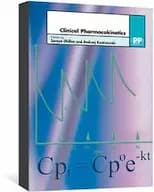
<p>Dhillon, Soraya; Kostrzewski, Andrzej J<br><br>First edition<br><br>Scheduled closure of pharmpress.com<br><br>Edited by Soraya Dhillon - Foundation Professor of Pharmacy and Head of School of Pharmacy, University of Hertfordshire and Andrzej Kostrzewski - Senior Principal Pharmacist, Guys, Kings and St Thomas'<br><br>ISBN 978 0 85369 571 4<br><br>Published Mar 2006<br><br>Paperback 234 x 156mm (280pp)<br><br><br>DESCRIPTION:<br><br> Clinical Pharmacokinetics is a practical guide to the use of pharmacokinetic principles in clinical practice. Over 30 clinical cases with self-study questions and answers are presented throughout to bridge the gap between pharmacokinetic concepts and their practical application to individual patients. <br>Pharmacokinetics is the study of the process of drug absorption, distribution, metabolism and elimination. The aim of applying pharmacokinetic principles is to individualise the dose of drug, and optimise the outcome achieved in each patient. <br>Its application reduces the chance of under-treatment, inadvertent poisoning and dose related adverse effects. <br>CONTENTS:<br><br> 1. Basic pharmacokinetics <br> 2. Therapeutic drug monitoring <br> 3. Clinical pharmacokinetics in renal impairment <br> 4. The effect of liver dysfunction on pharmacokinetics <br> 5. Clinical pharmacokinetics in the elderly <br> 6. Aminoglycosides <br> 7. Digoxin <br> 8. Theophylline <br> 9. Lithium <br> 10. Antiepileptics<br> 11. Ciclosporin <br> 12. Clinical case studies <br> <br>REVIEWS:<br><br> 01-Dec-06, Irish Pharmacy Journal <br>'...the language in the book [is] easy to understand, the font and format appealing and the chapter layout clear and uncluttered...overall this is a useful pharmacokinetics book providing background information and guidance not only to academic students of Pharmacokinetics but also to those needing to apply the principles of pharmacokinetics to real-life clinical situations.' <br> Irish Pharmacy Journal, December 2006, 457<br> 01-Oct-06, The Annals of Pharmacotherapy<br> 'The editors have been successful in making Clinical Pharmcokinetics a quick reference for practical, real-life pharmacokinetic examples...this reference would be a useful supplemental guide for pharmacy students and a helpful addition to pharmacy libraries in patient-care arenas and colleges of pharmacy.' Laurie S Mauro, The Annals of Pharmacotherapy, 2006; 40: 1893 <br> 01-Oct-06, New Zealand Pharmacy <br>'This book is a very practical and relevant resource for any health professional working with drugs which require the application of pharmacokinetic principles because of their narrow therapeutic range, or with patients whose metabolism of drugs may be altered because of their age, renal or liver function...it would also be valuable for students wanting a current resource covering pharmacokinetic principles and relating them to clinical application.' <br> New Zealand Pharmacy, October 2006 <br> </p>Color and Shape:234 x 156mmInjectable Drugs Guide
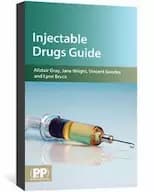
<p>Gray, Alistair; Wright, Jane; Goodey, Vincent; Bruce, Lynn<br><br>First edition<br><br>Scheduled closure of pharmpress.com<br><br>Alistair Gray - Senior Clinical Pharmacist (Community and Paediatric Services), Jane Wright - Lead Pharmacist, Lancashire Care NHS Trust, Vincent Goodey - Deputy Director of Pharmacy, and Lynn Bruce - Senior Clinical Pharmacist (Medical Assessment Unit)<br><br>ISBN 978 0 85369 787 9<br><br>Published Feb 2011<br><br>Paperback 215 x 130mm (928pp)<br><br><br>DESCRIPTION:<br><br> A user friendly, single point of reference for healthcare professionals in the safe and effective administration of injectable medicines. Injectable Drugs Guide is an A-Z of approximately 300 injectable drugs in monograph format, each covering the following topics: <br> - pre-treatment checks <br> - dosing regimens <br> - preparation and administration <br> - compatibility and stability information <br> - monitoring requirements during treatment <br> - side effects, interactions and pharmacokinetic information. <br>The Injectable Drugs Guide is designed to support the NPSA risk assessment process and each drug has a risk rating.<br>The book provides a holistic approach to injectable medicines to meet the needs of the many disciplines involved in the clinical use of injectables, and also those providing advice about injectable drug use.<br> Injectable Drugs Guide is also available as an eBook.<br> <br>CONTENTS:<br><br> Preface<br> How to use the Injectable Drugs Guide monographs<br> Injectable Drugs Guide on Medicines Complete<br> Feedback<br> About the authors<br> Contributors<br> Acknowledgements<br> Abbreviations<br> Monographs A - Z<br> Appendix 1. The basics of injectable therapy<br> Appendix 2. Good management principles<br> Appendix 3. Usual responsibilities of individual practitioners<br> Appendix 4. Advantages and disadvantages to parenteral therapy<br> Appendix 5. Injection techniques and routes<br> Appendix 6. Extravasation<br> Appendix 7. Intravascular devices<br> Appendix 8. Infusion devices<br> Appendix 9. Syringe drivers<br> Appendix 10. Ideal body weight, dosing in patients with renal or hepatic impairment<br> Appendix 11. Risk ratings<br> Index of cross-referenced terms<br> <br>REVIEWS:<br><br> May-2011, Doody's Notes<br> "...the book is a quick guide to the use, admixture, administration, monitoring, storage, physical characteristics, and other clinical information for injectable medications. The tables are well organized and the information is easy to retrieve and follow...This is a quick and dirty, go-to book for information on the use of injectable medications. It is a handy, "just in case" reference (just in case you don't know how to mix or administer, or are unsure of the compatibility of a medication). This is a good reference."<br> Judith Klevan, BA biology, BS Pharmacy (Jeanes Hospital), Doody's Notes, May 2011<br> <br> </p>Color and Shape:215 x 130mmPharmaceutical Isolators
<p>Midcalf, Brian; Phillips, Mitchell; Neiger, John S; Coles, Tim J<br><br>First edition<br><br>Scheduled closure of pharmpress.com<br><br>Edited by Brian Midcalf - Assistant PTQA Course Director, School of Continuing Education, University of Leeds, Mitchell Phillips - West Midlands Quality Assurance Pharmacist, John S Neiger - Chairman, Envair Limited, Haslingden and Tim J Coles - Isolator Specialist, GRC Consultants, Alton<br><br>ISBN 978 0 85369 573 8<br><br>Published May 2004<br><br>Paperback 234 x 156mm (288pp)<br><br><br>DESCRIPTION:<br><br> Pharmaceutical Isolators is an indispensable guide to the design, construction, commissioning, maintenance, use and monitoring of pharmaceutical isolators. The current validation protocols are explained and the book includes some useful technical appendices. <br>Written through the combined technical expertise of the Isolator Working Party, this new title will assist both experienced and new users to understand and manage this technology. The book will also be a useful reference source for auditors, inspectors and all those involved in standard setting and monitoring. <br>CONTENTS:<br><br> 1. Isolator Applications<br> 2. Design<br> 3. Transfer Devices<br> 4. Access Devices<br> 5. Siting of Isolators and Clothing Regimes<br> 6. Cleaning, Decontamination & Disinfection<br> 7. Physical Monitoring<br> 8. Leak Testing<br> 9. Microbiological Monitoring<br> 10. Validation<br> 11. Standards and Guidelines<br> 12. Definiton of Terms<br> A1. 'Handling Cytotoxic Drugs in Isolators in NHS Pharmacies.' HSE/MCA Guidance<br> A2. Training<br> A3. Stainless Steel for Isolators<br> A4. HEPA Filtration Mechanisms, MPPS and Typical Particle Sizes<br> A5. Calculations to Estimate the Size of a Leak That Can Be Detected Using DOP<br> A6. Activated Carbon Filters<br> A7. Useful Tables<br> <br>REVIEWS:<br><br> 01-Mar-05, Drug Development and Industrial Pharmacy <br>'The text is written in a clear and concise manner and desired information is readily accessible.' <br> Linda Felton, University of Mexico, College of Pharmacy, Mexico <br> </p>Color and Shape:234 x 156mmRules and Guidance for Pharmaceutical Manufacturers and Distributors
<p>Medicines and Healthcare products Regulatory Agency<br><br>Scheduled closure of pharmpress.com<br><br>Compiled by the Inspection and Standards Division, Medicines and Healthcare products Regulatory Agency (MHRA), London, UK<br><br>Product code MC_ORANGE<br><br><br>DESCRIPTION:<br><br> Since its first publication in 1971, the MHRA Orange Guide has been an essential reference for all involved in the manufacture or distribution of medicines in Europe. <br>In one convenient and authoritative source, the MHRA Orange Guide brings together all the main European and UK directives, regulations and legislation relating to the manufacture and distribution of medicines.<br>Compiled by the Inspection, Enforcement and Standards Division, Medicines and Healthcare products Regulatory Agency (MHRA), London, UK.<br> <br> <br> <br> <br> <br> </p>Pharmaceutical Toxicology
<p>Mulder, Gerard J; Dencker, Lennart<br><br>First edition<br><br>Scheduled closure of pharmpress.com<br><br>Edited by Gerard J Mulder - Director of Research and Lennart Dencker - Professor and Chairman of Toxicology; Dean, Faculty of Pharmacy at Uppsala University<br><br>ISBN 978 0 85369 593 6<br><br>Published Jun 2006<br><br>Paperback 234 x 156mm (280pp)<br><br><br>DESCRIPTION:<br><br> Pharmaceutical Toxicology explains the methodology and requirements of pre-clinical safety assessments of new medicines. With the focus on medicinal drugs, the most important safety issues of drugs are covered. This includes registration requirements of new drugs and pharmacovigilance. After a general introduction and a number of chapters on basic toxicological principles, organ toxicity of drugs is illustrated by chapters on toxicity in the liver, in the kidney, in the respiratory system and in the immune system. This book combines a broad treatment of the issues relevant for assessing the safety/efficacy balance of a new drug with information on the toxicological knowledge base and methodology. <br>Toxicology studies are carried out on all drug substances to ensure safety. This is an introductory text for students at BSc, MSc and PhD levels, and will be an excellent companion to pharmacology textbooks. <br> <br>CONTENTS:<br><br> 1. General Toxicology<br> 2. Drug Metabolism: Inactivation and Bioactivation of Xenobioptics<br> 3. Molecular and Cellular Mechanisms of Toxicity<br> 4. Teratology<br> 5. Genotoxicity<br> 6. Carcinogenicity of Drugs<br> 7. Liver Toxicity<br> 8. Kidney Toxicity<br> 9. Toxicology in the Respiratory System<br> 10. Immunotoxicity<br> 11. Clinical Toxicology<br> 12. Safety Assessment of Pharmaceuticals: Regulatory Aspects<br> 13. Pharmacovigilance<br> <br>REVIEWS:<br><br> 01-Jun-07, Summer 2007 Issue of the British Toxicology Society Newsletter <br>'...this is a great little book...the text is aimed primarily at new PHD students in the pharmaceutical and related sciences but could equally well serve taught postgraduate students on toxicology, clinical pharmacology, drug development and safety or similar courses. The book 'does exactly what it says on the tin' and will definitely whet the appetite of enthusiastic young researched for toxicology.' <br> Heather M Wallace, Summer 2007 issue of the British Toxicology Society Newsletter <br> 01-Nov-06, Irish Pharmacy Journal <br>'The text is well written, concise and easy to understand with informative and helpful illustrations, figures and tables...it serves as an excellent companion to pharmacology textbooks, dealing with the issues relevant for assessing the safety of new drugs...a good starting point for the novice toxicologist, ambitious undergraduate student or graduate students working in the pharmaceutical sciences.' <br> Irish Pharmacy Journal, November 2006, p418 <br> </p>Color and Shape:234 x 156mmPharmaceutical Compounding and Dispensing
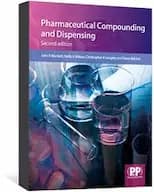
<p>Marriott, John; Wilson, Keith; Langley, Christopher A; Belcher, Dawn<br><br>Second edition<br><br>Scheduled closure of pharmpress.com<br><br>John F Marriott - Senior Lecturer, Pharmacy Practice, Aston University School of Pharmacy, Keith A Wilson - Head of School , Aston University School of Pharmacy, Christopher A Langley - Lecturer in Pharmacy Practice, Aston University School of Pharmacy and Dawn Belcher - Teaching Fellow, Pharmacy Practice, Aston University School of Pharmacy<br><br>ISBN 978 0 85369 912 5<br><br>Published May 2010<br><br>Paperback 246 x 189mm (304pp)<br><br><br>DESCRIPTION:<br><br> Pharmaceutical Compounding and Dispensing is a comprehensive guide to producing extemporaneous formulations safely and effectively. This is a modern, detailed and practical book on the theory and practice of extemporaneous compounding and dispensing. <br>The book covers three core sections:<br> - the history of compounding <br> - pharmaceutical forms and their preparation <br> - product formulae. <br>Pharmacists have been responsible for compounding medicines for centuries. Although most modern medicines are not compounded in a local pharmacy environment, there are still occasions when it is imperative that pharmacists have this knowledge.<br>Fully revised and updated, this new edition of Pharmaceutical Compounding and Dispensing is an indispensable reference for pharmacy students and practicing pharmacists. <br> Videos of dispensing procedures can be viewed with the password from the book. <br> Pharmaceutical Compounding and Dispensing is also available as an eBook. <br> <br>CONTENTS:<br><br> Part 1 - History of compounding<br> 1. Historical perspective<br> 2. Obsolete dosage forms, equipment and methods of preparation<br> 3. Historical weights and measures<br> Part 2 - Pharmaceutical forms and their preparation<br> 4. Key formulation skills<br> 5. Extemporaneous dispensing<br> 6. Solutions<br> 7. Suspensions<br> 8. Emulsions<br> 9. Creams<br> 10. Ointments, pastes and gels<br> 11. Suppositories and pessaries<br> 12. Powders and capsules<br> 13. Specialised formulation issues<br> Part 3 - Product formulae<br> 14. Creams<br> 15. Dusting powders<br> 16. Internal mixtures<br> 17. Liniments, lotions and applications<br> 18. Ointments and pastes<br> 19. Powders<br> 20. Miscellaneous formulae<br> Appendix 1. Glossary of terms used in formulations<br> Appendix 2. Abbreviations commonly used in pharmacy<br> Appendix 3. Changing substance names from British Approved Names to recommended International Non-Proprietary Names<br> <br>REVIEWS:<br><br> February 2011, American Journal of Pharmaceutical Education<br> "The book is well received, since there are few textbooks or reference books available devoted specifically to compounding. The authors should be commended for emphasizing the historical content in tandem with the preparation instruction...the book remains a good resource for anyone interested in compounding"<br> Christine R. Birnie, PhD, American Journal of Pharmaceutical Education 75(1), Feb 2011<br> </p>Color and Shape:246 x 189mmJournal of Pharmacy and Pharmacology
<p>Jones, DS<br><br>Scheduled closure of pharmpress.com<br><br>Edited by D Jones, Queen's University of Belfast, UK<br><br>ISSN 0022-3573<br><br>Paperback 275 x 210mm<br><br><br>DESCRIPTION:<br><br> The Royal Pharmaceutical Society's learned journals are published by Oxford University Press on behalf of the Society. Journal of Pharmacy and Pharmacology, one of the leading pharmaceutical sciences journals has been published continuously since 1870 and monthly since 1949. The Journal publishes original research papers, critical reviews and rapid communications on the latest developments in the pharmaceutical sciences. <br> Aims and Scope <br> JPP keeps pace with new research on how drug action may be optimized by new technologies, and attention is given to understanding and improving drug interactions in the body. At the same time, the journal maintains its established and well-respected core strengths in areas such as pharmaceutics and drug delivery, experimental and clinical pharmacology, biopharmaceutics and drug disposition, and drugs from natural sources. JPP publishes at least one special issue on a topical theme each year. <br> Abstracting and Indexing <br> Journal of Pharmacy and Pharmacology is included in the following abstracting and indexing databases: <br> - CAB Abstracts - including Abstracts of Hygiene and Communicable Diseases, Index Veterinarius, Nutrition Abstracts and Reviews A, Review of Aromatic and Medicinal Plants, Tropical Diseases Bulletin, Veterinary Bulletin, and Veterinary Science Database <br> - Cambridge Scientific Abstracts - including International Pharmaceutical Abstracts, and Neurosciences Abstracts <br> - Chemical Abstracts/CAplus Elsevier Databases - including CrossFire Beilstein, EMBASE/Excerpta Medica, and Scopus <br> - MANTIS Database <br> - Medline <br> - OCLC ArticleFirst <br> - Thomson Reuters Databases - including Biological Abstracts, BIOSIS Previews, Biotechnology Citation Index, Chemistry Reaction Center, ChemPrep, Current Chemical Reactions, Current Chemical Reactions Database, Current Contents: Life Sciences, Derwent Drug File, Index Chemicus, Reaction Citation Index, and Science Citation Index <br> - Zetoc <br>Readership <br>Its audience includes pharmaceutical scientists,pharmacologists,regulatory professionals,formulation scientists, process chemists and analytical chemists <br> <br> </p>NVR 3-778
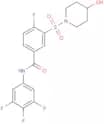
CAS:<p>NVR 3-778 is a first-in-Class and oral bioavailable HBV CAM belonging to the SBA class It has anti-HBV activity.</p>Formula:C18H16F4N2O4SPurity:99.74%Color and Shape:SolidMolecular weight:432.39CALM1 Protein, Human, Recombinant
<p>Calmodulin (CaM) is a multifunctional intermediate calcium-binding messenger protein expressed in all eukaryotic cells.</p>Color and Shape:Lyophilized PowderMolecular weight:16 KDa (reducing condition)CALM2 Protein, Human, Recombinant (His)
<p>Calmodulin 2, also known as CALM2, is a calmodulin.</p>Color and Shape:Lyophilized PowderMolecular weight:18.7 kDa (predicted); 19-22 kDa (reducing conditions)W-7 hydrochloride
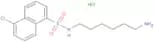
CAS:<p>W-7 hydrochloride (W-7 HCl), a calmodulin antagonist, inhibits Ca2+-calmodulin-dependent myosin light chain kinase and phosphodiesterase, W-7 hydrochloride</p>Formula:C16H22Cl2N2O2SPurity:99.63%Color and Shape:White Crystalline SolidMolecular weight:377.32Psoralenoside
CAS:<p>Psoralenoside: a compound from Psoralea fruit; has estrogenic, osteoblastic, antitumor, and antibacterial properties.</p>Formula:C17H18O9Purity:99.03% - 99.49%Color and Shape:SolidMolecular weight:366.32W-9 hydrochloride
CAS:<p>W-9 hydrochloride is a calmodulin antagonist.</p>Formula:C16H22Cl2N2O2SPurity:98.9%Color and Shape:SolidMolecular weight:377.33