Transporter
Transporter proteins are involved in the movement of molecules across cellular membranes, playing vital roles in nutrient uptake, waste removal, and drug resistance. Inhibitors of transporter proteins are used to study the function of these proteins in various physiological and pathological processes, including metabolic disorders, cancer, and drug delivery. By modulating transporter activity, researchers can gain insights into cellular transport mechanisms and develop novel therapeutic strategies. At CymitQuimica, we provide a range of transporter inhibitors to support your research in pharmacology, cell biology, and metabolic regulation.
Found 48 products for "Transporter".
Filter by
Purity percentage
0
100
|
0
|
50
|
90
|
95
|
100
- Lower prices
- Higher prices
- Lower purities
- Higher purities
- Faster estimated delivery
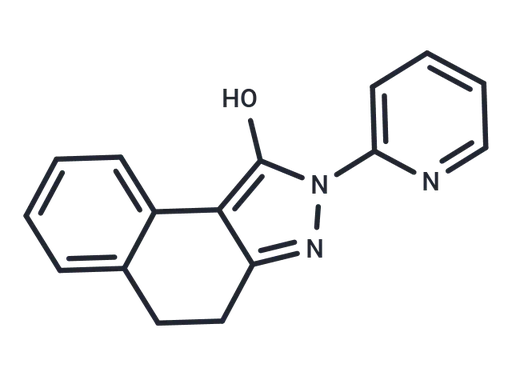
DMT1 blocker 2
CAS:Compound 12f, a DMT1 blocker, inhibits DMT1 with a 0.83 IC50, potentially blocking intestinal iron absorption.Formula:C16H13N3OPurity:99.68%Color and Shape:SolidMolecular weight:263.2939Cinromide
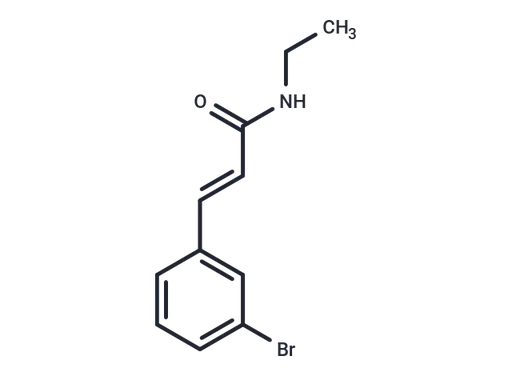
CAS:Cinromide (trans-3-Bromo-N-ethylcinnamamide) is used as a novel anticonvulsant agent.Formula:C11H12BrNOPurity:98.52% - 98.63%Color and Shape:White SolidMolecular weight:254.12Brilliant Yellow
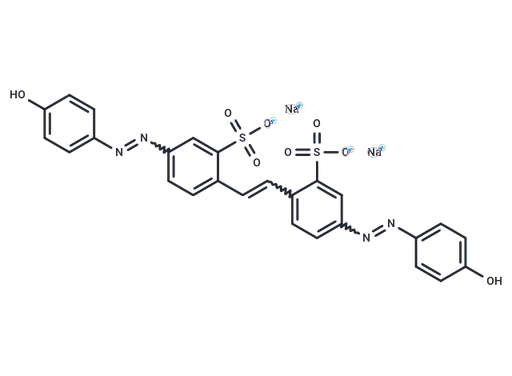
CAS:Brilliant Yellow (Direct Yellow 4) is a potent and selective VGLUT inhibitor, a dye that is photodegradable.Formula:C26H18N4Na2O8S2Purity:97.09% - 99.91%Color and Shape:SolidMolecular weight:624.55SLC26A3-IN-1
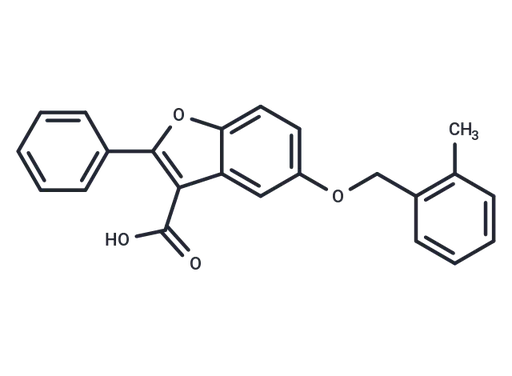
CAS:"SLC26A3-IN-1 inhibits SLC26A3, an anion transporter linked to diarrhea, with 340 nM IC50."Formula:C23H18O4Purity:99.02%Color and Shape:SolidMolecular weight:358.3866LDN-212320
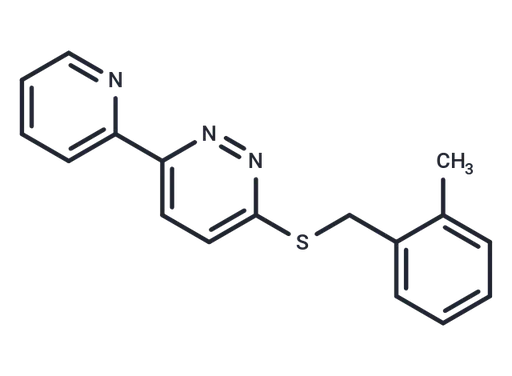
CAS:LDN-212320 (OSU-0212320) is a glutamate transporter EAAT2 activator. It also enhances EAAT2 levels by > 6 fold at concentrations < 5 μM after 24 h.Formula:C17H15N3SPurity:98.18%Color and Shape:SolidMolecular weight:293.386Benztropine mesylate
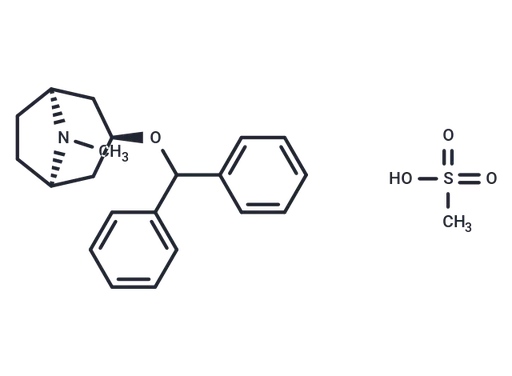
CAS:Benztropine mesylate (Benztropine methanesulfonate) is a centrally active muscarinic antagonist that has been used in the symptomatic treatment of PARKINSONFormula:C21H25NO·CH4SO3Purity:99.89% - 99.96%Color and Shape:White Crystalline Powder; Odourless Or Almost OdourlessMolecular weight:403.53Promazine hydrochloride
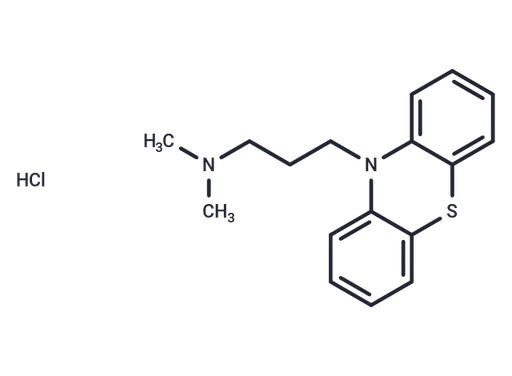
CAS:Promazine hydrochloride, a phenothiazine less potent than chlorpromazine, treats disturbed behavior and nausea.Formula:C17H21ClN2SPurity:99.90%Color and Shape:SolidMolecular weight:320.88GPNA hydrochloride
CAS:GPNA hydrochloride inhibits Gln transporter ASCT2, induces apoptosis in A549 cells, blocks SNAT1/2/4/5 & LAT1/2 transporters, and is a GGT substrate.Formula:C11H14ClN3O5Purity:99.13%Color and Shape:White SolidMolecular weight:303.699D-Carnitine hydrochloride
CAS:D-Carnitine hydrochloride ((S)-Carnitine Hydrochloride), a constituent of striated muscle and liver, is used in the treatment of hyperlipoproteinemias.Formula:C7H16ClNO3Purity:99.77%Color and Shape:White ViscousMolecular weight:197.66Membrane Protein-targeted Compound Library
Membrane proteins are a class of proteins widely found in biological cell membranes, playing essential roles in the structure and function of cells. Based on their location and function, membrane proteins can be classified into three main categories: peripheral membrane proteins, integral membrane proteins, and lipid-anchored proteins. Membrane proteins encompass a variety of functional proteins, including glycoproteins, carrier proteins, and enzymes. They are often linked to carbohydrate molecules, which can transmit signals into the cell by undergoing structural changes, participating in signal transduction processes. Membrane proteins perform a range of critical functions, including substance transport, signal transduction, cell recognition, and energy conversion. In drug development, membrane proteins, especially G protein-coupled receptors (GPCRs), ion channels, and transporters, are of particular interest. Many diseases are related to the malfunction of specific membrane proteins. Therefore, drugs designed to target these proteins can regulate their activity, aiming to treat diseases. TargetMol has collected 6422 compounds that target membrane proteins, which can be used for membrane protein-related scientific research and drug screening, suitable for high-throughput and high-content screening.Color and Shape:Odour SolidChromium chloride
CAS:Chromium chloride is a trivalent chromium compound and one of the sources of trace elements essential for the body. It enhances insulin-mediated GLUT4 translocation and glucose uptake, regulates glucose and lipid metabolism, and inhibits oxidative stress and the production of inflammatory factors (such as TNF-α). In addition, chromium chloride can reduce lipid deposits in blood vessels and lower serum cholesterol levels, and is commonly used in research related to type 2 diabetes, metabolic syndrome, and atherosclerosis.Formula:Cl3CrMolecular weight:158.36Rapaglutin A
Rapaglutin A is a glucose transporter (GLUT) inhibitor. It acts as a pan-GLUT inhibitor for the class I isomers GLUT1, GLUT3, and GLUT4, with an IC50 of 12 nM. Additionally, Rapaglutin A inhibits the proliferation of A549 cells.Formula:C64H87N7O14Color and Shape:SolidMolecular weight:1177.6311EAAT2 activator 2
EAAT2 activator2 (Compound 4(SF-2)) is a brain-penetrant modulator of excitatory amino acid transporter 2 (EAAT2) with a Ki of 28.7 nM. This compound enhances EAAT2-mediated glutamate uptake and improves synaptic glutamate clearance. EAAT2 activator2 holds potential for research into neurodegenerative diseases, such as amyotrophic lateral sclerosis and Alzheimer's disease.Color and Shape:Odour SolidMSNBA
CAS:MSNBA inhibits GLUT5 fructose uptake (KI: 3.2±0.4 μM) in MCF7 cells, serving as a potent GLUT5 probe.Formula:C14H12N2O6SPurity:99.95%Color and Shape:SolidMolecular weight:336.32WZB117-PPG
WZB117-PPG is an inhibitor of glucose transporter 1 (GLUT1) with anticancer properties. Under visible light irradiation, this compound demonstrates significant photolytic efficiency and cytotoxicity toward cancer cells.Formula:C50H43FN2O14Color and Shape:SolidMolecular weight:914.26983GLUT inhibitor-1
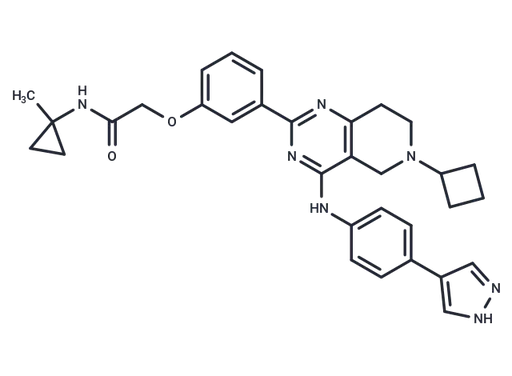
CAS:GLUT inhibitor-1: oral, targets GLUT1/3 (IC50: 242/179 nM), for cancer/autoimmune research.Formula:C32H35N7O2Purity:97.35%Color and Shape:SolidMolecular weight:549.666SW157765
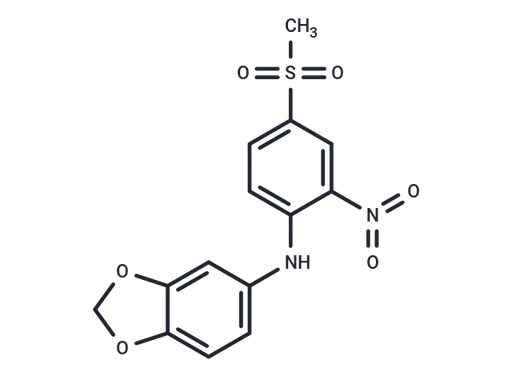
CAS:SW157765 is a glucose transporter GLUT8 inhibitor that inhibits the uptake of fluorescent 2-deoxyglucose (2DG) in SW157765-sensitized cells.Formula:C19H13N3O3Purity:98.67% - 99.90%Color and Shape:Yellow SolidMolecular weight:331.3248VB1-050
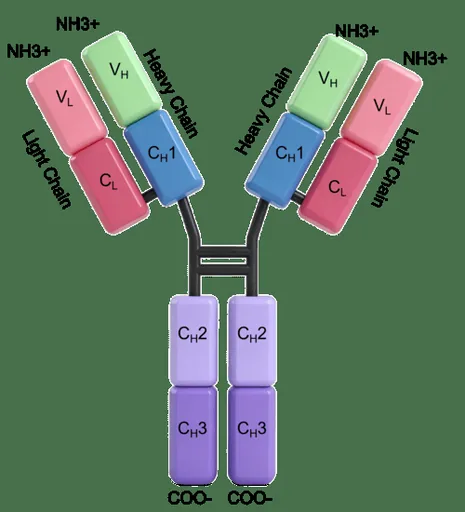
VB1-050 serves as a functional therapeutic tool specifically designed to enable the precise detection and neutralization of the GLUT8 protein which is associated with increased metastatic potential and poor patient prognosis during strictly monitored laboratory observation periods and functional assays. VB1-050 demonstrates the capacity to facilitate rapid internalization into the intracellular compartment following high-affinity binding to its cognate antigen, thereby providing a robust platform for the development of antibody-drug conjugates in specialized oncological research environments.KL-11743
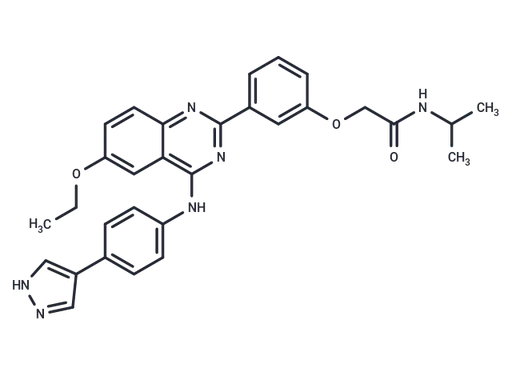
CAS:KL-11743 blocks glucose metabolism, collapses NADH, and increases aspartate, shifting cells to oxidative phosphorylation.Formula:C30H30N6O3Purity:98.46% - 99.57%Color and Shape:SolidMolecular weight:522.5976Indican
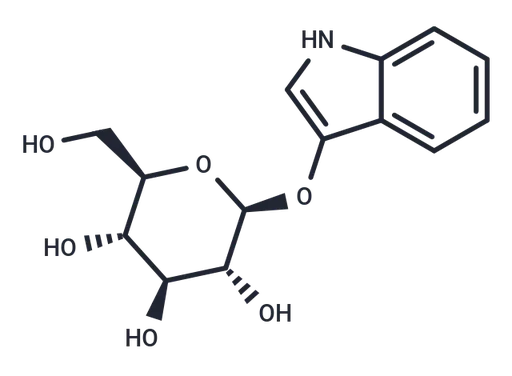
CAS:Indican (Indoxyl-β-D-glucoside) is a natural protective compound that is used to protect the liver.Formula:C14H17NO6Purity:99.78% - 99.92%Color and Shape:Yellow SolidMolecular weight:295.2879