PPAR
Peroxisome Proliferator-Activated Receptors (PPARs) are a group of nuclear receptor proteins that function as transcription factors regulating the expression of genes involved in metabolism, particularly fatty acid storage and glucose metabolism. PPAR inhibitors are important tools for studying metabolic disorders such as diabetes, obesity, and cardiovascular diseases. These inhibitors can modulate lipid metabolism, insulin sensitivity, and inflammation, making them valuable in therapeutic research. At CymitQuimica, we offer a range of PPAR inhibitors to support your research in metabolic diseases, endocrinology, and drug development.
Found 179 products for "PPAR".
Filter by
Purity percentage
0
100
|
0
|
50
|
90
|
95
|
100
- Lower prices
- Higher prices
- Lower purities
- Higher purities
- Faster estimated delivery
Chiglitazar
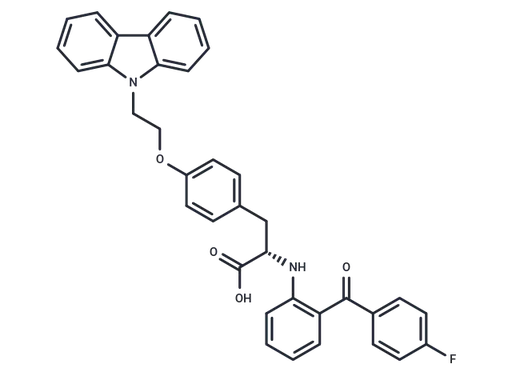
CAS:Chiglitazar is a PPAR α/γ/δ agonist and insulin sensitizer used in the treatment of type 2 diabetes mellitus , anti-inflammatory and anti-fibrotic.Formula:C36H29FN2O4Purity:99.81%Color and Shape:SolidMolecular weight:572.63ARH-049020
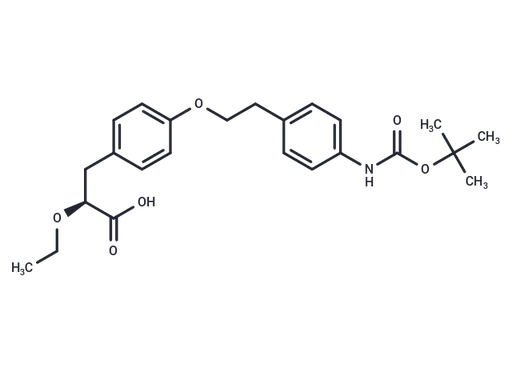
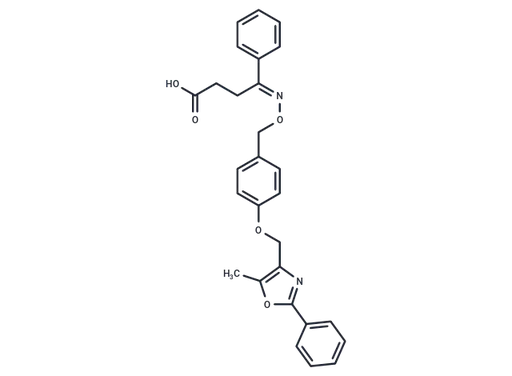
CAS:ARH-049020, a peroxisome proliferator-activated receptor (PPAR) agonist, is used potentially for the treatment of insulin resistance and type 2 diabetes.Formula:C24H31NO6Purity:99.45% - 99.79%Color and Shape:SolidMolecular weight:429.51Reglitazar
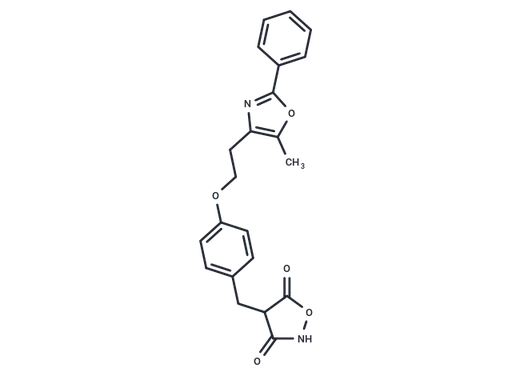
CAS:Reglitazar, a dual PPARα/γ agonist, enhances insulin signaling, reduces insulin resistance, and lowers hypertriglyceridemia in obese rats.Formula:C22H20N2O5Purity:97.07% - 98.9%Color and Shape:SolidMolecular weight:392.4(E)-CLX-0921
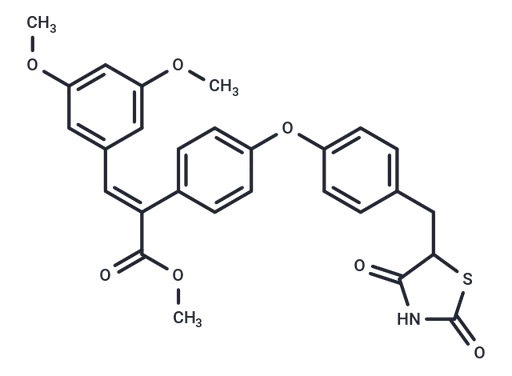
CAS:THR-0921 (CLX-0921) is a peroxisome proliferator-activated receptor (PPAR) agonist that can be used to study cardiovascular and metabolic diseases.Formula:C28H25NO7SPurity:100% - 99.83%Color and Shape:White SolidMolecular weight:519.57Cevoglitazar
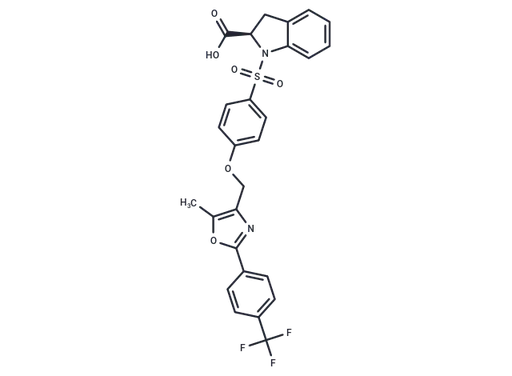
CAS:Cevoglitazar (LBM-642) is a PPARɑ agonist and PPARγ agonist. Cevoglitazar potently reduces food intake and body weight in obese mice and cynomolgus monkeys.Formula:C27H21F3N2O6SPurity:97%Color and Shape:SolidMolecular weight:558.53BAY-0069
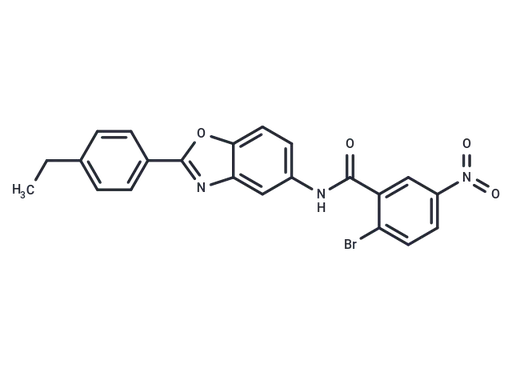
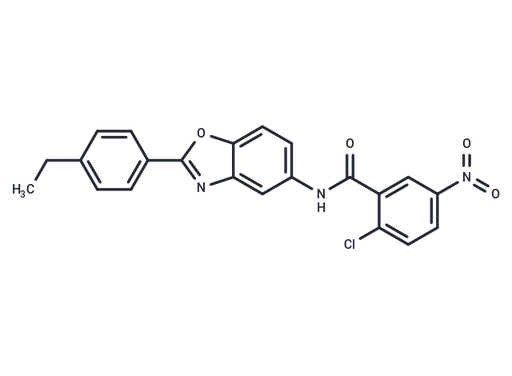
CAS:BAY-0069 is a potent and selective PPARγ transactivator that inhibits human PPARγ and murine PPARγ with IC50s of 6.3 nM and 24 nM, respectively.BAY-0069 can beFormula:C22H16BrN3O4Purity:99.42%Color and Shape:SoildMolecular weight:466.28Dazmegrel
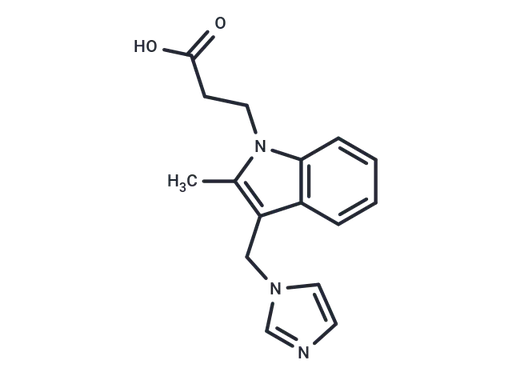
CAS:Dazmegrel (UK 38,485) is a thromboxane A2 (TXA2) synthase inhibitor for the prevention of increased whole platelet aggregation in normal pregnancy.Formula:C16H17N3O2Purity:98.81%Color and Shape:SolidMolecular weight:283.3251Farglitazar
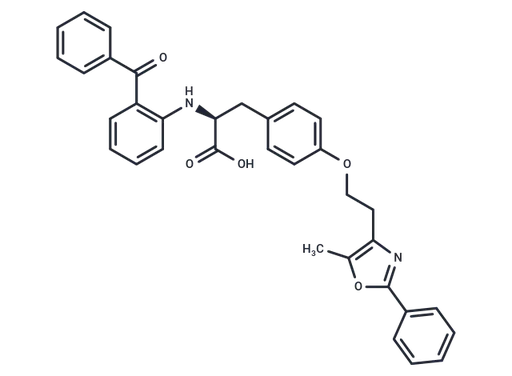
CAS:Farglitazar (GI-262570) is a PPAR-γ agonist and insulin sensitizer used in the study of diabetes.Formula:C34H30N2O5Purity:99.4% - 99.86%Color and Shape:SolidMolecular weight:546.61K-111
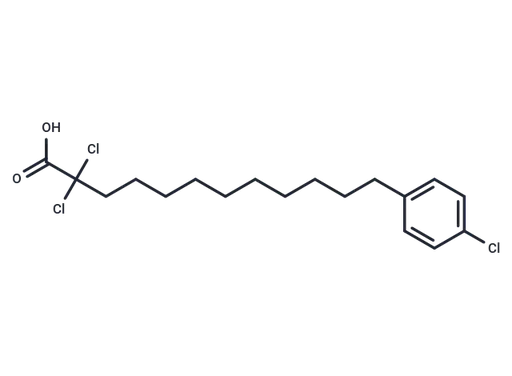
CAS:K-111 is a PPAR alpha agonist. K-111 improves insulin resistance, reducing bodyweight, and ameliorating atherogenic dyslipidemia.Formula:C18H25Cl3O2Purity:99.64% - 99.95%Color and Shape:SolidMolecular weight:379.75BAY-4931
CAS:BAY-4931 is a powerful, covalent, and selective inverse-agonist of PPARγ, exhibiting an IC50 value of 0.17 nM.Formula:C22H16ClN3O4Purity:99.73%Color and Shape:SoildMolecular weight:421.83Indeglitazar
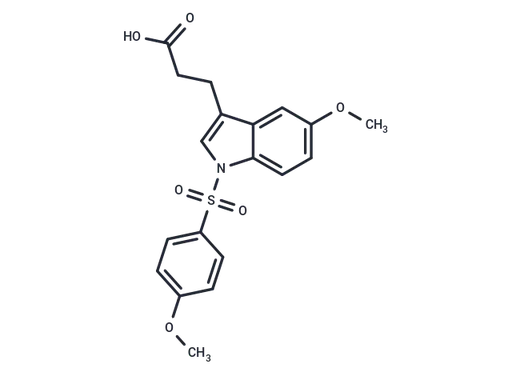
CAS:Indeglitazar (PPM 204) is orally available pan-agonist of PPAR (PPAR subtypes alpha (α), delta (δ), and gamma (γ)).Formula:C19H19NO6SPurity:99.45%Color and Shape:SolidMolecular weight:389.42Linotroban
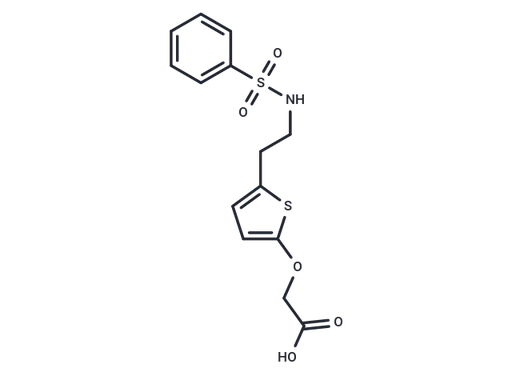
CAS:Linotroban(CL-871502) is a potent selective thromboxane (TXA2) receptor antagonist with antithrombotic activity.Formula:C14H15NO5S2Purity:97.06% - >99.99%Color and Shape:SolidMolecular weight:341.4Imiglitazar
CAS:Imiglitazar (TAK559) is a potent PPAR-β/δ receptor agonist with hypoglycemic effects.Formula:C28H26N2O5Purity:97.33%Color and Shape:SolidMolecular weight:470.52PPAR agonist 1
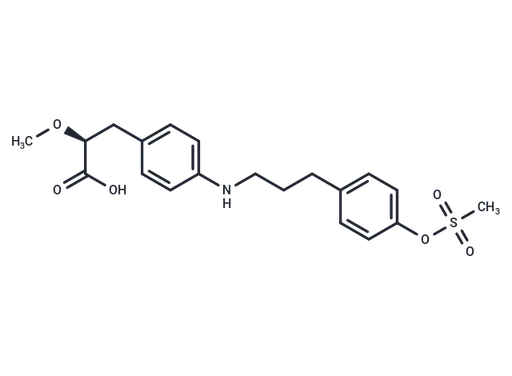
CAS:PPAR agonist 1 is an agonist of PPAR α/γ, used for reducing blood glucose, lipid levels, reducing body weight, and lowering cholesterol.Formula:C20H25NO6SPurity:98%Color and Shape:SolidMolecular weight:407.48Edaglitazone
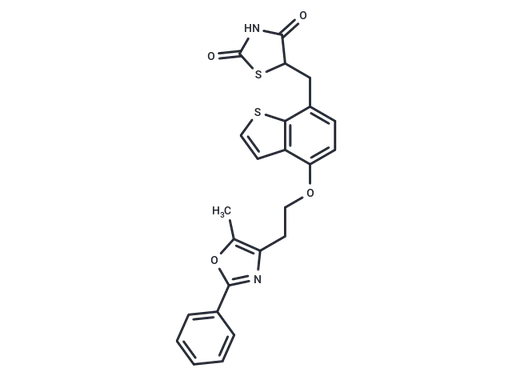
CAS:Edaglitazone (R-483) is a PPARγ agonist with antiplatelet activity that can be used in studies of diabetes and obesity.Formula:C24H20N2O4S2Purity:98%Color and Shape:SolidMolecular weight:464.56AVE-8134
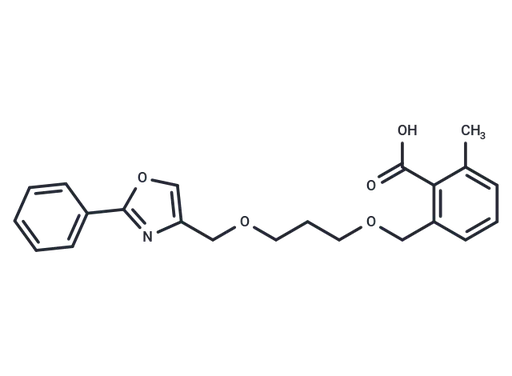
CAS:AVE-8134 is an agonist of PPARα. For human and rodent PPARα receptor, the EC50 values are 100 and 3000 nM, respectively.Formula:C22H23NO5Purity:98%Color and Shape:SolidMolecular weight:381.42KD-3010
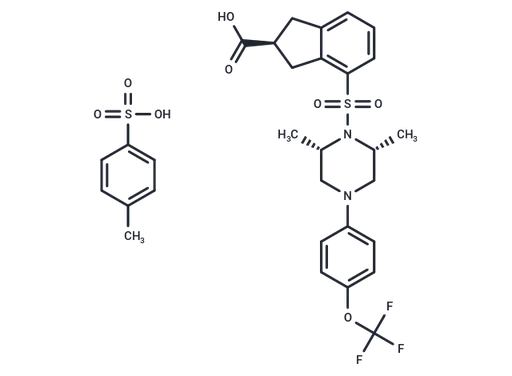
CAS:KD-3010 (Kalypsys) is an orally active potent and selective PPARδ agonist for the study of liver injury.Formula:C30H33F3N2O8S2Purity:99.61%Color and Shape:SolidMolecular weight:670.72LCB-2853
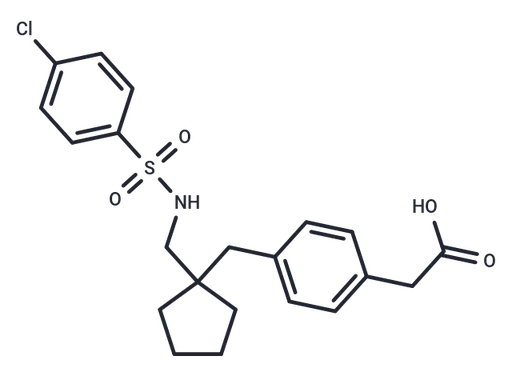
CAS:LCB-2853 is a potent thromboxane A2/prostaglandin H2 (TXA2/PGH2) receptor antagonist with antiplatelet aggregation, antivasospasm, and antithrombotic effects.Formula:C21H24ClNO4SPurity:97.15%Color and Shape:SolidMolecular weight:421.94PPARγ agonist 8
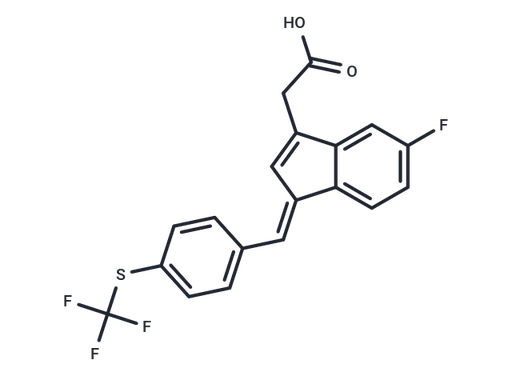
CAS:PPARγ agonist 8, a compound that acts on the peroxisome proliferator-activated receptor gamma (PPARγ), has been shown to stimulate peroxisome proliferatorFormula:C19H12F4O2SPurity:98%Color and Shape:SolidMolecular weight:380.36Darglitazone
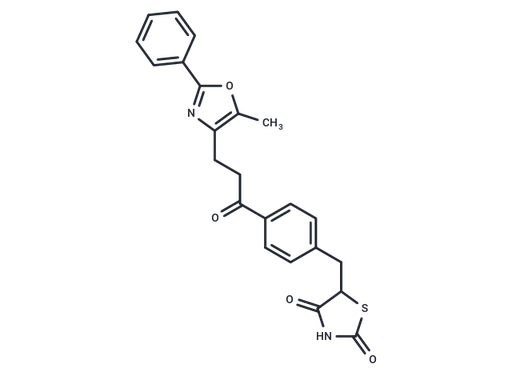
CAS:Darglitazone (CP-86325) is a potent, selective agonist of PPAR-γ with antidiabetic actions.Formula:C23H20N2O4SPurity:99.76%Color and Shape:SolidMolecular weight:420.48