Organometallic Ligands
In this category, you will be able to find a large number of organometallic molecules used as ligands in biomolecules. These organometallic ligands can be used in organic chemistry and synthesis in the laboratory. They play a critical role in forming coordination complexes and catalyzing various chemical reactions. At CymitQuimica, we offer a diverse selection of high-quality organometallic ligands to support your research and industrial needs.
Subcategories of "Organometallic Ligands"
- Buchwald Ligands(22 products)
- DPEN(4 products)
- DPHEN(4 products)
- JOSIPHOS(4 products)
- Phosphine(497 products)
- Porphirines(75 products)
Found 2887 products of "Organometallic Ligands"
Sort by
Purity (%)
0
100
|
0
|
50
|
90
|
95
|
100
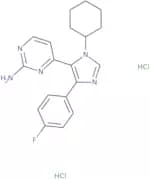
PF 670462
CAS:<p>Casein kinase (CK1ε and CK1ÎŽ) inhibitor</p>Formula:C19H20FN5·2HClPurity:Min. 95%Molecular weight:410.32 g/molGBR 12935 dihydrochloride
CAS:<p>Dopamine reuptake inhibitor</p>Formula:C28H34N2O•(HCl)2Purity:Min. 95%Color and Shape:PowderMolecular weight:487.5 g/molDiacerein - Bio-X ™
CAS:<p>Diacerein is a slow-onset anthraquinone IL-1 inhibitor that is used in the treatment of joint diseases such as osteoarthritis. This drug is also being studied for the treatment of insulin resistance and diabetes mellitus. Diacerein works to decrease inflammation and cartilage destruction by reducing the level of interleukin-1.</p>Formula:C19H12O8Purity:Min. 95%Color and Shape:PowderMolecular weight:368.29 g/molDapagliflozin - Bio-X ™
CAS:<p>Dapagliflozin is a sodium-glucose cotransporter subtype 2 (SGLT2) inhibitor that can be used in the treatment of diabetes mellitus type 2. It inhibits glucose reabsorption in the proximal tubule of the nephron and results in glycosuria, which helps to improve glycaemic control. Also, Dapagliflozin is used to lower the risk of sustained eGFR decline, end-stage renal disease, cardiovascular death, and hospitalization for heart failure in patients with chronic kidney disease who are at risk of progression.</p>Formula:C21H25ClO6Purity:Min. 99 Area-%Color and Shape:PowderMolecular weight:408.87 g/molBL 918
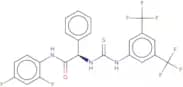
CAS:<p>A potent small-molecule activator of UNC-51-like kinase 1 (ULK1), a serine-threonine kinase involved in autophagy. Promotes cytoprotective autophagy in MPP+-treated SH-SY5Y cells, via the ULK complex. Improves motor dysfunction and reduces loss of dopaminergic neurons, mediated by MPTP, in in vivo models of Parkinson’s disease.</p>Formula:C23H15F8N3OSPurity:Min. 95%Color and Shape:PowderMolecular weight:533.44 g/molEltrombopag - Bio-X ™
CAS:<p>Eltrombopag is an agonist of thrombopoietin receptor TpoR, which triggers activation of the JAK2/STAT5 signalling pathway. This drug is indicated in individuals with thrombocytopenia since it leads to increased proliferation of megakaryocyte progenitor cells and increased production of platelets. Eltrombopag also enhances expansion of human umbilical cord blood hematopoietic stem/primitive progenitor cells and promotes hematopoiesis.</p>Formula:C25H22N4O4Purity:Min. 95%Color and Shape:PowderMolecular weight:442.47 g/molCP 671305
CAS:<p>Inhibitor of PDE4 enzyme</p>Formula:C23H19FN2O7Purity:Min. 95%Color and Shape:SolidMolecular weight:454.4 g/molCetilistat - Bio-X ™
CAS:<p>Cetilistat is a drug that is used to treat obesity. This drug inhibits the enzyme pancreatic lipase and so it prevents triglycerides from being hydrolyzed into absorbable free fatty acids.</p>Formula:C25H39NO3Purity:Min. 95%Color and Shape:PowderMolecular weight:401.58 g/molFM 19G11
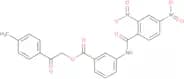
CAS:<p>Inhibitor of HIF1-α transcription factor and repressor of HIF1-α-regulated genes in adult and embryonic stem cell models as well as in tumoral cell lines. FM19G11 inhibits the expression of undifferentiating factors Oct4, Sox2, Nanog, and Tgf-α at transcriptional and protein level. FM 19G11 affects also epigenetic events by reducing histone acetylation and leading to repression of p300, a HIF-transcription activation co-factor.</p>Formula:C23H17N3O8Purity:Min. 95%Color and Shape:SolidMolecular weight:463.4 g/molLodoxamide
CAS:<p>Lodoxamide is a type of ophthalmic medication known as a mast cell stabilizer, which is chemically synthesized from non-steroidal structures. It works by inhibiting the degranulation of sensitized mast cells and subsequent release of inflammatory mediators such as histamine. This action is achieved through the stabilization of the cell membrane of mast cells, thus preventing cellular activation.</p>Formula:C11H6ClN3O6Purity:Min. 95 Area-%Molecular weight:311.63 g/molCisplatin - Bio-X ™
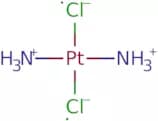
CAS:<p>Cisplatin, also known as cisplatinum, is a platinum-based anti-cancer agent that inhibits the EGFR, which is a receptor tyrosine kinase. It has been shown to have anti-cancer effects in melanoma cells and to inhibit tumor growth in mice. Cisplatin acts by interfering with the mechanism of DNA repairing. It loses one chloride ligand and binds to DNA to inhibit the synthesis, causing DNA damage, and thus inducing apoptosis in cancer cells. In certain studies, the use of cisplatin in combination with other metal chelators has shown improvement in the uptake of the anticancer drug. CisplatiN - Bio-X™ is part of our Bio-X™ Range. These products are aimed at life science researchers who need high quality ready to use products for assay development, screening or other R&D work. With a solubility datasheet and convenient vials, all of our Bio-X™ products are in stock across our global warehouses for rapid delivery and ease of use.</p>Formula:Cl2H6N2PtPurity:Min. 99%Color and Shape:PowderMolecular weight:300.05 g/molCerivastatin sodium
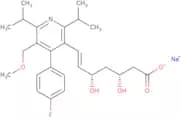
CAS:<p>An inhibitor of 3-hydroxy-3-methylglutaryl coenzyme A (HMG-CoA) reductase that reduces total cholesterol and low-density lipoprotein (LDL). Cerivastatin is cardioprotective and anti-atherosclerotic. Cerivastatin inhibits the expression of the atherosclerotic genes monocyte chemoattractant protein-1 (MCP-1) and C-C chemokine receptor type 2 (CCR2), whilst inducing the expression of Kruppel-like factor 2 (KLF2).</p>Formula:C26H33FNNaO5Purity:Min. 98 Area-%Color and Shape:PowderMolecular weight:481.53 g/molSU 0268
CAS:<p>Inhibitor of 8-oxoguanine DNA glycosylase OGG1 with IC50 of 0.059 μM and excellent specificity over other DNA repair enzymes. OGG1 and its substrate 8-oxoguanine are involved in mutagenesis, genotoxicity, inflammation and cancer. The compound can cause accumulation of 8-oxoguanine in DNA in vitro and is a potent tool for the study of OGG1 biology.</p>Formula:C26H25N3O4SPurity:Min. 95%Color and Shape:White PowderMolecular weight:475.56 g/molLomustine - Bio-X ™
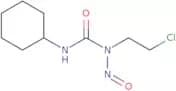
CAS:<p>Lomustine is an alkylating agent that is used as chemotherapy for treating metastatic brain tumors and relapsed Hodgkin’s disease in combination with radiation treatments. This drug causes alkylation and cross-linking of DNA, thus inducing cytotoxicity. Furthermore, this drug inhibits DNA synthesis.</p>Formula:C9H16ClN3O2Purity:Min. 95%Color and Shape:PowderMolecular weight:233.7 g/molOmeprazole - Bio-X ™
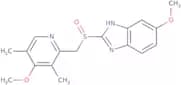
CAS:<p>Omeprazole is a proton pump inhibitor (PPI) that inhibits the production of gastric acid in the stomach. This is due to Omeprazole binding through a stable disulphide bond to the H+/K+ ATPase enzyme found on parietal cells, and preventing hydrogen ion transport. Consequently, gastric acid secretion is supressed. As a PPI, Omerprazole can be used to treat disorders where gastric acid is over-secreted. Examples of these disorders are gastroesophageal reflux disease (GERD) and peptic ulcer disease.</p>Formula:C17H19N3O3SPurity:Min. 95%Color and Shape:PowderMolecular weight:345.42 g/molRN 486
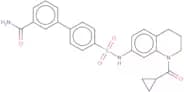
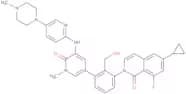
CAS:<p>Bruton's tyrosine kinase antagonist; reduces Fcγ receptor signaling</p>Formula:C35H35FN6O3Purity:Min. 95%Molecular weight:606.69 g/molRabeprazole sodium salt - Bio-X ™
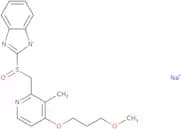
CAS:<p>Rabeprazole is a proton pump inhibitor drug that is used to treat symptoms of GERD, heal gastrointestinal ulcers and eradicate Helicobacter pylori. This antiulcer drug suppresses gastric acid by inhibiting the gastric H+/K+ ATPase at the parietal cell.</p>Formula:C18H20N3O3SNaPurity:Min. 95%Color and Shape:PowderMolecular weight:381.43 g/molEliglustat
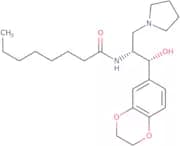
CAS:<p>Eliglustat is an oral medication used as a substrate reduction therapy for Gaucher disease type 1, which is an inherited lysosomal storage disorder. This product is a small-molecule inhibitor derived via chemical synthesis. Its primary mode of action involves the selective inhibition of glucosylceramide synthase, an enzyme responsible for the first committed step in glycosphingolipid biosynthesis. By reducing the production of glucosylceramide, eliglustat decreases the substrate accumulation that contributes to the pathophysiology of Gaucher disease.</p>Formula:C23H36N2O4Purity:Min. 97 Area-%Color and Shape:White PowderMolecular weight:404.54 g/molCapmatinib
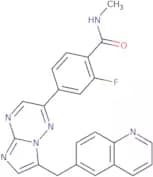
CAS:<p>Selective c-Met kinase inhibitor</p>Formula:C23H17FN6OPurity:Min. 95 Area-%Color and Shape:Slightly Yellow PowderMolecular weight:412.42 g/molSitravatinib
CAS:<p>Inhibits multiple receptor tyrosine kinases (RTKs), including c-Kit, PDGFRβ, PDGFRα, c-Met, and Axl. Sitravatinib inhibits proliferation of sarcoma cells and reduced tumor growth in vivo. Promotes immune response in tumor microenvironment and enhances sensitivity to immune checkpoint inhibitors. This compound is undergoing several clinical trials as a potential anti-cancer therapeutic agent.</p>Formula:C33H29F2N5O4SPurity:Min. 95%Color and Shape:SolidMolecular weight:629.68 g/mol